预约演示
更新于:2025-08-29

China Tobacco Yunnan Industrial Co. Ltd.
更新于:2025-08-29
概览
关联
100 项与 云南中烟工业有限责任公司 相关的临床结果
登录后查看更多信息
登录后查看更多信息
2025-09-01EUROPEAN JOURNAL OF PHARMACOLOGY
Effects of flavor ingredient ethyl vanillin on nicotine pharmacokinetics and neurotransmitters release
Article
作者: Zhang, Qidong ; Guo, Lulu ; Mao, Jian ; Sun, Jingping ; Tian, Shu ; Wang, Huanli ; Liu, Fuqiang ; Fan, Wu ; Zhu, Yunhe ; Xie, Jianping
BACKGROUND:
Ethyl vanillin, a key flavoring agent in tobacco, but its impact on nicotine pharmacokinetics and neurotransmitters relearse remains poorly understood.
RESULTS:
Nicotine-administeted Sprague-Dawley rats were injected with vehicle or 1.0 mg/kg ethyl vanillin. Nicotine and its metabolite in blood and brain were quantified using real-time microdialysis coupled with HPLC-MS/MS. Compared to the Nicotine-only group, which showed a Cmax of 152.07 ng mL-1 and an AUC(0-300 min) of 14.64 μg min·mL-1, co-administration with ethyl vanillin significantly elevated blood nicotine levels, increasing the Cmax and AUC(0-300 min) to 294.23 ng mL-1 and 24.74 μg min·mL-1, respectively. Molecular docking analysis revealed ethyl vanillin exhibits stronger binding affinity with cytochrome P4502A6 (CYP2A6) compared to nicotine. Additionally, ethyl vanillin had minimal impact on nicotine-induced dopamine and γ-aminobutyric acid release in the nucleus accumbens.
CONCLUSION:
This study demonstrated that ethyl vanillin increassed nicotine concentration in rat blood but had minimal impact on neurotransmitter release or brain nicotine levels. Ethyl vanillin exhibits stronger binding affinity with CYP2A6 compared to nicotine. These findings offer new insights into the pharmacokinetic and neurobiological effects of ethyl vanillin in tobacco products.
2025-08-13JOURNAL OF AGRICULTURAL AND FOOD CHEMISTRY
Isolation, Anti-TMV Activity, and Modes of Action of Novel Isochromene and Isoquinoline Derivatives from Streptomyces mirabilis YMZU50
Article
作者: Hu, Qiu-Fen ; Pu, Gui ; Zhang, Yan-Qun ; Yang, Feng-Xian ; Liu, Hua-Yin ; Zhang, Yu-Mei ; Zhang, Rong ; Li, Jin ; Yang, Guang-Yu
Fourteen compounds, including three new isochromenes (1-3) and four new isoquinolines (4-7), were isolated from Streptomyces mirabilis YMZU50. The anti-tobacco mosaic virus (TMV) activities of compounds 1-8 and 13 were evaluated. Compound 6 exhibited the strongest inactivation and protective effects, with inhibition rates of 76.8 and 80.2%, respectively, surpassing the positive control ningnanmycin (45.8 and 43.6%). It also demonstrated curative effects in mildly (grades 1-3) and severely (grade 9) infected plants, reducing severity to grades 1 and 3, respectively. Transmission electron microscopy (TEM) observations confirmed a direct viral particle disruption. Physiological and biochemical analyses revealed a significant enhancement of defense-related enzymes and salicylic acid (SA)accumulation in tobacco. Transcriptomic profiling indicated strong upregulation of photosynthesis-related genes, while metabolomic analysis revealed changes in defense-associated metabolites. These results demonstrate compound 6 as a promising eco-friendly antiviral agent with multimodal TMV control mechanisms, underscoring the potential of Streptomyces-derived products for sustainable crop protection.
2025-08-01INTERNATIONAL JOURNAL OF FOOD MICROBIOLOGY
Strawberry preservation using multilayer chitosan films grafted with phenolic acids and loaded with γ-CD-MOFs encapsulated antifungal agents
Article
作者: Li, Jianlong ; Ming, Tingyin ; Li, Ganpeng ; Lu, Ya ; Mou, Linyun ; Jiang, Ziyi ; Zhang, Lingzhi ; Jiang, Wei ; Yuan, Hai
Post-harvest spoilage of strawberries is a pressing issue that requires urgent attention. This study successfully isolated and identified two saprophytic fungi responsible for strawberry rot-Aspergillus tubingensis and Alternaria alternata. Subsequently, the response surface methodology was employed to optimize the concentration ratios of citral, geraniol, and menthol, aiming to maximize their combined effect on inhibiting fungal growth. Molecular docking techniques were employed to investigate the binding targets of these active substances with 14α-demethylase (CYP51). The antifungal agents at optimized concentrations were loaded into γ-cyclodextrin metal-organic frameworks (γ-CD-MOFs) and uniformly dispersed within a multilayer film composed of phenolic acid-grafted modified chitosan. This approach significantly enhanced (P < 0.05) the mechanical properties of chitosan, including fracture tensile strain among others, while also endowed it with dual functionalities of antifungal and antioxidant effects. Additionally, it offered excellent controlled-release characteristics, ensuring a steady and continuous release of active ingredients. Finally, the application of multilayer films to postharvest strawberries significantly reduced the decay rate (P < 0.001) and weight loss (P < 0.05), while also limiting their respiratory intensity. In summary, the multilayer film demonstrates excellent preservation effects on strawberries, thus holding broad application prospects in food preservation.

100 项与 云南中烟工业有限责任公司 相关的药物交易
登录后查看更多信息
100 项与 云南中烟工业有限责任公司 相关的转化医学
登录后查看更多信息
组织架构
使用我们的机构树数据加速您的研究。
登录
或
管线布局
2026年02月07日管线快照
无数据报导
登录后保持更新
药物交易
使用我们的药物交易数据加速您的研究。
登录
或
转化医学
使用我们的转化医学数据加速您的研究。
登录
或
营收
使用 Synapse 探索超过 36 万个组织的财务状况。
登录
或
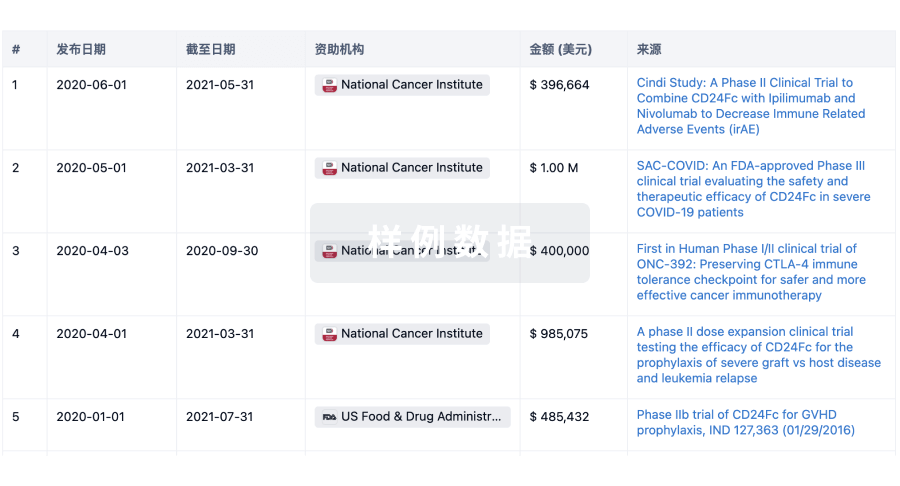
科研基金(NIH)
访问超过 200 万项资助和基金信息,以提升您的研究之旅。
登录
或
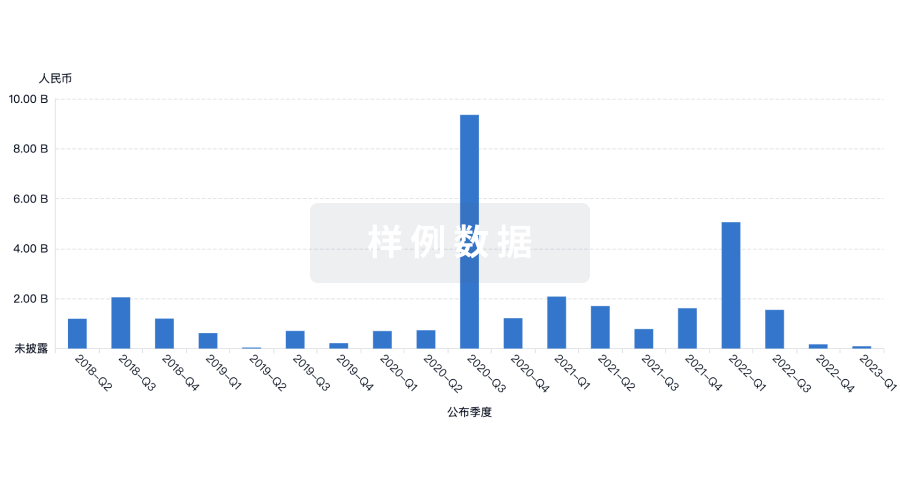
投资
深入了解从初创企业到成熟企业的最新公司投资动态。
登录
或
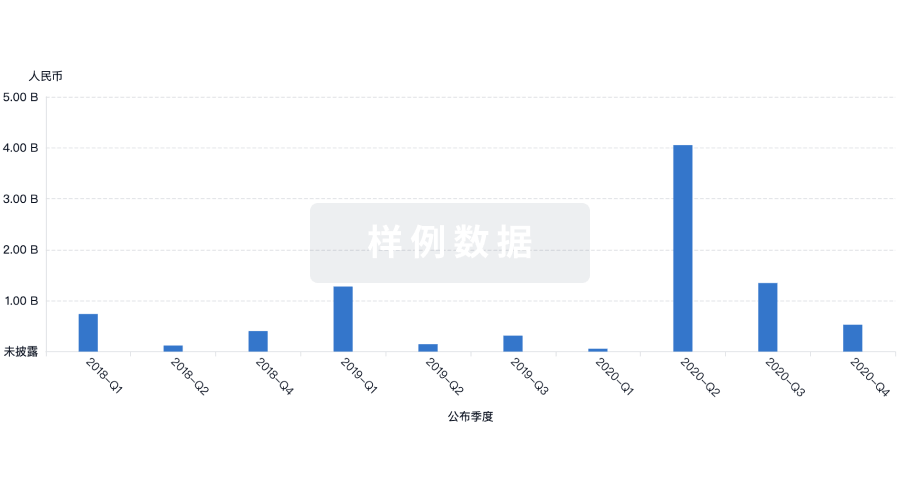
融资
发掘融资趋势以验证和推进您的投资机会。
登录
或
生物医药百科问答
全新生物医药AI Agent 覆盖科研全链路,让突破性发现快人一步
立即开始免费试用!
智慧芽新药情报库是智慧芽专为生命科学人士构建的基于AI的创新药情报平台,助您全方位提升您的研发与决策效率。
立即开始数据试用!
智慧芽新药库数据也通过智慧芽数据服务平台,以API或者数据包形式对外开放,助您更加充分利用智慧芽新药情报信息。
生物序列数据库
生物药研发创新
免费使用
化学结构数据库
小分子化药研发创新
免费使用