预约演示
更新于:2026-06-28

Johnson & Johnson Innovation LLC
更新于:2026-06-28
概览
关联
100 项与 Johnson & Johnson Innovation LLC 相关的临床结果
登录后查看更多信息
0 项与 Johnson & Johnson Innovation LLC 相关的专利(医药)
登录后查看更多信息
3
项与 Johnson & Johnson Innovation LLC 相关的文献(医药)2022-09-03·Neuropsychology, development, and cognition. Section B, Aging, neuropsychology and cognition4区 · 心理学
Reliability and Validity of a Home-Based Self-Administered Computerized Test of Learning and Memory Using Speech Recognition
4区 · 心理学
Article
作者: Camacho, Monica R. ; Weiner, Michael ; Morrison, Randall ; Narayan, Vaibhav A. ; Mackin, R. Scott ; Mosca, Kenneth ; Finley, Shannon ; Ashford, Miriam ; Rhodes, Emma ; Truran, Diana ; Seabrook, Guy ; Insel, Philip S. ; Nosheny, Rachel
INTRODUCTION:
The objective of this study is to evaluate the reliability and validity of the ReVeReTM word list recall test (RWLRT), which uses speech recognition, when administered remotely and unsupervised.
METHODS:
Prospective cohort study. Participants included 249 cognitively intact community dwelling older adults. Measures included clinician administered neuropsychological assessments at baseline and unsupervised remotely administered tests of cognition from six time-points over six months.
RESULTS:
The RWLRT showed acceptable validity. Reliability coefficients varied across time points, with poor reliability between times 1 and 2 and fair-to-good reliability across the remaining five testing sessions. Practice effects were observed with repeated administration as expected.
DISCUSSION:
Unsupervised computerized tests of cognition, particularly word list learning and memory tests that use speech recognition, have significant potential for large scale early detection and long-term tracking of cognitive decline due to AD.
Nature microbiology1区 · 生物学
Mucin O-glycans suppress quorum-sensing pathways and genetic transformation in Streptococcus mutans
1区 · 生物学
Article
作者: Wheeler, Kelsey M ; Aoki, Kazuhiro ; Burgos, Ana C ; Tiemeyer, Michael ; Mileti, Cassidy J ; Tymm, Carly ; Ribbeck, Katharina ; Werlang, Caroline A ; Kim, Kris ; Chen, Wesley G
Mucus barriers accommodate trillions of microorganisms throughout the human body while preventing pathogenic colonization1. In the oral cavity, saliva containing the mucins MUC5B and MUC7 forms a pellicle that coats the soft tissue and teeth to prevent infection by oral pathogens, such as Streptococcus mutans2. Salivary mucin can interact directly with microorganisms through selective agglutinin activity and bacterial binding2-4, but the extent and basis of the protective functions of saliva are not well understood. Here, using an ex vivo saliva model, we identify that MUC5B is an inhibitor of microbial virulence. Specifically, we find that natively purified MUC5B downregulates the expression of quorum-sensing pathways activated by the competence stimulating peptide and the sigX-inducing peptide5. Furthermore, MUC5B prevents the acquisition of antimicrobial resistance through natural genetic transformation, a process that is activated through quorum sensing. Our data reveal that the effect of MUC5B is mediated by its associated O-linked glycans, which are potent suppressors of quorum sensing and genetic transformation, even when removed from the mucin backbone. Together, these results present mucin O-glycans as a host strategy for domesticating potentially pathogenic microorganisms without killing them.
Alzheimer's research & therapy2区 · 医学
The effect of galantamine on brain atrophy rate in subjects with mild cognitive impairment is modified by apolipoprotein E genotype: post-hoc analysis of data from a randomized controlled trial
2区 · 医学
ArticleOA
作者: Fox, Nick C ; Prins, Niels D ; Knol, Dirk L ; Nye, Jeffrey S ; Scheltens, Philip ; Brashear, H Robert ; van der Flier, Wiesje A ; Barkhof, Frederik
Abstract:
Introduction:
The aim of this investigation was to assess the effect of galantamine, an acetylcholinesterase inhibitor and allosteric modulator of nicotinic receptors, on brain atrophy in individuals with mild cognitive impairment (MCI), and to assess effect modification by apolipoprotein E (APOE) genotype.
Methods:
We used data from the Galantamine-International-11 (Gal-Int-11) trial, a 24-month, randomized, double blind, placebo-controlled, flexible-dose (16 to 24 mg daily) study in patients with MCI. Brain magnetic resonance imaging (MRI), including a 3-dimensional T1-weighted gradient echo volumetric sequence, was performed at screening and at 24 months. We recorded whole brain and hippocampal volumes, and calculated annual atrophy rates. Linear regression analysis was used to calculate adjusted mean differences in the rate of whole brain and hippocampal atrophy, between MCI patients treated with galantamine and with placebo. Additionally, we performed stratified analyses according to APOE genotype.
Results:
Data from 364 MCI patients with 24-month MRI data (galantamine, n = 176; placebo, n = 188) were included in the volumetric analysis. Subjects treated with galantamine demonstrated a lower rate of whole brain atrophy compared to those treated with placebo (adjusted mean difference 0.18% per year (95% confidence interval (CI) 0.04; 0.30)). Stratified analyses according to APOE genotype, showed that this effect was confined to patients who carried an APOE ϵ4 allele (adjusted mean difference 0.28% per year (95% CI 0.07; 0.50)). Rates of hippocampal atrophy did not differ significantly between study groups.
Conclusions:
Patients with MCI who were treated with galantamine demonstrated a lower rate of whole brain atrophy, but not of hippocampal atrophy, over a 24-month treatment period, compared to those treated with placebo. This protective effect of galantamine on whole brain atrophy rate in MCI was only present in APOE ϵ4 carriers.
323
项与 Johnson & Johnson Innovation LLC 相关的新闻(医药)2026-06-23
Johnson & Johnson’s corporate venture capital organization, Johnson & Johnson Innovation – JJDC, Inc. (“JJDC”), and BGF join existing investors Cambridge Innovation Capital, DDF, M Ventures, Pfizer Ventures, Eli Lilly and Company, MP Healthcare Venture Management (MPH), Cambridge Enterprise Ventures
CAMBRIDGE, England--(BUSINESS WIRE)--TRIMTECH Therapeutics (TRIMTECH or the Company), a biotechnology company developing novel small molecule therapies that target and degrade protein aggregates associated with neurodegenerative diseases, today announced it has raised an additional $14 million in seed funding, bringing the total for the round to $47 million (£35 million). The financing was led by Johnson & Johnson’s corporate venture capital organization, Johnson & Johnson Innovation – JJDC, Inc. (“JJDC”), and BGF, who join existing investors. This new funding will support the Company as it progresses its proprietary platforms and differentiated portfolio.
Founded on decades of pioneering academic research into the protein TRIM21, a novel E3-ligase, TRIMTECH has demonstrated its TRIMTAC
®
and TRIMGLUE
®
degraders can selectively degrade toxic protein aggregates and oligomers whilst leaving the functional monomeric forms of these proteins intact to support healthy cellular function. This opens up much needed small molecule approaches for indications that affect very large populations. With over 55 million people affected by Alzheimer’s disease and millions more battling other neurodegenerative disorders, this groundbreaking innovation has the potential to transform the course of treatment for these patients.
Dr Nicki Thompson, CEO, TRIMTECH Therapeutics, said:
“
We welcome JJDC and BGF as investors in our seed financing round and thank them for their support. This additional funding allows us to forge ahead with developing our portfolio of CNS penetrant degraders based on our unique platforms. TRIMTECH has incredibly strong scientific foundations combined with a world leading team augmented by a globally recognised investor syndicate – I’m excited to work with this exceptional group, to deliver the next phase of growth for the company.
”
Following this seed extension round, representatives from JJDC and BGF, will join TRIMTECH Therapeutics Board as non-executive directors.
Contacts
Media Contact
Katie Odgaard
Katie.odgaard@zymecommunications.com
蛋白降解靶向嵌合体
2026-06-15
MELBOURNE, Australia, June 15, 2026 (GLOBE NEWSWIRE) --
ENA Respiratory
, a clinical-stage pharmaceutical company developing innate immune modulators for the prevention of complications associated with respiratory viral infections in at-risk populations, announces today that it has received a Notice of Allowance from the U.S. Patent and Trademark Office (USPTO) for two patent applications, notably a composition-of-matter patent and method-of-use for its Toll-like receptor 2 (TLR2) therapies.
A composition-of-matter patent (US 17/622,451, "A series of TLR2 agonist compounds") and
A method-of-use patent for the treatment of rhinovirus-mediated exacerbations of chronic obstructive pulmonary disease (COPD) (US 16/495,829, "Methods of treating rhinovirus-mediated exacerbations of COPD through TLR2 agonist therapy").
Rhinovirus is the most commonly identified viral trigger of Acute Exacerbation of Chronic Obstructive Pulmonary Disease (AECOPD), the primary driver of COPD morbidity and mortality, with respiratory viral infections associated with up to 64% of exacerbation events and rhinovirus accounting for the majority of virus-positive cases.¹˒² Despite this, no licensed vaccine or antiviral against rhinovirus exists. In the United States, COPD accounts for approximately 854,000 emergency department visits, over 335,000 hospitalisations and around 142,000 deaths annually.³
This USPTO allowance further strengthens ENA Respiratory’s IP portfolio for INNA-051 and TLR agonists, bringing the total to 55 granted patents and allowed applications across major global markets, including the US, Europe, the United Kingdom, Japan and China. The portfolio covers seven distinct patent families, with claims directed to the composition of matter for INNA-051 and various backup molecules, formulations and a method of use protection, as part of a comprehensive lifecycle management strategy. ENA Respiratory has an additional 39 pending applications in various jurisdictions.
ENA Respiratory’s CEO, Christophe Demaison, PhD said:
“These allowances further strengthen a portfolio that already provides broad protection for our INNA-051 program with potential exclusivity for INNA-051 out to at least 2042 and likely beyond. US 17/622,451 protects the composition of matter of our TLR2 agonist platform, and US 16/495,829 secures targeted method-of-use protection for INNA-051 as a preventive treatment for rhinovirus-mediated COPD exacerbations — a population facing enormous unmet need with no approved antiviral or vaccine. With our Phase IIa community clinical study progressing well in the USA, these new allowances reinforce our confidence in the future global commercial value of INNA-051 as we advance through clinical development.”
The ongoing
Phase II ‘POSITS’ study
(NCT07222670) is evaluating the safety, tolerability and efficacy of a once-weekly, dry powder nasal spray in up to three months’ treatment with INNA-051 and assessing its impact on the incidence, duration and severity of symptomatic infections caused by common respiratory viruses, including influenza, RSV, rhinovirus, and coronaviruses in young adult participants at risk of illness due to living or working in crowded environments.
REFERENCES: ¹ Seemungal et al.
Am J Respir Crit Care Med.
2001;164(9):1618–23. ² Wilkinson et al.
Thorax.
2017;72:919–27. ³ CDC, National Centre for Health Statistics. FastStats: COPD. Accessed June 2026.
About ENA Respiratory
ENA Respiratory is a clinical-stage pharmaceutical company tackling respiratory viral infections through the development of host defence enhancers which locally prime and boost the body’s natural first line of defence against invading pathogens. Being virus-agnostic, ENA’s approach offers a solution to protect against common and emerging respiratory viruses for which vaccines or direct-acting antivirals have limitations or do not exist.
The company’s lead product, INNA-051, is being developed as a convenient, once-a-week nasal dry powder product to reduce the impact of viral respiratory infections and prevent severe complications in at-risk populations, including the elderly, those with an underlying medical condition (including chronic lung conditions, diabetes, kidney disease, and cardiovascular disease) and individuals with occupational risk (e.g. first responders, military or essential services personnel).
INNA-051 is a potent agonist of toll-like receptor 2/6 (TLR2/6) which plays a key role in recognising pathogens and potentiating innate immune responses. With a safety pro seasonal prophylaxis use, it has demonstrated accelerated virus clearance and stimulation of antiviral host defences, including IFN Type I & III responses, in a Phase IIa proof-of-principle study using a human influenza-challenge model.
Headquartered in Melbourne, Australia, with operations in the USA, ENA’s Investors include Brandon Capital, Flu Lab, the Gates Foundation, the Minderoo Foundation, Stoic Venture Capital and Uniseed. The Company is partnered with the US COPD Foundation to support patient-focused clinical development of INNA-051 in COPD and has been awarded contracts from the U.S. Government. It is an alumni member of BLUE KNIGHT™, a joint initiative between Johnson & Johnson Innovation and BARDA designed to accelerate novel potential solutions for future pandemics.
For more information, please visit
Follow us on LinkedIn:
For further information, please contact:
Media – Australia
Ruth Heenan, E: rheenan@bcpvc.com M: +61 (0)416 565 332
Media – International
Charles Consultants
Sue Charles, E:
Sue.charles@charles-consultants.com
M: +44 (0)7968 726585
Chris Gardner, E:
Chris@CGComms.onmicrosoft.com
M: +44 (0)7956 031077
临床2期免疫疗法临床结果
2026-06-11
iStock,
Panuwach
Instead of using viral vectors, SonoThera’s genetic medicines are delivered through an ultrasound-mediated technology that could help sidestep key safety issues with conventional delivery methods.
Following the completion of its oversubscribed series B, San Francisco’s SonoThera will have $125 more in capital that it can use to advance its pipeline of genetic medicines that don’t use virus vectors for delivery.
The money will go toward SonoThera’s lead programs in Duchenne muscular dystrophy (DMD) and autosomal dominant polycystic kidney disease (ADPKD), which the biotech plans to take into clinical development, according to a
Wednesday news release
. The series B proceeds will also allow SonoThera to broaden its pipeline across other organ systems.
“Many diseases remain beyond the reach of today’s genetic medicines,” the biotech’s CEO Kenneth Greenberg said in a prepared statement. SonoThera’s goal is “to take a fundamentally different approach” to genetic medicines, with a platform that enables “more precise, durable, safer, and repeatable therapies for patients,” he added.
Traditionally, gene therapies are
packaged into viruses
that have been engineered to be inert and non-infectious. The objective here is to be able to take these genetic payloads to their target cells and safely integrate them into the host’s DNA, in turn establishing stable expression of the payload gene in the patient.
Adeno-associated viruses (AAVs) are the most common vector of choice and have been established as largely safe when used at low doses. The FDA has approved certain AAV-based gene therapies, including CRISPR Therapeutics and Vertex Pharmaceuticals’
Casgevy
, indicated for sickle cell disease and beta thalassemia, and Sarepta Therapeutics’ DMD treatment
Elevidys
.
Notably, however, these products carry warnings for safety concerns, particularly those that affect the liver. That’s because AAVs are still immunogenic and
accumulate in the liver
, where they can trigger a potentially dangerous immune reaction.
This particular safety hitch came to a head in March last year, when a patient on Elevidys
died
due to acute liver failure. Another
Elevidys-linked death followed
months later, followed by the
death of a patient
in a clinical trial for an investigational gene therapy from Sarepta for limb-girdle muscular dystrophy that uses the same vector platform as Elevidys. The FDA ultimately
hit the drug
with a boxed warning and narrowed its use to ambulatory patients.
Gene therapy
Sarepta’s Woes Put the Stalwart AAV Under a Harsh Light
In the wake of multiple patient deaths from liver injuries related to Sarepta Therapeutics’ AAV gene therapy platform, some in the sector are looking for ways to improve the current technology, while others are eager to move on.
August 11, 2025
·
7 min read
·
Dan Samorodnitsky
Read more
SonoThera wants to do away with AAVs entirely and instead use a proprietary ultrasound-mediated approach, avoiding off-target effects and liver issues, as well as opening up the delivery of DNA or RNA constructs “of unlimited size,” according to the biotech’s
website
.
Many big names have thrown their support behind this approach, with Wednesday’s series B raise involving investors such as Leaps by Bayer, Otsuka, RA Capital, Vida Ventures, ARCH Venture Partners, Johnson & Johnson Innovation and Vertex Ventures.
基因疗法
100 项与 Johnson & Johnson Innovation LLC 相关的药物交易
登录后查看更多信息
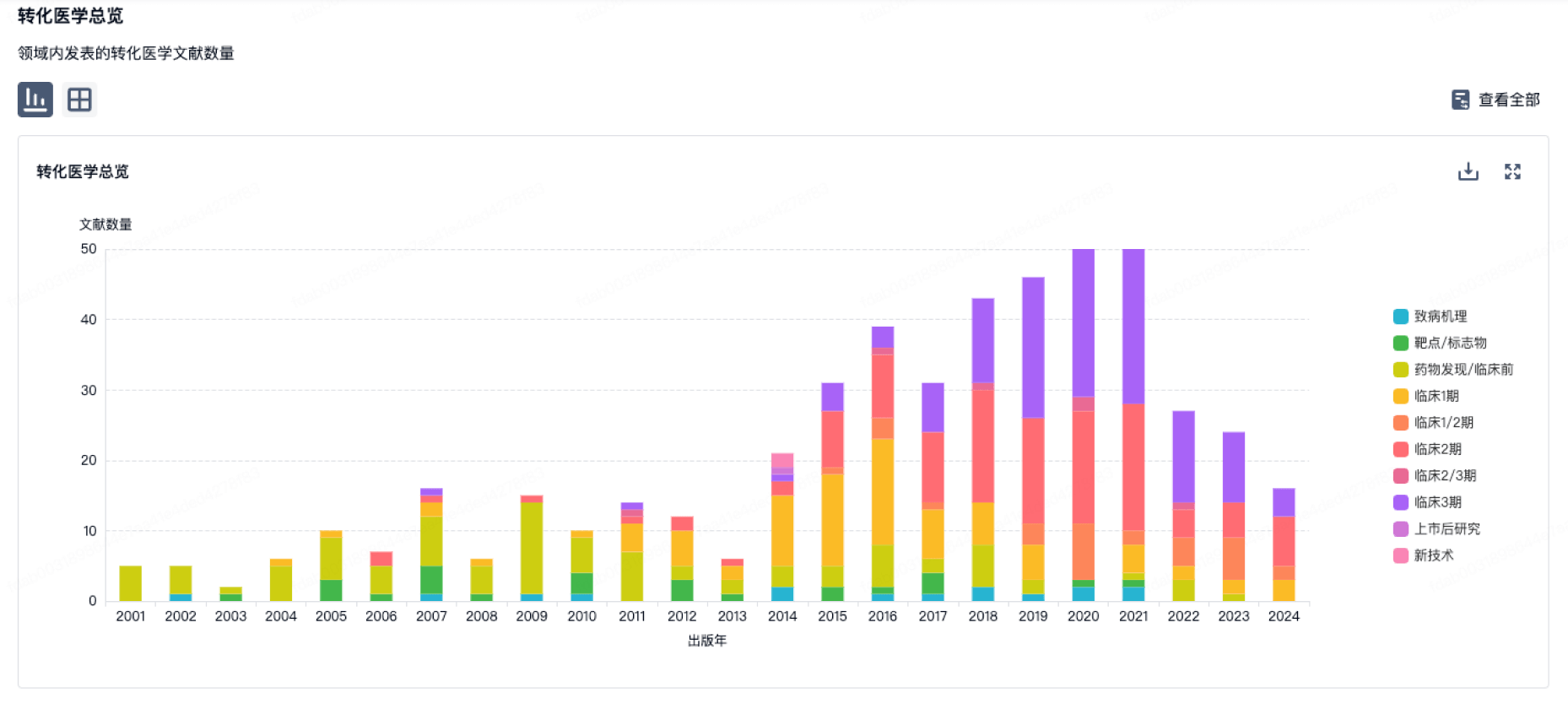
100 项与 Johnson & Johnson Innovation LLC 相关的转化医学
登录后查看更多信息
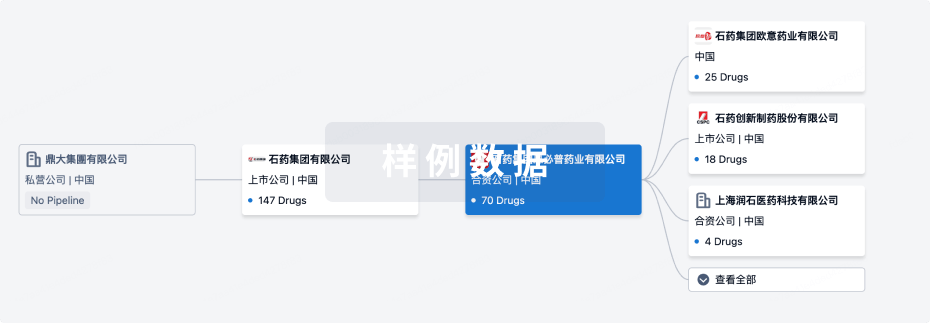
组织架构
使用我们的机构树数据加速您的研究。
登录
或
管线布局
2026年10月11日管线快照
管线布局中药物为当前组织机构及其子机构作为药物机构进行统计,早期临床1期并入临床1期,临床1/2期并入临床2期,临床2/3期并入临床3期
其他
2
登录后查看更多信息
药物交易
使用我们的药物交易数据加速您的研究。
登录
或

转化医学
使用我们的转化医学数据加速您的研究。
登录
或
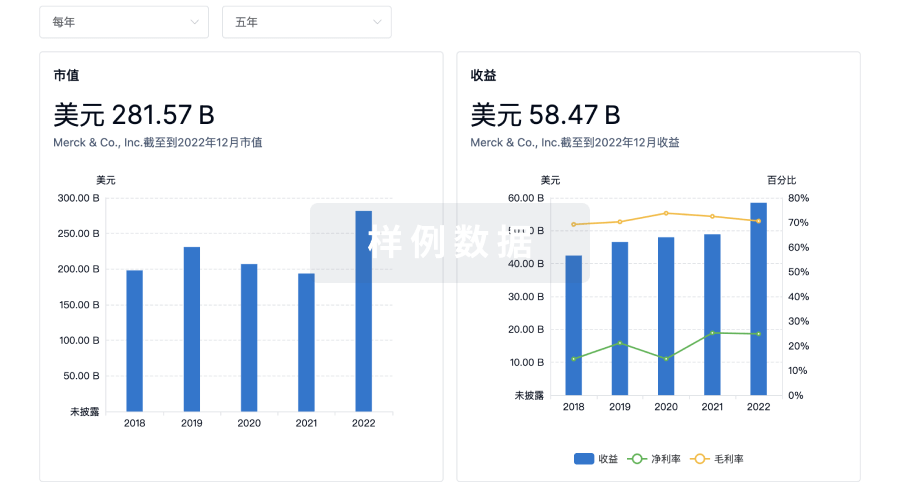
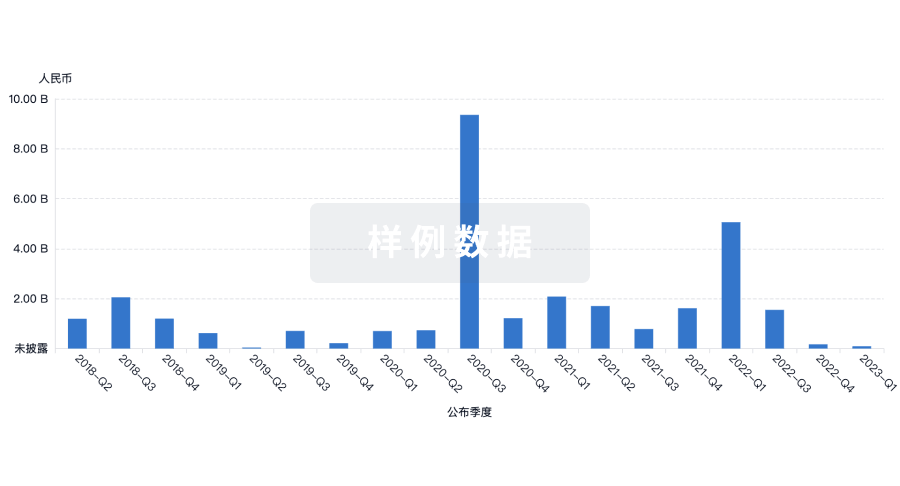
营收
使用 Synapse 探索超过 36 万个组织的财务状况。
登录
或
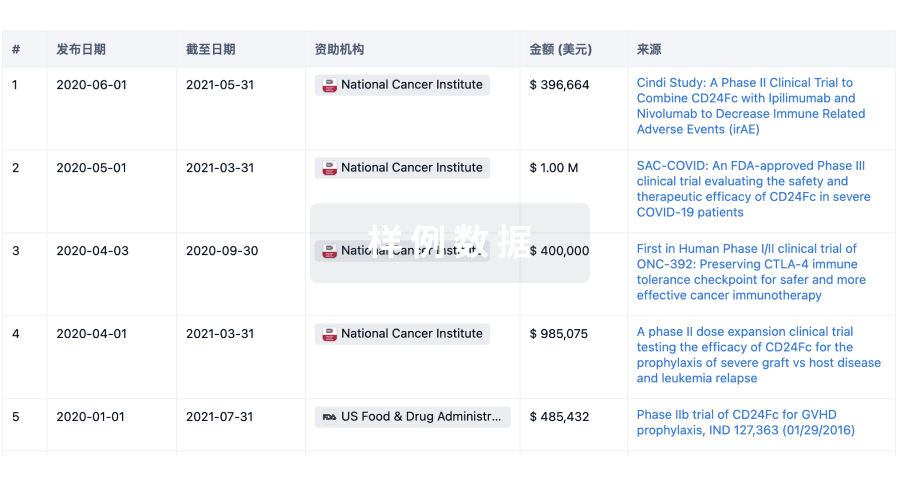
科研基金(NIH)
访问超过 200 万项资助和基金信息,以提升您的研究之旅。
登录
或
投资
深入了解从初创企业到成熟企业的最新公司投资动态。
登录
或
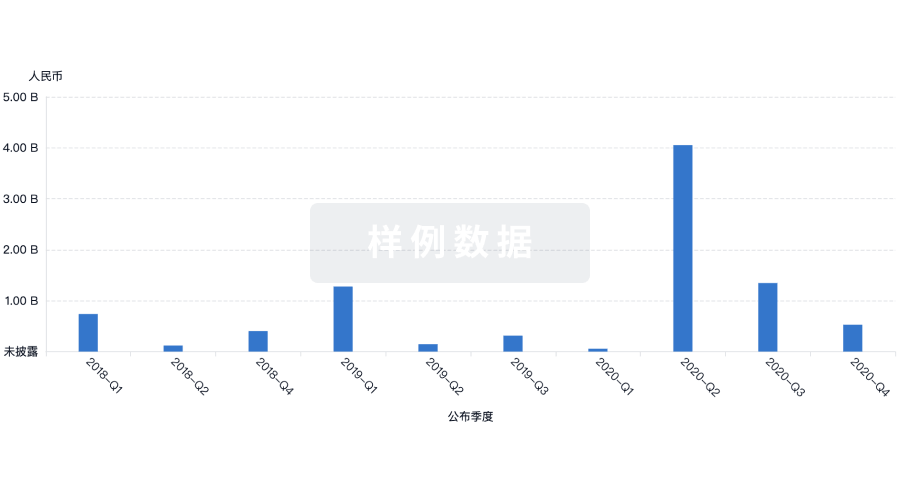
融资
发掘融资趋势以验证和推进您的投资机会。
登录
或
提出任何生物医药研究问题
让每一步生物医药决策都精准制胜
基于十亿级生物数据与全球情报的精准 AI,赋能早期药物发现
立即开始免费试用!
智慧芽新药情报库是智慧芽专为生命科学人士构建的基于AI的创新药情报平台,助您全方位提升您的研发与决策效率。
立即接入生物医药数据包
智慧芽新药库数据也通过智慧芽开放平台,以MCP或API服务形式对外开放。立即使用我们的MCP服务定制您的LLM智能体。
生物序列数据库
生物药研发创新
免费使用
化学结构数据库
小分子化药研发创新
免费使用