预约演示
更新于:2026-08-19

Dana-Farber/Boston Children'S Cancer & Blood Disorders Center
更新于:2026-08-19
概览
关联
100 项与 Dana-Farber/Boston Children'S Cancer & Blood Disorders Center 相关的临床结果
登录后查看更多信息
0 项与 Dana-Farber/Boston Children'S Cancer & Blood Disorders Center 相关的专利(医药)
登录后查看更多信息
574
项与 Dana-Farber/Boston Children'S Cancer & Blood Disorders Center 相关的文献(医药)2026-12-31·DRUG DELIVERY
Local application of otoprotective compounds other than sodium thiosulfate to prevent cisplatin-induced hearing loss: a systematic review.
Review
作者: Huitema, Alwin D R ; O'neill, Allison F ; Bleyer, Archie ; Streefkerk, Nienke ; Bouffet, Eric ; Sullivan, Michael ; Masroor, Amirhossein ; Fresneau, Brice ; Maibach, Rudolf ; Van Grotel, Martine ; Hoetink, Alexander E ; Rajput, Kaukab M ; Papadakis, Vassilios ; Knight, Kristin ; Brock, Penelope R ; Geller, James I ; Kogner, Per ; Ansari, Marc ; Veal, Gareth J ; Van Den Heuvel-Eibrink, Marry M
Cisplatin-induced hearing loss (CIHL) in pediatric cancer patients is an irreversible and highly prevalent adverse effect with a devastating impact on quality of life. Sodium thiosulfate (STS) has recently been approved for systemic administration as an otoprotective agent in children. However, implementation of systemic STS has its challenges, and there is currently limited evidence to support local STS for children. This review investigates the potential value of locally administered otoprotective agents other than STS with a focus on future pediatric implementation. We conducted a systematic review on the efficacy and safety of locally applied non-STS otoprotective agents in in vivo settings. This included a summary of investigated drug delivery methods and administration routes. We identified 70 preclinical and eight clinical studies. Agents were categorized based on their biological mechanisms: anti-inflammatory, chemical deactivators, calcium blockers, biologicals, and miscellaneous mechanisms. Preclinical studies investigated 45 different agents. Dexamethasone and N-acetylcysteine were identified as efficacious agents recurrently and progressed to clinical trials. Dexamethasone was investigated in three randomized clinical trials (RCTs) and three non-randomized clinical studies and showed statistically significant but not clinically relevant benefit in two trials. N-acetylcysteine was investigated in two clinical trials and one RCT and was minimally effective in the RCT and in one clinical study. Our review did not identify available studies of local alternative otoprotective agents that could reliably replace systemic STS in terms of safety and efficacy for pediatric patients. Further research on the optimal dosage, delivery method, and timing of otoprotective agents is needed.
2026-12-31·OncoImmunology
Single-cell landscape of peripheral and tumor-infiltrating immune cells in HPV-negative HNSCC
Article
作者: Byrd, Kevin Matthew ; Sheth, Siddharth ; Biagi-Junior, Carlos Alberto ; Liu, Jinze ; Rupp, Brittany ; Hidalgo, Adolfo Alexis Rojas ; Severino, Patricia ; Matuck, Bruno Fernandes ; Maracaja-Coutinho, Vinicius ; Galvani, Rômulo Gonçalves Agostinho ; Huynh, Khoa ; Krol, Jelte Martinus Maria ; Kumar, Nikhil
Head and neck squamous cell carcinoma (HNSCC) is the sixth most common cancer worldwide. HPV-negative HNSCC, arising in diverse upper airway mucosal niches, is particularly aggressive, with poor 5-y survival and a limited response to immune checkpoint inhibitors. A deeper understanding of the tumor-localized immune landscape is essential to uncover actionable immunotherapeutic targets. Here, we integrated two single-cell RNA sequencing (scRNA-seq) datasets from 29 samples totaling nearly 300,000 immune cells to dissect immune rewiring during tumor progression and lymph node metastasis in HPV-negative HNSCC. We identified distinct shifts in adaptive immune cell populations across 14 peripheral blood mononuclear cell (PBMC) and 21 tumor-infiltrating immune cell (TIC) states. Notably, TICs exhibited enriched interferon response and immunomodulatory gene signatures, in contrast to PBMCs, indicating tumor-specific immune imprinting. Ligand-receptor analysis revealed that immunosuppressive crosstalk between macrophages and cytotoxic cells was associated with advanced disease. To spatially validate these transcriptional states, we conducted multiplexed immunofluorescence profiling on nine locally invasive HPV-negative HNSCCs, all from the ventrolateral tongue mucosa. Spatial proteomics confirmed peritumoral enrichment of activated (CD107a+, ICOS+) NK and CD8+ T cells and intratumoral accumulation of exhausted (PD-1+, PD-L1+) phenotypes, mirroring pseudotime trajectories inferred from scRNA-seq. These findings highlight spatially localized cytotoxic cell exhaustion as a key immune evasion mechanism in HPV-negative HNSCC and underscore the value of integrating spatial and single-cell data to reveal therapeutic vulnerabilities.
2026-07-01·MODERN PATHOLOGY
Recurrent SWI/SNF Deficiency Defines a Subset of Peripheral T-Cell Lymphoma With Distinct Clinicopathologic Features
Article
作者: Davies, Kimberly ; Feraco, Angela M ; Sassoon, Aaron ; Tsai, Harrison K ; Amador, Catalina ; Degar, Barbara ; Al-Ibraheemi, Alyaa ; Dalton, Justin ; Ward, Nicholas ; Woda, Bruce ; Ivashkevich, Yana ; Harris, Marian H ; Sood, Sadhika ; Fleming, Mark D ; Siegele, Bradford ; Bledsoe, Jacob R ; Liang, Xiayuan ; Stonhill, Miekan A ; Li, Jingwei ; Sadigh, Sam ; Rowe, Jared ; Mochel, Mark C ; Johari, Vandita ; Ferry, Judith A ; Selove, William ; Kovach, Alexandra E
Peripheral T-cell lymphoma, not otherwise specified (PTCL, NOS) rarely occurs in pediatric and young adult populations, where little is known about its clinicopathologic and molecular features. We characterized 16 cases of PTCL, NOS diagnosed in patients ≤21 years old. Seven (44%) cases demonstrated SMARCB1/INI1 loss by immunohistochemistry and SMARCB1/INI1 alterations by next-generation sequencing, including biallelic SMARCB1/INI1 deletion (n = 4), stop codon variant with 1-copy deletion (n = 1) or copy-neutral loss-of-heterozygosity (n = 1), and frameshift variant (n = 1). One case demonstrated biallelic SMARCE1 alterations (a nonsense variant and copy-neutral loss-of-heterozygosity), which, to our knowledge, has not been previously described in a hematopoietic neoplasm. The SWI/SNF-intact group harbored pathogenic TET2, PTEN, EZH2, or TP53 variants. CDKN2A deletions were present in 3 of 7 SWI/SNF-deficient and 0 of 4 SWI/SNF-intact cases. Chromosome 22q11.2 alterations were present on karyotype in 2 of 3 SMARCB1/INI1-deficient cases. SWI/SNF deficiency was associated with intermediate-to-large cell cytomorphology, frequent mitotic (88%; P = .041) and apoptotic (88%) activity, Reed-Sternberg-like cells (63%), necrosis (50%), and fibrosis (50%). All cases expressed CD45 and CD43 at initial diagnosis. SWI/SNF-deficient cases predominantly demonstrated a CD4+/CD8-, TCRab, and PTCL-GATA3 phenotype, whereas SWI/SNF-intact cases predominantly demonstrated a CD8+/CD4-, TCRgd, and PTCL-TBX21 phenotype. A PTCL-TBX21 phenotype was more common in SWI/SNF-intact than in SWI/SNF-deficient cases (P = .041). Cytotoxic markers were expressed in 71% of SWI/SNF-deficient and 88% of SWI/SNF-intact cases. Decreased or absent CD3 expression characterized 88% of SWI/SNF-deficient and 13% of SWI/SNF-intact cases (P = .01). Moreover, 63% of SWI/SNF-deficient cases demonstrated decreased or absent expression of ≥3 pan-T-cell antigens, compared with 13% of SWI/SNF-intact cases. Treatment was heterogeneous. Primary treatment failure or relapse occurred in 4 of 8 SWI/SNF-deficient and 4 of 7 SWI/SNF-intact cases. The median overall survival and event-free survival were 48.7 and 47.5 months for the SWI/SNF-deficient group, and 16.4 and 8.9 months for the SWI/SNF-intact group (P = nonsignificant). Death due to disease or therapy-related complications occurred in 4 of 8 (50%) cases in the SWI/SNF-deficient group and 6 of 7 (86%) of cases in the SWI/SNF-intact group. Our findings expand the knowledge of the clinicopathologic and molecular features of pediatric PTCL and highlight SWI/SNF-deficient T-cell lymphoma as a biologically distinct type of PTCL that is associated with characteristic clinicopathologic features.
6
项与 Dana-Farber/Boston Children'S Cancer & Blood Disorders Center 相关的新闻(医药)2026-03-02
·嗣元
Dana-Farber Cancer Institute(丹娜-法伯癌症研究院)位于美国波士顿,是国际知名的肿瘤专科医疗与研究机构,在血液肿瘤、实体瘤、免疫治疗及临床试验等领域具有较强实力。作为美国肿瘤领域的重要机构之一,Dana-Farber 长期受到全球患者关注。本文将从医院简介、医院排名、优势项目、知名专家、远程会诊及联系方式等方面,对波士顿丹娜-法伯癌症研究院进行简要介绍,供有相关就医需求的家庭参考。
一、医院简介
波士顿丹娜-法伯癌症研究院(Dana-Farber Cancer Institute)是美国知名的肿瘤专科医疗与研究机构,隶属于哈佛医学体系,在全球肿瘤治疗、临床研究及转化医学领域具有重要影响力。医院长期专注于癌症诊疗,尤其在血液肿瘤、实体瘤、免疫治疗及临床试验方面实力突出,是美国极具代表性的肿瘤中心之一。
二、医院排名
根据 U.S. News & World Report 2025–2026 最新排名,Dana-Farber Brigham Cancer Center 位列 全美癌症专科第3名,同时为 新英格兰地区排名第1的癌症中心。
在儿科肿瘤领域,Dana-Farber/Boston Children’s Cancer and Blood Disorders Center 位列 全美儿童癌症项目第3名。
在 Newsweek 2025 全球肿瘤专科医院榜单 中,Dana-Farber Brigham Cancer Center 位列 全球第15名。
*Dana-Farber Brigham Cancer Center 在 U.S. News & World Report 2025–2026 排名中位列全美癌症专科第3名。
*Dana-Farber/Boston Children’s Cancer and Blood Disorders Center 在 U.S. News & World Report 2025–2026 儿童医院榜单中位列全美儿童癌症项目第3名。
*在 Newsweek《World’s Best Specialized Hospitals 2025》肿瘤专科榜单中,Dana-Farber Brigham Cancer Center 位列全球第15名。
三、优势项目
Dana-Farber Cancer Institute 以肿瘤专科化诊疗见长,围绕不同癌种设有高度细分的治疗中心和临床服务体系。官网介绍显示,医院通过成人及儿科专病中心、临床服务团队和创新临床试验平台,为患者提供多学科协作诊疗与前沿治疗机会。
1. 血液肿瘤
Dana-Farber 在白血病、淋巴瘤、骨髓瘤等血液系统恶性肿瘤领域实力突出,是其最具代表性的优势方向之一。官网资料显示,其医疗肿瘤学临床体系覆盖血液肿瘤与实体瘤两大核心板块,并设有多个按病种划分的临床项目。
2. 免疫治疗与细胞治疗
Dana-Farber 在肿瘤免疫治疗、细胞治疗等前沿领域具有明显优势。官网显示,其细胞治疗项目由专门团队负责,面向多个成人病种中心开展临床诊疗与研究,帮助患者获得创新治疗方案。
3. 消化系统肿瘤
在胃肠道肿瘤方面,Dana-Farber 建立了覆盖结直肠癌、胰腺癌、胃癌、神经内分泌肿瘤等方向的专科项目,强调根据肿瘤类型提供针对性的综合治疗,并结合创新研究与临床试验资源。
4. 肺癌及胸部肿瘤
Dana-Farber 在肺癌和胸部肿瘤领域同样具有较强实力,拥有专门的胸部肿瘤专家团队,适合需要多学科评估、个体化用药和新型治疗方案的患者。
5. 儿童肿瘤与血液疾病
对于儿科患者,Dana-Farber/Boston Children’s Cancer and Blood Disorders Center 在儿童肿瘤、儿童血液病及综合诊疗方面具备国际领先水平。Dana-Farber 官网介绍,该中心整合了领先癌症中心与儿童医院的资源,为儿童和青少年患者提供一体化诊疗服务。
6. 临床试验与多学科协作诊疗
Dana-Farber 的另一大优势,是将专科诊疗与临床试验深度结合。官网明确提到,其专病中心团队紧密协作,并为患者提供创新临床试验机会,这对复杂病例、疑难病例及希望寻求新治疗路径的患者尤其重要。
四、知名专家
Dana-Farber Cancer Institute 的专家团队覆盖成人肿瘤、血液肿瘤、肉瘤、免疫治疗、创新药物研发以及儿科肿瘤等多个重点方向。不同患者通常需要根据癌种、分期、病理类型及既往治疗情况,匹配对应专业领域的专家。
1. 免疫治疗与黑色素瘤方向
F. Stephen Hodi, MD 是 Dana-Farber Brigham Cancer Center 黑色素瘤中心 和 肿瘤免疫中心 主任,长期聚焦黑色素瘤与肿瘤免疫治疗,是该院免疫治疗方向的代表性专家之一。
2. 白血病与成人血液肿瘤方向
Richard M. Stone, MD 是 Dana-Farber 成人白血病项目转化研究主任,临床兴趣主要包括 白血病、骨髓增生异常综合征(MDS)及骨髓增殖性疾病,在成人血液肿瘤领域具有较高知名度。
3. 多发性骨髓瘤方向
Paul G. Richardson, MD 主要专注于 多发性骨髓瘤、实验性治疗、骨髓移植相关并发症及干细胞移植,是 Dana-Farber 骨髓瘤方向的重要专家。
4. 肉瘤方向
George D. Demetri, MD 是 Dana-Farber 肉瘤中心主任,也是实验性治疗领域的重要负责人之一,在 肉瘤及骨肿瘤 诊疗和转化研究方面具有国际影响力。
5. 创新药物与早期临床试验方向
Geoffrey I. Shapiro, MD, PhD 是 Dana-Farber 早期药物开发中心(Early Drug Development Center)主任,主要参与创新药物、早期临床试验以及 DNA 损伤修复相关治疗研究,适合需要关注新药和前沿试验机会的患者。
6. 儿科肿瘤与儿童血液肿瘤方向
Kimberly Stegmaier, MD 现任 Dana-Farber 儿科肿瘤学系主任,同时担任 Boston Children’s Hospital 血液/肿瘤科副主任,临床和研究重点包括 尤文肉瘤、血液恶性肿瘤、神经母细胞瘤 等,是 Dana-Farber/Boston Children’s 儿科肿瘤方向的重要代表专家。
7. 儿科血液/肿瘤综合管理方向
David A. Williams, MD 是 Dana-Farber/Boston Children’s Cancer and Blood Disorders Center 负责人之一,同时担任 Boston Children’s Hospital 血液/肿瘤科主任,在儿童肿瘤与血液疾病综合诊疗体系中具有重要地位。
五、远程会诊
1.对于成人患者,Dana-Farber Cancer Institute 支持两种主要咨询方式:
(1).预约前往波士顿进行线下面诊;
(2).申请 在线第二诊疗意见(Second Opinion)。
患者可先提交病历资料、病理报告、影像检查及既往治疗情况,由院方专家团队进行评估,并出具相应的专业意见。
2.对于儿科患者,Dana-Farber/Boston Children’s Cancer and Blood Disorders Center 目前不支持官方远程会诊,主要以预约赴波士顿进行面对面诊疗为主。
因此,如果是儿童白血病、淋巴瘤、儿童实体瘤或罕见血液病等复杂病例,通常建议以线下面诊方式对接院方专家团队。
【注意】不提供官方远程视频会诊。
六、联系方式
地址:
450 Brookline Ave, Boston, MA 02215, USA。
电话:
成人新患者:877-442-3324
儿科新患者:888-733-4662
成人国际患者:001-857-215-3324
儿科国际患者:001-617-355-5209
总机:617-632-3000。
网址:
Dana-Farber Cancer Institute(成人):www.dana-farber.org
Dana-Farber/Boston Children’s Cancer and Blood Disorders Center(儿科):www.childrenshospital.org/services/cancer-and-blood-disorders-center
想了解更多?
如果您对赴美医疗有任何疑问,或需要为您量身定制的解决方案,欢迎随时与我们联系。我们的专业团队将为您提供一对一咨询与全流程支持。
我们的高度专业性体现在:别人能做的我们能做,我们还能做别人做不了的!
推荐阅读:
免疫疗法
2024-06-03
Telemedicine visits for cancer care may not only be more convenient and easier to schedule than in-person appointments, they're also better for the planet. On a national US basis, decentralizing clinical portions of cancer care would produce 33% less greenhouse gas emissions than traditional in-person care.
Telemedicine visits for cancer care may not only be more convenient and easier to schedule than in-person appointments, they're also better for the planet, new research by Dana-Farber Cancer Institute scientists shows.
Based on an analysis of data from a regional cancer center, the researchers calculate that, nationwide, cancer care that utilizes telehealth and local care would generate 33.1% less greenhouse gas emissions than the traditional model of in-person care, primarily because of reduced travel to medical appointments. The findings presented at the annual meeting of the American Society of Clinical Oncology (ASCO) and published simultaneously in the journal JAMA Oncology, suggest that an approach to care adopted during the COVID-19 pandemic can have significant environmental benefits.
"While health care in the United States provides health benefits to many people, it generates substantial amounts of greenhouse gas emissions that drive climate change and inadvertently harm health," says Andrew Hantel, MD, a faculty member in the Divisions of Leukemia and Population Sciences at Dana-Farber who led the study with Gregory Abel, MD, MPH, a senior physician at Dana-Farber, and Jonathan Slutzman, MD, of Massachusetts General Hospital. "We wanted to explore the potential reductions in emissions that can be achieved with a decentralized approach to cancer care that includes telehealth. To do so, we used data generated during the 'natural experiment' of the pandemic, when care shifted from an in-person to a telemedicine-preferred model."
The researchers calculated the amount of carbon dioxide emitted per visit-day at Dana-Farber during two time periods: March-December 2020, when the pandemic prompted the Institute to shift largely to telemedicine; and March 2015-February 2020, when a traditional in-person model was in place. (A visit-day is the combined visits a person has at a healthcare facility in a single day.)
They began by listing all the components of a clinical visit, both in-person and telehealth. For in-person visits, that includes everything that happens from the time a patient leaves home for an appointment until the time they return -- such as driving to the hospital, parking the car, taking the elevator to the clinic, using hand sanitizer, using the bathroom, and driving back home. They also factored in the use of electricity for lights and computers, even the paper that covers the exam room table. Using a variety of databases, they then determined the carbon dioxide emissions associated with each of these. (For products like hand sanitizers, there is data on the number of emissions used in making and disposing of each of their constituent parts.)
For telehealth visits, there were far fewer aspects to track -- mainly, computer and internet usage by the patient and clinician.
They found that per visit-day emissions of carbon dioxide at Dana-Farber were 36.4 kilograms lower during the telemedicine period than the in-person period, an 81.3% decline. They then calculated what emissions levels during the pre-pandemic period would have been if telemedicine had been in place and extrapolated it to the whole U.S. population. They found that CO2 emissions would have been reduced by 75.3 million kilograms, a 33.1% drop. (The more modest decline on a national level than at Dana-Farber reflects differences between the national population and those treated at Dana-Farber, such as the higher proportion of patients with rare cancers, Hantel explains. Patients with more uncommon cancers often travel further to receive care, resulting in higher emissions levels.) At the national scale, the 75.3-million-kilogram decline in CO2 corresponds to a modest reduction in human health harms (15.0-47.7 disability adjusted life-years).
"Telemedicine, and decentralized oncology care in general, involve a complex balance of risks and benefits that vary across the population," Hantel observes. "On the plus side, they can increase the reach of expert care while reducing travel, time, and cost for patients. But they also have the potential to add rather than replace visits, which may be difficult for older adults and those without good internet connections, and in some cases may reduce clinicians' ability to appropriately diagnose and treat. Our findings add another layer to this conversation, showing that emissions reduction is an additional benefit of this approach to care."
ASCO会议临床结果
2024-06-02
Kidney Cancer Research Aims to Enhance Metastatic Patient Management by Pinpointing Biomarker to Optimize Clinical Decision-Making
BINYAMINA, Israel and CARY, N.C., June 2, 2024 /PRNewswire/ -- OncoHost, a technology company transforming the approach to precision medicine for improved patient outcomes, today announced a research study with Dana-Farber Cancer Institute, a world leader in adult and pediatric cancer treatment and research, to identify biomarkers for renal cell carcinoma (RCC), a type of kidney cancer.
Immune-checkpoint inhibitor (ICI) therapy has transformed treatment outcomes for RCC. However, ICIs can also trigger immune-related adverse events and may not benefit all patients.
"We are excited to collaborate with Dana-Farber Cancer Institute on this important research study," said Ofer Sharon, MD, CEO of OncoHost. "As we enter the era of precision medicine, validated biomarkers are increasingly used to guide treatment decisions and uncover resistance pathways in various types of tumors. However, RCC lacks reliable biomarkers to predict ICI response. Our goal is to overcome this challenge to improve clinical decision-making in the first line setting and, ultimately, patient outcomes."
The collaboration will leverage Dana-Farber's repository of patient plasma samples and corresponding clinical data, providing essential materials for OncoHost to create a proteomic plasma profile.
"Patients with renal cell carcinoma currently do not have any blood test that can help make personalized treatment recommendations," said Wenxin Xu, MD, Physician, Dana-Farber Cancer Institute, Assistant Professor of Medicine, Harvard Medical School, and Principal Investigator of the research study. "This study explores whether measuring blood levels of thousands of cancer related proteins can be used to build personalized, data-driven predictions. If successful, the data we generate could help us learn more about the biology of renal cell carcinoma and its treatments."
The primary objectives of the study include creating a proteomic plasma profile of metastatic RCC patients before treatment, thereby associating protein expression changes with treatment response metrics like Best Response, Overall Survival, and Progression-Free Survival, and evaluating differential response predictions to specific treatment combinations.
The research project will also explore proteomic pathways associated with treatment response and immune-related adverse events (irAEs), offering potential insights into treatment options and biological patterns of resistance. Comparisons with pathways identified in other cancers, as part of the PROPHETIC trial (NCT04056247), will further enhance the understanding of RCC's unique biomolecular landscape.
About OncoHost
OncoHost is a technology company headquartered in Binyamina, Israel, and Cary, North Carolina, transforming the approach to precision medicine for improved patient outcomes. OncoHost's proprietary platform, PROphet®, is a plasma-based, proteomic pattern analysis tool whose initial offering in non-small cell lung cancer (NSCLC) uses a single blood sample to guide first-line immunotherapy decision-making. The PROphetNSCLC™ test provides clear clinical utility by offering physicians crucial guidance on the optimal first-line immunotherapy treatment plan for each individual patient, with a significant effect on overall survival. Led by an experienced team of entrepreneurs and industry experts and supported by a large-scale prospective clinical trial with over 40 sites and 1,700 patients recruited worldwide, OncoHost is well-positioned to lead precision diagnostics and biomarker development to the next stage.
For more information, visit , or follow OncoHost on LinkedIn, Twitter, Facebook and YouTube.
Media Contact:
Lior Alperovich
Marcom Manager
[email protected]
+972-54-282-4503
SOURCE OncoHost
免疫疗法临床研究
100 项与 Dana-Farber/Boston Children'S Cancer & Blood Disorders Center 相关的药物交易
登录后查看更多信息
100 项与 Dana-Farber/Boston Children'S Cancer & Blood Disorders Center 相关的转化医学
登录后查看更多信息
组织架构
使用我们的机构树数据加速您的研究。
登录
或
管线布局
2026年09月16日管线快照
无数据报导
登录后保持更新
药物交易
使用我们的药物交易数据加速您的研究。
登录
或
转化医学
使用我们的转化医学数据加速您的研究。
登录
或
营收
使用 Synapse 探索超过 36 万个组织的财务状况。
登录
或
科研基金(NIH)
访问超过 200 万项资助和基金信息,以提升您的研究之旅。
登录
或
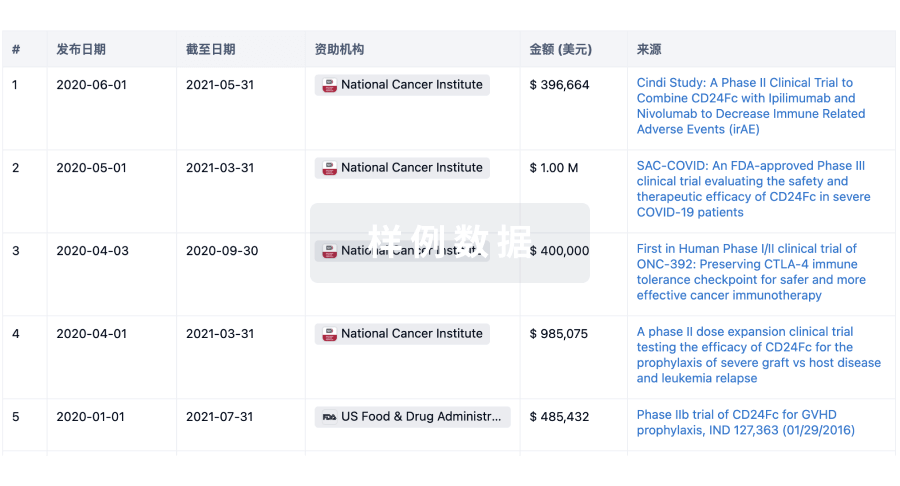
投资
深入了解从初创企业到成熟企业的最新公司投资动态。
登录
或
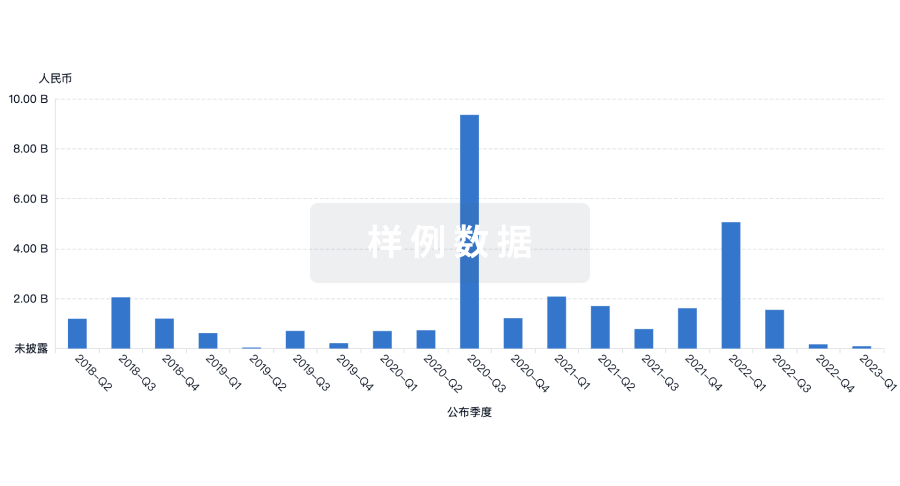
融资
发掘融资趋势以验证和推进您的投资机会。
登录
或
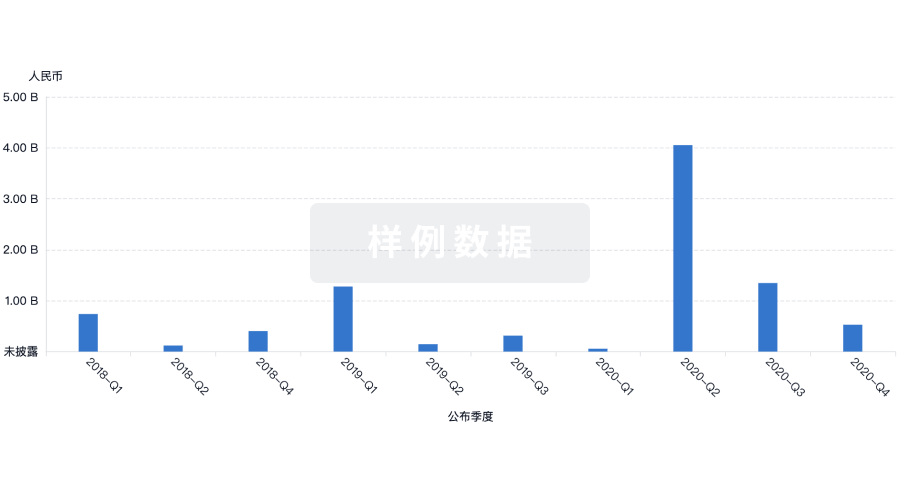
提出任何生物医药研究问题
让每一步生物医药决策都精准制胜
基于十亿级生物数据与全球情报的精准 AI,赋能早期药物发现
立即开始免费试用!
智慧芽新药情报库是智慧芽专为生命科学人士构建的基于AI的创新药情报平台,助您全方位提升您的研发与决策效率。
立即接入生物医药数据包
智慧芽新药库数据也通过智慧芽开放平台,以MCP或API服务形式对外开放。立即使用我们的MCP服务定制您的LLM智能体。
生物序列数据库
生物药研发创新
免费使用
化学结构数据库
小分子化药研发创新
免费使用