预约演示
更新于:2026-08-19
Fitbit, Inc.
更新于:2026-08-19
概览
关联
100 项与 Fitbit, Inc. 相关的临床结果
登录后查看更多信息
0 项与 Fitbit, Inc. 相关的专利(医药)
登录后查看更多信息
2
项与 Fitbit, Inc. 相关的文献(医药)2021-06-01·Sleep health2区 · 医学
Changes in sleep duration, timing, and variability during the COVID-19 pandemic: Large-scale Fitbit data from 6 major US cities
2区 · 医学
Article
作者: Grandner, Michael A ; Rezaei, Naghmeh
The COVID-19 pandemic has resulted in societal-level changes to sleep and other behavioral patterns. Objective data would allow for a greater understanding of sleep-related changes at the population level. About 163,524 active Fitbit users from 6 major US cities contributed data, representing areas particularly hard-hit by the pandemic (Chicago, Houston, Los Angeles, New York, San Francisco, and Miami). Sleep variables extracted include nightly and weekly mean sleep duration and bedtime, and variability (standard deviation) of sleep duration and bedtime. Deviation from similar timeframes in 2018 and 2019 were examined, as were changes in these sleep metrics during the pandemic, relationships to changes in resting heart rate, and changes during re-opening in May and June. Overall, compared to 2019, mean sleep duration in 2020 was higher among nearly all groups, mean sleep phase shifted later for nearly all groups, and mean sleep duration and bedtime variability decreased for nearly all groups (owing to decreased weekday-weekend differences). Over the course of January to April 2020, mean sleep duration increased, mean bedtime shifted later, and mean sleep duration variability decreased. Changes in observed resting heart rate correlated positively with changes in sleep and negatively with activity levels. In later months (May and June), many of these changes started to drift back to historical norms.
2019-05-01·Journal of integrative medicine2区 · 医学
Burnout in the emergency department: Randomized controlled trial of an attention-based training program
2区 · 医学
Article
作者: Walsh, Cathal ; Basdeo, Sharee A ; McMahon, Geraldine ; White, Barry ; Prihodova, Lucia ; Cox, Donal J ; Dunne, Pádraic J ; O'Leary, Caoimhe ; Lynch, Julie ; Sheikhi, Ali ; Breen, Rachel ; Carroll, Áine ; Ghoreyshi, Atiyeh
BACKGROUND:
Burnout (encompassing emotional exhaustion, depersonalization and personal accomplishment) in healthcare professionals is a major issue worldwide. Emergency medicine physicians are particularly affected, potentially impacting on quality of care and attrition from the specialty.
OBJECTIVE:
The aim of this study was to apply an attention-based training (ABT) program to reduce burnout among emergency multidisciplinary team (MDT) members from a large urban hospital.
DESIGN, SETTING, PARTICIPANTS AND INTERVENTIONS:
Emergency MDT members were randomized to either a no-treatment control or an intervention group. Intervention group participants engaged in a four session (4 h/session) ABT program over 7 weeks with a practice target of 20 min twice-daily. Practice adherence was measured using a smart phone application together with a wearable Charge 2 device.
MAIN OUTCOME MEASURES:
The primary outcome was a change in burnout, comprising emotional exhaustion, depersonalization and personal achievement. The secondary outcomes were changes in other psychological and biometric parameters.
RESULTS:
The ABT program resulted in a significant reduction (P < 0.05; T1 [one week before intervention] vs T3 [follow-up at two months after intervention]) in burnout, specifically, emotional exhaustion, with an effect size (probability of superiority) of 59%. Similar reductions were observed for stress (P < 0.05) and anxiety (P < 0.05). Furthermore, ABT group participants demonstrated significant improvements in heart rate variability, resting heart rate, sleep as well as an increase in pro-inflammatory cytokine expression.
CONCLUSION:
This study describes a positive impact of ABT on emergency department staff burnout compared to a no-treatment control group.
TRIAL REGISTRATION:
ClinicalTrials.gov identifier NCT02887300.
173
项与 Fitbit, Inc. 相关的新闻(医药)2026-08-10
·大米智观
导读:本周全球生物医药投融资进入"三轨大型整合+ADC/双抗重磅出海+港股18A双向溢出+MNC战略明显分化+前沿赛道持续吸金"五线并行节点。
整合端,核药赛道现史上最大单笔整合、CDMO头部企业首次以低于账面值的"抄底价"整合尾部产能、罕见眼科赛道中型并购锁定差异化氘代口服药,三笔交易分别代表"全产业链+头部抄底+差异化补强"三类典型范式;出海端,国产TROP2/HER3双抗ADC以首付款1.25亿美元+里程碑最高20.93亿美元+优先股认股权证组合授权海外药企,延续了7月20日专题"中国创新药BD出海进入黄金周期"+8月3日专题"中国资产NewCo+借壳上市"形成的"ADC/双抗/小核酸/核药全技术路线批量出海"主旋律;港股端,国内头部创新药企二次递表港交所+海外早期Biotech计划赴港上市,标志港股18A与"A+H"双平台成为全球biotech融资退出的关键承接通道;MNC战略端,明确表态收手、半年12笔持续扩张、清理管线后放宽预算三种不同策略同步上演,跨国药企从"百亿级连发"演化为"高失败率+快速止损+持续扩张"三线分化的全新范式;前沿赛道端,AI制药/脑机接口/合成生物/差异化镇痛四线持续吸纳产业资本,产业基金成为主要资金供给方。一、本周核心观察1. 核药/CDMO/罕见眼科三轨大型整合密集兑现,多层次并购范式重塑全球医药资产配置
全球医药大型整合已从"百亿后期+早期期权"两件套升级为"全产业链+头部整合+差异化补强"三件套并行,不同资产按其稀缺度与战略价值被分层定价:头部高价值资产以战略溢价锁定,尾部低效资产以低于账面值的抄底价出清,中等差异化资产以临床终点价值为基础补强——当全球医药并购按"全产业链一体化+头部产能整合+差异化管线补强"三种典型范式同步兑现时,意味着行业整合已从"补强核心管线"演化为"按资产质量分层定价",这种分层定价机制正在重塑全球医药资产的并购估值锚。
三笔交易分别对应"全产业链一体化+头部产能整合+差异化管线补强"三种典型范式:其一,核药赛道通过大额整合实现"诊断+治疗"全产业链平台,延续7月20日专题披露的核药整合趋势后实际落地,核药整合规模再刷新;其二,CDMO领域出现头部企业以"不到半价"价格收购年亏损的尾部资产,反映"产能过剩+客户流失"驱动的尾部资产折价出售,头部企业以低成本完成端到端产能整合;其三,罕见眼科赛道以中等规模对价补强差异化氘代口服药,中型并购的逻辑清晰锁定"未满足临床需求+口服+长效"三重标准。
资料表明80亿美元!核药赛道最大并购诞生: Curium以最高80亿美元收购Lantheus,整合其诊断影像与放射性核素治疗业务,打造核药全产业链平台。信息显示1.9亿元!药明生物抄底收购生物药CDMO资产: 药明生物以1.9亿元收购账面值约4.57亿元、年亏损5825万元的杭州奕安济世CDMO资产,以不足半价完成产能整合。详见8亿美元!Tarsus制药收购Alkeus制药: Tarsus以8亿美元收购Alkeus,获得治疗Stargardt病的氘代口服药ALK-001,补强罕见眼科管线。
三笔大型整合同步兑现,延续了8月3日专题"艾伯维109亿Apogee+强生35亿Sail+Firefly"+"百亿后期+早期期权"四件套"+7月27日专题"三星生物18亿PolyPeptide+Repligen 15亿BioLife+Royalty Pharma特许权"+"传统并购+CDMO+特许权"三件套"判断——本周的边际意义在于"分层定价"机制成型:头部高价值资产以战略溢价锁定、尾部低效资产以低于账面值的抄底价出清、中等差异化资产以临床终点价值为基础补强,三轨并行形成"全产业链+头部整合+差异化补强"的标准范式。延展观察,未来12-18个月内,核药整合将向"诊断+治疗+核素供应"全链条一体化深化,CDMO领域将持续出现头部企业抄底尾部资产的低成本整合,罕见病/口服小分子/长效化等差异化赛道的中型补强交易将密集发生;具备"全产业链平台+临床数据可验证+未满足需求"三重特征的资产将持续获得估值溢价,而仅依赖"产能+客户"无差异化技术壁垒的资产将面临折价出清。2. 中国创新药ADC/双抗出海再添20亿美元级重磅交易,临床后期资产议价权持续上移
中国创新药"ADC/双抗/小核酸"全技术路线批量出海进入"临床后期议价权系统性上移"新阶段。当国产TROP2/HER3双抗ADC以"首付款+长期里程碑+股权认股权证"组合工具授权海外药企、三阴性乳腺癌适应症已推进至III期临床时,意味着中国创新药资产在MNC全球管线配置中已形成"分层供给+按临床终点定价"的标准能力——临床后期资产(尤其是III期+差异化机制)正获得多元化议价工具,议价权从"单点授权"演化为"组合定价"。
这一案例的标志性意义在于三层结构升级:第一是"III期资产+大额首付"组合——临床后期资产的首付款规模已远超此前国内创新药出海的常见区间,反映MNC对III期临床资产的支付意愿显著提升;第二是"授权+股权"双锁定——优先股认股权证意味着海外合作方与国内Biotech形成"管线合作+股权绑定"双重锁定,远超传统License-out的"卖管线后退出"模式;第三是"双靶点差异化机制"——TROP2/HER3双抗ADC是同类首创(first-in-class),机制差异化使MNC愿意支付溢价,延续了7月20日专题"出海资产已形成按'管线所处阶段+差异化机制+大中华区战略'分层定价"判断。
参考超20亿美元!康宁杰瑞与Pathos达成TROP2/HER3双抗ADC授权合作: 康宁杰瑞将同类首创TROP2/HER3双抗ADC JSKN016海外权益授权Pathos,首付款1.25亿美元、里程碑最高20.93亿美元,另获6250万美元优先股认股权证,三阴性乳腺癌适应症已推进至三期临床。信息显示拜耳BD高级副总裁Kendra Rose:将"中国创新"转化为"全球机遇": 拜耳已多次从中国引进创新资产,包括浦合医药PRMT5抑制剂、信念医药基因治疗衣壳,并收购Perfuse Therapeutics,系统性将中国创新纳入全球研发管线。
20.93亿美元级双抗ADC授权延续了8月3日专题"中国资产NewCo+借壳上市+ADC/双抗/小核酸/核药全技术路线出海"+7月27日专题"中国创新药'早期打包+中期分线+后期股权绑定'三轨并行"+7月20日专题"2026H1中国创新药BD出海1100亿美元/全球Top10占8席"判断主旋律。拜耳"多次从中国引进创新资产"则是MNC将"中国创新"系统性纳入全球研发管线的典型范式,与8月3日专题"强生- Sail+Firefly体内CAR-T"+"先合作+期权收购"+7月27日专题"恒瑞-BMS 152亿组合式4+4+5"形成"MNC BD工具箱多元化"印证——MNC既以大额首付款锁定临床后期资产,又以期权结构+合资建厂+股权认购等组合工具与中国创新生态深度绑定。深一层看,未来6-12个月内,中国创新药ADC/双抗的海外授权将进一步向"III期+首付1亿美元+股权绑定"的高议价结构集中,具备"差异化机制+临床后期+全球多中心"三重能力的中国Biotech将获得新一轮资产定价权;MNC的BD工具箱将持续从"单点授权"升级为"授权+期权+股权+合资"四件套并行,中国创新生态的全球议价能力将进入结构性强化期。3. 港股18A与"A+H"双平台双向溢出,中国头部创新药与海外Biotech双向赴港重构全球融资承接通道
港股18A通道与"A+H"双平台模式正成为全球biotech融资与退出的关键承接平台,美股IPO窗口收紧叠加港股18A制度对未盈利biotech的天然包容,推动港股市场从"中国创新药承接通道"演化为"全球biotech资产双向流动的关键基础设施"——这一基础设施属性变化,正系统性重塑全球生物医药资产的地理分布与定价逻辑。当中国已商业化兑现的创新药头部企业在A股估值充分后选择"H股二次上市"做"双市场配置"、海外早期Biotech因美股窗口收窄而赴港募资时,意味着港股18A已经同时承接"中国头部资产再上市"与"海外资产首次上市"两类相反方向的资本需求,这种"双向溢出"格局将驱动港股成为全球生物医药融资与退出网络的关键节点。
港股双向溢出的本质是中国资本市场对全球生物医药资产配置的结构性嵌入:从需求端看,中国头部创新药企在A股科创板高估值兑现后,需要"再配置一个具备国际化定价能力的资本市场"以匹配全球化战略,这与单纯"再融资"有本质差异;从供给端看,海外早期Biotech在纳斯达克窗口收窄后,需要"承接度高+估值可比"的替代市场,18A制度对未盈利biotech的包容性成为关键吸引力;从制度端看,港交所持续优化的红筹通道与差异化信息披露机制,降低了跨境资产挂牌的合规摩擦。延展观察,这一格局与7月27日专题"新济医药港股IPO+8月3日专题"凯莱英生物12.4亿融资"+"IPO常态化"判断形成跨周期连续印证——本周的边际意义在于港股18A已从"中国创新药单一承接通道"演化为"全球biotech资产双向流动的枢纽节点",其"双向溢出"特征(既承接中国头部再上市,又承接海外首次上市)正在重塑港股在全球生物医药融资版图中的角色定位。
详见百利天恒再战港股: 百利天恒二次向港交所递交H股发行申请,A股科创板市值1246亿元,核心ADC宜泽康今年6月获批进入商业化元年。内容显示海外Biotech,来港交所"抢钱"了: 海外早期Biotech如Axiom Biosciences、TheraVectys计划赴港上市,18A制度对高风险早期创新药接受度更高,港股IPO正在回暖。
港股18A双向溢出延续了7月27日专题"红筹IPO审核延长+昆药减持+广药24.18亿达安基因"+"港股IPO单通道演化为'IPO+BD+反向并购+减持套现'四通道并行"+7月20日专题"科伦博泰27.23亿港元H股配售+科越-Jasper反向收购+华东医药等加速赴港"+"IPO通道三轨并行(港股18A+科创板第五套+美股)"方向判断——本周的边际意义在于港股18A通道的"双向溢出"特征成型:既承接中国头部创新药商业化兑现后的"A+H"再上市需求,又承接美股窗口收紧后海外早期Biotech的赴港融资需求,港股正演化为全球biotech融资退出的关键基础设施。综合来看,未来6-12个月内,A股科创板+港股18A+美股纳斯达克三轨IPO格局将进一步清晰化,具备"已商业化/III期临床+全球化资本布局"特征的A股头部将更多选择"A+H"双平台,具备"差异化机制+早期临床"特征的海外Biotech将更多选择"港股18A单通道"——港股的全球资产承接能力将系统性提升,18A制度的灵活性将成为中国资本市场国际化的关键支点。4. MNC全球并购战略明显分化,三线分化重塑行业并购节奏
MNC全球并购已从"百亿级连发"演化为"三线分化"的全新范式。当MNC在同一个时间窗口内同时出现"明确表态收手+半年12笔持续扩张+清理管线后放宽预算"三种不同战略选择时,意味着MNC并购策略正从"统一节奏"演化为"明显分化"——"专利悬崖压力+管线补强刚需+现金流充裕度+管理层风险偏好"四股力量共振,推动MNC并购行为向"积极扩张+谨慎观望+战略调整"三极分化,行业并购节奏已不再是单一模式。
这一战略分化是MNC对核心产品专利悬崖、现金流充裕度、研发管线深度、组织能力差异化的综合反映:其一,明确表态收手反映部分MNC在自身管线深度不足+现金储备承压下的战略收缩;其二,半年12笔持续扩张则受益于GLP-1现金牛充裕现金流+核心管线增长动力强劲;其三,清理管线后放宽预算则代表部分MNC经历前期管线收缩后开始战略反弹,这一调整方向与8月3日专题"礼来11笔超250亿贡献全球1/4"+"MNC百亿级连续出手引爆并购新范式"形成对比与印证。MNC并购策略从"百亿级连发"到"三线分化"的转变,意味着未来12-18个月内MNC并购将不再是"全场一致"的统一行动,而是按企业自身战略需求采取差异化的资产配置策略。
出自MNC并购大分歧:有人从容收手,有人加速狂奔: 渤健明确表态短期不再推进大规模并购,礼来半年内完成12笔交易投入超280亿美元持续扩张,赛诺菲清理管线后放宽并购预算。参考石药集团与阿斯利康成立合资公司,在石家庄开启生物制药新篇章: 石药与阿斯利康成立合资公司(石药51%、AZ持股49%)在石家庄建设生物制剂生产基地,尽管2026上半年AZ中国区营收同比下滑5%,此前已承诺2030年前在华累计投资150亿美元。
MNC三线分化+AZ-石药合资建厂延续了8月3日专题"礼来11笔超250亿贡献全球1/4交易量+艾伯维109亿Apogee+强生35亿Sail+Firefly体内CAR-T"+"MNC百亿级连续出手引爆并购新范式"+8月9日其他专题"中国药企正从'供应链参与者'演化为'关键供给方'+AZ-石药合资共建生物制剂基地"判断——本周的边际意义在于MNC的"中国战略"已从"产品授权"升级为"产能共建",与"全球并购三线分化"形成"中国端做加法+全球端做分化"的双向印证,这一格局对国内创新药企意味着:MNC的资产配置将从"全球统一行动"演化为"按区域差异化部署",中国市场的产能与早期资产将获得更系统性的资源倾斜。综合来看,未来12-18个月内,MNC并购将形成"积极扩张(部分MNC)+谨慎观望(部分MNC)+战略调整(部分MNC)"三极并行的格局,AZ-石药式"产能合资"将更多出现在MNC中国战略中;MNC对"已商业化+III期+早期差异化"资产的偏好将继续,但单笔金额与战略目标将因企业而异;全球并购金额数据将持续受口径差异影响呈现波动,但"百亿级连发+三线分化"将成为行业新常态,行业研究应从"统计总金额"转向"分析战略分化"。5. Biotech断臂求生与前沿赛道持续吸金同步,AI/脑机接口/合成生物获产业资本系统性下注
全球biotech正经历"现金流压力加速洗牌+前沿赛道吸金持续"的双轨分化。当缺乏现金流支撑的临床阶段biotech被迫通过裁员与资产剥离求生、而具备"自主平台+临床验证+产业资本认可"三重特征的前沿赛道头部企业持续吸纳产业资本时,意味着全球biotech已分化为"断臂求生型"(临床阶段但现金流断裂)+"前沿赛道吸金型"(AI/脑机接口/合成生物/差异化镇痛)两类——缺乏现金流支撑的临床阶段biotech被迫通过裁员与资产剥离求生,优质管线与现金流的错配将催生被低估的BD与并购机会。
这一双轨分化反映2026年生物医药资本配置的核心逻辑:其一,临床阶段biotech的"现金消耗速度>融资续命能力"已成普遍现象,核心资产有临床差异化但被迫启动战略评估(出售/合并/资产剥离)是这一困境的典型代表;其二,AI制药/脑机接口/合成生物等前沿赛道持续吸纳产业资本,产业资本(医疗上市企业+地方国资+政府引导基金)成为主要资金供给方;其三,纳斯达克IPO成为差异化资产的有效退出通道,延续了7月20日专题"科越-Jasper+科伦博泰配售+新济医药港股IPO"判断。
详见并购告吹,裁员72%,这家biotech断臂求生: Lisata与Kuva Labs合并因Kuva无法完成融资交割而终止,Lisata起诉索赔并裁员72%保留现金,同时启动战略评估考虑出售、合并或资产剥离,核心资产certepetide拥有胰腺癌快速通道与多项孤儿药资格。参考哲源科技获近2亿元A2轮融资: 哲源科技完成近2亿元A2轮融资(圣湘生物产业基金领投),构建多尺度生命世界模型平台,自有管线PR00012已进入I期临床。信息显示「最新融资」主动科技:完成3.3亿元天使轮融资: 主动科技完成3.3亿元天使轮融资创国内脑机接口天使轮纪录,聚焦全链路自主可控的侵入式脑机接口。印证「最新融资」元育生物:获得1亿元A+轮融资: 广东省盐业集团独家投资元育生物1亿元A+轮,依托产业资源加速微藻活性胞外囊泡产业化落地。
biotech断臂求生+前沿赛道吸金双轨分化延续了7月27日专题"biotech经历'一级融资紧+二级退出慢+商业化变现弱'三重夹击"+8月3日专题"AI制药融资进入2.0时代+商汤医疗+励楷科技+必扬医药"+"前沿平台融资密集(小核酸/多肽/脑机接口/眼科)"判断——本周的边际意义在于"断臂求生型biotech"与"前沿赛道吸金型平台"形成明显分化,前者缺乏现金流被迫通过裁员+资产剥离求生,后者具备自主平台+产业资本认可持续获得融资——这种分化将催生新的"被低估BD+并购"机会,产业资本(医疗上市企业+地方国资)成为前沿赛道的主要资金供给方,IPO通道(纳斯达克+港股18A)成为差异化资产的有效退出路径。拆开来看,未来6-12个月内,缺乏现金流的临床阶段biotech将持续通过"裁员+资产剥离+被并购"三选一求生,具备"差异化机制+全球临床+未满足需求"特征的硬核管线将成为被并购市场的"被低估资产";AI制药/脑机接口/合成生物/差异化镇痛四大前沿赛道将持续吸纳产业资本,产业基金+国投系基金将成为主要资金供给方,单笔金额向D轮5亿元量级集中;纳斯达克+港股18A双轨IPO将形成差异化退出通道,具备"已商业化/III期临床+平台型能力"资产的退出路径将更加清晰。二、本周重点事件Curium 80亿美元收购Lantheus创核药史上最大并购
:整合其诊断影像与放射性核素治疗业务,打造核药全产业链平台,继7月20日专题披露"拟70亿"后实际落地,核药整合规模再刷新。药明生物1.9亿元抄底收购奕安济世CDMO资产
:标的账面值约4.57亿元、年亏损5825万元,以不足半价完成端到端产能整合,头部CDMO企业首次以低价抄底尾部产能。Tarsus 8亿美元收购Alkeus补强罕见眼科管线
:获得治疗Stargardt病的氘代口服药ALK-001,中型并购锁定"未满足临床需求+口服+长效"差异化赛道。康宁杰瑞JSKN016超20亿美元授权Pathos
:首付款1.25亿+里程碑最高20.93亿+优先股认股权证6250万美元,TROP2/HER3双抗ADC三阴性乳腺癌已推进至III期,临床后期资产议价权再上移。百利天恒二次向港交所递交H股发行申请
:A股科创板市值1246亿元,核心ADC宜泽康今年6月获批进入商业化元年,推进"A+H"双平台资本布局。海外Biotech如Axiom Biosciences、TheraVectys计划赴港上市
:18A制度对高风险早期创新药接受度更高,港股IPO正在回暖,承接美股窗口收紧后溢出资产。MNC战略明显分化
:渤健明确表态短期不再推进大规模并购,礼来半年12笔超280亿美元持续扩张,赛诺菲清理管线后放宽并购预算。石药与阿斯利康合资共建石家庄生物制剂生产基地
:石药51%+AZ持股49%,AZ中国区2026H1虽同比下滑5%,但承诺2030年前在华累计投资150亿美元。拜耳BD战略将"中国创新"转化为"全球机遇"
:已多次从中国引进创新资产,包括浦合医药PRMT5抑制剂、信念医药基因治疗衣壳,并收购Perfuse Therapeutics。Lisata并购告吹裁员72%断臂求生
:与Kuva Labs合并因融资交割告吹,核心资产certepetide拥有胰腺癌快速通道与多项孤儿药资格,启动战略评估。前沿赛道持续吸金
:哲源科技近2亿A2轮+主动科技3.3亿天使轮创脑机接口纪录+元育生物1亿A+轮,产业资本系统性下注AI/脑机接口/合成生物。Latigo/BlossomHill纳斯达克IPO募资
:Latigo 3.456亿美元(镇痛Nav1.8)+BlossomHill 1.5亿美元(崔景荣+小分子抗癌),纳斯达克成为差异化资产退出通道。三、关键数据一览
数据类别
具体数据
来源
Curium收购Lantheus
80亿美元(核药史上最大)
80亿美元!核药赛道最大并购诞生
药明生物收购奕安济世
1.9亿元(账面4.57亿/亏损5825万)
1.9亿元!药明生物抄底收购生物药CDMO资产
Tarsus收购Alkeus
8亿美元(Stargardt病氘代口服药)
8亿美元!Tarsus制药收购Alkeus制药
康宁杰瑞JSKN016授权Pathos
首付1.25亿+里程碑20.93亿+优先股6250万美元
超20亿美元!康宁杰瑞与Pathos达成TROP2/HER3双抗ADC授权合作
礼来2026累计并购
12笔/超280亿美元
MNC并购大分歧:有人从容收手,有人加速狂奔
AZ-石药合资
51%/49%持股(石家庄生物制剂基地)
石药集团与阿斯利康成立合资公司,在石家庄开启生物制药新篇章
AZ在华投资承诺
2030年前累计150亿美元
石药集团与阿斯利康成立合资公司,在石家庄开启生物制药新篇章
AZ中国区2026H1
同比-5%
石药集团与阿斯利康成立合资公司,在石家庄开启生物制药新篇章
百利天恒A股市值
1246亿元(科创板)
百利天恒再战港股
Lisata裁员比例
72%
并购告吹,裁员72%,这家biotech断臂求生
哲源科技A2轮
近2亿元(圣湘生物产业基金领投)
哲源科技获近2亿元A2轮融资
主动科技天使轮
3.3亿元(国内脑机接口天使轮纪录)
「最新融资」主动科技:完成3.3亿元天使轮融资
元育生物A+轮
1亿元(广东省盐业集团独家投资)
「最新融资」元育生物:获得1亿元A+轮融资
Latigo纳斯达克IPO
3.456亿美元(Nav1.8镇痛)
镇痛新药公司Latigo融资3.45亿美元,美股上市
BlossomHill纳斯达克IPO
1.5亿美元(崔景荣+小分子抗癌)
「最新融资」元育生物:获得1亿元A+轮融资
iRhythm收购VitalConnect
2.875亿美元(可穿戴多参数监测)
速递|iRhythm 豪掷 2.875 亿收购 13 克贴片,在家戴一片提前揪出致命心梗
谷歌收购Fitbit
21亿美元(打通苹果健康数据)
速递|谷歌 21 亿收购 Fitbit 打通苹果健康数据,升级大众 AI 健康监测服务四、更多扩展阅读核药与罕见病大型整合
80亿美元!核药赛道最大并购诞生 | 来源:药时代 | 发布日期:2026-08-04
80亿美元!核药赛道现重磅大宗并购 | 来源:CPHI制药在线 | 发布日期:2026-08-05
540亿元交易官宣!核药赛道史上最大并购诞生 | 来源:动脉网 | 发布日期:2026-08-05
8亿美元!Tarsus制药收购Alkeus制药,获得一款氘代眼科口服药 | 来源:Medaverse | 发布日期:2026-08-06
开发非阿片类镇痛药,新锐IPO融资超3亿美元;1.5亿美元助力创新小分子抗癌疗法开发…… | 产业新闻 | 来源:药明康德 | 发布日期:2026-08-07CDMO头部抄底与产能整合
1.9亿元!药明生物抄底收购生物药CDMO资产 | 来源:Medaverse | 发布日期:2026-08-06
1.9亿元!药明生物拟收购奕安济世 | 来源:药时代 | 发布日期:2026-08-08
1.9亿!创胜医药剥离CDMO资产 药明接盘 | 来源:药渡 | 发布日期:2026-08-07
1.9亿元!创胜医药出售CDMO资产,药明生物接盘杭州奕安济世 | 来源:CPHI制药在线 | 发布日期:2026-08-07中国创新药出海与跨国BD
超20亿美元!康宁杰瑞与Pathos达成TROP2/HER3双抗ADC授权合作 | 来源:医药地理 | 发布日期:2026-08-04
20.93亿美元!康宁杰瑞双抗ADC达成海外授权 | 来源:生物药大时代 | 发布日期:2026-08-04
20.93亿美元!BioBAY又一款重磅双抗ADC达成海外授权 | 来源:BioBAY | 发布日期:2026-08-04
超20亿美元!康宁杰瑞就双抗ADC新药达成国际授权合作丨产业新闻 | 来源:医药观澜 | 发布日期:2026-08-04
拜耳BD高级副总裁Kendra Rose:将"中国创新"转化为"全球机遇" | 来源:医药魔方 | 发布日期:2026-08-05MNC全球战略分化与AZ-石药合资
MNC并购大分歧:有人从容收手,有人加速狂奔 | 来源:药渡 | 发布日期:2026-08-04
石药集团与阿斯利康成立合资公司,在石家庄开启生物制药新篇章 | 来源:CPHI制药在线 | 发布日期:2026-08-06
石药集团与阿斯利康成立合资公司 | 来源:Medaverse | 发布日期:2026-08-05
阿斯利康与石药集团在华成立合资公司 | 来源:GBIHealth | 发布日期:2026-08-06
中国区业绩下滑,阿斯利康千亿布局再加码! | 来源:医药地理 | 发布日期:2026-08-06
石药、阿斯利康,合资公司来了 | 来源:赛柏蓝 | 发布日期:2026-08-05
路透社:阿斯利康和 BMS 没有讨论合并 | 来源:丁香园 Insight 数据库 | 发布日期:2026-08-06
阿斯利康股东质疑与BMS合并的价值;强生任命新执行副总裁兼创新制药全球主席;康宁杰瑞与Pathos AI达成重磅授权许可协议 | 日报 | 来源:医药健闻 | 发布日期:2026-08-05
阿斯利康与百时美施贵宝传合并谈判 | 来源:CPHI制药在线 | 发布日期:2026-08-04
阿斯利康与百时美施贵宝正考虑合并上市 | 来源:GBIHealth | 发布日期:2026-08-03港股18A与IPO通道
百利天恒再战港股 | 来源:药渡 | 发布日期:2026-08-08
海外Biotech,来港交所"抢钱"了 | 来源:药渡 | 发布日期:2026-08-07
镇痛新药公司Latigo融资3.45亿美元,美股上市 | 来源:Medaverse | 发布日期:2026-08-07
治疗肥厚型心肌病,新锐IPO预计融资超3.8亿美元;2.63亿美元助力从真菌资源中发掘精准药物 | 产业新闻 | 来源:药明康德 | 发布日期:2026-08-06
潜在"first-in-class"COPD疗法2期临床试验完成首例患者给药;推动多特异性分子开发,新锐计划IPO募资2.89亿美元 | 产业新闻 | 来源:药明康德 | 发布日期:2026-08-05前沿赛道融资(AI/脑机接口/合成生物/iPSC)
哲源科技获近2亿元A2轮融资 | 来源:医药地理 | 发布日期:2026-08-05
「最新融资」哲源科技:完成近2亿元A2轮融资,加速生命世界模型驱动的AI4S平台建设 | 来源:药圈时汇 | 发布日期:2026-08-05
「最新融资」主动科技:完成3.3亿元天使轮融资,加速侵入式脑机接口临床转化与产业化落地 | 来源:药圈时汇 | 发布日期:2026-08-04
「最新融资」元育生物:获得1亿元A+轮融资,加速微藻活性胞外囊泡智造与新蛋白方案落地 | 来源:药圈时汇 | 发布日期:2026-08-04
亿元!广东国企,投了一家生物制造! | 来源:智药局 | 发布日期:2026-08-03
「最新融资」明澈科技:完成数千万元A+轮融资,加速MIGS与ICL双核眼科器械国产替代 | 来源:药圈时汇 | 发布日期:2026-08-07
「最新融资」中科奥格:完成超2亿元A3轮融资,加速异种移植临床转化与供体猪产业化 | 来源:药圈时汇 | 发布日期:2026-08-07
「最新融资」河络新图:完成1.5亿元Pre-A轮融资,加速iPSC人造血液产业化 | 来源:药圈时汇 | 发布日期:2026-08-07
「最新融资」NewPro:完成数千万元Pre-A轮融资,加速合成生物乳铁蛋白商业化落地 | 来源:药圈时汇 | 发布日期:2026-08-04
【首发】上海国投先导、道彤联合领投 ,NewPro 完成数千万元 PreA 轮融资 | 来源:动脉网 | 发布日期:2026-08-04
「最新融资」瓦博科技:完成天使轮融资,专注神经意图模型构建非侵入式脑机接口"人类意图层" | 来源:药圈时汇 | 发布日期:2026-08-04
「最新融资」华夏生物:完成数千万人民币融资,加速人源ECM再生医学平台产业化 | 来源:药圈时汇 | 发布日期:2026-08-05
「最新融资」术也科技:完成数千万元Pre-A轮融资,加速Physical AI生命科学实验室智能体落地 | 来源:药圈时汇 | 发布日期:2026-08-05
生物制造,国投再出手!瞄准这一百亿市场! | 来源:智药局 | 发布日期:2026-08-05Biotech断臂求生与差异化镇痛/眼科
并购告吹,裁员72%,这家biotech断臂求生 | 来源:一度医药 | 发布日期:2026-08-05
【瞩目】中药龙头出手了,3.3亿杀入蓝海市场 | 来源:米内网 | 发布日期:2026-08-04
WHOOP前联合创始人要把厕所当健康入口?Throne Science完成千万美元A轮融资 | 来源:AI医疗观察 | 发布日期:2026-08-04跨国药企器械与AI健康整合
速递|iRhythm 豪掷 2.875 亿收购 13 克贴片,在家戴一片提前揪出致命心梗 | 来源:AI医疗观察 | 发布日期:2026-08-07
速递|谷歌 21 亿收购 Fitbit 打通苹果健康数据,升级大众 AI 健康监测服务 | 来源:AI医疗观察 | 发布日期:2026-08-07
说明:本文档旨在整理分享行业资讯,不构成任何投资或决策建议。若有不恰当内容,请后台联系。
2026-07-16
San Francisco-based wearable technology company Vital Signals is
shaking up the market today
, becoming the first wearable specifically designed to measure and interpret patient blood pressure.
Vital’s wearable ring will take blood pressure readings from the finger using an optical sensor and advanced algorithms developed over the past three years and tested on thousands of subjects.
This is the first and only device that people can accurately track blood pressure without using a cuff for calibration, according to the company.
Each reading comes with context, helping the user see patterns over time plus understand how their lifestyle and daily behavior impact their arterial health.
The ring will retail for $399, a similar price point than competitors like Oura, whose
newest ring retails for $399
and caps at $499. While the ring is available to purchase now, Signal Ring are expected to begin shipping to users in October.
Vital’s newest release comes following a $15 million investment round led by XYZ Ventures in May.
With that funding secured, the company is taking a consumer-first approach to market entry.
"We're focused on consumers first. Millions of people still rely on occasional cuff readings to understand one of the most important health metrics in their lives. We built Signal Ring to offer a modern, accessible approach and launching direct-to-consumer allows us to reach those people directly and get the technology into their hands as quickly as possible," Tom Moss, Founder & CEO of Signal Ring, told
MD+DI.
While other wearable companies like Oura, Whoop!, Apple, and Fitbit have
taken steps to integrate blood pressure
measurements into their devices, Vital is the first to market a device specifically for cuffless monitoring.
The choice of the ring form factor was deliberate and data-driven.
"When we started the company, we did not know what form factors would work. It turned out that our sensor and algorithm technology could be used anywhere with good and stable access to blood vessels. However, within the various form factors available, the ring offered the best balance of ensuring high signal quality via good, consistent contact, as well as comfort both during the day and critically at night during sleep," Moss said.
"Rings are also less obtrusive. Since they don't stand out as much as a wrist device, not only are people more socially comfortable wearing them but they avoid creating any shame or embarrassment typically associated with devices used to track blood pressure."
Navigating a complex regulatory landscape
The release comes one year after
FDA issued a warning letter to WHOOP
, Inc., notifying the company that its marketing of Blood Pressure Insights (BPI) was neither cleared nor approved.
FDA stated that BPI qualifies as a medical device because it is “intended for use in the diagnosis of disease or other conditions or in the cure, mitigation, treatment, or prevention of disease, or to affect the structure or any function of the body” — the standard definition of a medical device.
The
company disagreed, writing
“WHOOP recently received notice from the U.S. Food and Drug Administration (FDA) asserting that Blood Pressure Insights should be reviewed as a medical device before being available in the United States. We respectfully disagree.”
“Blood Pressure Insights is a wellness feature, not a medical device. It’s designed to help you understand how your body responds to daily life, not to diagnose or treat any condition. Wellness features like this are common in wearable technology, like tracking your respiratory rate or HRV, and provide valuable insights to support better decisions about your performance without requiring FDA clearance.”
FDA has issued similar warning letters to several companies for making unsubstantiated blood pressure claims, including Samsung. Vital Signals is taking a measured, dual-track approach to regulatory compliance.
"FDA's 2026 general wellness guidelines have created a distinct space for wellness devices that want to help people track their blood pressure and see how their daily activities affect their readings. We are initially launching under these guidelines. At the same time, we recognize that people who care about their blood pressure would like a cuffless, non-invasive device that provides clear diagnosis and medical advice. Thus, we are also pursuing FDA 510(k) clearance for our technology," Moss explained.
When asked about positioning the device as medical versus wellness, Moss was clear about the strategic rationale: "We're launching Signal Ring as a wellness device, and we believe that's the right place to start in order to get this to consumers as quickly as possible. Blood pressure is one of the most important health metrics people can track and it deserves a high bar for evidence and validation. We expect that many devices will continue to come to market that offer little to no value to the consumer, or worse, give them a false sense of security. We want to quickly provide consumers with an option that actually delivers on its promises."
"We've spent years developing and testing the technology, evaluating it on thousands of subjects and continuing validation efforts with cardiologists and clinicians at leading medical centers, hospitals and Universities. Our focus has been on building a strong scientific foundation, making responsible claims and generating the clinical evidence needed to support future regulatory milestones. Today's launch allows people to purchase a ring that brings the fruit of those efforts to them in the quickest way possible."
In January, FDA issued new rules for wearable medical devices, making Whoop’s battle less relevant, and clearing a path for companies like Vital.
The new notice
limits the regulation of wearable medical devices
, taking an even more limited regulatory approach towards companies like Apple, Whoop, FitBit, and Oura.
The move was classified as a pivotal moment for digital health that will clear the field for new developments not just among existing players in the field, but among up and coming wearable companies as well as it will clear a smoother path to market for more products.
Following changes in FDA regulation, the
agency closed its warning letter
issued to Whoop.
The science behind the breakthrough
Continuous, calibration-free blood pressure tracking has long been considered the "holy grail" of wearables. So what made this possible now?
"Blood pressure has been one of the hardest problems in wearables because the signal is incredibly difficult to separate from confounding variables. For years, most cuffless approaches could roughly measure pulse waves, but they couldn't reliably separate the signal of blood pressure from other physiological factors such as arterial tone," Moss explained.
"Existing PPG based blood pressure estimation relies on comparing a pulse wave form to a known (cuff based) blood pressure reading and then assuming all changes in that wave form are due to changes in blood pressure. This results in inherently fatal problems such as drift over time, and of course suffers from reliance on a baseline reading that may not have been properly measured to begin with."
Vital Signals took a fundamentally different approach. "We use unique sensors, proprietary algorithms, and a proprietary model of the physiology of the cardiovasculature allow us to directly read blood pressure in a way that generalizes across population demographics including skin tone, age, weight and levels of hypertension."
The breakthrough came from the company's unique founding team and singular focus. "Vital Signals was co-founded by top experts in PPG sensors and digital signal processing, and our singular focus has allowed us to use a science grounded approach starting with a proprietary physiological model to look at signals in the pulse wave form that have never been used in industry or published academia before. Our core team is uniquely multi-disciplined and cross-functional spanning expertise in sensor design, algorithms, physiology and signal processing. We were not looking to add blood pressure as an afterthought or check-the-box feature, instead we have always oriented the company entirely behind solving the critical issue of continuous, calibration-free tracking."
Competing in a crowded market
The wearables market is dominated by tech giants with massive R&D budgets and established user bases. But Vital Signals believes its laser focus on blood pressure is its competitive advantage.
"Despite the massive budgets of some established wearable manufacturers, our clear focus on blood pressure allowed us to be the only one to develop calibration-free blood pressure. Signal ring can offer users on-demand readings and all day background tracking without the pitfalls of drift and the inaccuracies of calibration-based estimation," Moss said.
"That focus shaped everything from the sensing architecture to the algorithms to our clinical validation efforts. Signal Ring was purpose-built to help people understand one of the most important health metrics in their lives, and that's where we believe we're uniquely positioned."
The company's focus extends beyond just the technology to the user experience itself. "Our focus first and foremost on blood pressure also provides a user experience that is designed to uniquely address users' day to day anxieties and questions around blood pressure. For example, we leverage the app to create a calming mediation-like episodic reading experience and then put those readings in context. As a startup, we have the luxury of making the right product decision for consumers without the need to hit a certain timeline or fit into a product designed by someone else."
The next wave in wearables
Moss sees blood pressure as potentially driving the next major adoption cycle in wearables, similar to how heart rate and motion tracking did before it.
"Every major wave in wearables started with a new signal becoming continuously available—first motion (originally just for step counting), then heart rate. The initial use cases were important, but the bigger impact came from what those signals revealed over time. The combination of motion with pulse rate enabled the transition from step counting to broader activity tracking and finally evolved into insights around sedentary behavior and recovery. Heart rate started with fitness but eventually enabled sleep tracking, HRV and related insights into exertion and strain."
"Blood pressure follows the same pattern. The immediate opportunity is enormous on its own: more than 1.7 billion people globally live with hypertension, and only about one in four has it under control. But the longer-term opportunity is understanding how blood pressure interacts with sleep, activity, stress and other signals people are already tracking."
"We're only beginning to understand what continuous visibility into blood pressure can reveal, and that's what makes this category so exciting."
A personal mission
For Moss, this technology represents more than just a business opportunity—it's deeply personal.
"What I keep coming back to is how little has actually changed about the experience of tracking blood pressure over the past 140 years, despite how much we know about why it matters. Hypertension is one of the leading drivers of heart attack and stroke. It affects nearly half of American adults. And yet most people have very little understanding of how their blood pressure is impacted by lifestyle choices, medications, or how it changes during the day and night."
"After my own life-threatening hypertensive emergency, I became focused on a basic question: why is one of the body's most important signals still so difficult to understand? Blood pressure changes all day in response to stress, sleep, movement, meals and countless other factors. A single reading cannot capture that. What people need is context: not just a number, but an understanding of how their blood pressure behaves over time and what is influencing it. That is what Signal Ring is designed to provide. And I believe that when people can see their blood pressure as a continuous, understandable signal rather than an occasional source of anxiety, the entire relationship between people and their cardiovascular health changes."
"I am excited to see what sort of new discoveries and correlations people will be able to make once Signal Ring is available."
2026-05-28
DELRAY BEACH, Fla., May 28, 2026 /PRNewswire/ -- According to MarketsandMarkets™, the
Remote Patient Monitoring Market is projected to grow from about USD 36.29 billion in 2026 to USD 66.33 billion by 2031, at a CAGR of 12.8%.
Browse 354 market data Tables and 60 Figures spread through 396 Pages and in-depth TOC on "Remote Patient Monitoring (RPM) Market - Global Forecast to 2031"
Remote Patient Monitoring Market Size & Forecast:
Market Size Available for Years: 2025–2031
2026 Market Size: USD 36.29 billion
2031 Projected Market Size: USD 66.33 billion
CAGR (2026–2031): 12.8%
Remote Patient Monitoring Market Trends & Insights:
By component, the software segment is expected to register the highest CAGR of 14.8%.
By indication, the cardiology segment accounted for the largest share of the global RPM market in 2024.
By end user, the patients segment is expected to register the highest CAGR of 13.4%.
North America accounted for a 53.3% share of the global RPM market in 2025.
Download PDF Brochure @
The rising wearable health technologies to achieve better overall health. The devices allow constant checking and give personal insights for improvement in physical and mental health. Wearable devices that track health are becoming increasingly important for care and research. These options include virtual supervision and home-based behavioral health services, which make remote patient monitoring easier for more people. CMS-approved hospital-at-home programs are in use in 345 hospitals across 137 health systems. It shows how remote patient monitoring is expanding and improving care delivery.
The regulatory landscape for remote patient monitoring (RPM) is evolving rapidly as governments and healthcare agencies increasingly support digital health adoption, connected care, and AI-enabled monitoring technologies. Regulatory authorities such as the US Food and Drug Administration (FDA), Centers for Medicare & Medicaid Services (CMS), and the European Medicines Agency (EMA) are introducing updated frameworks for software-as-a-medical-device (SaMD), wearable health devices, telehealth platforms, and AI-based clinical decision support systems.
The device segment holds the largest share of the remote patient monitoring market by component in 2025.
Based on component, the remote patient monitoring market has been segmented into devices, software, and services. In 2025, the device segment is estimated to hold the largest share of the remote patient monitoring market. Some of the key growth factors for the segment are increased adoption of wearable devices for continuous health monitoring, advances in sensor technology enabling accurate data collection, and the growing demand for personalized healthcare solutions. The Hungarian government's Remote Health Monitoring Program for the elderly, funded by the EU's Recovery and Resilience Facility with EUR 229 million, aims to improve healthcare for people aged 65 and older by providing remote health surveillance services. This program involves the supply of wearable sensory devices to more than 1.5 million seniors for 24-hour monitoring plus emergency medical service via GSM-based personal emergency calls. The expansion of the project and reliance on wearable devices can spur the growth of remote patient monitoring technology by showcasing large-scale applications, thereby further increasing demand for such devices in healthcare.
Request Sample Pages@
Patient segments register the fastest growth in the remote patient monitoring market by end user.
Patients are expected to be the fastest-growing end-user segment in the remote patient monitoring (RPM) market, driven by increasing adoption of home-based healthcare, wearable monitoring devices, and mobile health applications. Growing awareness regarding preventive healthcare, rising prevalence of chronic diseases, and increasing preference for continuous at-home monitoring are encouraging patients to adopt connected health solutions for real-time health tracking and disease management. Companies such as Dexcom, Omron Healthcare, Fitbit, and Apple are increasingly introducing consumer-focused health-monitoring solutions that integrate AI-driven analytics and smartphone connectivity.
Asia Pacific is expected to register the highest growth during the forecast period.
The remote patient monitoring market (RPM) is segmented into five major regions: North America, Asia Pacific, Europe, the Middle East & Africa, and Latin America. Asia Pacific is expected to register the highest growth during the forecast period. Factors driving this growth include an increase in disposable incomes. Governments in the region are taking initiatives to boost manufacturing devices. For example, the Indian government is designing a Production-Linked Incentive (PLI) scheme for wearable and hearable devices with the ambition of promoting local manufacturing to the extent of capturing 25% of the global market. The growing burden of hypertension and cardiovascular diseases across emerging economies is encouraging companies to expand connected remote monitoring and home healthcare solutions. For example, in July 2025, Omron Healthcare announced expansion plans for home blood pressure monitoring solutions in India, including the development of its first manufacturing facility in Chennai to strengthen access to connected hypertension monitoring devices and wearable ECG technologies. These developments highlight the strong growth potential of the Asia Pacific remote patient monitoring market, driven by expanding digital healthcare infrastructure, rising adoption of wearable monitoring technologies, and increasing government and private sector investments in connected healthcare solutions across the region.
Inquire Before Buying@
Top Companies in Remote Patient Monitoring Market:
The Top Companies in Remote Patient Monitoring Market include GE HealthCare (US), Koninklijke Philips N.V. (Netherlands), Siemens Healthineers (Germany), Abbott (US), Medtronic (Ireland), Biotronik (Germany), Omron Healthcare, Inc. (Japan), Teladoc (US), and others.
Browse Adjacent Markets:
Healthcare IT Market Research
Reports & Consulting
Related Reports:
Healthcare Analytics Market
- Global Forecast to 2030
Artificial Intelligence in Healthcare Market
- Global Forecast to 2030
Healthcare IT Market
- Global Forecast to 2030
IoT Medical Devices Market
- Global Forecast to 2030
Telehealth and Telemedicine Market
- Global Forecast to 2030
About MarketsandMarkets™
MarketsandMarkets™ has been recognized as one of America's Best Management Consulting Firms by Forbes, as per their recent report.
MarketsandMarkets™ is a blue ocean alternative in growth consulting and program management, leveraging a man-machine offering to drive supernormal growth for progressive organizations in the B2B space. With the widest lens on emerging technologies, we are proficient in co-creating supernormal growth for clients across the globe.
Today, 80% of Fortune 2000 companies rely on MarketsandMarkets, and 90 of the top 100 companies in each sector trust us to accelerate their revenue growth. With a global clientele of over 13,000 organizations, we help businesses thrive in a disruptive ecosystem.
The B2B economy is witnessing the emergence of $25 trillion in new revenue streams that are replacing existing ones within this decade. We work with clients on growth programs, helping them monetize this $25 trillion opportunity through our service lines – TAM Expansion, Go-to-Market (GTM) Strategy to Execution, Market Share Gain, Account Enablement, and Thought Leadership Marketing.
Built on the 'GIVE Growth' principle, we collaborate with several Forbes Global 2000 B2B companies to keep them future-ready. Our insights and strategies are powered by industry experts, cutting-edge AI, and our Market Intelligence Cloud, KnowledgeStore™, which integrates research and provides ecosystem-wide visibility into revenue shifts.
MarketsandMarkets™ SalesPlay is an AI-driven Revenue Intelligence Co-Pilot designed to help revenue teams prioritize the right accounts, identify critical changes early, and surface opportunities ahead of demand, so pipeline builds naturally and deals close with greater consistency.
To find out more, visit ™.com or follow us on Twitter, LinkedIn and Facebook.
Contact:
Mr. Rohan Salgarkar
MarketsandMarkets™ INC.
1615 South Congress Ave.
Suite 103, Delray Beach, FL 33445
USA: +1-888-600-6441
Email: [email protected]
Visit Our Website:
Logo:
SOURCE MarketsandMarkets
21%
more press release views with
Request a Demo
100 项与 Fitbit, Inc. 相关的药物交易
登录后查看更多信息
100 项与 Fitbit, Inc. 相关的转化医学
登录后查看更多信息
组织架构
使用我们的机构树数据加速您的研究。
登录
或
管线布局
2026年09月20日管线快照
无数据报导
登录后保持更新
药物交易
使用我们的药物交易数据加速您的研究。
登录
或
转化医学
使用我们的转化医学数据加速您的研究。
登录
或
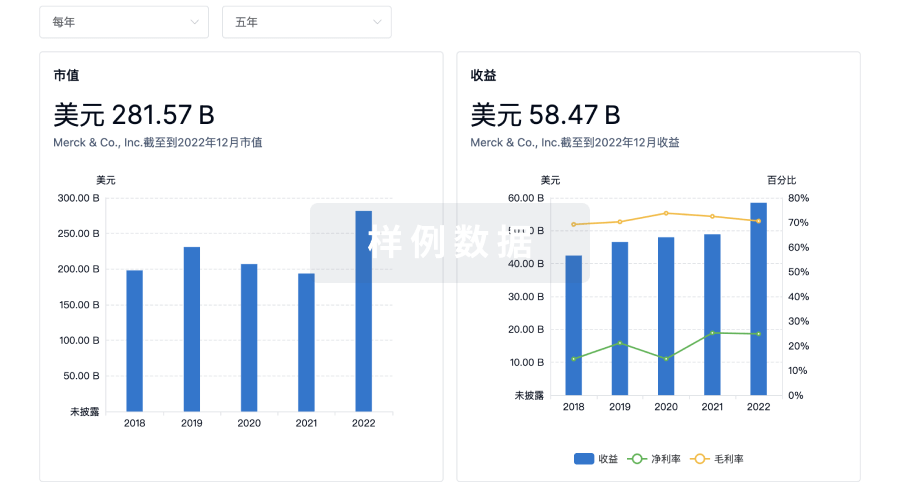
营收
使用 Synapse 探索超过 36 万个组织的财务状况。
登录
或
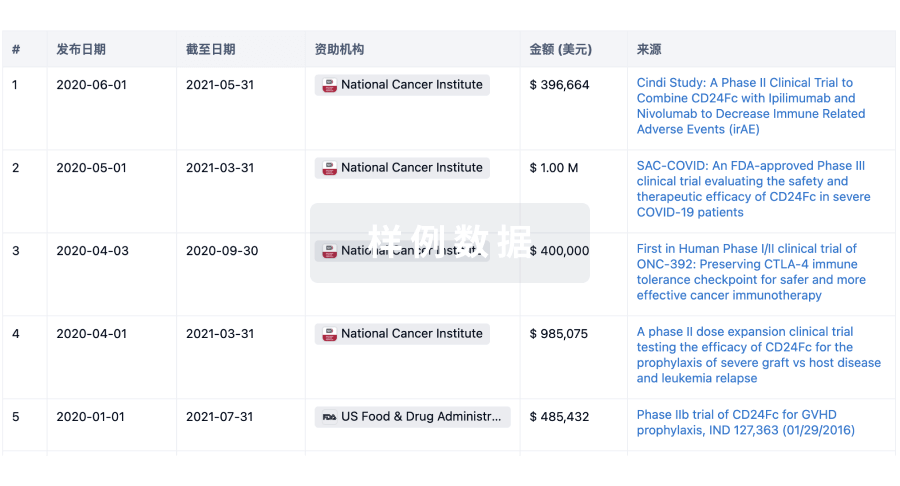
科研基金(NIH)
访问超过 200 万项资助和基金信息,以提升您的研究之旅。
登录
或
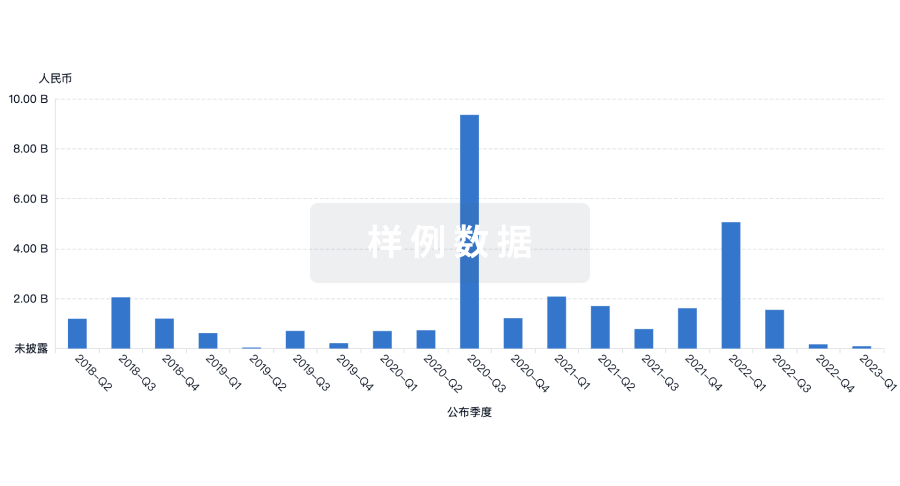
投资
深入了解从初创企业到成熟企业的最新公司投资动态。
登录
或
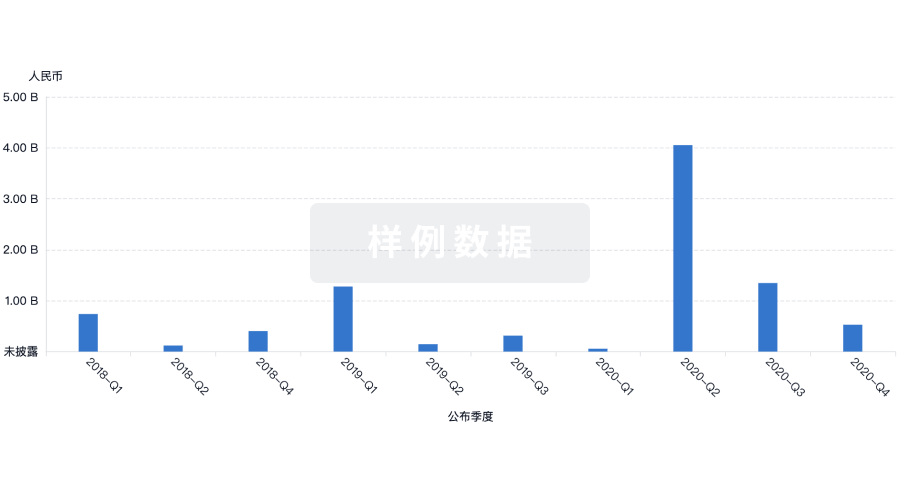
融资
发掘融资趋势以验证和推进您的投资机会。
登录
或
提出任何生物医药研究问题
让每一步生物医药决策都精准制胜
基于十亿级生物数据与全球情报的精准 AI,赋能早期药物发现
立即开始免费试用!
智慧芽新药情报库是智慧芽专为生命科学人士构建的基于AI的创新药情报平台,助您全方位提升您的研发与决策效率。
立即接入生物医药数据包
智慧芽新药库数据也通过智慧芽开放平台,以MCP或API服务形式对外开放。立即使用我们的MCP服务定制您的LLM智能体。
生物序列数据库
生物药研发创新
免费使用
化学结构数据库
小分子化药研发创新
免费使用