预约演示
更新于:2026-09-23

Yili Chuannig Biotechnology Co., Ltd.
更新于:2026-09-23
概览
关联
100 项与 伊犁川宁生物技术股份有限公司 相关的临床结果
登录后查看更多信息
0 项与 伊犁川宁生物技术股份有限公司 相关的专利(医药)
登录后查看更多信息
12
项与 伊犁川宁生物技术股份有限公司 相关的文献(医药)2025-08-01·JOURNAL OF HAZARDOUS MATERIALS
Corrigendum to “Deep eutectic solvent induced silver-gel as a flexible SERS substrate for sensitive detection of antibiotics under low temperature conditions” [J Hazard Mater 5 (2025) 137279]
作者: Wang, Tao ; Shen, Yunpeng ; Liu, Qian ; Wu, Dongling ; Zhang, Shuang
2025-05-01·JOURNAL OF HAZARDOUS MATERIALS
Deep eutectic solvent induced silver-gel as a flexible SERS substrate for sensitive detection of antibiotics under low temperature conditions
Article
作者: Wang, Tao ; Shen, Yunpeng ; Liu, Qian ; Wu, Dongling ; Zhang, Shuang
Antibiotic residues pose a significant threat to global health. Traditional detection methods for antibiotics are cumbersome, time-consuming and often incapable of achieving non-destructive detection at low temperatures. This research introduces a groundbreaking innovation in antibiotic detection: a flexible Surface-Enhanced Raman Scattering substrate based on a silver composite deep eutectic solvent (DES) gel, specifically engineered for low-temperature antibiotic detection. To address the challenge of low SERS response for antibiotics, we utilize R6G (Rhodamine 6 G) to effectively label them. This unique SERS substrate exhibits exceptional mechanical robustness, stability, and frost-resistance. Remarkably, it enables the direct and sensitive detection of six types of labeled antibiotics across four categories in frozen chicken wings at -25 °C, with a limit of detection (LOD) below 1.3 × 10⁻⁹ mol/L. Additionally, the substrate demonstrates outstanding homogeneity (relative standard deviation (RSD< 6.4 %), reproducibility (RSD < 6.2 %), and long-term stability over 30 days, ensuring highly sensitive and quantitative antibiotic detection. Theoretical insights reveal that the labeled antibiotics exhibit higher binding energy with silver, further enhancing detection sensitivity. This novel, flexible substrate holds immense potential for quantifying antibiotics in frozen foods and heralds a new era of expanded detection capabilities for a broader spectrum of antibiotics at low temperatures.
2024-10-01·SEPARATION AND PURIFICATION TECHNOLOGY
Radiation-induced degradation of a steroid hormone androstenedione (AD) in aqueous solution
作者: Libing Chu ; Ao Yang ; Yunpeng Shen ; Jianlong Wang ; Yong Liu
Steroid hormones, notably as a critical category of endocrine disrupting chems., have been garnering increasing global concerns.Ionizing radiation, as a special kind of advanced oxidation processes, shows considerable promise as a practical technol. for industrial-scale applications.This study focused on the degradation of an androgens, androstenedione (AD) in aqueous solutions using electron beam radiation.With an initial AD concentration of 10 mg/L, the removal efficiency of AD reached almost 100 % with the absorbed dose of 0.6 kGy.The degradation rate of AD was not affected by pH at range of 4.1 to 9.4 but decreased rapidly under strongly alk. condition (pH = 11.0).Oxidation by OH was the major mechanism for degrading AD under irradiationThe presence of dissolved organics, including glucose, peptone and sodium dodecyl benzene sulfonate had significant inhibition to the decomposition of AD, while the hydrophobic substances, like soybean oil had negligible effect.AD degradation through radiation had a robust resistance to the interference from ions, such as Cl-, PO4-3 and SO2-4, but strong inhibitory effect was found in the presence of CO2-3 and NO-2 ions, at concentrations ranging from 0.001 M to 0.1 M.The enhancement effect on AD degradation and mineralization was more pronounced with Fe2+ addition than that with H2O2.Overall, these results highlighted that electron beam radiation is a promising technol. for the degradation of AD in water and wastewater.
481
项与 伊犁川宁生物技术股份有限公司 相关的新闻(医药)2026-09-21
·灵镜研究
一、市场概览与情绪分析
1.1 整体市场情绪判断
结论:市场处于"结构性积极"阶段,医药与科技双主线共振,情绪偏暖但尚未进入全面狂热。
从当日归因数据来看:
指标
数值
解读
分析股票总数
3479只
覆盖面广,样本充分
涨幅中位数
1.68%
中位数显著为正,赚钱效应良好
影响度中位数
-0.26
多数个股受因子影响偏弱,分化明显
影响度75%分位
0.66
头部因子集中度较高
有效因子数量
750
因子活跃度高,题材发散充分
热点题材归因报告显示,712只热点股票涨幅中位数为0.96%,影响度中位数达1.58,75%分位达3.98,说明热点题材股的影响度集中度远高于全市场,资金抱团特征明显。
5日累计数据显示,2774只股票涨幅中位数达2.74%,影响度75%分位为0.77,中期赚钱效应强于单日,趋势性行情正在形成。
1.2 涨停/跌停家数分析
从当日归因数据中提取的关键信息:
涨停/接近涨停个股密集出现在:医疗实验室设备(洁特生物19.98%)、分析仪器(鼎阳科技20.00%)、生物试剂(诺禾致源20.00%)、汽车电子(联合光电20.0%)、商业航天(观想科技14.07%)等方向。
跌停/大幅下跌个股:影响度最小值-5.11,说明仍有部分个股承压,但跌幅中位数为正,空头力量有限。
20%涨停板个股:洁特生物、鼎阳科技、诺禾致源、联合光电等,集中在医药生物+高端仪器方向。
判断:涨停家数明显多于跌停家数,市场处于多头主导格局,但涨停分布集中于医药和科技两大方向,结构性特征突出。
1.3 量能变化解读
概念板块
5日平均成交额(亿元)
量能特征
CRO概念
896.1
巨量,资金深度介入
船舶
821.4
大量,主力控盘
租购同权
743.4
大量,地产链资金活跃
合成生物
657.2
大量,题材发酵中
免疫治疗
614.9
大量,医药主线核心
创新药
269.7
中等,龙头集中
PCB概念
—
5日累计涨幅居前,量能持续放大
关键发现:CRO概念5日平均成交额高达896亿元,位居所有概念之首,说明机构资金正在大规模介入医药外包赛道。船舶板块成交额821亿元,连涨天数虽仅1天但领涨度评分高达996.6,主力控盘度极高。
二、主流题材深度解析
2.1 核心题材梳理(Top 5)
#### 题材一:创新药/CRO/免疫治疗(医药大主线)
维度
内容
上涨逻辑
政策驱动+事件驱动+业绩驱动三重共振
龙头股票
荣昌生物(8.85%)、科伦药业(6.81%)、百利天恒(6.41%)、药明康德(4.98%)、恒瑞医药(4.85%)
中军股票
博腾股份(5.13%)、九洲药业(4.38%)、康龙化成(4.23%)、凯莱英(3.13%)、泰格医药(2.79%)
跟风股票
美迪西(3.44%)、华东医药(2.53%)、昭衍新药、东诚药业、睿智医药
强度评分
9.5/10
核心逻辑深度解析:
1. 医保谈判边际缓和:创新药支付环境改善,这是最核心的政策催化。医保目录调整向创新药倾斜,谈判规则优化,直接提升创新药企的盈利预期。
2. 出海加速:License-out交易金额屡创新高,ADC、双抗等新技术平台价值凸显。百利天恒、科伦药业等企业接连达成重磅海外授权协议,验证了国内创新药研发实力。
3. CXO订单回暖:CRO概念5日平均成交额896亿元,综合评分(3天)838.6,领涨度排名983.3,几乎所有指标均处于全市场最顶端。
4. 减肥药催化:GLP-1赛道持续升温,常山药业(4.51%)等标的活跃。
5. 阿尔茨海默药等重磅品种催化:博腾股份、九洲药业、凯莱英等CDMO企业直接受益。
概念指数评分验证:
概念
涨幅
连涨天数
领涨度排名(5天)
综合评分(3天)
免疫治疗
4.83%
4
929.6
422.5
CRO概念
4.79%
3
983.3
838.6
创新药
4.33%
4
489.8
206.7
减肥药
4.30%
4
692.1
325.4
基因概念
3.79%
4
781.3
357.0
AI医疗概念
3.33%
4
682.4
332.7
联动分析: CRO概念与免疫治疗概念高度重叠,昭衍新药、东诚药业、睿智医药、益诺思等同时属于两个概念,说明资金在医药内部形成了"创新药→CRO→免疫治疗→基因概念"的完整传导链。
#### 题材二:PCB/CCL/集成电路(AI算力硬件链)
维度
内容
上涨逻辑
产业驱动+事件驱动(英伟达GB200)+涨价传导
龙头股票
胜宏科技(9.23%)、世运电路(6.51%)、景旺电子(5.47%)、方正科技(5.17%)
中军股票
深南电路(2.74%)、沪电股份(2.02%)、兴森科技(3.38%)、依顿电子(4.39%)
跟风股票
华正新材(2.17%)、南亚新材(2.10%)、博敏电子(1.27%)、奥士康(0.52%)
强度评分
9.0/10
核心逻辑深度解析:
1. AI服务器PCB价值量大幅提升:英伟达GB200采用高阶HDI,单机PCB价值量超1万元,较传统服务器提升5-10倍。
2. 覆铜板(CCL)涨价传导顺利:生益科技等上游材料商业绩弹性显现,涨价逻辑从上游向下游传导。
3. 国产PCB厂商技术突破:高端产品份额提升,国产替代加速。
4. 5日累计数据验证:集成电路5日累计涨幅20.94%,影响度20.78,胜率69.6%;PCB在9月15日5日累计涨幅14.19%,影响度28.36,胜率86.7%;覆铜板9月15日5日累计涨幅22.35%,影响度27.07,胜率92.0%。
多日题材轮动轨迹:
日期
PCB相关题材表现
PCB 14.19% 影响度28.36 胜率86.7%;覆铜板22.35% 影响度27.07 胜率92.0%
覆铜板21.43% 影响度24.30 胜率92.0%;PCB 12.07% 影响度22.97 胜率73.3%
9月17日
PCB 3.32% 影响度21.54 胜率64.0%;覆铜板10.34% 影响度11.71 胜率72.0%
9月18日
芯片设计6.56% 影响度32.01 胜率65.0%;薄膜沉积6.77% 影响度31.21 胜率70.5%
9月21日
芯片设计7.23% 影响度34.19 胜率70.0%;薄膜沉积5.78% 影响度29.56 胜率67.4%
关键判断:PCB/覆铜板题材在9月15-16日达到高潮后,9月17日开始分化,资金逐步向上游半导体设备(薄膜沉积、ALD、刻蚀)和芯片设计转移。但9月21日CCL概念再次活跃,说明题材尚未完全退潮,而是进入了"上游设备+中游PCB+下游应用"的轮动扩散阶段。
#### 题材三:半导体设备/芯片设计(国产替代链)
维度
内容
上涨逻辑
国产替代加速+成熟制程扩产+存储厂商扩产
龙头股票
国科微(8.36%)、瑞芯微(4.19%)、聚辰股份(6.85%)
中军股票
北方华创、中微公司、拓荆科技、盛美上海
跟风股票
芯源微、华海清科、精测电子
强度评分
8.5/10
核心逻辑深度解析:
1. 薄膜沉积/CVD/ALD:5日累计涨幅5.78%,影响度29.56,胜率67.4%,在所有半导体子领域中影响度最高。
2. 芯片设计:5日累计涨幅7.23%,影响度34.19,影响度全市场最高,说明资金集中度极高。
3. 量测设备突破:先进制程设备受限背景下,成熟制程扩产带动设备需求。
4. 存储厂商扩产:长鑫存储等国内存储厂商加速追赶,HBM需求爆发。
半导体设备细分方向对比:
细分方向
5日累计涨幅
影响度
胜率
阶段判断
芯片设计
7.23%
34.19
70.0%
加速发酵
薄膜沉积
5.78%
29.56
67.4%
持续发酵
CVD
5.78%
29.56
67.4%
持续发酵
ALD
5.78%
29.56
67.4%
持续发酵
半导体设备
5.49%
27.77
66.3%
稳步推进
光通信(1.6T)
5.75%
27.50
69.1%
加速发酵
光模块
5.41%
26.26
68.4%
持续发酵
HBM
4.28%
24.62
67.1%
启动阶段
#### 题材四:合成生物学/生物制造
维度
内容
上涨逻辑
政策驱动+技术突破+融资活跃
龙头股票
华恒生物(6.81%)、欧康医药(5.24%)、蔚蓝生物(4.82%)
中军股票
富士莱(4.49%)、金达威(3.97%)、溢多利(3.79%)
跟风股票
播恩集团(3.38%)、莱茵生物(3.18%)、川宁生物(2.72%)、嘉必优(2.72%)
强度评分
8.0/10
核心逻辑深度解析:
1. 政策大力支持生物经济:合成生物学成为生物制造核心驱动力。
2. 基因编辑/细胞工厂技术突破:技术成熟度提升,产业化加速。
3. 生物基材料/生物燃料:应用领域快速扩展,市场空间打开。
4. 合成生物学企业融资活跃:一级市场热度传导至二级市场。
5. 概念指数验证:合成生物概念涨幅3.66%,连涨3天,领涨度排名840.5,综合评分654.1,综合评分在所有概念中排名前列。
联动分析: 合成生物与CRO概念、免疫治疗形成交叉,康希诺、天宇股份、雅本化学、近岸蛋白等同时属于多个概念,说明医药内部的细分赛道正在形成合力。
#### 题材五:汽车电子/商业航天/军工(高端制造链)
维度
内容
上涨逻辑
事件驱动+订单驱动+政策驱动
龙头股票
通宇通讯(10.0%)、广合科技(10.0%)、金溢科技(10.01%)、贵绳股份(9.99%)
中军股票
胜宏科技(9.23%)、蓝思科技(4.03%)、中材科技(10.0%)、中国船舶(3.93%)
跟风股票
联合光电(20.0%)、德尔股份(14.29%)、观想科技(14.07%)、坤恒顺维(12.88%)
强度评分
7.5/10
核心逻辑深度解析:
1. 汽车电子:主力板块排名第1,形态评分861.43,主力总分92.07,龙头分89.17,中军分106.68,中军强度极高,说明机构资金深度参与。
2. 商业航天:主力板块排名第2,形态评分739.77,主力总分91.74,龙头分90.67,龙头强度突出。
3. 军工:国防预算稳定增长,装备采购恢复,十四五规划后两年订单加速释放。七一二(4.59%)、图南股份(4.01%)、中国船舶(3.93%)等表现活跃。
4. 船舶:概念指数评分中船舶板块涨幅4.21%,领涨度排名996.6,领涨度全市场最高,主力控盘度极高。
主力板块评分对比:
板块
形态评分
主力总分
龙头分
中军分
跟风分
1
汽车电子
861.43
92.07
89.17
106.68
80.37
2
商业航天
739.77
91.74
90.67
107.8
76.75
3
粤港澳
750.63
89.25
91.25
95.38
81.11
4
人工智能
557.65
88.66
90.08
98.82
77.08
关键发现:汽车电子和商业航天的中军分均超过100,说明这两个板块不仅有龙头带动,更有大量中军股配合,板块厚度好,持续性强。
#### 昨日强势题材今日表现
题材
9月18日表现
9月21日表现
轮动判断
集成电路
5日累计20.30% 影响度23.46
5日累计20.94% 影响度20.78
持续强势,略有降温
芯片设计
5日累计6.56% 影响度32.01
5日累计7.23% 影响度34.19
加速发酵
薄膜沉积
5日累计6.77% 影响度31.21
5日累计5.78% 影响度29.56
高位震荡
生物试剂
5日累计13.54% 影响度14.83
5日累计16.68% 影响度17.32
加速发酵
细胞技术
5日累计11.48% 影响度17.05
5日累计10.18% 影响度13.43
高位分化
光通信
5日累计3.72% 影响度25.21
5日累计5.75% 影响度27.50
加速发酵
#### 今日新发酵题材
1. 医药/双抗/CAR-T:当日热点题材排名第1,17只股票平均涨幅4.19%,影响度12.12,胜率100%。
2. 创新药出海加速:13只股票平均涨幅3.56%,影响度9.40,胜率100%。
3. 新零售:28只股票平均涨幅2.77%,影响度9.33,胜率100%。
4. 数字货币:19只股票平均涨幅2.90%,影响度8.24,胜率94.7%。
5. 脑机接口:9只股票平均涨幅3.03%,影响度6.98,胜率100%。
#### 题材之间的资金争夺关系
第一梯队(资金主攻方向):医药大主线
创新药、CRO、免疫治疗、减肥药、基因概念、AI医疗、合成生物
资金深度介入,成交额巨大,持续性最强
第二梯队(资金轮动方向):AI算力硬件链
PCB、CCL、集成电路、芯片设计、半导体设备、光通信、光模块
资金从下游PCB向上游设备和材料轮动
第三梯队(资金
2026-09-21
·今日头条
摘要
合成生物学(Synthetic Biology)不是一个行业,而是一种
用可工程化的生命系统重构物质生产函数的通用制造范式
:以"设计—构建—测试—学习"(DBTL)闭环为方法论,以 DNA 读写、基因编辑、生物铸造厂和 AI 蛋白模型为使能工具,最终把化工、材料、能源、食品、医药、农业的一部分产能从"炼化路线"迁移到"细胞工厂路线"。麦肯锡全球研究院 2020 年测算,2030—2040 年这一轮"生物革命"的年度直接经济影响约为
2 万亿—4 万亿美元
,全球经济
60% 的实物投入品
原则上可被生物方式制造(MGI《The Bio Revolution》,2020 年 5 月)。这是本行业长期叙事的真正出处——它既不出自美国白宫文件,也不是某家咨询公司的市场报告。
本报告先海外、后国内,基于美国白宫归档行政令与《Bold Goals》报告、美国国会公法(PL 119-60)、欧盟委员会 COM 文件、英国政府出版物、SEC 10-K/8-K 与公司官方业绩公告,以及中国国家发改委、工信部、中国政府网、人民日报、上交所/深交所年报等一手材料,对全球与中国行业进行系统复盘。核心观点如下:
全球行业已经走完一个完整的"泡沫—证伪—分化"周期,分化结果与流行叙事恰好相反。
全球合成生物初创风险融资在 2021 年达到约 178 亿美元的历史顶点(Built With Biology 季报口径;SynBioBeta 2023 报告后修订为 218 亿美元),2022 年腰斩至 103 亿美元,随后 Amyris 破产(2023 年 8 月)、Zymergen 被收购(2022 年 10 月)、Spiber 事业转让清算(2026 年 3 月)、培养肉与精密发酵公司成片倒闭(2025 年)。但"卖水人"Twist Bioscience 在同一时期 FY2025 营收达 3.766 亿美元、同比 +20%、毛利率升至 50.7%(SEC 8-K,2025-11-14)。
被资本神化的平台与产品公司在流血,被认为"不性感"的工具公司在赚钱。
"实验室能做"不等于"工厂能赚钱",scale-up(放大工程)是这个行业的第一道死亡峡谷。
Amyris 破产时总负债 13.32 亿美元、总资产仅 7.826 亿美元(SEC 月度运营报告);凯赛生物生物基聚酰胺 2025 年收入仅 1.27 亿元、毛利率连续四年为负、产能利用率长期不足 10%(钛媒体 2026 年 7 月报道);蓝晶微生物盐城一期约 60% 的 PHA 产能被迫改产饲料添加剂。中美两国头部公司用真金白银验证了同一条规律:
合成生物的终点是制造业,单位经济模型必须在同一个坐标系里和石化路线、大宗周期品对打。
全球分工格局是"设计在美国、制造在中国",两国都在国家力量下补自己的短板。
美国垄断论文、AI 蛋白模型、DNA 合成与测序装备、高价值专利与风险资本,2025 年起政策从"全面补贴生物经济"急转为"供应链安全 + 制造回流 + 对华脱钩":第 14081 号行政令被第 14236 号行政令撤销(2025-03-14),《BIOSECURE 法案》随 FY2026 国防授权法第 851 节成法(PL 119-60,2025-12-18),"Genesis Mission"以 50 亿美元投向 AI 与自主实验室。中国则握有
生物制造约 1.1 万亿元总产值、发酵产品产量占全球 70% 以上、氨基酸与有机酸产量世界第一
的制造基本盘(工业和信息化部数据,人民日报 2026-08-31),正在用深圳合成生物大设施(总概算 7.222 亿元,2024 年 12 月开放运行)和国家生物制造产业创新中心(总投资 9.67 亿元)补"设计端"。
中国行业的真实风险不是"技术不行",而是概念泛化与低端同质化。
2024 年 5—6 月有 19 家 A 股上市公司密集公告澄清"无合成生物学业务"(经济观察报 2024-06-21);氨基酸价格战把华恒生物 2024 年归母净利润打到 1.90 亿元、同比 -57.80%(公司 2024 年报);华熙生物归母净利润两年从 9.71 亿元降至 1.74 亿元;创业公司端出现失信被执行人(态创生物)、持续资不抵债(引航生物递表港股、三年累亏超 5.3 亿元)、实际控制人被批准逮捕(华恒生物 2026-07-31 公告)等治理事件。行业正在经历"去伪存真"的必要出清。
投资判断应从"概念密度"切换到"成本曲线位置 × 需求替代弹性 × 环节卡位"。
工具环节(DNA 合成、测序、酶、自动化)享有刚需与壁垒;产品环节只相信"成本/品质已经穿越对标线"的公司;平台环节需要等待 AI×自主实验室把 DBTL 迭代成本再降一个数量级之后,才具备重新定价的基础。
第一章 重新理解合成生物学:定义、范式与产业链
1.1 定义:从"生物技术"到"工程范式"
中国《"十四五"生物经济发展规划》(发改高技〔2021〕1850 号,2022 年 5 月 10 日公开发布)对合成生物学的官方表述是:"推动合成生物学技术创新,突破生物制造菌种计算设计、高通量筛选、高效表达、精准调控等关键技术,有序推动在新药开发、疾病治疗、农业生产、物质合成、环境保护、能源供应和新材料开发等领域应用",并提出"发展合成生物学技术,探索研发'人造蛋白'等新型食品"。
这一表述抓住了合成生物学与传统生物技术的分野:
传统生物技术是"发现一个有用的生物功能并利用它",合成生物学是"按工程学原理设计、标准化、模块化地构建生命系统"
。其方法论被抽象为 DBTL 闭环:
Design(设计)
:借助生物信息学、代谢网络模型和 AI 蛋白模型设计基因线路、代谢通路或酶;
Build(构建)
:通过 DNA 合成、组装与转化把设计写入底盘细胞(大肠杆菌、酵母、谷氨酸棒杆菌、嗜盐菌等);
Test(测试)
:高通量培养、组学检测与表型筛选;
Learn(学习)
:数据回流修正模型,驱动下一轮设计。
DBTL 循环的单位成本与迭代速度,是合成生物学企业真正的"摩尔定律"。把这一循环自动化、标准化、云端化的物理设施,就是
生物铸造厂(Biofoundry)
。
1.2 为什么"这一轮"不一样:三个使能变量同时过拐点
工业生物技术并非新概念(中国发酵工业已有数十年历史),本轮合成生物学浪潮之所以被视为范式革命,是因为三个变量在 2020 年前后同时跨过成本拐点:
DNA 读取成本
:据美国国家人类基因组研究所(NHGRI)官方测序成本序列,2022 年 5 月每人类基因组测序成本已降至
524.62 美元
(该官方序列最后更新于 2023-05-16),而人类基因组计划时代的成本以数亿美元计;
DNA 写入产能
:以 Twist Bioscience 硅基高通量合成平台为代表,FY2025 全年交付约
93.8 万个合成基因、服务约 3,800 家客户
(SEC 8-K,2025-11-14);酶法合成(DNA Script 的 SYNTAX 台式打印机)开始进入分布式部署阶段;
设计端智能化
:AlphaFold 3(Abramson 等,Nature 630:493–500,2024-05-08)、RFdiffusion(Watson 等,Nature 620:1089–1100,2023-07-11)、ESM3(Hayes 等,Science 387:850–858,2025-02-21,980 亿参数,并生成了与已知荧光蛋白相似度仅 58% 的 esmGFP)把蛋白结构预测、从头设计与功能蛋白生成推进到可用阶段。
读、写、设三端的成本曲线叠加,使 DBTL 迭代从"手工作坊"走向"数据工业"——这正是 Ginkgo Bioworks 2026 年把全部战略押注于"自主实验室(Autonomous Labs)"、美国"Genesis Mission"把 50 亿美元投向 AI×自动化实验的根本原因。
1.3 产业链结构:上游卖水人、中游平台、下游产品
合成生物学产业链与技术栈结构。上游为 DNA 合成/测序、基因编辑、Bio-CAD 与 AI 模型等使能技术;中游为菌种/酶工程平台、生物铸造厂、精密发酵与一碳利用;下游为发酵放大与产品制造,覆盖化工、材料、能源、医药、食品、农业等终端市场。资料来源:作者依据各公司官网、年报及公开资料归类整理。
理解这条产业链,关键不是记住公司名单,而是理解
价值与风险在链条上的分布极不均匀
:上游工具环节客户分散、复购刚性、技术壁垒高,是"卖铲子"生意;中游平台环节收入依赖客户项目成功,长期受"平台到底由谁付费"拷问;下游产品环节则是重资产、长周期的制造业,生死取决于放大工程与单位成本。本报告第三章与第五章将用中美公司的真实财报证明:过去五年,价值分配系统性地偏向了上游。
第二章 全球行业全景:市场、政策竞赛与资本周期
2.1 市场规模:为什么五家机构的数字能差出五倍
合成生物学没有统一的统计边界,这本身就是第一个需要拆解的"信息陷阱"。五家主流市场研究机构的公开摘要如下:
机构(报告版本)
基准年规模
预测年规模
CAGR
MarketsandMarkets(2024-11)
123.3 亿美元(2024)
315.2 亿美元(2029)
20.6%
BCC Research(2024-08)
193 亿美元(2024)
616 亿美元(2029)
26.1%
Grand View Research(2026 版)
189 亿美元(2025)
692 亿美元(2033)
17.7%
Mordor Intelligence(2026-04)
197.5 亿美元(2025)
564.8 亿美元(2031)
19.14%
Strategic Market Research(2025-10)
158 亿美元(2024)
564 亿美元(2030)
28.43%
全球合成生物学市场规模五家机构预测对比。2024—2025 年基准估算落在约 123—198 亿美元区间,2029—2033 年预测落在约 315—692 亿美元区间;差异来自统计边界——仅计使能工具与核心产品(窄口径),还是纳入被赋能的下游产品(宽口径)。数据来源:各机构公开报告摘要(报告全文付费),URL 见参考来源清单。
深度判断
:五家机构绝对额相差近 5 倍,但方向高度一致——未来 5—7 年市场扩张约 3 倍、CAGR 17.7%—28.4%。比绝对数字更有意义的是三个锚点:① 窄口径看,"合成生物学核心产业"当前是 100 亿—200 亿美元量级,尚不及一个大型药企的年销售额,说明它仍在产业极早期;② 宽口径看,其撬动的下游是数百亿美元量级;③ 真正的长期天花板要看麦肯锡 MGI 的"60% 实物投入可生物制造"框架,那是 10 万亿级美元的物理空间,但兑现周期以数十年计。
用任何一家咨询公司的单一数字做投资决策,都是统计边界还没搞清楚的表现。
2.2 国家战略竞赛:从"产业补贴"到"供应链武器化"
美国:从 EO 14081 到 BIOSECURE,四年两次急转弯
2022-09-12
,拜登签署第 14081 号行政令《Advancing Biotechnology and Biomanufacturing Innovation for a Sustainable, Safe, and Secure American Bioeconomy》,首次把生物制造定义为国家经济与安全战略;白宫同日事实清单提出"到本世纪末,生物工程相关经济规模可能接近每年 30 万亿美元"的长期判断。
2023 年 3 月
,白宫科技政策办公室等发布《Bold Goals for U.S. Biotechnology and Biomanufacturing》,给出到 2030 年的量化目标:
90% 以上的塑料可被生物基替代品替代、至少 30% 的化工产品需求通过生物制造满足、细胞与基因疗法制造成本降低 10 倍
。需要特别澄清的是,该报告全文
没有
"全球生物经济 1 万亿美元"的表述,此类说法另有出处(SynBioBeta 行业口径与麦肯锡报告),不可嫁接给白宫文件。
总统科技顾问委员会(PCAST)2022 年 12 月报告沿用 NASEM 口径测算:美国生物经济 2016 年直接经济活动
4,023 亿美元、总影响 9,590 亿美元
。
2024-06-25
白宫事实清单披露:联邦机构已动员约
290 亿美元
投入;能源部贷款项目办公室向 Solugen 出具
2.136 亿美元有条件贷款担保承诺
(注意:截至本报告完成日,未检索到该贷款最终闭合或 Marshall 工厂全面投产的官方确认,只能表述为"有条件承诺");国防部宣布超过
10 亿美元
的国内生物工业产能投资。
2025 年政策急转向
:第 14236 号行政令(2025-03-14)第 2(k) 条
撤销 EO 14081
;第 14292 号行政令(生物研究安全,2025-05-05)、第 14293 号行政令(关键药物国内生产,2025-05-05)、第 14336 号《SAPIR》战略活性药物成分储备令(2025-08-13)相继签署;
2025-11-24 签署"Genesis Mission"行政令,以约 50 亿美元投向 AI 驱动的自主实验室与生物制造主导权
(白宫文件及 Ginkgo 2026 年 Q2 业绩公告转述)。
BIOSECURE 成法是对华脱钩的里程碑
:S.1071《BIOSECURE Act》作为
FY2026 国防授权法(NDAA)第 851 节
成法,即 Public Law 119-60,总统于
2025-12-18
签署(139 Stat. 718),限制联邦资金与华大系、华大智造、药明康德/药明生物、燃石医学等"受关切生物技术企业"交易。同一部 NDAA 还设立生物技术管理办公室(§242)、要求国防部出台生物技术战略(§246)。
执行机构层面,国防部首家工业生物制造制造创新研究所
BioMADE
截至 FY2025 获国防部承诺资金接近 6 亿美元、三批项目倡议合计带动 9.652 亿美元(GAO-26-107797,2026-02-26);NSF 于 2024 年通过 BioFoundries 计划(NSF 23-585)资助 5 个生物铸造厂共 7,500 万美元。美国的政策范式已经从"培育产业"切换为"把研发与制造留在岸内、把中国能力挡在门外、用 AI 重做一遍实验科学"三位一体。Ginkgo 在 2026 年 Q2 业绩稿中直白地描述其新服务"ADME-One 比药明便宜 10 倍、工作在波士顿完成",是这套政策导向在企业层面的标准注脚。
欧盟:追赶美国,先补资本短板
欧委会
COM(2024)137 通讯
(2024-03-20)给出关键格局数据:2021 年全球生物技术市场约
7,200 亿欧元、年增速超过 18%
;份额上美国约 60%、欧洲约 12%、中国约 11%。2025 年底欧盟密集补票:
2025-11-27 发布新生物经济战略
(IP_25_2819),披露欧盟生物经济 2023 年总价值最高约
2.7 万亿欧元、就业 1,710 万人
,并拟成立 Bio-based Europe Alliance,目标 2030 年前聚合
100 亿欧元
生物基产品采购承诺;
2025-12-16 发布《European Biotech Act I》(COM(2025)1022)
,其官方 Q&A 坦承欧洲的致命伤在资本:2015 年—2025 年 6 月风险投资美国
2,190 亿欧元
对欧洲
250 亿欧元
,欧洲近年 67 起生物技术 IPO 中
66 家选择境外上市
;欧洲投资银行拟以"BiotechEU"试点撬动 100 亿欧元。面向工业生物技术的 Biotech Act II 预计 2026 年内出台。欧盟—产业界共资的 Circular Bio-based Europe JU 以
20 亿欧元
预算运行至 2031 年。
英国、日本、韩国、新加坡、印度:国家级"生物铸造厂"竞赛
英国
:2023-12-05 商务部(DSIT)发布《National vision for engineering biology》,宣布 10 年投入
20 亿英镑
(上议院科学技术委员会曾质疑该口径为新增资金还是既有资金打包)。需纠偏的是:
英国并不存在名为"Biosecure/Biosecurity Act"的国家专门法
,其依据为 2023 年《Biological Security Strategy》。
日本
:2019 年《バイオ戦略》,2024 年 6 月更名《バイオエコノミー戦略》,目标 2030 年形成
100 万亿日元
生物经济市场;NEDO"生物制造革命推进事业"2023—2032 年度安排约
2,700 亿日元
,并在关西、关东建设两大数据银行型生物铸造厂。
韩国
:科学技术信息通信部 2022-11-29 宣布《国家合成生物学倡议》,目标核心技术水平达顶尖国家 90%、10 年内将 30% 制造业转为生物基、培养 1,000 名专业人才;国家生物铸造厂 2025—2029 年投入 1,263 亿韩元;《合成生物学培育法》2025 年 4 月国会通过、2026 年施行(官方法条号未检索到,列为 B 级来源)。
新加坡
:新加坡国立大学 2024-10 宣布 6 年投入 1.2 亿新元的国家合成生物学倡议;A*STAR 与 MojiaBio 2025-02 签约 4,480 万新元共建下一代可持续生物制造平台。
印度
:联邦内阁 2024-08-24 批准 BioE3 政策;其生物经济规模 2014 年约 100 亿美元、2024 年
1,657 亿美元
(约占 GDP 4.25%)、2030 年目标 3,000 亿美元;2025 年 8 月启动首个国家生物铸造厂网络。
小结
:主要经济体在 2022—2025 年完成了同一件事——把合成生物学/生物制造从科技政策升格为产业与安全政策。差异在于工具选择:美国押注 AI+自动化+脱钩,欧盟补风险资本,东亚(中日韩)押国家铸造厂与制造能力。
2.3 资本周期:2021 年的顶点与 2023 年开始的出清
全球合成生物学初创年度风险融资额(2018—2025年)。2018—2022 年为 SynBioBeta/Built With Biology 官方口径:42.45 亿、30.82 亿、78 亿、约 178 亿(2021 年 SynBioBeta 2023 报告后修订为 218 亿)、103 亿美元;2023—2025 年(107 亿、122 亿、约 173 亿美元)仅有二手来源、官方报告未取得,图中以斜纹柱标注,引用须谨慎。数据来源:SynBioBeta 2023 Investment Report 官方 PDF、GlobeNewswire 官方通稿、Built With Biology 季报。
这张图解释了之后一切行业现象的资金面背景:2020—2021 年融资额在 18 个月内放大 4 倍以上,大量资本在 DBTL 经济性尚未被验证时涌入,估值与现货市场(大宗品价格)脱钩;2022 年加息周期开始后,融资金额腰斩,而长周期重资产的发酵项目恰好进入需要 B/C 轮接续资本开支的阶段——
融资退潮与资本开支高峰撞车,是 Amyris 们倒下的直接死因
。需要强调:2023 年以后 SynBioBeta 年度报告官方 PDF 未能公开取得,107 亿/122 亿/173 亿均为二手口径,本报告不据此下"行业已经复苏"的结论;事实上,2025—2026 年的复苏高度结构化——钱流向了 AI 蛋白设计、自主实验室和国防生物安全,而非传统发酵产能。
2.4 技术拐点:AI 把 DBTL 的"D"重做了一遍
2023—2025 年最重要的产业变量不是任何一家公司的 IPO,而是设计端的三次跃迁(均有同行评议一手论文):
RFdiffusion
(Watson、Juergens、Bennett…Baker,Nature 620(7976):1089–1100,2023-07-11):基于扩散模型从头设计蛋白结构与结合蛋白,代码同期开源;
AlphaFold 3
(Abramson 等,Nature 630:493–500,2024-05-08,DOI: 10.1038/s41586-024-07487-w):把预测对象从蛋白扩展到蛋白—配体—核酸复合物;
ESM3
(EvolutionaryScale,Science 387(6736):850–858,2025-02-21,DOI: 10.1126/science.ads0018):980 亿参数、训练算力超 10²⁴ FLOPS,生成的 esmGFP 与已知荧光蛋白仅 58% 相似且实验验证有功能。
其意义在于:
蛋白/酶工程第一次从"定向筛选+理性修补"走向"生成式设计"
,中游平台最昂贵的试错环节(设计命中率)有望被重定价。但必须冷静:AI 降低的是设计成本,没有降低发酵放大成本——它解决 DBTL 中的"D",不解决从 10 升到 100 吨的"T/L"。这也是 Ginkgo 必须继续烧掉现金把自动化物理设施铺开的原因。
第三章 国外产业复盘:三种商业模式的第一轮证伪
3.1 平台模式:Ginkgo Bioworks 的收缩、换轨与"未退市"纠偏
Ginkgo Bioworks(NYSE: DNA)是平台模式最完整的标本,其财务轨迹值得逐字引用(公司官方业绩稿与 10-K):
财年
总营收
同比
GAAP 净亏损
年末现金及证券
FY2024
2.27 亿美元
-10%
5.47 亿美元
—
FY2025
1.70 亿美元
-25%
3.13 亿美元
4.23 亿美元
2025 年其细胞工程收入 1.33 亿美元(剔除 800 万美元非现金递延收入释放后为 1.25 亿美元,实际同比 -3%),生物安全收入 0.37 亿美元(-30%)。2026 年 Q1、Q2 营收分别为 0.19 亿、0.20 亿美元(Q2 同比 -48%),Q2 末现金降至 3.02 亿美元。公司 2023 年以来累计裁员逾 50%,2024 年 8 月实施 1:40 合股并于 9 月恢复纽交所最低股价合规;2026-02-26 宣布把生物安全业务剥离为独立私有实体(换少数股权),全面转向"自主实验室"——其波士顿 Nebula 已部署逾 100 台机器人,并承接美国能源部太平洋西北国家实验室 4,700 万美元、97 台仪器的自主实验室订单。截至 2026-09-18 收盘,公司市值约 5.3 亿美元,较 2021 年借壳上市时的数百亿美元蒸发逾 98%(NYSE 行情)。
两点必须纠偏
:① Ginkgo 从未从纽交所退市,网络流传"2024 年 12 月转 OTC"系 AI 内容农场虚构,退市的只是其公开认股权证;② 其平台模式的核心矛盾不是"技术不行",而是
收入确认与客户成功深度绑定
——客户项目终止会导致递延收入反向冲减(2024、2025 年分别有 4,500 万、800 万美元非现金收入释放),平台越向早期客户让利,收入质量越受质疑。Ginkgo 的换轨(自主实验室 + 政府合同 + 岸内药企服务)实质上是承认了"平台税"模式在现阶段不成立,退回"重资产研发服务商"身份。
3.2 卖水人:Twist、Codexis 与 DNA Script——工具刚性穿越周期
Twist Bioscience(NASDAQ: TWST,财年截至 9 月 30 日)是对照 Ginkgo 的另一面(SEC 8-K EX-99.1,2025-11-14):
FY2024 总营收 3.130 亿美元(合成生物 1.235 亿、NGS 1.691 亿、生物制药 0.203 亿),毛利率 42.6%,净亏损 2.087 亿美元;
FY2025 总营收
3.766 亿美元(+20%)
,毛利率升至
50.7%
,净亏损收窄至 0.777 亿美元;全年交付约 93.8 万个基因、约 3,800 家客户,年末现金 2.324 亿美元;
FY2026 指引已上调至 4.42 亿—4.47 亿美元,并计划在 FY2026 Q4 实现调整后 EBITDA 转正。
同样必须纠偏:
Twist 的主业至今是其专有硅基亚磷酰胺合成平台,其官方材料中不存在"酶法 DNA 合成商用里程碑"
;2026 年 5 月其复杂基因产品新闻稿仍明确表述为"silicon-based DNA synthesis platform"。酶法合成的商用旗手是法国
DNA Script
(SYNTAX 台式打印机,2021 年商用),该公司 2026-08-04 与 GE HealthCare 联合获得美国 ARPA-H FLASH 项目最高 2,600 万美元资助,用于分布式无细胞 DNA 生产(公司新闻稿 + ARPA-H 官方奖项页)。Codexis(NASDAQ: CDXS)FY2025 营收 7,040 万美元(+19%)、产品毛利率 64%、净亏 4,400 万美元,其 CodeEvolver 酶工程平台与 ECO 全酶法寡核苷酸平台代表了"酶"作为工具的另一条确定性路线(Q4 含对默沙东 3,780 万美元技术转让款)。
工具环节的商业逻辑与平台、产品环节根本不同:客户不管哪个项目最终成功,设计和试错都必须先买 DNA、买酶、买测序,
DBTL 迭代越狂热,工具商越赚钱;迭代失败的风险由平台和产品公司承担
。这就是风险在产业链上分配的第一条铁律。
3.3 产品公司:scale-up 死亡峡谷的四种死法
Amyris(法尼烯/角鲨烷)
:2023-08-09 向特拉华破产法院申请 Chapter 11(案号 23-11131),其 SEC 月度运营报告披露总资产 7.826 亿美元、总负债
13.32 亿美元
;重组计划 2024-01-23 获法院确认,2024 年 5 月完成重整转为私有企业,Biossance 等消费品牌被出售。Amyris 的死因具有教科书意义:实验室技术(青蒿酸、法尼烯)领先行业十年,但巴西工厂的放大与投产持续吞噬现金,消费品牌扩张又在加息周期撞上融资悬崖。
LanzaTech(NASDAQ: LNZA,气体发酵)
:把工业尾气经梭菌发酵成乙醇的技术真实成立,但商业化长期挣扎:FY2025 营收仅
5,580 万美元
、净亏 4,900 万美元,财报持续提示持续经营存疑(going concern);2025-08-18 实施 1:100 反向拆股,2026-01 完成 2,000 万美元 PIPE 续命;对可持续航空燃料企业 LanzaJet 的持股 2025 年 12 月达 53%、2026 年 2 月因融资摊薄至约 46%。
Spiber(日本东证,发酵结构蛋白)
:与 Goldwin 等品牌合作的 Brewed Protein 纤维叙事完美,但财务是灾难:FY2024 销售额仅
4.14 亿日元
、净亏损 295.18 亿日元;FY2025 销售额进一步降至 1.77 亿日元、净亏损 438.31 亿日元、净负债 281 亿日元;2026 年 3 月将事业转让给 CRANE,旧公司拟进入特别清算(日本准则型私的整理,非破产法程序)。Bolt Threads(蜘蛛丝蛋白)轨迹同构:2024 年 8 月借 SPAC 上市,2025 年 12 月 31 日收到退市通知、2026 年 1 月暂停交易、2 月转 OTC Pink——私募阶段累计融资 4.71 亿美元几乎全部归零。更早的
Zymergen
在 2022 年 10 月被 Ginkgo 收购,距其 2021 年 IPO 仅一年多。
Solugen(酶催化 + 化工)是"尚未盖棺"的样本:累计融资超 6.4 亿美元,与 ADM 合作在明尼苏达 Marshall 建设 50 万平方英尺工厂(2023-10 公告、2024-04 动工),2024 年 6 月获能源部 2.136 亿美元
有条件贷款担保承诺;但截至本报告完成日,贷款最终闭合与工厂全面投产均无官方确认。Geno(原 Genomatica)则代表产品派中较健康的一类:生物基 1,4-丁二醇(BDO)与植物基尼龙 6 原料已进入 Aquafil、lululemon、旭化成、晓星等产业客户供应链,走纯 B2B 路线、不碰消费品牌。
3.4 食品狂热退潮:培养肉与精密发酵的集体回撤
2020—2022 年资本最拥挤的叙事是"替代蛋白",2025—2026 年该领域发生了行业级回撤(监管事实须特别严谨):
监管口径
:UPSIDE Foods(2022-11 申请、2023-03 获 FDA"无疑问信",注意这是 no-questions letter 而非"GRAS 批准")与 GOOD Meat 2023 年在美国获批销售培养鸡;
"FDA 撤销 GRAS"没有任何官方证据,属网络误传
。但需求端迅速证伪:UPSIDE 2024 年暂停伊利诺伊 Rubicon 大工厂建设,2026 年 8 月撤回以 5,000 万美元收购 Believer Meats 北卡工厂的报价;GOOD Meat 美国消费者试吃目前"暂停"(公司官网 2026-09-21 仍在线,称计划恢复),仅新加坡产品(含 3% 培养鸡肉的 GOOD Meat 3,售价 7.20 新元)仍在零售。
成片倒闭
:Believer Meats 2025 年 11 月才拿到 USDA 北卡厂生产许可,几周后(2025 年 12 月)因融资失败倒闭;Meatable 2025 年底/2026 年 1 月停止运营,前 CEO 公开称"cultivated meat is broken";Meati 2025 年 5 月以约 400 万美元出售资产(对比 2022 年估值 6.5 亿美元、累计融资约 4.5 亿美元)。培养肉赛道年度风投从 2021 年峰值约 9.89 亿美元降至 2024 年约 0.55 亿、2025 年约 0.65 亿美元(GFI/AgFunder 经媒体转述,列为 B/C 级)。佛罗里达州培养肉禁令经第 11 巡回法院 2026-03-23 裁定维持。
精密发酵分化
:Perfect Day 2024 年创始人离职、公司收缩转低调;Impossible Foods 2026-01-30 CEO 离职,二级市场估值约 4.27 亿美元(2021 年峰值约 70 亿美元),其 11.3 亿美元"营收"实为美国零售额口径、并非公司审计收入;但 B2B 配料派仍在推进——德国 Formo 2026 年 6 月完成美国自我确认 GRAS、等待 FDA 无疑问信,以色列 Remilk 2025 年 11 月在以色列上市"New Milk"产品(丹麦 75 万平方英尺大厂计划已暂停、转代工模式)。
3.5 第一轮证伪的三条商业规律
综合上述样本,可以从全球第一轮周期中提炼出三条可复用的规律——它们比任何市场规模数字都更接近这个行业的本质:
放大是非线性的,且占成本结构的绝大部分。
摇瓶到吨级发酵不是简单的体积放大:溶氧、传热、染菌、副产物抑制、下游分离纯化都会在量级跃迁时重写经济模型。Amyris 的十年、凯赛聚酰胺的四年负毛利、蓝晶 PHA 的产能改产,付出的都是同一笔学费。行业经验值中,中试与商业化装置的资本开支和失败风险占一个产品总投入的七成以上。
生物路线必须在同一个坐标系里和石化路线对打,"绿色溢价"to C 的窗口极短。
Spiber、Bolt、培养肉的共同错误,是假设消费者愿意长期为环保叙事支付 2—10 倍溢价;宏观下行期溢价迅速消失。活下来的产品派(Geno BDO、华恒丙氨酸、凯赛二元酸)无一例外是在
成本或品质上单点打赢了石化/化学路线
,然后走 B2B。
风险在产业链上不对称分布:工具商收"过路费",平台商收"或有租金",产品商承担全部周期。
这解释了 Twist 增长 20%、Ginkgo 下滑 25%、Amyris 清算同时发生的奇观。对平台模式也不必一票否决——当 AI+自主实验室把单位 DBTL 迭代成本再降一个数量级、且平台能以"按结果付费"承接岸内药企与政府订单时(Ginkgo 当前的换轨方向),平台可能以更重、更慢、更像工程公司的形态重生,但它不会是 2021 年叙事里那个轻资产网络。
第四章 中国的底座:政策、科研体系与制造基本盘
4.1 政策主线:从科技规划升格为未来产业(附三处事实纠偏)
中国合成生物政策沿"科技专项→五年规划→中央经济工作会议定位→政府工作报告→部委专项→地方立法"的路径逐级升格,关键节点如下:
时间
文件/事件
机构
关键内容
2018 年
"合成生物学"重点研发计划启动
科技部
全链条设计、11 个任务模块
2022-05-10
《"十四五"生物经济发展规划》(
发改高技〔2021〕1850 号
)
国家发改委
我国首部生物经济五年规划;明确"推动合成生物学技术创新",探索"人造蛋白"等新型食品
2023-08-22
《新产业标准化领航工程实施方案(2023—2035 年)》(工信部联科〔2023〕118 号)
工信部等四部门
生物制造列入 9 大未来产业
2023-12-11/12
中央经济工作会议
(新华社通稿)
党中央、国务院
首次提出"打造生物制造、商业航天、低空经济等若干战略性新兴产业"
2024-01-29
《关于推动未来产业创新发展的实施意见》(工信部联科〔2024〕12 号)
七部门
"未来制造"含生物制造
2025-03-05
政府工作报告
国务院
"培育生物制造、量子科技、具身智能、6G 等未来产业"
2025-06-11
《关于推动生物制造中试能力建设平台加快发展的通知》(工信厅联消费函〔2025〕234 号)
工信部、发改委办公厅
到 2027 年培育中试平台 20 个以上、服务企业超 200 家、孵化产品 400 个以上
2026-03-05
政府工作报告
国务院
"培育发展未来能源、量子科技、生物制造、具身智能、脑机接口、6G 等未来产业"
这里有三处被中文媒体广泛写错的事实,本报告经一手文件核查后予以纠正(这也是本报告来源纪律的体现):
纠偏一
:《"十四五"生物经济发展规划》文号是
发改高技〔2021〕1850 号
,不是部分文章写的 644 号(发改委官网政策库可查)。
纠偏二
:"生物制造"
首次写入中央经济工作会议是 2023 年 12 月会议
(部署 2024 年经济工作,原文"打造生物制造、商业航天、低空经济等若干战略性新兴产业",中国政府网新华社通稿);
2024 年 12 月会议通稿并未点名生物制造
,不少研报把首提时间错记为 2024 年。
纠偏三
:深圳立法的正式名称是《
深圳经济特区促进合成生物产业创新发展若干规定
》,2025-08-29 经深圳市七届人大常委会第四十次会议通过、
2025-10-01 施行
(深圳市人大常委会公告第一九七号);并非网络流传的《深圳经济特区合成生物产业高质量发展促进条例》,施行日期也不是 2025 年 2 月 1 日。该规定共 32 条,是深圳以"小切口"形式开展的产业促进类立法。
4.2 地方竞赛:深圳、上海、北京、天津、杭州、苏州的六种打法
深圳
:依托光明科学城布局,2025 年立法 + 深圳市政府口径累计落地生物制造企业超 400 家、其中 12 家上市、21 家估值超 10 亿元;近三年全国每新增 100 家生物制造企业约 40 家落户深圳;光明区截至 2024 年 6 月集聚 116 家合成生物企业、集群估值近 320 亿元(经济日报/新华网、深圳市政府网)。
上海
:沪府办发〔2023〕18 号《上海市加快合成生物创新策源 打造高端生物制造产业集群行动方案(2023—2025 年)》(2023-09-25 印发),提出市场化合成生物产业引导基金、百万级元件库、5 个以上功能型平台、新增 3—5 家上市企业;杭州之外,上海合成生物学创新中心 2024 年 4 月揭牌。
北京
:京科发〔2024〕14 号《北京市加快合成生物制造产业创新发展行动计划(2024—2026 年)》(2024-09-14 印发),目标引育不少于 5 个领军团队、建成 10 万株工业微生物菌种库、3—5 个千升级中试平台、新增 3 家上市企业;昌平集聚区截至 2026 年 9 月已汇聚 170 多家企业,为全国首个合成生物制造领域中小企业特色产业集群;亦庄 2024 年 3 月启用公共技术平台"天空之境"。
天津
:津政办发〔2024〕23 号(2024-09-06 发布)目标 2026 年相关产业产值超 1,000 亿元;2026 年 9 月进一步宣介《天津市推动生物制造创新发展行动计划(2026—2030 年)》,提出 2030 年建成千亿级集群——依托的正是中科院天津工业生物技术研究所(天工所)的科研外溢。
杭州/苏州
:杭州杭政办函〔2023〕64 号(2023-09-07)是国内第一个地级市层面专项政策,单项资助最高 500 万元,布局钱塘、萧山、西湖;苏州工业园区 2025 年 1 月出台《加快推动生物制造产业发展行动计划(2025—2027)》,配套 60 亿元生物医药产业专项母基金,2026 年 9 月入选工信部第一批国家新兴产业发展示范基地(生物制造领域全国仅 3 个)。
深度观察
:地方政策的差异化打法背后是产业资源禀赋差异——深圳赌"科研设施 + 创业密度"、上海赌"资本市场 + CDMO 转化"、京津赌"院所外溢 + 中试平台"、苏杭赌"母基金招商"。但风险同样明显:多地把 PHA、麦角硫因、红没药醇等少数品类同时写入招商目录,2025—2026 年已出现重复建设苗头,中试平台 20 个以上的全国目标如果缺乏下游订单统筹,可能形成新一轮"平台过剩"。
4.3 科研重器与技术里程碑:中国在"科学端"并不弱
设施层面
:
深圳合成生物研究重大科技基础设施
:深圳市发改委深发改〔2020〕490 号批复,总概算
7.222 亿元
,落位光明科学城、建筑面积约 33,966 平方米,由中科院深圳先进技术研究院(SIAT)牵头,设设计学习、合成测试、用户检测三大平台,
2024 年 12 月正式开放运行
(设备总投资超 7 亿元,2025 年服务 117 家高校院所与企业);
国家生物制造产业创新中心
:SIAT 牵头,2024-07-14 启动建设,总投资
9.6666 亿元
,为生物制造领域全国唯一国家级产业创新中心,2025 年 12 月首批 13 家企业签约。
成果层面(均以同行评议论文为准)
:
人工合成淀粉
:中科院天工所马延和团队(蔡韬为第一作者)联合大连化物所,Science 2021-09-24 在线(DOI: 10.1126/science.abh4049),从头设计 11 步非自然二氧化碳固定与人工合成淀粉途径(ASAP),人工途径速率为玉米光合作用的
8.5 倍
,理论上 1 立方米反应器年淀粉产量约相当于 5 亩玉米种植;2022 年底建成吨级中试装置。这是全球从 0 到 1 的标志性成果,但同样要客观:它目前是"路线验证 + 吨级中试",距离经济性生产尚远。
电催化 CO₂ 合成葡萄糖和脂肪酸
:电子科技大学夏川、SIAT 于涛、中科大曾杰团队,Nature Catalysis 2022-04-28 封面文章,路径为电催化 CO₂→乙酸→酿酒酵母发酵,葡萄糖产量 2.2 g/L。
CO₂ 合成可降解塑料 PHB
:天工所江会锋/马延和团队联合中海石油化学,Green Chemistry 2023(论文编号 d3gc00387f),CO₂ 加氢制甲醇再经酶催化合成 PHB,产量 5.96 g/L、生产效率 1.19 g/L/h、太阳能理论能效 7.6%。(网络流传的"约氏不动杆菌合成 PHB"论文经多轮检索未能证实,本报告不予采用。)
人工合成酵母基因组 Sc2.0
:中国团队贡献集中在两个节点——2017-03-10 Science 封面专刊的 5 条染色体中 4 条由华大(synII)、天津大学元英进团队(synV/synX)、清华戴俊彪团队(synXII)完成;2023-11-08 十篇论文齐发(2 篇 Cell + 1 篇 Molecular Cell + 7 篇 Cell Genomics),宣布全部 16 条酵母染色体及 1 条 tRNA 新染色体合成完成,华大主导约 300 万碱基、约占总量 1/4;最后一条 synXVI 于 Nature Communications 2025-01-20 收官,中国团队累计主导约 6/16 条染色体。元英进团队 2025 年 7 月又在 Nature Methods 发表兆碱基级人类 DNA 合成与递送(SynNICE)成果。
4.4 制造基本盘:被低估的中国"存量优势"
中国合成生物学最被低估的资产不是任何一家明星创业公司,而是
几十年积累的发酵工业体系
。工业和信息化部数据(人民日报 2026-08-31 第 19 版《"细胞工厂"里的万千世界》)显示:
我国生物制造产业总产值约
1.1 万亿元
;
发酵产品产量占全球
70% 以上
;
现代生物发酵、生物基化学品以及生物基材料等主要产业规模已超过
8,000 亿元
;
氨基酸、有机酸产量居世界首位。
中国轻工业联合会会长张崇和在 2025 中国生物发酵产业技术大会(2025-03-02,济南)披露:2024 年生物发酵产品产量 3,400 万吨、同比增长约 5%,出口约 881 万吨、增长约 20%(央广网、科技日报交叉验证,2025 年上半年产量 1,646 万吨、+4.7%)。这意味着:
当美国政策文件还在喊"制造回流"时,中国已经掌握了全球七成的发酵产能、配套的装备工程能力、数十万熟练产业工人和全球最大的应用市场。
合成生物学对中国而言首先是"存量产业升级",对美国而言是"增量产能重建",两者的资本开支曲线和难度完全不同。
但"量"的优势背后是"质"的短板,专利数据最能说明问题:据《科技导报》2026 年第 5 期(中科院成都文献情报中心等,DOI: 10.3981/j.issn.1000-7857.2025.05.00151),中国合成生物专利 19,032 件、占 38.70%,数量已略超美国的 18,366 件(37.35%);但
高价值专利中国仅 1,230 件(占 6.46%),美国 8,011 件(占 43.62%)
。国家知识产权局知识产权发展研究中心亦显示,1977—2021 年全球 9,754 件高相关专利中,以中国为最早优先权国的仅 747 件(不足 10%)。论文与专利数量均超全球 20%(2025 中国生物制造大会口径),但底层方法专利、核心工具专利高度集中在美国——这与产业上"美国设计、中国制造"的格局互为因果。
中美合成生物学竞争力八维对比(作者基于官方统计的 1—5 分定性评估,非精确测算)。美国在基础研究、底层工具、AI 设计、风险资本、高价值专利五维领先;中国在规模化制造、应用市场配套两维占优;国家意志维度双方均为强投入但路径不同(美国转向安全与回流,中国强调产业接续)。评分锚点:工信部 1.1 万亿元/70% 口径、《科技导报》高价值专利对比、PL 119-60 与"十四五"生物经济规划。
深度判断——"设计在美国、制造在中国"的脆弱均衡
:当前全球合成生物产业链处于一种不对称均衡:美国掌握设计端租金(Twist、Illumina、AI 模型、核心酶试剂),中国承担制造端利润(薄、重、周期化)。这种均衡正在被两股力量同时侵蚀:美国以 BIOSECURE 法案、Genesis Mission 和 NSF 云实验室网络试图"把制造和数据拉回岸内";中国以大设施、中试平台和国产工具链(华大智造 DNBSEQ、迪赢生物原位合成、擎科生物合成仪)试图"把设计补在境内"。对中国企业而言,这意味着两件事同时发生:
低端制造环节会面临东南亚和回流美国的双向挤压,高端工具环节则迎来国产替代的政策窗口。
第五章 中国企业图谱:财报里的真实分化
5.1 五家代表性上市公司:三年财务全景
中国合成生物学代表性上市公司 2022—2024 年经营数据。上:营业收入断轴柱状图(梅花生物体量远超其余四家);下:断轴下区营收柱与归母净利润折线(绿)。数据来源:凯赛生物(688065.SH)、华恒生物(688639.SH)、川宁生物(301301.SZ)、华熙生物(688363.SH)、梅花生物(600873.SH)2022—2024 年年度报告。
公司
2022 营收
2023 营收
2024 营收
2022 归母净利
2023 归母净利
2024 归母净利
凯赛生物
24.41 亿
21.14 亿
29.58 亿(+39.91%)
5.53 亿
3.67 亿
4.89 亿(+33.41%)
华恒生物
14.19 亿
19.38 亿
21.78 亿(+12.37%)
3.20 亿
4.49 亿
1.90 亿(-57.80%)
川宁生物
38.21 亿
48.23 亿
57.58 亿(+19.38%)
4.12 亿
9.41 亿
14.00 亿(+48.88%)
华熙生物
63.59 亿
60.76 亿
53.71 亿(-11.61%)
9.71 亿
5.93 亿
1.74 亿(-70.59%)
梅花生物
279.37 亿
277.61 亿
250.69 亿(-9.69%)
44.06 亿
31.81 亿
27.40 亿(-13.85%)
(单位:人民币元;精确到年报披露口径。2025 年最新动态:凯赛营收 32.95 亿元、归母净利 5.61 亿元;华恒营收约 28.62 亿元、净利约 1.32 亿元;川宁受抗生素周期回落影响营收 46.16 亿元、归母净利 7.69 亿元。)
这张表是理解中国行业最诚实的入口:
没有一家公司的财务轨迹与"合成生物概念"的二级市场叙事同频
,它们全部由各自产品的供需周期、价格曲线和放量节奏决定。
5.2 大宗发酵派:成本领先者赢周期,也被周期反噬
梅花生物(600873.SH)是中国发酵工业体量的缩影:通辽、五家渠、白城三大基地,味精、赖氨酸、苏氨酸、黄原胶全球级供应商,2024 年营收 250.69 亿元、归母净利 27.40 亿元,2024 年现金分红与回购注销合计约占净利 83%,并在 2024 年收购协和发酵医药氨基酸业务开启国际化。它的利润下滑(44.06 亿→27.40 亿)与"合成生物"无关,纯粹是氨基酸周期。
华恒生物(688639.SH)是技术升级存量产业的代表:以厌氧发酵法生产 L-丙氨酸(全球市占率以弗若斯特沙利文/公司问询回复口径为
43.3%
,部分媒体"超 50%"为近似表述),产品扩展至缬氨酸、苏氨酸、色氨酸、D-泛酸钙、1,3-丙二醇等;2024 年营收 21.78 亿元、归母净利却暴跌 57.80% 至 1.90 亿元,主因缬氨酸价格处于历史低位。界面新闻 2026-08-17 报道,其氨基酸系列均价由 1.9 万元/吨降至 1.42 万元/吨,而产能由 7.76 万吨扩至 17.5 万吨——
典型的"技术领先 → 扩产 → 全行业跟随扩产 → 价格战"周期
。2026-07-31 公司公告实际控制人郭恒华因涉嫌非法吸收公众存款罪被检察机关批准逮捕(证券时报),治理风险是另一条必须计入的定价因子。
川宁生物(301301.SZ,科伦药业控股)是"老发酵底盘 + 合成生物新品类"路径:新疆霍尔果斯基地的硫氰酸红霉素、6-APA、7-ACA 等抗生素中间体产量全球前列,2024 年营收 57.58 亿元、归母净利 14.00 亿元(+48.88%);合成生物板块(上海锐康生物)红没药醇、5-羟基色氨酸已交付,熊去氧胆酸原料药 2024-07-09 获批,并与微构工场合作提供不低于 2,000 吨/年 PHA。但 2025 年抗生素周期回落,其营收降至 46.16 亿元(-19.83%)、归母净利 7.69 亿元(-45.08%)——再次说明大宗底盘的利润弹性首先服从老品类周期。
华熙生物(688363.SH)是消费端退潮的样本:微生物发酵法透明质酸全球龙头,原料、医疗终端、护肤品、功能食品四板块中,护肤品板块收入三连降(46.07 亿→37.57 亿→25.69 亿元),把公司归母净利润从 2022 年 9.71 亿元压到 2024 年 1.74 亿元(-70.59%,Q4 单季上市以来首亏);同期医疗终端从 6.86 亿元增至 14.40 亿元。
纠偏
:部分媒体引用的"2024 年营收 57.86 亿元"有误,年报实为 53.71 亿元。华熙的案例说明发酵技术优势不能自动转化为品牌护城河,to C 业务的估值逻辑应与生物制造分开。
5.3 材料替代派:需求曲线错配是比技术更硬的墙
凯赛生物(688065.SH)是中国合成生物材料最硬核也最值得解剖的公司:生物法长链二元酸(DC10—18,癸二酸 4 万吨装置 2022Q3 投产)全球主导供应商,生物基戊二胺与聚酰胺 56(泰纶/ECOPENT)对标尼龙,太原基地规划戊二胺 50 万吨、聚酰胺 90 万吨("51 万吨"为误传)。2024 年营收 29.58 亿元(+39.91%)、归母净利 4.89 亿元(+33.41%),2025 年 4 月以 59.15 亿元定增引入招商局集团系资金。但钛媒体 2026-07-15 报道披露了硬币的另一面:
2025 年生物基聚酰胺收入仅 1.27 亿元(-12%)、毛利率连续四年为负、产能利用率长期不足 10%
;2026-07 公司公告 9.67 亿元技术秘密侵权诉讼获北京高院受理。这与 Amyris、Spiber 形成跨太平洋互证:
做出新材料是科学问题,让下游纺织、汽车供应链换料是商业生态问题,后者的难度被全行业系统性低估。
积极信号是其复合材料 2025 年进入航空温控集装箱(青岛鸿鹄 RAP-AT1 获 CTSOA 适航批准)等 B 端场景,招商局的产业协同开始落地。
可降解材料赛道的错配更严重:
海正生材(688203.SH)
(长春应化所背景,"乳酸—丙交酯—聚乳酸"全流程,5 万吨产能)2024 年营收 8.45 亿元(+12.20%)、归母净利仅 0.36 亿元(-18.47%),15 万吨项目一期 7.5 万吨 2026 年 5 月投产;
金丹科技(300829.SZ)乳酸龙头向丙交酯延伸,2024 年归母净利 0.37 亿元(-56.01%)。PHA 双雄同样受挫:蓝晶微生物
盐城一期 5,000 吨装置因 PHA 需求不足,将约 3,000 吨(60%)产能改产饲料添加剂(技改 1,350 万元,PHA 有效产能降至 2,000 吨/年),其 B 系列融资累计约 15 亿元(2022-01,混改基金等);
微构工场
(清华陈国强团队嗜盐菌 NGIB 平台)北京顺义千吨示范线 2022 年投产,湖北基地一期万吨级已投产、3 万吨级在建("烟台 5 万吨基地"未获证实,本报告不采用)。生物基新材料方向还有中科国生(大连化物所背景,HMF/FDCA/PEF 路线,泰兴万吨产线在建,2024 年向海外头部聚酯企业交付吨级高纯 FDCA 订单)。
规律小结
:材料替代的正确姿势是"找到一个对性能(而非仅对环保)有刚需的 B 端场景,先做窄、做深、做到单点成本/品质最优"(如凯赛二元酸、华恒丙氨酸);错误姿势是"先建大产能再教育市场"(聚酰胺 56、PHA、培养肉都在此折戟)。
5.4 平台与创业新物种:出清已经开始
未上市创业公司的信息以公司公告/官网和权威媒体为准,融资额均为未审计口径:
恩和生物(Bota Bio,杭州,2019)
:工业酶/菌种平台,B 轮超 1 亿美元(红杉中国领投,美团、招银国际、经纬等),2024 年 6 月完成 B+ 轮(金额未披露);务实信号是 2024 年 3 月与新和成达成商业化合作(产生数千万元效益)、山东工厂二期 2024 年 9 月奠基(发酵厂区 13 万平方米、年产能 600+ 吨)——平台公司向"联合开发+自有产能"下沉。
衍微科技(北京亦庄,2022,清华于慧敏成果转化)
:红球菌催化 + 脂肽平台,2024 年 A 轮超 1.5 亿元(亦庄国投等),入选 2025 年国家级潜在独角兽。
引航生物(苏州,2015)
:2026 年 2 月递表港交所,灼识咨询口径其 D-乙酯全球份额 44.5% 第一、氟苯尼考 24.5% 第二;但招股书显示 2023、2024、2025 前三季营收 3.00/3.45/3.80 亿元,净亏 1.47/2.54/1.30 亿元,三年累亏超 5.3 亿元且连续资不抵债(界面 2026-04-21)。
态创生物(广州,2021)
:2022 年曾以"10 个月四轮、累计过亿美元"融资著称,但天眼查/水滴信用显示 2026 年其被列为失信被执行人(涉案 22.15 万元,2026-08 被限制高消费)、股权冻结 17 条、2025 年参保员工仅 2 人——是创业端"裸泳"的极端样本。
行业级融资数据三套口径差异很大(引用须注明):IT 桔子×36 氪 2026-06-09 统计,2015 年以来国内合成生物学 301 笔融资、涉及 110 家公司、累计 218 亿元,仅 5 家走到 C 轮及以上,2022 年见顶、2025 年回暖(72 笔/37.8 亿元);动脉网口径融资事件 2021/2022/2023 年为 156/140/107 起;经济观察报另记录 2024 年 5—6 月万泰生物等
19 家上市公司密集澄清"无合成生物学业务"
——概念炒作的退潮以监管问询和公司自证清白为标志。
5.5 上游工具:国产替代的政策窗口真正打开
这是中国产业链上短板最明显、但政策与事件催化最密集的环节:
金斯瑞生物科技(1548.HK)
:全球基因合成服务头部企业(2014 年 Frost & Sullivan 口径全球第三、份额约 10.6%),2024 年持续经营收入 5.945 亿美元(同比 +6.1%)、经调整净利 0.598 亿美元,其中生命科学板块 4.549 亿美元(+10.2%)、工业合成生物(百斯杰)0.537 亿美元(+24.6%);传奇生物 2024-10 解除合并转为联营。在 BIOSECURE 法案语境下,基因合成与 CDMO 的"非中国供应链"重构本身会给中国工具企业制造海外阻力,但也倒逼境内客户国产化。
华大智造(688114.SH)
:自主 DNBSEQ 测序体系,2018 年推出当时全球日生产能力最强的 DNBSEQ-T7,2022 年 9 月科创板上市——测序端是中国少数具备整机自主能力的工具领域,也是 BIOSECURE 法案的直接针对对象,地缘压力与国产替代红利并存。
迪赢生物(上海,2018)
:国内首家实现超高通量芯片法原位 DNA 合成商业化的企业,3D 喷墨打印平台单芯片最多并行 435 万条、最长 300—350 nt 的寡核苷酸,A+ 轮投资方含火山石、博裕、字节跳动等。
擎科生物(北京亦庄)
:基因合成服务向合成原料、关键设备、核心软件全链条延伸,自研 DNA/RNA 合成仪获美国 FCC、欧盟 CE 认证。
诺唯赞(688105.SH)/近岸蛋白(688137.SH)
:上游工具酶与试剂企业,新冠退潮后经历深度调整(诺唯赞 2023—2025 连续三年亏损,近岸蛋白 2024—2025 连续亏损),说明"工具"也分品类:生命科学研究工具是长坡,诊断/疫情相关工具是周期。
农业编辑
:齐禾生科(苏州,高彩霞团队成果转化,SEEDIT 平台)已获 2 张生物安全证书、为首个获 USDA 监管豁免的中国基因编辑企业,2024 年 12 月 A 轮超 2 亿元、2026 年 3 月 A+ 轮超亿元。
5.6 中国行业出清的三个事实信号
把美国的对照样本与中国数据并置,可以看到中国行业正在经历同构但更温和的出清,三个信号值得跟踪:
概念端退潮
:19 家上市公司 2024 年集体公告与合成生物"撇清关系",监管对蹭概念的问询常态化;二级市场估值锚从"故事"切回"订单与产能利用率"。
产品端价格战
:氨基酸(华恒)、透明质酸(华熙)、抗生素中间体(川宁)在 2024—2025 年同步经历利润下行,原因都是"合成生物叙事下的扩产 → 同质化供给 → 大宗品定价"。这证明一旦某品类的制造壁垒被突破,它立刻变成普通大宗化工/发酵品,享受不到任何"科技溢价"。
创业端信用分化
:恩和、衍微靠绑定产业客户(新和成、亦庄国资)继续获得订单与资金;蓝晶改产、引航流血递表、态创失信,"融资—建产能—讲故事—再融资"的循环在 2023 年后已经断裂。
第六章 投资逻辑、风险与展望
6.1 产业链价值再分配:一句话的投资地图
上游工具收"过路费"(确定但天花板受国产替代节奏影响)、中游平台收"或有租金"(等 AI+自动化降本)、下游产品赚"制造业的钱"(只属于成本曲线穿越者)、终端品牌赚"渠道与心智的钱"(与合成生物技术本身弱相关)。
把任何环节的估值模型套到另一个环节上,都是 2021 年以来多数亏损的来源。
6.2 三看框架:成本曲线、替代弹性、环节卡位
看成本曲线位置
:目标产品的生物路线单位完全成本,相对石化/化学路线处于"仍有绿色溢价(1.5—3 倍)—接近平价(0.8—1.2 倍)—已实现成本/品质领先"哪个区间。凯赛二元酸、华恒丙氨酸属于已穿越区间;生物基聚酰胺、PHA 仍在溢价区间。没有公开可信的吨成本对比数据、只有"性能对标"描述的公司,默认仍在溢价区间。
看需求替代弹性
:优先 B 端刚性替代(医药中间体、饲料氨基酸、工业酶、已入供应链的材料单体),警惕依赖消费者环保溢价的 to C 品类(培养肉、新型纤维、人造乳);政策强制场景(限塑、SAF 掺混、碳成本内部化)可以显著改变弹性曲线,但须跟踪政策执行而非文件本身。
看环节卡位
:工具环节优先评估壁垒(设备/化学体系/数据资产)与客户结构;产品环节优先评估产能利用率、吨毛利、大客户合同年限;平台环节只在"AI+自主实验室带来可量化的 DBTL 单位成本下降"之后重估。
按此框架,当前中国市场最值得持续跟踪的是三类主体:①
工具链国产替代标的
(测序整机、高通量 DNA 合成、工业酶、实验室自动化);②
成本曲线已穿越、具备全球份额的存量龙头
(大宗氨基酸/有机酸/二元酸,以周期底部估值买入);③
绑定真实产业客户、从平台下沉到联合开发产能
的新物种(恩和—新和成式合作、衍微—亦庄国资式绑定)。需要回避的是:产能先于订单投放的材料公司、靠 to C 绿色溢价叙事的消费公司、融资轮次停滞仍在大规模资本开支的平台公司。
6.3 风险清单
放大与产能利用率风险(最高)
:凯赛聚酰胺利用率长期不足 10%、蓝晶 60% 产能改产证明,装置建不成或建成就闲置是行业最常见的价值毁灭方式。
同质化与价格战风险
:氨基酸/HA/抗生素中间体已预演;PHA、红没药醇、麦角硫因等热门品类存在全国重复招商的产能过剩隐忧。
概念泛化与估值风险
:2024 年 19 家上市公司澄清潮之后,"伪合成生物"标的仍有估值回归空间。
地缘与供应链风险
:BIOSECURE(PL 119-60)及配套行政令可能扩展至更多中国 CXO/工具企业;华大智造等已在清单内的企业面临市场重构;同时底层仪器、酶试剂、设计软件的进口依赖也可能反向受限。
政策与补贴节奏风险
:中试平台、地方引导基金的投入强度大,若下游需求接续不足,可能出现"平台过剩"和退坡后的烂尾。
公司治理风险(中国市场尤需单列)
:华恒生物实际控制人被批准逮捕、态创生物失信被执行人、部分公司客户与股东关联交易复杂,尽调权重应高于一般硬科技赛道。
技术路径风险
:AI 蛋白设计可能快速改变酶/菌种开发的壁垒分布,今天的工艺秘密可能在明天被生成式模型低成本复现;反之,AI 不能解决放大问题,过度押注"AI 生物"叙事同样危险。
6.4 展望:两条国家路径的终局推演
未来五年,美国与中国实际上在进行两种生物制造现代化路径的竞赛:美国是"以研带制"
——用 AI、自主实验室和国防订单重建岸内制造,优势是设计端与资本,短板是成本、工程人才和建造速度;中国是
"以制促研"——以全球 70% 的发酵产能为母体,用大设施和中试平台把科研能力嫁接到存量制造上,优势是成本、速度和应用市场,短板是底层工具、高价值专利与原创概念。
三条终局判断:
短期(1—3 年)
:全球行业继续分化,工具商盈利、产品商出清、平台商换轨;中国企业的利润仍主要由大宗周期决定,"合成生物溢价"在财报里不存在,只在成本曲线里存在。
中期(3—7 年)
:胜负手是 DBTL 单位成本能否被 AI+自动化再降一个数量级。若自主实验室在 2027—2028 年成熟,平台模式可能以"重资产研发基础设施"形态重生;中国深圳大设施、国家创新中心与企业自建平台能否跑通"设施共享—数据回流—用户付费"闭环,将决定中国能否补上设计端。
长期(7 年以上)
:生物制造对石化制造的替代不会均匀发生,而会沿"医药→精细化学品与食品配料→大宗材料与能源"的顺序逐级推进,每一级都要求生物路线先过成本线。麦肯锡"60% 实物投入"是物理空间,不是时间表;真正的产业机会属于那些在单一品类里把单位经济模型做到无可辩驳、再横向复制底盘能力的公司——这个行业最终奖励的是工程师与制造商,不是叙事者。
参考来源说明
本报告全部关键事实均来自以下类型的一手或准一手来源:① 中国政府机构官方文件(国家发改委、工信部、中国政府网、地方政府/人大官网、人民日报/新华社/央广网);② 外国政府与国际机构官方文件(白宫归档站、GovInfo 公法库、欧委会 CELEX/新闻稿、英国 gov.uk、日本内阁府/NEDO、韩国 MSIT、新加坡 NUS/A*STAR、印度 PIB、美国 NHGRI/GAO/NSF/ARPA-H);③ SEC 8-K/10-K、公司官网业绩公告与年报、上交所/深交所/港交所披露 PDF;④ 同行评议期刊(Nature、Science、Nature Catalysis、Green Chemistry 等);⑤ 可交叉验证的权威财经媒体(上海证券报、证券时报、经济观察报、界面、钛媒体等)。需要详细数据请点赞收藏转发后私信作者。
免责声明:本报告为行业研究,不构成任何投资建议。市场有风险,决策需独立判断。
并购
2026-09-21
文章摘要: 2026年,化学制剂产业链正经历从“集采冲击出清”到“创新与出海驱动价值重估”的关键转折。截至2026年9月,申万化学制剂板块PE(TTM)为36.82倍,处于近一年PE最小值34.18倍附近的低位区间,估值修复空间较为充足。2026年上半年医药生物板块整体营收12597.3亿元,同比增长2.1%,归母净利润1090.2亿元,同比大增9.5%,其中化学制剂利润端表现尤为突出,行业正经历结构性出清,集采压力缓释后具备创新商业化能力或海外BD能力的企业利润快速修复。第12批国采首次将知识产权承诺要求前置,明确“新药不集采”,为创新药企业提供了稳定预期。
本文从化学制剂创新药龙头、仿制药企与转型企业、集采新规影响三个维度,系统梳理化学制剂产业链核心标的的估值对比与投资逻辑。一、化学制剂行业底层逻辑:集采影响出清、创新与出海双轮驱动1.1 板块估值处于近一年低位
截至2026年9月,申万化学制剂板块PE(TTM)为36.82倍,近一年PE最大值为52.90倍,最小值为34.18倍;当前PB为3.03倍,处于估值中低位区间。13个医药三级子行业中,化学制剂以36.7倍PE处于中等偏上水平,但较年初已明显回落,估值消化较为充分。1.2 集采新规重塑竞争格局
2026年,国务院办公厅正式印发《关于健全药品价格形成机制的若干意见》,这是继2015年药品价格改革全面放开政府定价后,时隔11年国家层面再次就药品价格改革发布的纲领性文件,政策核心是健全以市场为主导的药品价格形成机制,利好真创新与头部企业。第12批国采首次将知识产权承诺要求前置,明确“新药不集采”,创新药分层定价、价格保护机制落地,改变了过去单一降价逻辑。1.3 化学制剂利润端强修复
2026年上半年,化学制剂行业正经历结构性出清。研报指出,集采压力缓释后,具备创新商业化能力或海外BD能力的企业利润快速修复,而非单纯依赖仿制的公司仍在出清中。中国创新药已迈入全球化兑现阶段,ADC、双抗等技术突破加速出海落地,这直接利好具备全球临床开发能力的综合性药企。1.4 创新药收入占比突破临界点
2025年头部药企最显著的特征是创新药收入占比突破50%临界点,成为业绩增长的绝对主力。这意味着企业已成功穿越集采周期,进入创新收获期。恒瑞医药、中国生物制药等企业的高研发投入已开始转化为实质性的现金流,验证了其商业化能力的成熟。行业估值逻辑正围绕“全球化能力”进行剧烈重构,市场对拥有ADC、GLP-1、多肽等热门技术平台的企业给予更高溢价。二、化学制剂创新药龙头:从“集采承压”到“创新兑现”
化学制剂创新药龙头是产业链中估值弹性最大、市场关注度最高的环节。2.1 恒瑞医药(600276):创新药占比突破63%,BD合作打开估值空间
恒瑞医药2026年上半年实现营业收入154.56亿元,同比下降1.94%;归母净利润44.65亿元,同比增长0.34%;扣非归母净利润37.30亿元,同比下降12.71%。以8月19日收盘价计算,市盈率TTM约45.24倍,市净率约5.42倍,市销率TTM约11.16倍。
公司创新药销售收入88.09亿元,同比增长16.38%,占药品销售收入的63.16%。其中非肿瘤创新产品收入25.45亿元,同比增长73.97%,贡献约87%的创新药收入增量。受集采续约降价及业务资源配置调整影响,仿制药销售收入51.39亿元,同比下降16.07%,但非肿瘤创新药的较快增长在一定程度上弥补了成熟品种及仿制药收入的下降。公司与BMS围绕13款早期项目达成合作,相关近期最高付款为9.5亿美元,包括6亿美元首付款,潜在总交易额最高约152亿美元。协议于2026年7月生效,公司预计26Q3收到6亿美元首付款。
浙商证券预计2026-2028年归母净利润分别为94.45、106.64和126.36亿元,EPS分别为1.42、1.61和1.90元/股,以9月16日收盘价43.52元计算,对应2026-2028年PE分别为30.58、27.09和22.86倍,维持“买入”评级。
估值参考: 总市值约3583亿元(A股口径),PE(TTM)约45倍,机构预测2026-2028年PE逐步下降至30.58、27.09和22.86倍,创新药占比持续提升叠加BD合作兑现是估值修复的核心驱动力。2.2 石药集团(01093.HK):BD驱动业绩高增,创新平台价值加速兑现
石药集团2026年上半年实现净利润60.94亿元,同比增长139.19%。以8月19日收盘价计算,市盈率TTM约27.07倍,市净率TTM约2.72倍,市销率TTM约3.47倍,平均净资产收益率为17.53%,较上年同期上升9.69个百分点。
机构上调2026-2028年盈利预测,预计归母净利润为58.67/62.26/65.35亿元,当前股价对应PE为15.5/14.6/13.9倍,维持“买入”评级。公司长效多肽平台、ADC平台等核心技术的价值通过BD交易被跨国药企定价,BD收入的可持续性是后续关注重点。
估值参考: 总市值约1048亿港元,PE(TTM)约27倍,机构预测2026-2028年PE仅15.5/14.6/13.9倍,BD合作与创新平台价值重估是核心逻辑。2.3 中国生物制药(01177.HK):创新药销售强劲增长,估值接近传统药企存在修复空间
中国生物制药2026年上半年实现营业收入194.4亿元,同比增长10.6%,创历史同期新高;归属于上市公司股东的期间盈利为34.3亿元,同比增长1.4%。创新药销售强劲增长44.3%至87.9亿元,管理层预期全年创新药收入占比将达约50%。
截至2026年8月24日,市销率约为2.6倍、预期市盈率约18倍,估值仍然更接近石药集团这样的传统综合药企,而不是创新药占比更高的翰森制药和恒瑞医药,存在估值修复空间。交银国际上调2026-2028年盈利预测至53.1亿/62.6亿/67.8亿元,基于DCF模型得到最新目标价10港元,维持买入评级。
估值参考: 预期市盈率约18倍,创新药收入占比向50%迈进,估值逻辑正从“传统综合药企”向“创新驱动药企”切换,存在明显估值修复空间。2.4 翰森制药(03692.HK):创新药+合作收入贡献85.4%,估值溢价显著
翰森制药2026年上半年实现营业收入83.04亿元,同比增长11.7%;净利润42.58亿元,同比增长35.82%。以8月26日收盘价计算,市盈率TTM约25.03倍,市净率TTM约4.43倍,市销率TTM约10.52倍。
创新药及合作收入对收入贡献提升至85.4%,主要由创新药销售及BD合作收入带动。高盛上调目标价至52.7港元并上调2026年盈利预测15%;摩根大通目标价上调至50港元;花旗目标价上调至52港元,多家大行一致看好公司创新药销售与BD收入的双轮驱动。
估值参考: 市盈率TTM约25倍,创新药与合作收入占比达85.4%,在化学制剂港股龙头中估值溢价显著,创新管线兑现与BD收入持续性为核心变量。2.5 海思科(002653):BD收入拉动业绩暴增,国际化取得突破
海思科2026年上半年实现营业收入30.96亿元,同比增长54.71%;归母净利润8.51亿元,同比大增426.98%;扣非归母净利润7.52亿元,同比增长324.18%。以8月26日收盘价计算,市盈率TTM约78.19倍,市净率约15.41倍,市销率TTM约13.54倍。
业绩增长主要系本期新增海外授权项目带动技术服务收入增长。公司环泊酚注射液于2026年5月获得美国FDA批准上市,成为中国首个走向国际的静脉麻醉原研创新药。2026年上半年研发投入7.29亿元,同比增长46.84%,研发投入占营业收入比重达23.55%。机构基于SOTP估值法给予公司目标市值1105亿元,对应目标价96.89元。
估值参考: 总市值约718亿元,PE(TTM)约78倍,估值处于较高水平,但BD收入与创新药出海打开长期成长空间,需关注后续BD项目的可持续性。三、仿制药企与转型企业:低估值修复与创新转型兑现
仿制药企与转型企业是化学制剂产业链中估值安全边际较高、转型逻辑逐步验证的环节。3.1 华东医药(000963):低估值与创新转型并存,目标价上行空间近50%
华东医药2026年上半年实现营业收入220.67亿元,同比增长1.81%;归母净利润18.61亿元,同比增长2.53%;扣非归母净利润18.58亿元,同比增长5.44%。当前动态市盈率约12.56倍,动态市净率约1.88倍,在化学制剂板块中处于低估值区间。
创新产品业务收入规模持续快速扩张,当期实现销售及代理服务收入合计16.84亿元,同比增幅达52%,占医药工业(含CSO业务)营业收入比重达到21.14%。工业微生物板块各业务单元均实现逆势增长,销售收入4.37亿元,同比增长18.64%,其中xRNA板块实现50%以上增长,多肽原料药业务增长超过50%。
中金公司维持2026年和2027年盈利预测为38.19亿元和44.16亿元,当前股价对应2026/2027年12.7倍/11.0倍市盈率,给予目标价41.00元,对应2026/2027年18.8倍/16.3倍市盈率,较当前股价有48.12%的上行空间。
估值参考: 总市值约830亿元,PE(TTM)约12.7倍,是化学制剂板块中盈利与估值匹配度最优的核心标的之一,创新转型与工业微生物双轮驱动提供增量。3.2 丽珠集团(000513):业绩短期承压,估值处于历史底部
丽珠集团2026年上半年实现营业收入50.00亿元,同比下降20.28%;归母净利润9.32亿元,同比下降27.23%。Q2单季利润降幅扩大至44.86%,主因艾普拉唑钠、亮丙瑞林等主力品种受集采与医保降价影响。
当前估值仅约10倍PE,处于历史低位。多个重磅新品正加速兑现:注射用醋酸曲普瑞林微球已执行新医保,重组人促卵泡激素6月获批,阿立哌唑微球首次进医保并推进医院准入;司美格鲁肽减重适应症上市申请已受理,莱康奇塔单抗8月获批上市,银屑病疗效优效于司库奇尤单抗。制剂在研项目38项,12项进入上市申报。销售费用率下降4.73个百分点,盈利修复弹性可观。
估值参考: 总市值约236亿元,PE(TTM)约12.68倍,处于化学制剂板块估值的底部区间,创新药管线密集兑现节奏是估值修复的关键变量。3.3 科伦药业(002422):传统业务企稳,创新药估值权重加速提升
科伦药业2026年上半年实现营业收入88.39亿元,同比下降2.70%;归母净利润11.28亿元,同比增长12.71%;二季度单季归母净利润6.74亿元,同比大增61.89%。当前市盈率约27.75倍,总市值约626亿元。
估值逻辑正由稳健主业向创新药全球化兑现切换。传统业务方面,大输液板块通过高端品类放量有效对冲了集采常态化下的价格压力,子公司川宁生物二季度净利润同比转正,青霉素类中间体价格回升带动毛利率环比显著修复。核心单品SKB264在国内已进入放量期,海外Ⅲ期临床及上市申请推进顺利,公司正不断深化与默沙东的联合用药开发合作。
华泰证券维持2026-2028年归母净利润预测20.57/26.74/32.57亿元,基于SKB264自2026年起进医保放量及2027年开始贡献海外销售,给予2026年36倍PE,维持目标价46.44元,维持“买入”评级。
估值参考: 总市值约626亿元,PE(TTM)约27.75倍,传统业务企稳与创新药放量形成共振,估值逻辑正从“大输液龙头”向“创新药平台”切换。3.4 人福医药(600079):麻醉药龙头稳健增长,低估值安全边际充足
人福医药2026年上半年实现营业收入120.61亿元,同比下降0.03%;归母净利润13.30亿元,同比增长15.15%;扣非归母净利润12.89亿元。以8月25日收盘价计算,市盈率TTM约14.49倍,市净率约1.52倍,市销率TTM约1.23倍。
公司深耕中枢神经、甾体激素及两性健康、维吾尔药等细分领域,上半年加权平均净资产收益率为6.82%,同比上升0.49个百分点。经营活动现金流净额为10.02亿元,同比增长16.78%。麻醉药领域具有较高政策壁垒,公司在该细分赛道的龙头地位稳固。
估值参考: 总市值约330亿元,PE(TTM)约14.49倍,麻醉药细分赛道龙头,低估值叠加稳定增长提供安全边际。3.5 恩华药业(002262):神经板块高增33.7%,创新药获批在即
恩华药业2026年上半年实现营业收入32.18亿元,同比增长6.91%;归母净利润7.41亿元,同比增长5.74%;扣非净利润7.46亿元,同比增长6.65%。其中神经类产品收入2.22亿元,同比增长33.70%,成为最大亮点。
麻醉板块产品结构持续优化,奥赛利定、羟考酮等镇痛新品加速进院,毛利率提升至91.67%。研发投入3.85亿元占营收12%,管线储备达70余项。麻醉创新药NH600001乳状注射液已通过核查,有望2026年底获批上市;精神分裂症药物NHL35700进入III期临床。机构给予SOTP估值法下287.8亿元估值,上调目标价至28.34元,维持买入评级。
估值参考: 总市值约250亿元,当前估值对应2026-2028年PE分别为20倍、18倍和16倍,神经板块高增叠加创新药获批在即,估值性价比较高。3.6 京新药业(002020):创新药从投入期转向贡献期,估值仅13.9倍
京新药业2026年上半年实现营业收入19.87亿元,同比微降1.46%;归母净利润3.52亿元,同比下降9.35%,但扣非净利润降幅收窄至5.15%。毛利率提升1.07个百分点至50.66%。
首个1类创新药销售额过亿,创新药正从投入期转向贡献期。机构维持“买入”评级,目标价19.11元,核心逻辑在于经营质量持续向好叠加创新药从储备转向批量兑现。
估值参考: PE约13.9倍,在化学制剂转型企业中估值处于偏低水平,创新药商业化进展是估值修复的核心驱动力。3.7 健康元(600380):呼吸赛道创新优势,估值低于创新药企平均
健康元2026年上半年实现营业收入65.83亿元,同比下降16.66%;归母净利润6.48亿元,同比下降17.49%。业绩波动主要源于控股子公司丽珠集团,其重点品种受医保降价、联盟集采等多重因素影响。
当前估值仅约12倍PE,低于创新药企平均水平。公司看好呼吸赛道的创新优势,在研项目进展顺利。开源证券维持2026-2028年归母净利润为13.99/15.27/17.06亿元,当前股价对应PE为12.1/11.1/9.9倍,维持“买入”评级。
估值参考: 市盈率TTM约14.28倍,呼吸赛道创新管线是估值修复的核心驱动力,低估值提供安全边际。四、核心标的估值对比总结:三种定价逻辑并存
从估值维度看,化学制剂产业链呈现明显的结构性分化格局,三种定价逻辑同时运转。4.1 为创新兑现能力定价的标的
恒瑞医药PE(TTM)约45倍,创新药占比突破63%,非肿瘤创新产品收入同比增长73.97%,BD合作打开估值空间;石药集团PE(TTM)约27倍,机构预测2026-2028年PE仅15.5倍起步,净利润同比增长139.19%,BD驱动创新平台价值加速兑现;翰森制药PE(TTM)约25倍,创新药+合作收入贡献85.4%,多家大行一致看好;中国生物制药预期市盈率约18倍,创新药销售增长44.3%,估值接近传统药企,存在修复空间。4.2 为低估值修复定价的标的
华东医药PE(TTM)约12.7倍,归母净利润同比增长2.53%,创新产品业务增幅52%,目标价上行空间约48%;丽珠集团PE(TTM)约12.68倍,处于历史底部,创新药管线密集兑现;人福医药PE(TTM)约14.49倍,麻醉药龙头稳健增长;健康元PE(TTM)约14.28倍,低于创新药企平均水平。4.3 为转型兑现定价的标的
科伦药业PE(TTM)约27.75倍,创新药估值权重加速提升,估值逻辑正从“大输液龙头”向“创新药平台”切换;恩华药业对应2026年PE约20倍,神经板块高增33.7%叠加创新药获批在即;京新药业PE约13.9倍,创新药从投入期转向贡献期;海思科PE(TTM)约78倍,BD收入拉动业绩暴增,国际化取得突破。
从财务健康度对比来看: 华东医药、恒瑞医药在盈利增长与估值匹配度上表现较优;石药集团、中国生物制药PE处于港股化学制剂龙头低位,估值修复空间明确;丽珠集团、健康元估值处于板块底部,安全边际较为充足;科伦药业、恩华药业处于估值逻辑切换的关键窗口;海思科估值较高,需关注BD收入的可持续性。五、化学制剂产业链投资图谱总结
化学制剂产业链呈现清晰的价值链层次结构:创新药龙头环节以恒瑞医药、石药集团、中国生物制药、翰森制药为核心,创新药占比与BD出海兑现是估值重估的核心驱动力;仿制药企与转型企业环节以华东医药、丽珠集团、科伦药业、人福医药、恩华药业、京新药业、健康元为代表,低估值修复与创新转型兑现构成估值弹性来源;BD驱动型创新药企以海思科为标杆,海外授权收入打开业绩弹性空间。
从投资主题来看,创新药出海BD兑现、集采新规利好合规龙头、低估值仿制药企转型兑现、港股创新药企估值修复四大方向构成化学制剂产业链的核心增长逻辑。六、常见问题FAQ
Q1:化学制剂产业链核心标的估值对比图谱包括哪些环节?
A:主要包括化学制剂创新药龙头、仿制药企与转型企业、BD驱动型创新药企三大环节。本文覆盖恒瑞医药、石药集团、中国生物制药、翰森制药、海思科、华东医药、丽珠集团、科伦药业、人福医药、恩华药业、京新药业、健康元等核心标的。
Q2:2026年化学制剂行业核心增长逻辑是什么?
A:核心增长逻辑包括:集采新规知识产权审核前置利好合规龙头、“新药不集采”为创新药企业提供稳定预期、创新药出海BD交易持续兑现、低估值仿制药企创新转型进入兑现期、化学制剂板块整体估值处于近一年低位具备修复空间。
Q3:化学制剂创新药龙头估值贵不贵?
A:分化明显。恒瑞医药PE(TTM)约45倍,机构预测2026-2028年PE逐步下降至30.58、27.09、22.86倍;石药集团PE(TTM)约27倍,机构预测2026年PE仅15.5倍;翰森制药PE(TTM)约25倍,创新药+合作收入贡献85.4%;中国生物制药预期市盈率约18倍,存在估值修复空间。
Q4:化学制剂板块中哪个估值匹配度较好?
A:华东医药PE(TTM)约12.7倍,创新产品业务增幅52%,工业微生物增长18.64%,目标价上行空间约48%,在化学制剂板块中盈利与估值匹配度较优。石药集团和中国生物制药PE处于港股龙头低位,估值修复空间明确。
Q5:化学制剂产业链主要风险有哪些?
A:包括集采政策持续深化对仿制药价格的压制风险、创新药研发失败风险、BD合作项目推进不及预期风险、医保谈判降价幅度超预期风险、港股市场流动性波动风险等。七、核心风险提示
集采政策风险: 集采常态化推进对仿制药价格体系持续产生压力,化学制剂企业仿制药收入仍面临下降风险。第12批国采涉及65个品种、市场规模近600亿元,相关企业产品格局可能受到影响。
研发失败风险: 创新药研发具有高投入、长周期、高风险特征,核心管线临床进展不及预期可能对估值产生显著冲击。恒瑞医药、海思科、科伦药业等企业的创新管线推进节奏存在不确定性。
BD合作兑现风险: 化学制剂企业的BD收入可持续性是估值的重要支撑,但对外授权项目的首付款确认节奏、里程碑付款条件等存在不确定性。海思科BD收入占比较高,需关注后续项目的持续性。
医保谈判风险: 医保谈判对创新药定价的影响具有不确定性,丽珠集团、健康元等企业的主力品种已受到医保降价影响,后续产品纳入医保后的放量节奏是核心变量。
估值波动风险: 部分标的估值处于历史低位但盈利修复尚需时间验证,丽珠集团PE约12.68倍、健康元PE约14.28倍,低估值本身不构成股价上涨的充分条件,需密切关注业绩兑现进度。八、互动环节
欢迎各位读者在评论区留言,分享你对化学制剂产业链投资逻辑的看法。
问题: 在化学制剂创新药龙头、仿制药企与转型企业、BD驱动型创新药企三大环节中,你最看好哪一个环节的长期投资价值?为什么?
欢迎在评论区留下你的判断,与更多读者一起交流讨论。九、免责声明
以上内容基于公开市场数据与机构研报逻辑梳理,仅供参考,不构成任何投资建议。市场有风险,投资需谨慎。投资者应基于自身风险承受能力独立作出判断。
100 项与 伊犁川宁生物技术股份有限公司 相关的药物交易
登录后查看更多信息
100 项与 伊犁川宁生物技术股份有限公司 相关的转化医学
登录后查看更多信息
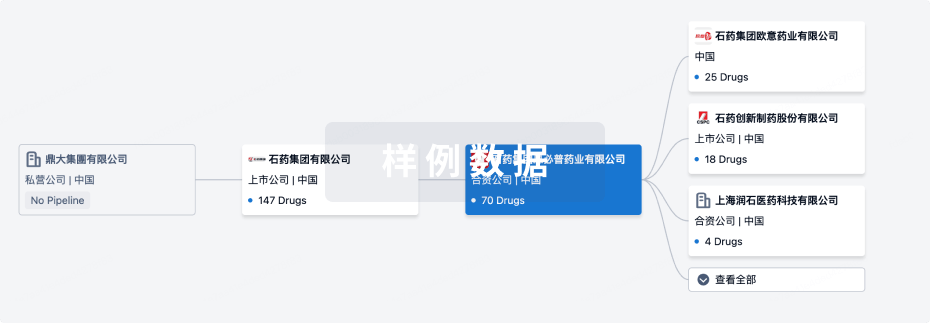
组织架构
使用我们的机构树数据加速您的研究。
登录
或
管线布局
2026年09月27日管线快照
无数据报导
登录后保持更新
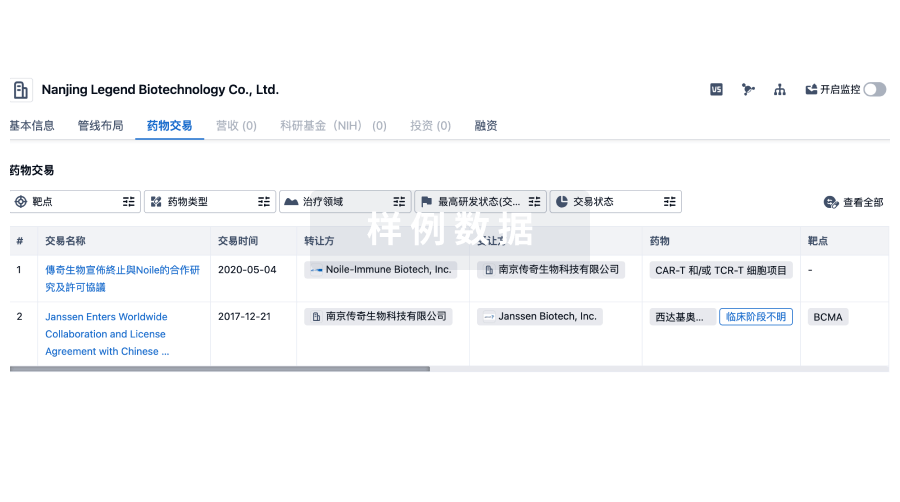
药物交易
使用我们的药物交易数据加速您的研究。
登录
或
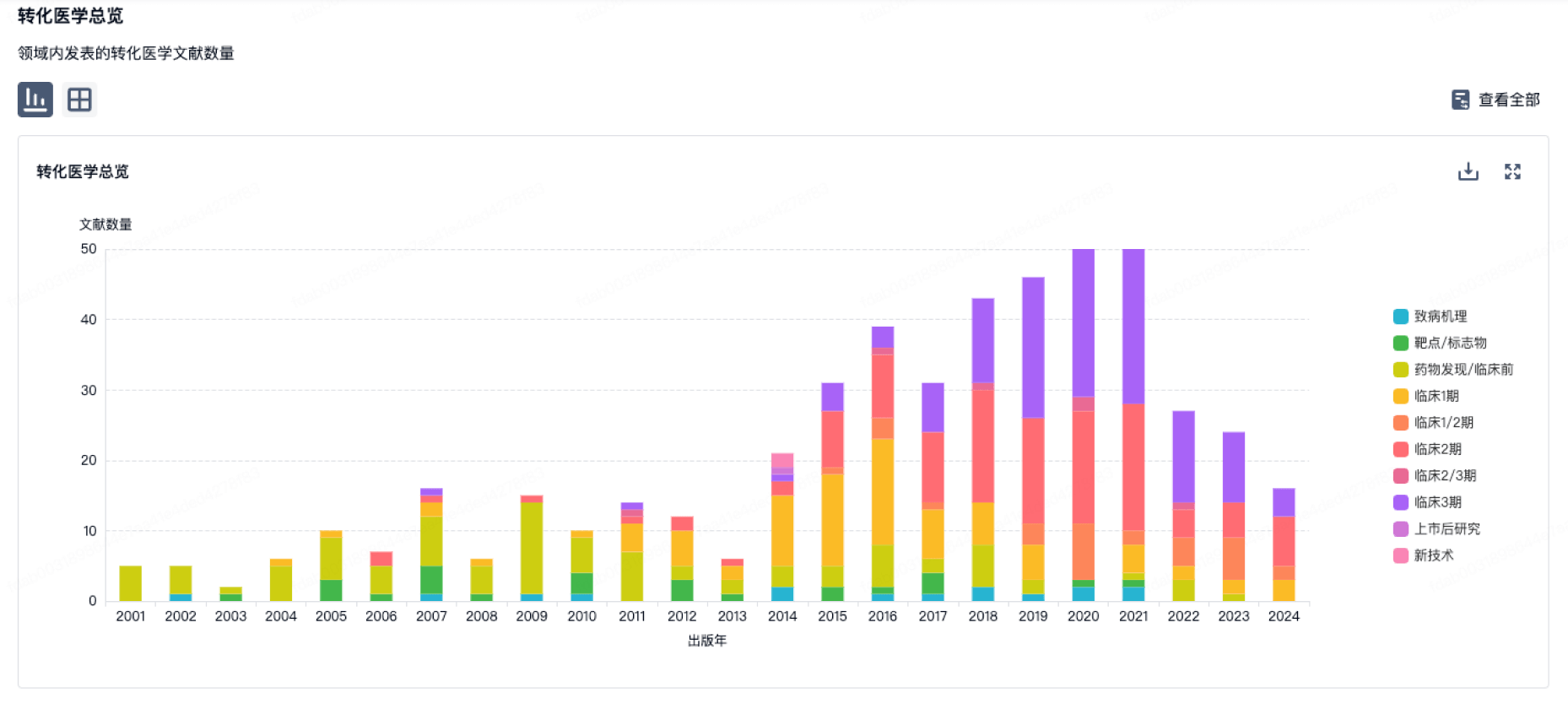
转化医学
使用我们的转化医学数据加速您的研究。
登录
或
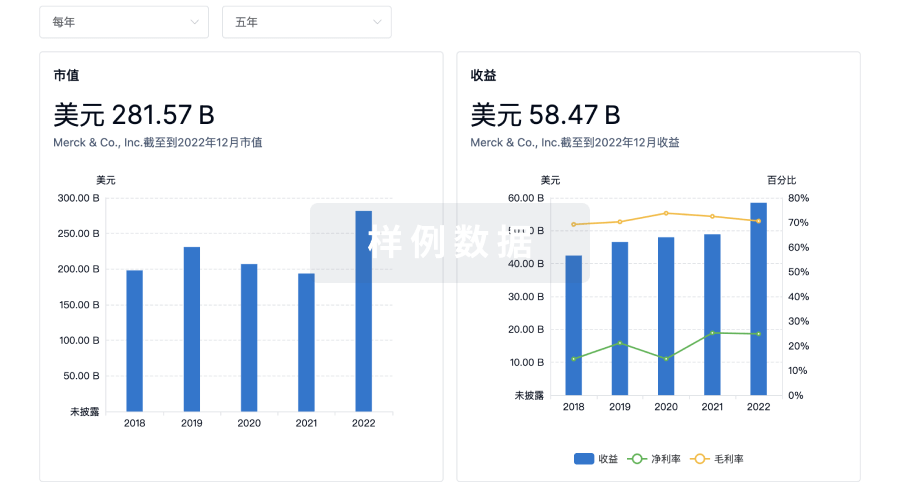
营收
使用 Synapse 探索超过 36 万个组织的财务状况。
登录
或
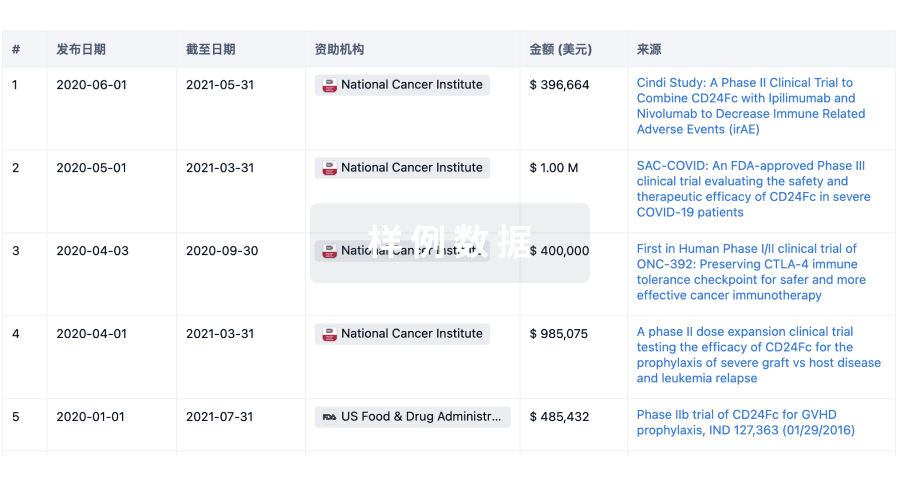
科研基金(NIH)
访问超过 200 万项资助和基金信息,以提升您的研究之旅。
登录
或
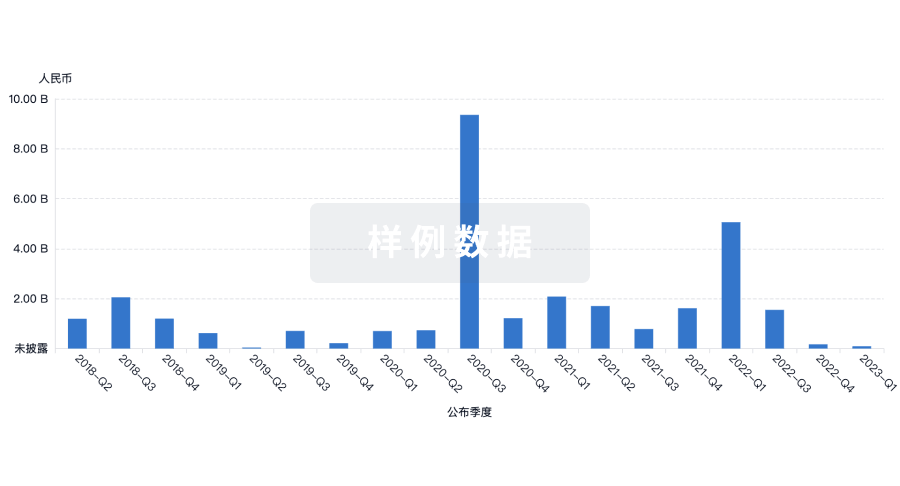
投资
深入了解从初创企业到成熟企业的最新公司投资动态。
登录
或
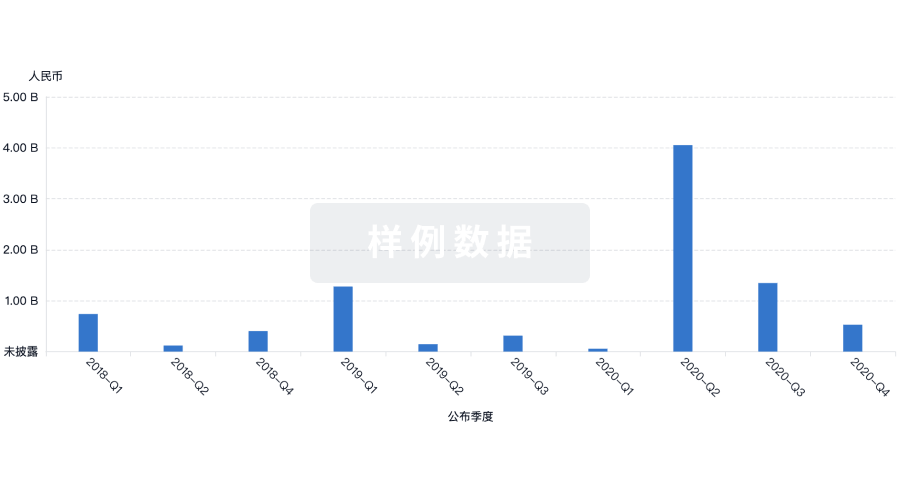
融资
发掘融资趋势以验证和推进您的投资机会。
登录
或
提出任何生物医药研究问题
让每一步生物医药决策都精准制胜
基于十亿级生物数据与全球情报的精准 AI,赋能早期药物发现
立即开始免费试用!
智慧芽新药情报库是智慧芽专为生命科学人士构建的基于AI的创新药情报平台,助您全方位提升您的研发与决策效率。
立即接入生物医药数据包
智慧芽新药库数据也通过智慧芽开放平台,以MCP或API服务形式对外开放。立即使用我们的MCP服务定制您的LLM智能体。
生物序列数据库
生物药研发创新
免费使用
化学结构数据库
小分子化药研发创新
免费使用