预约演示
更新于:2025-08-29

Penn State Harrisburg
更新于:2025-08-29
概览
关联
100 项与 Penn State Harrisburg 相关的临床结果
登录后查看更多信息
0 项与 Penn State Harrisburg 相关的专利(医药)
登录后查看更多信息
74
项与 Penn State Harrisburg 相关的文献(医药)2023-07-01·Physical biology
Towards a free energy-based elastic network model and its application to the SARS-COV2 binding to ACE2
Article
作者: Song, Guang ; Na, Hyuntae
Abstract:
Classical normal mode analysis (cNMA) is a standard method for studying the equilibrium vibrations of macromolecules. A major limitation of cNMA is that it requires a cumbersome step of energy minimization that also alters the input structure significantly. Variants of normal mode analysis (NMA) exist that perform NMA directly on PDB structures without energy minimization, while maintaining most of the accuracy of cNMA. Spring-based NMA (sbNMA) is such a model. sbNMA uses an all-atom force field as cNMA does, which includes bonded terms such as bond stretching, bond angle bending, torsional, improper, and non-bonded terms such as van der Waals interactions. Electrostatics was not included in sbNMA because it introduced negative spring constants. In this work, we present a way to incorporate most of the electrostatic contributions in normal mode computations, which marks another significant step toward a free-energy-based elastic network model (ENM) for NMA. The vast majority of ENMs are entropy models. One significance of having a free energy-based model for NMA is that it allows one to study the contributions of both entropy and enthalpy. As an application, we apply this model to study the binding stability between SARS-COV2 and angiotensin converting enzyme 2 (or ACE2). Our results show that the stability at the binding interface is contributed nearly equally by hydrophobic interactions and hydrogen bonds.
2021-06-01·JOURNAL OF APPLIED POULTRY RESEARCH
Effects of pellet quality to on-farm nutrient segregation in commercial broiler houses varying in feed line length
作者: D.W. Hofstetter ; C.M. Poholsky ; J.W. Boney ; D. Khezrimotlagh
Improving pellet quality (PQ) by increasing the percentage of pellets in finished feed is complicated.The hurdles of feed manufacturing are well documented.Researchers continue to investigate the effects of PQ on various performance parameters, yet addnl. PQ benefits must be presented to stimulate change in feed manufacturing practices.Therefore, the aim of this study was to investigate the effects of PQ on nutrient segregation in com. broiler houses differing in feed line length.Four experiments (Exp) were performed, each including 4 replicate feed lines segmented into 8 regions.A com. broiler finisher diet was manufactured using techniques to create either poor pellet quality (PPQ) or improved pellet quality (IPQ) feeds.Exp1 and Exp2 were conducted to investigate how PPQ and IPQ feed contributes to nutrient segregation in a 152-m feed line, resp.Exp3 and Exp4 used the same PPQ and IPQ feed but were carried out in a 152-m house with split feed lines, 76-m long.Feed samples were taken from each feed pan per Exp.Pellets and fines were analyzed sep. to determine pellet-to-fine ratio (P:F), pellet survivability, and nutrient concentrationsSegregation of amino acids and phytase were apparent in Exp1 (PPQ-152m), demonstrated by varying concentrations of amino acids and phytase activity across the 8 regions of the feed line (P < 0.05).Phytase segregation was not apparent in Exp2 (IPQ-152m) (P > 0.05).Threonine and phytase segregation occurred in Exp3 (PPQ-76m) (P < 0.05), whereas no evidence of nutrient segregation was observed in Exp4 (IPQ-76m) (P > 0.05).These data suggest that investing in PQ improvements provides a more uniform distribution of nutrients throughout the house.
2021-04-01·Computational and Theoretical Chemistry
Structural, energetic and vibrational properties of oxidized mercury in the gas and aqueous phases
作者: Sibgha Amin ; Tabeen Asif ; Edward Usinowicz ; Debashree Mitra ; Marwa Khan ; Abu Asaduzzaman
Elemental mercury emitted by anthropogenic processes is oxidized in the atm. by halogens, ozone or nitro species.The oxidized mercury then deposits in the surface environment or reduces back to elemental mercury.The aqueous phase atm. photoreduction of oxidized mercury can also take place in the clouds.Thus, the oxidation, reduction and surface deposition control the overall mercury budget and its distribution in the atm.In this study, the structural and vibrational properties of all oxidized mercury mols. both in gas and aqueous phases are studied using the first principle d.-functional method.A correlation of bond distance, vibrational frequency, stability and solvation free energy with the electronegativity of non-metal atoms has emerged from the calculationsThe bond distances between mercury and first elements depend on the electronegativity of the second elements; the more electroneg. the second element is, the shorter the bond between mercury and the first element.The wave number of stretching frequency is inversely related to the bond distances.Importantly, the mercury - halogen bond distances lengthen in the aqueous phase from the corresponding gas phase distances in all mols.Interestingly, the increment of distances in halide mols. is higher than mols. that contain oxygen and nitrogen atoms.For isomers, the mols. with mercury-oxygen bonds are more stable than those with mercury-halogen bonds both in the gas and aqueous phases.The relative stability, however, decreases in the aqueous phase.Solvation free energy is higher for mols. where oxygen is a terminal atom than that for mols. where oxygen is a bridging atom.
100 项与 Penn State Harrisburg 相关的药物交易
登录后查看更多信息
100 项与 Penn State Harrisburg 相关的转化医学
登录后查看更多信息
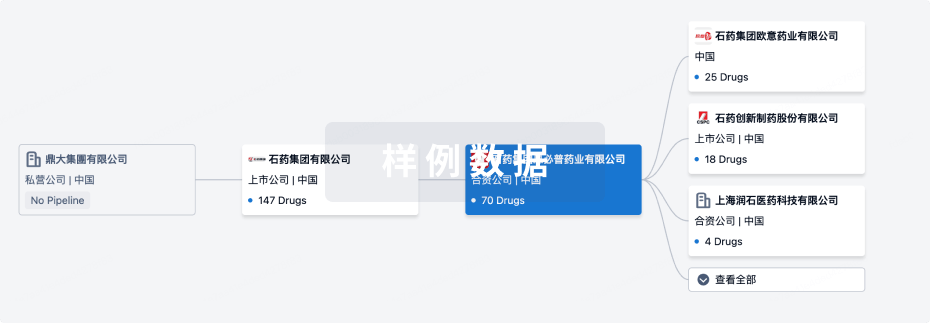
组织架构
使用我们的机构树数据加速您的研究。
登录
或
管线布局
2026年02月08日管线快照
无数据报导
登录后保持更新
药物交易
使用我们的药物交易数据加速您的研究。
登录
或

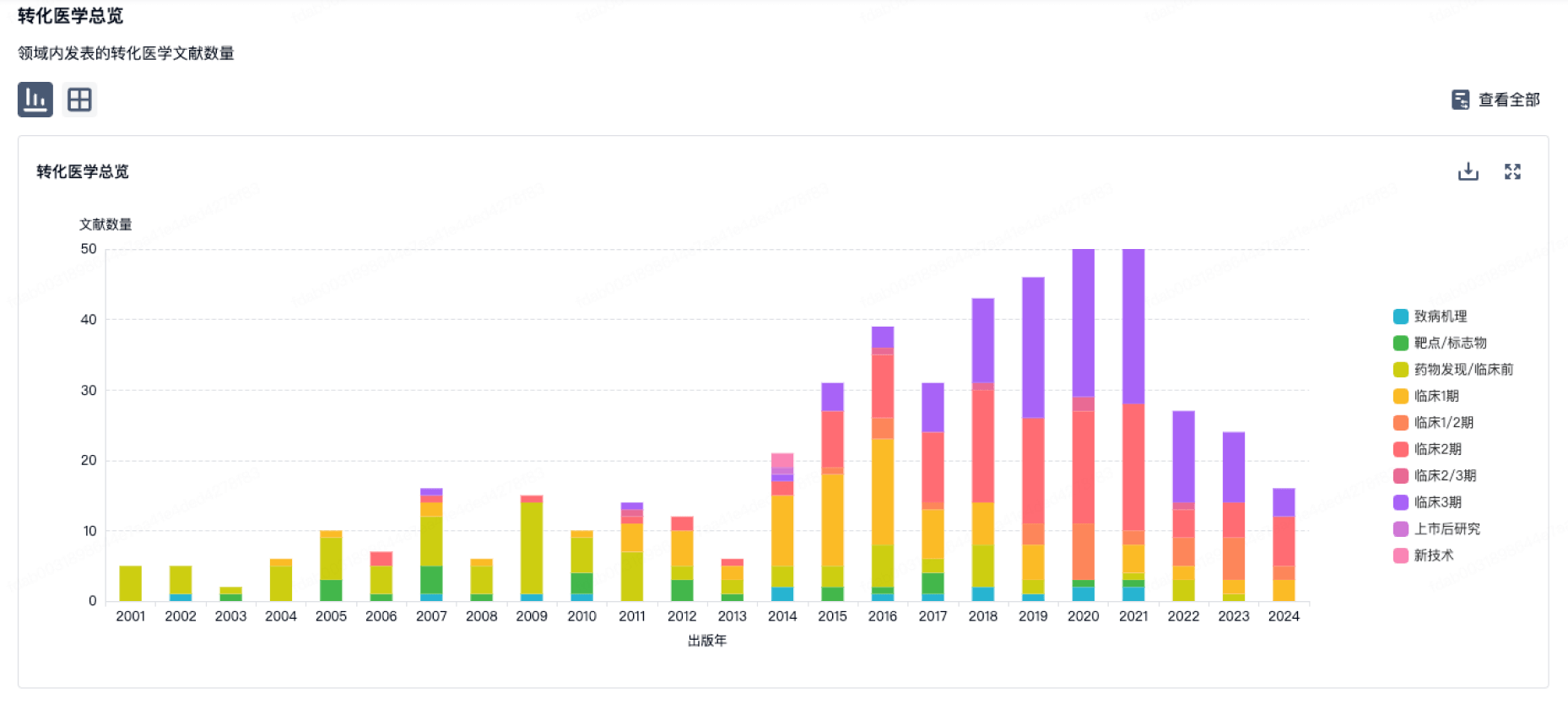
转化医学
使用我们的转化医学数据加速您的研究。
登录
或
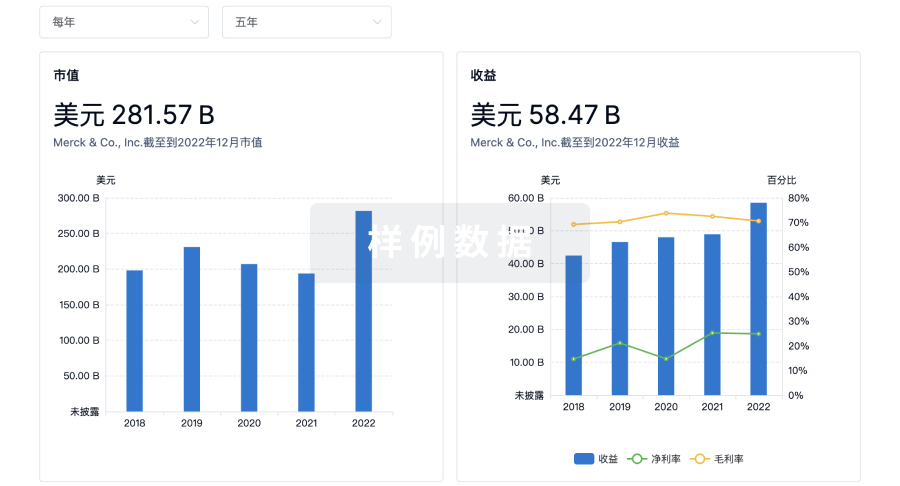
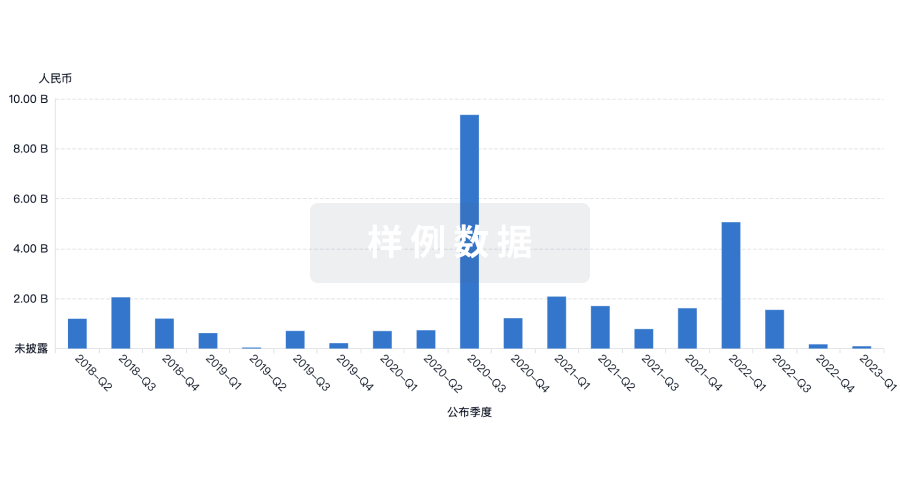
营收
使用 Synapse 探索超过 36 万个组织的财务状况。
登录
或
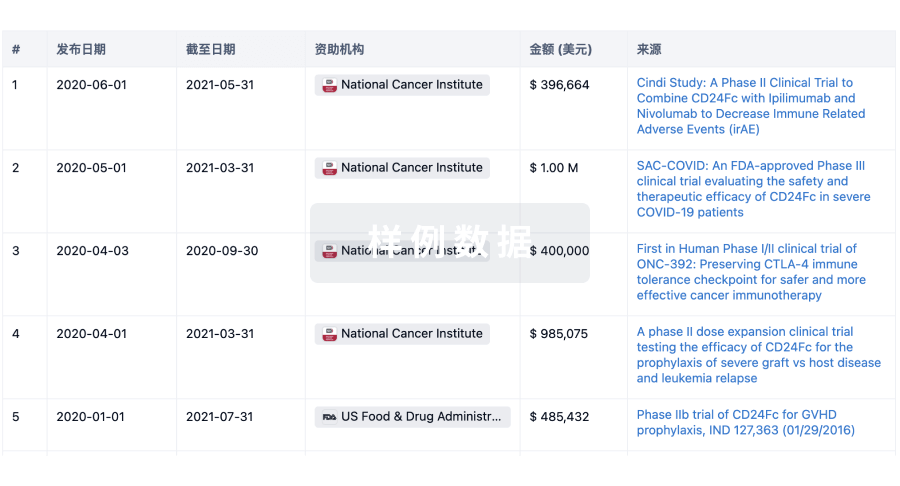
科研基金(NIH)
访问超过 200 万项资助和基金信息,以提升您的研究之旅。
登录
或
投资
深入了解从初创企业到成熟企业的最新公司投资动态。
登录
或
融资
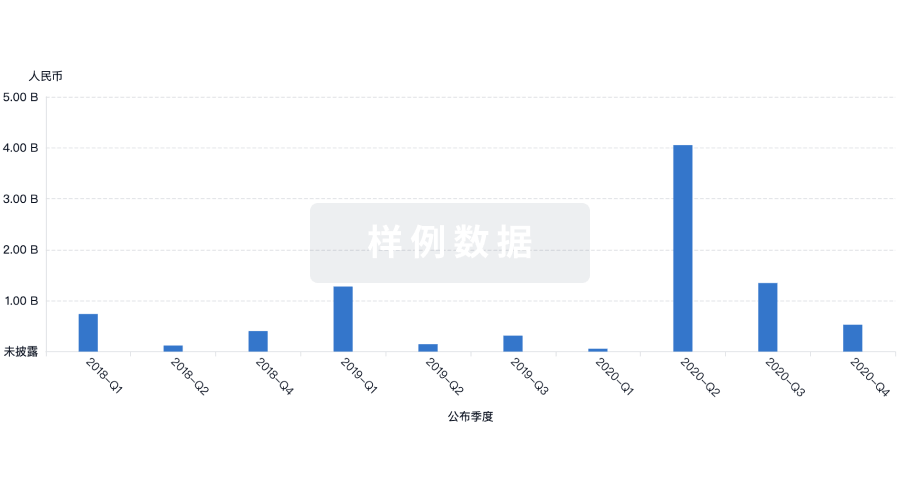
发掘融资趋势以验证和推进您的投资机会。
登录
或
生物医药百科问答
全新生物医药AI Agent 覆盖科研全链路,让突破性发现快人一步
立即开始免费试用!
智慧芽新药情报库是智慧芽专为生命科学人士构建的基于AI的创新药情报平台,助您全方位提升您的研发与决策效率。
立即开始数据试用!
智慧芽新药库数据也通过智慧芽数据服务平台,以API或者数据包形式对外开放,助您更加充分利用智慧芽新药情报信息。
生物序列数据库
生物药研发创新
免费使用
化学结构数据库
小分子化药研发创新
免费使用