预约演示
更新于:2026-03-03

National Museums Scotland
更新于:2026-03-03
概览
关联
100 项与 National Museums Scotland 相关的临床结果
登录后查看更多信息
0 项与 National Museums Scotland 相关的专利(医药)
登录后查看更多信息
128
项与 National Museums Scotland 相关的文献(医药)2026-03-01·JOURNAL OF VETERINARY DENTISTRY
A Computed Tomographic Study of the Incisor Teeth of Male
Babyrousa
spp.
Article
作者: Macdonald, Alastair A. ; Ito, Masaaki ; Åblad, Björn ; Kiefer, Ingmar ; Kitchener, Andrew C. ; Lintonsson, Ruth ; Schwarz, Tobias ; Schaub, Sebastian ; Ziehmer, Bianca ; Gelang, Magnus ; Pückler, Kerstin von
There are significant gaps in our understanding of the oral biology of the “Vulnerable”
Babyrousa
spp. of Indonesia. A photographic and computed tomography (CT) scanning study was carried out on 62 maxillary incisors and 114 mandibular incisors of 8 adult male
Babyrousa babyrussa
skulls and 14 skulls of
Babyrousa celebensis
. An additional group comprised 4 adult males and one subadult male,
Babyrousa celebensis
. The 4 maxillary incisors (102, 101, 201, and 202) and the 4 mesial mandibular incisors (302, 301, 401, and 402) were open-rooted, dentin structures. The dentine-composed lateral mandibular incisors (303 and 403) had closed roots. Maxillary incisor tooth length, and tooth root length, depth, and breadth were measured. Measurements were also made of mandibular incisor tooth and root lengths, and in 302, 301, 401, 402, the tooth depth and breadth at the apex and at 50% of the incisor length. The pulp depth and breadth of these teeth in both species decreased from the apex along the length of the tooth, while the secondary dentin depth increased. Primary dentine depth measured at the apex of the mandibular teeth did not change. Tooth wear patterns on the lingual surfaces of the incisors were attributed to mandibular yaw movements during mastication.
2025-12-01·CURRENT BIOLOGY
Evo–devo: Ferns flourished due to developmental covariance between leaves and vasculature
Article
作者: Hetherington, Alexander J
Vascular architecture is highly diverse in ferns. A new study demonstrates that this diversity results from co-variation between leaf and vascular development. This reaffirms the role of developmental covariation as a generator of diversity, not a constraint to it.
2025-07-01·Royal Society Open Science
The domestication of the wolf larynx—testing the neural crest connection
Article
作者: Gumpenberger, Michaela ; Grunstra, Nicole D. S. ; Kitchener, Andrew C. ; Lesch, Raffaela ; Hansen, Jacob ; Fitch, W. Tecumseh
The neural crest domestication syndrome (NCDS) hypothesis suggests that selection pressures for tameness during animal domestication resulted in a down-regulation of neural crest cell migration and proliferation, providing a mechanistic explanation for traits commonly observed across domesticates. We test the viability of this hypothesis via a derived prediction. According to the NCDS hypothesis, neural crest-derived structures should be reduced throughout the entire organism in domesticated variants compared to their wild ancestors. Here, we test this prediction by comparing the larynges of wolves and domestic dogs. Anatomical landmarking of the cricoid and thyroid cartilages confirmed absolutely and relatively shorter vocal folds and smaller larynges in normal (mesocephalic) dogs compared to wolves. Additional quantification of laryngeal anatomy shows that mesocephalic dogs have a smaller cricoid diameter and shape-altered thyroid shields. In addition, we quantify the concrete anatomical changes to the laryngeal cartilages caused by brachycephaly, finding that a flattened thyroid shield and ventral cricoid ring fit the symptomatic descriptions of laryngeal collapse. Our comparison of the larynges of wolves and dogs are consistent with the NCDS-derived prediction and support the validity of the NCDS hypothesis.
14
项与 National Museums Scotland 相关的新闻(医药)2025-12-11
·药海捞针
PARP1抑制剂的作用机制主要基于“合成致死”的概念,这一概念指的是当两种不同的基因或蛋白同时发生变化时会导致细胞死亡,而这两种基因/蛋白中如果只有一种异常则不会导致细胞死亡。
一、作用机制
在DNA损伤中,最严重的损伤类型是单链断裂和双链断裂,其中单链断裂更为常见,这些断裂如果得不到及时准确的修复,会导致基因组不稳定,进而引起癌变,甚至直接引起细胞死亡。
对于DNA的单链断裂而言,它的修复主要依赖于PARP(Poly ADP-ribose Polymerase)酶,DNA损伤修复依赖的PARPs主要包括PARP-1和PARP-2,而在修复过程中,PARP-1 发挥着 90% 以上的功能。PARP1是一种参与DNA修复的酶,特别是在单链DNA断裂的修复中起关键作用。PARP抑制剂通过与PARP1的催化位点结合,阻止PARP1从DNA损伤位点上脱落,导致PARP1持续结合在DNA上,从而阻碍DNA的修复过程。单独抑制PARP1并不是致命的,因为这些药物引起的DNA损伤可以通过其他DNA修复途径修复,特别是同源重组路径。
对于DNA的双链断裂而言,虽然其发生率比较低,但是一旦发生,会导致更严重的后果。双链 DNA 的修复方式,一种是非同源末端链接修复,另外一种是同源重组修复。非同源末端链接修复的特点是修复效率高,但是极易出错。而同源重组修复是一种高保真、无错误的修复方式,参与蛋白众多,其中最为人熟知的是BRCA(全名为乳腺癌易感基因,Breast Cancer Susceptibility Genes)蛋白。在携带BRCA1或BRCA2基因突变的癌症细胞中,由于BRCA蛋白在双链DNA断裂的修复中起关键作用,这些细胞已经存在DNA修复缺陷。当PARP抑制剂进一步阻断单链DNA断裂的修复时,这些细胞无法有效地修复DNA损伤,最终导致肿瘤细胞的死亡。这种作用机制使得PARP抑制剂在治疗携带BRCA基因突变的癌症患者中特别有效。
二、获批情况
表1:PARP抑制剂在美国FDA或中国NMPA获批适应症(按时间顺序排序)
注:表格来源于《卵巢癌PARP抑制剂临床应用指南2022》
(doi:10.13283/j.cnki.xdfckjz.2022.08.001)
目前已在美国和中国获批上市的PARP抑制剂包括:
1.奥拉帕利(Olaparib):靶点为PARP1/2/3,由阿斯利康开发,是全球首个获批上市的PARP抑制剂,于2014年12月19日在美国获批上市,用于治疗携带有害或疑似有害的胚系BRCA突变(gBRCAm)的晚期卵巢癌患者。(2019年12月在中国获批上市)
2.鲁卡帕尼(Rucaparib):靶点为PARP1/2/3,由Clovis Oncology开发,2016年12月19日在美国上市,用于治疗卵巢癌。
3.尼拉帕利:靶点为PARP1/2,由美国默沙东开发,2017年3月27日在美国获批上市。
4.磺酸尼拉帕利胶囊(Niraparib):靶点为PARP1/2,由再鼎医药开发,已在中国上市,用于治疗卵巢癌。(2019年12月26日在中国上市)
5.氟唑帕利(Fluzoparib):靶点为PARP1/2,由恒瑞医药开发,2020年12月11日在中国获批上市的PARP抑制剂,用于治疗gBRCA+、HER2-晚期乳腺癌患者。
6.帕米帕利(Pamiparib):靶点为PARP1/2,由百济神州开发,2021年4月30日在中国批准上市的PARP1/2抑制剂,用于既往经过二线及以上化疗的伴有胚系BRCA(gBRCA)突变的复发性晚期卵巢癌、输卵管癌或原发性腹膜癌患者的治疗。
7.他拉唑帕利(Talazoparib):靶点为PARP1/2,由辉瑞公司开发,2018年10月16日在美国上市,用于治疗乳腺癌。
这些PARP抑制剂的上市为多种癌症的治疗提供了新的选择,特别是在卵巢癌和乳腺癌的治疗中显示出显著的疗效。
三、临床在研药物情况
公司
化合物
临床研究进展
阿斯利康
AZD5305
Phase II/III
AZD9574
Phase I/II
NERVIANO Medical Sciences &BMS
NMS-P293
Phase I
恒瑞医药
HRS-1167
Phase I/II
翰森制药
HS-10502
Phase I
英派药业
IMP-1734
Phase I
正在进行的临床试验:
1. AZD5305:
AZD5305是阿斯利康开发的一款第二代PARP抑制剂,它是一种高选择性的PARP1抑制剂和捕获剂。与第一代PARP抑制剂相比,AZD5305显示出了更好的耐受性和临床活性,尤其是在治疗携带BRCA1/2、PALB2或RAD51C/D基因突变的晚期乳腺癌、卵巢癌、前列腺癌或胰腺癌患者中。AZD5305的设计旨在克服第一代PARP抑制剂的副作用,如血液学毒性和其他限制其应用的毒性。
临床前研究显示,AZD5305具有优异的耐受性、靶点结合率和疗效。在2022年AACR会议上公布的首次人体临床试验结果显示,AZD5305在几种不同类型的癌症患者中表现出良好的安全性和临床活性。
总的来说,AZD5305作为一种新型的PARP抑制剂,在临床研究中显示出了积极的前景,尤其是在提高耐受性和减少副作用方面。随着临床试验的进一步推进,AZD5305有望为癌症患者提供更多的治疗选择。
2. AZD9574:
AZD9574是阿斯利康开发一种新型的、能够穿透血脑屏障的PARP1选择性抑制剂,它在临床前研究中表现出了对同源重组修复缺陷(HRRD)的肿瘤模型有显著的单药疗效,并且与替莫唑胺(TMZ)联合使用时,在治疗带有MGMT甲基化的胶质瘤模型中,相比单独使用TMZ能更好地延长了带瘤小鼠的生存期。
AZD9574在体外实验中显示出对PARP1的高选择性,并且在体内实验中证实了其能够穿透血脑屏障。这些特性使得AZD9574有望成为治疗原发性和继发性脑肿瘤的同类最优PARP抑制剂。目前,AZD9574正在进行I期临床试验(NCT05417594),以评估其安全性、耐受性以及初步的抗肿瘤活性。
此外,AZD9574在临床前模型中展现的潜力使其成为治疗脑转移和胶质母细胞瘤等脑肿瘤的有力候选药物。在临床前研究中,AZD9574单药治疗以及与TMZ的联合治疗均显示出强大的抗肿瘤效果。
3. NMS-P293:
由NERVIANO Medical Sciences开发的一种高选择性和脑渗透性PARP1抑制剂,与PARP-2相比具有>200倍的选择性,目前正处于临床I期开发阶段。
高选择性:NMS-P293对PARP1的选择性较PARP2超过200倍,这意味着它在抑制肿瘤细胞的同时,可能减少对正常细胞的不良影响。
无DNA捕获活性:NMS-P293不诱导“DNA捕获”,即PARP-DNA复合物的形成,这与其他PARP抑制剂不同,可能有助于减少一些副作用。
良好的血脑屏障透过性:NMS-P293能够很好地穿过血脑屏障,在动物模型中显示出对脑肿瘤和脑转移的潜在疗效。
良好的药代动力学特性:NMS-P293在体外和体内的药代动力学特性良好,包括低清除率和近乎完全的口服生物利用度。
临床开发:NMS-P293目前正在进行早期临床开发,包括作为单一疗法以及与替莫唑胺(TMZ)联合治疗复发性胶质母细胞瘤(GBM)的研究。
与默沙东的合作:NMS与默沙东达成了合作协议,默沙东将支付高达6500万美元的前期款项,并可能获得NMS-P293的进一步开发和商业化权利。
临床试验:NMS-P293的临床试验正在进行中,旨在评估其作为单药治疗带有BRCA突变肿瘤的疗效,以及与替莫唑胺联合使用治疗复发性GBM的效果。
NMS-P293因其独特的特性和临床前研究中展示的潜力,被认为是一个有吸引力的候选药物,用于进一步的临床开发。
4. HRS-1167:
恒瑞医药自主研发的选择性、高活性、可口服的PARP1小分子抑制剂,对PARP1的选择性更高、亲和力更强,目前在国内开展了三项I期临床试验。
恒瑞医药已与德国默克达成战略合作,德国默克获得HRS-1167在中国大陆以外的全球范围内开发、生产和商业化的独家权利,以及在中国大陆与恒瑞共同商业化的选择权。近期,HRS-1167片联合贝伐珠单抗治疗复发性卵巢癌的1b/2期临床研究已经启动。此外,HRS-1167还获批与ATR抑制剂HRS2398联合治疗晚期实体瘤的新临床试验。这些临床试验的结果将为HRS-1167作为潜在的新型治疗选择提供重要的数据支持。
5. HS-10502
一种PARP1特异性选择性抑制剂,由翰森制药研发,用于治疗晚期实体瘤。目前,HS-10502正在进行I期临床试验,目的是评估其在同源重组修复(HRR)基因突变或同源重组缺陷(HRD)阳性的晚期实体瘤患者中的安全性、耐受性、药代动力学(PK)和疗效。
该I期临床试验于2023年6月启动,计划招募318名受试者,预计于2026年结束。试验的主要终点指标包括HS-10502的MTD或MAD以及根据RECISTv1.1标准评估的ORR(适用于除前列腺癌外的所有实体瘤)或根据RECIST和PCWG3标准评估的ORR(仅限前列腺癌)。
此外,HS-10502还有多项联合用药的临床试验正在进行,包括与恩扎卢胺、瑞维鲁胺、醋酸阿比特龙片、阿帕替尼、白蛋白紫杉醇、多西他赛、伊立替康脂质体、HS-20093、HS-20089以及贝伐珠单抗的联合用药方案。
6. IMP-1734(也称为EIK-1003)
由英派药业与Eikon Therapeutics合作开发的一款高选择性PARP1抑制剂,对PARP1具有显著的生化和细胞选择性,相比PARP2展现出更高的亲和力。这一选择性可能带来更好的安全性和耐受性,同时保持有效的抗肿瘤活性。IMP-1734于2023年进入I期临床试验,临床前体内模型显示其具有很高的抗肿瘤活性和较宽的治疗窗口。与已上市的非选择性PARP1/2抑制剂相比,IMP-1734可能改善治疗指数,使其成为单药治疗以及与其他药物联合应用的理想选择。此外,Eikon Therapeutics在2024年美国临床肿瘤学会(ASCO)年会上展示了其临床阶段的TLR 7/8共激动剂(EIK1001)和PARP1选择性抑制剂(EIK1003,即IMP1734)项目的多项摘要,包括EIK1003的I期研究。这些研究的进展表明,IMP-1734作为一种潜在的新型治疗选择,正在逐步推进临床开发,以期为癌症患者提供新的治疗方案。
四、临床剂量的选择
4.1 药代动力学特征
引自:《PARP抑制剂不良反应管理的中国专家共识2021版》
4.1.1 奥拉帕利(olaparib)
包括片剂和胶囊2种剂型(胶囊剂型未在中国申报上市),片剂服给药后1.5 h达到中位血浆峰浓度。其体外蛋白结合率约为82%,表观分布容积(apparent volume of dist-ribution,Vd)为(158±136)L,在体内主要通过CYP3A4酶代谢,代谢产物包括氧化反应后形成的葡萄糖苷酸或硫酸酯结合物;在人体中,奥拉帕利也可以发生水解、羟化和脱氢反应。300 mg单次给药后,半衰期为(14.9±8.2)h。单次给药后,约86%的放射性标记药物在7天内通过代谢物形式排出,大约44%通过尿液排出,42%通过粪便排出。
4.1.2 尼拉帕利(niraparib)
绝对生物利用度约为73%,口服给药后3 h内达血浆峰浓度。拉帕利在单次给药300 mg后,平均最大血药浓度(Cmax)为804 ng/mL,药时曲线下面积(AUC)增加与剂量成正比。绝对生物利用度约为73%,食物不会影响药物的暴露量。其与人类血浆蛋白的结合率为83.0%,Vd为(1220±1114)L。主要通过羧酸酯酶(CEs)代谢形成M1,这是主要的非活性代谢产物,随后通过UDP-葡萄糖醛酸转移酶(UGTs)进行葡萄糖醛酸化,形成M10代谢物。平均半衰期为36 h,表观总清除率(CL/F)为16.2 L/h。
尼拉帕利通过肝脏代谢、肝胆排泄和肾脏排泄等多种途径消除。在单次口服300 mg剂量的放射标记尼拉帕利后,约47.5%的剂量在21天内通过尿液排出,38.8%通过粪便排出。
4.1.3 氟唑帕利(fluzoparib)
氟唑帕利吸收较迅速,血药浓度中位达峰时间为2.5小时,平均血药峰浓度约为4.77±1.21 µg/mL。氟唑帕利人血浆蛋白结合率为74.3%~81.6%,全血/血浆分配比在0.567-0.687之间。氟唑帕利主要由CYP3A4代谢,主要代谢产物为单氧化代谢产物M1-1 (SHR165202)。氟唑帕利的平均末端消除半衰期约为9.14±2.38小时,尿和粪中放射性物质总回收率为103±4%,其中粪中占44.2±10.8%,尿中占59.1±9.9%
4.1.4 卢卡帕利(rucaparib)
卢卡帕利平均绝对生物利用度为36%(范围为30% ~ 45%),口服给药1.9 h达血浆峰浓度,平均最大血药浓度(Cmax)和药时曲线下面积(AUC)随剂量成比例增加。稳态分布容积(steady-state volume,SSV)为113 ~ 262 L,在体内分布广泛。平均终末半衰期为17~19 h。
4.1.5 帕米帕利(Pamiparib)
帕米帕利口服给药后吸收迅速,通常在给药后1-2小时达到血浆峰浓度。摄入高脂早餐后服用帕米帕利60 mg吸收延迟,Tmax从2小时延长至7小时,AUC0-inf和Cmax分别降低12%和41%,但这没有临床意义,因此进餐或空腹状态下均可服用帕米帕利。帕米帕利的人血浆蛋白结合率为95.7%,表观分布容积大约为37升。帕米帕利主要由CYP2C8和CYP3A酶代谢。在人体吸收代谢排泄研究中,帕米帕利广泛代谢,药物相关物质主要在尿液中排泄。帕米帕利消除的主要途径为肾脏排泄,平均57.8%的放射性标记给药通过肾脏排泄;次要途径为粪便排泄,放射性标记给药经粪便排泄的回收率均值为26.9%。血浆中消除半衰期t1/2约为13小时。对于轻度至中度肾功能损害患者,无需调整剂量。尚无重度肾功能损害患者中帕米帕利清除率的数据。对于轻度肝功能损害患者,无需调整剂量。尚无中重度肝功能损害患者中帕米帕利清除率的数据。帕米帕利在临床剂量下不大可能是肠道外排转运蛋白P-糖蛋白(P-gp)和乳腺癌抗性蛋白(BCRP)、肝摄取转运蛋白有机阴离子转运多肽(OATP)1B1/1B3、肾摄取转运蛋白有机阳离子转运蛋白(OCT)2和有机阴离子转运蛋白(OAT)1、OAT3的抑制剂。帕米帕利与食物同服时,其药代动力学特性不受影响,因此可以与食物同服或空腹服用。
所有这些PARP抑制剂的血浆暴露量均表现出中度至高度的个体差异,较高的暴露量与毒性增加有关,主要是血液毒性。对于talazoparib(他拉唑帕利),暴露量与疗效之间的关系已得到描述,但对于奥拉帕利、尼拉帕利和鲁卡帕利,这种关系仍不确定。
4.2 PARP抑制剂剂量对比
药品
剂量递增范围
MTD
RP2D
BRCA突变人群有效剂量
奥拉帕利
10 mgQD~
600mgBID
600 mg BID
300 mg BID
200-400 mgBID
卢卡帕利
40mgQD~
840mgBID
至840 mg BID
仍未见DLT
600 mg BID
300 mgQD-600mg BID
尼拉帕利
30 mg QD~
400 mg QD
400 mg QD
300 mg QD
100-300 mgQD
他拉唑帕利
0.025~1.mg
1.1 mg QD
1 mg QD
—
AZD5305
10mgQD~
140mg QD
—
—
—
HRS-1167
30mgQD-450mgQD
—
—
—
HS-10502
10mgQD~ 120mQD
—
—
—
4.3用法用量
4.3.1 奥拉帕利
用法:口服。应整片吞服,不应咀嚼、压碎、溶解或掰断药片。在进餐或空腹时均可服用。如果漏服,应按计划时间正常服用下一剂量。
用量:推荐剂量为300mg (2片150mg片剂),每日2次,相当于每日总剂量为600mg。
剂量调整:为处理不良反应事件,可考虑中断治疗或减量。如果需要减量,第1次减量,推荐剂量减至250mg,每日服用2次(相当于每日总剂量为500mg)。
第2次减量,推荐剂量减至200mg,每日服用2次(相当于每日总剂量为400mg)。
药物相互作用:不推荐合并使用中、强效CYP3A抑制剂,如果必须合并使用,奥拉帕利的剂量应相应减至100mg或150mg,每日2次。
不良反应:最常见不良反应包括贫血、中性粒细胞减少症和疲乏/虚弱。
4.3.2 尼拉帕利
用法:口服,空腹或者伴食物一起服用。如果出现呕吐或漏服,不应额外给药。
用量:若体重≥77kg且基线血小板计数≥150.0×10^9/L,推荐剂量为300mg,每日1次;若体重<77kg或者基线血小板计数<150.0×10^9/L,推荐剂量为200mg,每日1次。
剂量调整:为处理不良反应事件,可考虑中断治疗或减量。若体重≥77kg且基线血小板计数≥150.0×10^9/L,起始剂量为300mg,每日1次;第1次减量,200mg每日1次;第2次减量,100mg每日1次。若体重<77kg或者基线血小板计数<150.0×10^9/L,起始剂量为200mg,每日1次;第1次减量,100mg每日1次。
药物相互作用:尼拉帕利不通过CYP代谢,尚未进行临床药物相互作用研究。
不良反应:最常见不良反应包括恶心、血小板减少症、疲劳/乏力、贫血、便秘、呕吐、腹痛/腹胀、中性粒细胞减少、失眠、头痛、鼻咽炎以及皮疹。
4.3.3 氟唑帕利
用法:口服,应整粒吞服,进餐后或空腹时均可服用(推荐进餐后服用)。
用量:推荐剂量为一次150mg,一日2次(早晚各一次)。
剂量调整:为处理不良反应事件,可考虑中断治疗或减量。如果需要减量,第1次减量,推荐剂量减至100mg,每日服用2次;第2次减量,推荐剂量减至50mg,每日服用2次。
药物相互作用:避免与中、强效CYP3A4抑制剂合并使用,如必须使用,需相应减少氟唑帕利剂量或停用;避免与中、强效CYP3A4诱导剂合用,如必须使用,氟唑帕利疗效可能显著降低。
不良反应:最常见的不良反应包括贫血、恶心、白细胞减少症、乏力、血小板减少症、中性粒细胞减少症、腹痛、呕吐、食欲下降、淋巴细胞减少症、血肌酎升高、高脂血症以及头晕。
4.3.4 帕米帕利
用法:口服,应整片吞服,不应咀嚼、压碎、溶解或掰断药片。在进餐或空腹时均可服用。如果呕吐或漏服,应按计划时间正常服用下一剂量。
用量:推荐剂量为每次60mg(3粒),每日2次,相当于每日总剂量为120mg。
剂量调整:为处理不良反应事件,可考虑中断治疗或减量。如果需要减量,第1次减量,推荐剂量减至40mg,每日服用2次;第2次减量,推荐剂量减至20mg,每日服用2次。
药物相互作用:与强效/中效/轻效CYP3A抑制剂合用-无需调整剂量;与CYP2C8抑制剂或诱导剂合用-尚无数据,慎用。
不良反应:最常见的不良反应包括贫血、恶心、白细胞减少症、中性粒细胞减少症、呕吐、疲乏、血小板减少症、食欲减退、腹泻、腹痛、天门冬氨酸氨基转移酶(AST)升高、丙氨酸氨基转移酶(ALT)升高、血胆红素升高以及淋巴细胞减少症。
申明:以上药物数据仅供参考,并非临床诊疗方案。如有侵权内容,请联系删除!
欢迎关注本公众号其它相关内容:
药物发现,DMPK,临床药理,定量药理,软件应用,法规指南
上市批准临床结果
2025-11-24
当健康中国战略与科技自立自强同频共振,生物医药已不再是单一产业赛道,而是大国博弈的核心竞技场与国民福祉的生命线。在这场由科学、资本与政策共同驱动的深刻变革中,我国医药创新版图正从传统高地向外迸发新的增长极。其中,合肥这座以科创为底色的城市,正展现出生物医药产业集群发展的澎湃动能。
近年来,合肥锚定“打造一流产业生态”目标,以建链、补链、强链为主线,推动生物医药产业高质量发展,组建市县两级高规格工作专班,出台市级专项产业政策,加大对生物医药企业发展、产品研发的奖补力度,成立省内首家生命健康产业公司,组建50亿元生物医药专项基金,形成超300亿元投资矩阵,常态化开展“链上企业看平台”“投融医企行”等活动,举办长三角医疗器械产业会、中国医疗器械创新创业大赛等高能级行业会议,持续构建“政医产学研金服用”融合发展机制。
目前,合肥已集聚生物医药企业超千家,形成覆盖创新药、仿制药、医疗器械、精准医疗等环节的完整产业链,全产业链营收超千亿元,先后获批建设国家区域医疗中心、国家健康医疗大数据中部中心、省级生物医药和高端医疗器械生产基地、省级化学原料药基地等。
围绕建设国内具有重要影响力的生物医药新质生产力集群这一目标,合肥正在高端医疗器械领域、高端制剂及前沿药物领域、AI+生物医学领域、大健康领域、医药外包与流通领域5个重点领域持续发力,形成以高新区为核心,经开区、肥西县为重点,肥东县、新站区等为集聚区的“一核两极多点”发展格局。
高新区:从一粒“种子”到产业“森林”
自1994年第一粒生物医药“种子”在高新区落地,历经多年精心培育,如今这里已蜕变为生物医药产业的沃土。全区集聚400余家生物医药企业,由8家上市公司领航,形成以生物医药、高端医疗器械为核心,前沿诊疗技术、医疗服务为重点的产业发展格局,为健康中国建设注入“安徽力量”。
产业集聚成势,构建多元发展矩阵。高新区生物医药产业已形成细分领域清晰、企业梯队完整的集聚态势。生物制药领域,安科生物、立方制药等120家企业筑牢产业根基;医疗器械赛道,美亚光电(口腔CT)、欧普康视等130家企业引领技术突破;前沿诊疗技术领域,中科普瑞昇、中盛溯源等30家企业抢占创新高地;医疗服务板块,万邦医药、讯飞医疗等50家企业完善服务链条,另有70余家研发、检测、流通企业串联产业上下游。
创新驱动内核,筑牢产业竞争优势。依托完善的创新支撑体系,高新区生物医药产业创新能力持续攀升。创新要素富集。全区生物医药产业从业人员达3.5万人,累计专利总数8431个,同比增长3.2%,研发投入24.5亿元,同比增长6.5%,创新活力不断释放。平台载体完备。建成各类医药创新平台50余个,其中国家级平台6个、省级以上平台26个、国际合作平台4个,博士后和院士工作站7个。依托中国科大先进技术研究院、合肥离子医学中心等重大平台,推动“产学研用”深度协同,加速科技成果从“实验室”走向“临床应用”。
药械研发提速,突破关键技术壁垒。高新区在药械研发领域成果丰硕,多款“首台套”“首个证”产品落地,填补国内技术空白。全区持有药品批件486个,2024年新获43个,同比增长126.32%。安科生物的曲妥珠单抗获批首年销售额预计超1亿元。全区拥有第二类、第三类医疗器械注册证494个;启灏医疗全降解鼻中隔软骨固定系统进入国家创新医疗器械审批通道。
打造大健康产业集群是高新区锚定的未来目标。为加快推动该区大健康产业集群实现更高质量发展,高新区将聚焦生物医药、高端医疗器械、合成生物三大核心领域,持续强化前沿技术突破、产业生态构建与临床应用协同,着力构建具有区域影响力和核心竞争力的现代化大健康产业体系。
从荒芜起步到集群共生,高新区生物医药产业的“成长记”,是创新驱动、服务护航、生态共荣的生动实践。未来,这里将继续以开放姿态拥抱全球创新资源,推动产业向更高质量、更高水平迈进,让这片生物医药“森林”愈发繁茂。
科技创新服务中心
经开区:全链条赋能做强做优产业集群
在合肥生物医药产业集群发展中,经开区亦占据重要地位。近年来,经开区坚持全链条贯通赋能生物医药产业发展,以平台为支撑、创新为牵引、生态为纽带,加速构建“研发-转化-生产”的全产业链体系,已聚集产业链相关企业300余家。
高能平台引领是经开区的重要抓手。近年来,经开区全方位对接合肥综合性国家科学中心大健康研究院(以下简称“大健康研究院”),汇聚39个顶尖科学家团队,全球遴选联合攻关基因编辑、免疫治疗等世界前沿及具有临床价值的项目。大健康研究院累计为上百家省内高校、医院、科研机构、生物医药企业提供科学研究、新药研发、成果转化等技术服务超千项,有效支撑天港医诺、阿法纳生物等科创企业开展药物研发。大健康研究院转移转化中心成功入选《安徽省首批顶尖孵化器建设名单》,成为安徽省生命健康领域唯一入选的孵化器。该转移转化中心同时吸引落地、孵化育成科技型企业近50家,融资规模超7亿元,市场估值超40亿元。
当前,经开区正加速项目集聚。围绕创新药与高端医疗器械两大产业方向加快项目招引,推动产业链条延长增厚。创新药赛道聚焦细胞与基因治疗、抗体药物形成“双核驱动”。医疗器械板块围绕心血管高值耗材、医疗设备、康养器械“三箭齐发”,以心医疗一期、明州康复医院建成运营;中生医疗自主研发的4光21色的高端流式细胞仪于今年8月获批上市,是国内首款获得4光流式细胞仪注册证的国产品牌产品,打破了国际巨头的技术垄断。今年1—9月,生物医药产业新签约重点项目18个,开工率达100%,投产率达72%。
此外,经开区也在强化要素支撑。制定出台区级生物医药产业专项政策,加大企业研发创新支持力度。加快建设3.4万平方生物医药专业园区,拓展安医大二附院、明州康复医院等场景资源,创新“基金+场景”招商模式提升项目落地率。柔性服务站解决企业难题近60项,举办融资对接、技术沙龙等活动超百场。多措并举打出“政策+要素+服务”组合拳,做优产业生态,赋能打造生物医药产业新高地。加强项目孵化,携手山蓝资本、启航创投、产投国正等知名机构打造产业基金丛林,联动园区平台累计开展10期“创投城市计划”项目路演活动,助力一批生物医药项目落地。
智能科技园
肥西县:聚力打造长三角产业新高地
近年来,肥西县紧抓生物医药产业发展机遇,以创新为核,在布局优化、项目招引、生态构建上持续发力,已迅速崛起为长三角地区生物医药产业的重要一极,形成了特色鲜明、动能强劲的发展格局。
产业链条日趋完善,重点领域“多点开花”。
目前,肥西县已构建起覆盖“研发创新-生产制造-流通销售-服务支撑”的全产业链体系。在细分领域,肥西县形成了以亿帆药业为代表的创新药、以瑞华制药为代表的仿制药、以华润神鹿药业为代表的现代中药、以嘉士腾为代表的医疗器械以及以度安药业为代表的医疗服务等“多点开花”的产业格局,龙头企业引领效应显著,产业综合竞争力持续提升。
核心优势得天独厚,构筑产业发展强支撑。肥西县生物医药产业的蓬勃发展,得益于其难以复制的核心优势。
顶级医疗资源富集。以深圳路为轴,打造医疗资源集聚区,坐拥复旦儿科安徽医院(安徽首个国家儿童区域医疗中心)、在建的安贞医院安徽医院(国家心血管区域医疗中心),以及省儿童医院、省疾控中心等,为临床研究、医企合作和成果转化提供了顶级平台。
充沛人才智力供给。安徽医科大学新医科中心(满足3.5万在校生培养)已正式启用,周边分布十余所高校,结合县级高层次人才自主认定政策,构建了梯度化、可持续的人才供给体系。
高端科创平台赋能。成功引入中科(安徽)G60智慧健康研究院、科大先研院技术转化中心(国家级孵化器)、安徽省转化医学研究院等顶尖平台,为产业创新注入源头活水。
战略载体能级突出。G60肥西药谷产业园作为长三角G60科创走廊唯一生物医药主题示范园区,其作为多功能综合性载体能提供跨部门协调、多要素保障及精准招商等全方位服务。一期(26万㎡)去化率达95%,二期(23万㎡)即将竣工,已有20余家企业签约或过会,产业集聚效应日益凸显。
创新举措精准施策,激发产业发展新动能。肥西县通过构建全链条招商体系、创新多元化招商格局、完善产业发展生态等一系列举措,推动产业能级不断提升。
强化招引,项目落地“加速度”。建立招商专班与动态项目库,目前已累计召开调度会、协调会40余次,解决度安医药、力成药业等企业48项堵点问题,同时今年新签约22个项目中15个已开工,实现了“快签快建”。
活动搭台,精准对接“拓渠道”。积极主办及参与各类行业展会、路演及“创智汇大赛”,有效捕获项目线索,推动企业签约落地。
资本赋能,基金引领“强引擎”。省、市生物医药专班持续输送优质项目,省、市、县三级国企平台协同助力企业融资,目前已设立9只生物医药专项基金,产业专项基金总规模达138.3亿元,有力支撑项目落地与产业孵化。
肥西县G60科创走廊药谷科技产业园
肥东县:区位生态双轮驱动 打造产业新增长极
肥东县是合肥“东向发展”的“桥头堡”,“长三角”西向延伸的“必经地”。在长三角一体化与长江经济带的战略交汇点上,肥东县正以“吴楚要冲、包公故里”的历史底蕴,孕育着生物医药产业的新动能。
作为合肥市“一核两极多点”生物医药产业发展新格局中的重要组团,肥东县正以科技创新为引领,全力打造生物医药产业新高地。近年来,通过招引重大项目、培育创新企业、完善产业链条,肥东县逐步形成了百亿规模的产业集群。
当前,肥东县的生物医药产业加速聚集。依托合肥循环经济示范园省级原料药生产基地,重点发展原料药、医药中间体、高端制剂,培育壮大久易农业、海森生物、华纳生物、大禹制药、苏格美客等一批化学制药企业;围绕长临河科创小镇生物医药港、肥东县医疗器械产业园等平台,瞄准高端医疗器械、医用防护器械、医用耗材、无创医疗、大动物实验等总部研发及中试平台,引入凤麟核中子科技研究院、高贝斯医疗、淞沪医疗等一批高端医疗器械项目入驻。
以“场景赋能+生态共建”为导向,绘制产业生态图谱,聚焦研发设计、检验检测、成果转化等关键环节,引进培育具有平台属性的枢纽型企业,打造“核心环节强、配套环节全、协同效率高”的产业共同体。
强化资本赋能是肥东县关键着力点。加强与国有投资平台联动,积极与省十大新兴产业母基金、省属国企、市产投、市建投、市母基金等平台合作,已参与设立2支生物医药专项基金,基金备案总规模68亿元;提升资本市场精准赋能,与康桥资本、创谷资本、鼎心资本等一批生物医药基金密切合作,拓宽信息渠道,加速推进世之源等一批项目。
采用“资本出海”方式,创新性采用“并购招商”模式参与国际分工,联合国资平台、社会资本,收购意大利肿瘤药研发机构NMS 90%股权,以3.22亿美元购买武田制药在中国大陆销售的心血管和代谢领域的五个处方药产品,2023年完成对罗氏制药抗生素药物罗氏芬®在中国大陆地区的收购,入选2023-2024境内十佳并购交易,并实现了国有资本的增值保值。
建立“政府母基金+产业专项基金+社会资本”的立体化投资矩阵,强化财政资金的杠杆效应与引导作用;鼓励金融机构开发适配生物医药产业特征的专属产品,为不同成长阶段企业提供个性化资金方案,构建债权融资与股权融资互补、直接融资与间接融资协同的多元化金融生态。
肥东县医疗器械产业园
检测中心:立足国家战略 打造医疗器械检测新高地
为有效提升医疗器械检验检测能力,合肥与上海市医疗器械检验研究院共建合肥市医疗器械检验检测中心(以下简称检测中心)。这是国内首个由国有企业负责运营的医疗器械检验检测平台,占地近10000平方米,坐落于合肥高新区国家大健康数据产业园内,聚焦高端医疗器械检验检测,致力于构建“立足合肥、服务安徽、辐射长三角”的一站式公共服务平台,为区域医疗器械产业创新注入强劲动力。
服务国家战略,构建区域协同新范式。检测中心致力于发挥“先行带路、引领示范、辐射带动”作用,高频对接长三角区域内创新力量,加速高端医疗器械落地转化,实现长三角区域产业与技术创新深度融合。检测中心全力落实合肥市与上海市医疗器械检验研究院共建规划,引入先发地区的先进技术理念和管理经验,开通优先检验通道,提供“预测试”服务,开展样品转运、设备共享、服务联动等“跨省通办”合作,加速医疗器械产品上市进程,进一步实现两地资源的高效配置和深度共享,着力打造医疗器械产业创新生态系统,为全国检验检测资源跨区域协同提供示范。
强化能力建设,打造公共服务新平台。检测中心坚持高起点规划,致力于建设以检验检测服务为核心,涵盖辅助研发、过程测试、合同研发与制造(CDMO)及专业人才培养的综合性公共技术服务平台,目前已建成33个专业实验室,配备10米法暗室、激光标靶视觉扫描测量系统等高精度实验设备,可提供超过300项测试服务,在医用机器人、医学影像设备等高端领域已形成显著技术服务优势,为区域产业创新提供了重要的公共实验条件和研发验证支持,有效降低企业创新成本,助推产业向价值链中高端迈进。
赋能产业发展,践行社会责任新担当。检测中心积极履行公共服务职能,一方面,常态化开展医疗器械法规、国家标准及行业标准的系统性培训以及开放日、专题交流研讨会等活动,搭建知识共享与需求对接平台。另一方面,检测中心积极投身于前沿技术研发与服务,与高校、医院等科研院所建立战略合作关系,构建“产学研医”协同的创新体系,联合申报国家、省、市等各类科技课题,共同开展技术攻关以及检验标准研究,帮助前沿科技成果实现价值评估、概念验证、工程化转化全流程,加速科技成果落地转化。
检测中心的建成运营,是合肥贯彻落实国家创新驱动发展战略、推动医疗器械产业升级的重要举措。检测中心将继续紧扣目标、做强优势,不断拓展服务边界、提升技术水平,为打造具有国际竞争力的医疗器械产业集群、推动我国医疗器械产业高质量发展作出更大贡献。
合肥市医疗器械检验检测中心
解读《药品生产企业出口药品检查和出口证明管理规定》
24省已部署,多省开启“云胶片”集采,全国医保影像云跨省调阅启动
广药、国药、海正出手,龙头药企加速战略重构,创新赛道集聚优质资源
www.yyjjb.com.cn
洞悉行业趋势
长按关注医药经济报
《中国处方药》
学术公众号
聚焦药学学术和循证研究
长按关注中国处方药
《医药经济报》
终端公众号
记录药品终端产经大事件
长按关注21世纪药店
2025-03-25
·戊戌数据
药品简介
阿立哌唑是全球首个上市的多巴胺(DA)-5羟色胺(5-HT)系统稳定剂,用于治疗精神分裂症。
美国上市:2006年06月07日,阿立哌唑口腔崩解片(商品名:Abilify)获得了美国食品药品管理局(FDA)批准,用于治疗精神分裂症。
日本上市:2012年1月,阿立哌唑口崩片(Abilify)在日本获批上市。
中国上市:2006年5月18日,成都康弘药业获批国内首个阿立哌唑口崩片(商品名:博思清)上市,用于治疗精神分裂症。
医保报销:医保甲类。
基本信息
通用名称:阿立哌唑口腔崩解片
英文名称:Aripiprazole Orally Disintegrating Tablets
汉语拼音:Alipaizuo Koubengpian
成份:本品主要成份为阿立哌唑
化学名称:7-[4-[4-(2,3-二氯苯基)-1-哌嗪基]丁氧基]-3,4-二氢-2(1H)-喹啉酮。
化学结构式:
分子式:C23H27C12N3O2
分子量:448.39
适应症
用于治疗精神分裂症。
在精神分裂症患者的短期(4周和6周)对照试验中确立了阿立哌唑治疗精神分裂症的疗效。选择阿立哌唑用于长期治疗的医生应定期重新评估该药对个别患者的长期疗效。
用法用量
成人:口服,每日一次。
阿立哌唑的推荐起始剂量和治疗剂量是10或15mg/天,不受进食影响。系统评估显示阿立哌唑的临床有效剂量范围为10~30mg/天。用药2周后,可根据个体的疗效和耐受性情况,逐渐增加剂量,最大可增至30mg。此后,可维持此剂量不变。
服用方法:保持手部干燥,迅速取出药片置于舌面,阿立哌唑口崩片在数秒内即可崩解,不需用水或只需少量水,借吞咽动作入胃起效,患者不应试图将药片分开或咀嚼。
维持治疗:应对服用阿立哌唑的维持期疗效进行定期评估,以决定是否继续维持治疗。
从服用其他抗精神病药改用阿立哌唑时尚未系统收集精神分裂症患者从其他抗精神病药改用阿立哌唑或阿立哌唑与其他抗精神病药联合用药情况的数据。虽然某些患者可能可接受立即停用以前的抗精神病药物,但逐渐停药可能更恰当。在任何情况下,都应尽可能缩短抗精神病药的重叠用药时间。
剂量调整
已知CYP2D6低代谢和正在合并服用CYP3A4抑制剂或CYP2D6抑制剂或强效CYP3A4诱导剂的患者建议调整剂量(见表1)。当合并使用的药物从合并治疗中撤出,阿立哌唑的剂量应该调整到原来的水平。当同时给药的CYP3A4诱导剂停用时,阿立哌唑的剂量应在1~2周内降至原剂量。同时服用强效、中效或弱效CYP3A4、CYP2D6抑制剂(例如,1种强效CYP3A4抑制剂和1种中效CYP2D6抑制剂或中效CYP3A4抑制剂和1种中效CYP2D6抑制剂)初期,阿立哌唑剂量应减至常用量的1/4,然后将剂量调整至可获得良好临床疗效。
表1 已知CYP2D6低代谢和正在伴随服用CYP2D6抑制剂、CYP3A4抑制剂和/或CYP3A4诱导剂的患者的剂量调整
注意事项
1.增加患有痴呆相关精神病老年患者的死亡率
死亡率增加:
患有痴呆相关精神疾病的老年患者用抗精神病药物死亡的风险增加。本品(阿立哌唑)未批准用于痴呆相关精神疾病患者的治疗。
针对伴有阿尔茨海默病的老年精神病患者的安全性经验:
在3个为期10周的阿立哌唑治疗伴有阿尔茨海默病的老年精神病患者(n=938,平均年龄:82.4岁;年龄范围:56~99岁)的安慰剂对照试验中,治疗中出现的发生率≥3%以及阿立哌唑组发生率至少是安慰剂组发生率两倍的不良事件包括昏睡(安慰剂2%,阿立哌唑5%)、嗜睡(安慰剂3%,阿立哌唑8%)和尿失禁(安慰剂1%,阿立哌唑5%)、多涎(安慰剂0%,阿立哌唑4%)、头晕(安慰剂1%,阿立哌唑4%)。
阿立哌唑在痴呆相关精神病患者治疗中的安全性和有效性尚未确立。如果医师选择用阿立哌唑治疗这些患者应特别慎重,尤其是那些出现吞咽困难或过度嗜睡的患者,可能会导致意外损伤或误吸。
2.脑血管不良事件,包括脑卒中
在痴呆相关精神病的安慰剂对照临床试验中(2个非固定剂量和1个固定剂量),阿立哌唑治疗老年患者(平均年龄:84岁;年龄范围:78~88岁)的脑血管不良事件(如脑卒中、短暂性缺血发作),包括死亡的发生率升高。固定剂量的试验结果显示,脑血管不良事件与药物之间存在剂量—反应关系并具有统计学意义。阿立哌唑不能用于治疗痴呆相关的精神病患者。
3.神经阻滞剂恶性综合征(NMS)
神经阻滞剂恶性综合征(NMS)是与服用抗精神病药有关(包括阿立哌唑)的一种潜在致命性的症候群。据阿立哌唑上市前全球临床数据库显示,NMS发生罕见。NMS临床表现为高热、肌强直、精神状态改变和自主神经不稳定迹象(脉搏或血压不规律波动、心动过速、出汗和心律失常)。其它症状可能包括肌酸磷酸激酶升高、肌红蛋白尿(横纹肌溶解症)和急性肾衰竭。
NMS的诊断十分复杂,重要的是排除以下临床表现,即同时伴有严重的内科疾病(如肺炎、全身感染)和未经治疗或治疗不当的锥体外系体征和症状(EPS)。鉴别诊断时另一个重要考虑因素包括中枢抗胆碱能毒性、中暑、药源性发热和原发性中枢神经系统疾病。
NMS的处理:1)立即停止服用抗精神病药和其它当前非必需的治疗药物;2)加强对症治疗和医学监测;3)对伴随的严重医学问题(有可行的具体疗法)进行治疗。对于无并发症的NMS,目前没有公认的特定药物治疗方案。
如果患者在NMS恢复后仍需要抗精神病药治疗,应慎重考虑药物疗法再次引发NMS的可能性。已有NMS复发的报道,因此,应加强密切监测。
4.迟发性运动障碍
在抗精神病药治疗的患者中,可能会发生不可逆的无意识性运动障碍综合征。这一综合征在老年患者(尤其是老年女性患者)中的发生率最高,但在抗精神病治疗初期仅依据流行病学无法预测哪些患者会发生该综合征。尚不清楚抗精神病药引起迟发性运动障碍的可能性是否存在差异。
随着患者治疗时间的延长和使用抗精神病药物的总累计剂量增加,发生迟发性运动障碍的风险和出现不可逆的可能性增加。但是,该综合征在相对短期低剂量治疗后也有可能发生,但不太常见。
如果在停止抗精神病治疗后,迟发性运动障碍会部分或完全缓解。然而,抗精神病治疗本身可能抑制(或部分抑制)这一综合征的体征和症状,从而可能掩盖病程的发展。症状抑制对综合征的长期影响还不清楚。
基于上述考虑,使用阿立哌唑时应采用一种使迟发性运动障碍的发生降低到最小的方式。对于罹患慢性疾病的患者,进行长期抗精神病治疗应有所保留,这些患者包括:(1)已知用抗精神病药治疗有效;(2)不能获得或不合适使用等效、但潜在伤害更小的治疗。长期治疗应寻求能达到满意疗效的最低治疗剂量和最短治疗时间,并定期重新评估连续治疗的必要性。
若接受阿立哌唑治疗的患者出现迟发性运动障碍的体征和症状,应考虑停药。这些症状可能暂时恶化甚至可以在治疗停药后出现。某些患者虽然出现了此综合征,但仍需要用阿立哌唑进行治疗。
5.代谢变化
高血糖/糖尿病
据报道,非典型抗精神病药治疗的患者出现严重的高血糖并伴随酮酸中毒或高渗性昏迷或死亡。已有关于阿立哌唑引发高血糖症的报道。流行病学研究提示,使用非典型抗精神病药治疗的患者出现高血糖相关不良反应的风险增加。对于开始非典型抗精神病药治疗时有糖尿病明确诊断的患者,应定期监测其血糖控制恶化情况。有糖尿病危险因素(如肥胖、糖尿病家族史)的患者应在治疗前和治疗期间定期接受空腹血糖测试。应监测高血糖症状,包括多饮、多尿、多食和无力。在某些患者停止非典型抗精神病药治疗时高血糖就会自行消失;但是某些患者尽管停用了可疑药物仍需继续进行降糖治疗。
13个安慰剂对照、单药治疗、成人的(主要患者有精神分裂症或双相情感障碍)临床试验分析发现,阿立哌唑治疗者空腹血糖平均变化(+4.4 mg/dL;暴露中位天数为25天;N=1057)与安慰剂治疗者(+2.5 mg/dL;暴露中位天数为22天;N=799)没有明显差异。表2为空腹血糖基线为正常和临界的阿立哌唑治疗者治疗时出现较高空腹血糖水平(暴露中位数为25天)相较安慰剂组(暴露中位为22天)的患者比例。
表2 安慰剂对照、单药治疗、成人临床试验中的空腹血糖变化
血脂异常
使用非典型性抗精神病药物治疗的患者中已可见非期望的血脂改变。对于空腹/非空腹总胆固醇、空腹甘油三酯、空腹LDL、空腹/非空腹HDL从基线改变为有临床意义水平的患者比例,阿立哌唑组和安慰剂组间没有显著差异。
表3为汇总阿立哌唑单药治疗安慰剂对照临床试验中,总胆固醇(汇总17个临床试验;暴露天数中位数为21~25天)、空腹甘油三酯(汇总8个临床试验;暴露天数中位数为42天)、空腹LDL胆固醇(汇总8个临床试验;暴露天数中位数为39~45天,排除空腹LDL基线正常的安慰剂对照患者,其治疗暴露中位数时间为24天)、HDL胆固醇(汇总9个临床试验;暴露天数中位数为40~42天)有改变的成人患者比例。
表3 安慰剂对照、单药治疗、成人临床试验中血脂参数的改变
在成人单药治疗临床试验中,在12周和24周的总胆固醇(空腹/非空腹)、空腹甘油三酯、空腹LDL胆固醇从正常水平改变为较高水平的患者比较,阿立哌组治疗组和安慰剂组相似。
体重增加
已有关于使用非典型抗精神病药而导致体重增加的报道。推荐对接受非典型抗精神病药治疗的患者进行体重的临床监测。
在抗抑郁药物治疗基础上附加阿立哌唑治疗的临床试验中,患者首先服用抗抑郁药物治疗8周,随后在抗抑郁药物治疗基础上附加阿立哌唑或安慰剂治疗6周。服用阿立哌唑附加治疗的患者体重的平均改变为+1.7 kg (N=347),而安慰剂附加治疗组的患者为+0.4 kg(N=330)。
表4显示各适应症中成人患者体重增加≥7%基线体重的百分比。
表4 安慰剂对照试验中成人体重增加≥7%基线体重的患者百分比
6.病理性赌博和其他冲动控制障碍
上市后报告显示患者在服用阿立哌唑时可能会发生冲动增加,尤其是赌博,以及不能控制这些冲动。其他较少出现的强迫性冲动包括:性冲动增加、强迫性消费、暴饮暴食或强迫性进食以及其他冲动或强迫行为。由于患者可能不会认为这些行为异常,因此处方医师要特别询问患者或其照料者有关新出现的或增加的赌博冲动、性冲动、强迫性消费、暴饮暴食或强迫性进食以及其他冲动行为。如果患者服用阿立哌唑时出现这些冲动,应考虑降低剂量或停药。
7.体位性低血压
阿立哌唑具有α1-肾上腺素能受体的拮抗作用,可能引起体位性低血压。在阿立哌唑治疗成人精神分裂症(n=2467)的短期安慰剂对照试验中,与体位性低血压相关事件的发生率包括:体位性低血压(安慰剂0.3%,阿立哌唑1%)、体位性头晕(安慰剂0.3%,阿立哌唑0.5%)和晕厥(安慰剂0.4%,阿立哌唑0.5%)。
血压有显著体位性改变(定义为:站立后相较平卧时,收缩压下降≥20 mmHg,同时心率增加≥25次)的发生率与口服安慰剂组相比,没有出现有意义的差异(阿立哌唑4%,安慰剂2%)。
阿立哌唑应慎用于存在以下情况的患者:已知患有心血管疾病(心肌梗死或缺血性心脏病、心力衰竭或传导异常病史)、患有脑血管疾病或可导致患者出现低血压的情况(脱水、血容量降低和使用抗高血压药物治疗)。
8.跌倒
包括阿立哌唑在内的抗精神病药物,可能会导致嗜睡、体位性低血压、运动和感觉功能不稳定,这些事件可能会导致跌倒,继而导致骨折或其他跌倒相关的损伤。对于自身疾病、状况或用药可能加剧上述影响的患者,在开始其抗精神病治疗时应进行完整的跌倒风险评估,如果患者正在接受长期抗精神病治疗需要重复进行评估。
9.白细胞减少,中性粒细胞减少,粒细胞缺乏
在临床试验和/或上市后经验中,包括本品在内的抗精神病药物暂时相关的白细胞减少/中性粒细胞减少事件已有报道。粒细胞缺乏也有报道。
对于白细胞减少/中性粒细胞减少的可能风险因素包括已有较低的白细胞计数(WBC)/中性粒细胞绝对值(ANC)及药物引起白细胞减少/中性粒细胞减少病史,此类患者应该在治疗的前几个月频繁的监测其全细胞计数(CBC),同时在没有其它诱发因素情况下,一旦出现有临床意义的WBC下降,考虑停用本品。
有临床意义的中性粒细胞减少的患者应该认真监测发烧或其它感染的症状或体征,如果出现这些症状或体征应迅速进行治疗。有严重中性粒细胞减少的患者(绝对中性粒细胞数<1000/mm3)应停用本品直至WBC恢复。
10.癫痫/惊厥
在短期、安慰剂对照临床试验中,排除有癫痫史的患者,口服阿立哌唑有0.1%(3/2467)成人患者发生癫痫/惊厥。
与其它抗精神病药一样,阿立哌唑应慎用于有癫痫病史的患者或癫痫阈值较低的情况(如:阿尔茨海默病性痴呆)的患者。癫痫阈值较低的情况在≥65岁人群较常见。
11.潜在的认知和运动损害
与其它抗精神病药一样,本品也可能会影响判断、思考或运动技能。例如在短期、安慰剂对照试验中,嗜睡(包括镇静)有如下报道(阿立哌唑发生率,安慰剂发生率):使用本品治疗的成人患者中(n=2467) (11%, 6%),在6~17岁的儿科患者中(n=611)(24%,6%),0.3%(8/2467)成人患者、3%(15/611)儿科患者(6~17岁)因嗜睡(包括镇静)而停药,但注射本品的成人患者未停药。
尽管这些事件的发生率增加与安慰剂相比相对较低,但对操作危险机器包括驾驶车辆的患者应予提醒,除非有理由确定服用本品不会对产生不利影响。
12.体温调节
抗精神病药物可破坏机体降低核心体温的能力。对有可能升高体温情况的(如剧烈运动、过热、同时服用抗胆碱能活性药物或脱水)患者开具阿立哌唑处方时,建议进行适当护理。
13.自杀
自杀倾向是精神疾病、双相情感障碍、严重抑郁障碍固有的特征,因而药物治疗时应密切监测高危患者。阿立哌唑开处方时应予以治疗剂量的最小量,以减少过量的风险。
14.吞咽困难
食道运动功能障碍和误吸与使用包括阿立哌唑在内的抗精神病药物有关。吸入性肺炎是老年患者,尤其是晚期阿尔茨海默型痴呆患者发病和死亡的常见原因。对于有吸入性肺炎危险的患者,应慎用阿立哌唑和其他抗精神病药。
特殊人群
孕妇及哺乳期妇女用药
尚未在怀孕妇女中进行适当的并且控制良好的研究。尚不清楚怀孕妇女服用阿立哌唑是否会引起胎儿损害或影响生殖能力。对于孕妇,只有当对胎儿的潜在利益高于潜在危险时,才可以使用本品。应告知患者在服用阿立哌唑时发现怀孕或打算怀孕应通知医生。在妊娠晚期暴露于抗精神病药物(包括阿立哌唑)的新生儿会在出生后出现锥体外系和/或戒断症状的风险。在新生儿中已报道的不良反应有:激动、肌张力增高、肌张力下降、震颤、嗜睡、呼吸窘迫和喂养障碍。这些并发症严重程度不一;有些新生儿无特殊治疗情况下几小时或几天恢复;其他的新生儿需要延长住院治疗。
阿立哌唑对孕妇阵痛和分娩的影响尚不清楚。
阿立哌唑可分泌进入哺乳期妇女乳汁中。事先考虑本品对哺乳妇女的重要性,再决定是停止哺乳还是停止服用药物。
儿童用药
在一项有202例年龄为13~17岁的儿科患者参与的为期6周的安慰剂对照临床试验中已经确定了阿立哌唑在精神分裂症儿科患者中的安全性和有效性。虽然还没有系统地评价阿立哌唑在儿科患者的维持治疗中的有效性,但是可以通过比较阿立哌唑在成人患者和儿科患者中的药代动力学参数,将成人患者的数据外推继而确定阿立哌唑在儿科患者的维持治疗中的有效性。
老年用药
由于在上市前治疗精神分裂症和双相障碍躁狂发作的安慰剂对照试验中未录入足够数量年龄≥65岁的患者,难以确定老年患者对治疗反应与年轻患者一致。老年患者不需调整剂量。
阿立哌唑在痴呆相关精神病患者中的安全性和有效性尚未确立。本品未批准用于痴呆相关的精神病的治疗。
药物相互作用
与阿立哌唑的相互作用有重要临床意义的药物
表5 与阿立哌唑的相互作用有重要临床意义的药物
与阿立哌唑的相互作用无重要临床意义的药物
基于药代动力学研究,阿立哌唑与法莫替丁、丙戊酸、锂盐、劳拉西泮同时服用,不需要调整剂量。
此外,CYP2D6(如右美沙芬、氟西汀、帕罗西汀、文拉法辛),CYP2C9(如华法林),CYP2C19(如奥美拉唑、华法林、艾司西酞普兰),或CYP3A4(如右美沙芬)与阿立哌唑同时服用时,剂量无需调整。此外,丙戊酸钠、锂、拉莫三嗪、劳拉西泮或舍曲林与阿立哌唑同时服用,剂量无需调整。
药理作用
阿立哌唑与D2、D3、5-HT1A、5-HT2A受体具有高亲和力,与D4、5-HT2C、5-HT7、1、H1受体以及5-HT再摄取位点具有中度亲和力。阿立哌唑是D2受体和5-HT1A受体的部分激动剂,也是5-HT2A受体的拮抗剂。
与其它具有抗精神分裂症的药物一样,阿立哌唑的作用机制尚不清楚。但目前认为是通过D2和5-HT1A受体的部分激动作用及5-HT2A受体的拮抗作用的介导而产生。与其它受体的作用可能产生阿立哌唑某些其它临床效应,如对1受体的拮抗作用可阐释其体位性低血压现象。
毒理研究
遗传毒性
在CHL细胞体外染色体畸变试验中,在有或无代谢活化时阿立哌唑及其代谢物(2,3-DCPP)致染色体断裂,代谢物2,3-DCPP在无代谢活化时使数目畸变增加。小鼠体内微核试验结果为阳性,但该结果被认为是与人体无关的机制产生的。阿立哌唑在体外细菌回复突变试验、细菌DNA修复试验、小鼠淋巴瘤细胞试验、大鼠程序外DNA合成试验中结果为阴性。
生殖毒性
雌性大鼠交配前2周至妊娠第7天经口给予阿立哌唑2、6、20mg/kg/天[以mg/m2计,分别相当于人最大推荐剂量(MRHD)的0.6、2、6倍],所有剂量组均观察到动情周期紊乱及黄体增加,但未见对生育力的损害;6、20mg/kg剂量组着床前丢失增加,20mg/kg组胎仔体重降低。雄性大鼠交配前第9周至整个交配期经口给予阿立哌唑20、40、60mg/kg/天(以mg/m2计,分别相当于MRHD的6、13、19倍),60mg/kg剂量时发现精子生成障碍,40和60mg/kg剂量时观察到前列腺萎缩,但未见对生育力的损害。
动物试验中阿立哌唑显示有发育毒性,包括在大鼠和家兔中可能具有致畸作用。
妊娠大鼠在器官发生期经口给予阿立哌唑3、10、30mg/kg/天(以mg/m2计,分别相当于MRHD的1、3、10倍),30mg/kg剂量组妊娠期轻度延长、胎仔发育轻微延迟(胎仔体重降低)、睾丸未降发生率增加,10和30mg/kg剂量组骨骼骨化延迟;对胚胎-胎仔或幼仔存活未见影响;10和30mg/kg剂量组娩出的子代体重降低,30mg/kg剂量组肝膈侧结节及膈疝发生率增加(其它剂量组未进行检查);10和30mg/kg剂量组子代阴道开口延迟,30mg/kg剂量组子代生殖功能受损(生育率、黄体数、着床和活胎数降低,着床后丢失增加,可能是对雌性子代的影响所致);30mg/kg剂量组可见母体毒性,但没有证据显示阿立哌唑对发育的影响继发于母体毒性。妊娠大鼠在器官发生期静脉注射阿立哌唑3、9、27mg/kg/天,高剂量时观察到胎仔体重减轻和骨骼骨化延迟,并出现了母体毒性。
妊娠兔在器官发生期经口给予阿立哌唑10、30、100mg/kg/天(以AUC计分别相当于MRHD的2、3、11倍;以mg/m2计分别相当于MRHD的6、19、65倍),100mg/kg剂量组母体摄食量降低、流产率增加、胎仔死亡率增加,30和100mg/kg剂量组胎仔体重降低、骨骼异常(胸骨节融合)发生率增加。妊娠兔在器官发生期静脉注射阿立哌唑3、10、30 mg/kg/天,最高剂量时产生了显著的母体毒性,胎仔体重降低,胎仔异常增加(主要是骨骼),以及胎仔骨骼骨化延迟增加,对胎仔的无影响剂量为10mg/kg(以AUC计相当于MRHD的5倍,以mg/m2计相当于MRHD的6倍)。
大鼠于围产期(从妊娠第17天至产后第21天)经口给予阿立哌唑3、10、30mg/kg/天(以mg/m2计,分别相当于MRHD的1、3、10倍),30mg/kg剂量组观察到轻度的母体毒性和妊娠期轻度延长,死产增多,幼仔体重降低(持续至成年)和存活率下降。大鼠于妊娠第6天至产后第20天静脉注射阿立哌唑3、8、20mg/kg/天,8和20mg/kg/天剂量组死产率增加,8和20mg/kg/天剂量组出生后早期胎仔体重和存活率降低,这些反应出现于无母体毒性时,未见对子代出生后行为和生殖功能的影响。
致癌性
在ICR小鼠、SD大鼠和F344大鼠上进行了终生致癌性试验。掺食法给予阿立哌唑2年,ICR小鼠给药剂量为1、3、10、30mg/kg/天,F344大鼠给药剂量为1、3、10mg/kg/天,SD大鼠给药剂量为10、20、40、60mg/kg/天。另外,SD大鼠经口给予阿立哌唑2年,剂量为10、20、40、60 mg/kg/天(按mg/m2计,相当于MRHD的3至19倍)。在雄性小鼠和大鼠中,未见肿瘤生成。在雌性小鼠中,3~30mg/kg剂量组(以AUC计为MRHD的0.1~0.9倍;以mg/m2计为MRHD的0.5~5倍)垂体腺瘤、乳腺腺癌和腺棘皮瘤的发生率增加。在雌性大鼠中,掺食法剂量为10mg/kg/天(以AUC为MRHD的0.1倍,以mg/m2计为MRHD的3倍)时,乳腺纤维腺瘤的发生率增加;在给口给药剂量为60mg/kg/天(以AUC为MRHD的14倍,以mg/m2计为MRHD的19倍)时,肾上腺皮质癌及合并肾上腺皮质腺瘤/癌的发生率增加。
长期给予其它抗精神分裂症药物后,发现啮齿类动物的垂体和乳腺的增生性改变,并认为是催乳素介导的。在阿立哌唑致癌性试验中,没有测定血清催乳素水平。但是,掺食法重复给药13周试验中,在与乳腺和垂体肿瘤相关的给药剂量时观察到雌性小鼠血清催乳素水平升高。掺食法重复给药4周和13周试验中,在与乳腺和垂体肿瘤相关的给药剂量时,雌性大鼠血清催乳素水平未见升高。催乳素介导的啮齿类动物内分泌肿瘤与人体风险的相关性尚不清楚。
幼龄动物毒性
幼龄大鼠从离乳(21日龄)开始至发育成熟(80日龄)经口给予阿立哌唑10、20、40 mg/kg/天,阿立哌唑引起了死亡、中枢神经系统症状、记忆和学习能力受损、性成熟延迟。40 mg/kg/天组的雌雄大鼠中观察到死亡、活动减少、后肢外张、弓背、共济失调、震颤及其它中枢神经系统症状,此外,在雄性大鼠中还观察到性成熟延迟。在所有剂量组观察到剂量依赖性的记忆和学习能力受损、自发活动增加以及垂体(萎缩)、肾上腺(肾上腺皮质肥大)、乳腺(增生和分泌物增加)和雌性生殖器官(阴道粘膜粘液化、子宫内膜萎缩、卵巢黄体数减少)的组织病理学变化。雌性生殖器官的病变被认为继发于血清催乳素水平升高。无法确定未见明显不良影响剂量(NOAEL),并且,在考察的最低剂量10mg/kg/天时,相对于青少年采用儿童最大推荐剂量(15 mg/天)时阿立哌唑或其主要活性代谢物的全身暴露量(AUC0-24)没有安全范围。2个月恢复期后,所有药物相关效应均可逆转,并且在幼龄大鼠中所观察到的大部分药物反应在先前开展的成年大鼠试验中也可观察到。
幼龄犬(2个月龄)经口给予阿立哌唑3、10、30mg/kg/天连续6个月,观察到震颤、活动减少、共济失调、斜卧和后肢活动受限等中枢神经系统症状。与对照组相比,所有给药组雌性犬的平均体重和体重增重降低,最高达18%。无法确定NOAEL,并且在试验的最低剂量3 mg/kg/天时,相对于青少年采用儿童最大推荐剂量(15mg/天)时阿立哌唑或其主要活性代谢物的全身暴露量(AUC0-24)没有安全范围。2个月恢复期后,所有药物相关效应均可逆转。
其他
在白化大鼠剂量达60mg/kg的26周重复给药毒性试验和剂量为40、60mg/kg (以mg/m2计分别相当于MRHD的13倍和19倍,以AUC计分别相当于MRHD的7至14倍)的2年致癌性试验中,阿立哌唑引起白化大鼠视网膜变性。对白化小鼠和猴未引起视网膜变性。尚未开展其他进一步评价其作用机制的研究。该结果与人体风险的相关性尚不清楚。
药物滥用与依赖性
在人体上尚未进行阿立哌唑滥用、耐受或躯体依赖的系统性研究。在猴躯体依赖试验中,突然停药后观察到了戒断症状。临床试验中未见出现药物渴求行为的倾向,但这些研究不系统,不可能在此有限经验的基础上预测一种中枢神经系统活性药物一旦上市将被误用、转用和/或滥用。因此,应仔细评估病人的药物滥用史,并密切观察这种病人有无误用或滥用(如产生耐药性、用药量增加、药物渴求行为)征兆。
药代动力学
国外文献
阿立哌唑的活性主要源于母体药物—阿立哌唑,较小程度上是来自它的主要代谢物—脱氢阿立哌唑,后者显示了与母体药物相似的对D2受体的亲和力,血浆含量是母体药物暴露量的40%。阿立哌唑和脱氢阿立哌唑的平均消除半衰期分别约为75小时和94小时。给药14天内两种活性成分达到稳态浓度。阿立哌唑的蓄积可以从其单剂量药代动力学得到预测。稳态时,阿立哌唑的药代动力学与剂量成正比。阿立哌唑主要通过肝脏代谢消除,两个参与代谢的P450酶是CYP2D6和CYP3A4。对于CYP2D6低代谢者来说,阿立哌唑平均消除半衰期大约是146小时。
吸收
阿立哌唑片口服后吸收良好,血浆浓度在3~5小时内达到峰值,片剂的绝对口服生物利用度是87%。阿立哌唑可以单独服用或与食物一起服用。与标准高脂肪膳食一起服用阿立哌唑15 mg,没有显著影响阿立哌唑及其活性代谢物—脱氢阿立哌唑的Cmax和AUC,但使阿立哌唑和脱氢阿立哌唑的Tmax分别推迟了3小时和12小时。
分布
静脉给药后,阿立哌唑的稳态分布容积很高(404 L或4.9 L/kg),表明在体内分布广泛。在治疗浓度时,99%以上的阿立哌唑及其主要代谢物与血清蛋白结合,主要是血清白蛋白。健康男性志愿者连续14天服用阿立哌唑0.5~30 mg/天,剂量依赖性的D2受体结合说明阿立哌唑可以通过血脑屏障。
代谢和消除
阿立哌唑主要通过三种生物转化途径代谢:脱氢化、羟基化和N-脱烷基化。根据体外试验的结果,CYP3A4和CYP2D6参与脱氢化和羟基化,CYP3A4参与N-脱烷基化。阿立哌唑在体循环中是主要的药物成分。在稳态时,其活性代谢物脱氢阿立哌唑占血浆中阿立哌唑AUC的40%左右。
约8%的白种人和3%~8%非洲人/非洲裔美国人缺乏代谢CYP2D6底物的能力,被分类为代谢低下者(PM),其他为代谢充分者(EM)。与EM比较,PM的阿立哌唑暴露量大约增加80%,活性代谢物暴露量大约减少30%。这导致PM的阿立哌唑总活性药物成分暴露高出EM约60%。在EM中合并使用阿立哌唑和CYP2D6抑制剂,例如奎尼丁,可导致阿立哌唑血浆暴露量增加112%,因此需要进行剂量调整。同样地,与EM相比,PM的阿立哌唑血浆暴露量较高,因此PM者应将其起始剂量降低至1/2。阿立哌唑在EM和PM中的平均消除半衰期分别约为75小时和146小时。阿立哌唑不抑制或诱导CYP2D6代谢途径。
口服单剂量[14C]标记的阿立哌唑后,在尿液和粪便中分别回收了大约25%和55%的放射活性。1%以原药经尿液排出,18%以原药经粪便排出。
特殊人群
肝功能低下
在一个以不同程度肝硬化(Child-Pugh分类A、B、C)的患者为对象的单剂量试验(阿立哌唑15mg)中,与健康受试者比较,轻度肝功能损害(HI)受试者阿立哌唑的AUC增加了31%,中度HI受试者增加了8%,重度HI受试者减少了20%。这些变化都不需要剂量调整。
肾功能低下
在严重肾功能低下(肌酐清除率<30mL/min)患者中,阿立哌唑(单剂量15mg)和脱氢阿立哌唑的Cmax分别增加36%和53%,但阿立哌唑的AUC降低15%,脱氢阿立哌唑的AUC增加7%。阿立哌唑原药和脱氢阿立哌唑的肾脏排泄量小于给药量的1%。对于肾功能低下的受试者,不需要剂量调整。
性别
女性受试者的阿立哌唑及其活性代谢物—脱氢阿立哌唑的Cmax和AUC比男性受试者的高30%~40%,女性受试者的阿立哌唑表观口服清除率相对降低。但这些差异在很大程度上可以解释为男女体重差异(25%)。不推荐因性别差异调整剂量。
种族
虽然没有对种族因素进行专门的药代动力学研究,但阿立哌唑人口药代动力学评价并没有显示具有临床意义的种族差异。不需要因种族差异调整剂量。
吸烟
根据用人肝脏酶进行的体外试验结果,阿立哌唑不是CYP1A2的底物,也不参与直接的葡萄糖醛酸化。因此,吸烟不会影响阿立哌唑的药代动力学。与这些体外试验结果一致,群体药代动力学评价未显示吸烟者和非吸烟者之间存在显著的药代动力学差异。不需要因吸烟状况调整剂量。
国内研究资料
在健康中国人体内的单次及多次药代动力学研究结果显示,阿立哌唑在10mg到30mg的剂量范围内,AUC0-t和Cmax与剂量呈线性比例关系。片剂口服后吸收迅速,血药浓度在2~5小时内达到峰值,消除半衰期为63~75小时。阿立哌唑及其代谢物在受试者体内有蓄积,连续给药的情况下约需14天左右达到稳态血药浓度,达稳态后的血药浓度约为单次给药后血药浓度峰值的5~6倍。
药品中标价格
(数据来源:各省份2024年第四季度公开数据,戊戌数据整理)
END
★
点击下方卡片,发现更多精彩
上市批准
100 项与 National Museums Scotland 相关的药物交易
登录后查看更多信息
100 项与 National Museums Scotland 相关的转化医学
登录后查看更多信息
组织架构
使用我们的机构树数据加速您的研究。
登录
或
管线布局
2026年09月14日管线快照
无数据报导
登录后保持更新
药物交易
使用我们的药物交易数据加速您的研究。
登录
或
转化医学
使用我们的转化医学数据加速您的研究。
登录
或
营收
使用 Synapse 探索超过 36 万个组织的财务状况。
登录
或
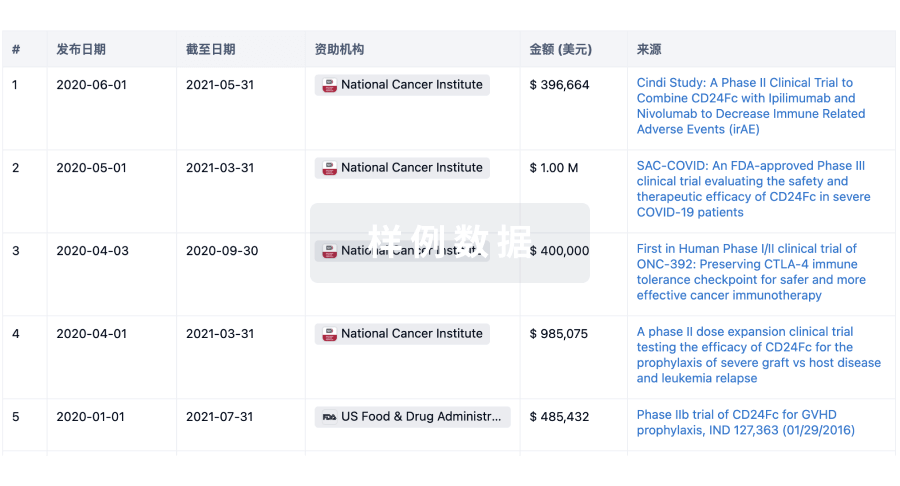
科研基金(NIH)
访问超过 200 万项资助和基金信息,以提升您的研究之旅。
登录
或
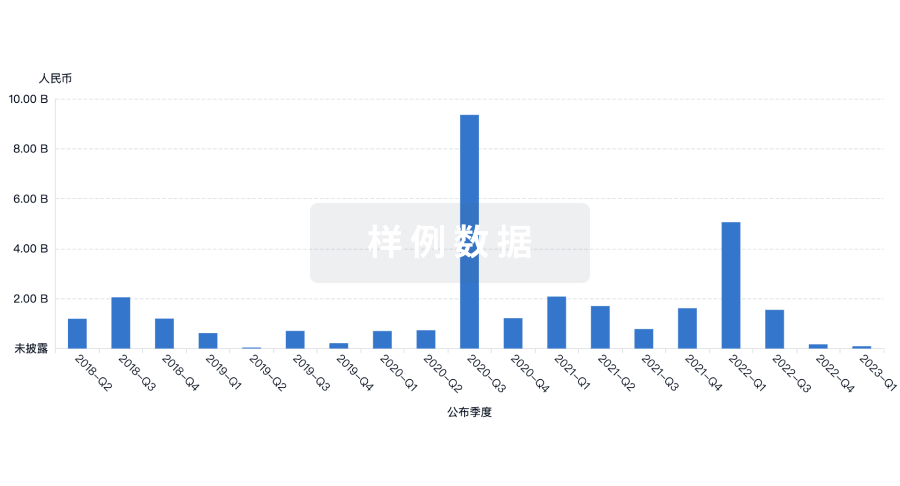
投资
深入了解从初创企业到成熟企业的最新公司投资动态。
登录
或
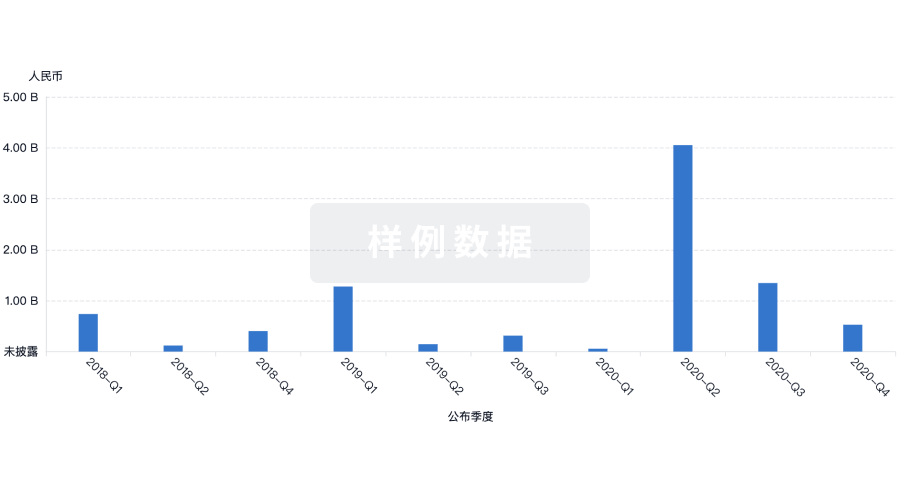
融资
发掘融资趋势以验证和推进您的投资机会。
登录
或
提出任何生物医药研究问题
让每一步生物医药决策都精准制胜
基于十亿级生物数据与全球情报的精准 AI,赋能早期药物发现
立即开始免费试用!
智慧芽新药情报库是智慧芽专为生命科学人士构建的基于AI的创新药情报平台,助您全方位提升您的研发与决策效率。
立即接入生物医药数据包
智慧芽新药库数据也通过智慧芽开放平台,以MCP或API服务形式对外开放。立即使用我们的MCP服务定制您的LLM智能体。
生物序列数据库
生物药研发创新
免费使用
化学结构数据库
小分子化药研发创新
免费使用