预约演示
更新于:2026-09-09

Guangzhou HC Pharmaceutical Co., Ltd.
更新于:2026-09-09
概览
关联
100 项与 广州艾奇西医药科技有限公司 相关的临床结果
登录后查看更多信息
0 项与 广州艾奇西医药科技有限公司 相关的专利(医药)
登录后查看更多信息
6
项与 广州艾奇西医药科技有限公司 相关的文献(医药)2025-11-01·BIOORGANIC CHEMISTRY
The evolving chemistry of cADPR analogues: from marine discovery to calcium signaling tools
Review
作者: D'Errico, Stefano ; Secondo, Agnese ; Mahal, Ahmed ; Piccialli, Ilaria ; Borbone, Nicola ; Falanga, Andrea Patrizia ; Marzano, Maria
Cyclic adenosine diphosphate ribose (cADPR) is a key second messenger that regulates intracellular Ca2+ homeostasis via ryanodine receptor (RyR)-dependent pathways. However, its limited membrane permeability and susceptibility to hydrolysis hinder its application as a molecular probe or therapeutic agent. To address these concerns, extensive efforts have focused on the total synthesis of cADPR analogues, aiming to obtain chemically stable and cell-permeable derivatives with tailored properties. Among the various cellular systems expressing a functional cADPR signaling machinery, Jurkat and neuronal cells are of particular interest, as dysregulation of intracellular calcium levels has been observed in these cellular systems in the contexts of HIV infection and neuroblastoma development, respectively. Accordingly, this review highlights the recent advances in the design and synthesis of cADPR analogues, offering new insights in structure-activity relationship (SAR) studies in Jurkat and neuronal cells, and emphasizing the importance of balancing structural stability, cellular uptake, and receptor affinity to achieve an effective Ca2+ mobilization. Overall, the findings discussed herein contribute to a deeper understanding of cADPR chemical biology and provide a synthetic platform for the rational design of cutting-edge Ca2+-modulating agents with potential diagnostic and therapeutic applications.
2022-10-18·Natural product research3区 · 化学
Synthesis and antitumor activity of new tetrahydrocurcumin derivatives via click reaction
3区 · 化学
Article
作者: Mahal, Ahmed ; Mai, Shaoyu ; Duan, Meitao ; Tao, Huaming ; Zhu, Yongyan ; Mohammed, Ban ; Zhu, Quanhong ; Al-Haideri, Maysoon
Three new derivatives of tetrahydrocurcumin 6, 7 and 9 have been prepared as potent antitumor agents using copper(II)-catalyzed 'click chemistry'. Their structures were identified using 1H-NMR, 13C-NMR and HRMS techniques. MTT (3-(4,5-dimethylthiazol-2-yl)-2,5-diphenyltetrazolium bromide) assay has been carried out to investigate the in vitro cytotoxicity against human cervical carcinoma (HeLa), human lung adenocarcinoma (A549), human hepatoma carcinoma (HepG2) and human colon carcinoma (HCT-116). Compound 6 has showed significant inhibitory activity against HCT-116 cell line with an IC50 value of 17.86 μM compared to tetrahydrocurcumin (50.96 μM) and positive control etoposide (19.48 μM) while showed no inhibitory activity against NCM460 cell line. Compounds 7 showed moderate inhibitory activity compared to tetrahydrocurcumin and etoposide while compound 9 showed no obvious inhibitory activity. The results suggested further structure modifications of tetrahydrocurcumin to improve its anticancer activity.[Formula: see text].
2021-11-02·ORGANIC PREPARATIONS AND PROCEDURES INTERNATIONAL
Synthesis and Antibacterial Activity of Novel 1,3-Oxazine Derivatives
作者: Dhafer S. Zinad ; Ahmed Mahal ; Ghazwan Ali Salman
The preparation of several new oxazine derivatives I [X = CH, N; R = H, Br, (4-morpholinoaniline); R1 = NH2, NH2C(O)(4-ClC6H4)] was described in preliminary report.The multicomponent reaction of benzaldehyde, phenylacetylene and urea in the presence of trifluoroacetic acid and acetic acid resulted in compound I [X = CH, N; R = H, Br, R1 = NH2] was described.Compound I [X = CH, N; R = H, Br, R1 = NH2] was successfully acylated with 4-chlorobenzoyl chloride under an inert atm. to yield compound I [X = CH, N; R = H, Br; R1 = NHC(O)(4-ClC6H4)].Compound I [X = N; R = Br, R1 = NH2] reacted with 4-morpholinoaniline in acid using n-butanol as a solvent at 180°C to result in compound I [X = N; R = (4-morpholinoaniline), R1 = NH2].The new compounds I were evaluated for their antibacterial activities against bacterial strains in a disk diffusion method, using tetracycline as pos. control.
547
项与 广州艾奇西医药科技有限公司 相关的新闻(医药)2026-09-02
·药圈头条
2026年9月4日-5日,第八届中国制药工业博览会(药博会)同期举办中国制药工业全产业链生态大会,大会涵盖医药监管政策、生产、质量、制剂研发(吸入、透皮、固体、眼用、注射剂、植入剂、冻干等)、立项、出海、中药、原料药、批文交易、项目合作等30+论坛。
中国制药工业全产业链生态大会--覆盖制药工业全链条,专注解决企业“找”的痛点,打造资源配置的战略高地。
9月苏州见!
微信扫码,0元领全程通票
MNC跨国药企、头部药企参会名单如下!
(上下滑动查看)
如需约见各药企负责人/科研院所代表,可前往报名小程序-1V1约见系统查看:
9月4日
[ 主持人 ]
彭利增,济南爱思 董事长
◈ 09:30-09:40
陈恬
车头制药 董事长
◈ 09:40-09:50
杨勇
河北鼎泰制药 负责人
◈ 09:50-10:00
叶伟平
深圳华先医药/广东莱佛士制药 董事长
◈ 10:00-10:10
张立国
山东铂源药业 董事长兼总经理
◈ 10:10-10:20
张彤丽
桐晖药业董事长
◈ 10:20-10:30
谢相林
健腾生物创始人兼董事长
◈ 10:30-10:40
嘉宾行程确认中
◈ 10:40-10:50
张文池
亚兴生物医药 董事长
◈ 10:50-11:00
徐红岩
吉尔生化 董事长
◈ 11:00-11:10
王雷
都创生物 CEO
◈ 11:10-11:20
朱圣红
扬子江集团海慈生物 副总经理
◈ 11:20-11:30
郭凯
润辉生物 研究所所长
◈ 11:30-13:30
午餐时间
◈ 13:30-13:40
李永
南方制药 董事长
◈ 13:40-13:50
郭书明
开封明仁药业 董事长
◈ 13:50-14:00
姜能桥
武汉康蓝药业董事长/总经理
◈ 14:00-14:10
邹平
江苏慧聚药业 总经理
◈ 14:10-14:20
李刚
山东天铭医药集团 董事长
◈ 14:20-14:30
刘喜荣
湖南新合新生物 董事长
◈ 14:30-14:40
李大鹏
赤峰赛林泰总经理
◈ 14:40-14:50
燕立波
开元医药 CEO
◈ 14:50-15:00
王征野
苏州传健医药董事长
◈ 15:00-15:10
季浩
江苏天晟药业 董事长
◈ 15:10-15:20
董岩
山东轩德医药 董事长
◈ 15:20-15:30
史卫明
常州瑞明药业总经理
◈ 15:30-15:40
崔振伟
重庆奥舍生物总经理
◈ 15:40-15:50
付坤
杭州固拓 董事长
◈ 15:50-16:00
马静
精晶药业总经理
9月5日
◈ 09:30-09:40
马月秋
恒敬合创联合创始人
◈ 09:40-09:50
Gutta Yelan
Bio-link Lifescience ( India) pvt ltd,Managing director
◈ 09:50-10:00
马士忠
瀚鸿科技 总经理
◈ 10:00-10:10
杨勇
Business Development Director, China,ESTEVE
◈ 10:10-10:20
程宇豪
君隽未来生物 创始人&董事长
◈ 10:20-10:30
嘉宾行程确认中
◈ 10:30-10:40
傅鹏
木槿化学 CEO
◈ 10:40-10:50
袁质英
资深从业人员
◈ 10:50-11:00
刘现军
苏州楚凯药业董事长
◈ 11:00-11:10
李丽芳
石家庄鼎旻医药 创始人
◈ 11:10-11:20
张小顺
安徽海康药业 董事长
◈ 11:20-11:30
高峰
大连万福 董事长
◈ 11:30-11:40
张皓翔
江苏盛和医药 总经理
扫码报名
9月4日 AM
[ 主持人 ]
雷皇书,重庆飞因科生物科技有限公司 董事长/总经理
◈ 09:30-09:50
绿色智造驱动新药APl:从分子设计到商业化生产的CMC迭代革命
马建国
维亚生物 高级副总裁
◈ 09:50-10:10
连续流动化学赋能药物与精细化学品制造
古双喜
武汉工程大学化工与制药学院副院长、教授、博导
◈ 10:10-10:30
基于人工智能的药物生产工艺优化:降低生产成本与绿色高效双重策略
雷皇书
重庆飞因科生物科技有限公司 董事长/总经理
◈ 10:30-10:40
微智源・中试连续流多功能撬装系统 全球首发
◈ 10:40-11:00
项目路演
◈ 11:00-12:30
逛展交流
9月4日 PM
[ 主持人 ]
欧俊杰,西北大学 教授
◈ 12:30-12:50
医化危险工艺项目中试如何破局
钟庆华
浙江微智源能源技术有限公司 工艺技术总监
◈ 12:50-13:10
Recent Advance for Chemoenzymatic Synthesis
陶军华
苏州汉酶生物技术有限公司 CSO
◈ 13:10-13:30
非天然氨基酸的酶法合成技术
竺伟
尚科生物医药(上海) 有限公司 CEO/首席科学家
◈ 13:30-13:50
生物分离分析材料前瞻性研究进展
欧俊杰
西北大学 教授
◈ 13:50-14:00
项目路演
暨《2026年中国原料药行业发展白皮书》发布
◈ 14:00-15:00
逛展交流
[ 主持人 ]
项英,创志生物 副总经理
◈ 15:00-15:20
活性短肽TFA-Free液相合成技术
刘国柱
长沙晨辰医药科技有限公司 董事长
◈ 15:20-15:40
原料药OEB分级下密闭生产线升级——柔性软仓隔离器的改造应用
项英
创志生物 副总经理
◈ 15:40-16:00
粉体颗粒工程技术及其在制药行业中的应用研究
李昊
博诺康源(北京)药业科技有限公司 总经理
◈ 16:00-16:30
原料药的“智”变:智能制造+生物合成
王宜运
新华制药研究院副院长
9月5日 AM
[ 主持人 ]
钟为慧,浙江工业大学 教授
◈ 09:30-09:50
不对称催化环氧化技术及应用
钟为慧
浙江工业大学 教授
◈ 09:50-10:10
AI推动的羰基还原酶改造与手性醇中间体的绿色制造
王安明
杭州师范大学 教授
◈ 10:10-10:30
氨基糖类药物的绿色生物合成
龚劲松
江南大学 教授
◈ 10:30-10:50
原料药创新工艺路线及分析方法的开发
代旭勇
湖北亨迪药业股份有限公司 总工程师
◈ 10:50-11:10
高效硫醚选择性氧化:新型催化体系替代钨酸钠实现医药工艺降本
余焓
上海元革新材料科技有限公司 创始人兼首席科学家/教授
◈ 11:10-13:00
逛展交流
9月5日 PM
[ 主持人 ]
刘晨光,福州大学化学学院 研究员
◈ 13:30-13:50
微反应器连续加氢和氧化技术促进医药产业高质量发展
张吉松
清华大学化工系 副教授
◈ 13:50-14:10
连续制造—原料药先进制造的转型实践
陈均尉
浙江昌海制药有限公司 副总经理/高级工程师
◈ 14:10-14:30
药物分子多步流动合成
刘晨光
福州大学化学学院 研究员
◈ 14:30-15:00
基于超限制造的抗肿瘤药物连续合成及制剂纳米化
朱维平
华东理工大学教授
◈ 15:00-15:30
多肽制造的第二曲线
苏贤斌
南京工业大学 教授
扫码报名
9月4日
[ 主持人 ]
齐宜广 2 类新药立项开发行业专家
◈ 09:30-09:50
改良型新药行业现状与发展趋势分析
丁恩峰
高级工程师、资深 GMP、药政法规和制药技术专家
◈ 09:50-10:10
从上市案例剖析2.1~2.4类新药开发
齐宜广
2 类新药立项开发行业专家
◈ 10:10-10:30
缓释微球制剂在改良新药开发中的应用案例
许平
辉粒药业(苏州)有限公司董事长
◈ 10:30-10:50
改良新药优质项目发布
◈ 10:50-11:30
圆桌论坛:改良新药到底还值不值得做?
齐宜广 2 类新药立项开发行业专家
贺敦伟 上海则正医药科技股份有限公司创始人
夏燕 百花村医药集团副总经理,江苏礼华生物技术有限公司 董事长
陈涛 迈迪欣生物医药科技(西安)有限公司,总裁兼首席科学家
曲伟 深圳善康医药首席技术官
◈ 11:30-12:50
午餐
[ 主持人 ]
曲伟 深圳善康医药首席技术官
◈ 12:50-13:10
多款改良新药被毙!改良新药审评核心逻辑探讨(拟)
夏燕
百花村医药集团副总经理,江苏礼华生物技术有限公司 董事长
◈ 13:10-13:30
纳米胶束技术在改良型新药研发中的应用
陈再新
江苏百奥信康医药科技有限公司董事长/创始人
◈ 13:30-13:50
改良新药:在政策夹缝中寻找和构建确定性
刘超
山东百诺医药股份有限公司技术营销中心副总经理兼市场部总监
◈ 13:50-14:10
口溶膜技术创新与临床及产业应用潜力分析
陈芳
医药先进制造国家工程研究中心研究员
◈ 14:10-14:30
改良新药优质项目发布
◈ 14:30-15:30
逛展交流
◈ 15:30-15:50
高壁垒复杂改良新药创新的底层逻辑及实现路径——以盐酸纳曲酮植入剂为例
曲伟
深圳善康医药首席技术官
◈ 15:50-16:10
新型微球制备方法介绍
沈丹
安拓思纳米技术(苏州)有限公司复杂制剂中心主任
◈ 16:10-16:30
面向新药研发早期筛选的斑马鱼模型库与AI智能评价平台的开发
李志源
青岛奔月生物技术有限公司实验室主任
◈ 16:30-16:50
改良型眼科制剂的研发
孙勇
青岛大学教授
◈ 16:50-17:10
基于多酚寡聚化开发创新药物制剂
王永军
沈阳药科大学教授
扫码报名
9月5日
◈ 09:30-09:50
大集采趋势下仿制药的选择思考
张廷杰
风云药谈创始人
◈ 09:50-10:10
重构靶向药物未来——交叉融合研发策略驱动差异化药物研发
刘东舟
华东医药股份有限公司首席科学官、创新药全球研发中心总经理
德国Heidelberg Pharma AG公司 CEO
◈ 10:10-10:30
仿制药立项的长期主义——以终为始的决策逻辑
焦培想
南京华威医药科技集团有限公司总经理
◈ 10:30-10:50
优质项目发布
◈ 10:50-11:30
圆桌论坛:中国药企如何跨越“仿制药无利、改良药难批、创新药久等”三重门
张廷杰 风云药谈创始人
陈正晧 安徽省先锋制药有限公司董事长
吴四清 湖南九维生物医药有限公司创始人&董事长
郭新峰 南京循证生物科技有限公司创始人
◈ 11:30-13:30
午餐
◈ 13:30-14:00
从国内集采到FDA获批的立项出路——立生医药BFS无菌制造全球化突围
李君宁
立生医药(苏州)有限公司创始人/董事长
◈ 14:00-14:10
从特殊认定到路径主导:加速审批路径正在重塑药企制药战略
贺枝
施普林格·自然(Springer Nature)生命科学与医药产品经理
◈ 14:10-14:30
改良型新药市场化立项策略
郭新峰
南京循证生物科技有限公司创始人
◈ 14:30-14:50
基于临床需求的改良型新药立项策略与实施案例
江波
浙江大学医学院附属第二医院临床药理中心副主任
临床试验机构办公室副主任、I期临床研究室负责人
◈ 14:50-15:10
改良型新药研发的隐性陷阱与风险预判
吴四清
湖南九维生物医药有限公司创始人&董事长
◈ 15:10-15:40
新形势下中药新药立项策略
赵刚
健民集团研究院院长
扫码报名
9月4日上午
塑透皮制剂下一个增长点
[ 主持人 ]
全丹毅,江苏集萃新型药物制剂技术研究所所长
◈ 09:30-10:00
改良型透皮制剂30年开发经验:从处方开发到临床获批的关键节点复盘
全丹毅
江苏集萃新型药物制剂技术研究所所长
◈ 10:00-10:20
外用制剂临床研究开发策略及技术要点
欧阳冬生
中南大学湘雅医院临床药理研究所教授/博士生导师;长沙都正生物科技股份有限公司董事长/总裁
◈ 10:20-10:40
透皮制剂的开发价值:案例分享
徐璧雄
鑫稳生物医药科技有限公司CSO
◈ 10:40-11:00
优质项目/批文发布
◈ 11:00-12:30
逛展交流
9月4日下午
破透皮制剂产业化之格局
[ 主持人 ]
汤秀珍,上海复耀医药科技有限公司总经理
◈ 12:30-12:50
透皮贴剂研发策略与实践
汤秀珍
上海复耀医药科技有限公司总经理
◈ 12:50-13:10
布局明天——微针递送的低垂果实
卢 迪
中科微针(北京)科技有限公司研究院院长
◈ 13:10-13:30
AI智能颗粒图像技术在半固体制剂粒度检测中的应用案例分享
杨 涛
苏州胤煌精密仪器科技有限公司技术总监
◈ 13:30-13:50
贵州省外用保健用品政策
李玉岩
亚宝药业贵阳制药有限公司总经理
◈ 13:50-14:00
优质项目/批文发布
◈ 14:00-15:00
逛展交流
◈ 15:00-15:20
从器械视角看药械结合经皮给药——法规路径、技术平台与产业化机遇
隋 婧
云南白药集团中央研究院新材料技术部总监
◈ 15:20-15:40
先进经皮制剂的研发和质量实践
吴 昀
北京泰德制药股份有限公司创新制剂部总监
◈ 15:40-16:30
圆桌论坛
全丹毅 江苏集萃新型药物制剂技术研究所所长
徐璧雄 鑫稳生物医药科技有限公司CSO
汤秀珍 上海复耀医药科技有限公司总经理
侯蓓蕾 上海赢发医用复合材料有限公司研发
全 越 齐蓁科技 创始人
9月5日上午
立透皮制剂临床之根本
[ 主持人 ]
刘冠,武汉市肺科医院主任/副主任医师
◈ 09:30-10:00
创新递送趋势下的透皮制剂开发策略
赵江琼
赫力昂(中国)消费保健公司
新产品开发负责人
◈ 10:00-10:20
基于临床视角的中药外用制剂基础和应用研究
朱全刚
同济大学附属皮肤病医院主任药师
◈ 10:20-10:40
以丙酸氟替卡松乳膏为例,浅述透皮制剂临床开发的关键细节
刘冠
武汉市肺科医院主任/副主任医师
◈ 10:40-11:00
黑膏药生产设备的创新实践、标准协同与未来路径探讨
史坤雪
中德华胜(上海)制药设备有限公司
◈ 11:00-13:30
逛展交流
9月5日下午
论透皮制剂质量之关键
[ 主持人 ]
吕慧侠,中国药科大学教授
◈ 13:30-14:05
IVPT皮肤模型的处理与质量控制
吕慧侠
中国药科大学教授
◈ 14:05-14:40
透皮半固体制剂开发策略、质量研究探讨
王 咏
浙江仙琚制药制剂研究院院长
◈ 14:40-15:15
经皮给药制剂质量研究与发补案例分析
杨永健
上海市食品药品检验研究院原首席专家
◈ 15:15-15:50
改良型皮肤制剂的临床研究考量与评价路径
郑恒
国家药品审评中心专家,湖北省药监局核查专家,华中科技大学同济医学院附属同济医院教授
扫码报名
9月4日 AM
破局市场,谋吸入之新篇
◈ 09:30-10:00
靶向肺内递送,粉雾吸入制剂带来IPF治疗新方向
陈永奇
珠海瑞思普利医药科技有限公司董事长兼首席科学家
◈ 10:00-10:20
集采常态化·创新破局:重构吸入制剂产业新周期
王愔
聚米数创医疗总经理、中国国际经济技术合作促进会标准化工作委员会团体标准编制专家
◈ 10:20-10:40
吸入制剂通则部分解读
张启明
中国食品药品检定研究院主任药师
◈ 10:40-11:00
吸入制剂以及装置在临床上的研究应用
叶晓芬
复旦大学附属中山医院副主任药师
◈ 11:00-11:20
吸入气雾剂与粉雾剂的技术狂欢:装置、工艺与规模化生产的系统思考
石磊
上海亿索科技有限责任公司董事长兼CEO
◈ 11:20-11:30
优质项目/批文发布
9月4日 PM
攻坚生产,克吸入之瓶颈
◈ 13:00-13:20
吸入制剂的研发现状及应对策略
余小磊
美迪西 制剂部分析助理主任
◈ 13:20-13:45
全身性吸入制剂的开发
李晓东
浙江悉娜医药有限公司董事长
◈ 13:45-14:10
GLP-1吸入粉雾剂开发及创新
史楷岐
易合医药创始人兼CEO
◈ 14:10-14:30
优质项目/批文发布
◈ 14:30-15:30
逛展交流
◈ 15:30-15:50
10年磨一剑:噻托溴铵吸入粉雾剂成功获批经验分享
孙迎基
京卫制药研究院院长
◈ 15:50-16:30
圆桌论坛
佟振博 东南大学教授
史楷岐 易合医药创始人兼CEO
陈永奇 瑞思普利董事长兼首席科学家
石 磊 上海亿索科技有限责任公司董事长兼CEO
郑 恒 国家药品审评中心专家、湖北省药监局核查专家、华中科技大学同济医学院附属同济医院教授
9月5日 AM
循证临床,研吸入之设计
◈ 09:30-09:55
智能化系统如何颠覆吸入给药依从性
肖大伟
南京高新医院I期临床试验部主任,主任药师
◈ 09:55-10:20
吸入制剂非临床研究的一般考虑与挑战
刘学武
湖南普瑞玛药物研究中心有限公司总经理助理/药物评价部负责人
◈ 10:20-10:45
吸入制剂 BE 试验临床实施管控难点与实战案例分享
苏兴隆
安徽万邦医药科技股份有限公司
◈ 10:45-11:10
鼻脑给药制剂创新与体内外相关性研究
丁 杨
中国药科大学教授
◈ 11:10-11:35
吸入制剂体外评价关键技术及应用
徐玉文
山东省食品药品检验研究院 化学药品室主任
◈ 11:35-13:30
逛展交流
9月5日 PM
深析法规,通吸入之路径
◈ 13:30-14:10
最新FDA/EMA吸入制剂申报法规技术要求与监管
沈丹蕾
吸入药物递送协会主席
中国颗粒学会吸入颗粒专业委员会副主任委员
◈ 14:10-14:40
FDA对口鼻吸入制剂豁免比较临床重点研究的法规审评途径
奚 泉
上海医药工业研究院制剂团队负责人(PI)/研究员
◈ 14:40-15:10
药械组合产品(口鼻吸入制剂)国内外审评审批与创新
佟振博
东南大学 教授
◈ 15:10-15:40
吸入制剂产业化难点及案例分析
邵 奇
浙江信谊瑞爵制药有限公司常务副总
◈ 15:40-16:10
吸入制剂美国实战分享
朱 昺
润生药业有限公司 首席科学官
扫码报名
9月4日 AM
眼用制剂专场
◈ 09:30-09:50
眼内注射溶液开发及质量控制
罗祖秀
成都康弘药业总经理
◈ 09:50-10:10
滴眼液无菌制剂全生命周期控制与合规实践
朱样根
江西珍视明药业有限公司原副总经理
◈ 10:10-10:30
眼用制剂与次级包材相容性研究及申报策略
付沛林
沈阳兴齐眼药股份有限公司资深研究员
◈ 10:30-10:50
无菌滴眼剂质控痛点:可见异物、包材迁移杂质控制策略
王殿阔
欧普康视科技股份有限公司(药品)企业负责人兼无菌产品中心总监
◈ 10:50-11:10
眼科药物非临床评价策略及挑战
曾贵荣
湖南普瑞玛药物研究中心有限公司副总经理/研究员
◈ 11:10-11:30
优质项目发布
◈ 11:30-13:00
午餐
9月4日 PM
冻干制剂专场
◈ 13:00-13:20
《无菌药品附录征求意见稿》关于洁净区的确认和监测的应用探讨
魏佳鸣
上海市食品药品包装材料测试所主任
◈ 13:20-13:40
严重细菌性疾病抗菌药物的研发
冯胜昔
广州艾奇西医药科技有限公司创始人、总经理
◈ 13:40-14:00
抗肿瘤冻干注射剂的工艺实践
马丽
广东星昊药业有限公司董事长助理/执业药师
◈ 14:00-15:00
逛展交流
◈ 15:00-15:30
从研发到生产:冻干工艺放大设备差异与工艺转移实践
杨春生
博士,上海药明生物技术有限公司制剂开发主任
◈ 15:30-16:00
冻干制品的配方和工艺开发流程设计控制要点
康瑜
冻干制剂资深专家
扫码报名
9月5日 AM
[ 主持人 ]
胡勇刚,普萃超临界(广东)高新技术有限公司 创始人/董事长
◈ 09:30-09:50
无菌附录升版在即,无菌企业监管关注要点及典型缺陷分析
黄庆
正大天晴顺欣药业副总经理
◈ 09:50-10:10
化药注射剂研究思考和一致性评价探讨
王立江
石家庄四药集团药物研究院常务副院长
◈ 10:10-10:30
脂质体纳米递送平台关键技术与落地方案
张哲峰
南京知和医药科技有限公司董事长、二级教授、首席咨询师
◈ 10:30-10:50
复杂注射剂处方工艺开发的粒径难点与超临界结晶制粒的工程解法
胡勇刚
普萃超临界(广东)高新技术有限公司创始人/董事长
◈ 10:50-11:10
复杂制剂工程化放大挑战与GMP转化关键技术应用
陈俊彰
凯莱英医药集团(天津)股份有限公司制剂部首席科学家
◈ 11:10-11:30
项目路演
◈ 11:30-13:30
午餐
9月5日 PM
◈ 13:30-14:00
复杂注射剂(脂质体、乳剂)的开发策略与产业化实践
张宁
石药集团中奇制药技术(石家庄)有限公司高级工程师
◈ 14:00-14:30
脂质体结构的生物技术药物研发
徐宇虹
上海交通大学药学院教授
◈ 14:30-14:50
复杂注射剂之长效缓释植入剂
夏金强
杭州渤雅生物医药有限公司首席科学家
◈ 14:50-15:10
长效微球研发及产业化技术难点剖析
吕丕平
上药第一生化药物研究所所长
◈ 15:10-15:30
注射剂IND审评经验分享
陈继平
某医药外企法规事务专家,原国家药品审评中心审评员
◈ 15:30-16:00
高浓度皮下注射液开发及器械联用设计考量
杨丰云
甘李药业股份有限公司生物药开发部负责人/总监
扫码报名
9月4日
[ 主持人 ]
江依帆,中山大学药学院医药经济研究所
◈ 09:30-10:00
我国药品监管法律制度的改革与探索
高惠君
上海市食品药品安全研究会副会长、教授级高级工程师(正高级)
◈ 10:00-10:20
我国药品集采制度特征与展望
毛宗福
武汉大学全球健康研究中心主任
◈ 10:20-10:40
医保支付方式改革下的医院精细化管理支持创新准入
江依帆
中山大学药学院医药经济研究所
◈ 10:40-11:00
药物警戒制度和地方检查概况
王老师
省药品和医疗器械不良反应监测中心
◈ 11:00-11:20
高效通过国际GMP认证现场检查策略
彭国钧
佛山市瑞通认证咨询有限公司总经理、GMP顾问
◈ 11:20-13:00
逛展交流
◈ 13:00-13:20
基于持续鼓励创新的药品注册分类管理优化研究
刁媛媛
海思科 资深注册总监
亦弘商学院《基于持续鼓励创新的药品注册分类管理优化研究》课题执笔人
◈ 13:20-13:40
药品注册时间管理课题研究汇报
吕玉真
上海知桥行医药咨询有限公司 CEO
◈ 13:40-14:00
欧盟注册申报全路径规划与实操要点
耿雅含
华益药业欧洲注册负责人
◈ 14:00-14:20
药品国际化路径的持有及准入制度与质量体系管理要求
冯翠容
德恩(广州)认证咨询有限公司副总经理
◈ 14:20-15:30
逛展交流
◈ 15:30-15:50
药品委托/受托生产监管现状
王老师
原浙江省药监专家,国家GMP检查员
◈ 15:50-16:10
药品上市后药学变更的全球同步递交与批准优化研究
吴正宇
诺和诺德(上海)医药贸易有限公司法规事务副总监
亦弘商学院研究员
◈ 16:10-16:30
新规赋能·合规提速—药品快速落地与上市后变更实战解析
高峰
连云港润众制药有限公司
◈ 16:30-16:50
药品注册核查时重点关注内容
姜莉
原江苏省药监局南京检查分局二级调研员
扫码报名
9月5日
◈ 09:30-09:50
以市场为导向的全球药品注册策略
孟晓峰
九州通医药集团国际业务高级合伙人、湖北科思通医药科技有限公司总经理
◈ 09:50-10:10
从"国际化元年"到"全球健康生态"——扬子江的出海加速度
戴云龙
扬子江药业集团江苏海岸药业有限公司供应链兼国际化负责人
◈ 10:10-10:30
制剂出海:中欧临床试验质量体系差异、运营及核查经验分享
孙建成
华益药业科技(安徽)有限公司临床总监
◈ 10:30-11:10
圆桌论坛
蔡婧姝
复星医药全球战略投资部总经理
苑字飞
甘李药业股份有限公司副总经理兼首席技术官,甘李山东公司董事
阎水忠
再鼎医药全球研发首席运营官
◈ 11:10-11:30
优质项目发布
◈ 11:30-13:30
午餐
◈ 13:30-13:50
合规为先,渠道致远:非洲区域监管政策解析与分销渠道布局策略
李文胜
人福医药非洲板块创始人、董事长
◈ 13:50-14:10
FDA Regulatory CMC Review and Inspections for Biological Products
裘志浩
罗氏制药/基因泰克公司对外政策法规倡导APAC区负责人
◈ 14:10-14:30
美国注射剂仿制药市场解构与实践
李跃
南京健友生化制药股份有限公司国际化负责人
◈ 14:30-14:50
新国际环境下,改良新药出海的应对策略
孙鹤
原美国FDA主审官、上海交大海南国际医学中心数智医学研究院副院长
◈ 14:50-15:00
吃透中东蓝海!中东头部药企分享合作需求
跨国上市制药企业专家
◈ 15:00-15:20
中国药企出海进化:License-out1.0→多元化全球布局2.0
姒亭佑
BC Asset Management CEO、约印医疗基金顾问委员会主席
◈ 15:20-15:40
天然物与中药获批 US FDA 化学药 / 生物药产品的可行路径浅析
窦金辉
美国FDA原资深审批专家,香港浸会大学中药创新研发中心、北京振东光明研究院,天然药物注册事务和监管科学顾问
扫码报名
9月4日
◈ 09:30-09:40
邱家军
国邦医药 董事长
◈ 09:40-09:50
李湘
泰德医药 董事长
◈ 09:50-10:00
王廷春
博济医药 董事长
◈ 10:00-10:20
胡瑞连
睿智医药 董事长兼CEO
◈ 10:20-10:30
谢建中
新天地药业 董事长
◈ 10:30-10:40
程志刚
亨迪药业 董事长
◈ 10:40-10:50
系祖斌
共同药业 董事长
◈ 10:50-11:00
陶春蕾
安徽万邦医药 董事长
◈ 11:00-11:10
朱勇刚
圣达生物 集团常务副总裁
◈ 11:10-11:20
陈亚
海特生物 董事长
◈ 11:20-11:30
于丽伟
东瑞制药 总裁
扫码报名
9月4日
[ 主持人 ]
赵亭 方明药业 董事长兼总经理
◈ 13:00-13:10
龚自力
江苏省药学会 副理事长
◈ 13:10-13:20
雷继锋
上海安必生制药 董事长
◈ 13:20-13:30
许红磊
苏州四药 董事长
◈ 13:30-13:40
汪洪峰
联盛药业 董事长
◈ 13:40-13:50
魏忠岚
花园药业 董事长
◈ 13:50-14:00
郭夏
万全制药控股 董事长
◈ 14:00-14:10
贺敦伟
则正医药 董事长
◈ 14:10-14:20
邵爱霞
济南维瑞医药 董事长
◈ 14:20-14:30
肖稳定
九典制药 研究院院长
◈ 14:30-14:40
曹明成
合肥创新医药 董事长
◈ 14:40-14:50
赵亭
方明药业 董事长兼总经理
◈ 14:50-15:00
唐锦
山东海山制药 总经理
◈ 15:00-15:10
许汉泉
广东健泉药业 董事长
◈ 15:10-15:20
张念武
罗达医药 董事长
◈ 15:20-15:30
石党生
浙江双石药业 董事长
◈ 15:30-15:40
徐立军
安庆回音必制药 董事长
◈ 15:40-15:50
李龙刚
普瑞曼药业 董事长
◈ 15:50-16:00
马德成
晶云医药 CEO
◈16:00-16:10
张翔
浙江海派医药 董事长兼总经理
◈ 16:10-16:20
纪锐
武汉海纳药业 董事长
◈ 16:20-16:30
张冰
安徽杰玺医药 董事长
◈ 16:30-16:40
陈为功
先声药业 总经理
◈ 16:40-16:50
尹忠
北京安华仁药业 总经理
◈ 16:50-17:00
李克敏
海南爱科制药 董事长
◈ 17:00-17:10
鲍瑞森
海南斯达制药 总经理
9月5日
[ 主持人 ]
方大兴 华普医药集团 战略BD副总裁
◈ 9:30-9:40
凌炎峰
福建仲景医药 董事长
◈ 9:40-9:50
唐建飞
朱养心药业 总经理
◈ 9:50-10:00
李小清
上海耀大生物 董事长
◈ 10:00-10:10
刘小斌
南京帝昌医药 董事长
◈ 10:10-10:20
张红兵
中通生物 总经理
◈ 10:20-10:30
丁鹏
吴中美学 执行总经理
◈ 10:30-10:40
崔永旭
辰欣药业 特医食品事业部总经理
◈ 10:40-10:50
陈天忠
康正药业 董事长
◈ 10:50-11:00
上官清
金鸿药业 董事长
◈ 11:00-11:10
陶琇梅
诺康达医药 董事长
◈ 11:10-11:20
王锐
振东健康 营销总裁
◈ 11:20-11:30
赵刚
健民集团 研究院院长
◈ 11:30-11:40
付建军
君恒医药 董事长
◈ 11:40-11:50
方大兴
华普医药集团 战略BD副总裁
扫码报名
9月4日上午
[ 主持人 ]
郝贵周,鲁南制药科研部部长
◈ 09:30-09:50
固体制剂研发立项与产业化的实战思考
郝贵周
鲁南制药科研部部长
◈ 09:50-10:10
中药智能制造数智化落地路径:工厂数字化转型与实验室 LMIS 信息化实践及案例分析
姚磊岳
教授、翰林航宇(天津)实业有限公司外聘专家
◈ 10:10-10:30
口服固体制剂发补案例解析
叶海英
中江苏正大丰海制药有限公司药物研究院副院长
◈ 10:30-10:50
跳出溶出数据陷阱:重构体内外相关性模型的多元评价体系
李远哲
华普集团药学副总经理
◈ 10:50-11:20
优质项目路演
◈ 11:20-12:30
逛展交流
9月4日下午
[ 主持人 ]
李文龙,天津中医药大学研究员、博士生导师
◈ 12:30-13:00
全链质控·智造未来——中药固体制剂全产业链质量体系的构建
姚建标
浙江康恩贝制药股份有限公司研发中心副总、正高级工程师
◈ 13:00-13:20
喷雾干燥在难溶性固体分散体中的应用
徐翠花
无锡市联合德艺制药设备有限公司创始人
◈ 13:20-13:40
缓控释制剂处方工艺设计要点
李想
广州玻思韬控释药业有限公司制剂&生产执行总监
◈ 13:40-14:00
UV 激光刻字机在包衣片和胶囊的使用技术特点及市场前景
吴宏伟
上海荃拿贸易有限公司总经理
◈ 14:00-15:00
逛展交流
◈ 15:00-15:25
固体口服制剂肠溶包衣技术
张玉
峰肽药业产品工艺开发生产和供应高级总监
◈ 15:25-15:50
3D打印技术如何重构固体制剂生产工艺
邓飞黄
南京三迭纪医药科技有限公司技术副总裁
◈ 15:50-16:15
固体制剂连续制造的关键技术突破与落地挑战
李文龙
天津中医药大学研究员、博士生导师
◈ 16:15-16:40
固体制剂国际化注册策略与案例
丁恩峰
高级工程师、资深 GMP、药政法规和制药技术专家
扫码报名
9月5日
[ 主持人 ]
王粟明,亚什兰(中国), 亚太区法规事务总监,国际药用辅料协会(IPEC中国区)副会长和行业分委会会长
◈ 09:30-09:50
LNP中辅助磷脂的构效关系
孙春萌
中国药科大学药学院药剂系教授,中国药学会药用辅料专委会委员,中国药品监督管理研究会药品辅料与包材监管研究专委会委员
◈ 09:50-10:10
从标准化到定制化:药用辅料赋能差异化制剂研发的新模式
彭丽芳
湖北葛店人福药用辅料有限责任公司 研发副总监
◈ 10:10-10:30
高风险药品包装形式发展状况和要求
俞辉
浙江省药品食品包装药用辅料行业协会,主任药师、秘书长
◈ 10:30-10:50
环糊精在难溶性药物制剂研发中的应用
赵雁
医药先进制造国家工程研究中心 研究员
◈ 10:50-11:00
优质项目路演
◈ 11:00-12:30
逛展交流
[ 主持人 ]
李银博, 悉咨医药 创办人
◈ 12:30-12:50
新形势下的药用辅料检测技术升级与质量提升
王蓉佳
上海市食品药品包装材料测试所 药用辅料室主任/正高级工程师
◈ 12:50-13:10
药用辅料的国产化替代与实践
周星
上海新菲尔生物制药工程技术有限公司 技术主管
◈ 13:10-13:30
良药如何不苦口?天然植物甜源在医药抑苦中的创新应用
李亚萍
山东奔月生物科技股份有限公司 食品应用研发工程师
◈ 13:30-14:00
辅料的非临床性评价
胡晓敏
主任药师 原国家药品监督管理局药品审评中心高级审评员
◈ 14:00-14:30
全球监管协同背景下的药用辅料合规策略-从法规符合到国际竞争力提升
王粟明
亚什兰(中国), 亚太区法规事务总监,国际药用辅料协会(IPEC中国区)副会长和行业分委会会长
◈ 14:30-15:00
2026年我国药用辅料登记与关联审评情况
李银博
悉咨医药 创办人
◈ 15:00-15:30
商业化GMP厂房设计、建设关键要点分析及相关法规解读
许文铂
上海丹瑞 厂长
◈ 15:30-16:00
药用辅料供应商变更的评价策略及风险管理
鄢启平
知名跨国制药企业高级经理
扫码报名
9月4日上午
[ 主持人 ]
林志展,江苏中有信科技有限公司总经理
◈ 09:30-09:50
生物医药智能工厂建设和数字化展望
沈菊平
北海康成(苏州)生物制药有限公司首席运营官
◈ 09:50-10:10
关于生物药企厂房设备设施的节能顶层设计
江涛
科兴生物制药股份有限公司设备与安全模块负责人
◈ 10:10-10:40
精益智造赋能制药高质量发展
李克臣
康龙化成副总经理
◈ 10:40-11:00
展商路演
◈ 11:00-12:30
午餐
9月4日下午
[ 主持人 ]
张振民,上海仁会生物制药股份有限公司高级生产总监
◈ 12:30-13:00
多肽商业化生产考量,从原液到制剂
张振民
上海仁会生物制药股份有限公司高级生产总监
◈ 13:00-13:20
冻干生产:从合规到卓越
王顺强
浙江天元生物药业有限公司生产副总经理
◈ 13:20-13:40
透皮给药制剂的生产工艺设计和质量控制
岳洋
鑫稳生物医药科技有限公司副总经理、生产负责人
◈ 13:40-14:00
固体制剂管道化、连续化生产实战经验分享
周宏
江西康恩贝中药有限公司生产总监
◈ 14:00-15:00
逛展交流
[ 主持人 ]
高爱琴,朗致集团贵州太和制药有限公司创始人
◈ 15:00-15:20
《制药用空调净化系统检查指南》中洁净暖通系统图的剖析
欧阳健
原无锡药明生物工程部高级主任
◈ 15:20-15:40
药企设备设施运维的底层逻辑探讨
倪坚宏
原上海勃林格殷格翰药业有限公司首席工程师
◈ 15:40-16:00
纯化水及注射用水系统设计
姚玉成
正大天晴药业集团股份有限公司资深工艺设计专家
◈ 16:00-16:20
生物医药数字产业链与AI智造变革实践
侯钧
扬子江药业集团信息中心负责人
扫码报名
9月5日
[ 主持人 ]
黄跃东,常州四药制药有限公司首席审计官
◈ 09:30-10:00
药品管理法背景下的药品委托生产监管改革
唐民皓
上海市食品药品安全研究会 创会会长 首席研究员
◈ 10:00-10:20
委托生产技术转移风险控制重点及案例分析
蔡晔
先声药业有限公司质量总监
◈ 10:20-10:40
扬子江药业CDMO · 以确定性的能力 应对不确定的市场
姜涛
扬子江药业集团有限公司CMO商务负责人
◈ 10:40-11:00
MAH质量合规之路:委托生产相关方管理的合规锚点与挑战
黄跃东
常州四药制药有限公司首席审计官
◈ 11:00-11:20
大型制药集团多生产场地管理:合规与实践
许建辰
诺和诺德质量合规副总监
◈ 11:20-11:40
委托生产落地实施经验分享
张红
苏州天马医药集团天吉生物制药有限公司质量副总
◈ 11:40-12:00
项目路演
◈ 12:00-13:30
逛展交流
[ 主持人 ]
杨冠宇 中国大冢制药有限公司质量受权人、药物警戒负责人
◈ 13:30-14:00
大型制药集团多生产场地管理:合规与实践
张艳
贝达药业股份有限公司质量总监
◈ 14:00-14:20
《关于加强药品受托生产监督管理工作的公告》落实经验分享
黄小枫
华益药业质量受权人
◈ 14:20-14:40
进口药品境外生产现场核查案例分享
路佳特
和铂医药质量总监
◈ 14:40-15:00
生物制品上市后生产数据追溯与管理
贺彦超
上海正大天晴质量负责人/质量受权人
◈ 15:00-15:20
新形势下制药企业如何做好委托生产和受托生产管理
牛萍
上海可立特技术有限公司创始人、总经理
◈ 15:20-15:40
国内CMO对接日本MAH委托生产GMP合规流程大拆解
杨冠宇
中国大冢制药有限公司质量受权人、药物警戒负责人
◈ 15:40-16:00
无菌生产合规:APS最差条件设计与失败根因调查
郑重
诺和诺德(中国)制药有限公司无菌灌装专家
扫码报名
9月4日 AM
宠物医药政策发展论坛
[ 主持人 ]
祝兴林,杭州和泽动保科技有限公司总经理
◈ 09:30-09:50
宠物药注册法规解读和研发方向分析
董义春
中国兽药协会秘书长/原中监所首席评审员
◈ 09:50-10:10
国产宠物药品的发展趋势和方向探讨
冀伟
海正动保总经理
◈ 10:10-10:30
全球宠物药创新趋势与中国市场的战略机遇
祝兴林
杭州和泽动保科技有限公司总经理
◈ 10:30-10:50
存量博弈下的破局思考:宠物动保行业的价值重构与大单品突围
王骁
中信农业产业基金投研部副总裁
◈ 10:50-11:10
商业化赋能宠物创新药产业协同共建
阮林高
上海汉维生物医药科技有限公司首席科学家
◈ 11:10-11:30
优质项目路演暨《2026年中国宠物药行业发展白皮书》发布
◈ 11:30-13:00
逛展交流
9月4日 PM
宠物医药研发与产业化论坛
[ 主持人 ]
包磊,艾益动物药品集团医学市场总监
◈ 13:00-13:25
临床需求导向的宠物新药研发策略与落地实践
朱成强
南京朗博特动物药业有限公司创始人、CEO
◈ 13:25-13:50
以终为始:基于"黏膜免疫平台"的宠物疫苗自主创新与产业化破局
包磊
艾益动物药品集团医学市场总监
◈ 13:50-14:10
新动物药立项与研发方向探讨
刘学明
联邦生物宠物药事业部总监
◈ 14:10-14:30
专业深耕兽药CRO 系统厘清与人药差异
吕淑荣
青岛塞尔斯医药科技有限公司首席医学官/工程技术应用研究员
◈ 14:30-15:30
逛展交流
◈ 15:30-15:50
渠道融合协助产品落地,集中资源提升市场占有率
刘小林
三禧生物董事长
◈ 15:50-16:30
圆桌环节:从"有产品"到"有话语权"——国产宠物药的下一个十年怎么走?
主持人:
祝兴林 杭州和泽动保科技有限公司总经理
嘉 宾:
冀 伟 海正动保总经理
阮林高 上海汉维生物医药科技有限公司首席科学家
俸清珠 寶泰生醫股份有限公司研發長
王鹏鹏 金宇保灵生物药品有限公司宠物疫苗研发平台主管
9月5日 AM
人转宠实践与宠物医药前沿技术论坛
[ 主持人 ]
魏继业,惟佑基因生物董事长、CEO
◈ 09:30-09:55
人用生物药转宠物药的机遇与挑战
王硕
北京鼎持生物技术有限公司高级研究员
◈ 09:55-10:20
下一代基因治疗在宠物疾病和抗衰方面的前景和展望
魏继业
惟佑基因生物董事长、CEO
◈ 10:20-10:45
基因疗法与免疫查核点抑制剂的跨物种转化:宝泰的全球动物新药布局
俸清珠
寶泰生醫股份有限公司研發長
◈ 10:45-11:10
AI驱动宠物药研发:从实验室到临床的产业化实践
魏文娟
智宠制药(苏州)有限公司首席执行官
◈ 11:10-11:30
从疾病模型到真实世界:犬猫慢性病药物研发中的科学判断与实验设计
刘凯
以济(上海)生物科技有限责任公司CEO
◈ 11:30-13:30
逛展交流
9月5日 PM
宠物药渠道增长与产业生态论坛
[ 主持人 ]
刘婷婷,上海市锦天城律师事务所合伙人律师
◈ 13:30-14:00
从单体到连锁看宠物医药需求的演变
林雨松
天津市乖乖宠物医院有限公司创始人兼董事长
◈ 14:00-14:30
即时零售场景下的宠物药品的消费趋势洞察
佟文博
深圳市哆乐创新科技有限公司创始人、CEO
◈ 14:30-15:00
宠物药销售渠道增长之路
张星
华北制药集团动物保健品有限责任公司销售总监
◈ 15:00-15:30
早期宠物医疗产业投资的机遇和挑战
史立明
勤智宠乐基金合伙人
◈ 15:30-16:00
中美宠物药品监管框架差异与国内动保企业出海合规路径
刘婷婷
上海市锦天城律师事务所合伙人律师
扫码报名
9月4日上午
实验室质量管理与数据合规
[ 主持人 ]
张驰中 上海安谱实验科技股份有限公司 战略发展经理
◈ 09:30-09:50
药品安全性检验项目设置及其关注点
史清水
江苏省药品监督检验研究院原副院长
◈ 09:50-10:10
创新药品检验"数智化实验室"探索
邱潇
上海市药品检验研究院副院长
◈ 10:10-10:30
药典滴定溶液的质量管理和数据合规
赵源
上海安谱璀世标准技术服务有限公司总经理
◈ 10:30-10:50
实验室质量管理体系的风险管理
赵旭伟
扬子江药业集团有限公司质量控制部部长
◈ 10:50-11:10
电子数据风险管理
刘伟强
原上海市食品药品监督管理局认证审评中心GMP副部长
◈ 11:10-11:30
项目路演
◈ 11:30-13:00
午餐
9月4日下午
理化分析技术与质量评价
◈ 13:00-13:20
杂质谱分析与杂质鉴定及控制策略
杨伟峰
浙江省食品药品检验研究院化药所副所长
◈ 13:20-13:40
ADC 药物的质量研究和控制策略
徐影
上海皓元医药股份有限公司分析总监
◈ 13:40-14:00
体外生物活性方法开发、验证与应用
邢万才
甘李药业股份有限公司分析开发部总监
◈ 14:00-14:30
项目路演
◈ 14:30-15:30
逛展交流
◈ 15:30-16:00
药物强降解与降解机理研究在评估亚硝胺杂质风险中的作用:地平类药物是否会形成N-亚硝基二氢吡啶杂质?
李敏
深圳倍泽生物医药有限公司创始人/首席科学家
◈ 16:00-16:30
生物药质量控制与实验室管理
宁婷婷
江苏先声生物 质量控制部总监
9月5日上午
杂质谱研究与药典标准
[ 主持人 ]
张驰中 上海安谱实验科技股份有限公司 战略发展经理
◈ 09:30-10:00
基于Q3理念的外用制剂微观结构解析与质量评价研究
徐玉文
东省食品药品检验研究院化学药品室主任
◈ 10:00-10:30
液相色谱-电雾式检测器(CAD)及其在化学药品杂质发现和控制中的应用
王建
浙江省食品药品检验研究院二级主任药师
◈ 10:30-10:50
液相色谱柱在药物检测中选型问题及解决策略
陈再洁
上海安谱实验科技股份有限公司项目经理
◈ 10:50-11:10
药品质控中手性异构体杂质方法学研究策略
钱婷婷
大赛璐药物手性技术(上海) 首席技术顾问
◈ 11:10-11:30
元素杂质风险评估的案例分析
杨永健
上海市食品药品检验研究院原首席专家
◈ 11:30-13:00
午餐
9月5日下午
微生物质控体系与检测技术
◈ 13:30-14:00
药品微生物快速检测技术指导原则的研究
杨倩
天津市药品检验研究院化学室主任
◈ 14:00-14:30
药品微生物风险评估的视野和角度
鲍方名
苏州市药品检验检测研究中心副主任药师
◈ 14:30-15:00
谈谈药典中的"四个并列"
张启明
中国食品药品检定研究院主任药师
◈ 15:00-15:30
基于CCS的环境监测计划制定
崔强
费森尤斯卡比华瑞制药有限公司
微生物质量控制高级经理
扫码报名
9月4日
◈ 09:30-09:45
主持人致辞
祁长松
跨境医药联盟 理事长
◈ 09:45-10:20
中成药出海第一步:港澳/新加坡/日本合规准入与跨境电商赋能
封志清
美天控股(香港)漢方醫藥有限公司 董事长
◈ 10:20-10:55
从流量到留量,从药品到方案——跨境药品私域破局策略
赵东阳
途阳健康 海外药品事业部总经理
◈ 10:55-11:30
跨境正当时——如何完成香港中药产业的布局
欧阳雨睿
香港国际中医院研究院院长
◈ 11:30-13:30
逛展交流
◈ 13:30-14:00
揭开迷雾——日本市场布局与合作策略
张兵
京和药局创始人
◈ 14:00-14:30
打通壁垒——跨境"诊疗+交易+支付"一体化生态
杜啦啦
医递递互联网医院 CEO
◈ 14:30-15:00
跨境医药的"黄金通道"——全球OTC与处方药通过香港CC模式直达患者
黄颖耀
香港凯基集团 执行董事
◈ 15:00-15:30
中国药企的出路——内外协同,双向突围
吴华
柏士顿(香港)有限公司总经理
◈ 15:30-16:00
新环境下——跨境合规原研与仿制药赛道的机遇与挑战
郭耀华
美极屋(海南)医药科技有限公司 创始人(总经理)
海南省电子商务协会/海口市电子商务协会跨境电商专委会主任
◈ 16:00-16:15
颁奖仪式
颁奖嘉宾:
张大勇 年衍药业总经理
胡新辉 跨境医药联盟执行会长、湖南正和祥总经理
扫码报名
9月5日上午
◈ 09:30-09:50
合规经营 从带金到带量,院外处方合规经营的新生存法则
常崇旺
良医集团 首席执行官(CEO)、良医医药医疗产业智慧孵化器 创始人
中国第四军医大学神经外科学专业硕士、博士、医药行业战略分析专家
◈ 09:50-10:10
实战案例——体重管理与慢病逆转黄金赛道
霍碩彬
世纪信康企业 创始人&CEO
◈ 10:10-10:30
处方流转 与处方相关的产品,院外DTP处方流转是必经之路
温赞国
瑞康云创始人
◈ 10:30-10:50
2026年医疗医药领域新政解读——"两高"贪贿司法解释(二)及"医药代表管理办法"
王长江
上海汉联律师事务所 医疗医药事务部主任
企业法务与合规顾问委员会主任
◈ 10:50-11:10
医药市场推广新模式科研-临床-推广(KLT)模式解析
纪晓鈞
北京睿唯思医药科技有限公司真实世界研究项目 总监
◈ 11:10-11:50
圆桌论坛:处方流转大势已定,工业企业如何抢抓院外市场红利
对话嘉宾:
夏宁宁 江苏爱朋医疗科技股份有限公司、
陈凤祥 博瑞生物医药(苏州)股份有限公司、
高爱萍 嘉泽睿医药(江苏)有限公司 省区负责人
◈ 11:50-12:05
颁奖仪式:院外销售女娲奖
江苏爱朋医疗科技股份有限公司
北京睿唯思医药科技有限公司
瑞康云
天津世纪信康科技有限公司
博瑞生物医药(苏州)股份有限公司
嘉泽睿医药(江苏)有限公司
扫码报名
9月4日上午
[ 主持人 ]
麦丽谊,粤港澳大湾区真实世界研究院,国际注册负责人、香港中成药商会 ,副秘书长、香港药行商会, 理监事
◈ 09:30-09:50
中医药科研成果转化的思考与实践
元唯安
上海中医药大学附属曙光医院主任医师/副院长
◈ 09:50-10:10
"三结合"证据体系下创新中药研发实践与思考
何毅
济川药业集团有限公司 副总经理,中药研究院院长
◈ 10:10-10:30
基于临床价值挖掘的中药二次开发探索
沙禕炜
鉴甄检测技术(上海)有限公司 总经理/正高级工程师
◈ 10:30-10:50
大湾区医药政策下中成药产品国际化新机遇
麦丽谊
粤港澳大湾区真实世界研究院,国际注册负责人
香港中成药商会,副秘书长
香港药行商会,理监事
◈ 10:50-11:10
基于循证医学证据的中药研发布局及出海探索与实践
张敏
梦阳药业股份有限公司 董事长
◈ 11:10-11:30
优质项目路演
◈ 11:30-13:00
逛展交流
9月4日下午
[ 主持人 ]
杜若飞,上海中医药大学 研究员,硕士生导师
◈ 13:00-13:20
盘活现有中成药的研发思路
石圣洪
成都双石中药科技有限公司 总经理兼技术总监
◈ 13:20-13:40
中药新药开发实践
陈锋
湖南易能生物医药有限公司 副主任药师/技术总监
◈ 13:40-14:00
喧嚣之下定夺力-双周期下中成药企业的生存与破局之路
张坤
四川浦华中药科技有限公司总经理
◈ 14:00-14:20
优质项目路演
暨《2026中药行业发展白皮书》发布
◈ 14:20-15:10
逛展交流
◈ 15:10-15:30
逛展交流符合GAP要求的中药材质量安全检测解决方案
闻路红
宁波大学教授、农产品质量安全全国重点实验室 学术带头人、宁波华仪宁创智能科技有限公司 总经理
◈ 15:30-15:50
中药注射剂"689"质量研究
房强强
上海诗丹德标准技术服务有限公司 研发副总监
◈ 15:50-16:10
面向中药智能制造的"知识-数据"双脑协同多智能体构建关键技术
杜若飞
上海中医药大学 研究员,硕士生导师
◈ 16:10-16:30
院内制剂和验方新药转化的关键点
詹常森
上海和黄药业有限公司 资深副总裁/正高级工程师
9月5日上午
[ 主持人 ]
鞠建明,江苏省中医药研究院 制剂工程中心主任,教授
◈ 09:30-09:50
中药大品种品牌建设之道
王兆龙
精华制药集团股份有限公司 副院长/高级工程师
◈ 09:50-10:10
中药生产数字化与AI场景应用案例分享
林志展
江苏中有信科技有限公司 总经理 高级工程师
◈ 10:10-10:30
破壁·融合·跃升:先进技术驱动中药制粒成本&质量的双重突围
王晓燕
创志科技(江苏)股份有限公司固体事业部总经理
◈ 10:30-10:50
海外注册合规与本地生产,打开中药出海新思路
封志清
北京新华联协和药业有限责任公司 董事;中国生物科技有限公司 董事长;美天控股(香港)漢方醫藥有限公司 董事长
◈ 10:50-11:10
中成药集采政策盘点与解析
许金灿
医药行业政策研究专家/医药营销培训专家、药闻康策创始人/董事长
◈ 11:10-11:30
心血管代谢疾病全程的原创中药新药与大健康产品研发
陈素红
浙江中医药大学中药与健康产品研究院院长、二级研究员、博导
◈ 11:30-11:50
基于三结合审评证据体系下的新药立项及成果转化策略
鞠建明
江苏省中医药研究院 制剂工程中心主任,教授
◈ 11:50-13:00
逛展交流
9月5日下午
[ 主持人 ]
金红利,中国科学院大连化学物理研究所副研究员
◈ 13:30-13:50
中药上市后研究的策略与方法
郑飞鸣
太极医药研究院 副院长
◈ 13:50-14:10
AI在中药新药开发中的进展与未来展望
金锋
马应龙药业集团股份有限公司 健康研究院执行院长
◈ 14:10-14:30
中药五加皮的鉴别研究
胡浩彬
江苏省药品监督检验研究院 中药室副主任/主任中药师
◈ 14:30-15:00
中药质量标准的研究与思考
吴婉莹
中国科学院上海药物研究所,中药标准化技术国家工程研究中心 副主任,研究员
◈ 15:00-15:30
3.1类古代经典名方复方制剂研发关键技术与申报要点
金红利
中国科学院大连化学物理研究所副研究员
◈ 15:30-16:00
从"经验制造"到"数据驱动"——中药智能工厂的构建逻辑与实践落地
郭志俊
华润三九医药股份有限公司 资深工程师/副主任药师
扫码报名
9月4日
◈ 09:30-09:45
主持人致辞:中国创新药10年之路
司徒阳明
知名医药媒体人
◈ 09:45-10:30
为什么"卖青苗"——中国创新药研发与出海大潮
骆世忠
岸金生物创始人
药企出海专家
◈ 10:30-11:15
新药"价值觉醒"——新药支付规则简析与定价方案
贾建浩
新药营销与药物经济学专家
◈ 11:15-12:00
拿到"入场券"——新药准入政策解析与差异化策略
陈秋娅
盟科药业政府事务部负责人
◈ 13:30-14:15
遵守"天花板"——新药合规推广体系建设与关键风险点
牛宇龙
六和律所律师
医药合规专家
◈ 14:15-15:15
重铸"基本功"——新药院内专业化推广系统如何搭建?
王鹏
趣学术副总
医药专业推广体系构建专家
◈ 15:15-16:00
分析"患者旅程"——从"产品中心"到"患者中心"的增长引擎
Doris Huang
医药市场战略咨询顾问 & 资深培训讲师
◈ 16:00-16:30
医药企业销售推广转型与费用合规
冯鹤
上海国家会计学院数字化财税研究中心副主任
国际注册会计师税务合规师
◈ 16:30-16:50
AI"销售分身"——AI助力超级个体推广提升百倍效能
马云凤
小白鱼AI智能系统联合创始人
扫码报名
9月5日
◈ 09:30-09:50
模式解读——选品、维价、控渠道、动销、线上线下融合分形增长
胡双宝
浙江晓溪句章运营合伙人
武汉康百分医药科技有限公司创始人
全域控销星联盟创始人盟主
◈ 09:50-10:10
案例拆解——市场新规下医药品牌抖音种草的破局之道
黎逸群
广州盛淇文化传媒有限公司MCN内容总经理
◈ 10:10-10:30
打开格局——全域市场增长的新思维与落地策略
梁志国
重庆科源信医药集团总裁
◈ 10:30-10:50
从AI问答到线上增量——AI医药学术推广全周期实战
夏凡
北京德开医药科技有限公司AI智能化中心负责人
◈ 10:50-11:10
真实世界研究落地与产品商业化上量全流程
胡良军
施维特(武汉)医学科技有限公司市场总监
◈ 11:10-11:30
重构与共赢:医药院外零售B2B的"破壁"进化论
李锐文
药师帮平台轮值总经理、大客户创新事业部总经理
◈ 11:30-12:00
圆桌论坛——二次增长,全域控销如何助力药企完成渠道重构?
嘉宾:
王永敏 浙江百创健康总经理
黄华 武汉西莫制药董事长
耿军 博士/西北大学科创校友会副会长
扫码报名
申请上市
2026-09-02
·微信
主办单位 | 药融圈
协办单位 | synbio深波,苏州市医药行业协会,吉林省医药行业协会
共创战略合作伙伴 | 普洛药业,美迪西,微纯科技,瑞星生态产业园,奔月生物,安谱实验,澳斯康生物,英诺维尔,白云投资集团
共建单位 | SIMBAY星北,拓新药业,仅三生物,华益药业,创志科技,天吉生物,联合德艺
支持单位 | 苏州生物医药产业联盟
9月4日
CGT 细胞治疗前沿创新论坛
[ 主持人 ]
张爱玲,凯普顿细胞基因事业中心总经理
◈ 09:30-09:50
慢病毒体内CAR-T的最新进展
杨林
博生吉医药,创始人/董事长/CEO
◈ 09:50-10:10
实体肿瘤TCR-T疗法的进展、挑战和技术迭代策略
王江华
可瑞生物,首席科学官&生产管理负责人
◈ 10:10-10:30
体内CAR-T的概念验证和临床探索
周智敏
阿法纳生物,CEO
◈ 10:30-10:50
STAR-T细胞免疫治疗产品的开发和临床转化
赵学强
华夏英泰,联合创始人
◈ 10:50-11:10
中国CGT双规制监管下——从IIT到NDA CGT产品医学策略的“一体化”设计
张爱玲
凯普顿细胞基因事业中心总经理
◈ 11:10-11:30
主题确认中
驯鹿生物(嘉宾行程确认中)
◈ 11:30-12:15
Panel:细胞疗法技术迭代新纪元,下一波时代浪潮在哪里?
[ 嘉 宾 ]
周国瑛 亦诺微医药,CEO
[ 嘉 宾 ]
张立志 亦度正康,首席医学官、高级副总裁喻学亮 星锐医药,副总经理
赵学强 华夏英泰,联合创始人
王江华 可瑞生物,首席科学官&生产管理负责人
张爱玲 凯普顿细胞基因事业中心总经理
◈ 12:15-13:30
午休
干细胞&外泌体论坛
[ 策划人&主持人 ]
吴庭鹤,科恩里斯生物,创始人、CEO
◈ 13:30-13:55
核酸透脑递送技术体系竞争格局与前景展望
吴庭鹤
科恩里斯生物,创始人、CEO
◈ 13:55-14:20
MSC临床前申报适应症选择和脑卒中评价案例
江万祥
格林泰科,机构负责人&常务副总经理
◈ 14:20-14:45
神经上皮干细胞在治疗神经系统疾病中的应用
李天晴昆明理工大学,教授
◈ 14:45-14:55
企业创新技术展示
◈ 14:55-15:00
发布仪式《2026年中国创新药行业发展白皮书》
◈ 15:00-15:25
达尔文生物科技:重塑中枢神经修复,定义无细胞蛋白创新药新纪元
陈晨
达尔文生物,首席商务官
◈ 15:25-15:50
细胞外囊泡药物的CMC研究与临床转化挑战
张红武
思德克索生物,董事长、总经理
◈ 15:50-16:15
尿液外泌体RNA分类器在泌尿系统肿瘤诊断和预后监测中的研究
尹海芳天津医科大学,医学技术学部主任/教授
◈ 16:15-16:40
主题确认中
朱芳芳
血霁生物,创始人&CEO
◈ 16:15-16:40
类器官芯片模型在CGT药物研发中的应用及申报
畅蓓北京大橡科技有限公司,副总裁
9月5日
CGT 细胞治疗前沿创新论坛
[ 主持人 ]
翁智辉,赛立维生物 , 副总经理
◈ 09:30-09:50
细菌疗法的崛起与赋能
陈伙德
广州华津医药,CEO
◈ 09:50-10:10
CGT类生物制品的快速质控
赵正阳正扬生物,总经理
◈ 10:10-10:30
Car-Treg自身免疫性疾病适应症的立项选择以及临床开发策略
夏珏妤
毕诺济生物,临床开发副总裁
◈ 10:30-10:50
人iPSC神经前体细胞注射液的临床开发和国际策略
范靖
霍德生物,CEO
◈ 10:50-11:10
全球知识产权CD7-tLNP路径开展In Vivo Car开发
夏芳
思路迪医药,副总裁兼董秘
◈ 11:10-11:30
肝前体细胞先进疗法在重症肝病的临床治疗进展
翁智辉
赛立维生物 , 副总经理
◈ 11:30-11:50
新型红细胞药物用于免疫耐药的泛实体肿瘤治疗
聂小千
西湖生物,研发总监
◈ 11:50-13:00
午休
AAV基因疗法论坛
[ 主持人 ]
陈利景,金唯科生物,COO/副总裁
◈ 13:00-13:25
我国基因治疗产业发展要素浅析
董小岩
锦篮基因,联合创始人、总经理
◈ 13:25-13:50
眼科类药物基因疗法(拟)
李正斌
纽福斯,首席执行官
◈ 13:50-14:15
下一代基因治疗前景展望
魏继业
惟佑基因生物,董事长/CEO
◈ 14:15-15:00
交流&逛展
◈ 15:00-15:25
眼科AAV基因治疗创新进展与可及性破局
陈利景
金唯科生物,COO/副总裁
◈ 15:25-15:50
专注听觉健康领域,全球突破性疗法引领者
高璐
佑音医药,CEO
◈ 15:50-16:15
AAV,你行吗?——从高剂量困局到下一代精准递送
赵丕明
道济基因生物,CEO
9月4日
靶向蛋白降解药物开发
[ 联合策划人 ]
韩笑然,睿跃生物,副总经理
[ 主持人 ]
徐永梅,美迪西,商务发展部副总裁
◈ 09:30-09:55
基于蛋白靶向降解技术的新药开发
韩笑然
睿跃生物,副总经理
◈ 09:50-10:10
PROTAC临床开发:复盘NDA监管审评要点和思考
郭勇
多域生物,CMO & SVP
◈ 10:10-10:30
下一代前列腺癌新型内分泌疗法: AR靶向蛋白降解的机遇与挑战
孔启迪
致本医药,联合创始人&CEO
◈ 10:30-10:50
蛋白降解双平台GlueTacs®驱动肿瘤及免疫药物研发
杨小宝
标新生物,创始人,董事长,CEO
◈ 10:50-11:10
靶向中枢神经系统疾病与炎症的降解剂药物平台
安居增
普递瑞医药,药化VP
◈ 11:10-11:30
基于达歌生物 GlueXplore平台发现针对不可成药靶点的新颖分子胶化合物
杨正
达歌生物,高级研发主管
◈ 11:30-12:10
Panel:从“能降解”到“能成药”——TPD药物的可持续发展优势
[ 主持人 ] 韩笑然 睿跃生物,副总经理
[ 嘉 宾 ]
张 瑜 斯迈旭生物,CBO
刘华庆 晟睿康生物医药,Founder
张海龙 晶新医药,总经理
杨小宝 标新生物,创始人,董事长,CEO
◈ 12:10-13:00
午休
免疫&抗肿瘤小分子药物开发
[ 主持人 ]
徐永梅,美迪西,商务发展部副总裁
◈ 13:00-13:20
阿兹夫定的免疫调节机制及多场景临床应用探索
李磐
真实生物,高级副总裁/小分子新药研发负责人
◈ 13:20-13:40
新一代强效糖皮质激素药物和抗乙肝创新药的研发
席志坚
柏拉阿图医药,创始人&董事长
◈ 13:40-14:00
基于免疫导航干预治疗自身免疫性疾病的创新药研发
范国煌
艾美斐生物,创始人&董事长&CEO
◈ 14:00-14:20
安全高效治疗中重度自身免疫病的口服新药MP-5342
曹震
默达生物,转化医学和商务拓展执行总监
◈ 14:20-14:40
The Evolution of Precision - From Systemic Exposure to Highly Targeted Drug Design
李台威美迪西,药物发现事业部副总裁
◈ 14:40-15:00
ATTACK主动组织靶向标记技术
蔡恺珉
瑞奥生物,首席技术官
◈ 15:00-15:20
聚焦免疫与炎症相关疾病的变革性药物研发邵湘红
元启生物,CBO
◈ 15:20-15:40
新一代合成致死抗肿瘤药物研发
陈曦
丹擎医药,研发副总裁
◈ 15:40-16:00
AI+生物3D打印人源化药效评价平台:以可编程肿瘤模型提升创新药转化效率
汤忞
赛箔(上海)生物科技有限公司,CSO
◈ 16:00-16:55
Panel:小分子创新药的技术迭代与管线布局战略
[ 圆桌策划人 ]
张汉承 英创医药,董事长兼总裁[ 嘉 宾 ]
吴豫生 同源康医药,董事长兼CEO
胡永韩 信诺维医药,联合创始人&CTO
郭 勇 多域生物,CMO & SVP
李永国 嘉越医药,联合创始人
张兴民 伯汇生物 ,创始人
胡平生 生诺生物,CEO
9月5日
小分子CNS新药研发
[ 联合策划人 ]
周显波,阿斯诺来,创始人&CEO
[ 主持人 ]
葛建,美迪西,临床前研究事业部执行副总裁
◈ 09:30-09:55
AD全球研发现状分享
周显波
阿斯诺来,创始人&CEO
◈ 09:55-10:20
从biib122二期失败重新审视帕金森疾病修饰疗法
刘富鑫和铂医药,神经科学平台负责人,COO/CMO
◈ 10:20-10:45
食欲素的发现-药物开发和临床价值张建忠卫材(中国)投资有限公司,副总裁兼研发本部本部长吧
◈ 10:45-11:10
CNS 投资趋势 吴辰洋碧沃投资本,投资董事
◈ 11:10-12:00
Panel:全球中枢神经系统药物产业生态展望
[ 主持人 ]
周显波 阿斯诺来,创始人&CEO[ 嘉 宾 ]
申华琼 纽欧申,创始人兼首席执行官
张建忠 卫材(中国)投资有限公司,副总裁兼研发本部本部长
吴辰洋 碧沃投资本,投资董事
童 岗 武田研发中国及亚太中心副总裁,临床开发负责人
鲁 安 礼来亚洲基金,副总裁
◈ 12:00-13:00
午休
[ 主持人 ]
彭双清,美迪西,首席科学官
◈ 13:00-13:25
阿尔兹海默症的植物药RY01的研发进展叶红
瑞忆医药,CEO
◈ 13:25-13:50
快速抗抑郁药物差异化开发陈椰林斯莱普泰,创始人
◈ 13:50-14:15
Targeting locus coeruleus aexcitability homeostasis for early intervention in Alzheimer’s disease何凯雯
中国科学院生物与化学交叉研究中心,研究员
◈ 14:15-14:40
基于神经免疫炎症机制的CNS药物开发:从抑郁症到AD的转化探索
包杨欢
普百思生物,创始人&CEO
◈ 14:40-15:05
首款双效有机锂盐创新药
车海燕
安域生物,CEO
◈ 15:05-15:55
Panel:攻克 CNS 研发壁垒:前沿技术赋能与管线差异化突围
[ 嘉 宾 ]
包杨欢,普百思生物,创始人&CEO
[ 嘉 宾 ]
陆志红 挚盟医药,CMO
何凯雯 中国科学院生物与化学交叉研究中心,研究员
叶 红 瑞忆医药,CEO
李文凯 NeuroVanda Therapeutics,CEO
9月4日
GLP‑1 及多肽药物源头发现与早研
[ 联合策划人 ]
张水华,新樾生物,副总经理&联合创始人
◈ 09:20-09:40
损伤肾脏靶向肽库的研发及其在急性肾损伤中的应用
郑凌
武汉大学教授,中国生物化学与分子生物学学会脂质与脂蛋白专业青委会副主任
◈ 09:40-10:00
基于AI的原创抗病毒多肽研发
韩少伟
北京悦康科创医药科技股份有限公司,全球战略与业务发展副总裁
◈ 10:00-10:20
mRNA展示结合AI助力环肽开发
崔海峰
海量药科,CSO
◈ 10:20-10:40
从GLP-1RAs减重机制来思考减肥新药的研发逻辑
陈小新
众生睿创,联合创始人&董事长
◈ 10:40-11:00
基于肠胃道激素开发的减重药物介绍
曹春来
联邦制药,总经理
◈ 11:00-11:20
口服环肽创新药的最新进展
原晨光
祥根生物,联合创始人/首席科学家
◈ 11:20-12:00
Panel:GLP‑1及多肽药物差异化设计开发
[ 嘉宾 ]
谢暄晖 TVM capital/ValueSeek Ventures管理合伙人
[ 主持人 ]
徐寒梅 安吉生物,创始人
原晨光 祥根生物,联合创始人/首席科学家
徐财丁 APELOA普洛药业,多肽首席技术官
张水华 新樾生物,副总经理&联合创始人
◈ 12:00-13:30
午休
多肽及GLP-1药物创新迭代和临床研发进展
◈ 13:30-13:55
减重药物长效化技术路径的迭代:月给药制剂的研发突破
郭林峰
广东东阳光药业,研发战略总监
◈ 13:55-14:20
以安全立本,以长效破局:银诺医药 GLP-1 长效减重下半场
姜帆
银诺医药,副总裁,CFO
◈ 14:20-14:45
DEL+AI助力于多肽类药物分子从hit到pcc的研发
张水华
新樾生物,副总经理&联合创始人
◈ 14:45-15:10
“中国药”战略下创新药全链条临床评价体系构建与应用
吴晓辉
天津医科大学教授、博导、天津医科大学新药创制转化中心主任
◈ 15:10-15:30
交流&逛展
◈ 15:30-15:55
针对多种代谢疾病的全球首创靶向FGF21R/GCGR/GLP-1R三重激动剂的研发和临床转化
方永亮
道尔生物,COO
◈ 15:55-16:20
高压硅胶填料性能优化及在多肽DAC纯化中的应用
黄晓
微纯科技,董事长,CTO
◈ 16:20-16:45
用于降糖和减肥的下一代多肽药物-长效胰淀素类似物的开发
王同映
九源基因,技术总监
9月5日
多肽及PDC药物创新开发
[ 主持人 ]
肖宇硕博士
◈ 09:30-09:55
GHRH类似物多肽抗癌作用
余红浙江大学教授,诺芙泰生物创始人
◈ 09:55-10:20
多肽药物纯化工艺策略
潘婷东富龙生命科学过滤板块,应用技术总监
◈ 10:20-10:45
修复组织损伤固本,调控免疫炎症祛疾,创新多肽开辟多种慢病治疗新路
夏献民益承生物,董事长
◈ 10:45-11:10
AI驱动的多肽创新药研发的范式革命
关雨晴诺和晟泰,计算化学总监
◈ 11:10-11:35
主题确认中
杨振亚
天马医药,首席技术官兼制剂总监
◈ 11:35-11:50
主题确认中
左亚军
仁会生物,总经理
◈ 11:50-13:30
午休
◈ 13:30-13:55
创新多肽偶联药物PDC平台
程萍星联肽,BD vp
◈ 13:55-14:20
纽卡定 ® ( Neucardin ® ):临床后期阶段、已有重要生存获益数据的心力衰竭国际首创新药( FIC )
陈艺文
泽生科技,顾问
◈ 14:20-14:45
全链工艺设备赋能,加速多肽药物产业化进程
徐兵
创志科技,副总经理
◈ 14:45-14:50
标准引领・智造赋能:广东国标多肽药物全流程产业化技术平台建设与产业赋能
蔡巍
广东国标医药,立项总监
◈ 14:50-15:15
Engineered novel protease-stable multifunctional peptides attenuate MASLD via disrupting bile acid micelle and activating PPAR pathway
李晶
中国科学院武汉植物园研究员
9月4日
mRNA药物及疫苗
[ 策划人 ] 宋相容,威斯津生物,总经理/科学创始人,四川大学博士生导师
[ 主持人 ] 贺文君,微纯科技,色谱事业部总经理
◈ 09:30-09:50
mRNA药物的未来在肿瘤个体化疫苗
陈枢青
浙江大学药学院教授,纽安津生物,创始人
◈ 09:50-10:10
新型LNP递送平台驱动的mRNA创新药物研发:从肿瘤治疗疫苗到体内CAR-T
宋相容威斯津生物,总经理/科学创始人,四川大学博士生导师
◈ 10:10-10:30
跨界与融合:mRNA技术在大环肽分子发现的实践
苏晓晔石药集团,核酸药物研究院院长
◈ 10:30-10:50
完整产业链高压液相色谱填料在小核酸药物分析领域的应用
贺文君
微纯科技,色谱事业部总经理
◈ 10:50-11:10
mRNA技术在肿瘤防治药物开发中的应用及临床进展
张卫国
仁景生物,研发VP
◈ 11:10-11:30
mRNA肿瘤疫苗:治疗新范式
英博
艾博生物,创始人、董事长兼CEO
◈ 11:30-11:50
主题确认中
徐宇虹
高田生物,创始人、CEO
◈ 11:50-13:00
午休
[ 主持人 ] 贺文君,微纯科技,色谱事业部总经理
◈ 13:00-13:25
主题确认中
吕佳声
润佳医药,创始人&CEO
◈ 13:25-13:50
小核酸与跨新模态药物,AOC平台建设与实践
马兴泉
上海睿智医药,联席总裁
◈ 13:50-14:15
中国mRNA平台技术的形成与演进:从新冠疫苗到下一代药物体系
林金钟
蓝鹊生物,董事长
◈ 14:15-14:40
Innovating mRNA Therapeutic Development 2.0
蒙伟能
云舟生物,首席技术官 CTO
◈ 14:40-15:05
自复制mRNA的体内CAR-T研究
熊长云
君健生物,CEO
◈ 15:05-15:30
疾病动物模型赋能核酸药物临床前研究及评价
庄永杰
凯斯艾生物,创始人&董事长
◈ 15:30-15:55
mRNA免疫疗法与产业化路径探索
沈明云
药大制药,特邀教授
◈ 15:55-16:20
从RNA基因组技术和ai+RNA技术分析目前mRNA癌症疫苗的技术瓶颈和破局方法
杨海涛
瑞美奥纳,创始人
◈ 16:20-16:45
mRNA‑LNP 平台技术的工业化探索与应用
王晨
北京沃森创新生物技术有限公司,质量总监
9月5日
小核酸药物开发
[ 主持人 ]
王莉,轩竹生物,副总经理/CMO
◈ 09:30-09:55
创新技术驱动的下一代小核酸药物开发
杜治强
炫景生物, 首席运营官
◈ 09:55-10:20
圣诺医药GalAhead 递送平台的介绍和STP122G的临床进展
田伟伟圣诺医药集团,研发副总裁
◈ 10:20-10:45
神经系统小核酸药物递送技术及产品开发
郭炜
中国药科大学,教授
◈ 10:45-11:10
小核酸在慢病领域开发策略
王莉
轩竹生物,副总经理/CMO
◈ 11:10-11:35
LNP技术中脂质产品的创新和产业化
闫胜勇键凯科技,合成方法开发总监
◈ 11:35-12:20
Panel:小核酸药物的全球展望与国际化征途
[ 嘉 宾 ]
阮 莉 大睿生物,IR负责人
赵成江 佑嘉生物,联合创始人兼CTO
杜治强 炫景生物, 首席运营官
华益民 安天圣施,董事长
◈ 12:20-13:30
午休
◈ 13:30-13:55
siRNA技术的进展与趋势
白俊
海昶生物,核酸研究部负责人
◈ 13:55-14:20
脂质纳米载体设计及其在RNA药物研发的探索
章雪晴
上海交通大学药学院教授、荣灿生物联合创始人
◈ 14:20-14:45
小核酸药物递送系统和临床进展
袁旭东
艾科赛药业,创始人&CEO
◈ 14:45-15:10
中枢神经系统疾病小核酸药物研发
熊志奇
安掖医药,创始人
◈ 15:10-15:35
干扰RNA在高血压治疗和管理的新模式——SAL0132潜在最优的AGT siRNA
陈艳
信立泰研究院临床中心,医学副总监
9月4日
ADC新药发现与前端技术创新
[ 联合策划人 ]
党群,真实生物,总裁
[ 主持人 ]
罗家立,澳斯康生物集团,CEO
◈ 09:30-09:55
肿瘤微环境中胞外胞内双裂解机制毒素连接子ADC技术和产品布局
蔡家强宜联生物,CSO
◈ 09:55-10:20
应用AIDD针对DXD-ADC耐药设计的新一代非喜树碱TOPO1抑制剂
党群真实生物,总裁
◈ 10:20-10:45
肿瘤耐药机制思考及双抗ADC应对策略
林军健士拜生物,总经理
◈ 10:45-11:10
突破生物屏障的新一代双抗ADC平台
胡钢
滴力生物,研发总监
◈ 11:10-11:50
圆桌:破解ADC同质化内卷,差异化创新与赛道细分布局[ 嘉宾 ]
张彦丰 贝联生物,总裁
张艺嘉 诺华,搜索与评估,副总监
陈如雷 英诺湖,联合创始人&首席运营官
邴 楠 丹码生物,联合创始人,董事长兼CEO
施海坤 坤煜生物,创始人兼董事长
朱长兰 应世生物
张艺嘉 诺华
◈ 11:50-13:00
午休
◈ 13:00-13:25
博安生物ADC差异化布局:蓝海靶点(CD228)与下一代ADC开发
宋德勇
博安生物,生物药创新研究副总裁
◈ 13:25-13:50
AI时代下ADC药物设计流程中科技信息与数据的获取
俞靓
爱思唯尔,大中华区业务拓展总监
◈ 13:50-14:15
功能蛋白组学赋能的药物开发
郑勇
英诺迈博,CEO
◈ 14:15-14:40
抗体链间二硫键还原/偶联的ADC经典技术路径的系统性进化
吉傲
佰睿壹生物,CSO
◈ 14:40-15:00
企业创新技术展示
◈ 14:40-15:00
交流&逛展
◈ 15:00-15:25
小鱼赋能大新药:斑马鱼模式动物在新药研发中的应用与服务
李计强
青岛奔月生物,研发总监
◈ 15:25-15:50
从临床视角分析抗体偶联药物的机遇与挑战
杨修诰
石药集团,高级医学总监
◈ 15:50-16:15
ADC药物研发的挑战与策略
陈兆荣
多玛生物,CMO
9月5日
ADC药物商业化生产与RDC药物开发论坛
◈ 09:30-10:00
浅谈创新药从研发到商业化的质量体系设计理念及风险把控策略
卢 亮
盟科药业,副总经理,质量负责人
◈ 10:00-10:30
从临床到商业化:质量体系搭建与工艺生产合规策略
沙海涛
VDJ生物
◈ 10:30-11:00
ADC: 工艺、生产及质量
阚子义
上海澳斯康生物制药,CEO
◈ 11:00-11:30
ADC药物小分子部分药学开发策略的若干考量
曹煜东
信诺维,CMC 高级总监
◈ 11:30-12:00
融合蛋白设计和工艺开发与适配性优化黄海虬
杰库生物,工艺总监
◈ 12:00-13:30
午休
◈ 13:30-14:00
HA-Pep™ AI智能体药物研发平台:赋能环肽和RDC核药研发
陈应忠
恒爱药业,创始人/首席科学官
◈ 14:00-14:30
辐射剂量学优化给药方案和精准治疗张晓侠
DEVELOP
◈ 14:30-15:00
跨尺度评价技术的原创骨架核药研发及转化韩智豪
中国药科大学,副研究员,校辐射防护负责人
◈ 15:00-15:30
RDC药物开发策略
9月4日
双抗药物创新
◈ 09:30-09:55
針对直肠癌的4-1BB T细胞衔接器
梁绍勤东阳光药业,首席科学家
◈ 09:55-10:20
英诺智造-在药物研发中的应用
杨仁祥
英诺维尔,技术总监
◈ 10:20-10:45
创新型给药系统在新药商业化的应用
吴力群
杭州钱塘隆越生物,联合创始人、董事长&总经理
◈ 10:45-11:10
抗体细胞因子:下一代肿瘤免疫治疗
殷刘松
天港医诺,首席科学官
◈ 11:10-11:35
AI智能体驱动的抗体一站式设计与湿实验验证
冯志炜
深圳层次智慧,创始人、CEO
◈ 11:35-12:20
Panel:新一代双/多抗药物开发的机遇与挑战
冯志炜[ 主持人 ]
陈立模 女王之舟,创始人[ 嘉 宾 ]刘小乐 寻百会生物,CEO
张成海 麦济生物,创始人
沈 炯 峰瑞资本,合伙人
杨 毅 百奥赛图,CSO
陈 皓 英诺维尔智能科技,CEO
◈ 12:20-13:30
午休
[ 主持人 ]洪鑫宇,分子之心,AI技术副总裁
◈ 13:30-13:50
食蟹猴生殖与发育毒性评价策略和关注点
周莉
天勤生物,执行副总裁
◈ 13:50-14:10
从结构预测到抗体创造:AI驱动的抗体设计
洪鑫宇
分子之心,AI技术副总裁
◈ 14:10-14:30
从分子设计到临床落地:AI驱动的差异化抗体设计及临床转化
罗培志
天演药业,董事长、首席执行官兼研发总裁
◈ 14:30-14:50
超高灵敏单分子数字化多组学检测平台及其在创新药物研发中的应用
周宇
苏州威登斯生物,研发副总裁
◈ 14:50-14:55
企业创新技术展示
◈ 14:55-15:15
双抗2.0时代:从科学创新到患者价值全生命周期管理
刘珺
辉瑞研发中国,肿瘤管线资深产品组合和项目经理
◈ 15:15-15:35
实体肿瘤TCE的开发策略与临床案例
高让
虎雀制药,CEO
◈ 15:35-15:55
Innovative Bispecific and Multispecific Antibody Plus Modalities Enabled by All Human HCAb sdAbs and AI/ML
肖守华
诺纳生物,首席科学官
9月5日
抗体药物早期研发的转化策略
[ 联合策划人&主持人 ]闻丹忆,上海立迪生物,创始人,董事长兼执行总裁
◈ 09:30-09:50
TCE drugs and their T Cell Engager strategies
李元浩
荣昌生物,高级副总裁
◈ 09:50-10:10
创新药开发中的“确定性”
杨彬
和黄医药,全球临床运营负责人、高级副总裁
◈ 10:10-10:30
中美先峰计划背景下的QSP模型应用: 以双抗和多靶点药物临床转化决策为例
赵宸
南京医科大学教授,博导,临床定量药理学系主任
◈ 10:30-10:50
新一代TCE的开发和探索
方磊
艾科联生物科技,Co-Founder Chairman&CEO
◈ 10:50-11:10
基于生物样本库的耐药靶点发现和抗体药物干预
谢斌
立迪生物,研发副总裁、肿瘤免疫负责人
◈ 11:10-11:30
From Patient B Cells to novel biotherapeutics
肖腾飞
寻百会生物,CTO
◈ 11:35-12:20
Panel:破局实体瘤双抗研发困境
[ 主持人 ]闻丹忆 上海立迪生物,创始人,董事长兼执行总裁(主持人)
[ 嘉 宾 ]
陈炳良 信达生物,首席科学家
郭炳诗 济煜医药,Head of Biologics R&D
高长寿 艾力斯医药,CTO
朱向阳 华奥泰生物,CEO
周 玲 赛诺菲,中国创新中心负责人
◈ 12:20-13:30
午休
纳米抗体创新及抗体工艺创新论坛
[ 主持人 ]
顾明洋 ,昂科免疫生物 ,总经理助理
◈ 13:30-13:55
靶向GPC3的纳米抗体NDC药物
施海坤
坤煜生物,创始人兼董事长
◈ 13:55-14:20
多特异性融合纳米抗体的研发及在自免疾病中的应用
郭玉函广东省小分子新药创新中心,生物药研发中心主任
◈ 14:20-14:45
从天然免疫到pM级纳米抗体:赛洱纳博高成药性人源纳米抗体鼠平台的构建与应用
滕毓敏赛洱纳博生物科技,CEO
◈ 14:45-15:10
抗体类药物药学审评及核查要点
顾明洋昂科免疫生物 ,总经理助理
◈ 15:10-15:35
抗体 - 光敏剂偶联物:靶向肿瘤治疗极具前景的策略
蔡玉倩上海百菲生物医药科技有限公司,质控主管
9月4日
中国创新药商业化论坛
[ 联合策划人 ]
石文俊,枕石生物,总经理
张遇升,杏树林,创始人&CEO
◈ 09:00-09:05
开场致辞
石文俊
枕石生物,总经理
◈ 09:05-09:25
商业化军团打造:从K药、伏美替尼到箕星,CEO如何"选将、练兵、打胜仗"
牟艳萍
箕星药业,董事会执行董事兼首席执行官
◈ 09:25-09:45
商业化元年的"战略罗盘":中国创新药从"会做药"到"会卖药"的底层重构
石文俊
枕石生物,总经理
◈ 09:45-10:05
从MOA与疾病领域unmet needs 出海方向的选择
刘淑娟
赛麦德信息咨询,研究团队负责人
◈ 10:05-10:45
Panel:肿瘤赛道内卷加剧,创新药如何实现商业化"差异化"突围?
[ 主持人 ] 石文俊 枕石生物,总经理[ 嘉 宾 ]
牟艳萍 箕星药业,董事会执行董事兼首席执行官
赵 宏 赛生药业,执行董事、总裁兼首席执行官万 江 贝达药业,资深副总裁兼全球销售总裁
刘文军 云顶新耀 ,联席总裁兼首席商业官
◈ 10:45-11:05
数字化革命:AI如何重构新药商业化的"患者旅程"与"医生生态"
张遇升杏树林,创始人&CEO
◈ 11:05-11:25
外资重围下的眼科新药突围:复盘康柏西普商业化实战经验
殷劲群康弘药业,董事、副总裁
◈ 11:25-12:05
盈利时代的中国创新药商业化"深水区":四位实战派的全链条复盘与前瞻
[ 主持人 ]
张遇升 杏树林,创始人&CEO
[ 嘉 宾 ]
殷劲群 康弘药业,董事、副总裁
邓显鹏 赛麦德信息咨询,亚太总裁陈 军 维昇药业,首席营销官
黄 憗 康辰药业,营销中心总经理
◈ 12:05-13:00
午休
CBI创新项目路演
[ 主持人 ]
陈利景 金唯科生物,COO/副总裁
◈ 13:00-13:15
SINOGEN华津医药——细菌载体类基因工程药物开发引领者
陈伙德
广州华津医药,CEO
◈ 13:15-13:30
导航胞载因子(NCK)在实体瘤治疗中的应用
陈金印
引界生物,CEO
◈ 13:30-13:45
全球首个线粒体增强型间充质干细胞药物
李一佳
喜迈思生物
◈ 13:45-14:00
斑马鱼新药发现与精准评价创新平台建设
李计强
奔月生物,研发总监
◈ 14:00-14:15
中奥生物——全球首家进入临床开发的First-in-Class类焦亡免疫激活肽
张彪
中奥生物,首席商务官
◈ 14:15-14:30
靶向整合应激反应通路的抗肿瘤新药研发王英杰
拿因生物,创始人&CEO
◈ 14:30-14:45
脑卒中研发现状及临床前药效评价
梁煊
安布瑞,动物实验技术总监
◈ 14:45-15:00
双靶点In vivo CAR-T治疗自身免疫性疾病
魏立帆
深圳明光科睿生物科技有限公司,创始人&CSO
◈ 15:00-15:15
全球首个两质粒工艺的AAV基因治疗新药研发平台
陈利景
金唯科生物,COO/副总裁
◈ 15:15-15:30
新一代高安全性体内碱基编辑药物平台
林俊良
贝塔基因,共同创始人兼COO
◈ 15:30-15:45
FIC小分子自噬恢复剂治疗阿尔兹海默症海默病 及慢性癌痛
张帆
贝克林,总经理
◈ 15:45-16:00
基于非化学抗体定点偶联LNP技术的in vivo CAR-T
韦凯尧
九科润嘉生物制药(深圳)有限责任公司,药学总监
9月5日
MNC的中国战略及全球BD策略
◈ 09:30-09:50
从50%看5%,如何从研发原点拥抱BD的下一代浪潮
谢喧晖
TVM capital,合伙人
◈ 09:50-10:10
医药出海:跨境BD交易的架构设计与核心风险
朱归壅
益友天元律师事务所,高级资深顾问,总监
◈ 10:10-10:50
圆桌:从"研发强"到"商业强"——中国创新药企的全球化下半场
[ 主持人 ]
李 佳 朗盛投资,合伙人
[ 嘉宾 ]
姜 华 博安生物,董事长、CEO
曹 勇 百济神州,中国业务拓展副总裁
李 佳 朗盛投资,合伙人
马 赛 瑞博生物,副总经理
◈ 10:50-11:30
圆桌:MNC本土化迭代,本土创新全球化——跨境BD双向交易与价值落地
[ 主持人]
姜 韵 石药集团,早研BD
[ 嘉宾 ]
陈泳峰 安进,亚太区商务拓展负责人
袁 宁 三生制药,业务拓展高级副总裁
张思艾 田边制药株式会社,中国区业务发展负责人
李雯佳 罗氏,业务发展总监
井琛智 赛诺菲中国创新中心 ,研发外部创新负责人
◈ 11:30-12:10
圆桌:中外药企BD合作模式迭代,新时代的新选择
[ 主持 ]谢暄晖 TVM capital,合伙人[ 嘉宾 ]
黄 立 金赛药业,投资并购总监
王 涛 济川药业,商务拓展中心负责人
周 峰 和正医药,首席战略官
潘 妤 加科思药业,BD负责人
◈ 12:10-13:00
午休
CBI创新项目路演
◈ 13:00-13:15
CQ-0736 , 一种靶向泛 KRAS 突变肿瘤的强效新型多糖药物偶联体
师以康
苏州圣多利康制药有限公司,总经理
◈ 13:15-13:30
锚定全新靶点发现,开创B/T淋巴细胞双调控的抗肿瘤I类创新药研发
黄传书
玮祎康泽,创始人, CEO、CSO
◈ 13:30-13:45
多药偶联(MD-PEG)纳米靶向药物
李高全
重庆阿普格雷生物科技有限公司,创始人、董事长
◈ 13:45-14:00
自复制mRNA疫苗治疗HPV16持续感染及其引起的宫颈癌前病变研究
齐海龙
诺未生物(无锡)有限公司,首席技术官
◈ 14:00-14:15
肿瘤疫苗的开发策略
陈丽娟
Sequencio Therapeutics,COO
◈ 14:15-14:30
不升高眼压的新型糖皮质激素滴眼液
任楠
津药药业股份有限公司,高级项目经理
◈ 14:30-14:45
百利达星项目
马元良
北京百瑞生物医药有限公司,董事长
◈ 14:45-15:00
填补放射性皮炎治疗空白的小分子外用制剂
张彦巧
津药药业股份有限公司,高级项目经理
◈ 15:00-15:15
小分子创新药物发现和转化
耿燕
合肥科大生物技术有限公司,副总经理
◈ 15:15-15:30
新一代泛肿瘤分子靶向造影剂
高新
广州仕韫生物技术有限公司,董事长
◈ 15:30-15:45
下一代肿瘤治疗靶点暨迈同研发管线介绍
查正宇
浙江迈同生物,CSO
◈ 15:45-16:00
抗衰老机制下的皮肤病新药以及ED治疗新药
顾艳飞
苏州正永生物医药有限公司,总经理
板块一:速度铲 · 在确定性中抢时间
[ 主持人 ]
史雷 百英生物 SVP
◈ 9:25-9:30
开场致辞
查长春
百英生物 董事长
◈ 09:30-10:00
AI 与自动化湿实验室闭环:平衡靶向递送与成药性
郭彭博
星辰智曜生物科技有限公司,首席商务官、CMC 负责人
◈ 10:00-10:30
AI+机器人技术赋能中国新药源头创新
张臣
深圳晶泰科技有限公司技术总监
◈ 10:30-11:00
AI+量子计算:找到下一个千亿级GLP靶点的瑞士军刀
李翛然
医图生科(苏州)生命科学技术有限公司,联合创始人/CEO
◈ 11:00-11:30
AI大分子药物快速迭代的湿实验数据获取
史雷
百英生物 SVP
◈ 11:30-12:00
“AI+类器官”赋能创新靶向药研发
卓鉥
希格生科(深圳)有限公司,CTO
◈ 12:00-13:00
午休
板块二:精度铲 · 在无人区里找答案
◈ 13:25-13:50
基于RNA操作语言的虚拟生命基座模型
袁野
上海数因信科智能科技有限公司 创始人,中国科学院生物药制备与递送全国重点实验室 副主任
◈ 13:50-14:15
AI 驱动破解离子通道难成药靶点的创新药物研发实践
杨小强
晶蛋生物 副总裁
◈ 14:15-14:40
AI and Human Immunology Driven Biotherapeutics
刘小乐
GV20 Therapeutics CEO
◈ 14:40-15:30
交流&逛展
板块三:双元能力 · 造得出、批得下、卖得掉
◈ 15:30-15:55
从算法到临床验证的分子到全球合作:生成式AI及自动化赋能新药研发
吴剑宇
英矽智能科技(上海)有限公司,商务拓展高级经理,亚太区商务拓展负责人
◈ 15:55-16:20
虚拟临床试验,决策信息前置-“AI +疾病”带来产业“智变”
赵宇
中科计算技术西部研究院,研究员
◈ 16:20-17:00
圆桌讨论:双元能力 · 造得出、批得下、卖得掉
以上报告嘉宾
◈ 09:30-09:35
致辞
吴家翔 中国眼界创始人、上海现代服务业联合会副会长/科创专委会主任
廖敬乐 海南博鳌乐城国际医疗旅游先行区管理局 副局长
◈ 09:35-10:35
818/828双轨制下的合规路径与转化战略
[ 主持人 ]
张祥龙 中国眼界、复医创新中心 投资副总裁
[ 嘉 宾 ]
朱 偉 上海市临床研究伦理委员会 副主任
高建超 昌平实验室 研究员
贾惠东 山西白求恩医院生物医学临床转化中心 主任
王 莹 西湖大学附属杭州市第一人民医院 院长助理、研究员、博士生导师
向 瑾 四川大学华西医院教授,四川大学华西乐城医院 项目发展部 负责人,四川大学医疗器械监管研究院 兼职研究员,国家药监局临床试验检查组长,四川省/海南省临床试验检查组长
徐 丹 上海交通大学医学院附属瑞金医院 副研究员
张小平 上海昂昇生物医药科技有限公司 创始人兼CEO
徐 南 上海优卡迪生物医药科技有限公司 研发副总经理
◈ 10:50-11:50
变现与共生——新政语境下前沿治疗技术的商业化落地与投资逻辑
[ 嘉 宾 ]
廖敬乐 海南博鳌乐城国际医疗旅游先行区管理局 副局长王校复 太平洋健康研究院 北美精算师FSA翁智辉 赛立维生物副总经理
施 涛 北京国卫生物/新海蓝 副总裁毛 化 弗若斯特沙利文咨询有限公司 高级合伙人、董事总经理
叶 欣 盈科律师事务 律师
◈ 11:50-13:00
午休&逛展
◈ 13:00-13:20
分子势能AI Co-Scientist自研科研模型
申昕竹
上海纷子适能科技有限公司 战略负责人
◈ 13:20-13:40
AI在大分子药物研发领域的应用机会和挑战
吴宏忠
分子之心 商务副总裁
◈ 13:40-14:00
AI生物原生大模型加速药物发现
唐鲲
宏境模因(上海)智能科技有限公司 首席科学家
◈ 14:00-14:20
DEL+AI 干湿结合的研发双擎&2-3年内Pre-NDA项目
张水华
深圳新樾 副总&联合创始人
◈ 14:20-14:40
基于机器学习指引的离子通道研发平台赋能转化医学机理证实
岳石怡
苏州立妙达生物科技有限公司 执行总裁
◈ 14:40-15:20
商务交流
◈ 15:20-15:40
万例多模数据筑基,AI重构腹盆腔诊疗——全球腹盆腔医疗AI引领者
孙继红
杭州谱睿医疗科技有限公司 创始人 CEO
◈ 15:40-16:00
大NA眼科全飞秒屈光治疗设备
迟天玺
苏州艾托秒医疗科技有限公司 CEO
◈ 16:00-16:20
用AI重构患者招募——智募云临床试验智能匹配平台
宋保林
江苏智募云科技有限公司 CEO
◈ 16:20-16:40
iCore医学智能体元框架
唐万
上海藤核智能科技有限公司 董事长
◈ 09:32-09:39
亦诺微医药
◈ 09:39-09:46
亿航(苏州)生物医药有限公司
◈ 09:46-09:53
皓阳生物
◈ 09:53-10:00
泰州诚肽生物科技有限责任公司
◈ 10:00-10:07
唯可生物
◈ 10:07-10:14
智享生物
◈ 10:14-10:21
深势科技
◈ 10:21-10:28
宏韧医药
◈ 10:28-10:35
胜普泽泰
◈ 10:35-10:42
Space Generate
◈ 10:42-10:49
澄耀生物
◈ 10:49-10:56
普洛生物
◈ 10:56-11:03
奔月生物
◈ 11:03-11:10
南模生物
◈ 11:10-11:17
康维讯生物
◈ 11:17-11:24
礼升生物
◈ 11:24-11:31
丹望医疗
◈ 11:31-11:38
伯桢生物
◈ 11:38-11:45
合珀生物
◈ 11:45-11:52
骆华生物
◈ 11:52-11:59
三生国建
◈ 11:59-12:06
中美冠科
◈ 12:06-12:13
清源至芯
◈ 13:30-13:50
苏州荣润生物科技有限公司
◈ 13:50-14:10
中国医科大学药学院
◈ 14:10-14:17
云济智曜
◈ 14:17-14:24
上海美吉
◈ 14:24-14:31
博济医药
◈ 14:31-14:38
万略医药
◈ 14:38-14:45
斯丹姆医药
◈ 14:45-14:52
科途医学
◈ 14:52-14:59
方达医药
◈ 14:59-15:06
嗣新医药
◈ 15:27-15:34
途深智合
扫码报名
9月4日
◈ 09:30-09:50
改良型新药行业现状与发展趋势分析
丁恩峰
高级工程师、资深 GMP、药政法规和制药技术专家
◈ 09:50-10:10
从上市案例剖析2.1~2.4类新药开发
齐宜广
云鹏医药集团有限公司研究院院长
◈ 10:10-10:30
缓释微球制剂在改良新药开发中的应用案例
许平
辉粒药业(苏州)有限公司董事长
◈ 10:30-10:50
新化学实体 (NCE) 剂型策略再思考:能否跳过普通制剂直接开发缓控释制剂
闻晓光
越洋医药开发(广州)有限公司董事长
◈ 10:30-10:50
改良新药优质项目发布
◈ 10:50-11:30
圆桌论坛:改良新药到底还值不值得做?
1.如何识别立项方向,哪些是“真改良”,哪些是“伪需求”?
2.改良新药“批准难”,难在哪?如何破?
3.改良新药如何满足医保的价值评估要求?
4.改良新药全球化出海,是机会还是伪命题?
齐宜广(主持) 2 类新药立项开发行业专家
贺敦伟上海则正医药科技股份有限公司董事长
夏燕 百花村医药集团副总经理,江苏礼华生物技术有限公司 董事长
陈涛迈迪欣生物医药科技(西安)有限公司,总裁兼首席科学家
曲伟 深圳善康医药首席技术官
◈ 11:30-12:50
午餐
◈ 12:50-13:10
多款改良新药被毙!改良新药审评核心逻辑探讨
夏燕
百花村医药集团副总经理,江苏礼华生物技术有限公司 董事长
◈ 13:10-13:30
纳米胶束技术在改良型新药研发中的应用
陈再新
江苏百奥信康医药科技有限公司董事长/创始人
◈ 13:30-13:50
改良新药:在政策夹缝中寻找和构建确定性
刘超
山东百诺医药股份有限公司技术营销中心副总经理兼市场部总监
◈ 13:50-14:10
口溶膜技术创新与临床及产业应用潜力分析
陈芳
医药先进制造国家工程研究中心研究员
◈ 14:10-14:30
改良新药优质项目发布
◈ 14:30-15:30
逛展交流
◈ 15:30-15:50
高壁垒复杂改良新药创新的底层逻辑及实现路径——以盐酸纳曲酮植入剂为例
曲伟
深圳善康医药首席技术官
◈ 15:50-16:10
新型微球制备方法介绍
沈丹
安拓思纳米技术(苏州)有限公司复杂制剂中心主任
◈ 16:10-16:30
面向新药研发早期筛选的斑马鱼模型库与AI智能评价平台的开发
李志源
青岛奔月生物技术有限公司实验室主任
◈ 16:30-16:50
改良型眼科制剂的研发
孙勇
青岛大学教授
◈ 16:50-17:10
基于多酚寡聚化开发创新药物制剂
王永军
沈阳药科大学教授
扫码报名
9月5日
◈ 09:30-09:50
大集采趋势下仿制药的选择思考
张廷杰
风云药谈创始人
◈ 09:50-10:10
重构靶向药物未来——交叉融合研发策略驱动差异化药物研发
刘东舟
华东医药股份有限公司首席科学官、创新药全球研发中心总经理
德国Heidelberg Pharma AG公司 CEO
◈ 10:10-10:30
仿制药立项的长期主义——以终为始的决策逻辑
焦培想
南京华威医药科技集团有限公司总经理
◈ 10:30-10:50
优质项目发布
◈ 10:50-11:30
中国药企如何跨越“仿制药无利、改良药难批、创新药久等”三重门
1.仿制药的“死亡线”与“生存线”——集采之后,仿制药还能不能立?哪些产品适合当下集采模式?
2.从“改剂型”到“改治疗”的立项重构,改良型新药为何审批不下来?
3.创新药长周期下的“立项止损”与“组合生存”,如何活到开花结果?
4.从“老板拍脑袋”到“科学+商业+监管”三角验证,立项决策机制该如何建立?
5.新周期下,中小型药企的生存逻辑与未来路径。
6.政策、技术、全球化下,未来5年立项赛道该如何选择?
张廷杰(主持)风云药谈创始人
陈正晧 安徽省先锋制药有限公司董事长
吴四清 湖南九维生物医药有限公司创始人&董事长
郭新峰南京循证生物科技有限公司创始人
◈ 11:30-13:30
午餐
◈ 13:30-14:00
从国内集采到FDA获批的立项出路——立生医药BFS无菌制造全球化突围
李君宁
立生医药(苏州)有限公司创始人/董事长
◈ 14:00-14:10
从特殊认定到路径主导:加速审批路径正在重塑药企制药战略
贺枝
施普林格·自然(Springer Nature)生命科学与医药产品经理
◈ 14:10-14:40
改良型新药:仿制药企业转型跳板
郭新峰
南京循证生物科技有限公司创始人
◈ 14:40-15:10
改良型新药研发的隐性陷阱与风险预判
吴四清
湖南九维生物医药有限公司创始人&董事长
◈ 15:10-15:40
新形势下中药新药立项策略
赵刚
健民集团研究院院长
扫码报名
9月4日上午
塑透皮制剂下一个增长点
[ 主持人 ]
全丹毅,江苏集萃新型药物制剂技术研究所所长
◈ 09:30-10:00
改良型透皮制剂30年开发经验:从处方开发到临床获批的关键节点复盘
全丹毅
江苏集萃新型药物制剂技术研究所所长
◈ 10:00-10:20
外用制剂临床研究开发策略及技术要点
欧阳冬生
中南大学湘雅医院临床药理研究所教授/博士生导师;长沙都正生物科技股份有限公司董事长/总裁
◈ 10:20-10:40
透皮制剂的开发价值:案例分享
徐璧雄
鑫稳生物医药科技有限公司CSO
◈ 10:40-11:00
优质项目/批文发布
◈ 11:00-12:30
逛展交流
9月4日下午
破透皮制剂产业化之格局
[ 主持人 ]
汤秀珍,上海复耀医药科技有限公司总经理
◈ 12:30-12:50
透皮贴剂研发策略与实践
汤秀珍
上海复耀医药科技有限公司总经理
◈ 12:50-13:10
布局明天——微针递送的低垂果实
卢 迪
中科微针(北京)科技有限公司研究院院长
◈ 13:10-13:30
AI智能颗粒图像技术在半固体制剂粒度检测中的应用案例分享
杨 涛
苏州胤煌精密仪器科技有限公司技术总监
◈ 13:30-13:50
贵州省外用保健用品政策
李玉岩
亚宝药业贵阳制药有限公司总经理
◈ 13:50-14:00
优质项目/批文发布
◈ 14:00-15:00
逛展交流
◈ 15:00-15:20
从器械视角看药械结合经皮给药——法规路径、技术平台与产业化机遇
隋 婧
云南白药集团中央研究院新材料技术部总监
◈ 15:20-15:40
先进经皮制剂的研发和质量实践
吴 昀
北京泰德制药股份有限公司创新制剂部总监
◈ 15:40-16:30
圆桌论坛
主持人:全丹毅
江苏集萃新型药物制剂技术研究所所长
嘉宾:
徐璧雄 鑫稳生物医药科技有限公司CSO
汤秀珍上海复耀医药科技有限公司总经理
侯蓓蕾 上海赢发医用复合材料有限公司研发
全 越 齐蓁科技 创始人
何晓萌 宝利包装材料总经理
9月5日上午
立透皮制剂临床之根本
[ 主持人 ]
刘冠,武汉市肺科医院主任/副主任医师
◈ 09:30-10:00
创新递送趋势下的透皮制剂开发策略
赵江琼
赫力昂(中国)消费保健公司
新产品开发负责人
◈ 10:00-10:20
基于临床视角的中药外用制剂基础和应用研究
朱全刚
同济大学附属皮肤病医院主任药师
◈ 10:20-10:40
以丙酸氟替卡松乳膏为例,浅述透皮制剂临床开发的关键细节
刘冠
武汉市肺科医院主任/副主任医师
◈ 10:40-11:00
黑膏药生产设备的创新实践、标准协同与未来路径探讨
史坤雪
中德华胜(上海)制药设备有限公司
◈ 11:00-13:30
逛展交流
9月5日下午
论透皮制剂质量之关键
[ 主持人 ]
吕慧侠,中国药科大学教授
◈ 13:30-14:05
IVPT皮肤模型的处理与质量控制
吕慧侠
中国药科大学教授
◈ 14:05-14:40
透皮半固体制剂开发策略、质量研究探讨
王 咏
浙江仙琚制药制剂研究院院长
◈ 14:40-15:15
经皮给药制剂质量研究与发补案例分析
杨永健
上海市食品药品检验研究院原首席专家
◈ 15:15-15:50
改良型皮肤制剂的临床研究考量与评价路径
郑恒
国家药品审评中心专家,湖北省药监局核查专家,华中科技大学同济医学院附属同济医院教授
扫码报名
9月4日 AM
破局市场,谋吸入之新篇
◈ 09:30-10:00
靶向肺内递送,粉雾吸入制剂带来IPF治疗新方向
陈永奇
珠海瑞思普利医药科技有限公司董事长兼首席科学家
◈ 10:00-10:20
集采常态化·创新破局:重构吸入制剂产业新周期
王愔
聚米数创医疗总经理、中国国际经济技术合作促进会标准化工作委员会团体标准编制专家
◈ 10:20-10:40
吸入制剂通则部分解读
张启明
中国食品药品检定研究院主任药师
◈ 10:40-11:00
吸入制剂以及装置在临床上的研究应用
叶晓芬
复旦大学附属中山医院副主任药师
◈ 11:00-11:20
吸入气雾剂与粉雾剂的技术狂欢:装置、工艺与规模化生产的系统思考
石磊
上海亿索科技有限责任公司董事长兼CEO
◈ 11:20-11:30
优质项目/批文发布
9月4日 PM
攻坚生产,克吸入之瓶颈
◈ 13:00-13:20
吸入制剂的研发现状及应对策略
余小磊
美迪西 制剂部分析助理主任
◈ 13:20-13:45
全身性吸入制剂的开发
李晓东
浙江悉娜医药有限公司董事长
◈ 13:45-14:10
GLP-1吸入粉雾剂开发及创新
史楷岐
易合医药创始人兼CEO
◈ 14:10-14:30
优质项目/批文发布
◈ 14:30-15:30
逛展交流
◈ 15:30-15:50
10年磨一剑:噻托溴铵吸入粉雾剂成功获批经验分享
孙迎基
京卫制药研究院院长
◈ 15:50-16:30
圆桌论坛
佟振博(主持人) 东南大学教授
陈永奇 瑞思普利董事长兼首席科学家
史楷岐 易合医药创始人兼CEO
郑 恒 国家药品审评中心专家, 湖北省药监局核查专家,华中科技大学同济医学院附属同济医院教授
石 磊 上海亿索科技有限责任公司董事长兼CEO
9月5日 AM
循证临床,研吸入之设计
◈ 09:30-09:55
智能化系统如何颠覆吸入给药依从性
肖大伟
南京高新医院I期临床试验部主任,主任药师
◈ 09:55-10:20
吸入制剂非临床研究的一般考虑与挑战
刘学武
湖南普瑞玛药物研究中心有限公司总经理助理/药物评价部负责人
◈ 10:20-10:45
吸入制剂 BE 试验临床实施管控难点与实战案例分享
苏兴隆
安徽万邦医药科技股份有限公司
◈ 10:45-11:10
鼻脑给药制剂创新与体内外相关性研究
丁 杨
中国药科大学教授
◈ 11:10-11:35
吸入制剂体外评价关键技术及应用
徐玉文
山东省食品药品检验研究院 化学药品室主任
◈ 11:35-13:30
逛展交流
9月5日 PM
深析法规,通吸入之路径
◈ 13:30-14:10
最新FDA/EMA吸入制剂申报法规技术要求与监管
沈丹蕾
吸入药物递送协会主席
中国颗粒学会吸入颗粒专业委员会副主任委员
◈ 14:10-14:40
FDA对口鼻吸入制剂豁免比较临床重点研究的法规审评途径
奚 泉
上海医药工业研究院制剂团队负责人(PI)/研究员
◈ 14:40-15:10
药械组合产品(口鼻吸入制剂)国内外审评审批与创新
佟振博
东南大学 教授
◈ 15:10-15:40
吸入制剂产业化难点及案例分析
邵 奇
浙江信谊瑞爵制药有限公司常务副总
◈ 15:40-15:40
吸入制剂美国实战分享
朱 昺
扫码报名
9月4日 AM
眼用制剂专场
◈ 09:30-09:50
眼内注射溶液开发及质量控制
罗祖秀
成都康弘药业总经理
◈ 09:50-10:10
滴眼液无菌制剂全生命周期控制与合规实践
朱样根
江西珍视明药业有限公司原副总经理
◈ 10:10-10:30
眼用制剂与次级包材相容性研究及申报策略
付沛林
沈阳兴齐眼药股份有限公司资深研究员
◈ 10:30-10:50
无菌滴眼剂质控痛点:可见异物、包材迁移杂质控制策略
王殿阔
欧普康视科技股份有限公司(药品)企业负责人兼无菌产品中心总监
◈ 10:50-11:10
眼科药物非临床评价策略及挑战
曾贵荣
湖南普瑞玛药物研究中心有限公司副总经理/研究员
◈ 11:10-11:30
优质项目发布
◈ 11:30-13:00
午餐
9月4日 PM
冻干制剂专场
◈ 13:00-13:20
《无菌药品附录征求意见稿》关于洁净区的确认和监测的应用探讨
魏佳鸣
上海市食品药品包装材料测试所主任
◈ 13:20-13:40
严重细菌性疾病抗菌药物的研发
冯胜昔
广州艾奇西医药科技有限公司创始人、总经理
◈ 13:40-14:00
抗肿瘤冻干注射剂的工艺实践
马丽
广东星昊药业有限公司董事长助理/执业药师
◈ 14:00-15:00
逛展交流
◈ 15:00-15:30
从研发到生产:冻干工艺放大设备差异与工艺转移实践
杨春生
博士,上海药明生物技术有限公司制剂开发主任
◈ 15:30-16:00
冻干制品的配方和工艺开发流程设计控制要点
康瑜
冻干制剂资深专家
扫码报名
9月5日 AM
复杂注射剂大会
◈ 09:30-10:00
无菌附录升版在即,无菌企业监管关注要点及典型缺陷分析
黄庆
正大天晴顺欣药业副总经理
◈ 10:00-10:30
化药注射剂研究思考和一致性评价探讨
王立江
石家庄四药集团药物研究院常务副院长
◈ 10:30-10:50
复杂注射剂处方工艺开发的粒径难点与超临界结晶制粒的工程解法
胡勇刚
普萃超临界(广东)高新技术有限公司创始人/董事长
◈ 10:50-11:10
复杂制剂工程化放大挑战与GMP转化关键技术应用
陈俊彰
凯莱英医药集团(天津)股份有限公司制剂部首席科学家
◈ 11:10-11:30
脂质体纳米递送平台关键技术与落地方案
张哲峰
南京知和医药科技有限公司董事长、二级教授、首席咨询师
◈ 11:30-13:30
午餐
9月5日 PM
复杂注射剂大会
◈ 13:30-14:00
复杂注射剂(脂质体、乳剂)的开发策略与产业化实践
张宁
石药集团中奇制药技术(石家庄)有限公司高级工程师
◈ 14:00-14:30
复杂注射剂之长效缓释植入剂
夏金强
杭州渤雅生物医药有限公司首席科学家
◈ 14:30-14:50
高浓度皮下注射液开发及器械联用设计考量
杨丰云
甘李药业股份有限公司生物药开发部负责人/总监
◈ 14:50-15:20
注射剂IND审评经验分享
陈继平
某医药外企法规事务专家,原国家药品审评中心审评员
◈ 15:20-15:50
长效微球研发及产业化技术难点剖析
吕丕平
上药第一生化药物研究所所长
扫码报名
9月4日
◈ 09:30-10:00
我国药品监管法律制度的改革与探索
高惠君
上海市食品药品安全研究会副会长、教授级高级工程师(正高级)
◈ 10:00-10:20
我国药品集采制度特征与展望
毛宗福
武汉大学全球健康研究中心主任
◈ 10:20-10:40
医保支付方式改革下的医院精细化管理支持创新准入
江依帆
中山大学药学院医药经济研究所
◈ 10:40-11:00
药物警戒制度和地方检查概况
王老师
省药品和医疗器械不良反应监测中心
◈ 11:00-11:20
高效通过国际GMP认证现场检查策略
彭国钧
佛山市瑞通认证咨询有限公司总经理、GMP顾问
◈ 11:20-13:00
逛展交流
◈ 13:00-13:20
基于持续鼓励创新的药品注册分类管理优化研究
刁媛媛
海思科 资深注册总监
亦弘商学院《基于持续鼓励创新的药品注册分类管理优化研究》课题执笔人
◈ 13:20-13:40
药品注册时间管理课题研究汇报
吕玉真
上海知桥行医药咨询有限公司 CEO
◈ 13:40-14:00
欧盟注册申报全路径规划与实操要点
耿雅含
华益药业欧洲注册负责人
◈ 14:00-14:20
药品国际化路径的持有及准入制度与质量体系管理要求
冯翠容
德恩(广州)认证咨询有限公司副总经理
◈ 14:20-15:30
逛展交流
◈ 15:30-15:50
药品委托/受托生产监管现状
王老师
原浙江省药监专家,国家GMP检查员
◈ 15:50-16:10
药品上市后药学变更的全球同步递交与批准优化研究
吴正宇
诺和诺德(上海)医药贸易有限公司法规事务副总监
亦弘商学院研究员
◈ 16:10-16:30
新规赋能·合规提速—药品快速落地与上市后变更实战解析
高峰
连云港润众制药有限公司
◈ 16:30-16:50
药品注册核查时重点关注内容
姜莉
原江苏省药监局南京检查分局二级调研员
扫码报名
9月5日
◈ 09:30-09:50
以市场为导向的全球药品注册策略
孟晓峰
九州通医药集团国际业务高级合伙人、湖北科思通医药科技有限公司总经理
◈ 09:50-10:10
从"国际化元年"到"全球健康生态"——扬子江的出海加速度
戴云龙
扬子江药业集团江苏海岸药业有限公司供应链兼国际化负责人
◈ 10:10-10:30
制剂出海:中欧临床试验质量体系差异、运营及核查经验分享
孙建成
华益药业科技(安徽)有限公司临床总监
◈ 10:30-11:10
圆桌论坛
孟晓峰(主持)九州通医药集团国际业务高级合伙人、湖北科思通医药科技有限公司总经理
阎水忠 再鼎医药全球研发首席运营官
蔡婧姝 复星医药全球战略投资部总经理
裘志浩 罗氏制药/基因泰克公司对外政策法规倡导APAC区负责人
李文胜人福医药非洲板块创始人、董事长
◈ 11:10-11:30
优质项目发布
◈ 11:30-13:30
午餐
◈ 13:30-14:00
合规为先,渠道致远:非洲区域监管政策解析与分销渠道布局策略
李文胜
人福医药非洲板块创始人、董事长
◈ 14:00-14:30
FDA Regulatory CMC Review and Inspections for Biological Products
裘志浩
罗氏制药/基因泰克公司对外政策法规倡导APAC区负责人
◈ 14:30-15:00
美国注射剂仿制药市场解构与实践
李跃
南京健友生化制药股份有限公司国际化负责人
◈ 15:00-15:20
新国际环境下,改良新药出海的应对策略
孙鹤
原美国FDA主审官、上海交大海南国际医学中心数智医学研究院副院长
◈ 15:20-15:30
吃透中东蓝海!中东头部药企分享合作需求
跨国上市制药企业专家
◈ 15:30-15:50
天然物与中药获批 US FDA 化学药 / 生物药产品的可行路径浅析
窦金辉
美国FDA原资深审批专家,香港浸会大学中药创新研发中心、北京振东光明研究院,天然药物注册事务和监管科学顾问
扫码报名
9月4日
◈ 09:30-09:40
邱家军
国邦医药 董事长
◈ 09:40-09:50
李湘
泰德医药 董事长
◈ 09:50-10:00
王廷春
博济医药 董事长
◈ 10:00-10:20
胡瑞连
睿智医药 董事长兼CEO
◈ 10:20-10:30
谢建中
新天地药业 董事长
◈ 10:30-10:40
程志刚
亨迪药业 董事长
◈ 10:40-10:50
系祖斌
共同药业 董事长
◈ 10:50-11:00
陶春蕾
安徽万邦医药 董事长
◈ 11:00-11:10
朱勇刚
圣达生物 集团常务副总裁
◈ 11:10-11:20
陈亚
海特生物 董事长
◈ 11:20-11:30
于丽伟
东瑞制药 总裁
扫码报名
9月4日
◈13:00-13:10
龚自力
江苏省药学会 副理事长
◈13:10-13:20
雷继锋
上海安必生制药 董事长
◈13:20-13:30
许红磊
苏州四药 董事长
◈13:30-13:40
汪洪峰
联盛药业 董事长
◈13:40-13:50
魏忠岚
花园药业 董事长
◈13:50-14:00
郭夏
万全制药控股 董事长
◈14:00-14:10
贺敦伟
则正医药 董事长
◈14:10-14:20
邵爱霞
济南维瑞医药 董事长
◈14:20-14:30
肖稳定
九典制药 研究院院长
◈14:30-14:40
曹明成
合肥创新医药 董事长
◈14:40-14:50
赵亭
方明药业 董事长兼总经理
◈14:50-15:00
唐锦
山东海山制药 总经理
◈15:00-15:10
许汉泉
广东健泉药业 董事长
◈15:10-15:20
张念武
罗达医药 董事长
◈15:20-15:30
石党生
浙江双石药业 董事长
◈15:30-15:40
姜晓东
美誉医药集团 董事长
◈15:40-15:50
赵鹏
普瑞曼药业 总经理
◈15:50-16:00
马德成
晶云星空制药 CEO
◈16:00-16:10
张翔
浙江海派医药 董事长兼总经理
◈16:10-16:20
纪锐
武汉海纳药业 董事长
◈16:20-16:30
陈为功
先声药业 总经理
◈16:30-16:40
李克敏
海南爱科制药 董事长
◈ 16:40-16:50
鲍瑞森
海南斯达制药 总经理
◈ 16:50-17:00
王锐
振东健康 营销总裁
9月5日
◈9:30-9:40
凌炎峰
福建仲景医药 董事长
◈9:40-9:50
唐建飞
朱养心药业 总经理
◈9:50-10:00
李小清
上海耀大生物 董事长
◈10:00-10:10
刘小斌
南京帝昌医药 董事长
◈10:10-10:20
张红兵
中通生物 总经理
◈10:20-10:30
丁鹏
吴中美学执行总经理
◈10:30-10:40
崔永旭
辰欣药业 特医食品事业部总经理
◈10:40-10:50
陈天忠
康正药业 董事长
◈10:50-11:00
上官清
金鸿药业 董事长
◈11:00-11:10
陶琇梅
诺康达医药 董事长
◈11:10-11:20
赵刚
健民集团 研究院院长
◈11:20-11:30
付建军
君恒医药 董事长
◈11:30-11:40
方大兴
华普医药集团 战略BD副总裁
◈11:40-11:50
谭跃
湖南华纳大药厂股份有限公司 战略发展总监
扫码报名
9月4日上午
◈ 09:30-09:50
固体制剂研发立项与产业化的实战思考
郝贵周
鲁南制药科研部部长
◈ 09:50-10:10
中药智能制造数智化落地路径:工厂数字化转型与实验室 LMIS 信息化实践及案例分析
姚磊岳
教授、翰林航宇(天津)实业有限公司外聘专家
◈ 10:10-10:30
口服固体制剂发补案例解析
叶海英
中江苏正大丰海制药有限公司药物研究院副院长
◈ 10:30-10:50
跳出溶出数据陷阱:重构体内外相关性模型的多元评价体系
李远哲
华普集团药学副总经理
◈ 10:50-11:20
优质项目路演
◈ 11:20-12:30
逛展交流
9月4日下午
◈ 12:30-13:00
全链质控·智造未来——中药固体制剂全产业链质量体系的构建
姚建标
浙江康恩贝制药股份有限公司研发中心副总、正高级工程师
◈ 13:00-13:20
喷雾干燥在难溶性固体分散体中的应用
徐翠花
无锡市联合德艺制药设备有限公司创始人
◈ 13:20-13:40
缓控释制剂处方工艺设计要点
李非
广州玻思韬控释药业有限公司创新药制剂负责人
◈ 13:40-14:00
UV 激光刻字机在包衣片和胶囊的使用技术特点及市场前景
吴宏伟
上海荃拿贸易有限公司总经理
◈ 14:00-14:20
固体分散技术之热熔机出工艺案例分享
魏杰三
江苏福邦药业高级技术顾问
◈ 14:20-15:00
逛展交流
◈ 15:00-15:25
固体口服制剂肠溶包衣技术
张玉
峰肽药业产品工艺开发生产和供应高级总监
◈ 15:25-15:50
3D打印技术如何重构固体制剂生产工艺
邓飞黄
南京三迭纪医药科技有限公司技术副总裁
◈ 15:50-16:15
固体制剂连续制造的关键技术突破与落地挑战
李文龙
天津中医药大学研究员、博士生导师
◈ 16:15-16:40
固体制剂国际化注册策略与案例
丁恩峰
高级工程师、资深 GMP、药政法规和制药技术专家
扫码报名
9月5日
主持人:王粟明
亚什兰(中国), 亚太区法规事务总监,国际药用辅料协会(IPEC中国区)副会长和行业分委会会长
◈ 09:30-09:50
LNP中辅助磷脂的构效关系
孙春萌
中国药科大学药学院药剂系教授,中国药学会药用辅料专委会委员,中国药品监督管理研究会药品辅料与包材监管研究专委会委员
◈ 09:50-10:10
从标准化到定制化:药用辅料赋能差异化制剂研发的新模式
彭丽芳
湖北葛店人福药用辅料有限责任公司 研发副总监
◈ 10:10-10:30
高风险药品包装形式发展状况和要求
俞辉
浙江省药品食品包装药用辅料行业协会,主任药师、秘书长
◈ 10:30-11:00
环糊精在难溶性药物制剂研发中的应用
赵雁
医药先进制造国家工程研究中心 研究员
◈ 11:00-12:30
逛展交流
主持人:李银博 悉咨医药 创办人
◈ 12:30-12:50
新形势下的药用辅料检测技术升级与质量提升
王蓉佳
上海市食品药品包装材料测试所 药用辅料室主任/正高级工程师
◈ 12:50-13:10
药用辅料的国产化替代与实践
周星
上海新菲尔生物制药工程技术有限公司 技术主管
◈ 13:10-13:30
良药如何不苦口?天然植物甜源在医药抑苦中的创新应用
李亚萍
山东奔月生物科技股份有限公司 食品应用研发工程师
◈ 13:30-14:00
辅料的非临床性评价
胡晓敏
主任药师 原国家药品监督管理局药品审评中心高级审评员
◈ 14:00-14:30
全球监管协同背景下的药用辅料合规策略-从法规符合到国际竞争力提升
王粟明
亚什兰(中国), 亚太区法规事务总监,国际药用辅料协会(IPEC中国区)副会长和行业分委会会长
◈ 14:30-15:00
2026年我国药用辅料登记与关联审评情况
李银博
悉咨医药 创办人
◈ 15:00-15:30
商业化GMP厂房设计、建设关键要点分析及相关法规解读
许文铂
上海丹瑞 厂长
◈ 15:30-16:00
药用辅料供应商变更的评价策略及风险管理
鄢启平
知名跨国制药企业高级经理
扫码报名
9月4日上午
数字化
◈ 09:30-09:50
生物医药智能工厂建设和数字化展望
沈菊平
北海康成(苏州)生物制药有限公司首席运营官
◈ 09:50-10:10
关于生物药企厂房设备设施的节能顶层设计
江涛
科兴生物制药股份有限公司设备与安全模块负责人
◈ 10:10-10:40
精益智造赋能制药高质量发展
李克臣
康龙化成副总经理
◈ 10:40-11:00
优质项目路演
◈ 11:00-12:30
午餐
9月4日下午
药品生产
◈ 12:30-13:00
多肽商业化生产考量,从原液到制剂
张振民
上海仁会生物制药股份有限公司高级生产总监
◈ 13:00-13:20
冻干生产:从合规到卓越
王顺强
浙江天元生物药业有限公司生产副总经理
◈ 13:20-13:40
透皮给药制剂的生产工艺设计和质量控制
岳洋
鑫稳生物医药科技有限公司副总经理、生产负责人
◈ 13:40-14:00
固体制剂管道化、连续化生产实战经验分享
周宏
江西康恩贝中药有限公司生产总监
工程设备、公用系统
◈ 14:00-15:00
逛展交流
◈ 15:00-15:20
《制药用空调净化系统检查指南》中洁净暖通系统图的剖析
欧阳健
原无锡药明生物工程部高级主任
◈ 15:20-15:40
药企设备设施运维的底层逻辑探讨
倪坚宏
原上海勃林格殷格翰药业有限公司首席工程师
◈ 15:40-16:00
纯化水及注射用水系统设计
姚玉成
正大天晴药业集团股份有限公司资深工艺设计专家
扫码报名
9月5日
◈ 09:30-10:00
药品管理法背景下的药品委托生产监管改革
唐民皓
上海市食品药品安全研究会 创会会长 首席研究员
◈ 10:00-10:20
委托生产技术转移风险控制重点及案例分析
蔡晔
先声药业有限公司质量总监
◈ 10:20-10:40
扬子江药业CDMO · 以确定性的能力 应对不确定的市场
姜涛
扬子江药业集团有限公司CMO商务负责人
◈ 10:40-11:00
MAH质量合规之路:委托生产相关方管理的合规锚点与挑战
黄跃东
常州四药制药有限公司首席审计官
◈ 11:00-11:20
大型制药集团多生产场地管理:合规与实践
许建辰
诺和诺德质量合规副总监
◈ 11:20-11:40
委托生产落地实施经验分享
张红
苏州天马医药集团天吉生物制药有限公司质量副总
◈ 11:40-12:00
优质项目路演
◈ 12:00-13:30
逛展交流
◈ 13:30-14:00
大型制药集团多生产场地管理:合规与实践
张艳
贝达药业股份有限公司质量总监
◈ 14:00-14:20
《关于加强药品受托生产监督管理工作的公告》落实经验分享
黄小枫
华益药业质量受权人
◈ 14:20-14:40
进口药品境外生产现场核查案例分享
路佳特
和铂医药质量总监
◈ 14:40-15:00
生物制品上市后生产数据追溯与管理
贺彦超
上海正大天晴质量负责人/质量受权人
◈ 15:00-15:20
新形势下制药企业如何做好委托生产和受托生产管理
牛萍
上海可立特技术有限公司创始人、总经理
◈ 15:20-15:40
国内CMO对接日本MAH委托生产GMP合规流程大拆解
杨冠宇
中国大冢制药有限公司质量受权人、药物警戒负责人
◈ 15:40-16:00
无菌生产合规:APS最差条件设计与失败根因调查
郑重
诺和诺德(中国)制药有限公司无菌灌装专家
扫码报名
9月4日 AM
宠物医药政策发展论坛
◈ 09:30-09:50
宠物药注册法规解读和研发方向分析
董义春
中国兽药协会秘书长/原中监所首席评审员
◈ 09:50-10:10
国产宠物药品的发展趋势和方向探讨
冀伟
海正动保总经理
◈ 10:10-10:30
全球宠物药创新趋势与中国市场的战略机遇
祝兴林
杭州和泽动保科技有限公司总经理
◈ 10:30-10:50
存量博弈下的破局思考:宠物动保行业的价值重构与大单品突围
王骁
中信农业产业基金投研部副总裁
◈ 10:50-11:10
商业化赋能宠物创新药产业协同共建
阮林高
上海汉维生物医药科技有限公司首席科学家
◈ 11:10-11:30
《2026年中国宠物药行业发展白皮书》发布
◈ 11:30-13:00
逛展交流
9月4日 PM
宠物医药研发与产业化论坛
◈ 13:00-13:25
临床需求导向的宠物新药研发策略与落地实践
朱成强
南京朗博特动物药业有限公司创始人、CEO
◈ 13:25-13:50
以终为始:基于"黏膜免疫平台"的宠物疫苗自主创新与产业化破局
包磊
艾益动物药品集团医学市场总监
◈ 13:50-14:10
新动物药立项与研发方向探讨
刘学明
联邦生物宠物药事业部总监
◈ 14:10-14:30
专业深耕兽药CRO 系统厘清与人药差异
吕淑荣
青岛塞尔斯医药科技有限公司首席医学官/工程技术应用研究员
◈ 14:30-15:30
逛展交流
◈ 15:30-15:50
渠道融合协助产品落地,集中资源提升市场占有率
刘小林
三禧生物董事长
◈ 15:50-16:30
圆桌环节:从"有产品"到"有话语权"——国产宠物药的下一个十年怎么走?
主持人:
祝兴林 杭州和泽动保科技有限公司总经理
嘉 宾:
冀 伟 海正动保总经理
阮林高 上海汉维生物医药科技有限公司首席科学家
俸清珠 寶泰生醫股份有限公司研發長
王鹏鹏 金宇生物
9月5日 AM
人转宠实践与宠物医药前沿技术论坛
◈ 09:30-09:50
人用生物药转宠物药的机遇与挑战
王硕
北京鼎持生物技术有限公司高级研究员
◈ 09:50-10:15
下一代基因治疗在宠物疾病和抗衰方面的前景和展望
魏继业
惟佑基因生物董事长、CEO
◈ 10:15-10:40
基因疗法与免疫查核点抑制剂的跨物种转化:宝泰的全球动物新药布局
俸清珠
寶泰生醫股份有限公司研發長
◈ 10:40-11:05
AI驱动宠物药研发:从实验室到临床的产业化实践
魏文娟
智宠制药(苏州)有限公司首席执行官
◈ 11:05-11:30
从疾病模型到真实世界:犬猫慢性病药物研发中的科学判断与实验设计
刘凯
以济(上海)生物科技有限责任公司CEO
◈ 11:30-13:30
逛展交流
9月5日 PM
宠物药渠道增长与产业生态论坛
◈ 13:30-14:00
从单体到连锁看宠物医药需求的演变
林雨松
天津市乖乖宠物医院有限公司创始人兼董事长
◈ 14:00-14:30
即时零售场景下的宠物药品的消费趋势洞察
佟文博
深圳市哆乐创新科技有限公司创始人、CEO
◈ 14:30-15:00
宠物药销售渠道增长之路
张星
华北制药集团动物保健品有限责任公司销售总监
◈ 15:00-15:30
早期宠物医疗产业投资的机遇和挑战
史立明
勤智宠乐基金合伙人
◈ 15:30-16:00
中美宠物药品监管框架差异与国内动保企业出海合规路径
刘婷婷
上海市锦天城律师事务所合伙人律师
扫码报名
9月4日上午
实验室质量管理与数据合规
◈ 09:30-09:50
药品安全性检验项目设置及其关注点
史清水
江苏省药品监督检验研究院原副院长
◈ 09:50-10:10
创新药品检验"数智化实验室"探索
邱潇
上海市药品检验研究院副院长
◈ 10:10-10:30
药典滴定溶液的质量管理和数据合规
赵源
上海安谱璀世标准技术服务有限公司总经理
◈ 10:30-10:50
实验室质量管理体系的风险管理
赵旭伟
扬子江药业集团有限公司质量控制部部长
◈ 10:50-11:10
电子数据风险管理
刘伟强
原上海市食品药品监督管理局认证审评中心GMP副部长
◈ 11:10-11:30
项目路演
◈ 11:30-13:00
午餐
9月4日下午
理化分析技术与质量评价
◈ 13:00-13:20
杂质谱分析与杂质鉴定及控制策略
杨伟峰
浙江省食品药品检验研究院化药所副所长
◈ 13:20-13:40
ADC 药物的质量研究和控制策略
徐影
上海皓元医药股份有限公司分析总监
◈ 13:40-14:00
体外生物活性方法开发、验证与应用
邢万才
甘李药业股份有限公司分析开发部总监
◈ 14:00-14:30
项目路演
◈ 14:30-15:30
逛展交流
◈ 15:30-16:00
药物强降解研究的目的与开展合理强降解研究的策略
李敏
深圳倍泽生物医药有限公司创始人/首席科学家
◈ 16:00-16:30
生物药质量控制与实验室管理
宁婷婷
江苏先声生物 质量控制部总监
9月5日上午
杂质谱研究与药典标准
◈ 09:30-10:00
基于Q3理念的外用制剂微观结构解析与质量评价研究
徐玉文
东省食品药品检验研究院化学药品室主任
◈ 10:00-10:30
液相色谱-电雾式检测器(CAD)及其在化学药品杂质发现和控制中的应用
王建
浙江省食品药品检验研究院二级主任药师
◈ 10:30-10:50
液相色谱柱在药物检测中选型问题及解决策略
陈再洁
上海安谱实验科技股份有限公司项目经理
◈ 10:50-11:10
药品质控中手性异构体杂质方法学研究策略
钱婷婷
大赛璐药物手性技术(上海) 首席技术顾问
◈ 11:10-11:30
元素杂质风险评估的案例分析
杨永健
上海市食品药品检验研究院原首席专家
◈ 11:30-13:00
午餐
9月5日下午
微生物质控体系与检测技术
◈ 13:30-14:00
药品微生物快速检测技术指导原则的研究
杨倩
天津市药品检验研究院化学室主任
◈ 14:00-14:30
药品微生物风险评估的视野和角度
鲍方名
苏州市药品检验检测研究中心副主任药师
◈ 14:30-15:00
谈谈药典中的"四个并列"
张启明
中国食品药品检定研究院主任药师
◈ 15:00-15:30
基于CCS的环境监测计划制定
崔强
费森尤斯卡比华瑞制药有限公司
微生物质量控制高级经理
扫码报名
9月4日
◈ 09:30-09:35
主持人致辞
胡新辉
中国农工民主党湖南省委会委员
螞蟻雲創(香港)醫藥有限公司
湖南联创医药科技有限公司
湖南正和祥健康药房连锁有限公司总经理
◈ 09:35-10:10
中成药出海第一步:港澳/新加坡/日本合规准入与跨境电商赋能
封志清
美天控股(香港)漢方醫藥有限公司 董事长
◈ 10:10-10:45
从流量到留量,从药品到方案——跨境药品私域破局策略
赵东阳
途阳健康 海外药品事业部总经理
◈ 10:45-11:20
跨境正当时——如何完成香港中药产业的布局
欧阳雨睿
香港国际中医院研究院院长
◈ 11:20-11:50
变局之中寻新机:进口医药发展新模式
杨文哲
中国医药对外贸易有限公司 业务拓展总监
◈ 11:50-13:30
逛展交流
◈ 13:30-14:00
揭开迷雾——日本市场布局与合作策略
张兵
京和药局创始人
◈ 14:00-14:30
打通壁垒——跨境"诊疗+交易+支付"一体化生态
杜啦啦
医递递互联网医院 CEO
◈ 14:30-15:00
跨境医药的"黄金通道"——全球OTC与处方药通过香港CC模式直达患者
黄颖耀
香港凯基集团 执行董事
◈ 15:00-15:30
中国药企的出路——内外协同,双向突围
张瑞哲
通用技术(海南)医药有限公司总经理
◈ 15:30-16:00
新环境下——跨境合规原研与仿制药赛道的机遇与挑战
郭耀华
美极屋(海南)医药科技有限公司 创始人(总经理)
海南省电子商务协会/海口市电子商务协会跨境电商专委会主任
◈ 16:00-16:15
颁奖仪式
颁奖嘉宾:
张大勇 年衍药业总经理
胡新辉 跨境医药联盟执行会长、湖南正和祥总经理
扫码报名
9月5日上午
◈ 09:30-09:50
从带金到带量,院外处方合规经营的新生存法则
常崇旺
良医集团 首席执行官(CEO)、良医医药医疗产业智慧孵化器 创始人
中国第四军医大学神经外科学专业硕士、博士、医药行业战略分析专家
◈ 09:50-10:10
实战案例——体重管理与慢病逆转黄金赛道
霍碩彬
世纪信康企业 创始人&CEO
◈ 10:10-10:30
与处方相关的产品,院外DTP处方流转是必经之路
温赞国
瑞康云创始人
◈ 10:30-10:50
2026年医疗医药领域新政解读——"两高"贪贿司法解释(二)及"医药代表管理办法"
王长江
上海汉联律师事务所 医疗医药事务部主任
企业法务与合规顾问委员会主任
◈ 10:50-11:10
医药市场推广新模式科研-临床-推广(KLT)模式解析
纪晓鈞
北京睿唯思医药科技有限公司真实世界研究项目 总监
◈ 11:10-11:50
圆桌论坛:处方流转大势已定,工业企业如何抢抓院外市场红利
对话嘉宾:
夏宁宁 江苏爱朋医疗科技股份有限公司、
陈凤祥 博瑞生物医药(苏州)股份有限公司、
高爱萍 嘉泽睿医药(江苏)有限公司 省区负责人
耿 军 博士/西北大学科创校友会副会长
◈ 11:50-12:05
颁奖仪式:院外销售女娲奖
江苏爱朋医疗科技股份有限公司
北京睿唯思医药科技有限公司
瑞康云
天津世纪信康科技有限公司
博瑞生物医药(苏州)股份有限公司
嘉泽睿医药(江苏)有限公司
扫码报名
9月4日上午
[ 主持人 ]
麦丽谊,粤港澳大湾区真实世界研究院,国际注册负责人、香港中成药商会 ,副秘书长、香港药行商会, 理监事
◈ 09:30-09:50
中医药科研成果转化的思考与实践
元唯安
上海中医药大学附属曙光医院主任医师/副院长
◈ 09:50-10:10
"三结合"证据体系下创新中药研发实践与思考
何毅
济川药业集团有限公司 副总经理,中药研究院院长
◈ 10:10-10:30
基于临床价值挖掘的中药二次开发探索
沙禕炜
鉴甄检测技术(上海)有限公司 总经理/正高级工程师
◈ 10:30-10:50
大湾区医药政策下中成药产品国际化新机遇
麦丽谊
粤港澳大湾区真实世界研究院,国际注册负责人
香港中成药商会,副秘书长
香港药行商会,理监事
◈ 10:50-11:10
基于循证医学证据的中药研发布局及出海探索与实践
张敏
梦阳药业股份有限公司 董事长
◈ 11:10-11:30
优质项目路演
◈ 11:30-13:00
逛展交流
9月4日下午
[ 主持人 ]
杜若飞,上海中医药大学 研究员,硕士生导师
◈ 13:00-13:20
盘活现有中成药的研发思路
石圣洪
成都双石中药科技有限公司 总经理兼技术总监
◈ 13:20-13:40
中药新药开发实践
陈锋
湖南易能生物医药有限公司 副主任药师/技术总监
◈ 13:40-14:00
喧嚣之下定夺力-双周期下中成药企业的生存与破局之路
张坤
四川浦华中药科技有限公司 总经理
◈ 14:00-14:20
优质项目路演
暨《2026中药行业发展白皮书》发布
◈ 14:20-14:50
逛展交流
◈ 14:50-15:10
现代中药贴剂研发趋势与产业化挑战
李彦赟
津药达仁堂中药研究院 现代中药贴剂技术平台负责人
◈ 15:10-15:30
符合GAP要求的中药材质量安全检测解决方案
闻路红
宁波大学教授、农产品质量安全全国重点实验室 学术带头人、宁波华仪宁创智能科技有限公司 总经理
◈ 15:30-15:50
中药注射剂"689"质量研究
房强强
上海诗丹德标准技术服务有限公司 研发副总监
◈ 15:50-16:10
面向中药智能制造的"知识-数据"双脑协同多智能体构建关键技术
杜若飞
上海中医药大学 研究员,硕士生导师
◈ 16:10-16:30
心血管代谢疾病全程的原创中药新药与大健康产品研发
陈素红
浙江中医药大学中药与健康产品研究院院长、二级研究员、博导
◈ 16:30-16:50
中药外用制剂研发策略与案例解析
王志华
杏林中医药 中药临床前商务总监、现代中药研究部副总监
9月5日上午
[ 主持人 ]
鞠建明,江苏省中医药研究院 制剂工程中心主任,教授
◈ 09:30-09:50
中药大品种品牌建设之道
王兆龙
精华制药集团股份有限公司 副院长/高级工程师
◈ 09:50-10:10
中药生产数字化与AI场景应用案例分享
林志展
江苏中有信科技有限公司 总经理 高级工程师
◈ 10:10-10:30
中成药集采政策盘点与解析
许金灿
医药行业政策研究专家/医药营销培训专家
药闻康策创始人/董事长
◈ 10:30-10:50
海外注册合规与本地生产,打开中药出海新思路
封志清
北京新华联协和药业有限责任公司 董事;中国生物科技有限公司 董事长;美天控股(香港)漢方醫藥有限公司 董事长
◈ 10:50-11:10
破壁·融合·跃升:先进技术驱动中药制粒成本&质量的双重突围
王晓燕
创志科技(江苏)股份有限公司固体事业部总经理
◈ 11:10-11:30
中药创新发展——发酵中药的价值与落地实践
孙宏芳
成都新沣瑞药业有限公司 总经理
◈ 11:30-11:50
院内制剂和验方新药转化的关键点
詹常森
上海和黄药业有限公司 资深副总裁/正高级工程师
◈ 11:50-12:10
基于三结合审评证据体系下的新药立项及成果转化策略
鞠建明
江苏省中医药研究院 制剂工程中心主任,教授
◈ 12:10-13:30
逛展交流
9月5日下午
[ 主持人 ]
金红利,中国科学院大连化学物理研究所副研究员
◈ 13:10-13:30
中药外用制剂非临床评价策略和案例分享
薛淑文
博济医药 药物评价中心研究员
◈ 13:30-13:50
中药上市后研究的策略与方法
郑飞鸣
太极医药研究院 副院长
◈ 13:50-14:10
AI在中药新药开发中的进展与未来展望
金锋
马应龙药业集团股份有限公司 健康研究院执行院长
◈ 14:10-14:30
中药五加皮的鉴别研究
胡浩彬
江苏省药品监督检验研究院 中药室副主任/主任中药师
◈ 14:30-15:00
中药质量标准的研究与思考
吴婉莹
中国科学院上海药物研究所,中药标准化技术国家工程研究中心 副主任,研究员
◈ 15:00-15:30
3.1类古代经典名方复方制剂研发关键技术与申报要点
金红利
中国科学院大连化学物理研究所副研究员
◈ 15:30-16:00
从"经验制造"到"数据驱动"——中药智能工厂的构建逻辑与实践落地
郭志俊
华润三九医药股份有限公司 资深工程师/副主任药师
扫码报名
9月4日
◈ 09:30-09:45
主持人致辞:中国创新药10年之路
司徒阳明
知名医药媒体人
◈ 09:45-10:30
为什么"卖青苗"——中国创新药研发与出海大潮
骆世忠
岸金生物创始人
药企出海专家
◈ 10:30-11:15
新药"价值觉醒"——新药支付规则简析与定价方案
贾建浩
新药营销与药物经济学专家
◈ 11:15-12:00
拿到"入场券"——新药准入政策解析与差异化策略
陈秋娅
盟科药业政府事务部负责人
◈ 13:30-14:15
遵守"天花板"——新药合规推广体系建设与关键风险点
牛宇龙
六和律所律师
医药合规专家
◈ 14:15-15:15
重铸"基本功"——新药院内专业化推广系统如何搭建?
王鹏
趣学术副总
医药专业推广体系构建专家
◈ 15:15-16:00
分析"患者旅程"——从"产品中心"到"患者中心"的增长引擎
Doris Huang
医药市场战略咨询顾问 & 资深培训讲师
◈ 16:00-16:30
药企销售合规重塑之一——去浊归本,破局重生
冯鹤
上海国家会计学院数字化财税研究中心副主任
国际注册会计师税务合规师
◈ 16:30-16:50
AI"销售分身"——AI助力超级个体推广提升百倍效能
马云凤
小白鱼AI智能系统联合创始人
扫码报名
9月5日
◈ 09:30-09:50
模式解读——选品、维价、控渠道、动销、线上线下融合分形增长
胡双宝
浙江晓溪句章运营合伙人
武汉康百分医药科技有限公司创始人
全域控销星联盟创始人盟主
◈ 09:50-10:10
案例拆解——市场新规下医药品牌抖音种草的破局之道
黎逸群
广州盛淇文化传媒有限公司MCN内容总经理
◈ 10:10-10:30
打开格局——全域市场增长的新思维与落地策略
梁志国
重庆科源信医药集团总裁
◈ 10:30-10:50
从AI问答到线上增量——AI医药学术推广全周期实战
夏凡
北京德开医药科技有限公司AI智能化中心负责人
◈ 10:50-11:10
真实世界研究落地与产品商业化上量全流程
胡良军
施维特(武汉)医学科技有限公司市场总监
◈ 11:10-11:30
重构与共赢:医药院外零售B2B的"破壁"进化论
李锐文
药师帮平台轮值总经理、大客户创新事业部总经理
◈ 11:30-12:00
圆桌论坛——二次增长,全域控销如何助力药企完成渠道重构?
嘉宾:
王永敏 浙江百创健康总经理
黄 辉 武汉西莫制药董事长
韩娟娟 大产品操盘手
鲁 圣 AI店长创始人(O2O全自动化运营Agent)、前领客微营销联合创始人
扫码报名
当前,中国医药行业正处于深度转型期。集采常态化、医保控费、渠道重构,让工业企业和代理商同时陷入双荒困局。
工业端:手握独家品种、特色批文,却招商乏力、触达困难。好批文沉睡在文件夹里,销售团队跑断腿也找不到精准的代理资源。层层转介、信息不对称,让产品上市周期一拖再拖。传统展会摆摊式推广,效率低下,老板讲战略、讲愿景,代理商真正关心的政策细节却听不真切。
代理端:传统品种利润变薄,亟需独家品种、特色产品破局。从医院到院外、从 DTP 到电商新零售、从第三终端到私域运营,渠道格局正在重塑,但代理商却找不到能打的新品种。参加展会跑断腿,加了一堆微信,真正能落地的合作寥寥无几。
好批文找不到好代理,好代理找不到好批文。产销两端隔着层层壁垒,信息严重不对称,资源严重错配。
为此,2026 第八届 CMC-CHINA 中国制药工业博览会特别策划 「逍药圈闪电对接会」,以 "独家产品、特色项目、新获批文" 为核心,首创 "路演+访谈对话" 模式。
活动由逍药圈主理人戴文杰先生担纲主持,5分钟路演结束后,现场对话每家企业嘉宾。不同于传统路演的单向宣讲,访谈形式更具互动性和穿透力 ,直击产品核心价值、合作政策底线、渠道支持力度,帮代理商问出真正关心的问题,帮工业方讲清真正的优势。
扫码报名
9月4日
◈ 09:30-09:50
生物制造产品开发策略与经验
黄科学
华润双鹤合成生物研究院院长
◈ 09:50-10:10
生物制造引领肌肉与骨骼健康新纪元
高华义
瑞普生物股份有限公司合成生物事业部总经理
◈ 10:10-10:30
2026麦角硫因进化论:从“分子红利”到“品牌复利”
丁威
仅三生物创始人
◈ 10:30-10:50
合成生物智造中国成分|从细胞工厂到消费品牌的福瑞达实践
郑德强
鲁商福瑞达医药股份有限公司副总经理
◈ 10:50-11:10
从一粒玉米到100万吨玉米生物制造项目
郑东生
天熙生物有限责任公司董事长
◈ 11:10-11:30
合成生物学底物供应平台的发展新趋势
李坊全
山东瑞星集团股份有限公司生物医药事业部研发中心经理
山东祥瑞药业有限公司副总经理
◈ 11:30-11:50
有平台才有未来:合成生物的产业第二幕
张浩千
蓝晶微生物创始人兼首席执行官
◈ 11:50
《2026年中国合成生物制造行业发展白皮书》发布环节
◈ 11:50-13:00
午餐时间
◈ 13:00-13:20
微生物原料药合成生物技术及其产业化
李永泉
浙江大学教授
◈ 13:20-13:40
系统改造甲醇酵母从头合成倍半萜类天然产物
许建和
华东理工大学教授、百福安创始人
◈ 13:40-14:00
超限生物制造:多酶分子机器驱动生物制造变革
张以恒
中国科学院天津工业技术研究所研究员
◈ 14:00-14:20
生物制造、人工智能与未来食品:从实验室到产业化
刘龙
江南大学教授
◈ 14:20-14:40
合成生物技术在医药制造中的应用
柳志强
浙江工业大学 教授
◈ 14:40-15:00
二氧化碳利用与绿色主物制造
夏霖
中国科学院深圳先进技术研究院高级工程师、深圳中科翎碳生物科技有限公司创始人
◈ 15:00-15:40
逛展&交流
◈ 15:40-16:00
从实验室到工厂:AI+组学开启菌株设计与生物制造新范式
兰宇轩
北京诺禾致源科技股份有限公司合成生物学事业部总经理
◈ 16:00-16:20
AI+生物制造:汉和细胞工厂与精准高功效活性成分研制创新
余义发
汉和生物常务副总经理、深圳汉和总经理
◈ 16:20-16:40
合成生物——多肽药物生产的倍增器
祁高富
恒敬合创生物医药(浙江)有限公司博士
◈ 16:40-17:00
HMOs 产业化突破:合成生物缔造母乳级营养的中国方案
孔泽凯
嘉必优生物技术(武汉)股份有限公司 资深研发工程师
9月5日
◈ 09:40-09:50
禾源非淀粉基高纯糖品矩阵+分离纯化平台
◈ 09:50-10:00
仿人肝重组人源蛋白智造平台
◈ 10:00-10:10
高价值功能天然糖苷化合物的绿色制造与产业化落地
◈ 10:10-10:20
植源新肽——合成生物学驱动的下一代替抗方案
◈ 10:20-10:30
AI酶的智能进化及高值化产业应用
◈ 10:30-10:40
高性能酶制剂的智能创制与绿色产业化应用
◈ 10:40-10:50
真菌病毒介导的植物疫苗创制及产业化
◈ 10:50-11:00
破解重组贻贝粘蛋白的技术痛点
◈ 11:00-11:10
微生态破局:以皮肤原位菌解锁化妆品原料创新蓝海
◈ 11:10-11:20
用纳米科技守护人类粮仓
◈ 11:20-11:30
工业酶制剂(国产替代)—丙烯腈水合酶
◈ 13:00-13:10
生物纳米纤维小口径人工血管的细菌制造技术
◈ 13:10-13:20
基于微生物的NbS解决方案
◈ 13:20-13:30
从“双螺旋”到“三螺旋”:三十年医药风骨下的胶原蛋白新接力
◈ 13:30-13:40
双阶段微生态发酵|生态正番鸭小分子氨基酸保健食品(农牧循环闭环功能饮品产业化项目)
◈ 13:40-13:50
一个核心分子,打开多元产品场景
莱茵衣藻重组水蛭素产品管线与商业化路径
◈ 13:50-14:00
AI 驱动合成生物学细胞工厂构建:药食同源及海洋生物活性物质绿色高效合成
◈ 14:00-14:10
(合成生物)重组犬白蛋白项目
◈ 14:10-14:20
工程化牛奶外囊泡在护肤品领域的应用
◈ 14:20-14:30
虾青素合成酵母细胞工厂创制及在农业领域应用
◈ 14:30-14:40
非粮原料叠加人工智能,重构全球蛋白供给体系
◈ 14:40-14:50
功能脂肽的生物合成及应用
◈ 14:50-15:00
海洋微藻在功能护肤品中的应用
◈ 15:00-15:10
无细胞合成生物学:从科研平台到标准化产品与应用
*议程持续更新中,以会议现场为准
>>>上台路演,扫码报名
请长按下方二维码添加好友报名,联系人:欧阳女士。(路演报名请备注“苏州路演”)
添加好友报名
请备注“苏州路演”
9月4日 AM
食品原料监管与合规专场
◈ 09:30-09:50
食药物质的潜在健康效应
包汇慧
国家食品安全风险评估中心研究员/克州卫生健康委副主任
◈ 09:50-10:10
合成生物学食品、饲料全球合规路径解析
薛天
印迹安合(北京)咨询有限公司创始人
◈ 10:10-10:30
“食物即药物”与“食药同源”—中外食品功能化趋势分析
沈立荣
浙江大学食品科学与营养系教授
◈ 10:30-10:50
合成生物新食品原料的中美欧多轨合规申报策略
潘雅思
杭州瑞欧科技有限公司法规咨询经理
◈ 10:50-12:30
用餐时间
9月4日 PM
功能原料与生物制造专场
◈ 12:30-12:50
柑橘源黄酮高值化:从酶法制造到食品原料产业化
朱思明
华南理工大学食品科学与工程学院 教授 博导
广东海洋大学食品科学与工程学院 院长 教授 博导
山东奔月生物科技股份有限公司 应用研发高级顾问
◈ 12:50-13:10
天然有机酸的高效生物合成及产业化
程博琳
上海依诺基科副总经理
◈ 13:10-13:30
甘油二酯技术与产业发展
王永华
华南理工大学教授、常务副院长
◈ 13:30-13:40
卖药到5年目标百亿功能饮料悍然跨界思考
朱凤杰
拾珍集团董事长
◈ 13:40-14:00
供需项目发布
◈ 14:00-15:00
交流&逛展
◈ 15:00-15:20
合成生物学时代天然植物提取产业高质量发展思考
高伟
晨光生物科技集团股份有限公司副总经理/正高级工程师
◈ 15:20-15:40
基于酵母细胞细胞工厂的功能油脂合成
史硕博
北京化工大学教授/合曜生物科技(南京)有限公司首席科学家
◈ 15:40-16:00
以循证科学人体临床实证 开启麦角硫因千亿抗衰大赛道
何儒俊
仅三生物创始合伙人
◈ 16:00-16:20
功能性高值化学品合成细胞工厂构建与应用
杨海泉
江南大学 副教授
山东奔月生物科技股份有限公司 合成生物学高级顾问
◈ 16:20-16:30
科学循证+真实世界数据:帮助品牌打造可验证、可传播、可复购的好产品
王孝彭
安徽万邦领咖医学科技有限公司商务经理
◈ 16:30-16:50
里氏木霉大规模蛋白质生产平台开发
李新良
松峰岭(上海)生物科技有限公司 董事长兼首席科学家
9月5日 AM
功能原料与生物制造专场
◈ 09:30-09:50
人乳寡糖(HMOs)的合成生物制造第三代技术和智慧工厂
方诩
恒康源(原恒鲁生物)科技公司创始人/教授
◈ 09:50-10:10
海洋功能寡糖的绿色生物制造
朱本伟
南京工业大学教授
元骏生物科技(南京)有限公司创始人
◈ 10:10-10:30
合成生物学在保健营养品领域的应用和探讨
朱伟明
浙江馨海生物科技有限公司CEO
◈ 10:30-10:50
天然健康糖的细分场景开发与多元应用研究
石铭钊
山东奔月生物科技股份有限公司食品应用研发工程师
◈ 10:50-11:10
莱茵衣藻合成生物智造平台的产业化实践与探索
张宇
北京元启合生科技有限公司创始人
◈ 11:10-11:30
合成生物学的AKG纳米微晶和脂质体技术
陈成
苏州纳美特生物科技有限公司总经理/CEO
◈ 11:30-11:50
从秸秆到生物刺激素:合成生物学赋能的木寡糖生产及对农作物促生和抗逆的研究
万群
南京农业大学教授
◈ 11:50-12:30
圆桌:《从实验室到市场:合成生物食品大健康的技术落地与商业破局》
张 宇 北京元启合生科技有限公司创始人
丁 威 仅三生物创始人兼董事长
陈 良 山东奔月生物科技股份有限公司
丁世杰 南京周子未来食品科技有限公司CEO
方 诩 恒康源(原恒鲁生物)科技公司创始人/教授
安亚勋 上海新食味生物科技有限公司创始人、总经理
◈ 12:30-14:00
用餐时间
9月5日 PM
妆食&药食同源专场
◈ 14:00-14:20
药食同源原料在低GI食品体系中的应用逻辑
邱泼
浙江工业职业技术学院全谷物学院教授级高级工程师/健康管理师考评员
◈ 14:20-14:40
守正创新与交叉赋能:药食同源产业化的多学科融合探索
陶宏迅
江苏大学食品学院教授
◈ 14:40-15:00
妆食同源原料银耳多糖制备技术创新升级及应用
康传利
福瑞达合成生物学与生物制造研究院主任
山东焦点福瑞达生物股份有限公司副总经理/正高级工程师
◈ 15:00-15:20
生物制造:把燕窝酸从奢侈品做成大宗原料
肖湲
北京绿色康成生物技术有限公司应用开发兼市场总监
◈ 15:20-15:40
解锁紫酚能量,开启功能食品新纪元
童舟
上海菲米善生物科技有限公司董事长
◈ 15:40-16:00
珍稀濒危植物资源再生与开发利用的新范式
穆楠
科缔联集团研发副总裁
9月4日 AM
◈ 09:30-09:50
超分子弹性蛋白-新一代生物医美抗衰及再生医用材料的合成生物制造
吴俊俊
江南大学生物工程学院教授
◈ 09:50-10:10
合成生物学驱动功能护肤原料的创新跃迁
王浩
华熙生物科技股份有限公司合成生物研发负责人
◈ 10:10-10:30
合成生物赋能:珍珠活性物质的智造与功能升级
顾理浩
欧诗漫生物股份有限公司 珍珠基础研究负责人
◈ 10:30-10:50
王浆酸的生物制造及应用技术开发
汪俊卿
齐鲁工业大学(山东省科学院)教授
◈ 10:50-11:10
敢为天下先:欧美巨头方入局——如凤凰以「三螺旋仿生胶原蛋白」重塑全球新坐标
覃兴炯
如凤凰再生科技发展(成都)有限公司创始人、华东师范大学硕士研究生产业导师
◈ 11:10
《2026年中国医美行业发展白皮书》发布
◈ 11:10-13:00
午餐时间
9月4日 PM
◈ 13:00-13:20
玉米胚乳合成人重组胶原蛋白
吴昊
江苏美尚洁生物&南京农业大学联合实验室首席学术专家
◈ 13:20-13:40
基于生物合成核酸与PDRN的精准护肤
金岩
西安市创新组织工程与再生医学研究所 教授
◈ 13:40-14:00
微藻外囊泡: 来自发酵单细胞植物的化妆品新原料
屈玉娇
元育生物研发总监
◈ 14:00-14:20
合成生物全链条创新应用案例---高纯净液氮冻干微球护肤精华
周伟正
合肥和晨生物科技有限公司联合创始人及CTO
◈ 14:20-14:40
合成生物CRDOM平台
张骊
元一(天津)生物科技有限公司CEO
◈ 14:40-15:20
交流&逛展
◈ 15:20-15:40
植物生物制造赋能医美原料创新研发
吴川
中南大学教授
◈ 15:40-16:00
技术破壁-贻贝融合蛋白赋能医美产品创新
韩兴国
上海道趣生物科技有限公司创始人兼CEO
◈ 16:00-16:20
合成生物美护原料的合规监管申报
郭清泉
广东省功能化妆品工程技术研究中心 教授/主任
◈ 16:20-16:40
仿生ECM蜂巢凝胶介导的皮肤内源性再生与修护
迟波
鸿博(常州)生物有限公司 创始人/研究员
9月5日 AM
论坛主席:徐百 苏州纳通生物纳米技术有限公司董事长,纳晶创始人
◈ 09:30-09:50
小RNA药物递送技术现状与前景
张佩琢
吉玛基因创始人
◈ 09:50-10:10
无标记超多重拉曼成像在透皮剂型研究中的应用
赵晓宇
杭州生医视界科技有限公司,董事长;中国药理学会制药工业药理专业委员会委员
◈ 10:10-10:30
Beauty Tech时代“妆械联用”安全评价
沈春琳
雅诗兰黛全球安评质控副总监
◈ 10:30-10:50
铁死亡调控与皮肤抗衰:从机制研究到维生素K2的前沿应用探索
柳晨
Sino‑Lion中狮国际集团,副总裁
◈ 10:50-11:50
圆桌讨论:递送技术迭代趋势:从单一工具到给药系统·一体化
徐 百 苏州纳通生物纳米技术有限公司,董事长;纳晶创始人(主持人)
沈春琳 雅诗兰黛全球安评质控副总监
张佩琢 吉玛基因创始人
柳 晨 Sino‑Lion中狮国际集团,副总裁
◈ 11:50-14:00
午餐时间
9月5日 PM
◈ 14:00-14:20
RNA技术与"逆转衰老"/免疫抗衰的交叉探索
许婧靓
同济大学附属第十人民医院 ,研究员、博士生导师;中国医药教育协会重症与转化医学专委会委员
◈ 14:20-14:40
破界与合规:纳米晶片在妆导联用中的应用场景
徐百
苏州纳通生物纳米技术有限公司,董事长;纳晶创始人
◈ 14:40-15:00
医美与化妆品出海模式分析与未来前景分析
王镇
铭丰资本合伙人
◈ 15:00-16:00
圆桌讨论:新全球化态势下的出海和产业链协同创新模式
Annie 科技自媒体「小满书简」创始人(主持人)
王 镇 铭丰资本合伙人
陈喆骐 杭州海外创新中心有限公司,商务合作负责人
左祖奇 明熙资本前消费医疗投资人
徐 百 苏州纳通生物纳米技术有限公司,董事长;纳晶创始人
张雅君 君略全球 Zhang Global Advisory,创始人
9月4日 AM
生物制造工艺开发专场(一)
◈ 09:30-09:50
工业菌株重编程优化及产业化应用
杨世辉
湖北大学二级教授、博士生导师;武汉睿嘉康生物科技有限公司创始人
◈ 09:50-10:10
AI驱动基因合成关键酶高效设计
杜军
北京擎科生物科技股份有限公司副总裁
◈ 10:10-10:30
数字化发酵专家系统在生物制造中的应用
杨海麟
江南大学生物工程学院 教授、博士生导师
◈ 10:30-10:50
在线分析如何参与生产过程决策
阮银兰
亚波光子CEO
◈ 10:50-11:10
合成生物驱动的药物智能制造
奕栋
上海医药工业研究院有限公司学术带头人、研究员
◈ 11:10-11:30
供需项目发布
◈ 11:30-13:00
午餐时间
9月4日 PM
生物制造新技术专场
◈ 13:00-13:20
从微生物发酵到酶催化:谷胱甘肽的生物合成
李志敏
华东理工大学生物工程学院/生物反应器工程全国重点实验室教授
◈ 13:20-13:40
无细胞合成生物学驱动高效生物合成与生物制造
李健
上海科技大学教授
◈ 13:40-14:00
光合微生物系统的人工设计与创制
倪俊
上海交通大学教授
◈ 14:00-15:00
逛展交流
9月4日 PM
生物制造应用产业化专场
◈ 15:00-15:20
自发光植物创制及应用
都浩
浙江大学教授
◈ 15:20-15:40
含甲烷工业气合成微生物蛋白的技术发展与示范应用
杨紫怡
北京德量源生物科技有限公司首席科学家;北京化工大学副教授
◈ 15:40-16:00
合成生物技术开启天然色素及药物新纪元
袁林
道生生物联合创始人兼COO
◈ 16:00-16:20
基于循证医学导向的功能微生态产品开发
陈昌发
睿智生合(上海)生物科技有限公司创始人
◈ 16:20-16:40
PHA全系列“健康”产品解决方案——从餐桌到生活,零塑未来
吕金艳
珠海麦得发生物科技股份有限公司联合创始人/CEO
9月5日 AM
生物制造工艺开发专场(二)
◈ 09:30-09:50
基因组多位点编辑及细胞工厂性能提升
张友明
中国工程院外籍院士、山东大学讲席教授、山东大学微生物改造技术全国重点实验室主任
◈ 09:50-10:10
生物催化技术驱动的平台化合物策略
陈海滨
宁波酶赛生物工程有限公司副总裁
◈ 10:10-10:30
生物法DNA合成以及应用
吴红龙
天津中合基因科技有限公司副总经理/研究员
◈ 10:30-10:50
融合AI算法与工业数据,加速合成生物制造技术迭代
曹华杰
河南中源裕泽生物科技有限公司总经理
◈ 10:50-11:10
L-高丝氨酸及衍生产品高效细胞工厂创制
于波
中国科学院微生物研究所研究员/工业室主任
◈ 11:10-11:30
看见单细胞代谢:受激拉曼散射成像在合成生物学中的应用
熊小超
上海微创生成生物技术有限公司总经理
◈ 11:30-13:20
午餐时间
9月5日 PM
绿色材料与循环再生专场
◈ 13:20-13:40
微生物化学品细胞工厂构建关键技术及应用
朱道辰
江苏大学生物质能源研究院教授/执行院长
◈ 13:40-14:00
生物制造的新材料应用和设计实践
薛睿轩
贻如科技(杭州)有限公司 联合创始人
◈ 14:00-14:20
生物酶法再生--从废塑到新材的无损永续循环
尤生萍
源天生物科技(天津)有限公司董事长/CEO
◈ 14:20-14:40
生物材料的绿色属性与工程体系建设
张玟籍
常州柯纳生物科技有限公司董事长
◈ 14:40-15:00
浙江世倍尔生物基戊二醇:开启绿色新材料新纪元
陈璟
浙江世倍尔新材料有限公司总经理助理
9月4日
[ 主持人 ]
彭立增,济南爱思医药创始人
◈ 09:30-09:40
陈恬
车头制药 董事长
◈ 09:40-09:50
杨勇
河北鼎泰制药 负责人
◈ 09:50-10:00
叶伟平
深圳华先医药/广东莱佛士制药 董事长
◈ 10:00-10:10
张立国
山东铂源药业 董事长兼总经理
◈ 10:10-10:20
张彤丽
桐晖药业董事长
◈ 10:20-10:30
郑守军
健腾生物合伙人 & 首席技术官
◈ 10:30-10:40
Gutta Yelan
Bio-link Lifescience ( India) pvt ltd,Managing director
◈ 10:40-10:50
张文池
亚兴生物医药 董事长
◈ 10:50-11:00
徐红岩
吉尔生化 董事长
◈ 11:00-11:10
王雷
都创生物 CEO
◈ 11:10-11:20
朱圣红
扬子江集团海慈生物 副总经理
◈ 11:20-11:30
郭凯
润辉生物 研究所所长
◈ 11:30-13:30
午餐时间
◈ 13:30-13:40
郭书明
开封明仁药业 董事长
◈ 13:40-13:50
姜能桥
武汉康蓝药业董事长/总经理
◈ 13:50-14:00
邹平
江苏慧聚药业 总经理
◈ 14:00-14:10
李刚
山东天铭医药集团 董事长
◈ 14:10-14:20
刘喜荣
湖南新合新生物 董事长
◈ 14:20-14:30
李大鹏
赤峰赛林泰总经理
◈ 14:30-14:40
燕立波
开元医药 CEO
◈ 14:40-14:50
王征野
苏州传健医药董事长
◈ 14:50-15:00
季浩
江苏天晟药业 董事长
◈ 15:00-15:10
嘉宾行程确认中
◈ 15:10-15:20
史卫明
常州瑞明药业总经理
◈ 15:20-15:30
崔振伟
重庆奥舍生物总经理
◈ 15:30-15:40
马静
精晶药业总经理
◈ 15:40-15:50
嘉宾行程确认中
◈ 15:50-16:00
嘉宾行程确认中
9月5日
[ 主持人 ]
彭立增,济南爱思医药创始人
◈ 09:30-09:40
马月秋
恒敬合创联合创始人
◈ 09:40-09:50
马士忠
瀚鸿科技 总经理
◈ 09:50-10:00
杨勇
Business Development Director, China,ESTEVE
◈ 10:00-10:10
程宇豪
君隽未来生物 创始人&董事长
◈ 10:10-10:20
嘉宾行程确认中
◈ 10:20-10:30
傅鹏
木槿化学 CEO
◈ 10:30-10:40
袁质英
资深从业人员
◈ 10:40-10:50
刘现军
苏州楚凯药业董事长
◈ 10:50-11:00
李丽芳
石家庄鼎旻医药 创始人
◈ 11:00-11:10
张小顺
安徽海康药业 董事长
◈ 11:10-11:20
高峰
大连万福 董事长
◈ 11:20-11:30
嘉宾行程确认中
扫码报名
9月4日 AM
[ 主持人 ]
雷皇书,重庆飞因科生物科技有限公司 董事长/总经理
◈ 09:30-09:50
绿色智造驱动新药APl:从分子设计到商业化生产的CMC迭代革命
马建国
维亚生物 高级副总裁
◈ 09:50-10:10
连续流动化学赋能药物与精细化学品制造
古双喜
武汉工程大学化工与制药学院副院长、教授、博导
◈ 10:10-10:30
基于人工智能的药物生产工艺优化:降低生产成本与绿色高效双重策略
雷皇书
重庆飞因科生物科技有限公司 董事长/总经理
◈ 10:30-10:40
微智源・中试连续流多功能撬装系统 全球首发
◈ 10:40-11:00
项目路演
◈ 11:00-12:30
逛展交流
9月4日 PM
[ 主持人 ]
欧俊杰,西北大学 教授
◈ 12:30-12:50
医化危险工艺项目中试如何破局
钟庆华
浙江微智源能源技术有限公司 工艺技术总监
◈ 12:50-13:10
Recent Advance for Chemoenzymatic Synthesis
陶军华
苏州汉酶生物技术有限公司 CSO
◈ 13:10-13:30
非天然氨基酸的酶法合成技术
竺伟
尚科生物医药(上海) 有限公司 CEO/首席科学家
◈ 13:30-13:50
生物分离分析材料前瞻性研究进展
欧俊杰
西北大学 教授
◈ 13:50-14:00
《2026年中国原料药行业发展白皮书》发布
◈ 14:00-15:00
逛展交流
[ 主持人 ]
项英,创志生物 副总经理
◈ 15:00-15:20
活性短肽TFA-Free液相合成技术
刘国柱
长沙晨辰医药科技有限公司 董事长
◈ 15:20-15:40
原料药OEB分级下密闭生产线升级——柔性软仓隔离器的改造应用
项英
创志生物 副总经理
◈ 15:40-16:00
粉体颗粒工程技术及其在制药行业中的应用研究
李昊
博诺康源(北京)药业科技有限公司 总经理
◈ 16:00-16:30
原料药的“智”变:智能制造+生物合成
王宜运
新华制药研究院副院长
9月5日 AM
[ 主持人 ]
钟为慧,浙江工业大学 教授
◈ 09:30-09:50
不对称催化环氧化技术及应用
钟为慧
浙江工业大学 教授
◈ 09:50-10:10
AI推动的羰基还原酶改造与手性醇中间体的绿色制造
王安明
杭州师范大学 教授
◈ 10:10-10:30
氨基糖类药物的绿色生物合成
龚劲松
江南大学 教授
◈ 10:30-10:50
原料药创新工艺路线及分析方法的开发
代旭勇
湖北亨迪药业股份有限公司 总工程师
◈ 10:50-11:10
高效硫醚选择性氧化:新型催化体系替代钨酸钠实现医药工艺降本
余焓
上海元革新材料科技有限公司 创始人兼首席科学家/教授
◈ 11:10-13:00
逛展交流
9月5日 PM
[ 主持人 ]
刘晨光,福州大学化学学院 研究员
◈ 13:30-13:50
微反应器连续加氢和氧化技术促进医药产业高质量发展
张吉松
清华大学化工系 副教授
◈ 13:50-14:10
连续制造—原料药先进制造的转型实践
陈均尉
浙江昌海制药有限公司 副总经理/高级工程师
◈ 14:10-14:30
药物分子多步流动合成
刘晨光
福州大学化学学院 研究员
◈ 14:30-15:00
基于超限制造的抗肿瘤药物连续合成及制剂纳米化
朱维平
华东理工大学教授
◈ 15:00-15:30
多肽制造的第二曲线
苏贤斌
南京工业大学 教授
扫码报名
9月4日
◈ 09:30-09:35
主持人开场
郭美锦 华东理工大学教授
◈ 09:35-10:20
Founder 5| 创始人5min
1.如果今天重新创办酶赛,您还会先从技术服务做起吗?
2.您一直专注非粮生物制造,这条路线真正的商业门槛是什么?
3.成熟化学工艺已经跑通,什么情况下值得换成生物法?
4.从市场倒推技术,最容易把什么“伪需求”当成真市场?
5.从联合利华、伊利到创业,大公司的创新逻辑还有多少适用于创业公司?
6.从国产替代到全球竞争,最难跨过的是哪一步?
7.AI真正改变的,是研发效率,还是企业的研发决策?
8.您一直想让科研人员摆脱重复试错,现在AI和自动化真的做到了吗?
9.传统发酵的规模逻辑与合成生物学的创新逻辑,在你看来最大的冲突是什么,能否真正融合?
陈海滨 酶赛生物 联合创始人
张天元 聚维元创 创始人&董事长
田东奎 法莫西生物 总经理
刘振云 一兮生物 创始人
周伟正 和晨生物 联合创始人及CTO
杜 军 擎科生物 副总裁
晁 然 衍进生物创始人
杨丽英 中轩生化总经理
◈ 10:20-10:30
产业观察:一座城市如何承接下一代生物制造产业
广州白云产业投资集团
◈ 10:30-11:00
圆桌讨论:生物制造时代:当科学家成为创业者
段松伟 凯乘资本苏州&杭州办公室负责人
杨世辉 湖北大学教授、睿嘉康 创始人
迟 波 南京工业大学教授、鸿博(常州)生物有限公司 创始人/研究员
杨紫怡 北京化工大学副教授、北京德量源生物科技有限公司首席科学家
夏 霖 中国科学院深圳先进技术研究院高级工程师、中科翎碳创始人兼首席科学家
◈ 11:00-11:30
Founder 3 | 创业者的选择
1.创业到今天,你正在做的最难的一个选择是什么?
2.创业到现在,你交过最贵的一笔“学费”是什么?如果重新来一次,你会怎么做?
3.创业之前,你对合成生物产业深信不疑的一件事,创业以后发现并不是那么回事,是什么?
4.未来三年,如果你的公司只能押一件事——一个产品、一项技术、一个市场或者一个客户需求,你会押什么?为什么?
5.如果从今天开始,未来三年融不到一分钱,你的公司靠什么活下来?
6.未来一年,如果只能用一个结果证明“这家公司值得继续做下去”,你希望它是什么?
7.创业以来,哪个客户或者哪一笔订单真正让你第一次觉得:“这件事可能真的能成为一门生意”?
吕金艳 麦得发联合创始人/CEO
赵 俊 英特菲尔 创始人
肖奕博 元育生物创始人
丁世杰 周子未来 创始人
陈昌发 睿智生合 创始人
薛睿轩 贻如生物联合创始人
邵 慧 光玥生物创始人
袁 林 道生生物联合创始人兼COO
董一名 芯宿科技 创始人
韩兴国 上海道趣生物科技有限公司创始人兼CEO
张 影 粒影生物创始人
◈ 11:30-12:00
圆桌讨论:从技术突破到价值创造:生物制造如何跨越规模化关键一跃?
郭美锦 华东理工大学教授(主持人)
邓旭衡 川宁生物总经理
祝 俊 金达威首席科学家
范 谦 利尔生物董事长
田振华 弈柯莱生物副总经理
谢新开 引航生物创始人
*以上议题仅参考,现场问题将根据讨论进程灵活选择
9月5日
◈ 09:30-09:50
生物过程的多元数字化感知与智能化控制技术及应用
王泽建
华东理工大学教授/生物反应器工程全国重点实验室副主任
◈ 09:50-10:10
AI Agent+自动化无细胞表达系统助力蛋白开发
张影
深圳粒影生物科技有限公司创始人、董事长、首席科学家
◈ 10:10-10:30
智能体架构在合成生物应用场景的初探与发现
王筱
杭州欣贝莱生物科技有限公司联合创始人兼CEO
◈ 10:30-10:50
基础大模型驱动的干湿闭环发现系统
罗朝晖
百图生科(北京)智能技术有限公司农业与合成生物学行业负责人
◈ 10:50-11:10
AI驱动的生物系统研发
晁然
衍进科技创始人&CEO
◈ 11:10-13:00
用餐时间
◈ 13:00-13:20
AI+自动化驱动工业酶开发
赵晶
天津药物研究院有限公司合成生物PI/研究员
◈ 13:20-13:40
基于深度学习的大肠杆菌核心启动子的强度预测与生成式设计
邓禹
江南大学教授
◈ 13:40-14:00
AI智能体驱动的生物制造实践
刘建中
湖南新合新生物医药有限公司AI研究院院长
◈ 14:00-14:20
AI蛋白质设计与生物制造
秦雨虹
上海分子之心智能科技有限公司合成生物商业化负责人
◈ 14:20-14:40
AI赋能医药健康功能挖掘与合成生物制造
邢新会
清华大学深圳国际研究生院教授
◈ 14:40-15:00
智能生物制造:AI 在酶挖掘、性能预测与系统优化中的应用
孙杰
浙江工业大学副教授
◈ 15:00-15:20
生物育种助力粮食安全
曹应龙
博瑞迪生物技术有限公司生物制造事业部总经理/副研究员
◈ 15:20-15:40
AI 赋能原料创新:加速新型活性分子发现与转化开发
王绍华
上海元炘执药科技有限公司生物总监
◈ 15:40-16:00
AI时代的“合成生物一人公司”
韩超
前健康元生物医药研究所所长
9月4日 AM
9月4日 PM
9月5日
◈ 09:50-10:10
微生物合成生物技术的产业应用
乔建军
天津大学教授
◈ 10:10-10:30
面向生物制造的可自我验证合成基因组技术
齐浩
天津大学教授
◈ 10:30-10:50
下一代功能性益生菌的研发与产业化应用
吴昊
天津大学浙江研究院(绍兴)副研究员
◈ 10:50-11:00
交流时间
◈ 11:00-11:20
微生物合成生物学助力天然产物高效合成
李伟国
天津大学浙江研究院(绍兴)副研究员
◈ 11:20-11:40
基于新酶挖掘、改造的萜类化合物高效生物合成
闫晓光
内蒙古大学 研究员
本届展会彻底重构往届对接模式,依托全新升级的1V1约见系统,打造会前、会中、会后全流程闭环的深度对接服务,直击“找品种、找资本、找供应链、找海外渠道”匹配难、沟通浅的行业痛点:
重磅企业矩阵
特设10间专属对接房,每间入驻一家行业标杆企业。助您一站式锁定产业链关键节点。
*重磅企业持续增加中,敬请期待...
甲方需求直连
现场发布真实甲方企业需求清单,涵盖原料药采购、创新管线授权、CXO合作、投融资及设备耗材采购等方向,让合作诉求一目了然。
*上下滑动查看
*以上为部分公司呈现,排名不分先后...
嘉宾面对面洽谈
汇聚产业决策层与学术带头人,为您提前勾勒现场高端人脉网络。
*嘉宾排名不分先后,按姓名首字母排序,持续增加中...
自由约见,高效会晤
所有参会人员均可通过1V1约见系统自由发起洽谈邀约。系统基于智能匹配机制,特别针对合成生物学、CGT、中药、宠物药等热门细分赛道设立专属匹配通道,集中汇聚同赛道供需双方,让企业高效锁定垂直领域的关键合作伙伴。到场即直面精准匹配的决策层,大幅提升转化效率,精准实现“找方向、搞增长、寻长期战略伙伴”的目标。
CMC
权威榜单发布
现场重磅发布《2026制药工业TOP101》产业榜单,这份被称为“制药工业最真实力”的榜单,将以纯粹的数据,还原行业真实格局,为全行业标定进化方向。
去年,这场盛会全网关注度突破500万;今年,更高处相见。
CMC
会前活动
01
2026药融圈新药创始人年会(普洛药业xCMC药博会)
活动信息
活动时间:2026年9月3日 16:00-20:00
活动地点:苏州千琇悦酒店
主办单位:药融圈、普洛药业
活动规模:200人
活动形式:闭门审核制
参会人群:跨国药企中国副总裁或者商务负责人以上,Big Pharma副总裁或商务拓展负责人以上;Biotech 创新药企创始人或C-level级别高管;投资机构董事或合伙人等
* 活动为邀请制&审核制,席位有限,如符合参会人群要求,报名后会有专人通知您。
活动议程
*滑动查看更多
16:00-16:20
签到合影
16:20-16:30
总结2026年影响行业决策的12大金句
王波
药融圈,创始人
16:30-16:40
普洛药业开场致辞
祝方猛
普洛药业,董事长
16:40-16:45
年度观点分享1
阎水忠
再鼎医药,全球研发运营官
16:45-16:50
年度观点分享2陈元伟
海创药业,CEO
16:50-16:55
世界创新药研发速度看中国
彭丹
药融圈,合伙人
16:55-17:05
普洛药业技术分享
普洛药业
17:05-17:20
互动有奖游戏
17:05-17:10
年度观点分享3邓永奇
凯复医药,CEO
17:10-17:20
互动有奖游戏
17:20-18:00
圆桌分享:洞见产业重构,链接全球新药价值
圆桌主持人:
刘佳凝,奥本咨询董事,香港中文大学客座;前丽珠医药CIO+资深境外投行
圆桌嘉宾:
程杰飞,大冢(上海)药物研究开发有限公司,CEO
杜方尧,国投创新,执行董事
吴豫生,同源康医药,董事长兼CEO
苏晓晔,石药集团,核酸药物研究院院长
18:00-20:00
社交晚宴
▲扫码报名邀请制&审核制,席位有限
02
2026中国合成生物学创始人决策层对接晚宴
活动信息
活动名称:2026中国合成生物学创始人决策层对接晚宴
主办单位:SIMBAY星北、药融圈
活动时间:2026年9月3日16:30-20:00
活动地点:苏州
确认出席名单
*滑动查看更多
陈昌发 睿智生合 创始人
丁世杰 周子未来 创始人
董一名 芯宿科技 创始人 创始人
杜 军 擎科生物 副总裁
范 谦 利尔生物 董事长
高华义 瑞普生物 创始人
李河清 广东筑美生物 董事长
李毅斌 成都施普诺生物技术有限公司 总经理
李志敏 华东理工大学生物工程学院/生物反应器工程全国重点实验室 教授
刘振云 一兮生物 创始人
田东奎 法莫西生物 总经理
王 辉 山东金城生物药业 总经理
夏 霖 中科翎碳 创始人兼首席科学家
肖奕博 元育生物 创始人
谢新开 引航生物 创始人,董事长
徐兰举 纳科生物 创始人
杨世辉 睿嘉康 创始人
曾 哲 NewPro/荷兰瓦赫宁根未来食品研究所 创始人/研究员
张连春 杭州鑫富科技 总经理
张 琦 邦泰生物 创始人,首席科学家
张天元 聚维元创 创始人&董事长
张 巍 上海麦角硫因生物科技集团有限公司 总经理/CEO
赵 俊 英特菲尔 创始人
*以上按姓名首字母排序,更多嘉宾持续更新中...
▲扫码报名
邀请制&审核制,席位有限
仅限合成生物学企业决策层级别参加
03
2026 中国工业药企创新转型对接会
活动信息
大会信息:2026中国工业药企创新转型对接会
主办单位:睿智医药、药融圈
活动时间:2026年9月3日 15:30-20:00
活动地点:苏州
活动议程
*滑动查看更多
15:30-16:00
来宾签到
16:00-16: 15
开场致辞
胡瑞连 睿智医药 董事长兼CEO
16:15-16: 30
观点分享:从0到1破局:仿制药企业如何高效获取优质创新管线?
16:30-17: 10
主题圆桌:决策层对话--仿转创,我走过的路与踩过的坑
拟定话题:
找项目:传统药企转型创新,第一条管线怎么找到?看了大半年项目,最难的到底是什么?
判项目:好项目不便宜、便宜项目不敢碰 —— 外部引进的估值判断与决策标准是什么?
选赛道:改良型新药、me-better、早期创新项目之间,首条管线如何选型?核心判断维度有哪些?
借外力:从立项到 IND,哪个环节最需要外部伙伴深度介入?CRO/CDMO 在仿转创中的角色,与以往有何本质不同?企业如何用好专业研发外包平台为转型提速?
17:10-18:00
需求发布&合作匹配
发布形式:现场举手示意,直击项目核心信息,高效促成意向链接。
需求范围(聚焦新药管线与技术资产):
管线引进:License-in / 早期项目收购 / 联合开发
管线出海:License-out / 海外权益合作 / 全球开发伙伴
技术合作:平台技术授权 / 靶点合作 / 临床开发协作
资本对接:项目融资 / 产业投资 / 基金合作
18:00-20:00
深度社交晚宴
▲扫码报名邀请制&审核制,席位有限
04
第六届普斯读书会书友见面会暨2026CMC药博会医药产业链资源对接会
活动信息
活动主题:第六届普斯读书会书友见面会暨2026CMC药博会医药产业链资源对接会
活动时间:2026年9月3日14:00-20:00
活动地点:苏州千琇悦酒店
主办单位:普斯读书会
联合主办单位:鲁南制药集团股份有限公司、药融圈、江苏中有信科技有限公司
活动议程
*滑动查看更多
14:00-15:00
【书香赴约・签到启幕】
15:00-15:10
【阅趣破冰・书海猜词】
15:10-15:15
【启幕・雅集开篇】
主持人开场
高爱琴 朗致集团贵州太和制药有限公司创始人、瓴荟智库中心专家
15:15-15:25
【开幕致辞・书香溯源】
鲁南制药集团党委书记、董事长、总经理 张贵民 致辞
药融圈创始人 王波 致辞
普斯读书会创始人、鲁南制药集团首席读书运营总监 刘克军 致辞
15:25-15:55
【主题分享环节】
分享主题:认知红利:CEO、企业、组织、个人如何将AI武装到牙齿
分享嘉宾:林志展 江苏中有信科技有限公司总经理、高级工程师
15:55-16:25
【主题分享环节】
分享主题:深,入,长期,要阅读融汇分享
分享嘉宾:张廷杰 风云药谈创始人
16:25-17:00
圆桌论坛:AI 时代,医药人如何理解“有效阅读”?
主持人:
高爱琴 朗致集团贵州太和制药有限公司创始人、瓴荟智库中心专家
分享嘉宾:
肖志成 瑞士苏黎世联邦理工学院博士、莫纳什大学教授、浙江大学绍兴研究院教授,绍兴震元集团首席科学家、国家“启明计划”领军人才
樊 杰 华为制药军团总裁
陆科旻 上海合全医药有限公司企业负责人
王 宁 北京中硕医药科技开发有限公司CEO
宋云龙 云济智曜创始人、CEO
杜仁杰 博柯莱智能科技有限公司董事长
17:00-17:30
【阅读心得分享】
分享主题:《中医药的整体观与自然法则》
分享嘉宾: 王宁 北京中硕医药科技开发有限公司CEO
17:30-18:00
【书香倡议·思想共鸣】
医药圈读书倡议发布+观点分享
18:00-20:00
【书香夜宴・链洽共赢】
最美读书人颁奖
书香传播大使颁奖
▲扫码免费报名
05
2026中国药企欧盟出海合作大会
活动信息
会议名称:2026中国药企欧盟出海合作大会
会议时间:2026年9月3日 13:30
会议地点:苏州园区香格里拉大酒店 三楼
主办方:华益药业&药融圈
大会形式:线下参会(审核制)
活动议程
*滑动查看更多
13:30-14:25
嘉宾签到
14:25-14:30
开幕致辞
14:30-15:00
欧盟政策解读-2026新规则对中国企业的机遇与挑战
周朝逊 华益药业 总经理
15:00-15:30
打通出海“最后一公里”—欧洲制剂市场渠道格局:区域销售网络+本土实体
吴莹莹 华益药业 海外营销中心总经理
15:30-16:00
中国-欧盟制剂处方工艺研发差异化分析
操铖 华益药业 研发总监
16:00-16:30
MAH制度下中欧质量要求对比分析
黄小枫 华益药业 质量受权人
16:30-17:00
制剂出海:中欧临床试验质量体系差异、运营及核查经验分享
孙建成 健晖医学 总经理 (华益药业 临床总监)
17:00-17:30
欧盟注册申报全路径规划与实操要点
耿雅含 华益药业 海外注册负责人
17:30-18:00
互动交流
18:00-20:00
交流晚宴
▲扫码报名邀请制&审核制,席位有限
06
2026医药大健康企业家年会
活动信息
会议时间:2026年9月3日16:00-20:00
主办单位:科伦集团、安谱实验、药融圈
会议地点:苏州
会议规模:200人
活动议程
*滑动查看更多
16:00-16:30
签到入场
16:30-16:35
主持人开场
16:35-16:50
科伦&安谱&药融圈 领导致辞
16:50-17:05
科伦集团第四次创业—大健康战略转型
17:05-17:15
科伦大健康2.0战略—富硒麦角硫因发布
17:15-17:25
分析试剂耗材国产替代2.0战略发布
17:25-17:35
合成生物赋能大健康
17:45-18:10
圆桌论坛:药企转型下一站—大健康
18:10-18:20
中国医药大健康2030计划启动仪式
18:20-20:00
晚宴交流
▲扫码报名邀请制&审核制,席位有限
07
多肽&GLP-1年度交流会
活动信息
会议主题:多肽&GLP-1年度交流会
主办单位:微纯科技、药融圈
会议时间:2026年9月3日 16:30-20:00(16:00开始签到)
会议地点:苏州
活动议程
*滑动查看更多
16:00-16:30
来宾签到&圈层预热
嘉宾领取自己的专属挂牌
16:30-16:40
活动致辞&拍照合影
16:40-17:20
企业家观点分享&碰撞
核心话题:
1. 多肽未来赛道红海趋势:细分赛道突围机会、差异化布局方向、预判未来3-5年赛道竞争格局变化
2. 多肽商业化落地难点与突破:交流不同企业的落地模式、踩坑经验与成功案例,高效商业化路径
3. 多肽行情与成本核心问题:探讨行业降本方案与行情预判
17:20-18:00
现场公开需求发布&精准对接
依托会前收集的嘉宾需求,结合现场交流新增诉求,开启公开需求发布环节,主打精准资源落地。可举手口头发布,内容涵盖技术合作、原料采购、产能代工、项目招商、人才对接、工艺升级、渠道合作等各类需求。现场同步开放互动答疑、供需匹配,参会嘉宾可即时对接、线下详谈,真正实现“带着问题来、带着资源走”。
18:00-20:00
自由深度社交&一对一精准洽谈&商务晚宴
开启自由交流和晚餐时间
会后:
搭建专属活动交流社群,持续发布供需对接,不定期分享行业行情、技术动态、合作机会
▲扫码报名邀请制&审核制,席位有限
CMC
千人企业家晚宴
9月4日,展会同期举办“以AI链接·与产业共生——第八届中国医药圈千人企业家年夜饭”,汇聚全产业链核心思想领袖,搭建高端自由交流平台,以AI为纽带深化产业协同、凝聚合作共识。在轻松雅致的氛围中,延续主论坛未尽的前沿议题探讨,激荡思想火花、促成精准资源对接,为医药领域长远合作筑牢根基。
细胞疗法免疫疗法高管变更
2026-09-01
·药圈头条
2026年 9月4日-5日,第八届CMC-CHINA中国制药工业博览会(药博会)同期将举办“复杂制剂大会-冻干制剂专场”,有幸邀请到「冻干制剂资深专家 康瑜女士」出席,并发表主题演讲:“冻干制品的配方和工艺开发流程设计控制要点”。
康瑜
冻干制剂资深专家
TELSTAR冻干工艺实验室负责人;“欧洲冻干理论体系传播人”,连续十四年在中国组织和推广“冻干工艺理论体系”的传播。
组织超过80场专业研讨会。培训冻干专业人员4000+人次,解决实际冻干案例200+。
致力于最基础的理论解析、最实用的冻干工艺摸索方法应用、最全面的的工艺放大指导工作。
转发此条文章至朋友圈并保留24小时,凭转发截图添加下图小秘书处登记!未登记无效!数量有限,先到先得!
部分参会名单公开!
(上下滑动查看)
9月4日下午
冻干制剂专场
13:00-13:20
《无菌药品附录征求意见稿》关于洁净区的确认和监测的应用探讨
魏佳鸣 上海市食品药品包装材料测试所主任
13:20-13:40
严重细菌性疾病抗菌药物的研发
冯胜昔 广州艾奇西医药科技有限公司创始人、总经理
13:40-14:00
抗肿瘤冻干注射剂的工艺实践
马丽 广东星昊药业有限公司董事长助理/执业药师
14:00-15:00
逛展交流
15:00-15:30
从研发到生产:冻干工艺放大中的设备差异和工艺转移实践
杨春生 药明生物制剂产品开发部主任
15:30-16:00
冻干制品的配方和工艺开发流程设计控制要点
康瑜 冻干制剂资深专家
魏佳鸣
上海市食品药品包装材料测试所主任/高级工程师
▷《无菌药品附录征求意见稿》关于洁净区的确认和监测的应用探讨
从事人用和兽用药品、医疗器械、食品化妆品、医院等各类洁净室的测试和验证服务20多年,持续为多家世界知名制药和医疗器械企业提供GMP验证确认服务。ISO TC209中国专家组成员参与ISO14644部分国际标准制定。负责起草和参与多项洁净室(区)的测试方法、确认和监测的国家标准和法规的制修订;完成微生物快检技术在制药生产核心区应用等多项的技术研究课题;参与完成翻译并出版了《湿热灭菌工艺验证》和《无菌和灭菌工艺—控制与合规及未来趋势》
杨春生
上海药明生物技术有限公司制剂开发主任
▷从研发到生产:冻干工艺放大设备差异与工艺转移实践
杨春生,生物工程专业博士,曾先后任职于东富龙、长春金赛、药明生物等公司,目前担任药明生物制剂产品开发部冻干平台主任,有丰富的生物药大分子从Pre IND至 BLA阶段冻干制剂开发、表征、技术转移和放大等工作经验。
冯胜昔 博士
广州艾奇西医药科技有限公司创始人、总经理
▷严重细菌性疾病抗菌药物的研发
教授级制药高级工程师,执业药师。华南理工大学生物科学与工程学院博士,中国科学院上海药物研究所硕士,英国利兹大学访问学者、日本大冢化学访问学者。
从事药物研发、质量管理工作和国内外药品注册30年。擅长抗感染药品开发的产业化研究、质量管理和国际注册工作。2018年创始人开始开展国内抗感染药物研发CRO技术服务、杂质对照品业务以及抗感染新药的研发。同年带领国内一家制药企业和欧洲专利事务所胜诉欧洲一家大型制药公司药品专利侵权案(时间仅一年半),主持过国家“重大新药创制”项目和多项国家、广东省科研项目。获得发明专利20余项。近3年来,领导广州艾奇西申报了20余个品种到欧美及中国CDE。2020年成功取得注射用头孢曲松钠、头孢噻肟钠产品注册补充批件,通过一致性评价,注射用头孢噻肟钠为国内首家获批;开展1.1类创新药IMBZ19g及其系列品种的研发。
马丽
广东星昊药业有限公司董事长助理/执业药师
▷抗肿瘤冻干注射剂的工艺实践
马丽,女,现任广东星昊药业有限公司董事长助理,生产体系负责人。14年注射剂药品生产、质量管理实践经验,熟练掌握药品生产、经营、质量管理工作,曾担任公司质量受权人、药物警戒负责人等岗位,熟悉国内外药品生产质量管理法规、指南,具有成功的欧盟、FDA认证经验。
康瑜
冻干制剂资深专家
▷冻干工艺放大及转移要点
TELSTAR冻干工艺实验室负责人;
“欧洲冻干理论体系传播人”,连续十四年在中国组织和推广“冻干工艺理论体系”的传播。
组织超过80场专业研讨会。培训冻干专业人员4000+人次,解决实际冻干案例200+。
致力于最基础的理论解析、最实用的冻干工艺摸索方法应用、最全面的的工艺放大指导工作。
参会人员
参会报名
注册报名:
大会限时免费(人数限制,先注册先得,本次报名为预登记报名,报名审核通过后为报名成功!),食宿自理。
参会报名咨询:
叶老师 13067758821(微信同号)
文女士 18868801402 (微信同号)
商务合作:
王女士 13588474548(微信同号)
周女士 15858667450(微信同号)
张女士 15005862516(微信同号)
周女士 13983785571(微信同号)
100 项与 广州艾奇西医药科技有限公司 相关的药物交易
登录后查看更多信息
100 项与 广州艾奇西医药科技有限公司 相关的转化医学
登录后查看更多信息
组织架构
使用我们的机构树数据加速您的研究。
登录
或
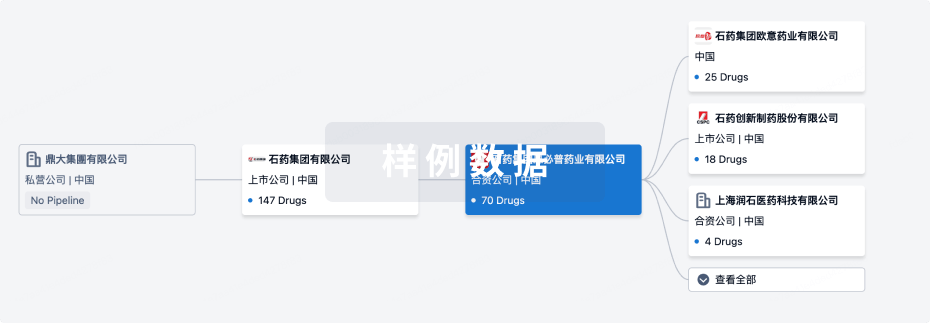
管线布局
2026年09月13日管线快照
无数据报导
登录后保持更新
药物交易
使用我们的药物交易数据加速您的研究。
登录
或
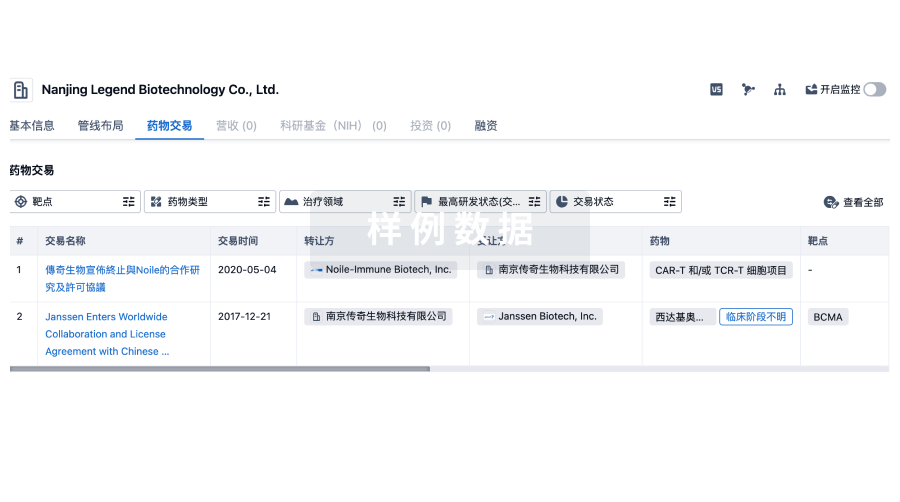
转化医学
使用我们的转化医学数据加速您的研究。
登录
或
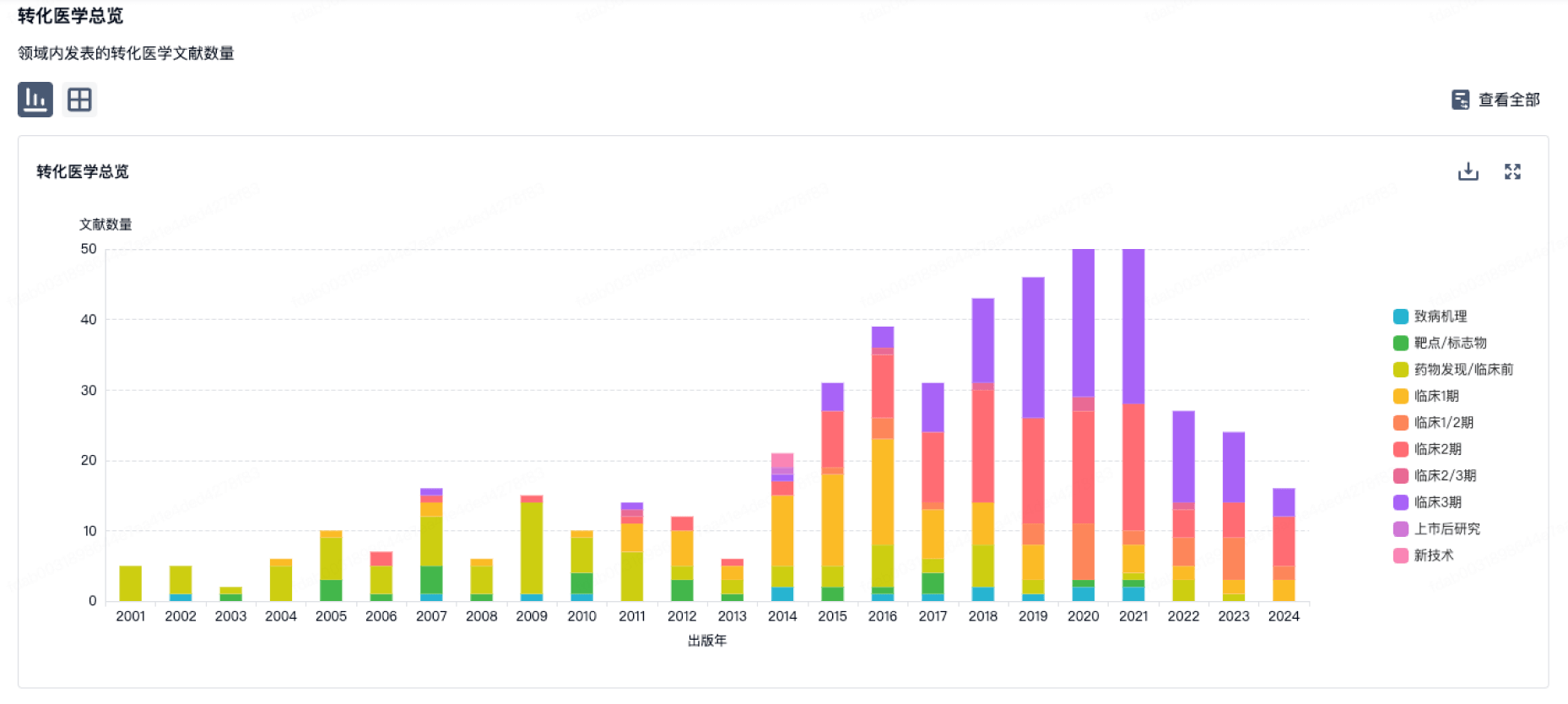
营收
使用 Synapse 探索超过 36 万个组织的财务状况。
登录
或
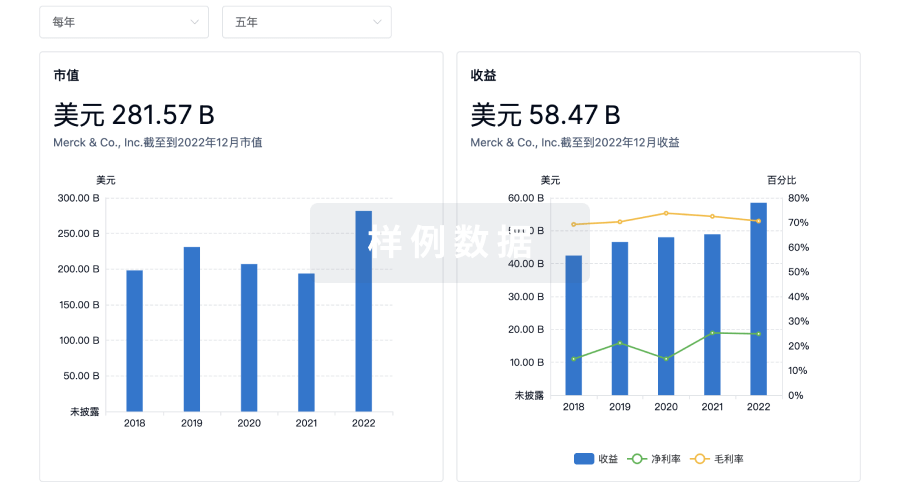
科研基金(NIH)
访问超过 200 万项资助和基金信息,以提升您的研究之旅。
登录
或
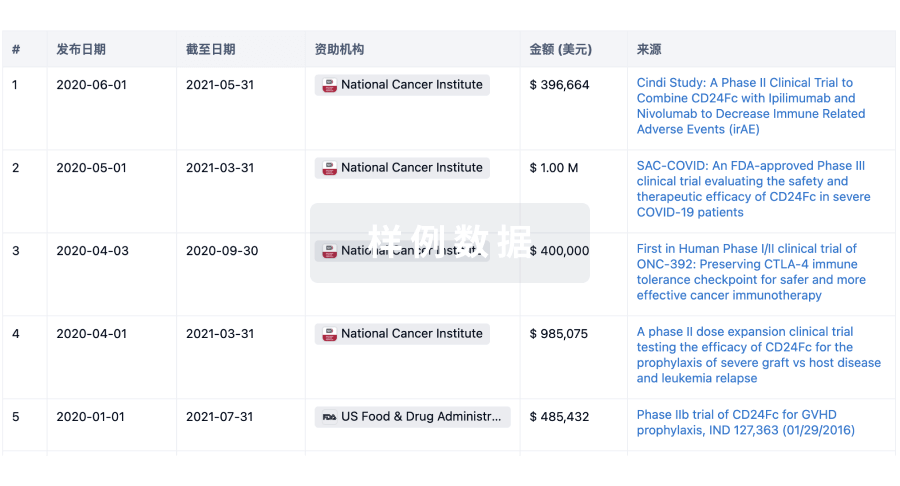
投资
深入了解从初创企业到成熟企业的最新公司投资动态。
登录
或
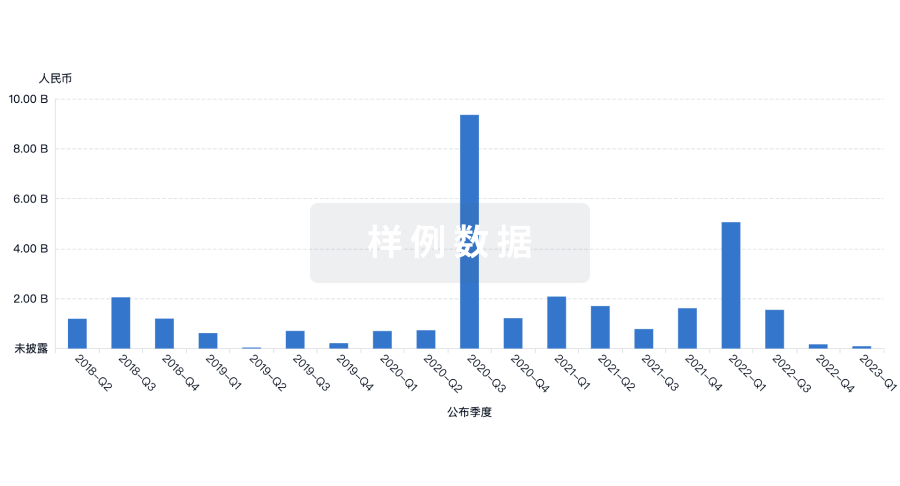
融资
发掘融资趋势以验证和推进您的投资机会。
登录
或
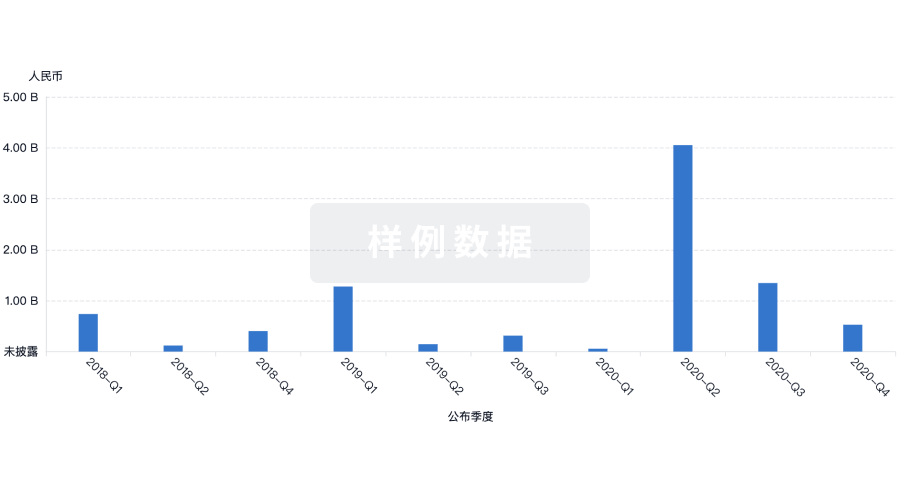
提出任何生物医药研究问题
让每一步生物医药决策都精准制胜
基于十亿级生物数据与全球情报的精准 AI,赋能早期药物发现
立即开始免费试用!
智慧芽新药情报库是智慧芽专为生命科学人士构建的基于AI的创新药情报平台,助您全方位提升您的研发与决策效率。
立即接入生物医药数据包
智慧芽新药库数据也通过智慧芽开放平台,以MCP或API服务形式对外开放。立即使用我们的MCP服务定制您的LLM智能体。
生物序列数据库
生物药研发创新
免费使用
化学结构数据库
小分子化药研发创新
免费使用