预约演示
更新于:2025-08-29
Molecular Sciences Research Center, Inc.
更新于:2025-08-29
概览
关联
100 项与 Molecular Sciences Research Center, Inc. 相关的临床结果
登录后查看更多信息
0 项与 Molecular Sciences Research Center, Inc. 相关的专利(医药)
登录后查看更多信息
49
项与 Molecular Sciences Research Center, Inc. 相关的文献(医药)2025-07-24·JOURNAL OF MEDICINAL CHEMISTRY
Evaluating Naphthalene-Modified Metallosalen Complexes as Anticancer Agents
Article
作者: Rivera-Torres, Andrea P. ; Malavez-Cajigas, Sonya ; Bayro, Marvin J. ; Acosta-Mercado, Jemily ; Marcano-Maiz, Ariana I. ; Piñero Cruz, Dalice M. ; Cordero-Gimenez, Keysha T. ; Oliveras-Alsina, Angelica ; Ramos-Benitez, Marcos J.
The development of novel naphthalene-modified metallosalens incorporating Pt(II) and Pd(II) presents a promising approach to addressing limitations in cancer therapies. These metallosalens were synthesized and characterized using single crystal X-ray diffraction (sc-XRD), UV-vis spectroscopy, nuclear magnetic resonance (NMR) spectroscopy, and C, H, N elemental analysis. Their strong metal coordination and enhanced electronic interactions, stemming from π-conjugated aromatic structures, improved their DNA-binding affinity and cytotoxic efficacy. Biological assays confirmed significant cytotoxicity in A375 (melanoma) and H292 (nonsmall cell lung cancer) cell lines, while demonstrating minimal toxicity toward HSAEC healthy lung cells. PtL1 and PtL2 exhibited superior activity, inducing apoptosis with high selectivity for cancer cells, as validated by Incucyte Caspase-3/7 Green Dye assays. These findings highlight the potential of naphthalene-modified metallosalens as broad-spectrum cancer therapies, balancing efficacy with reduced off-target effects, and underscore the importance of ligand design and metal coordination in advancing next-generation chemotherapeutics.
2025-07-21·ACS Applied Bio Materials
Guanosine-Based Supramolecular Particles for Enhanced Drug and Gene Delivery in Cell Culture
Article
作者: Madera-Soto, Bismark ; Rivera, José M. ; Negrón, Luis M. ; Vega, Irving E. ; Vázquez-Rosa, Edwin ; Díaz, Tanya L. ; Belfleur, Luxene
Supramolecular hacky sacks (SHS) are a distinct class of self-assembled colloidal particles derived from guanosine (G) derivatives, engineered to support a wide range of cellular and therapeutic functions. In this study, we examine how variations in G-derivative composition influence SHS cellular uptake, intracellular trafficking, and functional efficacy. Confocal microscopy and flow cytometry reveal that uptake is highly dependent on particle composition, indicating selective engagement with specific cellular mechanisms. We show that SHS particles are biocompatible carriers capable of delivering both small molecules and genetic material: they successfully encapsulate and release doxorubicin with enhanced cytotoxic effects, and enable plasmid transfection with sustained expression of fluorescent proteins. These findings position SHS particles as a highly adaptable and effective supramolecular platform for drug and gene delivery. Their intrinsic biodegradability, ease of preparation, and tunable bioactivity highlight their strong potential for advancing biomedical applications.
2025-01-28·ACS Omega
High-Sensitivity NO2 Gas Sensor: Exploiting UV-Enhanced Recovery in a Hexadecafluorinated Iron Phthalocyanine-Reduced Graphene Oxide
Article
作者: Flores, Soraya Y. ; Fonseca, Luis F. ; Piñero Cruz, Dalice M. ; Rosario, Ricardo A. ; Cruz Lozada, John A. ; Kisslinger, Kim
Monitoring ultralow nitrogen dioxide (NO2) concentrations is crucial for air quality management and public health. However, the existing NO2 gas sensors have several defects, like high cost and power consumption, and exhibit poor selectivity. This study addresses these challenges by presenting a novel hexadecafluorinated iron phthalocyanine-reduced graphene oxide (FePcF16-rGO) covalent hybrid sensor for NO2 detection. This innovative approach, which overcomes the limitations of fabrication cost, energy efficiency, and gas selectivity, is a significant step forward in gas sensor technology. The sensor demonstrates exceptional sensitivity toward ultralow NO2 concentrations (15.14% response for 100 ppb) with a rapid 60 s UV light-induced recovery. Additionally, the sensor exhibits high selectivity for NO2, achieving a limit of detection (LOD) of 8.59 ppb. This approach paves the way for developing cost-effective, energy-efficient, and miniature NO2 monitoring devices for improved environmental monitoring and enhanced safety in workplaces where NO2 exposure is a concern.
100 项与 Molecular Sciences Research Center, Inc. 相关的药物交易
登录后查看更多信息
100 项与 Molecular Sciences Research Center, Inc. 相关的转化医学
登录后查看更多信息
组织架构
使用我们的机构树数据加速您的研究。
登录
或
管线布局
2026年02月09日管线快照
无数据报导
登录后保持更新
药物交易
使用我们的药物交易数据加速您的研究。
登录
或
转化医学
使用我们的转化医学数据加速您的研究。
登录
或
营收
使用 Synapse 探索超过 36 万个组织的财务状况。
登录
或
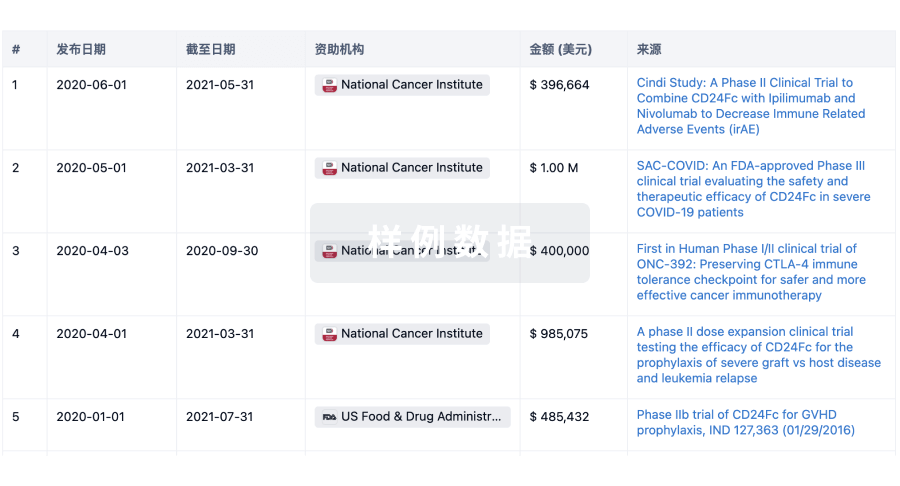
科研基金(NIH)
访问超过 200 万项资助和基金信息,以提升您的研究之旅。
登录
或
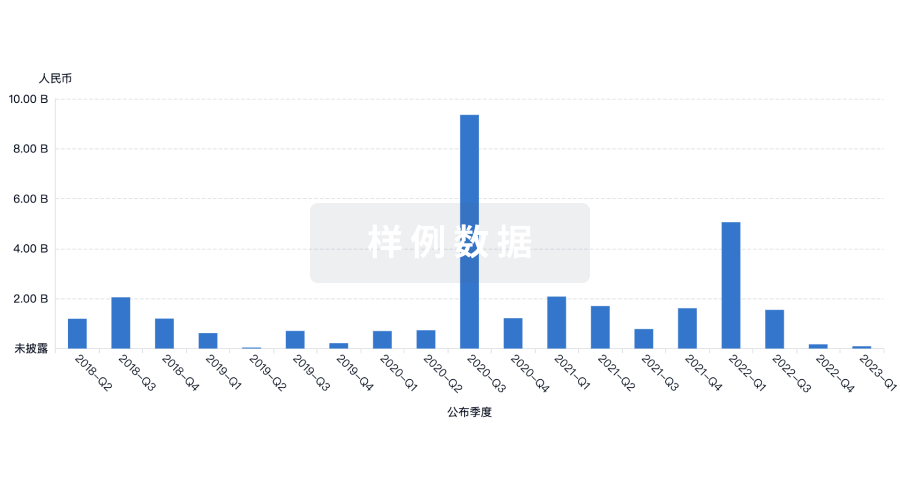
投资
深入了解从初创企业到成熟企业的最新公司投资动态。
登录
或
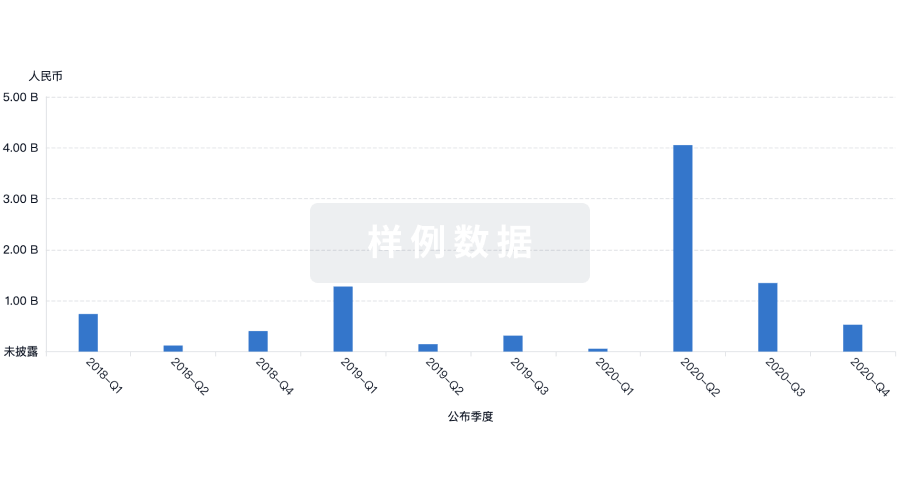
融资
发掘融资趋势以验证和推进您的投资机会。
登录
或
生物医药百科问答
全新生物医药AI Agent 覆盖科研全链路,让突破性发现快人一步
立即开始免费试用!
智慧芽新药情报库是智慧芽专为生命科学人士构建的基于AI的创新药情报平台,助您全方位提升您的研发与决策效率。
立即开始数据试用!
智慧芽新药库数据也通过智慧芽数据服务平台,以API或者数据包形式对外开放,助您更加充分利用智慧芽新药情报信息。
生物序列数据库
生物药研发创新
免费使用
化学结构数据库
小分子化药研发创新
免费使用