预约演示
更新于:2026-01-29

Fraunhofer Institute for Interfacial Eng & Biotechnology IGB
更新于:2026-01-29
概览
关联
100 项与 Fraunhofer Institute for Interfacial Eng & Biotechnology IGB 相关的临床结果
登录后查看更多信息
0 项与 Fraunhofer Institute for Interfacial Eng & Biotechnology IGB 相关的专利(医药)
登录后查看更多信息
163
项与 Fraunhofer Institute for Interfacial Eng & Biotechnology IGB 相关的文献(医药)2025-11-20·JOURNAL OF BACTERIOLOGY
Multiple effects of the bacterial DNA-binding protein SarA on the life cycle of
Staphylococcus aureus
phages
Article
作者: Rohmer, Carina ; Dobritz, Ronja ; Egle, Valentin ; Ingmer, Hanne ; Bojer, Martin Saxtorph ; Wolz, Christiane ; Niepoth, Elena ; Bisanzio, Vittoria ; Korn, Natalya
ABSTRACT:
Staphylococcus aureus
is a major opportunistic pathogen in humans and animals. More than 90% of human nasal
S. aureus
isolates carry Sa3int-phages that integrate into the bacterial
hlb
gene coding for a sphingomyelinase. Sa3int-phages encode highly human-specific virulence factors that enable
S. aureus
to adapt to the human host. Thus, balancing mechanisms are necessary for the phage-bacteria coexistence. However, the factors that coordinate these interactions have yet to be discovered. Here, we elucidate the impact of the DNA-binding protein SarA on the life cycle of two prototypic
S. aureus
phages, Sa3int Φ13 and Sa5int Φ11. SarA promotes the propagation of both phages, albeit via different mechanisms. SarA promotes Φ11 propagation by repressing the glycosyltransferase TarM, which affects the glycosylation pattern of the phage receptor, wall teichoic acid, thereby improving phage adsorption. SarA also dampens the DNA damage response as indicated by the downregulation of the
ci
and
mor
phage promoters and the
umuC
SOS target gene, as well as inhibition of Φ11 inducibility. For Φ13, however, SarA promotes phage replication rather than inhibiting phage induction. The replication-deficient phage Φ13K-
rep
was SarA-insensitive, and phage gene expression was unaltered in the
sarA
mutant. These results highlight SarA as a regulator of temperate phage propagation and support its role as a DNA structural protein that promotes phage replication.
IMPORTANCE:
The dynamic gain and loss of temperate phages is crucial for bacteria to adapt to specific niches. In
Staphylococcus aureus
Sa3int, phages are highly prevalent in human strains but are missing in most animal strains. The mechanisms that balance phage-bacteria coexistence are only partially understood. We demonstrate that the DNA-binding protein SarA is a key regulator of the phage life cycle. SarA protects bacteria from phage induction in response to DNA damage, yet it can also promote phage propagation by altering the phage receptor or interfering with phage replication. SarA likely functions not only as a transcriptional factor, but also as a bacterial chromosome structural component that controls the phage life cycle at different levels.
2025-04-09·ACS polymers Au
New Highly Sulfonated Polythioethers as Polyelectrolyte Membranes for Water Electrolysis
Article
作者: de Azpiazu Nadal, Ignasi ; Atanasov, Vladimir ; Kerres, Jochen ; Janssen, René A. J. ; Tovar, Günter E.M. ; Branco, Bruno ; Reynaud, Stéphanie
Herein, the synthesis and characterization of highly sulfonated poly(arylene thioethers) for application as polymer electrolyte membranes in water electrolysis are reported. In a first step, poly(arylene thioethers) were obtained by using mild reaction conditions of a polycondensation reaction between 4,4'-thiobisbenzenethiol and decafluorobiphenyl. In a second step, the resulting poly(arylene thioethers) were sulfonated by a fluorothiol displacement click reaction of the fluorinated monomers by sodium 3-mercapto-1-propanesulfonate. Thus, highly sulfonated polymers were obtained, resulting in water-soluble ionomers. Stable polymer electrolyte membranes with enhanced thermal and chemical stability were attained by blending ionomers with a poly(benzimidazole) derivative (PBI-OO). The resulting proton-exchange membranes (PEMs) based on the new sulfonated ionomer PBI-OO blends showed about 40% higher proton conductivity than Nafion at 90 °C. The proton-conducting membranes with the highest conductivity and best film-forming properties were applied for water electrolysis. Combined with optimized water oxidation and reduction catalysts, the selected tetra-sulfonated polymer-based PEM reached 1.784 V at 1 A cm-2 in the electrolysis of pure water.
2025-01-01·Frontiers in Medicine
Human epidermis models demonstrate mediator role of TLR2 and TLR3 for psoriatic inflammation.
Article
作者: Glasebach, Hanna ; Rupp, Steffen ; Denzinger, Lukas ; Burger-Kentischer, Anke
Psoriasis is a multifactorial systemic autoinflammatory disease that is characterized by complex signaling between keratinocytes and immune cells. The trigger factors for the cutaneous manifestation of the disease are divers but have in common that they induce an activation of the Toll-like receptor (TLR) signaling pathways. This is best described for the activation of TLR7/8/9 in dendritic cells. In this study, we investigated the role of TLR2 and TLR3 activation in keratinocytes for the expression of psoriatic hallmarks in the skin. We set up 3D epidermis models using wild type keratinocytes and TLR2 knockout and TLR3 knockout (KO) keratinocytes derived from the wild type keratinocytes and treated them with TLR agonists. Immunohistochemical, western blot, and multiplex analysis showed that the TLR activation induced the expression of psoriasis associated markers like S100A7, p-STAT3, CXCL-1, IL-8, IL-1α, S100A9, and IL-23 in the wild type but not in the TLR KO epidermis models. Thus, TLR2 and TLR3 activation in keratinocytes individually contributes significantly to inducing the release of cytokines and other immune modulators characteristic for a psoriasis like inflammation in 3D epidermis models.
100 项与 Fraunhofer Institute for Interfacial Eng & Biotechnology IGB 相关的药物交易
登录后查看更多信息
100 项与 Fraunhofer Institute for Interfacial Eng & Biotechnology IGB 相关的转化医学
登录后查看更多信息
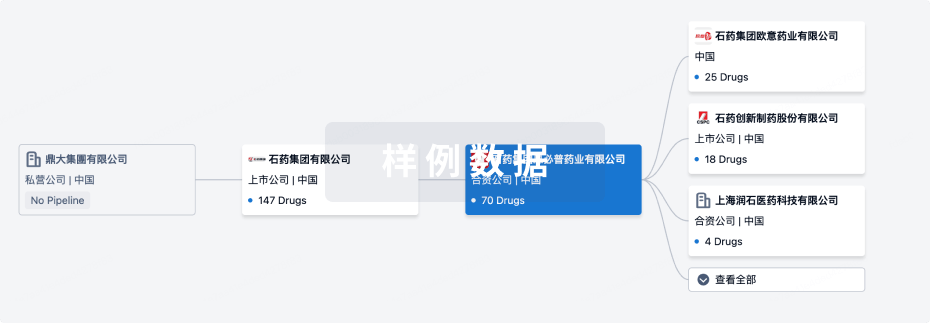
组织架构
使用我们的机构树数据加速您的研究。
登录
或
管线布局
2026年09月22日管线快照
无数据报导
登录后保持更新
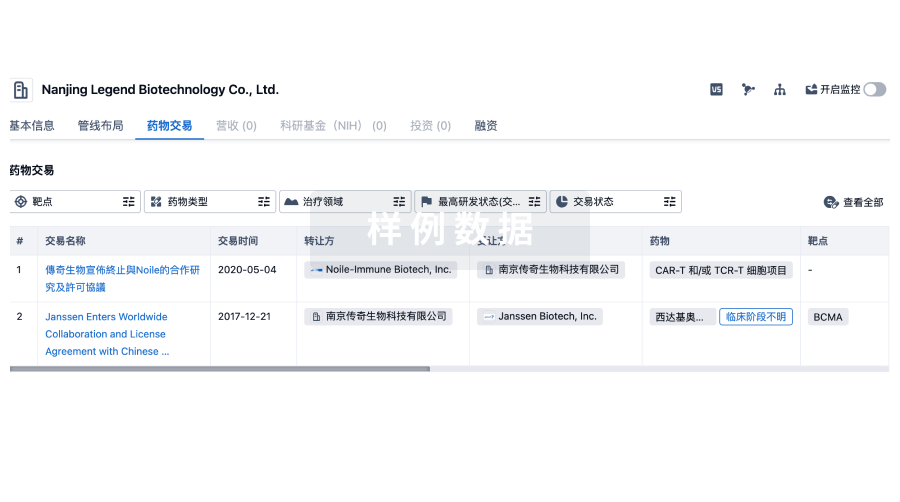
药物交易
使用我们的药物交易数据加速您的研究。
登录
或
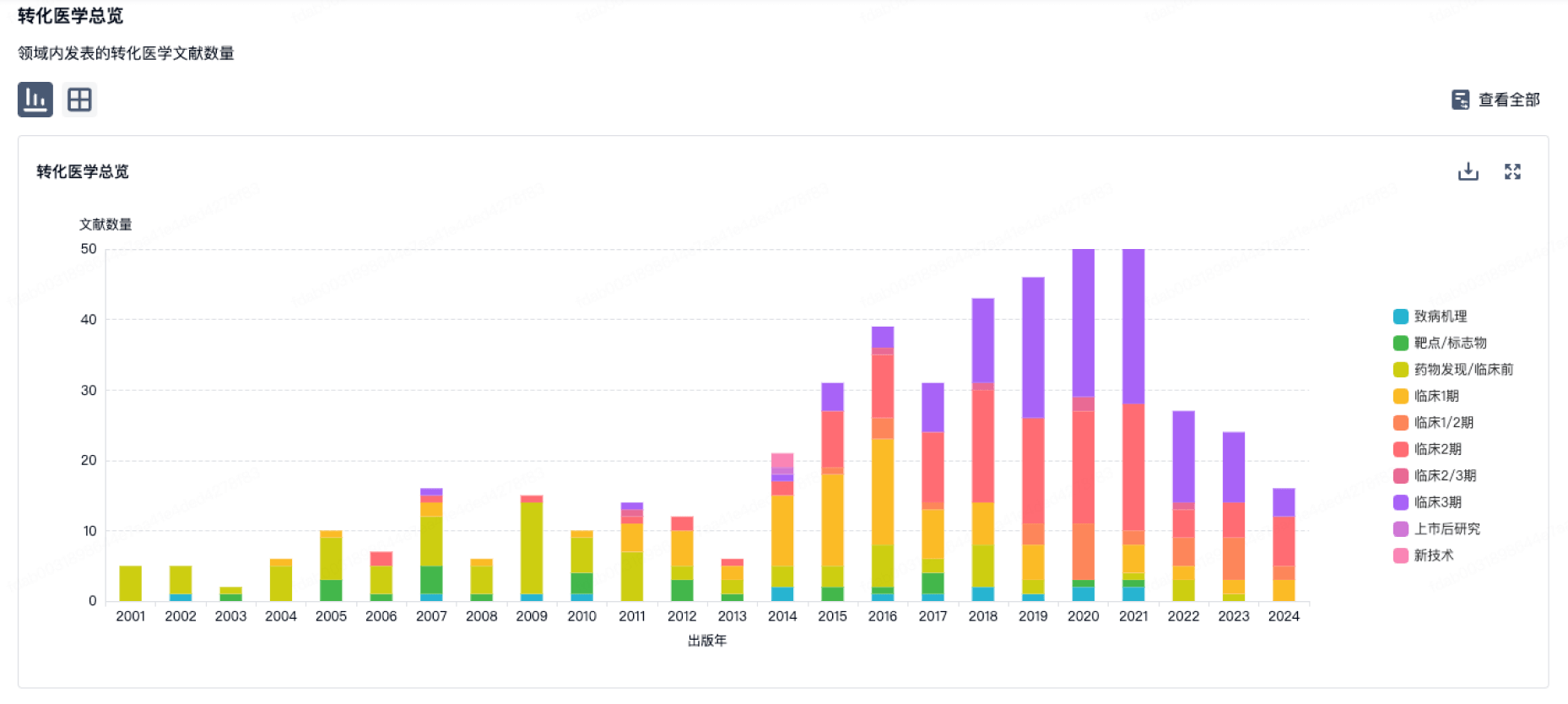
转化医学
使用我们的转化医学数据加速您的研究。
登录
或
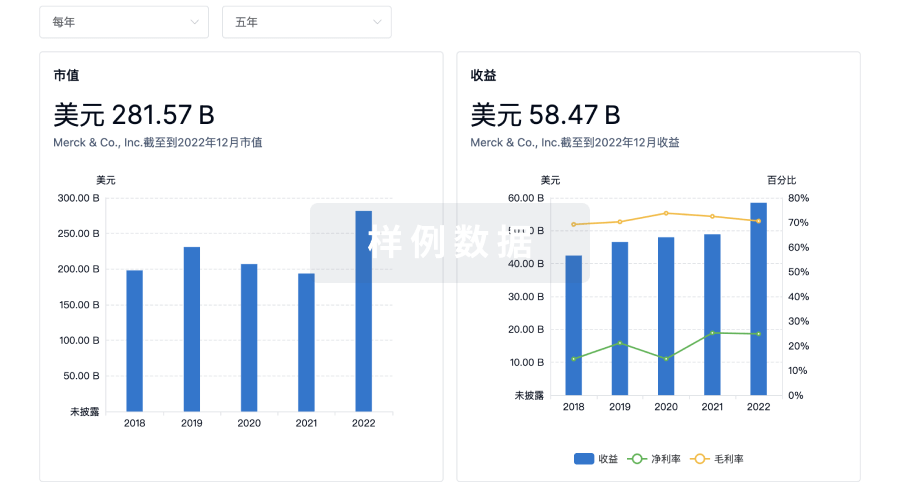
营收
使用 Synapse 探索超过 36 万个组织的财务状况。
登录
或
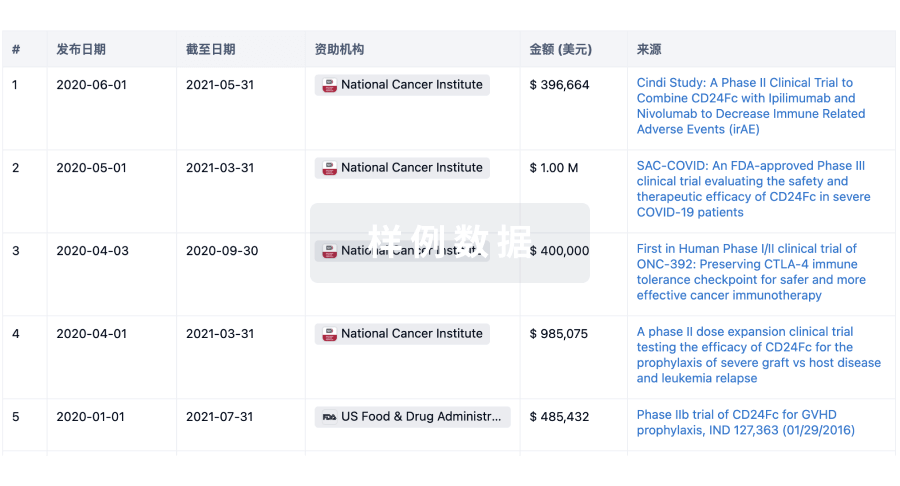
科研基金(NIH)
访问超过 200 万项资助和基金信息,以提升您的研究之旅。
登录
或
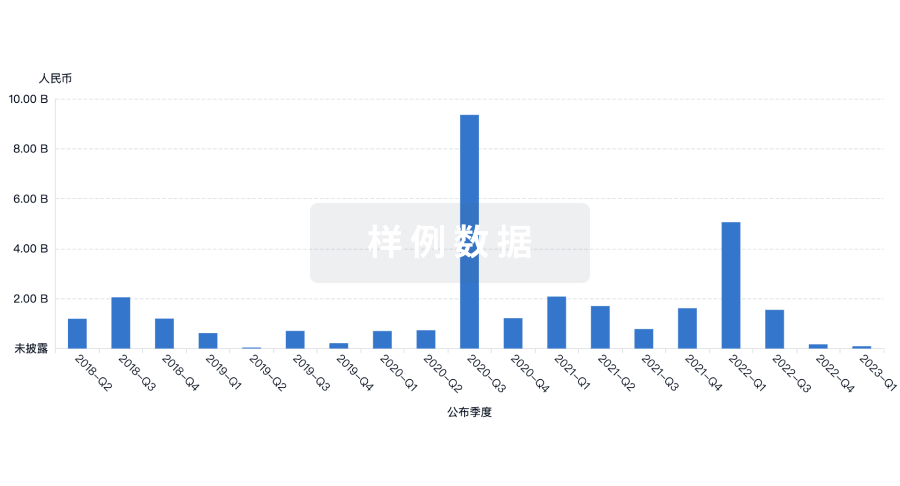
投资
深入了解从初创企业到成熟企业的最新公司投资动态。
登录
或
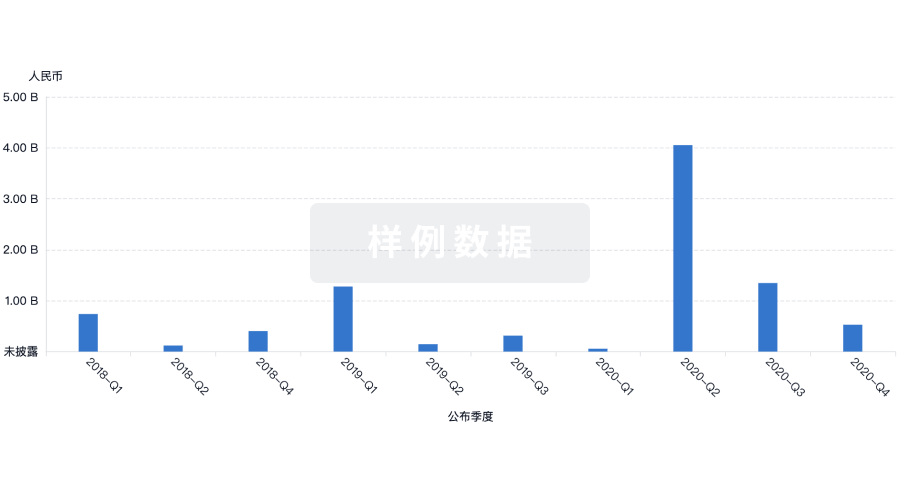
融资
发掘融资趋势以验证和推进您的投资机会。
登录
或
提出任何生物医药研究问题
让每一步生物医药决策都精准制胜
基于十亿级生物数据与全球情报的精准 AI,赋能早期药物发现
立即开始免费试用!
智慧芽新药情报库是智慧芽专为生命科学人士构建的基于AI的创新药情报平台,助您全方位提升您的研发与决策效率。
立即接入生物医药数据包
智慧芽新药库数据也通过智慧芽开放平台,以MCP或API服务形式对外开放。立即使用我们的MCP服务定制您的LLM智能体。
生物序列数据库
生物药研发创新
免费使用
化学结构数据库
小分子化药研发创新
免费使用