预约演示
更新于:2025-08-11
Alnylam Europe AG
更新于:2025-08-11
概览
关联
100 项与 Alnylam Europe AG 相关的临床结果
登录后查看更多信息
0 项与 Alnylam Europe AG 相关的专利(医药)
登录后查看更多信息
3
项与 Alnylam Europe AG 相关的文献(医药)2007-10-01·Nature
Effective RNAi-mediated gene silencing without interruption of the endogenous microRNA pathway
Article
作者: Moon, Young-Ah ; Anderson, Daniel G. ; Constien, Rainer ; Koteliansky, Victor ; Bumcrot, David ; Hadwiger, Philipp ; Stoffel, Markus ; John, Matthias ; Horton, Jay D. ; Soutschek, Juergen ; Langer, Robert ; Goldberg, Michael ; Vornlocher, Hans-Peter ; Manoharan, Muthiah ; Akinc, Akin ; Spranger, Martina
Systemic administration of synthetic small interfering RNAs (siRNAs) effectively silences hepatocyte gene expression in rodents and primates. Whether or not in vivo gene silencing by synthetic siRNA can disrupt the endogenous microRNA (miRNA) pathway remains to be addressed. Here we show that effective target-gene silencing in the mouse and hamster liver can be achieved by systemic administration of synthetic siRNA without any demonstrable effect on miRNA levels or activity. Indeed, siRNA targeting two hepatocyte-specific genes (apolipoprotein B and factor VII) that achieved efficient (approximately 80%) silencing of messenger RNA transcripts and a third irrelevant siRNA control were administered to mice without significant changes in the levels of three hepatocyte-expressed miRNAs (miR-122, miR-16 and let-7a) or an effect on miRNA activity. Moreover, multiple administrations of an siRNA targeting the hepatocyte-expressed gene Scap in hamsters achieved long-term mRNA silencing without significant changes in miR-122 levels. This study advances the use of siRNAs as safe and effective tools to silence gene transcripts in animal studies, and supports the continued advancement of RNA interference therapeutics using synthetic siRNA.
Gene silencing methods for mammalian cells: application of synthetic short interfering RNAs
作者: John, Matthias ; Heidenreich, Olaf ; Geick, Anke ; Vornlocher, Hans-Peter ; Hadwiger, Philipp
Guidelines and protocols for gene silencing methods for mammalian cells using synthetic short interfering RNAs (RNAi) are presented.
NATURE MEDICINE
Therapeutic silencing of an endogenous gene by systemic administration of modified siRNAs
作者: Bramlage, Birgit ; Kesavan, Venkitasamy ; John, Matthias ; Hadwiger, Philipp ; Racie, Timothy ; Roehl, Ingo ; Elbashir, Sayda ; Pandey, Rajendra K. ; Koteliansky, Victor ; Akinc, Akin ; Harborth, Jens ; Vornlocher, Hans-Peter ; Wuschko, Silvio ; Bumcrot, David ; Geick, Anke ; Manoharan, Muthiah ; Charisse, Klaus ; Rajeev, Kallanthottathil G. ; Soutschek, Juergen ; Limmer, Stefan ; Toudjarska, Ivanka ; Wang, Gang ; Constien, Rainer ; Lavine, Gary ; Donoghue, Mary
RNA interference (RNAi) holds considerable promise as a therapeutic approach to silence disease-causing genes, particularly those that encode so-called ′non-druggable′ targets that are not amenable to conventional therapeutics such as small mols., proteins, or monoclonal antibodies.The main obstacle to achieving in vivo gene silencing by RNAi technologies is delivery.Here we show that chem. modified short interfering RNAs (siRNAs) can silence an endogenous gene encoding apolipoprotein B (apoB) after i.v. injection in mice.Administration of chem. modified siRNAs resulted in silencing of the apoB mRNA in liver and jejunum, decreased plasma levels of apoB protein, and reduced total cholesterol.We also show that these siRNAs can silence human apoB in a transgenic mouse model.In our in vivo study, the mechanism of action for the siRNAs was proven to occur through RNAi-mediated mRNA degradation, and we determined that cleavage of the apoB mRNA occurred specifically at the predicted site.These findings demonstrate the therapeutic potential of siRNAs for the treatment of disease.
5
项与 Alnylam Europe AG 相关的新闻(医药)2024-05-11
前言此前,BiG的专题系列归纳总结了国内外龙头企业的小核酸核心平台、管线、商业布局、交易融资等情况。其中,第一篇介绍了“Alnylam:引领RNAi二十年,目标成为TOP5 Biotech”。本文,让我们站在 Alnylam Pharmaceuticals 制药公司前任创始CEO John Maraganore 的独特视角,一起深入了解这家小核酸龙头企业的二十年非凡历程!作者|John Maraganore, Alnylam Pharmaceuticals制药公司前任创始CEO19 年非凡旅程,他带领一家治疗方式未经证实的小型初创公司成为一家成熟的制药公司,在近 20 个国家/地区拥有上市产品、拥有超过1,600 名员工。“理性的人使自己适应世界;不讲道理的人坚持试图让世界适应他自己。因此,一切进步都取决于不讲道理的人。”——爱尔兰剧作家萧伯纳(George Bernard Shaw)2021 年 12 月 31 日,我离开了 Alnylam Pharmaceuticals,结束了 19 年的创始首席执行官之旅。随着 Alnylam 作为一家引领RNA干扰(RNAi)革命的公司开始其第20年旅程,我想重点介绍建立这家公司所经历的高潮和低谷,从早期的创业公司到成熟的独立全球生物制药公司,这种案例在生物技术史上是很少实现的。RNAi的核心技术,最早由Andrew Fire和Craig Mello在秀丽隐杆线虫中提到,前景广阔,但该领域面临着巨大的障碍,包括知识产权(IP)之争,学习如何将药物递送至相关器官和细胞类型,展示动物和人类的概念验证(POC)以及建立强大的管道。我们需要在做到这一点的同时,确保能够获得持续融资。如今,随着四种RNAi治疗药物在全球上市,第五个药物项目也正在注册,十几个项目处于临床开发阶段。令人欣慰的是,Alnylam团队能够克服这些障碍,因为我们学会了如何建立一个纯粹的创新型公司(图1)。有些经验教训可能是我们自己的,但更多的经验教训是建立任何企业的共同点:需要明确的愿景和使命、强大的创始知识产权、强大的科学平台可供利用,以及有弹性的文化,以抵御将新疗法推向市场时不可避免地出现的挑战。图1:Alnylam时间线 01 新的开始2001年初,在千禧制药(Millennium Pharmaceuticals)公司工作时,我接到了麻省理工学院(MIT)著名教授、诺贝尔奖获得者菲尔·夏普(Phil Sharp)的电话。菲尔和我在渤健工作了十年,是渤健的创始人、董事和科学顾问委员会主席。在我们的电话中,菲尔想知道Millennium是否有兴趣更多地了解他和合作者在RNAi和哺乳动物细胞上所做的工作。我当时对RNAi知之甚少,总体印象是它是一种仅限于无脊椎动物和植物的生物工艺。在短短几周内,一群Millennium科学家会见了菲尔、戴夫·巴特尔Dave Bartel(怀特黑德研究所)、菲尔·扎莫尔Phil Zamore(马萨诸塞大学)和汤姆·图施尔Tom Tuschl (当时在马克斯普朗克研究所,现在在洛克菲勒大学)。Tuschl介绍了他的实验室的发现(后来于2001年5月发表在《自然》杂志上)表明,合成的小干扰RNA(siRNA)可以通过哺乳动物细胞中基于序列的机制介导靶向基因沉默。研究结果的重要性一目了然。对于像Millennium这样从事后基因组学研究的公司来说,通过特异性沉默任何单个mRNA来询问基因功能的工具将非常强大。会议结束后的几天,我打电话给Phil,告诉他Millennium将对RNAi IP的独家许可感兴趣,并愿意投资一家新公司来探索siRNA的治疗潜力。但在与他的合作者和麻省理工学院的技术许可办公室专家丽塔·尼尔森(Lita Nelsen)商议后,菲尔提出了一个非排他性的研究许可,并表示不愿意创办一家治疗公司。因此,Millennium成为“Tuschl I”和“Tuschl II”研究用途专利的首批被许可人之一。不到一年,我就开始听说他们成立了Alnylam。当时在Polaris Ventures工作的Christoph Westphal和Cardinal Partners的John Clarke为新公司提供了250万美元的A轮融资。Christoph为这项工作带来了强度和激情,而John则带来了必不可少的经验。菲尔和他的四位合作者与斯克里普斯研究科学家和生物企业家保罗·施梅尔(Paul Schimmel)一起成为公司创始人。Paul (应菲尔的要求)在那里主要帮助引导初创公司,他将公司的原名“Precision Therapeutics”改为“Alnylam Pharmaceutics”。Paul 最喜欢的姨妈是一位阿拉伯学者,而“al nilam”的意思是“一串珍珠”(对RNA中核苷酸链的致敬),也是猎户座腰带中心恒星的名字。2002年初夏,在与Atlas Ventures的Jean-Francois Formela和Peter Barrett的电话中,我得知他们已经加入了Arch Ventures的Bob Nelson团队,成为B轮投资者,以完善Alnylam集团。他们想知道我是否有兴趣加入 Alnylam 担任首席执行官,并建议与 Phil 进行后续会面,听听他对科学的看法。我很难拒绝与菲尔的会面,那年夏天晚些时候我和他谈过。虽然在Millennium很满意,但当我开始进一步深入研究RNAi时,我清楚地认识到它有可能创造一类新的创新药物。与此同时,很明显,实现siRNA的递送将是该技术的关键障碍。每天早上开车去上班时,我都会不停地思考RNAi作为一种新方法的潜力。这就像在七十年代末或八十年代初创办一家单克隆抗体治疗公司一样。然而,许多朋友和同事(包括我的两个大孩子)认为我犯了一个错误,并警告我不要这样做。当时,“基因组学泡沫”破灭后,生物技术行业处于黑暗的冬天,对新科学的投资非常不受欢迎。能否克服并在合理的时间内完成实现 siRNA 递送的挑战吗?这家新企业能否成功筹集到数十亿美元,来创造一个成功的生物技术公司?是否有可能摆脱传统药物发现的变幻莫测,建立一个可靠、可重复和模块化的研发平台,以实现可持续的创新?这些问题在我的脑海中盘旋。当时Millennium所处的激动人心的时期也让我犹豫不决。同类首创的蛋白酶体抑制剂Velcade(硼替佐米)有望加速批准用于治疗多发性骨髓瘤,Millennium首席执行官Mark Levin希望我留下来,帮助公司进入新的商业阶段。然而,Mark也是一位朋友和导师,他鼓励我去追求最让我兴奋的事情。我一直在想的是,如果技术障碍可以被克服,RNAi疗法是一个不容忽视的机会。在个人层面上,我最近再婚了。我的 Alnylam CEO 录取通知书被寄到了我在毛里求斯的蜜月套房。我觉得我正处于一个新的开始时期。我决定冒险一试。 02 操盘IP 在 2002 年 12 月我作为 Alnylam 首席执行官的第一次董事会会议上,我提出了我的愿景和使命,以明确公司的抱负和方向。这是Mark在Millennium教给我的东西。我们的愿景:利用生物学的革命促进人类健康。我们的使命:建立一家基于RNAi的独立顶级生物制药公司。值得注意的是,这些官方用语自那以后就没有改变过。我从一开始就知道,Alnylam需要从投资者和制药合作伙伴那里筹集大量资金,才能将RNAi疗法带给患者。我们计划需要 10 亿到 20 亿美元的资本和 10-20 年的时间来实现这一目标。我还知道,在这门新兴科学上拥有强大的知识产权地位至关重要。因此,我在慕尼黑工作的第一天,与马克斯·普朗克技术许可办公室(当时称为Garching Innovation)会面,这也许并不奇怪。我们的目标是敲定Tuschl I和II基本专利家族的许可协议,其中马克斯·普朗克(Max Planck)代表四个学术机构(其他机构是麻省理工学院,怀特黑德研究所和马萨诸塞大学)牵头处理治疗应用的许可权。马克斯·普朗克(Max Planck)带头是合适的,因为关键的Tuschl II专利家族是其唯一的发明,而Tuschl I则由四个机构共同拥有。马克斯·普朗克(Max Planck)对这项发明在欧盟带来经济增长有着浓厚的兴趣。因此,马克斯·普朗克(Max Planck)要求我们在几年内为Alnylam建立欧盟业务,以获得许可证。这对我们来说很难下咽,尤其是在融资困难的情况下,但我们别无选择。为了最终敲定协议,马克斯·普朗克需要其他三位共同所有者的同意。马萨诸塞大学不同意这些条款,经过竞争性招标过程,最终以> 600 万美元的现金将其 Tuschl I 权利授权给 Sirna Therapeutics——另一家从 Ribozyme Therapeutics 改造而来的 RNAi 新贵。因此,我们的许可证在Tuschl I上与UMass共同排他,但在Tuschl II上独占。接下来,我们需要获得该领域的另一个早期知识产权家族:德国初创公司Ribopharma持有的Kreutzer-Limmer专利。Kreutzer-Limmer专利的优先权日期在1999年,远远早于Tuschl I和Tuschl II,紧随Fire和Mello专利之后,这些专利以卡内基研究所的非排他性许可形式广泛提供。2003 年初,我们与 Roland Kreutzer 和 Stefan Limmer会面,讨论与 Ribopharma 的潜在合并。然后,我们参观了他们在库尔姆巴赫的设施,并对他们组建的由生物化学家Hans-Peter Vornlocher领导的科学团队印象深刻。与Ribopharma合并将扩大我们的专利领导地位,增强我们的研究能力,并一举履行我们在欧洲的马克斯普朗克义务。我们于 2003 年 7 月宣布了对 Ribopharma 并购。在一年之内,我们开始准备首次公开募股(IPO),我们还聘请了我在Millennium的前同事巴里·格林(Barry Greene)担任首席运营官(他后来成为总裁)。在2004年初我们向美国证券交易委员会(SEC)提交S-1文件后不久,我们对Isis Pharmaceuticals(现为Ionis)的索赔感到惊讶和困惑,该声明称我们与siRNA治疗相关的活动侵犯了Ionis的某些化学专利。我们正处于研发的早期阶段,距离siRNA疗法的商业化还有数年时间,因此在“安全港”范围内,药物开发商可以免受侵权索赔。此外,我们在成立之初就对RNAi的知识产权环境进行了广泛的调查,并相信我们可以在任何现有知识产权之外运作。然而,我们确实认识到Ionis的索赔可能会影响我们的IPO,因此我们开始谈判并达成了一项广泛的交叉许可协议,此后多年创建了“pax oligo”。然后,我们推进了我们的IPO计划。你可能以为知识产权的故事到此已经结束了,但当制药巨头默克在2006年底以11亿美元收购Sirna时,情况突然发生了变化。默克公司仍然需要获得Tuschl II的许可,才能将siRNA疗法商业化。在Tuschl I申请中引进和起诉Tuschl II专利权利要求的努力导致Tuschl II权利要求无法获得批准。唯一的出路是通过法院,2009 年,我们对于马克斯·普朗克和阿尼拉姆诉马萨诸塞大学、怀特黑德和麻省理工学院提起诉讼。两年后,该协议得到解决,此后我们获得了多项Tuschl II专利。但直到 2014 年,Tuschl IP 遗产的传奇故事才最终平息,当时 Alnylam 以 1.75 亿美元的价格从默克手中收购了 Sirna,将 Tuschl I 和 Tuschl II 的专有权牢牢地带到了 Alnylam 内部。默克公司坚信,Sirna的技术最好由像Alnylam这样有决心的创业公司来提供。他们是对的!事后看来,也许我们应该在2003年向马萨诸塞大学支付更多的前期现金,并超过Sirna的出价,但另一方面,从默克公司内部收购Sirna后,我们不仅得到了超过10亿美元的额外投资,还得到了宝贵的技术和人才。当然,Alnylam 和 Sirna 的故事也为企业文化在生物技术公司中的重要性提供了难得的一课(插文 1)。插文1 生物技术领域的“企业文化的随机、对照研究”Sirna Therapeutics(原名 Ribozyme Pharmaceuticals)成立于2003年初,此前包括 Venrock、Oxford Biosciences 和 TVM 在内的一些蓝筹投资者对业务进行了资本重组。Sirna 成为Alnylam的劲敌,经常争夺知识产权和商业交易。在幕后,我能够与Sirna首席执行官Howard Robin(现任Nektar Therapeutics首席执行官)保持亲切友好的关系,包括在旧金山摩根大通医疗保健会议期间在克利夫特酒店举行的年度午餐。到 2006 年,Alnylam 和 Sirna 具有相似的特征:各自拥有约 100 名员工,市值约为 5 亿美元,并且各自拥有两到三个经过验证的制药合作伙伴关系。同年10月,默克以11亿美元的价格收购了Sirna,溢价102%。Sirna的收购是RNAi领域的一个决定性事件,但它也创造了我所说的生物技术领域的“关于企业文化的随机、对照研究”。事实上,从 2006 年到 2014 年初的大约七年时间里,Alnylam 保持独立,在其科学上投资了 ~5 亿美元,创造了 40 亿美元的市值,并提交了 8 项 IND(其中两项用于现在上市的产品)。相比之下,该研究的“Sirna部门”在科学上投资了~15亿美元,但没有产生任何IND,并于2014年被Alnylam以1.75亿美元的价格收购,仅占默克收购和投资成本的一小部分。这些截然不同的结果凸显了企业文化在生物技术中的力量。在Alnylam,我们愿意承担适当的风险,甚至将“不完美”的分子推进到开发阶段,以安全地从早期的人体研究中学习。此外,作为一个纯粹的玩家,Alnylam有一种“对死亡的恐惧”,这使得我们成功地将RNAi疗法推向市场。但Sirna是一家大公司的一部分,需要满足候选药物的某些标准,而RNAi离“生死攸关”的命题还很远。著名的管理顾问彼得·德鲁克(Peter Drucker)曾经说过:“文化能把战略当早餐吃掉”(意思是无论你的战略多么的有效,如果没有企业文化的有效支撑,最终可能只是一纸空文)。就 Alnylam 的故事而言——也许还有许多其它生物技术公司——这种说法还很保守! 03 理性繁荣Alnylam的早期以“理性繁荣”为标志,认为RNAi是一种潜在的新药颠覆性技术。2003年初,《科学》杂志授予siRNA“年度分子”称号,《福布斯》在RNAi上发表了一篇文章,称其为“生物技术的十亿美元突破”。当时的情绪让人想起今天对基因编辑技术的热情。对于Alnylam来说,投资者和制药公司的浓厚兴趣使我们能够在获得临床数据之前就筹集资金并建立稳固的合作伙伴关系。我们还吸引了一支强大的创始科学家团队,包括来自Ionis的首席化学家Muthiah 'Mano' Manoharan;来自Biogen的Victor Kotelianski;和来自Millennium的雷切尔·迈耶斯(Rachel Meyers)。作为一家私营公司,我们还很年轻。我们在 A 轮和 B 轮融资(均为 2002 年)中共筹集了 1750 万美元,在 2003 年与 Ribopharma 合并相关的 C 轮融资中筹集了 2460 万美元,当时我们增加了 Abingworth 作为新投资者。然后,我们转向了公开市场。尽管对RNAi充满热情,但当时大多数上市公司的资产都处于第二或第三阶段,甚至已经上市。我们于 2004 年 5 月在生物技术市场不稳定的情况下完成了IPO(我们曾争论过是否推迟上市),以 9800 万美元的投前估值(比我们的发行价低 ~50%)和 6 美元的股价筹集了 3000 万美元。这使我们成为自基因组学泡沫破裂以来第一家进入公开市场的临床前公司。IPO经常被公司管理层和董事会浪漫化为一个特殊的“小鹰”时刻,但实际上它们只是融资事件。对我们来说,关键是要有足够的新闻流,包括科学和管道的进展,以及合作伙伴关系,以吸引公众投资者的持续兴趣。我们有信心。Alnylam还受益于与主要制药公司的合作。在观察了Millennium在过去十年中非凡的交易后,我认识到制药联盟主要与资金和外部验证有关,如果结构正确,可以对公司推进自己的科学和管道的能力征收最小的“税”。尽管明显有例外,但伙伴关系很少能提供经常宣传的“老大哥”利益(如药物发现和开发专业知识)。我们的第一笔交易是在2003年底与默克公司达成的。时任默克公司分子分析和癌症研究负责人的斯蒂芬·弗兰德(Stephen Friend)热衷于利用RNAi技术进行体内靶标验证。我们不愿意做一项仅限于使用RNAi作为“工具”的交易,因此我们扩大了合作伙伴关系,包括默克公司提供的治疗靶点的工作。虽然这笔交易只为我们带来了 750 万美元的预付款,但它仍然代表了对 Alnylam 科学的关键验证。此外,RNAi还引起了时任诺华生物研究所(NIBR)负责人马克·菲什曼(Mark Fishman)的注意。Mark对RNAi疗法的兴趣要大得多,并责成他的业务发展主管Jeremy Levin评估与Alnylam或Sirna Therapeutics的潜在交易。Alnylam 以 5680 万澳元的预付款中标,其中包括购买该公司 19.9% 的股份。与Sirna相比,我们是一个更强大的科学合作伙伴,我们也是邻居,就在剑桥的肯德尔广场。在联盟中,诺华获得了针对30个靶点开发RNAi疗法的权利。当时,我们在授予诺华的权利范围上非常纠结,但最终认为RNAi的机会范围将远远高于这个数字。也许是为了回应我们的诺华交易,默克很快通过竞争程序收购了Sirna。在审查了与Sirna收购相关的SEC文件后,我们推测罗氏也是竞标者,并与他们联系,以探索对非独家获得我们平台的转型交易的兴趣(在许多方面都是前所未有的设计)。我们达成了一项协议,罗氏赢得了有限数量治疗领域的Alnylam IP的非独家使用权,并以3.31亿美元的预付款收购了我们的Kulmbach工厂(前身为Ribopharma)。重要的是,Alnylam保留了Ribopharma IP的所有权和控制权。在我设法与罗氏和我们的董事会达成一致后,Barry 帮助推动了这笔交易的完成。一年后,我们与武田达成了类似的非独家平台协议,这是与日本一家大型制药公司达成的最大技术交易之一。同样,Barry 是这里成功的关键,但这次他能够与我们的业务发展主管 Jason Rhodes 合作。有好一阵子,人们都觉得似乎没有什么能阻止RNAi快车前行。RNAi疗法作为一类潜在的新药具有巨大的光环,许多制药研发负责人都不想错过这个机会。Alnylam的资产负债表得到了数亿美元现金的支持。但在新十年开始时,情况开始变得更糟。我们的制药合作伙伴发现递送比最初希望的更具挑战性,部分原因是他们希望将RNAi纳入其既定的治疗领域(例如肿瘤学),而不是简单地遵循科学和技术可能引导他们的方向。早期我们认为相对容易的项目,不管是利用“直接递送”靶向眼部或肺部疾病基因,还是利用“全身递送”靶向肝脏疾病基因,都是不够的。当面对在肝脏基因靶点上建立广泛的RNAi联盟的机会时,一位制药研发主管感叹说,感兴趣的靶点太少了!RNAi疗法的低迷始于2010年9月,当时诺华拒绝行使其1亿美元的选择权,以收购Alnylam技术的广泛非排他性权利。在此之后,罗氏的领导层变动和经济衰退导致的损益压力导致其在仅仅三年的踮跺后就放弃了对RNAi的投资。至少可以说,关于RNAi的外部情绪急剧恶化。2011年初,《纽约时报》科学记者安德鲁·波拉克(Andrew Pollack)在一篇题为“制药商对RNA干扰力量的狂热已经冷却”的文章中对此进行了最好的描述。直到今天,我的办公桌上还保留着这篇文章的纸质副本。随着制药公司退出该领域,许多投资者也退出了这一领域。ALNY只能开始以现金价格交易,一个重要的资金来源枯竭了。虽然我们从商业联盟和股权融资中积累了强劲的现金资产负债表,但是我们还有很长的路要走,公司很快就要成立十周年了,却没有一项人体 POC。我们别无选择,只能裁员,以便我们可以“多活一天”。在我担任首席执行官的职业生涯中,最痛苦的决定之一是,我们在 2010 年 9 月解雇了 ~25% 的员工,然后在 2012 年初又解雇了 ~33%。我学会了以同理心和同情心处理这样的艰难时刻的重要性。巴里和我积极努力为所有离职员工寻找新工作。我们保留了一份受影响员工及其新的潜在工作前景的名单,并每周在我们的管理委员会会议上对其进行审查。我亲自联系了整个行业内的许多联系人,为我们的离职人员寻找新的去向。我们的前库尔姆巴赫同事,从罗氏分离出来,成立了一个成功的RNA服务企业Axolabs,以向蝾螈( axolotl salamander)的再生特性致敬。 04 征服递送我们从一开始就知道,将siRNA从实验工具转化为药物并不容易!双链siRNA分子大,带电荷高,易生物降解,易刺激免疫,体内给药后迅速清除。实现将 siRNA 递送至靶细胞和组织的细胞质以影响 RNA 诱导的沉默复合物 (RISC) 介导的基因沉默成为我们“曼哈顿计划式”的主要关注点。我们的策略是多管齐下,包括偶联物、脂质纳米颗粒(我们创造的一个术语)和生物材料。在早期,我们的递送工作占Alnylam研发投资的>80%,包括与学术团体和公司的多次外部合作。在Alnylam的第一个十年中,对一系列组织的数十种外部采购的递送系统进行了评估,结果几乎都令人失望。使用胆固醇偶联物取得了早期的胜利。在 2004 年 Soutschek 等人发表的一篇开创性论文中,我们证明了小鼠治疗性基因沉默的第一个证据,靶向肝脏表达的载脂蛋白B(apoB)。我们能够显示 apoB 的强劲敲低和低密度脂蛋白 (LDL) 胆固醇水平的降低。不幸的是,这些胆固醇-siRNA偶联物需要非常高的剂量,50-100 mg/kg,我们提高其效力的所有努力都失败了。当时,我们错误地避免对siRNA进行广泛的骨架修饰,担心反义寡核苷酸(ASO)经常出现的毒性;结果,共轭似乎是一条死胡同。事后看来,我们非常接近实现一个递送解决方案,该解决方案可以将我们的产品上市时间缩短数年,但我们受困于不完整的知识和确定偏差——这些都是阻碍科学努力的常见因素。我们将注意力转向脂质纳米颗粒(LNPs),与麻省理工学院的Bob Langer和Dan Anderson的合作,以及与温哥华公司Protiva(后来与Tekmira合并,现在更名为Arbutus)的单独合作,显示出有希望的早期结果。我们的合作在非人灵长类动物研究中,使用含有可电离脂质、1,2-二乙醇氧基-N,N-二甲基-3-氨基丙烷(DLinDMA)和靶向apoB的siRNA的脂质纳米颗粒取得了早期成功。这项工作发表在Zimmerman等人2006年的一篇开创性论文中。这激发了上述提及的制药公司对该领域的大部分兴趣,包括默克公司以 11 亿美元收购 Sirna。LNPs的问题在于治疗指数狭窄,对病态毒性的急剧发作具有陡峭的剂量反应。Akshay Vaishnaw(当时的首席医疗官,现任 Alnylam 总裁)和他的团队在领导我们的整体开发工作时,找不到可接受的治疗指标来支持开发。我们最初的LNP工作之一是针对肝细胞癌,并使用了从Langer-Anderson合作中发现的可电离脂质,但在啮齿动物和灵长类动物毒理学研究后,我们停止了开发,我们发现没有可接受的治疗指标来支持临床开发,即使在癌症适应症中也是如此。我们对这些发现感到清醒,并转向Protiva与基于DLinDMA的LNP的合作,以推进ALN-VSP肝癌项目(靶向血管内皮生长因子(VEGF)和驱动蛋白家族成员11(KSP)的两种siRNA的混合物)。但在这里,治疗指数也受到限制,开发这这个项目被认为是棘手的。很明显,我们需要新的脂质来改善LNP的效力和安全性。为此,我们在 2006 年与 Inex 建立了合作关系。Inex 由不列颠哥伦比亚大学的 Pieter Cullis 创立,是 Protiva 的母公司。2008年5月,Inex和Protiva达成法律和解(部分由Alnylam斡旋),两家公司宣布合并。合并后的公司更名为Tekmira,并将重点从发现新型脂质转移到使用DLinDMA作为其“首选”可电离脂质的输送。我们仍然相信我们需要更有效的可电离脂质,在Tekmira的同意下,我们与Cullis和两名前Inex员工Tom Madden和Mick Hope建立了合作关系。他们成立了一家名为AlCana的公司(Alnylam和加拿大的合资公司),Alnylam-AlCana的关系开始寻求新型可电离脂质,最终导致了MC3脂质(例如,1,2-二亚油酰甲基-4-二甲氨基丁酸酯;DLin-MC3-DMA)。Alnylam 在这项合作项目中的主要支持者之一是 Akin Akinc,他是 Langer 实验室的门徒,也是 Alnylam 的早期科学家。与 DLinDMA LNP 相比,含 MC3 的 LNP 显示出 ~100 倍的效力提高,并且治疗指数也类似地扩大。这种影响的最终证据体现在我们针对转甲状腺素蛋白 (TTR) 介导的淀粉样变性 (ATTR) 的前两个临床项目中,即 ALN-TTR01 和 ALN-TTR02 (patisiran)。ALN-TTR01 和 ALN-TTR02 包含相同的靶向 TTR 的 siRNA 有效载荷,但分别采用 DLinDMA LNP 或 MC3 LNP。结果令人惊叹:新型MC3 LNP(DLin-MC3-DMA)实现了有效的TTR沉默和可接受的耐受性,最终导致第一个RNAi疗法Onpattro(patisiran)进入市场。随着MC3的发展,RNAi疗法的递送似乎已基本掌握在手中。2011 年和 2012 年的一系列事件,包括 Alnylam 和 Tekmira 之间的法律纠纷,教会了我,我们需要掌握自己的命运,拥有专有的递送技术和对制造的完全控制。为此,Alnylam 扩大了对非 LNP 递送方法的研究工作,并与 Tekmira 达成了和解,以明确确立 Alnylam 生产基于 LNP 的药物的权利和能力,以及 Alnylam 专有脂质分子的明确所有权。也许,回想起来,我应该更清楚,Alnylam需要更好地控制RNAi递送的核心技术。毕竟,从第一天开始,它就是关于“递送,递送,递送”。Alnylam 故事的一个重要部分是我们的研发战略,它平衡了领导层的明确方向和团队层面的持续创新努力(见插文 2)。后者往往发生在我们的正式努力之外。随着 2010 年到 2011 年,“20% 时间”项目对我们来说变得越来越重要。Mano 支持基于偶联物的递送工作,同时推进基于 LNP 的计划。具体来说,他和他的团队已经将他们的兴趣从基于脂质的偶联物转向基于N-乙酰半乳糖胺(GalNAc)的方法,目的是通过asialoglycoprotein受体将siRNA靶向肝细胞.这显示出一些早期的希望,但最后依然药效不加。对偶联物的长期投资正在消磨殆尽。在我办公室的一次令人难忘的会议上,Mano呼吁进行“最后一次实验”,以评估siRNA骨架的更大稳定性,以此作为增强效力的一种方式。Akshay同样直言不讳地认识到偶联物的潜力,并对开发基于静脉注射LNP的给药平台的挑战表示尊重。多年来,我学会了倾听同事的意见;毕竟,我们一起站在科学的前沿,没有人知道所有的答案。我同意继续GalNAc的努力,并实现最后一个实验的结论。赌注得到了回报!在 2012 年春天在罗德岛州纽波特举行的一次场外会议上,Mano 分享了最初的 GalNAc 数据,其中稳定的 siRNA 显示灵长类动物的效力为每公斤个位数毫克。在那一天,我比以往任何时候都更加知道,我们将成功地将RNAi疗法推向市场。时任我们的生物分析和药物代谢与药代动力学 (DMPK) 负责人 Renta Hutabarat 用一件“我爱偶联物”的 T 恤来纪念这一成就,我至今仍珍藏着这件 T 恤。GalNAc偶联随后成为寡核苷酸递送的领先技术,几乎被RNA治疗领域的每家公司用于肝脏递送,包括ASO巨头Ionis和LNP冠军Tekmira/Arbutus。凭借适合皮下给药的专有递送技术,我们开始使用我们新颖的“标准模板化学”(STC)方法推进我们的第一个GalNAc偶联物的开发(见框3)。第一个分子是 revusiran,一种皮下递送的靶向 TTR 的 GalNAc 偶联 siRNA(我将在下面回到 revusiran)。当我们开发 revusiran 时,我们了解到 siRNA 骨架的进一步稳定会带来更大的效力改进(图 1)。2和框3),推动了我们的“增强稳定化学”(ESC)设计和fitusiran的第一个临床项目,靶向抗凝血酶治疗血友病。我们早期的临床研究显示,令人不安的肝酶升高的发生率为10-20%,但在一系列引人注目的调查性毒理学研究中,在当时的高级科学家Maja Janas的带领下,我们能够确定GalNAc-siRNA的脱靶杂交是原因。我们的化学团队由Martin Maier领导,通过将不稳定的乙二醇核酸(GNA)核苷酸引入siRNA反义链的种子区域,找到了一种解决方案,这就是我们的“ESC+”化学设计(未发表的数据)。最后,也是最近,我们的平台专家 Vasant Jadhav 通过一种称为“Ikaria”的方法确定了 siRNA 化学和设计的进一步进展,使 siRNA 的年度给药方案成为可能(未发表的结果)。这告诉我们,面对以管道为重点的研发和公司其他领域成本逐渐增加的情况,我们始终必须为研究团队留出一些自由,以继续开发平台。图2:偶联siRNA设计的演变我们的递送工作并没有止步于肝脏。由于科学家的“20%时间”文化和我们的“kainotomia”精神(插文3),我们的一些科学家开始用新型C16偶联物探索中枢神经系统(CNS)和siRNA的眼部递送。值得庆幸的是,这是另一个“臭鼬项目”,就像我一样,因为肝脏输送系统(LNP,GalNAc)的临床成功决定了进一步的肝外工作会分散注意力。但啮齿动物的早期数据令人鼓舞,在非人灵长类动物中转化结果使我们的工作更加大胆。有了这些临床前数据,我们在2018年与再生元达成了一项价值8亿美元的前期协议,以推进用于中枢神经系统和眼部疾病的RNAi疗法产品线。就在刚刚过去的12月,首个靶向淀粉样蛋白前体蛋白(阿尔茨海默病的关键靶点)的RNAi疗法进入临床开发阶段。我们很快就会看到这个新领域是如何发挥作用的!毫无疑问,征服递送是建立 Alnylam 的基础。这是将诺贝尔奖获得者科学转化为医学的关键技术障碍。解决方案从来就没有“直线”——无论是在科学界还是在商业界,都很少有这样的解决方案。归根结底,关键是要坚持不懈,遵循科学,营造创新的环境。最终的解决方案依赖于应用于siRNA本身的新型递送方法和新化学方法的根本性进展。大胆地承担风险,将原型带入早期临床研究,并学习如何(当然是安全的)根据人体的发现进行优化,这一点也很重要。最后,递送,对我们来说从未“结束”。我们将继续不断地优化技术,为患者带来我们最好的创新。插文2 Alnylam kainotomia古希腊古典讽刺喜剧作家Aristophanes于公元前 420 年在《kainotomia》中首次使用了希腊语中的“kainotomia”,意为创新。作为一名讽刺作家,他嘲笑创新者是社会中不寻常的成员。这引起了Alnylam的共鸣,尤其是在早期,因为许多人质疑我们在RNAi疗法上取得成功的可能性。kainotomia精神是我们鼓励科学家和临床医生发挥创造力的口号,但我们也将其应用于各个学科。我们制定了“20%时间规则”(这是我在1980年代在渤健工作时学到的),鼓励我们的科学家将多达五分之一的时间用于追求自己的想法。我们明确地将 kainotomia 作为我们“创新和发现”核心价值观的关键原则之一。这种方法产生了许多有意义的发现。2005 年,我们的一些科学家发现了“拮抗剂”作为靶向 miRNA 的一种方式。2013 年,我们发表了关于“快速消除”脂质的研究成果,这是 mRNA 疫苗制造商在 COVID-19 大流行期间使用的一项进展。当然,这种精神导致了GalNAc-siRNA偶联物的发现,为广泛的RNAi治疗药物管线铺平了道路。即使在 Alnylam 成长的过程中,我们仍然保持着这种精神,同时专注于开发和商业里程碑。为了帮助实现这一目标,我们每年都为我们的平台工作投入资金,并不断将这项投资的目标提升为公司层面的目标。此外,我们从2002年12月开始并一直持续到今天的科学顾问委员会会议,为我们的核心科学点亮了一盏明灯。这些会议向所有 Alnylam 员工开放;每年都有数百名员工参加。虽然我已经离开了Alnylam,但我仍然参加这些会议。插文3 难题:在推进管道的同时改进平台随着Alnylam临床管线的成熟,我们对平台活动的投资保持稳定且不断增长。从先进的临床前甚至早期临床试验结果中学习,我们有一个持续的反馈循环,将它们带回我们的平台团队进行改进。这些平台投资使我们能够发现静脉注射LNP制剂的替代品,例如GalNAc偶联siRNA。他们还通过肝外递送将递送解决方案扩展到肝脏之外。如何将平台进步与管线开发相结合,其中最令人心酸的例子也许是来自我们的 GalNAc 偶联平台的故事,以及随着时间的推移优化效力、耐受性和药理学特性(如耐久性)的故事。我们开始开发具有“标准模板化学”(STC)设计的GalNAc-siRNA偶联物。在 STC 形式中,交替的 2′-O-甲基和 2′-氟修饰被放置在双链 siRNA 分子的两条链中,除了在双链体的中心,其中三个连续的 2′-氟部分和三个连续的 2′-O-甲基部分被放置在距离 5' 末端的 9、10 和 11 个核苷酸处的 21 核苷酸正义链中,以及位于位置 11 的反义链中, 12 和 13 分别来自 5' 终点。STC-GalNAc偶联siRNA的例子包括revusiran(靶向TTR)治疗遗传性TTR介导的淀粉样变性。Revusiran 是 GalNAc-siRNA 偶联物的原型,但在 3 期试验中因耐受性差而停产。在了解到STC-siRNA偶联物代谢不稳定,需要非常高的剂量但耐受性差后,我们专注于更稳定的GalNAc-siRNA偶联物设计,例如“增强稳定化学”(ESC)siRNA。在 ESC 设计中,双链 RNA 骨架在两条链的 5' 末端包含两个额外的硫代磷酸键,总共有六个硫代磷酸键。此外,siRNA含有较少的2′-氟取代,进一步提高了分子的代谢稳定性。此类偶联物的例子包括用于急性肝卟啉症的 Givlaari(givosiran,靶向氨基乙酰丙酸合酶 1 mRNA)、用于杂合子家族性高胆固醇血症或需要额外降低 LDL 胆固醇的临床动脉粥样硬化的成人的 Leqvio(inclisiran,靶向前蛋白转化酶枯草杆菌蛋白酶 kexin 9 型 (PCSK9) mRNA),以及用于血友病 A 或 B 的 fitusiran(靶向抗凝血酶 mRNA)。ESC-GalNAc-siRNA偶联物显示出明显高于STC的效力,暴露量低200倍。他们还表现出耐久性的意想不到的改善,促进了每 6 个月一次的给药频率。尽管 ESC siRNA 平台能够高效且持久地敲低靶标 mRNA,但其中一些分子在早期人体研究中显示出脱靶效应的证据。这些脱靶效应通过一部分患者在注射后 30 天内发生的肝酶升高的证据而变得明显。尽管有证据表明肝脏效应可以适应,即使继续给药,使我们的RNAi治疗药物尽可能耐受符合我们的利益:毕竟,如果我们要成功地将siRNA推进到大型人群疾病中,我们将需要一个非常良好的耐受性。因此,我们设计了“ESC+”形式,其分子与ESC形式不同,在siRNA的种子区域包含单个热不稳定的核苷酸乙二醇核酸(GNA),这已被证明可以减少种子介导的脱靶效应。该化学在ESC设计中保留了六个硫代磷酸键,并进一步减少了2′-氟修饰的数量,并相应增加了2′-O-甲基修饰。例如,ALN-AAT02(靶向α1-抗胰蛋白酶mRNA)治疗α1肝病,ALN-HBV02(靶向所有乙型肝炎病毒(HBV)蛋白mRNA)治疗乙型肝炎,ALN-HSD(靶向17β-羟基类固醇脱氢酶13(HSD17B13)mRNA)治疗非酒精性脂肪性肝炎。使用 ALN-HBV02 和 ALN-AAT02,我们能够证明 ESC+ siRNA 在人类中实现了更好的耐受性特征。我们的工作并没有止步于ESC+,因为我们开始对确定可以像疫苗一样每年给药一次的RNAi疗法感兴趣。这一崇高目标最终通过“Ikaria”设计方法实现,该方法使用新优化的化学修饰模式,将出色的代谢稳定性和效力与高特异性相结合(未发表的数据)。一个例子是ALN-TTRsc04(靶向TTR)治疗ATTR淀粉样变性,其潜在的年度给药siRNA可实现>90%的TTR敲低,如临床前研究表明的那样。 05 Alnylam 5×15战略2010年底,Alnylam损失惨重。制药公司已经退出了siRNA领域,投资者逃离了我们的股票,业内大多数人都认为我们已经死了,只是我们还没有躺下!我知道现在是时候放弃我们对RNAi疗法广泛适用的浪漫愿景,而是专注于建立一个临床管道,我们可以最好地实现递送,即在肝脏中。我召集了我的核心团队成员,包括 Barry、Akshay 和我们的监管事务主管 Sara Nochur,讨论将重点从平台转移到管道。我确信,恢复对RNAi的信心的唯一方法是证明无懈可击的人类POC结果。用听到叮当声和相信圣诞老人(来自儿童故事《极地快车》)的类比,我推断我们的外部利益相关者需要听到人体数据的“叮当声”。在即将到来的2011年1月摩根大通会议上,我们讨论了一系列五年目标。我想提出一项名为“Alnylam 5×15”的新战略,承诺在2015年底之前将五个RNAi治疗项目推进到临床开发阶段。这些项目都将集中在肝脏表达的、经过基因验证的疾病靶点上(我们已经在灵长类动物中取得了可靠的递送结果)。此外,我们将根据生物标志物,专注于最早可以在第一阶段实现人类POC的目标,我们将创建具有终点的关键研究,以支持监管部门的批准并证明对付款人的价值。然而,该团队对此进行了反击。由于当时只有一个肝脏靶向项目(ALN-TTR01)正在开发中,并且手头没有人类POC数据,该团队建议“2×15”或“3×15”可能是一个更易于管理的目标,可以公开推广。我不同意,说减少目标数量不会让我们的利益相关者兴奋,也不会激励我们的团队。所以,Alnylam 5×15 就这样定了!我们的研究机构支持新战略。由生物学家、化学家和医生组成的团队对众多肝脏表达的靶基因进行分类。研究主任黛娜·萨(Dinah Sah)支持TTR淀粉样变性,这已经是一个进入临床的项目。她的同事凯文·菲茨杰拉德(Kevin Fitzgerald)现在是Alnylam的首席科学官,他推进了几个项目,包括靶向PCSK9治疗高胆固醇血症的RNAi疗法。我们计划尽快将这些项目投入开发。其他项目,包括ALN-VSP肝癌和呼吸道合胞病毒的项目,在我们围绕新战略进行调整时,都被搁置或砍掉了。2011年秋天,我们的第一声“叮当声”响起。在我们的 ALN-TTR01 1 期研究中,患者 50-03 显示出明显的 TTR 敲低,首次展示了在人体中利用 RNAi 的能力。在剑桥大学公园酒店举行的场外会议之前,与一小群人分享了第一批数据。不敢想象,如果我们没有在那个病人身上看到清晰的RNAi信号,会发生什么。我们在临床前研究中改进了LNP技术,所以我怀疑我们会回去尝试优化的脂质。也就是说,我们对实现我们雄心勃勃的Alnylam 5×15目标的能力的信心几乎肯定会动摇。在撰写本文时,患者 50-03 在 11 年后继续接受 patisiran 治疗遗传性 ATTR 伴多发性神经病。患者 50-03 是 RNAi 疗法一系列非凡的临床转化结果的开始。首先,我们能够证明使用 ALN-TTR01 后继分子 ALN-TTR02 (patisiran) 以及 GalNAc 偶联物 revusiran 皮下给药,改善了 TTR 沉默,。我们能够证明PCSK9的有效沉默和高胆固醇血症患者LDL-C的稳健降低。在我们的血友病治疗药物fitusiran的情况下,我们能够证明凝血酶生成的增加和止血改善的早期迹象。在我们的 givosiran 项目中,针对急性肝卟啉症患者的氨基乙酰丙酸合酶-1,我们证明了毒性疾病代谢物的降低。“叮当声”现在响亮而清晰,外界开始注意到。随着2015年接近尾声,我们已经成功地将八个项目推进到临床开发阶段,远高于我们五个项目的目标。我们也在构建一个可复制的模块化平台。在 5×15 计划结束时,我们可以在 1.5-2 年的时间框架内实现可靠地从靶点概念到提交研究新药申请 (IND),并且通过对肝脏递送的人体验证,我们有信心任何进入 1 期的项目一般都会导致靶点敲低。随着这一新发现的成功,我们意识到我们需要优先考虑我们的工作,并找到一种方法来为我们蓬勃发展的管道提供资金。首先,在 2013 年初,我们决定合作开展 PCSK9 项目。当时,ALN-PCS02作为静脉注射LNP产品处于第一阶段;其GalNAc偶联的后续化合物(inclisiran)仍在探索中。此外,由于其他公司针对PCSK9的四种单克隆抗体处于晚期临床阶段,竞争格局并不具有吸引力。我们求助于The Medicines Company作为合作伙伴,因为我们知道首席执行官Clive Meanwell和他的团队在开发和商业化抗凝剂Angiomax(比伐卢定)方面非常出色,这是我在1997年授权给他的一种分子,也是我在Biogen工作时发明的。其次,我们为我们的核心5×15产品组合寻找全球合作伙伴,我们将保留在北美和西欧的权利,该合作伙伴将领导世界其他地区的开发和商业化。2013年夏天,我们当时的首席商务官劳伦斯·里德(Laurence Reid)和我开始向一系列制药合作伙伴抛出橄榄枝。赛诺菲刚刚收购Genzyme,就热衷于重建其罕见病产品线,并对广泛的Alnylam合作伙伴关系产生了兴趣。9月,Genzyme负责人David Meeker和赛诺菲首席执行官Chris Viehbacher在“Genzyme中心”举行了会议,达成了这笔交易。Chris看到了我们正在构建的平台的力量,也看到了全球市场的增长机会。2014 年初宣布了 7 亿美元的前期合作伙伴关系,我们的股价首次飙升至 100美元以上。这使我们能够完成一些二级融资以支持增长。 06 新一类创新药物Alnylam 5×15 为 RNAi 作为一类新型药物奠定了基础,但仍需要做很多工作才能将这些药物带给患者并将 Alnylam 转变为一家完全整合的生物制药公司。2015年初,我们推出了一套名为“Alnylam 2020”的新目标,目标是在2020年底之前将三种或更多RNAi疗法推向市场。这是另一个崇高的目标,因为我们在2014年才刚刚开始招募患者参加我们的第一次3期试验。五年计划的美妙之处在于,我们的员工将其作为口号,减少了战略怀疑和二次猜测。它使我们的团队更加协调,并理解了为什么这些目标对公司以及我们为患者提供药物的最终使命很重要。从早期临床开发过渡到晚期临床开发并非易事。我们的第一个 3 期 APOLLO 研究的设计需要与全球监管机构进行大量审议和协调。我们知道我们必须把这件事做好,因为生物技术领域到处都是现在已经倒闭的公司,这些公司在早期瞥见有希望的数据后未能在第三阶段取得成功。Akshay带领他的团队进行了一系列激烈的讨论和辩论,以严格考虑试验设计参数和研究终点。这些努力包括外部专家的投入和获取自然历史数据。与监管机构保持一致需要多次公路旅行。例如,在与葡萄牙当局的会议上,我们需要在毒理学研究中沟通一只猴子的不明原因死亡。我们还需要获得付款人的意见。Barry 的新生商业团队 Oved Amitay 和 Rena Denoncourt 开始与英国国家临床卓越研究所 (NICE) 和美国的商业支付方进行讨论。2013年底,我们在APOLLO招募了第一位患者,这是我们的第一项随机、双盲、安慰剂对照研究,旨在评估patisiran在遗传性ATTR(hATTR)多发性神经病患者中的疗效和安全性。大局已定。我们也有竞争,因为 Ionis 已经领先于我们,他们的 TTR 靶向 ASO,inotersen,从 1 期进入 3 期试验。由于 inotersen 是一种皮下给药的 ASO,我们担心静脉注射的 patisiran 对医生和患者的吸引力会降低。值得庆幸的是,我们的GalNAc偶联进展正在取得成果,我们能够在2015年将降低TTR的revusiran推进到名为ENDEAVOR的3期研究中。ENDEAVOR 旨在评估 revusiran 在 hATTR 心肌病患者中的疗效和安全性,这比多发性神经病患者群体可能有更大的机会。还有一个麻烦。在ENDEAVOR入组时,我们听到了正在进行的revusiran 2期开放标签研究中神经病变恶化的报道,这是一个奇怪的发现,因为我们预计降低TTR的药物会产生相反的结果。出于谨慎考虑,我们要求 ENDEAVOR 研究的独立数据和安全监测委员会 (DSMB) 在正在进行的随机研究中对 revusiran 耐受性进行非盲评估。2016 年 10 月初,在开车去佛蒙特州度过一个秋季周末时,我接到了 Akshay 的紧急电话。DSMB 建议我们停止 ENDEAVOR,不是因为神经病变的发现,而是因为死亡率与药物组的不平衡。我们立即停止了这项研究。我刚刚从大型制药公司聘请了伊冯娜·格林斯特里特(Yvonne Greenstreet)担任我们的首席运营官,我请她协调我们的工作,以确保与许多利益相关者进行有效沟通。对于Yvonne来说,这是对生物技术的一次鲜明介绍!10 月 5 日的 revusiran 公告令世界各地的许多人感到震惊。患者非常失望,因为许多人希望revusiran能为他们通常致命的疾病提供一种新的治疗方法。Alnylam的投资者纷纷撤资,ALNY在短短一天内就损失了超过70亿美元的市值。投资者担心更广泛的平台安全问题将应用于整个Alnylam管道和RNAi治疗领域。他们正在寻找我们无法给出的答案,因为我们对当时死亡率失衡的解释很少。为了了解更多信息,我们展开了一项内部调查,并责成我们的顶级科学家之一劳拉·塞普-洛伦齐诺(Laura Sepp-Lorenzino)领导这项工作。六年后,我们仍然不完全知道原因。但似乎代谢不稳定的revusiran siRNA分子在患有晚期心力衰竭的虚弱人群中耐受性较差,所有死亡都发生在最晚期患者中。值得庆幸的是,当时我们在The Medicines Company的合作伙伴已经在数百名患者中获得了inclisiran的丰富的人体安全经验,他们向我们保证,本身不存在根本的平台问题。无论如何,许多外部利益相关者对Alnylam的前景持怀疑态度。虽然我们公布了 revusiran 的调查结果,一些人批评我们花了太长时间才这样做。我不敢苟同,因为在这个艰难而不确定的时期,我们实现了非凡的透明度——包括多次演讲。引用弗里德里希·尼采(Friedrich Nietzsche)的话,“杀不死我们的终将使我们更强大”。尽管 ENDEAVOR 对患者来说是一个可怕的结果,对 Alnylam 来说是一个极其困难的事件,但我们的团队坚持了下来。不到一年后,9月下旬,我在一个星期天的下午接到了当时的首席医疗官普什卡尔·加格(Pushkal Garg)的电话。225 名患者的 APOLLO 3 期研究取得了巨大成功,主要终点是称为“mNIS+7”的神经病变损伤评分,P 值为 9.26 × 10(−24)。所有次要终点和一些探索性终点也达到了统计学意义。当在2017年11月的EU-ATTR会议上公布完整数据时,当首席研究员David Adams介绍结果时,观众们倒吸了一口凉气。巴里、阿克谢和我坐在礼堂前面,全神贯注。这是RNAi疗法和Alnylam的分水岭。最重要的是,它为hATTR多发性神经病患者带来了新的希望!在接下来的几年里,我在周日下午接到了普什卡尔打来的许多报喜电话。2019 年,我们在 ENVISION 3 期研究中报告了 givosiran 在急性肝卟啉症患者中的积极结果,2020 年,我们在 1 型原发性高草酸尿症患者的 ILLUMINATE-A 3 期研究中报告了 lumasiran 的积极结果。最近,vutrisiran在hATTR多发性神经病患者的HELIOS-A 3期研究中显示出积极的结果;vutrisiran 与命运多舛的 revusiran 具有相同的序列,但采用了我们更先进的 GalNAc 偶联物 ESC 化学,实现了代谢稳定性。这些项目中的每一个都有自己丰富的故事要在未来讲述。在其他地方,我们在The Medicines Company的同事也取得了强劲的成果。2019 年 8 月,Clive 打电话给我,分享了数千名患者的 ORION 研究数据,其中一年两次的 inclisiran 显示 LDL-C 降低了 >50%,安全性与安慰剂相当。那个夏天的夜晚,我和家人在楠塔基特吃晚饭,我知道RNAi疗法将成为一类全新的药物,帮助患有罕见病和流行病的患者。Alnylam 2020 也见证了公司的进一步成熟。我们在研究中展示了我们的创新能力、韧性和实力,但我们现在也可以声称在开发方面拥有同样的实力。随着每个新的 1 期 POC,然后是积极的 3 期,一系列论文随之而来(总共 10 篇《新英格兰医学杂志》论文)9,10,11,12,13,14,15,16,17,18从 2013 年到 2021 年)。这些论文说明了RNAi疗法在解决以前“不可成药”的靶点方面的潜力,但也显示了我们正在解决的疾病的益处/风险状况的变革性质。这些论文是我们早在2003年就做出的决定的一部分——在我家的餐桌上——持续地发表我们的研究结果,选择优先考虑同行评审的好处,而不是支持竞争对手的坏处。这些科学论文的背后是药物开发学科的大量独创性:毒理学、DMPK、监管批准、药理学、药理学、药理计量学和临床研究。每个小组都建立了RNAi疗法的路线图,而以前没有。我们已经进入了一系列疾病的新领域——ATTR 淀粉样变性、急性肝卟啉症和原发性高草酸尿症——这些疾病从未获得美国食品和药物管理局的显着药物批准,并且几乎没有自然史、临床试验方法或终点。然而,该策略的原则被证明是关键,因为我们可以可靠地证明,在每种疾病状态下近端起作用的基因验证靶点可以用RNAi疗法解决。将药物带给患者还需要卓越的商业化。毕竟,只有当药品进入市场时,公司才能履行对患者的义务。我们致力于将我们的创新推向市场。我们首先在2017年提出了一套“患者准入原则”,承诺将患者放在首位,放弃高于通货膨胀率的药品价格上涨,并积极寻求与付款人达成基于价值的协议。2018年初,我们通过与赛诺菲的互换获得了核心管线项目的全球权利,作为回报,他们获得了血友病药物fitusiran的全球权利。Barry 率先开展了我们的商业转型,在 20 个国家/地区建立了直销能力,并为其他市场建立了分销协议。我们开始在金融、法律、道德与合规、信息技术、通信和其他职能领域建立商业化能力。随着 2018 年 8 月以 Onpattro 商标名推出 patisiran,我们证明了 Alnylam 可以像作为一家研发公司一样,作为一家商业组织表现出色。在接下来的两年里,我们又有两个药物(Givlaari(givosiran)和Oxlumo(lumasiran))上市。诺华公司刚刚在美国获批的Leqvio(inclisiran)上市,预示着RNAi疗法的崛起 已是“轰轰烈烈,而非悄无声息”(这是对T.S.艾略特诗歌《空心人》中著名台词的有意转折)。 07 结论要讲述Alnylam的完整故事,需要一本书才能讲完。我没有介绍我们如何学会制造药物并致力于良好生产规范 (GMP) 生产;我们如何建立一个拥有 >1,600 名员工的全球性组织;我们如何在多个适应症中将药物商业化;多年来,我们如何筹集 77 亿美元来资助我们的工作;还有更多!因为我是一名科学家,我的心在研发上,但我不能不承认制造、法律、合规、财务、项目管理、人力资源、医疗事务、商业、企业传播和许多其他团队为公司的成功做出了贡献。在这个有限的篇幅里,我选择点名提及某些同事,以感谢他们的贡献,但当然还有数百名其他同事也对我们的故事至关重要。2021 年 10 月,我决定将 Alnylam 的领导权移交给 Yvonne Greenstreet,一位杰出的领导者。在成为 Alnylam 和 RNAi 疗法的“竞技场上的人”19 年后,现在是我探索新篇章并帮助其他人建立未来 Alnylam 的时候了。我为在一个伟大团队的帮助下能够取得的成就以及他们的热情和承诺感到自豪。我还对公司于 2021 年初推出的新 P5 × 25 五年战略的未来抱负感到兴奋。在我 19 年的旅程中,共同的主题是我们所有人对我们的文化和核心价值观的深深赞赏:创新和发现、追求卓越的热情、紧迫感、开放和透明以及对人的承诺。虽然我的 Alnylam 故事已经结束,但我毫不怀疑 Alnylam 的故事和 RNAi 疗法才刚刚开始对科学、医学和患者产生影响。参考来源:https://www.nature.com/articles/s41587-022-01304-3 BiG 十周年预告 本次BiG十周年庆典,将首次分为国内和国际篇章,以原创科学和临床需求为出发点,讨论创新技术平台和创新疗法(PROTACT/分子胶、双抗/ADC、siRNA/ASO、CGT、AI制药)的重大进展和发展前景,十年一药曙光现,大浪淘沙始见金!▼报名参会 会议门票:审核制(免费);含主论坛+分论坛,不含餐;优先biotech/Pharma、临床、院校科学家共建Biomedical创新生态圈!如何加入BiG会员?
siRNA核酸药物高管变更
2023-10-13
·动脉网
近日,备受瞩目的2023年诺贝尔生理学或医学奖获奖名单揭晓,获得者是美国科学家卡塔林·卡里科(Katalin Karikó)和德鲁·魏斯曼(Drew Weissman)。他们因核苷碱基修饰方面的发现而获奖,这些发现最终推动了COVID-19 mRNA 疫苗的成功研发。两位科学家并不局限于科研成果的突破,也在科学成果转发和技术落地方面有着突出贡献。Katalin Karikó曾在BioNTech担任副总裁与高级副总裁,强力推动了公司mRNA疫苗的研发。Drew Weissman则在2006年与Katalin Karikó共同成立了RNAX公司,并作为科学创始人成立了基因编辑明星公司Beam Therapeutics、细胞疗法公司Capstan Therapeutics,同时也在多家企业担任科学顾问,其中就包括生物制药企业TFF Pharmaceuticals(TFFP)。TFFP于2018年成立,现总部位于美国德克萨斯州奥斯汀。公司专注于研发治疗肺部疾病的新型吸入制剂,以改变药物给药方式,从而实现将药物直接递送至目标部位的目的,最终提高药物疗效和安全性。2019年,TFFP在美国纳斯达克成功IPO。在IPO后的6轮融资中,它筹集到了超过6000万美元资金,投资者包括美国国家过敏和传染病研究所、Leidos和Liquid Venture Partners, LLC。Drew Weissman是TFFP科学顾问委员会的成员之一。他的加入,推动了TFFP研发管线的发展。独创TFF技术研发吸入型干粉制剂,药物递送率达75%许多药物由于物理性质较差而不能完全达到作用目标,导致其生物利用度受损,进而带来起效缓慢、疗效不佳等负面影响。液体制剂和粉末制剂是目前常用的制剂类型。液体制剂服用方便,可内服或外用,但它往往药物分散度大,同时受分散介质的影响,化学稳定性较差,药物易分解失效。此外,水溶性差的药物常以大剂量给药,这增加了液体制剂药物毒性和副作用发生的风险。2010年,Thorsteinn Loftsson和Marcus E Brewster两人所做的研究显示,根据生物制药分类系统(BCS)的定义,目前约40%的上市药物和约90%的在研药物由难溶性分子组成1。这意味着,将近一半的药物水溶性差。同时,一些上市药物存在溶解度差、渗透性低、体内代谢和消除快、安全性和耐受性低等问题。与液体制剂不同的是,粉末制剂则具有更强的稳定性、适用性和便携性,并且,粉末还具有改善药物在肺部输送的气溶胶特性。因此,吸入制剂成为多家企业的重点研究方向。吸入制剂包括药与装置,一种或一种以上的药物溶解或分散在合适介质中,经过特殊的给药装置,以蒸汽或气溶胶的形式递送至目标部位,进而发挥局部或全身治疗的作用。为了能够在吸入制剂领域占据一席之地,TFFP独创了Thin Film Freezing(TFF)技术,聚焦干粉吸入制剂领域。这项技术最初由德克萨斯大学奥斯汀分校研发,后独家授权给TFFP。目前,TFF技术获得了美国和欧洲多项专利。TFF技术是一种新型低温技术,它能够改变小分子、生物制剂和联合药物疗法的递送方式,让药物“安全”地输送到身体的不同部位,从而提高药物药效和患者依从性,并降低副作用。TFF技术可以将药物转变为具有低堆积密度、高表面积和非晶或纳米晶体形态的脆性基质颗粒。在此状态下,药物能够保持其结构、活性和功能,以及热稳定性和气溶胶特性。这些脆性基质颗粒经过精加工后,即可得到吸入型干粉制剂。使用TFF技术研发吸入型干粉制剂包含以下四个步骤:1. 混合。首先将药物和溶解制剂混合。溶解制剂中包括促进药物分散的试剂和促进药物递送至目标部位的赋形剂。2. 冷冻。将药物混合制剂放入低温滚筒并对其进行冷冻。随后,药物制剂即可变为高度多孔、大表面积、低密度的脆性基质颗粒。3. 干燥。对脆性基质颗粒进行升华,以除去其中的冷冻溶剂。最后,可得到纯药物颗粒。4. 精加工。对药物颗粒进行进一步加工,最终得到直接吸入型干粉制剂。在这个过程中,TFF技术不会引入热量、剪切应力(内力)或其他可能破坏药物成分的力,而是将药物混合制剂重新配制为易于储存且稳定的干粉制剂。TFFP官网公布的数据显示,TFF技术能够将水溶性差的药物转化为由超95%活性药物组成的吸入型干粉制剂。此外,TFFP的临床数据也表明,脆性基质颗粒的空气动力学特性可以使约75%的药物剂量沉积到目标器官。这意味着,可以按患者所需剂量精确给药,以减少因剂量过高产生的毒副作用。最终,药物的药代动力学效应和安全性将得到增强除此之外,TFF技术将改变药物的运输和储存方式。目前,大部分药物需要冷链运输以保持其活性,运输成本和储存成本极高。而TFF技术可将大分子、小分子、疫苗等药物转化为干粉制剂,在室温条件下,药物的活性和结构将保持稳定。因此,药物的储存和运输的成本将降低,药物的销售范围也将进一步扩大。 获FDA孤儿药资格认定,在研管线进入临床2期试验阶段在TFF技术支持下,目前TFFP开发了2条主要管线,分别是TFF VORI和TFF TAC。● TFF VORI:TFF VORI是TFFP在研的新一代肺部吸入式伏立康唑干粉制剂,用于治疗侵袭性肺曲霉病(IPA)等肺部真菌感染类疾病。伏立康唑是IPA的一线治疗药物。但静脉注射或口服伏立康唑会给患者带来严重的副作用,如视觉障碍、肝炎、突发性肝衰竭等,甚至导致死亡。因此,需要严格控制其使用剂量。与IPA传统给药方式不同,患者可通过使用干粉吸入器服用TFF VORI,TFF VORI将直接被递送至肺部感染部位。在治疗过程中,TFF VORI每次给药剂量小,且不会扩散到身体其他部位,生物利用度高。因此,TFF VORI降低了伏立康唑全身扩散及其药物相互作用的风险。TFFP的TFF VOR一期临床试验研究数据表明,患者每天两次直接肺部吸入40毫克剂量的TFF VOR,同时,配合使用雾化器服用静脉注射溶液。持续7天后,患者IPA感染被清除,且未出现任何副作用。今年7月31日,TFFP和制药与医疗技术服务商Uniphar Durbin Ireland Limited宣布启动扩大准入计划(EAP),在美国、澳大利亚、英国、加拿大和部分欧洲国家的IPA患者也将获得TFF-VORI治疗。目前,TFF VORI处于临床2期试验评估阶段。● TFF TAC:TFF TAC是TFFP在研的他克莫司干粉吸入制剂,用于肺移植患者的免疫抑制治疗及排斥反应预防。他克莫司是目前实体器官移植中常用的免疫抑制药物。但由于它是一种强效药物,长期使用会产生不良反应,同时会增加患者肾脏问题发生、抵抗感染力降低等风险。因此,“用低剂量他克莫司实现患者高疗效”成为当下急需解决的问题。TFFP改良了他克莫司制剂,通过干粉吸入器给药,其研发的TFF TAC能够直接被递送到患者肺部。临床数据显示,与口服他克莫司相比,TFF TAC肺部沉积率更高。这意味着,低剂量他克莫司将会带来更高的疗效,从而降低了药物全身扩散和副作用产生的风险。此前,TFF在一期临床试验中成功完成了四组健康受试者的单次和多次递增给药。该阶段的临床数据显示,TFF TAC耐受性良好,没有临床上药物相关不良事件出现。并且,低剂量的TFF TAC(0.5-1.0 mg)能够提高患者全身血液浓度,使其达到足以有效抑制免疫的血液浓度水平。优异的疗效,使TFF TAC在2020年6月获得了FDA孤儿药资格认定,以用于预防肺同种异体移植排斥反应。目前,TFF TAC已经进入二期临床试验阶段。 积极推进BD业务,与多方达成战略合作除了推进两条管线的研发外,TFFP还与药企、科研机构、政府机构以及CDMO企业展开了战略合作。2022年3月,TFFP和Catalent达成合作。根据协议,TFFP将为Catalent提供TFF技术,以促进其生产用于吸入给药的生物干粉制剂,其合作企业将可以选择更好的药物递送方式。同时,TFFP还与免疫疗法研发企业Augmenta Bioworks就COVID-19单克隆抗体疗法(AUG-3387)达成全球联合开发合作。TFFP将利用TFF技术把AUG-3387制作为干粉制剂,以直接将治疗药物递送至患者肺部。此外,今年5月,TFFP与美国国家环境健康科学研究所(NIEHS)签订了协议(CRADA)。双方将合作开发用于预防和治疗呼吸道疾病的透明质酸干粉制剂(TFF-HMW-HA制剂)TFFP也与大健康领域IT提供商Leidos达成了合作。TFFP将根据美国国防高级研究计划局(DARPA)的个性化防护生物系统(PPB)计划,开发用于军事和保健人员的新一代防护生物系统,该系统将增加对他们的防护力度,以保护其免受生化(CB)威胁。80%市场被外企占据,国内吸入制剂市场亟需创新呼吸吸入制剂是控制和治疗哮喘、慢性阻塞性肺疾病(COPD)的首选剂型。2020年,国家药监局药审中心发布《经口吸入制剂仿制药生物等效性研究指导原则》,我国吸入制剂仿制药的审评政策正式落地。随着政策出台以及患者需求的增加,吸入制剂行业或将迎来国产替代加速时代。但是,从国内吸入制剂行业竞争格局来看,外企长期占据主导地位,国产药企发展空间受限。根据广发恒生发布的《吸入制剂专题报告——高技术壁垒突破在即,吸入制剂一片蓝海待掘金》报告,2018年我国80%的吸入制剂市场被外企占据,阿斯利康、勃林格殷格翰、葛兰素史克等国外龙头企业垄断了国内吸入制剂药物市场。目前,我国吸入制剂研发企业主要有正大天晴、健康元、恒瑞医药等。其中,正大天晴的呼吸用药主要有天晴速乐(噻托溴铵粉雾剂,已上市)和富马酸福莫特罗粉吸入剂等五款产品。健康元目前在研的呼吸类产品超过二十个,其中复方异丙托溴铵溶液与左旋沙丁胺醇吸入溶液已首仿上市。恒瑞医药在呼吸用药领域以“创新+仿制”为主,其管线丰富,目前有沙美特罗替卡松粉吸入剂、马来酸茚达特罗吸入粉雾剂等5个在研药物。国产企业正在不断发力,以突破吸入制剂的垄断重围。但是,可以看到,目前我国企业在研管线多为仿制药,吸入制剂领域仍需更多创新能力强的企业进入。突破技术研发壁垒、打破外企“一家独大”的局面,国产药企业仍然任重道远。参考资料:1. Kalepu S, Nekkanti V. Insoluble drug delivery strategies: review of recent advances and business prospects. Acta Pharm Sin B. 2015 Sep;5(5):442-53. doi: 10.1016/j.apsb.2015.07.003. Epub 2015 Aug 24. PMID: 26579474; PMCID: PMC4629443.近期推荐声明:动脉网所刊载内容之知识产权为动脉网及相关权利人专属所有或持有。未经许可,禁止进行转载、摘编、复制及建立镜像等任何使用。动脉网,未来医疗服务平台
IPO疫苗信使RNA细胞疗法核酸药物
2023-07-17
·药时代
(图片来源:电影海报)正文共: 9087字 26图预计阅读时间: 23分钟药时代编者按全球小核酸药物领军企业Alnylam Pharmaceuticals成立于2002年,2004年在美国纳斯达克上市,2018年,经过了16年的起起伏伏、不懈努力后,该公司研发的Onpattro(patisiran)获得FDA批准上市,成为全球首款RNAi疗法。之后,公司势如破竹,快速推进,至今共成功上市了5款药物,是目前唯一拥有获批上市siRNA药物的公司,2022年总收入10.37亿美元,公司市值曾接近300亿美元。Alnylam公司之里程碑(图片来源:参考资料1)作为公司的创始CEO,John Maraganore博士于2021年12月31日离任,离开了他奋斗了19年的心爱的公司。次年的5月,他在全球知名期刊Nature Biotechnology上发表了一篇长达万字的回顾文章,《Refections on Alnylam》。John Maraganore博士简介John Maraganore博士于2002年至2021年担任Alnylam的创始首席执行官兼董事,期间建立并领导公司从RNAi的早期平台研究到首批四款RNAi治疗药物(ONPATTRO®,GIVLAARI®,OXLUMO®和Leqvio®)的全球获批和商业化。他还领导了公司的价值创造战略,实现了250亿美元的市值,并组建了20多个主要的制药界合作。他继续在Alnylam科学顾问委员会任职。在加入Alnylam之前,他曾任职于Millennium Pharmaceuticals, Inc.,作为公司管理团队成员,负责该公司在肿瘤学、心血管、炎症和代谢疾病方面的产品特许经营权,以及领导并购、战略和生物制药等功能。在Millennium之前,他曾担任Biogen, Inc.的分子生物学总监和市场和业务开发总监,在那里他发明并领导了注射用ANGIOMAX®(bivalirudin)的发现和开发。此前,他是ZymoGenetics, Inc.和the Upjohn Company的科学家。他在芝加哥大学获得生物化学和分子生物学硕士学位和博士学位。他目前是ARCH Venture Partners的风险合伙人、Atlas Ventures的风险顾问,以及RTW Investments的执行合伙人。他也是Hemab Therapeutics的董事会主席,以及Agios Pharmaceuticals、Beam Therapeutics、Kymera Therapeutics和BIO的董事会成员,从2017年到2019年担任主席。此外,他还担任Termeer Foundation董事会成员、n-Lorem Foundation顾问委员会主席、Ariadne Labs顾问委员会成员,以及多家创新公司的战略顾问。Nature Biotechnology是这样介绍这篇文章(大意如下)。“ 作者回忆了一个非凡的19年旅程:领导一家研发尚未得到验证的创新疗法的小微初创公司,将之打造成为一家在全球近20个国家拥有上市产品和超过1,600名员工的成熟的制药企业。作者的反思为生物技术公司创业者们提供了宝贵的经验,帮助他们打造对于成功而言至关重要的文化和价值。 ”文章最开头引用了享誉全球的爱尔兰剧作家、诺贝尔文学奖得主萧伯纳的那一句名言:明智者适应世界;不明智者固执地试图让世界适应自己。因此,世界的一切进步都依赖于不明智者。药时代团队将这句话简单概况为:明智者适应世界,不明智者改变世界!怀着对John Maraganore博士和Alnylam公司真诚的敬意,药时代团队对这篇价值满满的佳作进行了编译、润色,与经历着资本寒冬的广大朋友们分享、共勉。正在火热上映的动漫大片《长安三万里》讲述的也是历史,于是我们决定用《长安三万里》命名本文。水平、时间有限,错误疏漏难免,欢迎广大朋友们批评指正!01前言(图片来源:STAT)2021年12月31日,在担任创始首席执行官19年之后,我离开了Alnylam Pharmaceuticals。今年正值Alnylam进入领导全球RNAi革命20周年之际,在这篇个人反思文章中,我想强调创建一家从零开创一款创新治疗模式的公司的全过程中的高峰和低谷,如何将一家初创公司打造成为一家羽翼丰满、完全独立的全球生物制药公司,这在生物科技史上可谓是凤毛麟角。RNAi的核心技术最初由Andrew Fire和Craig Mello在秀丽隐杆线虫的研究中首次提出,它具有很大的潜力,与此同时面临着各种各样的障碍,包括知识产权之争、学习如何将我们的药物传递到相关器官和细胞、在动物而后人体上进行概念验证,建立一个强大的项目管线。而我们需要在此过程中不断获得资金支持。如今,随着四个RNAi治疗药物在全球上市,第五个药物项目正在注册中,并有超过十几个项目处于临床开发阶段,过去这19年里Alnylam团队能够克服以上提及的这些障碍,学会如何打造一个完全以创新为基础的公司,这真的令人倍感欣慰。其中一些教训可能是我们自身的,但更多的教训是建立任何企业都会遇到的:需要明确的愿景和使命、强大的基础知识产权、一个强大的科学平台,一个坚韧的创业文化,以应对在推动新型治疗药物上市过程中不可避免的挑战。02一个全新的起点!2001年初,我还在千禧制药公司(Millennium Pharmaceuticals)工作。一天,我接到了麻省理工学院(MIT)著名教授、诺贝尔奖得主Phil Sharp博士的电话。我曾经在百健(Biogen)任职10年,他是百健的创始人、董事会董事和科学顾问委员会主席,我们建立了长期的关系。在电话上,Phil想知道千禧制药是否有兴趣了解更多关于他和合作者在RNAi和哺乳动物细胞方面所做的工作和取得的成果。说真的,当时我对RNAi了解不多,总的印象是它是一个生物过程,而且仅限于无脊椎动物和植物。(图片来源:诺贝尔奖官网/网络)【药时代备注】Phil Sharp教授,1944年出生于美国,联邦学院毕业后在伊利诺伊大学获得博士学位,曾在加州理工学院、冷泉港实验室从事研究工作。1974年,转到麻省理工学院工作。1991年,任该校生物学部主任。1993年,因发现断裂基因而获诺贝尔生理学或医学奖。几周之内,一组千禧制药的科学家们会见了Phil、Whitehead Institute的Dave Bartel、马萨诸塞州大学的Phil Zamore和当时在马克斯·普朗克研究所,现在在洛克菲勒大学的Tom Tuschl。Tuschl展示了他实验室的发现结果,这些研究后来发表在2001年5月的《自然》杂志上,表明合成的小干扰RNA(siRNA)可以通过基于序列的机制在哺乳动物细胞中介导靶向的基因沉默。这一发现的重要性立即一目了然。对于像千禧制药这样致力于后基因组学研究的公司来说,通过特定地沉默任何单个mRNA来研究基因功能的工具将是非常强大的。(图片来源:杂志官网)会议结束几天后,我打电话给Phil,告诉他千禧制药对获得RNAi知识产权的独家授权很感兴趣,并愿意投资一家新公司来探索siRNA的治疗潜力。Phil立即与他的合作者、麻省理工学院技术许可办公室负责人Lita Nelsen协商,之后提出了一项非独家研究许可,而且表示对创办一家制药公司不感兴趣。因此,千禧制药成为了第一批被许可使用“Tuschl I”和“Tuschl II”研究专利的实体之一。之后一年的时间里,我开始听说Alnylam在创办中。当时北极星创投(Polaris Ventures)的Christoph Westphal和Cardinal Partners的John Clarke为这家新公司提供了250万美元的A轮融资。Christoph对这项工作充满了激情,而John则提供了初创公司需要的资历。斯克里普斯研究所的科学家和生物企业家Paul Schimmel加入团队,与Phil和他的四位合作者一起组建了公司的创始团队。应Phil的要求,Paul在那里帮助运营这家初创公司,他的高明之处在于将公司最初的“Precision Therapeutics”改名为“Alnylam Pharmaceutics”。Paul最喜欢的阿姨是一位阿拉伯学者,指出“al nilam”的意思是“一串珍珠”,寓意RNA中的核苷酸链,而且也是猎户座腰带中心那颗恒星的名字。2002年初夏,在与Atlas Ventures的Jean-Francois Formela和Peter Barrett的电话中,我得知他们已经加入Arch Ventures的Bob Nelson,成为了B轮投资者,圆满完成Alnylam的这一轮融资。他们想知道我是否有兴趣加入Alnylam,担任首席执行官(CEO),并建议我与Phil后续会面,听听他从科学的角度对新公司的看法。要拒绝与Phil的会面是一件很困难的事情,那年夏天晚些时候我和Phil进行了交谈。虽然我很满意自己在千禧制药的工作,但我开始进一步深入研究RNAi,清楚地认识到该技术有潜力创造一类从未有过的创新药物。与此同时,很明显,实现siRNA的递送将是这项技术的一个关键障碍。那一段时间,满脑子都是RNAi。每天早上开车去上班的路上,我都无法停止思考RNAi作为一种新疗法的潜力。这就像在70年代末或80年代初被邀请使用Georges Kohler和César Milstein的技术和知识产权创办一家单克隆抗体新药公司一样。然而,许多朋友和同事,包括我的两个年纪大的孩子,都认为我犯了一个错误,并告诫我不要轻举妄动。彼时,在“基因组学泡沫”破灭后,生物技术行业进入了一个黑暗的寒冬,对新科学的投资极不受欢迎。实现siRNA递送的挑战能否被克服并在合理的时间内完成?这家新公司能否成功筹集到创造一项成功的生物技术所需的数十亿美元?是否有可能摆脱传统药物发现的扑朔迷离而建立一个可靠的、可复制的、模块化的研发平台,从而实现可持续的创新?这一个个问题一直在我的眼前、脑海里盘旋,一时间我欲罢不能。我的决定也因为千禧制药正所处的激动人心的时期而变得复杂。作为一款多发性骨髓瘤的在研药物,同类首创的蛋白酶体抑制剂Velcade(硼替佐米)正处于加速审批阶段,公司首席执行官Mark Levin希望我留下来帮助公司进入新的商业化阶段。与此同时,Mark也是我的朋友和导师,他鼓励我去追求最让我兴奋不已的东西。那时的我不断想到的就是,如果技术障碍能够被克服,RNAi疗法将是一个不容放弃的千载难逢的大好机会。就个人而言,那时我刚刚再婚,在毛里求斯度蜜月。Alnylam请我出任公司CEO的聘书寄到了蜜月套房。机缘巧合,收到聘书的那一刻,我觉得一条全新的大道在我的面前和脚下。我不再犹豫,决定冒险一试。03穿越知识产权的丛林2002年12月,我作为Alnylam的新任首席执行官,参加了首次董事会会议。我向董事们阐述了我的愿景和使命,为公司指明了前进的方向。这是我在Millennium时从Levin那里学到的一招。我们的愿景是:以生物学革命为动力,促进人类健康。我们的使命是:打造一个独立的、顶级的、基于RNAi的生物制药公司。如今这个愿景与使命也伴随着Alnylam的发展保留了下来,沿用至今,从未改变。为了达成这一使命,Alnylam需要更多的时间与金钱。我们计划需要10亿-20亿美元的资金,用10年-20年的时间来完成这个目标。同时我也明白,RNAi技术刚刚兴起,抢占强大的知识产权地位至关重要。因此,在我刚上任的第一天就飞到了慕尼黑,与马普技术许可办公室(当时叫做Garching Innovation)进行了会谈,为的就是签订Tuschl I和Tusch II专利家族的许可协议。马普代表了四家学术机构(其他三家分别麻省理工学院、怀特海德研究所和马萨诸塞大学)与我们谈判。值得一提到是,派马普作为谈判代表,是因为Tuschl II专利家族是它的专属发明,而Tuschl I则是四家机构共同持有。马普非常希望看到这项专利能够促进欧盟的经济增长。因此,马普要求我们在几年内为Alnylam建立欧盟的运营部门,才能获得技术许可。这对我们而言并非易事,尤其是在资金环境困难的情况下,但我们别无选择。为了敲定这桩协议,马普需要征得另外三家的同意。其中,马萨诸塞大学未能点头,并且在一场竞标过程中,最终以超过600万美元的价格将Tuschl I的权利许可给了Sirna Therapeutics——另一家从Ribozyme Therapeutics转型而来的RNAi新秀。最后的结果是,Tuschl I的专利许可由Alnylam与Sirna共享,Tuschl II则是Alnylam独家占有。首战告捷的我们,马不停蹄的打响了IP收拢的第二战。这是一个早期的知识产权家族:由德国初创公司Ribopharma持有的Kreutzer–Limmer专利。Kreutzer–Limmer专利历史悠久,可追溯至1999年,比Tuschl I/II要老的多。2003年初,我们与Roland Kreutzer和Stefan Limmer会面,讨论了与Ribopharma合并的可能性。在我们参观了他们在库尔姆巴赫的设施,与生物化学家Hans-Peter Vornlocher领导的团队沟通过后,坚定了我们与Ribopharma合并的信心与决心。2003年7月,我们成功与Ribopharma达成合并协议。一切准备就绪,拿下这些专利的我们,准备直接上市IPO。当时,我还请了在Millennium的前同事Barry Greene担任首席运营官(后来他当了总裁)。在不足一年的时间里,也就是2004年初,我们向美国证券交易委员会(SEC)提交S-1文件。与此同时,异变突生。我们竟然收到了Isis Pharmaceuticals(现在的Ionis)的一份声明,称我们与siRNA治疗相关的活动侵犯了Ionis的某些化学专利。当时我们的研究还处于早期阶段,距离商业化甚远,因此受到了药物开发者免受侵权索赔的“安全港”保护。就算没有“安全港”保护,我也不认为我们侵权了。当初我们对RNAi的知识产权格局进行了广泛的尽职调查,自认为可以在任何现有的知识产权之外运作。但受于IPO之际,不想出现差池,便与Isis谈判,并达成了一项广泛的交叉许可协议,此后多年我们达成了“寡头和平”,IPO计划得以继续推行。本以为关于专利之战,已然落幕。然而,当制药巨头默沙东在2006年底以11亿美元收购Sirna时,情况突然发生了变化......默沙东需要获得Tuschl II的许可才能将siRNA治疗药物商业化。这里面涉及到了当初Tuschl I与Tuschl II的专利纠葛,无奈之下我们和马普于2009年将另外三家(麻省理工学院、怀特海德研究所和马萨诸塞大学)告上了法庭。两年后双方达成和解,此后多项Tuschl II专利被授予。直到2014年,当Alnylam以1.75亿美元从默沙东手中收购Sirna时,Tuschl I和Tuschl II的专有权才被牢牢地掌握在Alnylam手中,Tuschl IP遗产的传奇故事终于告一段落。默沙东深信,Sirna的技术最好由像Alnylam这样一家有承诺、有创业精神的公司来运营。他们是对的!事后看来,也许我们早在2003年就应该向马萨诸塞大学支付更多的预付现金,出价高于Sirna。但换个角度,如今收购了默沙东旗下的Sirna,并获得了超过10亿美元的额外投资,为公司带来了宝贵的技术和人才也是不错的。总而言之,Alnylam和Sirna的故事在生病科学领域的历史中留下浓墨重彩的一边,也为后人带来了诸多启示。04理性繁荣下的Alnylam当时的RNAi市场就是“理性繁荣”,认为RNAi是一种潜在的,具有颠覆性的技术。2003年初,《科学》杂志授予siRNA“年度分子”称号,《福布斯》发表了一篇关于RNAi的文章,称其为“生物技术的十亿美元突破”。当时的市场热情,就好比如今人们对基因编辑技术的热情。对Alnylam而言这绝对是件大好事。我们能够在做出临床数据之前,筹集到大量资金,并与诸多大药企、投资公司达成稳固合作。与此同时,我们还能够吸引一支强大的创始科学家团队,包括来自Ionis的首席化学家Muthiah “Mano” Manoharan,来自Biogen的Victor Kotelianski,以及来自Millennium的Rachel Meyers。Alnylam作为一家私人企业的时间很短。2002年,我们在AB两轮融资中共筹集了1750万美元,2003年,我们与Ribopharma合并,并获得了2460万美元的C轮融资。2004年,我们转战二级市场。尽管当时RNAi技术备受热捧,但大多数上市公司的管线已经推进至2、3期,甚至上市。相较而言,Alnylam并没有太多优势。2004年5月,我们完成了首次公开募股(IPO),最终以9800万美元的前期估值(与发行价相比约折价50%)和每股6美元的价格融到了3000万美元。这也使得我们成为了自基因组学泡沫破裂以来,第一家上市的临床前公司。公司管理层和董事经常会将IPO浪漫化,称其为“小鹰”(Kitty Hawk)时刻,但实际上,IPO只是融资活动。对我们而言,融资的关键在于:足够的新闻报道、积极的的项目进展以稳定的对外合作关系。对此,我们深信不疑。在Millennium的10年中,我见证了许多大宗交易。这使我清楚的认识到,与其他企业合作的主要目的是获得融资和外部认可。只要安排得当,就能降本增效,以最小的“代价”推进产品管线,并得到更大的“效益”。2003年,我们与默沙东达成了第一笔交易。当时,默沙东的分子分析和癌症研究主管Stephen Friend想用RNAi技术做体内靶点验证,但我们并不想仅限于此,于是我们与默沙东扩大了合作,直接为后者筛选靶点。这笔交易虽然只为我们带来了750万美元的预付款,但却让我们向外界展示了实力。值得一提的是,除了默沙东,我们也引起了当时诺华生物研究所(NIBR)所长马克·菲什曼的注意。马克让他的业务发展主管杰里米·莱文(Jeremy Levin)评估与Alnylam或Sirna therapeutics进行潜在交易的可能性。结果就是我们竞标成功,最终以5680万美元的预付款与诺华达成了一笔交易(其中包括购买公司19.9%的股份)。根据协议,我们将为诺华提供针对30个靶点开发RNAi疗法的权利。也许是为了回应我们与诺华的交易,默沙东很快通过竞争性的过程收购了Sirna。在审查了与Sirna收购相关的SEC文件后,我们推测罗氏也是一个竞标者,并与他们联系,以探讨对我们的平台进行非独家访问的变革性交易的兴趣(这在很多方面都是前所未有的设计)。最终,我们达成这项交易,罗氏以3.31亿美元的预付款获得了Alnylam知识产权的非独家访问权,涉及有限数量的治疗领域,并收购了我们在库尔姆巴赫(前身为Ribopharma)的设施。最重要的是,Alnylam保留了Ribopharma知识产权的所有权和控制权。在董事会与罗氏达成一致后,Barry帮助推动了交易的完成。一年后,我们如法炮制,与武田达成了类似的非独家平台交易。同样的,Barry起到了关键作用,最后Barry加入了我们,并担任BD负责人。在这样的繁荣中,Alnylam野蛮生长。但随着时间的推移,我们的合作伙伴逐渐发现,递送技术才是RNAi的关键,也是技术难点。他们想要将RNAi的递送技术整合到自己原有的肿瘤管线中,毋庸置疑,这样很难。即便是针对眼睛或肺部疾病基因的“直接递送”,还是针对肝脏疾病基因的“系统递送”都是困难重重。记得当时与一位制药研发负责人就肝脏疾病基因的“系统递送”探讨合作时,他不禁感叹:“靶点太少了!”RNAi疗法的低迷始于2010年9月,当时诺华拒绝行使其1亿美元的期权,以获得Alnylam技术的广泛非排他性权利。在此之后,由于领导层变动和经济衰退带来的盈亏压力,罗氏在经历了仅仅3年的艰难尝试后,放弃了对RNAi的投资。可以说,外界对RNAi的看法急剧恶化。2011年初,《纽约时报》科学记者安德鲁·波拉克(Andrew Pollack)在一篇名为《制药商对RNA干扰能力的狂热已经降温》的文章中对此进行了最好的描述。这篇文章的纸质副本至今仍放在我的桌子上。随着各大药企的退出,投资者们也纷纷离场。Alnylam的股票价格开始低于现金价值,我们重要的一个资金来源枯竭了。再加上,公司运营近10年,我们还未通过人体的概念验证(POC),路阻且长。我们不得不通过裁员来“苟延残喘”。2010年9月我们裁掉了约25%的员工,然后又在2012年初裁掉了约33%的员工,这是我CEO生涯中最痛苦的决定之一,我们别无选择。我学会了如何用同理心和同情心面对这样的困境。Barry和我积极地为离职的员工寻找新的工作。我们记录了受影响员工和他们可能的工作机会,并在每周的管理会议上审查。我亲自联系了行业内的许多人,为我们离开的人找到新家。我们以前在库尔姆巴赫(原Ribopharma)的同事们,在被罗氏放弃后,重整旗鼓,创办了一家成功的RNA服务公司Axolabs,体现了变色龙蝾螈的再生精神。未完待续!敬请关注!参考资料:Reflections on AlnylamAlnylam公司官网6年内成为全球五大生物技术公司之一!Alnylam展示RNAi新药研发宏伟蓝图(药明康德,2019年11月23日)其它公开资料摘要图来源:STAT精彩推荐这家中国的小核酸Biotech,是要超越Alnylam吗?批准与拒绝批准之外,FDA还做出了哪些重要决定,值得中国药企、CDMO公司特别关注?谁能解决奥希替尼耐药问题?资本寒冬里的好消息!两家新药研发公司在纳斯达克IPO!市场反应积极!价值超70亿美元!辉瑞二度出售潜在“First-in-Class”,为何?世界肝炎日特别活动:动物实验能否被取代?| 药效与安全性-肝病新药研发非临床评价的关键要素不管怎么说,百济还是TIGIT赛道的头号玩家......CM082终于上市了!能治眼底病吗?——CM082故事连载之四雅创医药发表J Med Chem文章:新一代高度差异化FXR激动剂HPG1860的临床前研发点击这里,发现“药时代九万里”!
并购siRNA高管变更上市批准
100 项与 Alnylam Europe AG 相关的药物交易
登录后查看更多信息
100 项与 Alnylam Europe AG 相关的转化医学
登录后查看更多信息
组织架构
使用我们的机构树数据加速您的研究。
登录
或
管线布局
2026年02月09日管线快照
无数据报导
登录后保持更新
药物交易
使用我们的药物交易数据加速您的研究。
登录
或
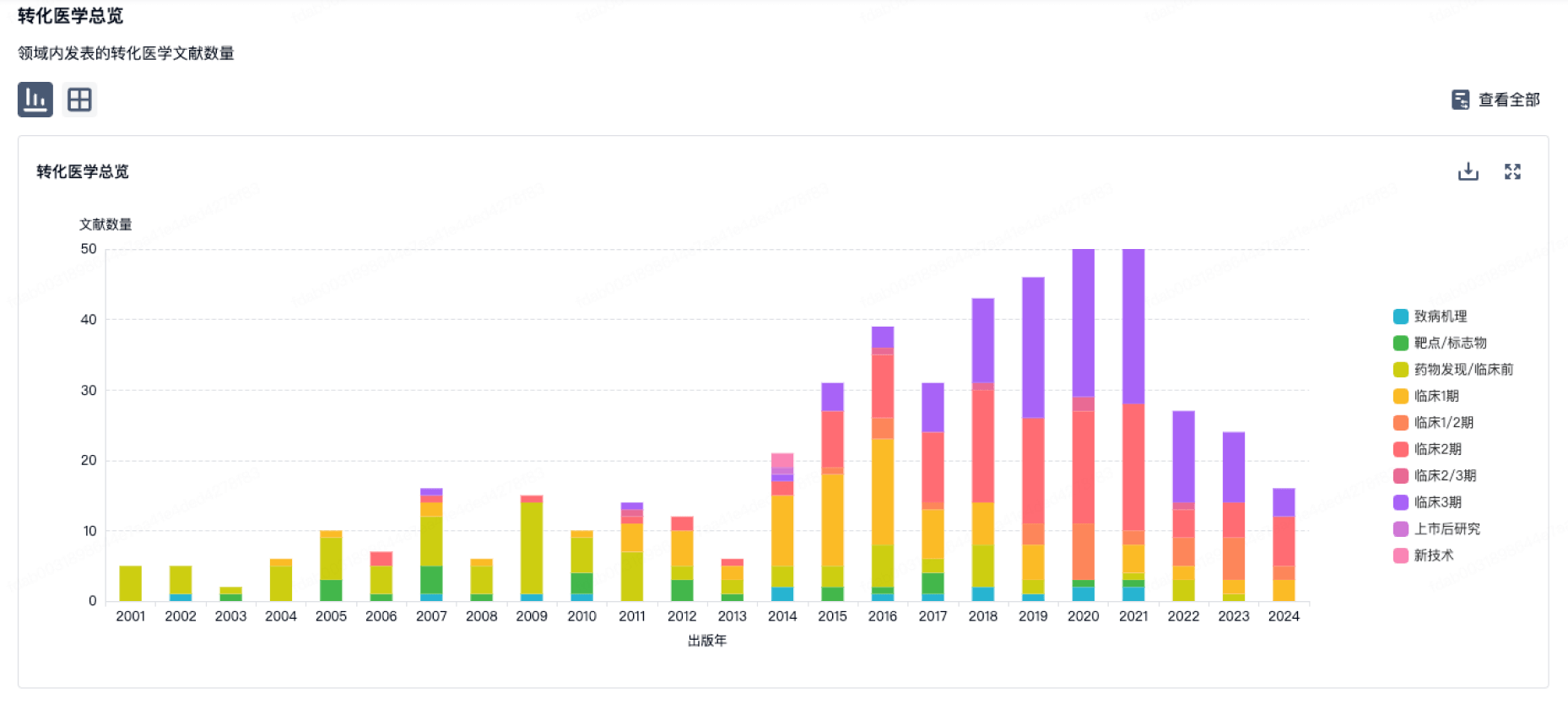
转化医学
使用我们的转化医学数据加速您的研究。
登录
或
营收
使用 Synapse 探索超过 36 万个组织的财务状况。
登录
或
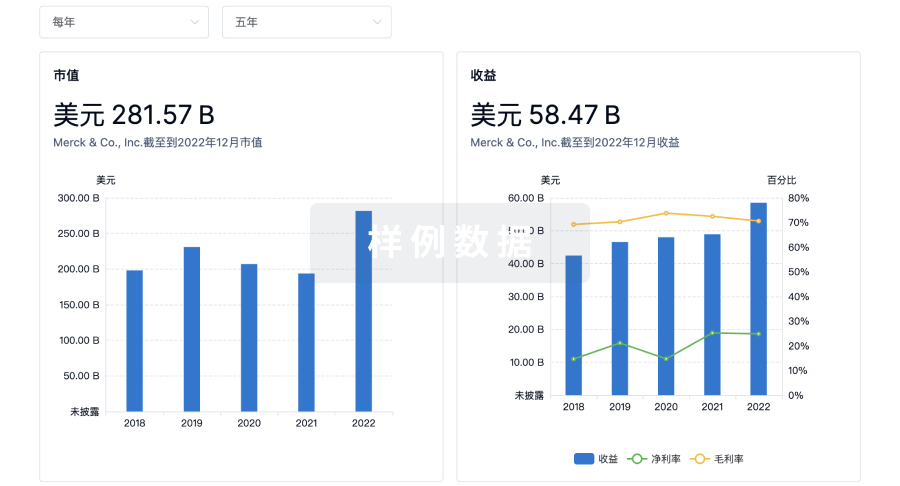
科研基金(NIH)
访问超过 200 万项资助和基金信息,以提升您的研究之旅。
登录
或
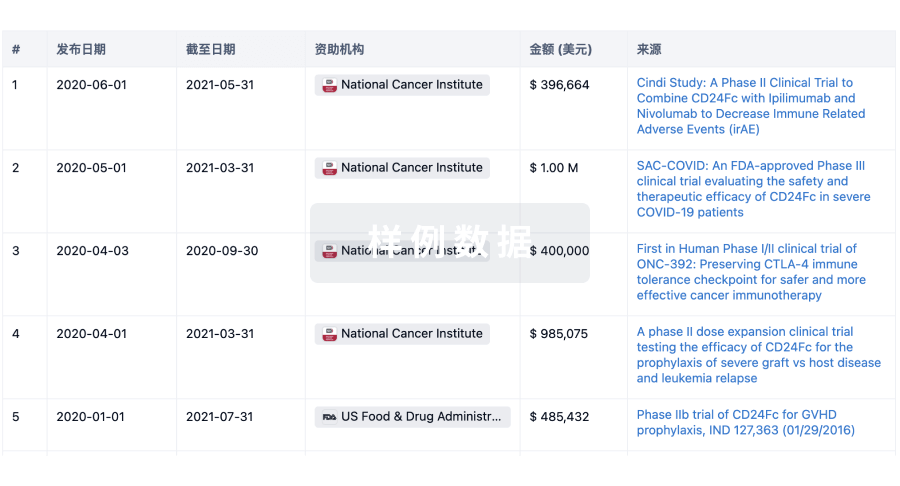
投资
深入了解从初创企业到成熟企业的最新公司投资动态。
登录
或
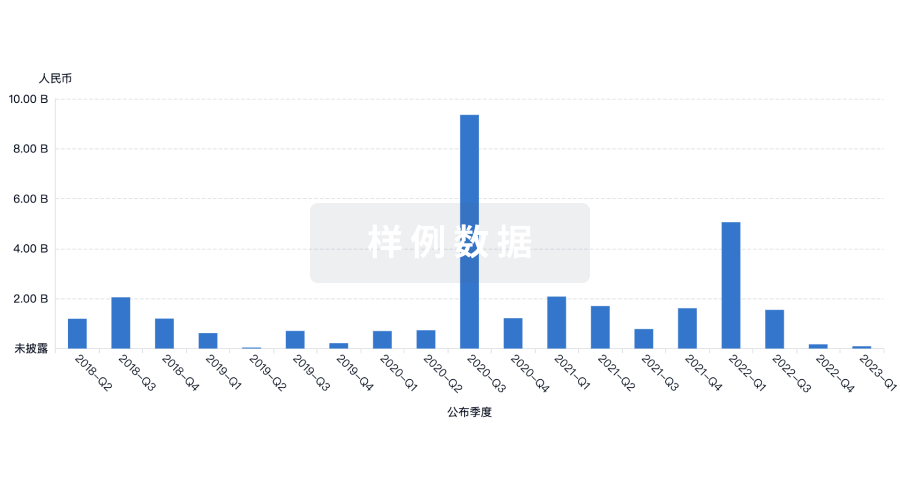
融资
发掘融资趋势以验证和推进您的投资机会。
登录
或
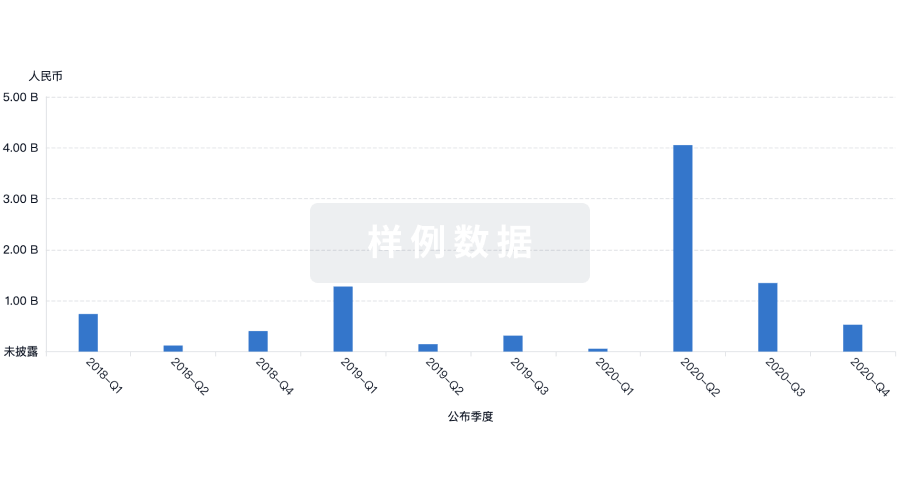
生物医药百科问答
全新生物医药AI Agent 覆盖科研全链路,让突破性发现快人一步
立即开始免费试用!
智慧芽新药情报库是智慧芽专为生命科学人士构建的基于AI的创新药情报平台,助您全方位提升您的研发与决策效率。
立即开始数据试用!
智慧芽新药库数据也通过智慧芽数据服务平台,以API或者数据包形式对外开放,助您更加充分利用智慧芽新药情报信息。
生物序列数据库
生物药研发创新
免费使用
化学结构数据库
小分子化药研发创新
免费使用