预约演示
更新于:2026-02-02

ETEX Corp.
更新于:2026-02-02
概览
关联
100 项与 ETEX Corp. 相关的临床结果
登录后查看更多信息
0 项与 ETEX Corp. 相关的专利(医药)
登录后查看更多信息
9
项与 ETEX Corp. 相关的文献(医药)2017-01-01·The Journal of foot and ankle surgery : official publication of the American College of Foot and Ankle Surgeons4区 · 医学
Assessment of Multipotent Mesenchymal Stromal Cells in Bone Marrow Aspirate From Human Calcaneus
4区 · 医学
Article
作者: Kaplan, David L ; Mallette, Jason ; Glod, Douglas J ; Angle, Siddhesh R ; Chang, Jerry ; Glettig, Dean L ; Smith, Shannon ; Li, Chunmei ; Kilpatrick, Cory D ; Strunk, Michael R
Bone marrow aspirates (BMAs), owing to their innate osteogenic potential, are well-documented supplements to osteoconductive and/or osteoinductive materials. The calcaneal body provides foot and ankle surgeons a convenient harvest site with low morbidity and minimal cost. In the present study, we sought to identify and characterize multipotent mesenchymal stromal cells (MSCs) in BMAs harvested from the human calcaneal body. Ten healthy patients aged 18 to 65 years were enrolled in the present study. BMAs were harvested from the patients without any reported postoperative complications related to the harvest. Cells isolated from all the aspirates were adherent to culture plates and expressed positive MSC surface markers (CD105, CD90, and CD73) and a low level of negative MSC markers (CD34 and CD45). The cells maintained the ability to proliferate and differentiate into cells of mesenchymal lineages. The BMAs from the human calcaneal body offer a healthy source of multipotent MSCs.
1999-10-01·Clinical orthopaedics and related research2区 · 医学
??-BSM??: A Biomimetic Bone Substitute and Drug Delivery Vehicle
2区 · 医学
Article
作者: Majahad, A ; Knaack, D ; Chakravarthy, P ; Catalano, A ; Tofighi, A ; Aiolova, M ; Lee, D D
alpha-BSM is a biomimetic endothermically setting apatitic calcium phosphate bone substitute material. Its injectability and ability to harden at body temperature in the presence of physiologic saline, and other buffering agents, makes it an attractive clinical bone substitute and delivery vehicle for therapeutic agents in orthopaedic and dental applications. In osseous tissue, alpha-BSM alone remodels into bone and promotes bone healing. alpha-BSM treatment has been shown in several animal models to be effective in promoting healing of surgically created critical size defects and restoring bone biomechanical strength to values equal to or greater than values achieved with autograft controls. In vitro studies with alpha-BSM containing gentamicin show that antibiotics can be incorporated stably into alpha-BSM and that the release kinetics can be controlled with the appropriate formulation and preparative procedures. Growth factors and enzymes also are compatible with the alpha-BSM setting reaction. The incorporation of recombinant human bone morphogenetic protein-2 with alpha-BSM was shown to be effective in stimulating bone formation and accelerating restoration of the differentiated phenotype in an osteotomy model. Clinical trial investigators in Europe currently are using alpha-BSM implantations for treatment of fractures and other indications.
1999-01-01·Phosphorus Research Bulletin
ASSOCIATIONS OF LOW TEMPERATURE APATITE CERAMICS AND PROTEINS
作者: TOFIGHI, A. ; REY, C. ; LEE, D. ; HOBATHO, M.C. ; SARDA, S.
Microporous ceramic-like materials can be obtained at low temperature (4 to 50 °C) from aqueous suspensions of nanocrystalline apatite.They were associated with organic macromols. (albumin, casein, gelatin) and their Young's modulus was determined by ultrasonic transmission technique.Young's modulus of the composites with gelatin and albumin were higher than that of mineral blocks with the same maturation time whereas casein-apatite associations gave weaker Young's modulus.This different behavior was attributed to variations in the porosity of the materials.Such associations may have potential applications as biomaterials.
4
项与 ETEX Corp. 相关的新闻(医药)2025-11-24
RANDOLPH, Mass., Nov. 24, 2025 /PRNewswire/ -- The Global FSHD Innovation Hub, an initiative by the FSHD Society to accelerate the development of therapies for facioscapulohumeral muscular dystrophy (FSHD), has announced the addition of four new members to its Board of Directors: Neil Camarta, Stuart Lai, Mel Hayes, and Hans Van Bylen. Their appointments reflect the Hub's continued growth and its expanding role in advancing its offerings to industry groups and building collaboration to bring FSHD treatments to patients more quickly.
Neil Camarta is a chemical engineer and member of the Canadian Academy of Engineering who has held senior leadership positions across the oil and gas industry. He co-founded Western Hydrogen and Enlighten Innovations, two cleantech start-ups focused on green fuel and grid-scale battery technologies. He also co-founded the FSHD Canada Foundation, Solve FSHD, and Project Mercury, and brings extensive knowledge in driving global progress in FSHD research.
Stuart Lai brings more than 30 years of experience in software engineering and data infrastructure from leading financial and technology firms, including Goldman Sachs, Refinitiv, and Crux Informatics. A computer and electrical engineer, he has built large-scale systems that support global analytics and data access. As Chair of the FSHD Society's Patient Access and Advocacy Committee, and a new member of the Board of the Global FSHD Innovation Hub, Lai combines his deep technical expertise with a personal commitment to improving access and outcomes for people living with FSHD.
Mel Hayes has over three decades of executive leadership experience in building and leading successful commercial and development organizations at major pharmaceutical and biotech companies including Bristol Myers Squibb, Bayer, Baxter/Baxalta, Bioverativ/Sanofi, and Fulcrum Therapeutics. Hayes also serves on the Board of Directors of the FSHD Society and serves as an advisor to several privately held companies in biotech. With a strong record in rare disease launches and corporate strategy, he brings valuable expertise in advocacy and commercialization that supports the Hub's ability to translate research into real-world impact.
Hans Van Bylen is a global business leader with more than three decades of executive experience in the consumer goods and chemical industries. A former CEO of Henkel, he led major acquisitions and strategic growth initiatives that expanded the company's international reach. He was President of the German Chemical Industry Association, and has served on numerous corporate and nonprofit boards, including Ecolab, GfK, the European Round Table of Industrialists and the Consumer Goods Forum. He is currently Chairman of Ontex and Etex and a board member of Lanxess and AkzoNobel. His leadership and global perspective will strengthen the Hub's mission to advance FSHD drug development.
"The Hub is building the collaborative infrastructure needed to accelerate FSHD drug development worldwide," said Mark Stone, Chair of the Board of the Global FSHD Innovation Hub and Chief Executive Officer of the FSHD Society. "We look forward to seeing the experience and insight of our new Board members help us advance faster and smarter toward treatments that change the lives of FSHD families."
About the Global FSHD Innovation Hub
The Global FSHD Innovation Hub is a wholly owned subsidiary of the FSHD Society, the world's leading research-focused patient organization for facioscapulohumeral muscular dystrophy (FSHD). The Hub serves as a global platform that connects biotechnology and pharmaceutical companies, researchers, and advocacy partners with data and resources to accelerate therapy development for FSHD. Learn more at FSHDSolutions.com.
SOURCE Global FSHD Innovation Hub
21%
more press release views with
Request a Demo
高管变更
2023-12-05
CLICHY, France--(BUSINESS WIRE)-- CorWave, a French company that develops and manufactures innovative cardiac assist devices, announces the appointment of Fairuz Hasni as Vice President Human Resources. Fairuz Hasni has over twenty years of experience in industrial companies. She will support CorWave in the development of its HR functions and in its next stages of growth.
Before joining CorWave, Fairuz Hasni served as the Director of Human Resources and was a member of the Executive Committee at the Wheat Division (2,500 employees and operations in 24 factories spanning 11 countries) of InVivo, a global group specializing in the agri-food industry with €10 billion in sales. A seasoned HR professional, Fairuz graduated from the Universities of Poitiers and Tours, and began her career in 2003 as a recruitment consultant. She later assumed the role of Human Resources Manager at the Etex Group (€2 billion sales), a global manufacturer of building materials, where she notably took part in the integration of Siniat (ex- “Lafarge Plâtres”) post M&A. She then joined Motul Group, a leading engine lubricant specialty company, where she modernized the HR function. In 2015, Fairuz joined Rector Lesage (€270 million sales), a family-owned group specializing in concrete prefabrication, as Group HR and Safety Director and a member of the Management Committee.
Joining CorWave's Executive Committee as Vice President of Human Resources, Fairuz will leverage her diverse industrial HR experience gained in various companies to support the company's growth, particularly during this crucial phase following the opening of its manufacturing facility in Clichy.
Fairuz Hasni, Vice President Human Resources, states: "I am very pleased to join CorWave at this pivotal moment in its history. The commitment of CorWave's teams is crucial to the success of our project, dedicated to serving heart failure patients."
"I am delighted to welcome Fairuz to our management team as Vice President Human Resources" comments Louis de Lillers, CorWave's CEO. "Fairuz has accumulated over twenty years of experience in human resources, primarily in the manufacturing sector. Her contributions focus on optimizing HR functions and supporting growth phases, highlighting her ability to align HR strategies with organizational goals. Her expertise, developed within international industrial companies of varying sizes (from SMEs to major groups), will be a significant asset as CorWave strives to become a global leader in cardiac assist devices.”
About CorWave:
CorWave is a French company that develops and manufactures innovative cardiac assist devices. The CorWave undulating membrane is a breakthrough technology that differs from today's commercially available left ventricular assist devices (LVADs) by its physiological operation, designed to mimic a pulse and blood flow rates similar to those of a healthy heart. Ultimately, CorWave's membrane pump technology is expected to reduce the complications associated with current devices and improve the management of heart failure patients. A member of the French Tech 120, CorWave was founded in 2012 by the start-up studio MD Start and is funded by renowned investors including Bpifrance, Exor Ventures, EIC Fund, Financière Arbevel, M&L Healthcare, Novo Holdings, Seventure Partners, Sofinnova Partners, Ysios Capital and Vlerick Group. The company has secured over €80 million in equity capital and employs over eighty people.
For more information: | twitter.com/corwave |
This project has received funding from the European Union's Horizon 2020 research and innovation program under grant agreement no. 954151.
The SPI fund's investment in CorWave is part of the France 2030 program.
CorWave's R&D program is supported by the French government through the Programme d'investissements d'avenir (PIA).
CorWave's industrialization program is supported by the Paris Region through the "Relance Industrie" call for projects.
View source version on businesswire.com:
Contacts
Press contact:
Taddeo
Camille Duchiron
+33 6 50 52 44 43
camille.duchiron@taddeo.fr
Source: CorWave
View this news release online at:
高管变更
2021-07-07
Dublin, July 07, 2021 (GLOBE NEWSWIRE) -- The "Global Calcium Silicate Insulation Market by Temperature (High-Temperature & Mid-Temperature), End-use Industry (Metals, Industrial, Power Generation, Petrochemical, Transport), and Region (Europe, North America, APAC, MEA, South America) - Forecast to 2026" report has been added to ResearchAndMarkets.com's offering.
The global calcium silicate insulation market size is estimated to be USD 256 million in 2021 and is projected to reach USD 320 million by 2026, at a CAGR of 4.6% between 2021 and 2026.
The growth of the calcium silicate insulation market is primarily triggered by its increasing use in the transport and power generation industries. The major restraint for the market will be low awareness regarding the use of insulation products. However, rising demand for green building materials from developed regions will act as an opportunity for the market.
The high temperature is the largest calcium silicate insulation temperature for calcium silicate insulation market in 2020
The growing aluminum, cement, glass, and petrochemical industries in developing economies and rebound in power generation and other industrial activities in developed economies are expected to drive the market for the high temperature range segment. The need for sustainable thermal insulation in high temperature processing industries and increased regulations supporting the same are driving the calcium silicate insulation market.
Metals is estimated to be the largest end-use industry of calcium silicate insulation market between 2021 and 2026
Calcium silicate insulation is used in metal processing industries for steel, aluminium, and ferrous & non-ferrous casting application such as billet and ingot casting as transition plates, floats, spouts; head boxes for continuous casters; tips for continuous sheet casters; sprue bushes, tubes, nozzles and feeder box liner in low pressure die casting; hot face linings for dosing/holding furnaces and in launders & dams. It is also used for thermal insulation of liquid metals, for instance, it is used in direct contact with liquid aluminium alloys for transport, distribution and flow control of the metal. In order to achieve fire resistance rating, steel structures are cladded around with calcium silicate to provide thermal insulation.
Other applications in the metal industry includes providing components for the manufacturing of bolts and ingots in horizontal and vertical casting, for example nozzles, floats, stoppers and hot top rings. It is also used as an insulating medium for metal cladding.
APAC is expected to be the largest calcium silicate insulation market during the forecast period, in terms of value
APAC has dominated the global calcium silicate insulation market due to the growing investments in developing countries and manufacturing capacity additions across end-use industries, especially power generation, petrochemical, transport, metal processing and industrial infrastructure activities is increasing in developing economies such as China and India. This drives demand for thermal insulation, which has contributed significantly to the growth of the calcium silicate insulation market in APAC. China is the key market for calcium silicate insulation in the APAC due to its increasing industrialization and low-cost manufacturing technology. Most key players operating in the calcium silicate insulation market have their production capacities in APAC since the region's production cost is lower than that in other regions.
Key Topics Covered:
1 Introduction
2 Research Methodology
3 Executive Summary
4 Premium Insights4.1 Attractive Opportunities in the Calcium Silicate Insulation Market4.2 North America: Calcium Silicate Insulation Market, by End-Use Industry and Country4.3 Calcium Silicate Insulation Market, by Region4.4 Calcium Silicate Insulation Market, Region Vs. End-Use Industry4.5 Calcium Silicate Insulation Market Attractiveness
5 Market Overview and Industry Trends5.1 Introduction5.2 Market Dynamics5.2.1 Drivers5.2.1.1 Rapid Urbanization and Infrastructural Development5.2.1.2 Stringent Regulations on Conventional Insulation Products5.2.1.3 Regulations Mandating Energy Conservation and Efficiency to Drive the Calcium Silicate Insulation Market5.2.2 Restraints5.2.2.1 Low Awareness Regarding the Use of Insulation Products5.2.3 Opportunities5.2.3.1 Rising Demand for Green Building Material5.2.3.2 Innovation in End-Use Industries to Drive the Calcium Silicate Insulation Market5.2.4 Challenges5.2.4.1 High Cost of Installation and Requirement of Skilled Workforce5.2.4.2 Availability of Substitute Products5.3 Porter's Five Forces Analysis5.4 Supply Chain Analysis5.5 Technology Analysis5.6 Trends/Disruptions Impacting Customer's Business5.7 Connected Markets: Ecosystem5.8 Case Studies5.9 Macroeconomic Indicator5.10 Calcium Silicate Insulation Market: Realistic, Pessimistic, Optimistic, and Non-COVID-19 Scenario5.11 Tariff and Regulatory Landscape5.12 COVID-19 Impact5.13 Impact of COVID-19: Customer Analysis5.14 Patent Analysis5.14.1 Approach5.14.2 Document Type5.14.3 Jurisdiction Analysis5.14.4 Top Applicants
6 Calcium Silicate Insulation Market, by Temperature Range6.1 Introduction
7 Calcium Silicate Insulation Market, by End-Use Industry7.1 Introduction7.2 Power Generation7.2.1 High Compressive Strength of Calcium Silicate Insulation to Drive the Market in this Industry7.3 Petrochemical7.3.1 High Heat Resistance and Low Thermal Shrinkage to Propel the Market in the this Industry7.4 Metals7.4.1 Non-Ferrous Casting Application to Positively Impact the Market in the Industry7.5 Industrial7.5.1 Construction Activities in Emerging Economies Boosting the Market in the Industrial Segment7.6 Transport7.6.1 Increasing Application in the Marine Industry to Drive the Market7.7 Others
8 Calcium Silicate Insulation Market, by Region
9 Competitive Landscape9.1 Introduction9.2 Market Evaluation Framework9.3 Key Players' Strategies9.3.1 Overview of Strategies Adopted by Key Calcium Silicate Insulation Manufacturers9.4 Market Share Analysis9.4.1 Ranking of Key Market Players, 20209.4.2 Market Share of Key Players9.4.2.1 Skamol9.4.2.2 A&A Material Corporation9.4.2.3 Promat (Etex Group)9.4.2.4 BNZ Materials9.4.2.5 Nichias Corporation9.5 Revenue Analysis of Top 5 Players9.6 Company Product Footprint Analysis9.7 Company Evaluation Matrix (Tier 1)9.7.1 Terminology/Nomenclature9.7.1.1 Stars9.7.1.2 Emerging Leaders9.8 Start-Up/SMEs Evaluation Matrix9.8.1 Terminology/Nomenclature9.8.1.1 Responsive Companies9.8.1.2 Dynamic Companies9.8.1.3 Starting Blocks9.9 Competitive Situations and Trends9.9.1 Product Launches9.9.2 Deals9.9.3 Other Developments
10 Company Profiles10.1 Major Players10.1.1 Skamol10.1.2 Promat (Etex Group)10.1.3 A&A Material Corporation10.1.4 BNZ Materials10.1.5 Johns Manville10.1.6 Anglitemp10.1.7 Nichias Corporation10.1.8 Calsitherm10.1.9 Sanle Group10.1.10 Taisyou International Business Co. Ltd.10.1.11 Guangdong New Element Building Material Co. Ltd.10.1.12 Beijing Hocreboard Building Materials Co. Ltd.10.2 Other Key Market Players10.2.1 Ramco Industries10.2.2 RCM Roofing & Cladding Material10.2.3 Laizhou Mingguang Thermal Insulation Materials Co. Ltd.10.2.4 Litecore A/S10.2.5 Epasit10.2.6 Insulcon10.2.7 Nippon Keical10.2.8 Soben International10.2.9 Ningbo Yihe Green Board Co. Ltd.10.2.10 Kingtec Building Materials Industrial Co. Ltd.10.2.11 Zheijiang Hailong New Building Material Co. Ltd.10.2.12 American Elements10.2.13 Shine Technology Co. Ltd.10.2.14 Mowco Products10.2.15 Luoyang Wanhao New Material Co. Ltd.
11 Adjacent & Related Markets
12 Appendix
For more information about this report visit
100 项与 ETEX Corp. 相关的药物交易
登录后查看更多信息
100 项与 ETEX Corp. 相关的转化医学
登录后查看更多信息
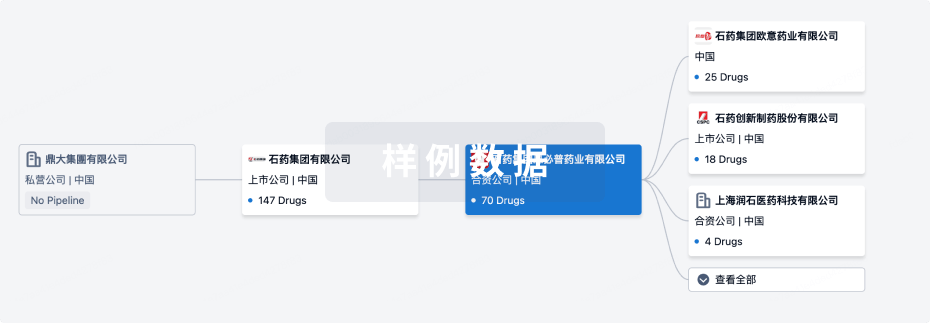
组织架构
使用我们的机构树数据加速您的研究。
登录
或
管线布局
2026年02月09日管线快照
无数据报导
登录后保持更新
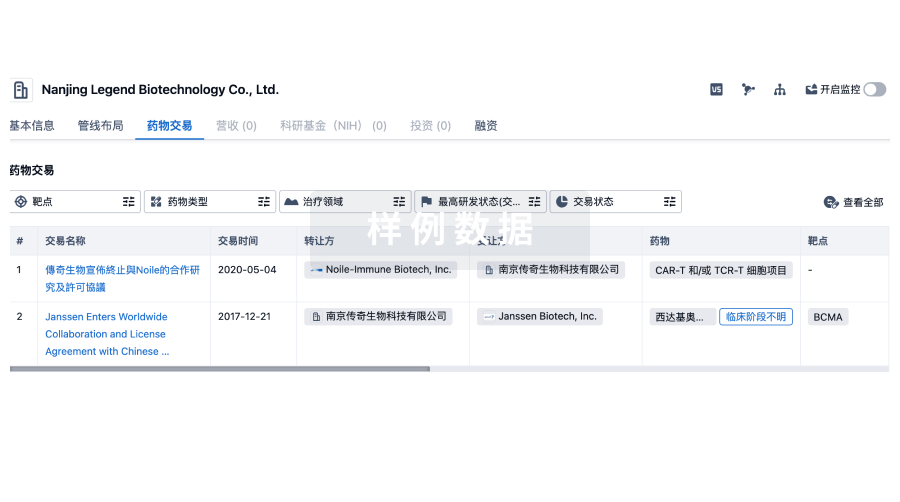
药物交易
使用我们的药物交易数据加速您的研究。
登录
或
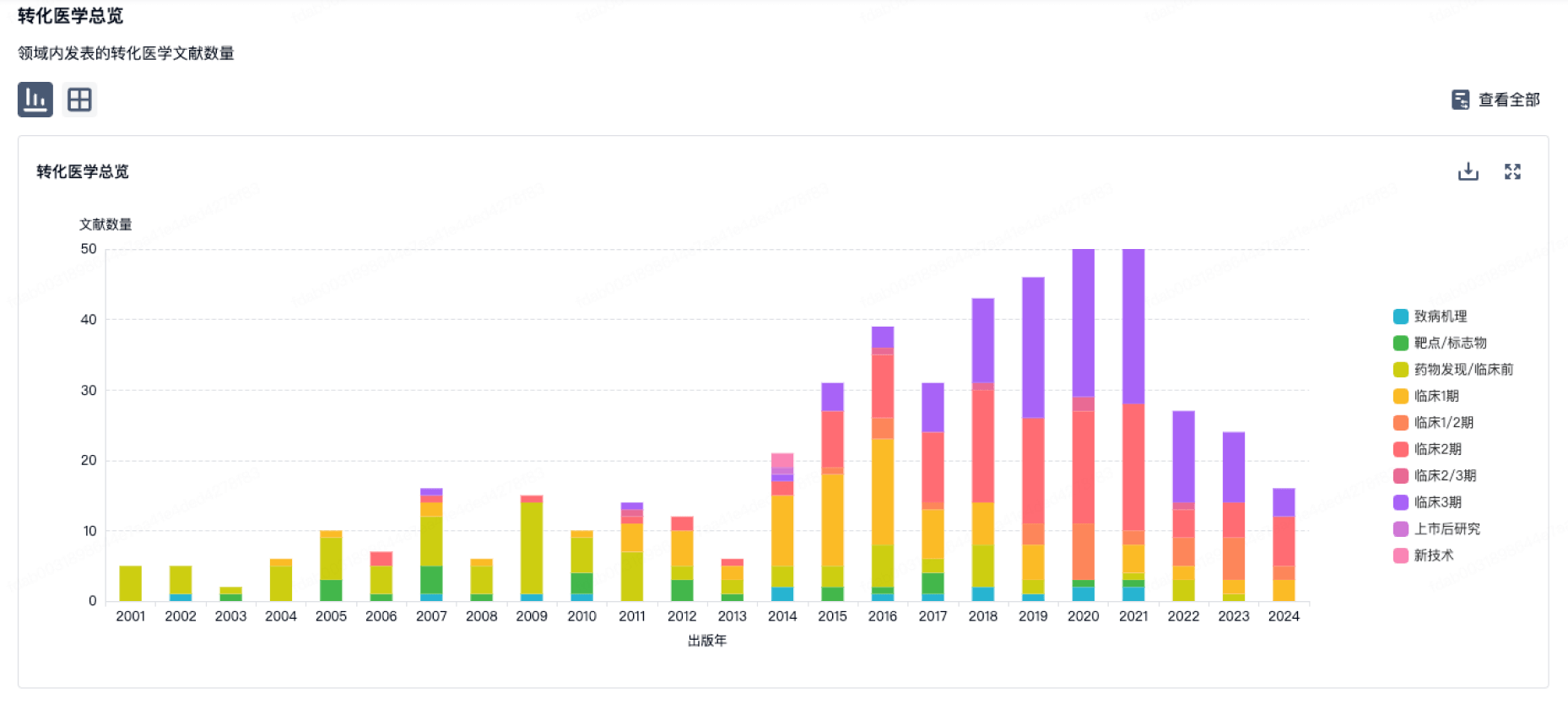
转化医学
使用我们的转化医学数据加速您的研究。
登录
或
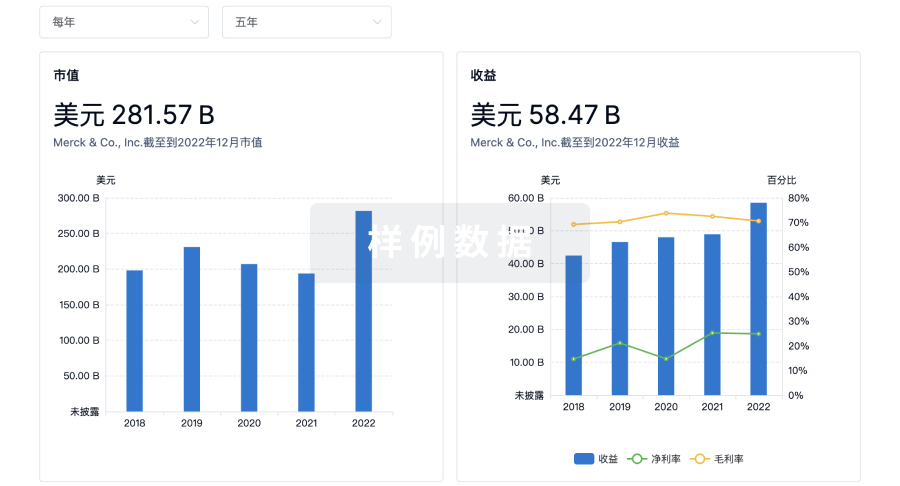
营收
使用 Synapse 探索超过 36 万个组织的财务状况。
登录
或
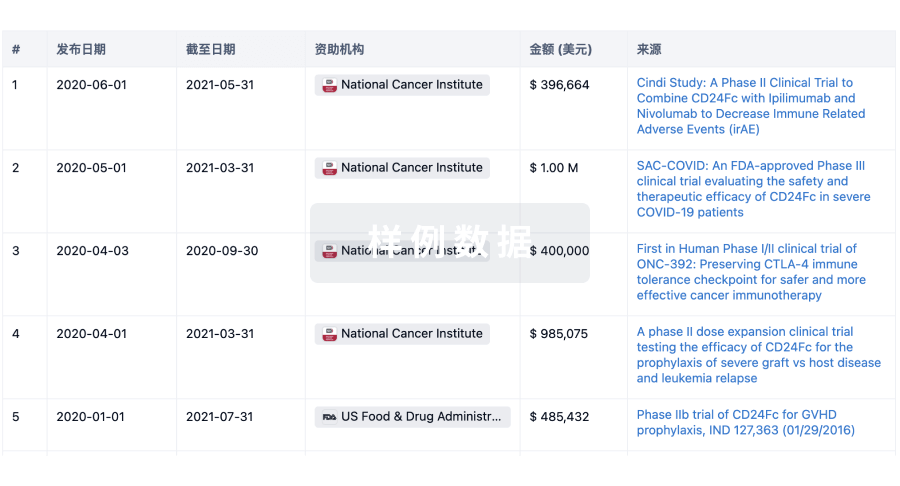
科研基金(NIH)
访问超过 200 万项资助和基金信息,以提升您的研究之旅。
登录
或
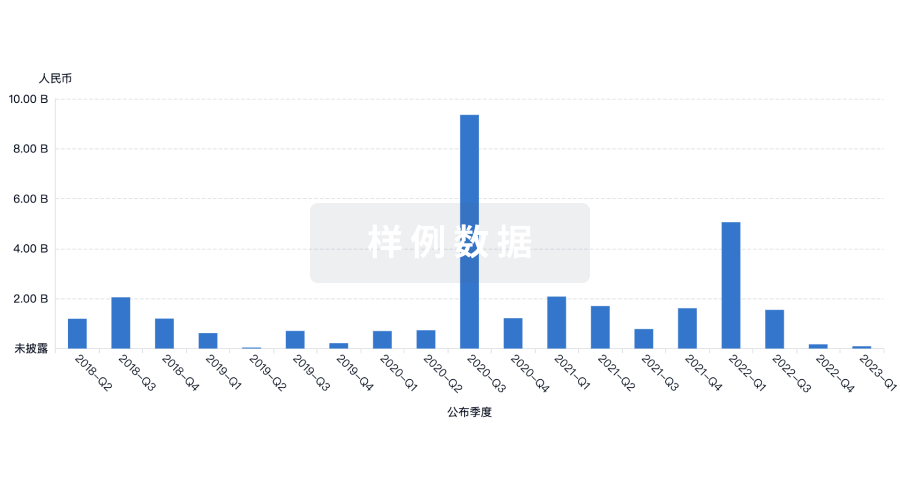
投资
深入了解从初创企业到成熟企业的最新公司投资动态。
登录
或
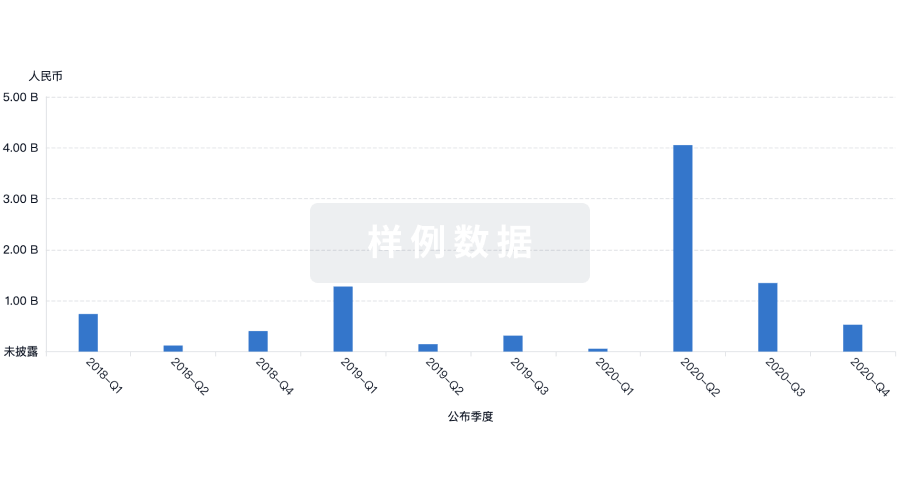
融资
发掘融资趋势以验证和推进您的投资机会。
登录
或
生物医药百科问答
全新生物医药AI Agent 覆盖科研全链路,让突破性发现快人一步
立即开始免费试用!
智慧芽新药情报库是智慧芽专为生命科学人士构建的基于AI的创新药情报平台,助您全方位提升您的研发与决策效率。
立即开始数据试用!
智慧芽新药库数据也通过智慧芽数据服务平台,以API或者数据包形式对外开放,助您更加充分利用智慧芽新药情报信息。
生物序列数据库
生物药研发创新
免费使用
化学结构数据库
小分子化药研发创新
免费使用