预约演示
更新于:2025-07-08

Chongqing Chemical & Pharmaceutical (Holding) Group Co.
更新于:2025-07-08
概览
疾病领域得分
一眼洞穿机构专注的疾病领域

技术平台
公司药物应用最多的技术
靶点
公司最常开发的靶点
关联
靶点 |
作用机制 |
在研机构 |
原研机构 |
在研适应症 |
非在研适应症 |
最高研发阶段 |
首次获批国家/地区 |
首次获批日期 |

靶点 |
作用机制 |
在研机构 |
原研机构 |
在研适应症 |
非在研适应症 |
最高研发阶段 |
首次获批国家/地区 |
首次获批日期 |
CTR20230212
盐酸西那卡塞片在中国健康受试者中单次给药、随机、开放、两周期、双交叉、空腹和餐后状态下生物等效性研究

CTR20222108
一项随机、开放、单剂量、四周期、完全重复交叉设计、空腹给药临床研究,评价米拉贝隆缓释片与Myrbetriq在中国健康成年受试者中的生物等效性
CTR20221892
一项随机、开放、单剂量、四周期、完全重复交叉设计、空腹和餐后给药临床研究,评价米拉贝隆缓释片与Myrbetriq在中国健康成年受试者中的生物等效性
100 项与 重庆化医控股(集团)公司 相关的临床结果
登录后查看更多信息
登录后查看更多信息
2025-08-01WATER RESEARCH
Effect of pre-chlorination on bioelectricity production and stabilization of excess sludge by microbial fuel cell
Article
作者: Luo, Yin ; He, Yanxi ; Gao, Jixian ; Fu, Jie ; Dang, Chenyuan ; He, Dongye ; Nong, Yazhi ; Li, Chuanfu
Microbial fuel cell (MFC) is a technology that can generate electricity while degrading excess sludge. However, the complex components, intricate biological structures, and inhibitory compounds in sludge limit the application of MFC. Therefore, this study utilized chlorination as a sludge pretreatment method to improve the comprehensive performance of MFC in sludge treatment. Results showed that pre-chlorination at a dose of 0.2 mg/L increased output voltage of MFC by 500 % from approximately 100 mV to around 600 mV, and power density by 15.60 % from 3.15 W/m³ to 3.64 W/m³, and simultaneously increased the degradation of sludge MLSS (mixed liquor suspended solids), MLVSS (mixed liquor volatile suspended solids), EPS (extracellular polymeric substances) polysaccharide and protein by 9.64 %, 47.07 %, 18.63 % and 16.26 %, respectively. Molecular composition analysis of EPS in sludge by three-dimensional excitation emission matrix fluorescence spectroscopy (3D-EEM), Fourier transform infrared spectroscopy (FTIR) and Fourier transform ion cyclotron resonance mass spectrometry (FT-ICR-MS) indicated pre-chlorination significantly promoted the molecular transformation in MFC. The microbiome analysis of anode biofilm in MFC by scanning electron microscopy (SEM), confocal laser scanning microscopy (CLSM), metagenomics and metametabolomics revealed that pre-chlorination facilitated the development of biomass, enrichment of electricity-producing bacteria (EPB), enhancement of electricity-producing activity and metabolic activity. Moreover, the sludge EPS was the importance source for the microbial metabolites in MFC was validated by the joint analysis of FT-ICR-MS and metametabolomics.
2024-07-01PHYTOMEDICINE
The effects of Shaoma Zhijing granules and its main components on Tourette syndrome
Review
作者: Yan, Yiman ; Yu, Jie ; Zhou, Shuiping ; Wang, Wenjia ; Chen, Yibing ; Bloch, Michael H ; Leckman, James F ; Hu, Yunhui ; Su, Xuefeng ; Zhao, Qian ; Sun, He ; Song, Xujiao
BACKGROUND:
Tourette syndrome (TS) represents a neurodevelopmental disorder characterized by an uncertain etiology and influencing factors. Frequently, it co-occurs with conditions such as attention deficit hyperactivity disorder, obsessive-compulsive disorder, and sleep disturbances, which have garnered substantial attention from the research community in recent years. Clinical trials have demonstrated that Shaoma Zhijing Granules (SMZJG, 5-ling granule, also known as TSupport or T92 under U.S. development), a traditional Chinese medicine compound, is an effective treatment for TS.
PURPOSE:
To conduct scientometric analysis on developing trends, research countries and institutions, current status, hot spots of TS and discuss the underlying mechanisms of SMZJG and its main components on TS. The aim is to provide valuable reference for ongoing clinical and basic research on TS and SMZJG.
STUDY DESIGN & METHODS:
Using Tourette syndrome, SMZJG and its main components along with their synonyms as keywords, we conducted a comprehensive search across major scientific databases including the Web of Science Core Collection, PubMed and China National Knowledge Infrastructure (CNKI) databases. A total of 5952 references and 99 patents were obtained. Among these, 5039 articles and reviews, as well as 54 patents were analyzed by Citespace and VOSviewer software.
RESULTS:
The available evidence indicates that the SMZJG's components likely exert their mechanisms in treating TS by regulating the dopaminergic pathway system, neurotransmitter imbalances, reducing neuroinflammation, promoting the repair of nerve damage and improving sleep disorders.
CONCLUSION:
This comprehensive analysis lays the foundation for an extensive exploration of the feasibility and clinical applications of SMZJG in TS treatment.
2020-08-01European journal of drug metabolism and pharmacokinetics4区 · 医学
UFLC–MS/MS Determination and Population Pharmacokinetic Study of Tanshinol, Ginsenoside Rb1 and Rg1 in Rat Plasma After Oral Administration of Compound Danshen Dripping Pills
4区 · 医学
Article
作者: Yang, Jin ; Jin, Tianqian ; Liu, Zuhui ; Wang, Xiangyang ; Ma, Xiaohui ; Zhou, Shuiping ; Sun, He ; Li, Shuming ; Wang, Genbei ; Chu, Yang
BACKGROUND AND OBJECTIVES:
As a traditional Chinese Materia Medica (CMM), the Compound Danshen Dripping Pill (CDDP) is widely used for the treatments of cardiovascular diseases. In view of its undefined applicable population and dosage, a population pharmacokinetic (PPK) study is required. The objective of this study was to explore the feasibility of multi-component CMM PPK in rat plasma after oral administration of CDDP based on sparse sampling.
METHODS:
In this research, a simple, rapid and highly sensitive UFLC-MS/MS method for the simultaneous determination of tanshinol (TSL), ginsenoside Rb1 (GRb1) and ginsenoside Rg1 (GRg1) has been successfully developed in rat plasma. Moreover, the validated method has been applied to a PPK study of CDDP based on sparse data. We established the PPK models for these three main active constituents using a nonlinear mixed-effects model, taking into account of factors such as gender, age in weeks and weight.
RESULTS:
The PPK models of TSL and GRb1 were best described by a one-compartment model with linear elimination and first-order absorption. The model of GRg1 was best described by a two-compartment model with first-order absorption. Bootstrap validation and a visual predictive check confirmed the predictive ability, the model stability and the precision of the parameter estimates from these models.
CONCLUSION:
As a preliminary exploration toward the clinical population pharmacokinetic research, this study provides a reference for the population pharmacokinetic study of traditional CMM.
100 项与 重庆化医控股(集团)公司 相关的药物交易
登录后查看更多信息
100 项与 重庆化医控股(集团)公司 相关的转化医学
登录后查看更多信息
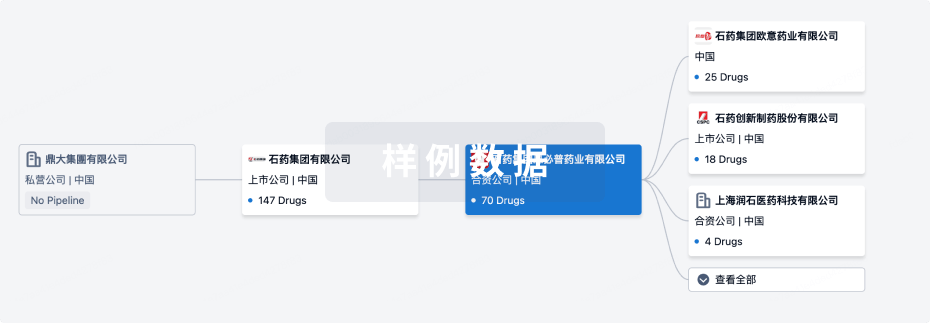
组织架构
使用我们的机构树数据加速您的研究。
登录
或
管线布局
2026年02月08日管线快照
管线布局中药物为当前组织机构及其子机构作为药物机构进行统计,早期临床1期并入临床1期,临床1/2期并入临床2期,临床2/3期并入临床3期
临床3期
2
5
其他
登录后查看更多信息
当前项目
登录后查看更多信息
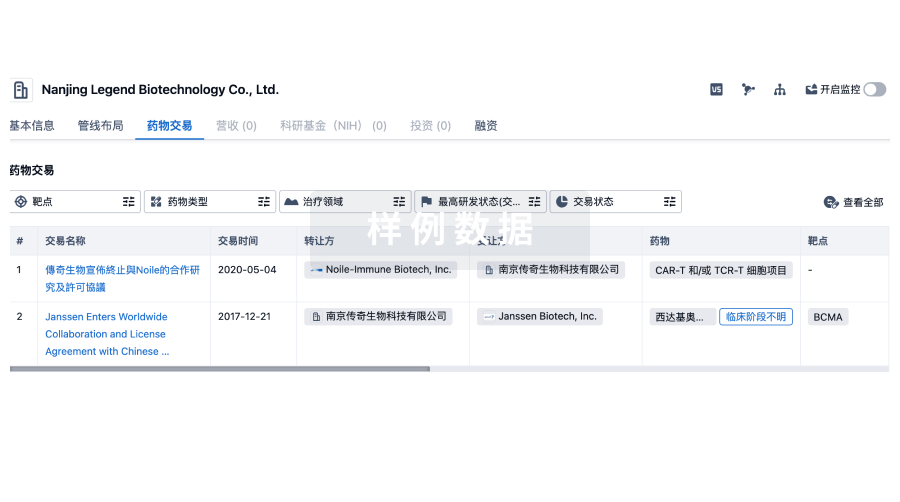
药物交易
使用我们的药物交易数据加速您的研究。
登录
或
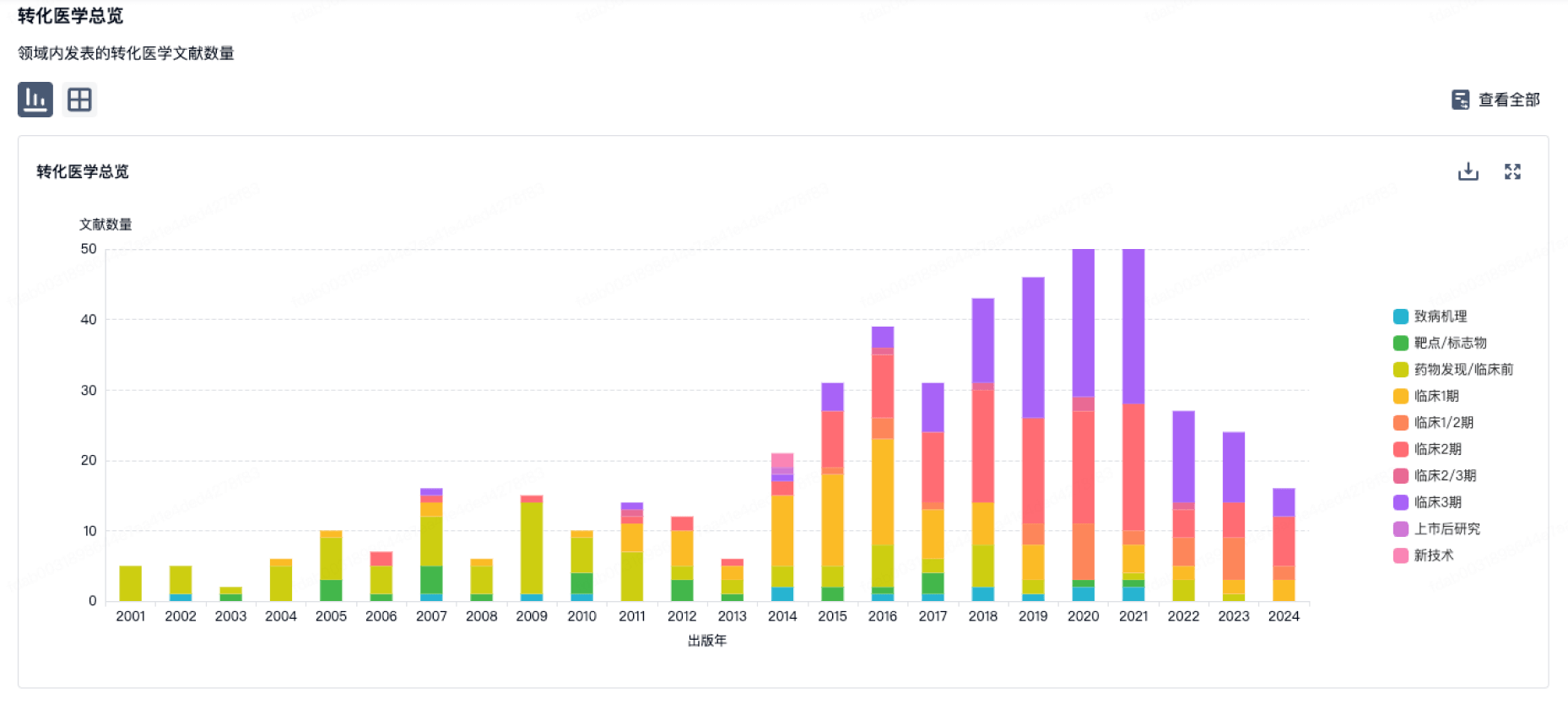
转化医学
使用我们的转化医学数据加速您的研究。
登录
或
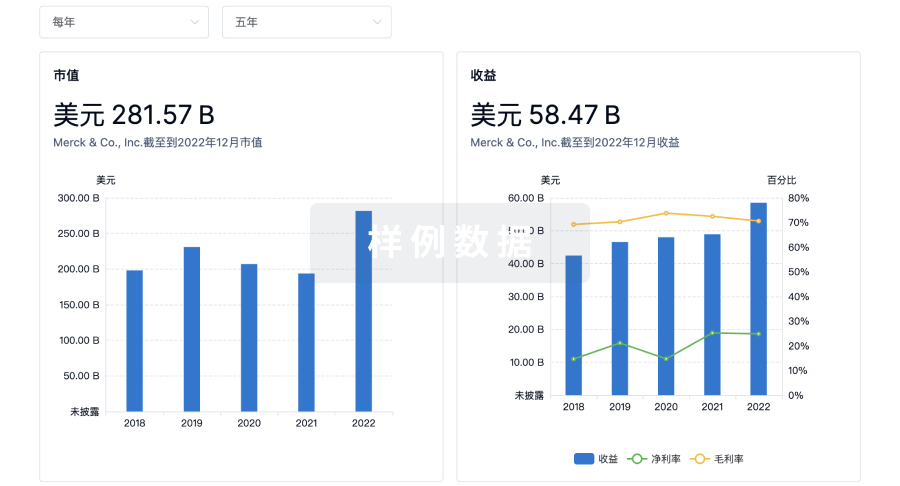
营收
使用 Synapse 探索超过 36 万个组织的财务状况。
登录
或
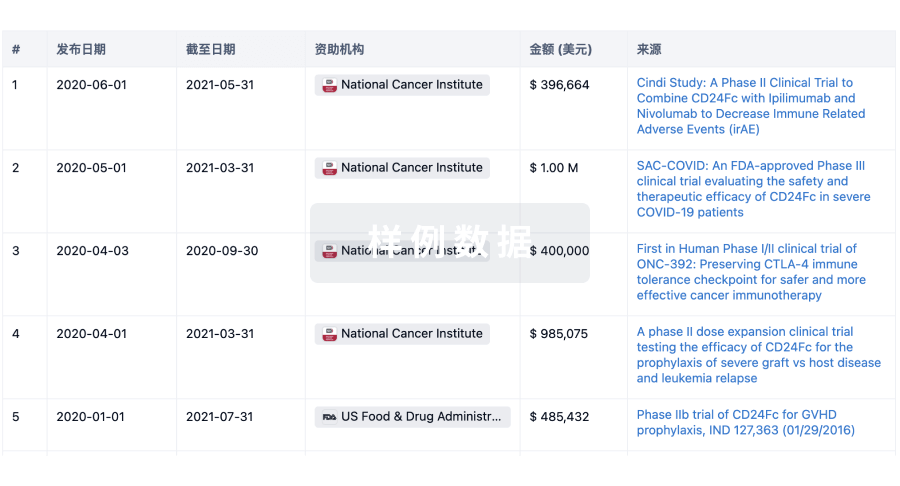
科研基金(NIH)
访问超过 200 万项资助和基金信息,以提升您的研究之旅。
登录
或
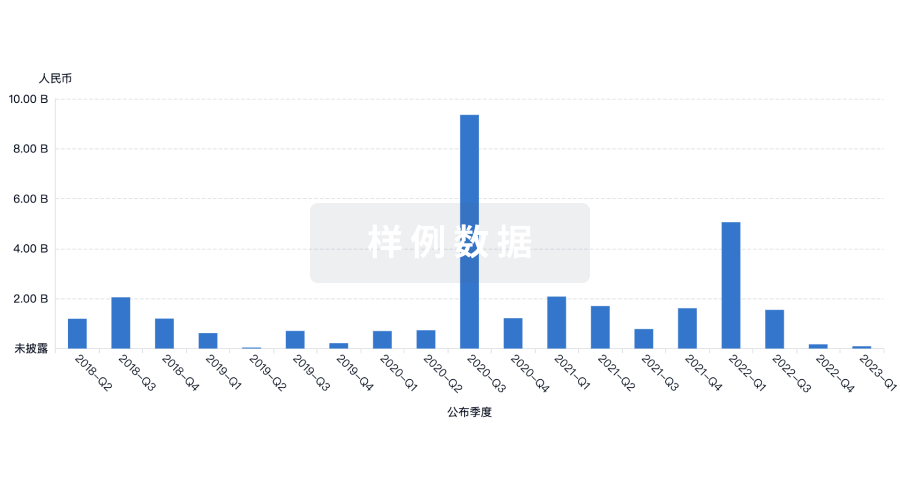
投资
深入了解从初创企业到成熟企业的最新公司投资动态。
登录
或
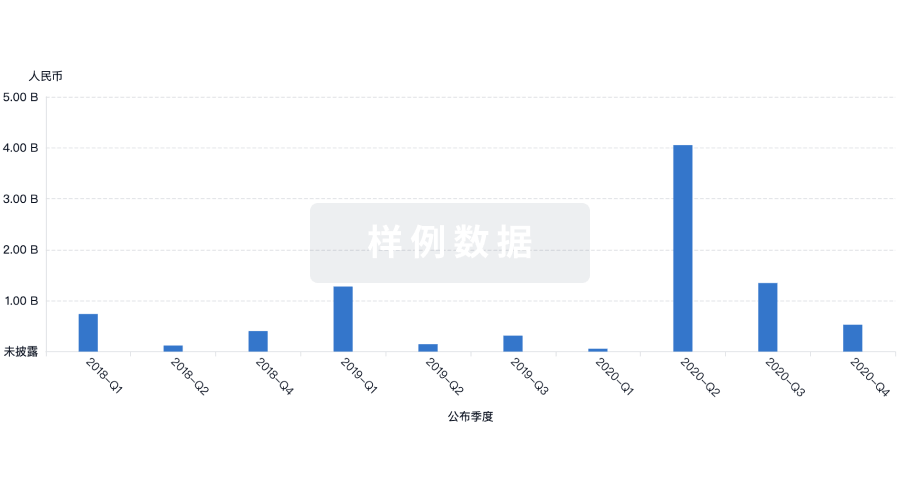
融资
发掘融资趋势以验证和推进您的投资机会。
登录
或
生物医药百科问答
全新生物医药AI Agent 覆盖科研全链路,让突破性发现快人一步
立即开始免费试用!
智慧芽新药情报库是智慧芽专为生命科学人士构建的基于AI的创新药情报平台,助您全方位提升您的研发与决策效率。
立即开始数据试用!
智慧芽新药库数据也通过智慧芽数据服务平台,以API或者数据包形式对外开放,助您更加充分利用智慧芽新药情报信息。
生物序列数据库
生物药研发创新
免费使用
化学结构数据库
小分子化药研发创新
免费使用