预约演示
更新于:2025-05-07
Lakeshore Hospital
Alabama, United States
Alabama, United States
更新于:2025-05-07
概览
关联
100 项与 Lakeshore Hospital 相关的临床结果
登录后查看更多信息
0 项与 Lakeshore Hospital 相关的专利(医药)
登录后查看更多信息
26
项与 Lakeshore Hospital 相关的文献(医药)2024-12-01·Journal of ISAKOS
Biologic therapies in stress fractures: Current concepts
Review
作者: Shimomura, Kazunori ; Jacob, George ; Nakamura, Norimasa
2021-10-01·Journal of Minimal Access Surgery4区 · 医学
An Obesity and Metabolic Surgery Society of India survey of 1307 patients
4区 · 医学
ArticleOA
作者: Tantia, Om ; Padmakumar, R ; Shah, Neha ; Narwaria, Mahendra ; Kaushal, Anshuman ; Palaniappan, Raj ; Pal Rajput, Ram Raksha ; Leo, Jayanth ; Baig, Sarfaraz J ; Shivaram, H V ; Prasad, Arun ; Patolia, Sanjay ; Chikkachanappa, Mahesh ; Bhasker, Aparna Govil ; Khaitan, Manish ; Patel, Parag ; Dukkipati, Nandkishore ; Perungo, T ; Aggarwal, Sandeep ; Shrivastava, Rajesh ; Sethi, Daksh ; Wadhawan, Randeep ; Rajkumar, Anirudh ; Bindal, Vivek ; Saggu, Sukhvinder Singh ; Hareendran, Deepak Thampi ; Singh, Rahul ; Parikh, Chirag ; Bharucha, Manoj ; Garg, Rohit ; Kular, Kuldeepak ; Dhorepatil, Shrihari ; Ismail, Mohamed ; Motwani, Manish ; Jammu, Gurvinder Singh ; Ugale, Surendra ; Bedi, Digvijay ; Goel, Ramen ; Soni, Vandana ; Goel, Deep ; Shah, Shashank ; Kumar, Amardeep
2021-10-01·Transplantation Proceedings4区 · 医学
Is Early COVID-19 in Kidney Transplant Recipients Concerning Enough to Halt Transplantation? A Multicenter Comparative Analysis from India
4区 · 医学
Article
作者: Sil, Keshab ; Anand, Urmila ; Raju, Sree Bhushan ; Chauhan, Sanshriti ; Siddini, Vishwanath ; Krishna, Amresh ; Kute, Vivek B ; Das, Pratik ; Patel, Himanshu V ; Meshram, Hari Shankar ; Patel, Ansy H ; Sahay, Manisha ; Pathak, Vivek ; Mishra, Vineet ; Abraham, Abi ; Hegde, Umapati ; Bahadur, M M ; Chaudhury, Arpita Ray
100 项与 Lakeshore Hospital 相关的药物交易
登录后查看更多信息
100 项与 Lakeshore Hospital 相关的转化医学
登录后查看更多信息
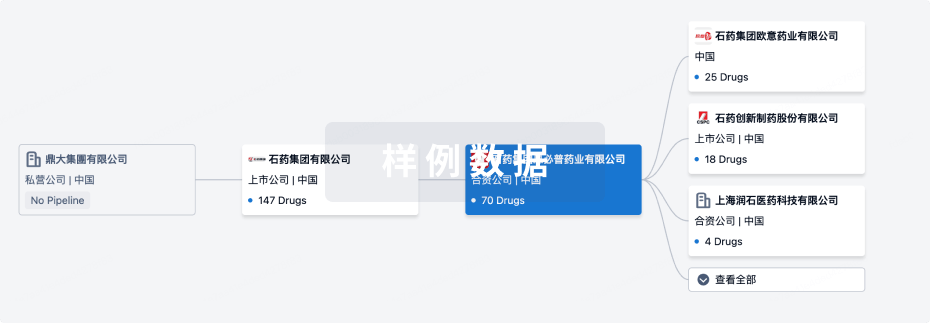
组织架构
使用我们的机构树数据加速您的研究。
登录
或
管线布局
2026年02月09日管线快照
无数据报导
登录后保持更新
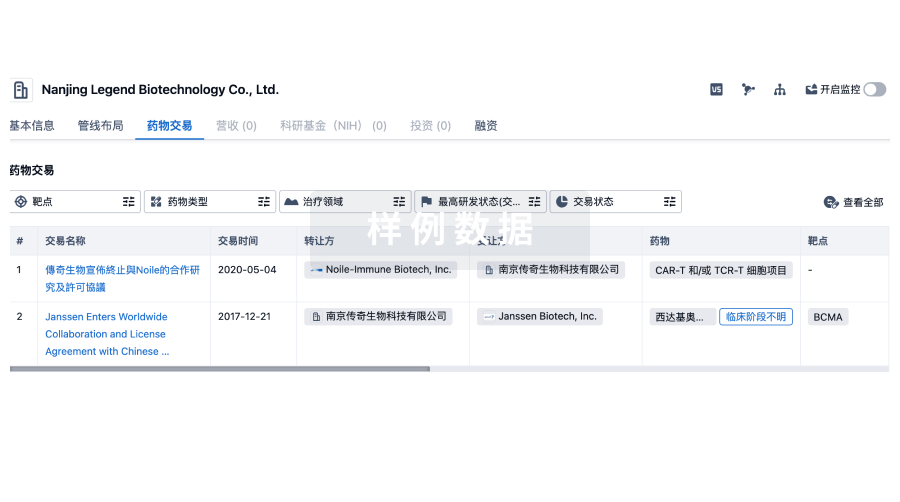
药物交易
使用我们的药物交易数据加速您的研究。
登录
或
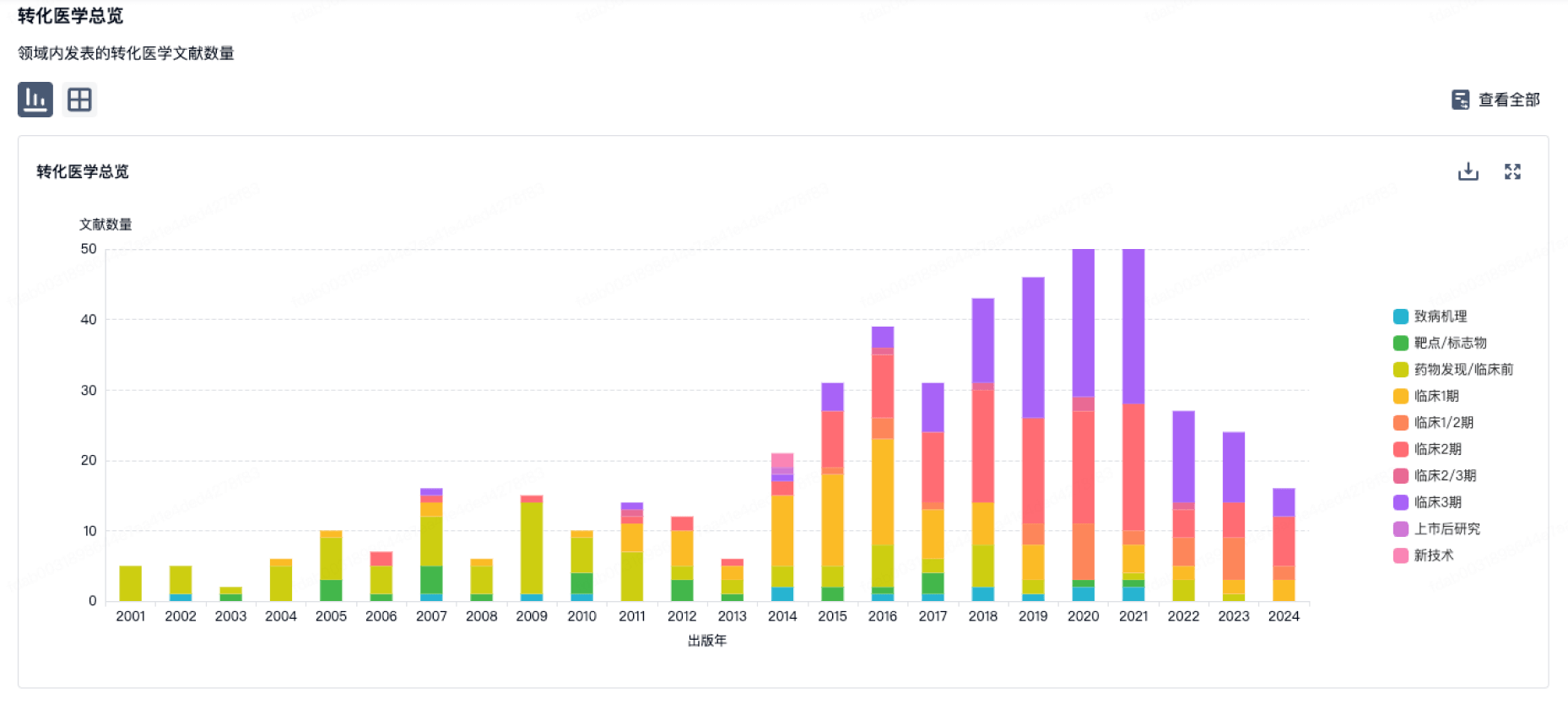
转化医学
使用我们的转化医学数据加速您的研究。
登录
或
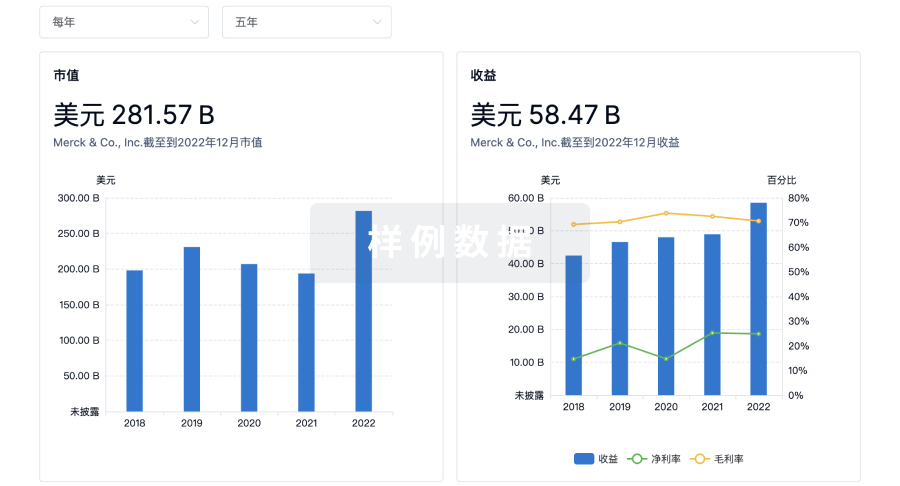
营收
使用 Synapse 探索超过 36 万个组织的财务状况。
登录
或
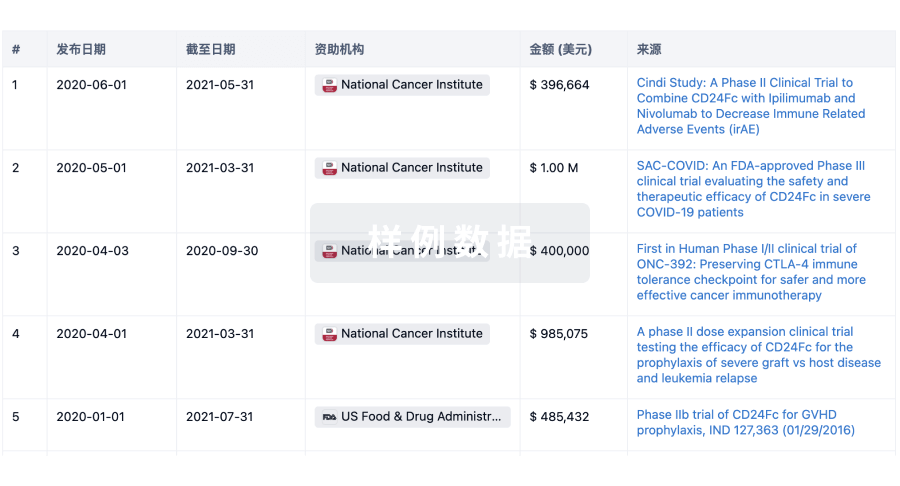
科研基金(NIH)
访问超过 200 万项资助和基金信息,以提升您的研究之旅。
登录
或
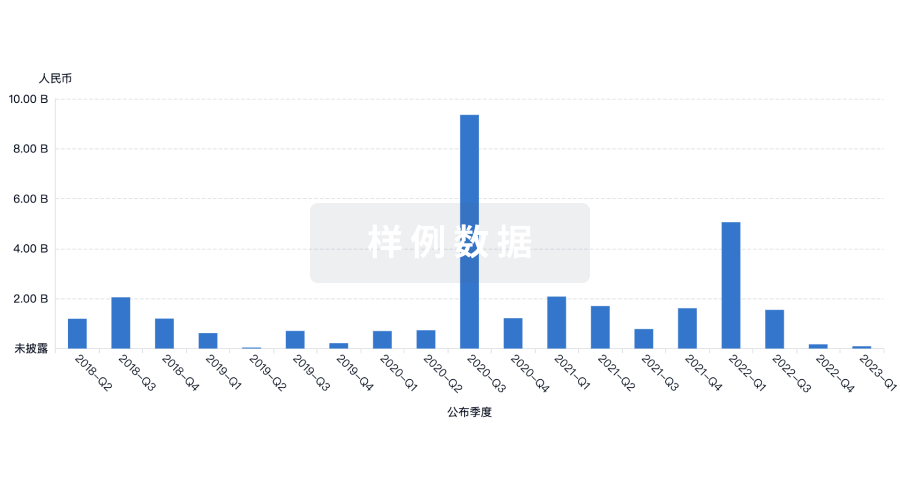
投资
深入了解从初创企业到成熟企业的最新公司投资动态。
登录
或
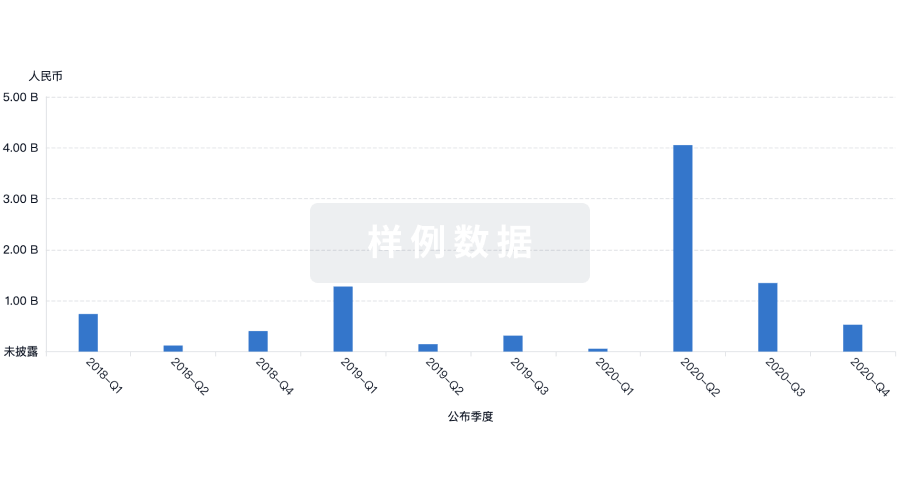
融资
发掘融资趋势以验证和推进您的投资机会。
登录
或
生物医药百科问答
全新生物医药AI Agent 覆盖科研全链路,让突破性发现快人一步
立即开始免费试用!
智慧芽新药情报库是智慧芽专为生命科学人士构建的基于AI的创新药情报平台,助您全方位提升您的研发与决策效率。
立即开始数据试用!
智慧芽新药库数据也通过智慧芽数据服务平台,以API或者数据包形式对外开放,助您更加充分利用智慧芽新药情报信息。
生物序列数据库
生物药研发创新
免费使用
化学结构数据库
小分子化药研发创新
免费使用