预约演示
更新于:2025-05-07
Absorbable Polymer Technologies, Inc.
更新于:2025-05-07
概览
关联
100 项与 Absorbable Polymer Technologies, Inc. 相关的临床结果
登录后查看更多信息
0 项与 Absorbable Polymer Technologies, Inc. 相关的专利(医药)
登录后查看更多信息
2
项与 Absorbable Polymer Technologies, Inc. 相关的文献(医药)2000-11-01·Main Group Chemistry
31P{1H} NMR Studies of the Preparation of Dichlorotris(2,4,6-tribromophenoxy)phosphorane, Trichlorobis(2,4,6-tribromophenoxy)phosphorane, and Tetrachloro(2,4,6-tribromophenoxy)phosphorane, and their Nonoxidative Chlorination Reactions with Dimethyl Phosphonate
作者: Byrd, Houston ; Branham, Keith E. ; Gray, Gary M. ; Bharara, Prakash C.
2000-04-01·Polymer
Polycondensations of dimethyl phosphonate with diols: SEC and 1 P and 13 C NMR spectroscopic studies
作者: Bharara, P. C. ; Byrd, H. ; Branham, K. E. ; Mays, J. W. ; Bittinger, R. ; Gray, G. M. ; Farmer, B.
2
项与 Absorbable Polymer Technologies, Inc. 相关的新闻(医药)2020-12-06
Essen, Germany. Evonik has signed an agreement to acquire the LACTEL® business of biodegradable polymers from DURECT Corporation (Nasdaq: DRRX) for USD 15m. The transaction is expected to close by Q1 2021 pending the satisfaction of certain customary closing conditions. An offer will be extended to each of the 15 employees of DURECT located in Birmingham, Alabama, which are associated with the LACTEL® business to transition to Evonik.
“The acquisition of the Lactel® business will strengthen both our innovation growth field Healthcare Solutions and Evonik’s position as a globally leading CDMO for drug delivery solutions”, says Johann-Caspar Gammelin, Head of the Nutrition & Care Division of Evonik. The acquisition of the LACTEL® business marks a consequential step in the growth agenda of the life-science division Nutrition & Care. The LACTEL® business will benefit from fast-growing markets such as advanced drug delivery, biomaterials for tissue engineering, and the 3D printing of implantable medical devices.
“It has been a pleasure working with the highly motivated and talented LACTEL® team. We have confidence that Evonik will apply its resources and commitment to excellence to enable the LACTEL® product line and supporting team members to thrive,” says James E. Brown, President and Chief Executive Officer of DURECT Corporation. With Evonik’s global reach, existing and new customers will benefit from tapping into Health Care’s twelve global laboratories staffed with formulation, application and regulatory experts to assist in bringing their products faster to the market.
“The integration of the LACTEL® business into Evonik’s market-leading portfolio of functional excipients, biomaterials and integrated CDMO services will strengthen our position as a preferred development partner and solutions provider for pharmaceutical and medical device customers,” says Thomas Riermeier, Head of the Health Care business line. “By welcoming LACTEL® and members of their team into the Evonik family, we look forward to providing customers with even greater platform versatility as well as other value-adding services.”
Poly(lactide-co-glycolide) (PLG or PLGA) polymers are widely used as a functional excipient to control the release of parenteral drug products. They are also utilized to control the biodegradation of implantable medical devices across various orthopedic, cardiovascular, wound healing and other applications. RESOMER® and LACTEL® are two of the most preferred brands of standard and custom PLGA polymers.
并购
2020-12-05
Evonik Industries AG (XTRA:EVK) signed an agreement to acquire LACTEL Absorbable Polymer Product Line of DURECT Corporation (NasdaqCM:DRRX) for $15 million on December 4, 2020. Under the terms of the agreement, Evonik agreed to pay DURECT the sum of $15 million in exchange for certain assets and liabilities associated with LACTEL product line based in Birmingham, Alabama, plus an additional potential payment based on full year EBITDAS results. The consideration is subject to adjustments based on the year-end net working capital.
An offer will be extended to each of the 15 employees of DURECT located in Birmingham, Alabama, which are associated with the LACTEL® business to transition to Evonik. The transaction is subject to certain customary closing conditions and is expected to occur by the first quarter of 2021.
并购
100 项与 Absorbable Polymer Technologies, Inc. 相关的药物交易
登录后查看更多信息
100 项与 Absorbable Polymer Technologies, Inc. 相关的转化医学
登录后查看更多信息
组织架构
使用我们的机构树数据加速您的研究。
登录
或
管线布局
2026年02月09日管线快照
无数据报导
登录后保持更新
药物交易
使用我们的药物交易数据加速您的研究。
登录
或
转化医学
使用我们的转化医学数据加速您的研究。
登录
或
营收
使用 Synapse 探索超过 36 万个组织的财务状况。
登录
或
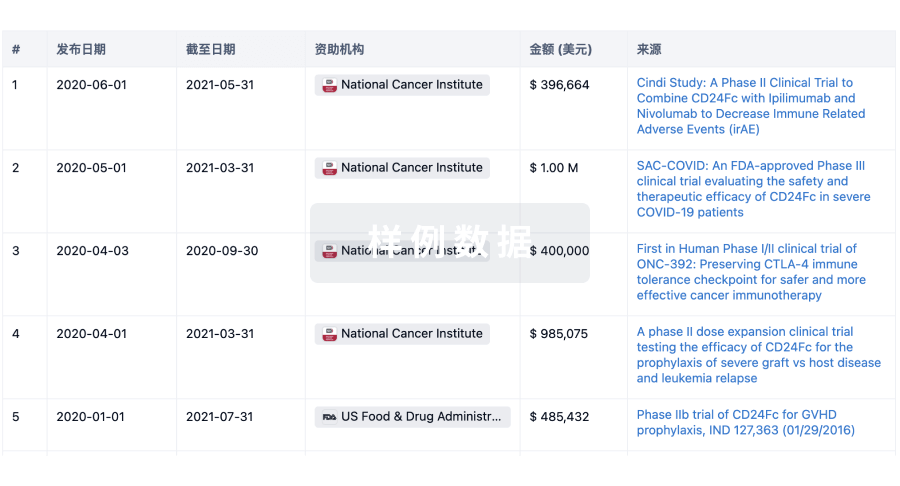
科研基金(NIH)
访问超过 200 万项资助和基金信息,以提升您的研究之旅。
登录
或
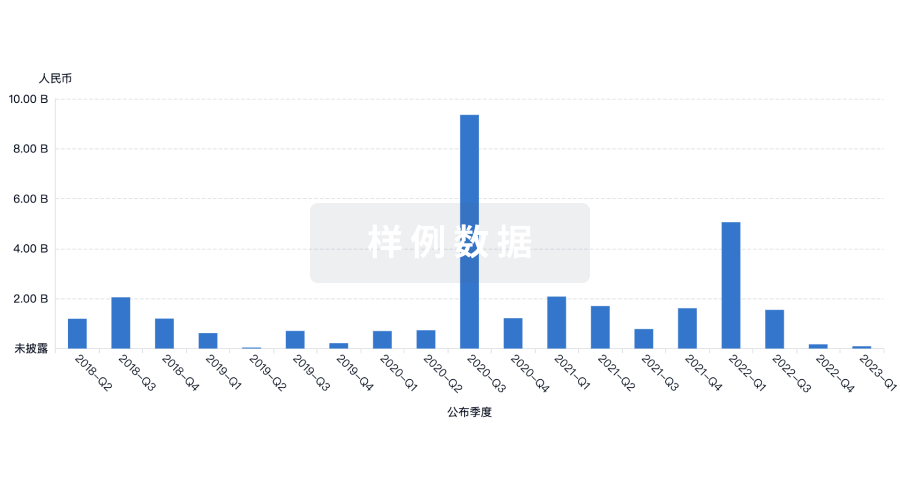
投资
深入了解从初创企业到成熟企业的最新公司投资动态。
登录
或
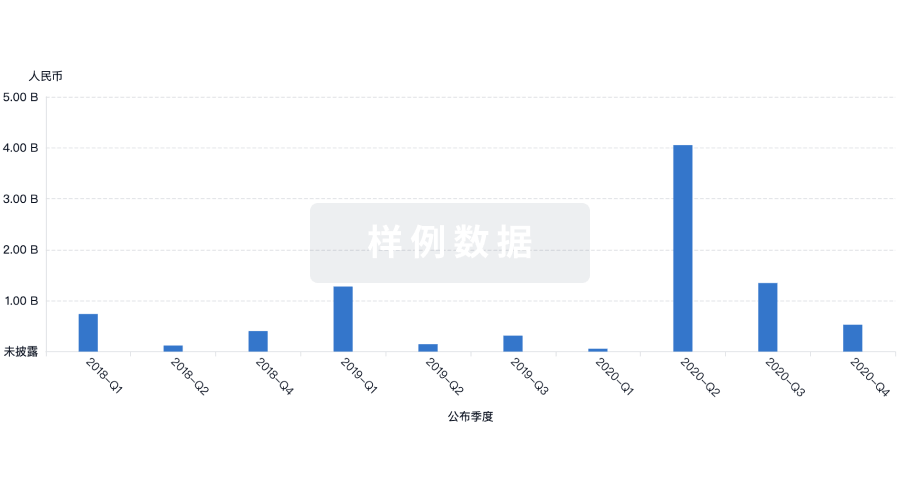
融资
发掘融资趋势以验证和推进您的投资机会。
登录
或
生物医药百科问答
全新生物医药AI Agent 覆盖科研全链路,让突破性发现快人一步
立即开始免费试用!
智慧芽新药情报库是智慧芽专为生命科学人士构建的基于AI的创新药情报平台,助您全方位提升您的研发与决策效率。
立即开始数据试用!
智慧芽新药库数据也通过智慧芽数据服务平台,以API或者数据包形式对外开放,助您更加充分利用智慧芽新药情报信息。
生物序列数据库
生物药研发创新
免费使用
化学结构数据库
小分子化药研发创新
免费使用