预约演示
更新于:2025-12-09
World Trade Center
更新于:2025-12-09
概览
关联
100 项与 World Trade Center 相关的临床结果
登录后查看更多信息
0 项与 World Trade Center 相关的专利(医药)
登录后查看更多信息
9
项与 World Trade Center 相关的文献(医药)2020-12-01·Journal of patient-reported outcomes
Correction to: Content validity of a sleep numerical rating scale and a sleep diary in adults and adolescents with moderate-to-severe atopic dermatitis
作者: Vernon, Margaret ; Matos, Rodolfo ; Dias-Barbosa, Carla ; Carney, Colleen E ; Puelles, Jorge ; Krystal, Andrew
An amendment to this paper has been published and can be accessed via the original article.
2020-12-01·Journal of patient-reported outcomes
Content validity of a sleep numerical rating scale and a sleep diary in adults and adolescents with moderate-to-severe atopic dermatitis
Article
作者: Matos, Rodolfo ; Vernon, Margaret ; Carney, Colleen E ; Puelles, Jorge ; Dias-Barbosa, Carla ; Krystal, Andrew
Abstract:
Background:
The intense itching associated with atopic dermatitis (AD) often causes patients to experience severe sleep disturbance. Here, we describe the results of a two-phase concept elicitation and cognitive interview study to establish the content validity of a sleep disturbance numerical rating scale (SD NRS) and a Consensus Sleep Diary adapted for adults and adolescents with moderate-to-severe AD (CSD-AD©).
Results:
In phase I, a concept elicitation conducted in 20 adults and 10 adolescents with moderate-to-severe AD revealed that the following sleep-related issues were important and relevant: nighttime awakening (87%), trouble falling asleep (73%), feeling unrested (53%), daytime fatigue or sleepiness (53%), and feeling as if they did not get enough sleep (33%). The frequency and extent of sleep disturbance varied substantially from day to day due to varying degrees of itching and flares, medication use, and changes in the weather. All participants understood the SD NRS question, with most finding it easy or very easy to understand (100% of adults and 90% of adolescents) and most understanding the anchors as intended (95% of adults, and 100% of adolescents). Most participants (94% of adults, and 90% of adolescents) indicated that they would consider a one- or two-point change meaningful on the SD NRS. The CSD-AD© was revised based on participant feedback, and tested during phase II in a convenience sample of six adults and four adolescents from phase I. The changes made to the CSD-AD© were confirmed to be relevant and understandable. All patients were able to provide an answer to each item in the CSD-AD©, and most were able to estimate the duration of nighttime awakenings, daytime naps, and dozing.
Conclusions:
The study supported the content validity of the SD NRS and CSD-AD© in adults and adolescents with moderate-to-severe AD. It also emphasized the importance of using these instruments daily when assessing the benefit of a new treatment on sleep quality in this population.
2018-04-01·FORENSIC SCIENCE INTERNATIONAL
Dismantling the justice silos: Flowcharting the role and expertise of forensic science, forensic medicine and allied health in adult sexual assault investigations
Article
作者: Kelty, Sally F. ; Bruenisholz, Eva ; Julian, Roberta ; Wilson-Wilde, Linzi ; Kelty, Sally F
Forensic science is increasingly used to help exonerate the innocent and establishing links between individuals and criminal activities. With increased reliance on scientific services provided by multi-disciplinary (police, medicine, law, forensic science), and multi-organisational in the private and government sectors (health, justice, legal, police) practitioners, the potential for miscommunication resulting unjust outcomes increases. The importance of identifying effective multi-organisational information sharing is to prevent the 'justice silo effect'; where practitioners from different organisations operate in isolation with minimal or no interaction. This paper presents the findings from the second part of the Interfaces Project, an Australia-wide study designed to assess the extent of the justice silos. We interviewed 121 police, forensic scientists, lawyers, judges, coroners, pathologists and forensic physicians. The first paper published in 2013 presented two key findings: first investigative meetings were rare in adult sexual assault cases; second many medical practitioners were semi-invisible in case decision-making with this low level of visibility being due to lawyers, forensic scientists or police not being aware of the role/expertise medical practitioners offer. These findings led to the development of a flowchart model for adult sexual assault that highlights the range of agencies and practitioners typically involved in sexual assault. The rationale for the flowchart is to produce a visual representation of a typical sexual assault investigative process highlighting where and who plays a role in order to minimise the risk of justice silos. This is the second paper in a series of two.
3
项与 World Trade Center 相关的新闻(医药)2022-06-17
Li Ye/Xinhua via Getty Images
On Friday, the World Trade Organization approved vaccine patent waivers to increase the availability of COVID-19 vaccines to lower-income countries.
Big pharma has been mostly to blame for the humanitarian crisis. Pfizer, BioNTech, Moderna and other pharmaceutical companies that have developed their own COVID-19 vaccines own the intellectual property rights for the vaccines, which gives them the power to control the distribution, manufacturing and pricing of the injection. This allows the companies to send more vaccines to high-income countries that have the financial ability to pay large dollar amounts for millions of doses.
In an effort to stymie big pharma from continuing this trend as the pandemic continues, the WTO is introducing vaccine patent waivers, which would help to loosen the intellectual property rights that big pharma companies have on COVID-19 vaccines. Lower-income countries will have the legal ability to reproduce the vaccinations themselves, allowing for more equitable distribution.
The decision is bound to upset big pharmaceutical companies, which have had little incentive to change their distribution plans because they have made so much profit from the vaccinations. However, both companies changed their tune in the first half of 2022, when they faced pressure to share their technology with poorer countries.
In September 2021, the World Health Organization determined that by mid-2022, 70% of the global population should be vaccinated against COVID-19. At the time of the announcement, only 3% of lower-income countries had been vaccinated with at least one dose, as compared to 60% of higher-income countries.
The United Nations reported in March that of the 10 billion doses of the vaccine administered worldwide, only 1% had been administered to lower-income countries. In fact, in August 2021, WHO called for a moratorium on booster shots around the world to increase the supply of vaccines to poorer countries whose populations had yet to receive one dose of the vaccine series.
In March, Moderna took steps to create vaccine equity, pledging that it would not enforce COVID-19 vaccine patents in 92 low- and middle-income countries. The company also announced it would partner with Kenya to host an mRNA manufacturing facility to produce up to 500 million doses of the vaccine for the country’s population.
In May, Pfizer launched “An Accord for a Healthier World,” an initiative that seeks to improve health equity for people living in 45 lower-income countries. The program intends to provide all current and future patent-protected medicines and vaccines on a not-for-profit basis.
Even so, intellectual property is only one part of vaccine equity. Another global problem is vaccine hoarding, or the practice of stockpiling an abundance of doses in higher-income countries in excess of actual need.
In May, Danish health officials announced that the country would be discarding and destroying 1.1 million excess COVID-19 vaccines, as they had reached their expiration date. According to Aljazeera, Danish health officials stated that their efforts to donate them to developing countries failed, although the country has previously donated 9 million doses to said countries.
As Omicron subvariants BA.4 and BA.5 cause an increase in cases throughout the European Union and the United States, the call for vaccine equity will only become louder.
疫苗信使RNA
2022-06-17
Li Ye/Xinhua via Getty Images
The World Trade Organization approved vaccine patent waivers to increase the availability of COVID-19 vaccines to lower-income countries.
Li Ye/Xinhua via Getty Images
On Friday, the World Trade Organization
approved
vaccine patent waivers to increase the availability of COVID-19 vaccines to lower-income countries.
Pfizer, BioNTech, Moderna and other pharmaceutical companies that have developed their own COVID-19 vaccines own the intellectual property rights for the vaccines, which gives them the power to control the distribution, manufacturing and pricing of the injection. In an effort to prioritize access, the WTO is introducing vaccine patent waivers, which would help to loosen the intellectual property rights that pharma companies have on COVID-19 vaccines. Lower-income countries will have the legal ability to reproduce the vaccinations themselves, allowing for more equitable distribution.
In September 2021, the
World Health Organization
determined
that by mid-2022, 70% of the global population should be vaccinated against COVID-19. At the time of the announcement, only 3% of lower-income countries had been vaccinated with at least one dose, as compared to 60% of higher-income countries.
The United Nations
reported
in March that of the 10 billion doses of the vaccine administered worldwide, only 1% had been administered to lower-income countries. In fact, in August 2021, WHO
called
for a moratorium on booster shots around the world to increase the supply of vaccines to poorer countries whose populations had yet to receive one dose of the vaccine series.
While pharma giants have made considerable profit from the vaccines, some have made efforts to increase the affordability and accessibility of their products for poorer countries. In March, Moderna
took steps
to create vaccine equity, pledging that it would not enforce COVID-19 vaccine patents in 92 low- and middle-income countries. The company also announced it would partner with Kenya to host an mRNA manufacturing facility to produce up to 500 million doses of the vaccine for the country’s population.
In May, Pfizer
launched
“An Accord for a Healthier World,” an initiative that seeks to improve health equity for people living in 45 lower-income countries. The program intends to provide all current and future patent-protected medicines and vaccines on a not-for-profit basis.
Even so, intellectual property is only one part of vaccine equity. Another global problem is vaccine hoarding, or the practice of stockpiling an abundance of doses in higher-income countries in excess of actual need.
In May, Danish health officials
announced
that the country would be discarding and destroying 1.1 million excess COVID-19 vaccines, as they had reached their expiration date. According to
Aljazeera,
Danish health officials stated that their efforts to donate them to developing countries failed, although the country has previously donated 9 million doses to said countries.
As Omicron subvariants BA.4 and BA.5 cause an
increase
in cases throughout the European Union and the United States, the call for vaccine equity will only become louder.
疫苗信使RNA
2021-05-25
French social media personalities, officials and media companies have alleged that a group disguising itself as a British communications agency has tried to discredit the Pfizer-BioNTech Covid-19 vaccine in a campaign that’s offered payment for posting misinformation.
Reuters, The Wall Street Journal and The Hill have all reported that the effort seems to fall in line with an April report from the EU that said Russian and Chinese media outlets were trying to generate mistrust in western Covid-19 vaccines, a move that the health minister Olivier Véran described as dangerous and irresponsible.
“Either he’s a troll and frankly it would almost be pretty funny or in fact this guy is serious and it can be very dangerous,” said Amine, a medical internet influencer that runs the Twitter account @ecsdmed, which has 29,300 followers.
Brut Officiel, a French documentary film company, said that influencers were offered €2,000 to post misleading information. The email asked influencers to explain why the death rate among patients who received the Pfizer jab is almost 3 times higher than those with AstraZeneca’s, which is false.
Léo Grasset, who runs the DirtyBiology YouTube channel and has over 1 million subscribers, said that an anonymous client contacted him about a partnership, and that the London address provided was fake, Reuters reported.
Last week, the EU reserved 1.8 billion doses of the Pfizer-BioNTech collaboration, a significant increase from the 600 million doses it already has reserved through the end of 2021. All of those doses are set to be manufactured in Europe.
Meanwhile, despite some controversy, Russia’s Sputnik V, and the single-dose version of its jab Sputnik Light, has gained approval in several countries. Earlier this month, Sputnik Light was authorized in Venezuela and Ecuador. Studies showed it is 79% effective 28 days after receiving the jab, the Russian Direct Investment Fund claims. They say there are no serious side effects.
France has a history of vaccine skepticism, and public health officials and science influencers alike worry that the attempted campaign could seed even more doubt in residents. A poll in December showed that as much as 60% of the public didn’t want to be vaccinated, The Wall Street Journal reports.
French security officials have told The Wall Street Journal that it is believed that Russia’s Kremlin could be behind the misinformation campaign, similar to the campaigns to interfere with the 2016 US presidential election.
AstraZeneca and the EU legal case begins
The European Union-AstraZeneca legal saga officially began Wednesday, as the EU accused the drugmaker of a “flagrant violation” of its contract, Yahoo News reports.
AstraZeneca was sued by the EU for its failure to deliver the number of doses agreed upon in a contract, after it only handed over a quarter of those promised. The delays came amid concerns surrounding rare, but sometimes fatal blood clots, the shot’s exact efficacy.
The company originally agreed to deliver 120 million doses of the jab in Q1, but has only delivered 30 so far. Right now, there are only plans to deliver another 70 million doses of the 180 million promised.
Drugmakers dial up efforts to oppose vaccine patent waivers
Pfizer, Moderna, Johnson & Johnson and other vaccine makers have all ramped up vaccine production in the recent weeks, and with that comes a ramp-up in lobbying efforts to generate opposition to government officials who support IP waivers, The Wall Street Journal reports.
President Joe Biden’s administration announced that it was in support of the waiver proposal earlier in May, as a way of sharing patent information so, in theory, smaller drugmakers around the world could manufacture doses for countries in dire need with skyrocketing case increases, such as Brazil or India.
In response, companies have pledged to ramp up production on their own terms, and donated to COVAX, the Gavi-led program to supply jabs to countries in need. Moderna pledged to turbocharge its supply, promising up to 3 billion doses for 2022, while Pfizer and BioNTech later pledged the same, including 2 billion doses to middle and low-income countries.
The World Trade Organization can grant drug-patent waivers if all 164 countries agree. A conference is scheduled for November. Last week in a US House of Representatives Subcommittee on the Coronavirus Crisis hearing, during which Emergent CEO Bob Kramer testified, Republicans repeatedly shamed the president’s administration for its stance on the matter, saying that it could cause the infrastructure of business to crumble, and put public safety at risk.
Trade barriers have made access to raw materials difficult, and complications — including a mishap at Emergent’s Baltimore plant — have caused manufacturing to slow down or stop altogether in some cases.
For a look at all Endpoints News coronavirus stories, check out our special news channel.
疫苗
100 项与 World Trade Center 相关的药物交易
登录后查看更多信息
100 项与 World Trade Center 相关的转化医学
登录后查看更多信息
组织架构
使用我们的机构树数据加速您的研究。
登录
或
管线布局
2026年02月08日管线快照
无数据报导
登录后保持更新
药物交易
使用我们的药物交易数据加速您的研究。
登录
或
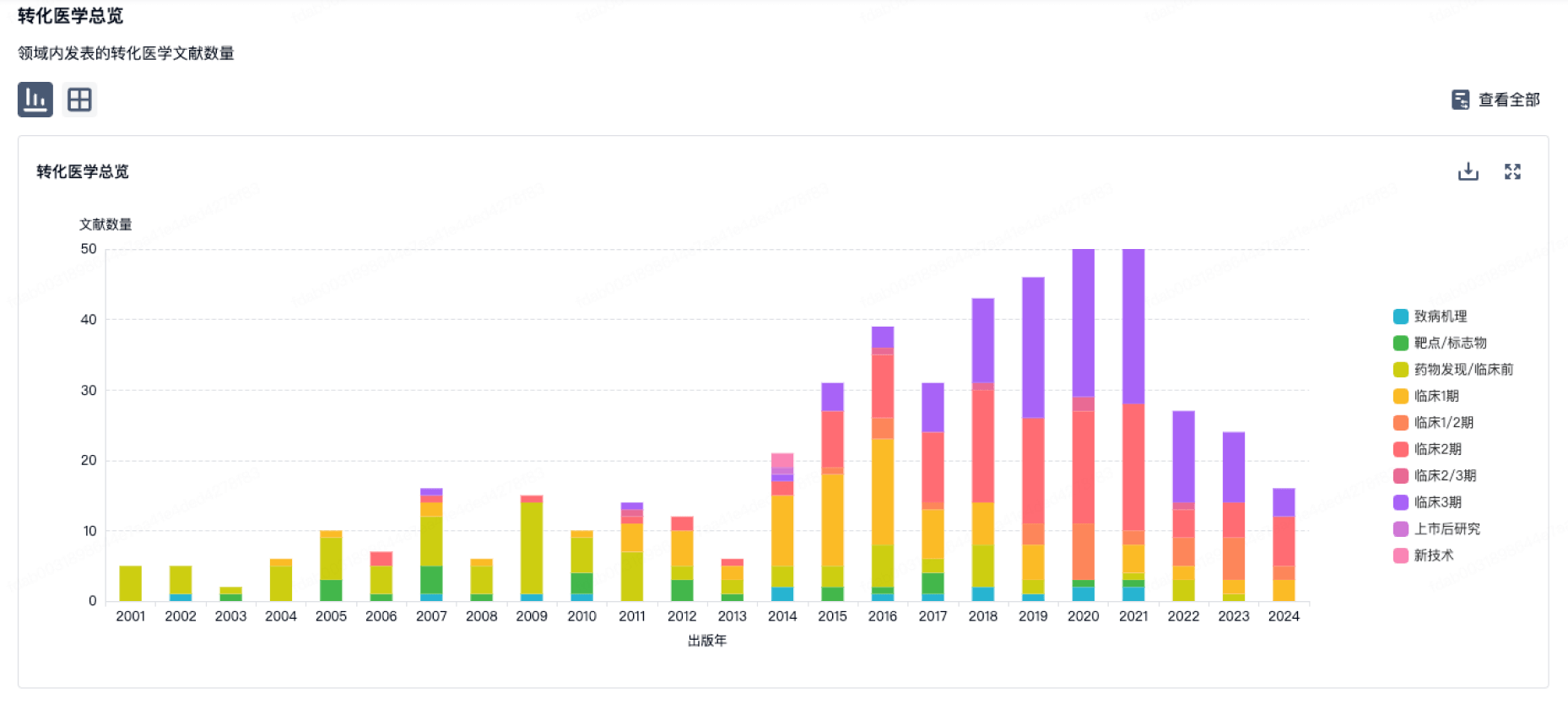
转化医学
使用我们的转化医学数据加速您的研究。
登录
或
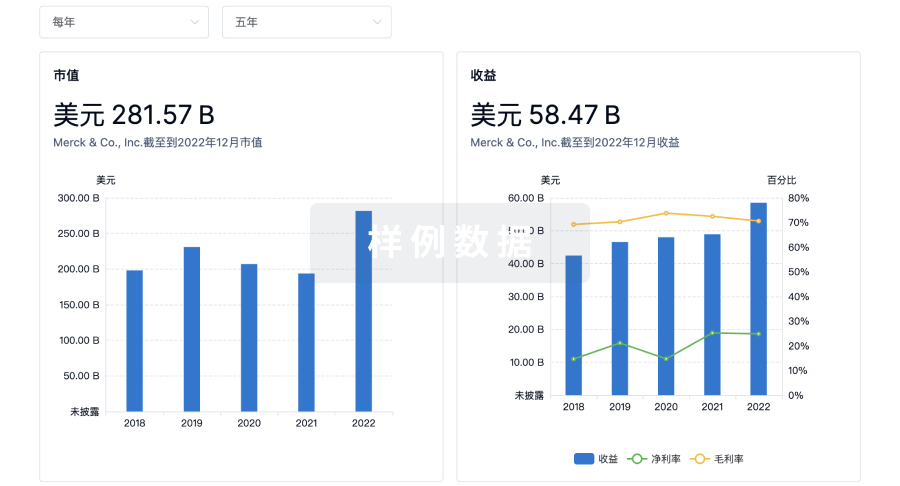
营收
使用 Synapse 探索超过 36 万个组织的财务状况。
登录
或
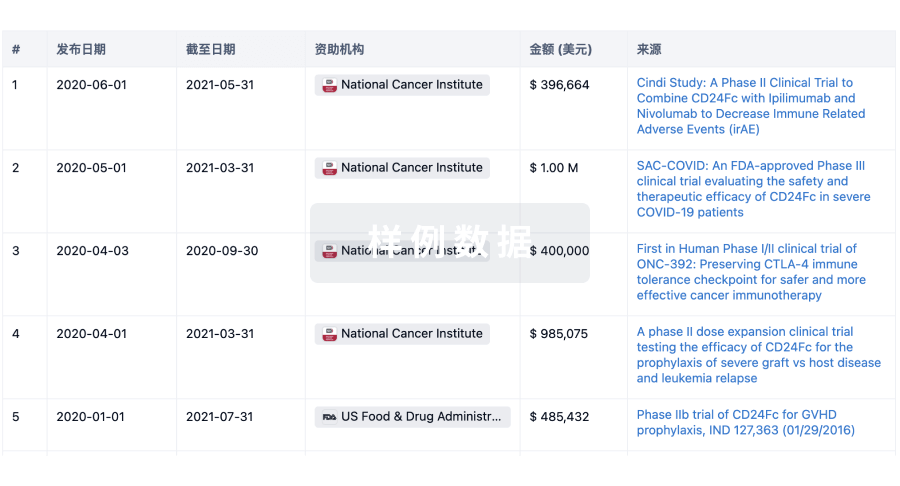
科研基金(NIH)
访问超过 200 万项资助和基金信息,以提升您的研究之旅。
登录
或
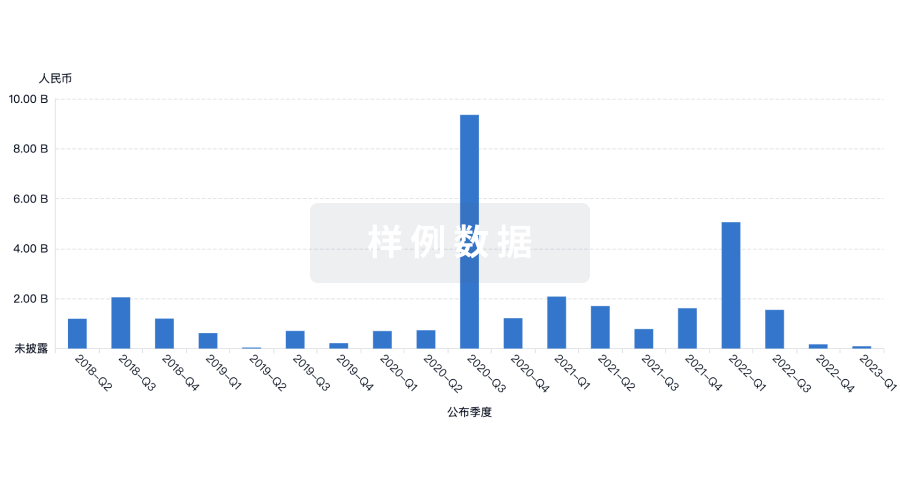
投资
深入了解从初创企业到成熟企业的最新公司投资动态。
登录
或
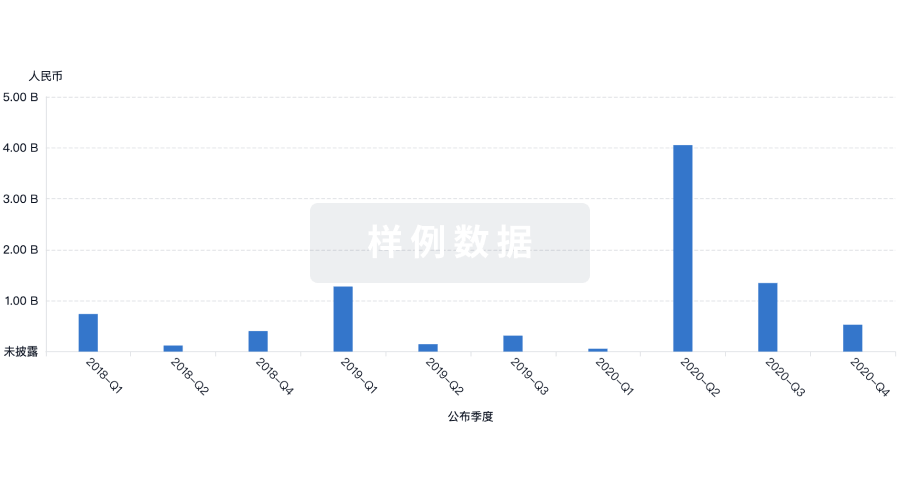
融资
发掘融资趋势以验证和推进您的投资机会。
登录
或
生物医药百科问答
全新生物医药AI Agent 覆盖科研全链路,让突破性发现快人一步
立即开始免费试用!
智慧芽新药情报库是智慧芽专为生命科学人士构建的基于AI的创新药情报平台,助您全方位提升您的研发与决策效率。
立即开始数据试用!
智慧芽新药库数据也通过智慧芽数据服务平台,以API或者数据包形式对外开放,助您更加充分利用智慧芽新药情报信息。
生物序列数据库
生物药研发创新
免费使用
化学结构数据库
小分子化药研发创新
免费使用