预约演示
更新于:2025-05-07

Global University Systems BV
更新于:2025-05-07
概览
标签
肿瘤
泌尿生殖系统疾病
小分子化药
疾病领域得分
一眼洞穿机构专注的疾病领域

技术平台
公司药物应用最多的技术
靶点
公司最常开发的靶点
关联
靶点 |
作用机制 |
在研机构 |
原研机构 |
在研适应症 |
非在研适应症 |
最高研发阶段 |
首次获批国家/地区 |
首次获批日期 |


100 项与 Global University Systems BV 相关的临床结果
登录后查看更多信息
登录后查看更多信息
2025-04-01Journal of Clinical Neuroscience
Factors associated with ICU stays after endovascular treatments for unruptured intracranial aneurysms: A review study
Review
作者: Kendall, Nicholas ; Gajjar, Aryan ; Kallmes, David F ; Derhab, Mohamed ; Ghozy, Sherief ; Cwajna, Mark ; Arumaithurai, Kogulavadanan ; Hamouda, Abdelrahman M
2025-02-20Cureus
Effectiveness of Atomoxetine and Stimulant Combination in Attention-Deficit/Hyperactivity Disorder (ADHD) Treatment: A Systematic Review
Review
作者: Boileau, Andrew J ; Cheng, Tom
2025-02-01Journal of Minimally Invasive Gynecology
Endometriosis Influencers on Instagram: Who are They and What are They Posting?
Article
作者: Gholiof, Mahsa ; Shiplo, Samantha N ; Leonardi, Mathew ; Sarin, Natasha
100 项与 Global University Systems BV 相关的药物交易
登录后查看更多信息
100 项与 Global University Systems BV 相关的转化医学
登录后查看更多信息
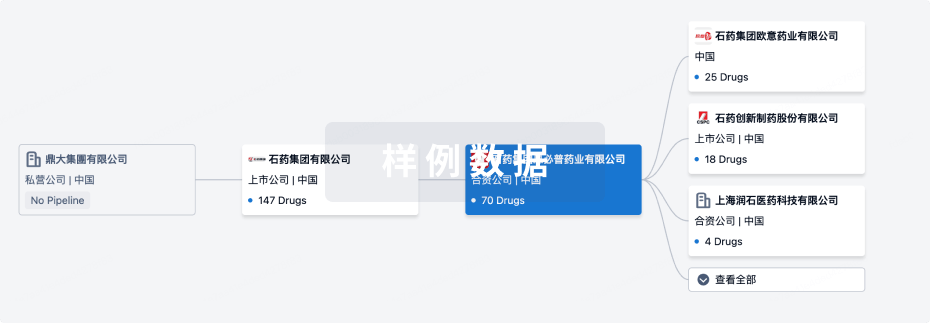
组织架构
使用我们的机构树数据加速您的研究。
登录
或
管线布局
2026年02月07日管线快照
管线布局中药物为当前组织机构及其子机构作为药物机构进行统计,早期临床1期并入临床1期,临床1/2期并入临床2期,临床2/3期并入临床3期
临床前
1
登录后查看更多信息
当前项目
登录后查看更多信息
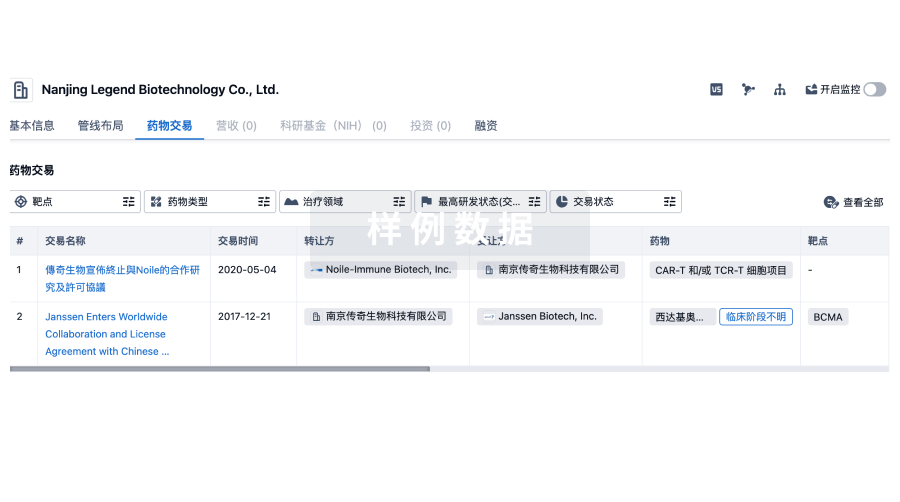
药物交易
使用我们的药物交易数据加速您的研究。
登录
或
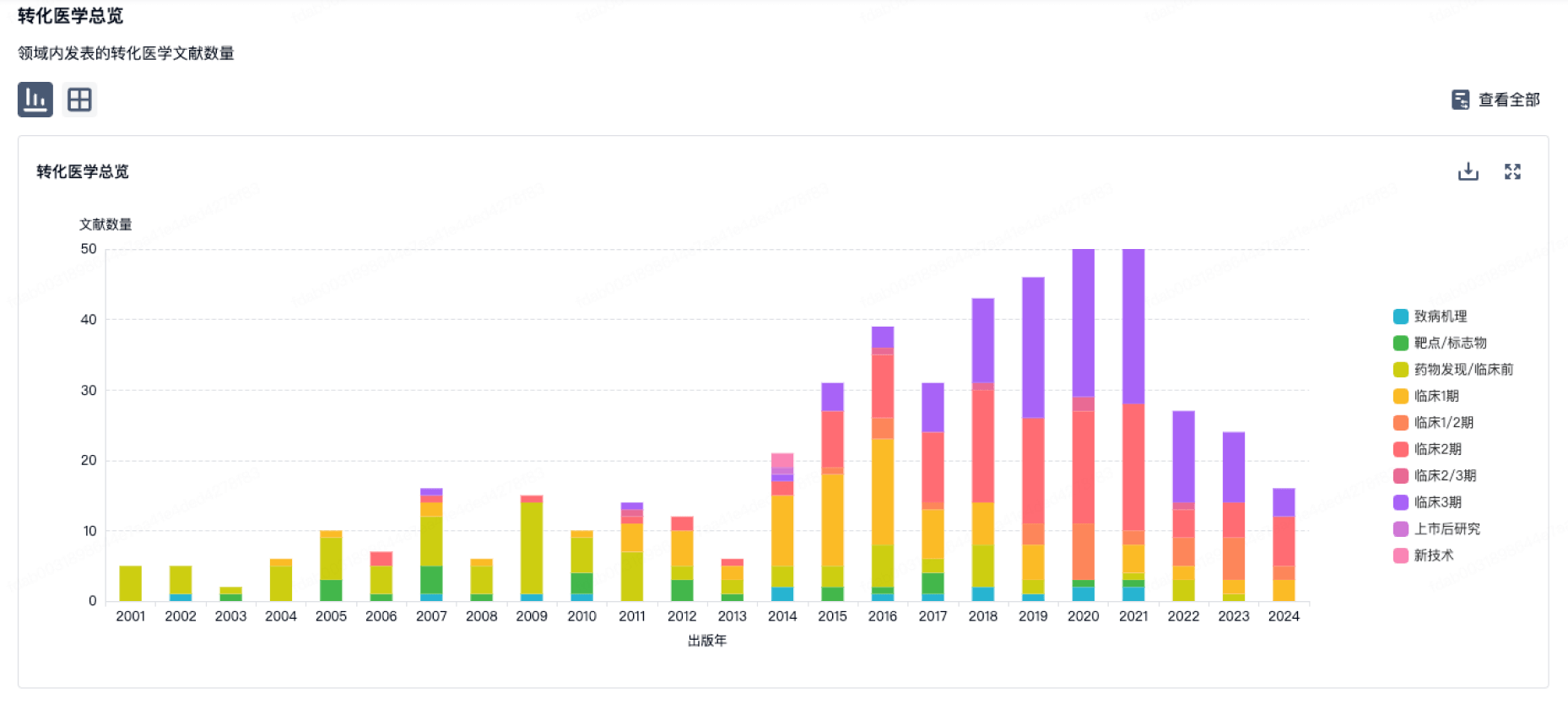
转化医学
使用我们的转化医学数据加速您的研究。
登录
或
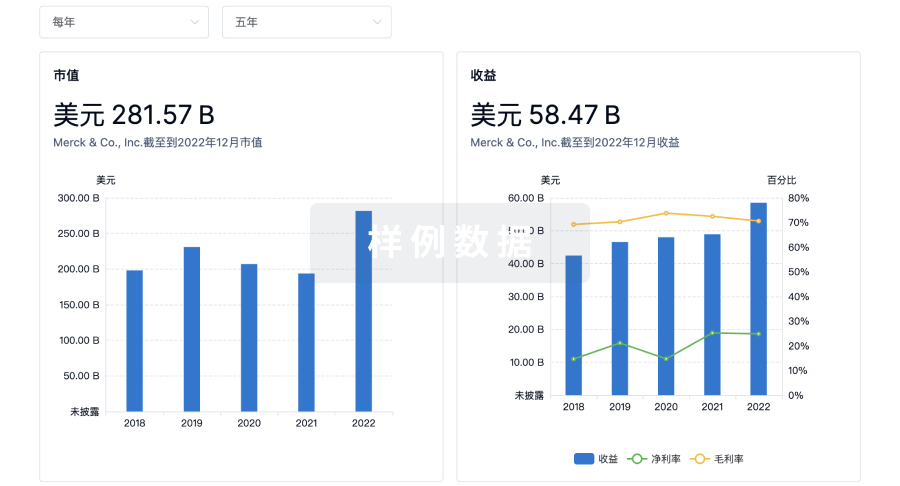
营收
使用 Synapse 探索超过 36 万个组织的财务状况。
登录
或
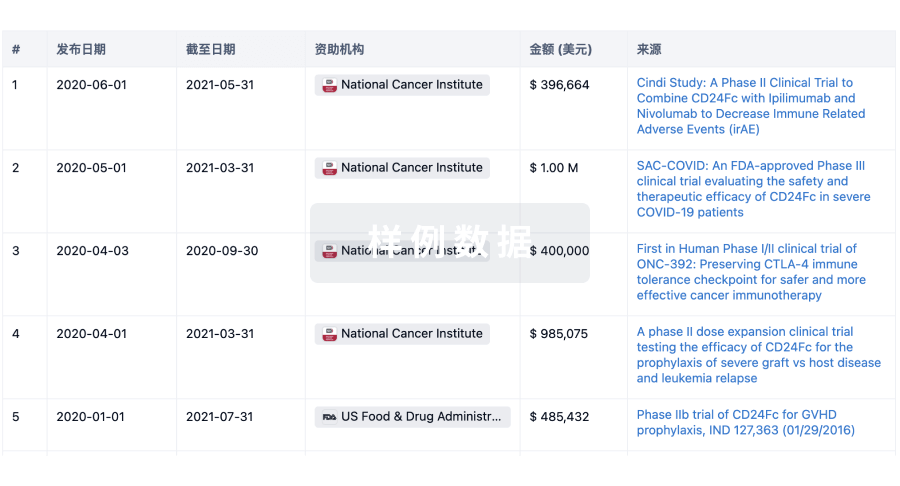
科研基金(NIH)
访问超过 200 万项资助和基金信息,以提升您的研究之旅。
登录
或
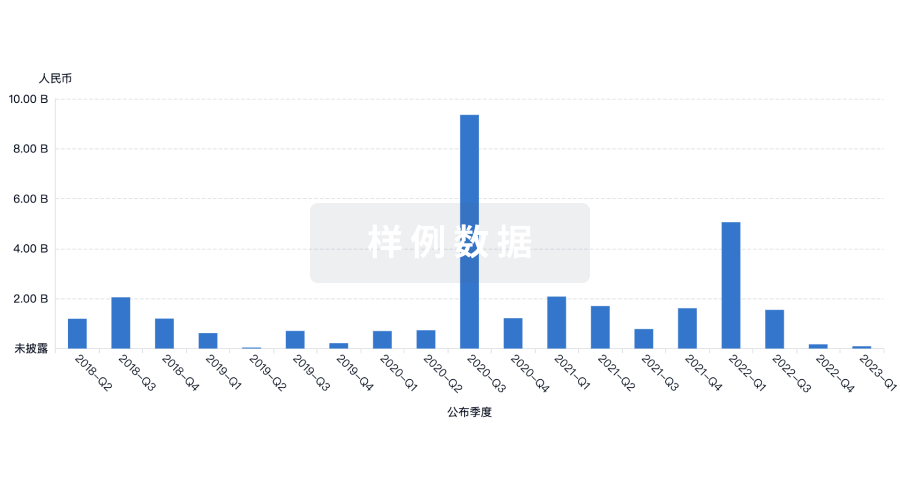
投资
深入了解从初创企业到成熟企业的最新公司投资动态。
登录
或
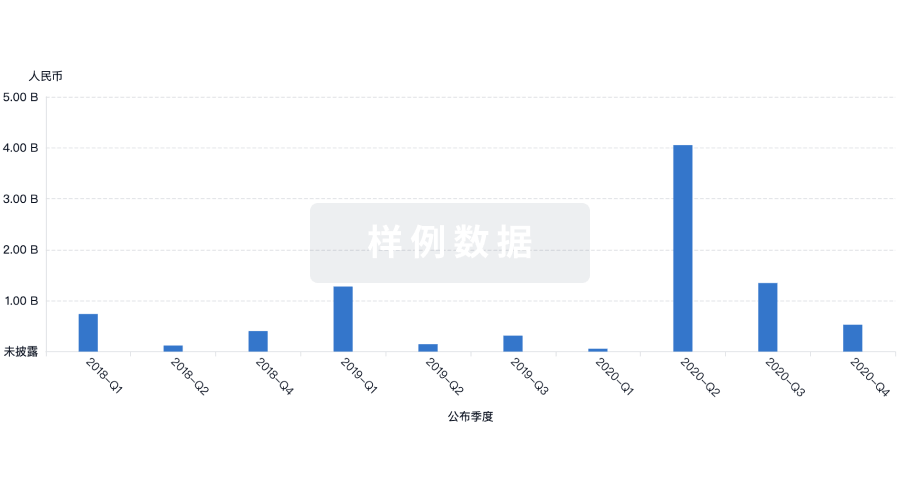
融资
发掘融资趋势以验证和推进您的投资机会。
登录
或
生物医药百科问答
全新生物医药AI Agent 覆盖科研全链路,让突破性发现快人一步
立即开始免费试用!
智慧芽新药情报库是智慧芽专为生命科学人士构建的基于AI的创新药情报平台,助您全方位提升您的研发与决策效率。
立即开始数据试用!
智慧芽新药库数据也通过智慧芽数据服务平台,以API或者数据包形式对外开放,助您更加充分利用智慧芽新药情报信息。
生物序列数据库
生物药研发创新
免费使用
化学结构数据库
小分子化药研发创新
免费使用