预约演示
更新于:2025-05-07

AARP Services, Inc.
更新于:2025-05-07
概览
关联
100 项与 AARP Services, Inc. 相关的临床结果
登录后查看更多信息
0 项与 AARP Services, Inc. 相关的专利(医药)
登录后查看更多信息
86
项与 AARP Services, Inc. 相关的文献(医药)2025-06-01·Contemporary Clinical Trials
Design and methods of a cluster-randomized pragmatic trial of post-discharge stroke care
Article
作者: Commiskey, Patricia ; Cochran, David ; Hill, Debbie ; Gaines, Kenneth ; Long, D Leann ; Braunlin, Jeri ; Howard, Virginia ; Bell, Desiree ; Howard, George ; Jackson, Barry ; Callahan, Amy E
2023-03-01·Affective Science
Interventions to Modify Psychological Well-Being: Progress, Promises, and an Agenda for Future Research
Review
作者: VanderWeele, Tyler J ; Kim, Eric S ; Trudel-Fitzgerald, Claudia ; Loucks, Eric B ; Yeager, David S ; Kubzansky, Laura D ; Boehm, Julia K ; Picard, Rosalind W ; Lyubomirsky, Sonja ; Moskowitz, Judith T ; Warran, Katey ; Huffman, Jeffrey C ; Yeh, Charlotte S ; Davidson, Richard J ; Schueller, Stephen M
2023-01-01·Gerontology and Geriatric Medicine
Older Adults’ Experiences in a Web-Based Intervention for Loneliness
Article
作者: Albright, Laurie ; Schaeffer, James ; Wicker, Ellen R. ; Tkatch, Rifky ; Zarling, Amie ; Hudson, Janella ; Ungar, Rachel ; Russell, Daniel
40
项与 AARP Services, Inc. 相关的新闻(医药)2025-01-09
Findings show the impact of drug companies' relentless price increases, underscoring the importance of the changes included in the historic 2022 drug law
WASHINGTON, Jan. 9, 2025 /PRNewswire/ -- List prices for the 25 top Medicare Part D drugs not currently selected for Medicare drug price negotiation have increased by an average of 98 percent—or nearly doubled—since they first entered the market, according to a new report from AARP's Public Policy Institute released today. The report also found that, on average, more than 40 percent of the current list prices for the top 25 drugs is due to price increases that have occurred after the products first entered the market. These findings highlight the importance of a 2022 law that addresses high prescription drug prices and drug price increases.
"Brand-name drug prices have been increasing faster than the rate of general inflation for decades, putting life-saving medications out of reach for millions of patients who need them," said
Leigh Purvis, Prescription Drug Policy Principal, AARP Public Policy Institute, and author of the report. "Meanwhile, the median price of a new brand name prescription drug is now approximately $300,000 per year, so even a small price change could increase a drug's price by thousands of dollars."
This analysis focuses on the 25 brand-name drugs with the highest total Medicare Part D spending in 2022 that have not yet been selected for Medicare drug price negotiation. Combined, these top 25 drugs accounted for nearly $50 billion in total Medicare Part D spending in 2022 and were used by a total of more than 7 million Part D enrollees. The top five medications include:
Trulicity (diabetes)
Ozempic (diabetes)
Trelegy Ellipta (chronic obstructive pulmonary disease or asthma)
Biktarvy (human immunodeficiency virus)
Xtandi (cancer)
Congress passed the Inflation Reduction Act in 2022, which includes two major provisions designed to address high prescription drug prices that are expected to reduce Medicare Part D enrollee and program spending by billions of dollars. The first requires drug companies to pay penalties to Medicare if their drug prices increase faster than the rate of inflation. The law also gave Medicare the ability to negotiate lower drug prices with drug companies for the first time. The negotiated prices for the initial 10 drugs selected by the Centers for Medicare & Medicaid Services will take effect in January 2026, and up to 15 more drugs will be selected for negotiation by February 1, 2025.
To view the full report, visit
here.
About AARP
AARP is the nation's largest nonprofit, nonpartisan organization dedicated to empowering people 50 and older to choose how they live as they age. With a nationwide presence, AARP strengthens communities and advocates for what matters most to the more than 100 million Americans 50-plus and their families: health security, financial stability and personal fulfillment. AARP also produces the nation's largest circulation publications: AARP The Magazine and AARP Bulletin. To learn more, visit , ñol or follow @AARP, @AARPenEspañol and @AARPadvocates on social media.
SOURCE AARP
WANT YOUR COMPANY'S NEWS FEATURED ON PRNEWSWIRE.COM?
440k+
Newsrooms &
Influencers
9k+
Digital Media
Outlets
270k+
Journalists
Opted In
GET STARTED
2024-12-16
Publication offers recommendations for lawmakers and policymakers to tackle challenges facing older New Yorkers – the state's fastest-growing population
NEW YORK, Dec. 16, 2024 /PRNewswire/ -- Providing enough funding to ensure older New Yorkers can receive vital in-home services, allowing importation from Canada of less expensive prescription drugs and strengthening protections against financial fraud are just some of the over 90 recommendations AARP New York includes in its newly released "AARP NY State Blueprint For Action," the state organization's publication updated for 2025 to help public officials tackle important issues facing New York residents age 50 years and older.
"All New York State elected officials and policymakers must understand the issues faced by our neighbors who are 50-plus, and this insightful roadmap provides the blueprint to do just that," said
AARP New York State Director Beth Finkel. "New Yorkers 50-plus helped build our state and make it great. They face many challenges, including ageism, a lack of affordable housing, the rising costs of medications, and more. Through thoughtful solutions to these issues, we can help older New Yorkers thrive as they age in the communities they love."
The state's older adult population is growing rapidly. Residents age 50 and older now number 7 million – more than a third of New York State's population – and more than 4.5 million New Yorkers are 60 or older. According to a 2023 report from the Center for an Urban Future, New York State's 65-and-over population grew by 31% since 2011, with the 65-plus segment accounting for nearly one-fifth – 18% – of the state's population.
Older adults are the driving force in New York's economy, cultural life, and volunteer base. They also represent the largest voter turnout bloc.
AARP has collaborated with this increasingly diverse population to address priorities to make New York better for residents of all backgrounds. Drawing on research and analysis, including a series of briefs about substantial challenges faced by older New Yorkers, AARP is providing this blueprint so New York leaders can use it as a roadmap to ensure New Yorkers 50-plus continue to enhance the Empire State.
The report calls on the Governor and Legislature to develop clear plans to make the state more age-friendly and tackle the challenges faced most by New Yorkers 50-plus, including a lack of affordable housing, workplace age discrimination, gaps in access to technology, food insecurity, inadequate coordination of services among government agencies, inaccessible public transportation, hazardous streets, social isolation, caregiving shortfalls and insufficiencies in home-based care.
Recommendations in the blueprint include:
Increase funding for home- and community-based services administered through the State Office for the Aging to eliminate statewide waiting lists for home-delivered meals, transportation to doctor's appointments, personal care and other essential services that allow older New Yorkers to remain in their homes;
Stand up for nursing home residents by increasing funding for New York's federally-required independent nursing home oversight agency, the Long Term Care Ombudsman Program (LTCOP);
Fight skyrocketing prescription drug costs by allowing the safe and legal importation of FDA-approved prescription drugs from Canada through legislation that would bring relief to the thousands of older New Yorkers who struggle every day to afford their medications;
Combat financial exploitation of older New Yorkers by passing legislation enabling banks and the securities industry to place a hold on a transaction if a scam is suspected.
Incentivize more New Yorkers to earn their way out of poverty through work by removing the Earned Income Tax Credit age cap so the fast-growing number of working New Yorkers 65-plus can qualify - and increase the credit from 30% to 40% of the federal credit;
Fight ageism by increasing education about age discrimination for employers and increase funding for the New York State Division of Human Rights to investigate ageism in the workplace;
Promote the construction of new housing built according to the principles of universal design with stepless entryways, wider doorways, and grab bars in bathrooms to allow individuals to age in place;
Commit to following Complete Streets guidelines, which make it easy for younger and older residents alike to cross intersections; walk to shops, jobs, and schools; bicycle to work; and move actively with assistive devices.
"AARP NY State Blueprint For Action" is available online at aarp.org/NYSActionPlan.
Follow us on X: @AARPNY and Facebook: AARP New York
About AARP
AARP is the nation's largest nonprofit, nonpartisan organization dedicated to empowering people 50 and older to choose how they live as they age. With a nationwide presence and nearly 38 million members, AARP strengthens communities and advocates for what matters most to families: health security, financial stability and personal fulfillment. AARP also produces the nation's largest circulation publications: AARP The Magazine and AARP Bulletin. To learn more, visit , or follow @AARP, @AARPenEspanol and @AARPadvocates, @AliadosAdelante on social media.
SOURCE AARP New York
WANT YOUR COMPANY'S NEWS FEATURED ON PRNEWSWIRE.COM?
440k+
Newsrooms &
Influencers
9k+
Digital Media
Outlets
270k+
Journalists
Opted In
GET STARTED
2024-09-19
WASHINGTON, Sept. 19, 2024 /PRNewswire/ -- AARP members have the opportunity to utilize newly enhanced personal security, safety and travel offers from existing member benefit providers, including LifeLock™ by Norton, Tempo by Hilton, and Spark by Hilton. In addition to these expanded offerings, AARP members have access to over 300 discounts and benefits through their AARP membership.
"We are constantly looking for new ways to help our members get value from their membership," said John Larew, AARP Services President and CEO. "Travel and security are always top concerns for AARP members, so it's important for us to identify and make available discounts and benefits that meet their needs."
LifeLock™ by Norton – AARP members can save up to 44% off identity theft protection plans that detect and alert you to threats you could miss on your own. If your identity is stolen, LifeLock will help fix it. Terms apply.
Tempo by Hilton – AARP members can save up to 10% off the best available rate and get late checkout until 2:00 PM (when available) as well as receive additional benefits if they are a Hilton Honors member. Members can also register to get instant Hilton Honors Silver status and can keep their Silver status for the next year when they complete two stays within six months.
Spark by Hilton – AARP members can save up to 10% off the best available rate and get late checkout until 2:00 PM (when available) as well as receive additional benefits if they are a Hilton Honors member. Members can also register to get instant Hilton Honors Silver status and can keep their Silver status for the next year when they complete two stays within six months.
For more information about the benefits AARP members have access to, visit aarp.org/viewbenefits. AARP commercial member benefits are provided by third parties, not by AARP or its affiliates.
About LifeLock™ by Norton
LifeLock is the leader in identity theft protection in the U.S., and part of Gen™ (NASDAQ: GEN), a global company dedicated to powering Digital Freedom with a family of trusted consumer brands. Millions of customers trust LifeLock to help protect their identities. LifeLock detects and alerts people to possible identity threats, and its dedicated Identity Restoration Specialists help people restore their identity if they do become a victim. All LifeLock members also have coverage through the LifeLock Million Dollar Protection™ Package which provides additional coverage for stolen funds and lawyer and expert support. Learn more at LifeLock.com.
No one can prevent all cybercrime or prevent all identity theft. LifeLock does not monitor all transactions at all businesses.
† LifeLock does not monitor all transactions at all businesses.
††† Up to $1 million for coverage for lawyers and experts, collectively, if needed, for all plans. Reimbursement and Expense Compensation, each with limits of up to $1 million for Ultimate Plus, up to $100,000 for Advantage and up to $25,000 for Standard. Benefits under the Master Policy are issued and covered by third party insurance companies.
About Tempo by Hilton
Tempo by Hilton is a stylish, contemporary lifestyle hotel brand designed for the ambitious traveler looking to maintain a sense of balance and momentum. With the recent debuts of Tempo by Hilton in Times Square and Nashville, with nearly 50 additional properties under development, Tempo by Hilton offers re-imagined guest rooms designed with well-being in mind, dynamic communal spaces for collaboration or focused work, healthy café-style dining developed in partnership with Bluestone Lane, a leading-edge beverage program featuring spirited and free-spirited cocktails, and next-level fitness facilities both in the hotel and with Tempo Wellness Rooms designed to match an at-home experience. Experience Tempo by Hilton by booking at tempobyhilton.com or through the industry-leading Hilton Honors app. Hilton Honors members who book directly through preferred Hilton channels have access to instant benefits. Learn more about Tempo by Hilton at stories.hilton.com/tempo.
About Spark by Hilton
Spark by Hilton is a premium economy hotel brand at the intersection of value and consistency. Spark provides a reliable and comfortable stay with friendly service for every guest, all at an accessible price. Spark hotels provide a welcoming sense of arrival with colorful accent walls and inspiring artwork. The public spaces provide multi-functional seating, from communal tables to rocking chairs, and guest rooms are comfortable and relaxing with simple, streamlined furniture. In the morning, travelers can enjoy a complimentary signature bagel bar and premium coffee. Spark's groundbreaking impact on the hotel industry is credited with Hilton's recognition as one of Fast Company's 2024 Most Innovative Companies. Learn more about Spark by Hilton at stories.hilton.com/spark.
About AARP Services
AARP Services, founded in 1999, is a wholly-owned taxable subsidiary of AARP. AARP Services manages the provider relationships for and performs quality control oversight of the wide range of products and services that carry the AARP name and are made available by independent providers as benefits to AARP's millions of members. The provider offers currently span health products, financial products, travel and leisure products, and life event services. Specific products include Medicare supplemental insurance; credit cards, auto and home, mobile home and motorcycle insurance, life insurance and annuities; member discounts on rental cars, cruises, vacation packages and lodging; special offers on technology and gifts; pharmacy services and legal services. AARP Services also engages in new product development activities for AARP and provides certain consulting services to outside companies.
About AARP
AARP is the nation's largest nonprofit, nonpartisan organization dedicated to empowering people 50 and older to choose how they live as they age. With a nationwide presence and nearly 38 million members, AARP strengthens communities and advocates for what matters most to families: health security, financial stability and personal fulfillment. AARP also produces the nation's largest circulation publications: AARP The Magazine and AARP Bulletin. To learn more, visit , or follow @AARP, @AARPenEspanol and @AARPadvocates, @AliadosAdelante on social media.
CONTACT: Elizabeth Whitman – 703-915-5830, [email protected]
SOURCE AARP Services
WANT YOUR COMPANY'S NEWS FEATURED ON PRNEWSWIRE.COM?
440k+
Newsrooms &
Influencers
9k+
Digital Media
Outlets
270k+
Journalists
Opted In
GET STARTED
100 项与 AARP Services, Inc. 相关的药物交易
登录后查看更多信息
100 项与 AARP Services, Inc. 相关的转化医学
登录后查看更多信息
组织架构
使用我们的机构树数据加速您的研究。
登录
或
管线布局
2026年02月09日管线快照
无数据报导
登录后保持更新
药物交易
使用我们的药物交易数据加速您的研究。
登录
或
转化医学
使用我们的转化医学数据加速您的研究。
登录
或
营收
使用 Synapse 探索超过 36 万个组织的财务状况。
登录
或
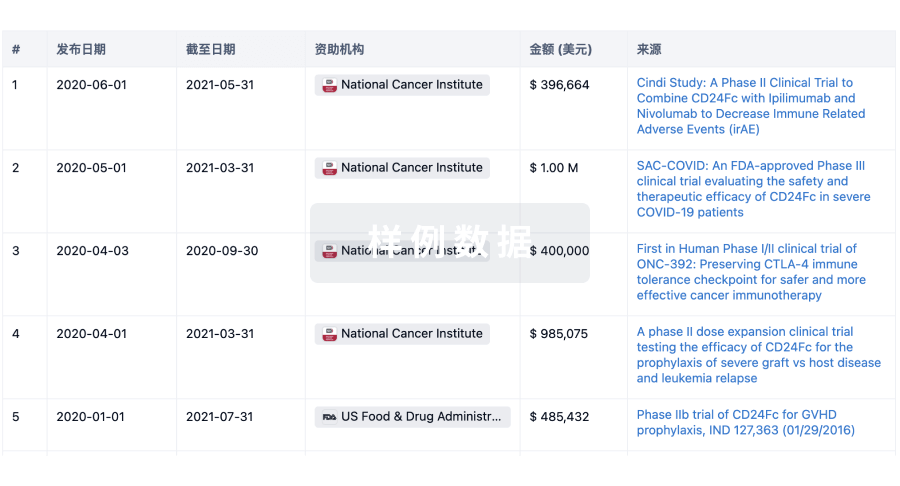
科研基金(NIH)
访问超过 200 万项资助和基金信息,以提升您的研究之旅。
登录
或
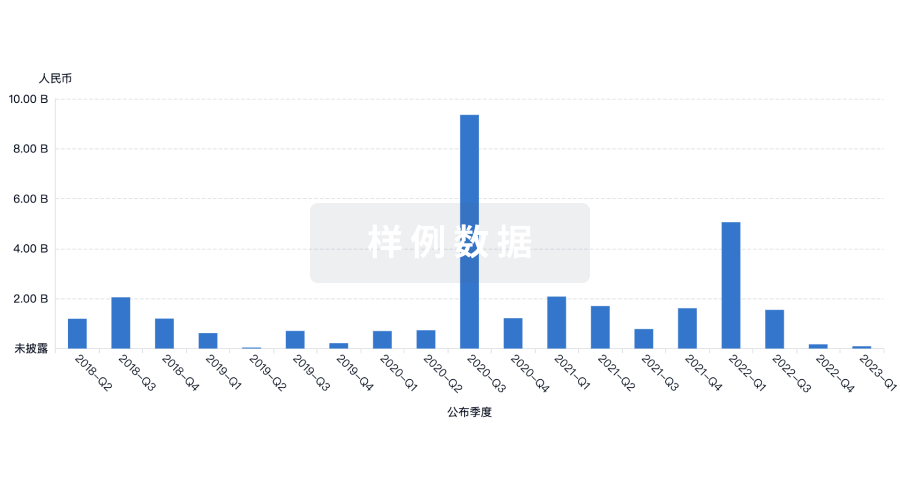
投资
深入了解从初创企业到成熟企业的最新公司投资动态。
登录
或
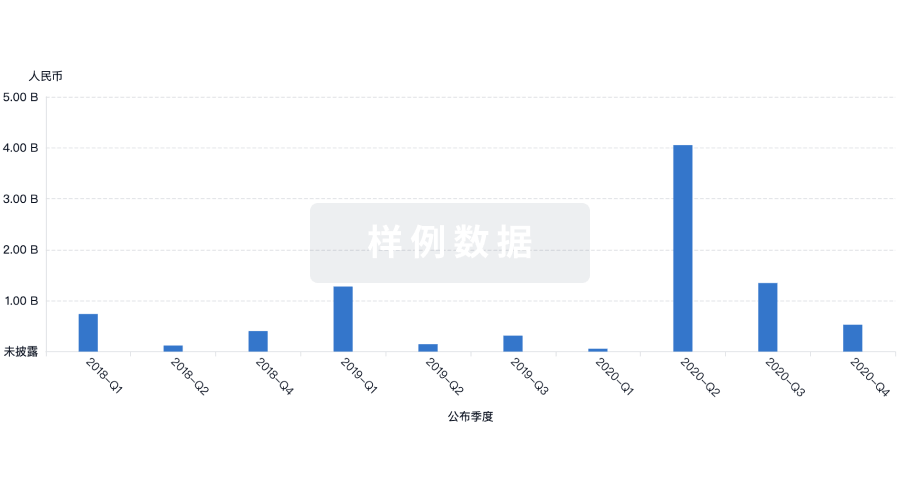
融资
发掘融资趋势以验证和推进您的投资机会。
登录
或
生物医药百科问答
全新生物医药AI Agent 覆盖科研全链路,让突破性发现快人一步
立即开始免费试用!
智慧芽新药情报库是智慧芽专为生命科学人士构建的基于AI的创新药情报平台,助您全方位提升您的研发与决策效率。
立即开始数据试用!
智慧芽新药库数据也通过智慧芽数据服务平台,以API或者数据包形式对外开放,助您更加充分利用智慧芽新药情报信息。
生物序列数据库
生物药研发创新
免费使用
化学结构数据库
小分子化药研发创新
免费使用