预约演示
更新于:2026-05-25

Guilin Layn Natural Ingredients Corp.
更新于:2026-05-25
概览
疾病领域得分
一眼洞穿机构专注的疾病领域

暂无数据
技术平台
公司药物应用最多的技术
暂无数据
靶点
公司最常开发的靶点
暂无数据
| 排名前五的药物类型 | 数量 |
|---|---|
| 小分子化药 | 1 |
| 排名前五的靶点 | 数量 |
|---|---|
| Telomerase(端粒末端转移酶) | 1 |
关联
1
项与 桂林莱茵生物科技股份有限公司 相关的药物EP4733326
专利挖掘作用机制- |
在研机构 |
原研机构 |
非在研适应症- |
最高研发阶段药物发现 |
首次获批国家/地区- |
首次获批日期- |
100 项与 桂林莱茵生物科技股份有限公司 相关的临床结果
登录后查看更多信息
0 项与 桂林莱茵生物科技股份有限公司 相关的专利(医药)
登录后查看更多信息
5
项与 桂林莱茵生物科技股份有限公司 相关的文献(医药)2026-03-01·FITOTERAPIA
Vladimiria souliei alleviated ethanol induced gastric ulcer through inhibition of RIP1-RIP3-MLKL necrosome activation
Article
作者: Zhao, Binjing ; Wei, Xiaojing ; Wang, Rui ; Li, Yuanyuan ; Jiang, Xinyi ; Lan, Lunli
Vladimiria souliei(Franch.)Ling is used as medicine with dried roots, which is a perennial herb in Asteraceae family. It has been generally applied as traditional Chinese medicine with relieving abdominal swelling or pain, and treatment of digestive system disease. However, the pharmacological mechanism of alleviating gastric ulcer (GU) for this herb were still unknown. UPLC-Q-TOF/MS was performed to analyze the main components of Vladimiria souliei extract (VSE). Based on the results of histopathological observation, cytokines assay, and immunohistochemistry staining, the therapeutic effect of VSE on ethanol-induced GU was appraised. Meanwhile, the CCK-8, LDH assay and crystal violet staining were assessed to evaluate the appropriate concentration of VSE in vitro. In GES-1 cells induced by ethanol, the cell viability, ROS and cell membrane damage assay were detected after the interference of VSE. Then, several pivotal proteins relating to necroptosis in GES-1 were evaluated through immunofluorescence staining to illustrate the further pharma-cological mechanisms. As a result, VSE significantly restrained the expansion of ulcer area, reduced the pepsin activity, restored the levels of SOD, decreased the levels of MDA, ROS, TNF-α, IL-1β, IL-6, and IL-18, ultimately ameliorated the gastric mucosa injury. Further analysis exhibited that VSE significantly inhibited the cellular necroptosis by down-regulating the levels of RIP1, RIP3 and MLKL. Conclusions: This research clarified that the VSE could improve gastric mucosal injury through inhibition of RIP1-RIP3-MLKL necrosome activation, which might provide scientific evidences on the application of Vladimiria souliei as a ethnic herb to ameliorate GU.
2025-03-01·METABOLIC ENGINEERING
De novo biosynthesis of mogroside V by multiplexed engineered yeasts
Article
作者: Xu, Xianhao ; Du, Guocheng ; Li, Yangyang ; Liu, Long ; Song, Yunfei ; Lv, Xueqin ; Li, Jianghua ; Qu, Guanyi ; Liu, Yanfeng
High sugar intake has become a global health concern due to its association with various diseases. Mogroside V (MG-V), a zero-calorie sweetener with multiple medical properties, is emerging as a promising sugar substitute. However, its application is hindered by low natural abundance and the inefficiency of conventional plant extraction methods. In this study, two glycosyltransferases were introduced into an engineered mogrol-producing Saccharomyces cerevisiae strain to enable the first de novo MG-V biosynthesis. Then, MG-V titer increased by 2.3 × 10⁴-fold through a series of efficient metabolic engineering strategies, including the enhancement of precursors, inhibition of the competitive pathway, and prevention of MG-V degradation. The challenges of enzyme spatial separation and high protein folding stress were addressed through lipid droplet (LD) compartmentalization and endoplasmic reticulum expansion, respectively. The ty1 transposon was employed to increase the copies of LD-targeted fusion protein AtCPR2-CYP87D18, which possessed higher CYP450 catalytic efficiency, resulting in an MG-V titer of 10.25 mg/L in shake flasks and 28.62 mg/L in a 5-L bioreactor. Overall, this study realized de novo MG-V synthesis in S. cerevisiae for the first time and provided a valuable reference for constructing microbial factories for triterpenoid saponin synthesis.
2024-01-03·JOURNAL OF ANIMAL SCIENCE
Effects of dietary stevia extract supplementation on growth performance, serum biochemical indices, and intestinal health of yellow-feathered broilers
Article
作者: Jianguo Zeng ; Yidan Jing ; Zhen Li ; Xiubin Liu ; Yunfei Song ; Qian Lin ; Xin Wang
Abstract:
Stevia, a perennial shrub from the genus Stevia in the Asteraceae family, contains active ingredients like chlorogenic acid and shows promise as a natural feed additive. Despite this potential, there is limited research on the impact of stevia extract specifically on yellow-feather broilers. The study aimed to evaluate the effects of dietary stevia extract with varying concentrations of chlorogenic acid on the growth performance, serum biochemical indices, and intestinal health of yellow-feathered broilers. A total of 425 1-d-old female yellow-feathered broilers were randomly allocated into five treatment groups with five replicates of 17 broilers each, and the feeding trial lasted 63 d. The groups included control and those supplemented with stevia extract at concentrations of 100, 200, 300, and 400 mg/kg. Results showed that adding 100 mg/kg of stevia extract to the basal diet significantly increased the daily weight gain (ADG) of the broilers while reducing the average daily feed intake and feed conversion ratio (F/G). However, supplementation with stevia extract at concentrations up to 300 mg/kg led to decreased final weight and ADG. Conversely, dietary supplementation with 100-200 mg/kg of stevia extract improved serum antioxidant capacity and reduced serum total cholesterol levels compared to the control group. Additionally, the cecum n-butyric acid level was significantly higher in the 200 mg/kg stevia extract group than in the control group. In conclusion, supplementing yellow-feathered broilers’ diets with stevia extract can enhance growth performance, antioxidant and immune capacity, and intestinal health. The optimal concentration of stevia extract for these benefits is between 100 and 200 mg/kg.
119
项与 桂林莱茵生物科技股份有限公司 相关的新闻(医药)2026-05-19
新质生产力浪潮下,合成生物学正迎来产业化爆发拐点。随着政策红利持续释放,技术突破频现,AI 赋能全链路创新,生物制造已从概念验证迈向规模化应用,成为双碳目标下绿色转型的核心引擎。
5月21-22日,2026第三届合成生物制造创新发展大会将在上海浦东喜来登由由大酒店(浦建路38号)重磅启幕!聚焦合成生物技术在医药、食品、医美与功效护肤、生物基材料、AI方向的应用,集结合成生物学与生物制造领域的顶尖专家、企业领袖与科研精英,以智慧碰撞破解发展瓶颈,以产业协同共创价值新篇,共同见证生物制造产业的革新与腾飞。
观众免费报名进入倒计时!
赶快扫码报名
获得与行业大咖面对面交流的机会
扫码入群👈
获取合成生物最新前沿资讯!
合成生物
组织架构
主办单位:
中国医药保健品进出口商会、上海市合成生物产业协会、上海博华国际展览有限公司、Informa Markets
联合主办:
上海市生物工程学会、上海合成生物学创新战略联盟、上海合成生物学创新中心、复旦大学张江研究院、上海博英电子商务有限公司
支持单位:
华东理工大学生物反应器工程全国重点实验室、上海市生物医药科技产业促进中心、浦东新区生物产业行业协会、上海市食品学会、上海皮肤健康概念验证中心、制药在线、转化子、合成生物学网、万物生物合成俱乐部、博普智库、安及义实业(上海)有限公司、“AI + 酶工程” 创新联盟、上海临港蓝湾私募基金管理有限公司
大会框架
日程安排
【开幕式+主论坛】
智驱生物制造 再创领产业新篇
⏰会议时间:5月21日上午
09:00-09:25
开幕致辞
09:25-10:05
生物制造:培育食品与化妆品产业新质生产力
陈坚
中国工程院院士、江南大学未来食品科学中心主任、教授
10:05-10:45
生物制造驱动降糖药到糖尿病足创面修复敷料的创新发展
郑裕国
中国工程院院士、生物工业创新中心主任、浙江工业大学生物工程学院教授
10:45-11:00
茶歇与交流
11:00-11:30
植物天然产物的微生物合成
叶邦策
华东理工大学生物反应器全国重点实验室主任、教授
11:30-12:00
合成生物制造产业发展现状与展望
丛永俭
国家生物制造产业创新中心副主任
【专题一】
产业发展高端论坛
⏰会议时间:5月21日下午
主持:付小龙 上海合成生物学创新中心理事长兼执行主任
13:30-14:00
合成生物铸“芯”,中国美妆“智”造
高春明
山东福瑞达生物股份有限公司董事长、总经理
14:00-14:30
创新生物材料产业化及应用
潘全名
上海凯赛生物技术股份有限公司助理总裁
14:30-15:00
合成生物赋能抗生素中间体的生物制造
赵华
川宁生物副总经理
15:00-15:15
茶歇与交流
15:15-15:45
合成生物技术驱动食品营养原料的创新与产业化实践
王瑞
柯泰亚生物产品管理副总裁
15:45-16:15
澐生合成,海正药业合成生物学产业化实践
金红顺
海正药业集团高级副总裁兼澐生合成总经理
16:15-16:45
TBD
蓝晶微生物
16:45-17:30
圆桌讨论: 穿越周期:合成生物学如何从“讲故事”到“造现金”?
付小龙
上海合成生物学创新中心执行主任(主持)
刘勇军
莱茵生物/碧研生物研发总监
叶邦策
华东理工大学生物反应器全国重点实验室主任、教授
夏兵
国投聚力首席投资官
骆滨
上海昌进生物科技有限公司创始人兼首席执行官
王瑞
柯泰亚生物产品管理副总裁
【专题二】
先进生物工艺:从创新到产业赋能
⏰会议时间:5月21日下午
主持:周英华东理工大学生物工程学院教授、上海市合成生物产业协会副秘书长
13:30-14:00
智能化高通量发酵过程优化装备与关键技术
夏建业
中国科学院天津工业生物技术研究所研究员
14:00-14:30
基于非模式微生物的高效萜类合成平台的开发
陆瑶
西安卓虹超源生物科技有限公司研发负责人
14:30-15:00
始于创新,成于放大:先进生物工艺服务平台的实践
梁朗
安及义实业(上海)有限公司副总经理
15:00-15:15
茶歇与交流
15:15-15:45
全细胞高通量筛选赋能高效工业菌株的构建
唐双焱
中国科学院微生物研究所研究员
15:45-16:15
精密发酵培养基优化策略与应用实践
伍业旭
安琪酵母工业微生物与酿造技术中心总经理
16:15-16:45
生物酶催化高效合成S-玻色因
王玫玫
金城生物副总经理
16:45-17:30
圆桌讨论:生物制造中实验室小试到规模化生产的困境破局
周英
华东理工大学生物工程学院教授、上海市合成生物产业协会副秘书长(主持)
熊小超
上海微创生成生物技术有限公司总经理
田锡炜
华东理工大学教授
贾丰彬
奥浦迈高级研发总监
陆瑶
西安卓虹超源生物科技有限公司研发负责人
梁朗
安及义实业(上海)有限公司副总经理
【专题三】
医药与生物制造
⏰会议时间:5月22日全天
上午场主持:王勇 中国科学院分子植物科学卓越创新中心研究员、华东理工大学生物工程学院/生物反应器工程全国重点实验室讲席教授
09:00-09:25
合成生物技术在医药应用领域的研究及产业化进展
王宜运
山东新华制药股份有限公司研究院副院长
09:25-09:50
酶工程在制药领域的应用与创新
焦学成
凯莱英生命科学技术(天津)有限公司副总经理
09:50-10:15
AI在工业规模生物发酵过程中的应用
魏鑫燏
宜昌东阳光生化制药有限公司人工智能首席技术官
10:15-10:40
以高通量筛选为核心的合成生物学技术平台:从单细胞解析到高性能菌株开发
唐琼卫
上海达普生物科技有限公司首席科学家
10:40-10:55
茶歇与交流
10:55-11:20
精细化学品生物制造的机遇与挑战
程磊雨
浙江新和成股份有限公司酶工程首席科学家
11:20-11:45
合成生物学驱动的创新细菌疫苗开发
林秋彬
上海羽冠生物技术有限公司创始人兼CEO
11:45-12:10
合成NK细胞与抗衰免疫治疗
王烃
上海恩凯细胞技术有限公司研发副总裁
下午场主持:熊燕 中国科学院生命科学信息中心副主任、研究员、上海市生物工程学会副理事长、上海市合成生物产业协会副秘书长
13:30-13:55
医学合成生物学与智能活体药物
叶海峰
华东师范大学生命科学学院院长、二级研究员
13:55-14:20
合成生物:驱动制药领域的新动力
顾明洋
南京昂科免疫生物医药有限公司总经理助理
14:20-14:45
工艺强化下的增效策略:基于原料属性的细胞表现与制剂稳定协同优化
贺甜甜
巴斯夫营养与健康部生物医药亚太区技术经理
14:45-15:10
靶向肠-脑轴和神经炎症的神经系统疾病药物开发
向斌
和度生物技术(上海)有限公司CEO
15:10-15:25
茶歇与交流
15:25-15:50
免疫抗衰及免疫微生态新进展及产业化
倪健
中国免疫抗衰及免疫微生态研究院院长
15:50-16:15
高价值天然产物的生物制造
周均愫
生合万物(上海)生物科技有限公司研发总监
16:15-17:00
圆桌讨论:生物制造的边界及创新链产业链资金链融合发展
郭美锦
华东理工大学生物工程学院教授,博士生导师(主持)
张弛
毓道投资创始人
张卓兵
君实生物副总经理
孙宇
CTI华测检测特殊食品产品线总经理
张满仓
迪赢生物CTO
谢俊东
上海合成生物学创新中心
【专题四】
功能与未来食品
⏰会议时间:5月22日上午
上午场主持:郭燕茹 上海市食品学会秘书长
09:00-09:25
合成生物赋能未来:功能性糖醇绿色制造与产业化应用
李勉
浙江华康药业股份有限公司首席科学家
09:25-09:50
合成生物学开启“精准营养”新时代
李翔宇
嘉必优生物技术(武汉)股份有限公司执行总经理
09:50-10:15
新一代微生物蛋白的创制与应用
田灵芝
慕恩生物合伙人
10:15-10:45
茶歇与交流
10:45-11:10
下一代益生菌嗜黏蛋白阿克曼氏菌的体重管理功能循证及产业化应用潜力
郭鹏
均瑶润盈生物科技(上海)有限公司CTO兼战略创新中心副总经理
11:10-11:35
母乳成分的生物合成
尹正明
蒙牛集团资深工程师
11:35-12:00
新质蛋白安全评估工作进展
洪新宇
上海市疾控中心化学品毒性检定所副所长
【专题五】
生物基材料与应用
⏰会议时间:5月22日下午
主持:李诗渊 转化子主编
13:30-13:55
巨鹏生物CO/CO2气体发酵制绿乙醇/绿甲烷和菌体蛋白的产业化实践
刘曙光
巨鹏生物董事长
13:55-14:20
秸秆糖平台助力生物制造
李承
苏州聚维元创生物科技有限公司CTO
14:20-14:45
非传统原料纤维素糖的转化工艺与工程利用
张玟籍
常州柯纳生物科技有限公司CTO
14:45-15:00
茶歇与交流
15:00-15:25
合成生物学驱动人工设计淀粉的产业化创新与落地
周文智
江苏三黍生物科技有限公司总经理
15:25-15:50
高性能呋喃生物基材料PEF&FDCA的研发和产业化
罗钊
利夫生物副总经理
15:50-16:15
生物合成中调控自组装纤维材料
陈炯霖
广州元动生物科技有限公司创始人兼董事长
16:15-17:00
圆桌讨论:中国生物基材料的产业机遇与突围路径
李诗渊
转化子主编(主持)
罗吉安
苏州苏震生物工程有限公司副总经理
李承
苏州聚维元创生物科技有限公司CTO
刘曙光
巨鹏生物董事长
包伟强
苏州安特实业有限公司总经理
袁子鹏
上海肆芃科技有限公司董事长助理、副总裁
【专题六】
医美与功效护肤
⏰会议时间:5月22日上午
主持:黄虎 珀莱雅化妆品股份有限公司首席科学官
09:00-09:25
蛋白质工程助力化妆品提质增效——生物活性蛋白的绿色生物制造及其在功效化妆品中的应用
刘忠
暨南大学化妆品与医美研究院常务副院长,基因工程药物国家工程研究中心副总经理
09:25-09:50
透明质酸和肝素的合成生物学研究及应用
郭学平
华熙唐安董事长兼总经理
09:50-10:15
合成生物重构珍珠护肤科技
顾理浩
欧诗漫生物股有限公司珍珠基础研究负责人
10:15-10:40
高粘凝胶注射剂在医美定制化中的工艺解决方案
洪涛
东富龙医美配液方案负责人
10:40-10:55
茶歇与交流
10:55-11:20
全长氨基酸序列与三螺旋结构-重组人胶原蛋白的终极仿生
罗思施
广州创尔生物技术股份有限公司首席科学家办公室主任、广东省医用胶原工程技术研究开发中心主任
11:20-11:45
基于人工水通道的化妆品新原料开发
侯军利
国家杰青、复旦大学教授、弈柯莱集团特邀战略合作专家
11:45-12:10
从细胞外基质重构到皮肤屏障再生,生物活性蛋白的医美级应用新纪元
张晔翔
敷尔佳研发总监
【专题七】
AI+合成生物制造
⏰会议时间:5月22日下午
下午场主持:何金键 合成生物学网常务副总经理
13:30-14:00
基于AI+纳微高通量的高价值RNA分子设计平台
裴鹏
上海数因信科智能科技有限公司联合创始人、COO
14:00-14:30
功能性蛋白食品的定向生物智造
张鲁嘉
华东师范大学化学与分子工程学院教授,科技处副处长
14:30-15:00
合成生物学黄金时代中的AI+特种酶工程与产业化应用
杨广宇
瀚海新酶创始人、CTO
15:00-15:15
茶歇与交流
15:15-15:45
河南中源裕泽AI+推动含硫氨基酸高速发展
杜军
北京擎科生物股份有限公司副总裁、河南中源裕泽联合创始人
15:45-16:05
人工智能在HMO三代生物合成技术中的应用
方诩
山东恒鲁生物科技有限公司董事长、山东大学教授
16:05-16:50
圆桌讨论:Al全链路赋能的实践经验
熊小超
上海微创生成生物技术有限公司总经理(主持)
刘灏
天鹜科技CTO
陈波
杭州力文所生物科技有限公司科学家
曾哲
新苡萃(上海)生物科技有限公司CEO & 研究员
张鲁嘉
华东师范大学化学与分子工程学院教授,科技处副处长
黄龙
常州毅博生物科技有限公司董事长
(注:大会议程持续更新中,以现场实际到场为准)
大会主席团兼学术指导委员会
名誉主席
主 席
联席主席
联席主席
杨胜利
中国工程院院士
赵国屏
中国科学院院士
郑裕国
中国工程院院士
陈 坚
中国工程院院士
邓子新
中国科学院院士
应汉杰
中国工程院院士
黄 和
中国科学院院士
马延和
中国科学院天津工业生物技术研究所创始所长
陈国强
清华大学合成与系统生物学中心主任、生命科学学院教授
庄英萍
华东理工大学生物工程学院教授
魏东芝
华东理工大学生物工程学院教授
叶邦策
华东理工大学生物反应器全国重点实验室主任、教授
冯 雁
上海交通大学生命科学技术学院特聘教授
张以恒
低碳合成工程生物学全国重点实验室主任、中国科学院天津工生所研究员
张立新
华东理工大学生物反应器工程全国重点实验室主任、教授
王 勇
中国科学院分子植物科学卓越创新中心研究员、华东理工大学生物工程学院/生物反应器工程全国重点实验室讲席教授
董树沛
上海市合成生物产业协会会长
*排名不分先后
5月21-22日2026第三届合成生物制造创新发展大会与您相约上海浦东喜来登由由大酒店,共同探讨更多合成生物学领域前沿进展与应用新蓝海!
0元门票限时进行中🔥🔥
邀您直达新质生产力前沿!
扫码入群👈
获取合成生物最新前沿资讯!
往届内容推荐
嘉宾篇
5月上海合成生物制造大会嘉宾、听众、合作伙伴全景图览
专题篇
医药与生物制造专题
功能与未来食品专题
生物基材料与应用专题
医美与功效护肤专题
AI+合成生物制造专题
2025年会议现场报道
2025第二届合成生物制造创新发展大会圆满收官!
场场爆满!行业精英齐聚第二届合成生物制造创新发展大会
联系我们
展位预订、赞助申请
茅女士
电话:21-3339-2250
邮箱:chris.mao@imsinoexpo.com
吴女士
电话:010-58036296
邮箱:wuyushuang@cccmhpie.org.cn
参会咨询、合作洽谈
孙女士
电话:21-33392319
邮箱:xue.sun@imsinoexpo.com
叶女士
电话:010-58036314
邮箱:yefan@cccmhpie.org.cn
👇👇点击“阅读原文”,完成登记免费报名参加会议吧!
2026-05-14
·今日头条
麦肯锡的预测让所有制造业巨头坐不住了:到2025年,合成生物学与生物制造的经济价值将达1000亿美元;未来全球60%的物质生产,有望通过生物制造实现。
这不是科幻。你脸上的透明质酸、喝的无糖饮料里的甜味剂、穿的运动服里的生物基尼龙——可能都来自实验室里被重新编程的微生物。让细胞成为“微型工厂”,用生物发酵替代石油化工,正在从概念走向产业化。
2025年,全球合成生物学市场规模达189.4亿美元,中国市场规模约124亿元。两者的年复合增长率分别高达17.7%和28.7%。医药占应用的55%,化工材料占32%,食品饮料和农业紧随其后。
但当资本退潮、Zymergen退市、明星创业公司估值回调,这个被称为“第三次生物技术革命”的赛道,正在经历从狂热到理性的淬火。我梳理了最新的行业深度调研报告,拆解这条“以生物造万物”的产业链。
一、全球189亿美元市场,中国跑出28.7%的加速度
合成生物学听起来深奥,核心逻辑却很直接:通过工程化手段设计、改造甚至从头创造生物系统,让细胞为人类高效生产特定物质。
从技术上讲,它走的是“设计—建造—测试—学习”的工程化循环。从经济上讲,它要替代的是传统化学合成和动植物提取——更低碳、更可持续,但当前最大的挑战是成本。
市场在高速爬坡。Grand View Research数据显示,2025年全球市场规模189.4亿美元,2026年预计达223亿美元,2035年有望冲向1332亿美元。北美仍是最大市场(占42.1%),但亚太增速最快(CAGR 19.3%),中国是核心引擎。
中国市场虽仅124亿元,但2023-2025年复合增长率高达28.7%,远超全球平均水平。长三角和大湾区已形成两大产业集群。研发投入占比跃居全球第二。
产品结构上:酶类以36.78%的份额占据最大单品市场;寡核苷酸/合成DNA紧随其后;PCR技术在技术层面占30.21%的主导地位。 终端用户中,生物技术与制药公司贡献了54.7%的市场收入——医药是合成生物学最大且增长最快的下游。
二、中国TOP20:隐形冠军扎堆,下游强、上游弱
根据雨前顾问从186家企业中评选出的《2025中国合成生物企业竞争力TOP20》,一个清晰的产业图景浮现:
医药领域6家、化工材料6家——两者合计占TOP20的六成。 食品与健康5家、农业2家、工具平台2家。
几个值得关注的隐形冠军:
华熙生物:透明质酸全球市占率44%,2025年营收41.99亿元。它是合成生物学从实验室成功走向大规模商业化的标杆。
凯赛生物:长链二元酸全球市占率近80%,产能11.5万吨,总产能近30万吨。生物基聚酰胺正在替代石油基尼龙,这是万亿级材料市场的切口。
金禾实业:三氯蔗糖全球市占率55%。你吃的无糖食品里的甜味剂,大概率来自这家。
华大智造:基因测序仪全球市占率28.2%,是国内唯一能与Illumina正面竞争的企业。自主研发的EvoPlay蛋白设计算法,正在切入AI蛋白质设计赛道。
万华化学:全球首套万吨级生物基1,3-丁二醇装置投产,还布局了CO₂直接合成PHA生物降解塑料。
安琪酵母:排名第一,研发团队4763人,正在推进酵母蛋白作为新型食品原料。
但产业链有一条明显的软肋:超过90%的中国企业聚焦下游产品制造。 上游DNA合成、基因编辑工具、高通量筛选设备高度依赖进口。Twist Bioscience的半导体级DNA合成、Illumina的测序平台、CRISPR核心编辑工具——这些“使能技术”仍掌握在美国企业手中。
一句话:中国是世界工厂级的合成生物学产品制造者,但还不是规则制定者。
三、AI+蛋白质设计:最性感的变量
2024年诺贝尔化学奖花落蛋白质结构预测与设计领域,AlphaFold3成为整个科学界的焦点。
在合成生物学领域,AI正在重构研发范式。哈佛医学院团队在Nature Reviews Bioengineering提出七大AI工具包分类体系,构建了端到端的蛋白质设计路线图。具体进展包括:
AlphaFold3解决了困扰学界50年的蛋白质折叠问题,已成为行业标配。
RFDiffusion等工具可从头生成自然界不存在的新功能蛋白。
华大智造的EvoPlay算法+MGIDS-1000酶进化系统,可实现千万级酶突变体的高效筛选。
Ginkgo Bioworks的机器学习模型将菌种设计效率提升数倍。
2025年8月是一个里程碑:工信部发布首批人工智能在生物制造领域的16个典型应用案例, 覆盖蛋白质元件设计、代谢通路设计、智能发酵控制等核心场景。AI+合成生物学正式上升为国家战略方向。
这意味着什么?过去设计一个菌种需要数年试错,现在可能在数月甚至数周内完成。AI把生物学从“手艺活”变成了“工程活”。
四、从mRNA到人造肉:这些应用正在改变生活
合成生物学的应用比你想象中更触手可及:
医药——最大也是最贵的赛道。 Moderna用合成生物学平台45天完成猴痘疫苗临床试验。CAR-T细胞疗法因通用型产品降本增效。青蒿素、紫杉醇等植物药已实现酵母法生产,不再依赖种植提取。
食品饮料——减糖趋势的最大受益者。 中粮科技成为国内首家获批阿洛酮糖新食品原料的企业。嘉必优全球Ara市占率16%。莱茵生物率先实现RebM2天然甜味剂的FDA GRAS认证。功能食品市场2024年已达3375亿元,代糖需求仍在爆发。
化工材料——碳中和的关键一环。 凯赛生物的生物基聚酰胺、万华化学的生物基丁二醇、Lululemon推出的全球首款100%生物合成纤维瑜伽服——相比石化路线,可减少最高70%的碳排放。
农业——基因编辑作物开始开花结果。 全球首例基因编辑小麦获批商业化种植。固氮微生物制剂和生物农药正在替代化学投入品。
更前沿的方向还包括: 蓝藻每亩每年可封存数吨CO₂并转化为生物塑料前体;单克DNA理论可存储EB级数据;中国天宫空间站正在开展地外生物制造实验。
五、产业链全景:三层结构,一个瓶颈
合成生物学产业链呈清晰的三层结构:
上游——使能技术层(DNA合成、基因测序、基因编辑工具、多组学数据库)。 技术壁垒最高,国产化率最低。Twist、Illumina、Thermo Fisher是主要玩家。国内华大智造在测序仪领域突围(市占28.2%),但DNA合成和高端编辑工具仍严重依赖进口。
中游——平台赋能层(菌种设计改造、AI蛋白质设计、代谢通路优化、高通量筛选)。 Ginkgo Bioworks是全球标杆,国内的弈柯莱生物、蓝晶微生物、近岸蛋白等正在追赶。AI的加入正在降低这一环节的门槛。
下游——产品应用层(医药、化工、食品、农业、能源环保)。 这是中国企业的强项。华熙、凯赛、金禾、万华等企业在各自细分领域已做到全球前列,规模化发酵和纯化工艺国内领先。
核心矛盾很明确:上游使能技术“卡脖子”,中游平台能力在AI加持下快速提升,下游产品制造已是全球“隐形冠军”俱乐部。
六、风险:Zymergen的前车之鉴
合成生物学远非坦途,几个风险尤为突出:
产业化放大是“死亡谷”。 实验室里成功合成的物质,在吨级发酵罐中可能完全不工作。多数项目在这一阶段失败,DBTL循环周期仍较长。
经济性拐点尚未系统到来。 部分产品合成路线成本仍高于化学法或植物提取。油价波动直接影响生物基材料的相对竞争力。
监管框架存在明显适配不足。 电子科技大学雷瑞鹏教授团队指出,当前合成生物学产品风险管理大多沿用转基因相关法规,但合成生物学的复杂性远超传统转基因,需要建立覆盖技术风险评估、伦理审查、公众参与、应急响应的全流程治理体系。
资本已从“遍地撒网”转为“精准捕捞”。 Zymergen退市给整个行业敲响警钟。2025年,纯概念性项目融资困难,有清晰商业化路径和正向现金流的项目才受青睐。行业正式进入商业现实检验期。
生物安全与伦理争议不容忽视。 工程菌意外释放风险、DIY生物恐怖主义威胁、“设计生命”的社会担忧——这些都是需要正视的问题。《生物安全法》已实施,生物安保体系仍在建设中。
七、投资地图:从“卖铲子”到“挖金子”
当前合成生物学有三条投资主线:
主线一:AI+蛋白质设计——最具颠覆性的方向。 这是“卖铲子”的生意,赋能全行业。AlphaFold3验证了AI在生物领域的颠覆力,工信部16个典型案例标志着国家站台。但技术门槛极高,需要大量高质量训练数据。
主线二:下游产品制造的隐形冠军——最确定的现金流。 华熙生物(透明质酸全球44%)、凯赛生物(长链二元酸全球80%)、金禾实业(三氯蔗糖全球55%)——这些企业在各自细分赛道已建立全球垄断或寡头地位。它们的共同特征:规模化发酵能力强、工艺成熟、客户黏性高、正向现金流。
主线三:上游工具国产替代——地缘政治下的战略机会。 DNA合成、基因编辑工具酶、高端测序耗材——自主可控需求迫切。华大智造证明了国产测序仪可以突围。但与国际巨头的技术差距仍存,需要时间和持续研发投入。
投资策略上需注意: 优先选择已有产品销售、正向现金流或盈亏平衡点临近的企业;关注拥有“菌种设计→工艺开发→规模化生产→渠道销售”全链条能力的一体化企业;核心菌种专利、独特底盘细胞平台、专有数据库构成长期护城河;新食品原料审批、生物基材料补贴政策、医保目录调整是关键的催化事件。
八、2026-2030:商业化的黄金窗口
未来五年,合成生物学有五大趋势值得关注:
AI与合成生物深度融合(确定性最高)。 端到端AI设计平台将成为行业标配,DBTL循环从数年缩短至数月。MIT团队计划2027年推出“自进化生物系统”——让AI自主优化代谢通路。
商业化进入收获期。 更多产品将跨越经济性拐点,头部企业实现规模化盈利。行业从“烧钱”转向“自我造血”。
监管框架逐步完善。 专门针对合成生物的法规有望出台,“负面清单+沙盒监管”模式从深圳、上海拓展至全国。
产业链国产化提速。 DNA合成、基因编辑工具加速突破,测序仪国产化率目标40%以上。全链条自主可控能力持续提升。
应用边界扩展。 DNA数据存储走向商用,太空生物制造(NASA、中国天宫),环境修复(塑料降解、碳移除)规模化。
量化预测: 2028年全球市场380-450亿美元,中国市场约250亿元;2030年全球550-700亿美元,中国市场约450亿元。亚太地区CAGR超19.3%,是全球最快增长区域。
最后说一句
合成生物学的本质,是把制造业从“物理化学反应”迁移到“生物催化反应”——用更低碳、更精准、更可持续的方式,生产这个世界所需要的物质。
这不是一个“快”赛道。从实验室菌种到工业化量产,从一个产品的经济性突破到整个行业的系统降本,需要耐心和持续投入。Zymergen的退市是泡沫的破裂,但华熙、凯赛、金禾的盈利证明——真正的产业价值从不靠PPT支撑。
中国在上游工具端仍需补课,但在下游规模化制造端已建立起全球竞争力。 当AI把生物学变成一门真正的工程学科,当碳中和把生物制造推上风口,这个让细胞为人类工作的行业,正站在从“技术探索期”迈向“产业爆发期”的关键节点。
对于投资者,区别“到底谁能真正赚钱”和“谁还在讲故事”的能力,将是决定回报的核心变量。
本文数据来源:Grand View Research、Business Research Insights、Mordor Intelligence、雨前顾问《2025中国合成生物企业竞争力TOP20》、中商产业研究院、工信部、各上市公司公告。市场预测仅供参考,不构成投资建议。
关注我,持续获取前沿生物科技与大健康赛道的深度解读。你知道身边哪些产品是用合成生物学造的?评论区聊聊。
2026-05-13
新质生产力浪潮下,合成生物学正迎来产业化爆发拐点。随着政策红利持续释放,技术突破频现,AI 赋能全链路创新,生物制造已从概念验证迈向规模化应用,成为双碳目标下绿色转型的核心引擎。
5月21-22日,2026第三届合成生物制造创新发展大会将在上海浦东喜来登由由大酒店(浦建路38号)重磅启幕!聚焦合成生物技术在医药、食品、医美与功效护肤、生物基材料、AI方向的应用,集结合成生物学与生物制造领域的顶尖专家、企业领袖与科研精英,以智慧碰撞破解发展瓶颈,以产业协同共创价值新篇,共同见证生物制造产业的革新与腾飞。
观众免费报名进入倒计时!
赶快扫码报名
获得与行业大咖面对面交流的机会
扫码入群👈
获取合成生物最新前沿资讯!
合成生物
组织架构
主办单位:
中国医药保健品进出口商会、上海市合成生物产业协会、上海博华国际展览有限公司、Informa Markets
联合主办:
上海市生物工程学会、上海合成生物学创新战略联盟、上海合成生物学创新中心、复旦大学张江研究院、上海博英电子商务有限公司
支持单位:
华东理工大学生物反应器工程全国重点实验室、上海市生物医药科技产业促进中心、浦东新区生物产业行业协会、上海市食品学会、上海皮肤健康概念验证中心、制药在线、转化子、合成生物学网、万物生物合成俱乐部、博普智库、安及义实业(上海)有限公司、“AI + 酶工程” 创新联盟、上海临港蓝湾私募基金管理有限公司
大会框架
日程安排
【开幕式+主论坛】
智驱生物制造 再创领产业新篇
⏰会议时间:5月21日上午
09:00-09:25
开幕致辞
09:25-10:05
生物制造:培育食品与化妆品产业新质生产力
陈坚
中国工程院院士、江南大学未来食品科学中心主任、教授
10:05-10:45
生物制造驱动降糖药到糖尿病足创面修复敷料的创新发展
郑裕国
中国工程院院士、生物工业创新中心主任、浙江工业大学生物工程学院教授
10:45-11:00
茶歇与交流
11:00-11:30
植物天然产物的微生物合成
叶邦策
华东理工大学生物反应器国家重点实验室主任、教授
11:30-12:00
合成生物制造产业发展现状与展望
丛永俭
国家生物制造产业创新中心副主任
【专题一】
产业发展高端论坛
⏰会议时间:5月21日下午
主持人:付小龙 上海合成生物学创新中心理事长兼执行主任
13:30-14:00
合成生物铸“芯”,中国美妆“智”造
高春明
山东福瑞达生物股份有限公司董事长、总经理
14:00-14:30
创新生物材料产业化及应用
潘全名
上海凯赛生物技术股份有限公司助理总裁
14:30-15:00
合成生物赋能抗生素中间体的生物制造
赵华
川宁生物副总经理
15:00-15:15
茶歇与交流
15:15-15:45
合成生物技术驱动食品营养原料的创新与产业化实践
王瑞
柯泰亚生物产品管理副总裁
15:45-16:15
澐生合成,海正药业合成生物学产业化实践
金红顺
海正药业集团高级副总裁兼澐生合成总经理
16:15-16:45
TBD
蓝晶微生物
16:45-17:30
圆桌讨论: 穿越周期:合成生物学如何从“讲故事”到“造现金”?
付小龙
上海合成生物学创新中心执行主任(主持人)
刘勇军
莱茵生物/碧研生物研发总监
叶邦策
华东理工大学生物反应器国家重点实验室主任、教授
夏兵
国投聚力首席投资官
TBD
蓝晶微生物
骆滨
上海昌进生物科技有限公司创始人兼首席执行官
其他对话嘉宾正在确认中...
【专题二】
先进生物工艺:从创新到产业赋能
⏰会议时间:5月21日下午
主持人:周英华东理工大学生物工程学院教授、上海市合成生物产业协会副秘书长
13:30-14:00
智能化高通量发酵过程优化装备与关键技术
夏建业
中国科学院天津工业生物技术研究所研究员
14:00-14:30
基于非模式微生物的高效萜类合成平台的开发
陆瑶
西安卓虹超源生物科技有限公司研发负责人
14:30-15:00
始于创新,成于放大:先进生物工艺服务平台的实践
梁朗
安及义实业(上海)有限公司副总经理
15:00-15:15
茶歇与交流
15:15-15:45
全细胞高通量筛选赋能高效工业菌株的构建
唐双焱
中国科学院微生物研究所研究员
15:45-16:15
精密发酵培养基优化策略与应用实践
伍业旭
安琪酵母工业微生物与酿造技术中心总经理
16:15-16:45
生物酶催化高效合成S-玻色因
王玫玫
金城生物副总经理
16:45-17:30
圆桌讨论:生物制造中实验室小试到规模化生产的困境破局
周英
华东理工大学生物工程学院教授、上海市合成生物产业协会副秘书长(主持人)
熊小超
上海微创生成生物技术有限公司总经理
田锡炜
华东理工大学教授
贾丰彬
奥浦迈高级研发总监
陆瑶
西安卓虹超源生物科技有限公司研发负责人
梁朗
安及义实业(上海)有限公司副总经理
【专题三】
医药与生物制造
⏰会议时间:5月22日全天
上午场主持人:王勇 中国科学院分子植物科学卓越创新中心研究员、华东理工大学生物工程学院/生物反应器工程全国重点实验室讲席教授
09:00-09:25
合成生物技术在医药应用领域的研究及产业化进展
王宜运
山东新华制药股份有限公司研究院副院长
09:25-09:50
酶工程在制药领域的应用与创新
焦学成
凯莱英生命科学技术(天津)有限公司副总经理
09:50-10:15
AI在工业规模生物发酵过程中的应用
魏鑫燏
宜昌东阳光生化制药有限公司人工智能首席技术官
10:15-10:40
以高通量筛选为核心的合成生物学技术平台:从单细胞解析到高性能菌株开发
唐琼卫
上海达普生物科技有限公司首席科学家
10:40-10:55
茶歇与交流
10:55-11:20
精细化学品生物制造的机遇与挑战
程磊雨
浙江新和成股份有限公司酶工程首席科学家
11:20-11:45
合成生物学驱动的创新细菌疫苗开发
林秋彬
上海羽冠生物技术有限公司创始人兼CEO
11:45-12:10
合成NK细胞与抗衰免疫治疗
王烃
上海恩凯细胞技术有限公司研发副总裁
下午场主持人:熊燕 中国科学院生命科学信息中心副主任、研究员、上海市生物工程学会副理事长、上海市合成生物产业协会副秘书长
13:30-13:55
医学合成生物学与智能活体药物
叶海峰
华东师范大学生命科学学院院长、二级研究员
13:55-14:20
合成生物:驱动制药领域的新动力
顾明洋
南京昂科免疫生物医药有限公司总经理助理
14:20-14:45
工艺强化下的增效策略:基于原料属性的细胞表现与制剂稳定协同优化
贺甜甜
巴斯夫营养与健康部生物医药亚太区技术经理
14:45-15:10
靶向肠-脑轴和神经炎症的神经系统疾病药物开发
向斌
和度生物技术(上海)有限公司CEO
15:10-15:25
茶歇与交流
15:25-15:50
免疫抗衰及免疫微生态新进展及产业化
倪健
中国免疫抗衰及免疫微生态研究院院长
15:50-16:15
人参皂苷研究进展
严兴
上海张江天然产物合成生物学公共研发平台总经理
16:15-17:00
圆桌讨论:医药生物制造的边界及创新链产业链资金链融合发展
郭美锦
华东理工大学生物工程学院教授,博士生导师(主持人)
张弛
毓道投资创始人
张卓兵
君实生物副总经理
孙宇
CTI华测检测特殊食品产品线总经理
其他对话嘉宾正在确认中...
【专题四】
功能与未来食品
⏰会议时间:5月22日上午
上午场主持人:郭燕茹 上海市食品学会秘书长
09:00-09:25
合成生物赋能未来:功能性糖醇绿色制造与产业化应用
李勉
浙江华康药业股份有限公司首席科学家
09:25-09:50
合成生物学开启“精准营养”新时代
李翔宇
嘉必优生物技术(武汉)股份有限公司执行总经理
09:50-10:15
新一代微生物蛋白的创制与应用
田灵芝
慕恩生物合伙人
10:15-10:45
茶歇与交流
10:45-11:10
下一代益生菌嗜黏蛋白阿克曼氏菌的体重管理功能循证及产业化应用潜力
郭鹏
均瑶润盈生物科技(上海)有限公司CTO兼战略创新中心副总经理
11:10-11:35
母乳成分的生物合成
尹正明
蒙牛集团资深工程师
11:35-12:00
新质蛋白安全评估工作进展
洪新宇
上海市疾控中心化学品毒性检定所副所长
【专题五】
生物基材料与应用
⏰会议时间:5月22日下午
主持人:李诗渊 转化子主编
13:30-13:55
巨鹏生物CO/CO2气体发酵制绿乙醇/绿甲烷和菌体蛋白的产业化实践
刘曙光
巨鹏生物董事长
13:55-14:20
秸秆糖平台助力生物制造
李承
苏州聚维元创生物科技有限公司CTO
14:20-14:45
非传统原料纤维素糖的转化工艺与工程利用
张玟籍
常州柯纳生物科技有限公司CTO
14:45-15:00
茶歇与交流
15:00-15:25
合成生物学驱动人工设计淀粉的产业化创新与落地
周文智
江苏三黍生物科技有限公司总经理
15:25-15:50
高性能呋喃生物基材料PEF&FDCA的研发和产业化
罗钊
利夫生物副总经理
15:50-16:15
生物合成中调控自组装纤维材料
陈炯霖
广州元动生物科技有限公司创始人兼董事长
16:15-17:00
圆桌讨论:中国生物基材料的产业机遇与突围路径
李诗渊
转化子主编(主持人)
罗吉安
苏州苏震生物工程有限公司副总经理
李承
苏州聚维元创生物科技有限公司CTO
刘曙光
巨鹏生物董事长
包伟强
苏州安特实业有限公司总经理
袁子鹏
上海肆芃科技有限公司董事长助理、副总裁
【专题六】
医美与功效护肤
⏰会议时间:5月22日上午
主持人:黄虎 珀莱雅化妆品股份有限公司首席科学官
09:00-09:25
蛋白质工程助力化妆品提质增效——生物活性蛋白的绿色生物制造及其在功效化妆品中的应用
刘忠
暨南大学化妆品与医美研究院常务副院长,基因工程药物国家工程研究中心副总经理
09:25-09:50
透明质酸和肝素的合成生物学研究及应用
郭学平
华熙唐安董事长兼总经理
09:50-10:15
合成生物重构珍珠护肤科技
顾理浩
欧诗漫生物股有限公司珍珠基础研究负责人
10:15-10:40
高粘凝胶注射剂在医美定制化中的工艺解决方案
洪涛
东富龙医美配液方案负责人
10:40-10:55
茶歇与交流
10:55-11:20
全长氨基酸序列与三螺旋结构-重组人胶原蛋白的终极仿生
罗思施
广州创尔生物技术股份有限公司首席科学家办公室主任、广东省医用胶原工程技术研究开发中心主任
11:20-11:45
基于人工水通道的化妆品新原料开发
侯军利
国家杰青、复旦大学教授、弈柯莱集团特邀战略合作专家
11:45-12:10
从细胞外基质重构到皮肤屏障再生,生物活性蛋白的医美级应用新纪元
张晔翔
敷尔佳研发总监
【专题七】
AI+合成生物制造
⏰会议时间:5月22日下午
下午场主持人:何金键 合成生物学网常务副总经理
13:30-14:00
基于AI+纳微高通量的高价值RNA分子设计平台
裴鹏
上海数因信科智能科技有限公司联合创始人、COO
14:00-14:30
功能性蛋白食品的定向生物智造
张鲁嘉
华东师范大学化学与分子工程学院教授,科技处副处长
14:30-15:00
合成生物学黄金时代中的AI+特种酶工程与产业化应用
杨广宇
瀚海新酶创始人、CTO
15:00-15:15
茶歇与交流
15:15-15:45
河南中源裕泽AI+推动含硫氨基酸高速发展
杜军
北京擎科生物股份有限公司副总裁、河南中源裕泽联合创始人
15:45-16:05
人工智能在HMO三代生物合成技术中的应用
方诩
山东恒鲁生物科技有限公司董事长、山东大学教授
16:05-16:50
圆桌讨论:Al全链路赋能的实践经验
熊小超
上海微创生成生物技术有限公司总经理(主持人)
刘灏
天鹜科技CTO
陈波
杭州力文所生物科技有限公司科学家
曾哲
新苡萃(上海)生物科技有限公司创始人
张鲁嘉
华东师范大学化学与分子工程学院教授,科技处副处长
黄龙
常州毅博生物科技有限公司董事长
(注:大会议程持续更新中,以现场实际到场为准)
大会主席团兼学术指导委员会
名誉主席
主 席
联席主席
联席主席
杨胜利
中国工程院院士
赵国屏
中国科学院院士
郑裕国
中国工程院院士
陈 坚
中国工程院院士
邓子新
中国科学院院士
应汉杰
中国工程院院士
黄 和
中国科学院院士
马延和
中国科学院天津工业生物技术研究所创始所长
陈国强
清华大学合成与系统生物学中心主任、生命科学学院教授
庄英萍
华东理工大学生物工程学院教授
魏东芝
华东理工大学生物工程学院教授
叶邦策
华东理工大学生物反应器国家重点实验室主任、教授
冯 雁
上海交通大学生命科学技术学院特聘教授
张以恒
低碳合成工程生物学全国重点实验室主任、中国科学院天津工生所研究员
张立新
华东理工大学生物反应器工程国家重点实验室主任、教授
王 勇
中国科学院分子植物科学卓越创新中心研究员、华东理工大学生物工程学院/生物反应器工程全国重点实验室讲席教授
董树沛
上海市合成生物产业协会会长
*排名不分先后
5月21-22日2026第三届合成生物制造创新发展大会与您相约上海浦东喜来登由由大酒店,共同探讨更多合成生物学领域前沿进展与应用新蓝海!
0元门票限时进行中🔥🔥
邀您直达新质生产力前沿!
扫码入群👈
获取合成生物最新前沿资讯!
联系我们
展位预订、赞助申请
茅女士
电话:21-3339-2250
邮箱:chris.mao@imsinoexpo.com
吴女士
电话:010-58036296
邮箱:wuyushuang@cccmhpie.org.cn
参会咨询、合作洽谈
孙女士
电话:21-33392319
邮箱:xue.sun@imsinoexpo.com
叶女士
电话:010-58036314
邮箱:yefan@cccmhpie.org.cn
一审| 石宛佳
二审| 李芳晨
三审| 李静芝
100 项与 桂林莱茵生物科技股份有限公司 相关的药物交易
登录后查看更多信息
100 项与 桂林莱茵生物科技股份有限公司 相关的转化医学
登录后查看更多信息
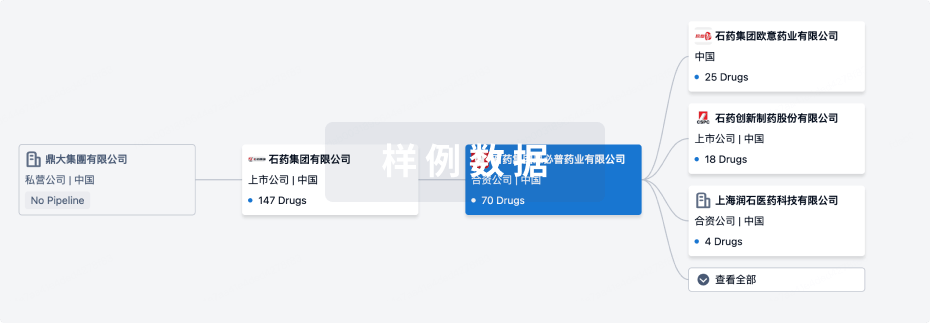
组织架构
使用我们的机构树数据加速您的研究。
登录
或
管线布局
2026年06月16日管线快照
管线布局中药物为当前组织机构及其子机构作为药物机构进行统计,早期临床1期并入临床1期,临床1/2期并入临床2期,临床2/3期并入临床3期
药物发现
1
登录后查看更多信息
当前项目
| 药物(靶点) | 适应症 | 全球最高研发状态 |
|---|---|---|
EP4733326 ( Telomerase )专利挖掘 | 消化系统疾病 更多 | 药物发现 |
登录后查看更多信息
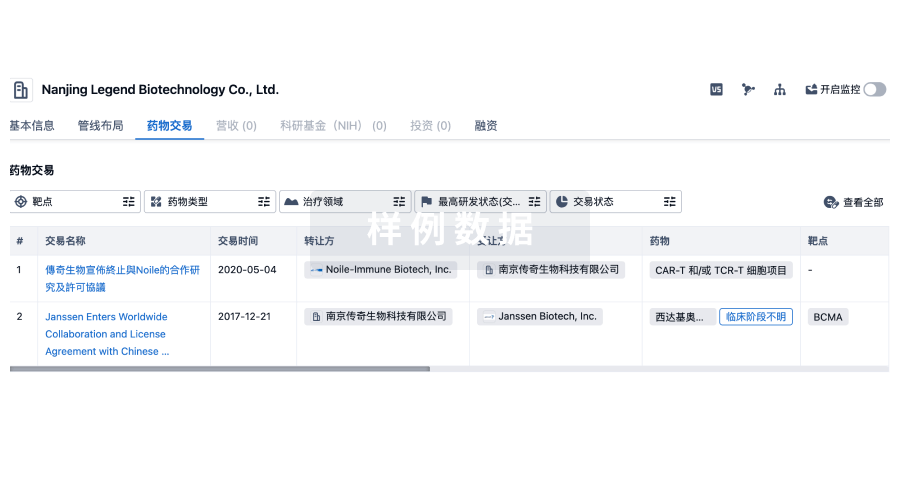
药物交易
使用我们的药物交易数据加速您的研究。
登录
或
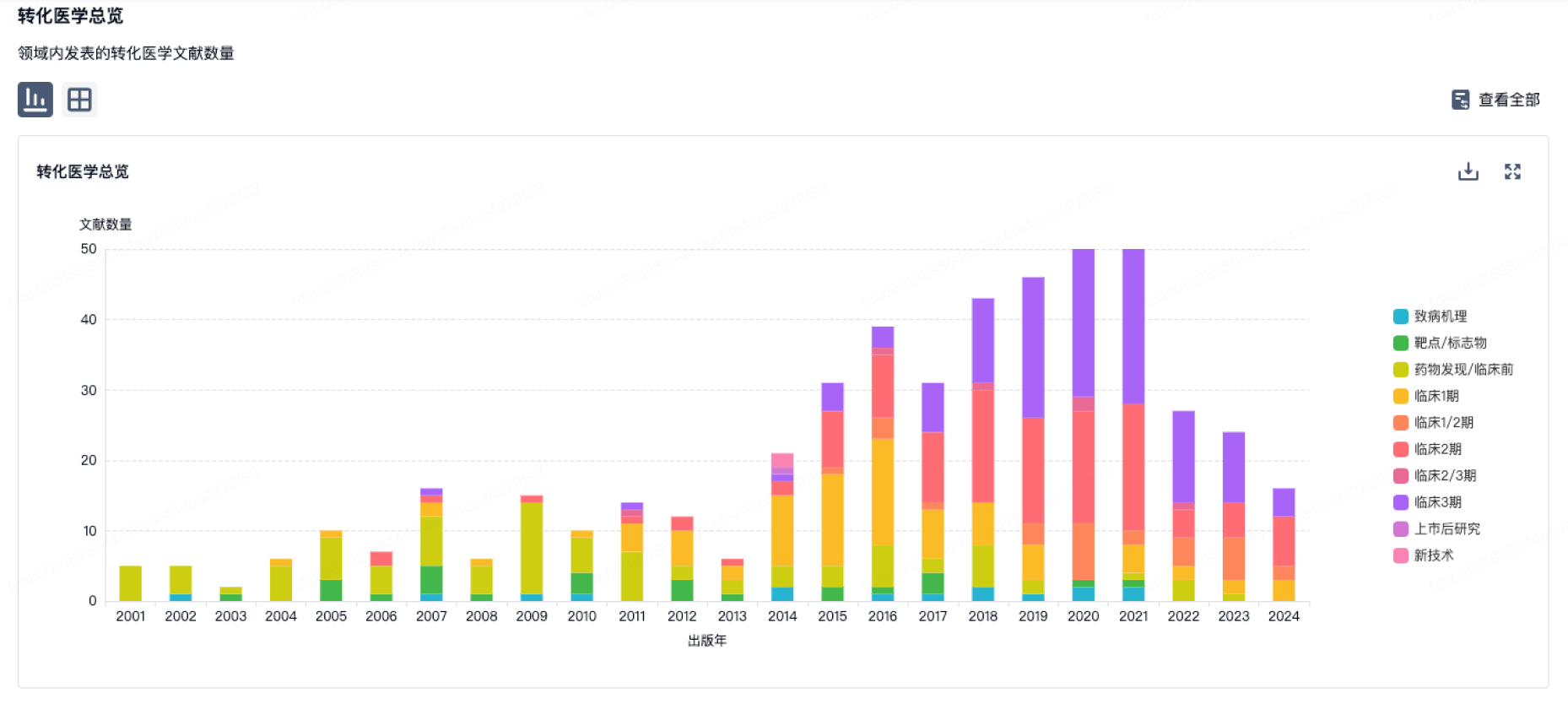
转化医学
使用我们的转化医学数据加速您的研究。
登录
或
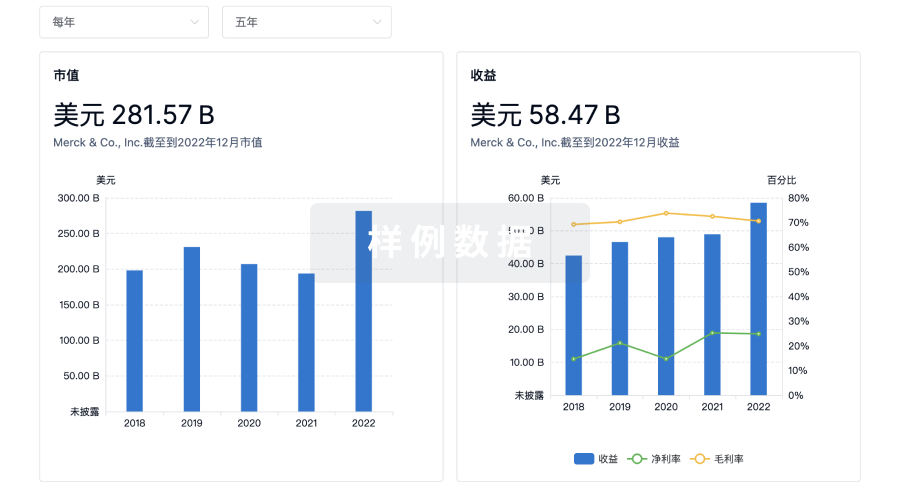
营收
使用 Synapse 探索超过 36 万个组织的财务状况。
登录
或
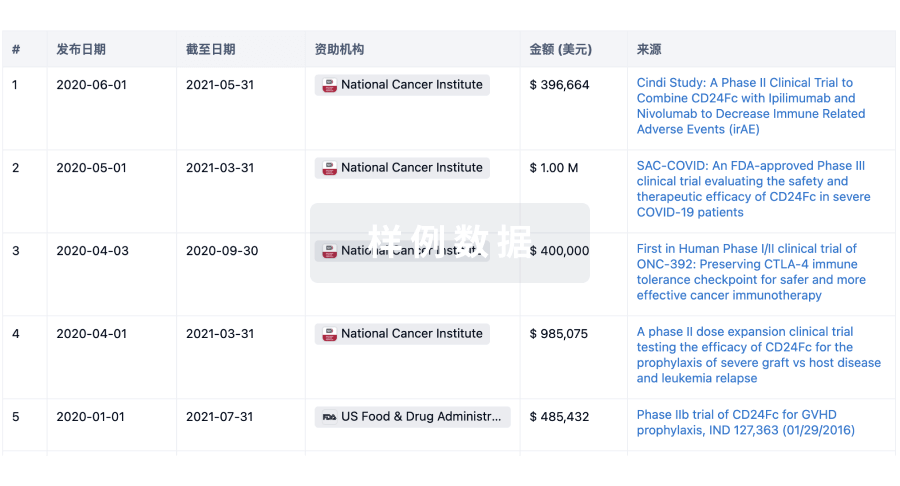
科研基金(NIH)
访问超过 200 万项资助和基金信息,以提升您的研究之旅。
登录
或
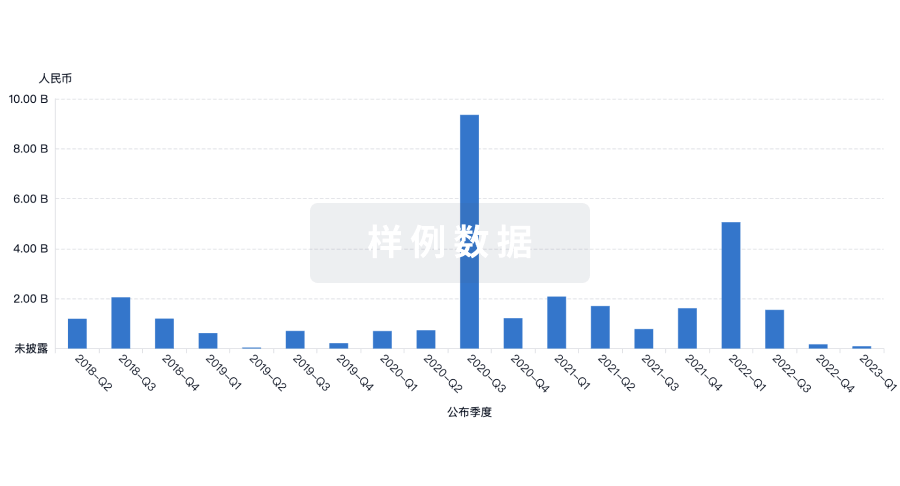
投资
深入了解从初创企业到成熟企业的最新公司投资动态。
登录
或
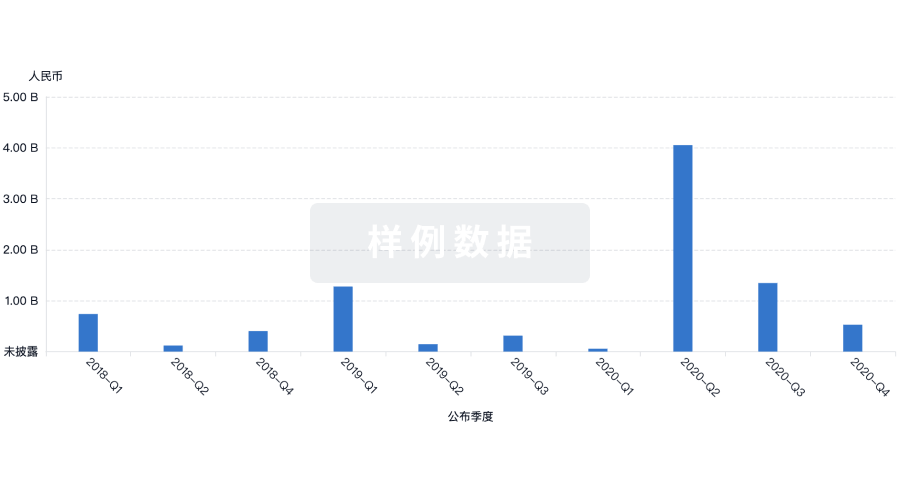
融资
发掘融资趋势以验证和推进您的投资机会。
登录
或
生物医药百科问答
全新生物医药AI Agent 覆盖科研全链路,让突破性发现快人一步
立即开始免费试用!
智慧芽新药情报库是智慧芽专为生命科学人士构建的基于AI的创新药情报平台,助您全方位提升您的研发与决策效率。
立即开始数据试用!
智慧芽新药库数据也通过智慧芽数据服务平台,以API或者数据包形式对外开放,助您更加充分利用智慧芽新药情报信息。
生物序列数据库
生物药研发创新
免费使用
化学结构数据库
小分子化药研发创新
免费使用