预约演示
更新于:2026-03-04

Augustine Surgical, Inc.
更新于:2026-03-04
概览
关联
100 项与 Augustine Surgical, Inc. 相关的临床结果
登录后查看更多信息
0 项与 Augustine Surgical, Inc. 相关的专利(医药)
登录后查看更多信息
2
项与 Augustine Surgical, Inc. 相关的文献(医药)2014-04-01·Anesthesia and analgesia
All Surgical Site Infections Are Not Equal
Letter
作者: Augustine, Scott
To the Editor The recent editorial1 highlighting the article by Belani et al.2 promoted an important misconception that all surgical site infections (SSI) are created equal. Assuming that all SSIs are the same leads to the erroneous conclusion that the often-referenced study by Kurz et al.,3 that showed that soft tissue SSIs during colon surgery are decreased by forced-air warming, also applies to infections involving implanted foreign materials such as periprosthetic joint infections (PJI) after total joint replacement surgery. The implantation of foreign material in the body fundamentally changes the pathophysiology of the infectious process. An inoculum of >1 million bacteria is required to cause a soft tissue SSI, and the bacteria usually enter the wound from the adjacent skin or cut bowel.4 The infection usually manifests within days and is easily treatable. In sharp contrast, it has been shown that a single bacterium can cause a PJI, and it usually enters the wound as airborne contamination.5–7 The infection may take up to a year to manifest and is generally catastrophic. The primary difference between the two is the ability of bacteria to form a biofilm protective coating in the presence of implanted foreign materials but not in soft tissue. Therefore, the results of the Kurz study3 cannot be applied to PJIs. Conflicts of Interest: Scott Augustine, MD, is the CEO and an investor in ATM, manufacturer of HotDog® patient warming. Scott Augustine, MD Augustine Temperature Management LLC Eden Prairie, Minnesota [email protected]
Orthopedic reviews
Forced-air warming discontinued: periprosthetic joint infection rates drop
Review
作者: Scott D. Augustine
Several studies have shown that the waste heat from forced-air warming (FAW) escapes near the floor and warms the contaminated air resident near the floor. The waste heat then forms into convection currents that rise up and contaminate the sterile field above the surgical table. It has been shown that a single airborne bacterium can cause a periprosthetic joint infection (PJI) following joint replacement surgery. We retrospectively compared PJI rates during a period of FAW to a period of air-free conductive fabric electric warming (CFW) at three hospitals. Surgical and antibiotic protocols were held constant. The pooled multicenter data showed a decreased PJI rate of 78% following the discontinuation of FAW and a switch to air-free CFW (n=2034; P=0.002). The 78% reduction in joint implant infections observed when FAW was discontinued suggests that there is a link between the waste FAW heat and PJIs.
6
项与 Augustine Surgical, Inc. 相关的新闻(医药)2025-07-19
·动脉网
2025年3月24日,比利时生物技术公司Augustine Therapeutics完成7770万欧元(约8480万美元)超额认购的A轮融资,由Novo Holdings和Jeito Capital领投,Asabys Partners、礼来、AdBio Partners、V - Bio Ventures、PMV、VIB、Gemma Frisius Fund、美国腓骨肌萎缩症(CMT)研究基金会和Newton Biocapital等现有投资者跟投。此前公司已于2024年完成1700万欧元A轮首轮融资。本轮资金将用于推进其主要候选药物ACT-100216(外周限制性HDAC6抑制剂)在腓骨肌萎缩症(CMT)的1/2期概念验证临床试验,同时支持另外两个针对神经退行性疾病和心血管代谢疾病的HDAC6抑制剂项目研发。01以改变CMT患者命运为使命的研发团队Augustine成立于2019年,专注于开发神经肌肉、神经退行性疾病和心代谢疾病新疗法,是VIB与比利时鲁汶大学VIB-KU Leuven癌症生物学中心联合孵化的分拆企业。公司名称的灵感源自19世纪法国神经学家让-马丁·夏科(Jean-Martin Charcot)收治的一位特殊患者。这位患者所罹患的遗传性周围神经病变,经后世医学界系统研究后被正式命名为夏科-马里-图斯病(Charcot-Marie-Tooth disease,简称CMT)。作为全球最常见的遗传性神经疾病之一,CMT又称遗传性运动感觉神经病,患病率约为1/2500,多在儿童至青年期发病。其核心病理特征为周围神经轴突或髓鞘的进行性退化,临床表现为肌肉萎缩无力、感觉丧失、剧烈疼痛及足部畸形等并发症。令人遗憾的是,这种严重影响生活质量的疾病至今尚无获批治疗方案。Augestine以该病命名,不仅是对医学先驱探索精神的致敬,更承载着改变患者命运的使命。Augustine拥有经验丰富的生物制药领导者与资深科研团队,并且得到国际领先专家组成的顾问委员会的支持。首席执行官Gerhard Koenig博士深耕神经退行性疾病领域,曾创立Arkuda Therapeutics(治疗包括阿尔茨海默氏病和帕金森病在内的神经退行性疾病),还在拜耳、富达生物科学集团等历任要职。首席医疗官Carl Bjartmar博士专攻神经肌肉,神经病学及肿瘤学适应症的临床开发,支持过多款罕见病新药研发,曾担任赛诺菲旗下Genzyme的高级医学总监。首席科学官Rie Schultz Hansen拥有20余年药物发现与早期药物开发经验,此前曾任Aelin Therapeutics的首席科学官,在基于诱导蛋白聚集的降解剂平台开发(用于中和致病蛋白)中发挥关键作用。科学顾问团队由Ludo Van Den Bosch教授领衔,其突破性研究——“借选择性HDAC6抑制剂解决外周神经轴突变性机制”奠定了公司HDAC6抑制疗法的科学基础,联合创始人Clara campàs-moya与深耕医药创新20年的Bart De Taeye博士等携手,从技术研发到商业化路径为公司提供全方位支持,共同推进靶向HDAC6创新疗法开发落地。02发现HDAC6与运动神经元疾病关联,开发精准靶向小分子抑制剂在运动神经元疾病(如肌萎缩侧索硬化症,ALS)和不同的神经病变(如腓骨肌萎缩症,CMT)的研究过程中,Van Den Bosch教授发现HDAC6在这些疾病的发生发展中扮演着关键角色。HDAC6是一种Ⅱ类组蛋白脱乙酰酶,与其他HDAC不同,它主要位于细胞质中且可使非组蛋白脱乙酰化。通过这种方式,它调节各种细胞过程,包括细胞生长、细胞迁移、细胞内运输以及细胞死亡等。此外,HDAC6还可通过其泛素结合域在泛素化蛋白的清除中发挥作用。在正常生理状态下,微管(microtubule)由α-微管蛋白(α-tubulin)和β-微管蛋白(β-tubulin)聚合而成,是细胞内物质运输的重要通道,维持着轴突运输的正常进行,保证神经细胞的营养供应和信号传导。然而,在CMT、ALS等疾病中,HDAC6异常激活,过度去乙酰化α-微管蛋白,导致微管结构不稳定,完整性和连续性被破坏,进而使轴突运输功能受阻,神经细胞的营养供应和信号传导通路被破坏,最终造成神经细胞变性、功能丧失。基于上述发现,Van Den Bosch教授提出利用选择性HDAC6抑制剂来干预疾病进程。通过抑制HDAC6的活性,能够阻止其对α-微管蛋白的过度去乙酰化,保护微管的乙酰化状态和结构稳定,从而恢复轴突运输功能,促进神经细胞的修复再生,延缓神经损伤,且外周靶向特性可减少对其他组织器官的潜在副作用。HDAC6对微管(microtubule)结构和功能的影响 来自:Augustine官网03围绕HDAC6靶点,聚焦三大疾病领域Augustine的研发管线以HDAC6为核心靶点,构建覆盖周围神经病、中枢神经系统疾病和心脏代谢疾病三大领域的跨领域研发矩阵。Augustine研发管线进程 来自:Augustine官网● 周围神经病领域:CMT项目(AGT-100216)临床前研究显示,HDAC6抑制剂可逆转CMT模型中的疾病进展。同时,对于化疗诱导周围神经病变(Chemotherapy-Induced Peripheral Neuropathy,CIPN),HDAC6抑制剂对CIPN不仅有稳健的治疗作用,还能在不损害化疗抗癌活性的前提下发挥预防作用。针对上述特性,Augustine研发了AGT-100216——一款外周限制性、选择性小分子HDAC6抑制剂,具有独特的“非异羟肟酸(non-hydroxamic acid)、非酰肼(non-hydrazide)”化学结构,口服生物可利用,适用于慢性疾病的长期治疗。目前,Augustine已启动针对CMT的Ⅰ期临床试验。该试验是一项随机、双盲、安慰剂对照的首次人体试验,旨在评估口服AGT-100216在健康成年志愿者中的安全性、耐受性、药代动力学和探索性药效学。● 中枢神经系统疾病领域:神经退行性疾病药物(Central Acting HDAC6i)基于Van Den Bosch教授的研究延伸,HDAC6异常激活在阿尔茨海默病(AD)、肌萎缩侧索硬化症(ALS)等中枢神经退行性疾病中同样扮演关键角色。其过度去乙酰化α-微管蛋白会破坏脑内神经元轴突运输,加剧β-淀粉样蛋白沉积(AD)或运动神经元变性(ALS)。Augustine据此开发针对脑内神经元病理微环境设计的脑渗透型HDAC6抑制剂,旨在穿透血脑屏障(BBB)后选择性抑制中枢HDAC6,恢复神经元物质运输功能,以此突破外周药物无法作用于中枢的局限。目前,该药物处于“先导优化期(lead optimization)”,需通过结构优化提升脑渗透效率、增强靶点选择性,为进入临床前研究(Preclinical)做准备。● 心脏代谢疾病领域:心脏代谢疾病药物(Peripheral HDAC6i)HDAC6在心肌细胞与脂肪细胞中高表达,其异常激活会通过两条路径驱动疾病:促进心肌细胞微管解聚,导致左心室舒张功能障碍(HFpEF);抑制胰岛素信号通路,加剧脂肪细胞胰岛素抵抗(2型糖尿病)。基于此,Augustine同步开发外周限制性HDAC6抑制剂,聚焦心血管代谢疾病这两大病理环节,通过选择性抑制外周组织靶点,探索改善心血管功能、调节心脏代谢的新路径。目前,该药物处于“先导优化后期(advanced lead optimization)”,后续将推进临床前研究及IND申报,逐步进入临床试验,潜在覆盖心力衰竭等心脏代谢疾病。由此可看出,Augustine以HDAC6为单一靶点深度开发,系统性挖掘神经保护与代谢调节的跨疾病能力,有望为CMT、ALS等难治性疾病提供首个机制驱动的HDAC6靶向疗法,填补临床空白。04改善广谱抑制剂毒副作用,HDAC6靶向治疗赛道加速突破目前,大部分已上市或临床中的HDAC抑制剂为泛HDACs抑制剂,对HDAC亚型并没有区分能力,存在潜在的毒副作用。而HDAC6作为HDAC家族最大的成员,是多种罕见病的潜在靶点,具有巨大潜力,因此众多药企纷纷布局HDAC6抑制剂领域,加速推进研发进程。全球部分HDAC6在研管线盘点国际方面,此前,诺华医药与韩国制药公司钟根堂(CKD)达成13亿美元合作协议,获得HDAC6抑制剂CKD-510除韩国以外的全球独家开发及商业化权利。CKD-510是一款高选择性靶向HDAC6的小分子抑制剂,2020年3月就获得了FDA授予的孤儿药资格认定。除了诺华与CKD的合作外,国内还有多款靶向HDAC6的在研新药备受行业关注。如上海徐诺药业的艾贝司他,其涵盖不同肿瘤适应症,正在推进临床试验,全力推进药物从临床向商业化转化;中国药科大学朱雍&陆涛团队正在开发选择性抑制剂靶向HDAC6降解,用于治疗急性肝损伤。如果您想对接文章中提到的项目,或您的项目想被动脉网报道,或者发布融资新闻,请与我们联系;也可加入动脉网行业社群,结交更多志同道合的好友。近期推荐声明:动脉网所刊载内容之知识产权为动脉网及相关权利人专属所有或持有。未经许可,禁止进行转载、摘编、复制及建立镜像等任何使用。文中如果涉及企业信息和数据,均由受访者向分析师提供并确认。动脉网,未来医疗服务平台
2025-04-22
·药时代
今年3月,美国及欧洲的生物医药行业共发生18起融资事件,融资规模达21.8亿美元(约158.96亿人民币),其中值得关注的有:AI制药领域大额融资集中爆发:3月,位居融资额前两位均是AI制药公司,其中,诺奖得主创立的Isomorphic Labs更是单轮完成创纪录的6亿美元融资;前沿技术路线与新靶点受到关注:3月,HDAC6抑制剂公司Augustine 、mGluR5负变构调节剂公司Tempero Bio、KnotBody药物公司Maxion Therapeutics等前沿技术公司均获得大额融资。1、Isomorphic Labs:诺奖得主创办的AI药企3月31日,Isomorphic Labs宣布在第一轮外部融资中筹集了6亿美元。本轮融资由Thrive Capital领投,GV、Alphabet提供后续资金。此次领投的Thrive Capital是如今全球最为炙手可热的风险投资机构之一,以“在少数初创企业押下巨额赌注”的风格著称,曾投出过OpenAI、Instagram、Stripe、Spotify等一众明星项目。Isomorphic Labs成立于2021年,创始人兼CEO为2024年诺贝尔化学奖得主Demis Hassabis。公司致力于利用人工智能技术重新定义药物发现和开发流程,其核心技术包括AlphaFold等革命性AI模型。此前木头姐的《Big Ideas 2025》报告中,将Isomorphic Labs列为AI药物研发领域的少数关键公司。AlphaFold是一种能够预测蛋白质三维结构的AI模型,将预测误差从传统方法的10Å级别压缩至原子尺度(1.6Å)。基于AlphaFold的技术基础,Isomorphic Labs开发了PhoenixAI平台,该平台通过图神经网络(GNN)与扩散模型(Diffusion Model)的融合架构,能够模拟药物分子与蛋白质口袋的原子级相互作用,显著缩短了先导化合物优化周期。2024年5月,Isomorphic Labs与谷歌DeepMind共同开发的AlphaFold 3模型发布,能够准确预测所有生命分子的结构和相互作用,能够显著降低新药研发成本,并提高临床成功率。据摩根士丹利预测,该技术若完全落地,可将新药研发成本从当前平均26亿美元压缩至1.7亿美元,同时将临床成功率从9.6%提升至34%。公司优异的技术,斩获了多家大药企的合作,合作金额高达30亿美元:2024年1月7日,Isomorphic Labs宣布与礼来达成战略研究合作,合作开发针对多个靶点的小分子疗法,公司将获得4500万美元的预付现金,以及潜在高达17亿美元的里程碑付款和净销售额高达两位数的分成;2024年1月7日,Isomorphic Labs宣布与诺华达成战略研究合作,合作开发针对三个未公开靶点的小分子疗法。公司获得3750万美元的预付款,以及潜在高达12亿美元的里程碑付款和从中单到低两位数的净销售额的分成;除了这些合作伙伴关系外,Isomorphic 还在推进多个治疗领域和药物模式的设计项目,包括肿瘤、自身免疫疾病等。公司计划今年年底前将一些人工智能设计的药物投入临床试验。公司的科学顾问委员会包括2020年诺贝尔化学奖获得者、CRISPR先驱 Jennifer Doudna,2021年诺贝尔化学奖获得者David MacMillan,2001年诺贝尔生理学或医学奖得 Paul Nurse,以及阿斯利康前执行副总裁Mene Pangalos等知名人士。近年来,AI制药是资本市场追逐的热点,包括Retro Biosciences(10亿美元A轮)、Xaira Therapeutics(10亿美元初始资金)、EvolutionaryScale(1.42 亿美元种子轮)在内的多家AI制药企业近期获得或正在筹集巨额早期融资。2、Lila Sciences:Flagship Pioneering孵化的AI药物公司3月10日,Lila Sciences宣布完成2亿美元的种子轮融资。本轮融资投资人包括Flagship Pioneering、General Catalyst、March capital、ARK Venture Fund、Altitude Life Science Ventures、Blue Horizon Advisors、State of Michigan Retirement System、Modi Ventures和阿布扎比投资局(ADIA)等知名机构。Lila Science于2023年诞生在Flagship内部实验室。当时,Flagship孵化了两家早期AI公司:一家专注于新材料,另一家专注于生物学,后来两家公司的发展目标趋于一致,招募相同的人才,因此在内部合并。Lila Science致力于在开发一款人工智能程序,该程序经过已发表的实验数据以及科学过程推理的训练。仅仅两年时间,公司平台已在多个领域表现出超越人类和现有人工智能基准的性能,例如:生成优于市售疗法的最佳基因药物结构、发现和验证数百种适用于广泛治疗靶点的新型抗体、肽和结合剂、设计用于工业规模碳捕获的新材料等。在商业模式上,Lila并未像其他AI制药公司那样自己直接下场研发新药,而是与Flagship孵化药企、外部生物技术公司合作,承担 “科研助推器”的角色,加快同行药物研发速度。团队方面,Lila Science集聚了业内众多知名专家:哈佛大学著名遗传学家 George Church担任首席科学家、OpenAI前高管Kenneth Stanley担任高级副总裁、Flagship的普通合伙人Geoffrey von Maltzahn 担任首席执行官。3、Callio Therapeutics:Frazier Life Sciences孵化的ADC药物公司3月3日,Callio Therapeutics宣布完成1.87亿美元的A轮融资。本轮融资由Frazier Life Sciences领投,Jeito Capital、Novo Holdings A/S、Omega Funds、ClavystBio、Platanus、Norwest、Pureos Bioventures、SEEDS Capital和EDBI等知名机构跟投。Callio Therapeutics是一家由Frazier Life Sciences孵化设立的ADC药物公司,致力于开发下一代多载荷ADC。公司的ADC采用差异化的有效载荷和接头技术,能够将多载荷靶向递送至肿瘤细胞,从而最大限度地提高治疗效果。Callio Therapeutics的管线与技术来自Hummingbird Bioscience的授权。公司获得了后者双plyload技术平台、以及两个ADC管线的独家授权。其中一个较快的管线为靶向Her2双payload ADC,第二个管线尚未披露靶点。而Hummingbird则获得Callio的股权,以及两个授权管线的未来里程碑付款。Hummingbird的ADC技术来自著名的ADC技术平台公司Synaffix:2023年1月,Hummingbird以1.5亿美元总额获得了Synaffix三大平台技术GlycoConnect™、HydraSpace™、ToxSYN™的授权。公司的首个项目是靶向HER2的双有效载荷ADC:HMBD-802。根据公司在2024年AACR大会上的介绍,HMBD-802的两个payload分别为拓扑异构酶Ⅰ抑制剂和ATR抑制剂,用以克服单一Topo1i ADC的耐药性。公司联合创始人兼CEOPiers Ingram此前曾是Hummingbird Bioscience的联合创始人,亦曾在此前在赛诺菲等医药企业从事了15年的研发咨询、商业战略和学术工作。首席医疗官Naomi曾担任ProfoundBio(普方生物)的首席医疗官(被Genmab以18亿美元收购),在此之前,她曾担任Silverback Therapeutics的首席医疗官、Acerta Pharma的临床开发和医疗事务副总裁、Seattle Genetics的临床开发副总裁等职务。4、Latigo Biotherapeutics:Vertex镇痛药的潜在挑战者3月17日,Latigo Biotherapeutics宣布完成1.5亿美元的B轮融资,本轮融资由Blue Owl Capital管理的基金领投,卡塔尔投资局、Deep Track Capital、Access Biotechnology、Cormorant Asset Management、赛诺菲风险投资公司、Rock Springs Capital、UPMC Enterprises、Kern Capital、Westlake Village BioPartners、Foresite Capital、5AM Ventures和Alexandria Venture Investments等机构跟投。Latigo Biotherapeutics由生物医药投资机构Westlake Village BioPartners于2020年孵化设立,是一家专注于开发非阿片类止痛药的生物技术公司。目前,公司有四款在研药物,其中最为主要的是LTG-001。这是一款口服选择性Nav1.8抑制剂,目前正在进行临床二期试验,旨在治疗急性和慢性疼痛,预计今年下半年发布数据。NaV 1.8抑制剂为近几年走进医药行业视野的全新机制镇痛药,具有起效快、疗效显著、安全性优于标准护理且不影响中枢神经系统等潜在优势。今年1月底,Vertex Pharmaceuticals旗下药物Journavx成功获批,成为首个获得FDA批准针对 NaV1.8 的止痛药物。虽说Journavx面临着一定程度的商业挑战,疼痛缓解市场一直被廉价的阿片类药物“霸占”,但分析师们还是相当看好药物前景,预测它能够跻身十亿美元药物。Latigo的LTG-001有可能成为有望成为“best-in-class”药物。除了LTG-001,公司还有一系列Nav1.8抑制剂,正处于发现阶段。Westlake运营合伙人Desmond Padhi博士为公司首席执行官。在加入Westlake之前,Padhi博士在安进(Amgen)工作了20年,曾担任药代动力学、药物代谢和临床药理学副总裁一职。在一级市场,2024年2月,Latigo Biotheraputics宣布完成1.35亿美元的A轮融资,本轮融资由Westlake Village BioPartners领投,5AM Ventures和Foresite Capital,Corner Ventures参与跟投。公司的孵化机构Westlake Village BioPartners成立于2018年,致力于与有望为患者带来变革性疗法的企业家共同培育、发展生命科学公司。Westlake的联合创始人Sean Harper博士于2002年进入安进研发部门,并于2012年成为研发执行副总裁,期间领导安进心血管疾病、肿瘤学、神经科学和肾脏疾病领域药物的新品获批。5、Curevo Vaccine:带状疱疹疫苗Shingrix的挑战者3月17日,Curevo Vaccine宣布完成1.1亿美元的B轮融资。本轮融资由Medicxi领投,OrbiMed、HBM Healthcare Investments、赛诺菲风险投资公司、RA Capital Management、Janus Henderson investors、Adjuvant Capital和GC Biopharma等机构跟投。Curevo Vaccine创立于2018年,是一家专注于生产新一代带状疱疹疫苗的药企。公司唯一的管线CRV-101是一款佐剂亚单位疫苗,用于预防老年人带状疱疹。CRV-101被专门设计为在使用少量佐剂的同时产生最佳免疫应答,目的是获得与目前批准的带状疱疹疫苗相似的疗效,但副作用较少。目前,已经上市的带状疱疹疫苗有默沙东的减毒活疫苗Zostavax、以及葛兰素史克的基因重组亚单位疫苗Shingrix。其中,Shingrix凭借90%的有效率,占据市场主导地位。2024年1月7日,公司宣布CRV-101疫苗在对随机、对照、观察者盲法各组的临床二期试验达到了主要终点。CRV-101有效性为100%,而Shingrix为97.9%。此外,CRV-101较Shingrix相比表现出更低的局部或全身不良反应发生率。为了将Shingrix彻底比下去,公司还在进行多达640人的扩展试验,旨在确定临床三期的剂量选择。管理层方面,公司董事会主席Moncef Slaoui博士曾在葛兰素史克工作了近30年,期间为许多新疫苗的开发做出了贡献,包括Shingrix®(带状疱疹)、Cervarix®(HPV诱导的宫颈癌疫苗)、Mosquirix®(疟疾)、Rotarix®)(轮状病毒肠胃炎)和Synflorix®。另外一位董事Tal Zaks 博士在Moderna担任首席医疗官超过六年,期间还负责监督COVID-19的mRNA疫苗Spikevax的开发。在一级市场,公司曾完成两轮融资:2022 年2月,Curevo Vaccine宣布完成6000万美元A轮融资。本轮融资由RA Capital牵头,Aduvant Capital、Janus Henderson investors、EN Investment和创始投资者GC Pharma跟投;2022年11月,Curevo Vaccine宣布完成2600万美元A+轮融资,投资人包括Janus Henderson、RA Capital 、Adverant Capital和GC Biopharma。6、Character Biosciences:博士伦支持的眼科新药公司3月25日,Character Biosciences宣布完成1亿美元的C轮融资。本轮融资由aMoon和Luma Group共同领投,博士伦、Jefferson Life Sciences、Innovation Endeavors、Catalio Capital、S32和KdT Ventures等机构跟投。Character Biosciences成立于2019年,致力于采用资金效率更高的观察性研究来构建患者数据库并开拓多基因疾病的精准医疗解决方案。通过与全美150多家眼科中心合作,公司构建了一个涵盖6500多名患者的基因-临床-影像数据库,实现了AMD的遗传亚型重分类,并以此发现关键致病机制和靶点,结合AI与多组学方法,有望提升复杂眼病精准治疗的成功率。目前,公司有四个在研管线,其中最为重要的有:CTX114:一款补体抑制剂,旨在减缓晚期干性AMD的地图样萎缩的进展。药物设计用于抑制补体系统激活,保护视网膜细胞表面免受免疫攻击;CTX203:一款脂质调节剂,适应症为高风险中期AMD。该药为人工设计的ApoA1类似肽,针对ABCA1脂质转运通道,具有“延缓进展”而非“逆转疾病”的作用方向,定位于尚无药物覆盖的中早期AMD人群(尚未发展至地形萎缩)。CTX203与CTX114预计将于今年进入临床试验阶段。该公司还利用其人工智能驱动的基于基因组学的平台,将其产品线扩展到其他眼科疾病。对外合作方面,2024年1月,公司宣布与博士伦签署协议,共同开发针对AMD的治疗方法,并可能将双方的合作扩展至其他眼科疾病领域。公司创始人兼CEO Cheng Zhang先生拥有丰富的跨行业经验,曾在多家知名公司担任重要职务。在瑞银(UBS)、Oliver Wyman和辉瑞等公司任职期间,他积累了宝贵的战略规划和创新管理经验,参与并推动了多项战略计划的实施。7、Augustine Therapeutics:礼来支持的HDAC6抑制剂药企3月24日,Augustine Therapeutics宣布完成8480万美元的A轮融资。本轮融资由Novo Holdings和Jeito Capital共同领投,Asabys Partners、礼来、AdBio Partners、V-Bio Ventures、PMV、VIB、Gemma Frisius Fund、Charcot Marie Tooth(CMT)研究基金会、Newton Biocapital等机构跟投。Augustine Therapeutics成立于2019年,由比利时弗拉芒生物技术研究所(VIB)与鲁汶大学(KU Leuven)的联合孵化,致力于解决目前缺乏有效治疗方案的重大医疗需求,包括腓骨肌萎缩征等影响周围神经的遗传性疾病,以及其他神经肌肉、神经退行性和心脏代谢性疾病。公司的科学基础源于VIB-KU鲁汶脑与疾病研究中心的Ludo Van Den Bosch教授在胞浆组蛋白脱乙酰酶6(HDAC6)抑制方面的突破性研究,他认为HDAC6抑制剂是治疗CMT和其他神经疾病的有前景的方法。HDAC6是一种II类组蛋白脱酰酶。HDAC6是一种众所周知的分子靶点,对神经系统疾病有很强的生物学基础,对心脏代谢疾病有很高的治疗潜力。2023年,诺华以8000万美元获得了韩国公司Chong Kun Dang Pharmaceutical的1期阶段的HDAC6抑制剂CKD-510。目前,Augustine Therapeutics正在开发HDAC6的同类最佳的小分子抑制剂,适应症为Charcot-Marie Tooth(CMT)。CMT是最常见的外周神经系统遗传性疾病,影响全球约300万人。一级市场,Augustine最初由V-Bio Ventures、AdBio Partners、VIB、PMV和Gemma Frisius Fund组成并提供种子资金,并于2024年6月完成1850万美元的A轮融资,投资人包括Asabys Partners、礼来、Charcot Marie Tooth研究基金会等机构。8、Arbor Biotechnologies:张峰的又一家基因编辑公司3月18日,Arbor Biotechnologies宣布完成7390万美元的C轮融资。本轮融资由ARCH Venture Partners和TCGX领投,QIA、abrdn、Partners Investment、Revolution Partners、Kerna Ventures、Ally Bridge、Arrowmark、Deep Track、Piper Heartland Healthcare、Surveyor、淡马锡、T.Rowe Price Associates和Vertex制药等机构跟投。Arbor Biotechnologies成立于2016年,是一家基因编辑酶开发公司。Arbor联合创始人包括张锋教授、David Walt、David Scott、Winston Yan等业内知名人士。Arbor主要是通过机器学习与人工智能技术来开发新的基因编辑器,截至目前,公司已拥有17种基因编辑器,覆盖90%以上的基因组。还发现了超60多种核酸酶家族和70多种CRISPR转座酶,数量是已发表文献中的6倍和30倍。Arbor的基因编辑器主要包括两大类:CRISPR核酸酶编辑器、CRISPR转座酶编辑器。其中CRISPR核酸酶包括DNA核酸酶(Cas12h,Cas12i)和RNA核酸酶(Cas13d,Cas12g,III-E型)等。2024年5月,Arbor还收购了张锋旗下另一家基因编辑公司Serendipity Biosciences,获得了DNA核酸内切酶基因编辑器Fanzor、基因编辑器IsrB等技术。目前,公司有在研管线8款,最为重要的是ABO-101。ABO-101是一种针对原发性高草酸尿症(PH)的体内基因编辑疗法,于2024年12月获得了FDA的IND批准,目前正在PH1中进行临床I/II期试验,预计2029年初步完成。此前,在2024 ASGCT年会上,Arbor公布了BO-101的临床前数据。在非人灵长类动物(NHP)中,BO-101对HAO1基因实现了有效的体内编辑,多次给药具有良好的耐受性。此外,公司还在推进其首个同类项目的IND/CTA备案,包括一个罕见肝病的RT(逆转录酶)编辑项目和一个针对肌萎缩侧索硬化症(ALS)的项目。对外合作方面,Vertex是公司的长期合作伙伴,于2018年首次达成合作,并于2021年和2023年两次扩大合作协议,尤其是2021年的扩展合作金额高达12亿美元。此外,Arbor分别在2022年和2024年Allogene与博雅辑因达成了授权合作。在一级市场,公司曾完成两轮融资:2017年5月,Arbor宣布完成560万美元A轮融资后走出隐匿模式;2021年11月,Arbor宣布完成2.15亿美元的B轮融资。本轮融资由淡马锡、汇桥资本和TCG Crossover领投,Arrowmark、Deep Track、Great Point Ventures、Illumina Ventures、Janus Henderson investors、Logos Capital、Ono Venture、Piper Heartland Healthcare、Ridgeback Capital、Section 32、Surveyor Capital、T.Rowe Price Associates、Tao等机构跟投。图片来源:123RF版权声明/免责声明本文为授权转载文章。本文仅作信息交流之目的,不提供任何商用、医用、投资用建议。文中图片、视频、字体、音乐等素材或为药时代购买的授权正版作品,或来自微信公共图片库,或取自公司官网/网络,部分素材根据CC0协议使用,版权归拥有者,药时代尽力注明来源。如有任何问题,请与我们联系。衷心感谢!药时代官方网站:www.drugtimes.cn联系方式:电话:13651980212微信:27674131邮箱:contact@drugtimes.cn点击这里,查看更多精彩!
引进/卖出
2025-03-31
·创鉴汇
▎药明康德内容团队编辑据创鉴汇不完全统计,上周(3月24日至3月30日)全球大健康领域共披露融资事件16起,总额超56亿元。按照金额划分,亿元及以上融资9起。按照已披露的融资轮次划分,早期融资(B轮以前)7起,中后期融资(B轮及以后)7起。生物医药领域共10家公司获融资,涉及药物类型包括基因疗法、创新小分子、疫苗等。#01Character Biosciences完成9300万美元融资关键词:眼科疗法最新融资:9300万美元B轮本轮投资机构:Bausch & Lomb、Catalio Capital Management、Innovation Endeavors、Jefferson Life Sciences等3月25日,Character Biosciences宣布完成超额认购的9300万美元B轮融资,以加速推进其针对退行性眼病的精准治疗药物的研发,首先针对年龄相关性黄斑变性(AMD)。Character Biosciences通过数据驱动方法推动了其主打药物CTX203与CTX114的发现与研发,这两款药物分别针对视网膜细胞死亡和视力丧失的关键驱动因素。CTX114为一款潜在“best-in-class”补体抑制剂,旨在减缓晚期干性AMD中地图样萎缩的进展。CTX203则是一款潜在“first-in-class”的脂质调节剂,旨在预防AMD向晚期进展。Character Biosciences预计这两个项目将在未来一年内进入临床试验,该公司还同时积极拓展其药物研发管线至其他眼科疾病。#02Augustine Therapeutics完成7800万欧元融资关键词:小分子抑制剂最新融资:7800万欧元A轮本轮投资机构:AdBio partners、Asabys Partners、CMT Research Foundation 、Eli Lilly and Company等3月24日,Augustine Therapeutics公司宣布成功完成7800万欧元A轮融资。AGT-100216是一款选择性抑制HDAC6的催化活性,同时保留其有益的非催化功能的新一代抑制剂。HDAC6参与神经退行性病变及组织衰老相关的细胞过程,其药理学抑制有潜力治疗多种疾病。除了针对CMT的研发项目,Augustine还开发了可穿越血脑屏障,以及具有外周限制性的另外两款HDAC6抑制剂,拓展了其管线在神经退行性疾病及心脏代谢疾病等多种适应症中的应用前景。#03Tempero Bio完成7000万美元B轮融资关键词:别构剂最新融资:7000万美元B轮本轮投资机构:8VC、Aditum Bio、Khosla Ventures3月24日,Tempero Bio公司宣布完成7000万美元B轮融资。获得资金将用于推进在研疗法TMP‑301在酒精使用障碍(AUD)和可卡因使用障碍中的两项2期临床试验,支持3期临床试验的准备工作,以及针对其他适应症的临床前研究。TMP‑301是一种下一代代谢型谷氨酸受体5(mGluR5)负向别构调节剂(NAM),旨在针对成瘾的神经生物学基础。在酒精、可卡因和阿片类药物使用障碍的临床前模型中显示出潜力。在1期研究中,TMP‑301已在80多名健康受试者中接受评估,表现出可接受的安全性和耐受性。Tempero Bio已启动一项2期临床试验,评估TMP‑301在酒精使用障碍患者中的疗效和安全性。该公司同时已开展一项药物–药物相互作用(DDI)研究,评估TMP‑301在可卡因使用者中的表现。#04Epicrispr Biotechnologies完成6800万美元融资关键词:罕见病基因疗法最新融资:6800万美元B轮本轮投资机构:Solve FSHD、汇桥资本3月26日, Epicrispr Biotechnologies在其B轮融资中筹集了6800万美元。公司计划将这笔资金用于EPI-321的临床开发,这是一种针对面肩肱型肌营养不良(FSHD)的潜在首创、疾病修饰疗法。公司的专有基因表达调控系统(GEMS)能够精确、持久地控制基因表达。Epicrispr的主要项目EPI-321目前正在进行FSHD的临床试验,公司还在推进其他基因调控疗法。Epicrispr还与Kite Pharma合作研究开发下一代CAR-T细胞疗法。Epicrispr还宣布,新西兰已批准其临床试验申请(CTA),以启动EPI-321的人体试验,这是潜在首个进入临床的针对神经肌肉疾病的表观遗传疗法。#05安达生物完成A轮数千万元融资关键词:多肽疫苗最新融资:数千万元A轮本轮投资机构:临创司南、力鼎资本、博通创投、浦耀信晔、青岛德丰杰龙脉创业投资基金合伙企业3月24日,安达生物宣布完成数千万元A轮融资。根据安达生物新闻稿,本轮募集资金将重点用于推进核心管线——个性化肿瘤治疗性新抗原多肽疫苗PCNAT-01(胰腺癌个性化新抗原疫苗)的临床研究,同时加速其他在研项目的临床前开发。安达生物成立于2018年,是一家专注于个体化肿瘤新抗原疫苗研发的生物技术公司,在实体瘤治疗领域,该公司的核心产品PCNAT-01于2022年3月获得FDA孤儿药资格,于2024年和2025年分别在美国和中国获批IND。读者们请星标⭐创鉴汇,第一时间收到推送免责声明:药明康德内容团队专注介绍全球生物医药健康研究进展。本文仅作信息交流之目的,文中观点不代表药明康德立场,亦不代表药明康德支持或反对文中观点。本文也不是治疗方案推荐。如需获得治疗方案指导,请前往正规医院就诊。版权说明:本文由药明康德内容团队根据公开资料整理编辑,欢迎个人转发至朋友圈,谢绝媒体或机构未经授权以任何形式转发/复制至其他平台。转发授权请在「创鉴汇」微信公众号留言联系我们。更多数据内容推荐点击“在看”,分享创鉴汇健康新动态
临床2期基因疗法疫苗
100 项与 Augustine Surgical, Inc. 相关的药物交易
登录后查看更多信息
100 项与 Augustine Surgical, Inc. 相关的转化医学
登录后查看更多信息
组织架构
使用我们的机构树数据加速您的研究。
登录
或
管线布局
2026年10月16日管线快照
无数据报导
登录后保持更新
药物交易
使用我们的药物交易数据加速您的研究。
登录
或
转化医学
使用我们的转化医学数据加速您的研究。
登录
或
营收
使用 Synapse 探索超过 36 万个组织的财务状况。
登录
或
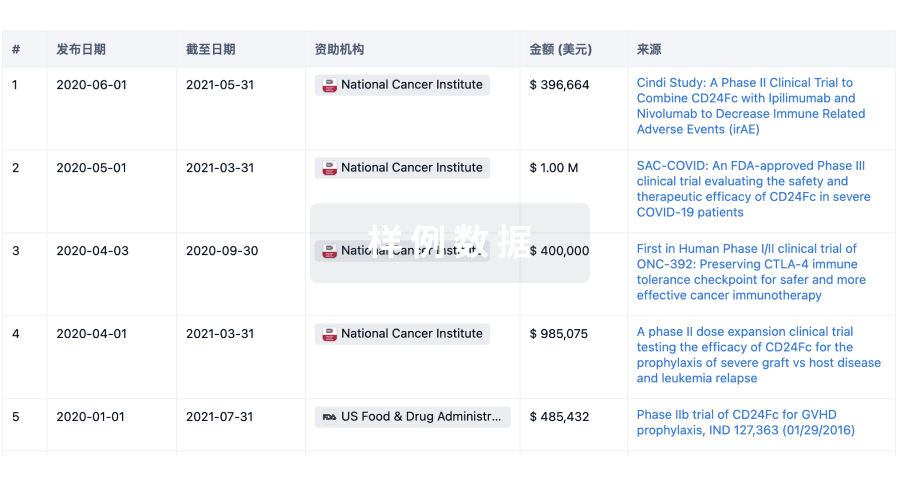
科研基金(NIH)
访问超过 200 万项资助和基金信息,以提升您的研究之旅。
登录
或
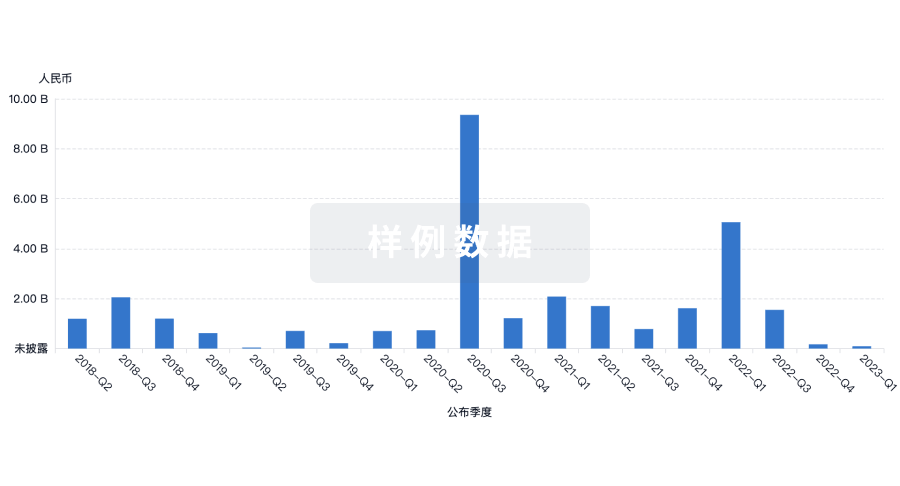
投资
深入了解从初创企业到成熟企业的最新公司投资动态。
登录
或
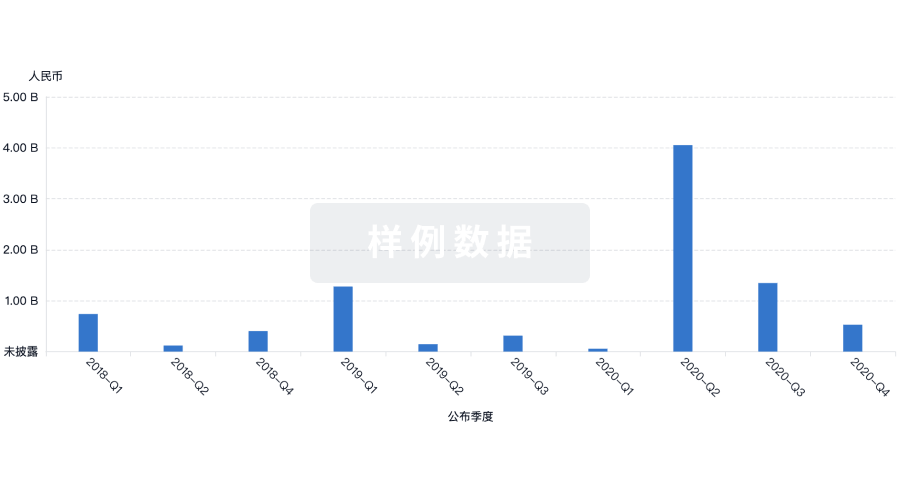
融资
发掘融资趋势以验证和推进您的投资机会。
登录
或
提出任何生物医药研究问题
让每一步生物医药决策都精准制胜
基于十亿级生物数据与全球情报的精准 AI,赋能早期药物发现
立即开始免费试用!
智慧芽新药情报库是智慧芽专为生命科学人士构建的基于AI的创新药情报平台,助您全方位提升您的研发与决策效率。
立即接入生物医药数据包
智慧芽新药库数据也通过智慧芽开放平台,以MCP或API服务形式对外开放。立即使用我们的MCP服务定制您的LLM智能体。
生物序列数据库
生物药研发创新
免费使用
化学结构数据库
小分子化药研发创新
免费使用