预约演示
更新于:2025-08-22
GC Green Cross Medical Foundation
更新于:2025-08-22
概览
关联
100 项与 GC Green Cross Medical Foundation 相关的临床结果
登录后查看更多信息
0 项与 GC Green Cross Medical Foundation 相关的专利(医药)
登录后查看更多信息
122
项与 GC Green Cross Medical Foundation 相关的文献(医药)2025-12-01·INTERNATIONAL JOURNAL OF MEDICAL INFORMATICS
Comparative study of LOINC and SNOMED CT in panel mapping: enhancing interoperability in laboratory testing
Article
作者: Ryu, Hyejin ; Cho, Eun-Jung ; Sung, Sumi ; Kim, Sollip ; Kim, Min-Sun ; Yu, Shinae ; Park, Kuenyoul ; Oh, YeJin
BACKGROUND:
We aimed to evaluate and compare the applicability of Logical Observation Identifiers Names and Codes (LOINC) and SNOMED CT in mapping frequently requested panel tests.
METHOD:
Frequently requested panel tests were identified from the test records of two major referral laboratories. Subsequently, LOINC and SNOMED CT mappings were cross-validated, and the results were classified based on pre-defined criteria. A consensus was reached among the teams. A comparative structural analysis was performed by aligning the mapped SNOMED CT concepts with LOINC codes and visualizing the selected items with conditionality to evaluate the differences in representation.
RESULTS:
We conducted 23 panel tests. Exact mapping was achieved for 87.0% of the panel tests using LOINC: two failures were recorded due to the lack of a suitable code, and one panel test was classified as narrowly mapped. In contrast, SNOMED CT achieved the exact mapping for 78.2% of the panel tests, with 12 mappings requiring post-coordination to represent the test concepts. SNOMED CT mapping failures stemmed from missing primitive concepts and limited pre-coordinated codes. LOINC offered detailed component specifications and predefined panel codes. In contrast, SNOMED CT relied on post-coordination to address gaps in the pre-defined codes, allowing the addition of new combinations where necessary.
CONCLUSION:
LOINC demonstrated advantages in mapping frequently performed panel tests with higher exact mapping rates and structured panel codes. However, leveraging SNOMED CT's flexibility through initiatives such as the LOINC Ontology project could enhance interoperability and standardization in laboratory data exchange.
2025-07-01·Annals of Laboratory Medicine
Increase in Sapovirus Infection in Korea After the COVID-19 Pandemic: A Six-and-a-half-year Retrospective Study
Article
作者: Cho, Eun-Jung ; Lee, Su-Kyung ; Jeon, You La ; Song, Wonkeun ; Kim, Han-Sung ; Kim, Jae-Seok ; Kim, Hyun Soo
Background:
Sapovirus is an increasingly recognized cause of acute gastroenteritis (AGE). Despite its significance, data on sapovirus epidemiology and genetic diversity in Korea are limited. Therefore, we examined sapovirus positivity rates over a 6.5-yr period and analyzed the genetic diversity of strains detected in 2022 in Korea.
Methods:
We retrospectively analyzed 204,563 sapovirus multiplex PCR test results from suspected AGE cases collected between 2017 and 2023 at two institutions. Monthly and age-specific positive rates were evaluated. Forty sapovirus-positive samples from 2022 were genotyped using reverse transcription PCR and sequencing. The sequences were compared with those in the National Center for Biotechnology Information Virus database, and a phylogenetic tree was constructed to assess genetic relationships among sapovirus strains.
Results:
The overall sapovirus positivity rate from 2017 to 2023 was 2.2%, with an increasing trend in summer and autumn, except during the coronavirus disease 2019 (COVID-19) pandemic in 2020 and 2021, when sapovirus was rarely detected. Positivity markedly increased in the summer and autumn of 2022 and 2023 following the COVID-19 pandemic. The predominant genotypes in 2022 were GI.1 and GII.3. Phylogenetic analysis revealed genetic diversity among circulating strains.
Conclusions:
This study highlights the rising incidence of sapovirus in Korea, particularly after the COVID-19 pandemic. Despite focusing on genotyping data from a single year, these findings emphasize the need for ongoing surveillance to monitor sapovirus evolution and its public health impact. Additionally, our findings provide essential baseline data for future research into the epidemiology and genetics of sapovirus.
2025-05-01·Annals of Laboratory Medicine
Adjustment Formula for Harmonizing Triglyceride Values in the Korea National Health and Nutrition Examination Survey, 2005–2022
Article
作者: Seo, Jong Do ; Cho, Eun-Jung ; Yun, Yeo-Min ; Choi, Rihwa ; Lee, Woochang
Background:
Korea National Health and Nutrition Examination Survey (KNHANES) triglyceride testing changed from the glycerol blanking method (2005-2021) to the glycerol nonblanking method (2022). We converted triglyceride data from 2005-2021 to that obtained since 2022 with different analytical methods.
Methods:
To develop a conversion equation, 98 fresh serum specimen pairs were compared using Passing-Bablok regression analysis. Implications of the conversion equation on epidemiological data were evaluated using KNHANES data from 2019-2021. Bias estimations determined using the Lipid Standardization Program (LSP) of the United States Centers for Disease Control and Prevention (CDC) enhanced the accuracy and comparability of the triglyceride results.
Results:
Triglyceride concentrations measured via the glycerol non-blanking method were 10.7 mg/dL (0.12 mmol/L, 10.0%) higher than those from the glycerol blanking method, with a 9.9 mg/dL (0.11 mmol/L, 5.0%) difference at a concentration of 200 mg/dL (2.26 mmol/L, N=98). The conversion equation y (glycerol non-blanking, 2022)=11.94+0.99x (glycerol blanking, 2005-2021) changed the mean triglyceride concentrations of the KNHANES 2019-2021 data (N=16,015) from 123.7 mg/dL (1.40 mmol/L, 95% confidence interval [CI]: 122.2-125.1 mg/dL [1.38-1.41 mmol/L]) to 134.3 mg/dL (1.52 mmol/L, 95% CI: 132.9-135.8 mg/dL [1.50-1.53 mmol/L]). Since 2022, bias monitoring using the CDC's LSP has remained within a 5.0% limit.
Conclusions:
KNHANES triglyceride values in 2022 (non-blanking) were substantially higher than those from 2005-2021 (blanking). Conversion equations helped effectively adjust 2005-2021 data. Researchers should consider adjusting the KNHANES triglyceride data based on their study characteristics.
100 项与 GC Green Cross Medical Foundation 相关的药物交易
登录后查看更多信息
100 项与 GC Green Cross Medical Foundation 相关的转化医学
登录后查看更多信息
组织架构
使用我们的机构树数据加速您的研究。
登录
或
管线布局
2026年10月09日管线快照
无数据报导
登录后保持更新
药物交易
使用我们的药物交易数据加速您的研究。
登录
或
转化医学
使用我们的转化医学数据加速您的研究。
登录
或
营收
使用 Synapse 探索超过 36 万个组织的财务状况。
登录
或
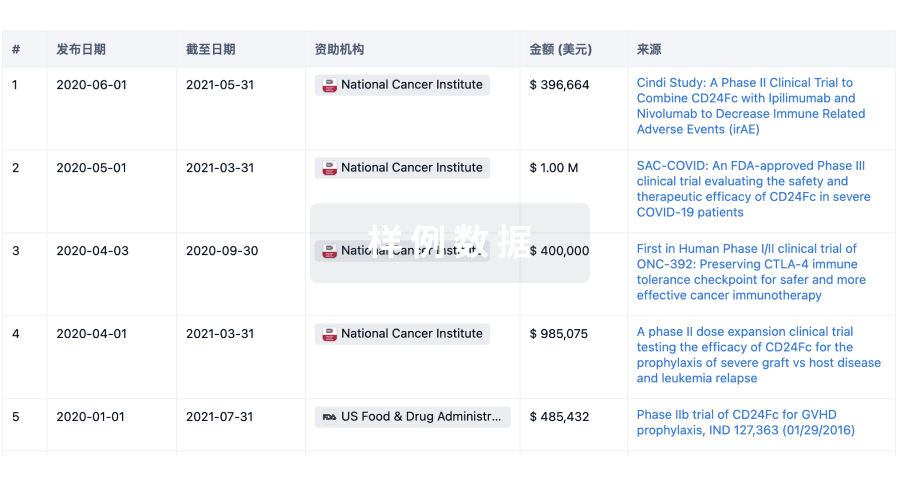
科研基金(NIH)
访问超过 200 万项资助和基金信息,以提升您的研究之旅。
登录
或
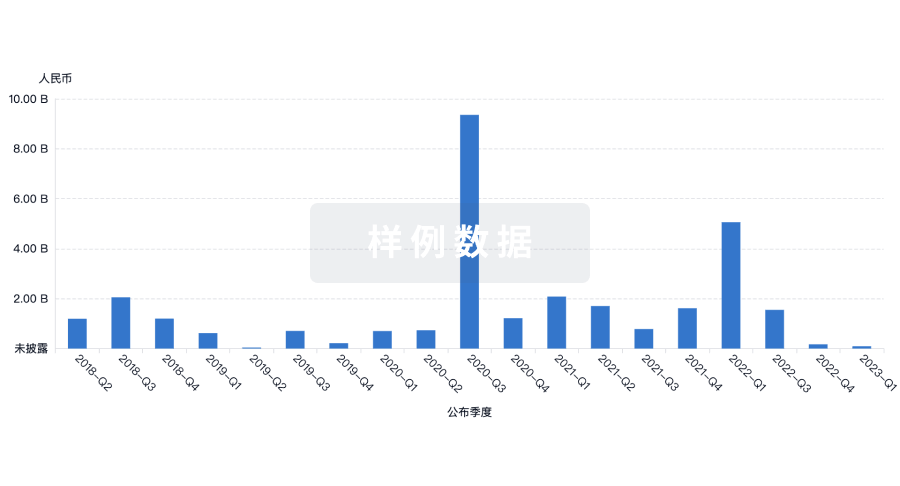
投资
深入了解从初创企业到成熟企业的最新公司投资动态。
登录
或
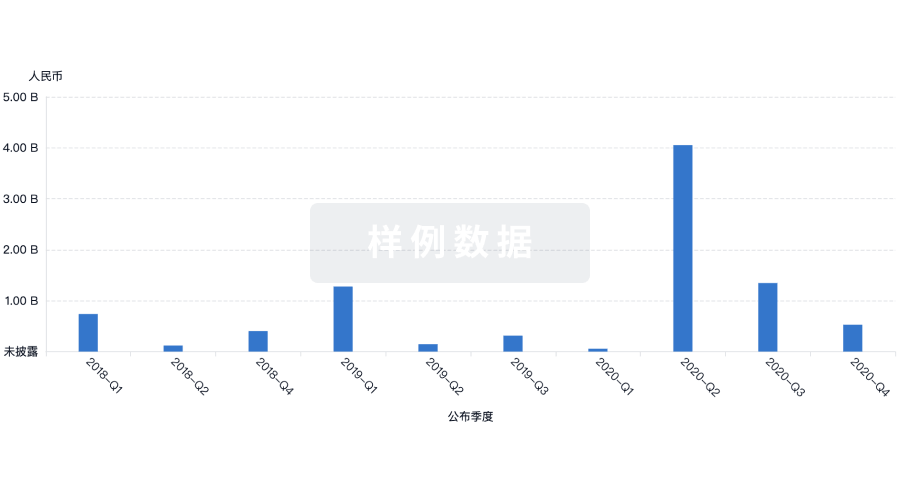
融资
发掘融资趋势以验证和推进您的投资机会。
登录
或
提出任何生物医药研究问题
让每一步生物医药决策都精准制胜
基于十亿级生物数据与全球情报的精准 AI,赋能早期药物发现
立即开始免费试用!
智慧芽新药情报库是智慧芽专为生命科学人士构建的基于AI的创新药情报平台,助您全方位提升您的研发与决策效率。
立即接入生物医药数据包
智慧芽新药库数据也通过智慧芽开放平台,以MCP或API服务形式对外开放。立即使用我们的MCP服务定制您的LLM智能体。
生物序列数据库
生物药研发创新
免费使用
化学结构数据库
小分子化药研发创新
免费使用