预约演示
更新于:2025-05-07

Arteaus Therapeutics LLC
更新于:2025-05-07
概览
关联
100 项与 Arteaus Therapeutics LLC 相关的临床结果
登录后查看更多信息
0 项与 Arteaus Therapeutics LLC 相关的专利(医药)
登录后查看更多信息
5
项与 Arteaus Therapeutics LLC 相关的新闻(医药)2024-09-27
·动脉网
2021年8月3日,赛诺菲宣布与临床阶段mRNA治疗药物公司Translate Bio(纳斯达克股票代码:TBIO)达成了一项最终协议(definitive agreement),赛诺菲将以每股38美元收购Translate Bio的所有已发行股票,总计约32亿美元。这个价格较Translate Bio过去60天的每股成交量加权平均价格溢价56%。
值得一提的是,尽管在早期管道中布局了治疗囊性纤维化和其他罕见肺部疾病的潜在药物,但Translate Bio在被收购时尚未在市场上推出任何药物。彼时,Translate Bio使用其mRNA平台的临床阶段肺产品正在I/II期临床试验中作为囊性纤维化的吸入治疗进行试验,并正在研究肝脏疾病和肿瘤学等领域。
创始团队“退出”经验丰富,
更名两年后顺利IPO
Translate Bio成立于2011年,坐落于美国马萨诸塞州剑桥,创立初期仅对外透露公司正在开发一个技术平台,以实现目标基因的选择性激活。2016年11月,团队以RaNA Therapeutics的名义正式注册成立,并于2017年6月更名为Translate Bio,其利用专有的MRTT™平台为2016年收购Shire所得,用于开发mRNA疗法的候选产品。
与大多数初创公司的发展路线相同,Translate Bio在2012年收获了第一桶金。随即在更名后一跃完成超5000万美元的C轮融资。
Translate Bio的创始人Ankit Mahadevia博士身兼数职,是一位企业家、演讲者和作家,Translate Bio可能只是其众多创业项目中的一员。当前, Mahadevia担任Spero Therapeutics兼董事长,此前他也担任该公司首席执行官一段时间,且是其联合创始人之一。在加入Spero 之前,他是Atlas Venture的风险投资合伙人。他与合作伙伴共同创立了九家治疗公司,包括 Nimbus Therapeutics、Arteaus Therapeutics(被礼来收购)和Translate Bio。此外,Mahadevia也曾担任其中多家公司的首席执行官,包括Rodin Therapeutics(被Alkermes 收购)。在加入 Atlas 之前,他曾在Arcion Therapeutics、基因泰克、Vanda Pharmaceuticals、麦肯锡和Monitor Group工作。他的职业生涯始于医疗保健政策,曾在美国参议院卫生、教育、劳工和养老金委员会以及政府问责局任职。
Translate Bio的重要投资人之一Jean-François Formela有着和Mahadevia相似的经历。他于1993年加入Atlas Venture,并成为其合伙人,打造美国生命科学特许经营权。同时,Formela是IFM Therapeutics、Intellia Therapeutics(纳斯达克股票代码:NTLA)和Triplet Therapeutics的董事兼联合创始人。此外,他还担任Ikena Oncology(纳斯达克股票代码:IKNA)和Scorpion Therapeutics的董事会成员。Formela之前领导投资过Arteaus Therapeutics(被礼来收购)、CoStim Pharmaceuticals(被诺华收购)和Exelixis(纳斯达克股票代码:EXEL)。Formela曾获得巴黎大学医学院医学博士学位和哥伦比亚大学工商管理硕士学位。
两位拥有丰富退出经验的管理层将目光投向mRNA技术,并将囊性纤维化药物以及治疗罕见肝病的MRT5201作为早期发力的重点。
2018年成为Translate Bio发展的关键一年。4月12日,FDA批准该公司启动MRT5005药物治疗囊性纤维化患者的首个人类临床试验。MRT5005是一种治疗囊性纤维化根本病因的mRNA候选产品,旨在通过雾化向肺上皮细胞输送编码全功能囊性纤维化跨膜传导调节因子蛋白质的mRNA。
随后,Translate Bio向美国证监会提交了规模达1.15亿美元的IPO申请,并以TBIO股份代码在纳斯达克上市。
就在同一年,Translate Bio与赛诺菲宣布达成了一项多年研发合作以及最多针对5类传染病开发mRNA疫苗的独家授权协议,根据协议,双方将在最初的三年研究期内共同开展研发活动,研发项目包含5种疫苗。赛诺菲将向Translate Bio支付4500万美元的预付款,Translate Bio可获得最高8.05亿美元的各种疫苗里程碑付款,还可获得分级特许权利金。赛诺菲的合作目的也非常明确:确保公司能在下一代疫苗的研发中继续保持领先地位。
至此,Translate Bio和赛诺菲的长期合作正式拉开帷幕。
市场热度起步之前,
抢滩mRNA疫苗市场
2018年的生物医药领域认为mRNA疫苗是一种创新方式,它提供的核苷酸序列可对与预防或治疗一种病原体相关的任何蛋白质进行编码。由于具备高效、快速开发的能力和降低生产和安全管理成本的潜力,mRNA疫苗可能成为传统疫苗的创新替代品。
● MRT™技术平台,向肺部高效递送mRNA
Translate Bio旗下的MRT™平台最初由Shire Human Genetic Therapies开发,后者已在2016年被Translate Bio收购,并顺势接手了MRT™,而且负责MRTTM技术研发的创始人Michael Heartlein也随着此次的收购加入了Translate Bio,并继续负责MRT™平台的优化及候选产品的研发。
● MRT™平台生产mRNA产品的过程包括:
(1)使用未修饰的碱基及进一步的序列优化合成表达目的蛋白的mRNA,如在mRNA的5’端和3’端加入非翻译区(UTR),以改善mRNA在细胞内的稳定性和翻译效率;
(2)将mRNA包装入递送载体中,如将mRNA包装入脂质纳米粒(lipid nanoparticle,LNP)中。
MRT™平台的机制,图片源自Translate bio官网
其中,脂质载体可以保护mRNA免受酶促降解,且封装效率高,一些脂质在生理环境中带正电,并且可以静电涂覆带负电的mRNA,从而使递送系统能够与目标细胞膜很好地结合。脂质载体在药物递送方面至今已有60多年的发展历史,用于mRNA递送的脂质载体可分为多种类型,包括脂质体(LPs)、类脂质纳米粒子(LLPs)、固体脂质纳米粒子(SLNs)、纳米结构脂质载体(NLCs)、脂质聚合物杂化纳米粒子(LPNs)、纳米乳液、外泌体和脂蛋白颗粒(LPT)。
因此,利用MRT™平台生产的候选产品具有稳定性好、免疫原性低等优点。
首款吸入式mRNA疗法进入快速通道,多款适应症管线在研
2020年2月26日,Translate Bio基于MRT™平台的首款吸入式mRNA疗法MRT5005,获得FDA授予治疗囊性纤维化(CF)的快速通道指定。
MRT5005是Translate Bio首个临床阶段mRNA候选产品,也是第一种可递送至肺部的mRNA治疗药物,旨在通过雾化作用将编码全功能CFTR的mRNA传递到肺上皮细胞,从而解决CF的潜在病因,患者可通过手持式雾化器吸入。此外,2015年,FDA授予MRT5005用于治疗CF的孤儿药称号。
囊性纤维化(Cystic Fibrosis, CF)是全球最常见的遗传疾病之一,影响着约7万人,病因是囊性纤维化跨膜传导调节因子(CFTR)的突变,造成粘稠的黏液形成并在双肺、消化道和人体其他部位积聚,进而引起严重的呼吸道和消化道疾病以及炎症和糖尿病等其他并发症。
彼时MRT5005正在进行一项随机、双盲、安慰剂对照的I/II期临床试验。试验的主要终点将是通过雾化单次或多次递增剂量,评估MRT5005的安全性和耐受性。MRT5005在低剂量和中剂量水平下通常耐受良好; 在所有剂量水平均未报告严重不良事件(SAE)。第29天最常见的不良事件是咳嗽和头痛,所有治疗引起的不良事件(TEAE)被认为是轻度至中度。
Translate Bio由此认为MRT™平台可通过多种给药途径应用于不同适应症和目标组织,以治疗罕见和非罕见疾病,并开始推动其他管线进入临床前研究。
其中,MRT5201针对鸟氨酸氨甲酰基转移酶缺乏症(ornithine transcarboxylase deficiency,OTCD),后者是一种代谢性肝病,其发病机制在于OTC酶缺陷引起尿素循环障碍,血氨浓度升高,导致严重且不可逆的神经损伤。目前OTC的标准治疗是膳食控制,根治手段为肝移植,但存在着肝脏供体有限及手术风险较高的限制。
而MRT5201是一种编码全功能OTC酶的mRNA,通过静脉输注的方式被递送至肝脏中,进而在肝细胞产生正常的OTC酶,以治疗OTCD。
此外,公司还开发了针对其他肺部疾病,例如原发性睫状运动障碍(PCD),肺动脉高压(PAH)和特发性肺纤维化(IPF)的发现阶段程序,以及针对肝,眼和中枢神经系统疾病的候选产品。
截至2020年Translate Bio在研管线,图片源自Translate Bio官网
从合作伙伴到被收购,biotech助推MNC进入mRNA疫苗下半场
2020年3月28日,受新冠流行影响,赛诺菲公司旗下的疫苗部赛诺菲巴斯德(Sanofi Pasteur)和Translate Bio联合宣布合作开发针对COVID-19的创新mRNA疫苗。与此同时,比尔及梅琳达·盖茨基金会和诺华宣布,它们与十多家生命科学公司联合建立了新的研发组织,加速COVID-19疫苗、诊断和疗法的开发、生产、和递送。这些公司包括BD、百时美施贵宝、礼来、吉利德、葛兰素史克、默沙东、默克、辉瑞等。
在新冠流行之前就专注mRNA的Translate Bio无疑备受瞩目。就在合作协议提出3个月后,赛诺菲巴斯德与Translate Bio扩大2018年签订的合作关系,以更好地开发用于传染病的mRNA疫苗,包括COVID-19疫苗。根据新的交易条款,赛诺菲将以每股25.59美元的价格向Translate Bio支付4.25亿美元的现金,包括3亿美元的现金和1.25亿美元的私募普通股投资。此外,Translate Bio未来还有资格获得可能的里程碑和其他付款,最高可达19亿美元。除了获得疫苗的使用权外,此次扩大合作,赛诺菲还将获得Translate Bio约7.2%的股份。
这场19亿美元的豪赌让Translate Bio和赛诺菲的合作进一步加深。2021年3月,赛诺菲与Translate Bio启动针对SARS-CoV-2的mRNA候选疫苗MRT5500的1/2期临床试验。3个月后,一项受众更广的试验——mRNA疫苗预防季节性流感I期临床试验启动。值得一提的是,合作的加深让Translate Bio开发了两种使用不同脂质纳米颗粒成分的疫苗配方,分别为MRT5400和MRT5401,这两款疫苗编码了甲型H3N2(A/H3N2)流感病毒株的血凝素蛋白。
两个月后,也就是在2023年8月,赛诺菲正式收购Translate Bio。
自2020年起,辉瑞、礼来、赛诺菲、GSK、阿斯利康等知名药企都通过与Moderna、CureVac或BioNTech等mRNA药物公司合作研发的手段,涉足mRNA药物领域。从合作情况看,大多数制药企业着重布局mRNA治疗型产品,预防性疫苗以新冠疫苗、流感疫苗居多。
COVID-19关注度的消退并未给mRNA技术降温,反倒引来MNC超百亿元重注,并让流感在内的上成人RSV相关下呼吸道疾病(RSV-LRTD)和急性呼吸疾病(ARD)成为热门适应症。国内方面,阿法纳生物、嘉晨西海、圣诺医药、深信生物、石药集团、星锐医药等也纷纷布局了RSV mRNA疫苗。
而随着GSK以及高达10.5亿欧元的里程碑和版税(合人民币113.9亿)与CureVac重新拟定mRNA疫苗合作许可协议,流感mRNA疫苗的研发正步入一个全新的阶段。当前,随着包括流感在内的公共卫生话题回归大众视野,MNC以及中国生物上海生物制品研究所、嘉晨西海等本土企业纷纷入局mRNA领域,不断完善脂质体技术,致力于开发针对流感病毒新型疫苗,并有望也为全球的流感防控带来全新解法。
如果您想对接文章中提到的项目,或您的项目想被动脉网报道,或者发布融资新闻,请与我们联系;也可加入动脉网行业社群,结交更多志同道合的好友。
近
期
推
荐
声明:动脉网所刊载内容之知识产权为动脉网及相关权利人专属所有或持有。未经许可,禁止进行转载、摘编、复制及建立镜像等任何使用。
动脉网,未来医疗服务平台
并购信使RNA临床2期
2016-06-09
June 9, 2016
By
Mark Terry
, BioSpace.com Breaking News Staff
Thousand Oaks, California -
Amgen
announced
positive results today of its Phase II clinical trial of erenumab (AMG 334) for chronic migraine prevention. It met the study’s primary endpoint, showing statistically significant reduction in migraine days in two dose groups.
“Migraine is the sixth leading cause of disability worldwide,” said
Sean Harper
, executive vice president of Research and Development at Amgen, in a statement. “Three to seven million Americans spend more than half of each month living with the debilitating symptoms of chronic migraine. These positive results are exciting because they add to the growing body of evidence supporting erenumab for the prevention of migraine. We look forward to Phase III episodic migraine data later this year.”
Amgen isn’t the only
company battling
its way into the migraine market.
Alder Biopharmaceuticals
, in Seattle, Israel’s
Teva Pharmaceutical Industries
, and
Eli Lilly
also have chronic migraine drugs in trials. Alder released data from its Phase II trial of ALD403 in March. ALD403 can be self-administered and can be dosed every three months.
Writing for Xconomy,
Ben Fidler
says, “The dosing frequency, and whether a drug can be self-administered as opposed to given at the hospital, will help differentiate between the candidates that Amgen, Alder, Teva, and Eli Lilly are developing. Teva got its drug when it bought San Mateo, California-based
Labrys Biologics
. Eli Lily, of Indianapolis, obtained its prospect through a deal with Cambridge, Massachusetts-based
Arteaus Therapeutics
. All four drugs are CGRP antibodies.”
Amgen’s drug is an injectable, given once monthly. Patients showed about a 6.6-day decrease in monthly migraine days, compared with a 4.2-day reduction in patients receiving a placebo. Amgen plans to release more detailed data in the future, including information regarding secondary endpoints like reduction of a minimum of 50 percent in monthly migraine days. It also has a study, which it expects to report on later this year, in patients with episodic migraines.
A chronic migraine is defined as at least 15 headache days per month over three months. Episodic migraine is defined as 4 to 15 headache days per month.
“Amgen and
Novartis
look forward to discussing these results with global regulators,” said
Kristen Davis
, a spokeswoman for Amgen, to CNBC. “We believe that together with the Phase III episodic data that we expect in H2, the data could potentially support both chronic and episodic indications being granted, at least by some of the global regulators.”
A
Citi
analyst in April projected that the drug could be worth $1.5 billion to Amgen, with a upside of $8 per share.
“We continue to view AMG 334 as one of the more important growth drivers for Amgen over the near-to-intermediate term and recognize the commercial potential that chronic and episodic migraine present,” the company indicated.
Mark Schoenebaum
, an analyst with
ESI Evercore
, wrote in a research note yesterday that Amgen needed to provide more details about the trial. He noted that Amgen’s data was “roughly comparable” to data from Alder and Teva, but noted that the primary endpoint data was incomplete, and the secondary endpoint data was missing.
临床结果临床2期临床3期
2015-05-15
May 15, 2015
By
Mark Terry
, BioSpace.com Breaking News Staff
Amgen
, headquartered in Thousand Oaks, Calif.,
announced
today results from its Phase II trial for AMG 334, a drug for the prevention of migraine headaches.
Trial participants were given a placebo or AMG 334. Patients in the AMG group that received a 70 milligram dose showed a statistically significant 3.4-day reduction in days per month of migraines compared to 2.28 days in the placebo group. In other words, the drug appears to give patients an extra day per month of no migraines.
“Migraine is a complicated, underdiagnosed neurological condition that has significant impact on the everyday activities of those who live with it, and for the millions of people around the world who are affected by this disease, significant unmet therapeutic need persists,” said
Sean Harper
, executive vice president of Research and Development at
Amgen
in a statement. “We are encouraged by these Phase II data, which further validate AMG 334 as a potential preventive treatment for episodic migraine.”
AMG 334 is a human monoclonal antibody. It inhibits the calcitonin gene-related peptide (CGRP) receptor,
which is linked
to migraine and other headaches. Studies have found that when CGRP is injected into individuals with migraines, the migraine is delayed.
The more
common approaches
to migraine treatment are triptans, although many patients do not respond to triptans. Triptans marketed in the U.S. include Imitrex and Amerge, both manufactured by
GlaxoSmithKline
, Zomig (
Impax Pharmaceuticals
, Maxalt (
Merck & Co.
, Axert (
Janssen Pharmaceuticals
, a
Johnson & Johnson
company), Frova (
Endo Pharmaceuticals
and Relpax (
Pfizer Inc.
.
Triptans constrict blood vessels in the brain and are not preventative.
There are a number of other companies working on CGRP-related migraine treatments, including
Alder Biopharmaceuticals Inc.
,
Teva Pharmaceutical Industries Ltd.
, which bought
Labrys Biologics
and its CGRP drug LBR-101, and Arteaus.
Arteaus
has something of a complicated history. In January 2014 the
company announced
that
Eli Lilly and Company
, based on Phase II data, had acquired all the development right for a CGRP antibody Arteaus was studying, LY2951742. This molecule was discovered by
Lilly
researchers, then licensed to Arteaus for a clinical proof-of-concept study.
Arteaus
was founded in 2011 with $18 million from
Atlas Venture
and
OrbiMed
after the rights to the compound were acquired.
Israel-based
Teva Pharmaceutical Industries (TEVA)
announced
in February 2015 positive results from a Phase IIb study of TEV-48125, its CGRP monoclonal antibody for migraine. No safety or tolerability issues were identified.
The
Amgen
study had secondary endpoints of a 50 percent responder rate, monthly migraine attacks, and safety and tolerability. The most common side effects were fatigue, influenza, nasopharyngitis, arthralgia and back pain.
According to
market analysts
the global market for migraines is expected to grow at a CAGR of 3.54 percent from 2014 to 2019. The
market
was rated at about $3.3 billion in 2011 in the U.S., Europe and Japan, and is expected to hit about $5.8 billion by 2021.
Will AbbVie, Genentech’s New Cancer Drug Be a Game Changer?
A promising new blood cancer therapy from
AbbVie
and
Genentech
that snagged headlines in early December for unexpectedly high rates of response in clinical trial patients has now been granted breakthrough status from the
U.S. Food and Drug Administration (FDA)
, the companies said last week. The investigational drug, dubbed venetoclax, is an inhibitor of the B-cell lymphoma-2 (BCL-2) protein that is being developed by
Abbvie
in partnership with
Genentech
and
Roche
. BioSpace wants to know what you think this means for the broader market—and could venetoclax be a game changer?
var _polldaddy = [] || _polldaddy; _polldaddy.push( { type: "iframe", auto: "1", domain: "biospace.polldaddy.com/s/", id: "will-abbvie-genentechs-new-cancer-drug-be-a-game-changer", placeholder: "pd_1431536145" } ); (function(d,c,j){if(!document.getElementById(j)){var pd=d.createElement(c),s;pd.id=j;pd.src=(' '==document.location.protocol)?' ':' ';s=document.getElementsByTagName(c)[0];s.parentNode.insertBefore(pd,s);}}(document,'script','pd-embed'));
临床2期临床结果突破性疗法并购临床1期
100 项与 Arteaus Therapeutics LLC 相关的药物交易
登录后查看更多信息
100 项与 Arteaus Therapeutics LLC 相关的转化医学
登录后查看更多信息
组织架构
使用我们的机构树数据加速您的研究。
登录
或
管线布局
2026年02月08日管线快照
无数据报导
登录后保持更新
药物交易
使用我们的药物交易数据加速您的研究。
登录
或
转化医学
使用我们的转化医学数据加速您的研究。
登录
或
营收
使用 Synapse 探索超过 36 万个组织的财务状况。
登录
或
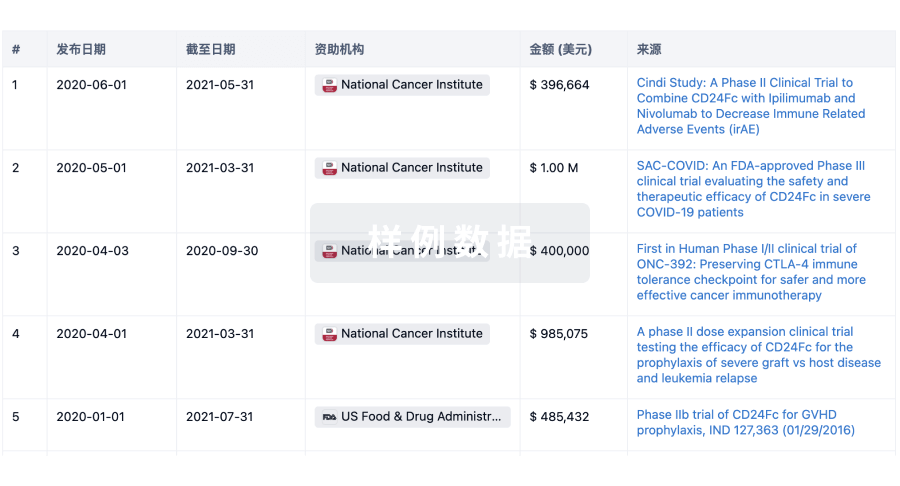
科研基金(NIH)
访问超过 200 万项资助和基金信息,以提升您的研究之旅。
登录
或
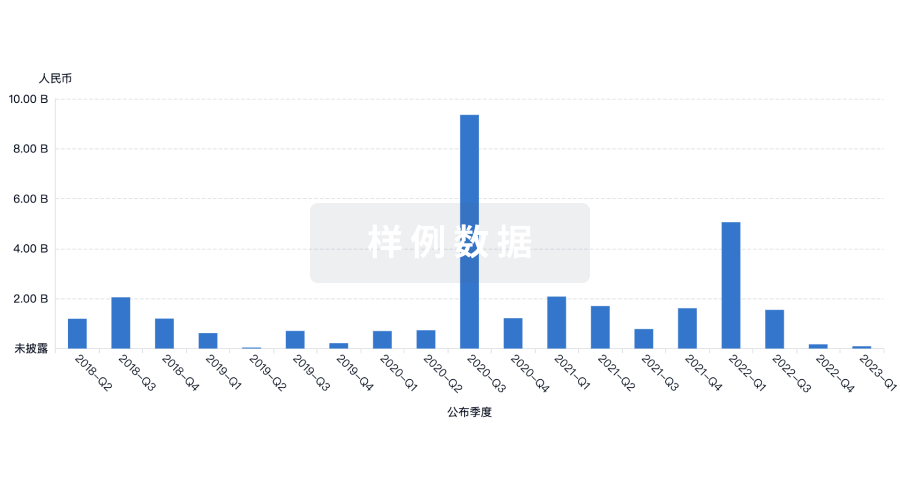
投资
深入了解从初创企业到成熟企业的最新公司投资动态。
登录
或
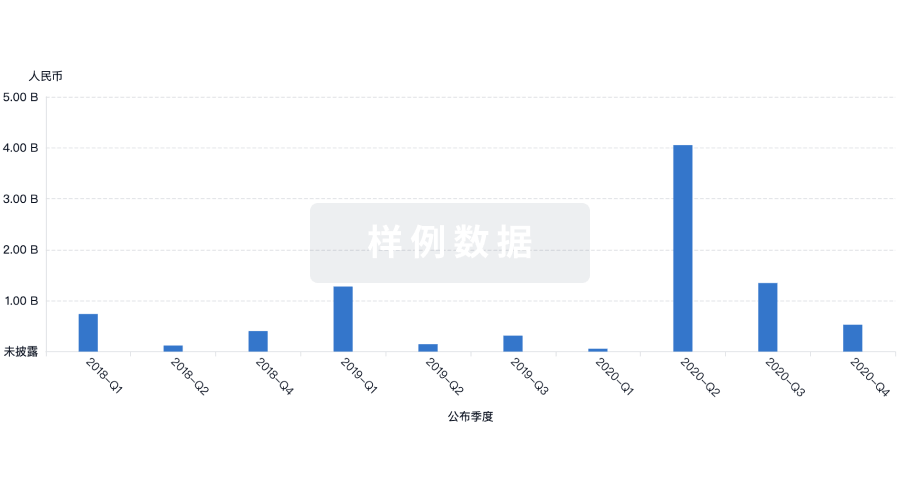
融资
发掘融资趋势以验证和推进您的投资机会。
登录
或
生物医药百科问答
全新生物医药AI Agent 覆盖科研全链路,让突破性发现快人一步
立即开始免费试用!
智慧芽新药情报库是智慧芽专为生命科学人士构建的基于AI的创新药情报平台,助您全方位提升您的研发与决策效率。
立即开始数据试用!
智慧芽新药库数据也通过智慧芽数据服务平台,以API或者数据包形式对外开放,助您更加充分利用智慧芽新药情报信息。
生物序列数据库
生物药研发创新
免费使用
化学结构数据库
小分子化药研发创新
免费使用