预约演示
更新于:2025-12-07

University of Lynchburg
更新于:2025-12-07
概览
关联
100 项与 University of Lynchburg 相关的临床结果
登录后查看更多信息
0 项与 University of Lynchburg 相关的专利(医药)
登录后查看更多信息
172
项与 University of Lynchburg 相关的文献(医药)2025-09-01·The journal of physician assistant education : the official journal of the Physician Assistant Education Association
Team-Based Learning in Physician Assistant/Associate Education: A Mixed Scoping Review
Article
作者: McConnaughy, Rozalynd ; Rauch, Annette ; Herman, Lawrence ; Cranford, Kirby
Introduction:
Team-based learning (TBL) is a type of active learning. While TBL was first used in medical instruction at the start of the 2000s, its efficacy within the physician assistant (PA) education has yet to be demonstrated. The objective of this study was to determine existing information about TBL in PA education and to demonstrate the need for further study.
Methods:
A mixed scoping review was undertaken. Articles were identified across the search engines CINAHL Complete, Embase, ERIC, and PubMed. Findings were then evaluated using Rayyan and Preferred Reporting Items for Systematic Reviews and Meta-Analyses guidelines. Forty-nine articles were identified across all databases, with 2 independent reviewers screening records. Ultimately, 6 studies were included. Four studies were original articles, and the other 2 were conference abstracts.
Results:
Based on the limited data available, TBL was generally beneficial in all available studies; however, results should be interpreted with caution given the paucity of available data. Studies included both hybrid curriculum and TBL alone. Studies demonstrated significant findings when evaluating TBL course outcomes, examination grades, and student confidence. All articles evaluated different outcomes, so comparison between results is challenging. The strength of research from conference abstracts was limited. Further study is necessary to determine if TBL is effective in other programs.
Discussion:
If demonstrated to be effective in PA education, TBL may be used to improve outcomes such as examination performance, course grades, long-term retention of knowledge, or student confidence.
2025-05-01·BRITISH JOURNAL OF SPORTS MEDICINE
Prehospital care of suspected spine-injured lacrosse athletes: a systematic search, evidence review, and consensus recommendations
Review
作者: Hatch, Robert ; Monnin, Jennifer ; Boergers, Richard J ; Putukian, Margot ; Vozzo, Rebecca ; Caswell, Shane V ; Strapp, Edward ; Conway, Darryl ; Wesley Siler, Caroline ; Vescovi, Jason D ; Mills, William J ; Merritt, Mandy ; Scarneo-Miller, Samantha E ; Loehr, Kellie ; Bowman, Thomas G
Lacrosse has experienced significant growth in popularity worldwide and will return to the Summer Olympic Games in 2028. While there are published consensus recommendations for prehospital care of athletes with suspected spine injuries, there are currently no recommendations specific to lacrosse athletes with and without circulation, airway, or breathing (CAB) compromise. The document aims to determine evidence- and consensus-based best practices and provide implementation recommendations to guide healthcare professionals in the prehospital care of suspected spine-injured lacrosse athletes. We comprised a consensus group of 15 individuals with diverse clinical, research, and administrative experiences to ensure broad representation across lacrosse competition levels. Peer-reviewed scientific and medical research literature was systematically searched for articles on spine injury in lacrosse participants to derive evidence-based recommendations. Following a modified Delphi approach with three rounds of voting, the author panel developed ten consensus-based best practices and implementation recommendations related to the care of potentially spine-injured lacrosse athletes with and without CAB compromise. In addition, recommendations are provided to guide the implementation of key preparations before lacrosse participation, such as developing and distributing an emergency action plan, lacrosse-specific policies and procedures, and cardiopulmonary resuscitation and automated external defibrillator requirements. All recommendations obtained acceptable levels of agreeability, feasibility, and clarity from at least 80% of the panel. The recommendations provide prehospital care guidance for healthcare professionals and event organisers aimed at improving patient outcomes following suspected spine injury.
2025-01-01·Current Research in Food Science
Potential of edible insects as alternative protein source for the older adults
Review
作者: Xia, Zhi ; Dai, Zhiqiang ; Shang, Huayu ; Zanchi, Nelo Eidy ; Wu, Huiwen ; Zhao, Yan ; Yang, Ying ; Cholewa, Jason ; Ke, Yu
With global population growth and aging, the demand for high-quality protein continues to increase. It is therefore important to find new and sustainable sources of protein. Compared to traditional animal-derived proteins, insect-derived proteins have higher sustainability and a smaller ecological footprint. In addition, considering that older adults have an anabolic resistance and that protein intake strongly stimulates skeletal muscle protein synthesis, insect-derived proteins may play a potential role in promoting healthy aging. Based on this, this review systematically analyzes the essential amino acid profile, nutritional value, protein digestibility and absorption, health benefits and potential risks, as well as the acceptability and environmental impact of edible insects. Overall, adding insect-derived protein to the diet helps maintain skeletal muscle mass and function in aging, improves gut health, and lowers the risk of age-related diseases. In future research, it is still necessary to improve processing and preparation techniques and establish explicit legal provisions to ensure the safety and acceptability of insect-derived proteins.
1
项与 University of Lynchburg 相关的新闻(医药)2024-04-04
ELK GROVE VILLAGE, III., April 4, 2024 /PRNewswire/ -- Orsini Specialty Pharmacy is pleased to announce that it has welcomed Victor Haddock as its new Chief Financial Officer and Lynda Parker as Executive Vice President of Trade Relations and Account Management.
Continue Reading
Orsini Specialty Pharmacy welcomes Victor Haddock and Lynda Parker to Executive Leadership Team.
Post this
Lynda Parker, Orsini Specialty Pharmacy's new Executive Vice President of Trade Relations and Account Management
Victor Haddock, Orsini Specialty Pharmacy's new CFO
Haddock has over 25 years of financial leadership experience in the healthcare sector, with a demonstrated ability to lead business strategies, implement change and build successful teams. He most recently served as CFO of Triple-S Management in Puerto Rico, and he has held leadership positions at MagellanRx and Express Scripts. He has a bachelor's degree in accounting from the University of Puerto Rico and a master's degree in business administration from Washington University in St. Louis.
"Having assisted healthcare companies of all sizes in their growth and strategic endeavors, Victor brings with him a wealth of experience and a track record of success," Brandon Tom, Orsini's CEO, said. "Orsini has entered an exciting period of growth, and I'm eager to see Victor's contributions to our team as we continue to expand our solutions, invest in our teams and strengthen our infrastructure."
Parker has served in the pharmaceutical and biotech industry for more than 25 years, both with pharmaceutical manufacturers and service providers, with a focus on driving growth and profitability and ensuring successful client engagements. She has a proven track record of successful commercial planning and navigating the complexities of the industry with a solutions-oriented approach. Her background includes leadership roles at companies such as Eisai, Ipsen, Syneos, Eversana and IQVIA and expertise in building patient support solutions, hub services and commercial support. Parker has a bachelor's degree in business and managerial economics from the University of Lynchburg.
"Lynda has a passion for helping biopharma manufacturers ensure medicines reach the hands of patients who need them," Tom said. "I am confident that her breadth of experience affords her a nuanced perspective on our clients' needs across the patient journey and commercialization process."
Haddock and Parker joined Orsini in February of 2024, after the retirement announcements of outgoing CFO Carla Sawa and Senior Vice President of Trade Relations Dave Frobel, who have both been instrumental in the success of Orsini for more than a decade. They have agreed to remain with the company as Haddock and Parker adapt to their new roles and acclimate to the business, to ensure a smooth transition.
About Orsini Specialty Pharmacy
Providing patients with comprehensive and compassionate care since 1987, Orsini Specialty Pharmacy is a leader in rare diseases and gene therapies. Orsini partners with biopharma innovators, healthcare providers and payors to support patients and their families in accessing revolutionary treatments for rare diseases. Orsini's rare disease pharmacy solutions simplify how patients connect to advanced therapies through integrated pharmacy distribution, patient services, clinical management and convenient home infusion services. Orsini's high-touch care model centers on experienced and trained therapy care teams that provide personalized patient care to ensure that No Patient is Left Behind™.
Orsini holds accreditations with the Accreditation Commission for Health Care (ACHC), The Joint Commission, URAC and NABP. Orsini has earned URAC's Rare Disease Pharmacy Center of Excellence Designation and ACHC's Distinction in Rare Diseases and Orphan Drugs. For more information, visit .
SOURCE Orsini Specialty Pharmacy
高管变更
100 项与 University of Lynchburg 相关的药物交易
登录后查看更多信息
100 项与 University of Lynchburg 相关的转化医学
登录后查看更多信息
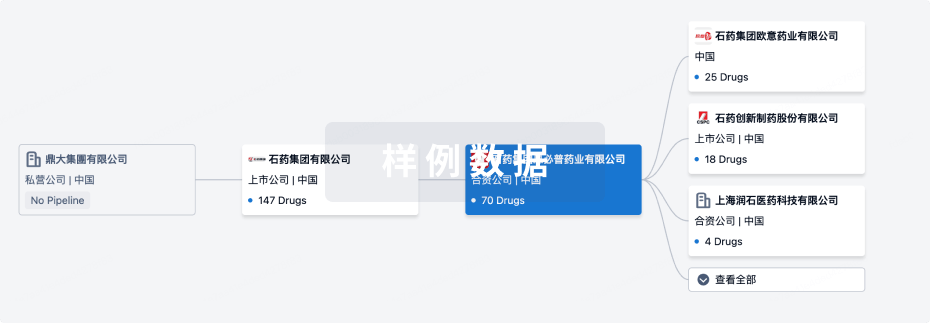
组织架构
使用我们的机构树数据加速您的研究。
登录
或
管线布局
2026年02月08日管线快照
无数据报导
登录后保持更新
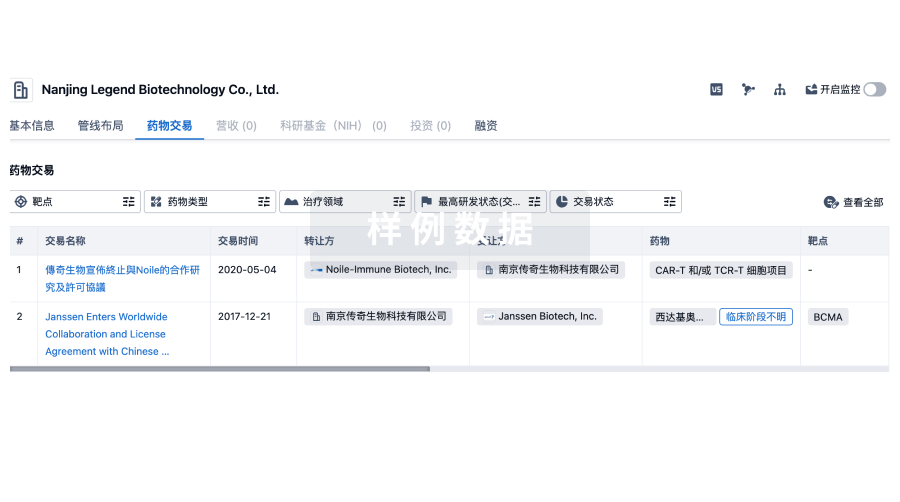
药物交易
使用我们的药物交易数据加速您的研究。
登录
或
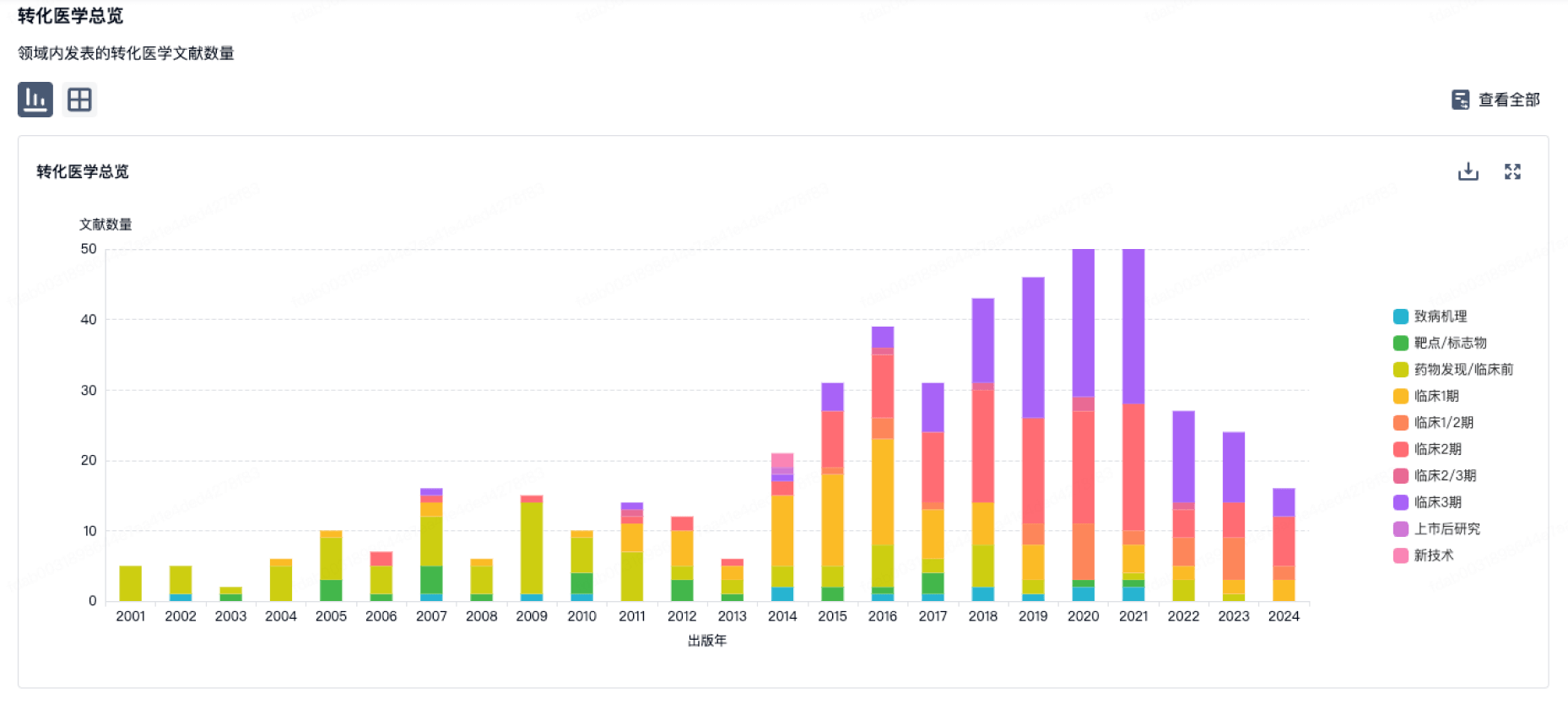
转化医学
使用我们的转化医学数据加速您的研究。
登录
或
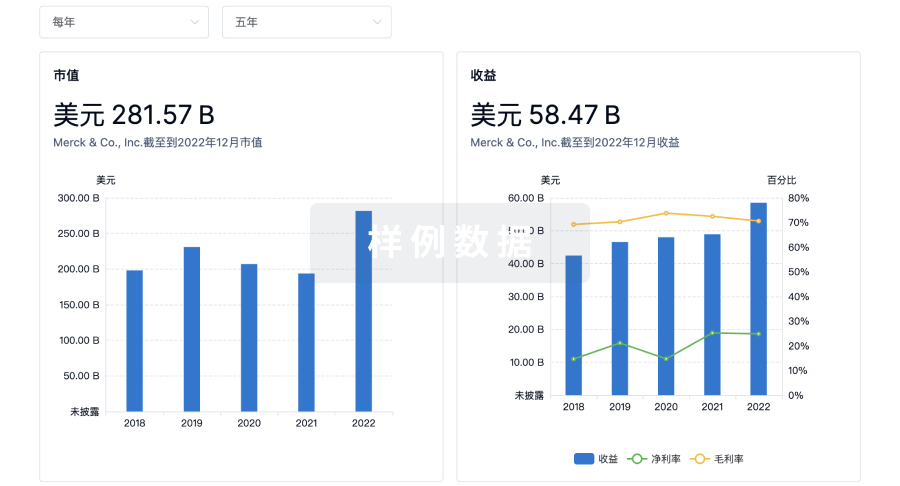
营收
使用 Synapse 探索超过 36 万个组织的财务状况。
登录
或
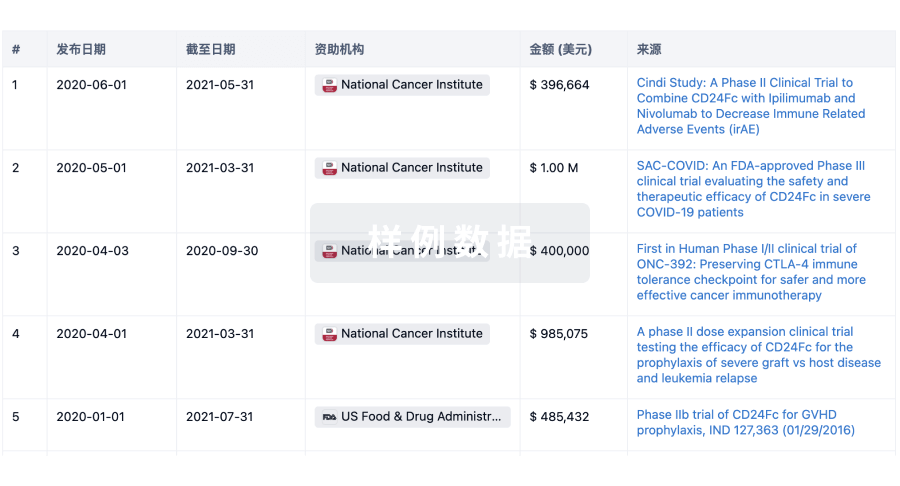
科研基金(NIH)
访问超过 200 万项资助和基金信息,以提升您的研究之旅。
登录
或
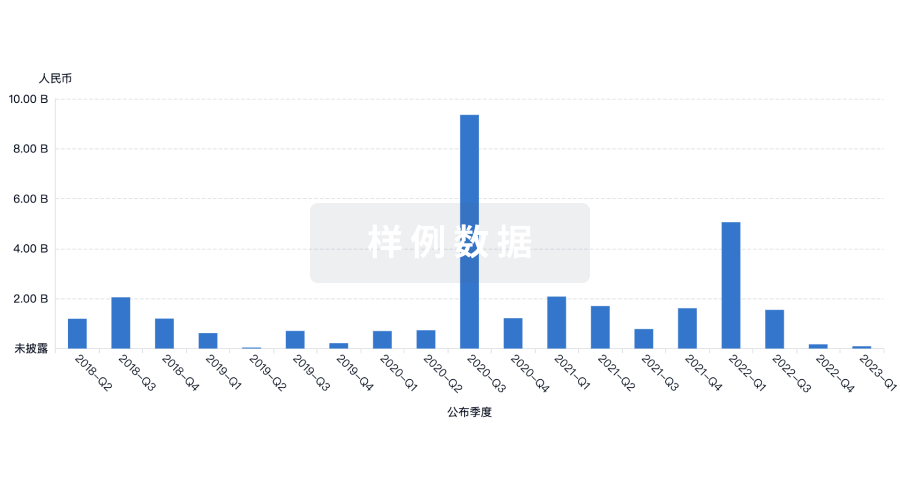
投资
深入了解从初创企业到成熟企业的最新公司投资动态。
登录
或
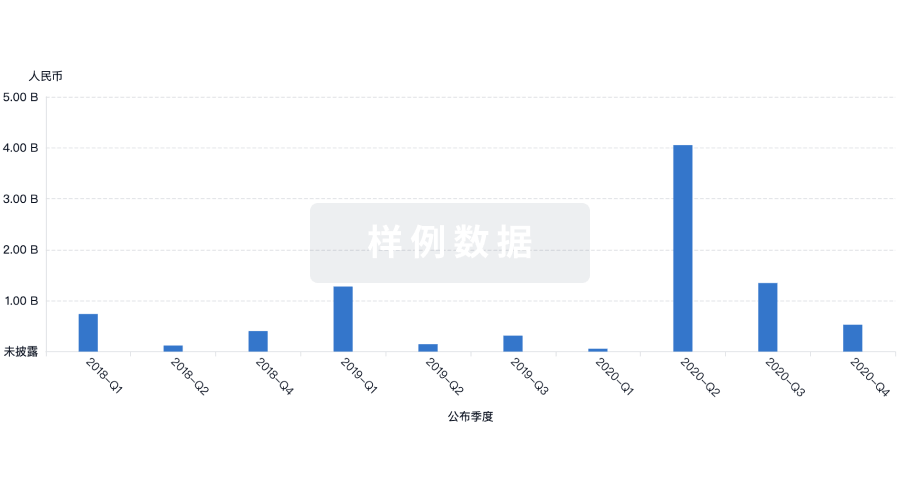
融资
发掘融资趋势以验证和推进您的投资机会。
登录
或
生物医药百科问答
全新生物医药AI Agent 覆盖科研全链路,让突破性发现快人一步
立即开始免费试用!
智慧芽新药情报库是智慧芽专为生命科学人士构建的基于AI的创新药情报平台,助您全方位提升您的研发与决策效率。
立即开始数据试用!
智慧芽新药库数据也通过智慧芽数据服务平台,以API或者数据包形式对外开放,助您更加充分利用智慧芽新药情报信息。
生物序列数据库
生物药研发创新
免费使用
化学结构数据库
小分子化药研发创新
免费使用