预约演示
更新于:2025-05-07

OECD Development Centre
更新于:2025-05-07
概览
关联
100 项与 OECD Development Centre 相关的临床结果
登录后查看更多信息
0 项与 OECD Development Centre 相关的专利(医药)
登录后查看更多信息
98
项与 OECD Development Centre 相关的文献(医药)2024-11-01·Statistical Journal of the IAOS: Journal of the International Association for Official Statistics
Monitoring Informality for Social Policy Making: The OECD Key Indicators of Informality based on Individuals and their Household (KIIbIH)
作者: Manfredi, Thomas ; Kolev, Alexandre
2020-10-01·Journal of Economic Policy Reform
The fourth industrial revolution, changing global value chains and industrial upgrading in emerging economies
作者: Malerba, Franco ; Primi, Annalisa ; Lee, Keun
2020-10-01·Journal of Economic Policy Reform
A global perspective on industry 4.0 and development: new gaps or opportunities to leapfrog?
作者: Toselli, Manuel ; Primi, Annalisa
9
项与 OECD Development Centre 相关的新闻(医药)2024-10-09
·同写意
近日,上海益诺思生物技术股份有限公司(以下简称:“益诺思上海”)及全资子公司益诺思生物技术南通有限公司(以下简称:“益诺思南通”)GLP实验室分别收到OECD成员国匈牙利国家公共卫生和药品中心(NNGYK)颁发的GLP证书,认证内容包括“分析和临床化学”、“毒性试验”、“代谢和毒代/药代动力学”、“安全药理学试验”和“致突变试验”。
2024年5月6日-14日,经济合作与发展组织(OECD)成员国匈牙利国家公共卫生和药品中心委派的资深GLP检查专家组分别对益诺思上海、益诺思南通GLP实验室进行了GLP认证现场检查。
期间,检查组对益诺思上海、益诺思南通GLP实验室的供试品和对照品管理、给药制剂分析、生物分析、临床病理、病理、实验室管理(含细菌细胞管理)、动物管理、实验操作、档案管理、仪器管理、计算机化系统管理、环境设施、人员培训、标准操作规程(SOP)管理、主计划表管理、试验实施、质量保证等方面进行了全方位检查。在检查组严格的评审、实验室专业人员的配合下,检查组对益诺思上海和益诺思南通的试验实施能力和质量管理体系给予了充分认可和高度评价。
益诺思上海与益诺思南通GLP实验室自运行以来,始终按照中国NMPA、美国FDA和OECD GLP要求进行实验室的运营和管理,并不断完善和提升GLP管理体系。此次是益诺思上海第五次通过OECD GLP检查,益诺思南通首次通过OECD GLP检查,这标志着益诺思的质量管理体系已经充分融合了国内国际各监管机构的规范要求,益诺思上海和益诺思南通均具备了开展符合中国NMPA、美国FDA以及OECD GLP要求的非临床药物安全性评价能力,公司具有竞争力的国际化服务能力得到了进一步的提升。
· 上海益诺思生物技术股份有限公司 ·
上海益诺思生物技术股份有限公司成立于2010年,是国药集团下属中国医药工业研究总院有限公司的控股子公司。益诺思上海先后通过NMPA的GLP认证、美国FDA的GLP检查、OECD成员国(荷兰、匈牙利)GLP认证,AAALAC认证及美国病理学会的CAP认证等,是一家专业的提供生物医药非临床研究服务为主的综合研发服务(CRO)企业。业务范围覆盖早期成药性评价、非临床药效学研究、非临床药代动力学研究、非临床安全性评价研究、临床生物样本分析、生物标志物与转化研究等领域。
· 益诺思生物技术南通有限公司 ·
益诺思南通是益诺思上海的全资子公司,于2018年9月正式运营,益诺思南通拥有30,000平方符合国内及国际标准的现代化实验设施,先后通过NMPA的GLP认证、OECD成员国(匈牙利)GLP认证、AAALAC认证及辐射安全许可证等。
益诺思南通充分发挥江苏省作为医药产业大省的产业优势,全面承接益诺思母公司药品非临床安全评价研究关键技术,对服务设施进行了突破性升级,大力提升服务水平;同时致力于不断创新,在益诺思业务板块和服务能力的基础上,新增早期成药性评价、非临床药效学研究等服务板块,结合非临床安全性评价业务,形成完整的药物非临床研究产业链条;在此基础上,先后建立了放射性同位素与影像学评价研究平台、眼科药物药代药效毒性一体化评价研究平台、吸入制剂评价等特色技术平台,可为新药研发机构提供符合国际标准的、优质、高效的一站式生物医药非临床研究服务。
· 符合国内及国际标准的现代化实验设施
从非临床到临床转化的一站式服务
关于同写意
同写意论坛是中国新药研发行业权威的多元化交流平台,二十年来共举办会议论坛百余期。“同写意新药英才俱乐部”基于同写意论坛而成立,早已成为众多新药英才的精神家园和中国新药思想的重要发源地之一。同写意在北京、苏州、深圳、成都设立多个管理中心负责同写意活动的运营。
尊享多重企业/机构会员特权
● 分享庞大新药生态圈资源库;
● 同写意活动优享折扣;
● 会员专属坐席及专家交流机会;
● 同写意活动优先赞助权;
● 机构品牌活动策划与全方位推广;
● 秘书处一对一贴心服务。
入会请联系同写意秘书处
同写意创新链盟机构
(上下滑动查看更多)
国通新药 | 通瑞生物 | 科济药业丨立迪生物 | 森西赛智 | 汇芯生物 | 申科生物 | 方拓生物 | 东抗生物 | 科盛达 | 依利特 | 翊曼生物丨锐拓生物丨复百澳生物丨圆因生物丨普洛斯丨华润三九丨皓阳生物丨人福医药丨广生堂药业丨澳宗生物丨妙顺生物 | 荣捷生物丨行诚生物 | 宜联生物 | 生命资本 | 恒诺康丨益诺思 | 深圳细胞谷丨佰诺达生物 | 沃臻生物 | 金仪盛世 | 朗信生物 | 亦笙科技 | 中健云康 | 九州通 | 劲帆医药 | 沙砾生物 | 裕策生物 | 同立海源 | 药明生基 | 奥浦迈 | 原启生物 | 百力司康 | 宁丹新药 | 上海细胞治疗集团 | 滨会生物 | FTA | 派真生物 | 希济生物 | 优睿赛思 | 血霁生物 | 优睿生物 | 邦耀生物 | 华大基因 | 银诺生物 | 百林科医药 | 纳微科技 | 可瑞生物 | 夏尔巴生物 | 金斯瑞蓬勃生物 | 健元医药 | 星眸生物 | 格兰科医药 | 莱羡科学仪器 | 明度智云 | 玮驰仪器 | 康源久远 | 易慕峰 | 茂行生物 | 济民可信 | 欣协生物 | 泰楚生物 | 泰澧生物 | 谱新生物 | 思鹏生物 | 领诺医药 | 宜明生物 | 爱科瑞思 | 阿思科力 | 博格隆生物 | 百吉生物 | 迈邦生物 | 多宁生物 | 万邦医药 | ASCT | 为度生物 | 比邻星创投 | 赛桥生物 | 吉美瑞生 | 荣泽生物 | 科金生物 | 汉超医药 | 康日百奥 | 汉腾生物 | 力品药业 | 安必生 | 博瑞策生物 | 中盛溯源 | 深研生物 | 东方略 | 赛赋医药 | 克睿基因 | 安润医药 | 镁伽科技 | 科锐迈德 | 和元生物 | 申基生物 |楷拓生物| 森松生命科技 | 凯理斯 | 尚德药缘 | 晟国医药 | 健新原力 | 纽福斯 | 华东医药 | 士泽生物 | 影研医疗科技 | 新格元生物 | 依生生物 | 腾迈医药 | 汉欣医药 | 恒驭生物 | 盛诺基 | 序祯达生物 | 乐纯生物 | 速石科技 | 耀海生物 | 新合生物 | 华龛生物 | 恺佧生物 | 成都凡微析 | 正帆科技 | 大橡科技 | 博雅辑因 | 因美纳 | 博雅控股集团 | 近岸蛋白 | 依科赛生物 | 利穗科技 | 东南科仪 | 倍谙基 | 辉诺医药 | 圣诺制药 | 埃格林医药 | 科镁信 | 爱思益普 | 复星医药 | 齐鲁制药 | 捷思英达丨荣昌生物丨泽璟制药丨奕安济世丨礼新医药丨维立志博丨派格生物丨赛生药业丨呈源生物丨启德医药丨双运生物丨宝船生物丨曙方医药丨澳斯康生物丨普莱医药丨维健医药丨海昶生物丨征祥医药丨智核生物丨望石智慧丨博生吉医药丨南京诺丹丨四星玻璃丨艾米能斯丨霁因生物丨普瑞康生物丨映恩生物丨康哲生物丨霍德生物丨海慈药业丨沃生生物丨睿健医药丨矩阵元丨斯微生物丨则正医药丨预立创投丨东立创新丨博安生物丨伟德杰生物丨星奕昂生物丨耀乘健康科技丨琅钰集团丨康德弘翼 | 原力生命科学丨上海科洲丨特瑞思丨药源丨健艾仕生物丨冠科美博丨微境生物丨天境生物丨合源生物丨泛生子丨创胜集团丨加科思药业丨丹诺医药丨凌科药业丨偶领生物丨凯斯艾生物丨成都圣诺丨松禾资本丨清普生物丨和其瑞丨开拓药业丨科兴制药丨玉森新药丨水木未来丨分享投资丨植德律所丨奥来恩丨乐明药业丨东曜药业丨君圣泰丨海创药业丨天汇资本丨再鼎医药丨济煜医药丨百英生物丨基石药业丨君实生物丨Sirnaomics,Inc.丨亦诺微丨博腾股份丨思路迪诊断丨艾博生物丨普瑞金生物丨未知君生物丨尚健生物丨阿诺医药丨有临医药丨赛业生物丨睿智医药丨博济医药丨晶泰科技丨药明康德丨创志科技丨奥星集团丨苏雅医药丨科贝源丨合全药业丨以岭药业丨科睿唯安丨DRG丨博瑞医药丨丽珠医药丨信立泰药业丨步长制药丨华素制药丨众生药业丨上海医药丨高博医疗集团丨药渡丨君联资本丨集萃药康丨诺思格丨精鼎医药丨百利药业丨Pfizer CentreOne丨默克中国创新中心丨奥来恩丨瑞博生物丨新通药物丨广东中润丨医普科诺丨诺唯赞丨康利华丨国信医药丨昆翎丨博纳西亚丨缔脉丨一品红丨和泽医药丨博志研新丨凯莱英医药丨汉佛莱丨英派药业丨京卫制药丨海思科药业丨宏韧医药丨开心生活科技丨哈三联丨Premier Research丨宣泰医药丨先声药业丨海金格丨普瑞盛医药丨Informa丨科特勒丨谋思医药丨HLT丨莱佛士丨辉瑞丨科林利康丨冠科生物丨科文斯丨卫信康丨龙沙(Lonza)丨美迪西丨阳光诺和丨润东医药丨勃林格殷格翰(中国)丨艾苏莱生物丨领晟医疗丨驯鹿医疗丨燃石医学丨中肽生化丨鸿运华宁丨泰格医药丨易迪希丨希麦迪丨百奥赛图丨迪纳利丨青云瑞晶丨鼎丰生科资本丨中源协和丨维亚生物丨青松医药丨中科谱研丨长风药业丨艾欣达伟丨鼎康生物丨中晟全肽丨海步医药丨勤浩医药丨奥萨医药丨太美医疗科技丨生特瑞丨东富龙丨Cytiva丨优辰实验室丨苏桥生物丨君达合创丨澎立生物丨南京澳健丨南京科默丨东阳光丨亚盛医药丨杰克森实验室丨上海科州丨三优生物丨三迭纪丨泰诺麦博丨Cell Signaling Technology丨PPC佳生丨澳斯康丨先为达丨智享生物丨锐得麦丨宜明昂科丨明济生物丨英百瑞丨六合宁远丨天津天诚丨百拓生物丨星药科技丨亓上生物丨真实生物丨引光医药丨方达医药丨高博医疗集团丨赞荣医药丨国投创新丨药明生物丨康哲药业丨高特佳投资丨普瑞基准丨臻格生物丨微谱医药丨和玉资本 | 倚锋资本
临床研究医药出海一致性评价申请上市
2024-10-09
近日,上海益诺思生物技术股份有限公司(以下简称:“益诺思上海”)及全资子公司益诺思生物技术南通有限公司(以下简称:“益诺思南通”)GLP实验室分别收到OECD成员国匈牙利国家公共卫生和药品中心(NNGYK)颁发的GLP证书,认证内容包括“分析和临床化学”、“毒性试验”、“代谢和毒代/药代动力学”、“安全药理学试验”和“致突变试验”。
2024年5月6日-14日,经济合作与发展组织(OECD)成员国匈牙利国家公共卫生和药品中心委派的资深GLP检查专家组分别对益诺思上海、益诺思南通GLP实验室进行了GLP认证现场检查。期间,检查组对益诺思上海、益诺思南通GLP实验室的供试品和对照品管理、给药制剂分析、生物分析、临床病理、病理、实验室管理(含细菌细胞管理)、动物管理、实验操作、档案管理、仪器管理、计算机化系统管理、环境设施、人员培训、标准操作规程(SOP)管理、主计划表管理、试验实施、质量保证等方面进行了全方位检查。在检查组严格的评审、实验室专业人员的配合下,检查组对益诺思上海和益诺思南通的试验实施能力和质量管理体系给予了充分认可和高度评价。
益诺思上海与益诺思南通GLP实验室自运行以来,始终按照中国NMPA、美国FDA和OECD GLP要求进行实验室的运营和管理,并不断完善和提升GLP管理体系。此次是益诺思上海第五次通过OECD GLP检查,益诺思南通首次通过OECD GLP检查,这标志着益诺思的质量管理体系已经充分融合了国内国际各监管机构的规范要求,益诺思上海和益诺思南通均具备了开展符合中国NMPA、美国FDA以及OECD GLP要求的非临床药物安全性评价能力,公司具有竞争力的国际化服务能力得到了进一步的提升。
上海益诺思生物技术股份有限公司
上海益诺思生物技术股份有限公司成立于2010年,是国药集团下属中国医药工业研究总院有限公司的控股子公司。益诺思上海先后通过NMPA的GLP认证、美国FDA的GLP检查、OECD成员国(荷兰、匈牙利)GLP认证,AAALAC认证及美国病理学会的CAP认证等,是一家专业的提供生物医药非临床研究服务为主的综合研发服务(CRO)企业。业务范围覆盖早期成药性评价、非临床药效学研究、非临床药代动力学研究、非临床安全性评价研究、临床生物样本分析、生物标志物与转化研究等领域。
益诺思生物技术南通有限公司
益诺思南通是益诺思上海的全资子公司,于2018年9月正式运营,益诺思南通拥有30,000平方符合国内及国际标准的现代化实验设施,先后通过NMPA的GLP认证、OECD成员国(匈牙利)GLP认证、AAALAC认证及辐射安全许可证等。益诺思南通充分发挥江苏省作为医药产业大省的产业优势,全面承接益诺思母公司药品非临床安全评价研究关键技术,对服务设施进行了突破性升级,大力提升服务水平;同时致力于不断创新,在益诺思业务板块和服务能力的基础上,新增早期成药性评价、非临床药效学研究等服务板块,结合非临床安全性评价业务,形成完整的药物非临床研究产业链条;在此基础上,先后建立了放射性同位素与影像学评价研究平台、眼科药物药代药效毒性一体化评价研究平台、吸入制剂评价等特色技术平台,可为新药研发机构提供符合国际标准的、优质、高效的一站式生物医药非临床研究服务。
符合国内及国际标准的现代化实验设施
实验设施
来源 | 益诺思Marketing
临床研究医药出海一致性评价申请上市
2024-03-26
·医药魔方
近日,财报网发布文章《研发兼具效率和灵活性且成果抢眼 CRO“弄潮儿”益诺思全新出发》专版报道益诺思,现全文转载如下:创新药产业具有高度不确定属性,当创新的果实越来越难以摘取,叠加近年来行业泡沫逐渐出清,行业周期的钟摆回落到低点,此时,无论是依靠自主研发,还是借助于合同研发组织即CRO进行研发,都到了见真章的时候。一家有真功夫的CRO企业雏形,必须在研发能力和成果输出方面有拿得出手的成绩,而想要登陆以科创属性著称的科创板,更是要有独到之处;企业不只是有研发,持续经营,还需回归业绩,换言之,也需具备相应的商业化能力。上海益诺思生物技术股份有限公司(以下简称“益诺思”或“公司”),便是国内CRO细分赛道的佼佼者。公开资料显示,目前,益诺思已是细分市场龙头企业,根据Frost & Sullivan的统计,2021年度和2022年度,公司在非临床安全性评价细分领域市场占有率分别为6.10%和6.80%,均在境内市场排名第三,已处于行业龙头地位。与此同时,在高含金量的I类创新药物领域,益诺思每年90%以上收入均来自I类创新药物非临床研究服务,且截至2022年12月31日,公司已协助完成了超80个国际、国内首个创新药的研究服务。而在证明公司持续经营能力的财务数据层面,2020-2022年,益诺思营业总收入分别达到3.34亿元、5.82亿元、8.62亿元,复合增长率为60.72%,2023年1—6月,公司营业总收入达到5.26亿元,延续高增长态势。受到市场关注的“兼职研发”以及“实验用猴”话题,很大程度上,在具有合理性的同时,可能恰好是益诺思持续做大做强过程中的一个缩影。研发兼具效率和灵活性招股说明书显示,益诺思是一家专业提供生物医药非临床研究服务为主的综合研发服务企业,作为国内最早同时具备NMPA的GLP认证、OECD的GLP认证、通过美国FDA的GLP检查的企业之一,与国际标准接轨,具备了行业内具有竞争力的国际化服务能力,为全球的医药企业和科研机构提供全方位的符合国内及国际申报标准的新药研究服务。公司服务主要涵盖生物医药早期成药性评价、非临床研究以及临床检测及转化研究三大板块,其中非临床研究板块具体包括非临床安全性评价、非临床药代动力学研究、非临床药效学研究。经过多年的发展与积累,益诺思在国内非临床安全性评价细分领域取得累累硕果。截至2022年12月31日,公司已助力国内创新药研发NDA/BLA成功案例14例,IND注册成功案例270余例,同时协助60余个创新药获批了美国、欧盟、韩国及澳洲等国外监管机构的注册申报。公司还承担/参与国家级、省级、区域性科研项目共24项,是2项国家科技重大专项课题的子课题承担单位、1项国家科技重大专项课题参与单位、1项国家重点研发计划课题承担单位、1项国家重点研发计划课题参与单位、1项上海市发改委战略新兴产业化项目承担单位,并建成了“上海市新药安全评价专业技术服务平台”“上海生物技术药物PK-PD工程技术研究中心”等重大创新平台,并获得“重大新药创制科技重大专项第一批优秀课题承担单位(药物安全性评价示范平台)”称号。靓丽的成绩单背后,跟益诺思的研发活动组织形式密不可分。通常来讲,对组织而言,高效率的背后往往基于一套成熟且可复制运行的规则体系;而灵活性则需要结合市场变化快速突破规则的限制,不断打破稳定、去试错与改变。因此在过去,很少有企业家可以做到效率与灵活性的兼顾。但益诺思的专职研发与兼职研发结合的研发组织形式,恰恰能较好的兼顾效率和灵活性,进入批量化研发创新的快车道。益诺思属于医药研发服务行业,提供新药开发环节的研究服务,无论是生产还是研发都围绕满足药企研发需求展开,即主要通过建立具有广泛应用前景和应用价值的非临床评价研究关键技术和测试分析方法,对特异性标的(药物分子、靶标、品类等)进行药效学、药代动力学、安全性评价等非临床研究,助力制药企业药物的研究和开发,从而更加有效地实现药物临床转化和应用,是药物研究不可或缺的关键环节。因此公司呈现出“生产具有研发属性,研发围绕生产开展”的特性,无论员工从事自主项目或是客户受托项目的研发工作均属于科研性质,相关人员亦需要具备专业的科研能力。基于此特性,公司选择结合自身的不同发展阶段与研发需求,实行不同的研发组织形式。从使用采用行业内常见的兼职研发形式到专职研发与兼职研发结合的研发形式,这些转变与益诺思所处的发展阶段以及行业特性相适应。兼职研发既非聘请外部人员做研发也并非是不做研发,而是充分利用公司的技术人才资源实现效率最大化。截至2021年,公司成功跻身非临床安全性评价领域前三,便是研发行为和取得成果最好的证明。招股书显示,益诺思后续仍将保留原有的兼职研发模式,侧重于贴近市场化需求的技术研发,加强自主研发项目与受托研发项目联动性。对于部分兼具前瞻性和市场化需求的技术,或短时间内亟需的关键性技术,公司可以以专职研发人员为核心,牵头协调项目研发,并统一安排兼职研发人员配合,快速完成技术攻坚。通过专职研发人员和兼职研发人员的有效分工与协作,有利于公司保持在行业内的竞争地位,发挥行业技术进步中的引领作用。实验用猴价格公允,夯实成长动能实验猴实验是新药临床前的重要步骤。此前曾有业内人士向媒体介绍道,相较于常规实验室动物,例如大鼠、犬类,猴子与人类的生理机制最为相似,因此在新药研发过程中,尤其是生物制品,在动物临床试验中较多用到猴。公开资料显示,候选药物在成为新药前需要进行包括药物吸收、分布、代谢、排泄、功效和毒性研究在内的临床前研究,以证明其有效性和安全性。多数临床前研究都是采用一种啮齿类动物和一种非啮齿类动物(包括狗、兔、小型猪和猴)来完成候选药物的疗效、代谢和毒理等动物体内的评价实验。猴子是安全性评价用实验动物的主力军之一。由于进化程度更高,形态和基因上与人类最为接近,科研人员可以借助它们进行传染病学研究、药理学和毒理学研究、生殖生理研究、口腔医学研究、老年病研究、器官移植和眼科研究、内分泌病和畸胎学研究、肿瘤学研究等问题。2001年颁布的《中国实验动物质量国家标准》明确规定,所有新药的研发和疾病的诊断、治疗方法的确立与改进等,都必须得到在非人灵长类身上获得可靠结论后,才能进入临床研究。国际通用的ICH(国际人用药品注册技术协调会)等指导原则建议,选择对药物敏感的合适的动物种属做临床前试验。虽然ICH没有规定“必须用猴”,但大分子药物,即生物药,超过70~80%新药需用猴做临床前试验,而小分子药物,即化学合成药,则有20~30%临床前研究会用到实验猴。在过去的几年中,实验用猴一度成为临床前开发业务的关键稀缺资源,对临床前CRO企业的订单承接和订单执行起关键性作用,实验用猴等动物资源充足的临床前CRO龙头企业可以获得较强的竞争优势。以上资料足以证明,益诺思所从事的业务,必须大量使用实验用猴,公司收入规模起飞的过程,必然会伴随使用实验用猴业务收入的大增。与此同时,公司通过股权绑定上游实验动物供应商、新设立子公司等方式保证“猴源”的稳定性,也具有商业合理性。而实验用猴的价格,则受到各方面因素影响。据了解,中国是实验养殖猴的出口大国,在新冠疫情期间,相关药物及疫苗研发需求的增长造成了全球对实验用猴的需求陡增。按照前述业内人士的介绍,实验室猴的低存栏量、较长的繁育期,以及国内新药研发需求的上升也造成了适用实验室猴源的紧缺。除此之外,随着猴价水涨船高,CRO企业开始囤猴,一旦出现这种情况,实验用猴价格便不再只受供需、供应商及客户具体情况等因素影响,还会受到库存、利润等因素影响。那么,益诺思实验用猴从利益相关方处采购均价和向第三方采购均价分别是多少呢?2022年入股之前与之后,益诺思向华珍合伙采购实验猴均价分别为13.14万元/只、14.5万元/只,向第三方采购均价分别为14.61万元、15万元/只。显然,公司与华珍生物、海南金港签订增资协议前后采购的实验用猴价格均与向其他无关联供应商采购价格无重大差异,采购价格公允。相反,以股权为纽带锁定优质“猴源”,在保障实验用猴稳定供应的同时,也为公司主营业务的开展以及持续增长奠定了坚实的基础。CRO发展进入深水区在国家鼓励由仿制药向创新药发展、国内医药和生物技术企业对创新药物研发投入的不断增长、国家对药品研发监管体系的不断完善和提高,以及跨国药企研发重心向中国战略转移的大背景下,国内中小型制药企业新势力不断崛起,促进中国外包市场加速扩容,CRO行业呈现高景气度。中国CRO行业保持高景气度的同时市场竞争也日趋激烈。但基于创新药研发需要较高的专业能力及成本投入,客户更青睐于研发能力强、研发技术人员充足以及成功业绩多的CRO企业。简而言之,客户不是对CRO企业不再有需求,而是客户相比以往更关心性价比。国内CRO行业,已步入发展深水区。属于真正具有竞争壁垒的行业头部企业的成长时代,仍在继续。益诺思凭借在非临床安全性评价领域建立了多个非临床技术平台,创建了创新品类的药物评价体系,攻克了行业领先的尖端实验操作技术,已经建立起客户、品牌、技术等能力壁垒,积淀了良好的市场口碑,逐步获得了更多的业务订单。在中小CRO企业发展普遍承压的背景下,益诺思和其他头部CRO企业一样,可以依靠自身的技术和规模优势在逆境中争取更加有利的竞争地位。目前,益诺思总部及创新转化中心项目已于2023年7月29日在上海国际医学园区正式开工,并预计在2026年建成并投入使用。项目建成后,将有助于益诺思拓展新的应用领域,搭建新的技术平台,进而扩大对新药研发在临床与转化端的业务范围,打造益诺思在临床与转化领域的新品牌。在业务拓展方面,益诺思除了将业务进行上下游延展,还将进一步实现国际化,加速出海业务推进。2023年7月3日,益诺思宣布任命施婧博士为执行副总裁,全面统筹管理益诺思实验室测试事业部、药效事业部的工作。在入职益诺思之前,施婧博士曾担任药明康德副总裁及测试事业部生物分析全球负责人,致力于建立和发展全方位的跨国生物分析平台。施婧博士的入职,意味着益诺思出海战略按下加速键。属于CRO“弄潮儿”的时代,已然拉开序幕。从非临床到临床转化的一站式服务上海益诺思生物技术股份有限公司成立于2010年,是国药集团下属中国医药工业研究总院有限公司的控股子公司。秉承 “科学引领、质量唯先、诚信敬业、合作共赢”的核心价值观,以创新促发展、以质量求生存、以信誉赢客户、以管理创效益,益诺思先后通过NMPA的GLP认证、美国FDA的GLP检查、OECD成员国荷兰政府的GLP认证,AAALAC认证及美国病理学会的CAP认证等,是一家专业的提供生物医药非临床研究服务为主的综合研发服务(CRO)企业。业务范围覆盖早期成药性评价、非临床药效学、非临床药代动力学、非临床安全性评价、临床生物样本分析、生物标志物与转化研究等领域。 联系我们上海公司:地址:中国(上海)自由贸易试验区郭守敬路199号 电话:+86-021-60211999邮编:201203传真:+86-021-50800333网址:www.innostar.cn邮箱:services@innostar.cn南通公司:地址:南通市海门区临江镇洞庭湖路100号A18楼电话:+86-0513-80180668深圳公司:地址:深圳市南山区深圳市药品检验研究院D栋(南山区高新中二道28号)黄山公司:地址:安徽省黄山市祁门县金字牌镇莲花村118号
财报临床申请
100 项与 OECD Development Centre 相关的药物交易
登录后查看更多信息
100 项与 OECD Development Centre 相关的转化医学
登录后查看更多信息
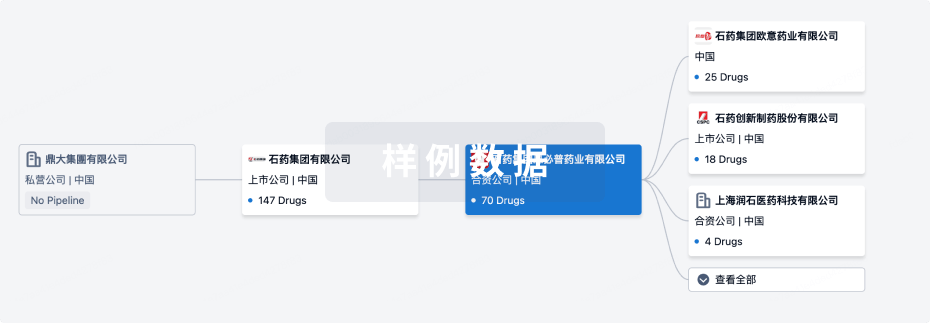
组织架构
使用我们的机构树数据加速您的研究。
登录
或
管线布局
2026年02月09日管线快照
无数据报导
登录后保持更新
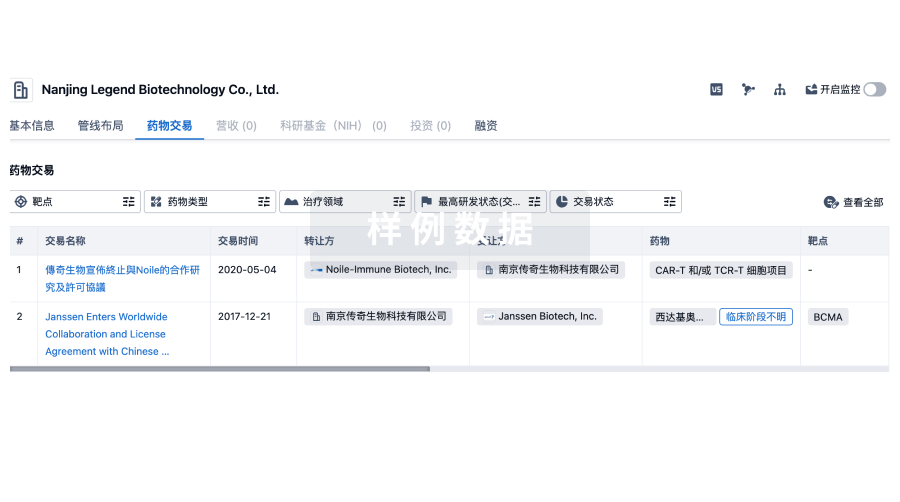
药物交易
使用我们的药物交易数据加速您的研究。
登录
或
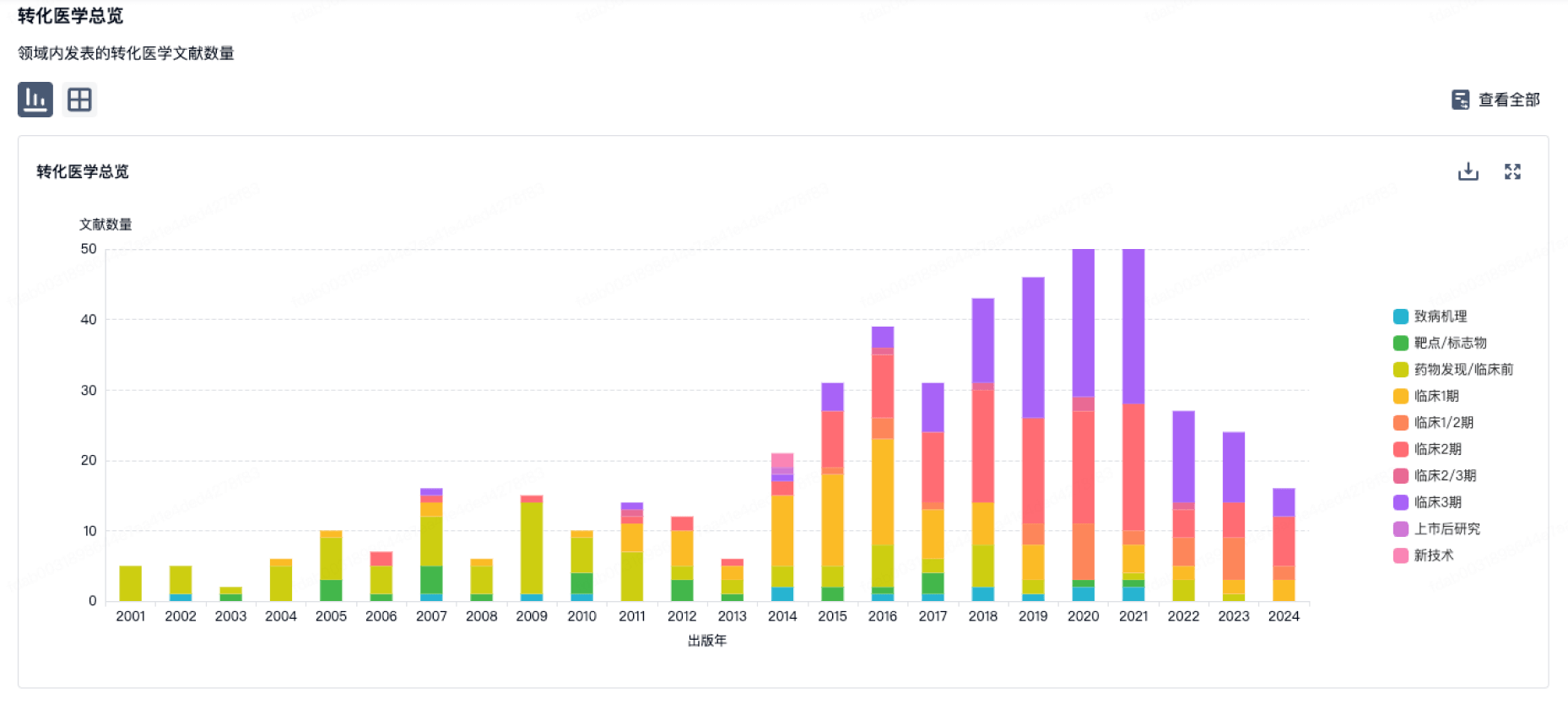
转化医学
使用我们的转化医学数据加速您的研究。
登录
或
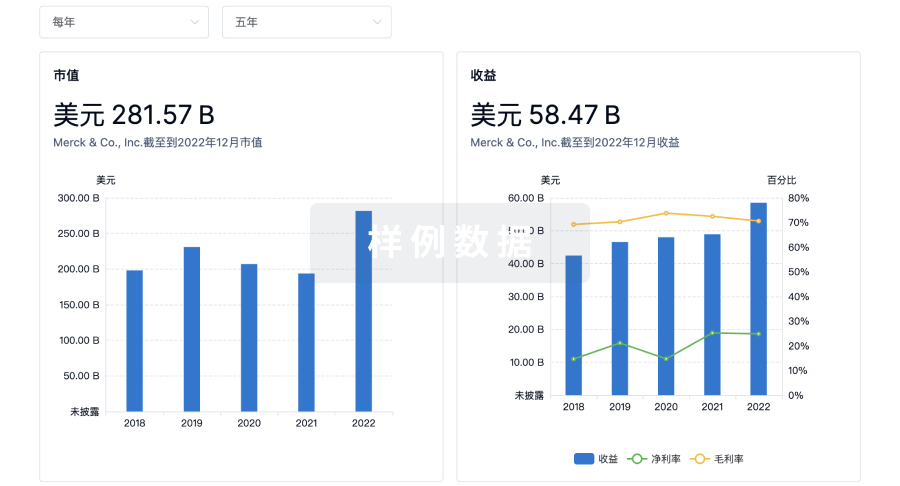
营收
使用 Synapse 探索超过 36 万个组织的财务状况。
登录
或
科研基金(NIH)
访问超过 200 万项资助和基金信息,以提升您的研究之旅。
登录
或
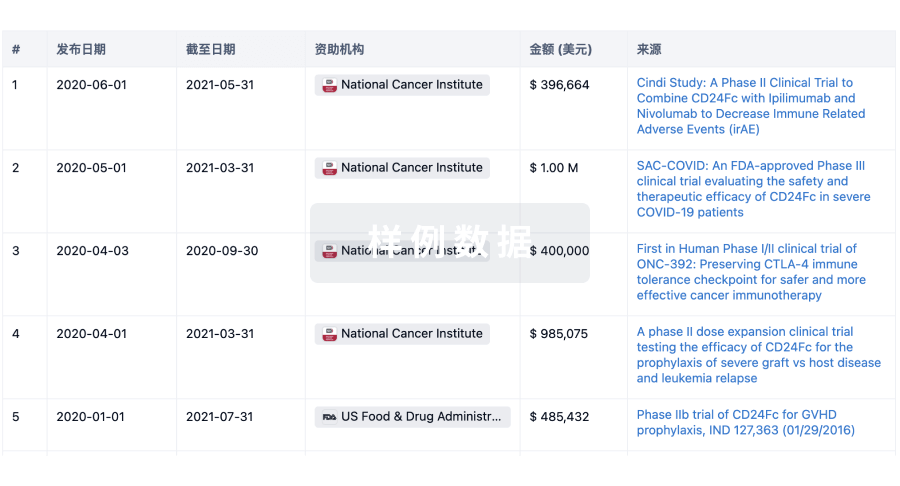
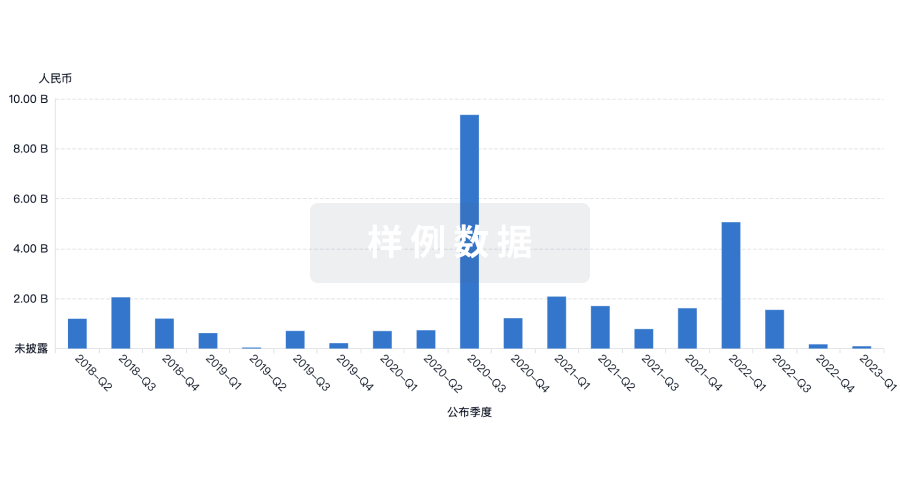
投资
深入了解从初创企业到成熟企业的最新公司投资动态。
登录
或
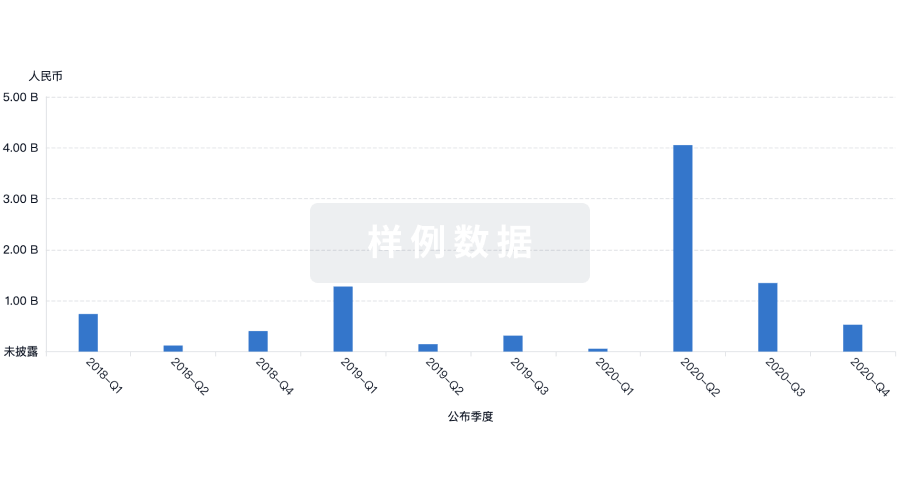
融资
发掘融资趋势以验证和推进您的投资机会。
登录
或
生物医药百科问答
全新生物医药AI Agent 覆盖科研全链路,让突破性发现快人一步
立即开始免费试用!
智慧芽新药情报库是智慧芽专为生命科学人士构建的基于AI的创新药情报平台,助您全方位提升您的研发与决策效率。
立即开始数据试用!
智慧芽新药库数据也通过智慧芽数据服务平台,以API或者数据包形式对外开放,助您更加充分利用智慧芽新药情报信息。
生物序列数据库
生物药研发创新
免费使用
化学结构数据库
小分子化药研发创新
免费使用