预约演示
更新于:2025-12-07

GNRC Hospitals Ltd.
更新于:2025-12-07
概览
关联
100 项与 GNRC Hospitals Ltd. 相关的临床结果
登录后查看更多信息
0 项与 GNRC Hospitals Ltd. 相关的专利(医药)
登录后查看更多信息
27
项与 GNRC Hospitals Ltd. 相关的文献(医药)2025-07-01·PATHOLOGY RESEARCH AND PRACTICE
Comprehensive transcriptomic profiling of fusions and abnormal variant transcripts in pilocytic astrocytoma using NanoString nCounter technology
Article
作者: Ahmed, Shabnam ; Sharma, Mehar Chand ; Roy, Charli ; Dandapath, Iman ; Suri, Vaishali ; Manjunath, Niveditha ; Sarkar, Chitra ; Suri, Ashish ; Kedia, Shweta ; Singh, Jyotsna ; Garg, Ajay ; Jangir, Hemlata ; Das, Sumanta ; Khonglah, Yookarin ; Dan Charan, Bheru
BACKGROUND:
Pilocytic astrocytoma (PA), a common pediatric and young adult low-grade brain tumor, exhibits MAPK pathway alterations, involving recurrent fusion and duplication events. These genetic changes are crucial for diagnosis, therapy guidance, and predicting patient survival. BRAF alterations are commonly detected using FISH and RT-PCR; however their cost is intensive and they lack multiplexing capacity. This study utilizes NanoString technology to provide a broader analysis of alterations in PA, aiming to improve diagnostic accuracy.
METHODOLOGY:
Sixty histologically confirmed PA cases were analyzed using RT-PCR and FISH with 30 positive for KIAA1549-BRAF fusions. A customized NanoString fusion panel was developed to detect other possible fusions. RNA was isolated from FFPE samples, followed by gene fusion assessment using NanoString nCounter platform. Radiological and pathological features were analysed to evaluate their association with molecular alterations.
RESULTS:
Fusions were identified in 91 % of cases using the NanoString nCounter platform. KIAA1549-BRAF fusions were observed in majority of cases (74 %) with the most common fusion being KIAA1549-BRAF_e16-e9, present in 28 % of cases, followed by KIAA1549-BRAF_e15-e9 (22 %). Fusion events showed a significant correlation with anatomical location, particularly in the posterior fossa. However, no significant correlation was found between specific radiological features and fusion subtypes. The NanoString assay demonstrated 97 % sensitivity in detecting BRAF fusion variants, with 100 % specificity.
CONCLUSION:
The NanoString nCounter platform demonstrated high sensitivity and specificity and identified additional fusion events, highlighting its potential as a powerful tool for high throughput analyses in clinical settings, particularly for the evaluation of PAs.
2025-05-01·Annals of Indian Academy of Neurology
SPRINT INDIA: Regional Variations in Primary and Secondary Stroke Outcomes Based on Baseline Characteristics in North and South Indian Sites
Article
作者: Dhasan, Aneesh ; Narayan, Sunil ; Borah, Nomal ; Das, Rupjyoti ; Sharma, Meenakshi ; Sylaja, Padmavathyamma Narayanapillai ; Mittal, Gaurav ; Arora, Rimpi ; Kulkarni, Girish ; Aaron, Sanjith ; Vijaya, Pamidimukkala ; Nagarjunakonda, Sundarachary ; Dhaliwal, Rupinder ; Ray, Biman ; Kempegowda, Madhusudhan Byadarahalli ; George, Tina ; Arora, Deepti ; Ojha, Pawan ; Saroja, Aralikatte Onkarappa ; Sebastian, Ivy ; Kumaravelu, Somasundaram ; Pandian, Jeyaraj Durai ; Mathew, Thomas ; Huilgol, Rahul ; Pai, Aparna ; Verma, Shweta Jain ; Nambiar, Vivek ; Gorthi, Sankar ; Reddy, Yerasu Muralidhar ; Abraham, Sherly ; Vaishnav, Anand ; Sharma, Sudhir ; Bhoi, Sanjeev ; Roy, Jayanta ; Srivastava, Madakasira Vasantha Padma ; Jabeen, Shaikh Afshan ; Huded, Vikram ; Sulena, Sulena ; Khurana, Dheeraj ; Ramrakhiani, Neetu ; Pathak, Abhishek ; Arya Devi, KS ; Kate, Mahesh ; Sharma, Arvind ; Bhatia, Rohit
Abstract:
Background and Objectives::
Regional differences in stroke prevalence and outcomes in India, driven by demographic and risk factors, are crucial for guiding effective prevention and management strategies. This subanalysis of Secondary prevention with a structured semi-interactive stroke prevention package in INDIA (SPRINT INDIA) randomized controlled trial compared the demographics, risk factors, and clinical outcomes of stroke patients from North and South India to identify regional differences and inform targeted interventions for stroke prevention.
Methods::
The study analyzed data of 4298 participants from 31 stroke centers across India, focusing on demographics, stroke types, and risk factors. In this study, Mumbai, located at 19.07°N in western India, serves as the dividing line between North and South India. One-year follow-up data from 3038 patients were utilized to examine regional disparities between North and South India.
Results::
South Indian stroke patients were predominantly rural (60.1%) and less educated (58.2%), while North Indian patients were mostly urban (64.2%). South Indian patients had higher incidence of ischemic stroke (91.1% vs. 73.5%, P = 0.001) and higher rates of large artery atherosclerosis (33.6% vs. 19.7%, P = 0.001), hypertension, type 2 diabetes, smoking, and alcohol consumption, but better medication adherence. In contrast, North Indian patients had higher high-density lipoprotein, drug use, and tobacco use. At 1-year follow-up, North Indian patients had more high-risk transient ischemic attacks and poorer lifestyle-related outcomes, despite South Indians having higher systolic blood pressure and fasting glucose levels.
Conclusion::
Region-specific strategies are crucial. Block randomization may help. South India needs better lifestyle modification programs, while North India requires improved health education and medication adherence strategies.Trial registration: CTRI/2017/09/009600
2024-10-01·Annals of Diagnostic Pathology
Evaluation of KIAA1549::BRAF fusions and clinicopathological insights of pilocytic astrocytomas
Article
作者: Ahmed, Shabnam ; Sharma, Mehar Chand ; Kedia, Shweta ; Charan, Bheru Dan ; Garg, Ajay ; Khonglah, Yookarin ; Suri, Ashish ; Dandapath, Iman ; Das, Sumanta ; Suri, Vaishali ; Sarkar, Chitra
BACKGROUND:
Pilocytic astrocytoma (PAs) represents a significant portion of childhood primary brain tumors, with distinct histological and radiological features. The prevalence of KIAA1549::BRAF fusion in PAs has been well-established, this study aims to assess the prevalence of KIAA1549::BRAF fusions and explore their associations with tumor characteristics, radiological findings, and patient outcomes in PAs.
METHODS:
Histologically confirmed cases of PAs from a 5-year period were included in the study. Demographic, histopathological, and radiological data were collected, and immunohistochemistry was performed to characterize tumor markers. FISH and qRT-PCR assays were employed to detect KIAA1549::BRAF fusions. Statistical analyses were conducted to examine associations between fusion status and various other parameters.
RESULTS:
Histological analysis revealed no significant differences in tumor features based on fusion status. However, younger age groups showed higher fusion prevalence. Radiologically, fusion-positive cases were distributed across different tumor subtypes SE, CWE and NCWE. Survival analysis did not demonstrate a significant impact of fusion status on overall survival, however most cases with recurrence and death harboured KIAA1549::BRAF fusion. Of 200 PAs, KIAA1549::BRAF fusions were detected in 64 % and 74 % of cases via qRT-PCR and FISH, respectively. Concordance between the two platforms was substantial (86 %).
CONCLUSION:
KIAA1549::BRAF fusions are prevalent in PAs and can be reliably detected using both FISH and qRT-PCR assays. Cost considerations suggest qRT-PCR as a more economical option for fusion detection in routine clinical practice.
100 项与 GNRC Hospitals Ltd. 相关的药物交易
登录后查看更多信息
100 项与 GNRC Hospitals Ltd. 相关的转化医学
登录后查看更多信息
组织架构
使用我们的机构树数据加速您的研究。
登录
或
管线布局
2026年02月08日管线快照
无数据报导
登录后保持更新
药物交易
使用我们的药物交易数据加速您的研究。
登录
或

转化医学
使用我们的转化医学数据加速您的研究。
登录
或
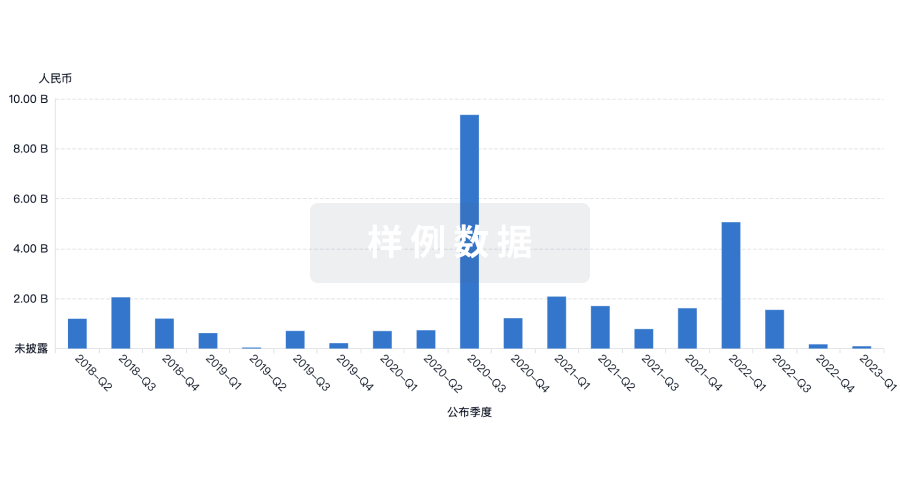
营收
使用 Synapse 探索超过 36 万个组织的财务状况。
登录
或
科研基金(NIH)
访问超过 200 万项资助和基金信息,以提升您的研究之旅。
登录
或
投资
深入了解从初创企业到成熟企业的最新公司投资动态。
登录
或
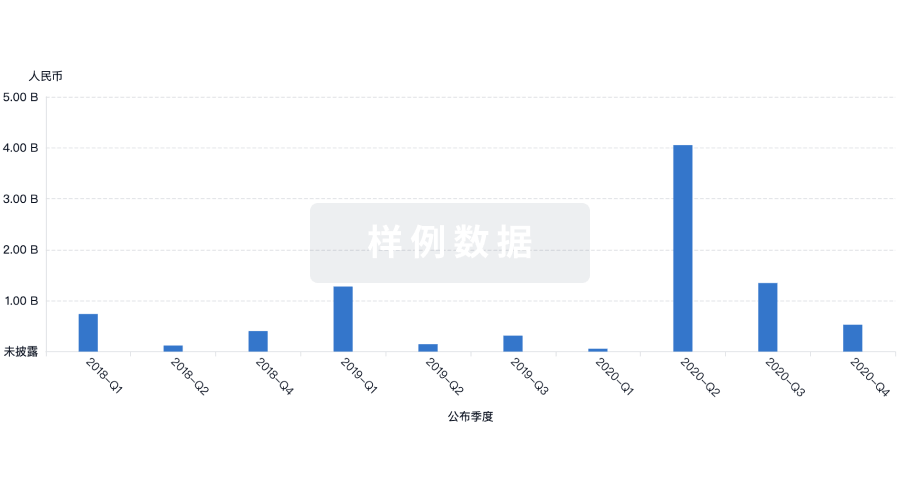
融资
发掘融资趋势以验证和推进您的投资机会。
登录
或
生物医药百科问答
全新生物医药AI Agent 覆盖科研全链路,让突破性发现快人一步
立即开始免费试用!
智慧芽新药情报库是智慧芽专为生命科学人士构建的基于AI的创新药情报平台,助您全方位提升您的研发与决策效率。
立即开始数据试用!
智慧芽新药库数据也通过智慧芽数据服务平台,以API或者数据包形式对外开放,助您更加充分利用智慧芽新药情报信息。
生物序列数据库
生物药研发创新
免费使用
化学结构数据库
小分子化药研发创新
免费使用