预约演示
更新于:2026-05-11
Pikavation Therapeutics, Inc.
子公司|Delaware, United States
子公司|Delaware, United States
更新于:2026-05-11
概览
关联
100 项与 Pikavation Therapeutics, Inc. 相关的临床结果
登录后查看更多信息
0 项与 Pikavation Therapeutics, Inc. 相关的专利(医药)
登录后查看更多信息
22
项与 Pikavation Therapeutics, Inc. 相关的新闻(医药)2026-05-04
With an FDA decision looming in July, Celcuity said its lead drug gedatolisib met the primary endpoint of progression-free survival (PFS) against Novartis' PI3Kα inhibitor Piqray (alpelisib) in the PIK3CA-mutant cohort of its pivotal breast cancer study. The news drove company shares up around 16% Monday in premarket trading."VIKTORIA-1 represents the first Phase III study to demonstrate that comprehensively blocking the PI3K/AKT/mTOR, or PAM, pathway can significantly improve outcomes for patients with PIK3CA mutations compared to therapies only targeting a single component of this pathway," said co-principal investigator Sara Hurvitz.The study is investigating gedatolisib plus fulvestrant with or without Pfizer's Ibrance (palbociclib) in adults with hormone receptor (HR)-positive/HER2-negative locally advanced or metastatic breast cancer whose disease progressed on or after prior CDK4/6 therapy and an aromatase inhibitor. Participants with or without PI3KCA mutations are included in the trial.Last year, Celcuity reported data from the PIK3CA wild-type cohort showing a PFS benefit of 76% for the gedatolisib triplet regimen, compared to the fulvestrant arm, with median PFS of 9.3 months and 2 months, respectively (see – KOL Views Q&A: Celcuity's gedatolisib may be a bigger hit commercially than clinically in HR+ breast cancer). The findings set up an FDA marketing application, which was granted a priority review earlier this year and given a decision deadline of July 17.Celcuity said new topline results from VIKTORIA-1 show the gedatolisib triplet also significantly improved PFS compared to Piqray plus fulvestrant in PIK3CA-mutant patients with HR+/HER2- breast cancer.A second regimen pairing gedatolisib with fulvestrant alone also demonstrated a statistically significant benefit over Piqray plus fulvestrant, though this wasn't part of the primary efficacy analysis in the hierarchical order. Full data are slated for a late-breaking presentation at the upcoming American Society of Clinical Oncology (ASCO) conference.Celcuity indicated it plans to submit the new mutant-cohort data as part of a supplemental filing. HR+/HER2- breast cancer accounts for about 70% of all breast cancers, of which around 40% have PIK3CA mutations.Meanwhile, Novartis recently bolstered its focus on the PI3K pathway. In March, the Swiss pharma agreed to pay $2 billion upfront to acquire Pikavation Therapeutics and its pipeline of mutant-selective PI3Kα inhibitors.
临床3期ASCO会议临床结果并购优先审批
2026-04-14
·同写意
同写意主办的首届"大国新药"全球会议将于2026年7月22日-24日在国家会展中心(上海)举办。会议对标J.P.摩根大会,构建"中国创新—全球转化—上海交易"模式,彰显中国新药大国地位,推动中国创新引领全球健康产业发展。
那个被艾伯维否认在谈判、又遭默沙东抛弃的Revolution Medicines,三个月后再次杀回来了。
4月13日,Revolution股价在开盘后直线飙升,最终上涨超过40%,触及每股136.30美元的历史新高。一天之内,这家Biotech的市值增加约70亿美元,达到270.11亿美元的总规模。
投资者并非盲目押注。
根据Revolution公布的III期临床试验RASolute 302核心结果,口服胰腺癌药物daraxonrasib在既往接受过治疗的转移性胰腺导管腺癌患者中,将中位总生存期从化疗组的6.7个月延长至13.2个月,死亡风险降低60%。
所有主要终点和关键次要终点全部达成,哈佛医学院教授、试验主要研究者Brian Wolpin称之为“改变临床实践的重要进展”。Jefferies分析师直言:“无论如何衡量,这都是最佳结果。”
随后,Oppenheimer将Revolution的目标价从150美元上调至165美元,Leerink Partners从115美元大幅上调至147美元。TipRanks数据显示,分析师共识评级为“强力买入”,17位分析师在过去三个月内全部给出买入评级。
而在当天收盘时,Revolution今年以来股价涨幅已逾70%。关于并购的传闻再次出现。
对于一度想要吃下Revolution的默沙东,处境变得更加摇摆。如果说,此前是MNC的青睐令这家Biotech市值虚涨,那么眼下,Revolution用实力证明,巨头爱答不理换来的,恐怕就是高攀不起了——除非买家真的痛下血本。
TONACEA
01
总生存期,翻倍
胰腺癌在肿瘤领域拥有一个令人生畏的绰号,“癌症之王”。
在所有主要癌症中,胰腺癌的五年生存率最低,仅为13%。超过90%的胰腺癌病例由RAS基因突变驱动,这使得RAS成为科学界数十年来最渴望攻克、却又最难触及的靶点。
RAS蛋白曾是药物研发领域“不可成药”的代名词。这个被科学家追逐了超过四十年的靶点,直到2013年才由加州大学旧金山分校的Kevan Shokat团队打开了第一道缺口。而Shokat正是Revolution科学顾问委员会的核心人物。
Revolution在4月13日公布的III期数据,验证了这条技术路线的巨大价值。
RASolute 302试验中,每天口服300毫克daraxonrasib的患者,中位总生存期达到13.2个月,而接受标准化疗的患者仅为6.7个月。更值得关注的是风险比仅为0.40,意味着使用daraxonrasib的患者,死亡风险相比化疗组降低60%。
试验中不仅包含携带RAS G12突变的患者,还纳入未检出RAS突变的“意向治疗”人群,daraxonrasib在所有亚组中均显示出统计学和临床意义上的显著优势。
该药物的作用机制,是通过抑制处于激活状态的RAS蛋白,阻断其与下游信号分子的相互作用,从而遏制肿瘤生长。
作为试验主要研究者,Wolpin明确表态:“对于转移性胰腺癌患者而言,迫切需要新的治疗方案来延长生存期。这项研究表明,对于既往治疗失败的患者,daraxonrasib迈出了极具意义的一大步,我相信这将改变临床实践。”
Revolution首席执行官Mark Goldsmith则认为,这些结果代表了潜在的变革性进步,突显了daraxonrasib重新定义治疗格局的潜力。
市场给出的估值修正来得迅速而猛烈。Evaluate上个月刚刚将daraxonrasib评为生物制药领域在研最具价值的孤儿药,预测其在2032年的销售额将达到40亿美元。瑞穗证券的分析师更为激进,认为这款药物在2035年的全球年销售额有望上看100亿美元。
Revolution的管线价值远不止daraxonrasib。
公开资料显示,该公司还拥有下一代泛KRAS抑制剂RMC-9805,被设计用于解决G12V、G13D等多种KRAS突变亚型,目前正在积极推进临床开发。联合疗法方面,Revolution还在探索RAS抑制剂与免疫检查点抑制剂以及SHP2抑制剂的协同效应。
正是这一系列颇具厚度的管线,让Revolution在年初的并购谈判桌上有了叫板默沙东的底气。
TONACEA
02
百亿并购谈崩
2026年开年,围绕Revolution展开的争夺战就进入了高潮。
1月7日,《华尔街日报》率先曝出艾伯维正与Revolution进行“深入谈判”,交易估值可能超过200亿美元。消息一出,Revolution股价瞬间暴涨约28%,盘中多次触发熔断。
然而戏剧性的一幕随即上演:艾伯维火速发布声明否认,称公司“未与Revolution进行任何谈判”。
正当市场还在揣测这场乌龙事件背后的真实意图时,更大的主角登场了。
据《金融时报》报道,默沙东成为了Revolution的真正追求者。消息人士透露,双方讨论的收购价格区间在280亿至320亿美元之间。如果这笔交易最终成行,将创下自辉瑞2023年以430亿美元收购Seagen以来,制药行业最大的一笔并购案。
默沙东如此急迫地追逐Revolution,根本原因在于一个迫在眉睫的危机——Keytruda的专利悬崖。
2028年,默沙东的“药王”Keytruda将开始失去关键市场独占权。2025年,这款明星药物为默沙东贡献了超过300亿美元的营收,占公司总收入近半。当Keytruda的专利保护到期后,默沙东将在短时间内面临巨大的收入缺口。
同时,默沙东的收购策略在2025年至2026年初展现出清晰的轨迹。
这家巨头先是2025年7月,以约100亿美元收购Verona Pharma进军慢阻肺赛道;同年11月,以92亿美元拿下Cidara Therapeutics布局流感领域;到2026年3月,以67亿美元收购Terns Pharmaceuticals切入血液肿瘤管线。
一连串动作为默沙东勾勒出“后K药时代”的多元化布局,Revolution本可以是其中重要一环。然而,这场联姻却价格没谈拢而破裂。
知情人士曾透露,默沙东与Revolution在估值问题上始终未能达成一致。尽管Revolution的市值在1月初仅约160亿美元,但默沙东面对的是一家手握多项重磅在研管线、且在胰腺癌领域几乎无竞争对手的企业。
Revolution很清楚自己的价值。其核心资产daraxonrasib已获得FDA突破性疗法认定和孤儿药资格,公司还持有一张FDA专员国家优先审查券,可将审评时间从10至12个月缩短至数月之内。
更关键的是,Revolution的RAS抑制剂与默沙东Keytruda的联用潜力已在早期临床中展现出令人瞩目的前景。有报道称,elironrasib联合Keytruda在PD-L1高表达NSCLC患者中的初步客观缓解率达到100%。
这种协同效应使得Revolution对默沙东具有特殊的战略意义,成就其在谈判桌上寸步不让的底气。
1月下旬,《华尔街日报》证实,默沙东已结束与Revolution的潜在收购谈判。今年JPM大会,默沙东CEO Robert Davis就表示,公司主要关注规模在150亿美元以下的交易。当估值争议成为不可逾越的鸿沟,这家制药巨头选择转身离场。
TONACEA
03
“新贵”的下一站
当Revolution的股价在4月13日刷新历史高点,一个悬而未决的问题再次浮出水面:默沙东会不会回头?或者说,谁会来敲Revolution的门?
从账面上的数字来看,Revolution已经“贵”了。
1月初,其市值约为160亿美元;到1月23日,已超过220亿美元。而4月13日股价大涨之后,市值已突破270亿美元。这个数字远超默沙东此前设定的150亿美元交易上限,也逼近1月谈判破裂时双方未能达成一致的价格区间。
但说到底,贵不贵,终究是一个相对的问题。
在3月掀起的一波并购潮中,生物医药行业的交易热情已被充分点燃。仅3月最后12天,行业就完成了7笔超过10亿美元的交易,合计交易金额达290亿美元,其中默沙东以67亿美元收购Terns,礼来以78亿美元收购Centessa,渤健以56亿美元收购Apellis。
Jefferies的分析师在季度并购总结中预测,生物科技领域的并购势头可以在整个2026年持续。
对于Revolution而言,daraxonrasib的III期成功彻底消除了最大的不确定性。此前,市场对这款药物的担忧主要集中在两点:其一,2026年1月公布的早期数据中并未披露无进展生存期的具体数字;其二,该药物的安全性始终存在一些争议,前共和党参议员Ben Sasse曾公开描述该药物会引发“皮疹、出血”等副作用。
III期数据的公布——死亡风险降低60%,风险比0.40,安全性可控——足以让任何潜在买家重新坐到谈判桌前。
那么,谁最有可能成为Revolution的买家?
答案或许还是默沙东。这并非因为默沙东是最有钱的,而是因为它的需求最为迫切。Revolution的管线与Keytruda之间的协同效应,在整个行业中几乎没有替代品。
只不过,事情取决于默沙东是否会愿意为当初“不买”的决定付出更高的溢价。Jefferies的分析师在4月13日的报告中指出,基于其与投资者的交流,总生存期超过12个月“应能推动股价大幅上涨”,而Revolution“在高度预期之下超额兑现”。
另一个被反复提及的名字,是艾伯维。
艾伯维同样面临严重的专利悬崖问题,其明星免疫药物修美乐失去独占保护后,公司已将肿瘤学确定为核心增长支柱。
2024年,艾伯维以100亿美元收购ADC公司ImmunoGen;2025年,又以21亿美元收购体内CAR-T疗法公司Capstan Therapeutics。
值得注意的是,艾伯维在2024年达成的20项交易“全部集中在早期阶段的机遇上”,这种偏好与Revolution的管线特点高度契合。但艾伯维在1月已明确否认收购传闻,短期内是否愿意出手,仍然充满变数。
此外,诺华、辉瑞等同样面临管线压力的巨头,也可能成为潜在竞标者。
诺华刚在3月先以30亿美元收购Pikavation,接着以20亿美元收购Excellergy;辉瑞则在2025年以约100亿美元收购减肥药公司Metsera。面对专利悬崖倒计时的压迫,大型药企寻找优质资产的意愿从未如此强烈。
Revolution还有一条特殊的时间线。该公司计划利用手中的FDA国家优先审查券加速提交新药申请,将审批时间缩短至数月。换言之,daraxonrasib可能在2026年底前就获得上市批准。
对于任何收购方,买到一家产品即将获批上市的公司,与买到一家仍产品在临床阶段、面临审批不确定性的公司,完全是两个概念。随着审批日期的临近,Revolution的溢价空间只会越来越大。
这场好戏的下一幕才刚刚开始。默沙东当初选择转身离场,或许以为还有时间周旋。而4月13日的股价暴涨,就是对这种犹豫最直接的回应。如今,Revolution已不再是那个默沙东可以“等等再买”的公司了。
TONACEA
04
If线:转向东方?
站在默沙东的视角,这里还有另一个可能。
错过Revolution之后,默沙东真的没有其他选择吗?或者说,它可不可以找到一个比Revolution“物美价廉”的竞品?
答案或许藏在默沙东看多中国的战略布局里。
例如2024年8月,默沙东以最高13亿美元总价,收购同润生物处于I期临床的CD3/CD19双抗CN201。11月,礼新医药的PD-1/VEGF双抗LM-299也被相中,对价包括5.88亿美元首付款和27亿美元里程碑付款。12月,默沙东又以约20亿美元,拿下翰森制药口服小分子GLP-1受体激动剂HS-10535。
回到RAS赛道,Revolution证明了RAS抑制剂与PD-1抑制剂的协同效应,那么,中国是否存在既能填补这个缺口、价格尚处在洼地的RAS抑制剂?
事实是,不仅有,而且不止一款。
劲方医药的口服KRAS G12D抑制剂GFH375,是全球首个进入III期注册性临床试验的KRAS G12D抑制剂,治疗转移性胰腺癌的III期研究“麒麟-翼01”正在国内约40家研究中心推进。
就在不久前,GFH375被NMPA纳入突破性疗法(BTD)认定,用于单药治疗KRAS G12D突变型转移性胰腺癌患者。这是该药物获得的第二项BTD认定,此前它已作为国内首个KRAS G12D抑制剂纳入非小细胞肺癌BTD名单。
作为劲方医药海外合作伙伴的Verastem Oncology,已于2025年在美国启动GFH375的海外临床研究,药物已获FDA快速通道资格认定,用于一线及后线KRAS G12D突变型胰腺导管腺癌。
如果说Revolution的daraxonrasib代表RAS抑制剂的“美国方案”,劲方医药的GFH375则提供了一个“中国方案”——而在价格上,劲方医药产品的估值远低于Revolution。
加科思则在泛KRAS抑制剂路线上,给出不同的选项。
2025年12月,加科思与阿斯利康就泛KRAS抑制剂JAB-23E73达成全球许可协议,总金额高达20.15亿美元,包括1亿美元首付款,最高19.15亿美元里程碑付款。
当然,中国RAS资产并非没有风险。GFH375还处于III期临床阶段,距离上市还有一段路要走;JAB-23E73尚在早期临床,数据成熟度远不及Revolution的daraxonrasib。但中国创新药的优势在于效率和成本:RAS这个赛道上,中国药企已经展示出全球前列的研发速度,而它们的估值普遍远低于美国同行。
以此来说,默沙东的得失,或许可以放在更长的时间线上来判断。
参考资料:
This Biotech Stock Soars 39%. Pancreatic Cancer Trial Was a Success.
Revolution pancreatic cancer drug nearly doubles survival in key trial
Revolution Medicines data ‘a best-case outcome,’ says Jefferies
300亿天价并购,默沙东不玩了;同写意
一笔超200亿的并购,呼之欲出;同写意
《大国新药》栏目介绍
《大国新药》专题栏目由同写意出品,聚焦中国新药崛起的核心逻辑,研讨创新药全球化战略,致力于构建可持续发展的中国创新药生态。栏目记录全球化浪潮中的中国故事,见证从跟跑到领跑的关键突破,解读国家战略,追踪前瞻技术,在标杆事件与案例复盘中,彰显中国医药的大国担当。
2026-04-07
三月末的全球医药圈,上演了一场12天7笔超10亿美元重磅交易的资本狂欢,总金额高达285亿美元。礼来、默沙东、渤健等跨国巨头轮番出手、疯狂扫货,而本轮浪潮最强烈的信号是:中国创新药早已不是旁观者,三笔核心交易直接牵手中国资产、中概药企与华人源头创新,合计金额近119亿美元,正式站上全球并购舞台中心。
一、7笔交易全榜单|中国身影贯穿TOP5
礼来78亿美元收购Centessa|神经睡眠赛道
默沙东67亿美元收购拓臻生物(Terns)|CML白血病|深度牵手中国
渤健56亿美元收购Apellis|补体罕见病
诺华30亿美元收购Pikavation|乳腺癌精准治疗|华人科学家创立
吉利德21.75亿美元收购OuroMedicines|自免双抗|源自中国创新
诺华20亿美元收购Excellergy|过敏赛道
大冢12.25亿美元收购Transcend|PTSD神经精神
其中,与中国深度相关的3笔交易总规模达到118.75亿美元,占到3月全部大额并购金额的近42%。
二、三大重磅交易|全球巨头抢的就是“中国好药”
1.默沙东67亿拿下拓臻生物:中概Biotech迎来天价收购
拓臻生物是华人创立、中美双总部、中国资本重仓的典型全球化创新药企业,在上海设有核心研发中心,礼来亚洲、高瓴等一线机构均为早期投资方。
其核心资产TERN-701的大中华区权益早已独家授权给翰森制药,默沙东此次以67亿美元拿下全球权益,却将最核心的中国市场红利留给本土合作伙伴。
这也是3月并购潮中唯一被跨国巨头全资收购的中概创新药,直接印证中国研发资产的全球竞争力与定价权。
2.吉利德21.75亿收购Ouro:中国自研双抗成为全球焦点
OuroMedicines的核心资产CM336(OM336)完全由康诺亚自主研发,是全球范围内进展领先的BCMA×CD3双抗。
康诺亚以“许可费+持股15%”的创新模式参与海外平台搭建,短短16个月便收获2.5亿美元首付款+最高7000万美元里程碑付款,同时继续保留大中华区权益与全球销售分成。
这是中国创新药NewCo模式首次被MNC全资收购,真正实现从“授权出海”到“共享并购红利”的跨越。
3.诺华30亿收购Pikavation:华人源头创新获全球认可
Pikavation的母公司Synnovation由华裔科学家姚文庆博士创立,核心产品PI3Kα抑制剂具备显著的全球差异化潜力,代表华人研发力量在前沿靶点上的重要突破,也让这笔交易成为全球医药创新与华人智慧深度交融的典型案例。
三、疯狂扫货背后:巨头慌了,中国成最优解药
专利悬崖倒逼紧急补货:Keytruda等重磅产品陆续面临专利到期,巨头急需优质管线填补增长缺口,而中国创新药经过十年沉淀,已成为全球规模最大、性价比最高的管线供给方。
资本周期全面回暖:XBI生物科技指数一年大涨超60%,全球资金回流、大额并购弹药充足,中国优质创新资产同步迎来价值重估,百亿美元级授权合作已成常态。
出海模式彻底升级:从单一授权到“许可+股权+分成”,中国药企正从“卖项目”升级为“全球合伙人”,共享并购溢价与长期商业化收益。
四、行业锐评,2026不是泡沫,是中国创新药的价值主场
这轮285亿美元并购狂潮,不是短期资金炒作,而是专利周期、资本周期、研发周期三重共振的必然结果。
7笔重磅交易里,近42%的资金流向与中国相关的创新资产,拓臻生物被收购、康诺亚核心资产出圈、华人科学家创新备受追捧,共同传递出一个明确信号:全球巨头愿意为真正具备临床价值、全球潜力的中国源头创新支付高溢价。
对中国药企而言,2026年的机遇清晰可见:肿瘤、自免、神经、罕见病四大赛道与全球并购热点高度契合,拥有硬核临床数据、全球开发潜力的项目,将迎来估值与交易的双重红利。
三笔交易合计近119亿美元,中国创新药为何成为全球焦点?欢迎在评论区留下你的观点,我们一起讨论!
识别微信二维码,添加细胞基因研究圈小编
请注明:姓名+研究方向!
本公众号所有转载文章系出于传递更多信息之目的,且明确注明来源和作者,不希望被转载的媒体或个人可与我们联系(wibplib@126.com),我们将立即进行删除处理。所有文章仅代表作者观点,不代表本站立场
并购专利到期
100 项与 Pikavation Therapeutics, Inc. 相关的药物交易
登录后查看更多信息
100 项与 Pikavation Therapeutics, Inc. 相关的转化医学
登录后查看更多信息
组织架构
使用我们的机构树数据加速您的研究。
登录
或
管线布局
2026年10月13日管线快照
无数据报导
登录后保持更新
药物交易
使用我们的药物交易数据加速您的研究。
登录
或
转化医学
使用我们的转化医学数据加速您的研究。
登录
或
营收
使用 Synapse 探索超过 36 万个组织的财务状况。
登录
或
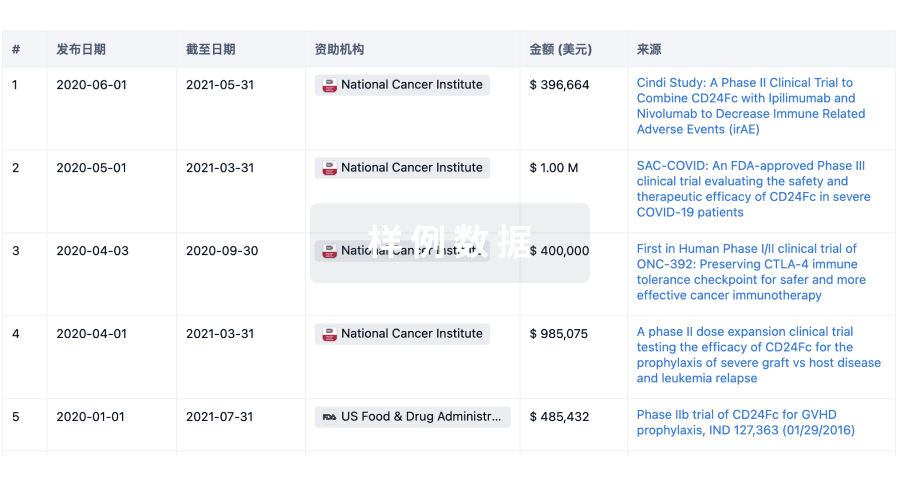
科研基金(NIH)
访问超过 200 万项资助和基金信息,以提升您的研究之旅。
登录
或
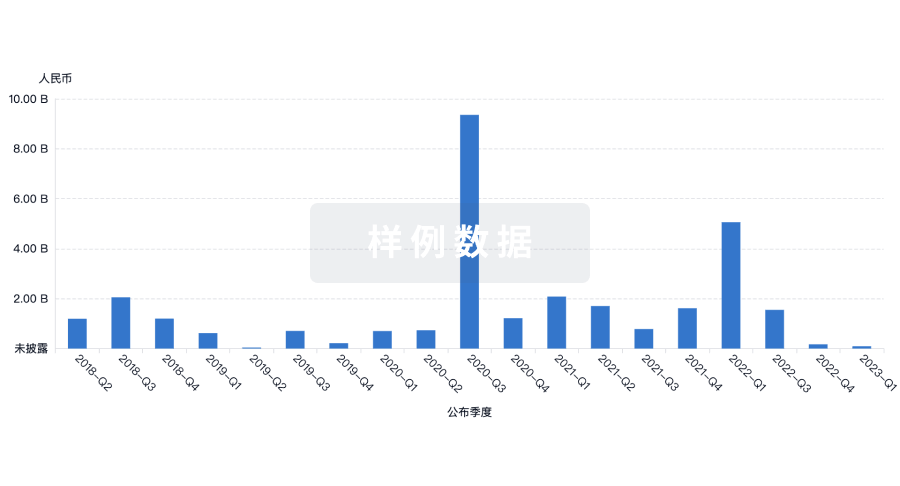
投资
深入了解从初创企业到成熟企业的最新公司投资动态。
登录
或
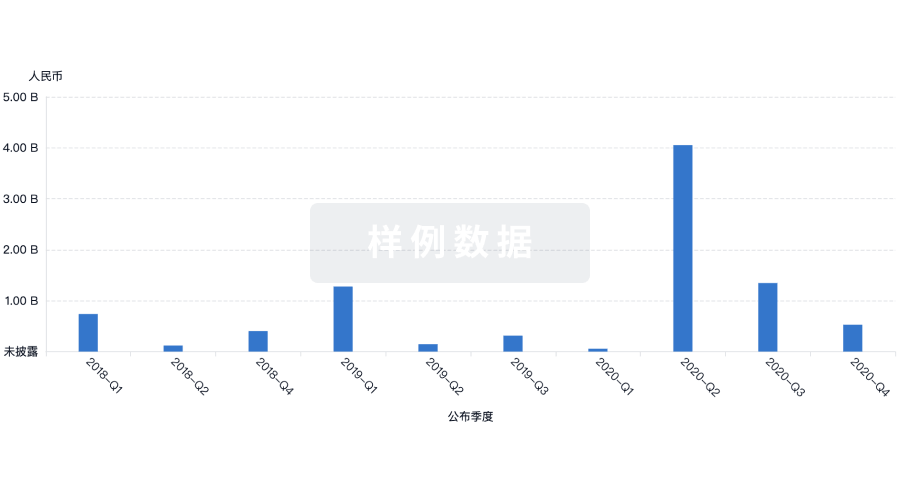
融资
发掘融资趋势以验证和推进您的投资机会。
登录
或
提出任何生物医药研究问题
让每一步生物医药决策都精准制胜
基于十亿级生物数据与全球情报的精准 AI,赋能早期药物发现
立即开始免费试用!
智慧芽新药情报库是智慧芽专为生命科学人士构建的基于AI的创新药情报平台,助您全方位提升您的研发与决策效率。
立即接入生物医药数据包
智慧芽新药库数据也通过智慧芽开放平台,以MCP或API服务形式对外开放。立即使用我们的MCP服务定制您的LLM智能体。
生物序列数据库
生物药研发创新
免费使用
化学结构数据库
小分子化药研发创新
免费使用