预约演示
更新于:2025-12-05

Wuhan Kangshengda Medical Laboratory Co., Ltd.
更新于:2025-12-05
概览
关联
100 项与 武汉康圣达医学检验所有限公司 相关的临床结果
登录后查看更多信息
0 项与 武汉康圣达医学检验所有限公司 相关的专利(医药)
登录后查看更多信息
1
项与 武汉康圣达医学检验所有限公司 相关的文献(医药)2025-11-01·GENE
2-Deoxy-D-glucose reshapes the sepsis-trained stressed granulocytes by comprehensive alterations of the transcriptional landscape
Article
作者: Liu, Xiaoqiang ; Zhang, Ju ; Zhang, Can ; Zeng, Hui ; Yu, Zhen ; Li, Fangyuan ; Zhu, Hongxia ; Ding, Nan ; Tong, Shuai ; Liu, Liyuan
The secondary infections following sepsis pose a significant clinical challenge due to hyperinflammatory organ injury, which is primarily driven by maladaptive trained immunity (TRIM) in stressed granulocytes. Glucose metabolic reprogramming serves as a crucial mechanism underlying TRIM and is increasingly acknowledged as a promising therapeutic target for preventing cytokine storms following reinfections. Here, we employed recovery mice subsequent to the cecal ligation and puncture (CLP) procedures to model reinfection following sepsis and confirm the beneficial effects of 2-Deoxy-D-glucose (2-DG), which inhibits boosted glucose metabolism in stressed granulocytes. The 2-DG treatment leads to a marked reduction in TNF-α secretion, reactive oxygen species (ROS) production, and neutrophil extracellular traps (NETs) formation upon secondary stimulation while alleviating pulmonary inflammation in vivo. We conducted RNA sequencing to investigate how 2-DG treatment reshapes the transcriptomic profile of stressed granulocytes. Our findings revealed the effective reversion of LPS-induced pro-inflammatory responses after sepsis training, including cell migration, chemotaxis, and immune cell recruitment. However, 2-DG also caused extensive and non-specific suppressions of granulocyte biofunctions, such as cell-to-cell signaling and nucleic acid metabolism, indicating potential unexpected consequences. Furthermore, analysis of the upstream regulators in the 2DG-associated gene network identified CD44 as a promising alternative therapeutic target to 2-DG. This study provides novel insights into the pharmacological mechanism network associated with 2-DG treatment and supports the implementation of immunosuppressive strategies via targeted remodeling of glycose metabolism. This approach may serve as an effective therapeutic intervention for addressing secondary infections in sepsis.
4
项与 武汉康圣达医学检验所有限公司 相关的新闻(医药)2025-11-26
来源:康圣环球、IVD资讯整理
11月25日,康圣环球董事会欣然宣布,武汉康圣达通过北交所公开挂牌程序成功竞得华西健康科技持有的华西康圣达40%股权,对价为人民币12,396,000 元。
华西康圣达成立于2017年12月29日,其主要业务是医学研究和试验发展;生物医学检测技术开发;及生物试剂的研发。于本公告日期,武汉康圣达及华西健康科技分别持有其60%及40%的股权。于收购事项完成后,华西康圣达将成为武汉康圣达之全资附属公司,仍为中国综合实体之一。
华西健康科技于 1999 年7月22日成立,主要从事医疗相关产业投资开发经营及科技成果孵化及转化。截至本公告日期,其为四川大学华西医院全资附属公司。
武汉康圣达2003年8月8日成立,为一家中国综合实体,主要提供临床试验服务。截至本公告日期,武汉康圣达由作为登记股东的黄士昂医生及涂赞兵先生(各自为执行董事)分别合法持有96.29% 及3.71%权益。
声明:本微信注明来源的稿件均为转载,仅用于分享,不代表平台立场,如涉及版权等问题,请尽快联系我们,我们第一时间更正。
并购诊断试剂
2025-03-23
精准医疗时代下,遗传病、实体肿瘤、血液肿瘤等多个疾病方向的诊疗一体化管理离不开精准、高质量诊断技术的支撑。近年来,新一代测序(NGS)凭借通量大、灵敏度高、成本低等多样优势,在疾病辅助鉴定、诊断分型、治疗指导、微小残留病灶(MRD)监测以及预后评估等方面展现出前所未有的价值,赋能精准诊疗新格局。
近日,在第二十二届中国国际检验医学暨输血仪器试剂博览会(CACLP)期间,罗氏诊断集结康圣环球、福君基因、真迈生物等优秀本土行业伙伴,围绕NGS技术在遗传病检测、血液肿瘤应用场景下的自动化与个性化协同破局,举办圆桌论坛以及专业卫星会等活动,深入探讨NGS检测技术在多个疾病管理中的创新应用,助力科研与临床转化,为患者提供更加精准高效的NGS解决方案,开拓精准诊疗的“全速时代”。
与会嘉宾合影
势不可挡,NGS破解诊疗困局
在血液系统恶性肿瘤中,淋巴瘤病理分型复杂且具有高度异质性。据世界卫生组织(WHO)第5版分类标准,90%的淋巴瘤为非霍奇金淋巴瘤(NHL),其中弥漫性大B细胞淋巴瘤(DLBCL)占比45%-50%1。据2022年国家癌症中心数据显示,我国新发淋巴瘤患者10.5万人,其中NHL患者9.8万人2。
快速、精准诊断作为实现血液肿瘤个性化诊疗管理的关键一环,对于改善疾病现状至关重要。当前,淋巴瘤诊疗手段依赖组织活检和影像学评估,存在侵入性风险高、无法动态监测分子演变、MRD检出灵敏度低等多重局限,导致早期复发预警滞后、治疗方案选择缺乏精准的依据。NGS作为生命科学领域的前沿诊断技术,通过全面解析肿瘤基因突变和分子特征,为淋巴瘤的分子分型、预后分层和治疗药物选择提供关键、可靠的依据。传统的NGS检测存在手工操作复杂且耗时、标准化缺失等多方面技术瓶颈,建立自动化、标准化的检测流程成为实验室亟待突破的重要方向。
此外,在血液肿瘤精准诊疗中,MRD的动态监测作为评估疗效、预测复发和优化治疗的核心环节,发挥着前所未有的临床价值。基于循环肿瘤DNA(ctDNA)的NGS技术,凭借超高灵敏度、非侵入性、易采集等优势,正在重塑MRD检测新时代,成为淋巴瘤体化精准诊疗的“黄金标尺”。
协同破局,共筑血液肿瘤精准未来
罗氏诊断携手康圣环球,加速淋巴瘤分子分型与动态监测的临床转化,为个体化治疗策略制定提供精准分子依据。双方基于罗氏诊断的KAPA HyperCap DS NHL panel,致力推动基于淋巴瘤ctDNA的MRD检测应用与落地。据悉,KAPA HyperCap DS NHL panel涵盖383个基因的编码区和部分非翻译区,以及部分基因间区域,这些区域包含与NHL相关的基因组变异,适用于不同的 NHL 亚型。同时,该panel可与KAPA HyperCap工作流程和开源生物信息学分析流程相结合,更好地帮助实验室开展NHL ctDNA检测,适用于用药检测、MRD分析、细胞起源(COO)分析等多种场景。此外,该panel采用杂交捕获富集重要区域以提升检测敏感性,在POLARIX大型临床研究3中,已有超过1,000 份样本使用该 panel 完成研究,验证了DLBCL中ctDNA 作为预后生物标志物的潜力3,4。
同时,双方还将加速淋巴瘤NGS检测的自动化、标准化与系统性升级。基于最新版NCCN临床实践指南与中国DLBCL分子分型检测的临床需求,康圣环球的淋巴瘤分子分型NGS检测方案搭载罗氏诊断基于本土需求推出的“样本进,结果出”(Sample in result out)全流程自动化NGS检测方案,双方进一步探索创新模式,共同打造淋巴瘤应用场景下的NGS完整解决方案。据悉,该方案通过整合罗氏诊断AVENIO Edge System*全自动NGS建库工作站及相关文库构建和靶向富集试剂产品,实现从样本采集、文库制备,到高通量测序,再到生信分析以及检测报告的全流程一站式服务,赋能实验室标准化、自动化、个性化建设与管理,为淋巴瘤精准诊疗提供高效、可靠的支持。
梁靓女士
武汉康圣达医学检验所有限公司常务副总经理
“康圣致力于提供丰富、专业的血液临床特检服务。精准的诊断不仅是制定有效治疗方案的前提,也是监测病情变化和评估治疗效果的关键。只有确保诊断解决方案的先进性、普及性和标准化,才能惠及更多患者。相信通过罗氏诊断自动化NGS解决方案这一‘技术型高速公路’,搭载康圣个性化检测项目作为‘智能导航系统’,两者不断深度融合,将引领中国血液肿瘤检测进入精准诊疗的‘自动驾驶’新时代,为临床应用和患者管理提供创新、高效的支撑。”
王峰先生
罗氏诊断中国高级总监-生命科学部
“作为全球体外诊断领导者,罗氏诊断多年来持续加码NGS布局,通过技术创新带来先进、高质量样本制备全流程方案,助推NGS检测自动化与标准化新格局。同时,罗氏诊断始终秉承‘在中国,为中国’的理念,开拓创新合作,加速满足本土市场需求的创新解决方案落地。此次携手康圣环球,是基于去年合作以来的又一次突破性飞跃,通过充分整合双方技术资源优势,助力淋巴瘤等血液肿瘤精准诊疗迈向新高度。未来,罗氏诊断将保持开放合作,加速NGS等前沿技术的临床价值转化,赋能精准医疗,造福更多中国患者。”
*AVENIO Edge System尚未获得国家药监局批准,仅供科学研究,不用于临床诊断
参考文献:
1.Alaggio, R., Amador, C., Anagnostopoulos, I. et al. The 5th edition of the World Health Organization Classification of Haematolymphoid Tumours: Lymphoid Neoplasms. Leukemia 36, 1720–1748 (2022). https://doi.org/10.1038/s41375-022-01620-2
2.Han B, Zheng R, Zeng H, et al. Cancer incidence and mortality in China, 2022. J Natl Cancer Cent. 2024;4(1):page. DOI: 10.1016/j.jncc.2024.01.006
3. Lauer, E.M., Mutter, J. & Scherer, F. Circulating tumor DNA in B-cell lymphoma: technical advances, clinical applications, and perspectives for translational research. Leukemia 36, 2151–2164 (2022).
4.Tilly H, Morschhauser F, Sehn LH, et al. Polatuzumab vedotin in previously untreated diffuse large B-cell lymphoma. N Engl J Med. 2022;386(4):351-363.
识别微信二维码,添加生物制品圈小编,符合条件者即可加入
生物制品微信群!
请注明:姓名+研究方向!
版
权
声
明
本公众号所有转载文章系出于传递更多信息之目的,且明确注明来源和作者,不希望被转载的媒体或个人可与我们联系(cbplib@163.com),我们将立即进行删除处理。所有文章仅代表作者观不本站。
诊断试剂
2024-07-03
·今日头条
6月18日,康圣环球旗下的武汉康圣达医学检验所有限公司、谱络(武汉)医学生物科技有限公司
周勇
团队联合华中科技大学同济医学院附属武汉儿童医院神经内科
孙丹
主任团队以及郑州大学第一附属医院
田培超
教授在国际期刊
Clinica Chimica Acta
在线发表题为“Whole-exome sequencing identifies high-confidence genes for tic disorders in a Chinese Han population”的研究成果,为中国儿童抽动障碍的研究作出了重要贡献。华中科技大学同济医学院附属武汉儿童医院卢青与武汉康圣达医学检验所有限公司、谱络(武汉)医学生物科技有限公司周勇为论文共同第一作者,华中科技大学同济医学院附属武汉儿童医院孙丹和郑州大学第一附属医院田培超为论文的共同通讯作者。
本研究的检测样本为外周血,受试者为2020年4月至2023年6月在华中科技大学同济医学院附属武汉儿童医院和郑州大学第一附属医院就诊的儿童,所有样本在康圣环球Novaseq 6000二代测序平台进行全外显子组测序。研究团队对测序下机数据进行生信分析、位点筛选及医学统计分析,最终筛选出抽动障碍患者中具有较高可信度的基因位点。
研究背景
抽动障碍(TD)是一类发病于儿童和青少年时期的慢性神经精神性疾病。近年来,TD的患病率逐年增加,中国青少年人群中抽动障碍患病率已达2.5%,严重影响患者身心健康,对其家庭、社会以及学校生活也有着不同程度的影响。TD目前病因尚未完全明确,就目前研究结果显示,与生物学因素,包括遗传因素、免疫因素、神经生化因素等相关。尽管研究证明TD发病与遗传因素相关,但大量的研究尚未证实其特定基因及遗传方式,而且既往研究成果难以被进一步复制加以证实。本研究采用全外显子测序技术(WES),旨在鉴定出中国抽动障碍人群高度可信基因,为疾病的前期预防、诊断以及后期治疗提供理论基础。
研究方法
本研究对390例抽动障碍儿童及372例健康儿童WES检测结果进行回顾性分析。研究人员从已发表的文献及与抽动障碍高度相关的信号通路中筛选出160个候选基因作为背景,通过测序深度、突变频率、变异类型以及蛋白功能预测等生物信息分析流程筛选变异位点,应用方差分析、Fisher检验、burden检验等多种统计学分析策略鉴定出在患者组与对照组中显著差异的基因位点。此外,还通过蛋白质互作(PPI),基因功能富集分析(GO、KEGG、Reactome)等软件预测可能与抽动障碍相关的新基因。本论文研究路线如下图所示:
研究路线图
研
究结果
1. 通过方差分析发现12个基因中的14个位点在TD患者组与健康对照组中出现的频率存在显著差异,根据东亚人群中的携带率,推测这14个位点为TD人群高度易感位点;
2. 经Fisher检验鉴定出10个基因中的10个位点在两组中存在显著差异,这些位点在东亚人群中极为罕见,并且多种软件预测为有害或可能有害突变。因此,推测这些位点为可能致病的TD位点;
3. 经Burden检验,发现160个候选TD基因中,有28个基因在患者组中优势比显著。认为这些基因同样为可信度较高的TD基因;
PPI网络互作图
4. 进一步对本队列中发现的未曾报道过的基因进行研究,通过蛋白质互作分析,我们发现多个基因与已知TD基因
FN1
紧密关联,并且
CERK、PRKCA、GNB3
等多个基因富集到血清素神经突触、鞘磷脂代谢以及
PI3K-At
等与TD致病机制密切相关的信号通路。这些证据表明,这些基因可能是新的TD基因,是未来研究中的重点关注基因。
与FN1基因互作的蛋白及其功能富集分析
主要结论与贡献
1. 本研究队列为国内已报道的规模最大的TD遗传易感基因研究,鉴定出的位点具有非常高的可信度;
2. 以往研究报道的TD基因大多数基于欧美人群,本研究鉴定出的基因位点为中国人群特异性,这对于我国TD疾病预防和诊断治疗具有重要的临床价值;
3. 本研究不仅证实了已报道的TD基因与疾病的相关性,还鉴定出大量可能与TD疾病相关的新基因,这为未来的研究奠定了重要的理论基础。
参考文献
Lu Q, Zhou Y, Qian Q, Chen Z, Tan Q, Chen H, Yin F, Wang Y, Liu Z, Tian P, Sun D. Whole-exome sequencing identifies high-confidence genes for tic disorders in a Chinese Han population. Clin Chim Acta. 2024 Jun 14:119759. doi: 10.1016/j.cca.2024.119759.
专家点评
据统计,中国18岁以下的人口数量约为2.8亿,其中超过1000万儿童为抽动障碍患者。患者临床上表现为不自主、反复、快速的某一或多个部位运动抽动和发声抽动,并常与强迫症、注意缺陷多动症等共病,常影响患者行为、情绪和学习。给患者带来身心损害,给家庭带来负担,有的甚至影响终身。那么,此次研究成果对于抽动障碍疾病研究到底有怎样的贡献和临床意义呢?为此,特别邀请华中科技大学同济医学院附属武汉儿童医院
刘智胜
副院长(中国抽动障碍协作组组长)和神经内科
孙丹
主任(中国抽动障碍协作组秘书长)来和大家一同探讨这个话题。
问
刘院长,您觉得本研究的成果对临床医生在进行TD疾病诊断和治疗过程中有什么指导意义呢?
答:
TD的诊断缺乏特异性指标,目前主要采用临床描述性诊断方法,依据患者抽动症及相关共患精神行为表现进行诊断。此外,需要结合辅助检查包括脑电图、神经影像、心理测验及实验室检查,以评估共患病及排除其他疾病。然而,由于TD临床表型复杂、多变,并且大多数患者发病早期由于症状不典型,极容易出现漏诊或误诊的情况。遗传因素已被证实在抽动障碍疾病发生与发展过程中扮演着重要角色,本研究基于中国人群队列,通过WES技术鉴定出与TD高度相关的易感基因及可能引发疾病的基因。未来,TD基因检测可以明确病因与辅助诊断,能够为临床医生诊断提供新的参照标准,有效提高临床诊断准确率。
问
刘院长,您觉得从患者的角度,在此次研究中又有哪些获益呢?
答:
一方面,对于临床上怀疑为TD的患者进行基因检测,可以精准诊断,避免因漏诊或误诊而导致延误治疗;另一方面,对于TD患者及其家庭成员的研究发现,TD具有家族聚集性,同一家族中TD发生率竟然高达40-50%;而在双生子研究中,同卵双生子发生TD的一致率为77%,而异卵双生子发生TD的一致率为23%。对于临床确诊的TD患者,其家庭成员为TD高风险人群,有必要对其他家庭成员展开TD基因筛查,实现早发现、早干预、早治疗。
另外,当前TD治疗方案主要包括药物治疗、免疫调节治疗、神经调控治疗和心理治疗。本研究中TD靶点基因的证实使TD疾病基因治疗成为可能,为患者提供更多的治疗方案。
问
孙主任,您认为本研究的成果是否能够实现临床转化,应用于TD临床诊疗中?
答:
由于TD涉及的基因呈多样化、复杂化,目前市面上还没有推出针对TD基因检测的商用试剂盒。随着基因检测技术的快速发展,越来越多的TD相关基因通过分离分析、连锁分析、基因组印迹、家系研究以及全基因组关联研究(GWAS)等方法被发现。这些基因位点的发现可以作为TD临床诊疗提供重要的靶点。然而,已发现的基因的可靠性需要进一步验证;这些基因在疾病发生发展过程中行使的功能有待阐明;易感基因在大样本患者群体中的阳性预测值怎样,目前也还未明确。因此,本研究获得的易感基因及高可性度位点,需要通过多中心、大样本的队列验证,以及明确基因与疾病的作用机制后,可应用于临床。
问
孙主任,团队下一步的研究计划是什么呢?
答:
首先,虽然本文中TD基因全外显子测序样本量是迄今为止国内最大规模的研究队列,但是获得有价值的阳性基因仍然很有限。在未来的研究中,将开展多中心、大样本的临床研究,更深入地探索相关基因与疾病的关联。
其次,在研究队列中鉴定出的无论是易感基因还是可能致病疾病,其可靠性与真实性都有待验证。因此,需要建立新的验证队列,对这些基因进行验证。
最后,抽动障碍遗传因素的研究虽然得到一些候选基因,但是病因还远未阐明。基因的功能如何与疾病关联起来是要解决的首要问题。针对这些候选基因,后期需要建立细胞模型、动物模型,通过基因敲除或敲低技术,从转录组、蛋白质组、以及代谢水平探究候选基因的生物学功能。
研究团队未来的目标是深度解析TD的遗传作用机制,转化出临床适用性高的TD基因检测产品及试剂盒,推进TD临床诊疗规范化建设,惠及每一位中国TD患者,实现个性化精准诊疗。
临床研究
100 项与 武汉康圣达医学检验所有限公司 相关的药物交易
登录后查看更多信息
100 项与 武汉康圣达医学检验所有限公司 相关的转化医学
登录后查看更多信息
组织架构
使用我们的机构树数据加速您的研究。
登录
或
管线布局
2026年02月08日管线快照
无数据报导
登录后保持更新
药物交易
使用我们的药物交易数据加速您的研究。
登录
或
转化医学
使用我们的转化医学数据加速您的研究。
登录
或
营收
使用 Synapse 探索超过 36 万个组织的财务状况。
登录
或
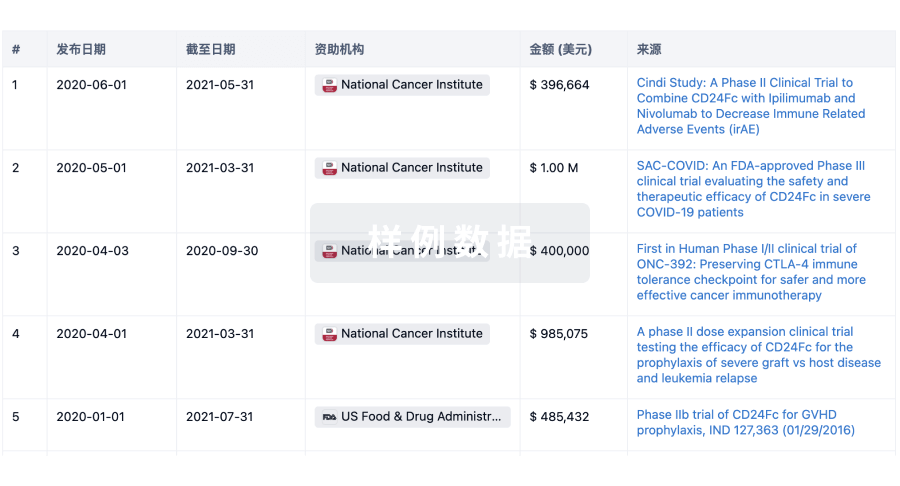
科研基金(NIH)
访问超过 200 万项资助和基金信息,以提升您的研究之旅。
登录
或
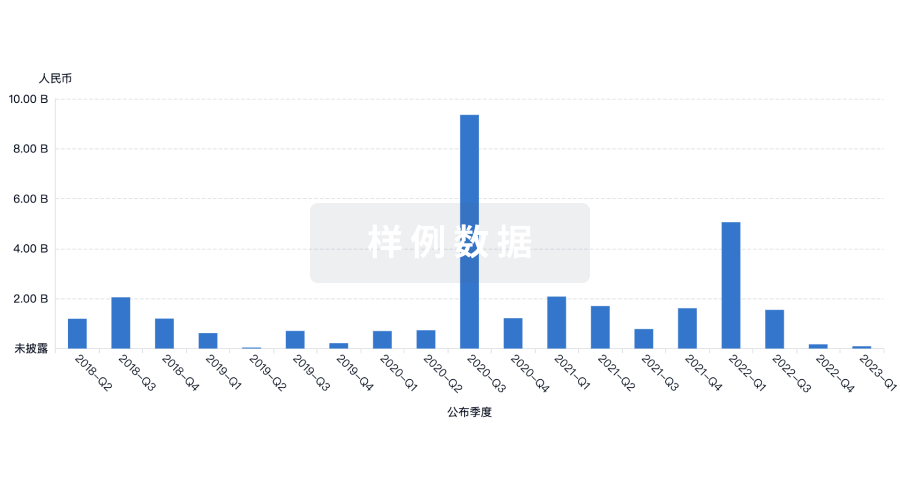
投资
深入了解从初创企业到成熟企业的最新公司投资动态。
登录
或
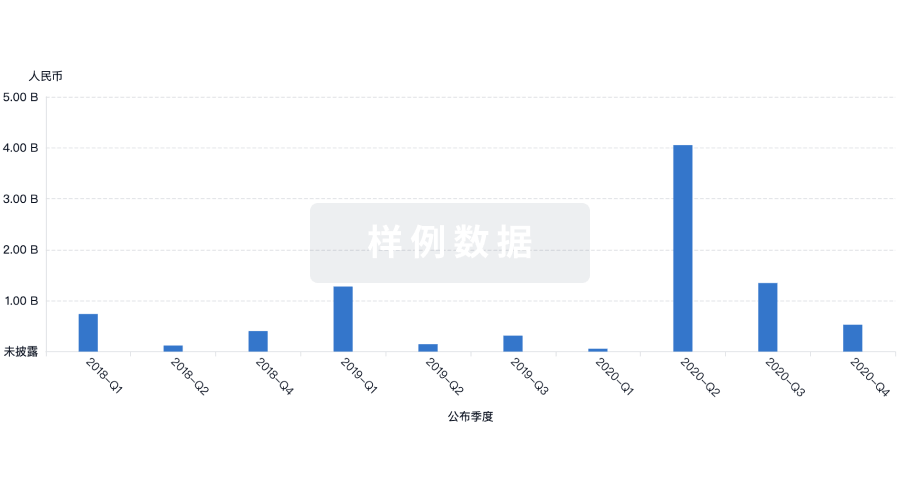
融资
发掘融资趋势以验证和推进您的投资机会。
登录
或
生物医药百科问答
全新生物医药AI Agent 覆盖科研全链路,让突破性发现快人一步
立即开始免费试用!
智慧芽新药情报库是智慧芽专为生命科学人士构建的基于AI的创新药情报平台,助您全方位提升您的研发与决策效率。
立即开始数据试用!
智慧芽新药库数据也通过智慧芽数据服务平台,以API或者数据包形式对外开放,助您更加充分利用智慧芽新药情报信息。
生物序列数据库
生物药研发创新
免费使用
化学结构数据库
小分子化药研发创新
免费使用