预约演示
更新于:2025-08-11

In Silico Biosciences, Inc.
更新于:2025-08-11
概览
关联
100 项与 In Silico Biosciences, Inc. 相关的临床结果
登录后查看更多信息
0 项与 In Silico Biosciences, Inc. 相关的专利(医药)
登录后查看更多信息
19
项与 In Silico Biosciences, Inc. 相关的文献(医药)2013-11-01·Journal of Parkinson's disease3区 · 医学
Phenotypic Screening of the Prestwick Library for Treatment of Parkinson's Tremor Symptoms using a Humanized Quantitative Systems Pharmacology Platform
3区 · 医学
Article
作者: Geerts, Hugo ; Spiros, Athan ; Roberts, Patrick
Background: Possible solutions for the low success rate in CNS Drug discovery and development in CNS diseases include drug repurposing. Objectives: As a possible alternative to prohibitively expensive systematic testing in animal models, we propose to use a humanized quantitative systems pharmacology (QSP) platform as an example of a well-validated phenotypic assay in Parkinson's disease (PD) tremor for filtering out possible interesting molecules that then can be tested in preclinical animal models. This will significantly reduce discovery time and costs, while at the same time providing a better predictability to the human clinical outcome. The method will be applied to the Prestwick library, a library of FDA approved and off-patent medications. Methods: The platform contains 30 CNS physiologically implemented targets and simulates biophysically realistic neuronal network interactions between supplemental motor cortex and motor striatum based on preclinical neurophysiology and human electrophysiology data. Importantly, the platform is further calibrated using retrospective clinical data on Parkinsonian side-effects with antipsychotics. Results: We use this QSP platform to screen pharmacological profiles of serotonergic drugs in the Prestwick library. We identified five interesting multi-pharmacology agents, including trazodone that in a previously reported study improved clinical PD scales as augmentation strategy. Conclusion: The Quantitative Systems Pharmacology platform is a powerful modeling and simulation tool with a relevant human clinical scale as output, where multi-target drugs effect can be simulated and promising candidates for further study in pharmacological profiling or animal models can be identified.
2013-06-01·JOURNAL OF PHARMACOKINETICS AND PHARMACODYNAMICS
Quantitative systems pharmacology as an extension of PK/PD modeling in CNS research and development
Article
作者: Spiros, Athan ; Roberts, Patrick ; Carr, Robert ; Geerts, Hugo
Quantitative systems pharmacology (QSP) is a recent addition to the modeling and simulation toolbox for drug discovery and development and is based upon mathematical modeling of biophysical realistic biological processes in the disease area of interest. The combination of preclinical neurophysiology information with clinical data on pathology, imaging and clinical scales makes it a real translational tool. We will discuss the specific characteristics of QSP and where it differs from PK/PD modeling, such as the ability to provide support in target validation, clinical candidate selection and multi-target MedChem projects. In clinical development the approach can provide additional and unique evaluation of the effect of comedications, genotypes and disease states (patient populations) even before the initiation of actual trials. A powerful property is the ability to perform failure analysis. By giving examples from the CNS R&D field in schizophrenia and Alzheimer's disease, we will illustrate how this approach can make a difference for CNS R&D projects.
2011-01-01·Neuromethods
Pharmacological Validation in Animal Models of Dementia
作者: Hugo Geerts
A review.The field of Alzheimer's disease (AD) research has been quite fortunate - in contrast to some other neurodegenerative psychiatric diseases - in that a number of animal models have been developed based on genetic and neuropathol. information.These animal models have been "validated" based on the fact that they reflect one or a few of the neuropathol. features found in postmortem brain of AD patients.However, the predictive value of these models for drug discovery has been far from spectacular.Limitations of these models include the failure to capture the dynamics of the ongoing pathol. in a clin. setting and to display the total neuropathol.However, animal models - because of the species barrier - have a number of addnl. limitations for a successful drug development program, which are not always fully appreciated.This chapter discusses (1) differences in drug affinities between human and rodent targets, (2) the absence of key human functional genotypes in rodent models, (3) the intrinsic difference in some neurotransmitter circuits, and (4) the difficulty of simulating the same amount of drug exposure as in the clin. situation.In addition, the problems associated with extrapolating cognitive tests in animal studies with actual performance of treated AD patients on clin. scales are explored.Possible solutions to this dilemma include (1) developing multitarget directed ligands where cholinesterase inhibition is combined with disease modification, (2) a better translation of clin. endophenotypes, (3) capitalizing on drug discovery efforts for cognition in other disease areas, (4) the introduction of realistic polypharmacy in early stages of preclin. tests, and (5) the systematic testing of the face-value of a specific preclin. model/readout combination using marketed drugs with documented clin. effects.Finally, Computational Neuropharmacol., a novel and highly innovative computer modeling approach of interacting brain circuits is introduced.When added to the toolbox of preclin. drug discovery, this approach intends to bridge the difference between preclin. animal models and the clin. situation and reduce the rate of attrition.
100 项与 In Silico Biosciences, Inc. 相关的药物交易
登录后查看更多信息
100 项与 In Silico Biosciences, Inc. 相关的转化医学
登录后查看更多信息
组织架构
使用我们的机构树数据加速您的研究。
登录
或
管线布局
2026年02月09日管线快照
无数据报导
登录后保持更新
药物交易
使用我们的药物交易数据加速您的研究。
登录
或
转化医学
使用我们的转化医学数据加速您的研究。
登录
或
营收
使用 Synapse 探索超过 36 万个组织的财务状况。
登录
或
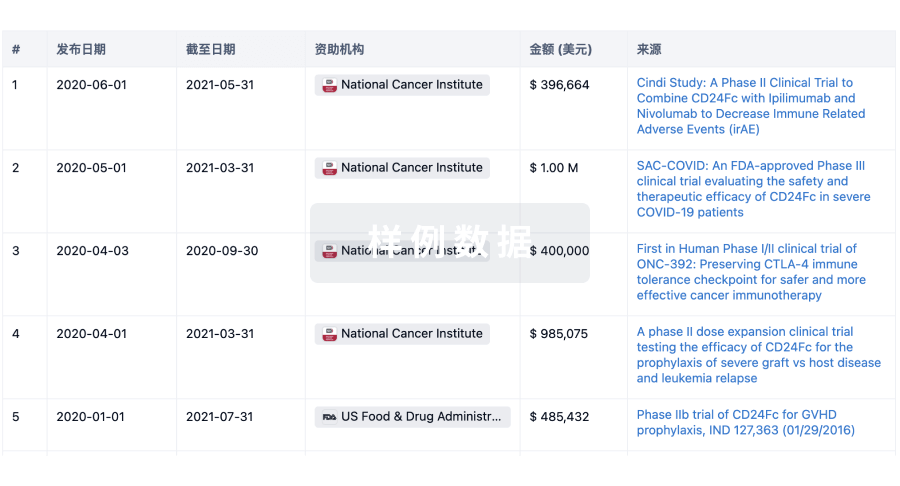
科研基金(NIH)
访问超过 200 万项资助和基金信息,以提升您的研究之旅。
登录
或
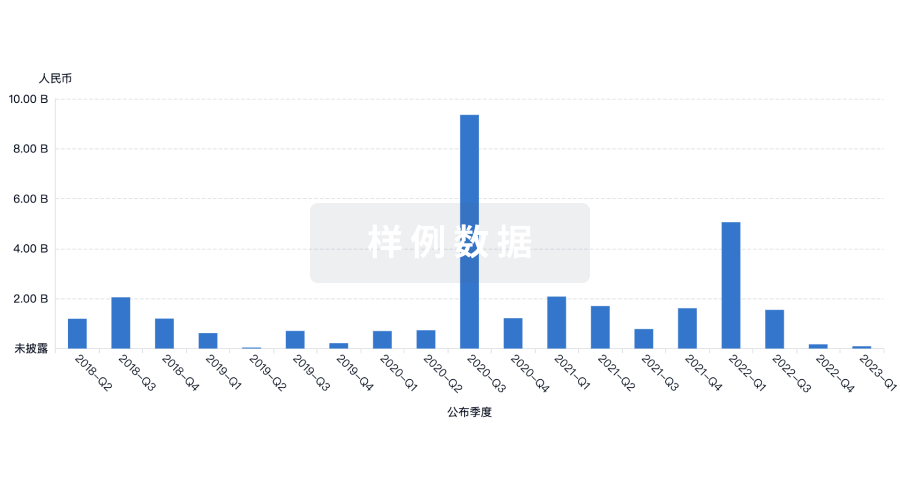
投资
深入了解从初创企业到成熟企业的最新公司投资动态。
登录
或
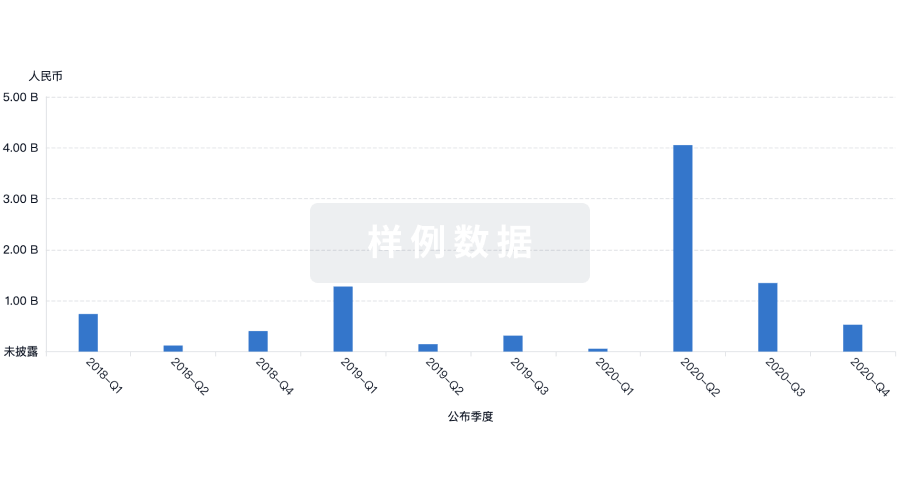
融资
发掘融资趋势以验证和推进您的投资机会。
登录
或
生物医药百科问答
全新生物医药AI Agent 覆盖科研全链路,让突破性发现快人一步
立即开始免费试用!
智慧芽新药情报库是智慧芽专为生命科学人士构建的基于AI的创新药情报平台,助您全方位提升您的研发与决策效率。
立即开始数据试用!
智慧芽新药库数据也通过智慧芽数据服务平台,以API或者数据包形式对外开放,助您更加充分利用智慧芽新药情报信息。
生物序列数据库
生物药研发创新
免费使用
化学结构数据库
小分子化药研发创新
免费使用