预约演示
更新于:2025-07-05

Chesterfield Royal Hospital NHS Foundation Trust
更新于:2025-07-05
概览
关联
NCT06094517
What Are Persistent Lower Back Pain Patients' Views of Sleep Health Within an Outpatient

NCT05148702
The EXTEND Trial: Fixed-extended-duration Antibiotics (28 Days) Compared to Standard Care Antibiotic Durations in Adult Patients With Complicated Intra-abdominal Infection and Their Impact on Treatment Failure

100 项与 Chesterfield Royal Hospital NHS Foundation Trust 相关的临床结果
登录后查看更多信息
登录后查看更多信息
2025-07-01DIGESTIVE AND LIVER DISEASE
The UK nationwide observational study of colon capsule: CAP ACCESS study
Article
作者: Koulaouzidis, Anastasios ; Kiladze, Giorgi ; Patel, Sachin ; Ibrahim, Hussain ; Fisher, Ian ; Hunt, Catherine ; Arefin, Aamerrashad ; Jarocki, Matthew ; Pillay, Lushen ; Lei, Ian Io ; Mcgreevy, Conor ; Beshyah, Waleed ; Arasaradnam, Ramesh P ; Nair, Sujith Sasidharan ; Ambler, Tracey ; Nizar, Zanil Yoonus ; Jardine, Ruari
BACKGROUND:
Colon capsule endoscopy (CCE) is increasingly used as an alternative to optical endoscopy (OE), particularly in Europe. However, challenges like low completion rates, inadequate bowel preparation, high conversion to OE, and discrepancies in findings remain. Accurate polyp size measurement in CCE is essential to avoid unnecessary procedures due to size overestimation.
OBJECTIVE(S):
This retrospective study analysed real-world data to compare polyp size measurements between CCE, OE, and histopathology (HP) and assess the impact on the need for further procedures.
METHODS:
Data from 2508 participants across 12 UK centres were analysed, with 4898 polyps identified via CCE. Polyps were matched with OE and HP reports based on size, location, morphology, sequence, and count, including those meeting ≥3 criteria. Regional data from Scotland and England were compared.
RESULTS:
Half of the CCE patients required follow-up OE, with 29 % undergoing colonoscopy. Among these, 32 % required OE for polypectomy, and 18 % due to incomplete CCE. In these cases, CCE overestimated polyp size by an average of 2.5 mm compared to HP and 2.7 mm compared to OE, leading to 17.3 % of potentially deferrable procedures.
CONCLUSION:
one in six participants had a further procedure reflecting the overestimation of polyp size. AI advancement could enhance polyp measurement accuracy and reduce unnecessary procedures whilst improving the cost-effectiveness of CCE.
2025-06-01JOURNAL OF EVALUATION IN CLINICAL PRACTICE
East Midlands Breast Pain Pathway: An Evaluation of Community Breast Pain Clinics Across the East Midlands Cancer Alliance
Article
作者: Mark Sibbering, D. ; Clifton, Kevin ; Bartholomeuz, Thilan ; Pirkle, Lucy ; Robertson, John F. R. ; Rogers, Veronica ; Stafford, Denise ; Ryan, Mike
ABSTRACT:
Rationale:
Research indicates that breast pain as the sole symptom has no association with breast cancer. However, patients with breast pain only are often referred onto urgent breast cancer diagnostic pathways, leading to unnecessary anxiety and overutilisation of secondary health care services. The novel community breast pain clinic (CBPC) service in the UK aims to improve patient care while providing system‐wide improvements for patients with breast pain, patients who have ‘red flag’ symptoms, as well as being cost‐effective.
Aim and Objectives:
This study seeks to evaluate and assess the impact of the CBPC on patient care, experience, and healthcare system improvements.
Methods:
Quantitative and qualitative analysis of CBPC was undertaken using data from CBPC based on a core data set designed by the programme team, secondary care follow‐up data, Patient Reported Outcomes Measure (PROMs) data and family history data.
Results:
The CBPC was well‐received by patients with 98.5% recommending the service. Additionally, health economic analysis indicated a cost benefit ratio of 1.23 in year 1, indicating a positive return on investment. Breast cancer incidence within the cohort was estimated at 3.2 per 1000, in line with population estimates in the literature. For those with a breast cancer diagnosis, there is no evidence of care delays or missed diagnoses via the service.
Conclusion:
The CBPC offers significant benefits in patient experience and value for money, with no evidence of reducing patient safety. The impacts of the clinics appear to be reproducible across all five centres in the East Midlands (a population of 5.5 million). Recommendations on further assessment on optimal staff mix and clinic cost mechanisms should be considered to maximise benefits.
2025-05-01ANNALS OF THE ROYAL COLLEGE OF SURGEONS OF ENGLAND
Role of procedure-specific consent forms in clinical practice: a systematic review
Review
作者: Bent, C ; Norvill, J ; Johnson, N ; Mawhinney, JA
Introduction:
Consent forms play an active role in the consent process with generic, handwritten consent forms (GCF) often the standard across the National Health Service. Increasingly, procedure-specific consent forms (PSCF) are being used as an alternative. However, concerns remain about whether they meet the standard for consent. We therefore conducted a systematic review with the objectives of investigating evidence for PSCF, study methodology and medicolegal criteria.
Methods:
This systematic review was prospectively registered on PROSPERO (CRD42023392693) and conducted from 1 January 1990 to 17 March 2023 using the MEDLINE, Embase, CINAHL, CENTRAL and Emcare databases. A grey literature search was also performed. All studies evaluating PSCF in medical and surgical settings were included. Risk-of-bias analysis was performed using ‘RoB 2’ and ‘ROBINS-I’. Meta-analysis was not possible because of the results’ heterogeneity.
Findings:
We identified 21 studies investigating PSCF with no systematic reviews and meta-analyses reported. Most studies were quality improvement projects (n = 10) followed by randomised studies (n = 5). No definitive legal guidance for PSCFs and no studies assessing their role in litigation post-procedural complications were identified. PSCFs were associated with improved documentation (70%–100%; n = 11) and legibility (100%; n = 2) compared with GCF. Randomised studies (n = 4) investigating patient understanding and recall for PSCF were inconclusive compared with GCF.
Conclusions:
The heterogeneous evidence available merely demonstrates superior documentation of PSCF compared with GCF. Studies do not adequately investigate the impact on informed consent and fail to address the associated legal concerns. Further randomised studies with patient-centric outcomes and consideration for medicolegal criteria are needed.
100 项与 Chesterfield Royal Hospital NHS Foundation Trust 相关的药物交易
登录后查看更多信息
100 项与 Chesterfield Royal Hospital NHS Foundation Trust 相关的转化医学
登录后查看更多信息
组织架构
使用我们的机构树数据加速您的研究。
登录
或
管线布局
2026年02月09日管线快照
无数据报导
登录后保持更新
药物交易
使用我们的药物交易数据加速您的研究。
登录
或
转化医学
使用我们的转化医学数据加速您的研究。
登录
或
营收
使用 Synapse 探索超过 36 万个组织的财务状况。
登录
或
科研基金(NIH)
访问超过 200 万项资助和基金信息,以提升您的研究之旅。
登录
或
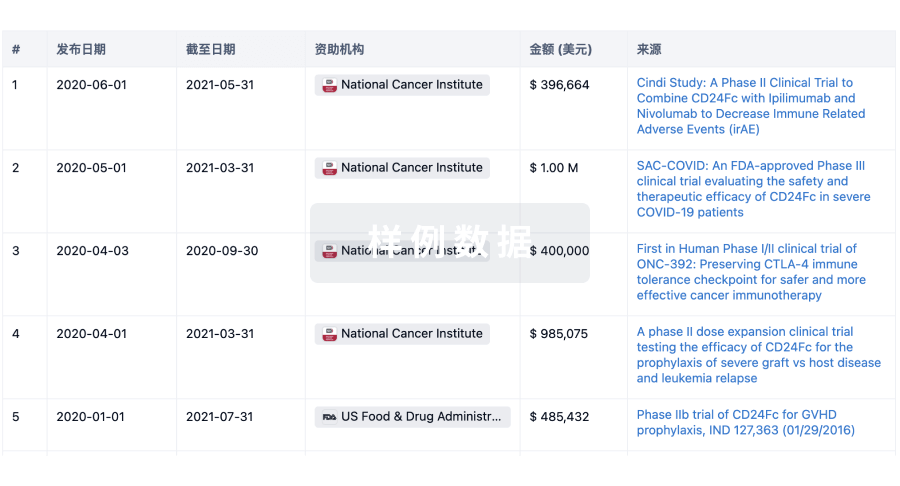
投资
深入了解从初创企业到成熟企业的最新公司投资动态。
登录
或
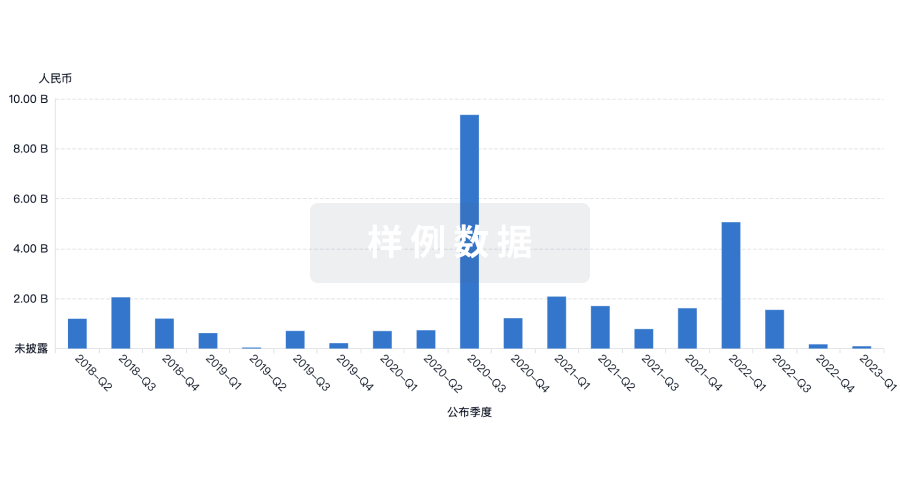
融资
发掘融资趋势以验证和推进您的投资机会。
登录
或
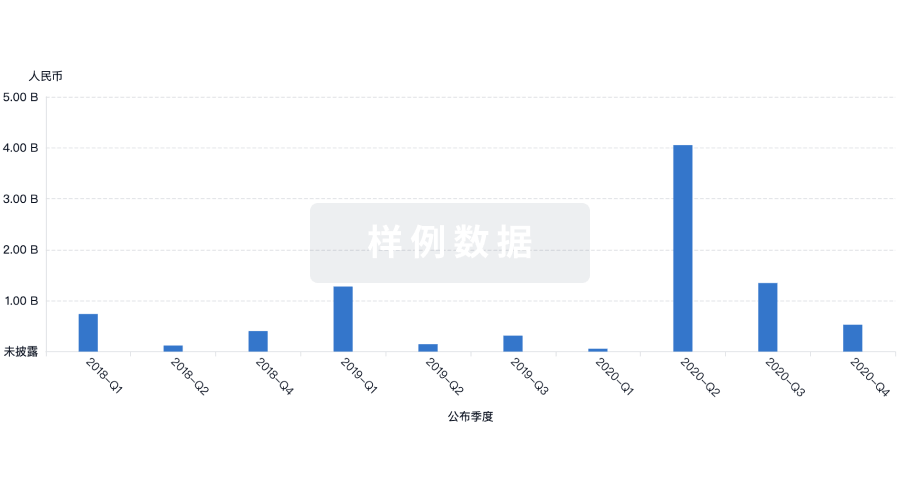
生物医药百科问答
全新生物医药AI Agent 覆盖科研全链路,让突破性发现快人一步
立即开始免费试用!
智慧芽新药情报库是智慧芽专为生命科学人士构建的基于AI的创新药情报平台,助您全方位提升您的研发与决策效率。
立即开始数据试用!
智慧芽新药库数据也通过智慧芽数据服务平台,以API或者数据包形式对外开放,助您更加充分利用智慧芽新药情报信息。
生物序列数据库
生物药研发创新
免费使用
化学结构数据库
小分子化药研发创新
免费使用