预约演示
更新于:2025-05-07

Oneida Research Services, Inc.
更新于:2025-05-07
概览
关联
100 项与 Oneida Research Services, Inc. 相关的临床结果
登录后查看更多信息
0 项与 Oneida Research Services, Inc. 相关的专利(医药)
登录后查看更多信息
5
项与 Oneida Research Services, Inc. 相关的文献(医药)1995-12-01·Quality assurance (San Diego, Calif.)
GMP criteria for retest and failure analysis. Handling out-of-specification results in the pharmaceutical quality control laboratory.
Article
作者: Rocci, M L ; Klein, A E
1989-12-01·Clinical Pharmacokinetics2区 · 医学
Effects of Age on the Elimination of Labetalol
2区 · 医学
Article
作者: Thomas Valiquett ; Mark A. Sirgo ; Mario L. Rocci
1989-01-01·DICP
Allergic Reaction to Antipyrine, A Marker of Hepatic Enzyme Activity
Article
作者: Rocci, Mario L. ; Mccrea, Jacqueline B. ; Vlasses, Peter H.
1
项与 Oneida Research Services, Inc. 相关的新闻(医药)2025-02-06
It took one month for Johnson & Johnson to secure its $14 billion acquisition of Intra-Cellular Therapies, according to new securities filings that shed light into the back-and-forth talks behind the biggest biotech buyout of the past 14 months.
J&J Innovative Medicine worldwide chair Jennifer Taubert presented Intra-Cellular chair and CEO Sharon Mates with a $115 per-share offer on Dec. 13, according to
paperwork
filed with the SEC on Wednesday evening.
Over the ensuing weeks, execs at Intra-Cellular and J&J hashed out new terms, eventually settling on $132 per share.
On Jan. 6, Intra-Cellular’s bankers at Centerview and Jefferies did a quick check to see if three other companies would be interested in acquiring the biotech. Within two days, all three counterparties said they weren’t interested in buying Intra-Cellular, according to the SEC filing.
J&J came knocking on Intra-Cellular’s doors just days after the New Jersey biotech
said
it asked the FDA to expand the label of its bipolar depression and schizophrenia drug Caplyta to include major depressive disorder.
The drug, first approved in December 2019, reeled in
$175 million
in sales in the third quarter of 2024, a 39% jump over the same period of 2023. It’s expected to hit $5 billion in peak sales, according to Leerink Partners.
J&J, which has the most M&A firepower according to Jefferies analysts, has dished out tens of billions of dollars to bring new medical technology and drug development companies into its fold in recent years. Intra-Cellular gives the healthcare giant an approved neuro medicine and a broad pipeline of experimental therapies being explored for conditions like depression, pain, generalized anxiety disorder, and Alzheimer’s agitation and psychosis, among other indications.
Citing a wide-ranging pipeline and a quickly growing commercial franchise, Intra-Cellular’s board told J&J that the initial offer “significantly undervalued” the company.
Mates told J&J CEO Joaquin Duato that an offer closer to $140 per share “would be necessary to obtain the support of the board,” according to the filing. J&J eventually upped its initial offer by $17 per share.
The final offer of $132 per share — shy of the $140 request — made a splash at the annual JP Morgan Healthcare Conference in January. The announcement breathed new life into the biopharma M&A market, marking the largest buyout since deal-heavy December 2023. That month, Karuna Therapeutics, ImmunoGen and Cerevel Therapeutics announced exits of $14 billion, $10.1 billion and $8.7 billion, respectively.
It’s also one of the largest M&A exits for a woman-led biotech. Mates founded the biotech in 2002 and has been CEO ever since.
Intra-Cellular’s work is based on research from the late Paul Greengard, a neuroscientist who investigated how different signal substances operate and affect the “inner-working of cells in the body,” per the company’s website. While at Rockefeller University, he shared the 2000 Nobel Prize for Physiology or Medicine with Arvid Carlsson and Eric Kandel.
The company raised a $2.9 million Series A in 2002 and secured about $40 million over the next decade,
according
to Bruce Booth, a partner at Atlas Venture. Booth and Atlas were not investors in Intra-Cellular. It then reverse-merged into shell company Oneida Resources Corp. in 2013 and soon after raised about $180 million. A decade later, Intra-Cellular raised an eye-popping
$460 million
in 2022 and
$575 million
in 2024.
并购上市批准细胞疗法
100 项与 Oneida Research Services, Inc. 相关的药物交易
登录后查看更多信息
100 项与 Oneida Research Services, Inc. 相关的转化医学
登录后查看更多信息
组织架构
使用我们的机构树数据加速您的研究。
登录
或
管线布局
2026年02月08日管线快照
无数据报导
登录后保持更新
药物交易
使用我们的药物交易数据加速您的研究。
登录
或
转化医学
使用我们的转化医学数据加速您的研究。
登录
或
营收
使用 Synapse 探索超过 36 万个组织的财务状况。
登录
或
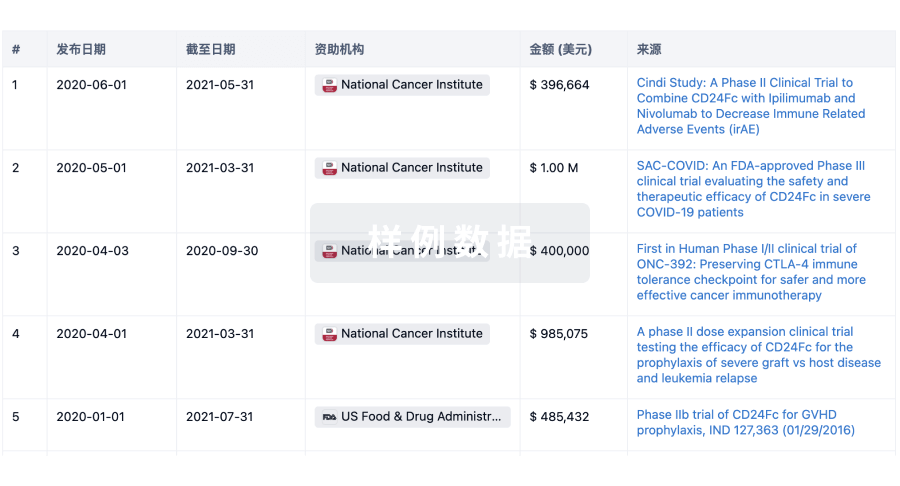
科研基金(NIH)
访问超过 200 万项资助和基金信息,以提升您的研究之旅。
登录
或
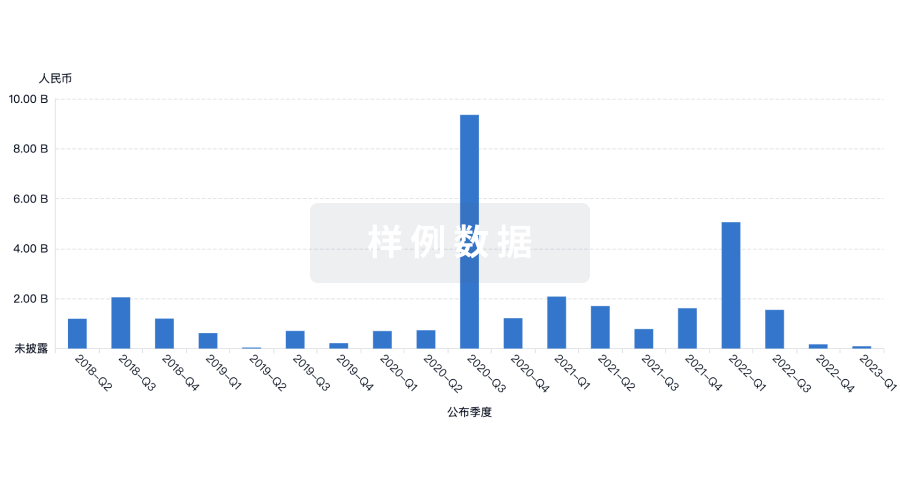
投资
深入了解从初创企业到成熟企业的最新公司投资动态。
登录
或
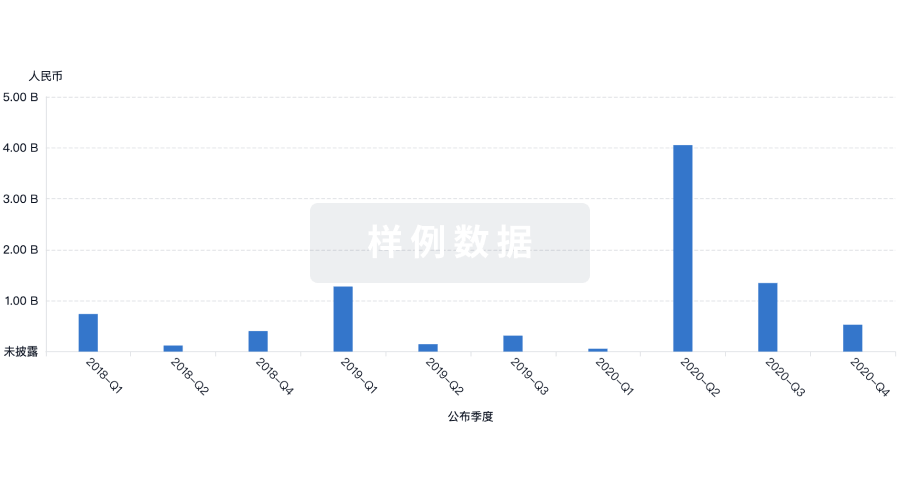
融资
发掘融资趋势以验证和推进您的投资机会。
登录
或
生物医药百科问答
全新生物医药AI Agent 覆盖科研全链路,让突破性发现快人一步
立即开始免费试用!
智慧芽新药情报库是智慧芽专为生命科学人士构建的基于AI的创新药情报平台,助您全方位提升您的研发与决策效率。
立即开始数据试用!
智慧芽新药库数据也通过智慧芽数据服务平台,以API或者数据包形式对外开放,助您更加充分利用智慧芽新药情报信息。
生物序列数据库
生物药研发创新
免费使用
化学结构数据库
小分子化药研发创新
免费使用