预约演示
更新于:2025-12-09

GBI Research
更新于:2025-12-09
概览
关联
100 项与 GBI Research 相关的临床结果
登录后查看更多信息
0 项与 GBI Research 相关的专利(医药)
登录后查看更多信息
5
项与 GBI Research 相关的文献(医药)2014-09-01·Nature reviews. Drug discovery1区 · 医学
The HIV pipeline
1区 · 医学
Article
作者: Wong, Angel
A review.The developmental pipeline of HIV antiretroviral therapies is large and diverse, spanning a number of different drug classes.This article provides an overview of the agents in development, including combination therapies, and an anal. of the market for current and future HIV treatments.
2014-04-01·Nature reviews. Drug discovery1区 · 医学
The COPD pipeline
1区 · 医学
Article
作者: Mushtaq, Yasser
A review.Chronic obstructive pulmonary disease (COPD), the fifth leading cause of death in the world, is a progressive disorder associated with chronic inflammation of the airways and lungs.COPD is linked to a cumulative exposure to risk factors, primarily tobacco smoke but also environmental pollutants.The disease is characterized by structural changes that result in a narrowing of the small airways, ultimately causing airflow limitation.Both parenchymal destruction, termed emphysema, and small airway disease, referred to as chronic bronchitis, contribute towards these changes to varying degrees in each patient.Such airway remodelling is considered irreversible.The underlying inflammation in COPD is characterized by elevated levels of neutrophils, macrophages and Tαlymphocytes.Various cytokines, chemotactic factors and other mediators were also implicated in this process.This review gives an overview about current available treatments for COPD.
2013-11-01·Nature reviews. Drug discovery1区 · 医学
Advances in prostate cancer treatment
1区 · 医学
作者: Trewartha, Dominic ; Carter, Kimberley
A review.Several new drugs for advanced prostate cancer were approved in the past few years, and the pipelines are bristling with compounds that have diverse mechanisms of action.This article examines current and upcoming treatment modalities and provides a market outlook for prostate cancer.
16
项与 GBI Research 相关的新闻(医药)2023-12-18
NKT细胞是体内的自然杀伤T细胞,主要分为1型和2型,具有跨越先天和适应性免疫反应的多种功能。NKT细胞五分型及标志物循环型iNKT是CAR-NKT更优来源NKT细胞疗法靶向肿瘤是更常见的选择,通常选择1型iNKT作为目标细胞。iNKT通过iTCR识别由CD1d提呈的糖脂抗原、招募和反式激活NK细胞和T细胞以及极化免疫抑制TME的直接和间接作用杀伤肿瘤。不过想要通过NKT细胞的作用通路来治疗炎症自身免疫性疾病的药物还较少。2023年12月,GRI Bio宣布其候选产品GRI-0621治疗IPF的2a期临床试验即将开始患者入组。GRI-0621是一种1型恒定NKT(“iNKT”)拮抗剂。通过作为每日一次的口服胶囊,GRI-0621被设计为能够在炎症级联反应的早期抑制iNKT细胞的活性,从而防止细胞因子释放、细胞浸润,阻断疾病进展。NKT细胞已被证明可以在肺纤维化动物模型中驱动IPF病理学。与健康对照相比:IPF患者的BAL中,IFN-γ+、CD45+和整体NKT细胞的数量和比例显著增加;TGF-β1、SPP1和COL1A1显著增加;IPF中NKT细胞总数与气道巨噬细胞总数相关,但和肺功能FVC%无关。Front. Immunol.慢性炎症中NKT细胞作用NKT细胞可分为两类,1型也就是iNKT细胞促进炎症性疾病,而2型NKT细胞在几种慢性炎症性疾病中具有保护作用。组织驻留的iNKT优先定位在肺实质中,主要为三个亚群,分别对应影响1、2、3型免疫通路。NKT1表达T-bet,主要分泌GM-CSF和IFN-γ;NKT2表达GATA3和PLZFhigh,分泌IL-4、IL-5和IL-13;而NKT17则表达RORγt,分泌IL-17A和IL-22。iNKT亚群转录因子表征分泌的细胞因子NKT1 cellsPLZFlowT-bet+CD49a+CD122+CXCR3+CD4 (+/−)IFNγIL-4TNFNKT2 cellsPLZFhiICOS+CD4+IL-4IL-5IL-13NKT17 cellsPLZFintRORγt+ICOS+Syndecan 1+CD4−CCR6+CD103+NRP1+IL-17IL-22GM-CSFTNFNKTfh cellsBCL-6+CXCR5+PD1hiCD4+IL-21NKT10 cellsPLZF−E4BP4+CD49d+PD1+NRP1+IL-10IL-2在急性感染的情况下,iNKT起到保护组织、抑制炎症的作用,但是在过敏性哮喘等免疫相关炎症性疾病中,反而会加剧肺部炎症。在NASH、重型酒精性肝炎、狼疮性肾炎和IPF等一些涉及炎症性纤维化的疾病中:iNKT细胞被慢性激活,并分泌明显更高水平的促炎细胞因子;在损伤后iNKT细胞通过趋化因子受体CXCR6的相互作用而显著积聚;并且,IFN-γ+ iNKT细胞的增加与NAFLD活动评分的进展和患者的纤维化分期相关。iNKT细胞的激活会导致巨噬细胞显著增加、常规T细胞聚集被抑制、星形胶状细胞激活、以及小鼠纤维化组织中IL-1β、IL-6和TNF-α水平降低。Front. Immunol.随着纤维化的进展,慢性炎症组织中的三类iNKT细胞亚群很可能变为由其中一种或者两种亚群占据主导地位。在小鼠中的分布可见下图:Nat Rev Immunol.小结GBI Bio的这款iNKT细胞拮抗剂并未透露具体的拮抗机制,可能是类似TCR之类结合受体的方法。iNKT在肿瘤中的机制较为详细(肿瘤细胞治疗:NKT独特优势及临床进展),慢性炎症和纤维化也是实体瘤的特征。如果能够准确把握亚群特征,不失为一种快速可行的开发思路。不过除了组织驻留iNKT,循环iNKT也可能会竞争这种拮抗作用,从而削弱对特定器官的治疗效果。参考文献:1.Kumar V, Hertz M, Agro A and Byrne AJ (2023) Type 1 invariant natural killer T cells in chronic inflammation and tissue fibrosis. Front. Immunol. 14:1260503. doi: 10.3389/fimmu.2023.12605032.Crosby CM, Kronenberg M. Tissue-specific functions of invariant natural killer T cells. Nat Rev Immunol. 2018 Sep;18(9):559-574. doi: 10.1038/s41577-018-0034-2. PMID: 29967365; PMCID: PMC6343475.3.https://www.biospace.com/article/releases/gri-bio-commences-patient-enrollment-in-phase-2a-biomarker-study-evaluating-lead-program-gri-0621-for-the-treatment-of-idiopathic-pulmonary-fibrosis-ipf-/4.https://gribio.com/gri-bio-presents-data-supporting-innovative-pipeline-of-nkt-cell-modulators-for-the-treatment-of-high-value-inflammatory-fibrotic-and-autoimmune-diseases/
细胞疗法免疫疗法临床结果临床2期临床1期
2022-12-19
近日,眼科制药公司Harrow Health宣布将获得瑞士制药公司诺华(Novartis)旗下5款眼科产品的美国独家商业化权利。根据协议,Harrow Health将一次性支付1.3亿美元,并预计在2023年下半年TRIESENCE商业化后支付额外的4500万美元里程碑付款。此次交易预计在2023年第一季度完成。
本次交易涉及的5款眼科药物分别为:ILEVRO®(奈帕芬胺眼科混悬液,0.3%)、NEVANAC® (奈帕芬胺眼科混悬液,0.1%),VIGAMOX®(盐酸莫西沙星滴眼液,0.5%),MAXIDEX®(地塞米松眼科混悬液,0.1%),以及TRIESENCE®(曲安奈德注射混悬液,40mg/ml)。根据协议,诺华将继续在美国市场销售上述产品6个月并将净利润转交给Harrow Health,此后Harrow将把所有产品在美国的生产外包给第三方。而在美国以外的市场,诺华将保留这些产品的所有权利。Harrow Health是美国一家专注于眼科的制药公司,公司专注于开发、生产及销售具有竞争优势且能够满足市场需求的药物。
持续剥离“非核心”业务
此次诺华出售5款产品或为其逐步聚焦公司核心业务的举措之一。上个月GBI曾报道,外媒有消息称诺华目前正在考虑出售“非核心”业务部门,以筹集资金加大核心领域的创新力度。据悉,其考虑出售的是呼吸和眼科业务。据知情人士透露,诺华剩余的眼科业务专注于青光眼和老年性黄斑变性等疾病,价值可能高达50亿美元。而呼吸业务则专注于慢性阻塞性肺疾病(COPD)和哮喘等疾病。值得关注的是,诺华自2019年剥离了爱尔康眼科护理业务以来,一直通过重组和分拆非核心业务、架构调整等举措进行改革与转型。
今年4月初,诺华宣布全球架构调整,其中一项重要变动即整合了制药和肿瘤部门,并创建两个独立的商业组织:美国创新药部门和国际创新药部门。5月,诺华宣布确定创新药物中国区组织架构,自6月1日起生效。诺华创新药物中国将整合之前的诺华制药和诺华肿瘤,设立基于治疗领域的全新组织,以提高业务的专注度、竞争力和执行力。2022年8月,诺华宣布将其仿制药和生物类似药部门山德士分拆为一家新的独立上市公司,分拆将创建欧洲第一大仿制药公司以及生物类似药的全球领导者,而诺华将更专注于创新药物,实现股东价值最大化。独立后的山德士总部设立在瑞士,并在瑞士证券交易所上市,在美国采用美国存托凭证(ADR)。
而无论是精简架构探索新的运行模式,还是剥离公司“非核心”业务,都将助力诺华更加聚焦于创新药物,并持续扩大其在心血管、血液、实体瘤、免疫和神经科学五大核心治疗领域的强势地位,以及基因疗法、细胞疗法等技术平台的优势。
内容来源于网络,如有侵权,请联系删除。
生物类似药引进/卖出
2022-11-23
近日,上海市政府印发《上海市加快打造全球生物医药研发经济和产业化高地的若干政策措施》(下称《政策措施》),旨在加强财政资金对社会资本的引导,进一步提高上海生物医药研发的经济贡献总量。《政策措施》自2022年10月31日起实施,有效期至2027年10月30日。
到2025年研发经济总规模达1000亿
《政策措施》明确了相关发展目标:到2025年,上海全球生物医药研发经济和产业化高地发展格局初步形成,研发经济总体规模达到1000亿元以上,培育或引进100个以上创新药和医疗器械重磅产品,培育50家以上具备生物医药研发、销售、结算等复合功能的创新型总部,培育20家以上高水平生物医药孵化器和加速器,推动1000个以上生物医药专利在沪挂牌交易,新增布局5个以上生物医药市级工程研究中心,为100项以上高校和科研院所早期优质成果提供工程化验证及转化等创新服务。到2030年,上海全球生物医药研发经济和产业化高地地位进一步凸显,研发经济总体规模进一步提升,涌现出一批在沪研发并上市的创新药和医疗器械重磅产品,集聚一批具有国内外影响力的生物医药创新型总部以及创新平台,研发经济成为本市生物医药产业发展的重要支撑力量。
聚焦重点领域大力支持创新
上海市发改委、科委、卫健委等多部门将协同发力,加强原始创新能力布局、发挥临床资源集聚优势。发挥国家重大科技基础设施和临港实验室等战略科技力量作用,提升生物医药研发服务能力。瞄准合成生物学、基因编辑、干细胞与再生医学、细胞治疗与基因治疗、人工智能辅助药物设计等重点领域,布局若干市级科技重大专项和战略性新兴产业重大项目。支持以龙头企业联合高校、科研院所等建设若干市级工程研究中心,强化产学研合作。上海将放宽创新药、改良型新药、医疗器械注册和生产必须同时在本市的支持条件限制,并予以相应的财政支持。同时,上海大力引进和培育创新型总部,对创新型总部给予分级奖励、支持研发中心升级为多功能研发总部,并对符合条件的从业人员予以人才落户、出入境便利等便利化政策支持。此外,《政策措施》鼓励科研成果转化,对高校生物医药研发、研发与转化功能型平台建设以及生物医药企业孵化培育均有相应支持政策。鼓励生物医药知识产权交易,上海技术交易所将开设“生物医药专板”,对技术交易的参与者予以支持。试点探索高校、科研院所和医疗卫生机构专利开放许可制度,提高科技成果转化效率。上海还将助推创新药械的上市和使用,进一步提升创新产品审评审批速度。积极推荐创新药进入国家医保药品目录、加快创新产品入院使用。完善创新药械纳入商业医疗保险推荐机制,对于未纳入医保支付、具有较高临床使用价值的创新医疗器械,鼓励其申请纳入“沪惠保”特定高额药品保障责任范围。
政策利好,跨国药企拓展创新业务模式
近年来,随着系列医改政策冲击和本土创新力量的崛起,跨国药企的业绩遭受冲击。为了适应环境变化,制药巨头们积极革新业务模式,加速创新转型。进行架构重组、关闭研发中心、剥离非核心产品(点击相关阅读)......在经历了“水土不服”下的系列调整后,许多企业逐渐引进新的业务模式,以更好地支持贴近本土特色的创新研发。这当中既包括积极与本土药企进行战略合作、共同搭建医药创新研发合作新生态,也包括开展创新孵化项目。据GBI不完全统计,已经有越来越多的跨国药企启动各具特色的创新孵化项目:2017年年底强生创新宣布与上海市政府、浦东新区人民政府和上海张江(集团)有限公司携手建立全新的JLABS@Shanghai,选址于张江科学城。JLABS@Shanghai采用全球统一的运营模式,为初创企业提供创新枢纽内的优势资源,如人才与导师、大型企业与高校、资金支持,以及行业聚集效应带来的机遇等。2018作为默克中国创新中心的最重要的项目之一,默克中国加速器于2018年启动,目标为在默克业务范围及创新领域寻找潜在合作机会、建立可持续的合作伙伴关系。2020勃林格殷格翰创新大赛是跨国药企在中国主办的首个生物医药类创新竞赛,旨在与中国创新企业或个人展开全方位互动与合作、激励中国本土创新,自2020年起开始邀请各路有创新想法的选手共同参与,一起为生物医药研发贡献创新力量。2021作为罗氏全球首个自主建立并运营的加速器,罗氏中国加速器于2021年启动,投资近3亿元人民币,旨在鼓励创新的合作模式,聚焦创新药物研发、诊断和个体化医疗,并包含人工智能(AI)及数字化解决方案等医学前沿领域,依托罗氏强大的科研实力和商业化能力,孵化扶植优质的本土创新企业成长。在复杂多变的环境中,挑战与机遇并存。相信跨国药企可以乘政策之“东风”,抓住机遇敏捷转型,通过积极参与中国高质量医药创新体系的建设,探索更加适宜的本土发展战略,实现更好的发展。
内容来源于网络,如有侵权,请联系删除。
细胞疗法基因疗法核酸药物
100 项与 GBI Research 相关的药物交易
登录后查看更多信息
100 项与 GBI Research 相关的转化医学
登录后查看更多信息
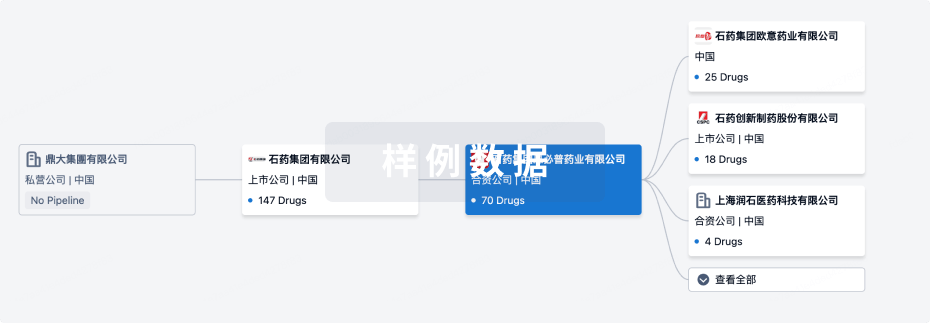
组织架构
使用我们的机构树数据加速您的研究。
登录
或
管线布局
2026年02月08日管线快照
无数据报导
登录后保持更新
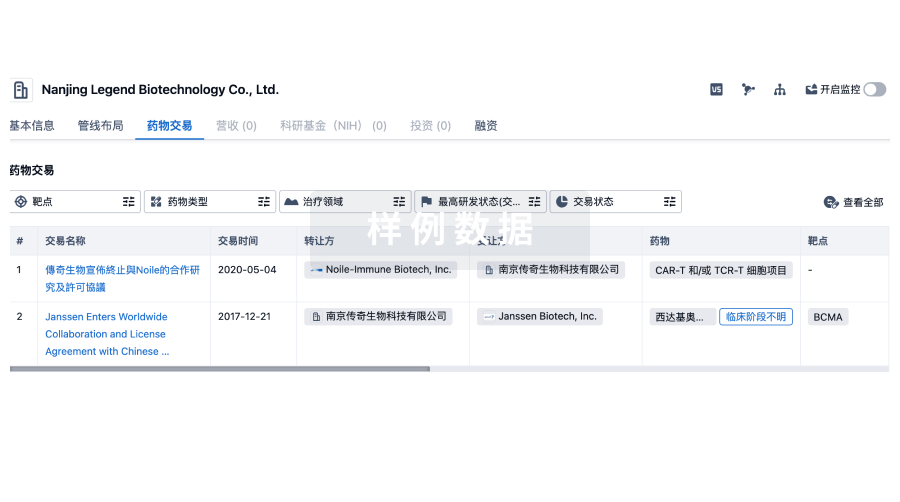
药物交易
使用我们的药物交易数据加速您的研究。
登录
或
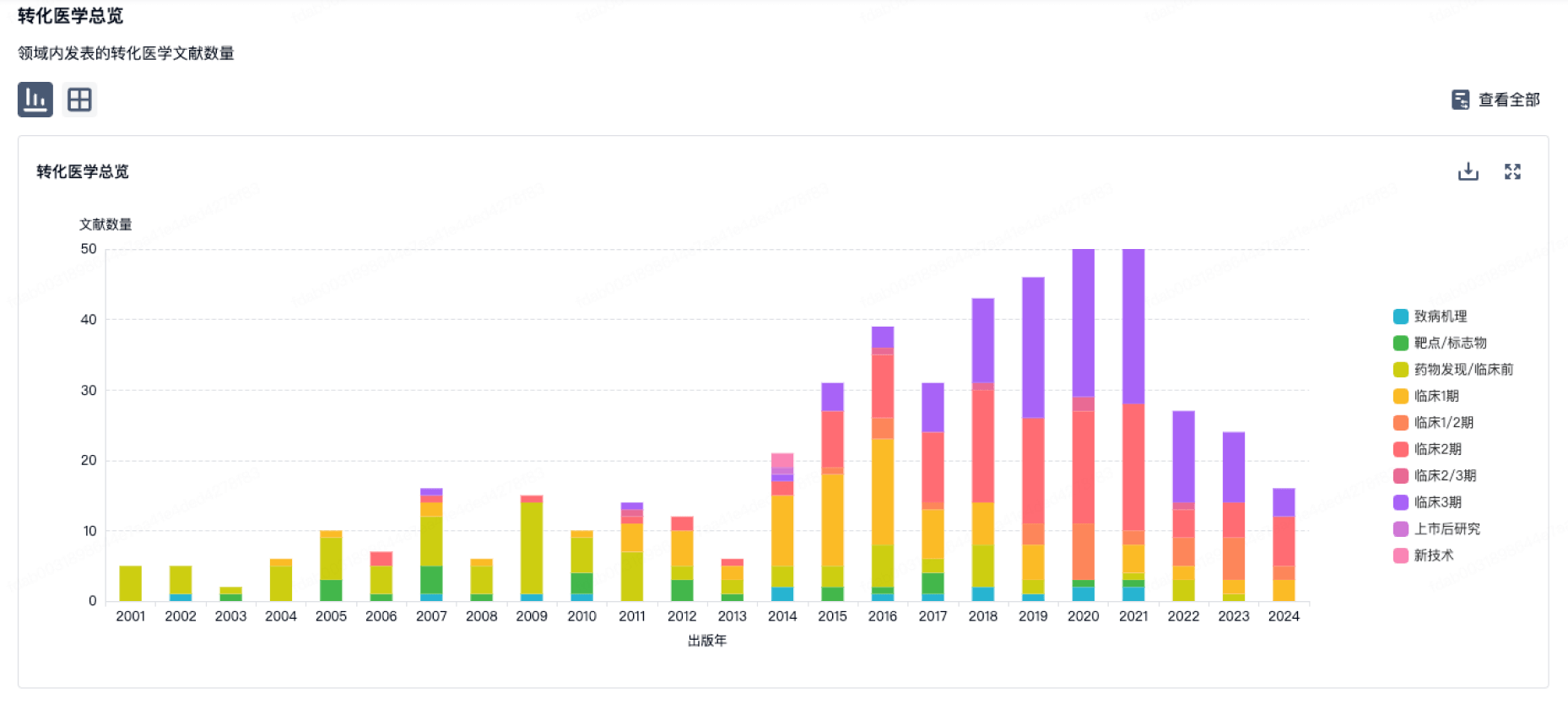
转化医学
使用我们的转化医学数据加速您的研究。
登录
或
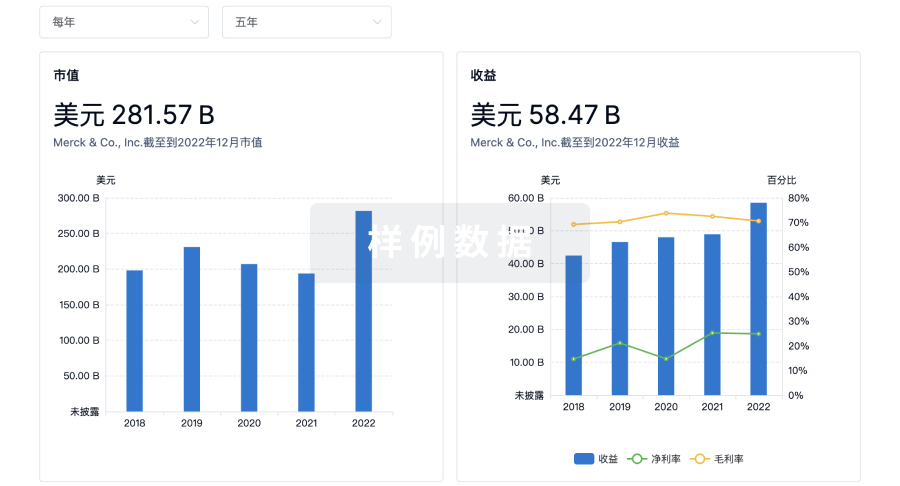
营收
使用 Synapse 探索超过 36 万个组织的财务状况。
登录
或
科研基金(NIH)
访问超过 200 万项资助和基金信息,以提升您的研究之旅。
登录
或
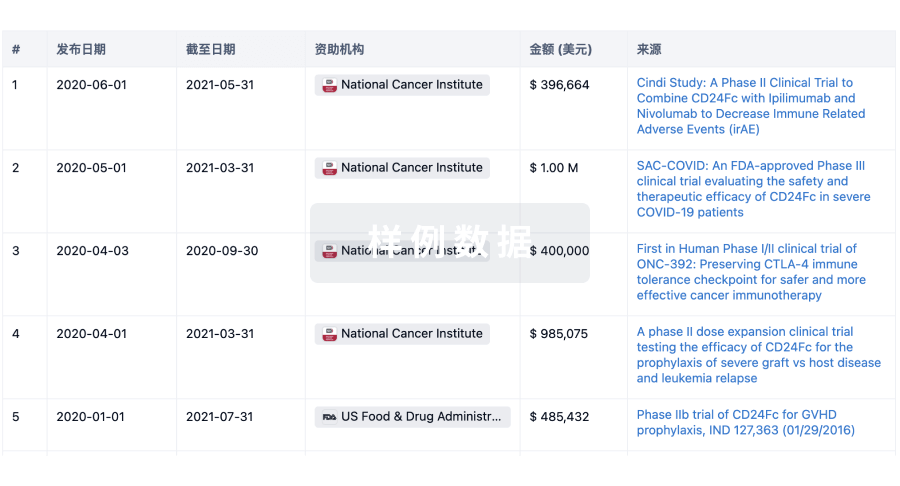
投资
深入了解从初创企业到成熟企业的最新公司投资动态。
登录
或
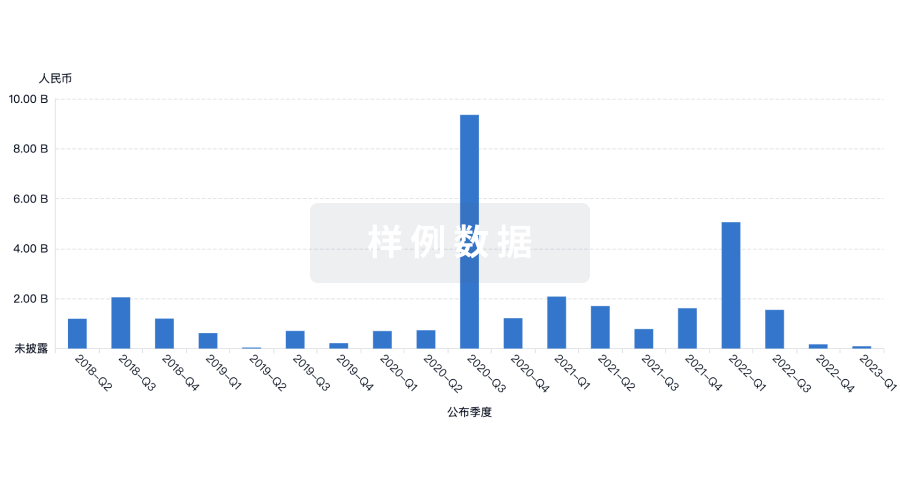
融资
发掘融资趋势以验证和推进您的投资机会。
登录
或
生物医药百科问答
全新生物医药AI Agent 覆盖科研全链路,让突破性发现快人一步
立即开始免费试用!
智慧芽新药情报库是智慧芽专为生命科学人士构建的基于AI的创新药情报平台,助您全方位提升您的研发与决策效率。
立即开始数据试用!
智慧芽新药库数据也通过智慧芽数据服务平台,以API或者数据包形式对外开放,助您更加充分利用智慧芽新药情报信息。
生物序列数据库
生物药研发创新
免费使用
化学结构数据库
小分子化药研发创新
免费使用