预约演示
更新于:2025-05-07

Beijing Zhonghai Biotech Co., Ltd.
更新于:2025-05-07
概览
关联
100 项与 Beijing Zhonghai Biotech Co., Ltd. 相关的临床结果
登录后查看更多信息
0 项与 Beijing Zhonghai Biotech Co., Ltd. 相关的专利(医药)
登录后查看更多信息
4
项与 Beijing Zhonghai Biotech Co., Ltd. 相关的文献(医药)2025-05-01·Virology
Comprehensive single-cell profiling of T and B cell subsets in mice reveals impacts on memory immune responses in FMDV infection
Article
作者: Zhao, Wei ; Gao, Jie ; Lv, Daiyue ; Su, Jia ; Liu, Dongdong ; Bai, Hongxu ; Du, Jige ; Xue, Qinghong ; Wang, Guohua ; Chen, Xiaochun
2025-03-01·Veterinary Microbiology
Impact of foot-and-mouth disease virus on memory T and B cell populations in swine
Article
作者: Xue, Qinghong ; Su, Jia ; Zhou, Xiangmei ; Bai, Hongxu ; Gao, Yueyi ; Liu, Weijie ; Liu, Dongdong ; Wang, Guohua ; Gao, Jie ; Zhao, Wei ; Chen, Xiaochun
2021-01-01·Journal of Veterinary Medical Science4区 · 农林科学
Recombinant unpurified rETX<sup>H106P</sup>/ CTB-rETX<sup>Y196E</sup> protects rabbits against <i>Clostridium perfringens</i> epsilon toxin
4区 · 农林科学
Article
作者: PENG, Xiaobing ; JIANG, Yuwen ; FENG, Lifang ; PENG, Guorui ; LI, Xuni ; LUO, Yufeng
2
项与 Beijing Zhonghai Biotech Co., Ltd. 相关的新闻(医药)2025-01-06
·药时空
我国兽用疫苗的研究和生产起步于1918年的青岛商品检验局血清所,到如今该行业发展已逾百年。据智研咨询数据显示,2023年我国兽用疫苗产量为5.2万吨,需求量为5.3万吨,市场规模为189.6亿元。从企业区域分布看,我国兽用疫苗企业分布较为广泛,其中江苏、山东、北京、广东、吉林等地相关企业相对较多。本文统计了江苏省18家兽用疫苗企业,下面为具体情况,若有错漏,欢迎指正补充。
苏州
1、硕腾生物制药(苏州)有限公司
硕腾原为辉瑞的动物保健部门,是一家全球性的动物保健公司,美资上市公司。公司覆盖经济动物、伴侣动物,300多种产品包括预防(疫苗)、诊断(诊断设备)、治疗(抗感染药物、驱虫药、皮肤病药物、止痛药等)领域。
2017年,硕腾在苏州工业园区成立硕腾生物制药有限公司,并于2018年初开始新建苏州疫苗厂,工厂占地近9万平方米,包括研发、生产、物流和动物实验大楼等。工厂基于新版兽药GMP和硕腾全球统一的质量标准设计和建设,拥有全球顶尖水平的病毒和细菌疫苗生产技术,致力于为我国畜禽、水产及宠物疫病的预防和治疗贡献力量。据悉,硕腾苏州疫苗工厂是硕腾在亚洲最大的疫苗生产和战略研发基地。
2、苏州艾益动物药品有限公司
苏州艾益动物药品有限公司成立于2018年,是一家中国领先的宠物疫苗企业,致力于研发、注册并生产国际一流品质的宠物疫苗,解决国内宠物疫苗市场长期以来品种匮乏问题和菌毒株匹配问题。其产品管线涵盖国内所缺乏的宠物疫苗重要品种、针对中国和国际市场的全球创新疫苗,以及现有进口宠物疫苗的国产替代与升级产品。
值得注意的是,艾益动物药品近日成功完成了亿元人民币级别的C+轮融资。该轮股权融资由复健资本领投,苏创投·国发创投和台商发展投资基金跟投。据了解,公司迄今已获得了6轮融资,包括多家美元和人民币私募股权投资基金、产业资本与地方引导基金的投资与支持。
在产品研发上,艾益动物药品研发注册进展最为领先的产品是犬支气管败血波氏杆菌疫苗(粘膜免疫),用于预防犬感染支气管败血波氏杆菌引起的咳嗽、气喘等呼吸道疾病,以及重症和死亡。此外,公司还在开发宠物的性征控制疫苗(节育疫苗)等全球创新的宠物疫苗产品。犬性征控制疫苗不仅能控制性征、改善犬只的不良行为,还可避免去势手术导致的骨骼发育与后期肥胖问题,对于犬只生殖能力的影响可逆,或可为宠物行为改善提供去势手术之外新的解决方案。该产品是全球率先进入临床阶段的犬性征控制疫苗。
3、苏州慧疗生物医药科技有限公司
苏州慧疗生物医药科技有限公司成立于2021年5月,落户苏州工业园区。公司是一家从事综合提供核酸药物产业化的高科技企业,业务覆盖mRNA药物研发生产、临床试验设计、数据分析等各个领域,专注于基于mRNA技术的传染病疫苗、肿瘤疫苗、细胞治疗、蛋白替代等的开发。围绕着新型mRNA递送制剂CLS系统,公司致力于发展具有中国自主知识产权的mRNA药物技术生产平台。
作为国际上最早从事兽药mRNA疫苗研发的企业,慧疗生物在原有mRNA疫苗研究的基础上,结合自身mRNA序列设计及高效递送载体的技术优势,围绕兽用mRNA疫苗进行了深入研究和研发,布局管线包括非洲猪瘟、PEDV、蓝耳、轮状病毒、犬猫多联苗等。
4、易康生物(苏州)有限公司
易康生物成立于2017年,是一家专注于重组蛋白疫苗、mRNA疫苗、抗体药物的研发和产业化的创新型高新技术企业,致力于研究、开发和制造创新的疫苗和抗体药物。公司拥有独特的逆向疫苗研发理念,采用蛋白质晶体X射线衍射和冷冻电镜的方法解析生物大分子的三维结构,发现病毒躲避免疫系统的生物学机制及弱点,以蛋白质三维结构为基础和逆向疫苗理念为核心,创新开发多种人类及动物病毒性传染病重组蛋白疫苗与中和抗体药物。
公司在研产品包括人用疫苗和兽用疫苗两大类。其中,公司采用结构生物学方法开发兽用疫苗,首推的两个动物疫苗产品猪流行性腹泻病毒疫苗(PEDV)和非洲猪瘟病毒疫苗(AFSV)为国内市场上急需的猪用疫苗。
泰州
1、泰州博莱得利生物科技有限公司
泰州博莱得利生物科技有限公司成立于2018年,并从北京迁入中国医药城。经过10余年研发创新,博莱得利融合现代基因工程、蛋白质工程、细胞工程、生化制药技术与传统中化药生产工艺,围绕宠物健康管理建立和运行了六大业务平台:生物制药(疫苗、基因重组蛋白药物、单克隆抗体、血液蛋白药物)、新型药物制剂、功能性保健品、高端卫生消毒用品、宠物临床健康检测及GCP临床试验平台。
在疫苗方面,2023年8月,博莱得利自主研制的猫泛白细胞减少症、鼻气管炎、杯状病毒病三联灭活疫苗(HBX05株+BJS01株+BJH13株)通过农业农村部组织的应急评价成功获批。
2、江苏勃林格殷格翰生物制品有限公司
江苏勃林格殷格翰是德国勃林格殷格翰的全资子公司,成立于2012年。勃林格殷格翰是一家致力于人类生物制药化学和动物健康产品的医药公司,是全球排名第二的动物保健企业,总部设立在德国殷格翰。
勃林格殷格翰在上海设有领先的全球创新中国中心,是目前国内投资规模最大且具备国际一流研发实力的综合性动保研发中心,作为创新中心的组成部分,泰州动物试验中心主要承担公司研制新兽药产品的安全性和有效性评价,北京RAPV办事处主要负责大中华区药品注册和药物警戒支持。
另外,其在江西南昌和江苏泰州分别建立了疫苗生产基地,南昌基地主要生产家禽疫苗产品,用于防治感染肉鸡和蛋鸡的各种疾病,并提供相关的免疫配套服务,泰州的亚洲领先的动物疫苗生产基地为中国市场生产高品质的猪疫苗产品。
3、华威特(江苏)生物制药有限公司
华威特成立于2011年11月,位于江苏省泰州中国医药城。公司是以动物生物制品研发、生产、销售和技术服务为一体的国家级高新技术企业,是江苏省民营科技企业、江苏省兽用生物制品工程实验室及泰州市动物疫苗基因工程技术研究中心依托单位。
公司围绕新型多联疫苗、基因缺失疫苗、病毒悬浮培养技术、冻干保护剂及冻干工艺等领域,相继开发出高致病性猪繁殖与呼吸综合征-猪瘟二联活疫苗、高致病性猪繁殖与呼吸综合征悬浮活疫苗、猪流感二价灭活疫苗、牛病毒性腹泻灭活疫苗、水貂犬瘟热、病毒性肠炎二联活疫苗(TJM株+JLM株)等新型兽用生物制品。其中多项产品转让给美国辉瑞、中牧集团、金宇集团、新疆天康等国际、国内著名企业,多项技术引领动物疫苗领域。
4、中海生物制药泰州有限公司
中海生物制药泰州有限公司成立于2014年,原名中崇信诺生物制药泰州有限公司,是由宁波大榭开发区北油化工有限公司(北京中海生物科技有限公司一致行动人)、Komipharm International Co., Ltd.(韩国科微范株式会社)、上海中崇资产管理有限公司联合成立的专业从事兽用生物制品产业化工艺研究、生产、销售为一体的中韩合资生物医药企业。
自成立以来,中海制药与中国农业科学院、扬州大学、山东农业大学、江苏农牧科技学院、聊城大学等多家科研单位院校建立产学研战略合作联盟,合作研发多项畜禽疫苗技术。目前,中海制药共获得3项新兽药证书,另有多项在研疫苗产品正在申报新兽药注册。同时,中海制药还拥有韩国科微范授权的60余种畜禽疫苗产品和工艺技术的使用权。
目前,公司在售产品包括鸡新城疫、传染性支气管炎二联活疫苗(La Sota株+QXL87株),鸡新城疫、禽流感(H9亚型)二联灭活疫苗(La Sota株+F株),鸡新城疫、传染性支气管炎二联活疫苗(La Sota株+H120株),鸡新城疫活疫苗(La Sota株)等。
南京
1、普莱柯(南京)生物技术有限公司
普莱柯(南京)生物技术有限公司原为南京梅里亚动物保健有限公司有限公司,成立于1998年,是一家由法国梅里亚集团和中牧股份共同投资组建的生产和销售品质家禽灭活的高科技合资公司,是农业部指定的国家防控重大疾病禽流感定点生产企业之一。2019年11月,因股权变更,经南京市市场监督管理局审核,公司正式更名为“普莱柯(南京)生物技术有限公司”。
目前,普莱柯(南京)是普莱柯生物工程股份有限公司的全资子公司,主要聚焦于禽流感(H5 型+H7 型)的研发和生产。普莱柯生物是以研发、生产、经营兽用生物制品及药品为主业的高新技术企业,为上交所挂牌上市企业(股票代码:603566)。
2、兆丰华生物科技(南京)有限公司
兆丰华(南京)位于江苏省南京市江宁区,隶属于兆丰华集团,是集兽用疫苗研发、生产、销售和服务于一体的国家高新技术企业。公司拥有一个国家级创新研发平台和一个省级科研平台,建有3座兽药GMP车间,年产能110亿头(羽份),产品涵盖禽用、猪用疫苗系列30多个品种。公司重点研发多联多价疫苗、基因工程载体疫苗、核酸疫苗、新型佐剂、检验检测试剂等新产品。
3、南京乾元浩生物科技有限公司
南京乾元浩前身为乾元浩生物股份有限公司南京生物药厂,成立于1931年,原为国民政府中央畜牧实验所,后为农业部(现农业农村部)四大兽用生物制品生产企业之一,是我国早期开始从事畜牧实验和畜禽疫苗研究与生产的企业,通过农业部(现农业农村部)兽药GMP认证,兽药GMP证号001。2004年7月,资产重组后更名为乾元浩生物股份有限公司南京生物药厂,2023年乾元浩生物股份有限公司内部资产重组后变更为南京乾元浩生物科技有限公司。
南京乾元浩位于南京江宁滨江开发区,目前拥有2个GMP车间,10条自动化生产线,年生产能力120亿羽(头)份,产品分为禽活疫苗、禽灭活疫苗、畜活疫苗、畜灭活疫苗四大类。
4、南京澄实生物医药科技有限公司
南京澄实生物医药科技有限公司成立于2019年,于2021年落户南京生物医药谷后开启全速发展之路。公司致力于开发全新的mRNA药物。公司已建立人工智能抗原设计系统,mRNA设计系统,LNP投递系统和GMP生产体系等完全独立自主的技术体系,并建立了知识产权“护城河”。在不依赖任何外部技术输入和授权的前提下,澄实生物完全可以凭借自主技术制造出可用、好用的mRNA药物。
在兽用疫苗方面,澄实生物瞄准mRNA兽用疫苗市场,与国内顶级科研院所和兽药企业开展广泛合作,现已推进非洲猪瘟疫苗、牛病毒性腹泻疫苗、高致病性禽流感疫苗等10条兽用疫苗产品的研究;研发管线中部分产品已获得切实有效的靶动物攻毒保护数据;公司mRNA兽用疫苗GMP生产线也投入建设,预期于2024年底具备GMP中试生产条件;这些都为新mRNA兽用疫苗的临床试验和注册申报打下了坚实基础。另外,公司在中国江西省萍乡市拥有一个2.6万平方米的mRNA兽用疫苗工厂,这座工厂将确保每年支持10亿剂兽用疫苗的巨大生产能力。
扬州
1、国药集团扬州威克生物工程有限公司
国药集团扬州威克生物工程有限公司成立于2004年,座落于扬州市高新技术开发区,属国家高新技术企业,是中国医药集团总公司的子公司。公司拥有活疫苗、灭活疫苗综合车间两个生产车间,八条生产线,拥有32个疫苗产品的生产文号,其中禽流感灭活疫苗(H9亚型)、鸡传染性法氏囊病中等毒力活疫苗和高致病性猪蓝耳病活疫苗产品先后被国家科技部等四部委授予国家重点新产品称号。
公司设有独立的研发中心。公司与中国医药工业研究总院联合创立了江苏省兽用疫苗工程技术研究中心,与扬州大学共同成立了江苏省人兽共患病学重点实验室、江苏高校协同创新中心、江苏省企业研究生工作站。此外,公司还与中国动物疾病预防控制中心、中国兽医药品监察所、扬州大学兽医学院、河南农业大学禽病研究所、中国农业科学院哈尔滨兽医研究所等科研院所建立了长期稳定的合作关系,健全的科研机构和丰厚的项目储备,为国药威克始终保持持续竞争力奠定了坚实的基础。
2、扬州优邦生物药品有限公司
扬州优邦生物药品有限公司成立于2004年1月,系金宇生物技术股份有限公司(股票代码600201)全资子公司,是一家专业从事动物疫病预防、治疗用生物制品的研发、生产和销售的高新技术企业。拥有胚毒灭活疫苗、细胞毒活疫苗、胚毒活疫苗、细菌灭活疫苗、细胞悬浮培养灭活疫苗和细胞灭活疫苗6条GMP生产线,具备年产胚毒灭活疫苗5亿毫升,活疫苗5亿羽份,细胞灭活疫苗5亿毫升,细菌灭活疫苗6000万毫升的生产能力。
无锡
1、江苏南农高科技股份有限公司
江苏南农高科技股份有限公司以南京农业大学和江阴新锦南投资发展有限公司为主体,按照现代企业制度于2000年投资组建,是专业从事畜禽动物疫苗研发、生产、经营和服务的国家高新技术企业。
在疫苗产品方面,公司的猪圆环疫苗系列产品连续15年市场占有率保持全国第一,新城疫活疫苗(N79株)市场占有率遥遥领先,猪瘟活疫苗、伪狂犬活疫苗市场占有率位居行业前列。
2、江苏海健前沿生物科技有限公司
江苏海健前沿生物科技有限公司成立于2010年,是无锡“530”新产业领军计划重点扶持的高端生物医药创新公司。公司专业从事新型水产动物疫苗产品的生产研发、定制研发、病害临床诊断和防治综合技术服务。在水产动物重大疫病新型基因工程疫苗创制开发技术上,公司拥有国际先进水平的产业化研发平台和综合外包技术服务竞争力。
此外,公司在生命科学园设有国内一流设施的疫苗产业研发中心,拥有病原微生物BSL-2专业实验室和兽用GMP中试生产线,并建有目前国内一流的水产动物疫苗临床试验中心。公司还与国内外水产疫苗研发领域的一流高校和科研机构建立了紧密合作,致力于成为中国水产疫苗新产业的领军者。
常州
1、常州同泰生物药业科技股份有限公司
常州同泰生物药业科技股份有限公司(证券代码:871354)成立于2006年10月,座落于常州市高新区——常州空港产业园。公司致力于兽用疫苗、宠物诊断试剂、宠物营养及美容等产品的生产、研发和销售。
公司GMP车间拥有细胞毒灭活疫苗生产线、胚毒灭活疫苗生产线,可生产禽流感灭活疫苗、鸡新城疫灭活疫苗、新减二联灭活疫苗、狂犬病灭活疫苗、猪圆环病毒灭活疫苗等系列的家禽、家畜和宠物用灭活疫苗。公司自主研发的“兽用狂犬病灭活疫苗(SAD株)”是农业部首批批准生产的兽用狂犬病灭活疫苗,填补了国内同类产品空白。
值得注意的是,2024年10月,公司发布风险提示性公告,风险事项包括主要业务陷入停顿,部分资产被查封、扣押、冻结,主要银行账号被冻结。
南通
1、江苏海泰生物科技有限公司
江苏海泰生物科技有限公司曾用名南通海泰生物科技有限公司,是由林旭埜博士等动物疫苗经营管理团队于2017年创建,是一家专注于动物保护,聚焦生物制品研发、生产、销售和技术服务的生物科技企业。公司创始人林旭埜博士在畜牧行业深耕30余年,带领团队研究并推出ST猪瘟活疫苗、高效安全的蓝耳灭活疫苗、智慧免疫包等多款创新性畜禽药品,在水产领域中对虾、鲈鱼、鳜鱼、牛蛙等一系列重点疫病防控技术和产品研发获得突破。
公司拥有包括海归博士、高级专家等一批资深技术团队,与国内外知名高校、科研院所开展深度、紧密的合作,掌握了一系列新型疫苗的研发平台技术,其中包括:独创性杀菌蛋白技术平台、独创性的疫苗佐剂和细胞免疫平台、独创性水产包裹技术、病毒siRNA干扰疫苗平台、病毒/细菌受体结合蛋白疫苗平台、高效的基因工程疫苗表达技术平台。公司产品涵盖疫苗板块、抗体板块、抗菌蛋白板块、化药板块等,涉及猪、禽、牛羊、鱼、蛙、宠物等品类。
参考资料:
[1]智研咨询报告:中国动物疫苗行业市场规模、供需态势及发展前景研究.智研产业研究院.2024年12月03日.
[2]【首发】艾益动物药品完成亿元级别C+轮融资,持续领航宠物疫苗创新.动脉网.2025年01月06日.
[3]慧疗生物专注于动保健康,开启兽用mRNA疫苗新篇章.药融圈.2024年01月22日.
[4]各公司官网、官微,企查查、爱企查等.
识别微信二维码,可添加药时空小编
请注明:姓名+研究方向!
疫苗
2024-03-11
▲ 详细日程见文末 ▲自20世纪初以来,中国兽用生物制品行业经历了从无到有、从粗放到规范的发展历程。这一行业的起源可以追溯到1918年创建的青岛商品检验局血清所和1919年建立的北平中央防疫处,这两个机构的成立标志着中国兽用生物制品的初步形成。在兽用生物制品的早期阶段,由于缺乏统一的标准和规范,行业处于粗放式的发展状态。而随着科技进步和兽医学的不断发展,我国开始重视兽用生物制品的质量控制和标准化。1952年,国内颁布了第一部《兽医生物药品制造及检验规程》,标志着中国兽用生物制品行业开始进入规范化、标准化的发展阶段。兽用生物制品产品主要包括三类,即疫苗产品、诊断制剂和治疗制剂,其中接近九成的收入来自兽用疫苗。目前,兽用疫苗行业已发展成为一个覆盖多种动物疫病类型的高增长行业。在2023年里,兽用疫苗领域又有哪些新产品进展呢?下面主要汇总了2023年至今,国内兽用疫苗的申报注册获批等情况。2024年二月2月4日,中华人民共和国农业农村部发布第759号公告,批准诗华美国动物保健公司生产的鸡传染性喉气管炎重组鸡痘病毒二联活疫苗,匈牙利诗华—费拉西亚兽医生物制品有限公司生产的鸡传染性法氏囊病活疫苗(W2512 G-61株)在我国再注册,核发《进口兽药注册证书》。2月4日,中华人民共和国农业农村部发布第757号公告,华南农业大学、广州市华南农大生物药品有限公司研制的重组禽流感病毒(H5+H7)三价灭活疫苗(H5N2 rHN5801株+rGD59株,H7N9 rHN7903株),已通过农业农村部组织的生产毒种变更备案审查。2月4日,中华人民共和国农业农村部发布第758号公告,批准贵州福斯特生物科技有限公司、贵州福斯特生物技术研究院、东北农业大学、山西维尔富生物科技有限公司、哈尔滨维科生物技术有限公司、广东省农业科学院动物卫生研究所、哈尔滨威科赛斯生物科技有限公司申报的鸡新城疫、禽流感(H9亚型)、禽腺病毒病(I群,4型)三联灭活疫苗(La Sota株+HS株+DN株)为新兽药,核发《新兽药注册证书》。一月1月3日,永顺生物近期获得农业农村部核发“鸡球虫病四价活疫苗(柔嫩艾美耳球虫ETGZ株+毒害艾美耳球虫ENHZ株+堆型艾美耳球虫EAGZ株+巨型艾美耳球虫EMPY株)”的生产批准文号(兽药生字190592329),成为全国第四家可生产“鸡球虫病四价活疫苗”的生产企业。1月3日,中华人民共和国农业农村部发布第747号公告,长春西诺生物科技有限公司、安徽爱宠生物科技有限公司、吉林正业生物制品股份有限公司研制的猫鼻气管炎、嵌杯病毒病、泛白细胞减少症三联灭活疫苗(CP2株+CC3株+VP2蛋白),已通过农业农村部组织的应急评价。1月17日,中华人民共和国农业农村部发布第753号公告,批准英特威国际有限公司生产的犬瘟热、传染性肝炎、细小病毒病、副流感四联活疫苗,犬钩端螺旋体病(犬型、黄疸出血型)二价灭活疫苗;澳大利亚生物资源公司生产的鸡毒支原体活疫苗(TS-11株)在我国再注册。批准西班牙海博莱生物大药厂生产的鸡新城疫灭活疫苗(La Sota株),英特威国际有限公司生产的鸡传染性支气管炎活疫苗(Ma5株)、鸡新城疫灭活疫苗(Clone 30株)、鸡传染性喉气管炎活疫苗(Serva株)及鸡减蛋综合征灭活疫苗(BC14株)在我国变更注册。1月18日,中华人民共和国农业农村部发布第751号公告,批准中国农业科学院哈尔滨兽医研究所、哈尔滨维科生物技术有限公司、哈尔滨国生生物科技股份有限公司、江苏南农高科技股份有限公司、华派生物技术(集团)股份有限公司申报的猪伪狂犬病活疫苗(TP株)为新兽药,核发《新兽药注册证书》。2023年十二月12月6日,中华人民共和国农业农村部发布第731号公告,普莱柯生物工程股份有限公司、洛阳惠中生物技术有限公司、洛阳惠中动物保健有限公司、河南新正好生物工程有限公司、普莱柯(南京)生物技术有限公司的猫泛白细胞减少症、杯状病毒病、鼻气管炎三联灭活疫苗(708株+60株+64株),中牧股份的猫鼻气管炎、杯状病毒病、泛白细胞减少症三联灭活疫苗(HBJ06株+CHZ05株+PSY01株)已通过农业农村部组织的应急评价,获得生产批准。12月29日,中华人民共和国农业农村部发布第743号公告,批准中国农业科学院兰州兽医研究所、肇庆大华农生物药品有限公司、山东华宏生物工程有限公司申报的鸡新城疫灭活疫苗(MG7株)为新兽药,核发《新兽药注册证书》。批准瑞普(保定)生物药业有限公司申报的鸡传染性喉气管炎耐热保护剂活疫苗,扬州优邦生物药品有限公司、江苏省家禽科学研究所、国药集团扬州威克生物工程有限公司、哈药集团生物疫苗有限公司申报的鸡新城疫、禽流感(H9亚型)二联灭活疫苗(La Sota株+JY株)产品变更注册,申请人按照农业农村部批准的标签说明书自行修改并印制、使用产品标签说明书。十一月11月17日,中华人民共和国农业农村部发布第724号公告,批准华南农业大学、广州市华南农大生物药品有限公司申报的重组禽流感病毒(H5+H7)二价灭活疫苗(H5N2亚型,rFJ56株+H7N9亚型,rGD76株)为新兽药,核发《新兽药注册证书》。十月10月23日,中华人民共和国农业农村部发布第716号公告,金宇保灵生物药品有限公司、洛阳沃普森生物工程有限公司、内蒙古自治区动物疫病预防控制中心、金河佑本生物制品有限公司研制的牛结节性皮肤病灭活疫苗(NMG株,悬浮培养),华中农业大学、武汉科前生物股份有限公司、云南生物制药有限公司、华派生物技术(集团)股份有限公司研制的猫鼻气管炎、杯状病毒病、泛白细胞减少症三联灭活疫苗(WH–2017株+LZ–2016株+CS–2016株),已通过农业农村部组织的应急评价。10月24日,中华人民共和国农业农村部发布第718号公告,批准北京中海生物科技有限公司、广东温氏大华农生物科技有限公司、青岛易邦生物工程有限公司、乾元浩生物股份有限公司、山东绿都生物科技有限公司申报的鸡新城疫、传染性支气管炎二联耐热保护剂活疫苗(La Sota株+H120株)为新兽药,核发《新兽药注册证书》。九月9月4日,中华人民共和国农业农村部发布第704号公告,批准中国农业大学、金河佑本生物制品有限公司、重庆澳龙生物制品有限公司、安徽东方帝维生物制品股份有限公司、杭州佑本动物疫苗有限公司、北京市动物疫病预防控制中心、北京华信农威生物科技有限公司、北京信得威特科技有限公司申报的布鲁氏菌病活疫苗(BA0711株),金宇保灵生物药品有限公司申报的布鲁氏菌病活疫苗(Rev.1株)为新兽药,核发《新兽药注册证书》。9月15日,中华人民共和国农业农村部发布第707号公告,批准齐鲁动物保健品有限公司申报的鸭病毒性肝炎(3型)活疫苗(QL3A株),北京生泰尔科技股份有限公司、北京华夏兴洋生物科技有限公司、华夏兴洋(江苏)生物科技有限公司申报的鸡新城疫、禽流感(H9亚型)、禽腺病毒病(Ⅰ群,4型)三联灭活疫苗(La Sota株+cs株+Ax25株)为新兽药,核发《新兽药注册证书》。批准唐山怡安生物工程有限公司、北京科兴生物制品有限公司、中国农业大学3家单位申报的狂犬病灭活疫苗(CTN–1株)变更注册。八月8月2日,中华人民共和国农业农村部发布第693号公告,批准勃林格殷格翰动物保健(美国)有限公司(Gainesville生产厂)生产的鸡传染性法氏囊病复合冻干活疫苗(2512株),勃林格殷格翰动物保健(美国)有限公司(St.Joseph生产厂)生产的猪繁殖与呼吸综合征活疫苗、猪圆环病毒2型杆状病毒载体灭活疫苗在我国再注册,核发《进口兽药注册证书》。8月18日,中华人民共和国农业农村部发布第698号公告,批准中国农业科学院特产研究所、齐鲁动物保健品有限公司、吉林特研生物技术有限责任公司、吉林冠界生物技术有限公司申报的水貂犬瘟热、病毒性肠炎二联活疫苗(CDV3–CL株+MEVB–F61株),国药集团动物保健股份有限公司、上海创宏生物科技有限公司、北京华夏兴洋生物科技有限公司、国药集团扬州威克生物工程有限公司、龙阔(苏州)生物工程有限公司申报的鸭病毒性肝炎活疫苗(3型,HB80株),普莱柯生物工程股份有限公司、洛阳惠中生物技术有限公司、国药集团扬州威克生物工程有限公司、江苏南农高科技股份有限公司申报的鸡传染性鼻炎三价灭活疫苗(A型HN3株+B型HN5株+C型SD3株),辽宁益康生物股份有限公司、北京万牧源生物科技有限公司、四川海林格生物制药有限公司、江西博美莱生物科技有限公司、安铂尔生物科技(广东)有限公司申报的猪支原体肺炎灭活疫苗(ZY株)为新兽药,核发《新兽药注册证书》。批准中国农业科学院哈尔滨兽医研究所申报的猪繁殖与呼吸综合征灭活疫苗(CH–1a株)变更注册。8月23日,中华人民共和国农业农村部发布第701号公告,天津瑞普生物技术股份有限公司、天津瑞普生物技术股份有限公司空港经济区分公司、瑞普(保定)生物药业有限公司研制的猫鼻气管炎、杯状病毒病、泛白细胞减少症三联灭活疫苗(RPVF0304株+RPVF0207株+RPVF0110株),中国农业科学院上海兽医研究所、唐山怡安生物工程有限公司、哈药集团生物疫苗有限公司研制的猫鼻气管炎、猫杯状病毒病、猫泛白细胞减少症三联灭活疫苗(WX株+SH14株+0918株),泰州博莱得利生物科技有限公司、北京博莱得利生物技术有限责任公司、中瑞动检(北京)生物技术有限公司研制的猫泛白细胞减少症、鼻气管炎、杯状病毒病三联灭活疫苗(HBX05株+BJS01株+BJH13株),已通过农业农村部组织的应急评价。七月7月26日,中华人民共和国农业农村部发布第691号公告,批准天康生物制药有限公司、北京中海生物科技有限公司、青岛易邦生物工程有限公司、天津瑞普生物技术股份有限公司申报的猪传染性胸膜肺炎基因工程亚单位疫苗(ApxII、Oml–1、Oml–7),天康生物制药有限公司、天康制药股份有限公司、齐鲁动物保健品有限公司申报的猪圆环病毒2型、猪肺炎支原体二联灭活疫苗(重组杆状病毒rB–06株+CJ株),北京中海生物科技有限公司、吉林和元生物工程股份有限公司、青岛易邦生物工程有限公司申报的猪支原体肺炎灭活疫苗(S株),北京市农林科学院、青岛中仁澳兰生物工程有限公司、江西博美莱生物科技有限公司、北京信得威特科技有限公司申报的鸡新城疫、传染性支气管炎、传染性法氏囊病三联灭活疫苗(La Sota株+M41株+BJQ902株),广东永顺生物制药股份有限公司、中崇信诺生物科技泰州有限公司申报的猪瘟、高致病性猪繁殖与呼吸综合征二联耐热保护剂活疫苗(C株+GDr180株),华派生物技术(集团)股份有限公司、山东信得动物疫苗有限公司、重庆澳龙生物制品有限公司、山东海利生物制品有限公司、四川农业大学、四川英博莱生物技术有限公司申报的猪圆环病毒2型、猪肺炎支原体二联灭活疫苗(162株+HP-G株)为新兽药,核发《新兽药注册证书》。7月11日,中华人民共和国农业农村部发布第686号公告,批准西班牙海博莱生物大药厂生产的猪大肠杆菌病、C型产气荚膜梭菌病、诺维氏梭菌病三联灭活疫苗在我国再注册,核发《进口兽药注册证书》。六月6月6日,中华人民共和国农业农村部发布第677号公告,批准印度尼西亚美迪安有限公司生产的鸡痘活疫苗(M﹣92株)、英特威国际有限公司生产的鸡新城疫、传染性支气管炎、传染性法氏囊病、呼肠孤病毒感染四联灭活疫苗在我国再注册,核发《进口兽药注册证书》。6月29日,中华人民共和国农业农村部发布第681号公告,批准普莱柯生物工程股份有限公司、洛阳惠中生物技术有限公司申报的猪细小病毒杆状病毒载体灭活疫苗(PPV–VP2株)为新兽药,核发《新兽药注册证书》。截至目前,普莱柯及子公司累计获得新兽药注册证书63个。五月5月5日,中华人民共和国农业农村部发布第668号公告,批准金宇保灵生物药品有限公司申报的口蹄疫O型灭活疫苗(OJMS株),军事科学院军事医学研究院军事兽医研究所申报的犬瘟热、犬副流感、犬腺病毒与犬细小病毒病四联活疫苗变更注册。5月17日,中华人民共和国农业农村部公布第670号公告,中牧实业股份有限公司、中国农业科学院兰州兽医研究所、中农威特生物科技股份有限公司、申联生物医药(上海)股份有限公司联合研制的牛结节性皮肤病灭活疫苗(山羊痘病毒AV41株,悬浮培养)已通过我部组织的应急评价。5月30日,申联生物的一款口蹄疫疫苗产品“口蹄疫O型、A型二价灭活疫苗(O/MYA98/BY/2010株+Re-A/WH/09株”(泰瑞联)获得批准文号。这款疫苗旨在预防牛、羊O型和A型口蹄疫,具备高效、广谱、副反应小和高安全性等特点。四月4月12日,中华人民共和国农业农村部发布第665号公告,批准扬州大学、国药集团扬州威克生物工程有限公司、福建圣维生物科技有限公司申报的禽腺病毒(Ⅰ群,4型)灭活疫苗(JH株)为新兽药,核发《新兽药注册证书》。4月26日,中华人民共和国农业农村部发布第666号公告,批准德国罗曼动物保健有限公司鸡传染性法氏囊病活疫苗(LC75株)(1000羽份/瓶2500羽份/瓶5000羽份/瓶)在我国再注册。三月3月17日,中华人民共和国农业农村部发布第657号公告,批准波兰布拉维生物技术有限公司生产的鸽新城疫、沙门氏菌病二联灭活疫苗(La Sota株+KOS 061084株)在我国注册,核发《进口兽药注册证书》,并发布产品质量标准、说明书和标签,自发布之日起执行。批准印度尼西亚美迪安有限公司生产的鸡新城疫、减蛋综合征二联灭活疫苗,鸡新城疫、传染性支气管炎、减蛋综合征三联灭活疫苗;西班牙海博莱生物大药厂生产的鸡传染性法氏囊病活疫苗(CH/80株),鸡传染性喉气管炎活疫苗(CHP50株);硕腾公司美国查理斯堡生产厂生产的猪支原体肺炎灭活疫苗(P-5722-3株,I)在我国再注册,核发《进口兽药注册证书》,并发布修订后的质量标准、说明书和标签,自发布之日起执行,此前发布的该5种兽药质量标准、说明书和标签同时废止。批准印度尼西亚美迪安有限公司生产的鸡新城疫灭活疫苗(La Sota株)在我国再注册及变更注册,核发《进口兽药注册证书》,并发布修订后的质量标准、说明书和标签,自发布之日起执行,此前发布的该兽药质量标准、说明书和标签同时废止。3月17日,中华人民共和国农业农村部发布第658号公告,批准国药集团动物保健股份有限公司、上海创宏生物科技有限公司、福建圣维生物科技有限公司申报的猪伪狂犬病活疫苗(C株,悬浮培养),华派生物工程集团有限公司、北京鼎立泰生物技术有限公司、杭州佑本动物疫苗有限公司、四川农业大学、苏州世诺生物技术有限公司申报的猪流感二价灭活疫苗(H1N1 L株+H3N2 S株),中牧实业股份有限公司、中国农业科学院哈尔滨兽医研究所、哈尔滨维科生物技术有限公司、齐鲁动物保健品有限公司申报的牛多杀性巴氏杆菌病二价灭活疫苗(A型Pm–TJ株+B型C45–2株),齐鲁动物保健品有限公司申报的兔出血症病毒杆状病毒载体、多杀性巴氏杆菌病二联灭活疫苗(VP60株+QLT–1株)为新兽药,核发《新兽药注册证书》。批准辽宁益康生物股份有限公司申报的狂犬病灭活疫苗(Flury株)变更注册。二月2月21日,中华人民共和国农业农村部发布第650号公告,批准江苏南农高科技股份有限公司、南京农业大学、中海生物制药(泰州)有限公司、青岛中仁澳兰生物工程有限公司申报的猪伪狂犬病毒gE/gI基因缺失灭活疫苗(ZJ011G株),天津瑞普生物技术股份有限公司空港经济区分公司、天津瑞普生物技术股份有限公司、北京九州互联农牧科技有限公司申报的鸡传染性鼻炎三价灭活疫苗(A型221株+B型B4株+C型H–18株)为新兽药。一月1月13日,中华人民共和国农业农村部发布第639号公告,批准广东永顺生物制药股份有限公司、中牧实业股份有限公司、河南后羿生物工程股份有限公司、云南生物制药有限公司、青岛明勤生物科技有限公司、广州谱泰生物技术有限公司6家单位申报的猪圆环病毒2型亚单位疫苗(大肠杆菌源)为新兽药;广东海大畜牧兽医研究院有限公司、四川海林格生物制药有限公司、默沙东(宁波)动物保健科技有限公司、北京万牧源农业科技有限公司4家单位申报的猪流行性腹泻灭活疫苗(CHYJ株)为新兽药。批准浙江大学、瑞普(保定)生物药业有限公司、浙江诗华诺倍威生物技术有限公司、齐鲁动物保健品有限公司、杭州佑本动物疫苗有限公司、华派生物工程集团有限公司6家单位申报的猪圆环病毒2型灭活疫苗(ZJ/C株)变更注册。1月28日,中华人民共和国农业农村部发布第642号公告,批准硕腾公司美国林肯生产厂生产的猪伪狂犬病活疫苗(Bucharest株),英特威国际有限公司生产的猪萎缩性鼻炎灭活疫苗和犬瘟热、细小病毒病二联活疫苗在我国再注册,核发《进口兽药注册证书》,并发布修订后的质量标准、说明书和标签,自发布之日起执行,此前发布的该3种兽药质量标准、说明书和标签同时废止。批准英特威美国分公司生产的鸡毒支原体活疫苗(MG6/85株)在我国变更注册,发布修订后的质量标准、说明书和标签,自发布之日起执行,此前发布的该兽药质量标准、说明书和标签同时废止。参考资料:中华人民共和国农业农村部公告、公司新闻等.为了推动兽用生物制品行业交流,共同探讨该领域的最新研发进展、产业化现状及未来发展趋势,生物制品圈联合四叶草会展、乘风济海将于2024年4月17日-18日在南京共同举办“兽用生物制品研发和产业化大会”,系中国医药全产业链新资源大会(CBC大会)中的一个分领域专业会议。诚邀全国相关领域研究者共享学术盛会。名称:兽用生物制品研发和产业化大会时间:2024年4月17日-18日(周三-周四)地点:南京国际展览中心主办单位:生物制品圈、抗体圈、四叶草会展,乘风济海媒体支持:药时空、细胞基因研究圈报名方式:扫描下方二维码或点击文章最底部“阅读原文”→ 填写表格 → 报名成功组委会获得报名信息后,根据报名信息进行初筛,并进一步与报名者沟通确认,实现精准邀请(严格审核通过)。大会日程注:大会日程以会议现场为准。中国医药全产业链新资源大会(CBC大会)是一场将“政、产、学、研、用、管、投”各方精英围绕全产业链新资源展开的合作大会,将于2024年4月16日-18日在南京国际展览中心举办。大会将主打“全产业链新资源对接”,围绕投资、立项、临床前研发、临床研究、生产、供应链国产化、销售、MAH合作、国际品种合作、公司股权合作与并购全产业链,为中国医药同仁带来全新的资源与商机。大会下设的同期会议包括:宠物药品、食品、保健品新资源大会兽用生物制品研发和产业化大会透皮技术研发生产与注册开年分享会吸入制剂研发、生产与注册新机遇新进展分享会中国改良新药与缓控释制剂全产业链合作大会陆续更新中......识别微信二维码,添加生物制品圈小编,符合条件者即可加入生物制品微信群!请注明:姓名+研究方向!版权声明本公众号所有转载文章系出于传递更多信息之目的,且明确注明来源和作者,不希望被转载的媒体或个人可与我们联系(cbplib@163.com),我们将立即进行删除处理。所有文章仅代表作者观点,不代表本站立场。
疫苗
100 项与 Beijing Zhonghai Biotech Co., Ltd. 相关的药物交易
登录后查看更多信息
100 项与 Beijing Zhonghai Biotech Co., Ltd. 相关的转化医学
登录后查看更多信息
组织架构
使用我们的机构树数据加速您的研究。
登录
或
管线布局
2026年02月08日管线快照
无数据报导
登录后保持更新
药物交易
使用我们的药物交易数据加速您的研究。
登录
或
转化医学
使用我们的转化医学数据加速您的研究。
登录
或
营收
使用 Synapse 探索超过 36 万个组织的财务状况。
登录
或
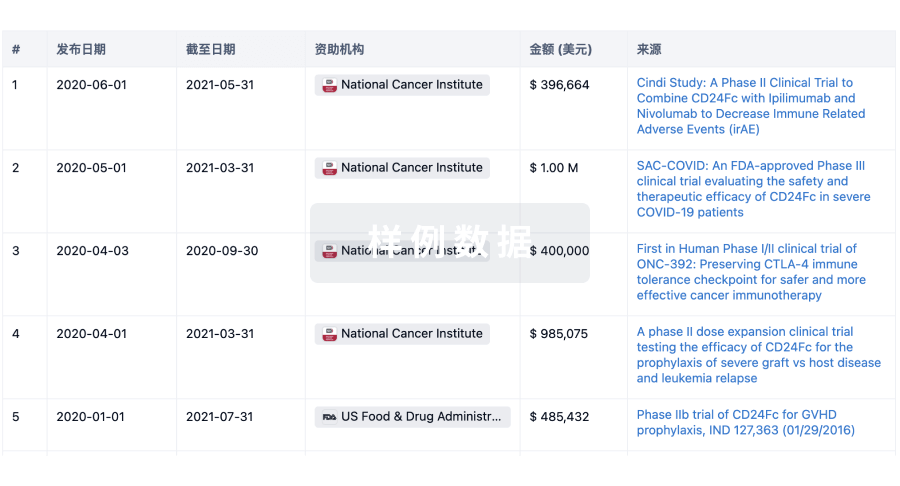
科研基金(NIH)
访问超过 200 万项资助和基金信息,以提升您的研究之旅。
登录
或
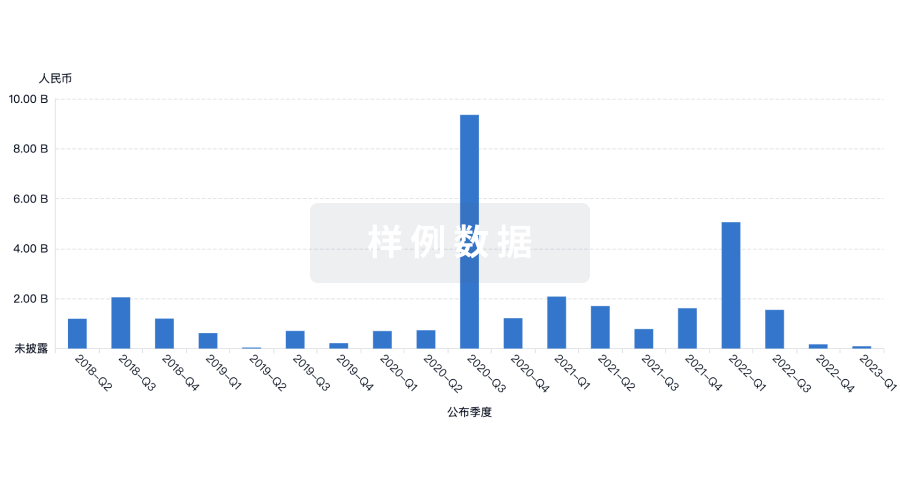
投资
深入了解从初创企业到成熟企业的最新公司投资动态。
登录
或
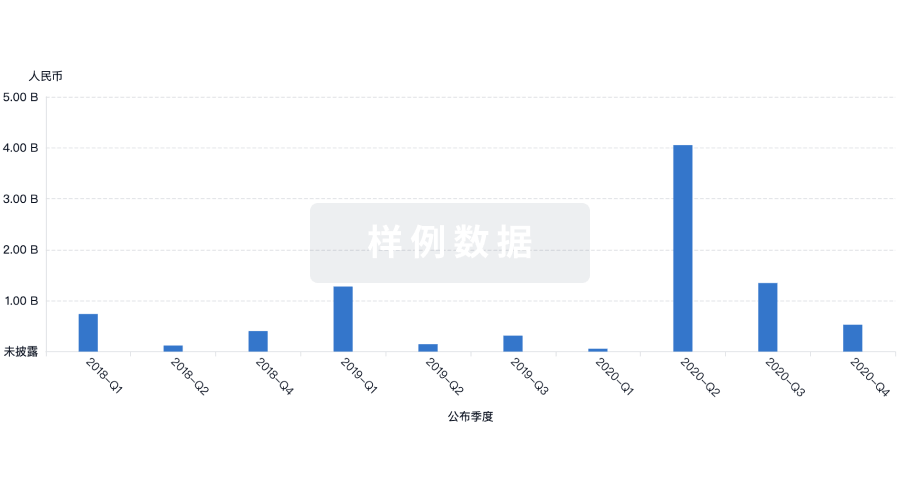
融资
发掘融资趋势以验证和推进您的投资机会。
登录
或
生物医药百科问答
全新生物医药AI Agent 覆盖科研全链路,让突破性发现快人一步
立即开始免费试用!
智慧芽新药情报库是智慧芽专为生命科学人士构建的基于AI的创新药情报平台,助您全方位提升您的研发与决策效率。
立即开始数据试用!
智慧芽新药库数据也通过智慧芽数据服务平台,以API或者数据包形式对外开放,助您更加充分利用智慧芽新药情报信息。
生物序列数据库
生物药研发创新
免费使用
化学结构数据库
小分子化药研发创新
免费使用