West Africa AI in Neurosciences (WAIN) Study: A Multicenter Quasi-Experimental Before-After Trial of Large Language Model-Based Clinical Decision Support for Neurologic Care in West Africa
100 项与 OpenAI OpCo LLC 相关的临床结果
0 项与 OpenAI OpCo LLC 相关的专利(医药)
这就是创新药的魅力。
近日,Moderna宣布其mRNA肿瘤疫苗intismeran(mRNA-4157)III期临床大获成功,股价直接出现一字型飙升,飙涨177%。
它作为历史里程碑事件,直接证明3件事:
1、个性化癌症免疫治疗来临,从药找人到一人一药
2、证明mRNA除了流感疫苗之外,可用于癌症、免疫等其他领域,平台价值重估
3、AI制药,从辅助工具升级为个体化疗法底层引擎;
很多人不知道的是,在这场全球资本狂欢之前,Moderna恰恰是一路被质疑着走过来的。
mRNA平台和AI,这两个曾经都不被看好的底层技术,共同构成了如今的Moderna。
公司表示:“我们相信,我们必须成为一家实时人工智能公司(a real-time AI company),将人工智能嵌入公司的方方面面。”
一个惊天大赌注
Moderna成立于2010年,由著名生物医药孵化器Flagship Pioneering创立,其核心科学来自哈佛大学干细胞生物学家Derrick Rossi等人的研究。
Derrick Rossi发现,mRNA作为人体的底层代码,可以像软件一样给人体细胞下发指令,让人体自己生产所需要的蛋白质,相当于把细胞变成“药厂”。
如果这个逻辑成立,理论上它不是在开发某一个药,而是在建立一个通用药物研发平台。
于是团队判断,mRNA有望成为继小分子、抗体之后全新药物范式,决定成立公司并搭建通用mRNA技术平台。
甚至,Moderna成立早期直接喊出了一句口号“the software of life”——生命的软件。
凭借着这一伟大构想,成立后的几年里,Moderna获得了大量资本押注,上市前累计融资超过20亿美元。
但科学界对其并不看好,因为此前没有一款mRNA的药物上市,还面临着毒性、递送、大规模生产等切实的难题。
尤其在2017年之前,Moderna能够拿出来证明其技术的科学论文非常有限,公司长期保持高度保密。
2018年,Moderna在纳斯达克IPO时,《财富》杂志甚至称其为“备受争议的初创公司”。
原因在于当时公司高达70亿美元估值,但没有任何产品,也极少有经过验证的临床数据。
于是,Moderna当时成了“大笔金钱押注但成功之路存疑”的典型代表。
要么,这是一个可能改变制药业的超级平台,也可能只是一个估值过高的技术赌注。甚至,当时主流媒体直接将其和著名骗子公司Theranos类比。
因为它描述的故事实在是太宏大了,但实际验证却远远没有跟上。
但没有想到的是,疫情的出现给了它一个极端真实世界的验证场景。
一个此前没有任何产品上市的公司,却在短时间内跑通了病毒序列、候选疫苗、临床、大规模生产的验证。
尤其它体现出mRNA技术平台的优越性,传统疫苗研发要几年,但Moderna从病毒序列到将候选疫苗送往临床,只用了42天。
病毒基因序列一公布,算法自动完成全套优化,不用人工一个个试错。
Moderna只花了2天就跑出可用疫苗序列,核心就是算法流水线。
最终,Moderna凭借一款新冠mRNA疫苗Spikevax创造了医药史上的商业奇迹,市值一度突破千亿美元,账面上躺着百亿美金。
但问题是一次成功,并不能自动证明一个平台能够不断成功。随着新冠疫情红利褪去,Moderna收入暴跌,股价暴跌至最低仅23美元。
原因在于,mRNA此前描述成通用型公司,那么它应该能治疗各种疾病,而不是一直在流感疫苗中打转。
市场开始重新审视Moderna,如果新冠只是一次偶然的超级周期,那么mRNA所谓的“平台价值”究竟还剩多少?
于是,Moderna不得不调整战略,转向癌症、免疫、罕见病等治疗性药物。
为了保持高研发投入,Moderna只好砍管线、裁员,Moderna选择签署Ares Management提供的15亿美元五年期贷款,只为了保持住现金流。
这一次,Moderna又赌对了。
朝人工智能公司迈进
开头提到,Moderna的想要成为一家实时人工智能公司。
其核心原因在于,mRNA 本身具备软件属性,适合生成式 AI 做序列、递送系统设计,因此公司过去十余年持续建设云原生统一数据底座,为 AI 落地铺垫基础。
早在2016年,团队建立了名为"内部计算(Compute Internally)"的机器学习平台。目的是用计算的方法设计mRNA序列。
如今,这一平台已经实现质的飞跃。
新冠疫苗中,靶点(刺突蛋白)是人定的,算法只负责把序列改到最优,属于锦上添花、提速增效。
如今的个性化疫苗,癌细胞每个人都不一样,几万个突变里,是AI自动挑出最能治病的靶点,再设计疫苗。
如果靠科学家人工挨个做实验排查,要好几年,癌症患者根本耗不起。,AI数小时内完成突变免疫原性预测,锁定靶点,获得候选药物。
如今,没有AI根本做不出个性化mRNA抗癌疫苗。
这才能够真正实现一人一药。
不仅如此,个性化疫苗每位患者都是独立订单。几十上百个病人同时定制,合成、质检、交付等,都需要大量的统筹。
多年来,Moderna已经和OpenAI、IBM、Caris Life Sciences 、 Benchling 等公司签署相关合作。
在AI的帮助下,Moderna能够在有限人员的情况下,提高从研发、制造和商业团队的知识工作效率。
到了2026年,Moderna进一步推出AI研发体系Lucy——这是一套完整闭环系统。
由研究人员给出目标,AI 完成 mRNA 序列生成与筛选,搭配自动化设备一日内实现 DNA 到 mRNA 的制备,高通量检测数据再反馈给模型持续迭代。
过去,是科学家研究疾病,然后设计药物。
未来,可能是AI理解疾病与患者,生成药物设计,再由自动化实验完成验证。
走了16年的Moderna,可能终于开始接近自己最初那个大胆的想象。
平台型公司的两面性
作为AI生命科学产业长期的观察者,我认为当时Moderna 面临的问题,其实和今天很多 AI制药公司非常像。
一家真正拥有技术的公司,在技术尚未被充分验证的时候,也完全可能呈现出“过度炒作”的市场观感。
这也无可厚非,新技术诞生之初,遭遇质疑本就是常态。
早期质疑中,有些质疑非常正确。毕竟它确实当时缺数据、缺临床验证,但这并不能推导出技术本身是骗局。
科学本身,就是在质疑声成长的。Moderna没有过去的质疑,也无法成长到如此地步。
2018年《Chemical & Engineering News》报道 Moderna 时,有一句话非常适合今天回头看:
“since everybody is promising something, everybody has to deliver.”
既然所有人都在承诺未来,那么最终所有人都必须交付。
这其实就是 Moderna 故事最值得研究的地方。
今天的AI制药公司,会不会也正在经历当年Moderna经历过的那一轮。
技术已经出现,但行业真正缺的不是故事,而是一个能够让所有人闭嘴的真实世界验证?
也是创新药最迷人的地方:
你永远不知道,今天看起来最疯狂的技术故事,究竟会不会成为下一个Moderna。
而答案,最终只能交给临床。
推文用于传递知识,如因版权等有疑问,请于本文刊发30日内联系医药速览。
原创内容未经授权,禁止转载至其他平台。
©2021 医药速览 保留所有权利
往期链接
“小小疫苗”养成记 | 医药公司管线盘点
人人学懂免疫学| 人人学懂免疫学(语音版)
综述文章解读 | 文献略读 | 医学科普|医药前沿笔记
PROTAC技术| 抗体药物| 抗体药物偶联-ADC
核酸疫苗 | CAR技术| 化学生物学
“我不确定能否成功,但我已经看到了通往成功之路的开端。”
说这话的是Anthropic的创始人兼CEO Dario Amodei。2026年8月,他罕见发文做出一个大胆预言:AI将在5到10年内攻克绝大多数人类疾病。
这不是科技领袖的又一次“画饼”,而是一家估值接近万亿的AI公司正在用真金白银和实际行动验证的方向。就在过去一年,Anthropic斥资4亿美元收购AI制药公司,自建湿实验室,甚至启动了内部药物研发项目。
对Amodei来说,这件事远不止是一门生意——它源于一段关于“子欲养而亲不待”的私人遗憾。
一、父亲去世四年后,特效药才出现
2006年,23岁的Dario Amodei还在普林斯顿攻读理论物理。他的父亲Riccardo因慢性丙型肝炎去世。那时候,这种病的治愈率只有五成,生死只能听天由命。
仅仅四年后,丙肝特效药问世,治愈率从50%飙升至95%。那些与父亲处境相似的人,吞几片药就能痊愈。
“这当然感觉非常不公。”多年后Amodei在访谈中回忆时声音低沉,“有人研究出了治愈方法,拯救了很多人的生命。但如果他们能早几年做到,就能拯救更多的人。”
父亲的去世让Amodei从理论物理转向生物学,希望直接研究人类疾病。但他很快发现,生命过于复杂,已经超出了单个人类科学家的能力边界。于是他最终把目光投向了AI。
这也是为什么,他给“AI治病”定的验收标准只有一个:不要喊“AI将治愈癌症”,把癌症真的治好。
二、不只是口号:4亿美元收购,自建湿实验室
Anthropic进军医疗的决心,从一连串实质行动中可见一斑。
2026年4月,Anthropic宣布以约4亿美元的价格收购AI制药初创公司Coefficient Bio。这家成立仅8个月、团队不到10人的公司,专注于利用AI进行药物靶点发现和研发路线图制定。这是Anthropic历史上最大手笔的收购之一,被外界视为一次高溢价的“人才收购”。
同年6月,Anthropic发布了面向生命科学领域的AI科研平台Claude Science,将基因组学、蛋白质组学、结构生物学等超过60项研究技能整合到一个环境中,研究人员可以用自然语言完成从文献分析到数据可视化的全流程操作。
更值得注意的是,Anthropic还自建了湿实验室——也就是实体生物实验室,用以自主开展基础研究,生成真实实验数据来反哺AI模型训练。一个软件起家的AI公司,开始动手做试管实验了。
公司的目标是:将生命科学领域的整体研发周期缩短至原来的十分之一。
三、双面争议:末日预言家,也是加速主义者
Amodei在AI安全问题上,一直是个极端的“谨慎派”。
他曾因为担心GPT-3失控,把微软与OpenAI的融资谈判按下了几个月;他在旧金山家里使用的电脑完全物理隔离,不与外网连接,写好的备忘录要打印出来“人肉”送到办公室。外界一度将他视为“AI末日论者”的代表。
但当他听到这个标签时,感到出离愤怒。在2026年的一次深度访谈中,他罕见地回应:“我比任何人都理解这项技术的益处。我父亲死于一种几年后就能治愈的疾病。”他说,那些在社交媒体上为“加速”欢呼的人,“他们的大脑里充满了肾上腺素”,而当这些人叫他末日论者时,“我认为他们完全没有任何道德信誉。”
这种“双重人设”正是理解Anthropic战略的关键。Anthropic一面在世界杯上投放展示墓碑的广告,警示AI可能带来的风险;一面又在用4亿美元收购、自建实验室、启动药物研发,加速AI与生物学的融合。
四、需要一杯冷水:五年、十年,还是更久?
Amodei的五年到十年预言足够振奋人心。但在另一场发布会上,他也承认:“作为一款通用型技术,我们不确定能否取得成功,但已见证这条通往成功之路的开端。”
Novartis的CEO、也是Anthropic董事的Vas Narasimhan,在Claude Science发布会上给出了更务实的预测:AI有希望将候选药物由研发到审批的时间,从约12年缩短至7-8年;将制药行业的整体成功率从约8%提升至16%。
但无论是五年、七年还是十年,AI与生物学的融合已经不再是科幻。对Amodei来说,这甚至不是一次关于“预言”的话题——而是一个人等了太多年之后,不想再等下去的事情。
“我不确定能否成功,但我已经看到了通往成功之路的开端。”
说这话的是Anthropic的创始人兼CEO Dario Amodei。2026年8月,他罕见发文做出一个大胆预言:AI将在5到10年内攻克绝大多数人类疾病。
这不是科技领袖的又一次“画饼”,而是一家估值接近万亿的AI公司正在用真金白银和实际行动验证的方向。就在过去一年,Anthropic斥资4亿美元收购AI制药公司,自建湿实验室,甚至启动了内部药物研发项目。
对Amodei来说,这件事远不止是一门生意——它源于一段关于“子欲养而亲不待”的私人遗憾。
一、父亲去世四年后,特效药才出现
2006年,23岁的Dario Amodei还在普林斯顿攻读理论物理。他的父亲Riccardo因慢性丙型肝炎去世。那时候,这种病的治愈率只有五成,生死只能听天由命。
仅仅四年后,丙肝特效药问世,治愈率从50%飙升至95%。那些与父亲处境相似的人,吞几片药就能痊愈。
“这当然感觉非常不公。”多年后Amodei在访谈中回忆时声音低沉,“有人研究出了治愈方法,拯救了很多人的生命。但如果他们能早几年做到,就能拯救更多的人。”
父亲的去世让Amodei从理论物理转向生物学,希望直接研究人类疾病。但他很快发现,生命过于复杂,已经超出了单个人类科学家的能力边界。于是他最终把目光投向了AI。
这也是为什么,他给“AI治病”定的验收标准只有一个:不要喊“AI将治愈癌症”,把癌症真的治好。
二、不只是口号:4亿美元收购,自建湿实验室
Anthropic进军医疗的决心,从一连串实质行动中可见一斑。
2026年4月,Anthropic宣布以约4亿美元的价格收购AI制药初创公司Coefficient Bio。这家成立仅8个月、团队不到10人的公司,专注于利用AI进行药物靶点发现和研发路线图制定。这是Anthropic历史上最大手笔的收购之一,被外界视为一次高溢价的“人才收购”。
同年6月,Anthropic发布了面向生命科学领域的AI科研平台Claude Science,将基因组学、蛋白质组学、结构生物学等超过60项研究技能整合到一个环境中,研究人员可以用自然语言完成从文献分析到数据可视化的全流程操作。
更值得注意的是,Anthropic还自建了湿实验室——也就是实体生物实验室,用以自主开展基础研究,生成真实实验数据来反哺AI模型训练。一个软件起家的AI公司,开始动手做试管实验了。
公司的目标是:将生命科学领域的整体研发周期缩短至原来的十分之一。
三、双面争议:末日预言家,也是加速主义者
Amodei在AI安全问题上,一直是个极端的“谨慎派”。
他曾因为担心GPT-3失控,把微软与OpenAI的融资谈判按下了几个月;他在旧金山家里使用的电脑完全物理隔离,不与外网连接,写好的备忘录要打印出来“人肉”送到办公室。外界一度将他视为“AI末日论者”的代表。
但当他听到这个标签时,感到出离愤怒。在2026年的一次深度访谈中,他罕见地回应:“我比任何人都理解这项技术的益处。我父亲死于一种几年后就能治愈的疾病。”他说,那些在社交媒体上为“加速”欢呼的人,“他们的大脑里充满了肾上腺素”,而当这些人叫他末日论者时,“我认为他们完全没有任何道德信誉。”
这种“双重人设”正是理解Anthropic战略的关键。Anthropic一面在世界杯上投放展示墓碑的广告,警示AI可能带来的风险;一面又在用4亿美元收购、自建实验室、启动药物研发,加速AI与生物学的融合。
四、需要一杯冷水:五年、十年,还是更久?
Amodei的五年到十年预言足够振奋人心。但在另一场发布会上,他也承认:“作为一款通用型技术,我们不确定能否取得成功,但已见证这条通往成功之路的开端。”
Novartis的CEO、也是Anthropic董事的Vas Narasimhan,在Claude Science发布会上给出了更务实的预测:AI有希望将候选药物由研发到审批的时间,从约12年缩短至7-8年;将制药行业的整体成功率从约8%提升至16%。
但无论是五年、七年还是十年,AI与生物学的融合已经不再是科幻。对Amodei来说,这甚至不是一次关于“预言”的话题——而是一个人等了太多年之后,不想再等下去的事情。
100 项与 OpenAI OpCo LLC 相关的药物交易
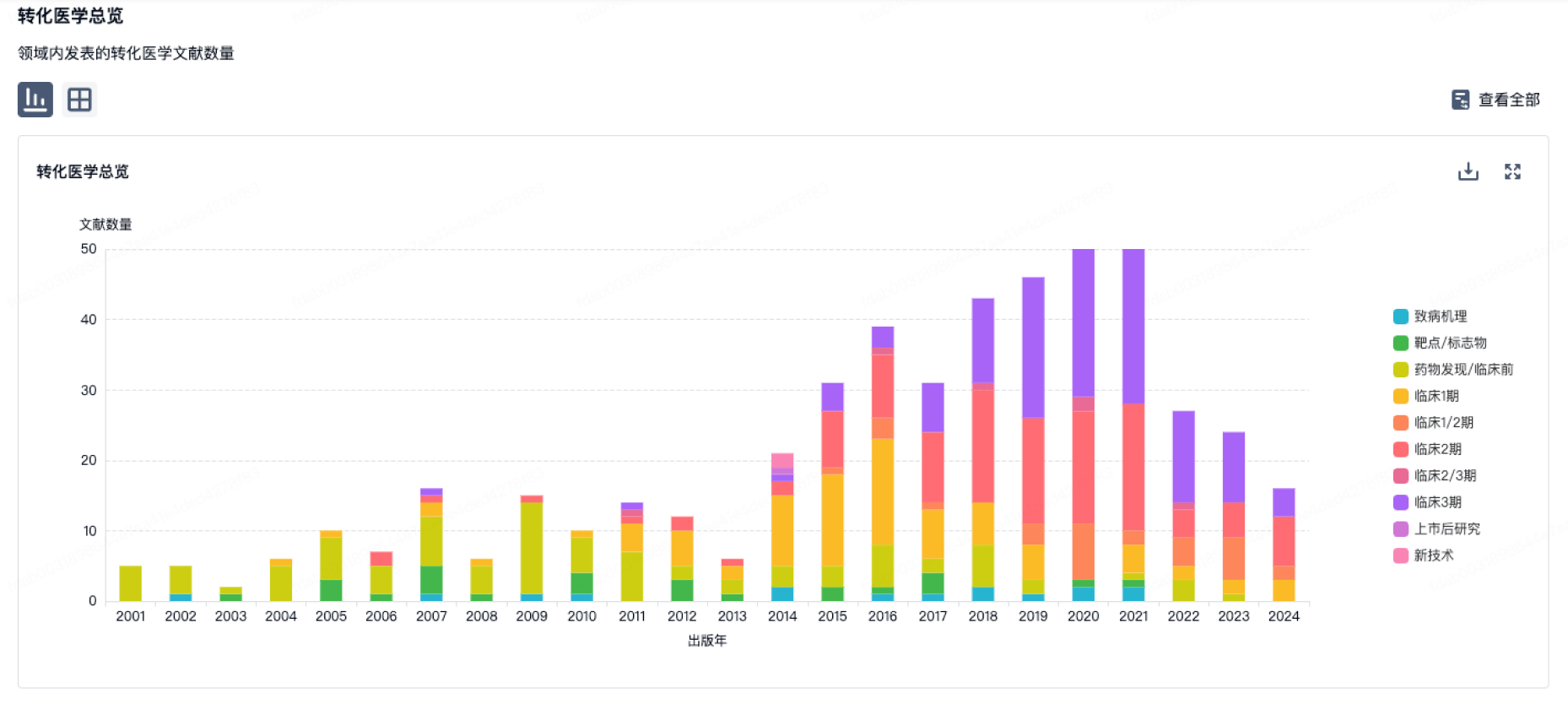
100 项与 OpenAI OpCo LLC 相关的转化医学