预约演示
更新于:2025-08-29
LVMH Group
私营公司|Spain
私营公司|Spain
更新于:2025-08-29
概览
关联
100 项与 LVMH Group 相关的临床结果
登录后查看更多信息
0 项与 LVMH Group 相关的专利(医药)
登录后查看更多信息
20
项与 LVMH Group 相关的新闻(医药)2025-07-30
曾被誉为“欧洲市值之王”的诺和诺德,如今正遭遇前所未有的滑铁卢。撰文| Erin7月29日,市值一度“捅破天”的诺和诺德,股价暴跌21%,令一众股民彻夜难眠。如果将时间线拉长,真相更是“扎心”。过去一年,这家一度超越LVMH等消费品大亨、被誉为“欧洲市值最强王者”的制药巨头,市值一路从6350亿美元的巅峰滑落至了2394亿美元,整整蒸发了近4000亿美元。这个曾靠司美格鲁肽缔造“神药神话”的超级玩家,也正被现实按下价值重估键。而GLP-1“双姝”中的另一位——礼来,也应声下跌5.6%,市值一夜间跳水近400亿美元。去年,GLP-1凭借降糖减重“双王牌”、缔造庞大适应证“帝国”的能力,俨然成为资本市场最炙手可热的“黄金赛道”。从二级市场到上游供应链,从MNC巨头到Biotech,无不围绕它构建起“下一个百亿爆款”的商业故事。但一年过去,随着诺和诺德接连曝出临床研发受挫、业绩增长疲软、指引下调等利空信号,GLP-1产业链也迎来情绪逆转。资本正在重新审视:GLP-1还能火多久?增长是否已经触顶?头部玩家的剧烈震荡,是否意味着一个周期的更迭临近?“神药”的光辉,开始闪烁出危险信号。纵览现美股市值TOP50的制药企业,唯剩GLP-1“双姝”,以及深陷“中年危机”的再生元,还在“逆势滑坡”。欧洲市值大王的价值重估时刻仅一年时间,诺和诺德的市值就从超6300多亿美元高峰,跌至如今仅剩三分之一,是自身实力的衰落?还是市场给的预期过于膨胀?一切的起点其实可以追溯回2009年。彼时,礼来凭借全球首个GLP-1药物艾塞那肽率先占据优势,对诺和诺德在全球糖尿病巨头的地位形成了不小的威胁。但很快,诺和诺德以利拉鲁肽反击成功,重夺糖尿病治疗领域的话语权。而后来诺和诺德又再次“自己战胜自己”推出了更长效的司美格鲁肽,被称为“史上最好的糖尿病药物”。司美格鲁肽如同传奇一样的存在,上市首个完整年度(2018年)销售额仅4亿美元,到了2024年就已高达292.96亿美元,年复合增长率达154.6%。要知道,K药自2015年登陆市场,到2024年创下销售高峰,10年时间的年复合增长率也不过53.1%。爆炸性增长的背后,是诺和诺德对GLP-1赛道的重仓:从注射、口服到“超”长效制剂,从控糖、减重延伸至CKD、心血管、抗炎乃至MASH等更多适应证,每一次延展都在持续强化其市场壁垒。2023年,摩根大通更新预测:到2032年,礼来与诺和诺德将共占全球GLP-1类产品近90%的市场份额。市场对司美格鲁肽的未来充满想象,而对诺和诺德的预期也被无限拔高。然而,预期爬得越高,现实落差也将越大。过高的未来预期导致一点风吹草动,表现在诺和诺德的二级市场股票上可能就是一场风暴。2024年上半年,司美格鲁肽销售额达129.6亿美元,同比增速达两位数,表现出超越K药的态势,诺和诺德市值也在此刻冲上6350亿美元历史最高点。但几乎就在同一时间,这家巨头悄然迎来了命运的分界点。内部研发上,适应证拓展、新药开发临床进展开始不及预期;与此同时,外部又给的压力太大了——礼来持续在GIP/GLP-1双靶点药物替尔泊肽和口服药GLP-1药物Orforglipron的临床上屡获突破,两大原因导致诺和诺德市值在过去一年间“跌跌不休”,加上昨天暴跌的21%,如今,诺和诺德市值仅有2394.43亿美元,也就是说,仅仅1年时间就蒸发掉将近4000亿美元。临床进展的“滑铁卢”成为第一根导火索。2024年9月,诺和诺德发布新一代减重产品Monlunabant治疗肥胖与代谢综合征的2a期临床结果,尽管在高剂量组中体重确有下降,但效果远未达到市场预期,股价随即下跌近6%。而真正的重击来自2024年末,被寄予厚望的CagriSema未能达到业界期待的25%减重效果,仅为22.7%。市场情绪骤然转向,当天美股收盘,诺和诺德股价大跌17.82%,市值蒸发625亿美元,创下公司历史最大单日跌幅。风声鹤唳之下,每一个变量都被放大。今年4月,礼来再度发布Orforglipron临床结果,根据市场分析,作为全球首个成功完成III期研究的口服小分子GLP-1药物,Orforglipron的减重效果直逼甚至超越诺和诺德注射剂型Ozempic。诺和诺德股价当天应声下挫超10%。市场也愈发焦虑:司美格鲁肽的“神药”地位还撑多久?接二连三的临床数据不尽人意、竞争者步步紧逼,最终演化为公司层面的震荡。今年5月16日,诺和诺德董事会决定,让CEO周赋德卸任。两个月后,新的CEO上任。同时,公司发布公告,下调全年预期:虽然上半年营收增长18%(按固定汇率计算,下同),利润增长29%,但全年预期大幅下调至营收增长8%-14%,营业利润增长10%-16%,这两组数字在两个月前还是13%-21%和16%-24%。对此,投资者的心态“崩不住”了。一切像是一场连锁反应:临床数据不及预期-股价暴跌-投资者信心动摇-高管更替-增长下调-股价再跌。截至7月29日收盘,诺和诺德市值仅剩2394亿美元,一年时间,蒸发近4000亿美元。 推荐阅读 *美国最大PBM“站队”诺和诺德,礼来大跌10%,GLP-1“双姝”价格战开打!*大变天!2030年全球制药TOP10:礼来登顶,辉瑞“垫底”,BMS、GSK掉队!“霸主”失速,还带崩了谁?有意思的是,在诺和诺德的剧烈下跌带动下,29日收盘时,其竞争对手礼来也应声下跌5.6%。曾几何时,“礼来市值何时突破万亿美元”还是行业争相押注的话题,而如今,这一近在咫尺的梦想显出“镜花水月”之像,其市值也从2024年8月底的超9100亿美元高点,跌至目前的7230亿美元,短短一年蒸发逾1800亿美元。市场对GLP-1“霸主”的热情,似乎正在降温。从整体来看,美股市值TOP50的制药企业在经历了年初的普遍下行后,大多于年中迎来不同程度的修复反弹。无论是经历过内部调整的强生、削减开支的BMS,还是饱受业绩下滑困扰的GSK和福泰制药,即便在研发与业绩方面不及预期,二级市场情绪也在缓慢修复。可以说,全球资本市场对制药行业的整体信心正逐步回暖。唯独GLP-1主线上的两家家企业——诺和诺德、礼来,以及深陷“中年危机”的再生元,仍在“逆势滑坡”。据悉,再生元在过去一年时间中,市值蒸发超700亿美元。而市值跳水的背后其实也是产品青黄不接的困境:曾凭借阿柏西普、度普利尤单抗打造“爆款神话”,如今却7年未能推出新重磅产品,加上2025年Q1仅实现30.29亿美元营收,创下自2023年以来最差单季度表现,更加反映出产品线后继乏力的困境。更具风向标意义的是,诺和诺德的失速已开始向整个GLP-1产业链下游传导。例如,在司美格鲁肽销售高峰期曾大为受益的A股多肽“概念股”们,如诺泰生物、常山药业、圣诺生物等,在今天均出现不同程度下跌,截至收盘,分别下挫0.16%、2.4%、5.27%。资本对GLP-1板块的信心出现明显松动。但值得注意的是,尽管二级市场陷入调整,这些企业的基本面却依然稳健。根据诺泰生物、圣诺生物发布的2025年上半年业绩预告,诺泰预计归母净利润为3亿至3.3亿元,同比增长32.06%-45.27%;圣诺生物则预计归母净利润7702.75万元至9414.48万元,同比大幅增长253.54%-332.1%。无论是订单体量还是利润释放,GLP-1赛道的“红利余温”仍在持续。不过,需要警醒的是,一边是制药巨头业绩指引下调、市值承压,一边是产业链企业仍在兑现红利,矛盾背后,并非单一企业的问题,而是一场由“神药光环”缔造的估值神话,正在遭遇集体重估。诺和诺德的剧烈震荡,或许只是压垮市场情绪的第一根引线,真正被点燃的,是过度乐观、层层加码的GLP-1“神话”本身。过去几年,这条赛道被资本赋予了想象力满满的预期,而如今,现实以业绩数字的形式开始反噬,新的估值逻辑正在重写。从高涨热情下的预期走向冷静,也是将是一个进入新周期的拐点,这个拐点可能开始了。一审| 黄佳二审| 李芳晨三审| 李静芝精彩推荐大事件 | IPO | 融资&交易 | 财报季 | 新产品 | 研发日 | 里程碑 | 行业观察 | 政策解读 | 深度案例 | 大咖履新 | 集采&国谈 | 出海 | 高端访谈 | 技术&赛道 | E企谈 | 新药生命周期 | 市值 | 新药上市 | 商业价值 | 医疗器械 | IND | 周年庆大药企 | 竞争力20强 | 恒瑞 | 石药 | 中生制药 | 齐鲁 | 复星 | 科伦 | 翰森 | 华润 | 国药 | 云南白药 | 天士力 | 华东 | 上药创新药企 | 创新100强 | 百济 | 信达 | 君实 | 复宏汉霖 | 康方 | 和黄 | 荣昌 | 亚盛|康宁杰瑞|贝达|微芯|再鼎|亚虹跨国药企|MNC卓越|辉瑞|AZ|诺华|罗氏|BMS|默克|赛诺菲|GSK|武田|礼来|诺和诺德|拜耳供应链|赛默飞|药明|凯莱英|泰格|思拓凡|康龙化成|博腾|晶泰|龙沙|三星启思会 | 声音·责任 | 创百汇 | E药经理人理事会 | 微解药直播 | 大国新药 | 营销硬观点 | 投资人去哪儿 | 分析师看赛道 | 药事每周谈 | 中国医药手册
2024-09-28
·动脉网
2024年3月22日,高德美在瑞士交易所敲响了上市的钟声。根据公开信息,高德美的股票开盘价定为每股61.00瑞士法郎,折合人民币约490元,公司整体市值达到了145亿瑞士法郎,约合人民币1166亿元,这一市值不仅超越了资生堂、Natura&Co和科蒂等竞争对手,也使得高德美成为自2017年以来瑞士交易所最大的一笔IPO。
高德美此次上市的背后,是其雄心勃勃的增长战略。公司表示,将利用这笔资金来推动2024年及以后的发展计划,特别是通过推出具有差异化的生物制剂产品,以期在市场中获得更多的增长机会,并在中期内实现利润率的提升。
大厂孵化,
销售额突破40亿美元
高德美的起源可以追溯到专注于皮肤病学研究的美国欧文实验室。1961年,M.Owen在德克萨斯州达拉斯创建了该实验室。随后在1972年,欧文实验室被爱尔康收购,而到了1977年,爱尔康又成为了雀巢集团的一部分。
在1979年,Hans Schaefer在欧莱雅前CEO François Dalle的支持下,于法国成立了国际皮肤病研究中心(CIRD),旨在将美妆研究拓展至医药领域。1981年,雀巢与欧莱雅联合投资,正式成立了Galderma高德美实验室,CIRD也成为了高德美的研发核心。与其他美妆企业的独立成长轨迹不同,高德美的发展更像是资本巨头在医美领域精心布局和培育的成果。
1995年,高德美推出了针对痘痘肌肤的首个专业品牌Differin。目前,高德美在皮肤科学领域积累超过40年的研究经验,拥有5个研发中心和55项最新专利。自2019年以来,高德美的研发团队由6500多名专业人员组成,他们利用科学、临床、医学和监管的专业知识及经验,不断推动公司的效率和创新。
高德美2023年全年财报
在医美领域,高德美拥有显著的竞争优势。根据高德美2023年全年财报,年度净销售额首次突破40亿美元大关,达到40.82亿美元(约合人民币294.94亿元),同比增长8.5%。同时,在肉毒毒素两位数增长的推动下,注射美学业务净销售额增长6.5%,填充剂和再生刺激剂在国际市场上取得了市场份额扩张,并在美国市场夺得一名。
而作为拥有FDA、CE、NMPA三重认证的透明质酸填充剂生产商,高德美旗下的Restylane Defyne玻尿酸填充产品,更是中国首个且唯一获批用于下巴塑形的注射用玻尿酸产品。
定位“科技化”护肤,
布局三大管线
坚实的科学研究,高德美已经发展成为拥有广泛临床验证的皮肤科学品牌。业务遍及全球90多个国家和地区,其中7个市场贡献了70%的销售额,美国市场尤为突出,2019至2023年间的复合年增长率达到了10.1%。
高德美将皮肤科学市场细分为皮肤治疗、日常护肤和注射美学三大领域,2023年全球市场规模分别达到530亿美元、250亿美元和90亿美元。
高德美旗下部分品牌
在护肤领域,Cetaphil丝塔芙和Alastin是高德美品牌矩阵中的两大明星品牌。2023年,Cetaphil丝塔芙的销售额约为10亿美元,占总销售额的四分之一,创下历史新高。作为唯一被美国医师药典收录的皮肤科专用护肤品牌,丝塔芙以"能与任何皮肤药品合并使用的科学专用护肤品"著称,提供包括清洁、润肤在内的产品系列,以温和全面的方式清洁和滋润肌肤,不引起刺激。
丝塔芙对"绝对安全"的承诺背后,是其强大的皮肤科学研究实力。品牌进行了770多项临床试验,以深化对敏感性皮肤的研究。自2002年进入中国市场以来,丝塔芙的四维面霜、洁面乳、大白罐身体乳和洗面奶等产品成为明星单品,天猫旗舰店月销量超过10万。
除了针对敏感肌肤的丝塔芙,高德美在2022年收购的Alastin是其第二大护肤品牌。Alastin成立于2015年,专注于术后皮肤修复的研究。品牌首席科学家Alan Widgerow是整容、面部组织重建和伤口愈合领域的专家,发表了近200篇论文和2本书籍。在他的领导下,Alastin迅速组建了一支强大的科学家团队。
与护肤部门相比,医美注射和皮肤治疗是高德美集团的两大核心业务。而这部分的业务累计,多半是靠收购独立技术和原料机构达成的。
高德美在医美注射领域的布局始于2009年,当时与Ipsen益普生达成许可协议,获得了吉适Dysport肉毒毒素的经销权。Dysport用于改善眉间皱纹,至今已提供超过1亿次美容治疗。
除了Dysport,高德美还推出了两款液体即用型肉毒毒素产品,Alluzience和QM1114。Alluzience与Dysport一样来自Ipsen,是欧洲首个也是唯一的液体即用型神经调节剂。QM1114是高德美自主研发的产品,采用专有菌株和先进工艺制造,是一种高活性、创新、无复合物的即用型液体肉毒毒素。2023年完成的3b期临床试验显示,QM1114相比保妥适具有更长的持久性(6个月对4个月)和更快的起效时间,使用更为方便。
在皮肤治疗领域,高德美的一个主要优先事项是推进针对IL-31受体α的单克隆抗体Nemolizumab的开发。其最早由罗氏控股旗下日本中外制药开发,2016年授权给高德美进行除日本和中国台湾市场外的全球市场的开发和销售。2024年,高德美宣布FDA已批准Nemluvio®(奈莫利珠单抗)治疗患有结节性痒疹的成人患者,其为预填充笔,用于皮下注射。
市场竞争激烈,
内卷交替加剧
医美领域竞争激烈,高德美并非唯一玩家。
欧莱雅集团也正积极进军医美市场,旗下修丽可在2024年3月推出了其首款针剂产品——铂研胶原针。这款产品由锦波生物代为生产,含有重组Ⅲ型人源化胶原蛋白(A型)和0.9%生理盐水,胶原蛋白浓度为2mg/ml,目的是填充面部真皮层,以减少动态皱纹。
而改产品背后的代工方,锦波生物,则是国内唯一获得三类医疗器械资质并在北交所上市的医美企业。2024年,类似的医美与美妆企业的合作屡见不鲜,例如朗姿股份与昊海生科合作推出玻尿酸产品,联合丽格与锦波生物合作推出新肤源胶原水光等。
在欧莱雅和锦波生物的合作之前,LVMH和资生堂也已进入医美市场。2022年7月和2023年9月,创健医疗获得了资生堂资悦基金和L Catterton路威凯腾等投资机构的两轮融资,总额超过4亿元人民币。创健医疗的业务涵盖生物原料、医疗/化妆品终端和ODM,与医美行业紧密相关。
国际巨头的加入标志着医美行业的兴起,同时也预示着市场竞争将更加激烈。与成熟的海外医美市场相比,中国的医美服务渗透率相对较低,但市场正处于快速增长阶段。《中国医美行业2023年度洞悉报告》预计,2023年中国医美市场消费金额将增长20%,未来四年年复合增长率将保持在15%左右。尽管起步较晚,但国内一些龙头企业正在积极发展。
其中,被称为“医美三剑客”的爱美克、华熙生物、昊海生科,都在胶原蛋白领域加码布局。其中,华熙生物表示,公司有7-8种在研胶原蛋白,已经实现大分子的重组胶原蛋白制备,并于8月份完成了重组Ⅲ型人源胶原蛋白原料产品的上市,将推进自产重组人源胶原蛋白原料在护肤品中的应用。
昊海生科称,目前储备了包括智能交联胶原蛋白填充剂等在内的多个在研产品管线,相关研发进展有序推进。
据爱美客披露,其收购的哈尔滨沛奇隆生物制药有限公司,主要从事动物胶原蛋白产品的提取和应用,具有Ⅲ类医疗器械产品,将探索胶原蛋白产品应用领域的更多市场机会。
在这些行业巨头的竞争中,国内医美市场可能会迎来新的发展动力。随着医美护肤领域的不断扩张,未来可能会有更多新的机遇等待探索。
如果您想对接文章中提到的项目,或您的项目想被动脉网报道,或者发布融资新闻,请与我们联系;也可加入动脉网行业社群,结交更多志同道合的好友。
近
期
推
荐
声明:动脉网所刊载内容之知识产权为动脉网及相关权利人专属所有或持有。未经许可,禁止进行转载、摘编、复制及建立镜像等任何使用。
动脉网,未来医疗服务平台
IPO财报并购
2024-09-12
Novo Nordisk announced on Wednesday that its new experimental weight loss drug Amycretin showed good safety and tolerability in preliminary trials, with only mild to moderate adverse effects. The maker of diabetes treatments Wegovy and Ozempic reported in March that its oral insulin mimics reduced body weight by 13.1 percent over 12 weeks in a phase I trial, sending its shares up more than 8 percent.
In contrast, Wegovy lost about 6 percent of her body weight after 12 weeks and 15 percent after 68 weeks in a similar trial. Novo Nordisk presented full data from the phase 1 study at the European Association for the Study of Diabetes conference, and the company's shares were up 2.4 percent by 1307 GMT.
"During the study period, we observed a 13.1 percent weight loss and side effects comparable to those of incretin based treatments, mainly gastrointestinal side effects," Martin Holst Langer, head of research and development at Novo Nordisk, said in an interview ahead of the meeting.
According to data presented at the meeting, one serious but non-fatal adverse event was reported in the 60-participant trial. There were no reports of serious side effects among those taking Amycretin, but a total of 242 mild and moderate side effects were reported.
Amycretin is designed to mimic the GLP-1 gut hormone modelled by Wegovy, and also affects the hunger pancreatic hormone amylin. Novo Nordisk said Amycretin's side effects, mainly related to gastrointestinal discomfort, including nausea and vomiting, were similar to other drug trials in the same GLP-1 drug class.
The company is also developing another two-drug combination called CagriSema, which also targets the pancreatic peptide hormone, which Novo Nordisk says has the potential to lead to a 25 percent weight loss. "The data I've seen so far suggest that pancreatic enzyme has at least the same weight loss potential as CagriSema," Lange said.
Novo Nordisk said that in the study, overweight or obese patients without diabetes received gradually increasing doses of Amycretin, starting with 3 milligrams and ending with two 50-milligram pills. At the end of the 12-week trial, patients taking 50mg of Amycretin lost an average of 10.4 percent of their body weight, while those taking the maximum dose of 2x50mg lost 13.1 percent. After 12 weeks, weight loss did not plateau. In comparison, those taking the placebo lost an average of 1.1 percent of their body weight. Lange believes these data warrant further clinical investigation.
Next year, once data from an early study of a subcutaneous version of the drug is ready, a decision will be made on whether to skip the Phase II trial and go straight to Phase III - usually the final stage before seeking approval. Existing weight-loss drugs such as Wegovy and Eli Lilly's Zepbound are injectable. Pills require a large number of active ingredients, which makes them more expensive to produce but often favored by patients.
Both companies are racing to increase the active ingredient needed to make the much-needed GLP-1 weight-loss drug. Novo Nordisk shares have more than quadrupled since launching Wegovy in the United States in June 2021, but have fallen 15 percent since peaking in June this year. Analysts at Berenberg said last week that about 40 percent of Novo Nordisk's valuation depends on the experimental drugs it has in development. Last year Novo Nordisk became Europe's most valuable listed company, ahead of LVMH.
临床结果临床1期临床2期
100 项与 LVMH Group 相关的药物交易
登录后查看更多信息
100 项与 LVMH Group 相关的转化医学
登录后查看更多信息
组织架构
使用我们的机构树数据加速您的研究。
登录
或
管线布局
2026年06月21日管线快照
无数据报导
登录后保持更新
药物交易
使用我们的药物交易数据加速您的研究。
登录
或
转化医学
使用我们的转化医学数据加速您的研究。
登录
或
营收
使用 Synapse 探索超过 36 万个组织的财务状况。
登录
或
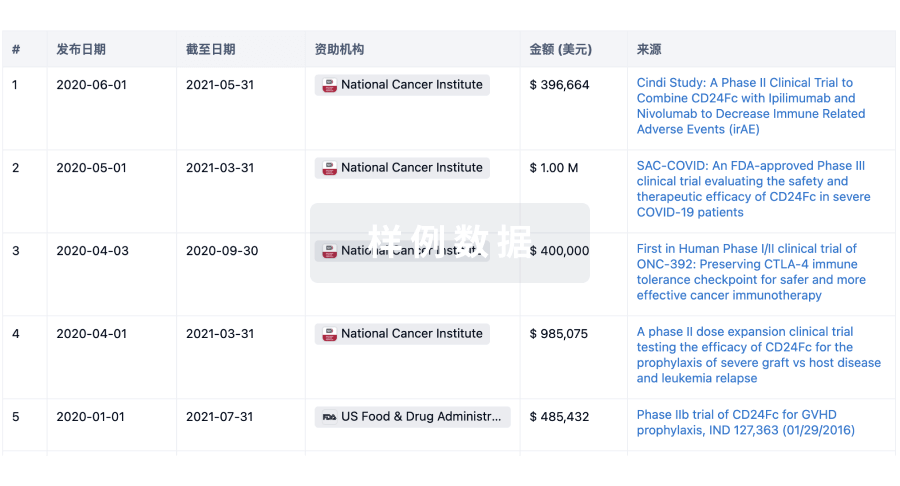
科研基金(NIH)
访问超过 200 万项资助和基金信息,以提升您的研究之旅。
登录
或
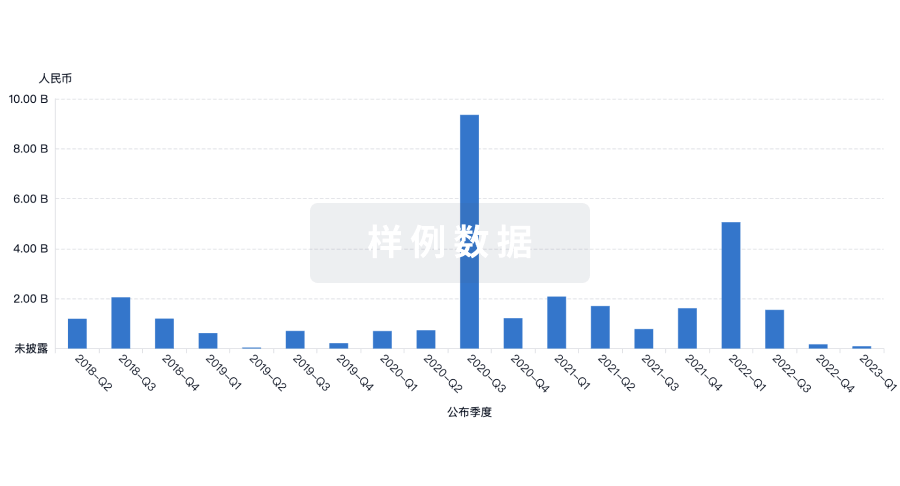
投资
深入了解从初创企业到成熟企业的最新公司投资动态。
登录
或
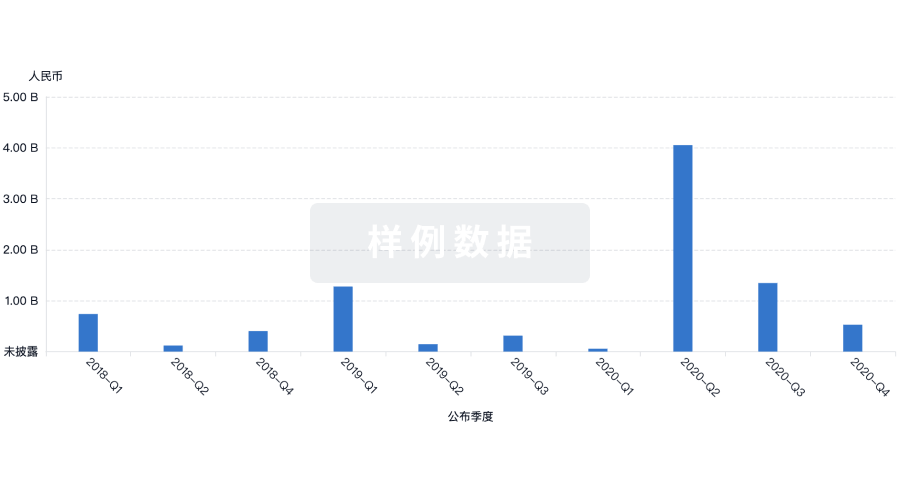
融资
发掘融资趋势以验证和推进您的投资机会。
登录
或
生物医药百科问答
全新生物医药AI Agent 覆盖科研全链路,让突破性发现快人一步
立即开始免费试用!
智慧芽新药情报库是智慧芽专为生命科学人士构建的基于AI的创新药情报平台,助您全方位提升您的研发与决策效率。
立即开始数据试用!
智慧芽新药库数据也通过智慧芽数据服务平台,以API或者数据包形式对外开放,助您更加充分利用智慧芽新药情报信息。
生物序列数据库
生物药研发创新
免费使用
化学结构数据库
小分子化药研发创新
免费使用