预约演示
更新于:2025-12-23

Project Sage Oldco, Inc.
更新于:2025-12-23
概览
关联
6
项与 Project Sage Oldco, Inc. 相关的临床试验NCT06981481
Post-marketing Clinical Monitoring of Safety and Performance of the Silimed® Brand Breast Tissue Expander for Breast Reconstruction
The study investigates the safety and performance of Silimed® brand breast tissue expander in women born with indication for breast reconstruction. The safety of the breast tissue expander will be evaluated by estimating known and unexpected adverse event rates through patient reports of adverse events after implantation. The performance of using Silimed® brand breast tissue expander will be evaluated by evaluating the assessment of tissue quality and satisfaction by the evaluating physician after implantation.
开始日期2025-06-01 |
NCT05997654
Evaluation of the Safety and Effectiveness of the Investigational Product in Improvement of the Appearance of Wrinkles and General Aspect of the Skin - Clinical, Instrumental and Subjective Study
The study investigates the safety and effectiveness of SILIMED® brand MEDGEL ANTIAGE with indication for improvement of the appearance of wrinkles and general aspects of the skin.
开始日期2023-05-17 |
申办/合作机构 |
NCT05345821
Post-market Monitoring and Control of Safety and Efficacy of Silimed® Breast Implants with Smooth Surface (STEPS S)
The study investigates the safety and performance of Silimed® brand smooth surface breast implants in women born with indication for primary and secondary (revision) augmentation to be followed up for 10 years. The safety of the smooth-surfaced Silimed® implant will be evaluated by estimating known and unexpected short-term and long-term risk/adverse event rates through patient reports of adverse events after implantation. The performance of using Silimed® brand smooth surface breast implants will be evaluated by evaluating satisfaction and quality of life after implantation.
开始日期2022-10-05 |
100 项与 Project Sage Oldco, Inc. 相关的临床结果
登录后查看更多信息
0 项与 Project Sage Oldco, Inc. 相关的专利(医药)
登录后查看更多信息
3
项与 Project Sage Oldco, Inc. 相关的文献(医药)2024-07-01·Plastic and reconstructive surgery
Safety and Efficacy of the Sientra Silicone Gel Round and Shaped Breast Implants: 6-Year Results of the U.S. Postapproval Study
Article
作者: Schwartz, Michael R. ; Zeidler, Kamakshi ; Calobrace, M. Bradley ; Harrington, Jennifer ; Cohen, Robert ; Gordon, Ashley E. ; Dajles, Denise ; Kaufman, David L.
Background::
After approval of Sientra silicone gel breast implants in March of 2012, the U.S. Food and Drug Administration required completion of a 10-year U.S. postapproval study. The authors present results from the first 6 years of this study.
Methods::
An ongoing, open-label, prospective, multicenter study is being conducted to evaluate the long-term clinical performance of Sientra implants in patients undergoing breast augmentation, reconstruction, and revision in the postmarket environment. Enrollment of 5197 patients (10,327 implants) was completed on March 6, 2015 (4046 primary augmentation, 895 revision-augmentation, 149 primary reconstruction, and 107 revision-reconstruction). Analyses were conducted at year 6 (database lock: January 24, 2022).
Results::
Across all cohorts who received an implant, the Kaplan-Meier risk of investigator-reported Baker grade III/IV capsular contracture was 4.1% (3.9% with submuscular placement and 6.75%with subglandular placement), the risk of reoperation was 11.6%, and the risk of implant removal was 7.8% (5.9% with implant replacement and 2.0% without replacement). The primary reason (>50%) for reoperation was aesthetic (eg, style/size change). The Kaplan-Meier risk of rupture, calculated for patients who underwent explantation or MRI for rupture evaluation, was 5.8%. Overall, 82.6% of patients were highly satisfied/happy with their implant. No cases of breast implant–associated anaplastic large cell lymphoma were reported.
Conclusion::
Six-year results of the postapproval study were consistent with the 10-year core study and provide additional evidence in a large data set supporting the comprehensive safety and effectiveness profile of the Sientra implants.
2020-03-01·Plastic and reconstructive surgery2区 · 医学
Weighing Polyurethane-Covered Implant Benefits and the Risk of BIA-ALCL
2区 · 医学
Article
作者: Baptista, Amanda T. ; Brasil, Pedro Emmanuel A. A. do ; Millan, Roberta C. ; Massiere Y Correa, Wanda Elizabeth ; Cintra, Henrique P. L. ; Junior, Sergio Carlos A. J.
2018-04-01·Plastic and reconstructive surgery2区 · 医学
Results of the Postmarket Clinical Study of the Sientra 207 Highly Cohesive Gel Breast Implants in Primary and Revision Augmentation
2区 · 医学
Article
作者: Haws, Melinda J ; Phillips, Ginny ; Schwartz, Michael R
Background::
Board-certified plastic surgeons utilizing the Sientra 207 Highly Cohesive Gel breast implants provided their initial satisfaction with usage and postoperative results on primary and revision augmentation patients, and study participants provided their satisfaction with surgical result.
Methods::
Up to 15 participating investigators at institutional review board–approved sites enrolled up to 180 women who received Sientra 207 implants for primary augmentation or revision augmentation procedures. Investigator and participant assessments were performed preoperatively and postoperatively at 3, 6, and 12 months.
Results::
All participating surgeons found the implants to be easy or very easy to implant, and 92 percentage reported satisfaction with surgical results. Patients receiving these implants reported similarly high rates of satisfaction (94%).
Conclusion::
With this combination of high satisfaction and low complication rates, the Sientra 207 silicone breast implants now provide a welcome addition to plastic surgeons’ breast implant options.
49
项与 Project Sage Oldco, Inc. 相关的新闻(医药)2025-02-04
Breaking down why medical-grade silicone is at the heart of healthcare innovation.
By Jay Rutherford, Lubrizol
Part one of this series focuses on medical-grade silicone’s use in life-critical devices, including how it balances moisture and its importance in wound care and implants. Part two will focus on how to collaborate with suppliers, navigate material choices and leverage innovations like pigments and multilayer designs for complex devices.
Precise, high-quality silicone is increasingly essential for devices like catheters, surgical tools, prosthetics and long-term implants.
Biocompatible and breathable, medical-grade silicone is ideal for sealing, bonding and creating barriers of elastomeric components. Indeed, it can be a versatile, effective tool in a medical designer’s tool kit. But medical-grade silicone must meet the strictest purity standards to be trusted for life-critical devices.
Let’s explore some of the standards that high-quality silicone should meet, how its properties can provide advantages in some critical applications, and how medical device engineers can apply the material to meet today’s demands.
Getting to know silicone
The raw materials for silicone medical devices are produced by a number of suppliers. NuSil, Dupont, Wacker and Elkem are just a few examples of leading raw material providers, many of which have FDA master files and/or ISO 10993 testing to support their use in medical device applications.
From these raw materials, a huge variety of medical devices can be produced, many of which make use of silicone film and sheeting. Medical-grade sheeting from Lubrizol is manufactured per ISO 13485 (QMS requirements) in ISO Class 7 cleanrooms. The resulting material can be cut and shaped to fit just about any need. Precision cutting is handled by die cutting and laser cutting. There are also multilayer options having (typically) two or three silicone layers that add another dimension of versatility.
Device developers also have plenty of options when it comes to thicknesses and configurations. With calendering, you get thicknesses from 0.005 to 0.125 in., while extrusion and knife coating can create ultrathin films as slim as 0.0005 in. The material is available in durometers from 1 to 80 Shore A, meaning it can be as soft as chewing gum or as firm as the sole of a dress shoe, depending on the requirement. It can also be reinforced with mesh for extra strength or foamed for extra softness. Add to that a choice of matte or glossy finishes, as well as a variety of colors, and engineers have a highly customizable material to deploy depending on their specific needs.
Silicone also has unique functional properties that make it a go-to material for improving patient outcomes, especially in challenging applications.
Silicone films particularly shine in wound care because they are both gas-permeable and liquid-proof, which protects against bacteria while allowing breathability. Silicone gel sheets used for scar healing, for example, are often worn for a week or more and keep the skin hydrated while allowing water vapor to escape to prevent problems like overly soft skin. And because it is chemically inert, medical-grade silicone won’t cause irritation or allergies.
Silicone is frequently used as a primary wound dressing placed in direct contact with wounds. The perforated silicone film dressing stays in place for extended periods of time, so secondary wound dressings — used to absorb wound exudate — can be changed without disturbing the delicate healing skin. (Mepitel One manufactured by Mölnlycke Health Care, and Cuticell Contact manufactured by Essity are two examples of this type of product.) Plus, the transparency of the film means you can inspect the wound without removing the dressing, a huge benefit for undisturbed healing and cutting down on the number of changes.
How silicone is overcoming design challenges in critical applications
Reinforced sheeting takes silicone to the next level with embedded materials like polyester or nylon mesh. Depending on the application, meshes of varying thickness and aperture size (open area percentage) can be incorporated. Reinforced sheeting is ideal for devices and components that need to stay flexible but not stretch too far or tear.
A common use of reinforced sheeting is at suture locations. Without reinforcement, sutures will cut through silicone, causing it to tear. Proper reinforcement makes suture sites stronger than the sutures themselves. Tissue expanders used in breast reconstruction or skin repair, for example, use suture tabs made from reinforced sheeting to ensure they remain in place.
Devices that are implanted in the brain such as cerebral shunts and electrodes can also rely on reinforced sheeting to handle physical stresses while being safe for nearby tissues. The silicone encapsulation prevents tissue from growing into the mesh and minimizes trauma to the surrounding tissue if the device moves or must be removed.
The bottom line is that silicone is a trusted material for OEMs because it’s tough when needed but soft enough for delicate uses.
And its versatility gets even better when you bring vulcanized and unvulcanized silicone together. In part two, we’ll explore how this duo works in harmony to create innovative, practical solutions for device assembly. We’ll also dive deeper into how customizations like pigments, radiopaque additives and medical-grade inks are helping meet other safety and functionality needs for devices that rely on high-quality silicones.
Jay Rutherford is a new product development engineer at Lubrizol’s specialty silicone manufacturing plant in Montana. He has over 12 years of experience in R&D and is responsible for developing quality manufacturing of silicone medical devices and components.
How to submit a contribution to MDO
The opinions expressed in this blog post are the author’s only and do not necessarily reflect those of Medical Design & Outsourcing or its employees.
2024-04-23
Tiger Aesthetics Medical, LLC today announced its acquisition of substantially all of the assets associated with the Sientra Inc. breast implant business. This strategic acquisition will complement Tiger Aesthetics’ upcoming adipose cell and tissue product launches designed to provide new treatment options for plastic surgeons and patients. Moving forward, Sientra will become a division of Tiger Aesthetics Medical LLC.
About Tiger Aesthetics Medical, LLC
Tiger Aesthetics, a wholly owned subsidiary of Tiger Biosciences, has developed innovative regenerative medicine products designed for aesthetic applications. The timing of this acquisition aligns with the vision to bring to market allogeneic adipose tissues to plastic and reconstructive surgeons and their patients. By integrating the Sientra brand, Tiger Aesthetics can now provide a comprehensive portfolio of products. With a focus on regenerative medicine, Tiger is committed to leveraging Sientra’s market presence and existing product offering to deliver new, cutting-edge products that meet the evolving needs of aesthetic practitioners and their patients.
"We are excited to bring the Sientra brand into our portfolio," said Oliver Burckhardt, Co-CEO of Tiger Aesthetics Medical, LLC. "This acquisition underscores our dedication to be a powerful player in the aesthetics market. By combining Sientra's surgical assets with our expertise and resources in tissue engineering, we are well positioned to give an even greater value to our customers and to drive market share with never-seen innovations into augmentation and reconstructive surgery."
Tiger Aesthetics remains committed to upholding the product standards of quality, product returns and warranty policy customary in the industry. The integration of the newly acquired assets into its operations, with a focus on ensuring a seamless transition for customers and stakeholders has begun and is well on its way.
Tiger Aesthetics has committed to maintaining manufacturing and operations at Sientra’s Franklin, WI manufacturing facilities. Their dedication to excellence and patient safety is crucial to the brand’s long-term success.
"We see tremendous potential in the synergies between our organizations," added Scott Madden, Co-CEO of Tiger Aesthetics Medical, LLC. "Together, we will continue to drive innovation, advance patient care, and change the look and feel of the aesthetics industry."
About Tiger Aesthetics Medical, LLC:
Tiger Aesthetics Medical is a wholly owned subsidiary of Tiger Biosciences, a leading tissue engineering company based out of Conshohocken, PA. Our product portfolio focuses on the augmentation and reconstruction of soft tissue. Regenerative medicine solutions are a critical part of our visionary product offering and product development strategy. Tiger’s product portfolio consists of silicone breast implants, tissue expanders as well as state of the art autologous and allogeneic adipose products and fat transfer technologies.
并购
2023-12-19
The acquisition has added Particle Sciences’ specialized drug product formulation technology to the CDMO’s toolkit in addition to the firm’s development and manufacturing site in Bethlehem, Pennsylvania, with approximately 65 employees. The financial details of the deal were undisclosed.
Following the takeover, Agno expects to add more capacity to its drug product formulation and clinical manufacturing offerings. The CDMO also plans to pump up its clinical scale manufacturing muscle with further investments into services including sterile liquid manufacturing and filling services to micronization of sterile powder filling capabilities.
Agno was founded in 2004 and specializes in manufacturing critical intermediates and active pharmaceutical ingredients (APIs) for pharmaceutical and biotech customers globally, according to a public release. The company also harnesses a wide network with pharmaceutical manufacturers in China to produce active pharmaceutical ingredients (APIs) quickly and cheaply, says the company website.
Particle Sciences, in turn, was founded in 1991 and acquired by Lubrizol in 2015. The company provides drug product formulation services in addition to support related to analytics, physical characterization and manufacturing. The company is particularly known for handling potent and poorly soluble compounds in both sterile and non-sterile environments, says a public release.
While healthcare M&A deals have been low over the last several years, interest in investments and acquisitions in the CDMO space is growing as outsourcing becomes increasingly common in the pharmaceutical industry, according to a
report
by advisory firm Alvarez and Marsal. It pointed to GHO Capital Partners and Partners Group’s recent investment in Sterling Pharma Solutions as an example.
googletag.cmd.push(function () {
googletag.display('text-ad1');
});
In recent weeks too, Cambrex sold its drug product business unit to Noramco in November 2023 and acquired the pharmaceutical service providers Snapdragon Chemistry and Q1 Scientific.
并购
100 项与 Project Sage Oldco, Inc. 相关的药物交易
登录后查看更多信息
100 项与 Project Sage Oldco, Inc. 相关的转化医学
登录后查看更多信息
组织架构
使用我们的机构树数据加速您的研究。
登录
或
管线布局
2026年02月07日管线快照
无数据报导
登录后保持更新
药物交易
使用我们的药物交易数据加速您的研究。
登录
或
转化医学
使用我们的转化医学数据加速您的研究。
登录
或
营收
使用 Synapse 探索超过 36 万个组织的财务状况。
登录
或
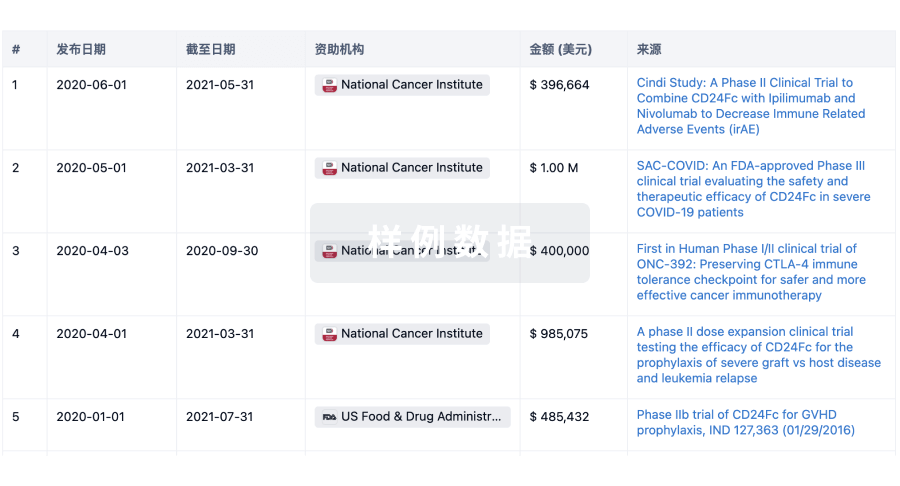
科研基金(NIH)
访问超过 200 万项资助和基金信息,以提升您的研究之旅。
登录
或
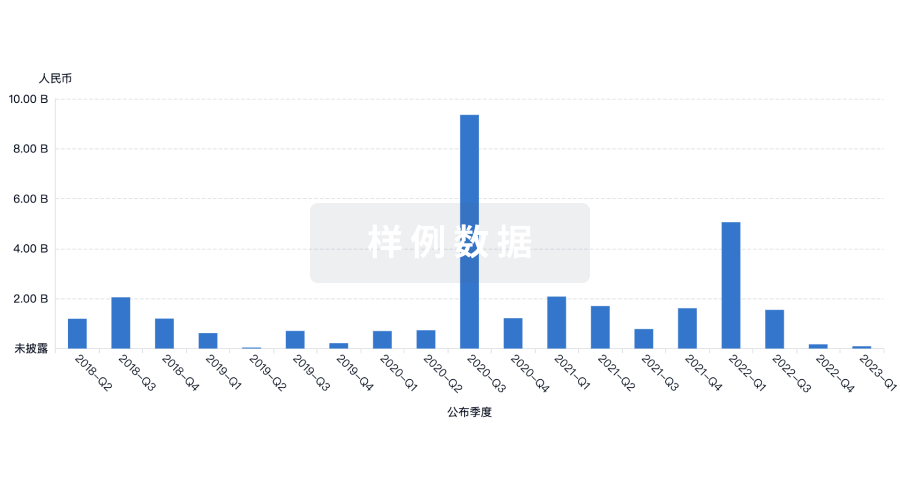
投资
深入了解从初创企业到成熟企业的最新公司投资动态。
登录
或
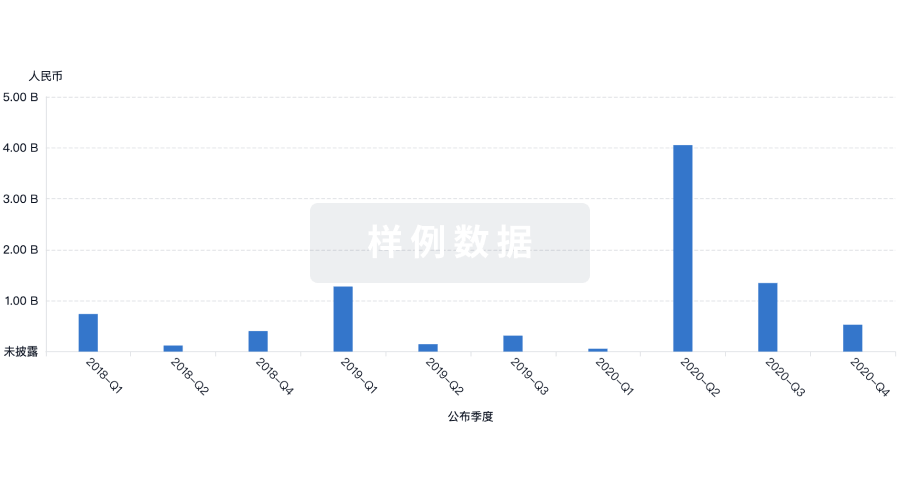
融资
发掘融资趋势以验证和推进您的投资机会。
登录
或
生物医药百科问答
全新生物医药AI Agent 覆盖科研全链路,让突破性发现快人一步
立即开始免费试用!
智慧芽新药情报库是智慧芽专为生命科学人士构建的基于AI的创新药情报平台,助您全方位提升您的研发与决策效率。
立即开始数据试用!
智慧芽新药库数据也通过智慧芽数据服务平台,以API或者数据包形式对外开放,助您更加充分利用智慧芽新药情报信息。
生物序列数据库
生物药研发创新
免费使用
化学结构数据库
小分子化药研发创新
免费使用