预约演示
更新于:2026-09-19

概览
标签
肿瘤
泌尿生殖系统疾病
内分泌与代谢疾病
小分子化药
疾病领域得分
一眼洞穿机构专注的疾病领域

暂无数据
技术平台
公司药物应用最多的技术
暂无数据
靶点
公司最常开发的靶点
暂无数据
| 排名前五的药物类型 | 数量 |
|---|---|
| 小分子化药 | 6 |
| 排名前五的靶点 | 数量 |
|---|---|
| CKAP4(cytoskeleton associated protein 4) | 6 |
关联
6
项与 2Bind GmbH 相关的药物靶点 |
作用机制 CKAP4 inhibitors |
在研机构 |
非在研适应症- |
最高研发阶段临床前 |
首次获批国家/地区- |
首次获批日期- |


靶点 |
作用机制 CKAP4 inhibitors |
在研机构 |
非在研适应症- |
最高研发阶段临床前 |
首次获批国家/地区- |
首次获批日期- |

靶点 |
作用机制 CKAP4 inhibitors |
非在研适应症- |
最高研发阶段临床前 |
首次获批国家/地区- |
首次获批日期- |

100 项与 2Bind GmbH 相关的临床结果
登录后查看更多信息
0 项与 2Bind GmbH 相关的专利(医药)
登录后查看更多信息
7
项与 2Bind GmbH 相关的新闻(医药)2026-08-12
From Stress Testing to Shelf Life: 2bind’s Antibody Storage Stability Study Services
2bind GmbH, a leading contract research organization (CRO) serving the global drug discovery and development sector, offers a comprehensive antibody storage stability study service framework for their customers in the antibody development sector. By combining a broad range of orthogonal analytical technologies with fully customizable experimental designs, 2bind’s stability platform supports customers from early accelerated stress testing through long-term real-time stability programs, delivering the long-term physicochemical and functional data needed to make informed decisions at every stage of antibody development.
Key Facts
Broad Analytical Technology Panel: 2bind’s antibody stability studies draw on a comprehensive panel of complementary analytical technologies, providing multi-dimensional coverage of structural, chemical, physical, and functional integrity. This panel includes nanoDSF, DLS, SEC, SEC-MALS, HIC, IEX, CE-SDS, cIEF, and kinetic binding assays (GCI/SPR-like, BLI, scIC). Accelerated and Long-Term Study Designs: 2bind supports both accelerated stress testing for early antibody candidate ranking and formulation screening, and long-term real-time stability studies for candidates approaching preclinical and clinical development. Customizable Study Framework: Each antibody stability study is individually tailored to the molecule, development stage, route of administration, and timeline, ensuring that the analytical panel and study design are aligned with the program’s specific scientific and regulatory objectives. Functional Integrity Monitoring: Beyond physicochemical characterization, 2bind’s antibody stability studies incorporate kinetic binding assays and cell-based functional readouts to ensure that therapeutic efficacy is tracked alongside structural and chemical integrity throughout the study.
Developing a therapeutic antibody candidate into a successful drug product requires a thorough understanding of its long-term degradation pathways. While real-time storage stability studies establish the mandatory shelf-life data under intended storage conditions, accelerated stability studies and stress tests serve as an essential fast-track tool, exposing molecules to controlled physical stressors such as elevated temperatures, agitation, or freeze-thaw cycling to deliberately provoke degradation, rapidly predict long-term behavior, identify formulation liabilities, and de-risk IND-filing timelines. 2bind’s stability platform is designed to track structural, chemical, and physical degradation pathways with high sensitivity across all time points, ensuring that no relevant change goes undetected.
Thermal and colloidal antibody stability are monitored using nano Differential Scanning Fluorimetry (nanoDSF) and Dynamic Light Scattering (DLS). NanoDSF tracks shifts in thermal unfolding transition parameters, including melting temperature (Tm), onset of unfolding (Ton), and onset of aggregation (Tagg) and therefore provides sensitive, label-free insight into conformational integrity of the antibody of interest over time. DLS complements this by monitoring changes in hydrodynamic radius and detecting the onset of aggregation directly under storage conditions, serving as an early indicator of colloidal instability.
Antibody aggregation and fragmentation are characterized using Size Exclusion Chromatography (SEC), if needed coupled with Multi-Angle Light Scattering (SEC-MALS), which precisely quantifies high-molecular-weight (HMW) and low-molecular-weight (LMW) species and determines absolute monomer purity at each timepoint with high resolution and accuracy.
Chemical and structural degradation of the antibody candidate is assessed using a combination of Capillary Electrophoresis SDS (CE-SDS), Capillary Isoelectric Focusing (cIEF), Ion Exchange Chromatography (IEX), and Hydrophobic Interaction Chromatography (HIC). IEX monitors charge heterogeneity arising from degradation events such as deamidation, C-terminal lysine clipping, and isomerization. HIC maps hydrophobicity shifts indicative of structural perturbation or hydrophobically driven aggregation pathways. CE-SDS verifies polypeptide chain integrity and provides information on glycan occupancy and isoelectric focusing, offering a high-resolution, denaturing view of molecular purity and fragmentation over time. cIEF determines the isoelectric point (pI) and resolves charge heterogeneity based on differences in the pI of protein variants.
Functional integrity of the antibody is tracked throughout the study to ensure that storage or stress conditions do not compromise therapeutic efficacy. Real-time binding kinetics and affinity are monitored using Grating-Coupled Interferometry (GCI, SPR-like technology) or Bio-Layer Interferometry (BLI), while complex avidity profiles can be resolved using Single-Cell Interaction Cytometry (scIC, heliXcyto device). Where required, cellular target engagement and functional biological readouts are assessed through customized cell-based assays, providing a complete and regulatory-relevant picture of functional stability of the antibody candidate over time.
Each antibody storage stability study at 2bind begins with a structured setup phase during which the analytical and functional assays are defined. The complete study design, including storage conditions, stress parameters, measurement schedule, analytical method panel, and acceptance criteria, is defined in close consultation with the client to ensure alignment with the program’s scientific objectives and regulatory requirements. Following study setup, the initial timepoint (T0) is executed to establish the reference baseline against which all subsequent measurements will be evaluated.
Whether the objective is a rapid, material-efficient screening matrix to rank early-stage candidate formulations, or a comprehensive long-term stability program to support preclinical and clinical data packages, 2bind tailors its study designs to the specific timelines, molecule format, and route of administration of each program, providing the scientific basis, operational reliability, and analytical depth that long-term antibody storage stability characterization demands.
Further Reading
The Role of Storage Stability Studies in Antibody Development
2bind’s Services for Antibody Storage Stability Studies
Technical Information on GCI (SPR-like technology)
Single Cell Interaction Cytometry (scIC)
抗体药物偶联物
2026-07-31
May 2025, Regensburg, Germany – 2bind GmbH, a leading contract research organization (CRO) serving the global drug discovery and development sector, today announced the successful implementation of a small molecule screening platform based on Grating-Coupled Interferometry (GCI). The establishment of this end-to-end workflow represents a significant operational milestone for 2bind, combining advanced liquid handling instrumentation with its existing GCI infrastructure to deliver a robust, reproducible, and scalable small molecule screening capability now available to clients across the drug discovery sector.
Integrated Screening Workflow: 2bind has established a GCI-based screening platform, combining acoustic liquid handling, electronic multichannel liquid transfer, and GCI kinetic determination into a seamless end-to-end workflow. Echo Integration: The Echo acoustic liquid handling system enables ultra-fast, contact-free, direct dilution of DMSO stocks with dispensing of single-digit nanoliter volumes. Electronic Multichannel Liquid Handling System: The integration of an electronic multichannel liquid handling system provides high-precision, reproducible liquid transfer, supporting the throughput demands of large-scale screening campaigns Kinetic Screening Output: Unlike conventional binary screening formats, GCI generates full association and dissociation curves for each compound, delivering kinetic data as a direct output of the screening process itself.
The successful implementation of a fully connected screening pipeline, from compound preparation through to kinetic data acquisition, meets the precision, reproducibility, and throughput requirements of large-scale small molecule screening campaigns.
The first component of the workflow is the Echo acoustic liquid handling system, which forms the foundation of compound preparation. Operating on the principle of acoustic droplet ejection, the Echo enables ultra-fast, contact-free dispensing of single-digit nanoliter volumes directly from DMSO stocks, eliminating the need for intermediate dilution steps and minimizing compound loss. The contact-free dispensing mechanism removes the risk of cross-contamination and tip-related variability, both critical considerations in high-throughput screening environments. The second component is a multichannel electric liquid handling system that ensures the precise transfer of liquids with high accuracy and reproducibility, making it possible to maintain consistent assay conditions across large compound sets and libraries and bridging compound preparation and GCI detection with reliable and traceable liquid transfers at throughput scales relevant to screening campaigns.
The screening phase of the workflow is performed using Grating-Coupled Interferometry (GCI), a surface-based optical biosensor technology operating on principles closely related to Surface Plasmon Resonance (SPR). Molecular binding kinetics are measured in real time by detecting changes at a functionalized sensor surface as interaction partners interact with an immobilized target protein. GCI enables the measurement of full association and dissociation curves for each screened compound in a single-dose format, representing a fundamental distinction from conventional high-throughput screening formats, which typically provide a binary result. More than just identifying binders, GCI screening therefore provides direct insights into binding kinetics, enabling the early differentiation of compounds based on their off-rates, the identification of fast dissociating compounds, and the prioritization of candidates based on their kinetic profile rather than signal intensity alone. As a result, GCI-based screening positions itself as a meaningful alternative in the field of high-throughput screening, bridging the gap between primary screening and detailed biophysical characterization.
Screening throughput and surface stability are dependent on the target protein being immobilized and the specific assay conditions applied. By operating WAVEsystem instruments in parallel, 2bind is able to significantly extend screening capacity, enabling the analysis of compound libraries of relevant size within practically manageable timeframes, as demonstrated by the successful screening of over 10,000 compounds in 2.5 weeks across a recent campaign.
The successful implementation of this integrated screening platform extends 2bind’s service portfolio with a high-throughput, kinetics-based small molecule screening capability that complements its existing biophysical and cell-based service lines. For clients in early drug discovery, whether pursuing hit identification from larger compound collections, fragment-based screening, or the kinetic profiling of compound series, the platform provides a scientifically thorough and operationally efficient solution that goes beyond conventional screening by delivering mechanistically actionable data at scale. The establishment of this workflow reflects 2bind’s ongoing commitment to investing in the operational infrastructure and instrumentation required to support its clients at every stage of the drug discovery process, from early target assessment through to lead optimization and beyond.
2bind Small Molecule Screening Services
Technical Information on GCI
2026-07-14
July 2026, Regensburg, Germany – 2bind GmbH, a leading contract research organization (CRO) serving the global drug discovery and development sector, now offers a standardized Target Feasibility Platform that allows for a methodologically robust, biophysical evaluation of a protein target’s suitability for relevant binding assays. Through the application of orthogonal biophysical characterization assays assessing conformational and colloidal stability, as well as binding capability, the platform provides a cost- and time-efficient, data-driven foundation to confidently decide on a target at the early stage of drug discovery, with a clear feasibility statement delivered within two weeks.
Key Facts
Standardized Workflow: The Target Feasibility Platform follows a defined two-phase workflow consisting of an initial assessment of the target protein’s colloidal and conformational stability in up to eight customer-defined buffer conditions, followed by a choice between four assay packages. The workflow requires no assay development and starts immediately upon sample receipt. Two-Week Turnaround: The entire workflow, from buffer condition screening to final feasibility readout, is completed within two weeks, keeping timelines short and costs predictable from the outset. Orthogonal Biophysical Characterization: The platform integrates complementary biophysical technologies including nanoDSF, DLS, GCI, Spectral Shift, TRIC, ITC, and nanoDSF Thermal Shift Assay, providing multi-dimensional evidence of target protein suitability and binding capability. Clear Feasibility Output: Upon completion, clients receive a clear feasibility statement regarding the target protein construct’s suitability for subsequent small molecule and peptide screening across the different technological platforms.
Target Feasibility Assessment: A Standardized Approach to Early-Stage Decision-Making
Assessing the suitability of a target protein construct for small molecule or peptide screening is a crucial early step in any drug discovery program, laying a solid foundation for every stage that follows. Poorly characterized or unsuitable targets can consume significant time and resources before fundamental issues are identified. 2bind’s Target Feasibility Platform addresses this challenge directly, offering a standardized, time- and cost-efficient target evaluation that provides confident, evidence-based guidance at the outset of a program.
The platform is structured around a two-phase workflow. The first phase focuses on the assessment of the protein’s colloidal and conformational stability in up to eight customer-defined buffer conditions using nano Differential Scanning Fluorimetry (nanoDSF) and Dynamic Light Scattering (DLS). This upfront characterization narrows the field to the two most suitable buffer conditions for subsequent biophysical assays, ensuring that subsequent binding data is reliable, reproducible, and mechanistically interpretable.
The second phase consists of four selectable assay packages, each integrating a combination of complementary biophysical technologies applied to a defined set of reference molecules under the preselected buffer conditions. Grating-Coupled Interferometry (GCI) provides surface-based binding kinetics and detailed insights into target-ligand interactions. Spectral Shift and Temperature-Related Intensity Change (TRIC) offer in-solution affinity determination, eliminating potential immobilization artifacts. Isothermal Titration Calorimetry (ITC) delivers thermodynamic and stoichiometric characterization of the interaction in solution, free of any molecular modification. The nanoDSF Thermal Shift Assay (TSA) provides a modification-free, qualitative assessment of ligand-induced thermal stability changes in the target protein. Clients select from four packages of increasing analytical depth (more service information accessible here: Target Feasibility Platform):
Package 1: GCI + Spectral Shift & TRIC Package 2: GCI + Spectral Shift & TRIC + ITC Package 3: GCI + Spectral Shift & TRIC + nanoDSF TSA Package 4: GCI + Spectral Shift & TRIC + ITC + nanoDSF TSA
A defining advantage of the Target Feasibility Platform is its standardized nature. With no assay development required, evaluation begins immediately upon sample receipt, and the complete workflow is delivered within two weeks. This predictability in both timeline and cost makes the platform particularly well suited to fast-moving drug discovery programs where early-stage decisions carry significant downstream consequences.
Upon completion, clients receive a clear feasibility statement assessing the target protein construct’s suitability for subsequent small molecule and peptide screening across the different technological platforms. Together, these outputs provide a robust, data-driven basis for screening strategy decisions, enabling teams to move forward with confidence or redirect resources early, before significant investment has been committed.
The Target Feasibility Platform reflects 2bind’s comprehensive commitment to providing scientifically informed and practice-oriented CRO services that support clients at every stage of drug discovery and development.
100 项与 2Bind GmbH 相关的药物交易
登录后查看更多信息
100 项与 2Bind GmbH 相关的转化医学
登录后查看更多信息
组织架构
使用我们的机构树数据加速您的研究。
登录
或
管线布局
2026年10月10日管线快照
管线布局中药物为当前组织机构及其子机构作为药物机构进行统计,早期临床1期并入临床1期,临床1/2期并入临床2期,临床2/3期并入临床3期
临床前
6
登录后查看更多信息
药物交易
使用我们的药物交易数据加速您的研究。
登录
或
转化医学
使用我们的转化医学数据加速您的研究。
登录
或
营收
使用 Synapse 探索超过 36 万个组织的财务状况。
登录
或
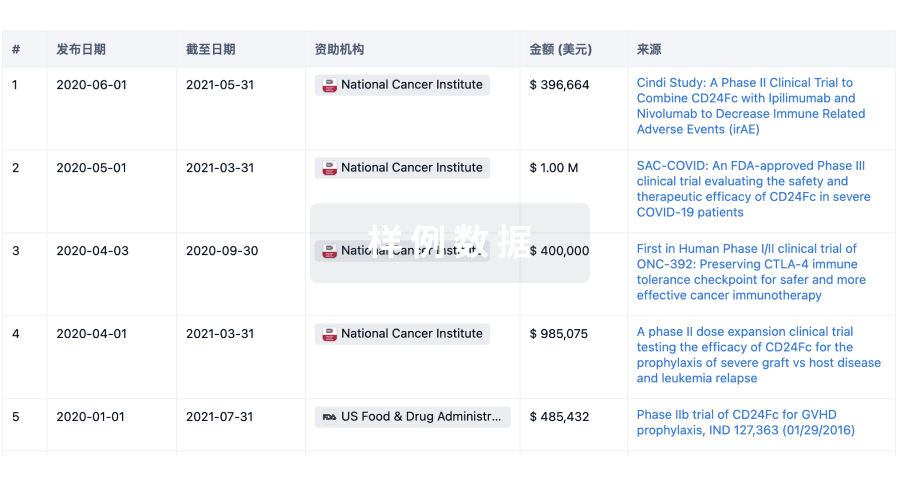
科研基金(NIH)
访问超过 200 万项资助和基金信息,以提升您的研究之旅。
登录
或
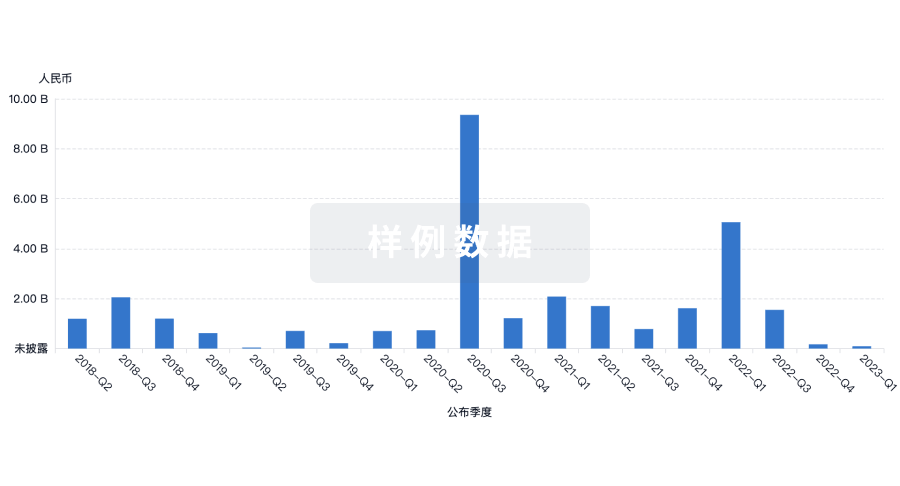
投资
深入了解从初创企业到成熟企业的最新公司投资动态。
登录
或
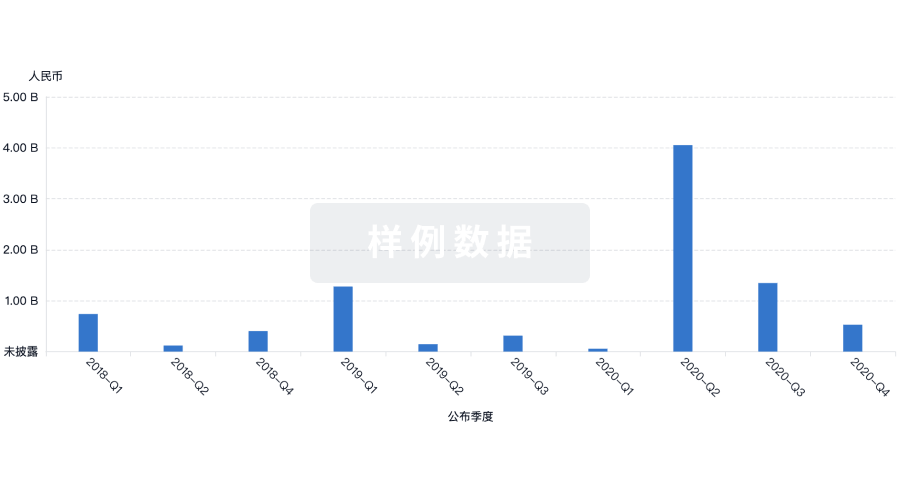
融资
发掘融资趋势以验证和推进您的投资机会。
登录
或
提出任何生物医药研究问题
让每一步生物医药决策都精准制胜
基于十亿级生物数据与全球情报的精准 AI,赋能早期药物发现
立即开始免费试用!
智慧芽新药情报库是智慧芽专为生命科学人士构建的基于AI的创新药情报平台,助您全方位提升您的研发与决策效率。
立即接入生物医药数据包
智慧芽新药库数据也通过智慧芽开放平台,以MCP或API服务形式对外开放。立即使用我们的MCP服务定制您的LLM智能体。
生物序列数据库
生物药研发创新
免费使用
化学结构数据库
小分子化药研发创新
免费使用