预约演示
更新于:2026-09-10

Henkel AG & Co. KGaA
更新于:2026-09-10
概览
关联
2
项与 Henkel AG & Co. KGaA 相关的临床试验NCT00993759
Phae 2 Efficacy Trial of AV Lotion for the Prevention of Cold Illness in Human Subjects
The purpose of this of this study is to determine if 3804-250A can prevent the common cold caused by the rhinovirus when applied to the hands. The study will also evaluate whether 3804-250A can prevent rhinovirus infection or common cold illnesses.
The study will also evaluate the safety of 3804-250A.
The study will also evaluate the safety of 3804-250A.
开始日期2009-08-01 |
申办/合作机构  The Dial Corp. The Dial Corp. [+1] |
NCT00762476
A MULTI-CENTER, DOUBLE-BLIND, PLACEBO-CONTROLLED PHASE II EFFICACY TRIAL OF AV LOTION (FORMULA NO. 3804-250A) FOR THE PREVENTION OF COLD ILLNESS IN HUMAN SUBJECTS
The purpose of this study is to evaluate the efficacy of 3804-250A in the prevention of the common cold. The study will also evaluate whether 3804-250A prevents rhinovirus infection, a virus that causes many common colds.
开始日期2008-08-01 |
申办/合作机构 The Dial Corp. [+2] |
100 项与 Henkel AG & Co. KGaA 相关的临床结果
登录后查看更多信息
0 项与 Henkel AG & Co. KGaA 相关的专利(医药)
登录后查看更多信息
233
项与 Henkel AG & Co. KGaA 相关的文献(医药)2026-08-01·JOURNAL OF HOSPITAL INFECTION
Simulated surface and toilet contamination during norovirus gastroenteritis: the role of toilet flushing, murine norovirus persistence, and inactivation by household and toilet cleaners
Article
作者: Dotzauer, A ; Brill, F H H ; Weide, M ; Todt, D ; Meister, T L ; Evers, S ; Steinmann, E ; Konkol, J E ; Becker, B ; Paulmann, D
AIMS:
This study investigated the persistence of murine norovirus (MNV) on bathroom surfaces and evaluated the virucidal performance of household and toilet cleaners against MNV in simulated contamination and cleaning scenarios.
METHODS AND RESULTS:
MNV stability was assessed on common household surfaces. We found MNV to be stable for 14 days on stainless steel, glass, ceramic tile, and plastic and 21 days on terry cloth. Due to the prolonged survival on inanimate surfaces different household products were evaluated regarding their virucidal activity. A surfactant-based, acid bathroom cleaner and a QAC-, acid-, and surfactant-based disinfectant cleaner had only minor virucidal activity in a standardized carrier test. The surfactant-based, moderate-alkaline all-purpose cleaner demonstrated increased virucidal activity when applied in higher concentrations for extended periods with mechanical action in a practical 4-field test. A hydrochloric acid-based toilet cleaner, evaluated with a new method, which simulated MNV contamination during toilet flushing followed by cleaning, and subsequent sampling of various areas, demonstrated an effective reduction in infectious viral loads.
CONCLUSIONS:
Norovirus gastroenteritis carries a considerable risk of indirect transmission at home due to prolonged viral persistence on common household surfaces. The usage of commercially available household cleaners needs to be carefully evaluated as not all of them demonstrated high virucidal activity. The hydrochloric acid-based toilet cleaner demonstrated an effective MNV reduction. In future studies, this experimental method could help evaluate the antiviral effectiveness of toilet cleaners under real-life conditions.
IMPACT STATEMENT:
This research supports evidence-based product recommendations for consumers.
2025-12-01·Current Drug Delivery
Improvement in Compatibility and Drug Release Performance of Hot-Melt Pressure-Sensitive Adhesives by Physical Blending Technique
Article
作者: Feng, Nianping ; Zhang, Yangyang ; Yin, Shuo ; Wu, Tan ; Guo, Teng ; Yang, Jiayi ; Zhu, Chunyun
Background::
Hot-melt Pressure-sensitive Adhesives (HMPSA) are eco-friendly pressuresensitive
adhesives, with the potential of being used as substrates for transdermal patches. However,
due to the low hydrophilicity of HMPSA, the application is limited in the field of Traditional Chinese
Medicine (TCM) plasters.
Methods::
Three modified HMPSA were prepared with acrylic resin EPO, acrylic resin RL100, and
Polyvinylpyrrolidone (PVP) as the modifying materials. The physical compatibility between HMPSA
and the modifying materials was investigated through in vitro release performance, viscosity, softening
point, cohesion, and fluidity, so as to determine the most effective modifying material. The impact
of the modified HMPSA on the release properties of different TCM ingredients was elucidated
by the performance of water absorption and contact angle behavior.
Results::
With the addition of the modifying materials, both the viscosity and the softening point of
HMPSA were improved, with the flowability reduced and the cohesion maintained. The morphological
and structural changes reflected the physical compatibility between HMPSA and the three modifying
materials. According to the results of in vitro release experiments, PVP effectively improved
the release performance of paeoniflorin, ephedrine hydrochloride, and cinnamaldehyde in HMPSA,
with no significant impact on the release performance of eugenol. The changes in the drug release
performance of HMPSA may be attributed to the improved hydrophilicity of HMPSA after physical
modification.
Conclusion::
The compatibility and the drug release performance of HMPSA were effectively enhanced
after the addition of the modifying materials by the physical blending technique. Among the
three modifying materials, PVP has been found to be an ideal modifying material for HMPSA in the
field of TCM plasters due to its effects on drug release performance.
2025-12-01·TOXICOLOGY LETTERS
Recommendations for the calculation of inhalation exposure to cosmetic spray products: A comprehensive review
Review
作者: Vandecasteele, H Assaf ; Burke, T ; Keller, D ; Giusti, A ; Gurjanov, A ; Boisleve, F ; Pappa, G ; Bowden, A M ; Steiling, W
Consumer products such as cosmetic spray products must be safe. Strict rules to ensure this for cosmetic spray products are established by the EU Cosmetic Products Regulation, as well as by scientific advisory panels. In this article several default values are proposed from the literature to improve the consistency and accuracy of inhalation exposure assessments performed for cosmetic spray products. The use of these default values is given for the most relevant spray product types currently on the EU market. The use of well-known exposure calculation models (e.g. one-box and two-box models) are discussed for their applicability to estimate consumer inhalation exposure to certain spray product types. The availability of measured data from experimental studies is limited due to the complication caused by parameters such as technical product information relating to droplet/particle sizing of the airborne product. In some cases, there is reliance on conservative, worst-case input values (e.g., spray time and the amount released from the product container) for exposure assessment of individual product uses. Where the authors have identified data gaps for certain parameters for specific product types during the literature review, recommendations are provided for additional consolidated default values to promote the safety assessment.
69
项与 Henkel AG & Co. KGaA 相关的新闻(医药)2026-06-25
·搜狐新闻
(仅供参考,不作投资建议。写作不易,感谢赞赏!)
(欢迎大家评论区多多交流、踊跃探讨!)
一、选股方法
本文的选股遵循“先形态、后筹码、再估值”的层层递进逻辑。在技术层面,我们重点关注股价位于短期均线之上,且均线系统呈现经典的多头排列,即短期均线高于中期均线、中期均线高于长期均线,这一苛刻条件确保了股价不仅处于短期强势,而且中长期趋势已经彻底扭转,是强势股上涨趋势确立的重要技术标志。在筹码层面,我们要求浮筹比例较低,表明主力资金已经吸纳了足够多的筹码,市场上的浮动筹码较少,有利于后续行情的展开,且在大盘波动时具备更强的抗跌性。在基本面层面,我们要求企业具备正向盈利能力,同时换手率保持在合理区间。
根据上述标准,我们在6月25日盘中筛选出以下21只标的,其技术形态已初步具备主升浪特征,且基本面各具亮点。
二、21只标的整体情况简介
从行业分布来看,本次入选的21只标的呈现出 “硬科技为矛、顺周期为盾” 的显著特征。板块集中度极高,主要分布在半导体及电子材料、精细化工与新材料、数字金融、医药健康以及高端制造等领域。其中,半导体及电子材料板块入选数量最多,显示出泛科技类个股在市场震荡中率先完成了筹码收集与均线修复。券商及保险板块的多只个股上榜,则反映出市场对低估值顺周期资产修复预期的升温。从股价结构看,大部分标的经历了中长期的充分横盘整理,近期开始温和放量突破,符合主升浪启动初期的典型量价特征。
三、板块逻辑与个股精解
1. 半导体与电子材料:国产替代深化,高壁垒构筑护城河
投资逻辑: 半导体产业链在国内政策扶持与AI算力需求爆发的双重驱动下,正经历从“去库存”到“补库存”的周期切换。该板块内具备核心自主知识产权、且在高阶制程材料或特种芯片领域实现国产替代突破的企业,具备极高的估值溢价潜力。形态上,板块内多只个股的均线系统呈现完美的多头排列,浮筹清洗彻底,中期趋势稳定。
(1)301678 新恒汇
公司是国内领先的集成电路封装材料及解决方案提供商,主营业务聚焦于金属引线框架和封装载板。其核心竞争力在于成功开发出针对第三代半导体及高算力芯片的蚀刻法引线框架,打破了日系厂商在高端市场的长期垄断。随着国内先进封装产线的大规模扩产,新恒汇作为核心材料供应商,其稀缺性和不可替代性正在凸显,在柔性屏及汽车电子等高可靠性封装领域具备独家供应能力。
(2)688106 金宏气体
公司是电子大宗气体及特种气体的综合供应商。随着半导体制造工艺向更先进制程推进,对超纯氨、高纯氧化亚氮等电子特气的纯度要求极高,金宏气体在部分氟碳类气体和超纯氨上不仅实现了进口替代,还成功打入了台积电、三星等头部企业的供应链体系。其在电子大宗载气现场制气项目上的持续布局,为公司锁定了长期稳定的现金流,属于典型的“长坡厚雪”型硬资产。
(3)688582 芯动联科
公司是高性能MEMS惯性传感器的稀缺标的。在军工信息化、无人驾驶及工业机器人领域,高精度的MEMS陀螺仪和加速度计不可或缺。芯动联科的独特稀缺之处在于,其产品性能国内领先,在战术级精度上几乎填补了国内空白,且具备从芯片设计到封测的全产业链自主能力。在军工电子装备列装加速的大背景下,其业绩增长确定性强。
(4)002415 海康威视
全球智能物联及安防领域的绝对龙头。在经历了去库存周期后,公司通过AI大模型赋能,已将传统视频监控业务全面升级为场景感知与工业控制的数字化底座。其观澜大模型在工业产线、连锁门店等场景的落地,不仅打开了更大的毛利空间,还使得公司摆脱了硬件制造商的单一标签,成为了数字中国建设中的基础数据采集入口,估值逻辑正在发生根本性重塑。
2. 新材料与精细化工:顺周期先导,盈利弹性释放
投资逻辑: 随着宏观经济的企稳复苏,中上游材料环节的订单回暖速度往往领先于宏观数据。该板块入选个股普遍具备下游应用广泛(如新能源、医药、环保),且产品议价权较强的特征。在筹码结构上,此类化工品种普遍经历了深度的产能出清,行业集中度大幅提升,龙头企业在底部区间锁仓迹象明显,具备了进可攻、退可守的攻防属性。
(5)002326 永太科技
公司是含氟精细化学品的头部厂商,横跨医药、农药及锂电材料三个高景气赛道。在锂电材料领域,其六氟磷酸锂及电解液添加剂产品具备垂直一体化的成本优势;在医药领域,含氟中间体是众多新冠及抗病毒特效药的关键成分。公司具备从基础氟化工到高端含氟电子材料的纵向整合能力,这种“氟化工+”的平台型稀缺技术使其在下游需求爆发时具备极强的业绩弹性。
(6)603004 鼎龙科技
公司主营染发剂原料及特种精细化学品,是全球重要的染发剂原料生产商。在“颜值经济”及老龄化社会带来的染发刚需驱动下,公司客户覆盖了欧莱雅、汉高等国际巨头。其独特稀缺之处在于产品的长认证周期,一旦进入全球顶级日化巨头的供应体系,通常意味着3-5年甚至更长的订单排他期。这种极高的客户粘性,构筑了难以逾越的市场壁垒。
(7)603980 吉华集团
公司是染料及染料中间体领域的骨干企业。作为周期性较强的精细化工品种,公司产能规模位居行业前列,且近年来在环保处理技术上的大规模投入,使其在行业环保标准日趋严苛的政策环境下,具备了相比中小厂商更强的开工率和成本转嫁能力。随着纺织服装出口需求的边际改善,公司存在强烈的估值修复与业绩反转预期。
(8)301069 凯盛新材
公司是全球氯化亚砜及高分子材料领域的隐形冠军。其核心产品氯化亚砜是合成新型电解质锂盐(LiFSI) 不可或缺的关键原材料。在下一代锂电池追求更高电导率的趋势下,LiFSI添加比例大幅提升,直接拉动了对高纯度氯化亚砜的需求。作为全球最大的供应商之一,凯盛新材掌握了从源头单体到高性能聚合物PEKK的全套合成工艺,技术壁垒与市场话语权极强。
(9)002643 万润股份
公司是显示材料和沸石分子筛的双料龙头。在OLED有机发光材料领域,公司是全球几家主要的中间体及单体供应商之一,下游覆盖了几乎所有的全球面板巨头。其另一大业务沸石分子筛主要用于满足汽车尾气排放国六标准的催化剂载体,具有强烈的环保刚需属性。公司在有机合成提纯上的深厚功力,构筑了极高的品质护城河,是典型的研发驱动型新材料平台。
3. 医药健康:刚需复苏,创新驱动估值重塑
投资逻辑: 医药板块经历了深度调整后,部分高景气细分赛道龙头已率先摆脱空头压制。随着集采政策的边际缓和以及创新药出海进程的加速,具备真实创新研发实力或特殊渠道壁垒的企业正在重新获得资金青睐。CXO板块尤其受地缘政治情绪压制的边际效应正在递减,技术性反弹需求强烈。
(10)603259 药明康德
全球CXO(医药研发外包服务) 行业的领跑者。公司为全球创新药企提供从药物发现到商业化生产的一站式化学、生物学及测试服务。其“CRDMO”(一体化、端到端服务)商业模式构建了极强的客户粘性和抗风险能力。药明康德的稀缺性不仅在于其庞大的化学合成数据库和全球最大的化学家团队,更在于其通过WuXi TIDES平台在多肽及寡核苷酸药物领域建立起来的绝对领先地位,这一平台直接受益于GLP-1等减肥药及基因治疗药物的全球研发与生产外包需求。
(11)300244 迪安诊断
公司是国内第三方医学检验及诊断服务的龙头企业之一。区别于传统单一的代理分销或独立实验室模式,迪安诊断采取“产品+服务”的双轮驱动战略。其渠道代理网络深入各级医院终端,而独立医学实验室业务则占据了高端特检市场的优势地位。在后疫情时代,其在精准医疗、肿瘤早筛及质谱检测等高端领域的布局,使其具备了超越普通ICL企业的技术和盈利能力。
4. 数字经济与AI硬件:算力上行周期的核心底座
投资逻辑: AI大模型的应用落地,直接推升了对算力基础设施及温控节能设备的需求。数据中心作为数字经济的基础,其PUE指标要求不断提升,带来了明确的设备迭代浪潮。此板块入选的标的,不仅卡位了高景气的液冷散热赛道,还在跨境数字贸易中占据了效率高地,具备穿越周期的确定性成长逻辑。
(12)002837 英维克
公司是精密温控节能设备领域的专家,主攻数据中心及通信基站的散热解决方案。在AI算力芯片功耗急剧攀升的背景下,传统风冷已趋于物理极限,液冷技术成为刚需。英维克在全链条液冷解决方案上具备先发优势,参与了腾讯、阿里等头部互联网企业多项标杆性液冷项目的建设。作为“算力降温”的卖铲人,其稀缺性在于对冷却工质、管网设计和智能控制的全栈系统集成能力。
(13)300592 华凯易佰
公司是跨境电商行业的头部卖家,主营泛品类跨境出口电商业务。公司通过自研的大数据智能选品及自动化运营系统,极大提升了SKU的管理效率和库存周转率。相对于依赖单一平台或单一品类的卖家,华凯易佰在亚马逊、eBay、速卖通等多平台多地区的广泛布局,使其具备极强的经营韧性。其运用AI优化文案图像、管理供应链带来的低成本流量获取能力,是其在贸易摩擦背景下保持快速增长的独门秘籍。
5. 航运与高端装备:全球贸易动脉与军工信息化
投资逻辑: 全球地缘政治格局重塑,使得航运价值重估,同时国防信息化建设加速推进。该板块标的兼具高股息防御属性与事件驱动的成长想象力,在震荡市中常成为资金防守反击的优选配置。均线形态表明,此类资产在大周期底部已完成了充分的筹码沉淀。
(14)601872 招商轮船
公司是全球最大的VLCC(超大型油轮) 和VLOC(超大型矿砂船) 船东之一。在航运业供给端受限于船台紧张和老船拆解而维持刚性的背景下,任何需求的边际增量都会导致运价弹性巨大。招商轮船具备“油散集气”全业态船队,经营稳健,长协锁定利润丰厚。其作为国家能源运输战略船队的定位,更是赋予了其普通商业航运公司所不具备的战略护城河。
(15)603339 四方科技
公司是国内冷链装备与速冻设备的细分领域龙头。公司主营产品为冷风机、速冻机及制冷机组,深度受益于预制菜产业大爆发背景下的冷链物流基础设施扩张。四方科技的独特价值在于,其拥有核心换热器制造技术与多年的极端工况应用数据积累,产品同时大批量出口至海外发达国家市场,在食品冷链速冻环节的技术实力达到国际一流水平。
(16)301213 观想科技
公司专注于国防信息化及装备全寿命周期管理。公司基于自身在物联网、大数据及人工智能方面的技术积累,为军队提供装备管理信息化系统,是典型的军民融合高新技术企业。在国防建设向数字化、智能化转型的浪潮中,观想科技是少数能够提供从终端数据采集到辅助决策系统的一体化解决方案的民营企业,卡位优势显著,业务扩延性强。
6. 大金融:低估值安全垫与指数攻坚主力
投资逻辑: 随着市场交易活跃度提升及潜在的资本市场改革政策催化,券商及保险板块通常扮演指数冲关的主力角色。当前板块估值处于历史低位,具备极强的安全边际。入选的多只金融股在日线与周线上同步形成多头排列,股价刚刚脱离底部,大资金建仓迹象明显,是指数上行空间的重要风向标。
(17)601696 中银证券
公司是背靠中国银行的特色券商。其依托大股东庞大的零售客户基础,在财富管理转型上具备天然优势。近年来,公司在资管业务方面表现突出,主动管理规模占比持续提升,这在通道业务收缩的大环境下显得尤为重要。其稳健的经营风格与银行系背景带来的低融资成本优势,构成了中银证券独特的竞争壁垒。
(18)000686 东北证券
公司作为深耕东北地区的区域性老牌券商,在中小企业融资及区域资本市场服务上根基深厚。公司正在加速向“精品投行”和“财富管理”方向转型,其投行业务在特定细分行业具有较高声誉。在振兴东北及中俄贸易深化的宏观背景下,其区位红利有待释放,且目前股价隐含估值极具性价比。
(19)601336 新华保险
公司是寿险及健康险领域的核心标的之一。在利率中枢下行的环境中,具备长期期交业务弹性的保险公司具有穿越周期的价值。新华保险近年来持续推进“一体两翼”战略,即以寿险为主体,以财富管理和康养产业为支撑。其在养老社区及健康管理领域的布局,正在为公司构建差异化的竞争赛道,负债端成本的优化将驱动其迎来戴维斯双击。
(20)600109 国金证券
公司是互联网券商的先行者,其推出的“佣金宝”曾在业内引起轰动。公司投行与研究业务实力较强,尤其是在医疗健康、消费电子等细分赛道深耕多年,具备较强的定价和承销话语权。其稀缺性在于民营机制的灵活性与轻资产运营的高效率,在每一轮市场风险偏好修复时,此类券商的业绩弹性往往优于传统大型机构。
(21)601881 中国银河
公司作为中央汇金旗下的综合性头部券商,综合实力位列行业第一梯队。公司营业网点遍布全国,经纪业务与信用业务基础雄厚,同时是北交所及新三板做市业务的积极参与者。在支持实体经济、培育专精特新企业的政策导向下,中国银河凭借强大的资产负债表和国资背景,在服务国家战略上具备不可替代的优势,是稳健型资金配置券商行业贝塔的首选。
四、总结
综上所述,2026年6月25日盘中筛选出的这21只标的,均在技术形态上完成了从熊市筑底到多头排列的初期转换,筹码结构上显示出主力资金锁仓良好、浮筹清洗充分的特征,且基本面上具备正向盈利能力和鲜明的行业竞争优势。
在配置思路上,市场呈现出清晰的 “双主线” 驱动特征:一方面是以半导体材料、AI硬件、军工信息化为代表的新质生产力方向,这些标的普遍具备较高的技术壁垒与国产替代空间,进攻性十足;另一方面是以券商保险、精细化工、航运为代表的顺周期价值板块,此类标的估值低、分红稳,且宏观修复弹性巨大。
投资者在审视这份名单时,应重视“形态筛选”与“基本面对齐”的共振价值。这批股票分布于经济结构转型的各个关键节点,既承载了产业升级的红利预期,亦具备了大资金周期布局所需要的容量与流动性。在强势股初步确立上涨趋势的当下,其后续表现值得持续跟踪与深度观察。
(仅供参考,不作投资建议。写作不易,感谢赞赏!)
(欢迎大家评论区多多交流、踊跃探讨!)
返回搜狐,查看更多
2026-06-21
亮点文章(Highlight Article):
1.南加州大学应其龙团队开发用于细胞免疫治疗的粒 - 单核系祖细胞扩增与 CAR 工程化改造方案,该研究发表在Cell上;
2.宾夕法尼亚大学佩雷尔曼医学院 Zev A. Binder/Cécile Alanio/Dana Silverbush团队揭示复发性胶质母细胞瘤 CAR-T 细胞治疗后内源免疫组分的关键作用,该研究发表在Cell上;
本周精选了 12 篇临床研究文章、1 篇综述文章和 12 篇基础研究文章,涵盖了血液病/实体肿瘤/自身免疫病CAR-T细胞治疗的基础和临床各方面。
周报分为四个板块,第一部分是亮点文章(Highlight Article);第二部分是临床和转化研究研究,包括新药临床试验、研究者发起的临床试验(前瞻/回顾)、转化(bedside to bench)、个案及病例系列研究以及临床预测模型的建立等;第三部分是综述文章,包括CAR-T细胞治疗各方面的综述;第四部分是基础和转化研究,包括为了优化CAR-T细胞治疗和开发新的T细胞疗法的基础、转化(bench to bedside)、技术更新和临床前研究。
第一部分 亮点文章
用于细胞免疫治疗的粒 - 单核系祖细胞扩增与 CAR 工程化改造
Expansion and CAR engineering of granulocyte-monocyte progenitors for cellular immunotherapy
期刊及IF:Cell(45.1)
通讯作者及单位: 应其龙(南加州大学)
DOI:10.1016/j.cell.2026.05.043
摘要:工程化巨噬细胞在肿瘤免疫治疗中具有良好应用前景,但其应用受限于体外扩增效率低、遗传可操作性弱以及回输后体内生物分布不理想等瓶颈。本研究建立了成分明确的培养体系,能够实现小鼠和人源粒 - 单核系祖细胞(granulocyte-monocyte progenitors, GMPs)的长期扩增,同时维持祖细胞的特性与髓系分化潜能,确立了 GMPs 作为可再生基因工程改造平台的价值。机制层面,本研究发现髓过氧化物酶是调控 GMP 增殖的关键分子。扩增后的 GMPs 易于进行基因工程修饰;回输体内后可定植于造血龛,产生供者来源的髓系造血细胞,既可恢复慢性肉芽肿病小鼠的抗菌防御功能,又能分化形成大量肿瘤浸润巨噬细胞。经嵌合抗原受体(CAR)改造的 GMPs 对 CD19 阳性白血病与人表皮生长因子受体 2(HER2)阳性实体瘤均具有抑制作用。本研究进一步设计了融合免疫球蛋白 G(IgG)Fc 结构域的 CAR 分子,该分子可募集宿主体内表达 Fc 受体的吞噬细胞,能够跨越主要组织相容性复合体(MHC)错配屏障启动 T 细胞活化,并提升了免疫功能正常的同种异体肿瘤模型中的治疗效果。综上,本研究证实可扩增 GMPs 可作为工程化免疫治疗的规模化制备平台。
复发性胶质母细胞瘤 CAR-T 细胞治疗后内源免疫组分的关键作用
The critical role of the endogenous immune compartment after CAR T cell therapy in recurrent GBM
期刊及IF:Cell(45.1)
通讯作者及单位: Zev A. Binder/Cécile Alanio/Dana Silverbush(美国宾夕法尼亚大学佩雷尔曼医学院)
DOI:10.1016/j.cell.2026.05.026
摘要:胶质母细胞瘤(GBM)是成人最常见的原发性颅内恶性肿瘤,患者中位生存期不足 15 个月,复发后尚无有效治疗手段。一项登记于美国临床试验数据库(ClinicalTrials.gov,试验编号 NCT05168423)的 Ⅰ 期临床试验,对复发性胶质母细胞瘤患者开展脑室内双靶点嵌合抗原受体(CAR)T 细胞输注,取得了可观的治疗应答,包括肿瘤病灶缩小、生存期延长。但治疗后肿瘤复发仍十分普遍。本研究纵向采集治疗有效与无效患者的脑脊液及肿瘤标本并开展深度免疫图谱分析,系统解析 CAR-T 输注后的体内免疫动态变化。结果显示,所有患者输注后体内 CAR-T 细胞均可被激活,但治疗结局的差异由机体内源免疫微环境的重塑走向决定:治疗有效者体内细胞毒性自然杀伤细胞大量扩增;而治疗无效者表现为调节性 T 细胞增殖,且基线水平存在大量具有免疫抑制功能的清道夫样髓系细胞。上述结果证实,宿主自身免疫细胞在胶质母细胞瘤 CAR-T 治疗中发挥关键作用,提示可通过联合调控内源免疫组分的综合治疗方案优化新一代治疗策略。
第二部分 临床研究进展
CAR T细胞治疗后的生育管理与结果:欧洲血液与骨髓移植学会细胞治疗与免疫生物学工作组的一项国际调查
Fertility management and outcomes after CAR T-cell therapy: an international survey from the Cellular Therapy and Immunobiology working party of the European Society for Blood and Marrow Transplantation
期刊及IF:EClinicalMedicine(12,8)
通讯作者及单位:Annalisa Ruggeri(意大利米兰圣拉斐尔科学研究所IRCCS )
DOI:10.1016/j.eclinm.2026.104014
摘要:背景:CAR-T 细胞疗法已成为血液系统恶性肿瘤疗效优异的治疗手段,且越来越多证据显示其在非血液肿瘤类疾病中具备可观应用价值。随着该疗法临床应用范围不断扩大,明确患者长期预后与远期并发症至关重要。生育相关问题是其中关键却研究不足的领域,目前相关临床证据十分有限,尚无规范指南为接受 CAR-T 治疗的患者提供诊疗指导。方法:为弥补该研究空白,本研究代表欧洲血液和骨髓移植学会(EBMT)细胞治疗与免疫生物学工作组(CTIWP)开展横断面问卷调查,调研临床现行诊疗方案、现存难点及已报道的生育结局。2025 年 1 月 8 日至 2025 年 4 月 18 日,通过 SurveyMonkey 线上平台向 247 家 EBMT 合作中心发放问卷,收集 CAR-T 治疗前后生育相关常规诊疗流程信息;2025 年 12 月 23 日至 2026 年 4 月 9 日发放配套补充问卷,系统采集 CAR-T 治疗后成功妊娠的详细临床资料。结果:247 家中心中有 99 家(40%)完成问卷并纳入统计分析。数据截止时,共收录 19 例患者的 24 次妊娠记录,其中活产 18 例、正在妊娠 2 例(含 1 例双胎)、流产 4 例。18 次妊娠发生于女性 CAR-T 受者,6 次为男性受者配偶受孕。
所有成功妊娠患者中,B 细胞淋巴瘤为最主要治疗适应症。女性患者中83%(15/18)为自然受孕。有完整时间记录的患者中,CAR-T 输注至分娩或流产的中位间隔时间为 3 年,区间 4 个月~6 年。这批患者中既有轻度、也有重度细胞因子释放综合征(CRS)与免疫效应细胞相关神经毒性综合征(ICANS)发生,但受样本量限制,暂未发现上述不良反应对妊娠结局存在明显影响。多数中心(52/63,83%)会在 CAR-T 输注前为患者提供生育咨询,但仍有 11 家中心(17%)未常规告知患者治疗潜在生殖损伤风险;79% 的中心会为男女患者提供生育力保存技术支持。阻碍转诊实施生育力保存的首要因素:患者疾病活动、进展迅速,需尽快启动 CAR-T 桥接治疗;既往接受过多线化疗(超过 3 线)。女性患者主流生育保存方案为卵母细胞冷冻保存(63%)、卵巢组织冷冻保存(59%);男性患者首选精液采集冷冻技术(93%)。各中心对 CAR-T 治疗后患者的内分泌随访方案差异显著。解读:本研究为目前全球样本量最大、欧洲首项系统报道血液系统恶性肿瘤及自身免疫病患者 CAR-T 治疗后妊娠、活产病例的研究。当前 CAR-T 疗法在整体治疗流程中应用时机不断前移,适用人群愈发年轻化,因此将标准化生育咨询与生育力保存方案纳入常规临床管理十分必要。本研究证实患者仍可顺利生育,凸显该新兴领域亟需开展大样本研究并制定标准化诊疗指南。
靶向 BCMA 的 CAR-T 治疗后非 ICANS 神经毒性:临床谱系、预后及神经科 - 肿瘤科联合管理体系
Non-ICANS neurotoxicity after BCMA-directed CAR-T therapy: Clinical spectrum, outcomes, and a framework for neurology–oncology co-management
期刊及IF:Hemasphere(11.3)
通讯作者及单位:Tim Richardson(科隆大学医学院)
DOI:10.1002/hem3.70404
摘要:本单中心回顾研究纳入 117 例接受西达基奥仑赛(cilta-cel)治疗的复发 / 难治性多发性骨髓瘤患者,探究非免疫效应细胞相关神经毒性综合征(non-ICANS)神经毒性。10 例(8.5%)出现重度此类毒性,症状多在 CAR-T 输注后中位 45 天发生,分型包括帕金森样运动认知损伤、颅神经麻痹、吉兰 - 巴雷样病变、脑炎及脊髓病,多种表型可重叠进展。9 例患者曾发生细胞因子释放综合征,所有病例均达完全缓解,但非复发死亡率高达 50%,中位总生存期仅 8.1 个月,显著差于无神经毒性对照组。该类毒性高危特征为 CAR-T 细胞扩增峰值更高、峰值出现时间延后,外周血淋巴细胞峰值>3×10⁹/L 为风险提示标志物。治疗以糖皮质激素为基础,重症需联用免疫球蛋白、化疗、免疫吸附等强化免疫抑制,但多数患者仅 CAR-T 载量下降,神经功能改善有限,部分患者死于感染并发症。目前尚无统一诊疗规范,本研究建立分层分诊、标准化检验及血液 - 神经科联合共管流程,强调 CAR-T 输注 30 天后仍需长期神经监测,建议开展前瞻性登记研究统一诊疗方案,基层医疗机构也可参照该框架实现早期识别与协同干预。
idecabtagene vicleucel后CAR T细胞的扩增是多发性骨髓瘤结局的预测因子
CAR T-cell expansion after idecabtagene vicleucel is a predictor of outcomes in multiple myeloma
期刊及IF:Hemasphere(11.3)
通讯作者及单位:Bertrand Arnulf(巴黎市立大学圣路易研究所)
DOI:10.1002/hem3.70391
摘要:本真实世界单中心回顾研究纳入 90 例接受ide-cel治疗的复发 / 难治性多发性骨髓瘤(RRMM)患者,旨在筛选可预测疗效的免疫生物标志物。随访中位时长 12 个月,中位无进展生存期(PFS)13.1 个月,6 个月持续应答率 64%,治疗失败率 36%。采集白细胞分离术基线免疫指标、回输 CAR-T 制剂参数、输注后 CAR-T 动力学及可溶性 BCMA(sBCMA)数据开展分析。结果显示,白细胞分离时单核、T 细胞亚群基线水平与回输 CAR-T 总量不影响疗效;但治疗有效患者 CAR-T 峰值浓度(Cmax)显著更高、体内存续时间更长。以 100 个 /μL 为 Cmax 临界值可区分预后,Cmax≥100/μL 患者中位 PFS 达 18.9 个月,多变量 Cox 回归证实该指标是延长 PFS 的独立保护因素。输注 1 周内 sBCMA 降幅更大、效应靶比(E:T)更高同样提示更佳疗效。MyCARe 风险评分为不良预后独立因素,但强劲 CAR-T 扩增可抵消高分带来的不良预后。Cmax≥100/μL 患者 2 级及以上细胞因子释放综合征发生率更高,与 ICANS 无相关性。综上,ide-cel 输注后早期 CAR-T 扩增峰值是 RRMM 患者预后关键预测指标,早期监测 CAR-T 动力学可指导临床干预以改善疗效。
比较原发性难治性或复发性神经母细胞瘤患者的第二代与第三代L1CAM特异性CAR T细胞的首次人体ENCIT01试验
The first-in-human ENCIT01 trial comparing second- versus third-generation L1CAM-specific CAR T cells in patients with primary refractory or relapsed neuroblastoma
期刊及IF:Clin Cancer Res(10.9)
通讯作者及单位:Navin Pinto(科罗拉多大学丹佛分校)
DOI:10.1158/1078-0432.CCR-26-0009
摘要:研究目的:复发难治性神经母细胞瘤患儿的预后极差。ENCIT-01 临床试验(试验编号 NCT02311621)为全球首项靶向 L1 细胞黏附分子(L1CAM)的人体临床研究,受试对象为复发难治性神经母细胞瘤患者。L1CAM 是一类黏附分子,在神经母细胞瘤中高表达,而在正常组织表达水平极低。患者与方法:本试验评估三种不同 CAR 载体结构:短间隔二代 4-1BB CAR(2GS,A 组)、短间隔三代 4-1BB+CD28 CAR(3GS,B 组)、长间隔二代 4-1BB CAR(2GL,C 组)。结果:本研究共入组 36 例患者,其中 22 例完成 CAR-T 输注治疗(A 组 2GS:11 例;B 组 3GS:8 例;C 组 2GL:3 例)。36 例患者中 34 例成功制备 CAR-T 细胞制剂。≥2 级常见不良反应包括细胞因子释放综合征、皮疹、低钠血症;3 例患者出现剂量限制性低钠血症(A 组 2GS:5 剂量组、B 组 3GS:3 剂量组、C 组 2GL:2 剂量组)。相较于 A 组,B、C 组在更低给药剂量下即出现毒性反应模式,提示三代 CAR 与长间隔区 CAR 产品具备更强的体内作用活性。全组未观察到客观肿瘤缓解。配套相关性研究证实 CAR-T 细胞可浸润肿瘤与皮肤组织,同时可见巨噬细胞大量浸润肿瘤病灶。结论:即便对于经多线治疗的晚期患者,靶向 L1CAM 的 CAR-T 细胞制剂仍可成功制备,但 L1CAM 并非神经母细胞瘤理想治疗靶点。后续需开发新型基因改造策略,以降低治疗毒性并实现持久抗肿瘤疗效。
CAR-T 治疗时代 TP53 突变对大 B 细胞淋巴瘤患者生存结局的影响
Impact of TP53 mutations on survival outcomes in the CAR-T era of large B-cell lymphoma
期刊及IF:Front Immunol(7.0)
通讯作者及单位:胡凯 (北京高博博仁医院)
DOI:10.3389/fimmu.2026.1823432
摘要:研究目的:在接受化学免疫治疗的大 B 细胞淋巴瘤(LBCL)患者中,TP53 突变是最强的不良预后因素之一。但在嵌合抗原受体(CAR)T 细胞治疗时代,该突变是否仍具备不良预后价值目前尚存争议,核心原因是缺少未接受 CAR-T 治疗的对照队列。本研究旨在探究 TP53 突变的不良预后效应是否随治疗方案不同而存在差异,重点对比 CAR-T 治疗与传统化疗方案两类患者人群。患者与方法:本研究回顾性纳入 195 例复发 / 难治性成人大 B 细胞淋巴瘤患者,全部完成二代测序(NGS)检测,其中 75 例(38%)检出 TP53 突变。151 例患者接受 CD19 靶向 CAR-T 治疗,44 例采用不含 CAR-T 的化疗为主方案。针对 TP53 突变阳性人群,进一步分析突变结构特征,包括突变类型(错义突变 / 破坏性突变)、突变蛋白结构域(DNA 结合域 DBD / 非 DNA 结合域)。依据 TP53 突变状态与治疗方案将患者分为四组;采用 2014 年卢加诺标准评估治疗应答;Kaplan-Meier 法计算总生存期(OS)与无进展生存期(PFS),log-rank 检验进行组间生存对比。结果:TP53 突变阳性患者中,CAR-T 治疗疗效显著优于化疗:客观缓解率更高(56.6% 对比 18.2%),中位总生存期大幅延长(12.13 个月对比 2.20 个月,P<0.0001)。TP53 野生型患者中,CAR-T 组生存同样优于化疗组(中位 OS:25.15 个月对比 8.28 个月,P=0.003)。CAR-T 治疗队列内,TP53 突变患者客观缓解率、完全缓解率与野生型患者相近,但中位 OS、PFS 更短。各类 TP53 突变亚型均可从 CAR-T 治疗中获益;突变位于非 DNA 结合域的患者生存期存在更优趋势(P=0.046)。无论是否携带 TP53 突变,CAR-T 相关毒性(细胞因子释放综合征、免疫效应细胞相关神经毒性综合征、3 级及以上血液学不良反应)的发生率与严重程度无明显差异。结论:TP53 突变在化疗人群中提示预后极差,但在 CAR-T 治疗背景下,其不良预后作用显著减弱。该结果表明 CAR-T 治疗可部分抵消 TP53 基因异常带来的不良影响。
转化型惰性非霍奇金淋巴瘤及新发DLBCL中CAR T细胞疗法的结局:意大利CAR T-SIE研究的比较分析
Outcomes of CAR T-Cell Therapy in transformed indolent Non-Hodgkin Lymphomas and de novo DLBCL: A comparative analysis from the Italian CAR T-SIE study
期刊及IF:Eur J Cancer(7.9)
通讯作者及单位:Pier Luigi Zinzani (意大利博洛尼亚大学医学与外科科学系(DIMEC))
DOI:10.1016/j.ejca.2026.116879
摘要:背景:转化型惰性非霍奇金淋巴瘤(TiNHL)患者整体预后通常差于原发弥漫大 B 细胞淋巴瘤(dnDLBCL)。抗 CD19 CAR-T 细胞疗法已是复发 / 难治性大 B 细胞淋巴瘤(R/R LBCL)的标准治疗方案,但该疗法在不同病理亚型中的预后价值尚不明确。方法:本研究为多中心回顾性 + 前瞻性观察研究,基于意大利 CART-SIE 登记库,对比接受商品化 CAR-T 治疗的复发 / 难治性转化型惰性非霍奇金淋巴瘤(R/R TiNHL)与原发弥漫大 B 细胞淋巴瘤(R/R dnDLBCL)患者的临床结局。结果:研究共纳入 438 例患者,其中 107 例为转化型惰性非霍奇金淋巴瘤(96 例转化型滤泡淋巴瘤 tFL、11 例转化型边缘区淋巴瘤 tMZL),331 例为原发弥漫大 B 细胞淋巴瘤;两组基线临床特征均衡可比。TiNHL 组客观缓解率(83% vs 69%)、完全缓解率(62% vs 53%)均显著更高(均 P<0.01);2 年无进展生存率(44% vs 31%)、2 年总生存率(61% vs 48%)也明显更优(均 P<0.01)。CAR-HEMATOTOX 评分可提示患者预后不良(无进展生存期风险比 HR=2.10;总生存期 HR=3.57)。转化型滤泡淋巴瘤与转化型边缘区淋巴瘤患者间疗效无显著差异。
TiNHL 组 2 年复发 / 进展发生率更低(28% vs 47%,P<0.01);两组非复发死亡率相近(11% vs 4%,P=0.12)。细胞因子释放综合征、免疫效应细胞相关神经毒性综合征(ICANS)等不良反应发生率无差异,安全性谱一致。结论:接受 CAR-T 治疗的转化型惰性非霍奇金淋巴瘤患者疗效优于原发弥漫大 B 细胞淋巴瘤,且治疗安全性相当,支持将 CAR-T 作为转化型惰性非霍奇金淋巴瘤的标准治疗手段。
抗CD19 CAR-T在转化型惰性淋巴瘤与新发性大B细胞淋巴瘤中的比较:对5,006名患者的荟萃分析
Anti-CD19 CAR-T in transformed indolent lymphoma versus de novo large B-cell lymphoma: a meta-analysis of 5,006 patients
期刊及IF:Blood Adv(7.7)
通讯作者及单位:杜鹃(上海交通大学医学院附属仁济医院)
DOI:10.1182/bloodadvances.2025019087
摘要:本研究为首项对比转化型惰性淋巴瘤(tNHL)与原发大 B 细胞淋巴瘤(dn-LBCL)接受 CD19 CAR-T 疗效的荟萃分析,纳入 10 篇文献共 5006 例患者,其中 tNHL 1202 例、dn-LBCL 3804 例。合并数据显示,tNHL 组完全缓解率显著更高(61.05% vs 49.94%,OR=1.53,P<0.0001);2 年无进展生存率(41.61% vs 33.51%,HR=0.78)、2 年总生存率(61.03% vs 47.66%,HR=0.66)均优于 dn-LBCL,转化滤泡淋巴瘤亚组获益趋势一致。安全性方面,两组各级及≥3 级细胞因子释放综合征、神经毒性发生率无统计学差异。既往化疗时代 tNHL 预后更差,但 CAR-T 治疗下该劣势被逆转,推测与肿瘤微环境差异、患者基线 T 细胞功能保留相关。本研究局限性为纳入回顾性文献、血液毒性等数据报道不全。综上,tNHL 患者经 CD19 CAR-T 治疗可获得更优缓解与生存,且不增加严重免疫毒性,临床应尽早为符合指征的转化型惰性淋巴瘤患者安排 CAR-T 治疗,仍需前瞻性研究验证机制与完整安全性特征。
在滤泡性淋巴瘤患者接受CAR-T疗法后,双特异性抗体治疗的实际结果
Real-world outcomes of bispecific antibody therapy after chimeric antigen receptor T-cell therapy in follicular lymphoma
期刊及IF:Blood Cancer J(13.8)
通讯作者及单位:Narendranath Epperla(美国亨茨曼癌症研究所/詹姆斯综合癌症中心及索洛夫研究所)
DOI:10.1038/s41408-026-01546-3
摘要:本多中心回顾性真实世界研究纳入 136 例接受 CAR-T 治疗的复发 / 难治性滤泡性淋巴瘤(R/R FL)患者,其中 18 例 CAR-T 进展后序贯 CD3×CD20 双特异性抗体(BsAb)治疗。患者中位既往治疗线数 5 线,67% 为 24 个月内早期进展(POD24),CAR-T 至 BsAb 中位间隔 18.6 个月;4 例在 CAR-T 输注 6 个月内启动 BsAb,14 例间隔超 6 个月。全组 BsAb 客观缓解率 61%,完全缓解率 39%,中位无进展生存期 6 个月,中位总生存期 23.6 个月。分层分析显示,CAR-T 后 6 个月内使用 BsAb 疗效更差,无完全缓解,中位 PFS 仅 3.4 个月;间隔超 6 个月者完全缓解率达 50%,中位 PFS 延长至 12.2 个月。治疗安全性整体可控,仅 1/2 级细胞因子释放综合征,无 ICANS,主要不良事件为感染、3 级及以上血细胞减少。相较于 BsAb 注册临床试验人群,本队列患者既往治疗更多、早期进展比例更高,整体疗效偏低。CAR-T 后短期内启用 BsAb 预后不佳,或与 T 细胞功能耗竭、肿瘤微环境改变相关。该研究证实 CAR-T 失败后使用 BsAb 仍可实现临床有效缓解,但缓解持续时间有限,治疗间隔是影响疗效的关键因素,为 FL 免疫治疗排程提供真实世界依据。
CART19与CART22治疗患者细胞因子构成差异
Differential cytokine architecture in patients treated with CART19 versus CART22
期刊及IF:J Immunother Cancer(11.7)
通讯作者及单位:Caroline Diorio(美国宾夕法尼亚州费城儿童医院)
DOI:10.1136/jitc-2026-015126
摘要:背景:细胞因子释放综合征(CRS)是靶向 B 细胞急性淋巴细胞白血病(B-ALL)的嵌合抗原受体 T 细胞(CAR-T)治疗中可危及生命的毒性反应。已有研究报道,接受 CD22 靶向 CAR-T(CAR-T22)治疗的患者,重度 CRS 发生率低于 CD19 靶向 CAR-T(CAR-T19)治疗人群。方法:本研究纳入 40 例接受 CAR-T19 或 CAR-T22 治疗的患者,采用邻近延伸检测技术定量检测千余种血清蛋白并对比各组细胞因子水平;利用单细胞 RNA 测序(scRNAseq)技术,解析两类 CAR-T 治疗患者间细胞层面与转录组层面的差异;体外构建免疫突触(IS)模型,模拟 CAR-T19、CAR-T22 分别与白血病原始细胞的相互作用过程。结果:本研究证实白介素 - 10(IL-10)是调控 CRS 的关键内源性调节因子;患者既往接受 CAR-T 治疗后,若后续疾病复发,其血清 IL-10 水平会显著升高。机制层面,IL-10 可同时诱导 CAR-T19 与 CAR-T22 细胞高表达干扰素 γ,并上调 SOCS3 分子。IL-10 对两类 CAR-T 形成的免疫突触产生差异化作用:延长 CAR-T19 的免疫突触持续时间,却缩短 CAR-T22 的免疫突触存在时长。单细胞测序结果显示,CAR-T22 治疗患者的 CD4⁺T 细胞中 SOCS3 表达上调,该分子可抑制旁分泌型 IL-6 信号通路,减轻炎症反应。结论:本研究证实 IL-10 是强效的 CRS 缓解因子,提示可通过提升体内 IL-10 水平的干预策略改善 CAR-T 治疗的安全性。
国际预后指数危险因素对复发 / 难治性大 B 细胞淋巴瘤 CAR-T 细胞治疗及异基因干细胞移植疗效的影响
The impact of IPI risk factors on CAR T-cell therapy or allogeneic stem cell transplantation for treatment of relapsed or refractory large B-cell lymphoma (LBCL)
期刊及IF:Bone Marrow Transplant(5.1)
通讯作者及单位:Anna Ossami Saidy(EBMT GOCART工作组)
DOI:10.1038/s41409-026-02913-1
摘要:国际预后指数(IPI)是评估大 B 细胞淋巴瘤(LBCL)患者预后的核心工具。本研究基于欧洲血液和骨髓移植学会(EBMT)2016–2021 年登记队列,共纳入 515 例接受三线及以上治疗的 LBCL 患者(CAR-T 组 303 例,异基因造血干细胞移植 alloSCT 组 212 例),依据 IPI 危险分层对比两种方案的远期临床结局。基线特征:CAR-T 组患者年龄更大(中位 62.4 岁 vs 51.1 岁),IPI 中高危 / 高危占比更高(48.2% vs 20.8%),原发难治病例更多(84.1% vs 34.6%)。24 个月随访数据:CAR-T 组总生存率(OS)49%,无进展生存率(PFS)37%,复发发生率(RI)56%,非复发死亡率(NRM)7%;alloSCT 组 OS 41%,PFS 32%,RI 38%,NRM 30%。多因素分析显示:CAR-T 组总生存更优,核心原因是非复发死亡风险显著更低,但疾病复发率更高。分层分析显示:低危 / 中低危 IPI 患者接受 CAR-T 可显著获益(总生存风险比 HR=0.43,95% 可信区间 0.31–0.60);而高危 IPI 人群无法从 CAR-T 中获得生存优势。乳酸脱氢酶(LDH)升高会抵消 CAR-T 相较于移植的无进展生存获益。结论:高危 IPI 患者接受 CAR-T 后预后不佳,提示符合移植指征的高危患者应尽早规划异基因干细胞移植。
预防性阿那白滞素对复发 / 难治性 B 细胞淋巴瘤 CD19 CAR-T 治疗后神经毒性与细胞因子释放综合征的真实世界评估:一项逆概率治疗加权分析
Real-world assessment of prophylactic anakinra on neurotoxicity and cytokine release syndrome after CD19 CAR T-cell therapy in R/R B-cell lymphoma: An inverse probability of treatment weighting analysis
期刊及IF:Transplant Cell Ther(4.7)
通讯作者及单位: Samuel Yamshon (纽约大学)
DOI:10.1016/j.jtct.2026.06.008
摘要:背景:CD19 靶向嵌合抗原受体 T 细胞(CAR-T)疗法显著改善了复发 / 难治性 B 细胞非霍奇金淋巴瘤(R/R B-NHL)患者的预后,但常并发免疫效应细胞相关神经毒性综合征(ICANS),是导致患者发病与死亡的重要原因。临床前及早期临床研究提示,阿那白滞素阻断白细胞介素 - 1(IL-1)通路或可减轻 ICANS 且不削弱 CAR-T 疗效,但评估预防性阿那白滞素有效性与安全性的真实世界数据仍十分有限。研究目的:本研究采用逆概率治疗加权(IPTW)法开展回顾性分析,对比预防性使用阿那白滞素患者与对照患者的 CAR-T 相关毒性及临床结局,提出研究假设:预防性使用阿那白滞素可降低重度 ICANS 的发生风险。研究设计:基于早期研究的积极结果,本中心于 2023 年推行高危患者预防性使用阿那白滞素的临床方案。本研究为单中心回顾性队列研究,纳入 2018—2025 年接受 CD19 CAR-T 治疗的 176 例成人 R/R B-NHL 患者。分析仅纳入符合本中心阿那白滞素预防指征的人群(年龄≥65 岁,或接受含 CD28 共刺激结构域 CAR-T 产品),排除基线 ICE 评分<8 分的患者。将方案推行后接受阿那白滞素预防的患者,与方案实施前的历史对照患者进行对比。采用逆概率治疗加权法均衡两组间基线临床特征与疾病相关协变量。结果:经 IPTW 校正后,预防性使用阿那白滞素组任意级别 ICANS 发生率高于对照组(40.0% vs 23.0%,P=0.03),但两组 3 级及以上 ICANS 发生率无显著差异(P=0.62)。多因素回归分析显示,预防性阿那白滞素与任意级别 ICANS 发生风险升高相关(校正后比值比 aOR=3.22,95% CI 1.39~7.46),但与 3 级及以上 ICANS 无显著关联(aOR=1.84,95% CI 0.61~5.55)。两组任意级别细胞因子释放综合征(CRS)发生率相近(P=0.74);但多因素回归提示,预防性阿那白滞素与 3 级及以上 CRS 风险升高相关(aOR=17.83,95% CI 1.30~245.21),该估计值因事件数稀少而精度有限。随访 30 天时,阿那白滞素组 3 级及以上感染发生率更高(21.5% vs 7.3%,P=0.01);随访 90 天时组间差异仍存在(27.1% vs 10.4%,P=0.01)。多因素回归证实阿那白滞素使用与 3 级及以上感染独立相关(30 天:aOR=7.08,95% CI 1.90~26.30,P=0.004;90 天:aOR=5.59,95% CI 1.83~17.04,P=0.003)。两组治疗缓解率、无事件生存期及总生存期无显著差异。
结论:本项针对 CD19 CAR-T 高危患者的单中心历史对照研究显示,预防性使用阿那白滞素并未降低重度 ICANS 发生率,反而与免疫相关毒性及感染并发症升高相关。本研究受方案驱动的治疗分配方式、残余时间混杂因素、组间实际重叠度有限等限制,因果推断效力不足。上述结果提示,在临床试验外常规开展阿那白滞素预防需谨慎,同时凸显了开展前瞻性研究、明确最优毒性防控策略的重要性。
第三部分 综述文章
嵌合抗原受体T细胞作为针对衰老和与衰老相关疾病活的治疗药物
Chimeric Antigen Receptor T Cells as Living Therapeutics Targeting Senescence and Age-Related Diseases
期刊及IF:Research (Wash D C)(12.9)
通讯作者及单位:叶青/ Wenxia Shao(浙江大学医学院儿童医院/西湖大学附属杭州第一人民医院)
DOI:10.34133/research.1326
摘要:全球人口老龄化加剧了衰老相关疾病的疾病负担,但目前仍缺乏能够干预衰老核心进程的治疗手段。衰老细胞会分泌促炎、促纤维化的衰老相关分泌表型因子,诱发慢性炎症与多器官功能损伤,因此成为新兴治疗靶点。第一代衰老清除药物虽已进入临床试验,却存在靶向特异性不足、疗效短暂等缺陷。嵌合抗原受体 T 细胞(CAR-T)疗法在肿瘤免疫治疗中的成功,证实其作为 “活药物” 具备精准清除病变细胞的能力。本文系统阐述 CAR-T 疗法拓展至衰老医学领域的研究范式转变:涵盖衰老细胞表面靶点的筛选与验证、适配衰老微环境的 CAR 基因工程改造设计;梳理临床前模型中 CAR-T 逆转组织纤维化、改善机体代谢功能的研究证据;同时梳理该疗法临床转化面临的靶向特异性、安全性、细胞制备等难题。文末展望 mRNA 递送、人工智能等多技术融合的未来发展方向,提出 CAR-T 疗法或将推动医学模式从 “单一疾病治疗” 转向 “共性衰老进程干预”,为实现健康衰老提供变革性治疗策略。
第四部分 基础和转化研究
寻找AML中安全有效的CAR-T靶标
The search for safe and effective CAR-T targets in AML
期刊及IF:Blood Cancer J(13.8)
通讯作者及单位:Sébastien Anguille(比利时埃德赫姆安特卫普大学医院)
DOI:10.1038/s41408-026-01544-5
摘要:急性髓系白血病(AML)恶性程度高,治疗手段有限,患者长期生存预后差。根治性治疗的核心瓶颈在于白血病干细胞(LSCs)持续存在,这类细胞具备化疗抵抗特性,是疾病复发的根源。嵌合抗原受体(CAR)T 细胞疗法彻底革新了 B 细胞血液恶性肿瘤的治疗,但该疗法应用于急性髓系白血病时仍面临重重难题。核心困境包括:特异性靶向 AML 的抗原稀缺;正常造血干细胞(HSC)及成熟血细胞同步表达同类靶点抗原,易引发 “靶向脱瘤” 毒性。早期靶向 CD123、CD33、CLL‑1 等抗原的 AML CAR-T 临床试验,持久完全缓解率偏低,且常伴随重度骨髓清除毒性,凸显研发更高选择性靶点的迫切需求。其余部分抗原表达谱虽更局限,但仅在少数 AML 患者亚群中表达,适用范围狭窄。本文系统梳理 63 种已有 CAR 载体相关研究的 AML 相关抗原,设立五项评估标准:1)在 AML 患者群体中广泛均一表达;2)同一患者体内所有白血病细胞稳定表达;3)表达于白血病干细胞;4)不表达于正常造血干细胞;5)成熟血细胞无表达或表达水平可耐受。通过 20 分制评分体系筛选,13 个最具潜力的 AML CAR-T 新靶点脱颖而出ADGRE2、SIGLEC-6、IL1RAP、MUC1、CCR1、CD155、CD70、LILRB4、GRP78、CD37、ITGB2、TIM-3、间皮素。文中逐一阐述各靶点的优势与短板,并提出配套风险规避策略。目前全球尚无获批用于急性髓系白血病的 CAR-T 产品,本综述系统梳理并分级优选候选抗原,为下一代 CAR 的理性工程化设计提供标准化评估框架,助力攻克这类难治血液肿瘤。
B7H3靶向CAR-T细胞分泌EGFR T细胞衔接器,以改善胶质母细胞癌进展的控制
B7 homolog 3-targeted CAR-T cells secreting EGFR T-cell engagers for improved control of glioblastoma progression
期刊及IF:Mol Biomed(13.0)
通讯作者及单位:仝爱平/周良学/Guoqing Wang(四川大学生物治疗国家重点实验室/四川大学华西医院神经外科/四川大学华西医院眼科)
DOI:10.1186/s43556-026-00492-7
摘要:胶质母细胞瘤(GBM)是恶性程度最高的原发性颅内肿瘤。尽管嵌合抗原受体 T 细胞(CAR-T)疗法展现出一定治疗潜力,但其疗效受肿瘤抗原异质性与免疫逃逸机制制约。本研究检测 B7 同源蛋白 3(B7-H3)、表皮生长因子受体(EGFR)、白介素 13 受体 α2(IL-13RA2)在胶质母细胞瘤组织与细胞系中的表达水平。结果显示三种抗原均呈高表达;但肿瘤细胞长期暴露于靶向 B7-H3 的 CAR-T 细胞后,会显著下调 B7-H3 表达,同时上调 EGFR,这一现象揭示了一种潜在的肿瘤免疫逃逸途径。为克服抗原异质性问题,本研究对 T 细胞进行基因改造,使其同时表达抗 B7-H3 CAR,并分泌靶向 EGFR 的双特异性 T 细胞衔接器(EGFR-BsTe)。该 B7-H3-CAR-T-EGFR-BsTe 细胞具备双重抗肿瘤功能:一是依靠 CAR 介导、依赖 B7-H3 的直接细胞毒作用;二是通过分泌 EGFR-BsTe 招募体内未改造的天然 T 细胞,清除表达 EGFR 的肿瘤细胞。此外,分泌的 EGFR-BsTe 还可促进 CAR-T 细胞增殖与效应细胞分化。在原位胶质母细胞瘤异种移植模型(含抗原异质性混合肿瘤)中,相较于传统 B7-H3 CAR-T 细胞,B7-H3-CAR-T-EGFR-BsTe 细胞抗肿瘤活性更强,可显著延长荷瘤小鼠生存期。定量检测证实,EGFR-BsTe 能够逆转肿瘤细胞 EGFR 上调现象,并以靶点依赖方式进一步下调 B7-H3;但若大部分肿瘤细胞缺失 CAR 靶向抗原 B7-H3,该疗法疗效会明显下降。综上,给 B7-H3 CAR-T 细胞装备可分泌 EGFR 靶向双特异性衔接器的基因元件,是克服胶质母细胞瘤抗原异质性、提升患者治疗获益的极具前景的策略。
通过定义的逻辑门CAR策略克服针对CAR-T细胞的CD86的杀伤
Overcoming fratricide of CD86 targeting CAR-T cells by defined logic-gate CAR strategy
期刊及IF:Exp Hematol Oncol(17.5)
通讯作者及单位:Markus Martin Chmielewski(德国科隆大学医院)
DOI:10.1186/s40164-026-00791-3
摘要:尽管嵌合抗原受体(CAR)T 细胞免疫疗法在多种血液系统恶性肿瘤的治疗中取得了显著成效,但该疗法用于治疗难治 / 复发性肿瘤及急性髓系白血病、慢性髓系白血病、多发性骨髓瘤等髓系恶性肿瘤时仍面临巨大挑战。为克服此类疾病高度异质性的难题,研究人员近期在筛选合适的肿瘤相关抗原过程中,将 B7 蛋白家族的膜表面抗原列为 CAR-T 细胞的潜在靶向靶点。本文以靶向 CD86 的 CAR-T 为例,阐明了一类重大治疗隐患:以 B7 家族蛋白作为 T 细胞活化相关抗原开发 CAR-T 疗法存在明显缺陷。一系列连贯的体外、体内实验证实,预先活化的 CD86 特异性 CAR-T 细胞间会发生自相残杀效应,大幅缩短细胞整体存活时间、削弱肿瘤杀伤效力;此前靶向 B7-H3(CD276)的 CAR 产品研究也报道过同类现象。为此,本研究提出一套明确的双抗原识别联合策略,即双链 CAR-T 细胞系统。该系统搭载 “与门” 调控机制:以 CD19 作为主靶点激活 CAR 信号,CD86 提供条件性共刺激信号,以此规避治疗效果严重受限的问题。
经年轻化造血干祖细胞工程改造的 CAR 武装型自然杀伤 T 细胞用于恶性胸膜间皮瘤治疗
Rejuvenated Hematopoietic Stem and Progenitor Cell-Engineered CAR-Armored Natural Killer T Cells for Malignant Pleural Mesothelioma
期刊及IF:Research (Wash D C)(12.9)
通讯作者及单位:杨莉莉/李闫瑞德(美国加州大学洛杉矶分校)
DOI:10.34133/research.1310
摘要:恶性胸膜间皮瘤(MPM)是起源于胸膜衬层的罕见高侵袭性肿瘤,患者预后极差,临床治疗手段匮乏。靶向间皮素(MSLN)的嵌合抗原受体(CAR)武装 T 细胞(CAR-T)疗法已展现出令人鼓舞的初步疗效,但自体细胞制备方案流程复杂、制备周期漫长,对于病情快速进展的患者并不适用。本研究构建同种异体、白介素 15 强化、靶向间皮素的 CAR 恒定自然杀伤 T 细胞(Allo15MCAR-NKT)。该细胞通过对造血干祖细胞进行基因编辑,再遵循临床可行流程完成 CAR-NKT 细胞的定向分化、成熟与扩增。该制备体系可规模化生产,细胞产量高、纯度佳,具备良好临床转化潜力。功能学实验证实,Allo15MCAR-NKT 体外抗肿瘤活性强劲;在皮下、肺转移等多种体内恶性胸膜间皮瘤异种移植模型中均展现突出治疗效果。此外,该细胞可靶向 CD1d 阳性肿瘤相关巨噬细胞,重塑肿瘤微环境。表型检测显示细胞呈年轻化特征,PD-1、TIM-3、LAG-3、CTLA-4、TIGIT 等耗竭与抑制性受体表达水平极低,可长期维持杀伤功能。安全性方面,该细胞不良反应可控,几乎无移植物抗宿主病、细胞因子释放综合征、脑组织浸润及神经毒性,未观测到脱靶毒性。综上,本研究为恶性胸膜间皮瘤提供了一种可临床转化、现货即用型 CAR-NKT 细胞治疗新方案。
局部给药诱导抗原扩散提升过继性 TCR-T 细胞胰腺癌治疗疗效
Antigen Spreading via Localized Administration Enhances Adoptive TCR-T Cell Therapy in Pancreatic Cancer
期刊及IF:Adv Sci (Weinh)(14.1)
通讯作者及单位:胡奇达/梁廷波(浙江大学医学院附属第一医院)
DOI:10.1002/advs.76135
摘要:肿瘤疫苗在人类肿瘤治疗中已展现初步疗效,但胰腺癌存在肿瘤突变负荷低的特点,缺少明确、可介导肿瘤清除的肿瘤特异性抗原,这成为其治疗的核心难题。本研究构建一种离子液体疫苗 ILvax,用于肿瘤局部给药,可诱导全身性、抗原特异性抗肿瘤免疫应答,发挥类疫苗作用。1 型经典树突状细胞(cDC1)是介导全身免疫应答的关键细胞。ILvax 处理可促进负载肿瘤抗原的 cDC1 迁移至外周淋巴器官,启动由 cDC1 主导的抗原呈递级联反应,进而放大抗原特异性 T 细胞应答。同时,ILvax 诱导 cDC1 介导的抗原扩散效应,既能促进回输 TCR-T 细胞扩增,又可重塑 TCR-T 细胞代谢,使其偏向氧化磷酸化(OXPHOS)通路。肿瘤局部注射 ILvax 可同步增强机体固有 CD8⁺T 细胞与过继回输 TCR-T 细胞的抗肿瘤功能,为胰腺癌提供具备临床转化潜力的联合治疗方案。
转录组与功能图谱解析揭示衔接型 CAR-T 细胞在急性髓系白血病中独特的活化特征
Transcriptional and functional profiling reveals unique activation of Adapter CAR T cells in acute myeloid leukemia
期刊及IF:J Transl Med(9.7)
通讯作者及单位:Nele Knelangen(德国Miltenyi Biotec, Bergisch Gladbach)
DOI:10.1186/s12967-026-08461-y
摘要:背景:嵌合抗原受体(CAR)T 细胞疗法在恶性肿瘤治疗中前景广阔,但疗效常受可控性不足、肿瘤特异性抗原稀缺等问题制约。衔接型 CAR(AdCAR)T 细胞借助衔接分子重定向 T 细胞杀伤活性,而非直接结合肿瘤相关抗原,由此解决上述短板,具备可开 / 关调控机制与多靶点联用潜力。尽管多种模型已证实 AdCAR-T 细胞具备抗肿瘤功能,但不同衔接剂浓度下 AdCAR-T 细胞的应答机制,以及其与传统 CAR-T 细胞的差异仍缺乏系统解析。方法:本研究以急性髓系白血病模型为研究对象,联合功能学实验与单细胞 RNA 测序技术,系统分析依赖衔接剂的 AdCAR-T 细胞应答规律。结果:衔接剂浓度直接决定 AdCAR-T 细胞的活化动力学、转录状态及代谢重编程模式。低浓度衔接剂诱导细胞呈现干扰素应答表型;高浓度衔接剂则触发强效细胞毒作用、大量细胞因子分泌,并驱动细胞代谢向糖酵解与氧化磷酸化双重通路偏移。提高衔接剂浓度可改善活化不足的 AdCAR-T 细胞的肿瘤抑制能力,证实该体系具备剂量可调特性。研究筛选出跨不同衔接剂、不同靶细胞通用的特征基因标签,包含干扰素应答基因 MX1,以及 ENO1、HSP90AB1、RRM2 等活化相关基因。结论:本研究阐明了调控 AdCAR-T 细胞应答的分子机制框架,为优化衔接剂给药剂量、提升可调式 CAR-T 疗法的安全性与疗效提供关键理论依据。
对可切换嵌合抗原受体T细胞的精确控制提高了安全性,减少了T细胞的耗竭
Precise control of switchable chimeric antigen receptor T cells allows enhanced safety and less T cell exhaustion
期刊及IF:J Transl Med(9.7)
通讯作者及单位:Wenshe Ray Liu(德克萨斯农工大学)
DOI:10.1186/s12967-026-08464-9
摘要:背景:嵌合抗原受体(CAR)T 细胞疗法在血液系统恶性肿瘤治疗中取得了突破性疗效,但临床应用仍受多重因素制约:安全风险、细胞体内存续时间有限,以及受体持续信号刺激诱发的 T 细胞耗竭。可调控型 CAR 虽能实现外源干预,但现有多数调控系统存在调控不可逆、仅能二元开关、损伤 CAR-T 杀伤活性等缺陷。方法:本研究构建优化的化学可控 CAR 平台(CSN CAR),通过药物调控全长 CAR 的细胞膜表达水平,实现对抗原结合过程的药理学管控。研究在 CAR 骨架中嵌入 NS3 蛋白酶结构域,依靠小分子药物稳定 T 细胞上完整 CAR 蛋白。体外采用流式细胞术与酶联免疫吸附试验,定量检测药物调控下 CAR-T 对 CD19 阳性肿瘤细胞的活化、细胞毒作用及细胞因子分泌;在 CAR-HEK 细胞与 CAR-T 细胞中筛选已上市 NS3/4A 抑制剂,筛选最优小分子调控药物;构建持续抗原刺激体外模型,评估 CAR-T 细胞存续能力与耗竭相关表型。结果:CSN CAR-T 细胞可实现 CAR 膜表达量、细胞因子分泌、杀伤活性精准的剂量依赖性调控。关闭状态下,该 CAR-T 细胞本底活性极低,无药物时抗原诱导的细胞活化与细胞因子释放显著减弱。加入调控药物后 1 小时即可检测到细胞膜完整 CAR,4 小时表达量可达峰值的 80%。CAR 表达可逆抑制特性可在肿瘤细胞清除后降低对正常 CD19 阳性 B 细胞的杀伤,为减轻长期靶向脱瘤毒性提供新策略。持续抗原刺激条件下,该可控 CAR-T 细胞耗竭标志物表达更低、CAR 表达更稳定,且优势分化为中央记忆型 T 细胞。结论:综上,本研究证实依托临床获批 NS3/4A 抑制剂构建的 CSN CAR 是可逆、剂量可调的开关型 CAR-T 平台,可精准调控 CAR 功能活性,有望提升 CAR-T 细胞治疗的精准度与安全性。
系统优化 PD-L1 与 CLDN18.2 CAR 结构,鉴定具备更强胃癌抗肿瘤活性的双顺反子双靶点双 CD3ζ CAR 设计
Systematic optimization of PD-L1 and CLDN18.2 CAR-T designs identifies a bicistronic dual-target, double-CD3ζ architecture with enhanced antitumor activity in gastric cancer
期刊及IF:Front Immunol(7.0)
通讯作者及单位:陈亮(上海大学医学院)
DOI:10.3389/fimmu.2026.1805471
摘要:背景:胃癌是全球肿瘤相关死亡的主要病因之一。受肿瘤内异质性、免疫抑制微环境、抗原丢失逃逸等因素影响,现有免疫治疗疗效有限。因此,优化靶向 PD-L1 和紧密连接蛋白 18.2(CLDN18.2)的 CAR-T 细胞方案,对提升抗肿瘤应答至关重要。方法:本研究分步优化靶向 PD-L1、CLDN18.2 的 CAR 骨架,重点对比共刺激结构域与胞内信号模块的差异。分别构建搭载 CD28 或 4-1BB 共刺激域的单靶点 CAR-T,检测 CAR 表达水平、细胞活化表型、T 细胞亚群分布及体外杀伤能力;随后构建三种胞内 CD3ζ 排布不同的双顺反子双靶点 CAR,通过体外功能实验及 NUGC4 荧光素酶胃癌体内异种移植模型评估各组细胞功能。结果:单靶点体系中,CLDN18.2-CD28 CAR-T 体外肿瘤杀伤活性最强;各类双顺反子载体里,双 CD3ζ CAR-T 细胞的扩增能力、分化水平、细胞毒活性均优于其余双靶点 CAR 及单靶点 CAR。批量转录组测序显示,双 CD3ζ CAR-T 细胞免疫活化相关基因上调,耗竭标志物表达降低。在 NUGC4-Luc 胃癌荷瘤模型中,双 CD3ζ CAR-T 肿瘤生长抑制率达 63.23%,显著高于单靶点 CLDN18.2 CAR-T 的 48.06%。结论:本研究筛选出一款双顺反子双靶点、双 CD3ζ 信号域 CAR-T,该设计可提升 T 细胞功能稳态,在胃癌模型中抗肿瘤效果显著。该方案为实体瘤克服抗原异质性、延长 CAR-T 持久疗效提供极具前景的新思路。化学预处理通过改善肿瘤运输和细胞毒性杀伤动力学,增强靶向间皮素靶向嵌合抗原受体工程的NK-92抗肿瘤活性
Chemical priming potentiates mesothelin-targeting chimeric antigen receptor-engineered NK-92 antitumor activity by improving tumor trafficking and cytotoxic killing dynamics
期刊及IF:Front Immunol(7.0)
通讯作者及单位:Kyung-Soon Park(韩国城南市CHA大学)
DOI:10.3389/fimmu.2026.1860442
摘要:引言:嵌合抗原受体改造自然杀伤细胞(CAR-NK)是极具潜力的肿瘤免疫治疗手段,但实体瘤治疗中,CAR-NK 存在肿瘤归巢效率低下、肿瘤微环境内杀伤功能受损等问题,疗效受限。本研究探讨一种非基因编辑的化学预处理方案,能否预先激活 CAR-NK 细胞,提升其迁移与杀伤能力。方法:基于前期研究发现:短暂使用 25 kDa 支链聚乙烯亚胺(25KbPEI)处理可诱导细胞预活化表型。本研究对靶向间皮素的 CAR-NK-92 细胞进行化学预处理,体外检测细胞迁移、细胞毒作用、杀伤动力学、穿孔素蓄积、细胞因子分泌;并构建 SKOV3 卵巢癌异种移植模型,评估体内抗肿瘤效果。结果:化学预处理可显著提升 CAR-NK 对卵巢癌细胞的杀伤与脱颗粒能力,且不损伤细胞活力;预处理后细胞 CCR7 表达上调,向肿瘤定向迁移能力增强。活细胞成像显示,预处理 CAR-NK 与肿瘤细胞结合更快、杀伤周期缩短,杀伤动力学显著优化。同时该处理可促进细胞内穿孔素蓄积、干扰素 γ(IFN-γ)分泌。在 SKOV3 荷瘤小鼠体内,预处理 CAR-NK 肿瘤浸润更多、肿瘤抑制效果更佳,且安全性良好。讨论:综上,化学预处理可全方位增强 CAR-NK 细胞功能,作为非基因改造手段,为提升 CAR-NK 在实体瘤中的治疗效果提供新策略。
TP53缺乏会诱导低粘附的转录组特征,与B-ALL中CAR-T细胞加速耗竭相关
TP53 deficiency induces a low-adhesion transcriptomic signature correlating with accelerated CAR-T cell exhaustion in B-ALL
期刊及IF:Front Immunol(7.0)
通讯作者及单位:曾慧敏/Pin-Pin Sui (北京大学人民医院)
DOI:10.3389/fimmu.2026.1842309
摘要:研究背景:嵌合抗原受体 T 细胞(CAR-T)疗法是治疗复发 / 难治性 B 细胞急性淋巴细胞白血病(R/R B-ALL)的有效手段。但携带 TP53 基因异常的患者复发风险显著偏高,介导该耐药表型的肿瘤固有分子机制目前尚不明确。研究方法:本研究借助 CRISPR/Cas9 基因编辑技术构建同源、仅 TP53 基因型存在差异的 NALM-6 B-ALL 细胞模型,分别为 TP53 野生型与 TP53 敲除型。通过体外共培养实验,探究 p53 蛋白缺失对 CD19 靶向 CAR-T 细胞杀伤能力、增殖水平及耗竭表型的特异性影响;采用 RNA 测序(RNA-seq)技术解析伴随的分子改变与肿瘤适应性应答特征。研究结果:体外功能实验证实,TP53 缺陷型 B-ALL 细胞存在固有 CAR-T 杀伤耐药性。与该类 TP53 缺失肿瘤细胞共培养后,CAR-T 细胞扩增受抑、效应细胞因子分泌减少,同时 T 细胞耗竭进程加快,细胞表面 PD-1、TIM-3、LAG-3 共表达水平升高可佐证这一表型。转录组测序结果显示,TP53 缺失会诱导低黏附分子表达谱:整合素 β1(ITGB1)、层粘连蛋白 α5(LAMA5)等核心细胞外基质(ECM)及细胞黏附相关基因同步下调。该转录特征提示肿瘤细胞发生结构重塑,可能使 CAR-T 细胞无法获得稳定免疫突触形成所需的机械锚定条件。此外,在免疫压力刺激下,TP53 缺陷细胞无法有效激活 IL-2/STAT5 等免疫原性信号通路。研究结论:本体外实验结果表明,B-ALL 细胞中 TP53 缺失会下调细胞黏附相关通路、抑制免疫原性信号传导,进而加速 CAR-T 细胞耗竭。转录组与细胞功能层面的证据提示,TP53 缺失引发的细胞黏附丢失与 CAR-T 治疗耐药存在潜在关联,仍需开展体内验证实验及生物物理机制研究进一步证实。
短期制造表达IL-7/CCL19的CAR-T细胞,增强并延长实体肿瘤模型中的治疗效果
Short-term manufacturing of IL-7/CCL19-expressing CAR-T cells enhances and prolongs therapeutic effects in solid tumor models
期刊及IF:Mol Cancer Ther(6.9)
通讯作者及单位:Koji Tamada (山口大学医学研究生院)
DOI:10.1158/1535-7163.MCT-25-1389
摘要:CAR-T 细胞疗法在部分血液肿瘤治疗中取得了突破性成效,但针对实体瘤的疗效仍十分有限。快速制备高活性 CAR-T 细胞是突破该困境的核心研究方向之一。本团队优化了可同时表达白介素 7(IL-7)与趋化因子 19(CCL19)的武装型 CAR-T(简称 7×19 CAR-T)制备工艺,该细胞为本课题组专为实体瘤研发的靶向细胞产品。研究采用无扩增阶段的短期培养体系制备 7×19 CAR-T,命名为快速型(Swift)7×19 CAR-T,并与常规培养制备的标准型(Standard)7×19 CAR-T 开展对照。快速型 CAR-T 干细胞记忆 T 细胞、中央记忆 T 细胞等早期记忆表型占比更高,整体效应功能优于标准型 CAR-T。在靶阳性肿瘤细胞反复刺激的压力模型中,快速 7×19 CAR-T 与普通快速 CAR-T 初期抗肿瘤活性相近;但经多次重复刺激后,仅快速 7×19 CAR-T 仍可维持强效杀伤应答。体内实验证实,仅需远少于标准 7×19 CAR-T 的细胞剂量,快速 7×19 CAR-T 即可发挥显著抑瘤作用;且荷瘤小鼠可产生长效抗肿瘤抵抗,无细胞自主增殖等恶性转化迹象。综上,新型 Swift 短期培养工艺联合 7×19 CAR-T 技术具备巨大应用潜力,为难治性实体瘤提供全新治疗思路。
文章转自公众号:南风夜谈
Biologics CMC简介
Biologics CMC平台完全由一群志同道合的志愿者与行业专家老师组建与运营。
平台形式包括微信群、Biologics CMC公众号、Biologics CMC小程序、Biologics CMC视频号、线上系列讲座、线下沙龙等,所有的活动均聚焦于生物药研发过程中的实操技术问题,内容贴近技术人员的日常实操。
如需加入微信群,可给小编留言或扫描以下二维码,申请入群讨论。
2026-04-24
·证券之星
证券之星消息,近期联化科技(002250)发布2025年年度财务报告,报告中的管理层讨论与分析如下:发展回顾:一、报告期内公司从事的主要业务 报告期内,公司主营工业业务分为植保、医药、功能化学品和设备与工程服务板块。植保板块主要从事植物保护原药及中间体的生产、销售以及为国际植保企业提供定制生产、研发及技术服务;医药板块主要从事原料药、中间体的生产、销售以及为国际制药企业提供定制生产、研发及技术服务;功能化学品板块主要从事精细化学品、功能化学品的生产、销售以及定制生产、研发及技术服务;设备与工程服务板块主要从事为工业冷链、精细化工、新能源、石油化工等行业公司提供工业换热节能设备及压力容器的产品及服务。 二、报告期内公司所处行业情况 1、行业现状及发展趋势 (1)植保农业是人类生存发展的基础,根据联合国经济和社会事务部发布的《2024年世界人口展望》报告,预计在未来60年内全球人口还将增加20亿,到2080年代中期达到约103亿的峰值。持续的人口增长与有限的耕地资源构成核心矛盾,确保粮食安全仍然是驱动植保行业发展的根本动力。世界粮农组织(FAO)2025年度报告进一步强调,气候变化导致的极端天气事件加剧,使得作物病虫害发生频率和强度显著增加,对高效植保方案的需求更为迫切。 根据百谏方略(DIResearch)的深入调查研究,2025年全球作物保护(农药)市场规模将达到898.50亿美元,预计2032年达到1150.12亿美元,年均复合增长率(CAGR)为3.59%。长期稳定的内生性增长是植保行业的趋势特征。 伴随人类文明的多年发展,植保行业呈现出成熟分层、竞争激烈的特点: 第一,市场高度集中,创新壁垒持续筑高。 行业“寡头垄断”格局进一步巩固,前五家企业合计占据全球市场份额约63%以上。新产品研发成本因法规趋严和试验复杂性增加而持续攀升,将一个新活性成分成功推向市场的研发和登记总成本逐年上升。 第二,非专利市场竞争激烈,行业整合深化。 中国和印度依然是全球非专利植保产品的生产中心。由于前期产能扩张与需求增长放缓形成结构性过剩,价格竞争激烈,行业利润率受到挤压。这一环境加速了行业洗牌,领先的成本优势、技术优势及产业链优势才是企业生存的锚点。 第三,客户需求驱动技术迭代,绿色转型加速。 终端用户对植保方案的需求已从“有效防治”升级为“安全、高效、省工、抗性管理一体化”。与此同时,全球主要农业地区(如欧盟、北美、中国)的农药使用量“零增长”或“负增长”政策导向明确。因此,高效低毒化学产品与生物植保产品的协同应用成为主流方向。 第四,CDMO模式成为关键供应链环节,要求日益严苛。 结合第一、二两点行业特性,原研企业为聚焦核心研发与市场,将更多生产环节外包给具备技术实力的CDMO合作伙伴。这种合作已超越简单的“委托生产”,向“共同开发与工艺优化”延伸。优秀的CDMO企业不仅需要具备多步骤复杂化学合成的能力、严格的质量和EHS(环境、健康、安全)体系,更需建立可信赖的全球知识产权保护机制和稳定的供应链保障能力,构筑了较高的服务门槛。 公司身处于植保行业的CDMO环节,在享有行业稳步发展及客户稳定的同时也伴随着CDMO细分赛道竞争格局提升的风险。深刻把握全球植保行业变革趋势的基础上,我们清醒认识到,当前行业正站在从渐进演变迈向重塑分化的关键节点。 1.可持续发展及环保合规要求日益提升 企业的碳排放数据、生产工艺优化及产品对环境的影响将成为市场的关键指标之一,“绿色化学”原则将贯穿从分子设计、生产工艺到包装废弃物的全生命周期。始终坚持环境友好并能够提供低碳植保产品的公司将获得竞争优势。 2.产业升级持续创新 一方面,环保和安全标准的提升将持续淘汰落后产能,推动产业集约化,形成数个具有全球竞争力的产业集群。另一方面,头部企业将大幅增加研发投入,在创制新农药、新型生物制剂、绿色制剂技术和智能制造领域取得突破。CDMO细分市场中可以跟随客户不断优化成本、持续创新的企业才能在周期波动中依然占据重要地位。 3.加强供应链韧性 受到世界范围内的贸易摩擦、地缘争端等事件频发的影响,植保行业的跨国巨头们有非常强烈的供应链分散意愿。叠加行业CDMO模式的成熟化,这一分散供应链的策略将传导至CDMO企业中。因此,能提供多国注册、多地生产、低价高质的环保型CDMO公司将在未来竞争发展中保持领先地位。 公司作为成熟领先的植保CDMO企业,也将秉承环保绿色、持续创新为客户服务,不断提高自身技术及管理水平,实现柔性供应链规避风险。 (2)医药当前,全球医药CDMO行业正处于高速增长与结构升级的关键阶段。根据Frost&Sullivan报告数据显示,CDMO全球市场在2023年规模已达到797亿美元,过去五年保持约12.3%的年复合增长率,预计2026年规模将达1189亿美元并于2030年后将突破3000亿美元。这一增长的核心驱动力在于全球创新药研发投入的持续增加、制药企业为降本增效而提升的研发生产外包率(目前已接近50%),以及细胞与基因治疗(CGT)、抗体偶联药物(ADC)、核酸药物等前沿疗法带来的专业化生产需求。行业呈现出显著的技术驱动和集中化特点,头部企业通过构建高技术平台和全球化产能,形成了较高的竞争壁垒。 中国市场是全球增长最快、最具活力的板块。根据Frost&Sullivan报告显示,2023年中国医药CDMO市场规模已达859亿元人民币,过去五年以近40%的年复合增长率迅猛扩张,全球市场份额从约5%跃升至15%以上,预计2026年市场规模将达1370亿元人民币并于2028年将达到2084亿元人民币,增速约20%依旧可观。这一成就得益于多重因素的共振:首先,药品上市许可持有人(MAH)制度的全面实施,从根本上重构了产业分工,催生了大量轻资产研发企业的外包需求;其次,中国拥有全球最庞大的“工程师红利”,生物医药相关专业年毕业生超700万人,人力成本优势显著;最后,中国具备从原料药到制剂的完整产业链,叠加成本与效率优势,使其成为跨国药企控制成本、提升供应链韧性的重要选择。 总而言之,全球医药产业链分工日益呈现出专业化、精细化及定制化特征,CDMO已崛起为全球医药产业中不可或缺的核心环节。依托规模化生产能力与高技术附加值的研发生产工艺,CDMO企业成为协助制药企业跨越从药物概念到上市、从工艺研发到大规模生产全链条的关键合作伙伴,在中国医药产业中占据战略核心地位。 展望未来,全球及中国CDMO行业将在技术创新、全球整合与可持续发展等多重维度上持续深化,呈现以下四大趋势: 1.技术驱动向纵深发展,构建核心竞争力 行业竞争核心将从“产能规模”转向“技术溢价”。连续流化学等先进工艺将成为竞争优势并大幅提升生产效率和本质安全。科技将深度赋能靶点发现、工艺优化与智能制造。专业化、一站式技术平台将成为CDMO企业争夺高附加值订单、构建差异化优势的关键壁垒。同时,绿色化学与低碳生产工艺将成为符合国际ESG标准产业链一环的重要竞争力。 2.产能布局全球化与供应链区域化重构 为贴近客户市场、分散风险并满足本地化生产要求,领先的CDMO企业将加速全球化产能网络的构建。主要模式包括在欧美等主要医药市场通过并购获取成熟产能与资质,以及在东南亚等新兴地区建设成本优势基地,形成“中国+全球”的分布式供应链。 3.服务模式一体化与价值链深度整合 单纯的“生产外包”模式将持续向“研发与生产一体化”(CRDMO)演进。企业通过提供从早期药物临床研究到商业化生产的端到端服务,深度绑定客户管线,提升客户粘性与项目价值。 4.政策与市场环境引导高质量发展 在国内,监管体系将持续与国际最高标准接轨,支持本土CDMO服务全球创新。医保支付改革对药企成本的持续压力,将巩固CDMO的降本价值。在国际上,对供应链安全、数据合规和绿色生产的法规要求将日益严格。这些因素将共同推动行业洗牌,促使资源向技术领先、合规性强、具备全球运营能力的头部企业集中。未来,CDMO企业将从医药产业的“支持角色”演进为创新的战略合作伙伴。公司所处的中国CDMO行业将依托本土创新生态与制造优势,通过持续的技术突破、灵活的产业链布局,在全球竞争中不断进步。 (3)功能化学品功能化学品的应用早已渗透至日常生活的各个角落。在日化化学品、电池化学品、化工新材料、特种化学品等细分领域需求持续增长的背景下,叠加“碳中和”“碳达峰”双碳战略的推动,新材料、新能源等功能化学品迎来了高速扩张的市场机遇。与此同时,下游应用场景不断拓宽,上游材料与化学品的协同创新持续深化,共同为功能化学品行业打开了更大的发展空间。 功能化学品中的新能源产品主要系电池正极材料、电解液及其配套电解质、添加剂等系列产品。新能源系列产品所处的电解液行业的发展与下游锂电池市场高度绑定。根据高工产研锂电研究所(GGII)最终调研数据,2025年中国锂电池出货量达1875GWh,同比增长53%。其中,动力电池出货量为1.1TWh,同比增长41%,全球占比过半;储能电池出货量达630GWh,同比增长85%,全球占比90%。电解液出货量达208万吨,同比增长42%,占全球市场份额的94%。从上述数据可以看出,2025年全球储能市场的爆发式增长、新能源汽车的稳健提升以及各类新兴应用场景(如电动工具、两轮车、船舶、数据中心备用电源等)的需求拉动,中国电解液出货量持续攀升,市场稳步增长。 经历前期的快速扩张与激烈竞争后,电解液行业产能结构性过剩问题有所缓解。2025年,行业供需格局呈现出显著的“紧平衡”特征。一方面,下游储能、动力及出口订单饱满,需求强劲稳定。另一方面,新增产能投放速度因行业理性化发展而放缓。更为关键的是,电解液的核心上游材料,特别是高纯溶剂、新型添加剂以及高纯六氟磷酸锂出现了阶段性、结构性的供应紧张。这种由关键原材料供给瓶颈向上传导的压力,成为影响电解液有效产能和价格的核心因素。 在上述多重因素的影响下,市场份额持续向拥有规模化生产、稳定上游原料供应、核心技术配方及优质大客户绑定能力的头部企业集中。行业竞争加剧,头部龙头企业通过自建或战略合作方式布局关键溶剂、锂盐及添加剂产能,构建成本与供应链安全护城河。与此同时,行业竞争者们持续投入研发,以技术和服务形成差异化竞争,创新驱动提升价值。 此外,功能化学品中光气产品大部分应用于个人护理及化妆品市场。根据国家统计局数据,2025年中国化妆品类零售总额达4653亿元,同比增长5.1%,增速高于社会消费品零售总额整体水平。从全球市场看,尼尔森IQ报告显示,全球美妆个护行业年增长率达到7.3%,其中北美和西欧等成熟市场分别保持7.8%和7.7%的增长。消费升级,产品迭代,更多“温和、绿色、修复”等概念产品出现,行业发展从规模扩张转向结构优化。在此背景下,公司部分光气产品所处日化行业发展态势健康。 展望未来,电解液行业正迎来多重因素交织的深刻变革,产业周期、技术路径与全球格局的演变共同勾勒出未来的发展蓝图。 1.市场周期反转:成本传导与盈利修复 随着上游碳酸锂价格走出低谷,叠加六氟磷酸锂及关键添加剂供需偏紧的格局,电解液成本端将获得强劲支撑。与此同时,下游电池厂商的采购需求依然旺盛,行业整体盈利水平有望回归正常。 2.技术范式升级:材料协同与精准适配 电解液的开发逻辑正在发生根本性转变,从孤立的配方优化走向与正极、负极、隔膜等材料的“协同设计”。针对不同应用场景高度定制化的电解液解决方案正成为竞争焦点。比如,在新型锂盐与溶剂体系方面,双氟磺酰亚胺锂在导电率及热稳定性上具备一定优势有望扩大市场应用率。 3.新兴赛道开拓:多技术路线并进 新兴电池技术路线的产业化进程为电解液行业开辟了全新的增量市场。半固态及固态电池的演进正催生对原位固化电解液、聚合物或氧化物复合电解质的需求。钠离子电池的规模化应用同样不容忽视,配套的钠盐、溶剂及添加剂体系将形成独立的技术分支,其NFPP体系等技术路线将与锂电池电解液形成显著差异。 4.供应链与可持续发展:安全底座与绿色门槛 在全球供应链重构的背景下,供应链安全成为行业战略核心,头部企业正加强关键原材料的国产化替代与产能保障,确保自身供应链完整及稳定。与此同时,在绿色低碳与可持续发展的浪潮下,环保法规与终端品牌的ESG要求正成为行业准入门槛。电解液企业必须在生产过程中降低能耗、减少三废排放、提高回收利用率,同时开发使用生物基或可降解溶剂、低毒无害添加剂的环保型产品。 综上所述,电解液行业正从过去同质化竞争的红海,迈向以技术创新为内核、供应链安全为基石、绿色智能为方向的价值创造新蓝海。 此外,公司大部分光气产品所处的个护日化行业,随着消费者的需求升级,市场将聚焦更安全、环境优化、个性化及高品质的产品及服务。未来,拥有特色产品、定制化服务的公司将更具竞争力。 (4)设备与工程服务行业: 近年来,我国政府实施了多项政策和举措推进产业转型升级,包括《关于进一步加强节能标准更新升级和应用实施的通知》《国务院关于印发“十四五”节能减排综合工作方案的通知》《国家发展改革委、国家能源局关于完善能源绿色低碳转型体制机制和政策措施的意见》等,积极推动了工业换热节能设备的创新和可持续发展。随着国家“双碳”战略不断深化,国家碳达峰碳中和目标持续推进,推动了炼化、煤化工等高耗能行业进行节能降碳技术改造,节能减排成为了工业发展的重要方向。工业换热节能设备作为工业生产中实现热量交换和传递的设备,是工业生产装置中提高能源利用效率的设备之一,是重要的节能设备。得益于下游广泛的应用领域,换热设备行业市场规模庞大。 根据FortuneBusinessInsights换热器市场规模、份额及行业分析报告,2025年全球换热设备市场规模预计突破200.1亿美元。亚太地区2025年市场规模预计68.4亿美元,其中,中国市场预计在2025年达到23.7亿美元,预计该市场将从2026年的214.8亿美元增长至2034年的336亿美元,预测期内复合年增长率(CAGR)为5.75%。 根据GrandViewResearch的中国换热器市场规模及展望(2026-2033年),到2025年,中国将占全球换热器市场收入的14.1%。从国家层面来看,预计到2033年,中国将在全球市场收入领先,并引领亚太换热器市场。公司设备工程服务板块主营的蒸发式冷凝器、复合型冷却(凝)器、闭式冷却塔、空冷器产品,换热设备市场还包括传统的板式、管壳换热器等产品,主营产品在项目中可以替换相关的传统换热器产品,因此该板块业务所在的细分产品市场规模增长较为稳定,市场空间较为广阔。 2、公司行业地位 (1)植保公司深耕全球植保领域,致力于为行业提供先进的化学与技术解决方案。作为全球植保CDMO业务的先行者,公司与多家国际植保巨头建立了以技术创新为驱动的长期战略合作,合作深度覆盖产品全生命周期。从活性成分被识别初期,公司即参与客户的工艺设计与筛选,依托自有研发平台将服务延伸至前端发现阶段,提供毫克级研发到百吨级商业化生产的一站式服务。该模式不仅帮助客户大幅缩短新品上市周期,也使公司能率先接触前沿品种、积累丰富管道产品,确保长期参与到每一代植保新品的供应链体系中,为业务发展注入持续生命力。 在核心竞争力建设上,公司坚持技术创新与全球化供应链布局双轮驱动。技术层面,公司构建了以上海、台州研发中心及基地技术部为核心的多层次研发平台,精准匹配产品从前期研发到商业化生产的各类创新与改进需求。公司深度应用连续流及微通道等工艺,成功规模化运行氯化、溴化、光气化等关键反应,践行绿色生产助力碳减排。 供应链管理方面,公司通过多基地建设实现多元化布局,提升供应链弹性、降低生产风险。目前,植保团队在国内设有多处生产基地,并拥有英国基地。为满足客户供应链布局需求,公司选定马来西亚作为第二海外基地,构建差异化供应链。未来,公司将整合中国完善的配套设施与基础资源,协同英国和马来西亚灵活的政策优势,为客户提供全产业链、一站式的差异化供应链解决方案。海外基地将持续发挥“桥头堡”作用,开拓更多业务机遇。随着关键战略的落地实施,公司的综合竞争力与细分行业领先地位将进一步巩固与扩大。 (2)医药公司依托在化学合成领域深厚的技术积累,稳步拓展医药板块业务。经过十余年深耕,公司通过持续深化客户合作与技术创新,已与多家全球领先医药企业建立稳固合作关系,成为国内CDMO领域的重要参与者。在CDMO业务基础上,为进一步提升服务价值,公司积极向CRO领域延伸,构建协同发展的业务格局。 在CDMO业务层面,公司坚持深化大客户战略,不断拓展与战略伙伴合作的深度与广度,已深度融入跨国医药巨头的研发与供应链体系。同时,公司积极开拓新的潜在战略客户,通过参与早期项目孵化及整合技术平台优势,持续扩大客户基础。面对国内创新药市场的蓬勃发展,公司也加大力度开发国内重要客户,积极参与创新药研发合作,目前已储备一批具备商业潜力的临床II、III期管线产品,为未来增长奠定坚实基础。公司CRO业务作为CDMO的自然延伸,致力于将合作节点前移至药物研发前端,通过参与客户潜力项目的早期孵化,进一步巩固合作关系,并实现从研发到生产的一站式服务。目前,CRO业务已初步建立人才团队,与跨国药企及国内企业展开合作,专注于小分子及寡核苷酸领域的研究。 公司结合研发及生产运营能力,通过持续参与新药研发过程,不断积累技术经验,为医药板块注入新的发展动能。 (3)功能化学品公司功能化学品业务深度嵌入个人护理及化妆品、电池化学品、新能源等高增长赛道,致力于成为产业链上游关键化学品的核心供应商。目前,公司正聚焦电子化学品、电池化学品、高性能聚合物材料及个人护理等领域的前沿产品开发,持续丰富系列产品矩阵。 在业务拓展路径上,公司坚持以市场需求为导向,采取自主研发与外部技术引进双轮驱动策略,一方面依托核心技术积累持续创新,另一方面积极整合外部优质资源,打造兼具稳定性与竞争力的产品线,逐步形成技术与产业链的双重规模优势。通过与国内及国际领先厂商建立深度战略合作,公司充分发挥自身技术专长与生产资源优势,为客户提供差异化、定制化的关键化学品解决方案。在协同研发与柔性交付中,公司不仅助力客户产品迭代升级,更共同开发出一系列具有市场竞争力的核心化学品,深度赋能下游应用创新。 近年来,公司依托化学合成技术优势切入新能源材料赛道,目前在部分细分领域具备一定的竞争能力,但整体仍处于快速追赶和成长阶段。新能源业务正成为公司继植保、医药之后的第三增长曲线。随着2026年产品矩阵进一步扩容、客户导入持续推进,公司在新能源材料领域行业逐渐占有一席之地。 (4)设备与工程服务公司在设备与工程服务板块,持续专注于工业换热节能设备及化工容器的研发、设计、制造和销售,不断开发设计可持续的绿色节能产品,加大产品应用领域的开拓,致力于成为国内领先传热技术解决方案供应商。公司主要生产蒸发式冷凝器、复合型冷却(凝)器、闭式冷却塔、空冷器等冷却(凝)设备,已形成针对各应用领域及其各工段需求的产品体系。产品广泛应用于新能源、精细化工、工业冷链、石油化工等行业领域的被冷却介质冷却(凝)过程,具有节水、节能、环保和清洁生产等积极意义。同时,公司开展化工领域一、二类压力容器及常压容器等容器的研发、设计、生产和销售,可满足客户的多样化装备需求。 作为国内最早专业从事工业制冷设备制造的企业之一,公司积累了丰富的生产经验及工艺技术。凭借成熟领先的技术工艺、出众的产品及方案设计能力、可靠的质量管控体系、高效稳定的规模化产品交付能力、及时响应并满足客户需求的能力等竞争优势,公司立足于国内市场并逐步开拓国际市场,在工业冷链、精细化工、新能源、石油化工等行业领域建立了较高的知名度,积累了包括中国石化、诚信集团、冰山集团、鑫海控股集团、中煤能源集团等优质客户资源。 在资质认证方面,公司获得了“固定式压力容器中低压容器(D)”制造许可证、ASME认证、CTI认证、CE认证、GC2工业管道安装资质,并取得了空冷式热交换器产品安全注册证(A3级)。 三、核心竞争力分析 公司紧紧围绕“成为全球领先的化学与技术解决方案提供商”的愿景,坚持走差异化发展的道路,贯彻“专注、前瞻、联盟”的战略方针,持续提高核心竞争力。 1、独特的运营模式 公司坚持实施大客户战略,以核心客户资源为基础,深化定制研发生产服务与自产自销相结合的经营模式,精准满足并引导客户需求,驱动业务持续增长。 定制化研发生产服务为公司主营业务核心模式。从客户新产品研发初期,公司即参与创新合作,同步接入其供应链体系,并在产品上市后持续提供生产制造服务。这种覆盖全生命周期的解决方案,使公司在客户供应链中保持关键地位,确保植保、医药、功能化学品及设备工程等业务领域竞争优势持续巩固。 在与客户多年的深度战略合作中,公司凭借技术创新与孵化能力、高标准安全环保体系、高效生产管理及严格质量保障,赢得客户高度认可。同时,严格的知识产权保密体系及管理团队秉持的诚信意识与契约精神,构成公司综合竞争优势,获得全球领先植保、医药企业认可,成为其重要战略合作伙伴。通过深度参与核心客户新药研发,公司为业务发展奠定坚实基石。目前公司已形成由世界知名企业组成的核心客户群,该群体在植保、医药领域占据重要地位,其供应商遴选遵循国际化的技术、法规、环保、质量等综合标准,合作关系一经确立即具备稳定性和长期性。 植保与医药行业均为头部优势显著的集中型市场。公司已成为全球植保前五大企业的重要战略供应商,并与多家国际医药巨头及前二十大医药企业建立战略合作关系,形成被行业广泛认可的产品优势和广阔市场空间。自产自销是公司基于技术积累、客户资源和销售渠道自主掌握的商业模式。依托自身技术优势,公司持续开发系列化自主产品,拓展营销渠道,扩大销售网络,积累优质客户资源。同时,利用核心技术和优势产品布局产业链,通过成本规模优势、产品质量优势夯实竞争基础,推动上下游资源整合。 经过多年深耕化学领域,公司积累了丰富技术储备与工艺开发经验,研发能力和生产控制水平持续提升。在服务跨国巨头提供高质量定制加工的同时,公司亦能把握市场变化,不断开发先进的自主产品系列,实现定制服务与自主创新协同发展。 2、技术创新智能化平台建设 公司坚持技术先导的发展方向,建立了多层次的研发平台,包括项目早期研发平台、项目中期研发平台及各下属子公司技改平台三个层级。项目早期研发平台主要位于上海,负责跟客户的研发合作、早期的产品工艺设计和路线开发,促进工艺技术和工程技术的快速融合,并寻求不同技术领域间的协同;项目中期研发平台主要位于台州,负责产品工艺路线和客户项目的迅速落地和有效转化;各下属子公司技改平台主要由各子公司技术部组成,负责日常生产的技术支持和原有产品生产工艺的持续改进工作。通过现有研发平台的高效运作、不断的技术创新,扩充了公司拥有的核心技术领域并提高定制产品和自有产品的市场竞争能力。 公司先后被认定或评为国家火炬计划重点高新技术企业、浙江省创新型试点企业、浙江省技术创新能力百强企业。公司于2025年入选“2025中国精细化工百强”第九名,连续四年稳居前十。同时,公司医药板块荣获中国制药工业博览会与药融圈联合发起的“2025中国小分子CDMO”榜单第八名。 公司不断改善自有产品的竞争力,在卤代芳烃催化氨氧化技术、有机小分子催化技术、微通道反应技术、偶联催化剂开发及应用技术、连续光气化反应技术、高效偶联催化剂配体的开发与应用技术、连续重氮化、连续溴化、连续酰胺化、连续硝化、连续光催化取代、连续氯化、连续氧化、连续锂化、酶催化反应技术、生物农药应用技术、液固分离技术、医药小分子合成技术及寡核苷酸等领域不断突破,确保公司的技术竞争优势及产品竞争力。 截至2025年12月31日,公司各业务板块获得国内发明专利111项、实用新型专利62项,拥有欧洲发明专利1项。 3、广泛的化学技术应用能力 公司生产的精细化工产品主要是使用基础化工原料,通过复杂化学反应与控制路径,生产出不同类型的精细化工产品,用于植保、医药和功能化学品三大高端精细化学品领域。 对于市场成熟产品以及专利即将过期产品,公司研发团队通过技术创新和工艺优化等方式保证了产品的成本优势,为客户提供具有市场竞争力的专业化、系统化解决方案,不断为客户与公司创造新的价值;对于市场导入期及即将上市的新产品,团队与核心客户团队在工艺研发、中试放大、生产设计方面紧密合作、共同创新,为客户提供灵活、高效的一站式服务。充分发挥我们在成本控制方面的能力及绿色工艺优势,凭借独特灵活应对能力解决复杂工艺问题。 公司的生产技术水平行业领先,为了保持竞争优势,公司不断加大投入,进行工程装备的升级。公司开发出了连续硝化、连续重氮化、连续光气化、连续光催化取代反应装置,成功突破了非均相连续反应的技术瓶颈,并开发出微通道硝化反应技术,大幅度提高了工艺安全性和产品收率;在环保技术方面,通过外部技术合作,开发应用了废酸裂解、分段焚烧、催化氧化等新技术和设备,在环保处理效果、成本控制方面都有显著改善。为提高生产基地的安全与生产管理水平,公司在完成原有生产线自动化升级改造的同时,新建了柔性化多功能生产装置,并加快整合了生产信息管理系统,提高了安全性、产能分配灵活性、生产反应速度和数据准确性。 4、综合管理能力日益突出,SHEQ&C治理日趋完善 经过多年的实践,公司建立了一整套成熟、完善的国际化综合管理体系,即将安全生产管理、质量与标准控制管理、环境保护管理、研发与保密管理、供应链管理、业务线管理、大客户与项目管理相结合的一体化管理,为公司全面国际化奠定了坚实的管理基础,在行业中形成了较高管理壁垒。此外,公司拥有9大化工生产基地进行产能分散布局及柔性备份,并且于2024年正式启动了马来西亚基地的建设工作,降低单一区域的黑天鹅事件对供应能力带来的冲击。公司的综合管理能力主要体现在责任关怀体系、质量管理中的GMP体系和交叉污染管理、精益六西格玛及卓越运营、供应链管理、项目管理(PMP)、知识产权与商业机密管理体系(TSP)等方面。 公司秉承SHEQ&C为先的核心价值观,坚持安全高于一切,优先考虑安全、健康、环保和质量因素,毫不妥协地遵守相关法规,追求高标准。公司开发了产品研发阶段的SHE识别工具,将产品工艺风险识别前移。公司进一步完善责任关怀管理体系,推进工艺安全管理体系建设,建立产品全生命周期的工艺安全管理体系,夯实健康的安全文化,提升应急准备与响应水平,保障运输分销安全,从各方面推进安全生产。2017年,江苏联化被国家安全监管总局评为安全生产标准化一级企业;2018年公司安全实验室已顺利通过国家CNAS认证,2019年获得中国化学品安全协会颁发的“精细化工反应安全风险评估单位”的称号,2020年启用全新的工艺安全实验室,结合公司过硬的安全体系,进一步强化绿色工艺研发能力。 同时,公司推行清洁生产与有效治理相结合的经营模式,从项目立项到工艺研发,再到放大生产,全过程进行环境风险管理,争取把环境风险控制在源头,在合规基础上将环境污染带来的影响降到最低;加大环保技术研发投入,完善环境风险防控体系,建立并完善风险评估流程及风险预警机制。经过近几年发展,环保实验室形成了以项目前端三废研发为主,在产项目三废处理优化为辅,以研发部、技术部、RC部门为服务对象,支持三废配套方案研发、投产项目三废技术评审、污染源识别分类、三废处理工艺模拟优化等业务。 四、主营业务分析 1、概述 2025年,公司经营管理层坚持董事会“健康、稳定、可持续发展”的指导方针,以SHEQ&C为先,并坚持以结果为导向,不断加强客户合作,保护生态环境、保证产品质量、保障员工安全。公司以不懈的努力,不断提升的安全标准及持续改进的技术能力。2025年10月,公司荣获“2025年度TFS携手可持续发展供应商碳管理先锋奖”(TFS,即TogetherforSustainability携手可持续发展,作为化工行业最具影响力的可持续采购倡议,由巴斯夫、拜耳、赢创工业、汉高、朗盛和索尔维六家全球化工领军企业联合发起),体现了公司在碳排放管理与可持续发展方面的持续努力,获得了客户与行业的高度认可。与此同时,公司及多家子公司成功通过高新技术企业认定与重新认定。2025年,公司各业务板块保持稳健发展态势。我们始终坚持以客户为中心,将客户价值创造作为生产经营的根本指引,通过持续优化资源配置、强化统筹协同、提升运营效率,确保为客户提供稳定、优质的产品供给,致力于在为客户创造价值的过程中,实现股东回报与社会贡献的有机统一。 2025年度实现营业收入为643002.28万元,比上年同期增加13.27%,其中主营业务收入中的工业业务收入为641816.37万元,比上年同期增加13.61%;利润总额为47619.44万元,比上年同期间增加97.61%;归属于上市公司股东的净利润为36194.43万元,比上年同期增加250.93%。2025年度公司净利润持续回升,公司积极发展业务、开拓市场、完善供应链、提升竞争力、为客户提供更优质的服务,主要情况如下: (1)植保业务植保业务作为公司CDMO业务发展基石,致力于为全球领先的植保客户提供领先、全面的定制化服务,已成为全球领先的植保CDMO企业,间接助力全球粮食及经济作物供应安全。植保行业经历了2023年~2024年的去库存周期,国际大客户去库存周期逐步结束,公司植保业务在2025年迎来复苏。 战略端,植保业务确立了“中国+英国+马来西亚”的全球供应链布局。马来西亚基地2025年完成了基础设施的建设,一期工程正紧锣密鼓地推进。该绿地项目的推进给客户带来了信心,年内已有7个原药产品完成典型批次登记样品的制备工作,并提交客户进行终端市场登记,其中包含首次在全球上市的客户管道内品种。此外,另有6个原药项目在2025年启动了小试工作,计划在2026年完成登记样品制备。全球化的供应链战略弥补了多年来公司在原药业务端的政策短板,为植保业务发展带来了新机遇。 2025年在现有业务模式的基础上,植保板块推出了CDMO+的业务模式,旨在结合自身的创新能力、技术优势为客户提供基于自主IP的生产技术解决方案。年内已有若干项目完成了小试工作,并计划在2026年开展中试放大工作。 2025年植保研发继续为客户提供集核心原料、中间体以及原药的一体化技术解决方案。从客户管道内项目开始切入,利用自身的创新优势,支持客户新产品提前上市。2025年植保研发针对5个管道原药与客户开展了研发合作工作,助力公司植保CDMO业务长期发展。除此之外,植保研发团队也在不断加大自有技术的研发力度,增加技术储备、人员储备;加大在高附加值和差异化产品路线研发上的投入。 在新技术研究方面,2025年植保研发继续加强高效配体催化技术及连续化技术研究,同时向生物领域进行技术拓展。 持续改进是公司的核心竞争力及价值观之一。2025年在生产运营端,协同植保研发的技术改进,植保团队成功实施了20多个技改项目,对10多个产品的生产成本进行了优化;与此同时,完善的精益管理体系,各部门间的紧密配合,使得生产效率不断提升,制造成本有序管理。 (2)医药业务医药板块作为公司核心的CRDMO(合同研究、开发与生产)平台之一,致力于成为全球创新型医药公司可信赖的战略合作伙伴。我们凭借优质的全方位定制服务能力与完善的质量管理体系,提供覆盖新药发现、临床前、临床及商业化阶段的一站式服务,持续赋能全球创新药研发,为人类健康事业贡献一份力量。 公司依托在化学合成领域深耕数十载所积累的深厚技术能力、成熟的工程化经验以及对环境友好的绿色化学优势,成功进军并深耕医药板块。秉持“客户至上”的理念,我们通过深度服务客户与持续技术创新,构建了高效的生产管理、严格的质量保证、高标准的安全环保以及可靠完善的供应链管理等核心标准体系,已逐步成长为多家全球领先制药公司的重要合作伙伴,是国内CRDMO领域的有力竞争者之一。 报告期内,公司医药业务核心竞争能力稳步提升,管线推进与客户拓展成果显著: 一、客户与管线结构多元化: 公司服务的客户群体涵盖欧美大型制药公司、以及日、韩、中国等地的创新药企,业务管线覆盖从临床前至商业化的各个阶段。全年为全球客户提供了包括药物合成工艺开发、优化、注册验证生产及商业化生产在内的全流程服务。 二、战略合作持续深化与价值共创: 凭借多年来在化学领域的深厚积累,公司医药团队能够深度参与客户从早期研发阶段开始的项目开发。在连续反应、特殊催化剂应用及绿色化学等领域的独特技术能力,已成功应用于多个研发及商业化项目。尤其对于已商业化项目,我们通过持续的工艺优化,不仅为客户巩固了市场竞争力,也实现了成本控制与价值共创。这种深度绑定的合作模式,已从单一的CDMO服务向早期研发(CRO)延伸,形成了“从临床早期到商业化”的一体化服务模式与漏斗形的订单锚定体系。年内,公司成功完成或正在执行的验证项目共计8个,其中包括2个新药原料药(API)的成功验证。相应的,医药业务销售中,创新药注册中间体和API的占比已提升至近三分之二以上。 三、研发创新驱动增长: 公司在连续流反应、酶催化、多肽合成等基础领域,以及寡核苷酸合成与递送系统、多糖合成、PEG系列化合物工艺开发等前沿领域均具备技术能力,多项新技术已成功应用于新项目。公司持续投入的寡核苷酸等技术研发及生产平台,将有望成为未来业绩增长的重要新引擎。 四、卓越运营与供应链保障: 公司致力于构建以“SHEQ&C(安全、健康、环保、质量与合规)为先”为核心价值观的卓越运营体系。在运营管理上,我们已超越单一的管理模式,形成了以全流程精益项目管理、数字化赋能和绿色可持续发展为支柱的综合性能力。公司不仅建立了高效的内部生产管理、严格的质量保证及高标准的安全环保体系,更通过推行年度“技能等级评定”与“质量月”等活动,持续锤炼组织的精细化运营能力与质量文化。2025年,公司持续在产能利用率提升、人均产值、精益生产等关键运营指标上进一步改善,彰显了公司对持续优化与卓越绩效的不懈追求。 五、质量体系国际接轨: 医药团队严格执行cGMP管理体系,并主动对标NMPA、FDA、EMA、PMDA等全球主要监管机构的最新法规,持续升级质量体系。2025年,我们重点聚焦偏差、变更、CAPA(纠正与预防措施)等关键质量环节,并全面升级实验室管理制度以符合国际最高的数据完整性要求。全年成功接受国内外监管机构及顶级药企近15次审计并获得广泛好评,为深化合作奠定了坚实基础。 六、CRO业务协同赋能: 自2023年设立以来,CRO研发平台为公司拓展前端服务、增强客户黏性贡献力量,对后端CDMO业务形成了有效的汇聚与引流作用。2025年,CRO团队在多肽/氨基酸技术、核药络合剂、单分散PEG连接子等细分领域建立优势,与近二十家客户形成合作关系,为公司在偶联药物等前沿领域积累了宝贵的客户资源与技术储备。综上所述,2025年公司医药业务通过深化战略合作、强化研发创新、夯实质量根基、优化运营管理及发挥CRO协同效应,不仅巩固了在传统小分子CDMO领域的领先地位,更在前沿治疗领域的技术平台建设、商业化能力以及可持续的卓越运营上取得了实质性进展,为未来的可持续增长构筑了强大的系统化竞争优势。 (3)功能化学品业务功能化学品业务作为公司化学技术能力应用市场的第三个业务方向,基于光气化产品的业务基础,逐步拓展新能源及新材料产品,致力于开拓公司化学技术能力的广泛应用市场,实现更多自主产品销售。2025年,公司功能化学品业务实现了快速增长,销售额达到10.50亿元。其中新能源业务实现了多个产品的量产交付,销售额达到7.76亿元,成为功能化学品业务增长的新引擎。 新能源产品: 自2022年初功能化学品业务计划开拓第二曲线进入新能源领域已历时4年。2025年是功能化学品业务从艰难起步迈向正轨的关键一年。团队围绕新能源赛道持续深耕,不仅追赶行业领先的技术能力,更在产业化落地与市场拓展积极进取并取得部分成效。公司前期布局的新能源化学品及锂盐项目在2025年实现部分达产与产能爬坡。 一、产业化进程全面提速:在2024年成功实现4个新能源电池关键材料(基础锂盐、电解质锂盐、电解液和添加剂)工艺放大与中试生产的基础上,2025年团队全力推进产业化落地。报告期内,上述产品已通过多家下游头部电池厂商的严格测试验证,并陆续获得批量订单,实现销售收入的跨越式增长。 产能实现方面,双氟磺酰亚胺锂、氢氧化锂、高纯碳酸锂均达成万吨级产能,电解液完成十万吨级产能,并配套了添加剂项目。六氟磷酸锂技改项目也完成了中试进入到样品验证阶段。此外,中试阶段产品已扩充至6个,其中2个已完成客户认证并进入量产导入阶段,另有4个新产品进入中试,实验室小试阶段储备项目达20个,形成了“生产一批、认证一批、储备一批”的良性梯次发展格局。 二、研发投入持续加码:功能化学品研发团队着力提升新能源领域的研发能力,在原有化学合成基础上与 客户开展深度产品开发合作,为客户提供样品交付、工艺优化及产品性能优化等全方位服务。目前,电池材料研发实验室已投入使用,具备纽扣电池、圆柱电池、软包电池等不同形式电池的测试用制造能力,以及系统的电芯测试和电化学评价能力。研发团队基于客户合作,全面开展从新化合物合成、电化学性能评价到工艺放大的研发工作,方向涵盖创新添加剂、钠离子电池电解质、半固态电解质等前沿领域。同时,研发技术团队通过体系化的工艺优化及设备改进,持续提升LiFSI、LiPF6等产品的市场竞争力。 三、建成新能源质量体系:为匹配新能源汽车行业对供应链稳定性与质量一致性的严苛要求,团队持续完 善质量体系建设。除已有基地通过IATF16949认证外,2025年新增生产基地完成该体系扩项认证,并成功引入全球知名企业供应链管理体系。数字化生产管理系统全面上线,实现关键工序100%追溯,为承接大规模订单提供了坚实的质量与交付保障。 报告期内,团队顺利通过多家国内头部电池企业、电解液企业的现场审核,审核涵盖研发能力、工艺控制、供应链管理、EHS等维度,审计通过率100%。凭借卓越的产品一致性和快速响应的服务,公司已成为多家主流电池相关厂商的战略供应商之一。 光气产品:优质化、多样化、定制化服务 报告期内,公司光气产品依托多年的安全生产底蕴,持续对标国际一线标准,构建了覆盖全生产流程的严格质控体系。目前,公司光气下游产品在关键指标上具备竞争优势,涉及个护应用市场的光气产品成为推动国内个护供应链自主可控的重要力量之一。 面对个人护理市场对高端原料日益增长的多样化、定制化需求,公司积极推动产品结构战略性升级。光气下游的表活特种原料已从过去较为单一的2-3个品种,拓展为覆盖不同应用场景的系列化产品矩阵,并同步构建了“标准化现货+定制化研发”的复合产品库。凭借不断增强的一站式供应能力,公司能够为国内外个护制造商提供更具深度与灵活性的解决方案,显著提升了在高端个人护理领域的核心竞争力和客户粘性。 功能化学品业务研发团队拥有硕士或博士学位人员占比超40%,形成了由电化学、材料学、有机合成、工艺工程开发等多元学科背景构成的高素质研发梯队。核心技术人员均拥有五年以上工作经验,在材料筛选、小试创新、技术改进及生产放大上经验丰富。报告期内新增申请专利5项,新增授权专利1项。 综观2025年,功能化学品团队成功构建了“新赛道加速奔跑”与“传统赛道焕新升级”的良性发展格局。团队将继续秉持“技术驱动、客户导向”的理念,以更加丰富的产品矩阵、更加卓越的交付能力,在赋能产业升级的征程中,开创更加广阔的发展新空间。 (4)设备与工程服务业务报告期内,公司经营管理团队和商业模式稳定。在董事会的正确领导和大力支持下,公司管理层稳步有序地落实公司战略目标,积极应对经济环境和市场形势变化带来的各种困难和挑战,努力开拓市场,积极进行战略布局。公司不断提高产品及服务质量,巩固现有客户群,蒸发式冷凝器产品在传统制冷领域业绩持续稳定发展;同时公司跟随国家一带一路的政策,积极布局海外市场,并取得了一定的突破;此外,公司在哈氏合金、蒙乃尔合金等特材设备制造、模块化装备等领域取得了新的业绩突破。 报告期内,公司实现营业收入41647.9万元,同比减少17.6%;归属于挂牌公司股东净利润1614.5万元,同比减少68%;收入波动主要系国内客户总体需求放缓,新建项目减少所致,公司积极推进降本增效措施、不断优化管理制度,通过绩效考核等管理措施对管理费用进行管控,并依托集团海外基地优势,稳步拓展海外市场布局。 (5)责任关怀公司于2012年开始实施责任关怀管理体系。我们遵循责任关怀管理导则并结合科学的管理,最大限度上保护了环境、保证了员工的安全及身体健康,确保了公司可持续发展。公司在企业文化刷新后,持续开展安全文化建设工作,确保员工有效执行安全行为准则。 在2025年,公司持续强化安全环保管理体系建设与运行实效,全年开展覆盖各生产基地的安全环保管理审计,找出系统性缺陷并提出针对性改进建议;同时,公司编制并发布了《SHE管理手册》,构建起安全、健康、环保及持续改进的一体化管理体系。各基地内部对管理制度持续完善,涵盖了工艺安全、培训教育、特殊作业、应急消防等内容。公司建立系统化安全培训体系,按领导层、技术人员、操作人员分层分类实施差异化培训,全面提升安全管理与操作能力。 为有效应对各类突发生产安全事故,公司各生产基地积极开展综合、专项、岗位处置、夜间值班等各类应急演练,定期开展消防器材、应急救护等实操培训,以此锤炼队伍、强化员工自救互救技能,全面提升公司安全应急管理水平。同时,公司坚持以员工生命健康为核心,恪守法律法规,遵循“预防为主,防治结合”方针,构建全员、全过程、全方位的职业健康防护体系。未来展望:1、公司五年发展战略 面向未来,公司将坚持“专注、前瞻、联盟”的战略发展思路,聚焦植保、医药和功能化学品核心领域,深度研究客户战略,精准制定产品与技术规划。 公司将充分发挥有机合成与工艺工程相结合的核心转化能力,持续深化与现有客户的合作,积极拓展客户非竞争性自有产品市场,持续提升产品质量与品类。在供应链建设上,整合各基地资源与技术优势,构建特色产业体系;积极推进“走出去”战略,实现英国、马来西亚基地与国内生产的高效联动,提升全球供应能力。公司坚持可持续发展路径,着力推进绿色化学与节能减排,通过技术升级提升“三废”处理效能,巩固国内精细化工领先地位。同时,强化知识产权保护,完善内部管理与网络建设,发挥人才优势。在人力资源方面,坚持引进与培养并举,优化薪酬激励机制,推动员工与企业共同成长,致力成为行业最佳雇主。 业务层面各板块业务根据行业特性制定相关策略更为聚焦: (1)植保业务公司植保业务经历近四十年发展,已取得一定业务成果并具备一定行业地位。公司致力于成为全球领先的绿色植保综合解决方案服务商,未来将继续以卓越运营为基石,以创新驱动为引擎,通过“做强做深现有CDMO业务、做大生物植保业务”双轮驱动,构建可持续、高壁垒的业务生态系统。 (2)医药业务公司医药业务发展十余年跻身医药CDMO行业并成为主流参与者之一。未来五年,我们将以“一体两翼三驱动”为核心战略框架,系统化推进公司向全球一流医药CRDMO企业全面转型,致力于为全球创新药产业链提供更高价值的服务与解决方案。 “一体”为基,构建无缝协同的一体化CRDMO服务平台。我们将深度整合上海CRO研发中心的早期发现能力与浙江台州CDMO生产基地的产业化优势,打造覆盖“新药发现-工艺开发-商业化生产”全生命周期的服务体系。通过升级项目管理与信息平台,打通研发与生产全链条数据,实现全程可追溯与高效流转,让客户在一个平台上即可享受从实验室到商业化生产的极致协同价值。 “两翼”齐飞,以技术领先与全球化拓展驱动成长。在技术维度,我们聚焦前沿合成领域,持续加码研发投入,积极布局小核酸药物的单体,中间体及活性成分等服务方向,在连续流、酶催化、多肽、PROTAC、PEG及ADC链接子等复杂技术领域建立领先优势,以前沿技术构筑核心壁垒。在全球维度,我们扩充资深BD团队,深耕欧美日主流市场,针对跨国制药巨头配备专属服务团队,前瞻布局创新服务技术,提供定制化技术路线图与产能预留服务,推动客户关系从“供应商”向“全球战略伙伴”深度升级。 “三驱动”聚力,以业务聚焦、卓越运营、人才发展筑牢发展根基。业务上,我们将深耕复杂化学、小核酸、多肽、高活性原料药等高价值赛道,定向拓展靶向客户群,持续做大做强医药业务;运营上,全面推行数字化智能制造与EHSQ一体化管理体系,通过精益管理与绿色制造实现成本领先与质量零缺陷;人才上,实施“英才”计划,构建多层次培训与发展通道,打造行业顶尖的科学家与工程师团队,为持续创新注入不竭动力。 在“一体两翼三驱动”的战略框架下,我们将进一步深化核心战略方向,推动企业从服务提供商向技术驱动的战略合作伙伴跃升。未来五年,公司将着重在以下几点落实战略: 1.深化技术平台驱动,构筑尖端制造壁垒 我们将推动连续流化学、酶催化、电化学等绿色安全技术从工艺开发走向大规模商业化生产,解决传统批次反应难以完成的复杂合成难题,成为客户在颠覆性及复杂生产工艺领域的首选合作伙伴。在新兴疗法领域,寡核苷酸平台将巩固修饰性核苷单体及GalNAc递送载体的技术优势,向中短链寡核苷酸原料药的工艺开发与GMP生产延伸,为客户提供完整解决方案;ADC/PROTAC/PEG连接子平台从多样化的Linker合成服务升级为“连接子-有效载荷”一体化解决方案,建立从毫克到百公斤级的规模化生产能力;同时强化分析与固态开发平台,通过早期介入晶型筛选、工艺验证、稳定性研究等环节,为客户提供完整的申报数据包,显著缩短药品申报周期。 2.推进一体化端到端服务模式升级 依托上海研发中心的早期分子设计与筛选能力,以及台州基地强大的中试放大与GMP生产能力,我们将彻底打破传统CRO与CDMO的服务边界,提供真正意义上的一站式服务。设立关键客户“首席服务官”团队,为战略性创新药项目提供从临床前到NDA/BLA申报乃至上市后生产的全程护航,深度绑定客户研发管线,成为客户不可或缺的研发生产伙伴。 3.实施精准全球化与客户分层战略 聚焦服务处于临床中后期及商业化阶段的国内外创新型生物科技公司,以及大型药企在复杂化学和新兴疗法领域的差异化管线。在巩固现有欧洲市场的基础上,系统性地开拓北美市场,构建全球化的客户网络。同时推动品牌定位从“生产服务商”向“技术解决方案与战略合作伙伴”转型,让技术实力成为联化最鲜明的品牌标签。为支撑上述战略愿景,未来五年我们将适时评估实施潜在可能的产能扩张与战略并购,构建“国内深度强化、全球多点布局”的柔性生产网络,确保产能布局与技术发展同频共振。 在国内台州基地,我们将重点建设高标准的商业化生产车间,抢占技术制高点;同时规划国内新基地的可能性,为未来业务扩张预留空间。在海外布局上,计划在欧洲或北美通过自建或合资方式设立战略支点,建立贴近客户的柔性工厂和研发项目管理中心,在降低供应链风险的同时深化本地服务能力。 战略并购将聚焦于快速获取关键能力:一是技术平台型并购,瞄准拥有连续流、酶催化等前沿技术或在新治疗领域有多肽、复杂制剂专长的团队;二是产能与市场型并购,寻求能快速获取欧美优质产能、成熟团队及监管许可的标的。所有行动将严格遵循战略协同与风险可控原则,确保与被并购对象在质量、安全与文化上高效融合,构建兼具技术深度与地理广度的全球交付网络,为长远发展奠定坚实基础。 本五年战略规划,是公司在深刻洞察全球医药创新趋势与自身核心优势基础上绘制的行动纲领。我们坚信,通过坚定不移地执行技术驱动、全球融合、卓越运营的战略路径,联化必将成长为赋能全球创新药研发的化学与技术解决方案CRDMO企业。 (3)功能化学品业务未来五年,功能化学品团队将坚持“技术驱动+平台化运营”的双轮战略,聚焦新能源与光气化学两大核心赛道,系统推进从业务布局向生态构建的战略升级,为公司高质量发展注入持久动能。 1.新能源领域战略:布局下一代电池技术,向价值链高端跃升 公司将紧跟锂离子电池、钠离子电池、锂金属电池的商业化进程,推动自身角色从“跟随者”向“创新者”深度转型。未来五年,研发重心将向电解质核心材料、功能型添加剂等前沿领域倾斜,以前瞻性技术布局抢占下一代电池材料制高点。 依托公司强大的工程化放大能力和三十余年化学合成底蕴,公司致力于成为全球顶尖新能源电池厂商的“Tier1”级核心材料定制研发生产(CDMO)战略合作伙伴。通过构建覆盖“新化合物合成—电化学评价—工艺放大—商业化生产”全链条的新能源材料生态圈,深度绑定全球头部客户,在产业变革中确立不可替代的协同价值。 2.光气化学领域战略:深耕“光气+”产业链,构筑高壁垒竞争优势 公司将持续发挥稀缺光气资源的壁垒优势,提升光气资源利用率,实现资源价值最大化。在巩固个人护理高端原料市场优势的基础上,推动光气化技术向更高端的电子化学品、特种树脂新材料等蓝海市场延伸,通过“极致延伸”与“补链强链”双措并举,不断拓宽“光气+”产业链的广度与深度。 与此同时,公司将绿色与安全可持续发展(ESG)置于战略核心位置,持续投资升级新一代连续化光气反应技术,以工艺创新实现本质安全与低碳排放的双重目标。通过构建高于行业标准的合规与安环体系,进一步巩固公司在全球光气化定制领域的龙头地位与合规壁垒,让稀缺资源价值与可持续发展能力共同成为业务的核心护城河。 面向未来,功能化学品团队将以清晰的战略定力与坚定的执行步伐,在新能源与光气化学两大赛道持续深耕,以技术驱动价值创造,以平台化运营提升效能,致力于成为全球功能化学品领域不可或缺的战略合作伙伴。 (4)设备与工程服务业务公司致力于成为国内领先传热技术解决方案供应商。 2、2026年的经营计划 2026年的经营目标:2026年公司工业业务收入较2025年增长不低于10%(上述经营目标并不代表公司对2026年度的盈利预测,能否实现取决于宏观经济环境和市场状况变化等多种因素,存在较大的不确定性,请投资者特别注意)。 2026年公司将继续坚持“专注、前瞻、联盟”的战略发展思路。通过事业部团队管理的运作模式,专注于做好植保、医药和功能化学品和设备与工程服务业务,更好地服务我们的客户从而赢得竞争的胜利。我们将通过公司化学和工程技术的优势,为客户提供特有的差异化服务,从而成功实施我们的战略,成为各细分市场的领先者。 2026年,公司将继续着力做好以下方面工作: (1)植保业务:创新驱动高质量发展2026年公司将继续深化大客户战略,协同年内即将一期机械竣工的马来西亚基地,及英国基地的灵活性产能,地域性法规、IP保护方面等的优势,为客户提供更多的基于公司创新能力的“垂直一体化”,贯穿“全产品生命周期”的差异化解决方案。 2026年公司将继续研发投入,稳固创新能力,为客户提供更多基于自主IP的CDMO+业务模式的创新性解决方案。同时,公司计划扩大人才库,为中长期业务发展储备不同类型的技术及技术类管理人才。在生物技术方面,公司将推动酶催化及酶发酵技术,取得小试技术成果,搭建中试技术平台,建立酶发酵放大能力,从而打通上下游链路,做到酶催化技术工业一体化。 2026年公司计划优化产能利用,增加灵活性产能,为客户前端管道内产品上市提供快速的、灵活的、成本可控的解决方案,助力客户新产品上市。在生产运营端,公司将继续成本改进工作,强调精益管理的同时,通过创新工艺开发、优化工作,延长产品生命周期。 (2)医药业务:技术驱动与卓越运营2026年,公司将围绕“深化技术驱动与卓越运营”的核心主题,全力推进以下经营计划: 一、市场与客户深化:持续夯实化学小分子业务,聚焦寡核苷酸等前沿领域,深化与现有战略客户的“漏斗 形”全管线合作,并重点拓展国内外专注于前沿疗法的生物技术公司,推动管线结构向更高价值阶段演进。 二、技术与产能落地:持续投入寡核苷酸生产能力,加速连续流、酶催化等绿色制造技术在商业化项目中 的规模化应用,将技术优势转化为明确的产能与成本优势。 三、运营与质量攻坚:以精益管理持续提升生产效率与成本控制能力。同时,以高标准的制药质量为目标, 巩固质量信任基石。 通过以上举措,公司旨在强化作为全球创新药企核心CRDMO合作伙伴的地位,为长期增长奠定坚实基础。 (3)功能化学品业务2026年,公司将紧紧围绕“效益提升、产能落地、研发转化”三大主线开展经营工作,在巩固既有优势的基础上,推动业务规模与盈利能力协同并进,为实现五年战略目标奠定坚实基础。 一、经营目标 新能源业务正在起步增长阶段,预计2026年营收将进一步提升,计划实现板块营业收入同比增长30%以上。在规模扩张的同时,公司将着力优化产品结构与成本管控,推动板块综合毛利率企稳,确保有质量的增长(上述经营目标并不代表公司对2026年度的盈利预测,能否实现取决于宏观经济环境和市场状况变化等多种因素,存在较大的不确定性,请投资者特别注意)。 二、新能源产品经营计划 公司将持续聚焦核心产品的产能释放与技术升级。在产能建设方面,稳步推进六氟磷酸锂、双氟磺酰亚胺锂、电解液等核心产品的技术提升与产能爬坡,同步促进氢氧化锂、高纯碳酸锂、氟化锂等基础锂盐的市场销售,以规模化优势巩固成本竞争力。 在产品布局方面,公司将围绕电解液及配套产品加快产业链协同布局,多维度增强电解液业务的核心竞争力。一方面,加快电解液配套添加剂的产线建设与产能落地,通过原料配套与工艺优化达成电解液产品的成本优势;另一方面,加大功能型电解液的开发力度,围绕客户差异化需求开展定向研发,以技术能力构筑电解液业务的产品优势。 三、光气产品经营计划 光气下游板块将聚焦“存量优化”与“增量突破”双线并进。在存量业务上,全面实施全流程精益管理,通过对光气下游特种单体合成工艺路线的持续优化,实现降本增效夯实盈利能力。 2026年是功能化学品业务从战略布局迈向价值释放的关键一年。公司将以清晰的经营主线为指引,以扎实的产能落地为支撑,以持续的研发转化为动力,确保年度经营目标全面达成。 (4)设备与工程服务业务2026年,公司将稳步有序地落实公司战略目标,积极应对经济环境和市场形势变化带来的各种困难和挑战,努力开拓市场,积极进行战略布局,稳定经营为股东创造收益。 3、公司面临的风险和应对措施 (1)宏观经济波动的风险全球经济形势变化及国际贸易环境变动等因素可能对公司的业务运营、市场需求及原材料成本产生一定影响。具体来看,全球经济波动已导致部分客户需求减少,对公司产品销售及收入形成压力;同时,国际贸易环境的不确定性亦对出口业务带来挑战。针对上述风险,公司结合行业特点,积极与客户沟通协调,通过合理排产、加强库存管理等手段增强市场应变能力。同时,公司持续推进新业务拓展,优化业务结构,以降低宏观经济波动对经营的不利影响。 (2)环保安全风险公司所属精细化工行业,生产过程中使用的部分原材料及产成品属于危险化学品,具有易燃、易爆、腐蚀性等特点,且伴随一定数量的废水、废气、废渣产生,存在固有安全环保风险。国内环保安全法律法规日趋严格,国际知名客户亦对生产、储存、运输及三废处理等环节提出较高要求。为满足更高标准,公司需持续投入,可能对经营业绩产生一定影响。对此,公司积极践行可持续发展战略,将环保安全融入日常运营,持续加大环保设施建设与技术研发投入,引入先进自动化控制系统与安全仪表系统,依托责任关怀管理体系,力求实现从源头到过程的风险可控。同时,公司主动参与各类环保评估评审,建立健全三废跟踪及内部报告制度,持续提升环保安全管理水平。 (3)原材料价格波动的风险受地缘冲突等多重因素叠加影响,2025年部分化工原料价格持续大幅波动。展望2026年,随着人口与环境矛盾加深及全球局部冲突频发,化学品原料市场仍面临价格波动风险。公司产品成本构成中原材料占比较高,其价格波动对经营业绩影响显著。为应对该风险,公司将加强供应链管理,优化成本控制。具体措施包括:持续丰富产品种类,降低单一原材料依赖;采购部门严格实施合格供应商管理,采用集中采购与策略采购相结合的方式提升议价能力;销售端积极应对市场变化,及时调整产品价格;同时加强上下游沟通,通过风险共担、利益共享机制,缓释原材料价格波动对经营业绩的冲击。 (4)研发风险公司所处行业技术密集,业务拓展能力高度依赖研发成效。然而,研发活动普遍具有投入大、周期长、结果不确定等特点,新产品从开发到推向市场的过程漫长且存在失败可能。未来随着公司持续加大研发投入,研发失败的风险客观存在,可能对经营发展产生不利影响。为此,公司将不断优化研发立项流程,审慎选择研发方向,合理布局研发资源,同时持续提升整体科研水平,全力推进重点项目进度,最大限度控制研发风险。 (5)管理风险目前公司生产基地分布于国内6个省市,并在英国及马来西亚设有海外基地(马来西亚基地于2024年启动建设)。各基地地理位置分散,存在语言、时差及文化差异,客观上增加了跨区域管理难度。同时,各工厂受当地产业政策、税收政策等影响,地区间政策差异亦需投入针对性管理资源,进一步加大管理风险。针对上述挑战,公司已建立较为完善的内控体系与组织架构,通过统一的人力资源与信息系统提升协同运作效率,实现资源高效配置与跨区域有效管理。公司拥有多位具备国际化视野及跨国企业丰富经验的高级管理人才与专业人才,持续推进多地协同、接轨国际的专业化运营与管理团队建设。 (6)汇率波动风险公司出口业务占一定比例,主要以美元结算,人民币汇率波动对利润产生一定影响。针对该风险,公司将持续执行外汇套期保值策略,有效管理汇率波动带来的不确定性。以上内容为证券之星据公开信息整理,由AI算法生成(网信算备310104345710301240019号),不构成投资建议。
100 项与 Henkel AG & Co. KGaA 相关的药物交易
登录后查看更多信息
100 项与 Henkel AG & Co. KGaA 相关的转化医学
登录后查看更多信息
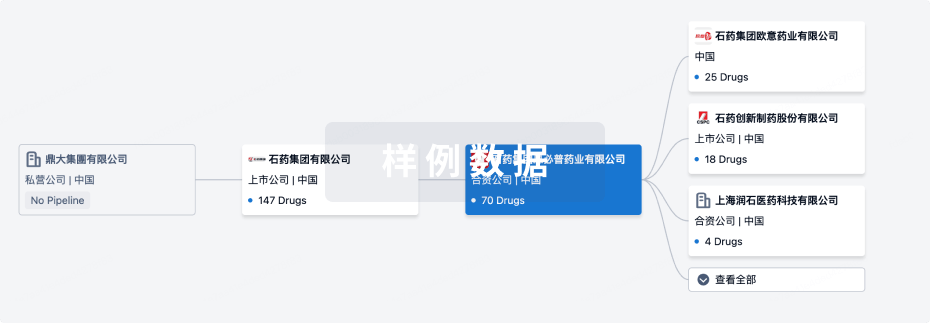
组织架构
使用我们的机构树数据加速您的研究。
登录
或
管线布局
2026年10月10日管线快照
管线布局中药物为当前组织机构及其子机构作为药物机构进行统计,早期临床1期并入临床1期,临床1/2期并入临床2期,临床2/3期并入临床3期
其他
2
登录后查看更多信息
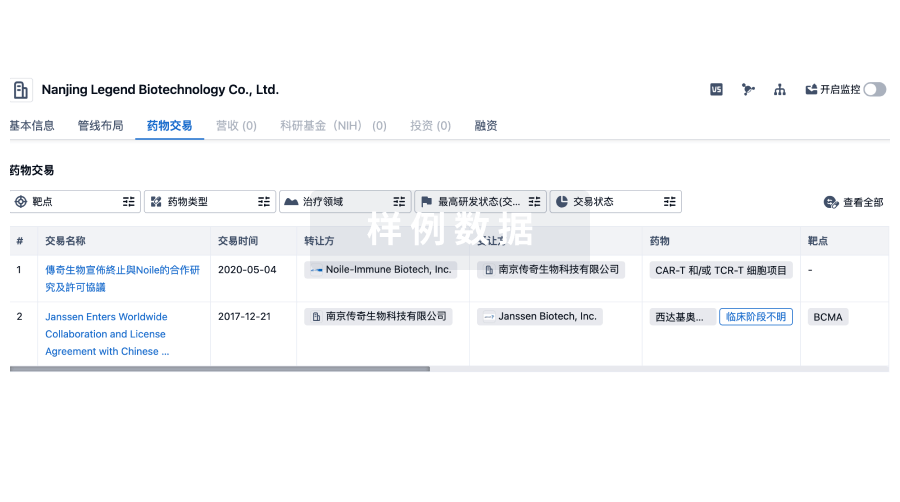
药物交易
使用我们的药物交易数据加速您的研究。
登录
或
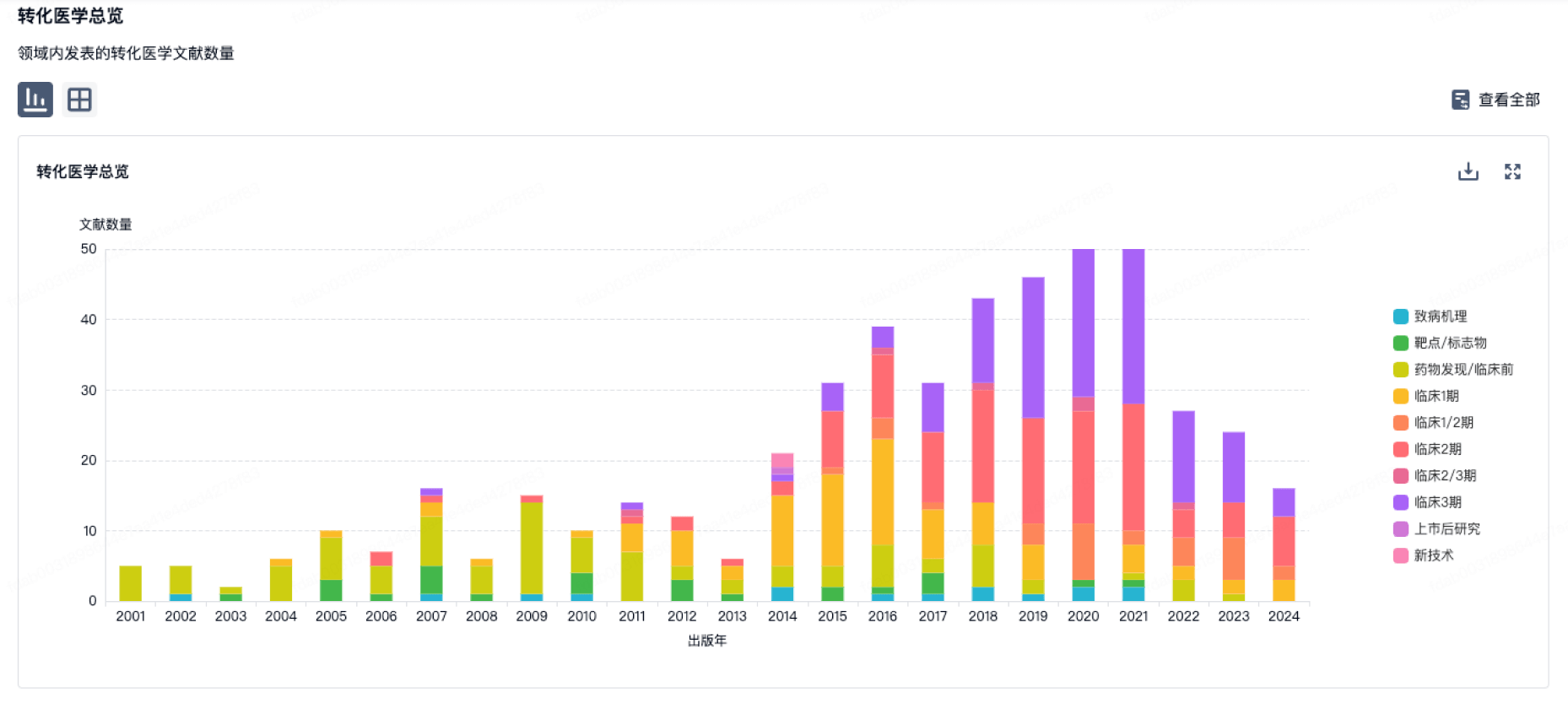
转化医学
使用我们的转化医学数据加速您的研究。
登录
或
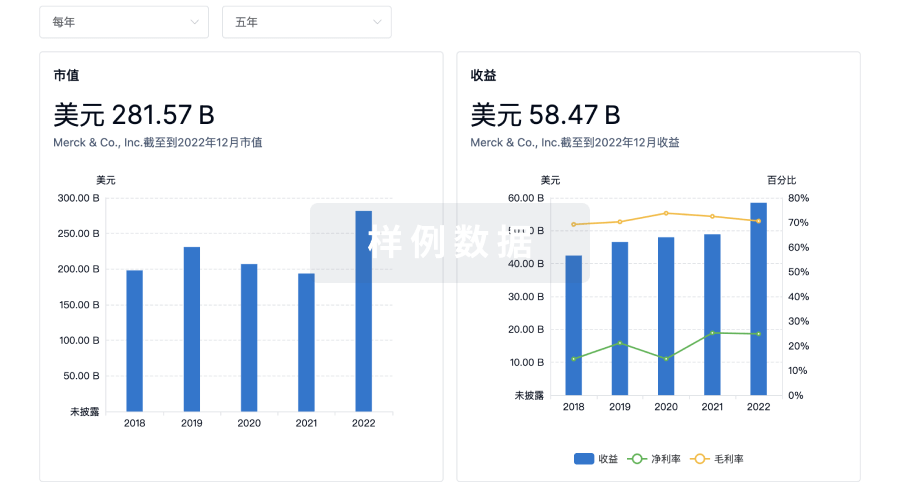
营收
使用 Synapse 探索超过 36 万个组织的财务状况。
登录
或
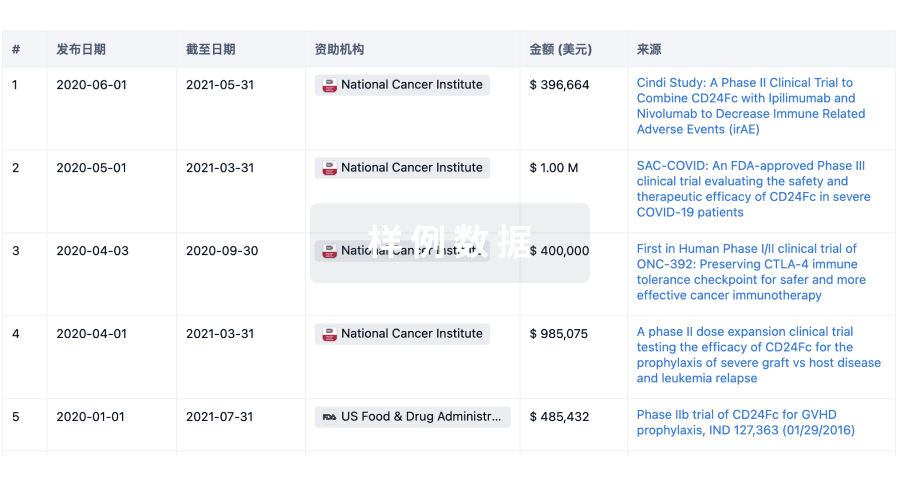
科研基金(NIH)
访问超过 200 万项资助和基金信息,以提升您的研究之旅。
登录
或
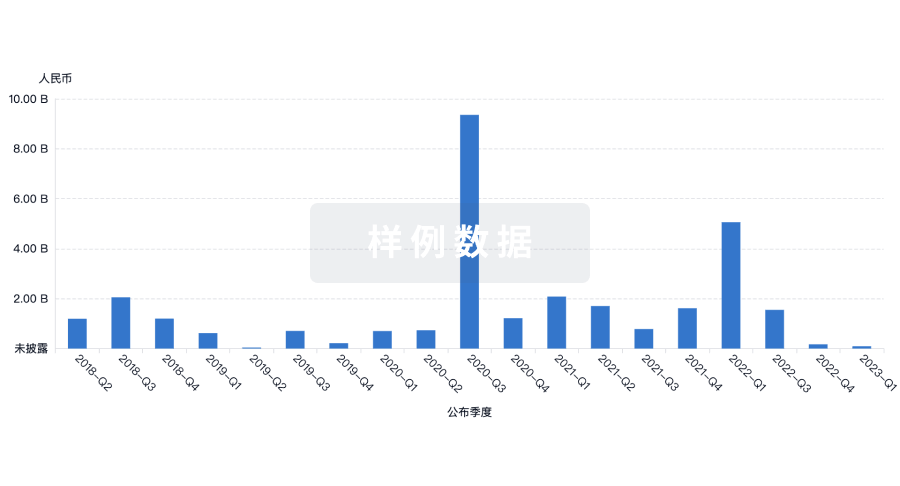
投资
深入了解从初创企业到成熟企业的最新公司投资动态。
登录
或
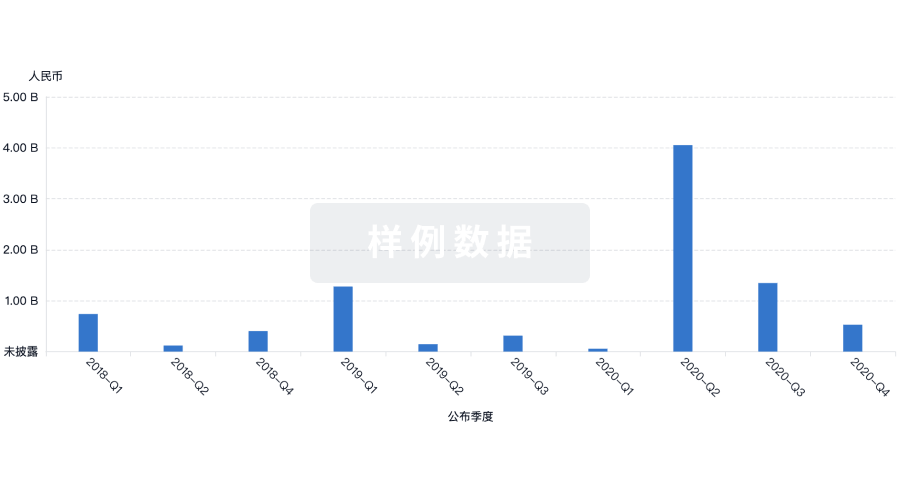
融资
发掘融资趋势以验证和推进您的投资机会。
登录
或
提出任何生物医药研究问题
让每一步生物医药决策都精准制胜
基于十亿级生物数据与全球情报的精准 AI,赋能早期药物发现
立即开始免费试用!
智慧芽新药情报库是智慧芽专为生命科学人士构建的基于AI的创新药情报平台,助您全方位提升您的研发与决策效率。
立即接入生物医药数据包
智慧芽新药库数据也通过智慧芽开放平台,以MCP或API服务形式对外开放。立即使用我们的MCP服务定制您的LLM智能体。
生物序列数据库
生物药研发创新
免费使用
化学结构数据库
小分子化药研发创新
免费使用