预约演示
更新于:2026-02-02

OUR United Corp.
更新于:2026-02-02
概览
关联
100 项与 西安大医集团股份有限公司 相关的临床结果
登录后查看更多信息
0 项与 西安大医集团股份有限公司 相关的专利(医药)
登录后查看更多信息
5
项与 西安大医集团股份有限公司 相关的文献(医药)2025-10-01·Physica Medica-European Journal of Medical Physics
Dosimetric advantages of a novel X-Ray/γ-Ray integrated radiotherapy platform in cervical carcinoma: A comparative treatment planning study
Article
作者: Duan, Jie ; Wang, Zhongfei ; Yun, Qinghui ; Zhao, Lina ; An, Ziqi ; Zhang, Pengfei ; Wang, Wei ; Chen, Liting ; Zang, Jian ; Gao, Yue ; Zhang, Te ; Sun, Xiaohuan
PURPOSE:
This study evaluates the dosimetric benefits of TaiChi, a novel radiotherapy platform combining 6MV linac-based volumetric-modulated arc therapy (VMAT) and γ-ray stereotactic radiotherapy, for locally advanced cervical carcinoma (LACC) with pelvic lymph node metastases.
METHODS:
Twelve LACC cases were retrospectively analyzed, comparing TaiChi plans with conventional treatment plans. The prescribed doses were standardized at 50 Gy for the planning target volume (PTV) and 12.5 Gy for the PTVLn-a boost volume delivering focal dose escalation to metastatic lymph nodes.Conventional treatment plans were developed using the Varian Eclipse 13.5 treatment planning system (TPS) with VMAT techniques. In contrast, TaiChi plans were generated using the RTPRO TPS (OUR United Corp., China), leveraging the platform's unique dual-modality capabilities: a 6MV linac-based VMAT plan was optimized for PTV coverage, while gamma knife was utilized for PTVLn dose escalation. A comprehensive dosimetric comparison was conducted to evaluate the system's ability to simultaneously achieve PTVLn dose escalation and organs-at-risk (OARs) sparing.
RESULTS:
TaiChi achieved comparable PTVLn conformity (CI: 0.86 ± 0.06 vs. 0.87 ± 0.02, p = 0.299) but superior dose gradient (GI: 2.03 ± 0.27 vs. 2.21 ± 0.32, p < 0.001). Significant PTVLn dose escalation was observed with TaiChi: mean dose (68.58 ± 0.52 Gy vs. 63.55 ± 1.01 Gy, p < 0.001), D98 (61.81 ± 0.55 Gy vs. 57.09 ± 1.70 Gy, p < 0.001), and D2 (75.02 ± 1.61 Gy vs. 65.36 ± 2.74 Gy, p < 0.001). PTV D2 was moderately higher with TaiChi (64.11 ± 4.01 Gy vs. 62.17 ± 2.68 Gy, p = 0.04). OAR sparing improved significantly: bladder, rectum, and small intestine V45Gy decreased by 3.7 %, 5.1 %, and 3.9 %, respectively.
CONCLUSION:
TaiChi's synergistic X-ray/γ-ray approach enables safe dose escalation to metastatic nodes while reducing OAR exposure, potentially enhancing tumor control and toxicity outcomes for node-positive cervical carcinoma.
2025-06-01·Physical and Engineering Sciences in Medicine
Exploring the dosimetric advantages of a novel multi-modality radiotherapy platform in prostate cancer
Article
作者: Zhao, Lina ; Yun, Qinghui ; Li, Weiwei ; Wei, Zhiwei ; Yang, Hua ; Wang, Zhongfei ; Sun, Xiaohuan ; Chen, Liting ; Wang, Wei ; Gao, Yue ; Sun, Hongfei ; Wang, Zhe ; Duan, Jie ; Zhang, Te
The present research aims to explore the dosimetric advantages associated with a novel multi-modality radiotherapy platform TaiChiB, which integrates a medical linac and a focused 60Co γ-ray system. The primary focus of this investigation is to assess the efficacy of this platform in the treatment of prostate cancer. A retrospective study was conducted involving fifteen prostate patients. Each patient had two different treatment plans: a Varian linac x-ray plan (group A), and a TaiChiB plan combined with linac x rays and focused γ rays (group B). In both plan groups, the prescribed dose to the planning target volume (PTV) was 50 Gy, with a boost dose of 20 Gy to the gross tumor volume (GTV). In the TaiChiB plan, the primary plan was delivered using linac x rays and the boost dose plan was delivered using γ rays. Different criteria were used to evaluate the plan quality and results from the two plan groups were compared through statistical analysis (p < 0.05 as significantly different). All plans from these two groups met the clinical requirements for treatment, and Gamma passing rates were above 95% using the 3%/2 mm criterion suggested by TG-218. Regarding the dose coverage to targets, the TaiChiB plan group had a higher mean dose to the GTV (77.46 ± 1.04 Gy (B) vs. 71.40 ± 0.33 Gy (A), p < 0.01), whereas it maintained a comparable mean dose to the PTV (55.33 ± 1.76 Gy (B) vs. 55.23 ± 1.92 Gy (A), non-significant). In terms of dose to organs-at-risk (OARs), the TaiChiB plan group showed a lower or comparable mean value. In detail, bladder V45Gy (43.90 ± 6.34% (B) vs. 49.83 ± 6.31% (A), p < 0.01); rectum V45Gy (38.45 ± 14.38% (B) vs. 51.46 ± 17.18%(A), p < 0.01); intestine V45Gy (163.88 ± 18.85 cm3 (B) vs. 177.18 ± 18.20 cm3 (A), p < 0.01); left femoral head V30Gy (5.63 ± 1.97% (B) vs. 11.83 ± 2.56% (A), p < 0.01); and right femoral head V30Gy (4.64 ± 1.94% (B) vs. 10.38 ± 2.73% (A), p < 0.01). The comparison of plan evaluation results showed the superiority of the novel multi-modality radiotherapy platform TaiChiB in dosimetric characteristics by harnessing the physical advantages of γ rays as a supplement to x rays in radiotherapy.
2023-10-01·International journal of radiation oncology, biology, physics
First Demonstration of the Commissioning of a New Multi-Modality Radiotherapy Platform
Article
作者: Chen, L T ; Zhao, L ; Wang, W ; Sun, X H ; Xiao, F ; Wang, Z ; Duan, J ; Chen, Y
PURPOSE/OBJECTIVE(S):
A new multi-modality radiotherapy platform was developed and introduced into clinical application, which has received US FDA 510k(K210921) and National Medical Products Administration (NMPA) clearance in China (20223050973). This study, for the first time, presents the technological characteristics and commissioning results of the new platform.
MATERIALS/METHODS:
The platform consists of 3 modules: linear accelerator, rotating gamma system, and a kV imaging system within an O-ring gantry. The O-ring gantry can rotate continuously achieved by using a slip ring. The Linac delivers a 6 MV FFF photon beam with a variable dose rate of 50 to 1400 MU/min. The delivery techniques include 3D-CRT, IMRT, and VMAT. The rotating gamma system utilizes 18 Co-60 sources with a reference dose rate of 350 cGy/min. The image-guided techniques consist of kV-kV pairs and kV-CBCT. The X-ray intensity-modulated radiotherapy and γ-ray stereotactic radiotherapy can be delivered on the same platform. The acceptance test and commissioning were performed following the vendor's customer acceptance tests (CAT) and several AAPM Task Group reports/guidelines. Regarding the Linac, all applicable validation tests recommended by the MPPG 5.a (basic photon beam model validation, IMRT/VMAT validation, E2E tests, and patient-specific QA) were performed. For the rotating gamma system, the absorbed doses were measured using a PTW31014 and PTW60016. EBT3 films were employed to measure the relative output factors (ROFs). The E2E tests were performed using a PTW31014 and EBT3 films. The coincidence between the imaging isocenter and the Linac/gamma treatment isocenter was investigated using EBT3 films. The image quality was evaluated regarding the contrast-to-noise ratio (CNR), spatial resolution, and uniformity.
RESULTS:
All tests included in the CAT met the vendor's specifications. All MPPG 5.a tests complied with the tolerances. The confidence limits for IMRT/VMAT validation were achieved according to TG-119. The point dose differences were below 1.68% and gamma pass rates (3%/2 mm) were above 95.9% for the Linac E2E tests. All plans of patient-specific QA had point dose differences below 1.79% and gamma pass rates (3%/2 mm) above 96.1% suggested by TG-218. For the rotating gamma system, the differences between the calculated and measured absorbed doses were below 1.86%. The ROFs calculated by the TPS were independently confirmed within 2% using EBT3 films. The point dose differences were below 2.57% and gamma pass rates (2%/1 mm) were above 95.3% for the E2E tests. The coincidence between the imaging isocenter and the Linac/gamma treatment isocenter was within 0.5 mm. The image quality fully complied with the vendor's specifications regarding the CNR, spatial resolution, and uniformity.
CONCLUSION:
This is the first report about the commissioning of a new multi-modality radiotherapy platform. The platform has been successfully commissioned and exhibits good performance in mechanical and dosimetry accuracy.
10
项与 西安大医集团股份有限公司 相关的新闻(医药)2025-05-27
港股递表、罚款、激励、败诉、失眠新药,为关键词图/视觉中国No.1海南大三甲医院,被罚1500万元海南省医疗保障局5月26日下午公布一份行政处罚决定书,海南省人民医院因诊疗规范过度检查、重复收费等操作,将不属于医保基金支付范围的医药费用纳入医保基金结算等违规使用医保基金行为,被处造成医保基金损失1倍的罚款,合15063137.11元。根据上述行政处罚决定,海南省人民医院的主要违法违规事实为,该院在2020年6月1日至2023年11月30日期间,存在违反诊疗规范过度检查、重复收费、超标准收费、分解项目收费、串换诊疗项目,将不属于医保基金支付范围的医药费用纳入医保基金结算等违规使用医保基金行为。创办于1881年的海南省人民医院,为三级甲等医院,在职职工数4700人,核定床位数3000张,有15个医学中心,81个临床医技科室,23个研究室(实验室)。2018年12月4日,国家卫健委公布其为首批肿瘤多学科诊疗试点医院。同年,海南省人民医院在继续保留现有名称的基础上,正式揭牌成为海南医学院直属附属医院,加挂“海南医学院附属海南医院”牌子并成立海南医学院临床学院。 2019年门、急诊量236.6万人次,较上年度同比增长9.8 %;出院11.8万人次,较上年度同比增长16.7%。No.2多家医药健康企业递表港交所2025年5月26日,港交所官网显示,先通医药递交港交所上市申请,中金公司和中信证券为联席保荐人。先通医药的管线聚焦肿瘤学、神经退行性疾病及心血管疾病三大领域并包括15项资产。招股书显示,先通医药成立于2005年,是中国放射性药物市场的领跑者及领导者,致力于开发及商业化具有成为中国首个上市、同类首创或同类最佳潜力的放射性药物。从2024年底开始,港股医疗健康板块逐渐回暖,这也表现在更多的大陆企业赴港申请IPO(首次公开募股)了。根据港交所披露易网站上发布的企业申请信息,2024年11月至2025年2月,仅四个月时间向港交所提交上市材料申请IPO的医疗健康领域企业超30家,相比同期数量增长超50%。2025年4月,西安大医集团股份有限公司主攻伽玛刀等放射治疗产品,主要适用于肿瘤等患者。大医集团占据国内七成以上的伽玛刀市场份额。中信建投国际、浦银国际、民银资本为其联席保荐人。进入5月,专注再生医学医疗器械及特医食品的妍美生物、AI制药明星企业英矽智能、致力于创新肿瘤治疗的科望医药等,这些企业陆续向港交所递交上市申请。另外,5月23日,恒瑞医药正式在港交所主板挂牌,实现“A+H”两地上市,募集资金达98.90亿港元,成为2021年以来香港市场医疗健康行业最大规模IPO项目。5月27日,派格生物登陆港股,在联交所上市。其发行价为15.6港元/股,按照发行价计算,对应市值约60.2亿港元。独家保荐人为中金公司。招股章程显示,派格生物已自主开发一款核心产品及其他五款候选产品,包括2型糖尿病、肥胖症、非酒精性脂肪性肝炎等常见慢病及代谢疾病的市场机会。据统计,2024年有12家医疗健康企业在港交所IPO上市。自上市制度改革(2018年4月30日)以来,截至2024年底,在香港上市的医疗健康企业累计已达136家。No.3迈瑞业绩不达标,骨干员工错失1.5 亿激励5月26日,迈瑞医疗发布公告,2022年员工持股计划第三批股份锁定期于2025年5月25日届满。该批次股份的解锁受公司层面业绩考核目标未达成的影响,导致该批次股份全部不得解锁,并将由员工持股计划管理委员会收回。2025年一季度,迈瑞医疗实现收入82.37亿元,归母净利润26.29亿元。具体而言,2022年员工持股计划在实施时共回购了305万股股份,过户价格为50元/股,过户股份数量占公司当时总股本的0.25%。该计划的存续期为48个月,自最后一笔标的股票过户之日起计算,分三期解锁,解锁比例上限均为三分之一。据医疗器械创新网分析,按照2025年5月26日迈瑞医疗的收盘价格228.31元/股,如果这部分股份得以成功解锁,对应着大约1.5亿元的收益。迈瑞医疗的这份员工持股计划,始于2022年。员工持股计划的参加对象为公司核心员工和技术骨干,所有参加对象必须在本员工持股计划的有效期内,与公司或控股子公司签署劳动合同或聘用合同。参加本次持股计划的总人数不超过2700人,具体参加人数根据员工实际缴款情况确定。也就是说,大约2700名核心员工,与1.5亿元的大红包失之交臂。No.4强生败诉,将赔偿10亿元近日,强生集团旗下Biosense Webster公司因反竞争行为被裁定向医疗器械再处理企业Innovative Health支付1.47亿美元(约合人民币10.5亿元)赔偿。美国州中区联邦法院陪审团于5月16日全票认定,强生违反《谢尔曼反垄断法》第1、2条及加州《卡特赖特法案》,通过非法搭售、排他协议等手段维持市场垄断地位。这是近年来医疗设备领域金额最大的反垄断判决之一。这起反垄断诉讼历时六年,案件核心围绕心脏标测系统Carto3及其专用导管。强生被控要求医院在购买该系统的临床支持服务时,必须使用其原厂新型导管,从而排挤第三方再处理企业。Innovative Health专攻心脏病领域一次性医疗设备再处理,通过美国食品和药品监督官局(FDA)监管流程使"废弃"导管获二次临床应用许可。其指控Biosense Webster通过技术支持捆绑策略,迫使医院放弃成本更低的再处理导管,构成违反联邦及州反垄断法的排他性行为。对此,强生医疗技术部门回应称“对判决结果失望”,强调其政策“旨在确保患者安全与产品性能”,并表态将评估上诉等法律选项。No.5卫材失眠症新药,在中国获批上市5月27日,卫材宣布莱博雷生片(lemborexant)获国家药监局批准,用于治疗失眠症。这是国内首款获批上市的OX1R/OX2R拮抗剂。莱博雷生是由卫材开发的一款食欲素受体拮抗剂,可与食欲素受体OX1R和OX2R(IC50值分别为6.1nM和2.6nM)结合,作为竞争性拮抗剂发挥作用。食欲素神经肽信号系统在觉醒中起作用,通过阻断促进觉醒的神经肽食欲素A和食欲素B与食欲素受体OX1R和OX2R结合,抑制觉醒驱动因素。在失眠患者中,调节觉醒的食欲素信号系统可能无法正常发挥作用。2019年12月,莱博雷生在美国率先批准上市,用于治疗成人失眠症。目前,莱博雷生已在全球20多个国家及地区获得药品批准和上市。临床试验显示,患者服用莱博雷生后,对其记忆和认知功能影响小,患者醒来后对开展工作及其他日间活动,尤其是驾驶影响小。莱博雷生不会导致身体依赖,上市后至今没有发现具有成瘾性。卫材是一家总部位于日本东京的制药公司,拥有近一万名员工。卫材始于1941年,并在20世纪60年代末开始了公司全面的海外扩张;1982年、1989年和1992年分别在日本、美国和英国建立了实验室,也就是卫材的三中心研发网络。往期 · 推荐别错过优质内容,记得设置星标或在看哟
IPO放射疗法
2024-06-11
关于知识产权行业论坛iPiF
知识产权行业论坛( Intellectual Property Industry Forum,简称iPiF)坚持以“围绕知识产权保护热点话题,搭建知识产权行业专家高端对话,提升企业知识产权管理水平”为宗旨,链接产业界、学术界、科研机构,探讨行业共性及各行业特性知识产权相关话题,凝聚共识、 促进合作,致力成为知识产权领域专业化、国际化、高水准的交流、学习平台。
论坛采用主论坛+行业分论坛的形式,主论坛探讨行业共性问题,分论坛探讨细分行业知识产权特性问题,满足不同行业嘉宾参会需求。
第三届iPiF2024概览
主 题:以知产之光,引创新之路
时 间:2024年6月26-28日
地 点:上海
规 模:1000+
主办单位:知产链接×INFOTRANS
支持单位:中国医疗器械行业协会
架 构:
6月26日
主论坛(全体大会)
6月27-28日
平行分论坛
分论坛A:医药知识产权
分论坛B:医疗器械知识产权
分论坛C:ICT知识产权
分论坛D:互联网及人工智能知识产权
分论坛E:新能源知识产权
分论坛F:智能制造知识产权
大会为收费制,请扫描下方二维码预报名。
本论坛是知识产权界盛大的集会,也是律所、代理机构等服务商提供服务展示宣传的优秀平台。论坛可提供多样化赞助形式,如演讲、展位、插页等,如有兴趣欢迎咨询。
酒店地址
请提前联系组委会成员注册参会
(不接受现场注册,未注册的嘉宾请勿前往会场)
目录
01
iPiF2024议程
02
iPiF2024合作单位
03
往届iPiF部分出席嘉宾
04
往届iPiF回顾
05
报名联系
01
论坛议程
备注:以上为暂定议程,组委会保留调整和更新的权利
02
iPiF2024合作单位
03
往届iPiF部分出席嘉宾
企业职位上海纽脉医疗科技有限公司知识产权总监上海纽脉医疗科技有限公司知识产权经理上海纽脉医疗科技有限公司知识产权工程师科美诊断技术股份有限公司知识产权总监科美诊断技术股份有限公司高级专利工程师科美诊断技术股份有限公司专利工程师联影医疗专利负责人联影医疗无形资产管理组负责人联影医疗海外组负责人罗氏中国专利副总裁罗氏中国高级专利经理罗氏中国高级专利经理北京威禾知识产权代理有限公司股东绿叶制药知识产权部副总裁北京务实知识产权发展中心主任北京务实知识产权发展中心副主任北京德和衡律师事务所顾问金杜律师事务所合伙人拜耳中国知识产权负责人环球律师事务所合伙人四环医药集团知识产权总监广州开发区知识产权局副局长金杜律师事务所合伙人美敦力大中华区高级知识产权法律总监上海微创医疗器械(集团)有限公司知识产权及法务部副总裁南微医学科技股份有限公司法务部高级经理中国信息通信研究院知识产权中心主任华东政法大学知识产权学院院长天同律师事务所合伙人VIA LICENSING CORPORATION中国区总经理四川长虹网络科技有限责任公司知识产权处处长Leydig, Voit & Mayer合伙人汉坤律师事务所合伙人北京瀛和律师事务所知识产权中心主任西安紫光国芯半导体有限公司专利经理寒武纪科技知识产权总监路盛律师事务所总监汉坤律师事务所顾问奥睿律师事务所上海代表处合伙人兼首席代表中国药学会医药知识产权专业委员会委员透景生命科技知识产权负责人亚盛医药知识产权高级总监西门子医疗中国知识产权部总监北京金风科创风电设备有限公司知识产权经理北京金风科创风电设备有限公司知识产权经理中国药学会医药知识产权专业委员会名誉主委;国知局医药生物发明审查部原部长诺和诺德中国专利事务总监舒泰神生物制药知识产权专业委员会主席正大天晴药业集团股份有限公司副总裁上海健康医学院副教授中国专利代理(香港)有限公司总经理助理暨南大学知识产权研究院副教授绿叶制药专利总监绿叶制药高级专利经理北京柳沈律师事务所合伙人中国医疗器械行业协会办公室副主任上海市浦东新区知识产权协会副会长兼秘书长中国药学会医药知识产权研究专业委员会秘书处紫光展锐知识产权总监紫光展锐法务部部长世界中医药学会联合会知产委副会长兼秘书长TCL通讯科技控股有限公司法务长通富微电子股份有限公司知识产权总监齐鲁制药有限公司知识产权部部长中国医学科学院药物研究所开发处处长鲁南制药集团股份有限公司知识产权总监江苏恒瑞医药股份有限公司知识产权主管杭州华东医药集团新药研究院叶杉助手浙江康恩贝制药股份有限公司专利负责人世界中医药学会联合会知产委理事拜耳中国知识产权专员三生国健药业(上海)股份有限公司知识产权总监联影医疗集团三生国健药业(上海)股份有限公司北京芯愿景软件技术股份有限公司总经理北京芯愿景软件技术股份有限公司知识产权业务经理西安大医集团股份有限公司知识产权负责人深圳开立生物医疗科技股份有限公司知识产权部经理丹娜生物副总经理杭州维纳安可医疗科技有限责任公司知识产权总监北京市万慧达律师事务所合伙人北京农业信息技术研究中心知识产权管理北京农业信息技术研究中心部门主任深圳北芯生命科技有限公司战略与拓展经理深圳北芯生命科技有限公司战略发展专员北京清亦华知识产权代理事务所生物医药部部长应世生物科技(上海)有限公司知识产权副总监上海医药集团股份有限公司研发管理中心研发管理部副总经理北京泰德制药股份有限公司总监金卡智能集团股份有限公司知识产权部经理中国贸促会专利商标事务所有限公司上海办公室主任中国贸促会专利商标事务所有限公司专利代理人中国贸促会专利商标事务所有限公司副处长中国贸促会专利商标事务所有限公司副处长中国贸促会专利商标事务所有限公司副处长上海逸思医疗科技股份有限公司法务总监上海逸思医疗科技股份有限公司知识产权主管北京市高级人民法院原知识产权庭法官金杜律师事务所合伙人维沃移动通信有限公司知识产权总监费森尤斯医药研发(上海)有限公司知识产权情报专家费森尤斯医药研发(上海)有限公司知识产权经理段和段律师事务所高级合伙人(长三角知识产权发展联盟秘书长)上海复星智健信息科技有限公司知识产权负责人上海申浩律师事务所知识产权中心副主任郑州安图生物工程股份有限公司专利工程师郑州安图生物工程股份有限公司项目申报专员郑州安图生物工程股份有限公司高管北京北汇律师事务所主任北京鸿元知识产权代理有限公司副总经理江苏核泰生物有限公司总经理江苏核泰生物有限公司知识产权总监中伦律师事务所高级顾问优微(珠海)生物科技有限公司知识产权总监优微(珠海)生物科技有限公司专利工程师成都赛拉诺医疗科技有限公司法务圣湘生物科技股份有限公司知识产权负责人威盛电子(中国)有限公司法务主管广州凌腾生物医药有限公司知识产权经理广州凌腾生物医药有限公司知识产权专员普洛药业股份有限公司知识产权部部长三丈信息(深圳)有限公司总经理沛嘉医疗科技(苏州)有限公司专利工程师江苏恩华药业股份有限公司知识产权管理中心执行总监地平线集团知识产权总监沃尔沃汽车亚太区知识产权总监苏州瑞博生物技术股份有限公司副总经理苏州瑞博生物技术股份有限公司经理高通无线通信技术(中国)有限公司市场经理浙江道尔生物科技有限公司副总裁海尔优家标准与知识产权部总监飞利浦知识产权与标准部资深顾问北京汉德知识产权代理事务所合伙人上海德禾翰通律师事务所管理合伙人上海微创医疗器械(集团)有限公司知识产权高级经理上海微创医疗器械(集团)有限公司知识产权工程师美国驻上海总领事馆经济专员美国驻上海总领事馆经济领事IPwe 智链知产金融科技(青岛)有限公司中国区总裁IPwe 智链知产金融科技(青岛)有限公司业务拓展总监IPwe 智链知产金融科技(青岛)有限公司高等教育事业部总监IPwe 智链知产金融科技(青岛)有限公司商务经理上海君实生物工程有限公司知识产权总监无锡祥生医疗科技股份有限公司知识产权经理广州广典知识产权代理事务所总经理智慧芽中国(科技)有限公司大客户经理天同律师事务所合伙人上海瑞卓软件股份有限公司知识产权法律顾问环球律师事务所合伙人上海沃比医疗科技有限公司知识产权工程师上海沃比医疗科技有限公司高级合规经理江苏风和医疗器材公司创新部总监兰州大学技术与创新支持中心主任兰州大学技术与创新支持中心副主任上海熠涧知识产权代理有限公司执行董事深圳北京大学香港科技大学医学中心部长南京金斯瑞生物科技有限公司知识产权总监南京金斯瑞生物科技有限公司知识产权高级主管南京金斯瑞生物科技有限公司知识产权主管青岛精安医疗科技有限责任公司企业知识产权负责人康立泰药业有限公司知识产权主管上海蔚来汽车有限公司知识产权部高级总监上海蔚来汽车有限公司知识产权专家上海蔚来汽车有限公司知识产权资深顾问上海蔚来汽车有限公司知识产权资深顾问华为专利经理Maucher Jenkins合伙人、中国区负责人北京北方华创微电子装备有限公司合规副总裁兼总法律顾问四环医药集团知识产权经理安徽华恒生物科技股份有限公司知识产权部经理上海华虹宏力半导体制造有限公司合规部部长上海立可芯半导体科技有限公司法务总监上海立可芯半导体科技有限公司法务Betten & Resch专利律师西门子医疗资深知识产权顾问西门子医疗知识产权顾问石药控股集团有限公司知识产权总监石药控股集团有限公司知识产权副总监鲁南制药集团股份有限公司专利经理鲁南制药集团股份有限公司专利主管美国飞翰律师事务所律师江苏豪森药业专利部部长奋迅律师事务所合伙人君合律师事务所上海分所合伙人君合律师事务所上海分所合伙人先通国际医药股份有限公司高级知识产权经理先通国际医药股份有限公司法务经理美敦力高级知识产权律师美敦力高级知识产权律师美敦力预备知识产权律师西安恒泰知识产权代理事务所总经理西安恒泰知识产权代理事务所副总经理西安恒泰知识产权代理事务所副总经理上海段和段(西安)律师事务所高级合伙人上海硅知识产权交易中心总经理中微半导体设备(上海)股份有限公司法务及知识产权副总裁海军军医大学转化医学研究中心医疗创新概念验证室主任,副研究员江苏恒瑞医药股份有限公司知识产权副总监阿斯利康全球副总法律顾问,国际业务及日本 Deputy General Counsel, International & Japan阿斯利康中国及亚洲区首席知识产权顾问,助理副总裁阿斯利康高级知识产权经理辉瑞(中国)研究开发有限公司法律总监北京铭硕知识产权代理有限公司专利代理师北京铭硕知识产权代理有限公司专利代理师上海海路生物技术有限公司高级专利专员通富微电子股份有限公司知识产权部经理大博医疗科技股份有限公司知识产权工程师Intel高级专利律师北京知产宝网络科技发展有限公司首席执行官北京精金石知识产权合伙人、副总经理上海细胞治疗集团有限公司知识产权主管浙江医药股份有限公司知识产权部副经理浙江医药股份有限公司副经理荣耀终端有限公司知识产权部部长荣耀终端有限公司IP诉讼部部长迈瑞医疗知识产权工程师迈瑞医疗专利工程师迈瑞医疗专利工程师小米集团法务部总经理北京柏杉松知识产权代理事务所副所长北京柏杉松知识产权代理事务所助理北京弘权知识产权代理有限公司合伙人江苏威凯尔医药科技有限公司信息部部长江苏威凯尔医药科技有限公司知识产权经理南京药石科技股份有限公司知识产权主管南京健友生化制药股份有限公司对外合作部经理江苏苏中药业研究院有限公司主任江苏正大天晴制药有限公司IP南京市江北新区科创局知识产权办公室主任南京市江北新区科创局副局长金杜律师事务所顾问哲库科技高级知识产权经理马可尼咨询服务(北京)有限公司亚洲市场总经理及副总裁马可尼咨询服务(北京)有限公司技术与法务专家山东新时代药业有限公司专利总监山东新时代药业有限公司专利主管三星(中国)投资有限公司知识产权部部长三星(中国)投资有限公司高级知识产权顾问三星(中国)投资有限公司高级知识产权顾问珠海格力电器股份有限公司专利主管珠海格力电器股份有限公司专利工程师深圳市中科微光医疗器械技术有限公司知识产权部负责人鲁南制药集团股份有限公司专利总监鲁南制药集团股份有限公司高级专利经理康龙化成(北京)新药技术股份有限公司法务专员南京希麦迪医药科技有限公司综合法务经理北京联斯达医药科技发展有限公司法务专员江苏恩华药业股份有限公司上海研究院专利负责人江苏恩华药业股份有限公司徐州研究院专利专员江苏恩华药业股份有限公司徐州研究院专利专员成都苑东生物制药股份有限公司知识产权专员嘉楠科技知识产权负责人嘉楠科技专利流程管理工程师中芯集成电路(宁波)有限公司知识产权&合规经理康弘药业集团股份有限公司专利专员康弘药业集团股份有限公司商标主任上海微创医疗器械(集团)有限公司知识产权高级主管日本园田小林特许业务法人北京办事处代表嘉和生物药业有限公司知识产权经理上海景吾智能科技有限公司科技处主任上海邦耀生物科技有限公司市场总监上海广为电器集团有限公司科技事务主管上海亿力电器有限公司法务经理东丽先端材料研究开发(中国)有限公司知财部长上海珈凯生物科技有限公司法规主管申联生物医药(上海)股份有限公司研发中心主任国核自仪系统工程有限公司知识产权工程师上海东富龙科技股份有限公司知识产权专员中芯国际集成电路制造(上海)有限公司知识产权与专利技术工程师上海交通大学知识产权与竞争法研究院院长、讲席教授江苏奥赛康药业有限公司知识产权高级经理一品红药业股份有限公司专利主管杭州征祥医药有限公司知识产权经理中国医药创新促进会研究部北京五和博澳药业股份有限公司知识产权事务部总监北京瀛和律师事务所专利代理师广州英赛特生物技术有限公司知识产权专员安波福(中国)科技研发有限公司专利顾问TCL通讯科技控股有限公司知识产权主管中国科学院微生物研究所知识产权与产业发展处副处长中国科学院微生物研究所知识产权主管北京北汇律师事务所合伙人同济大学教师帝斯曼(中国)有限公司专利律师北京理衡信息技术研究院院长上海伏达半导体有限公司IPR中芯国际集成电路制造(上海)有限公司专利技术管理资深经理中芯国际集成电路制造(上海)有限公司知识产权经理上海药明康德新药开发有限公司主任北京大学第三医院医疗器械管理及法务技术运营广州华进联合专利商标代理有限公司高级合伙人北京三友知识产权代理有限公司总经理北京三友知识产权代理有限公司涉外企划部部长上海肇观电子科技有限公司知识产权工程师上海和誉生物医药科技有限公司专利与法务高级经理国家中药制药工程技术研究中心知识产权专员上海上药新亚药业有限公司技术管理部经理助理上海湃隆生物科技有限公司项目经理上海晶科绿能企业管理有限公司知识产权总监南京诺唯赞生物科技股份有限公司知识产权经理南京诺唯赞生物科技股份有限公司知识产权主管上海健康医学院学生安徽三安光电知识产权负责人上海臻亿医疗科技有限公司知识产权总监上海臻亿医疗科技有限公司知识产权顾问上海臻亿医疗科技有限公司知识产权顾问上海臻亿医疗科技有限公司知识产权顾问美国格知律师事务所合伙人上海市浦东新区知识产权协会专家委员会上海济煜医药科技有限公司知识产权经理上海济煜医药科技有限公司知识产权专员上海济煜医药科技有限公司知识产权专员江苏博睿光电有限公司知识产权总监珐博进(中国)医药技术开发有限公司公共事务高级总监珐博进(中国)医药技术开发有限公司高级战略顾问武汉宇晨专利事务所(普通合伙)副所长上海玉曜生物医药科技有限公司知识产权总监齐鲁制药有限公司知识产权高级经理齐鲁制药知识产权部副部长正大天晴药业集团股份有限公司专利事务高级经理正大天晴药业集团股份有限公司知识产权流程经理上海博栋化学科技有限公司技术总监上海博栋化学科技有限公司技术支持部经理北京志霖律师事务所顾问北京志霖律师事务所律师北京志霖律师事务所律师世界知识产权组织仲裁与调解中心法律案件管理人北京清亦华知识产权代理事务所(普通合伙)生物医药组负责人快手科技专利总监中微半导体设备(上海)股份有限公司专利工程师中微半导体设备(上海)股份有限公司专利检索分析工程师广州开发区知识产权局工作人员成都齐碳科技有限公司董事会秘书、副总经理北京德和衡律师事务所合伙人金杜律师事务所合伙人优选字符人工智能技术(北京)有限公司翻译组组长南京华威医药科技集团有限公司知识产权部主管四川蓝光英诺生物科技股份有限公司知识产权部部长四川蓝光英诺生物科技股份有限公司知识产权工程师康宁(上海)管理有限公司IP manger康宁(上海)管理有限公司IPR上海凯利泰医疗科技股份有限公司副总经理、董事会秘书上海凯利泰医疗科技股份有限公司法务主管上海凯利泰医疗科技股份有限公司知识产权主管上海凯利泰医疗科技股份有限公司法务专员上海凯利泰医疗科技股份有限公司法务专员深圳市睿联技术股份有限公司(不公开)董事长深圳市睿联技术股份有限公司(不公开)知识产权经理上海金标生物科技有限公司知识产权工程师北京市奋迅律师事务所合伙人北京市奋迅律师事务所顾问北京市奋迅律师事务所律师北京市金杜律师事务所律师深圳华大智造科技股份有限公司法务与知识产权部总监山东中医药大学教授,法律事务办公室主任上海移远通信技术股份有限公司知识产权负责人万慧达知识产权合伙人万慧达知识产权合伙人万慧达知识产权专利代理人北京城烽知识产权代理事务所执行事务合伙人和径医药科技(上海)有限公司IP主管MSP律师事务所高级经理华客户经理WIPO中国办事处顾问美国盛智律师事务所合伙人美国盛智律师事务所管理合伙人(上海办公室)美国盛智律师事务所律师美国盛智律师事务所律师江苏卓胜微电子股份有限公司研发总监江苏卓胜微电子股份有限公司法务经理方达律师事务所博士德恒律师事务所合伙人铭硕知识产权高级合伙人上海合济惠信息技术有限公司董事长上海市卫生和健康发展研究中心医学科技情报研究部副主任上海集成电路研发中心有限公司IP管理专员上海钛米机器人股份有限公司IP管理专员丰凯医疗器械(上海)有限公司知识产权经理恒玄科技(北京)有限公司专利工程师上海钛米机器人股份有限公司IP管理专员品源分公司经理品源市场总监品源知识产权顾问英国驻沪总领馆高级知识产权官员上海艾瑞德生物科技有限公司财务总监上海艾瑞德生物科技有限公司项目专员永新专利商标代理有限公司高级合伙人永新专利商标代理有限公司专利代理人银宝山新科技股份有限公司总监北京高沃律师事务所市场部经理北京高沃律师事务所市场部经理北京高沃律师事务所资深律师江苏省高级人民法院知识产权庭庭长保定市大为计算机软件开发有限公司技术主管保定市大为计算机软件开发有限公司市场部经理保定市大为计算机软件开发有限公司商机拓展经理和径医药科技(上海)有限公司研究部总监成都倍特药业股份有限公司经理海华永泰律师事务所合伙人上海复旦张江生物医药股份有限公司知识产权专员上海复旦张江生物医药股份有限公司知识产权专员苏州科睿思制药有限公司知识产权主管苏州科睿思制药有限公司知识产权专员甘李药业股份有限公司知识产权副总监北京恒都律师事务所北京恒都律师事务所专利部部长北京恒都律师事务所高级合伙人北京恒都律师事务所高级合伙人北京恒都律师事务所二级合伙人武汉新芯集成电路制造有限公司法务部知识产权科经理武汉新芯集成电路制造有限公司法务部知识产权科副经理杭州堃博生物科技有限公司主任知识产权工程师河南驼人医疗器械集团有限公司知识产权部经理Takeda Pharmaceutical Company LimitedPatent Counsel天达共和合伙人北京长城计算机软件与系统有限公司北京长城计算机软件与系统有限公司客户经理北京长城计算机软件与系统有限公司客户经理上海市浦东新区知识产权协会会长信诺创成合伙人、副总经理信诺创成合伙人、专利代理师北京育知律师事务所律师和黄医药IP副经理日立诊断产品(上海)有限公司法规部部长日立诊断产品(上海)有限公司法规部法务北京精金石知识产权代理有限公司专利代理师复旦大学教授中兴通讯股份有限公司知识产权顾问南京大学法学院教授合生元(广州)健康产品有限公司高级研究员中科专利商标代理有限责任公司部门经理,合伙人北京安百胜生物科技有限公司专利专员晶丰明源半导体知识产权经理北京康信知识产权代理有限责任公司知识产权顾问北京康信知识产权代理有限责任公司知识产权顾问北京康信知识产权代理有限责任公司知识产权顾问贝达药业股份有限公司知识产权负责人中国科学院上海应用物理研究所副处长再鼎医药知识产权副经理华东政法大学学生哲库科技法务及知识产权负责人哲库科技高级知识产权项目经理哲库科技高级知识产权项目经理哲库科技高级知识产权项目经理浙江省高级人民法院知识产权审判庭副庭长同济大学法学院教授北京大成(上海)律师事务所高级合伙人华东政法大学学生甘李药业股份有限公司知识产权部总监甘李药业股份有限公司知识产权部经理甘李药业股份有限公司知识产权部主管上海交通大学研究员杭州天昊专利代理事务所执行合伙人/专利代理人杭州天昊专利代理事务所事务所合伙人/专利代理人杭州天昊专利代理事务所事务所合伙人/专利代理人济川(上海)医学科技有限公司知识产权总监济川(上海)医学科技有限公司知识产权经理济川(上海)医学科技有限公司知识产权主管北京市海问律师事务所上海分所合伙人中国移动通信集团设计院有限公司中国移动专利支撑中心主任迈克生物知识产权主管上海健康医学院律师助理高通无线通信技术(中国)有限公司资深授权经理立方律师事务所合伙人信通院研究员烟台正海生物科技股份有限公司副总经理烟台正海生物科技股份有限公司知识产权部经理华东政法大学华东政法大学博士生华东政法大学华东政法大学博士生华东政法大学华东政法大学博士生北京万景律师事务所创始合伙人|律师|专利代理师北京万景律师事务所高级合伙人|律师|专利代理师HLK慧智林欧洲知识产权事务所中国首席代表北京绿色金可生物技术股份有限公司知识产权经理扬子江药业集团有限公司知识产权总监中国法学会知识产权研究会会长中国法学会知识产权研究会秘书处中国医疗器械行业协会副秘书长华懋(厦门)新材料科技股份有限公司法务总监华懋(厦门)新材料科技股份有限公司证券事务代表劲方医药科技(上海)有限公司知识产权高级经理劲方医药科技(上海)有限公司知识产权专员中加健康工程研究院(合肥)有限公司副总裁中加健康工程研究院(合肥)有限公司知识产权负责人深圳市天珑移动有限公司知识产权部中国科学院微电子研究所副研究员诺维信中国知识产权负责人北京市一法律师事务所律师IntelPatent Officer宁波伙伴驹科技有限公司总经理宁波伙伴驹科技有限公司运营总监宁波伙伴驹科技有限公司技术总监上海宣泰医药科技股份有限公司知识产权总监杭州对点人力资源管理有限公司医药猎头顾问双良节能系统股份有限公司知识产权专员爱立信中国区专利部总监北京睿阳联合知识产权代理有限公司商标业务总监北京睿阳联合知识产权代理有限公司高级合伙人北京睿阳联合知识产权代理有限公司合伙人东方亿思总监威高集团有限公司知识产权总监美国莱纳戴维律师事务所律师美的集团知产体系及质量管理负责人允天律师事务所合伙人知识产权出版社北京市天元(深圳)律师事务所律师芯河半导体科技(无锡)有限公司法务芯河半导体科技(无锡)有限公司法务诺和诺德高级专利律师正大天晴知识产权高级经理正大天晴知识产权高级经理Leydig, Voit and Mayer客户经理西安市知识产权保护中心助理研究员IPR Daily新闻部总监上海洛启生物医药技术有限公司知识产权主管上海晨辉商务咨询有限公司知识产权翻译部经理上海晨辉商务咨询有限公司知识产权翻译部经理上海晨辉商务咨询有限公司知识产权翻译部经理某医药公司医药BD中南财经政法大学学生西安智通信元信息科技有限公司总经理西安智通信元信息科技有限公司市场总监亿咖通科技知识产权上海鹍远生物技术有限公司总监上海迪诺医药科技有限公司专利部经理上海儒通物联网技术有限公司总监上海市临床检验中心法务恩康药业(广州)科技有限公司知识产权经理广东省WTO/TBT通报咨询研究中心部长广东省WTO/TBT通报咨询研究中心工程师中国知识产权杂志副主编北京硕诚企业管理有限责任公司法务经理北京硕诚企业管理有限责任公司法务经理上海荧辉医疗器械有限公司总裁上海荧辉医疗器械有限公司研发项目工程师康朴生物医药技术(上海)有限公司法务与风控副总裁康朴生物医药技术(上海)有限公司知识产权高级经理上海晨光文具股份有限公司法务总监思瑞浦微电子科技法务明基智能科技知产总监杭州启明医疗器械法务经理卫材(中国)药业有限公司注册经理上海智晟知识产权代理事务所合伙人上海智晟知识产权代理事务所合伙人苏州晶睿生物科技有限公司研发总监国家工业信息安全发展研究中心知识产权法律政策研究室主任北京大学第三医院主治医生鹏城实验室部门负责人鹏城实验室助理东方亿思部门经理艺妙神州生物公司CMO江苏豪森药业集团有限公司主管江苏豪森药业集团有限公司副经理文冠知识产权事务所合伙人文冠知识产权事务所专利代理师广东嘉贤律师事务所合伙人广东嘉贤律师事务所合伙人北京海鹰科技情报所工程师北京市天同律师事务所律师北京市天同律师事务所律师埃肯有机硅(上海)有限公司专利代理人埃肯有机硅(上海)有限公司知识产权及竞争情报经理芯思原微电子有限公司法务苏州长风药业股份有限公司专利研究员苏州市知识产权运营协会产业合作部经理苏州市知识产权运营协会产业合作经理上海大邦律师事务所合伙人上海大邦律师事务所合伙人上海元达律师事务所合伙人上海君立衡知识产权代理事务所合伙人亚盛医药知识产权副经理Inventa International葡萄牙英闻达国际知识产权律师事务所IP Legal Consultant知识产权法律顾问东方亿思咨询部经理泰和泰(重庆)律师事务所医疗健康法律事务部主任、合伙人上海司太立制药有限公司知识产权专员深圳信立泰药业股份有限公司知识产权总监苏州汇川技术有限公司专利工程师苏州汇川技术有限公司专利工程师西安诺瓦星云科技股份有限公司知识产权工程师江西济民可信集团有限公司法律合规部总监江西济民可信集团有限公司知识产权管理岗上海汇伦生物科技有限公司知识产权上海汇伦生物科技有限公司知识产权河南真实生物科技有限公司高级项目经理,知识产权经理邓总经理远大赛威信生命科学(南京)有限公司知识产权主管北京金咨知识产权代理有限公司执行董事华润(集团)有限公司法律顾问华润(集团)有限公司法律助理上海逸思医疗股份有限公司专利工程师南京正济医药研究有限公司专利专员杭州趣链科技有限公司IPR杭州趣链科技有限公司IPR北京英赛嘉华知识产权代理有限责任公司合伙人科美诊断知识产权流程专员北京荟英中创科技有限公司董事长上海知识产权研究所研究助理上海知识产权研究所研究助理粤港澳大湾区知识产权促进会副秘书长上海市光明律师事务所主任上海市光明律师事务所律师上海市光明律师事务所律师段和段律师事务所合伙人段和段律师事务所合伙人段和段律师事务所市场总监智慧芽信息科技有限公司高级大客户经理智慧芽信息科技有限公司高级大客户经理(已领21餐券)智慧芽信息科技有限公司高级大客户经理(已领21餐券)西安诺瓦星云科技股份有限公司知识产权工程师丽珠医药集团股份有限公司专利主管华领医药技术(上海)有限公司知识产权总监华领医药技术(上海)有限公司知识产权副经理福建新大陆自动识别技术有限公司新技术与知识产权中心总经理助理广东省知识产权保护中心广东省知识产权保护中心规划发展部副部长广东省知识产权保护中心广东省知识产权保护中心规划发展部工作人员紫藤知识产权集团(深圳)有限公司项目总监四川千里倍益康医疗科技股份有限公司IP主管长鑫存储技术有限公司资深主任工程师长鑫存储技术有限公司主任工程师长鑫存储技术有限公司主任工程师长鑫存储技术有限公司主任工程师长鑫存储技术有限公司资深工程师长鑫存储技术有限公司资深工程师武汉东湖新技术开发区市场监督管理局(知识产权局)正科武汉东湖新技术开发区市场监督管理局(知识产权局)副科武汉东湖新技术开发区市场监督管理局(知识产权局)副科迈瑞医疗知识产权经理安徽华米信息科技有限公司知识产权总监安徽华米信息科技有限公司知识产权专家富士通(中国)有限公司专利主管北京精金石知识产权代理有限公司总经理北京精金石知识产权代理有限公司合伙人北京精金石知识产权代理有限公司合伙人北京精金石知识产权代理有限公司合伙人上海复星星泰医药科技有限公司副总经理上海复星星泰医药科技有限公司专利主管三聚阳光知识产权集团三聚阳光知识产权集团 董事长、创始人、天使百人会最佳领投人三聚阳光知识产权集团三聚阳光知识产权集团 总裁三聚阳光知识产权集团三聚阳光知识产权集团 副总裁三聚阳光知识产权集团三聚阳光知识产权集团旗下北京易聚律师事务所执行主任、高级合伙人上海右云信息技术有限公司总经理上海右云信息技术有限公司副总经理、联合创始人上海右云信息技术有限公司联合创始人上海右云信息技术有限公司合伙人上海右云信息技术有限公司高级顾问北京中原华和知识产权代理有限责任公司部门主管信达生物制药(苏州)有限公司知识产权经理上海柯君医药科技有限公司知识产权经理中石化南京化工研究院有限公司知识产权运营中心副主任厦门赛诺邦格生物科技股份有限公司知识产权经理沈阳易艾思科技有限公司知识产权经理沈阳易艾思科技有限公司知识产权专员杭州互联网法院互联网审判二庭副庭长江苏海莱新创医疗科技有限公司知识产权总监浦东新区知识产权协会人民调解委员会主任GE公司总监永新专利商标代理有限公司上海代表处资深专利代理师江苏省建设科学研究院执行事务合伙人挪亚检测认证集团有限公司总监挪亚检测认证集团有限公司知识产权顾问挪亚检测认证集团有限公司知识产权顾问挪亚检测认证集团有限公司知识产权顾问挪亚检测认证集团有限公司知识产权顾问挪亚检测认证集团有限公司知产认证审核员挪亚检测认证集团有限公司业务经理江苏剑桥颐华律师事务所律师、专利代理师美国世强律师事务所 Steptoe and Johnson LLP律师东方亿思总监北京市金杜律师事务所顾问贝卡尔特管理(上海)有限公司法务总监南京佗道医疗科技有限公司知识产权部经理南京佗道医疗科技有限公司专利经理南京佗道医疗科技有限公司专利工程师思康睿奇(上海)药业有限公司法务和知识产权总监汇知杰合伙人/国内专利部负责人汇知杰市场部总监天同律师事务所合伙人美国博钦律师事务所 Perkins Coie LLP专利顾问美国博钦律师事务所 Perkins Coie LLP专利顾问美国博钦律师事务所 Perkins Coie LLP专利顾问中国科学院上海应用物理研究所科研人员大唐移动通信设备有限公司专利运营经理广东菲鹏生物有限公司高级专利工程师杭州中恒电气股份有限公司IPR重庆博腾制药科技股份有限公司知识产权总监重庆博腾制药科技股份有限公司知识产权经理同济大学研究生上海弼兴律师事务所主任合伙人上海弼兴律师事务所高级合伙人上海弼兴律师事务所合伙人中国药科大学研究生广东省台山市人民法院职工南非Von Seidels事务所市场总监北京中知智慧科技有限公司国际部副主任北京中知智慧科技有限公司国际部销售经理北京中知智慧科技有限公司研究发展部副主任北京市汉坤律师事务所合伙人北京市汉坤律师事务所顾问上海隆天律师事务所执行主任上海隆天律师事务所执行副主任上海隆天律师事务所代理部经理恒玄科技(上海)股份有限公司法务总监Bestway Global Holding Inc.(荣威国际控股有限公司)首席法务官微医集团有限公司 We Doctor法务总监北京柳沈律师事务所合伙人北京柳沈律师事务所合伙人和铂医药IP和铂医药IP蓝帆医疗股份有限公司知识产权高级主管苏州贝康医疗股份有限公司知识产权工程师嘉和生物药业有限公司高级知识产权总监上海敏尧科技有限公司IPRIBMIP许可总监广州涵辉信息科技有限公司投资股东浙江创芯集成电路有限公司法务中兴通讯股份有限公司知识产权顾问美国驻华大使馆知识产权参赞USPTO Shanghai OfficeIP欧盟知识产权局 (EUIPO)知识产权专员湖南师大知识产权运营有限公司执行总经理上海市闵行区市场监督管理局二级调研员中国科学院长传光学精密机械与物理研究所知识产权主管华为技术有限公司专利工程师RWS 中国公司总经理RWS 中国公司高级业务开拓经理RWS 中国公司业务开拓经理RWS 中国公司质控经理RWS 中国公司高级市场经理新海科技集团有限公司知识产权经理超凡知识产权服务股份有限公司华东区域总监超凡知识产权服务股份有限公司资深知识产权咨询师超凡知识产权服务股份有限公司资深知识产权咨询师超凡知识产权服务股份有限公司资深知识产权咨询师超凡知识产权服务股份有限公司解决方案经理上海纪凯科技服务有限公司技术总监华进知识产权华进知识产权上海大区负责人飞利浦(中国)投资有限公司知识产权顾问飞利浦(中国)投资有限公司IP counsel凯鸣知识产权(深圳)有限公司总经理普源精电科技股份有限公司专利主管浦东知识产权协会委员北京斐石(上海)律师事务所合伙人上海光华专利事务所(普通合伙)医药部经理上海光华专利事务所(普通合伙)通信部经理上海光华专利事务所(普通合伙)国际部经理上海光华专利事务所(普通合伙)微电子部经理上海光华专利事务所(普通合伙)市场部经理上海光华专利事务所(普通合伙)市场部专员上海光华专利事务所(普通合伙)市场部专员深圳市唯德科创信息有限公司总经理深圳市唯德科创信息有限公司市场北京润泽恒知识产权代理有限公司合伙人鲁南厚普制药有限公司知识产权负责人鲁南厚普制药有限公司知识产权经理平安集团知识产权总经理苏州领跃知识产权代理有限公司总经理苏州领跃知识产权代理有限公司总经理特别助理苏州领跃知识产权代理有限公司主管苏州领跃知识产权代理有限公司主管同济大学研究助理同济大学研究助理同济大学研究助理超凡知识产权服务股份有限公司华东区域总监泰和泰(深圳)律师事务所高级合伙人泰和泰(深圳)律师事务所律师助理泰和泰(深圳)律师事务所律师再康医药科技(上海)有限公司法务总监知产力知产力商务经理南京大学顾问江苏宇磁知识产权交易有限公司董事长泰和泰(深圳)律师事务所顾问博世(中国)投资有限公司知识产权负责人美国奥睿律师事务所consultant水熊健康科技(南通)有限公司技术经理生物岛实验室知识产权主管生物岛实验室知识产权主管生物岛实验室知识产权主管南京金斯瑞生物科技有限公司法务部副总裁香港/深圳兟贝国际知识产权有限公司合伙人国家知识产权知识产权发展研究中心主任上海华诚(郑州)律师事务所合伙人上海华诚(郑州)律师事务所合伙人康码芯(上海)智能科技有限公司IPD康码芯(上海)智能科技有限公司SPE爱集微副总爱集微专利检索师联影医疗IP联影医疗专利工程师爱集微经理爱集微经理环宇爱译(北京)信息技术有限责任公司经理三聚阳光董事长助理 容橙(上海)知识产权运营有限公司总经理北京聿宏知识产权代理有限公司市场经理北京聿宏知识产权代理有限公司欧美市场经理思瑞浦公司副总北京务实知识产权发展中心主任Leydig, Voit & Mayer合伙人广州开发区知识产权局副局长世界知识产权组织(WIPO)中国办事处顾问上海市浦东新区知识产权协会会长北京三聚阳光知识产权服务集团有限公司副总裁柳沈律师事务所高级合伙人IPwe中国区总裁小米集团战略合作部总经理中国信息通信研究院知识产权与创新发展中心副主任北京知识产权法院原法官、北京阳光知识产权调解中心调解员清华大学法学院教授、知识产权法研究中心主任江苏省高级人民法院原审判委员会委员、知识产权庭庭长中国政法大学民商经济法学院教授,中国知识产权法学研究会副会长兼副秘书长柳沈律师事务所高级合伙人中国药学会医药知识产权专业委员会名誉主委美国博钦律师事务所合伙人,生命科学和医疗行业团队主席美国博钦律师事务所合伙人汉坤律师事务所生命科学与化学部经理创新生物医药企业知识产权与法务负责人恒瑞医药知识产权部助理总监上海海华永泰(北京)律师事务所合伙人金杜律师事务所合伙人诺和诺德中国区专利负责人罗氏中国专利副总裁天士力控股集团有限公司副总裁、首席知识产权官阿斯利康中国及亚洲区首席知识产权顾问,助理副总裁北京精金石知识产权合伙人、副总经理万慧达知识产权合伙人天同律师事务所合伙人、华东政法大学知识产权学院副教授石药集团知识产权副总监扬子江药业知识产权总监君实生物知识产权总监海问(深圳)律师事务所合伙人北京三聚阳光知识产权服务集团有限公司常务副总裁上海弼兴律师事务所管理合伙人复宏汉霖知识产权执行总监泰和泰律师事务所高级合伙人君拓生物知识产权负责人NuPhase Therapeutics法总&运营副总裁环球律师事务所合伙人北京三聚阳光知识产权服务集团有限公司华东区总经理美敦力大中华区首席知识产权顾问汉坤律师事务所顾问北京三聚阳光知识产权服务集团有限公司法律业务总监北京三聚阳光知识产权服务集团有限公司常务副总裁北京品驰医疗设备有限公司知识产权总监中科院苏州生物医学工程技术研究所博士、副总师苏州瑞派宁科技有限公司知识产权总监苏州百源基因技术有限公司总经理菲鹏生物股份有限公司知识产权总监 微创投资股份有限公司知识产权高级副总裁兼奇迹点孵化器plus总经理南微医学科技股份有限公司知识产权总监金杜律师事务所合伙人北京信诺创成知识产权代理有限公司合伙人、专利代理师上海弼兴律师事务所主任合伙人迈瑞医疗技术经理西门子医疗中国知识产权部总监隆天律师事务所主任|执行合伙人|律师|专利代理师隆天律师事务所副主任|律师|专利代理师上海段和段律师事务所合伙人上海段和段律师事务所合伙人海华永泰合伙人海华永泰博士 | 专利代理师方达律师事务所合伙人弗若斯特沙利文合伙人北京三聚阳光知识产权服务集团有限公司咨询业务总监沛嘉医疗首席技术官易生科技知识产权负责人恒瑞医疗首席知识产权官海军军医大学科技成果转化办公室副主任中国移动专利支撑中心主任汉坤律师事务所合伙人InterDigital副总裁、中国区总经理VIA LICENSING CORPORATION中国区总经理海信知识产权总监长虹股份知识产权处处长爱立信中国区专利部总监上海专利商标事务所有限公司合伙人,电学物理事业部总经理美国盛智律师事务所合伙人方达律师事务所合伙人酷派集团风控中心总经理汉坤律师事务所合伙人紫藤知识产权集团首席国际营销官、副总裁TCLTCL实业控股知识产权部总监汉坤律师事务所合伙人中国汽车技术研究中心有限公司首席专家、中国汽车工程学会知识产权分会副秘书长美国博钦律师事务所高级专利顾问天同律师事务所高级顾问北京知产宝网络科技发展有限公司联合创始人、董事长思韬专利运营平台管理合伙人斐锐律师事务所合伙人、美国专利律师北京芯愿景软件技术股份有限公司总经理华润微电子法务总监柳沈律师事务所所高级合伙人寒武纪科技知识产权总监中伦律师事务所顾问商汤科技集团出口管制合规官和知识产权执行总监富士康工业互联网股份有限公司副总兼首席法务官泰和泰律师事务所专业顾问上海概伦电子股份有限公司高级法务总监IPwe业务拓展总监金杜律师事务所合伙人华东政法大学教授、博士生导师,知识产权研究中心主任安徽积芯微电子科技有限公司执行总裁中伦律师事务所合伙人金杜律师事务所合伙人汉坤律师事务所顾问段和段律师事务所合伙人美亚柏科数字法律服务事业部营销总监、商业秘密保护项目主负责人上海芯联芯智能科技有限公司法务总监紫光展锐法务部部长商汤科技集团知识产权副总监星曜半导体知识产权总监江苏第三代半导体研究院高级知识产权经理IBM专利许可总监浙江省高级人民法院知识产权庭副庭长华东政法大学知识产权学院院长、教授北京金山云网络技术有限公司知识产权总监北京瀛和律师事务所合伙人、知识产权中心主任美团数据合规法务总监互联网公司知识产权和数据合规总监北京金诚同达律师事务所合伙人快手专利总监华进律师事务所高级合伙人杭州知识产权法庭法官助理奥睿律师事务所上海代表处合伙人兼首席代表华进律师事务所专利法律事务部主任、律师 京东集团安全调查部高级总监暨南大学知识产权研究院院长助理、副教授汉坤律师事务所电学部经理360集团知识产权总监北京景闻知识产权代理有限公司总经理北京景闻知识产权代理有限公司法律分析部部长北京景闻知识产权代理有限公司代理部一部部长江苏省舜禹信息技术有限公司总经理江苏省舜禹信息技术有限公司知识产权服务部总监江苏省舜禹信息技术有限公司专利部经理抖音集团法律研究总监阿里巴巴集团法律研究中心高级研究员中国移动云能中心知识产权总监药明康德知识产权负责人,Senior Director药明康德知识产权高级经理艾博生物IP追觅科技IP拓荆科技股份有限公司知识产权部部长中科寒武纪科技股份有限公司高级知识产权工程师北京市天同律师事务所律师合伙人芯联芯智能科技有限公司财务顾问南京传奇生物科技有限公司知识产权总监国知局 苏州中心 光电技术发明审查部 专利审查员富士康工业互联网股份有限公司中央智权主管江苏第三代半导体研究院知识产权工程师华兴源创(成都)科技有限公司IPR苏州贝康医疗器械有限公司IPR苏州华兴源创科技股份有限公司IPR明基集团专利总监追觅科技(苏州)有限公司法务经理苏州赫智科技有限公司知识产权专员江苏卓胜微电子科技股份有限公司法务经理深圳华大生命科学研究院主任科学家追觅法务经理擎朗智能法务经理合众新能源汽车有限公司知识产权总监深圳未知君生物科技有限公司知识产权专员深圳市安保医疗科技股份有限公司法务总监上海布鲁可科技集团有限公司专利负责人上海市方达律师事务所律师北京彼速信息技术有限公司副总北京彼速信息技术有限公司大客户经理IPwe中国 | 智链知产金融科技(青岛)有限公司高校业务线总监IPwe中国 | 智链知产金融科技(青岛)有限公司中小企业业务线总监科济生物医药(上海)有限公司知识产权负责人坦途创新智能科技(苏州)有限公司知识产权总监苏州华太电子技术股份有限公司知识产权经理博瑞生物医药(苏州)股份有限公司知识产权经理北京京东世纪贸易有限公司安全调查部经理合肥晶合集成电路股份有限公司IP江苏丰尚智能科技有限公司IPR苏州中辉激光科技有限公司IPR中国移动专利经理大唐移动专利运营经理华科医药科技有限公司副总经理齐鲁制药有限公司知识产权高级专员齐鲁制药有限公司知识产权高级专员齐鲁制药有限公司高级研究员鲁南制药专利经理再鼎医药知识产权顾问上海艾力斯医药科技股份有限公司知识产权总监三生国健药业IP总监上海元宋生物技术有限公司知识产权经理挪亚检测认证集团有限公司审核员复星医药专利部长江苏第三代半导体研究院有限公司专利工程师江苏第三代半导体研究院有限公司专利工程师江苏第三代半导体研究院有限公司人事腾讯集团专利运营总监腾讯集团专利政策负责人臻亿医疗知识产权总监商汤科技集团知识产权经理迈瑞医疗知识产权工程师迈瑞医疗知识产权工程师迈瑞医疗知识产权资深工程师迈瑞医疗知识产权资深工程师迈瑞医疗知识产权资深工程师迈瑞医疗知识产权技术经理江苏豪森药业集团有限公司部长江苏豪森药业集团有限公司专利副经理江苏豪森药业集团有限公司高级专利专员江苏豪森药业集团有限公司高级专利专员沛嘉医疗科技(苏州)有限公司ipr沛嘉医疗科技(苏州)有限公司ipr沛嘉医疗科技(苏州)有限公司ipr苏州思萃介入医疗技术研究所知识产权高级总监海南省高级人民法院法官助理华润微电子有限公司高级经理华润微电子有限公司专利顾问华润微电子有限公司专利顾问天士力知识产权创新总监天士力专利专员上海恒瑞医药有限公司经理上海恒瑞医药有限公司经理上海恒瑞医药有限公司主管上海联影医疗科技股份有限公司专利工程师上海联影医疗科技股份有限公司专利工程师上海联影医疗科技股份有限公司专利工程师阿斯利康知识产权诉讼经理阿斯利康知识产权高级经理北方华创微电子合规经理扬子江药业经理扬子江药业工程师扬子江药业工程师新光维医疗科技(苏州)股份有限公司知识产权经理无锡海斯凯尔医学技术有限公司知识产权总监苏州速迈医学科技股份有限公司知识产权总监泓懿医疗器械(苏州)有限公司知识产权工程师无锡市新吴区市场监督管理局局长无锡市新吴区市场监督管理局副局长浪潮电子信息产业股份有限公司知识产权运营主管北京品驰医疗设备有限公司专利工程师北京品驰医疗设备有限公司专利工程师无锡先导智能装备股份有限公司知识产权总监龙芯中科技术股份有限公司法务经理上海蓝鹊生物医药有限公司专利经理上海蓝鹊生物医药有限公司法务专员上汽集团经理宝时得知识产权部经理宝时得知识产权部副经理东曜药业知识产权经理心擎医疗专利工程师深圳市瑞吉生物科技有限公司知识产权经理苏州市知识产权保护中心预审部专利预审员苏州市知识产权保护中心预审部部长苹果APAC Litigation Attorney, Apple蔚来汽车全球知识产权部负责人北京卓孚律师事务所主任复星医药全球研发总裁助理恒瑞医疗知识产权高级主管恒瑞医疗知识产权主管恒瑞医疗知识产权主管鑫君特(苏州)医疗科技有限公司知识产权经理北京金山软件有限公司专利工程师烟台杰瑞石油服务集团股份有限公司首席知识产权官烟台杰瑞石油服务集团股份有限公司律师华东政法大学硕士研究生华东政法大学硕士研究生广东省WTO/TBT通报咨询研究中心研究员广东省WTO/TBT通报咨询研究中心研究员中汽信科室主任长安汽车知识产权经理长安汽车专利工程师科美诊断技术股份有限公司知识产权总监科美诊断技术股份有限公司高级专利工程师科美诊断技术股份有限公司高级专利工程师科美诊断技术股份有限公司仪器专利经理和铂医药(上海)有限责任公司IP总监和铂医药(上海)有限责任公司IP经理京东方科技集团股份有限公司IP 总监京东方科技集团股份有限公司资深知识产权经理微研优仿医药科技(江苏)有限公司知识产权负责人浙江华海药业股份有限公司专利部助理总监浙江华海药业股份有限公司专利总监高通无线通信专利顾问高通无线通信专利顾问高通无线通信高级市场经理高通无线通信专利律师国家知识产权局专利局专利审查协作天津中心医药化学部基因工程室主任国家知识产权局专利局专利审查协作天津中心医药化学部蛋白质工程室主任国家知识产权局专利局专利审查协作天津中心医药化学部审查员国家知识产权局专利局专利审查协作天津中心医药化学部审查员京东集团安全调查部高级总监京东集团安全调查部食药安全调查负责人雅培诊断产品(上海)有限公司SQETCL经理丰巢网络技术有限公司 知识产权负责人荣耀终端有限公司知识产权政策副总监北京心策传播咨询有限责任公司联合创始人北京大学知识产权办主任台达电子企业管理(上海)有限公司专利工程师台达电子企业管理(上海)有限公司专利工程师中伦律师事务所法务助理浙江清华长三角研究院知识产权中心执行主任浙江清华长三角研究院知识产权中心研究员广州华图化妆品科技有限公司法务专员广州华图化妆品科技有限公司法务经理京东集团安全调查部食药安全调查负责人中国移动运营经理上海携程商务有限公司法务总监上海携程商务有限公司法务高级经理苏州晓创环中生命科技有限公司CEO 苏州晓创环中生命科技有限公司诺维信公司高级专利代理人罗格朗智能电气(惠州)有限公司IPR上海强生制药有限公司知识产权法务总监浙江极氪智能科技有限公司知识产权总监吉利汽车知识产权高级经理BMW中国专利负责人启德医药科技IP启德医药科技IP启德医药科技IP苏州宜联生物医药有限公司IP香港珠海學院學術委員會委員国际知识产权局专利局专利审查协作天津中心电学发明审查部商业数据处理室副主任国际知识产权局专利局专利审查协作天津中心电学发明审查部审查员国际知识产权局专利局专利审查协作天津中心电学发明审查部审查员国际知识产权局专利局专利审查协作天津中心电学发明审查部审查员国际知识产权局专利局专利审查协作天津中心电学发明审查部审查员国际知识产权局专利局专利审查协作天津中心电学发明审查部审查员北京优思康咨询有限公司总经理苏州德尔玛清洁科技有限公司知识产权经理阿特斯阳光电力集团股份有限公司知识产权主任工程师碧捷(广东)洁净科技有限公司法务总监碧捷(广东)洁净科技有限公司商版负责人北京乾铄有色金属制品有限公司IPR苏州市律师协会知识产权和网络信息安全委员会副主任苏州市律师协会知识产权和网络信息安全委员会秘书爱集微咨询(厦门)有限公司知识产权总经理爱集微咨询(厦门)有限公司高级专利分析师爱集微咨询(厦门)有限公司中级专利分析师GenEditBio limited高级总监GenEditBio limitedIP主管石药集团知识产权经理石药集团知识产权经理敏芯微电子IP总监宇龙计算机通信科技(深圳)有限公司知识产权主管京东方科技集团股份有限公司知识产权专家上海弼兴律师事务所高级合伙人上海弼兴律师事务所高级合伙人美亚柏科数字法律服务事业部营销总监美亚柏科数字法律服务事业部技术总监美亚柏科数字法律服务事业部市场经理美国盛智律师事务所驻上海代表处律师美国盛智律师事务所驻上海代表处合伙人ZEKULEG&IP team丰巢知识产权专员信通院司法鉴定所副主任信通院知识产权中心高工南京康友医疗研发经理中移(苏州)软件技术有限公司知识产权经理中移(苏州)软件技术有限公司知识产权经理中化国际控股股份有限公司知识产权管理中化国际控股股份有限公司知识产权经理上海市浦东新区知识产权协会常务副会长兼秘书长上海市浦东新区知识产权协会副秘书长上海市浦东新区知识产权协会协会干事上海市浦东新区知识产权协会协会干事长三角知识产权发展联盟共同主席长三角知识产权发展联盟干事三生国健药业(上海)股份有限公司专利主管三生国健药业(上海)股份有限公司高级专利主管上海临港新片区经济发展有限公司产业促进中心总监助理上海临港新片区经济发展有限公司产业促进中心总监如东县市场监管局副局长如东县市场监管局副局长紫光展锐知识产权运营总监紫光展锐知产专员江苏通付盾科技有限公司知识产权主管上海司顺电子商务有限公司专利负责人杭州华东医药集团新药研究院经理Dolcera中国区销售经理Dolcera华北区资深顾问美国博钦律师事务所高级专利顾问美国博钦律师事务所高级专利顾问北京市万慧达律师事务所专利事业部华东区总经理北京市万慧达律师事务所专利代理人思瑞浦法务经理明基集团国企国企上海微创医疗机器人(集团)股份有限公司知识产权工程师上海微创医疗机器人(集团)股份有限公司知识产权工程师晟然为安通用电气公司总监-知识产权许可与科技合作广东贝导智能科技有限公司专利顾问广东贝导智能科技有限公司专利顾问意桐光电经理四川长虹新网科技有限责任公司知识产权高级经理申联生物医药(上海)股份有限公司知识产权主管上海魔固新材料科技发展有限公司总经理上海市闵行区中心医院科研科科员知焱(上海)信息科技有限公司总经理上海巨相文化传播有限公司主席信诺创成总经理信诺创成副总经理赛恩倍吉CEO赛恩倍吉资深经理苏州领跃知识产权代理有限公司总经理苏州领跃知识产权代理有限公司副总经理上海企复数据科技有限公司总经理帼兴科技(上海)合伙企业(有限合伙)法律部部长上海精裔智能科技有限公司研究院院长上海高新技术知识产权数据情报中心主任上海视九信息科技有限公司副总裁中国医疗器械行业协会办公室副主任IPRdaily内容中心总监安永合伙人人保财险知产保险业务顾问复星医药知识产权高级总监荣耀知识产权经理科威业务经理紫光展锐经理桐乡商务局部长北京大成(上海)律师事务所合伙人苏州君盟生物医药科技有限公司专利部经理科文学院副校长天境生物科技(杭州)有限公司Associate Legal Director透景生命科技知识产权负责人北京三友知识产权代理有限公司总经理北京三友知识产权代理有限公司部长江苏风和医疗器材公司创新部总监赛默罗生物知识产权总监上海晟矽微电子股份有限公司知识产权总监皮尔法伯(上海)医疗科技有限公司法律合规负责人沈阳工业大学教授、中德知识产权学院院长北京东方亿思知识产权代理有限责任公司项目经理北京东方亿思知识产权代理有限责任公司经理南京正济医药研究有限公司项目经理南京正济医药研究有限公司专利专员成都齐碳科技有限公司副总经理知识产权出版社机翻院市场部总经理知识产权出版社机翻院市场部经理柳沈律师事务所合伙人柳沈律师事务所合伙人华进知识产权总监华进律师事务所高级合伙人成都齐碳科技有限公司专利工程师成都齐碳科技有限公司专利工程师中国政法大学老师通用电气药业(上海)有限公司高级技术搜寻与评估经理北京字节跳动科技有限公司高级专利顾问北京字节跳动科技有限公司高级专利顾问上海洛启生物医药技术有限公司知识产权主管锐健医疗股份有限公司知识产权总监锐健医疗股份有限公司高级知识产权经理锐健医疗股份有限公司知识产权专员思昆生物科技有限公司知识产权总监上海敏尧科技有限公司副总监上海敏尧科技有限公司副总监环宇爱译(北京)信息技术有限公司总经理四川领伦律师事务所合伙人许昌学院许昌学院知识产权教研室主任,运用中心副主任许昌学院许昌学院实践教学教研室主任许昌学院校地合作办公室副主任许昌学院校地合作办公室科长健适医疗科技集团总法律顾问深圳市赛恩倍吉知识产权代理有限公司总经理深圳市赛恩倍吉知识产权代理有限公司副总经理深圳市赛恩倍吉知识产权代理有限公司副总经理国民技术股份有限公司知识产权经理国民技术股份有限公司IP北京蓝晶微生物科技有限公司知识产权总监北京蓝晶微生物科技有限公司法务总监苏州华毅乐健生物技术有限公司法务经理成都齐碳科技有限公司专利工程师南京金斯瑞生物科技有限公司知识产权总监北京林达刘知识产代理事务所(普通合伙)合伙人北京林达刘知识产代理事务所(普通合伙)苏州分所副所长卫材事业开发及管线规划部长楷可信息科技(上海)有限公司副总经理福建景言律师事务所经理福建景言律师事务所合伙人福建景言律师事务所合伙人北京康盛知识产权代理有限公司副总经理昕原半导体(上海)有限公司知识产权管理北京志霖律师事务所知产部合伙人北京志霖律师事务所知产部高级顾问苏州亚盛药业有限公司知识产权经理合肥晶合集成电路股份有限公司法务主管合肥晶合集成电路股份有限公司法务合肥晶合集成电路股份有限公司法务北京汉德知识产权代理事务所合伙人上海致根医药科技有限公司总监安道麦(中国)投资有限公司高级专利律师北京泰德制药股份有限公司专利事务主管益方生物科技(上海)股份有限公司知产总监华东理工大学法学院副教授先通国际医药股份有限公司高级知识产权经理高通高级总监中国医学科学院药物研究所开发处处长上海柯君医药科技有限公司知识产权经理北京柏杉松知识产权代理事务所所长、创始合伙人北京柏杉松知识产权代理事务所所长助理、初级合伙人上海方本律师事务所主任 首席合伙人北京纳通科技集团有限公司知产经理西藏铭丰资本法务合规经理江苏微导纳米科技股份有限公司总监天康生物制药有限公司知识产权工程师天康生物制药有限公司知识产权工程师南京药石科技股份有限公司IP和法务经理上海果栗自动化科技有限公司IP经理山东国瓷功能材料股份有限公司产业技术研究院总经理安图实验仪器(郑州)有限公司知识产权总监安图实验仪器(郑州)有限公司知识产权经理重庆博腾制药科技股份有限公司法务重庆博腾制药科技股份有限公司法务重庆博腾制药科技股份有限公司法务重庆博腾制药科技股份有限公司知识产权部门重庆博腾制药科技股份有限公司知识产权部门天津瑞奇外科器械股份有限公司知识产权经理惠州市德赛西威汽车电子股份有限公司IPR深圳市塔吉瑞生物医药有限公司知识产权副总监优眼科技知识产权经理北京派特恩知识产权代理有限公司合伙人北京派特恩知识产权代理有限公司合伙人北京派特恩知识产权代理有限公司合伙人北京派特恩知识产权代理有限公司合伙人国浩律师(上海)事务所合伙人安徽华恒生物科技股份有限公司技术创新管理中心总监菲鹏生物股份有限公司专利工程师菲鹏生物股份有限公司知识产权法务深圳市雯博投资有限公司专利工程师广东菲鹏制药股份有限公司专利工程师北京聿宏知识产权代理有限公司市场总监北京聿宏知识产权代理有限公司欧洲知识产权主管广州嘉权专利商标事务所有限公司软通电学总监广州嘉权专利商标事务所有限公司软通电学副总监广州嘉权专利商标事务所有限公司江门分公司电学副经理广州嘉权专利商标事务所有限公司江门分公司电学组长视源集团知识产权副总裁视源集团知识产权总监视源集团知识产权经理视源集团知识产权经理视源集团知识产权经理沐曦集成电路(上海)有限公司法务总监沐曦集成电路(上海)有限公司法务经理南京双威生物医学科技有限公司知识产权办主任南京双威生物医学科技有限公司创新办主任内蒙古沙漠之花生态产业科技有限公司法务经理海问律师事务所合伙人卡尔蔡司(上海)管理有限公司Senior Patent Specialist中知产(北京)知识产权运营管理有限公司创始人苏州宜联生物医药有限公司知识产权经理北京君华知识产权代理有限公司专利部经理成都朗恒智讯科技有限公司销售盖米阀门(中国)有限公司法务台规经理烟台睿创微纳技术股份有限公司IPR烟台睿创微纳技术股份有限公司IPR烟台睿创微纳技术股份有限公司知识产权主管索尼(中国)有限公司知识产权部vp索尼(中国)有限公司知识产权部 IP Counsel华为技术有限公司高级知识产权工程师上海信谊联合医药药材有限公司BD总监青岛海尔空调电子有限公司专利部长青岛海尔空调电子有限公司专利工程师北京联想软件有限公司 专利工程师无锡市华辰芯光半导体科技有限公司知识产权主管北京佰亦知识产权代理事务所(普通合伙)主任火星人厨具股份有限公司知识产权经理火星人厨具股份有限公司专利主管北京润平知识产权代理有限公司职员北京润平知识产权代理有限公司专利代理师焦作市科彤知识产权代理事务所(普通合伙)合伙人北京君琅知识产权代理有限公司合伙人北京律诚同业知识产权代理有限公司合伙人上海安路信息科技股份有限公司内控合规总监上海安路信息科技股份有限公司合规主管上海安路信息科技股份有限公司法务主管江苏麒祥高新材料有限公司科技管理经理中文在线数字出版集团股份有限公司产品总监中文在线数字出版集团股份有限公司商务总监北京睿赋纳新医药科技有限公司CEO北京炫景瑞医药科技有限公司知识产权总监英国慧智林广州代表处中国首席代表上海勃林格殷格翰药业有限公司公共和政府事务经理上海移远通信技术股份有限公司法务总监上海移远通信技术股份有限公司法律顾问北京三聚阳光知识产权服务集团有限公司公关经理北京三聚阳光知识产权服务集团有限公司无锡分公司市场总监紫藤知识产权集团经理紫藤知识产权集团总经理精金石运营精金石知识产权顾问同宜医药(苏州)有限公司IP江右制药(常德)有限公司IP湖南恒昌医药集团股份有限公司专利工程师北京百灵翻译有限公司总经理美国皓咸律师事务所北京办事处专利代理人苏州英途康医疗科技有限公司知识产权经理北京布瑞知识产权代理有限公司大客户总监北京布瑞知识产权代理有限公司大客户总监福建权象律师事务所知识产权顾问乐普(北京)医疗器械股份有限公司知识产权法务乐普(北京)医疗器械股份有限公司医药分析师厦门水蜻蜓卫浴科技有限公司首席法务官苏州瑞博生物技术股份有限公司副总经理苏州瑞博生物技术股份有限公司经理金山办公软件有限公司法务经理金山办公软件有限公司专利经理金山办公软件有限公司专利主管深圳市爱博医疗机器人有限公司知识产权总监北京市金杜(苏州)律师事务所律师事务所合伙人北京市环球律师事务所合伙人英矽智能科技(上海)有限公司IP Counsel瑞迪博士实验室有限公司北京代表处知识产权总监上海复诺健生物科技有限公司知识产权高级主管南京征祥医药有限公司知识产权经理苏州国诚专利代理有限公司专利代理师上海济煜医药科技有限公司知识产权经理上海济煜医药科技有限公司知识产权经理上海济煜医药科技有限公司知识产权经理上海济煜医药科技有限公司知识产权主管上海济煜医药科技有限公司知识产权经理南京英维尔科技服务有限公司知识产权总监南京英维尔科技服务有限公司副总经理苏州谱洛医疗科技有限公司IPR苏州谱洛医疗科技有限公司董事总经理青岛特来电新能源科技有限公司知识产权工程师苏州帕诺米克生物医药科技有限公司项目申报主管阿特拉斯·科普柯(无锡)压缩机有限公司IPR阿特拉斯·科普柯(无锡)压缩机有限公司Paralegal上海津领信息科技有限公司主管美国莱纳戴维律师事务所律师无锡帕母医疗技术有限公司商业拓展负责人无锡帕母医疗技术有限公司法务合规高级经理上海萃识商务信息咨询有限公司 客户关系总监苏州咖乐美咖啡机科技有限公司知产经理长鑫存储技术有限公司专利律师长鑫存储技术有限公司专利律师普米斯生物技术(珠海)有限公司IPR江苏风和医疗器材公司项目主管(苏州)江苏风和医疗器材公司项目主管(苏州)四川科伦博泰生物医药股份有限公司知识产权助理总监正大青春宝药业有限公司研究院办公室主任四川至善唯新生物科技有限公司知识产权经理住友制药(苏州)有限公司高级知识产权律师中国平煤神马控股集团有限公司科技创新管理部副主管中国平煤神马控股集团有限公司科技创新管理部科员天津红日药业股份有限公司知识产权主管上海谱璟专利代理事务所合伙人浙江京新药业股份有限公司知识产权经理杭州圣域生物医药科技有限公司IP经理杭州圣域生物医药科技有限公司研发总监华进律师事务所律师汉坤律师事务所律师汉坤律师事务所律师RWS中国公司咨询顾问RWS中国公司市场经理泰和泰(南京)律师事务所合伙人泰和泰(贵阳)律师事务所律师无锡奥特维科技股份有限公司知识产权经理无锡奥特维科技股份有限公司专利专员无锡奥特维科技股份有限公司专利专员无锡奥特维科技股份有限公司专利专员无锡奥特维科技股份有限公司专利专员北京中微知著知识产权代理事务所(特殊普通合伙)高级合伙人祐儿医药科技(上海)有限公司业务拓展高级经理neoX Biotech 知识产权副总监深圳未知君生物科技有限公司知识产权负责人中国信科集团科技与信息管理部副主任博世(中国)投资有限公司HoD博世(中国)投资有限公司知识产权顾问博世(中国)投资有限公司知识产权顾问博世(中国)投资有限公司知识产权顾问唯捷创芯(天津)电子技术股份有限公司专利工程师南京品生医疗科技有限公司知识产权经理苏州开拓药业股份有限公司知识产权经理北京市隆安律师事务所合伙人中国贸促会专利商标事务所国内专利处化学生物组组长中国贸促会专利商标事务所专利代理人北京市格文律师事务所 G&W PARTNERS LLP律所主任合生元(广州)健康产品有限公司高级研究员中国平安财产保险股份有限公司苏州分公司经理中国平安财产保险股份有限公司苏州分公司经理汤臣倍健股份有限公司知识产权部经理武汉信合红谷知识产权代理事务所(特殊普通合伙)总经理武汉溟大科技有限公司知产经理武汉溟大科技有限公司开发经理武汉溟大科技有限公司经理武汉溟大科技有限公司经理长春金赛药业有限责任公司知识产权总监长春金赛药业有限责任公司知识产权工程师百济神州(北京)生物科技有限公司知识产权总监百济神州(北京)生物科技有限公司知识产权高级经理百济神州(北京)生物科技有限公司知识产权副经理上海奥深电子商务有限公司法务经理北京商专永信知识产权代理事务所专利部经理杭州力文所生物科技有限公司知识产权经理深圳信立泰医疗器械股份有限公司知识产权部经理深圳信立泰药业股份有限公司知识产权总监FTI总监苏州众行汇创科技有限公司专利工程师康美包(苏州)有限公司IP专家康美包(苏州)有限公司IP专员康美包(苏州)有限公司IP专员康美包(苏州)有限公司IP专员和径医药科技(上海)有限公司IP副经理中原信达国内专利部副经理中原信达国内专利部副经理清华大学技术转移院院长清华大学技术转移院技术转移高级主管清华大学技术转移院知识产权高级主管清华大学技术转移院对外合作主管清华大学技术转移院知识产权主管江苏中天科技股份有限公司知识产权顾问江苏中天科技股份有限公司主任助理珠海泥丸医疗器械有限公司专利工程师Questel 科知信思信息服务(上海)有限公司大客户经理华夏泰和知识产权有限公司副总裁广州丹霄信息技术有限公司专利主管广州丹霄信息技术有限公司法务主管韩国金张律师事务所中国律师/专利代理师韩国金张律师事务所中国律师/专利代理师华为技术有限公司精密制造知识产权专家西交利物浦大学产业合作专员西交利物浦大学高级知识产权专员博世(中国)投资有限公司中国区大客户经理博世(中国)投资有限公司中国区大客户经理深圳红翻天知识产权运营有限公司合伙人重庆国际免疫研究院科研管理专员北京市嘉源律师事务所合伙人超凡知识产权服务股份有限公司医械行业总监/大区总监超凡知识产权服务股份有限公司资深顾问上海中平国瑀资产管理有限公司法务上海中平国瑀资产管理有限公司法务上海中平国瑀资产管理有限公司法务湖北星纪魅族科技有限公司知识产权执行总监湖北星纪魅族科技有限公司知识产权高级经理北京中知智慧科技有限公司语言服务部副主任众清智能科技(苏州)有限公司IPR纬纶律师事务所律师杭州德晋医疗科技有限公司知识产权总监宁波华科润生物科技有限公司IP负责人大连理工大学教授/副主任苏州景导医疗器械有限公司知产部门负责人长鑫存储技术有限公司高级专利律师致真存储(北京)科技有限公司主管工程师美国马迪斯有限公司深圳代表处国际专利技术专家美国专利律师助理南京正大天晴制药有限公司项目发展部部长南京正大天晴制药有限公司知识产权专员成都优赛诺生物科技有限公司知识产权经理北京中知智慧科技有限公司项目经理新浪网技术(中国)有限公司高级法务专员苏州纳芯微电子股份有限公司知识产权工程师连云港联创专利代理事务所(特殊变通合伙)总经理连云港联创专利代理事务所(特殊变通合伙)总监中移(苏州)软件技术有限公司研发人员中移(苏州)软件技术有限公司研发人员中移(苏州)软件技术有限公司研发人员浙江华诺康科技有限公司法务证券总监正则控股有限公司知识产权发展研究院 院长海思科医药总监汉斯夫医学总经理青岛大学副教授上海信智凯文数据科技有限公司总经理广州德科知识产权代理有限公司资深专利代理师广州德科知识产权代理有限公司资深专利代理师大成律师事务所合伙人天目湖先进储能技术有限公司知识产权负责人天目湖先进储能技术有限公司IPR天目湖先进储能技术有限公司IPR浙江凯乐士科技集团股份有限公司总经理江苏瑞途律师事务所律师/专利代理师/咨询部总监健新原力法务总监常州国洸专利代理事务所(普通合伙)总经理常州国洸专利代理事务所(普通合伙)代理部副经理上海右云信息技术有限公司总经理上海右云信息技术有限公司合伙人苏州壹达生物科技有限公司IPR苏州百迈生物医药有限公司科研助理宁波吉智估信息科技有限公司专利运营高级经理科睿唯安客户经理科睿唯安咨询顾问总监科睿唯安技术顾问宁波大缙华磁性材料有限公司副总经理苏州润迈德医疗科技有限公司专利工程师中移(苏州)软件技术有限公司研发管理组长永新专利商标代理有限公司合伙人/专利律师北京博思佳知识产权代理有限公司高级知识产权顾问WIPS经理桂林优利特医疗电子有限公司部长协鑫(集团)控股有限公司中央研究院 知识产权总监协鑫(集团)控股有限公司中央研究院 知识产权总监加特兰IPR成都创思立信信息技术有限公司专利事业部客户总监成都创思立信信息技术有限公司客户经理海南省知识产权协会副会长海南省知识产权协会副会长海南省知识产权协会副会长海南省知识产权协会副会长青岛市医疗器械行业协会会长、新首宏集团董事长青岛市医疗器械行业协会秘书长青岛市医疗器械行业协会副秘书长北京红花知识产权代理事务所(普通合伙) 创始人江西青峰药业有限公司总监济南凯迪奥莱医疗科技有限公司法务部部长度亘核芯光电技术(苏州)有限公司首席运营官兼知识产权总监度亘核芯光电技术(苏州)有限公司知识产权经理北京英创嘉友知识产权代理事务所(普通合伙)合伙人上海国际知识产权运营管理有限公司监事长北京市立方律师事务所高级合伙人云顶新耀医药科技有限公司IP CounselPapula Nevinpat 市场经理炜衡律师事务所专职律师上海同知煜知识产权代理有限公司总经理杭州华橙网络科技有限公司知识产权顾问深圳创维数字技术有限公司法务部负责人上海海思技术有限公司总监北京翔石知识产权代理事务所(普通合伙)经理北京翔石知识产权代理事务所(普通合伙)合伙人江苏和成显示科技有限公司法务经理美客创新知识产权工程师 兰紫知识产权咨询服务(上海)有限公司副总经理苏州兰登紫金信息技术有限公司项目经理北京三友知识产权代理有限公司国内市场主管北京三友知识产权代理有限公司国内客户部主管上海秘塔网络科技有限公司市场负责人上海秘塔网络科技有限公司翻译负责人北京康信知识产权代理有限责任公司知识产权顾问北京康信知识产权代理有限责任公司知识产权顾问深圳市世纪恒程知识产权代理事务所总裁兼CEO深圳市世纪恒程知识产权代理事务所副总裁唯德科创总经理唯德科创市场总监上海专利商标事务所有限公司合伙人上海专利商标事务所有限公司合伙人上海市方达律师事务所合伙人
(上下滑动查看更多)
04
往届iPiF回顾
(点击图片查看往届论坛详情)
05
报名联系
扫描二维码报名
组委会联系方式
Raven Lin
18259157913
raven.lin@infotrans-events.com
Zora Wu
18359146351
zora.wu@infotrans-events.com
Hamy Xu
19859296761
hamy.xu@infotrans-events.com
END
关于知产链接
Infotrans旗下专注知识产权领域的自媒体,输出有价值的干货文章、探讨行业热点、分享实践案例、传递行业资讯。同时通过知识产权行业论坛iPiF(年度大会,每年一届)、培训、研讨会、沙龙、直播等形式汇聚知识产权领域专业人士,打造持续交流和学习的平台。知产链接,链接知产人!欢迎您关注!
合作、进群请联系:Raven(微信:18259157913)
关于Infotrans
Infotrans是专业的行业信息分享和交互服务商,通过运营行业媒体和活动,向行业嘉宾传递有价值的政策资讯、行业动态、发展趋势、创新技术、热点问题、实践操作、案例解析、管理经验等,促进行业交流与合作,推动行业发展。目前专注三大领域:合规、知识产权、生物医药。
联系人:Keith(微信:15201919656)
IPO
2024-05-20
关于知识产权行业论坛iPiF知识产权行业论坛( Intellectual Property Industry Forum,简称iPiF)坚持以“围绕知识产权保护热点话题,搭建知识产权行业专家高端对话,提升企业知识产权管理水平”为宗旨,链接产业界、学术界、科研机构,探讨行业共性及各行业特性知识产权相关话题,凝聚共识、 促进合作,致力成为知识产权领域专业化、国际化、高水准的交流、学习平台。论坛采用主论坛+行业分论坛的形式,主论坛探讨行业共性问题,分论坛探讨细分行业知识产权特性问题,满足不同行业嘉宾参会需求。新增嘉宾(下滑查看大会最新议程详情)第三届iPiF2024概览主 题:以知产之光,引创新之路时 间:2024年6月26-28日地 点:上海规 模:1000+主办单位:知产链接×INFOTRANS架 构:6月26日主论坛(全体大会)6月27-28日平行分论坛分论坛A:医药知识产权分论坛B:医疗器械知识产权分论坛C:ICT知识产权分论坛D:互联网知识产权分论坛E:新能源知识产权分论坛F:智能制造知识产权大会为收费制,请扫描下方二维码预报名。本论坛是知识产权界盛大的集会,也是律所、代理机构等服务商提供服务展示宣传的优秀平台。论坛可提供多样化赞助形式,如演讲、展位、插页等,如有兴趣欢迎咨询。目录01iPiF2024议程02iPiF2024合作单位03往届iPiF部分出席嘉宾04往届iPiF回顾05报名联系01论坛议程备注:以上为暂定议程,组委会保留调整和更新的权利02iPiF2024合作单位03往届iPiF部分出席嘉宾企业职位上海纽脉医疗科技有限公司知识产权总监上海纽脉医疗科技有限公司知识产权经理上海纽脉医疗科技有限公司知识产权工程师科美诊断技术股份有限公司知识产权总监科美诊断技术股份有限公司高级专利工程师科美诊断技术股份有限公司专利工程师联影医疗专利负责人联影医疗无形资产管理组负责人联影医疗海外组负责人罗氏中国专利副总裁罗氏中国高级专利经理罗氏中国高级专利经理北京威禾知识产权代理有限公司股东绿叶制药知识产权部副总裁北京务实知识产权发展中心主任北京务实知识产权发展中心副主任北京德和衡律师事务所顾问金杜律师事务所合伙人拜耳中国知识产权负责人环球律师事务所合伙人四环医药集团知识产权总监广州开发区知识产权局副局长金杜律师事务所合伙人美敦力大中华区高级知识产权法律总监上海微创医疗器械(集团)有限公司知识产权及法务部副总裁南微医学科技股份有限公司法务部高级经理中国信息通信研究院知识产权中心主任华东政法大学知识产权学院院长天同律师事务所合伙人VIA LICENSING CORPORATION中国区总经理四川长虹网络科技有限责任公司知识产权处处长Leydig, Voit & Mayer合伙人汉坤律师事务所合伙人北京瀛和律师事务所知识产权中心主任西安紫光国芯半导体有限公司专利经理寒武纪科技知识产权总监路盛律师事务所总监汉坤律师事务所顾问奥睿律师事务所上海代表处合伙人兼首席代表中国药学会医药知识产权专业委员会委员透景生命科技知识产权负责人亚盛医药知识产权高级总监西门子医疗中国知识产权部总监北京金风科创风电设备有限公司知识产权经理北京金风科创风电设备有限公司知识产权经理中国药学会医药知识产权专业委员会名誉主委;国知局医药生物发明审查部原部长诺和诺德中国专利事务总监舒泰神生物制药知识产权专业委员会主席正大天晴药业集团股份有限公司副总裁上海健康医学院副教授中国专利代理(香港)有限公司总经理助理暨南大学知识产权研究院副教授绿叶制药专利总监绿叶制药高级专利经理北京柳沈律师事务所合伙人中国医疗器械行业协会办公室副主任上海市浦东新区知识产权协会副会长兼秘书长中国药学会医药知识产权研究专业委员会秘书处紫光展锐知识产权总监紫光展锐法务部部长世界中医药学会联合会知产委副会长兼秘书长TCL通讯科技控股有限公司法务长通富微电子股份有限公司知识产权总监齐鲁制药有限公司知识产权部部长中国医学科学院药物研究所开发处处长鲁南制药集团股份有限公司知识产权总监江苏恒瑞医药股份有限公司知识产权主管杭州华东医药集团新药研究院叶杉助手浙江康恩贝制药股份有限公司专利负责人世界中医药学会联合会知产委理事拜耳中国知识产权专员三生国健药业(上海)股份有限公司知识产权总监联影医疗集团三生国健药业(上海)股份有限公司北京芯愿景软件技术股份有限公司总经理北京芯愿景软件技术股份有限公司知识产权业务经理西安大医集团股份有限公司知识产权负责人深圳开立生物医疗科技股份有限公司知识产权部经理丹娜生物副总经理杭州维纳安可医疗科技有限责任公司知识产权总监北京市万慧达律师事务所合伙人北京农业信息技术研究中心知识产权管理北京农业信息技术研究中心部门主任深圳北芯生命科技有限公司战略与拓展经理深圳北芯生命科技有限公司战略发展专员北京清亦华知识产权代理事务所生物医药部部长应世生物科技(上海)有限公司知识产权副总监上海医药集团股份有限公司研发管理中心研发管理部副总经理北京泰德制药股份有限公司总监金卡智能集团股份有限公司知识产权部经理中国贸促会专利商标事务所有限公司上海办公室主任中国贸促会专利商标事务所有限公司专利代理人中国贸促会专利商标事务所有限公司副处长中国贸促会专利商标事务所有限公司副处长中国贸促会专利商标事务所有限公司副处长上海逸思医疗科技股份有限公司法务总监上海逸思医疗科技股份有限公司知识产权主管北京市高级人民法院原知识产权庭法官金杜律师事务所合伙人维沃移动通信有限公司知识产权总监费森尤斯医药研发(上海)有限公司知识产权情报专家费森尤斯医药研发(上海)有限公司知识产权经理段和段律师事务所高级合伙人(长三角知识产权发展联盟秘书长)上海复星智健信息科技有限公司知识产权负责人上海申浩律师事务所知识产权中心副主任郑州安图生物工程股份有限公司专利工程师郑州安图生物工程股份有限公司项目申报专员郑州安图生物工程股份有限公司高管北京北汇律师事务所主任北京鸿元知识产权代理有限公司副总经理江苏核泰生物有限公司总经理江苏核泰生物有限公司知识产权总监中伦律师事务所高级顾问优微(珠海)生物科技有限公司知识产权总监优微(珠海)生物科技有限公司专利工程师成都赛拉诺医疗科技有限公司法务圣湘生物科技股份有限公司知识产权负责人威盛电子(中国)有限公司法务主管广州凌腾生物医药有限公司知识产权经理广州凌腾生物医药有限公司知识产权专员普洛药业股份有限公司知识产权部部长三丈信息(深圳)有限公司总经理沛嘉医疗科技(苏州)有限公司专利工程师江苏恩华药业股份有限公司知识产权管理中心执行总监地平线集团知识产权总监沃尔沃汽车亚太区知识产权总监苏州瑞博生物技术股份有限公司副总经理苏州瑞博生物技术股份有限公司经理高通无线通信技术(中国)有限公司市场经理浙江道尔生物科技有限公司副总裁海尔优家标准与知识产权部总监飞利浦知识产权与标准部资深顾问北京汉德知识产权代理事务所合伙人上海德禾翰通律师事务所管理合伙人上海微创医疗器械(集团)有限公司知识产权高级经理上海微创医疗器械(集团)有限公司知识产权工程师美国驻上海总领事馆经济专员美国驻上海总领事馆经济领事IPwe 智链知产金融科技(青岛)有限公司中国区总裁IPwe 智链知产金融科技(青岛)有限公司业务拓展总监IPwe 智链知产金融科技(青岛)有限公司高等教育事业部总监IPwe 智链知产金融科技(青岛)有限公司商务经理上海君实生物工程有限公司知识产权总监无锡祥生医疗科技股份有限公司知识产权经理广州广典知识产权代理事务所总经理智慧芽中国(科技)有限公司大客户经理天同律师事务所合伙人上海瑞卓软件股份有限公司知识产权法律顾问环球律师事务所合伙人上海沃比医疗科技有限公司知识产权工程师上海沃比医疗科技有限公司高级合规经理江苏风和医疗器材公司创新部总监兰州大学技术与创新支持中心主任兰州大学技术与创新支持中心副主任上海熠涧知识产权代理有限公司执行董事深圳北京大学香港科技大学医学中心部长南京金斯瑞生物科技有限公司知识产权总监南京金斯瑞生物科技有限公司知识产权高级主管南京金斯瑞生物科技有限公司知识产权主管青岛精安医疗科技有限责任公司企业知识产权负责人康立泰药业有限公司知识产权主管上海蔚来汽车有限公司知识产权部高级总监上海蔚来汽车有限公司知识产权专家上海蔚来汽车有限公司知识产权资深顾问上海蔚来汽车有限公司知识产权资深顾问华为专利经理Maucher Jenkins合伙人、中国区负责人北京北方华创微电子装备有限公司合规副总裁兼总法律顾问四环医药集团知识产权经理安徽华恒生物科技股份有限公司知识产权部经理上海华虹宏力半导体制造有限公司合规部部长上海立可芯半导体科技有限公司法务总监上海立可芯半导体科技有限公司法务Betten & Resch专利律师西门子医疗资深知识产权顾问西门子医疗知识产权顾问石药控股集团有限公司知识产权总监石药控股集团有限公司知识产权副总监鲁南制药集团股份有限公司专利经理鲁南制药集团股份有限公司专利主管美国飞翰律师事务所律师江苏豪森药业专利部部长奋迅律师事务所合伙人君合律师事务所上海分所合伙人君合律师事务所上海分所合伙人先通国际医药股份有限公司高级知识产权经理先通国际医药股份有限公司法务经理美敦力高级知识产权律师美敦力高级知识产权律师美敦力预备知识产权律师西安恒泰知识产权代理事务所总经理西安恒泰知识产权代理事务所副总经理西安恒泰知识产权代理事务所副总经理上海段和段(西安)律师事务所高级合伙人上海硅知识产权交易中心总经理中微半导体设备(上海)股份有限公司法务及知识产权副总裁海军军医大学转化医学研究中心医疗创新概念验证室主任,副研究员江苏恒瑞医药股份有限公司知识产权副总监阿斯利康全球副总法律顾问,国际业务及日本 Deputy General Counsel, International & Japan阿斯利康中国及亚洲区首席知识产权顾问,助理副总裁阿斯利康高级知识产权经理辉瑞(中国)研究开发有限公司法律总监北京铭硕知识产权代理有限公司专利代理师北京铭硕知识产权代理有限公司专利代理师上海海路生物技术有限公司高级专利专员通富微电子股份有限公司知识产权部经理大博医疗科技股份有限公司知识产权工程师Intel高级专利律师北京知产宝网络科技发展有限公司首席执行官北京精金石知识产权合伙人、副总经理上海细胞治疗集团有限公司知识产权主管浙江医药股份有限公司知识产权部副经理浙江医药股份有限公司副经理荣耀终端有限公司知识产权部部长荣耀终端有限公司IP诉讼部部长迈瑞医疗知识产权工程师迈瑞医疗专利工程师迈瑞医疗专利工程师小米集团法务部总经理北京柏杉松知识产权代理事务所副所长北京柏杉松知识产权代理事务所助理北京弘权知识产权代理有限公司合伙人江苏威凯尔医药科技有限公司信息部部长江苏威凯尔医药科技有限公司知识产权经理南京药石科技股份有限公司知识产权主管南京健友生化制药股份有限公司对外合作部经理江苏苏中药业研究院有限公司主任江苏正大天晴制药有限公司IP南京市江北新区科创局知识产权办公室主任南京市江北新区科创局副局长金杜律师事务所顾问哲库科技高级知识产权经理马可尼咨询服务(北京)有限公司亚洲市场总经理及副总裁马可尼咨询服务(北京)有限公司技术与法务专家山东新时代药业有限公司专利总监山东新时代药业有限公司专利主管三星(中国)投资有限公司知识产权部部长三星(中国)投资有限公司高级知识产权顾问三星(中国)投资有限公司高级知识产权顾问珠海格力电器股份有限公司专利主管珠海格力电器股份有限公司专利工程师深圳市中科微光医疗器械技术有限公司知识产权部负责人鲁南制药集团股份有限公司专利总监鲁南制药集团股份有限公司高级专利经理康龙化成(北京)新药技术股份有限公司法务专员南京希麦迪医药科技有限公司综合法务经理北京联斯达医药科技发展有限公司法务专员江苏恩华药业股份有限公司上海研究院专利负责人江苏恩华药业股份有限公司徐州研究院专利专员江苏恩华药业股份有限公司徐州研究院专利专员成都苑东生物制药股份有限公司知识产权专员嘉楠科技知识产权负责人嘉楠科技专利流程管理工程师中芯集成电路(宁波)有限公司知识产权&合规经理康弘药业集团股份有限公司专利专员康弘药业集团股份有限公司商标主任上海微创医疗器械(集团)有限公司知识产权高级主管日本园田小林特许业务法人北京办事处代表嘉和生物药业有限公司知识产权经理上海景吾智能科技有限公司科技处主任上海邦耀生物科技有限公司市场总监上海广为电器集团有限公司科技事务主管上海亿力电器有限公司法务经理东丽先端材料研究开发(中国)有限公司知财部长上海珈凯生物科技有限公司法规主管申联生物医药(上海)股份有限公司研发中心主任国核自仪系统工程有限公司知识产权工程师上海东富龙科技股份有限公司知识产权专员中芯国际集成电路制造(上海)有限公司知识产权与专利技术工程师上海交通大学知识产权与竞争法研究院院长、讲席教授江苏奥赛康药业有限公司知识产权高级经理一品红药业股份有限公司专利主管杭州征祥医药有限公司知识产权经理中国医药创新促进会研究部北京五和博澳药业股份有限公司知识产权事务部总监北京瀛和律师事务所专利代理师广州英赛特生物技术有限公司知识产权专员安波福(中国)科技研发有限公司专利顾问TCL通讯科技控股有限公司知识产权主管中国科学院微生物研究所知识产权与产业发展处副处长中国科学院微生物研究所知识产权主管北京北汇律师事务所合伙人同济大学教师帝斯曼(中国)有限公司专利律师北京理衡信息技术研究院院长上海伏达半导体有限公司IPR中芯国际集成电路制造(上海)有限公司专利技术管理资深经理中芯国际集成电路制造(上海)有限公司知识产权经理上海药明康德新药开发有限公司主任北京大学第三医院医疗器械管理及法务技术运营广州华进联合专利商标代理有限公司高级合伙人北京三友知识产权代理有限公司总经理北京三友知识产权代理有限公司涉外企划部部长上海肇观电子科技有限公司知识产权工程师上海和誉生物医药科技有限公司专利与法务高级经理国家中药制药工程技术研究中心知识产权专员上海上药新亚药业有限公司技术管理部经理助理上海湃隆生物科技有限公司项目经理上海晶科绿能企业管理有限公司知识产权总监南京诺唯赞生物科技股份有限公司知识产权经理南京诺唯赞生物科技股份有限公司知识产权主管上海健康医学院学生安徽三安光电知识产权负责人上海臻亿医疗科技有限公司知识产权总监上海臻亿医疗科技有限公司知识产权顾问上海臻亿医疗科技有限公司知识产权顾问上海臻亿医疗科技有限公司知识产权顾问美国格知律师事务所合伙人上海市浦东新区知识产权协会专家委员会上海济煜医药科技有限公司知识产权经理上海济煜医药科技有限公司知识产权专员上海济煜医药科技有限公司知识产权专员江苏博睿光电有限公司知识产权总监珐博进(中国)医药技术开发有限公司公共事务高级总监珐博进(中国)医药技术开发有限公司高级战略顾问武汉宇晨专利事务所(普通合伙)副所长上海玉曜生物医药科技有限公司知识产权总监齐鲁制药有限公司知识产权高级经理齐鲁制药知识产权部副部长正大天晴药业集团股份有限公司专利事务高级经理正大天晴药业集团股份有限公司知识产权流程经理上海博栋化学科技有限公司技术总监上海博栋化学科技有限公司技术支持部经理北京志霖律师事务所顾问北京志霖律师事务所律师北京志霖律师事务所律师世界知识产权组织仲裁与调解中心法律案件管理人北京清亦华知识产权代理事务所(普通合伙)生物医药组负责人快手科技专利总监中微半导体设备(上海)股份有限公司专利工程师中微半导体设备(上海)股份有限公司专利检索分析工程师广州开发区知识产权局工作人员成都齐碳科技有限公司董事会秘书、副总经理北京德和衡律师事务所合伙人金杜律师事务所合伙人优选字符人工智能技术(北京)有限公司翻译组组长南京华威医药科技集团有限公司知识产权部主管四川蓝光英诺生物科技股份有限公司知识产权部部长四川蓝光英诺生物科技股份有限公司知识产权工程师康宁(上海)管理有限公司IP manger康宁(上海)管理有限公司IPR上海凯利泰医疗科技股份有限公司副总经理、董事会秘书上海凯利泰医疗科技股份有限公司法务主管上海凯利泰医疗科技股份有限公司知识产权主管上海凯利泰医疗科技股份有限公司法务专员上海凯利泰医疗科技股份有限公司法务专员深圳市睿联技术股份有限公司(不公开)董事长深圳市睿联技术股份有限公司(不公开)知识产权经理上海金标生物科技有限公司知识产权工程师北京市奋迅律师事务所合伙人北京市奋迅律师事务所顾问北京市奋迅律师事务所律师北京市金杜律师事务所律师深圳华大智造科技股份有限公司法务与知识产权部总监山东中医药大学教授,法律事务办公室主任上海移远通信技术股份有限公司知识产权负责人万慧达知识产权合伙人万慧达知识产权合伙人万慧达知识产权专利代理人北京城烽知识产权代理事务所执行事务合伙人和径医药科技(上海)有限公司IP主管MSP律师事务所高级经理华客户经理WIPO中国办事处顾问美国盛智律师事务所合伙人美国盛智律师事务所管理合伙人(上海办公室)美国盛智律师事务所律师美国盛智律师事务所律师江苏卓胜微电子股份有限公司研发总监江苏卓胜微电子股份有限公司法务经理方达律师事务所博士德恒律师事务所合伙人铭硕知识产权高级合伙人上海合济惠信息技术有限公司董事长上海市卫生和健康发展研究中心医学科技情报研究部副主任上海集成电路研发中心有限公司IP管理专员上海钛米机器人股份有限公司IP管理专员丰凯医疗器械(上海)有限公司知识产权经理恒玄科技(北京)有限公司专利工程师上海钛米机器人股份有限公司IP管理专员品源分公司经理品源市场总监品源知识产权顾问英国驻沪总领馆高级知识产权官员上海艾瑞德生物科技有限公司财务总监上海艾瑞德生物科技有限公司项目专员永新专利商标代理有限公司高级合伙人永新专利商标代理有限公司专利代理人银宝山新科技股份有限公司总监北京高沃律师事务所市场部经理北京高沃律师事务所市场部经理北京高沃律师事务所资深律师江苏省高级人民法院知识产权庭庭长保定市大为计算机软件开发有限公司技术主管保定市大为计算机软件开发有限公司市场部经理保定市大为计算机软件开发有限公司商机拓展经理和径医药科技(上海)有限公司研究部总监成都倍特药业股份有限公司经理海华永泰律师事务所合伙人上海复旦张江生物医药股份有限公司知识产权专员上海复旦张江生物医药股份有限公司知识产权专员苏州科睿思制药有限公司知识产权主管苏州科睿思制药有限公司知识产权专员甘李药业股份有限公司知识产权副总监北京恒都律师事务所北京恒都律师事务所专利部部长北京恒都律师事务所高级合伙人北京恒都律师事务所高级合伙人北京恒都律师事务所二级合伙人武汉新芯集成电路制造有限公司法务部知识产权科经理武汉新芯集成电路制造有限公司法务部知识产权科副经理杭州堃博生物科技有限公司主任知识产权工程师河南驼人医疗器械集团有限公司知识产权部经理Takeda Pharmaceutical Company LimitedPatent Counsel天达共和合伙人北京长城计算机软件与系统有限公司北京长城计算机软件与系统有限公司客户经理北京长城计算机软件与系统有限公司客户经理上海市浦东新区知识产权协会会长信诺创成合伙人、副总经理信诺创成合伙人、专利代理师北京育知律师事务所律师和黄医药IP副经理日立诊断产品(上海)有限公司法规部部长日立诊断产品(上海)有限公司法规部法务北京精金石知识产权代理有限公司专利代理师复旦大学教授中兴通讯股份有限公司知识产权顾问南京大学法学院教授合生元(广州)健康产品有限公司高级研究员中科专利商标代理有限责任公司部门经理,合伙人北京安百胜生物科技有限公司专利专员晶丰明源半导体知识产权经理北京康信知识产权代理有限责任公司知识产权顾问北京康信知识产权代理有限责任公司知识产权顾问北京康信知识产权代理有限责任公司知识产权顾问贝达药业股份有限公司知识产权负责人中国科学院上海应用物理研究所副处长再鼎医药知识产权副经理华东政法大学学生哲库科技法务及知识产权负责人哲库科技高级知识产权项目经理哲库科技高级知识产权项目经理哲库科技高级知识产权项目经理浙江省高级人民法院知识产权审判庭副庭长同济大学法学院教授北京大成(上海)律师事务所高级合伙人华东政法大学学生甘李药业股份有限公司知识产权部总监甘李药业股份有限公司知识产权部经理甘李药业股份有限公司知识产权部主管上海交通大学研究员杭州天昊专利代理事务所执行合伙人/专利代理人杭州天昊专利代理事务所事务所合伙人/专利代理人杭州天昊专利代理事务所事务所合伙人/专利代理人济川(上海)医学科技有限公司知识产权总监济川(上海)医学科技有限公司知识产权经理济川(上海)医学科技有限公司知识产权主管北京市海问律师事务所上海分所合伙人中国移动通信集团设计院有限公司中国移动专利支撑中心主任迈克生物知识产权主管上海健康医学院律师助理高通无线通信技术(中国)有限公司资深授权经理立方律师事务所合伙人信通院研究员烟台正海生物科技股份有限公司副总经理烟台正海生物科技股份有限公司知识产权部经理华东政法大学华东政法大学博士生华东政法大学华东政法大学博士生华东政法大学华东政法大学博士生北京万景律师事务所创始合伙人|律师|专利代理师北京万景律师事务所高级合伙人|律师|专利代理师HLK慧智林欧洲知识产权事务所中国首席代表北京绿色金可生物技术股份有限公司知识产权经理扬子江药业集团有限公司知识产权总监中国法学会知识产权研究会会长中国法学会知识产权研究会秘书处中国医疗器械行业协会副秘书长华懋(厦门)新材料科技股份有限公司法务总监华懋(厦门)新材料科技股份有限公司证券事务代表劲方医药科技(上海)有限公司知识产权高级经理劲方医药科技(上海)有限公司知识产权专员中加健康工程研究院(合肥)有限公司副总裁中加健康工程研究院(合肥)有限公司知识产权负责人深圳市天珑移动有限公司知识产权部中国科学院微电子研究所副研究员诺维信中国知识产权负责人北京市一法律师事务所律师IntelPatent Officer宁波伙伴驹科技有限公司总经理宁波伙伴驹科技有限公司运营总监宁波伙伴驹科技有限公司技术总监上海宣泰医药科技股份有限公司知识产权总监杭州对点人力资源管理有限公司医药猎头顾问双良节能系统股份有限公司知识产权专员爱立信中国区专利部总监北京睿阳联合知识产权代理有限公司商标业务总监北京睿阳联合知识产权代理有限公司高级合伙人北京睿阳联合知识产权代理有限公司合伙人东方亿思总监威高集团有限公司知识产权总监美国莱纳戴维律师事务所律师美的集团知产体系及质量管理负责人允天律师事务所合伙人知识产权出版社北京市天元(深圳)律师事务所律师芯河半导体科技(无锡)有限公司法务芯河半导体科技(无锡)有限公司法务诺和诺德高级专利律师正大天晴知识产权高级经理正大天晴知识产权高级经理Leydig, Voit and Mayer客户经理西安市知识产权保护中心助理研究员IPR Daily新闻部总监上海洛启生物医药技术有限公司知识产权主管上海晨辉商务咨询有限公司知识产权翻译部经理上海晨辉商务咨询有限公司知识产权翻译部经理上海晨辉商务咨询有限公司知识产权翻译部经理某医药公司医药BD中南财经政法大学学生西安智通信元信息科技有限公司总经理西安智通信元信息科技有限公司市场总监亿咖通科技知识产权上海鹍远生物技术有限公司总监上海迪诺医药科技有限公司专利部经理上海儒通物联网技术有限公司总监上海市临床检验中心法务恩康药业(广州)科技有限公司知识产权经理广东省WTO/TBT通报咨询研究中心部长广东省WTO/TBT通报咨询研究中心工程师中国知识产权杂志副主编北京硕诚企业管理有限责任公司法务经理北京硕诚企业管理有限责任公司法务经理上海荧辉医疗器械有限公司总裁上海荧辉医疗器械有限公司研发项目工程师康朴生物医药技术(上海)有限公司法务与风控副总裁康朴生物医药技术(上海)有限公司知识产权高级经理上海晨光文具股份有限公司法务总监思瑞浦微电子科技法务明基智能科技知产总监杭州启明医疗器械法务经理卫材(中国)药业有限公司注册经理上海智晟知识产权代理事务所合伙人上海智晟知识产权代理事务所合伙人苏州晶睿生物科技有限公司研发总监国家工业信息安全发展研究中心知识产权法律政策研究室主任北京大学第三医院主治医生鹏城实验室部门负责人鹏城实验室助理东方亿思部门经理艺妙神州生物公司CMO江苏豪森药业集团有限公司主管江苏豪森药业集团有限公司副经理文冠知识产权事务所合伙人文冠知识产权事务所专利代理师广东嘉贤律师事务所合伙人广东嘉贤律师事务所合伙人北京海鹰科技情报所工程师北京市天同律师事务所律师北京市天同律师事务所律师埃肯有机硅(上海)有限公司专利代理人埃肯有机硅(上海)有限公司知识产权及竞争情报经理芯思原微电子有限公司法务苏州长风药业股份有限公司专利研究员苏州市知识产权运营协会产业合作部经理苏州市知识产权运营协会产业合作经理上海大邦律师事务所合伙人上海大邦律师事务所合伙人上海元达律师事务所合伙人上海君立衡知识产权代理事务所合伙人亚盛医药知识产权副经理Inventa International葡萄牙英闻达国际知识产权律师事务所IP Legal Consultant知识产权法律顾问东方亿思咨询部经理泰和泰(重庆)律师事务所医疗健康法律事务部主任、合伙人上海司太立制药有限公司知识产权专员深圳信立泰药业股份有限公司知识产权总监苏州汇川技术有限公司专利工程师苏州汇川技术有限公司专利工程师西安诺瓦星云科技股份有限公司知识产权工程师江西济民可信集团有限公司法律合规部总监江西济民可信集团有限公司知识产权管理岗上海汇伦生物科技有限公司知识产权上海汇伦生物科技有限公司知识产权河南真实生物科技有限公司高级项目经理,知识产权经理邓总经理远大赛威信生命科学(南京)有限公司知识产权主管北京金咨知识产权代理有限公司执行董事华润(集团)有限公司法律顾问华润(集团)有限公司法律助理上海逸思医疗股份有限公司专利工程师南京正济医药研究有限公司专利专员杭州趣链科技有限公司IPR杭州趣链科技有限公司IPR北京英赛嘉华知识产权代理有限责任公司合伙人科美诊断知识产权流程专员北京荟英中创科技有限公司董事长上海知识产权研究所研究助理上海知识产权研究所研究助理粤港澳大湾区知识产权促进会副秘书长上海市光明律师事务所主任上海市光明律师事务所律师上海市光明律师事务所律师段和段律师事务所合伙人段和段律师事务所合伙人段和段律师事务所市场总监智慧芽信息科技有限公司高级大客户经理智慧芽信息科技有限公司高级大客户经理(已领21餐券)智慧芽信息科技有限公司高级大客户经理(已领21餐券)西安诺瓦星云科技股份有限公司知识产权工程师丽珠医药集团股份有限公司专利主管华领医药技术(上海)有限公司知识产权总监华领医药技术(上海)有限公司知识产权副经理福建新大陆自动识别技术有限公司新技术与知识产权中心总经理助理广东省知识产权保护中心广东省知识产权保护中心规划发展部副部长广东省知识产权保护中心广东省知识产权保护中心规划发展部工作人员紫藤知识产权集团(深圳)有限公司项目总监四川千里倍益康医疗科技股份有限公司IP主管长鑫存储技术有限公司资深主任工程师长鑫存储技术有限公司主任工程师长鑫存储技术有限公司主任工程师长鑫存储技术有限公司主任工程师长鑫存储技术有限公司资深工程师长鑫存储技术有限公司资深工程师武汉东湖新技术开发区市场监督管理局(知识产权局)正科武汉东湖新技术开发区市场监督管理局(知识产权局)副科武汉东湖新技术开发区市场监督管理局(知识产权局)副科迈瑞医疗知识产权经理安徽华米信息科技有限公司知识产权总监安徽华米信息科技有限公司知识产权专家富士通(中国)有限公司专利主管北京精金石知识产权代理有限公司总经理北京精金石知识产权代理有限公司合伙人北京精金石知识产权代理有限公司合伙人北京精金石知识产权代理有限公司合伙人上海复星星泰医药科技有限公司副总经理上海复星星泰医药科技有限公司专利主管三聚阳光知识产权集团三聚阳光知识产权集团 董事长、创始人、天使百人会最佳领投人三聚阳光知识产权集团三聚阳光知识产权集团 总裁三聚阳光知识产权集团三聚阳光知识产权集团 副总裁三聚阳光知识产权集团三聚阳光知识产权集团旗下北京易聚律师事务所执行主任、高级合伙人上海右云信息技术有限公司总经理上海右云信息技术有限公司副总经理、联合创始人上海右云信息技术有限公司联合创始人上海右云信息技术有限公司合伙人上海右云信息技术有限公司高级顾问北京中原华和知识产权代理有限责任公司部门主管信达生物制药(苏州)有限公司知识产权经理上海柯君医药科技有限公司知识产权经理中石化南京化工研究院有限公司知识产权运营中心副主任厦门赛诺邦格生物科技股份有限公司知识产权经理沈阳易艾思科技有限公司知识产权经理沈阳易艾思科技有限公司知识产权专员杭州互联网法院互联网审判二庭副庭长江苏海莱新创医疗科技有限公司知识产权总监浦东新区知识产权协会人民调解委员会主任GE公司总监永新专利商标代理有限公司上海代表处资深专利代理师江苏省建设科学研究院执行事务合伙人挪亚检测认证集团有限公司总监挪亚检测认证集团有限公司知识产权顾问挪亚检测认证集团有限公司知识产权顾问挪亚检测认证集团有限公司知识产权顾问挪亚检测认证集团有限公司知识产权顾问挪亚检测认证集团有限公司知产认证审核员挪亚检测认证集团有限公司业务经理江苏剑桥颐华律师事务所律师、专利代理师美国世强律师事务所 Steptoe and Johnson LLP律师东方亿思总监北京市金杜律师事务所顾问贝卡尔特管理(上海)有限公司法务总监南京佗道医疗科技有限公司知识产权部经理南京佗道医疗科技有限公司专利经理南京佗道医疗科技有限公司专利工程师思康睿奇(上海)药业有限公司法务和知识产权总监汇知杰合伙人/国内专利部负责人汇知杰市场部总监天同律师事务所合伙人美国博钦律师事务所 Perkins Coie LLP专利顾问美国博钦律师事务所 Perkins Coie LLP专利顾问美国博钦律师事务所 Perkins Coie LLP专利顾问中国科学院上海应用物理研究所科研人员大唐移动通信设备有限公司专利运营经理广东菲鹏生物有限公司高级专利工程师杭州中恒电气股份有限公司IPR重庆博腾制药科技股份有限公司知识产权总监重庆博腾制药科技股份有限公司知识产权经理同济大学研究生上海弼兴律师事务所主任合伙人上海弼兴律师事务所高级合伙人上海弼兴律师事务所合伙人中国药科大学研究生广东省台山市人民法院职工南非Von Seidels事务所市场总监北京中知智慧科技有限公司国际部副主任北京中知智慧科技有限公司国际部销售经理北京中知智慧科技有限公司研究发展部副主任北京市汉坤律师事务所合伙人北京市汉坤律师事务所顾问上海隆天律师事务所执行主任上海隆天律师事务所执行副主任上海隆天律师事务所代理部经理恒玄科技(上海)股份有限公司法务总监Bestway Global Holding Inc.(荣威国际控股有限公司)首席法务官微医集团有限公司 We Doctor法务总监北京柳沈律师事务所合伙人北京柳沈律师事务所合伙人和铂医药IP和铂医药IP蓝帆医疗股份有限公司知识产权高级主管苏州贝康医疗股份有限公司知识产权工程师嘉和生物药业有限公司高级知识产权总监上海敏尧科技有限公司IPRIBMIP许可总监广州涵辉信息科技有限公司投资股东浙江创芯集成电路有限公司法务中兴通讯股份有限公司知识产权顾问美国驻华大使馆知识产权参赞USPTO Shanghai OfficeIP欧盟知识产权局 (EUIPO)知识产权专员湖南师大知识产权运营有限公司执行总经理上海市闵行区市场监督管理局二级调研员中国科学院长传光学精密机械与物理研究所知识产权主管华为技术有限公司专利工程师RWS 中国公司总经理RWS 中国公司高级业务开拓经理RWS 中国公司业务开拓经理RWS 中国公司质控经理RWS 中国公司高级市场经理新海科技集团有限公司知识产权经理超凡知识产权服务股份有限公司华东区域总监超凡知识产权服务股份有限公司资深知识产权咨询师超凡知识产权服务股份有限公司资深知识产权咨询师超凡知识产权服务股份有限公司资深知识产权咨询师超凡知识产权服务股份有限公司解决方案经理上海纪凯科技服务有限公司技术总监华进知识产权华进知识产权上海大区负责人飞利浦(中国)投资有限公司知识产权顾问飞利浦(中国)投资有限公司IP counsel凯鸣知识产权(深圳)有限公司总经理普源精电科技股份有限公司专利主管浦东知识产权协会委员北京斐石(上海)律师事务所合伙人上海光华专利事务所(普通合伙)医药部经理上海光华专利事务所(普通合伙)通信部经理上海光华专利事务所(普通合伙)国际部经理上海光华专利事务所(普通合伙)微电子部经理上海光华专利事务所(普通合伙)市场部经理上海光华专利事务所(普通合伙)市场部专员上海光华专利事务所(普通合伙)市场部专员深圳市唯德科创信息有限公司总经理深圳市唯德科创信息有限公司市场北京润泽恒知识产权代理有限公司合伙人鲁南厚普制药有限公司知识产权负责人鲁南厚普制药有限公司知识产权经理平安集团知识产权总经理苏州领跃知识产权代理有限公司总经理苏州领跃知识产权代理有限公司总经理特别助理苏州领跃知识产权代理有限公司主管苏州领跃知识产权代理有限公司主管同济大学研究助理同济大学研究助理同济大学研究助理超凡知识产权服务股份有限公司华东区域总监泰和泰(深圳)律师事务所高级合伙人泰和泰(深圳)律师事务所律师助理泰和泰(深圳)律师事务所律师再康医药科技(上海)有限公司法务总监知产力知产力商务经理南京大学顾问江苏宇磁知识产权交易有限公司董事长泰和泰(深圳)律师事务所顾问博世(中国)投资有限公司知识产权负责人美国奥睿律师事务所consultant水熊健康科技(南通)有限公司技术经理生物岛实验室知识产权主管生物岛实验室知识产权主管生物岛实验室知识产权主管南京金斯瑞生物科技有限公司法务部副总裁香港/深圳兟贝国际知识产权有限公司合伙人国家知识产权知识产权发展研究中心主任上海华诚(郑州)律师事务所合伙人上海华诚(郑州)律师事务所合伙人康码芯(上海)智能科技有限公司IPD康码芯(上海)智能科技有限公司SPE爱集微副总爱集微专利检索师联影医疗IP联影医疗专利工程师爱集微经理爱集微经理环宇爱译(北京)信息技术有限责任公司经理三聚阳光董事长助理 容橙(上海)知识产权运营有限公司总经理北京聿宏知识产权代理有限公司市场经理北京聿宏知识产权代理有限公司欧美市场经理思瑞浦公司副总北京务实知识产权发展中心主任Leydig, Voit & Mayer合伙人广州开发区知识产权局副局长世界知识产权组织(WIPO)中国办事处顾问上海市浦东新区知识产权协会会长北京三聚阳光知识产权服务集团有限公司副总裁柳沈律师事务所高级合伙人IPwe中国区总裁小米集团战略合作部总经理中国信息通信研究院知识产权与创新发展中心副主任北京知识产权法院原法官、北京阳光知识产权调解中心调解员清华大学法学院教授、知识产权法研究中心主任江苏省高级人民法院原审判委员会委员、知识产权庭庭长中国政法大学民商经济法学院教授,中国知识产权法学研究会副会长兼副秘书长柳沈律师事务所高级合伙人中国药学会医药知识产权专业委员会名誉主委美国博钦律师事务所合伙人,生命科学和医疗行业团队主席美国博钦律师事务所合伙人汉坤律师事务所生命科学与化学部经理创新生物医药企业知识产权与法务负责人恒瑞医药知识产权部助理总监上海海华永泰(北京)律师事务所合伙人金杜律师事务所合伙人诺和诺德中国区专利负责人罗氏中国专利副总裁天士力控股集团有限公司副总裁、首席知识产权官阿斯利康中国及亚洲区首席知识产权顾问,助理副总裁北京精金石知识产权合伙人、副总经理万慧达知识产权合伙人天同律师事务所合伙人、华东政法大学知识产权学院副教授石药集团知识产权副总监扬子江药业知识产权总监君实生物知识产权总监海问(深圳)律师事务所合伙人北京三聚阳光知识产权服务集团有限公司常务副总裁上海弼兴律师事务所管理合伙人复宏汉霖知识产权执行总监泰和泰律师事务所高级合伙人君拓生物知识产权负责人NuPhase Therapeutics法总&运营副总裁环球律师事务所合伙人北京三聚阳光知识产权服务集团有限公司华东区总经理美敦力大中华区首席知识产权顾问汉坤律师事务所顾问北京三聚阳光知识产权服务集团有限公司法律业务总监北京三聚阳光知识产权服务集团有限公司常务副总裁北京品驰医疗设备有限公司知识产权总监中科院苏州生物医学工程技术研究所博士、副总师苏州瑞派宁科技有限公司知识产权总监苏州百源基因技术有限公司总经理菲鹏生物股份有限公司知识产权总监 微创投资股份有限公司知识产权高级副总裁兼奇迹点孵化器plus总经理南微医学科技股份有限公司知识产权总监金杜律师事务所合伙人北京信诺创成知识产权代理有限公司合伙人、专利代理师上海弼兴律师事务所主任合伙人迈瑞医疗技术经理西门子医疗中国知识产权部总监隆天律师事务所主任|执行合伙人|律师|专利代理师隆天律师事务所副主任|律师|专利代理师上海段和段律师事务所合伙人上海段和段律师事务所合伙人海华永泰合伙人海华永泰博士 | 专利代理师方达律师事务所合伙人弗若斯特沙利文合伙人北京三聚阳光知识产权服务集团有限公司咨询业务总监沛嘉医疗首席技术官易生科技知识产权负责人恒瑞医疗首席知识产权官海军军医大学科技成果转化办公室副主任中国移动专利支撑中心主任汉坤律师事务所合伙人InterDigital副总裁、中国区总经理VIA LICENSING CORPORATION中国区总经理海信知识产权总监长虹股份知识产权处处长爱立信中国区专利部总监上海专利商标事务所有限公司合伙人,电学物理事业部总经理美国盛智律师事务所合伙人方达律师事务所合伙人酷派集团风控中心总经理汉坤律师事务所合伙人紫藤知识产权集团首席国际营销官、副总裁TCLTCL实业控股知识产权部总监汉坤律师事务所合伙人中国汽车技术研究中心有限公司首席专家、中国汽车工程学会知识产权分会副秘书长美国博钦律师事务所高级专利顾问天同律师事务所高级顾问北京知产宝网络科技发展有限公司联合创始人、董事长思韬专利运营平台管理合伙人斐锐律师事务所合伙人、美国专利律师北京芯愿景软件技术股份有限公司总经理华润微电子法务总监柳沈律师事务所所高级合伙人寒武纪科技知识产权总监中伦律师事务所顾问商汤科技集团出口管制合规官和知识产权执行总监富士康工业互联网股份有限公司副总兼首席法务官泰和泰律师事务所专业顾问上海概伦电子股份有限公司高级法务总监IPwe业务拓展总监金杜律师事务所合伙人华东政法大学教授、博士生导师,知识产权研究中心主任安徽积芯微电子科技有限公司执行总裁中伦律师事务所合伙人金杜律师事务所合伙人汉坤律师事务所顾问段和段律师事务所合伙人美亚柏科数字法律服务事业部营销总监、商业秘密保护项目主负责人上海芯联芯智能科技有限公司法务总监紫光展锐法务部部长商汤科技集团知识产权副总监星曜半导体知识产权总监江苏第三代半导体研究院高级知识产权经理IBM专利许可总监浙江省高级人民法院知识产权庭副庭长华东政法大学知识产权学院院长、教授北京金山云网络技术有限公司知识产权总监北京瀛和律师事务所合伙人、知识产权中心主任美团数据合规法务总监互联网公司知识产权和数据合规总监北京金诚同达律师事务所合伙人快手专利总监华进律师事务所高级合伙人杭州知识产权法庭法官助理奥睿律师事务所上海代表处合伙人兼首席代表华进律师事务所专利法律事务部主任、律师 京东集团安全调查部高级总监暨南大学知识产权研究院院长助理、副教授汉坤律师事务所电学部经理360集团知识产权总监北京景闻知识产权代理有限公司总经理北京景闻知识产权代理有限公司法律分析部部长北京景闻知识产权代理有限公司代理部一部部长江苏省舜禹信息技术有限公司总经理江苏省舜禹信息技术有限公司知识产权服务部总监江苏省舜禹信息技术有限公司专利部经理抖音集团法律研究总监阿里巴巴集团法律研究中心高级研究员中国移动云能中心知识产权总监药明康德知识产权负责人,Senior Director药明康德知识产权高级经理艾博生物IP追觅科技IP拓荆科技股份有限公司知识产权部部长中科寒武纪科技股份有限公司高级知识产权工程师北京市天同律师事务所律师合伙人芯联芯智能科技有限公司财务顾问南京传奇生物科技有限公司知识产权总监国知局 苏州中心 光电技术发明审查部 专利审查员富士康工业互联网股份有限公司中央智权主管江苏第三代半导体研究院知识产权工程师华兴源创(成都)科技有限公司IPR苏州贝康医疗器械有限公司IPR苏州华兴源创科技股份有限公司IPR明基集团专利总监追觅科技(苏州)有限公司法务经理苏州赫智科技有限公司知识产权专员江苏卓胜微电子科技股份有限公司法务经理深圳华大生命科学研究院主任科学家追觅法务经理擎朗智能法务经理合众新能源汽车有限公司知识产权总监深圳未知君生物科技有限公司知识产权专员深圳市安保医疗科技股份有限公司法务总监上海布鲁可科技集团有限公司专利负责人上海市方达律师事务所律师北京彼速信息技术有限公司副总北京彼速信息技术有限公司大客户经理IPwe中国 | 智链知产金融科技(青岛)有限公司高校业务线总监IPwe中国 | 智链知产金融科技(青岛)有限公司中小企业业务线总监科济生物医药(上海)有限公司知识产权负责人坦途创新智能科技(苏州)有限公司知识产权总监苏州华太电子技术股份有限公司知识产权经理博瑞生物医药(苏州)股份有限公司知识产权经理北京京东世纪贸易有限公司安全调查部经理合肥晶合集成电路股份有限公司IP江苏丰尚智能科技有限公司IPR苏州中辉激光科技有限公司IPR中国移动专利经理大唐移动专利运营经理华科医药科技有限公司副总经理齐鲁制药有限公司知识产权高级专员齐鲁制药有限公司知识产权高级专员齐鲁制药有限公司高级研究员鲁南制药专利经理再鼎医药知识产权顾问上海艾力斯医药科技股份有限公司知识产权总监三生国健药业IP总监上海元宋生物技术有限公司知识产权经理挪亚检测认证集团有限公司审核员复星医药专利部长江苏第三代半导体研究院有限公司专利工程师江苏第三代半导体研究院有限公司专利工程师江苏第三代半导体研究院有限公司人事腾讯集团专利运营总监腾讯集团专利政策负责人臻亿医疗知识产权总监商汤科技集团知识产权经理迈瑞医疗知识产权工程师迈瑞医疗知识产权工程师迈瑞医疗知识产权资深工程师迈瑞医疗知识产权资深工程师迈瑞医疗知识产权资深工程师迈瑞医疗知识产权技术经理江苏豪森药业集团有限公司部长江苏豪森药业集团有限公司专利副经理江苏豪森药业集团有限公司高级专利专员江苏豪森药业集团有限公司高级专利专员沛嘉医疗科技(苏州)有限公司ipr沛嘉医疗科技(苏州)有限公司ipr沛嘉医疗科技(苏州)有限公司ipr苏州思萃介入医疗技术研究所知识产权高级总监海南省高级人民法院法官助理华润微电子有限公司高级经理华润微电子有限公司专利顾问华润微电子有限公司专利顾问天士力知识产权创新总监天士力专利专员上海恒瑞医药有限公司经理上海恒瑞医药有限公司经理上海恒瑞医药有限公司主管上海联影医疗科技股份有限公司专利工程师上海联影医疗科技股份有限公司专利工程师上海联影医疗科技股份有限公司专利工程师阿斯利康知识产权诉讼经理阿斯利康知识产权高级经理北方华创微电子合规经理扬子江药业经理扬子江药业工程师扬子江药业工程师新光维医疗科技(苏州)股份有限公司知识产权经理无锡海斯凯尔医学技术有限公司知识产权总监苏州速迈医学科技股份有限公司知识产权总监泓懿医疗器械(苏州)有限公司知识产权工程师无锡市新吴区市场监督管理局局长无锡市新吴区市场监督管理局副局长浪潮电子信息产业股份有限公司知识产权运营主管北京品驰医疗设备有限公司专利工程师北京品驰医疗设备有限公司专利工程师无锡先导智能装备股份有限公司知识产权总监龙芯中科技术股份有限公司法务经理上海蓝鹊生物医药有限公司专利经理上海蓝鹊生物医药有限公司法务专员上汽集团经理宝时得知识产权部经理宝时得知识产权部副经理东曜药业知识产权经理心擎医疗专利工程师深圳市瑞吉生物科技有限公司知识产权经理苏州市知识产权保护中心预审部专利预审员苏州市知识产权保护中心预审部部长苹果APAC Litigation Attorney, Apple蔚来汽车全球知识产权部负责人北京卓孚律师事务所主任复星医药全球研发总裁助理恒瑞医疗知识产权高级主管恒瑞医疗知识产权主管恒瑞医疗知识产权主管鑫君特(苏州)医疗科技有限公司知识产权经理北京金山软件有限公司专利工程师烟台杰瑞石油服务集团股份有限公司首席知识产权官烟台杰瑞石油服务集团股份有限公司律师华东政法大学硕士研究生华东政法大学硕士研究生广东省WTO/TBT通报咨询研究中心研究员广东省WTO/TBT通报咨询研究中心研究员中汽信科室主任长安汽车知识产权经理长安汽车专利工程师科美诊断技术股份有限公司知识产权总监科美诊断技术股份有限公司高级专利工程师科美诊断技术股份有限公司高级专利工程师科美诊断技术股份有限公司仪器专利经理和铂医药(上海)有限责任公司IP总监和铂医药(上海)有限责任公司IP经理京东方科技集团股份有限公司IP 总监京东方科技集团股份有限公司资深知识产权经理微研优仿医药科技(江苏)有限公司知识产权负责人浙江华海药业股份有限公司专利部助理总监浙江华海药业股份有限公司专利总监高通无线通信专利顾问高通无线通信专利顾问高通无线通信高级市场经理高通无线通信专利律师国家知识产权局专利局专利审查协作天津中心医药化学部基因工程室主任国家知识产权局专利局专利审查协作天津中心医药化学部蛋白质工程室主任国家知识产权局专利局专利审查协作天津中心医药化学部审查员国家知识产权局专利局专利审查协作天津中心医药化学部审查员京东集团安全调查部高级总监京东集团安全调查部食药安全调查负责人雅培诊断产品(上海)有限公司SQETCL经理丰巢网络技术有限公司 知识产权负责人荣耀终端有限公司知识产权政策副总监北京心策传播咨询有限责任公司联合创始人北京大学知识产权办主任台达电子企业管理(上海)有限公司专利工程师台达电子企业管理(上海)有限公司专利工程师中伦律师事务所法务助理浙江清华长三角研究院知识产权中心执行主任浙江清华长三角研究院知识产权中心研究员广州华图化妆品科技有限公司法务专员广州华图化妆品科技有限公司法务经理京东集团安全调查部食药安全调查负责人中国移动运营经理上海携程商务有限公司法务总监上海携程商务有限公司法务高级经理苏州晓创环中生命科技有限公司CEO 苏州晓创环中生命科技有限公司诺维信公司高级专利代理人罗格朗智能电气(惠州)有限公司IPR上海强生制药有限公司知识产权法务总监浙江极氪智能科技有限公司知识产权总监吉利汽车知识产权高级经理BMW中国专利负责人启德医药科技IP启德医药科技IP启德医药科技IP苏州宜联生物医药有限公司IP香港珠海學院學術委員會委員国际知识产权局专利局专利审查协作天津中心电学发明审查部商业数据处理室副主任国际知识产权局专利局专利审查协作天津中心电学发明审查部审查员国际知识产权局专利局专利审查协作天津中心电学发明审查部审查员国际知识产权局专利局专利审查协作天津中心电学发明审查部审查员国际知识产权局专利局专利审查协作天津中心电学发明审查部审查员国际知识产权局专利局专利审查协作天津中心电学发明审查部审查员北京优思康咨询有限公司总经理苏州德尔玛清洁科技有限公司知识产权经理阿特斯阳光电力集团股份有限公司知识产权主任工程师碧捷(广东)洁净科技有限公司法务总监碧捷(广东)洁净科技有限公司商版负责人北京乾铄有色金属制品有限公司IPR苏州市律师协会知识产权和网络信息安全委员会副主任苏州市律师协会知识产权和网络信息安全委员会秘书爱集微咨询(厦门)有限公司知识产权总经理爱集微咨询(厦门)有限公司高级专利分析师爱集微咨询(厦门)有限公司中级专利分析师GenEditBio limited高级总监GenEditBio limitedIP主管石药集团知识产权经理石药集团知识产权经理敏芯微电子IP总监宇龙计算机通信科技(深圳)有限公司知识产权主管京东方科技集团股份有限公司知识产权专家上海弼兴律师事务所高级合伙人上海弼兴律师事务所高级合伙人美亚柏科数字法律服务事业部营销总监美亚柏科数字法律服务事业部技术总监美亚柏科数字法律服务事业部市场经理美国盛智律师事务所驻上海代表处律师美国盛智律师事务所驻上海代表处合伙人ZEKULEG&IP team丰巢知识产权专员信通院司法鉴定所副主任信通院知识产权中心高工南京康友医疗研发经理中移(苏州)软件技术有限公司知识产权经理中移(苏州)软件技术有限公司知识产权经理中化国际控股股份有限公司知识产权管理中化国际控股股份有限公司知识产权经理上海市浦东新区知识产权协会常务副会长兼秘书长上海市浦东新区知识产权协会副秘书长上海市浦东新区知识产权协会协会干事上海市浦东新区知识产权协会协会干事长三角知识产权发展联盟共同主席长三角知识产权发展联盟干事三生国健药业(上海)股份有限公司专利主管三生国健药业(上海)股份有限公司高级专利主管上海临港新片区经济发展有限公司产业促进中心总监助理上海临港新片区经济发展有限公司产业促进中心总监如东县市场监管局副局长如东县市场监管局副局长紫光展锐知识产权运营总监紫光展锐知产专员江苏通付盾科技有限公司知识产权主管上海司顺电子商务有限公司专利负责人杭州华东医药集团新药研究院经理Dolcera中国区销售经理Dolcera华北区资深顾问美国博钦律师事务所高级专利顾问美国博钦律师事务所高级专利顾问北京市万慧达律师事务所专利事业部华东区总经理北京市万慧达律师事务所专利代理人思瑞浦法务经理明基集团国企国企上海微创医疗机器人(集团)股份有限公司知识产权工程师上海微创医疗机器人(集团)股份有限公司知识产权工程师晟然为安通用电气公司总监-知识产权许可与科技合作广东贝导智能科技有限公司专利顾问广东贝导智能科技有限公司专利顾问意桐光电经理四川长虹新网科技有限责任公司知识产权高级经理申联生物医药(上海)股份有限公司知识产权主管上海魔固新材料科技发展有限公司总经理上海市闵行区中心医院科研科科员知焱(上海)信息科技有限公司总经理上海巨相文化传播有限公司主席信诺创成总经理信诺创成副总经理赛恩倍吉CEO赛恩倍吉资深经理苏州领跃知识产权代理有限公司总经理苏州领跃知识产权代理有限公司副总经理上海企复数据科技有限公司总经理帼兴科技(上海)合伙企业(有限合伙)法律部部长上海精裔智能科技有限公司研究院院长上海高新技术知识产权数据情报中心主任上海视九信息科技有限公司副总裁中国医疗器械行业协会办公室副主任IPRdaily内容中心总监安永合伙人人保财险知产保险业务顾问复星医药知识产权高级总监荣耀知识产权经理科威业务经理紫光展锐经理桐乡商务局部长北京大成(上海)律师事务所合伙人苏州君盟生物医药科技有限公司专利部经理科文学院副校长天境生物科技(杭州)有限公司Associate Legal Director透景生命科技知识产权负责人北京三友知识产权代理有限公司总经理北京三友知识产权代理有限公司部长江苏风和医疗器材公司创新部总监赛默罗生物知识产权总监上海晟矽微电子股份有限公司知识产权总监皮尔法伯(上海)医疗科技有限公司法律合规负责人沈阳工业大学教授、中德知识产权学院院长北京东方亿思知识产权代理有限责任公司项目经理北京东方亿思知识产权代理有限责任公司经理南京正济医药研究有限公司项目经理南京正济医药研究有限公司专利专员成都齐碳科技有限公司副总经理知识产权出版社机翻院市场部总经理知识产权出版社机翻院市场部经理柳沈律师事务所合伙人柳沈律师事务所合伙人华进知识产权总监华进律师事务所高级合伙人成都齐碳科技有限公司专利工程师成都齐碳科技有限公司专利工程师中国政法大学老师通用电气药业(上海)有限公司高级技术搜寻与评估经理北京字节跳动科技有限公司高级专利顾问北京字节跳动科技有限公司高级专利顾问上海洛启生物医药技术有限公司知识产权主管锐健医疗股份有限公司知识产权总监锐健医疗股份有限公司高级知识产权经理锐健医疗股份有限公司知识产权专员思昆生物科技有限公司知识产权总监上海敏尧科技有限公司副总监上海敏尧科技有限公司副总监环宇爱译(北京)信息技术有限公司总经理四川领伦律师事务所合伙人许昌学院许昌学院知识产权教研室主任,运用中心副主任许昌学院许昌学院实践教学教研室主任许昌学院校地合作办公室副主任许昌学院校地合作办公室科长健适医疗科技集团总法律顾问深圳市赛恩倍吉知识产权代理有限公司总经理深圳市赛恩倍吉知识产权代理有限公司副总经理深圳市赛恩倍吉知识产权代理有限公司副总经理国民技术股份有限公司知识产权经理国民技术股份有限公司IP北京蓝晶微生物科技有限公司知识产权总监北京蓝晶微生物科技有限公司法务总监苏州华毅乐健生物技术有限公司法务经理成都齐碳科技有限公司专利工程师南京金斯瑞生物科技有限公司知识产权总监北京林达刘知识产代理事务所(普通合伙)合伙人北京林达刘知识产代理事务所(普通合伙)苏州分所副所长卫材事业开发及管线规划部长楷可信息科技(上海)有限公司副总经理福建景言律师事务所经理福建景言律师事务所合伙人福建景言律师事务所合伙人北京康盛知识产权代理有限公司副总经理昕原半导体(上海)有限公司知识产权管理北京志霖律师事务所知产部合伙人北京志霖律师事务所知产部高级顾问苏州亚盛药业有限公司知识产权经理合肥晶合集成电路股份有限公司法务主管合肥晶合集成电路股份有限公司法务合肥晶合集成电路股份有限公司法务北京汉德知识产权代理事务所合伙人上海致根医药科技有限公司总监安道麦(中国)投资有限公司高级专利律师北京泰德制药股份有限公司专利事务主管益方生物科技(上海)股份有限公司知产总监华东理工大学法学院副教授先通国际医药股份有限公司高级知识产权经理高通高级总监中国医学科学院药物研究所开发处处长上海柯君医药科技有限公司知识产权经理北京柏杉松知识产权代理事务所所长、创始合伙人北京柏杉松知识产权代理事务所所长助理、初级合伙人上海方本律师事务所主任 首席合伙人北京纳通科技集团有限公司知产经理西藏铭丰资本法务合规经理江苏微导纳米科技股份有限公司总监天康生物制药有限公司知识产权工程师天康生物制药有限公司知识产权工程师南京药石科技股份有限公司IP和法务经理上海果栗自动化科技有限公司IP经理山东国瓷功能材料股份有限公司产业技术研究院总经理安图实验仪器(郑州)有限公司知识产权总监安图实验仪器(郑州)有限公司知识产权经理重庆博腾制药科技股份有限公司法务重庆博腾制药科技股份有限公司法务重庆博腾制药科技股份有限公司法务重庆博腾制药科技股份有限公司知识产权部门重庆博腾制药科技股份有限公司知识产权部门天津瑞奇外科器械股份有限公司知识产权经理惠州市德赛西威汽车电子股份有限公司IPR深圳市塔吉瑞生物医药有限公司知识产权副总监优眼科技知识产权经理北京派特恩知识产权代理有限公司合伙人北京派特恩知识产权代理有限公司合伙人北京派特恩知识产权代理有限公司合伙人北京派特恩知识产权代理有限公司合伙人国浩律师(上海)事务所合伙人安徽华恒生物科技股份有限公司技术创新管理中心总监菲鹏生物股份有限公司专利工程师菲鹏生物股份有限公司知识产权法务深圳市雯博投资有限公司专利工程师广东菲鹏制药股份有限公司专利工程师北京聿宏知识产权代理有限公司市场总监北京聿宏知识产权代理有限公司欧洲知识产权主管广州嘉权专利商标事务所有限公司软通电学总监广州嘉权专利商标事务所有限公司软通电学副总监广州嘉权专利商标事务所有限公司江门分公司电学副经理广州嘉权专利商标事务所有限公司江门分公司电学组长视源集团知识产权副总裁视源集团知识产权总监视源集团知识产权经理视源集团知识产权经理视源集团知识产权经理沐曦集成电路(上海)有限公司法务总监沐曦集成电路(上海)有限公司法务经理南京双威生物医学科技有限公司知识产权办主任南京双威生物医学科技有限公司创新办主任内蒙古沙漠之花生态产业科技有限公司法务经理海问律师事务所合伙人卡尔蔡司(上海)管理有限公司Senior Patent Specialist中知产(北京)知识产权运营管理有限公司创始人苏州宜联生物医药有限公司知识产权经理北京君华知识产权代理有限公司专利部经理成都朗恒智讯科技有限公司销售盖米阀门(中国)有限公司法务台规经理烟台睿创微纳技术股份有限公司IPR烟台睿创微纳技术股份有限公司IPR烟台睿创微纳技术股份有限公司知识产权主管索尼(中国)有限公司知识产权部vp索尼(中国)有限公司知识产权部 IP Counsel华为技术有限公司高级知识产权工程师上海信谊联合医药药材有限公司BD总监青岛海尔空调电子有限公司专利部长青岛海尔空调电子有限公司专利工程师北京联想软件有限公司 专利工程师无锡市华辰芯光半导体科技有限公司知识产权主管北京佰亦知识产权代理事务所(普通合伙)主任火星人厨具股份有限公司知识产权经理火星人厨具股份有限公司专利主管北京润平知识产权代理有限公司职员北京润平知识产权代理有限公司专利代理师焦作市科彤知识产权代理事务所(普通合伙)合伙人北京君琅知识产权代理有限公司合伙人北京律诚同业知识产权代理有限公司合伙人上海安路信息科技股份有限公司内控合规总监上海安路信息科技股份有限公司合规主管上海安路信息科技股份有限公司法务主管江苏麒祥高新材料有限公司科技管理经理中文在线数字出版集团股份有限公司产品总监中文在线数字出版集团股份有限公司商务总监北京睿赋纳新医药科技有限公司CEO北京炫景瑞医药科技有限公司知识产权总监英国慧智林广州代表处中国首席代表上海勃林格殷格翰药业有限公司公共和政府事务经理上海移远通信技术股份有限公司法务总监上海移远通信技术股份有限公司法律顾问北京三聚阳光知识产权服务集团有限公司公关经理北京三聚阳光知识产权服务集团有限公司无锡分公司市场总监紫藤知识产权集团经理紫藤知识产权集团总经理精金石运营精金石知识产权顾问同宜医药(苏州)有限公司IP江右制药(常德)有限公司IP湖南恒昌医药集团股份有限公司专利工程师北京百灵翻译有限公司总经理美国皓咸律师事务所北京办事处专利代理人苏州英途康医疗科技有限公司知识产权经理北京布瑞知识产权代理有限公司大客户总监北京布瑞知识产权代理有限公司大客户总监福建权象律师事务所知识产权顾问乐普(北京)医疗器械股份有限公司知识产权法务乐普(北京)医疗器械股份有限公司医药分析师厦门水蜻蜓卫浴科技有限公司首席法务官苏州瑞博生物技术股份有限公司副总经理苏州瑞博生物技术股份有限公司经理金山办公软件有限公司法务经理金山办公软件有限公司专利经理金山办公软件有限公司专利主管深圳市爱博医疗机器人有限公司知识产权总监北京市金杜(苏州)律师事务所律师事务所合伙人北京市环球律师事务所合伙人英矽智能科技(上海)有限公司IP Counsel瑞迪博士实验室有限公司北京代表处知识产权总监上海复诺健生物科技有限公司知识产权高级主管南京征祥医药有限公司知识产权经理苏州国诚专利代理有限公司专利代理师上海济煜医药科技有限公司知识产权经理上海济煜医药科技有限公司知识产权经理上海济煜医药科技有限公司知识产权经理上海济煜医药科技有限公司知识产权主管上海济煜医药科技有限公司知识产权经理南京英维尔科技服务有限公司知识产权总监南京英维尔科技服务有限公司副总经理苏州谱洛医疗科技有限公司IPR苏州谱洛医疗科技有限公司董事总经理青岛特来电新能源科技有限公司知识产权工程师苏州帕诺米克生物医药科技有限公司项目申报主管阿特拉斯·科普柯(无锡)压缩机有限公司IPR阿特拉斯·科普柯(无锡)压缩机有限公司Paralegal上海津领信息科技有限公司主管美国莱纳戴维律师事务所律师无锡帕母医疗技术有限公司商业拓展负责人无锡帕母医疗技术有限公司法务合规高级经理上海萃识商务信息咨询有限公司 客户关系总监苏州咖乐美咖啡机科技有限公司知产经理长鑫存储技术有限公司专利律师长鑫存储技术有限公司专利律师普米斯生物技术(珠海)有限公司IPR江苏风和医疗器材公司项目主管(苏州)江苏风和医疗器材公司项目主管(苏州)四川科伦博泰生物医药股份有限公司知识产权助理总监正大青春宝药业有限公司研究院办公室主任四川至善唯新生物科技有限公司知识产权经理住友制药(苏州)有限公司高级知识产权律师中国平煤神马控股集团有限公司科技创新管理部副主管中国平煤神马控股集团有限公司科技创新管理部科员天津红日药业股份有限公司知识产权主管上海谱璟专利代理事务所合伙人浙江京新药业股份有限公司知识产权经理杭州圣域生物医药科技有限公司IP经理杭州圣域生物医药科技有限公司研发总监华进律师事务所律师汉坤律师事务所律师汉坤律师事务所律师RWS中国公司咨询顾问RWS中国公司市场经理泰和泰(南京)律师事务所合伙人泰和泰(贵阳)律师事务所律师无锡奥特维科技股份有限公司知识产权经理无锡奥特维科技股份有限公司专利专员无锡奥特维科技股份有限公司专利专员无锡奥特维科技股份有限公司专利专员无锡奥特维科技股份有限公司专利专员北京中微知著知识产权代理事务所(特殊普通合伙)高级合伙人祐儿医药科技(上海)有限公司业务拓展高级经理neoX Biotech 知识产权副总监深圳未知君生物科技有限公司知识产权负责人中国信科集团科技与信息管理部副主任博世(中国)投资有限公司HoD博世(中国)投资有限公司知识产权顾问博世(中国)投资有限公司知识产权顾问博世(中国)投资有限公司知识产权顾问唯捷创芯(天津)电子技术股份有限公司专利工程师南京品生医疗科技有限公司知识产权经理苏州开拓药业股份有限公司知识产权经理北京市隆安律师事务所合伙人中国贸促会专利商标事务所国内专利处化学生物组组长中国贸促会专利商标事务所专利代理人北京市格文律师事务所 G&W PARTNERS LLP律所主任合生元(广州)健康产品有限公司高级研究员中国平安财产保险股份有限公司苏州分公司经理中国平安财产保险股份有限公司苏州分公司经理汤臣倍健股份有限公司知识产权部经理武汉信合红谷知识产权代理事务所(特殊普通合伙)总经理武汉溟大科技有限公司知产经理武汉溟大科技有限公司开发经理武汉溟大科技有限公司经理武汉溟大科技有限公司经理长春金赛药业有限责任公司知识产权总监长春金赛药业有限责任公司知识产权工程师百济神州(北京)生物科技有限公司知识产权总监百济神州(北京)生物科技有限公司知识产权高级经理百济神州(北京)生物科技有限公司知识产权副经理上海奥深电子商务有限公司法务经理北京商专永信知识产权代理事务所专利部经理杭州力文所生物科技有限公司知识产权经理深圳信立泰医疗器械股份有限公司知识产权部经理深圳信立泰药业股份有限公司知识产权总监FTI总监苏州众行汇创科技有限公司专利工程师康美包(苏州)有限公司IP专家康美包(苏州)有限公司IP专员康美包(苏州)有限公司IP专员康美包(苏州)有限公司IP专员和径医药科技(上海)有限公司IP副经理中原信达国内专利部副经理中原信达国内专利部副经理清华大学技术转移院院长清华大学技术转移院技术转移高级主管清华大学技术转移院知识产权高级主管清华大学技术转移院对外合作主管清华大学技术转移院知识产权主管江苏中天科技股份有限公司知识产权顾问江苏中天科技股份有限公司主任助理珠海泥丸医疗器械有限公司专利工程师Questel 科知信思信息服务(上海)有限公司大客户经理华夏泰和知识产权有限公司副总裁广州丹霄信息技术有限公司专利主管广州丹霄信息技术有限公司法务主管韩国金张律师事务所中国律师/专利代理师韩国金张律师事务所中国律师/专利代理师华为技术有限公司精密制造知识产权专家西交利物浦大学产业合作专员西交利物浦大学高级知识产权专员博世(中国)投资有限公司中国区大客户经理博世(中国)投资有限公司中国区大客户经理深圳红翻天知识产权运营有限公司合伙人重庆国际免疫研究院科研管理专员北京市嘉源律师事务所合伙人超凡知识产权服务股份有限公司医械行业总监/大区总监超凡知识产权服务股份有限公司资深顾问上海中平国瑀资产管理有限公司法务上海中平国瑀资产管理有限公司法务上海中平国瑀资产管理有限公司法务湖北星纪魅族科技有限公司知识产权执行总监湖北星纪魅族科技有限公司知识产权高级经理北京中知智慧科技有限公司语言服务部副主任众清智能科技(苏州)有限公司IPR纬纶律师事务所律师杭州德晋医疗科技有限公司知识产权总监宁波华科润生物科技有限公司IP负责人大连理工大学教授/副主任苏州景导医疗器械有限公司知产部门负责人长鑫存储技术有限公司高级专利律师致真存储(北京)科技有限公司主管工程师美国马迪斯有限公司深圳代表处国际专利技术专家美国专利律师助理南京正大天晴制药有限公司项目发展部部长南京正大天晴制药有限公司知识产权专员成都优赛诺生物科技有限公司知识产权经理北京中知智慧科技有限公司项目经理新浪网技术(中国)有限公司高级法务专员苏州纳芯微电子股份有限公司知识产权工程师连云港联创专利代理事务所(特殊变通合伙)总经理连云港联创专利代理事务所(特殊变通合伙)总监中移(苏州)软件技术有限公司研发人员中移(苏州)软件技术有限公司研发人员中移(苏州)软件技术有限公司研发人员浙江华诺康科技有限公司法务证券总监正则控股有限公司知识产权发展研究院 院长海思科医药总监汉斯夫医学总经理青岛大学副教授上海信智凯文数据科技有限公司总经理广州德科知识产权代理有限公司资深专利代理师广州德科知识产权代理有限公司资深专利代理师大成律师事务所合伙人天目湖先进储能技术有限公司知识产权负责人天目湖先进储能技术有限公司IPR天目湖先进储能技术有限公司IPR浙江凯乐士科技集团股份有限公司总经理江苏瑞途律师事务所律师/专利代理师/咨询部总监健新原力法务总监常州国洸专利代理事务所(普通合伙)总经理常州国洸专利代理事务所(普通合伙)代理部副经理上海右云信息技术有限公司总经理上海右云信息技术有限公司合伙人苏州壹达生物科技有限公司IPR苏州百迈生物医药有限公司科研助理宁波吉智估信息科技有限公司专利运营高级经理科睿唯安客户经理科睿唯安咨询顾问总监科睿唯安技术顾问宁波大缙华磁性材料有限公司副总经理苏州润迈德医疗科技有限公司专利工程师中移(苏州)软件技术有限公司研发管理组长永新专利商标代理有限公司合伙人/专利律师北京博思佳知识产权代理有限公司高级知识产权顾问WIPS经理桂林优利特医疗电子有限公司部长协鑫(集团)控股有限公司中央研究院 知识产权总监协鑫(集团)控股有限公司中央研究院 知识产权总监加特兰IPR成都创思立信信息技术有限公司专利事业部客户总监成都创思立信信息技术有限公司客户经理海南省知识产权协会副会长海南省知识产权协会副会长海南省知识产权协会副会长海南省知识产权协会副会长青岛市医疗器械行业协会会长、新首宏集团董事长青岛市医疗器械行业协会秘书长青岛市医疗器械行业协会副秘书长北京红花知识产权代理事务所(普通合伙) 创始人江西青峰药业有限公司总监济南凯迪奥莱医疗科技有限公司法务部部长度亘核芯光电技术(苏州)有限公司首席运营官兼知识产权总监度亘核芯光电技术(苏州)有限公司知识产权经理北京英创嘉友知识产权代理事务所(普通合伙)合伙人上海国际知识产权运营管理有限公司监事长北京市立方律师事务所高级合伙人云顶新耀医药科技有限公司IP CounselPapula Nevinpat 市场经理炜衡律师事务所专职律师上海同知煜知识产权代理有限公司总经理杭州华橙网络科技有限公司知识产权顾问深圳创维数字技术有限公司法务部负责人上海海思技术有限公司总监北京翔石知识产权代理事务所(普通合伙)经理北京翔石知识产权代理事务所(普通合伙)合伙人江苏和成显示科技有限公司法务经理美客创新知识产权工程师 兰紫知识产权咨询服务(上海)有限公司副总经理苏州兰登紫金信息技术有限公司项目经理北京三友知识产权代理有限公司国内市场主管北京三友知识产权代理有限公司国内客户部主管上海秘塔网络科技有限公司市场负责人上海秘塔网络科技有限公司翻译负责人北京康信知识产权代理有限责任公司知识产权顾问北京康信知识产权代理有限责任公司知识产权顾问深圳市世纪恒程知识产权代理事务所总裁兼CEO深圳市世纪恒程知识产权代理事务所副总裁唯德科创总经理唯德科创市场总监上海专利商标事务所有限公司合伙人上海专利商标事务所有限公司合伙人上海市方达律师事务所合伙人(上下滑动查看更多)04往届iPiF回顾(点击图片查看往届论坛详情)05报名联系扫描二维码报名组委会联系方式Raven Lin18259157913raven.lin@infotrans-events.comZora Wu18359146351zora.wu@infotrans-events.comHamy Xu19859296761hamy.xu@infotrans-events.comEND关于知产链接Infotrans旗下专注知识产权领域的自媒体,输出有价值的干货文章、探讨行业热点、分享实践案例、传递行业资讯。同时通过知识产权行业论坛iPiF(年度大会,每年一届)、培训、研讨会、沙龙、直播等形式汇聚知识产权领域专业人士,打造持续交流和学习的平台。知产链接,链接知产人!欢迎您关注!合作、进群请联系:Raven(微信:18259157913)关于InfotransInfotrans是专业的行业信息分享和交互服务商,通过运营行业媒体和活动,向行业嘉宾传递有价值的政策资讯、行业动态、发展趋势、创新技术、热点问题、实践操作、案例解析、管理经验等,促进行业交流与合作,推动行业发展。目前专注三大领域:合规、知识产权、生物医药。联系人:Keith(微信:15201919656)
IPO
100 项与 西安大医集团股份有限公司 相关的药物交易
登录后查看更多信息
100 项与 西安大医集团股份有限公司 相关的转化医学
登录后查看更多信息
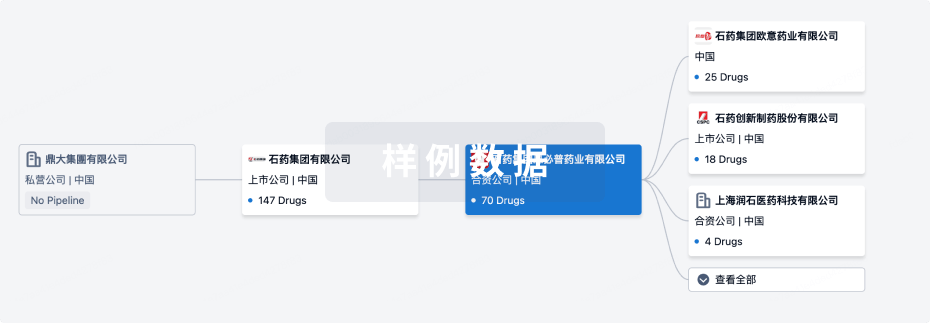
组织架构
使用我们的机构树数据加速您的研究。
登录
或
管线布局
2026年02月08日管线快照
无数据报导
登录后保持更新
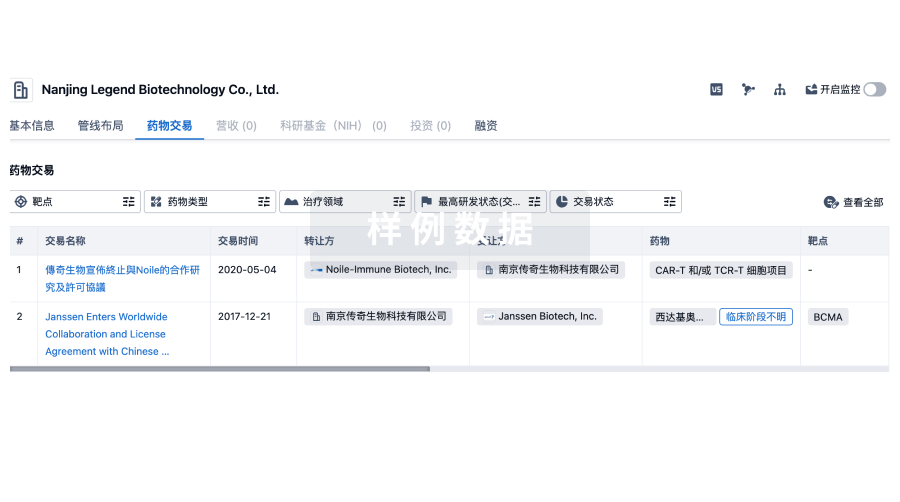
药物交易
使用我们的药物交易数据加速您的研究。
登录
或
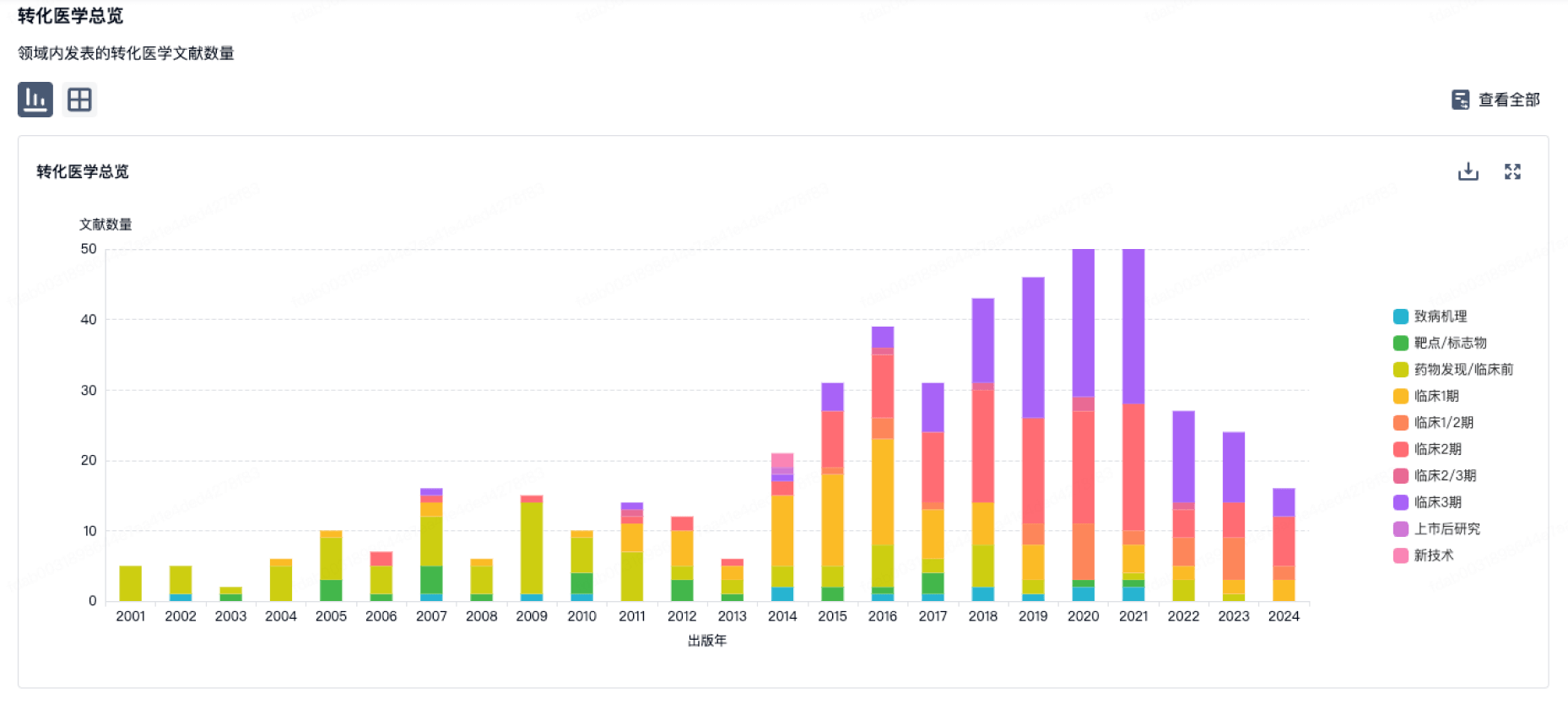
转化医学
使用我们的转化医学数据加速您的研究。
登录
或
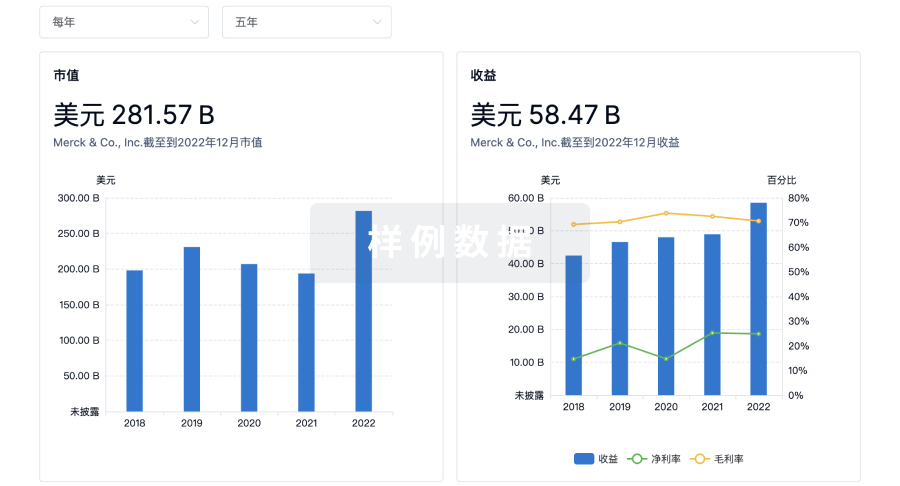
营收
使用 Synapse 探索超过 36 万个组织的财务状况。
登录
或
科研基金(NIH)
访问超过 200 万项资助和基金信息,以提升您的研究之旅。
登录
或
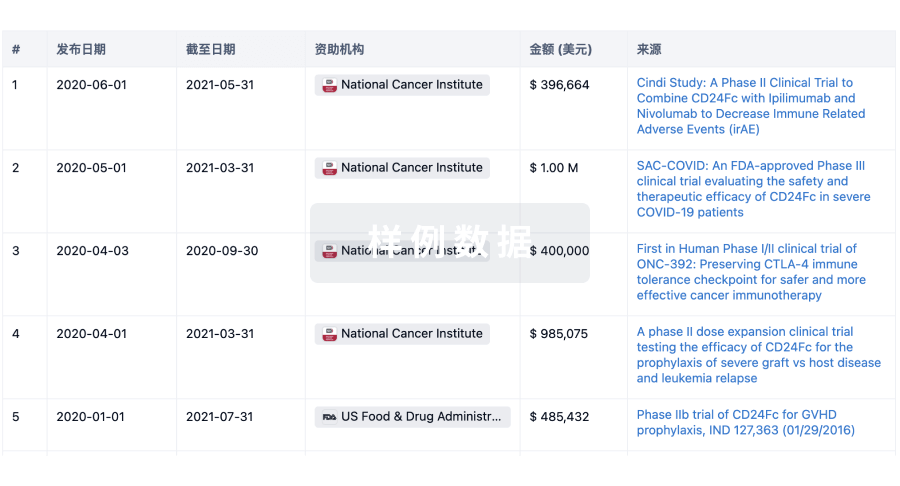
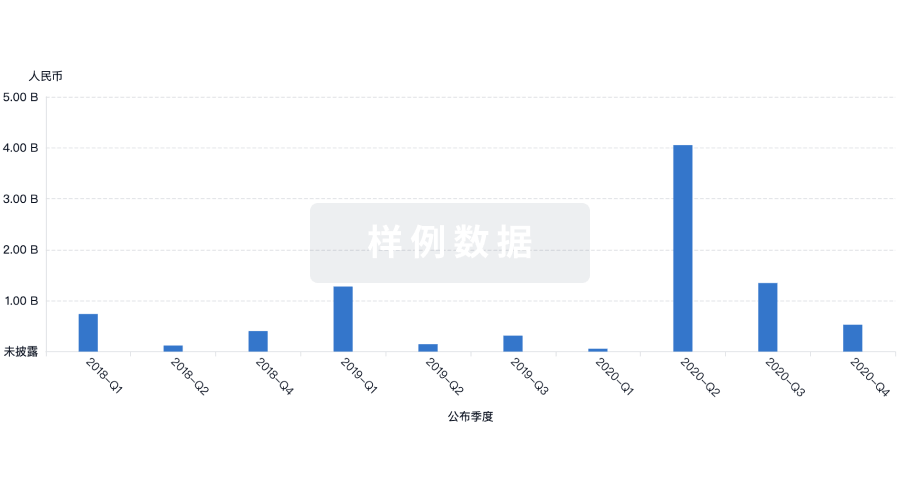
投资
深入了解从初创企业到成熟企业的最新公司投资动态。
登录
或
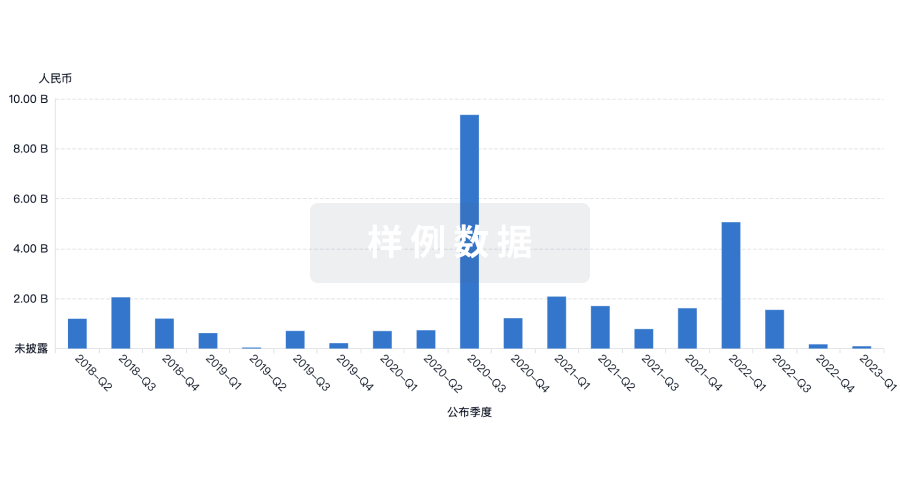
融资
发掘融资趋势以验证和推进您的投资机会。
登录
或
生物医药百科问答
全新生物医药AI Agent 覆盖科研全链路,让突破性发现快人一步
立即开始免费试用!
智慧芽新药情报库是智慧芽专为生命科学人士构建的基于AI的创新药情报平台,助您全方位提升您的研发与决策效率。
立即开始数据试用!
智慧芽新药库数据也通过智慧芽数据服务平台,以API或者数据包形式对外开放,助您更加充分利用智慧芽新药情报信息。
生物序列数据库
生物药研发创新
免费使用
化学结构数据库
小分子化药研发创新
免费使用