预约演示
更新于:2026-01-31
更新于:2026-01-31
概览
关联
NCT04305990
Feasibility and Comfort of a Nasal Demand-Driven Method for Gas Delivery in a Dental Setting

100 项与 O-Two Medical Technologies, Inc. 相关的临床结果
登录后查看更多信息
登录后查看更多信息
2020-01-01Medical gas research
Temperature loss by ventilation in a calorimetric bench model
Article
作者: Wenzel, Volker ; Mitterlechner, Thomas ; Schroeder, Daniel C ; Paal, Peter ; Bowden, Kevin ; Herff, Holger
In intensive care medicine heat moisture exchangers are standard tools to warm and humidify ventilation gases in order to prevent temperature loss of patients or airway epithelia damage. Despite being at risk of hypothermia especially after trauma, intubated emergency medicine patients are often ventilated with dry and in winter probably cold ventilation gases. We tried to assess the amount of temperature-loss due to ventilation with cold, dry medical oxygen in comparison to ventilation with warm and humidified oxygen. We ventilated a 50-kg water-dummy representing the calorimetric capacity of a 60-kg patient over a period of 2 hours (tidal volume 6.6 mL/kg = 400 mL; respiratory rate 13/min). Our formal null-hypothesis was that there would be no differences in temperature loss in a 50 kg water-dummy between ventilation with dry oxygen at 10°C vs. ventilation with humidified oxygen at 43°C. After 2 hours the temperature in the water-dummy using cold and dry oxygen was 29.7 ± 0.1°C compared to 30.4 ± 0.1°C using warm and humidified oxygen. This difference in cooling rates between both ventilation attempts of 0.7 ± 0.1°C after 2 hours represents an increased cooling rate of ~0.35°C per hour. Ventilation with cool, dry oxygen using an automated transport ventilator resulted in a 0.35°C faster cooling rate per hour than ventilation with warm humidified oxygen in a bench model simulating calorimetric features of a 60-kg human body.
2014-06-01Resuscitation
Controlling ventilation during cardiopulmonary resuscitation
Letter
作者: Bowden, Kevin
100 项与 O-Two Medical Technologies, Inc. 相关的药物交易
登录后查看更多信息
100 项与 O-Two Medical Technologies, Inc. 相关的转化医学
登录后查看更多信息
组织架构
使用我们的机构树数据加速您的研究。
登录
或
管线布局
2026年02月08日管线快照
无数据报导
登录后保持更新
药物交易
使用我们的药物交易数据加速您的研究。
登录
或
转化医学
使用我们的转化医学数据加速您的研究。
登录
或
营收
使用 Synapse 探索超过 36 万个组织的财务状况。
登录
或
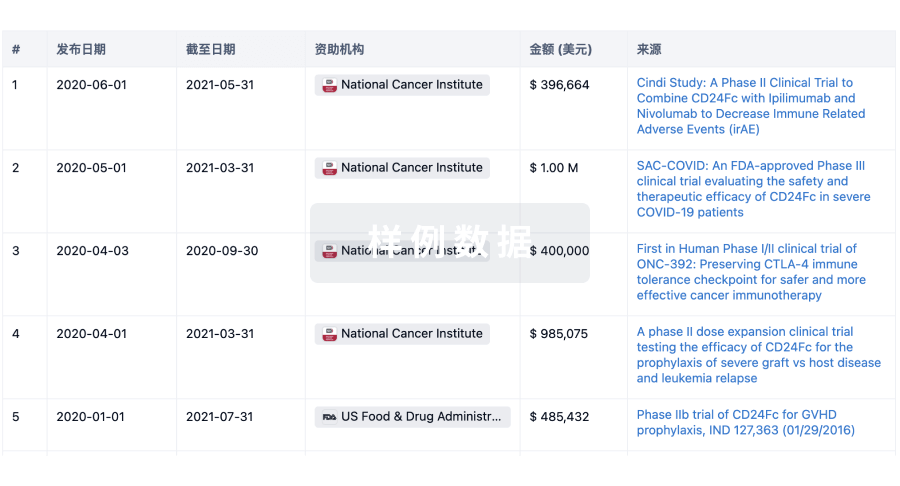
科研基金(NIH)
访问超过 200 万项资助和基金信息,以提升您的研究之旅。
登录
或
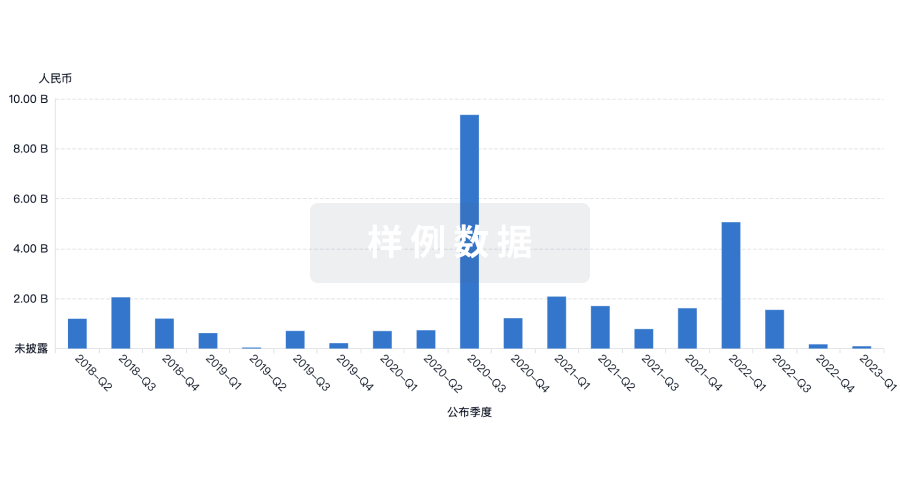
投资
深入了解从初创企业到成熟企业的最新公司投资动态。
登录
或
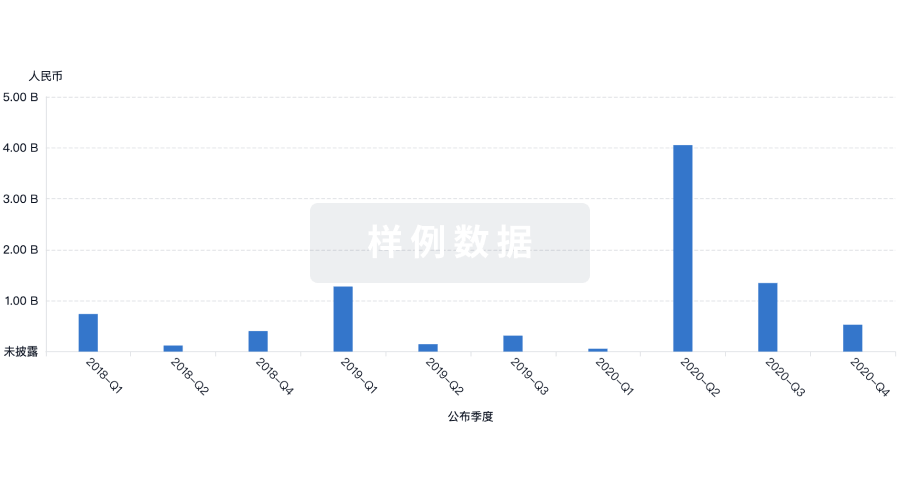
融资
发掘融资趋势以验证和推进您的投资机会。
登录
或
生物医药百科问答
全新生物医药AI Agent 覆盖科研全链路,让突破性发现快人一步
立即开始免费试用!
智慧芽新药情报库是智慧芽专为生命科学人士构建的基于AI的创新药情报平台,助您全方位提升您的研发与决策效率。
立即开始数据试用!
智慧芽新药库数据也通过智慧芽数据服务平台,以API或者数据包形式对外开放,助您更加充分利用智慧芽新药情报信息。
生物序列数据库
生物药研发创新
免费使用
化学结构数据库
小分子化药研发创新
免费使用