预约演示
更新于:2025-05-07

Nanjing Okay Biotechnology Co Ltd.
更新于:2025-05-07
概览
关联
100 项与 Nanjing Okay Biotechnology Co Ltd. 相关的临床结果
登录后查看更多信息
0 项与 Nanjing Okay Biotechnology Co Ltd. 相关的专利(医药)
登录后查看更多信息
1
项与 Nanjing Okay Biotechnology Co Ltd. 相关的文献(医药)2025-07-01·Cancer Letters
CD44 identified as a diagnostic biomarker for highly malignant CA19-9 negative pancreatic cancer
Article
作者: Dai, Zhan ; Yan, Chao ; Wei, Wei ; Zhang, Yixuan ; Du, Yixiang ; Tang, Jiatong ; Li, Xiaoyang ; Qiu, Tongtong ; Hong, Hao ; Lin, Xiawen ; He, Jian ; Qiu, Yudong ; Tang, Neng ; Zhang, Yifan ; Li, Qi ; Cheng, Hao ; Hang, Hexing ; Zhang, Shuo
4
项与 Nanjing Okay Biotechnology Co Ltd. 相关的新闻(医药)2024-01-25
·生物谷
1. 中国生物制药与上海医药签署战略合作协议,将建立双赢合作关系提高药物可及性近日,中国生物制药与上海医药正式签署战略合作伙伴协议书,通过本次合作,双方将建立双赢的合作关系和商业模式,提高药物可及性。据悉,双方将积极探索在药品配送、创新支付、海外业务拓展等领域开展全面深入合作,实现资源共享和优势互补。根据合作协议,中国生物制药将在同等条件下优先选择上海医药作为中国区域的战略合作伙伴,探索在出口服务、配送服务及招标服务等方面的合作。上海医药将运用其在全国畅通的物流体系,为中国生物制药提供及时、准确、高效的药品配送服务,并提供惠及患者的创新支付方案。2.生物制药公司Amphista Therapeutics宣布E3泛素连接酶cereblon或VHL的蛋白降解剂在体内模型中展现降解活性2024年1月25日,生物制药公司Amphista Therapeutics宣布,该公司具有创新机制的双功能靶向蛋白降解剂在体内实验中展现快速、深度、高选择性的持久蛋白降解活性。该公司同时高效将蛋白降解剂递送到中枢神经系统(CNS)并且有效降解多个靶点蛋白。新闻稿指出,这是首次不基于常见的E3泛素连接酶cereblon或VHL的蛋白降解剂在体内模型中展现降解活性。3. 欧凯生物取得特异性结合25-羟基维生素D的单克隆抗体、其应用及检测试剂盒专利近日,南京欧凯生物科技有限公司取得一项名为“特异性结合25-羟基维生素D的单克隆抗体、其应用及检测试剂盒”专利,授权公告号CN117229411A,申请日期为2023年11月。本发明涉及针对25‑羟基维生素D的单克隆抗体或其抗原结合片段,其相关核酸产品、细胞产品、检测试剂或试剂盒及其制备方法和应用。本发明的单克隆抗体或其抗原结合片段能以高特异性、高亲和力结合25‑羟基维生素D,从而提高了25‑羟基维生素D的检测准确性和灵敏度;并且,本发明还开发了适用于双抗体夹心法免疫检测的高性能配对抗体,从而突破了传统竞争法的局限,实现了25‑羟基维生素D的双抗体夹心法免疫检测,具有重大的临床应用价值。4.上海医药联合香港科技园启动创新孵化器「01LABS@Hong Kong」2024年1月24日,上实集团旗下核心企业上海医药集团股份有限公司、上海生物医药前沿产业创新中心有限公司与香港科技园公司共同设立的沪港联合创新孵化器「01LABS@Hong Kong」正式开幕。该孵化器旨在吸引和欢迎来自全球的生物医药科技创新团队、创新项目,与香港生命科技和医药创新资源进行融合创新,同时依托上海在生物医药领域的整体性优势,通过“香港孵化、上海转化”的模式,助力沪港两地打造全球医药科创高地,推动中国创新药高质量发展。自2022年8月,上海医药、香港科技园、上海生物医药基金共同签署战略合作备忘录,三方在生物医药领域积极开展深度合作,本次「01LABS@Hong Kong」的正式开幕是战略合作的一大阶段性成果。5.蔡司用于小切口晶状体摘除手术的激光系统获得FDA批准近日,蔡司医疗科技公司宣布,已获得美国食品药品监督管理局(FDA)的批准,该公司的激光系统可用于小切口晶状体摘除(SMILE)手术,以治疗近视患者。蔡司医疗技术眼科战略业务总裁Euan Thomson在批准公告中表示:“作为蔡司医疗生态系统的一部分,下一代飞秒激光系统创建数据驱动的洞察力,帮助外科医生为患者管理更好的治疗路径,同时支持每位外科医生独特的实践要求,以提高工作流程效率和性能。”6. 药明生物推出全新细胞株平台WuXia ADCC PLUS™,赋能合作伙伴研发生产高ADCC活性无岩藻糖基化抗体2024年1月25日,全球领先的合同研究、开发和生产(CRDMO)服务公司药明生物宣布推出全新哺乳动物细胞株构建技术平台WuXia ADCC PLUS™。该平台为高效、高产量、高ADCC活性的无岩藻糖基化抗体开发和生产平台。目前新型癌症疗法开发的方向之一就是通过抗体设计和工程化改造增强ADCC效应,从而提升患者临床治疗效果。本文仅用于学术分享,转载请注明出处。若有侵权,请联系微信:bioonSir 删除或修改!
引进/卖出
2023-08-18
9月21-22日无锡新湖铂尔曼大酒店,国际生命科学大咖齐聚2023第二届ADC及偶联药全球创新峰会大会现场,聚焦ADC研发新进展/新发现、双抗ADC、创新PDC、潜力RDC、XDC新范式、新型偶联药物CMC与商业化等热门议题,探讨“X”无限可能。30+知名企业集体亮相,借本次大会提供的企业展示平台,引领行业把握未来偶联药物的机遇和挑战!点击链接查看详情>>参会报名(即将开幕)▽展位图预览招商火热进行中....部分领军企业以下仅部分参展企业,更多企业请以现场为准1▽ 展位号:B03 药明合联专注于提供抗体偶联药物(ADC)等生物偶联药物端到端CRDMO服务药明合联(WuXi XDC)是药明生物和合全药业成立的合资公司,专注于提供抗体偶联药物(ADC)等生物偶联药物端到端CRDMO服务,服务涵盖抗体中间体和其他偶联生物药、连接子/化学有效载荷、偶联原液及制剂等研发和生产领域。药明合联已成功赋能多个ADC药物在15个月以内完成从DNA到新药临床试验申请(IND),相比传统开发时间几乎缩短了一半。截至2023年5月底,药明合联平台上承载的综合服务项目达102个,其中包括44个IND获批的项目和14个处于II/III期临床试验的项目。自2022年起,10家就其ADC管线进行海外对外授权的中国公司中,有8家为药明合联客户。2▽ 展位号:B01 英诺维尔智能科技(苏州)有限公司坚持以技术创新为驱动,提供高品质整体解决方案,致力于成为全球制药企业值得信赖的合作伙伴英诺维尔智能科技(苏州)有限公司是一家专门提供生物药智能研发、生产解决方案的智能制造企业,总部坐落于生物医药产业集群地——苏州工业园区。除了细胞培养耗材,还拥有针对细胞治疗的Immuno-Base全球首台套细胞药品智能化生产系统,Innofluid生物反应器,抗体和mRNA全流程研发、生产解决方案以及工厂级定制化软件系统等。3▽ 展位号:A01 艾卡(广州)仪器设备有限公司IKA集团是实验室前处理、分析技术、工业混合分散技术的市场领导者IKA集团是实验室前处理、分析技术、 工业混合分散技术的市场领导者。电化学合成仪、磁力搅拌器、顶置式搅拌器、分散均质机、混匀器、恒温摇床、恒温培养箱/烘箱、移液器、研磨机、旋转蒸发仪、加热板、恒温循环器、粘度计、量热仪、生物反应器、化学合成釜、实验室反应釜等相关产品构成了IKA 实验室前处理与分析技术的产品线;而工业技术主要包括用于规模生产的混合设备、分散乳化设备、捏合设备、以及从中试到扩大生产的整套解决方案。IKA 还与全球知名大学和科学家进行着密切的合作, 支持其在科研道路上不断探索。IKA 成立于1910年,集团总部位于德国南部的Staufen,在美国、中国、印度、马来西亚、日本、巴西、韩国、英国、波兰等国家都设有分公司。 艾卡(广州)仪器设备有限公司是IKA 集团于2000年设立的全资子公司,主要负责中国和蒙古国业务的产品、技术和服务支持。4▽ 展位号:A02 南京德泰生物工程有限公司专注于抗体早期发现、互作蛋白发现、蛋白及抗体开发的服务型企业南京德泰生物工程有限公司(简称德泰生物)是一家专注于抗体早期发现、互作蛋白发现、蛋白及抗体开发的服务型企业。德泰生物服务的客户已涵盖生命科学研究领域、体外诊断领域以及药物开发领域。德泰生物坚持自主创新,持续进行研发投入,已拥有流式分选平台、浆细胞分选平台、杂交瘤测序平台、单细胞测序平台、蛋白结构分析平台、蛋白抗体重组表达与纯化平台、稳定细胞系构建及筛选平台、样品多维度质检平台,多应用工艺开发平台,用以支撑服务标准的持续迭代;依托于ISO9001质量体系,德泰生物在交付流程和服务标准上坚持持续优化,可以有效保证生产过程及最终交付的质量稳定性。5▽ 展位号:A03 上海瑞诺生物科技有限公司专注于生物医药研发及质量控制相关配套试剂的研发和生产,致力于为生物医药领域提供高品质的试剂产品上海瑞诺生物科技有限公司,专注于生物医药研发及质量控制相关配套试剂的研发和生产,致力于为生物医药领域提供高品质的试剂产品。公司现有重组C因子内毒素检测试剂盒、蛋白表征相关糖苷酶和蛋白酶、细胞活性检测试剂等众多产品,旗下“Rhinogen”系列产品已服务百余家生物医药公司、CRO公司、CDMO公司及高校,是生物分析领域的专业供应商。6▽ 展位号:A04 上海润度生物科技有限公司致力于成为细胞培养解决方案的专业供应商上海润度生物科技有限公司致力于成为细胞培养解决方案的专业供应商,专注于动物和微生物细胞培养的温度、湿度、气体浓度及动静态等培养环境控制技术的开发,依托细胞培养设备及耗材的研发与生产,以创新的研发能力和技术力量,书写民族细胞培养工程新篇章。7▽ 展位号:A05 Singzyme Pte LtdReliable Conjugation Technology for Precision MedicineSingzyme’s mission is to deliver on the promise of effective immuno-therapies by developing safer and more homogenous, precision medicines for the well-being of patients worldwide.
Backed by our first-in-class bioconjugation platform, we support the global pharmaceutical industries with their Research and Development (R&D) endeavours to allow promising therapeutics to reach the patient bedside as fast as possible at the best cost. Innovative Technology:The core technology of the platform lies in the use of Peptide Asparaginyl Ligases (PALs) to conjugate active drugs or any other payloads to proteins.
Singzyme's platform for antibodies and nanobodies engineering and conjugation provides a one- stop solution to the problems faced by Antibody Drug Conjugates developers, stemming from their manufacturing process. Singzyme provides an integrated, high-speed, precision bio-manufacturing platform for ADCs and other bioconjugates. 8▽ 展位号:A06 浙江泰林生物技术股份有限公司优秀的生命科学系统解决方案提供商浙江泰林生物技术股份有限公司成立于2002年,是优秀的生命科学系统解决方案提供商。公司主营业务聚焦于生物技术、精准医疗、制药工程、食品安全、新材料等领域的技术创新与产品开发,以自主核心技术,为生命科学研究和产业化提供一站式系列成套装备、精密仪器、配套耗材等产品与服务;产品广泛应用于医疗卫生、生物制药、生物安全、疾病控制、食品安全等行业。构筑泰林特色产业生态系统,服务生命科学,守护人类健康。9▽ 展位号:A07 浙江珲达生物科技有限公司ADC毒素领域的全能选手珲达生物成立于2020年1月,作为华东医药工业微生物产业的创新研发平台、国内领先的微生物活性化合物开发者,珲达生物专业聚焦于高技术、高附加值微生物来源产品开发,以合成生物学和多尺度微生物代谢调控技术为基础,形成微生物构建、代谢产物表达和纯化修饰平台,在开发与生产药物中间体和API等方面有丰富的技术储备和商业化能力,能够为客户在研发、放大及产业化过程中提供更多的选择及解决方案,为全球客户提供一流的技术,一流的服务和一流的产品。10▽ 展位号:A08 苏州英赛斯智能科技有限公司现有产品管线已覆盖生物制药上游、下游等多个重要环节苏州英赛斯智能科技有限公司成立于2017年,是一家专注于生物分离技术的创新型高新技术企业,致力于为全球客户提供高品质的生物分离设备及化学分析仪器,降低客户运营成本,为客户创造价值。英赛斯在单抗、CGT(细胞及基因治疗)、ADC(抗体偶联药物)、核酸药物及mRNA疫苗等领域陆续推出包括蛋白纯化系统、自动化切向流过滤系统、大规模核酸合成仪、高压制备液相系统、纳米药物制备系统等一系列产品,产品线覆盖小试及中试规模,产品上市后迅速获得国内外客户的认可及青睐。通过市场资源与渠道资源强强联合,全方位进行国内生物制药及科研院校等客户的深度开发,累计服务客户600余家,并与国内部分重点客户达成战略合作。11▽ 展位号:A09 利穗科技(苏州)有限公司生物制药下游分离纯化专业设备及解决方案供应商;利穗将一如既往秉承“让分离与纯化,更简单”的理念,为客户创造更大的价值利穗成立于2009年,坐落于苏州工业园区,为国家高新技术企业。目前已建立了产业化制造基地和应用开发技术中心。利穗科技是生物制药分离纯化专业技术和产品提供商,致力于从分离纯化工艺的开发与放大、分离介质的选择与优化、分离纯化设备的定制和分离纯化工程的设计与实施等方面,为客户提供整体解决方案;在过滤分离、层析纯化、在线配液、一次性配储液、质粒裂解、原液分装等生物制药工艺上可提供自动化、智能化、个性化的定制方案,我们的产品和服务覆盖药物发现、中试放大和规模生产整个生物制药全过程。目前,利穗在为抗体、重组蛋白、疫苗和血液制品、CGT和合成生物学等领域的1000多家企业和研发机构提供产品和服务。 12▽ 展位号:A10 南京安美医药科技有限公司致力于前沿生物医药科学的技术探索和人才培养, 为ADC新药开发客户提供系统完整的药学服务以及符合GMP条件的关键中间体和原料药南京安美医药科技有限公司是一家生物医药领域的科技型中小企业。公司致力于前沿生物医药科学的技术探索和人才培养, 旨在为客户提供系统完整的药学服务以及符合GMP条件的关键中间体和原料药: 从化合物活性筛选、靶标验证,到合成路线开发、工艺优化、分析方法开发和验证以及制剂处方工艺研究。目前公司研发团队员工已逾200名,建立了独立的研发中心和中试生产基地,与亚洲、北美、欧洲等多家药企客户建立了长期稳定的合作关系,立志做医药研发领域可信赖的全球合作伙伴,助力医药发展。13▽ 展位号:A11 丹纳赫生命科学全球生命科学服务领域的专家丹纳赫是全球生命科学服务领域的专家,丹纳赫致力于以优质的产品与服务帮助客户加速生命科学领域的研究,解决在分析领域所遇到的问题和挑战,促进医疗诊断发展,提高实验室生产力。丹纳赫的企业使命是成就生命无限潜能。丹纳赫的产品旨在帮助全球人们生活得更健康、更安全、更舒心。丹纳赫生命科学中国区成立于2019年6月1日,旨在扎根中国市场,为中国的用户提供更好的产品和服务。丹纳赫生命科学中国区的愿景是“聚焦生命,聚力共赢”,以“共享全球科技,成就全民健康”为使命,着力于打造全方位的的精准医学和生物制药整体化解决方案。目前平台企业包括Integrated DNA TechnologiesInc埃德特生物科技有限公司、贝克曼库尔特商贸(中国)有限公司、美谷分子仪器(上海)有限公司、上海爱博才思分析仪器贸易有限公司、天津博纳艾杰尔科技有限公司、徕卡显微系统(上海)贸易有限公司和颇尔(中国)有限公司。14▽ 展位号:A12 天津天诚新药评价有限公司致力于构筑创新引领、技术驱动的临床前研发平台天津天诚新药评价有限公司(原天津药物研究院新药评价有限公司)是招商局集团天津药物研究院的全资子公司,专注于药物临床前研究服务,汇集创新药物药效学、药代动力学、毒理学研究三大国家级技术平台,累计服务客户300+,完成项目1000+,获批临床100+(含中美双报),技术水平和服务能力得到广大客户和同行的一致认可。15▽ 展位号:A13 江苏汉邦科技股份有限公司汉邦科技一直专注于色谱分离纯化产品领域,为国内外知名制药企业各类药品的生产过程提供高质量分离纯化色谱设备,为制药工程下游提供分离纯化整体解决方案汉邦科技是一家以色谱产品为核心的高新技术企业,主要为生物制药领域下游提供专业的分离纯化装备、耗材与技术服务。经过多年发展,公司形成了以小分子药物分离纯化装备、大分子药物分离纯化装备和实验室仪器设备为主的产品线,包括规格丰富、用途多样的各类分离纯化设备及配套设备、配件等,同时为客户提供制药工程下游分离纯化整体解决方案。公司自成立以来一直专注于色谱分离纯化产品领域,通过自主研发和长期投入开发了一系列工业色谱分离设备,推出包括工业级小分子制备液相色谱系统、大分子自动层析系统等主流产品,以及模拟移动床色谱系统、超临界流体色谱系统等具有技术特色的色谱设备,并围绕分离纯化生产环节开发了自动超滤系统、自动在线配液系统、核酸合成系统等配套设备,为国内外知名制药企业各类药品的生产过程提供高质量分离纯化色谱设备,为制药工程下游提供分离纯化整体解决方案。16▽ 展位号:A14 北京普利米特生物科技有限公司国内领先的生物制药质控检测试剂和技术服务商普利米特是一家年轻的创新型高新技术企业,是在生物制药迅猛发展、供应链国产化成为必然趋势的时代背景下成立,公司拥有自主知识产权,已为国内200余家生物药企、CDMO企业、科研单位及监管机构提供产品及服务,现已成长为国内领先的生物制药质控检测试剂和技术服务商。现已上市的产品有蛋白A残留检测试剂盒、糖谱分析用试剂盒、宿主细胞核酸,后续产品管线包括但不限于针对抗体类药物、疫苗、基因和细胞治疗产品等药品的关键质量属性的分析试剂开发。17▽ 展位号:A15 东富龙智慧药厂的交付者东富龙成立于1993年,总部位于上海,是一家为全球药物制造、食品制造提供工艺研究、核心装备、耗材、系统工程整体解决方案的综合性服务商,专注于药物制造科学和药机科学制造的研究,能够满足科研、中试及商业化生产各阶段的需求,服务于全球3000多家企业。东富龙与国内、外知名药企进行了深度合作,积累了丰富的制药工程工艺、核心装备制造技术及工程设计案例。聚焦制药行业前沿技术,探索创新药物制造模式,打造先进的药物制造平台。18▽ 展位号:A16 Cytiva(思拓凡)全球生命科学的先行者Cytiva(思拓凡)是全球生命科学领域的先行者,在全球40余个国家和地区拥有约16,000名员工,致力于推动未见技术,加速非凡疗法。作为值得信赖的合作伙伴,Cytiva积极携手学术及转化医学领域的研究人员、生物技术开发者和制造商,专注于生物药物、细胞和基因疗法以及以mRNA为代表的一系列创新技术的研究,通过提升药物研发和生物工艺的能力、速度、效率和灵活性,为惠及全球患者开发和生产变革性药物和疗法19▽ 展位号:A17 武汉珈创生物技术股份有限公司聚焦生物制品/药品质量检测,一站式技术服务助力申报武汉珈创生物技术股份有限公司(简称:珈创生物),创建于2011年,是一家集生物技术服务与研发为一体的高新技术企业,专注于为生产企业及研发机构提供各类细胞(含重组细胞、病毒宿主细胞、干细胞、免疫细胞)、菌种、毒株和原辅料的质量检测,病毒清除工艺验证技术服务以及细胞建库与保藏服务。珈创生物历经近十年的运营,秉承优质、高效、透明的核心服务理念,不断研发沉淀,成功建立了含近100项技术的细胞质量检测技术体系及独有的数据库系统。以此为基础,凭借自身的专业团队和管理能力,以及良好的行业口碑,至今已成功累计服务国内外企业700余家,提供数万批次的细胞及原辅料检测、病毒清除工艺验证服务。20▽ 展位号:A18 欧世盛(北京)科技有限公司中国首家FLOWLAB智造商欧世盛(北京)科技有限公司是以微反应连续流化学合成技术及仪器设备,在线检测、传感器及应用型自动化装置为主的平台型技术公司。公司拥有多学科的研发团队和应用研究团队,总部位于北京,应用研发部门FLOW R&D实验室与清华大学等多所科研团队合作,为不同行业用户提供强大的技术支持。欧世盛除了提供流动化学反应系统产品外,还提供更多服务:科研装备设计、研发外包、工艺优化、放大研究、设备工艺研究、精密制造、连续流工艺培训等。专注于过程的可扩展性和研究成果从实验室规模转移到中试工厂规模,提供多种用途的连续自动合成系统和嵌入式模块系统。客户和项目合作伙伴主要来自制药、CXO、精细化工、催化剂、新能源、半导体、国防军工、安全等领域。21▽ 展位号:A19 苏州英纳薇科技有限公司专业的流体传输产品和为工艺方面提供技术支持以及合作开发的高新技术材料企业苏州英纳薇是一家在生物医药领域可提供制药级软管等专业流体传输产品的高新技术材料企业。公司成立于2019年位于江苏省苏州市张家港,通过了ISO 9001质量体系认证,拥有3000平米标准工业厂房,其中1200平米符合ISO14644标准的ISO 7级洁净生产车间,完全按照GMP标准建造,满足生物制药领域的高端需求和产品洁净生产要求。22▽ 展位号:A20 德顺达DataRevive贯穿产品生命周期,全方位法规监管咨询DataRevive (德顺达健康咨询) 是一家专业的法规监管服务公司,专注于新型小分子药物和生物制品领域,为创新药企和生物科技公司提供全球主要市场的真实世界监管、CMC、非临床、临床和GxP专业咨询服务。在美国、中国等地设有办公室,团队包括前FDA CMC部门及临床部门专家、业界CMC、非临床和临床领域的领军翘楚,以及拥有丰富法规监管经验的项目管理精英。我们与全球客户携手合作,致力于加速产品上市进程,从药品开发的最初阶段到批准后的监管支持,始终秉持高质量、高效率的服务。23▽ 展位号:A21 苏州海思源仪器设备有限公司专业为实验室提供整体解决方案的服务平台苏州海思源仪器设备有限公司是一家专业为实验室提供整体解决方案的服务平台。主要致力于为客户提供全流程实验室的基础服务和各种基础设备。广泛服务于医院、生物医药、化工、食品、光电、检测以及政府部门和高校科研等领域。服务内容包括:实验室设计装修、实验室各种法规的咨询、实验室的维护保养及实验室设备提供。我司本着客户至上的服务理念,秉承诚信、公平、至善的企业价值观,让客户真正体会到管家式的服务,解除客户的后顾之忧。24▽ 展位号:A25 赛默飞世尔科技赛默飞世尔科技是科学服务领域的世界领导者:我们的使命是帮助客户使世界更健康、更清洁、更安全赛默飞世尔科技是科学服务领域的世界领导者。公司年销售额约400亿美元。我们的使命是帮助客户使世界更健康、更清洁、更安全。我们帮助客户加速生命科学领域的研究、解决在分析领域所遇到的复杂问题与挑战、提高实验室生产力、通过提供诊断以及研发制造各类突破性的治疗方法,从而改善患者的健康。我们全球的员工将借助于一系列行业领先的品牌——Thermo Scientific、Applied Biosystems、Invitrogen、Fisher Scientific、Unity Lab Services、Patheon和PPD。25▽ 展位号:A26 联宁(苏州)生物制药有限公司一站式抗体偶联药物服务平台:无论您处在抗体偶联哪个阶段,联宁都可以为您赋能联宁生物总部设立在苏州,并在南京和美国加州圣迭戈设有研发中心。公司拥有全球领先的新一代定点抗体-药物偶联技术专利,并以此为依托与国内外制药公司开展新药研发合作。联宁致力于ADC药物开发与产业化,并拥有成熟专业的核心技术平台,涵盖小分子药物和连接子的研发与生产,以及高水平的连接技术。同时公司还拥有多项毒素及连接子相关技术平台专利和生产工艺专利。联宁的ADC技术和工艺已经在全球超过10个ADC新药申报中应用。联宁的ADC平台技术应用于不同合作伙伴的多个项目,分布在临床一期至三期,都已获得了验证,稳步推进,静待花开。26▽ 展位号:A27 苏州赛普生物科技股份有限公司致力于为全球客户提供液体处理、分子检测、细胞培养、免疫治疗、生物制药等方面的高品质耗材及定制化服务苏州赛普生物科技股份有限公司(以下简称“CellPro赛普”)成立于 2018 年,专业从事高端生物医疗耗材研发、生产和销售,致力于为全球客户提供液体处理、分子检测、细胞培养、免疫治疗、生物制药等方面的高品质耗材及定制化服务。 CellPro赛普现有员工 500 余人,厂房面积达到 50000㎡,拥有 9000㎡ 十万级洁净车间,3000㎡ 万级洁净车间,获得 80 余项专利,同时获批成为苏州市企业工程技术研究中心,荣获苏州市工业园区重大领军人才企业、江苏省科技型中小企业、国家高新技术企业 、江苏省“专精特新”中小企业、江苏省瞪羚培育企业、江苏省 “潜在独角兽”企业、中国“潜在独角兽”企业等。 2022 年,公司正式更名为苏州赛普生物科技股份有限公司。27▽ 展位号:A29 上海诺百生物科技有限公司致力于病毒包装、细胞株构建、重组蛋白以及抗体表达的高品质供应商上海诺百生物科技有限公司(Novobio Scientific)于2011年8月17日成立,是一家从事生物医药技术研发与应用的高科技企业,为生命科学和生物技术领域的科研、临床和工业客户提供技术服务和相关产品。我们拥有一支由海归博士和行业内资深技术人士组成的强大技术团队,专注于细胞功能、基因诊断、细胞治疗、人源化抗体的研发及应用等细分领域。28▽ 展位号:A31 ACROBiosystems百普赛斯为全球生物医药、健康产业领域提供关键生物试剂产品及解决方案的行业平台型基石企业ACROBiosystems百普赛斯是百普赛斯集团ACROBiosystems Group(股票代码:301080)旗下品牌。集团是成立于2010年的跨国生物科技公司,是为全球生物医药、健康产业领域提供关键生物试剂产品及解决方案的行业平台型基石企业。2021年在创业板上市。百普赛斯集团业务遍布全球,横跨亚洲、北美洲、欧洲,在中国、美国、瑞士等12个城市设有办公室、研发中心及生产基地。目前累计服务客户超8000家,与全球Top 20医药企业均建立了长期、稳定的合作伙伴关系。集团旗下拥有品牌ACROBiosystems百普赛斯、bioSeedin柏思荟、Condense Capital垦拓资本和ACRODiagnostics百斯医学等。 百普赛斯集团ACROBiosystems Group以加速生物药研发上市进程和服务于更好的临床应用为使命,愿通过自己的努力,从为客户带来价值开始,到为全球市场整个行业创造价值,公司不断通过更新技术、产品、服务,积极为合作伙伴赋能,来加速包括靶点药物和免疫治疗药物在内的,各种生物医药的研发上市进程和临床上更好的应用,最终为人类健康事业做出贡献。29▽ 展位号:A32 苏州近岸蛋白质科技股份有限公司深耕重组蛋白行业十余年,是一家专注于蛋白质技术与应用解决方案的高新技术企业苏州近岸蛋白质科技股份有限公司(简称近岸蛋白)深耕重组蛋白行业十余年,是一家专注于蛋白质技术与应用解决方案的高新技术企业,主营业务为生物药、体外诊断、mRNA疫苗药物、生命科学基础研究等领域的原料与技术解决方案,包括靶点及因子类蛋白、重组抗体、酶及试剂的研发、生产和销售及相关技术服务。公司在上海、苏州和菏泽建有研发、生产基地。30▽ 展位号:A33 上海多宁生物科技股份有限公司始终以“为客户提供一站式服务”为目标,力争成为为生物制药领域提供完整解决方案的综合服务商上海多宁生物科技股份有限公司(简称“多宁生物”)是一家中国领先的一站式生物工艺解决方案提供商,致力于提供生物制药产品从研发到商业化生产的全面解决方案,包括试剂及耗材、仪器设备和服务。公司经营生物工艺解决方案、实验室产品及服务两大业务线,通过一站式生物工艺体系帮助合作伙伴实现高效、稳定、质量及成本可控的药物研发及生产流程。 公司将基于技术专精的团队、强大的研发和制造能力及国际化的布局,为制药公司、CRO/CDMO及科研机构等提供质高价优的产品及服务。目前,公司可提供220多种产品、140多种服务,应用领域涵盖抗体、细胞及基因疗法、疫苗等。31▽ 主题演讲 岩唐生物科技(杭州)有限责任公司致力新一代的多特异性药物的开发岩唐生物科技(杭州)有限责任公司于2019年7月成立并落户于杭州医药港小镇,公司以自主研发的YTConju™糖基偶联技术平台为核心,助力新一代抗体偶联药物开发。该平台能够位点特异且高效地实现一系列的精准DAR值(2, 4,8,2+2和 4+4)和多元化载荷(如微管抑制剂,拓扑异构酶抑制剂,DNA损伤剂,免疫激动剂,寡聚核苷酸和多肽等)的抗体偶联物的构建。相比于传统偶联技术,该技术平台能够高效快速稳定的“一步一锅法”的纯水相反应方案,产出的抗体偶联物具有高度均一、亲水和稳定特性,且不干扰抗体对抗原结合,具有良好的体内外药效。更多支持机构持续更新中...联系我们➤2023第二届ADC及偶联药全球创新峰会招商火热进行中,媒体合作/参会报名/赞助咨询/学术报告请咨询~联系人:Abby Jiang手机号:18217659261(微信同号)邮 箱:xiaolang.jiang@biovalleyclub.com【备注:XDC2023,进入大会群聊】➤推荐阅读:话题亮点抢先看!聚焦ADC药物研发/临床/CMC/商业化以及新型偶联药物......佰家言专访药明合联CEO李锦才博士:坚持对解决行业痛点的极致追求,药明合联持续赋能全球XDC行业发展佰家言 | 同宜医药创始人黄保华博士:打造Bi-XDC技术平台,做“不可成药”的破局者
抗体药物偶联物临床申请信使RNA多肽偶联药物临床1期
2022-08-09
单克隆抗体作为一类新型治疗剂,可通过特异性靶向抗原来治疗包括癌症在内的各种疾病。随着研究的不断深入,兔单抗展现出越来越多的优势,证实其临床应用潜力在某些方面优于鼠单抗。有研究人员在2010年制备了一组针对VEGFA的兔源中和抗体。他们将候选药物人源化,但保留了其亲本生物特性。与已经上市的贝伐珠单抗相比,人源化的兔单抗在小鼠体内对抑制H460肺癌和A673横纹肌肉瘤异种移植物的生长更有效,展示了人源化兔单抗作为治疗药物的潜力。2019年10月8日,FDA批准通过了首个兔源单克隆抗体药物(为scFv抗体片段),即用于治疗湿性年龄相关性黄斑变性(wet-AMD)的Beovu®(brolucizumab)注射剂。2020年2月,全球首款全长兔单抗体药物Vyepti上市,用于预防性治疗成人偏头痛。1兔单抗的独特优势High affinity高亲和力高亲和力是兔单抗的首要标签。对于抗体药物来说,一般认为解离系数达到纳摩尔级(nanomolar, 10-9mol/L)即为亲和力高。兔单抗的高亲和力与其独特的免疫亲和成熟过程有关,其解离系数甚至可达到皮摩尔级(picomolar, 10-12 mol/L)。High diversity多样性丰富大多数抗体制备的策略是基于从脾脏、骨髓或血液中回收的B淋巴细胞,由于兔子的整体体型较大,其可回收的B淋巴细胞数量较小鼠多50倍左右,这为抗体筛选提供了更大的候选库。同时,兔子与小鼠、人类产生抗体库的免疫机制不同,除了体细胞超突变(SHM)机制外,还可以通过体细胞基因转换(SGC)引入额外的抗体多样性。Sensitivity and specificity灵敏度与特异性兔属兔形目,其在进化上不同于小鼠和大鼠等啮齿目动物。兔抗能够识别对啮齿目动物不具有免疫原性的人类抗原表位,增加可靶向表位的总数并促进产生可与人类抗原同源的小鼠抗原发生交叉反应的抗体。其次,兔子可以对小分子和半抗原产生强烈的免疫反应,而这在啮齿动物中并不常见。有研究认为,近交系动物通常会使免疫反应多样性降低,小鼠大多数为近交品系,这使得抗体先导分子的发现变得更加困难。而兔的近交品系较少。Stability结构稳定兔单抗90-95%的轻链为κ1,其VL和CL之间存在链内二硫键,轻链结构更稳定。同时,兔IgG没有亚类,N末端和D-E环中具有较少的氨基酸,易于分子克隆和工程设计,更适于抗体药物开发。天然兔IgG示意图2常用兔单抗制备方法兔单抗在临床免疫诊断试剂和抗体治疗药物的双轨发展,使其制备需求直线上升,兔单抗发现技术路线也开始备受关注。1杂交瘤细胞早在1995年,Knight通过转基因技术,将c-myc和v-abl两个癌基因引入兔子体内,就已经成功制造出兔杂交瘤细胞用来生产兔单克隆抗体,但是用细胞系制备的杂交瘤细胞不稳定且抗体产出量低。再者杂交瘤细胞可能会丢失或者退化,重新制备杂交瘤细胞系不仅费时费力,而且与之前的细胞系之间还是存在差异。2噬菌体展示技术受限于融合效率、基因组稳定性,以及最主要的专利限制,兔单抗无法得到大规模的应用。随着噬菌体展示为代表的展示技术及单B细胞抗体发现技术的出现,为兔单抗在诊断与治疗领域的应用得到了更好的发展。噬菌体展示技术是一种用于识别蛋白质和其他大分子配体的体外筛选技术,其依赖原核生物转录与翻译机制,与真核生物抗体表达存在差异,且重链轻链随机配对,后续需要进一步的改造与亲和力成熟。3单B细胞抗体发现技术单B细胞抗体发现技术直接从免疫兔的脾脏、外周血获得B淋巴细胞,从B细胞中获得抗体基因片段,通过细胞表达进行单克隆抗体生产。单B细胞抗体发现技术保留了抗体重链和轻链的自然同源配对,具有基因多样性好、生产效率高、时间周期短等优势,是现阶段抗体药物研发先导抗体分子发现中优势最为明显的技术路线。德泰生物SingleB®快速发现平台德泰生物SingleB®快速发现平台,无需兔骨髓瘤细胞商业化授权,可直接对抗原特异性记忆B细胞和浆细胞进行筛选:记忆B细胞筛选利用细胞表面Marker及抗原筛选出特异性记忆B细胞;浆细胞高通量筛选利用DeepLight® On-chip Cell Screening平台前置binding-blocking功能筛选,更快锁定阳性克隆,节省研发时间和费用。抗体先导分子发现快至29天,可交付>50株经FACS Assay功能验证的抗体,为抗体药物的研发提供了极大的便利。兔单抗SingleB®快速发现具体流程如下:服务优势1高效率:从免疫到获得抗体序列快至29天,比传统杂交瘤快120天2无商业化限制:直接筛选B细胞,无杂交瘤商业化限制3高交付:至少交付50株FACS Binder,储存数百株阳性克隆4双保障:浆细胞与记忆B细胞双筛选双保障,确保交付高品质5高概率:保证交付序列的多样性,抗体独特表位发现概率更高案例展示记忆B细胞筛选DeepLight® On-chip筛选抗体功能验证抗体多样性验证(向右滑动查看更多)参考文献Esquivel CO, Fung JJ, Markus B, Iwatsuki S, Gordon RD, Makowka L, Marsh JW, Jr, Tzakis AG, Todo S, Starzl TE. OKT3 in the reversal of acute hepatic allograft rejection. Transplant Proc. 1987;19:2443–2446.Lifeng Feng, Xian Wang, Hongchuan Jin.Rabbit monoclonal antibody: potential application in cancer therapy.Am J Transl Res. 2011 May 15; 3(3): 269–274.Yu Y, Lee P, Ke Y, Zhang Y, Yu Q, Lee J, Li M, Song J, Chen J, Dai J, Do Couto FJ, An Z, Zhu W, Yu GL. A humanized anti-VEGF rabbit monoclonal antibody inhibits angiogenesis and blocks tumor growth in xenograft models. PLoS One. 2010;5:e9072.H Spieker-Polet , P Sethupathi, P C Yam, K L Knight.Rabbit monoclonal antibodies: generating a fusion partner to produce rabbit-rabbit hybridomas.Proc Natl Acad Sci U S A. 1995 Sep 26; 92(20): 9348–9352.关于德泰南京德泰生物工程有限公司(简称德泰生物)是一家专注于抗体早期发现、互作蛋白发现、蛋白及抗体开发的服务型企业。德泰生物服务的客户已涵盖生命科学研究领域、体外诊断领域以及药物开发领域。德泰生物坚持自主创新,持续进行研发投入,已拥有流式分选平台、浆细胞分选平台、杂交瘤测序平台、单细胞测序平台、蛋白结构分析平台、蛋白抗体重组表达与纯化平台、稳定细胞系构建及筛选平台、样品多维度质检平台,多应用工艺开发平台,用以支撑服务标准的持续迭代;依托于ISO9001质量体系,德泰生物在交付流程和服务标准上坚持持续优化,可以有效保证生产过程及最终交付的质量稳定性。优势服务1鼠单抗SingleB®快速发现快至29天2BGE®高通量抗体表达服务全程高通量3生产型高表达稳定细胞株构建先进DeepLight®平台 筛选通量高达640k联系我们地址:南京市江北新区浦乌北路11号江城大厦邮件:Sales@DetaiBio.com电话:400-626-9766 (025)5889-4959关注微信公众号技术支持
抗体免疫疗法AACR会议小分子药物
100 项与 Nanjing Okay Biotechnology Co Ltd. 相关的药物交易
登录后查看更多信息
100 项与 Nanjing Okay Biotechnology Co Ltd. 相关的转化医学
登录后查看更多信息
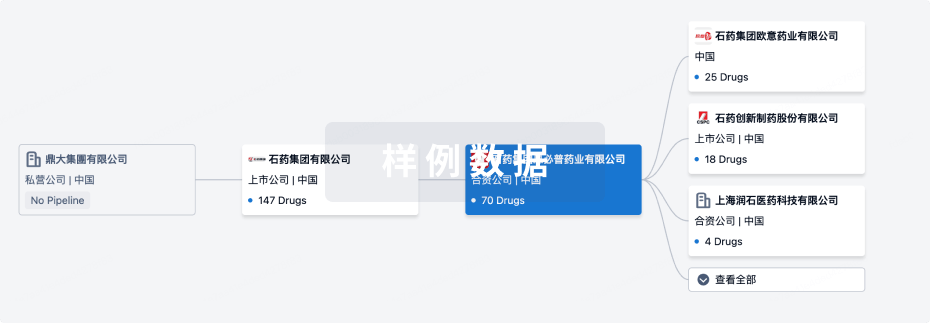
组织架构
使用我们的机构树数据加速您的研究。
登录
或
管线布局
2026年02月09日管线快照
无数据报导
登录后保持更新
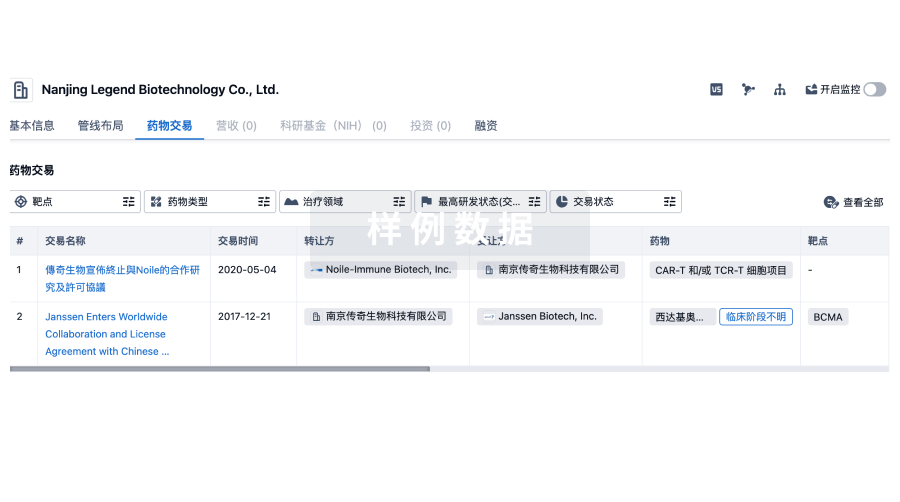
药物交易
使用我们的药物交易数据加速您的研究。
登录
或
转化医学
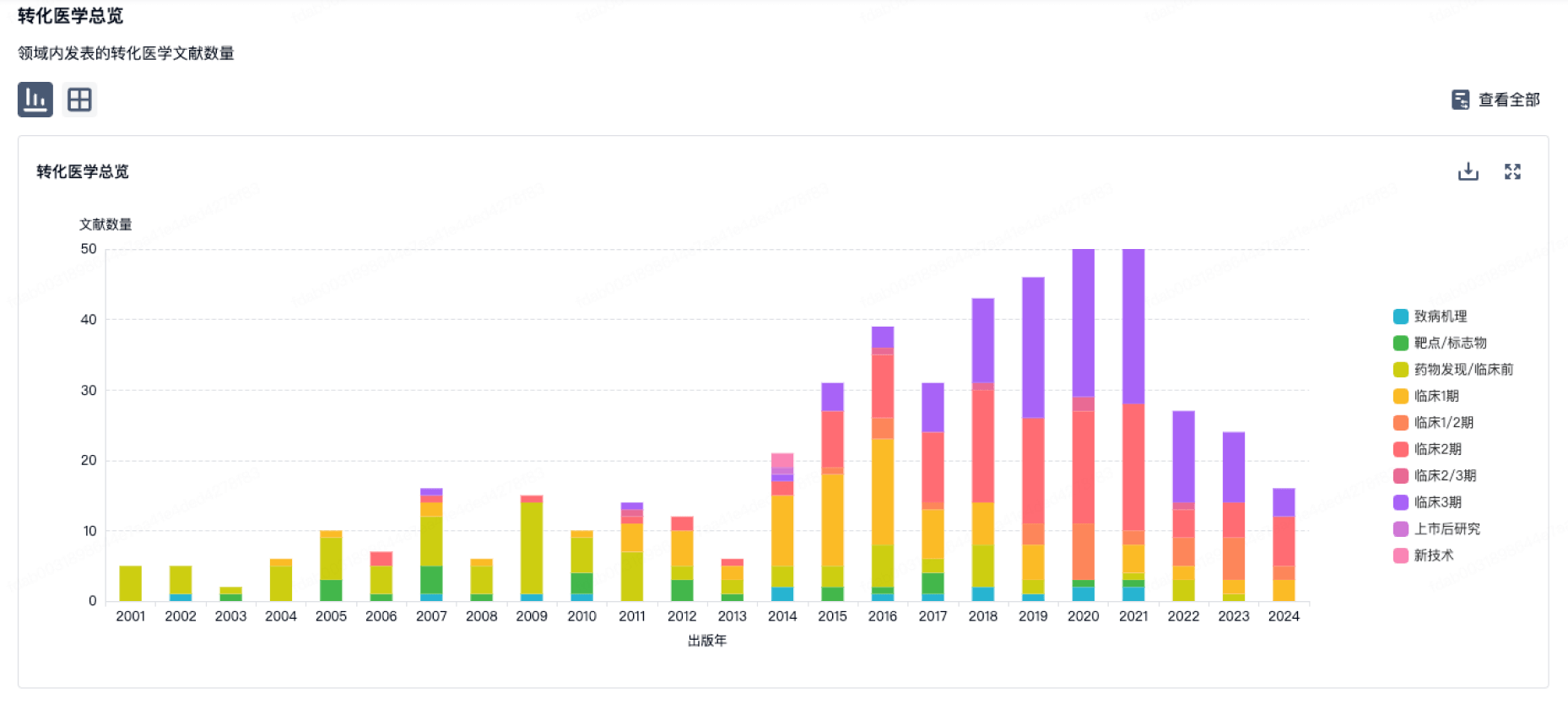
使用我们的转化医学数据加速您的研究。
登录
或
营收
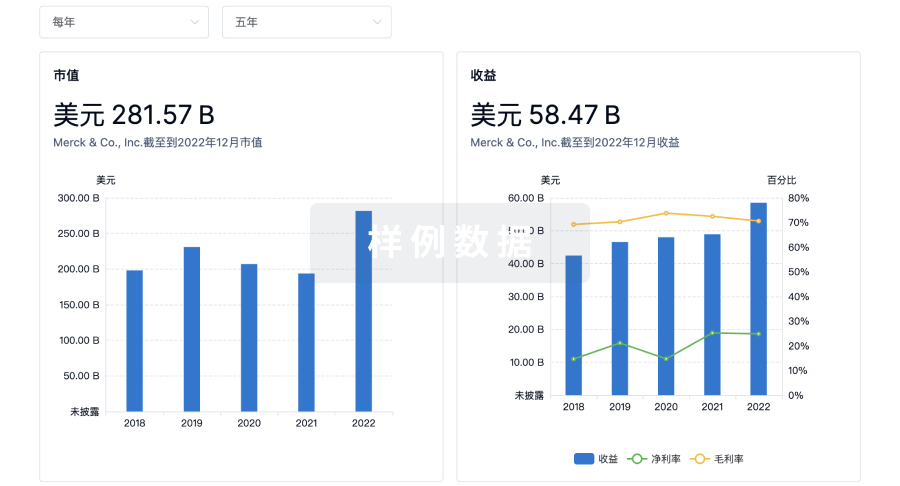
使用 Synapse 探索超过 36 万个组织的财务状况。
登录
或
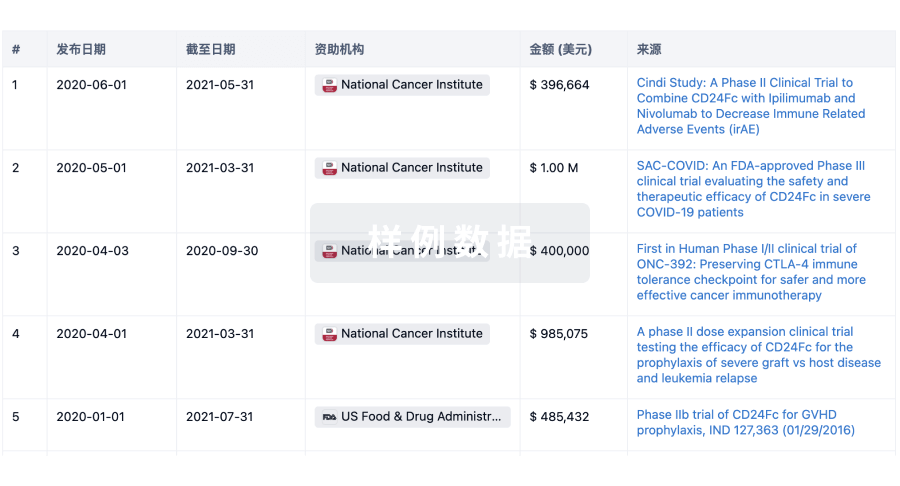
科研基金(NIH)
访问超过 200 万项资助和基金信息,以提升您的研究之旅。
登录
或
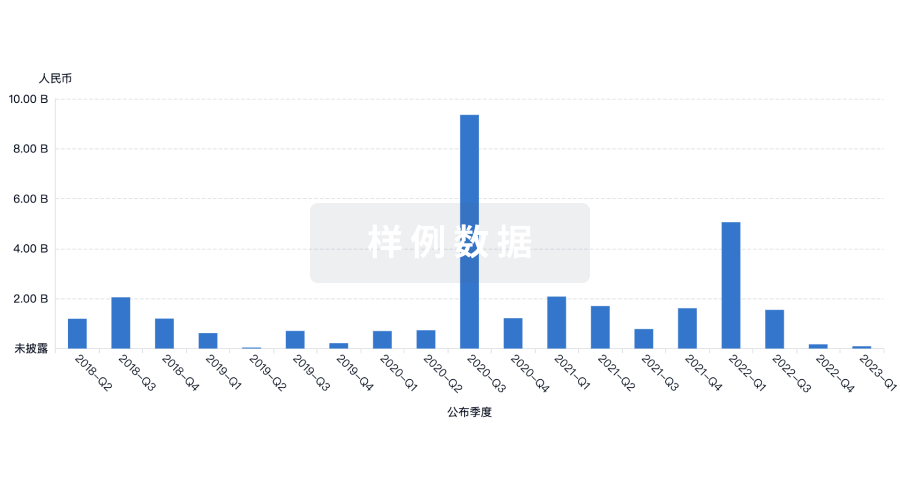
投资
深入了解从初创企业到成熟企业的最新公司投资动态。
登录
或
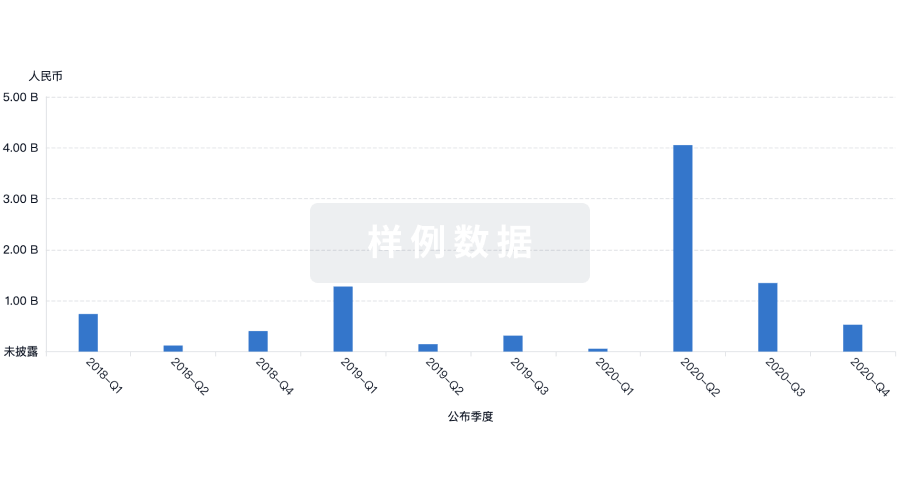
融资
发掘融资趋势以验证和推进您的投资机会。
登录
或
生物医药百科问答
全新生物医药AI Agent 覆盖科研全链路,让突破性发现快人一步
立即开始免费试用!
智慧芽新药情报库是智慧芽专为生命科学人士构建的基于AI的创新药情报平台,助您全方位提升您的研发与决策效率。
立即开始数据试用!
智慧芽新药库数据也通过智慧芽数据服务平台,以API或者数据包形式对外开放,助您更加充分利用智慧芽新药情报信息。
生物序列数据库
生物药研发创新
免费使用
化学结构数据库
小分子化药研发创新
免费使用