预约演示
更新于:2025-05-07

Cangzhou Fourth Hospital
更新于:2025-05-07
概览
关联
100 项与 Cangzhou Fourth Hospital 相关的临床结果
登录后查看更多信息
0 项与 Cangzhou Fourth Hospital 相关的专利(医药)
登录后查看更多信息
2
项与 Cangzhou Fourth Hospital 相关的文献(医药)Jianyan Yixue Yu Linchuang
Clinical diagnostic value of transperineal pelvic floor ultrasound combined with serum s MFAP4 and LTBP-2 for postpartum pelvic floor dysfunction
作者: Liu, Ying ; Yu, Shuichang ; Yang, Hongfang
World Journal of Clinical Cases
Anti-contact protein-associated protein 2 antibody encephalitis in children: A case report
Article
作者: Wang, Zhi-Liang ; Chen, Hong-Yun ; Wang, Bin ; Wu, Qian ; Xu, Zhi-Yun ; Wang, Juan ; Song, Dan-Yang
4
项与 Cangzhou Fourth Hospital 相关的新闻(医药)2024-01-11
·生物谷
1月6日至7日,Venust皓昕与Invisalign隐适美在上海外滩W酒店携手举办了一场盛大的“2024正畸贴面嘉年华”。
1月6日至7日,Venust皓昕与Invisalign隐适美在上海外滩W酒店携手举办了一场盛大的“2024正畸贴面嘉年华”。本次活动由9位牙科大咖专家共同出席,为现场观众答疑解惑,其中包括马泷齿科上海澄心丽洁院长王芳、齐美矫正创始人第四军医大正畸学硕士袁峰、新加坡国立大学正畸学博士庞博、上海交通大学硕士研究生杨双羽等,旨在提高公众对牙齿健康的了解和重视,为消费者提供更优质的口腔服务,一站式地解决患者的美学需求。
据悉,Venust皓昕由美国Boston Micro Fabrication(BMF)创立、摩方精密投资,是一个拥有专业技术团队且长期专注于牙齿美容和修复的牙齿贴面品牌。而Invisalign隐适美作为全球隐形矫正技术的引领者、知名的数字化牙科解决方案提供商,拥有世界顶尖的研发团队和科技实力,致力于为患者提供舒适、高效的口腔治疗服务。皓昕与隐适美的合作,是技术与品质的完美结合。双方将通过这次合作,发挥各自的优势,为广大消费者带来更加完美的口腔美容体验,共同推动正畸技术与贴面技术的发展和应用。
(图为活动现场)
在嘉年华活动中,Venust皓昕向现场观众展示了超高精3D打印技术在贴面产品的设计和应用,并提出一款最新的极薄氧化锆牙齿贴面。这款贴面厚度仅有80微米,具有强度高、光泽好、密合度高等特点,针对牙齿颜色、形态不佳,牙齿轻微排列不齐等适应症,无需磨牙即可完成修复,有效预防细菌滋生,确保贴合度和舒适度。众多消费者对皓昕的极薄氧化锆牙齿贴面表现出浓厚的兴趣,皓昕展台一度成为现场最火爆的区域。
(皓昕贴面与常规贴面对比图)
摩方精密联合创始人、首席技术官夏春光博士表示,牙齿贴面技术是一种有效的牙齿美容和修复方法,可以帮助消费者改善牙齿的外观和功能。夏春光博士表明,希望通过此次与隐适美的合作让更多的人了解皓昕80微米级不磨牙或少磨牙的贴面技术,让更多求美者拥有更美、更健康和更自然的自信笑容。“极薄贴面在市场上真正实现了不磨牙、高密合度和高贴合度。它采用无创技术,简化了粘接过程,是一种高效、舒适、自然的牙齿美白和修复方式。”深圳慈恩齿科联合创始人柴鑫介绍道。
此外,活动现场还提供免费的口腔检查和美学修复咨询服务,邀请口腔专家进行现场讲解和答疑,帮助前来问诊的患者更好地了解自己的口腔健康状况。马泷齿科上海澄心丽洁院长王芳分析道:“患者的需求看似只是解决牙齿问题,实际还要关注牙齿对脸型和体态的影响。因此,我们会从外观和口腔功能两个方面进行美学修复。在联合治疗中,我们更注重空间的获得,适应症允许的情况下,优先选择极薄贴面,争取不磨牙,让患者的美丽微笑更加璀璨夺目。”
同时,活动现场还为10位微笑天使送出高达20万元的现金作为微笑基金,作为大家勇敢微笑、表现自我、展现美好的鼓励,帮助他们跨出实现梦想的第一步。
(图为夏春光与微笑天使合影)
本次双方的合作,增加了皓昕在消费者群体中的沟通与交流,使皓昕的高精贴面技术得以充分展示,让更多消费者和口腔行业人士深入了解皓昕的产品与服务。这一合作不仅提升了皓昕的品牌影响力,更推动了整个口腔护理行业的创新与进步。
对于隐适美来说,与皓昕品牌的合作也是一个重要的里程碑。本次合作将为隐适美在中国市场推广隐形矫正技术提供一个有实力、有市场影响力的合作伙伴。皓昕拥有口腔修复领域内的领先贴面技术,无疑是最理想的选择。双方强强联合,将为消费者提供更为完整的面部美学治疗整体方案,为其实现正畸与贴面的联合治疗,帮助品牌更广泛地传播隐形矫正的理念与口腔美学修复的先进技术。
未来,皓昕品牌将继续深化与隐适美的合作,满足消费者对美与健康的不断追求。同时,皓昕品牌也将持续专注口腔精准美学修复领域,以技术创新为基础,积极拓展市场,推动口腔精准修复领域发展和革新,为更多人带来美丽的微笑和自信的人生。
2023-03-24
邀 请 辞因新冠疫情而延误召开的2022年美中药协SAPA-China(成都)年会将于4月06-07日在四川成都隆重召开。 大会将围绕中国制药和生物技术发展的生态体系、药品创新的策略及国际最前沿科学技术等主题,举办高层论坛、专业研讨会,项目对接、融资推介、企业展示等系列活动。会议内容覆盖医药产业源头创新、应用研究、临床、商业化,投融资等产业全链条。是一次难得的国际学术盛会,更是资本与项目融合的绝佳舞台。SAPA是北美最为活跃、规模最大的以华人为主的生物医药专业组织,目前在全球有8000多名会员。协会的宗旨是推动生物医药科学与技术的发展,促进产业投资及商务合作,普及公众健康教育,帮助和促进会员职业生涯的发展。SAPA总部位于美国新泽西-大纽约地区,同时设有美国新英格兰区(波士顿NE)分会、大费城地区(费城GP)分会、华盛顿特区(DC)分会,康州(CT)分会、中西部(芝加哥 MW)分会和中国分会。SAPA会员的专业领域涉及创新药的靶点研究和开发;临床前和临床成药性研究;小分子化药和大分子生物药的工艺开发及生产;产品的市场准入注册及申报; 产品商业化市场和营销;改良型新药的研发与生产技术以及投融资和商务合作等相关领域。SAPA自成立以来, 为推动生物医药的发展做了大量工作,建立起了良好的声誉和受到广泛的尊敬。有关SAPA的进一步信息,请登陆:www.sapaweb.org,本次大会预计将有上千名来自中美两地的生物医药创新企业,跨国制药企业和科研院所的代表参加。我们诚挚地邀请您参加本次盛会,期待与您相聚在成都!SAPA-China中国会长 胡江滨博士SAPA-China中国2022年年会组委会扫码报名时间:2023年04月06日—07日地点:成都世纪城天堂洲际大饭店(四川省成都市武侯区世纪城路88号)04/06 上午[ 主持人 ] 胡江滨博士、刘建博士、徐志新博士◈ 08:30-09:00开幕致辞/仪式、成都高新区◈ 09:00-09:30Organocatalysis and Photoredox不对称有机催化和光氧化还原反应David MacMillan教授 2021诺贝尔化学奖获得者普林斯顿大学教授◈ 09:30-10:00疫苗研发的新技术进展魏于全院士 中国科学院院士四川大学人类疾病生物治疗国家重点实验室主任◈ 10:00-10:30议题待定刘革新 四川科伦实业集团董事长◈ 10:30-10:45茶歇交流◈ 10:45-11:15新发展格局下的药物创新生态体系建设张伟会长 中国药品监督管理研究会会长国家药典委员会原秘书长◈ 11:15-11:45Pyroptosis: Mechanism and Therapeutics Potential邵峰院士中国科学院院士◈ 11:45-12:15临床需求为导向的好药创制刘进教授 华西医院教授华西医院麻醉手术中心主任◈ 12:15-13:00午餐休息滑动阅览详细议程04/06 下午小分子药物研发的瓶颈及应对策略 [ 主持人 ] 张汉承博士 ◈ 13:00-13:30小分子创新药研发立项的思考陶维康博士 齐鲁制药集团副总裁/全球创新研发总经理◈ 13:30-14:00内卷时代的企业创新药立项与研发宋云龙博士 石药集团上海翊石医药总经理◈ 14:00-14:30难成药靶点和iADC——肿瘤治疗的新机遇龙伟博士 加科思药业临床前研发执行副总裁◈ 14:30-15:00从经验设计到合理设计王铁林博士 亚虹医药新药研发高级副总裁◈ 15:00-15:20茶歇交流◈ 15:20-15:50议题待定崔霁松博士 诺诚健华董事长◈ 15:50-16:20新分子类型的药效学研究徐德鸣博士 药明康德生物学事业部执行主任◈ 16:20-17:00圆桌讨论:小分子药物研发的瓶颈及应对策略[ 主持人 ] 张汉承博士 [ 嘉 宾 ] 刘建博士 陶维康博士宋云龙博士王铁林博士崔霁松博士徐德鸣博士王晓冬博士04/07 上午差异化小分子创新研发助力国际合作[ 主持人 ] 崔海峰博士◈ 08:30-09:05AI及机器人实验室赋能新药研发任峰博士 Insilico Medicine英矽智能联席CEO◈ 09:05-09:40走出去—济民可信小分子创新药差异化考量和实例分享彭建彪博士 济民可信小分子创新研究院院长◈ 09:40-10:15另一视角下国际化创新药研发蔡建华博士 维亚生物SVP◈ 10:15-10:35茶歇交流◈ 10:35-11:10离子通道靶点的研发进展和潜在机会李英骥博士 北京爱思益普生物创始人/CEO◈ 11:10-11:45AI赋能的小分子药物发现整合平台张宏波博士 北京望石智慧科技BD VP◈ 11:45-13:00午餐休息04/07 下午新技术平台推动BIC/FIC药物研发[ 主持人 ] 黎健博士◈ 13:00-13:30DNA编码库技术的应用及发展趋势李进博士 成都先导董事长/CEO◈ 13:30-14:00Protac技术与抗肿瘤新药研发陈元伟博士 成都海创药业董事长/CEO◈ 14:00-14:30AI for Science新范式驱动难成药靶点药物发现张晓敏博士 深势科技首席药学官◈ 14:30-15:00小分子肿瘤免疫药物研发现状张兴民博士 北京伯汇生物董事长◈ 15:00-15:20茶歇交流◈ 15:20-15:50面向仿临床实验的pdx模型库陈大为博士 创模生物联合创始人/首席科学官 ◈ 15:50-17:00圆桌讨论:新技术平台推动BIC/FIC药物研发[ 主持人 ] 黎健博士 [ 嘉 宾 ] 李进博士 陈元伟博士 张晓敏博士张兴民博士 陈大为博士 滑动阅览详细议程04/06 下午抗体药物[ 主持人 ] 夏明德博士英诺湖医药董事长/CEOSAPA董事、前总部会长◈ 13:00-13:30基于共用轻链全人抗体RenLite小鼠的双抗ADC药物研发沈月雷博士 百奥赛图董事长◈ 13:30-14:00议题待定臧敬五博士 天境生物创始人/董事长/代理首席执行官◈ 14:00-14:30肿瘤免疫2.0时代的创新药开发卢宏韬博士 科望(上海)生物医药联合创始人/董事/首席科学官◈ 14:30-15:00早期研发抗体和蛋白表达纯化的挑战和策略吴健生博士 药明生物副总裁、细胞与蛋白质科学部负责人◈ 15:00-15:20茶歇交流◈ 15:20-15:50全人源抗体技术平台支持全球生物药创新戎一平博士 和铂医药高级副总裁/药物发现负责人◈ 15:50-16:20抗体药物非临床安全性研究评价动物种属的选择岑小波 四川大学华西医院国家成都新药安全性评价中心主任成都华西海圻医药总经理◈ 16:20-17:00圆桌讨论:乌卡(VUCA)大环境下抗体药物如何出海和避免内卷[ 主持人 ] 夏明德博士 英诺湖医药董事长/CEOSAPA董事、前总部会长[ 嘉 宾 ] 田文志博士 沈月雷博士臧敬五博士 卢宏韬博士 戎一平博士 04/07 上午XDC药物[ 主持人 ] 夏明德博士英诺湖医药董事长/CEOSAPA董事、前总部会长高宇◈ 08:30-09:00新一代抗体偶联药物(ADC)的临床前研究赵柏腾博士 普方生物制药CEO◈ 09:00-09:30ADC药物的前沿进展肖亮博士 苏州宜联生物联合创始人◈ 09:30-10:00议题待定黄金昆博士 成都西岭源CEO/创始人◈ 10:00-10:20茶歇交流◈ 10:20-10:50以生物学机制为核心的ADC产品设计与开发策略陈如雷 英诺湖医药联合创始人/首席运营官◈ 10:50-11:20XupremAbTM AI驱动的下一代抗体发现技术平台李一 晶泰科技战略发展副总裁抗体业务线负责人◈ 11:20-12:00圆桌讨论[ 主持人 ] 高宇[ 嘉 宾 ] 赵柏腾博士 肖亮博士黄金昆博士 陈如雷 李一◈ 12:00-13:00午餐休息04/07 下午RNA药物[ 主持人 ] 夏明德博士英诺湖医药董事长/CEOSAPA董事、前总部会长袁纪军博士 ◈ 13:00-13:30环形RNA技术的发展与展望-从基础研究到药物研发杨赟博士 环码生物联合创始人/CTO◈ 13:30-14:00肿瘤 mRNA 疫苗在胶质母细胞瘤中的临床研究栗世铀教授 启辰生联合创始人/CTO◈ 14:00-14:30寡核酸递送进展和展望史艺宾 大睿生物CEO礼来合伙人◈ 14:30-15:00mRNA高效率表达在药物开发中的应用李和博士 艾斯拓康首席运营官前SAPA-NE会长◈ 15:00-15:20茶歇交流◈ 15:20-15:50mRNA药物核心原料与平台技术布局肖潇博士 申基生物联合创始人◈ 15:50-16:20AI驱动核酸药物递送和药物发现王文首博士剂泰医药联合创始人/首席运营官◈ 16:20-17:00圆桌讨论:核酸药物开发前景及面临的最大挑战[ 主持人 ] 袁纪军博士 [ 嘉 宾 ] 董欣博士 黄震院长 王文首博士 滑动阅览详细议程04/06 下午创新疫苗开发专场[ 主持人 ] 时念民主任医师、史力博士◈ 13:00-13:30新冠疫苗的序贯接种加强的临床研究朱凤才教授 江苏省疾病预防控制中心副主任◈ 13:30-14:00针对COVID-19变异株疫苗的临床前免疫学研究李琦涵教授 北京协和医学院长聘教授◈ 14:00-14:30混合免疫背景人群下的新一代新冠疫苗临床研究李靖欣博士 江苏省疾病预防控制中心疫苗临床评价所副所长◈ 14:30-15:00院感耐药菌疫苗的研发进展时念民主任医师 北京生物制品研究会会长◈ 15:00-15:20茶歇交流◈ 15:20-15:50原创1.1新药——金黄色葡萄球疫苗II期临床试验研究进展邹全明教授 陆军军医大学国家免疫生物制品工程技术研究中心主任◈ 15:50-16:20呼吸道合胞病毒(RSV)疫苗开发进展王宾博士 复旦大学教授◈ 16:20-17:00圆桌讨论:当今疫苗临床研究发展和相关问题讨论[ 主持人 ] 时念民主任医师 [ 嘉 宾 ] 张军教授 朱凤才教授 李琦涵教授 李靖欣博士 邹全明教授 王宾博士 04/07 上午当代疫苗临床试验培训专场1[ 主持人 ] 时念民主任医师 、史力博士◈ 08:30-09:00基于mRNA平台的狂犬疫苗:免疫应答的持续与攻毒保护徐建青教授 复旦大学教授鑫湾生物创始人◈ 09:00-09:30疫苗临床试验的质量控制莫兆军上海斯丹姆总经理◈ 09:30-10:00疫苗临床试验的实施与管理刘晓强主任 云南省疾病预防控制中心主任助理疫苗临床研究中心主任◈ 10:00-10:20茶歇交流◈ 10:20-10:50疫苗临床试验中的研究者职责朴红心主任 延边大学附属医院I期临床试验研究室主任◈ 10:50-11:20疫苗出海临床试验的经验与教训邓晓宇 苏州希毅医学创始人◈ 11:20-12:00圆桌讨论:当今疫苗临床研究发展和相关问题讨论[ 主持人 ] 李荣成所长 [ 嘉 宾 ] 杨北方主任 刘颜 莫兆军 刘晓强主任 朴红心主任 邓晓宇 ◈ 12:00-13:00午餐休息04/07 下午当代疫苗临床试验培训专场2[ 主持人 ] 时念民主任医、史力博士◈ 13:00-13:30疫苗疑似异常反应监测孙美平主任医师北京市疾病预防控制中心主任医师◈ 13:30-14:00疫苗临床试验统计学设计与评价夏结来教授第四军医大学统计教研室◈ 14:00-14:30疫苗多中心临床试验的质量控制李艳萍教授 广西壮族自治区疾病预防控制中心◈ 14:30-15:00疫苗临床试验伦理学考量翟晓梅教授 北京协和医学院教授◈ 15:00-15:20茶歇交流◈ 15:20-15:50疫苗临床试验质量控制胡月梅主任医师 江苏省疾病预防控制中心主任医师◈ 15:50-16:20疫苗临床试验数据管理的质量核查孙瑞华教授北京中医药大学教授◈ 16:20-17:00圆桌讨论:当今疫苗临床研究发展和相关问题讨论[ 主持人 ] 史力博士 [ 嘉 宾 ] 孙美平主任医师 夏结来教授 李艳萍教授 翟晓梅教授 胡月梅主任医师 孙瑞华教授 滑动阅览详细议程04/06 下午免疫细胞治疗中的新技术及新进展[ 主持人 ] 戴卫国博士◈ 13:00-13:30同种异体CAR-T细胞技术一般策略及临床探索尚小云 苏州茂行生物创始人/首席执行官◈ 13:30-14:00IPSC-CAR-NK细胞治疗药物开发的挑战及机会戴卫国博士 门罗生物董事长/CEO前SAPA总部会长◈ 14:00-14:30TIL在实体瘤中的研发进展种孟阳博士 沙砾生物联合创始人◈ 14:30-15:00TCR-T药物开发新技术苏震波 天科雅生物董事长◈ 15:00-15:20茶歇交流◈ 15:20-15:50新一代红细胞免疫技术平台用于肿瘤治疗高晓飞博士 西湖生物医药创始人/董事长◈ 15:50-16:20从实战出发解析免疫细胞治疗产品IND阶段临床前评价要点和思路曹洋博士 昭衍(苏州)新药研究中心药理部总监昭衍易创(苏州)新药研究执行副总经理◈ 16:20-17:00圆桌讨论:[ 主持人 ] 戴卫国博士 [ 嘉 宾 ] 种孟阳博士 苏震波 高晓飞博士 曹洋博士 04/07 上午基因治疗新技术[ 主持人 ] 吴振华博士◈ 08:30-09:00议题待定吴昊泉博士 康霖生物创始人/CEO◈ 09:00-09:30罕见病基因治疗药物的开发现状和挑战--从争先恐后到百花齐放林卿博士凌意生物创始人/CEO◈ 09:30-10:00基因治疗的过去、现在和未来吴振华博士 杭州嘉因生物创始人/CEO前SAPA-GP 会长◈ 10:00-10:20茶歇交流◈ 10:20-10:50基因治疗药物非临床研究与评价的一般考虑戴学栋赛赋医药集团副总裁药理毒理专家◈ 10:50-11:20议题待定张家轶博士 杭州云心质力创始人/CEO◈ 11:20-12:00圆桌讨论:基因治疗在新的竞争格局下的挑战[ 主持人 ] 吴振华博士 [ 嘉 宾 ] 吴昊泉博士 林卿博士戴学栋 张家轶博士 ◈ 12:00-13:00午餐休息04/07 下午免疫治疗临床发展和转化新进展[ 主持人 ] 戴卫国博士、陈宝安教授◈ 13:00-13:30跨越细胞治疗实体瘤转化研究地狱峡谷——理想与现实卢铀博士 四川大学华西医院肿瘤中心副主任胸部肿瘤病房主任兼临床细胞治疗研究室主任 ◈ 13:30-14:00针对肿瘤微环境特点的免疫细胞改造策略张毅博士 郑州大学第一附属医院生物细胞治疗中心主任◈ 14:00-14:30基于疾病特征的CAR-T细胞治疗策略王永生教授 华西医院肿瘤中心副主任/临床研究部副部长国家药监局创新药物临床研究与评价重点实验室主任◈ 14:30-15:00超能Hi-TCR-T安全高效治疗难治/复发性晚期肿瘤(包括实体肿瘤)的临床试验研究高基民博士 温州医科大学钱江特聘教授◈ 15:00-15:20茶歇交流◈ 15:20-15:50基因编辑和细胞治疗:从基础到临床转化研究刘明耀博士 华东师范大学生命医学研究所所长上海邦耀生物创始人/董事长◈ 15:50-16:20gdT细胞治疗药物及平台应用尹芝南教授 暨南大学生物医学转化研究院院长◈ 16:20-17:00圆桌讨论[ 主持人 ] 陈宝安教授 [ 嘉 宾 ] 卢铀博士 张毅博士 王永生教授 高基民博士 刘明耀博士 尹芝南教授 滑动阅览详细议程04/06 下午药品和原料药质量研究[ 主持人 ] 李敏博士 ◈ 13:00-13:45亚硝胺杂质的挑战、评估与控制策略李敏博士 华海药业首席科学家上海华汇拓医药科技董事长/总经理前SAPA总部会长◈ 13:45-14:15杂质研究与控制策略霍秀敏教授 原CDE化药一部高级审评员◈ 14:15-14:45基于细胞传感器的亚硝胺类杂质基因毒性评估新方法郑枫教授 中国药科大学药物分析系教授◈ 14:45-15:05茶歇交流◈ 15:05-15:35高通量的微型反应器——液滴微流控技术在生物医药领域的应用许潇楠博士 达普生物创始人/董事长◈ 15:35-16:20药物杂质的非临床安全性评价王英博士 诺诚健华副总裁前SAPA总部会长、董事长 ◈ 16:20-17:00圆桌讨论:药品和原料药质量研究[ 主持人 ] 李敏博士 [ 嘉 宾 ] 霍秀敏教授 郑枫教授 许潇楠博士 王英博士 04/07 上午CMC研发、工艺、创新及突破[ 主持人 ] 王志云博士 、葛均友博士◈ 08:30-09:00ADC药物的开发和质量控制葛均友博士 生物靶向药国家工程研究中心主任科伦博泰生物CEO◈ 09:00-09:30我国高端制剂基础研究向应用转化的发展战略思考陆伟跃教授 复旦大学教授泰禛生物创始人,中国药学会药剂专委会主任委员◈ 09:30-10:00连续生产:法规要求及工艺考察王志云博士 再鼎医药高级副总裁SAPA ECSAPA中国常务理事◈ 10:00-10:20茶歇交流◈ 10:20-10:50mRNA疫苗和药物CMC关键点浅析朴希俊博士 楷拓生物科技RNA工艺副总裁◈ 10:50-11:20基于QbD的核酸药物脂质载体研究徐宇虹博士 杭州高田生物科技CEO/创始人◈ 11:20-12:00圆桌讨论CMC的下一个创新高地在哪里?[ 主持人 ] 王志云博士 [ 嘉 宾 ] 蔡彤博士 葛均友博士陆伟跃教授朴希俊博士 徐宇虹博士 ◈ 12:00-13:00午餐休息04/07 下午国内外改良型新药505b2 [ 主持人 ] 魏世峰博士◈ 13:00-13:30生物药物505(b)(2)产品立项和开发案例魏世峰博士 北京罗诺强施医药董事长前SAPA总部会长◈ 13:30-14:00肿瘤塑性分化与基因编辑生物制剂研究吕万良 北京大学长聘教授中国药学会药剂专业委员会副主任委员、中国颗粒学会常务理事◈ 14:00-14:30新型药物制剂技术研究进展与策略王建新教授 复旦大学药学院党委书记,教授,中国药学会药剂专业委员会委员、工业药剂专委会委员◈ 14:30-15:00白蛋白纳米制剂的优势和挑战王宝莉博士 健友生化制药研发技术总监◈ 15:00-15:20茶歇交流◈ 15:20-15:50改良型高端制剂临床优势的内涵辩析杨劲教授 中国药科大学教授◈ 15:50-16:20中枢神经领域新复方新剂型药物开发王鹏博士 宁丹新药联合创始人/CSO◈ 16:20-17:00圆桌讨论:共论制剂技术-现在与未来[ 主持人 ] 魏世峰博士 [ 嘉 宾 ] 吕万良王建新教授王宝莉博士 杨劲教授 王鹏博士滑动阅览详细议程04/06 下午药企国际化发展策略-国际化药品注册法规与国际多中心临床实验[ 主持人 ] 徐志新博士、王英博士◈ 13:00-13:35美国药监局注册过程中的挑战和策略刘金钟博士 FDA CDER OND Clinical Data Science Staff Head◈ 13:35-14:10临床价值与原创新药研发鲁先平博士 微芯生物董事长◈ 14:10-14:45CAR-T细胞治疗产品中美上市申报分析与思考贾秀虹 传奇生物高级注册总监◈ 14:45-15:05茶歇交流◈ 15:05-15:40临床急需创新生物药F-652的全球开发策略金玉燕博士圣因生物临床与非临床负责人,高级副总裁◈ 15:40-16:15议题待定邀请中◈ 16:15-17:00圆桌讨论根据目前国际关系的演变 企业如何调整发展战略[ 主持人 ]徐志新博士 [ 嘉 宾 ]鲁先平博士贾秀虹金玉燕博士04/07 上午创新药企的全球化策略和布局 [ 主持人 ] 唐蕾博士◈ 08:30-08:55议题待定徐增军博士 艾斯拓康创始人/首席执行官◈ 08:55-09:20中国药企产品引进及出海的战略考量与实施模式陈少羽博士美国凯寿律师事务所驻上海代表处管理合伙人◈ 09:20-09:45Global MNC 在中国的转化医学策略唐蕾博士 Head of Translational Medicine and Early Development 赛诺菲中国前SAPA总部会长◈ 09:45-10:05茶歇交流◈ 10:05-10:30议题待定邀请中◈ 10:30-10:55议题待定邀请中◈ 10:55-11:20创新药中美欧申报的策略和关键考量宇文镐博士安渡生物全球药监事务SVP◈ 11:20-12:00圆桌讨论困境下,国产创新药为什么一定要出海?[ 主持人 ]唐蕾博士[ 嘉 宾 ]徐增军博士 宇文镐博士陈少羽博士◈ 12:00-13:00午餐休息04/07 下午CDMO[ 主持人 ] 王志云博士、马建国博士◈ 13:00-13:30绿色技术在生产中应用马建国博士浙江朗华制药CEO◈ 13:30-14:00IND 申报相关临床部分的要求李浩博士康龙化成(成都)临床服务CMO德泰迈创始人◈ 14:00-14:30新技术新化学在药物工艺开发中的应用史峰博士 博腾股份小分子事业部副总经理◈ 14:30-15:00“强科技研发,高标准合规,低成本制造”-普洛CDMO业务的现状和未来规划潘崇峰博士 普洛药业CDMO制造中心总监◈ 15:00-15:20茶歇交流◈ 15:20-15:50议题待定邀请中◈ 15:50-16:20议题待定邀请中◈ 16:20-17:00圆桌讨论CDMO板块展望及战略定向[ 主持人 ]马建国博士 [ 嘉 宾 ]李浩博士史峰博士潘崇峰博士滑动阅览详细议程04/06 下午投资与创业的正反面[ 主持人 ] 高宇、杨光耀◈ 13:00-13:30投资 VS 创业强静杏泽资本合伙人信诺维董事长/创始人◈ 13:30-14:00专注CNS新药研发,满足日益增长的病人需求申华琼博士 纽欧申医药创始人/CEO◈ 14:00-14:30议题待定费凡 安永大中华区生命科学与医疗健康行业联席主管合伙人◈ 14:30-15:05圆桌讨论[ 主持人 ]高宇 [ 嘉 宾 ]史艺宾李国春博士强静申华琼博士费凡◈ 14:50-15:10茶歇交流◈ 15:10-15:40议题待定夏国尧博士 礼邦医药联合创始人/CEO◈ 15:40-16:20投资与创业的正反面朱忠远博士映恩生物创始人/CEO◈ 16:20-17:10圆桌讨论[ 主持人 ]杨光耀 [ 嘉 宾 ]李冲博士葛永彬律师郭宇杰博士夏国尧博士朱忠远博士04/07 上午跨境授权与收购,打造行业生态[ 主持人 ] 石斌博士、邓灵泉博士◈ 09:00-09:30议题待定Harm-Jan Borgeld Head of Asia Partnering, Roche Pharma Partnering (China)◈ 09:30-10:00创新药企业出海模式探讨秋璇毕马威生命科学行业交易咨询合伙人◈ 10:00-10:20茶歇交流◈ 10:20-11:20圆桌讨论创新出海:国际药政,临床研究及商业合作[ 主持人 ]石斌博士 [ 嘉 宾 ]李宁博士陈炽李克宁◈ 11:20-11:30路演 1徐建青教授复旦大学教授鑫湾生物创始人◈ 11:30-11:40路演 2张洪建博士唯久生物CEO◈ 11:40-11:50路演 3◈ 11:50-12:00路演 4◈ 12:00-13:00午餐休息04/07 下午投资人论坛[ 主持人 ] 李克纯、戴晗博士◈ 13:00-13:20医疗大健康一级市场投资 - 赶考路上李佳博士朗盛投资集团合伙人◈ 13:20-13:40医药寒冬下对⼀级市场投资的⼀些思考陈杰元生创投创始合伙人◈ 13:40-14:00商业化下的税务策略赵益民 德勤生命科学与医疗行业税务咨询领导合伙人◈ 14:00-14:10路演1◈ 14:10-14:20路演 2◈ 14:20-14:30路演 3◈ 14:30-14:40鼻腔接种的蛋白黏膜疫苗鄢慧民艾洛森生物技术(苏州)有限公司◈ 14:40-14:50路演 5◈ 14:50-15:10茶歇交流◈ 15:10-16:00圆桌主题[ 主持人 ]李克纯 [ 嘉 宾 ]颜士翔 黄昕王云海刘昕 喻志云◈ 16:00-16:50圆桌主题中国生物医药国际化以及出海的思考[ 主持人 ]戴晗博士[ 嘉 宾 ]袁建伟 周乃俊高洁亮陈刚何幸 尹洁扫码报名联系我们| 商务合作金先生T: +86 198 4827 5727E: jinweijie@shengjiejituan.cn| 参会咨询谢先生T: +86 150 6123 2737E: xiewenbo@shengjiejituan.cn| 媒体合作马女士T: +86 195 3425 3007E: majin@shengjiejituan.cn特别活动复旦大学药学院校友会暨上海医科大学校友会药学分会校友联谊活动★ 邂逅校友,共话成长亲爱的校友, 复旦大学药学院校友会暨上海医科大学校友会药学分会期待与您相约,共忆青春,再叙梦想!扫描下方二维码报名支持媒体交通指南【会议地址】成都世纪城天堂洲际大饭店(四川省成都市武侯区世纪城路88号)【交通信息】高铁成都南站:5.4公里 打车至会议地点约13min成都东站:15公里 打车至会议地点约21min成都站:22公里 打车至会议地点约34min飞机成都双流国际机场:21公里 打车至会议地点约32min成都天府国际机场:58公里 打车至会议地点约46min戳这里“阅读原文”,快速注册报名!
疫苗
2023-03-18
·医药地理
3月18日,在2023年(第十五届)中国医药战略大会期间,由中国医药工业信息中心与石家庄高新技术产业开发区管理委员会主办,石家庄四药有限公司协办的“中国医院高质量发展论坛”顺利召开。石家庄市卫生健康委员会党组书记、主任 崔芸石家庄市卫生健康委员会党组书记、主任崔芸作了大会致辞。她指出,公立医院作为我国医疗服务体系的主体,近年来,在防控新冠肺炎等重大疫情、保障人民群众生命安全和身体健康方面发挥了重要作用。面对新阶段、新形势、新任务,公立医院既有更高的发展要求,也面临着难得的发展机遇。中国医药工业信息中心主任 郭文中国医药工业信息中心主任郭文在致辞环节中表示,为贯彻以人民健康为中心的价值导向与责任意识、构建中国特色的高质量健康服务体系、实现“全民健康”目标,本场论坛以医院高质量发展为主题,探索高水平医院管理,解读相关政策,分享管理与创新实践,融合多方力量促进产医深度融合,为“健康中国”建设贡献力量。北京市医疗保险事物管理中心支付方式改革科科长国家DRG付费技术指导组办公室主任清单标准组副组长 玄律北京市医疗保险事物管理中心支付方式改革科科长、国家DRG付费技术指导组办公室主任、清单标准组副组长玄律为与会者介绍了“国家医保CHS-DRG付费改革相关情况”。她表示,国家DRG支付改革的目的是促进医疗资源合理利用、充分保障参会人员待遇和确保医保基金平稳高效运行。未来,DRG改革的总体发展方向可总结为四点,即全面抓扩面、完善建机制、规范打基础和联动推协同。复旦大学附属华东医院副院长 李济宇复旦大学附属华东医院副院长李济宇分享了“拥抱数字化慢病管理新模式”的主题报告。他认为,慢性病防控是目前我国医院高质量发展所面临的挑战,在慢病常态化现象下,老年人群正面临着老年共病和多重用药交织的复杂问题。医疗机构需要寻找“复合态进程”节点,并进行系统管理,以整合型个案管理能力为核心,从患者病程向健康拓展。河北省人民医院党委书记 彭彦辉致辞环节与上半场主题报告由河北省人民医院党委书记彭彦辉主持。河北医科大学第一医院副院长 赵媛媛河北医科大学第一医院副院长赵媛媛以“医疗质量精细化管理”为题发表演讲。她从医疗质量管理发展的角度指出,我国医疗现代质量管理体系引入了循证医学思想,运用PDCA、QCC等管理工具开展目标管理。目前,我国医疗质量管理是基于指标-行为-项目的质量管理体系,需整合全院力量,由多部门联合推进。石家庄市人民医院党委书记 曹琴英石家庄市人民医院党委书记曹琴英围绕“现代化区域医疗中心建设与实践”进行了主旨演讲。她提出,我国国家区域医疗中心建设由中央主持、地方主建、输出医院主管、多部门协同支持,依托于地方医院执行,各部门之间的合作具有必要性和紧迫性,在政策的大力支持下,从而推动区域医疗中心高位对接、高位协调与高位推进。上海临床研究中心主任 朱畴文上海临床研究中心主任朱畴文带来主题报告“研究性医院建设的思考与实践”。他表示,中国研究型医院的建设应以新医学知识和医疗技术的产生与传播为使命,坚持临床与科研融合,在自主创新中不断催生高层次人才和高水平成果,推动临床技术水平持续提高,为我国卫生事业和人类健康作出重要贡献。长治市人民医院党委书记 李俊长治市人民医院党委书记李俊就“新形势下成长型医院的专科发展”作了主题分享。他指出,成长型医院是国民医疗保障体系的中坚力量,服务着中国70%的人口,但部分医院的基础设施、人才梯队、学科建设和技术能力相对薄弱。随着医改的推进,在优化引人措施和创新管理制度的指导下,我国成长型医院正呈现出良好的发展前景。邯郸市第一医院党委书记 信栓力下半场主题报告环节由邯郸市第一医院党委书记信栓力主持。圆桌对话:高水平医院建设实践与探索在“高水平医院建设实践与探索”圆桌讨论环节,故城县医院党委书记居艳梅,临西县人民医院党委书记孙健以及吴桥县人民医院院长陶晓峰就基层卫生管理模式和服务体系发展探索,数字化、信息化在基层医疗中的应用和区域医疗中心、医共体建设的经验等话题展开了卓尔有效的探讨。圆桌对话环节由南皮县人民医院院长刘玲主持。END如需获取更多数据洞察信息或公众号内容合作,请联系医药地理小助手微信号:pharmadl001
100 项与 Cangzhou Fourth Hospital 相关的药物交易
登录后查看更多信息
100 项与 Cangzhou Fourth Hospital 相关的转化医学
登录后查看更多信息
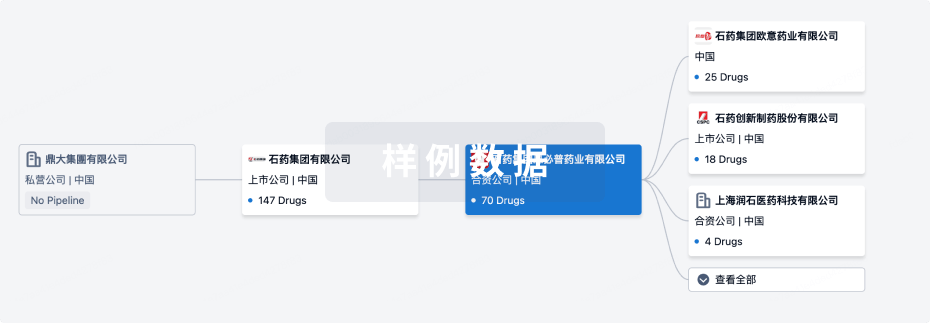
组织架构
使用我们的机构树数据加速您的研究。
登录
或
管线布局
2026年02月09日管线快照
无数据报导
登录后保持更新
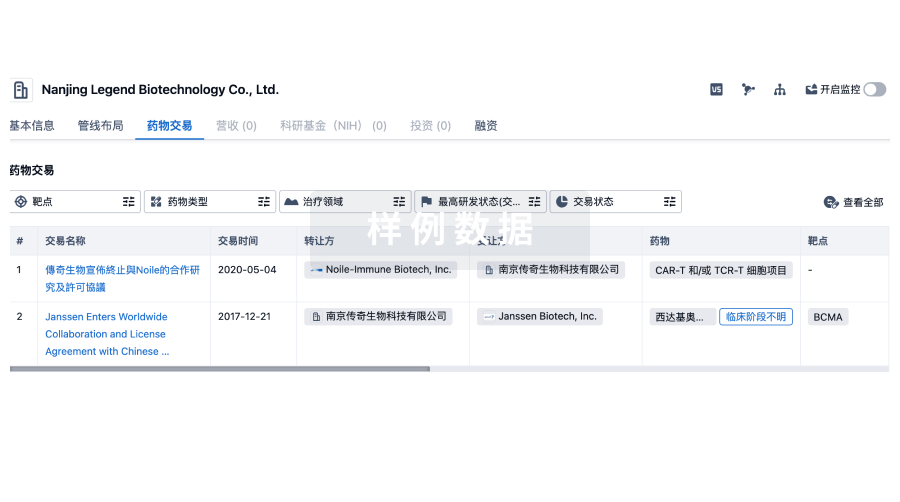
药物交易
使用我们的药物交易数据加速您的研究。
登录
或
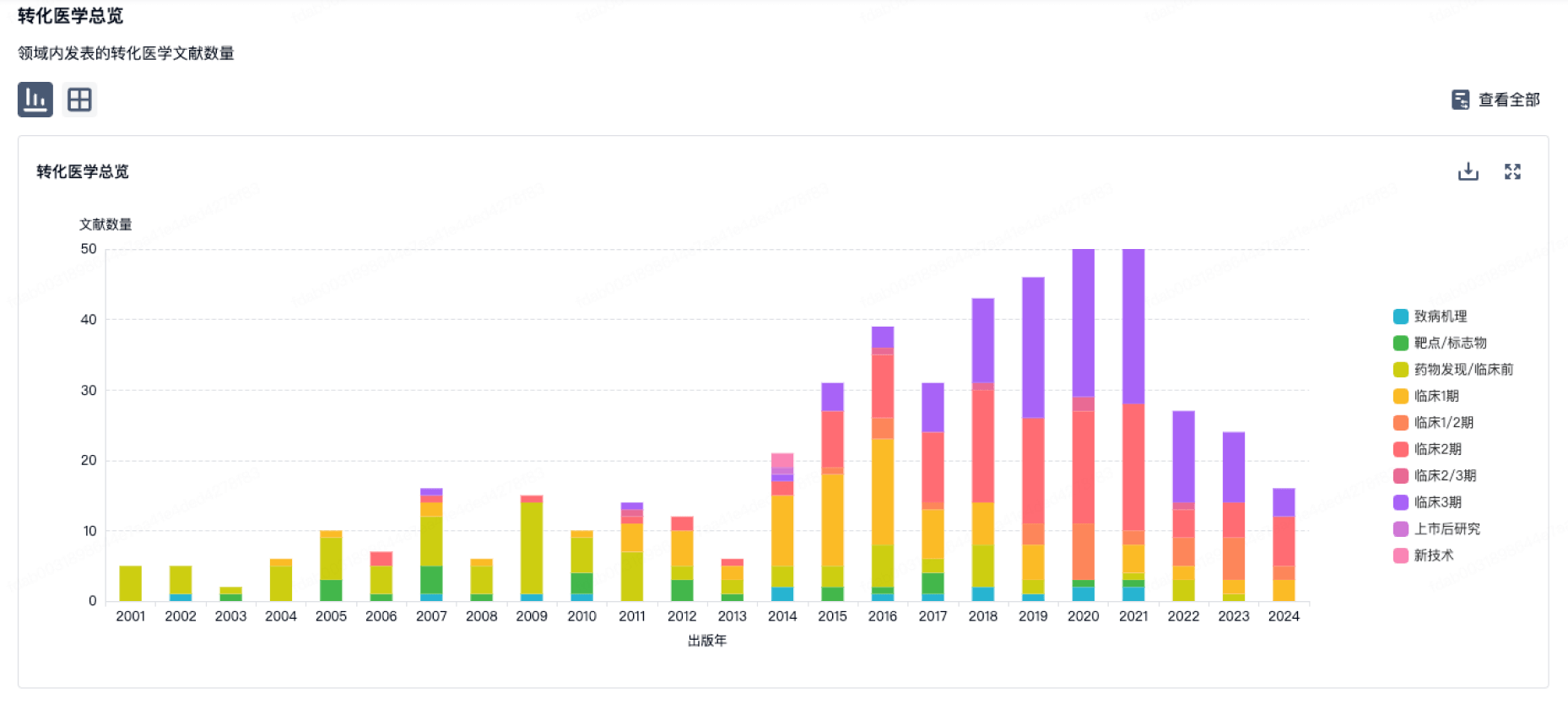
转化医学
使用我们的转化医学数据加速您的研究。
登录
或
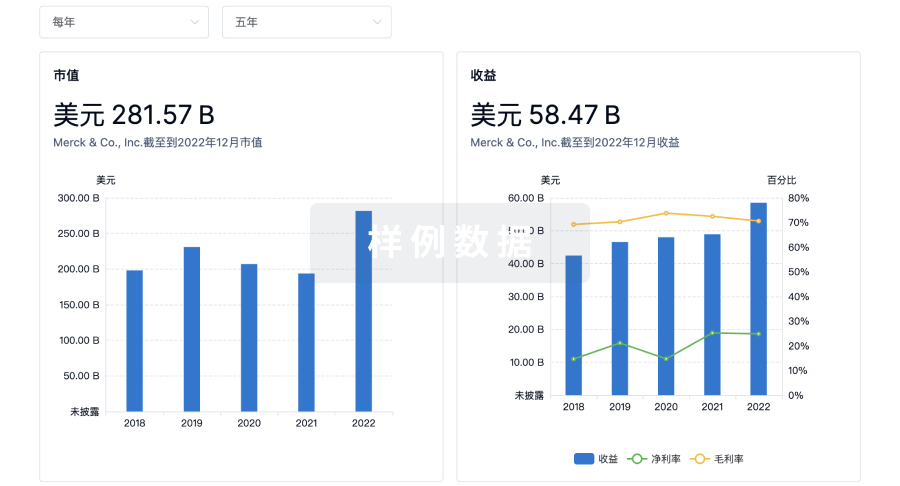
营收
使用 Synapse 探索超过 36 万个组织的财务状况。
登录
或
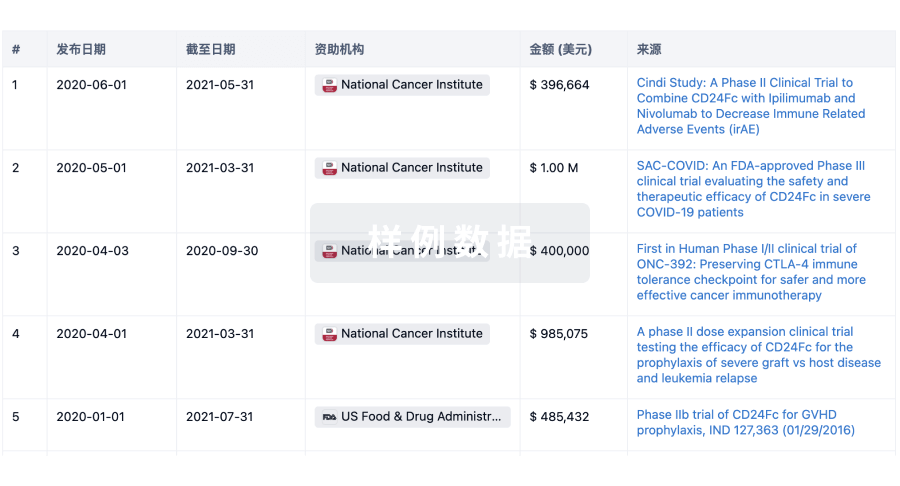
科研基金(NIH)
访问超过 200 万项资助和基金信息,以提升您的研究之旅。
登录
或
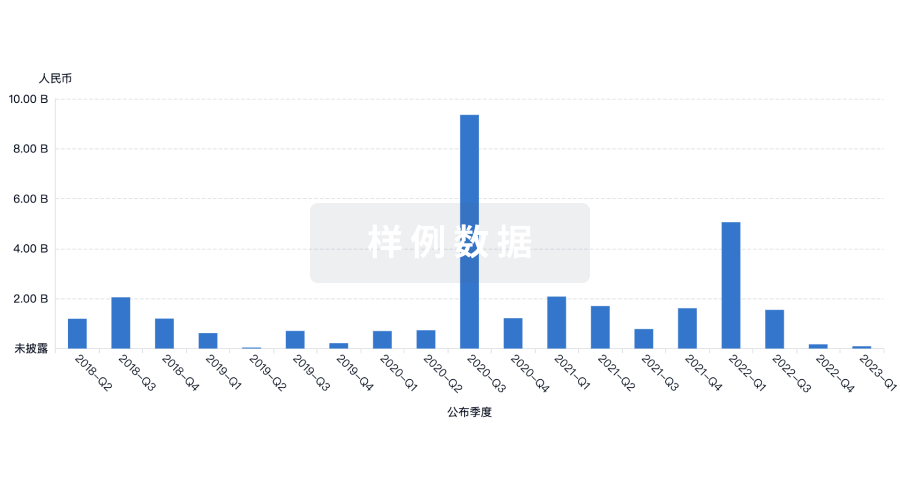
投资
深入了解从初创企业到成熟企业的最新公司投资动态。
登录
或
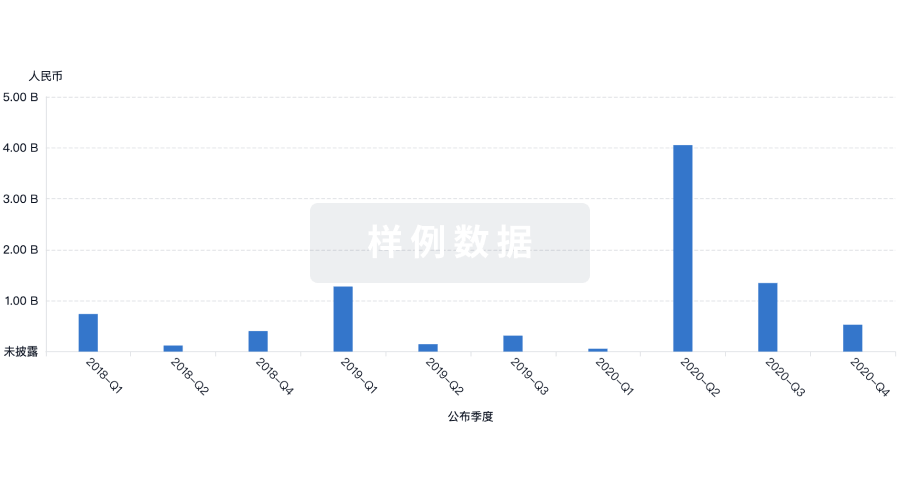
融资
发掘融资趋势以验证和推进您的投资机会。
登录
或
生物医药百科问答
全新生物医药AI Agent 覆盖科研全链路,让突破性发现快人一步
立即开始免费试用!
智慧芽新药情报库是智慧芽专为生命科学人士构建的基于AI的创新药情报平台,助您全方位提升您的研发与决策效率。
立即开始数据试用!
智慧芽新药库数据也通过智慧芽数据服务平台,以API或者数据包形式对外开放,助您更加充分利用智慧芽新药情报信息。
生物序列数据库
生物药研发创新
免费使用
化学结构数据库
小分子化药研发创新
免费使用