预约演示
更新于:2025-11-09

Institute for the Study of Labor
更新于:2025-11-09
概览
关联
100 项与 Institute for the Study of Labor 相关的临床结果
登录后查看更多信息
0 项与 Institute for the Study of Labor 相关的专利(医药)
登录后查看更多信息
131
项与 Institute for the Study of Labor 相关的文献(医药)2025-09-01·HEALTH POLICY
Education and fertility: Evidence from an instrumental variable approach using higher education expansions in Turkey
Article
作者: Baltagi, Badi H ; Karatas, Haci M
This paper examines the impact of higher education on women's fertility behavior in Turkey. To address the endogeneity of education we use the plausibly exogenous variation in college availability in Turkey between 1983 and 2000. We find that increased education of women in Turkey significantly reduced the number of children and increased the probability of childlessness at the end of the fecund period. The effect of education on fertility worked through a postponement in first births at ages following college graduation until the age of 35, an improvement in women's labor market outcomes, better marriage market outcomes, and use of modern contraceptive methods. These findings suggest that education reduces fertility at the intensive and extensive margin through a combined incarceration and human capital effect and health knowledge in Turkey.
2025-05-01·SOCIAL SCIENCE & MEDICINE
Impact of the 2009 WIC revision on infant and maternal health: A quasi-experimental multi-state study
Article
作者: Wang, Guangyi ; Stillman, Steven ; Schillinger, Dean ; Bitler, Marianne ; Hamad, Rita ; Halla, Martin
Improving food security and dietary quality during pregnancy is vital for maternal and infant health. Poor nutrition can lead to adverse fetal development and complications for women. In 2009, the Special Supplemental Nutrition Program for Women, Infant, and Children (WIC), a US safety net program for low-income pregnant, breastfeeding or postpartum women and young children, was revised to improve dietary quality, promoting intake of whole grains, fruits, and vegetables. Prior studies found the revision improved dietary quality, but its impact on downstream health is less understood. We analyzed 2008-2012 national birth certificate data (N = 11,855,417) and employed a quasi-experimental difference-in-differences analysis to examine pre-post trends in outcomes among women predicted to be to be eligible for WIC (treatment group) while "differencing" out pre-post trends among predicted WIC-ineligible women (control group). Outcomes include infant birth weight and size for gestational age, and maternal gestational-diabetes-mellitus (GDM) and gestational-weight gain (GWG). The 2009 WIC revision was associated with small reductions in birth weight (-3.52 g; 95 %CI, -4.75 to -2.30) and small-for-gestational-age (-0.08 % points; 95 %CI, -0.15, -0.01), and GWG (-0.05 pounds; 95 %CI, -0.09, -0.02). While the results were robust to most sensitivity tests, they were not for some and therefore should be interpreted cautiously. Disparities emerged in the impact on GDM and GWG across subgroups. The limited evidence of positive effects on infant and maternal health underscores the need for ongoing research to better understand the impact of the 2019 WIC revision, including implementation factors and program design, on downstream health.
2025-03-01·EAR AND HEARING
Does Childhood Cochlear Implantation Spill Over to Carers’ Employment Status?
Article
作者: Tani, Massimiliano ; Mendolia, Silvia ; Ching, Teresa Y. C. ; Marnane, Vivienne ; Sharma, Rajan ; Parkinson, Bonny ; Cheng, Zhiming
Objectives::
Carers of children with disabilities, especially primary carers, tend to have poorer labor market outcomes than carers of typically developing children. However, the extant literature has been largely silent on whether interventions for children’s disabilities spill over to carers’ employment outcomes, if at all. We aimed to fill this gap.
Design::
We analyzed data from the Longitudinal Outcomes of Children with Hearing Impairment study, which is a unique panel dataset of Australian children who are deaf or hard-of-hearing (DHH). The Longitudinal Outcomes of Children with Hearing Impairment dataset includes information about 449 DHH children. We used 3 waves covering the same children at ages 0 to 3, 5 to 7, and 8 to 10 years during 2005 and 2018. We used a panel random-effects model, the use of which was supported by the Hausman specification test to control for time-invariant individual heterogeneity.
Results::
We found that primary carers (typically mothers) of DHH children with cochlear implants (CI) were more likely to be employed relative to DHH children without a CI. The positive association was stronger among carers from a lower socioeconomic background.
Conclusions::
The association between childhood CI and carer employment may potentially be due to relaxed primary carers’ time constraints to care for the child, increased self-efficacy, and reduced carer stress, enabling them to engage in other activities, including employment. Further research through large-scale, longitudinal studies is warranted to solidify the findings of this research.
100 项与 Institute for the Study of Labor 相关的药物交易
登录后查看更多信息
100 项与 Institute for the Study of Labor 相关的转化医学
登录后查看更多信息
组织架构
使用我们的机构树数据加速您的研究。
登录
或
管线布局
2026年02月08日管线快照
无数据报导
登录后保持更新
药物交易
使用我们的药物交易数据加速您的研究。
登录
或
转化医学
使用我们的转化医学数据加速您的研究。
登录
或
营收
使用 Synapse 探索超过 36 万个组织的财务状况。
登录
或
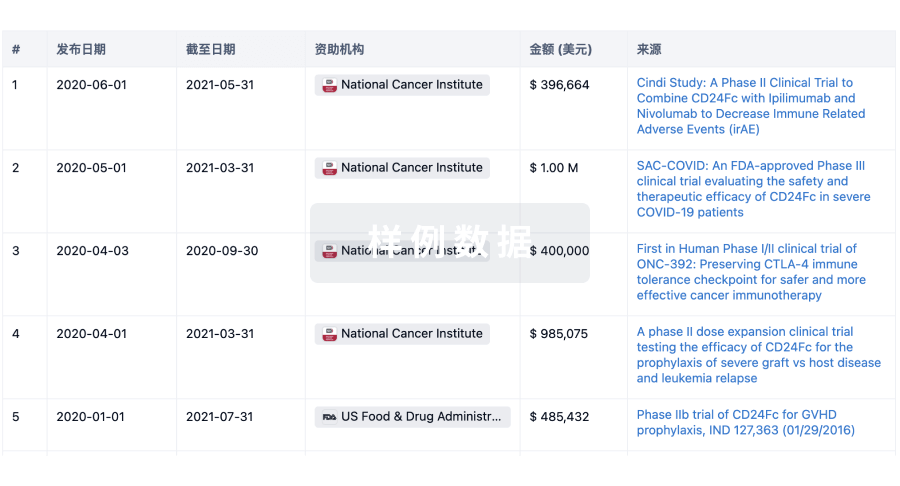
科研基金(NIH)
访问超过 200 万项资助和基金信息,以提升您的研究之旅。
登录
或
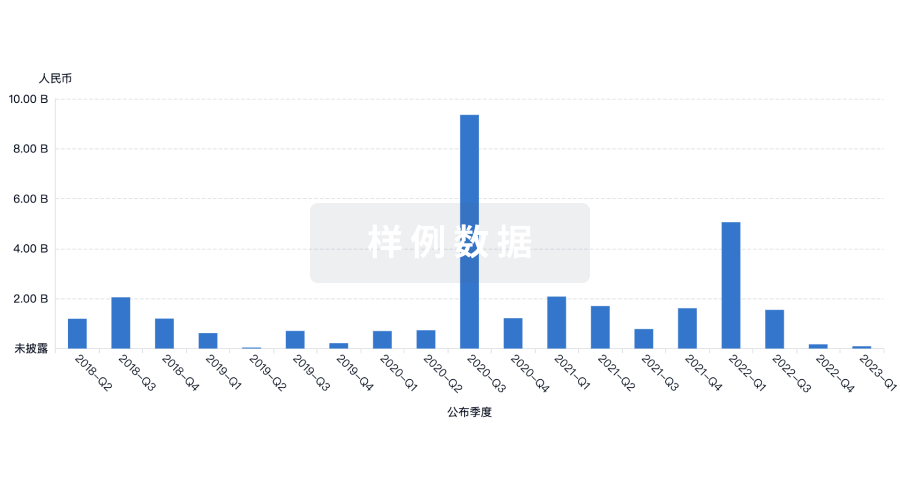
投资
深入了解从初创企业到成熟企业的最新公司投资动态。
登录
或
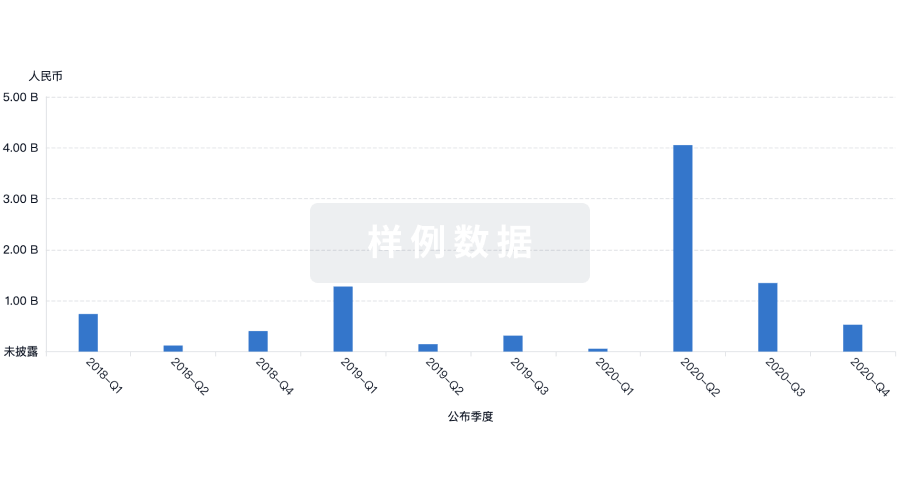
融资
发掘融资趋势以验证和推进您的投资机会。
登录
或
生物医药百科问答
全新生物医药AI Agent 覆盖科研全链路,让突破性发现快人一步
立即开始免费试用!
智慧芽新药情报库是智慧芽专为生命科学人士构建的基于AI的创新药情报平台,助您全方位提升您的研发与决策效率。
立即开始数据试用!
智慧芽新药库数据也通过智慧芽数据服务平台,以API或者数据包形式对外开放,助您更加充分利用智慧芽新药情报信息。
生物序列数据库
生物药研发创新
免费使用
化学结构数据库
小分子化药研发创新
免费使用