预约演示
更新于:2025-12-06

Immobiliare Casa Sollievo Della Sofferenza SpA
更新于:2025-12-06
概览
关联
100 项与 Immobiliare Casa Sollievo Della Sofferenza SpA 相关的临床结果
登录后查看更多信息
0 项与 Immobiliare Casa Sollievo Della Sofferenza SpA 相关的专利(医药)
登录后查看更多信息
1,842
项与 Immobiliare Casa Sollievo Della Sofferenza SpA 相关的文献(医药)2025-12-02·AIDS reviews4区 · 医学
A Comprehensive Development Agenda on Tenofovir Alafenamide in Clinical Practice
4区 · 医学
Review
作者: Renato Maserati ; Franco Maggiolo ; Sergio Lo Caputo ; Antonio Di Biagio ; Marco Borderi ; Andrea De Luca ; Stefano Rusconi ; Paolo Maggi ; Giovanni Guaraldi ; Nicola Gianotti ; Niccolò Riccardi
The introduction of tenofovir (TFV) alafenamide (TAF) into clinical practice will be a further revolution in antiretroviral therapy. Currently available HIV-1 regimens are wide enough to allow diversified usage in different settings. Despite the fact that TAF is not capillary accessible, even in industrialized countries, ultimate International Guidelines have already included TAF in backbone or in single-tablet regimens. Due to a better safety profile, TAF will progressively replace TFV disoproxil fumarate, both in naïve and experienced patients. However, therapeutic innovations have to deal with budget constraints and different global spending-review patterns. The aim of this article is to give a comprehensive agenda of TAF use in naïve and experienced HIV-1 infected patients, providing a full review of the studies present in the literature and contextualizing these findings into daily clinical practice.
2025-09-06·JBMR Plus
A novel missense variant of the calcium-sensing receptor gene associated with familial hypocalciuric hypercalcemia
Article
作者: Pracella, Riccardo ; Laganà, Martina ; Grieco, Anna Maria ; Giovinazzo, Salvatore ; Ruggeri, Rosaria M ; Guarnieri, Vito ; Castori, Marco ; Cannavò, Salvatore
Abstract:
Familial hypocalciuric hypercalcemia (FHH) is a rare genetic disorder caused by inactivating variants of the calcium-sensing receptor gene (CASR), GNA11, and AP2S1 genes, which lead to decreased intracellular receptor activity. Typical biochemical features include hypercalcemia and hypocalciuria, while PTH serum levels may be inappropriately normal or high. Despite the finding of hypercalcemia, the disorder has a benign course and patients usually do not require any therapeutical intervention. We describe a man with FHH caused by a previously unreported missense variant, c.496A>C, p.(Ser166Arg), located in exon 4 of CASR. The same variant was subsequently found in the father who presented with asymptomatic hypercalcemia. The variant was classified as “likely pathogenic.” In silico analysis predicted that the variant destabilizes for the tertiary structure of the protein and may induce conformational changes. An in vitro functional assay on HEK293-transfected cells demonstrated that the variant likely disrupts calcium binding and transport by CaSR. The present case expands the mutational spectrum of CASR and reinforces the clinical utility of multidisciplinary assessment for adults presenting with unexplained hypercalcemia.
2025-05-01·Clinical Kidney Journal
CKD-associated pruritus in haemodialysis: a road map for diagnosis and treatment
Review
作者: Lanot, Antoine ; Sanchez-Alvarez, Emilio ; Aucella, Filippo ; Yosipovitch, Gil ; Ständer, Sonja ; Latus, Joerg
ABSTRACT:
Of the wide range of symptoms affecting patients with chronic kidney disease (CKD) on haemodialysis, CKD-associated pruritus is one of the most common and burdensome, occurring at moderate-to-severe intensity in 31%–40% of patients, significantly impacting multiple aspects of quality of life, and associated with increased healthcare utilization. Despite the distressing nature of this symptom, clinicians frequently underestimate its prevalence and it is under-reported by patients who may be unaware of the availability of effective treatment options. The identification and management of CKD-associated pruritus should form an essential aspect of patient-centred care; however, patients with CKD may have multiple causes of chronic itch including those of dermatological, systemic, neuropathic and psychogenic origin, and CKD-associated pruritus must be distinguished from these. Together with its highly variable presentation in patients on haemodialysis, the range of potential causes of itch makes differential diagnosis of CKD-associated pruritus challenging. The presence of bilaterally symmetrical and non-dermatomally distributed itching, commonly affecting the back, limbs, chest and head is characteristic of CKD-associated pruritus, although approximately 50% of patients report generalized pruritus. Secondary skin lesions (including excoriation, crusts, impetigo, lichenifications and prurigo also seen in dermatological conditions) may or may not be observed, and xerosis (dry skin) that may exacerbate itching is common. Here, we provide a pragmatic approach to the identification and differential diagnosis of chronic itching in CKD-associated pruritus with the aim of supporting the effective management of this highly distressing symptom in clinical practice.
100 项与 Immobiliare Casa Sollievo Della Sofferenza SpA 相关的药物交易
登录后查看更多信息
100 项与 Immobiliare Casa Sollievo Della Sofferenza SpA 相关的转化医学
登录后查看更多信息
组织架构
使用我们的机构树数据加速您的研究。
登录
或
管线布局
2026年02月09日管线快照
无数据报导
登录后保持更新
药物交易
使用我们的药物交易数据加速您的研究。
登录
或
转化医学
使用我们的转化医学数据加速您的研究。
登录
或
营收
使用 Synapse 探索超过 36 万个组织的财务状况。
登录
或
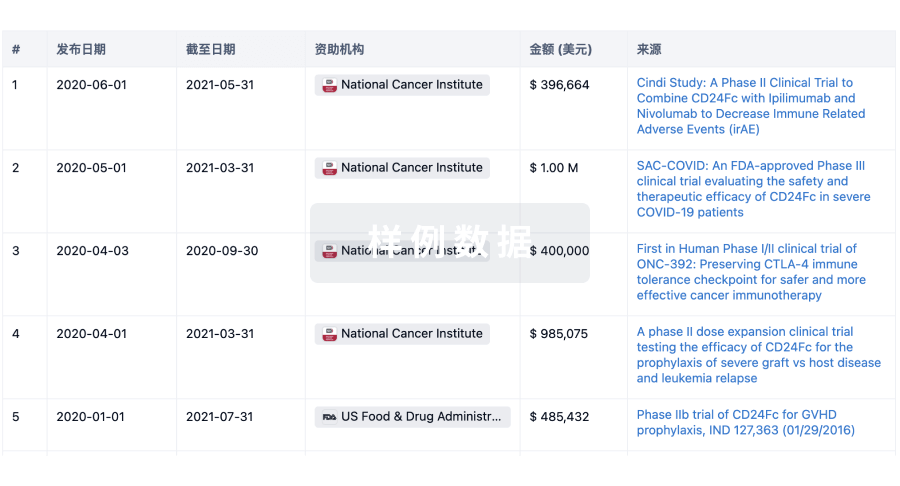
科研基金(NIH)
访问超过 200 万项资助和基金信息,以提升您的研究之旅。
登录
或
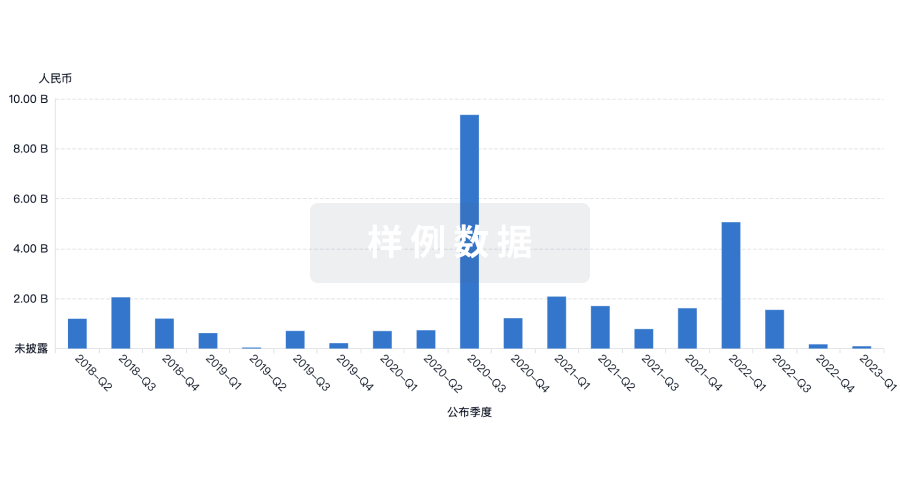
投资
深入了解从初创企业到成熟企业的最新公司投资动态。
登录
或
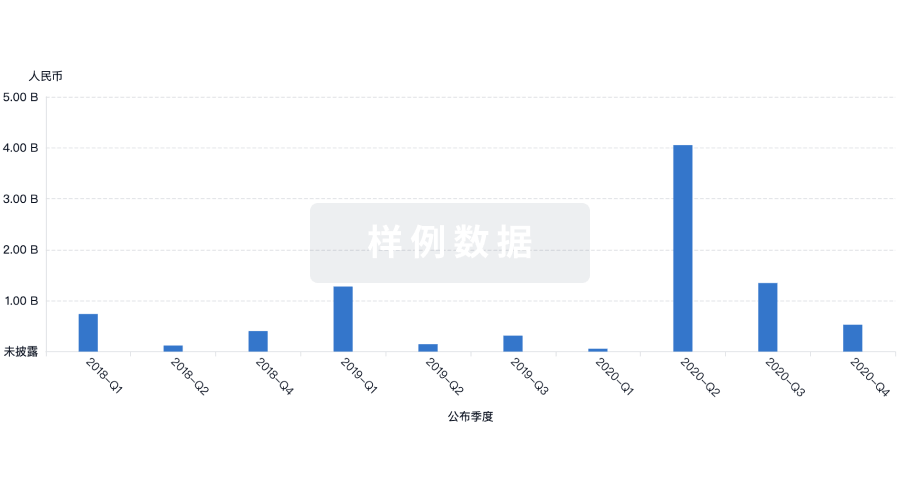
融资
发掘融资趋势以验证和推进您的投资机会。
登录
或
生物医药百科问答
全新生物医药AI Agent 覆盖科研全链路,让突破性发现快人一步
立即开始免费试用!
智慧芽新药情报库是智慧芽专为生命科学人士构建的基于AI的创新药情报平台,助您全方位提升您的研发与决策效率。
立即开始数据试用!
智慧芽新药库数据也通过智慧芽数据服务平台,以API或者数据包形式对外开放,助您更加充分利用智慧芽新药情报信息。
生物序列数据库
生物药研发创新
免费使用
化学结构数据库
小分子化药研发创新
免费使用