预约演示
更新于:2025-09-09
Osong Medical Innovation Foundation
更新于:2025-09-09
概览
关联
100 项与 Osong Medical Innovation Foundation 相关的临床结果
登录后查看更多信息
0 项与 Osong Medical Innovation Foundation 相关的专利(医药)
登录后查看更多信息
190
项与 Osong Medical Innovation Foundation 相关的文献(医药)2025-10-01·BIOMEDICINE & PHARMACOTHERAPY
A consensus HA DNA vaccine targeting clade 2.3.4.4 H5Nx influenza viruses provides broad cross-clade protection in mice and ferrets
Article
作者: Jeong, Ahn Young ; Choi, So-Young ; Song, Min-Suk ; Jeong, Ju Hwan ; Lee, Pureum ; Kim, Doo-Jin ; Seo, Yong Bok ; Choi, Young Woo ; Sohn, Myung Ho ; Choi, Won-Suk ; Kim, Chang-Ung
Recurrent outbreaks of highly pathogenic avian influenza (HPAI) H5Nx viruses in birds pose a threat to human health due to their zoonotic potential. This underscores the urgent need for effective vaccines to mitigate the pandemic risk from evolving H5Nx viruses. We developed a DNA vaccine encoding a consensus hemagglutinin (HA) from clade 2.3.4.4 H5Nx viruses [pGX-27/HA (2.3.4.4)] and evaluated its immunogenicity and protective efficacy in mice and ferrets. Vaccination elicited strong neutralizing antibody and T cell responses, protecting mice against lethal challenge with homologous viruses. Unlike formalin-inactivated vaccines, the DNA vaccine conferred CD8⁺ T cell-mediated cross-protection against divergent clades 2.2.1.2 and 2.3.2.1. In ferrets, the vaccine induced neutralizing antibodies and conferred protective immunity, indicating translational potential. These results suggest that the HA (2.3.4.4) DNA vaccine provides broad immunity against multiple H5Nx clades and offers insights for developing next-generation vaccines against potential zoonotic influenza threats.
2025-09-01·IN VIVO
Tracheal Reconstruction Using a Nitinol Stent for Thoracic Tracheal Rupture
Article
作者: Kim, Joong-Hyun ; Park, Min-Ho ; Choi, Seok Hwa
BACKGROUND/AIM:
Endotracheal tube intubation is required for surgery under inhalation anesthesia. In the present study, after inhalation anesthesia in dogs, the tracheal tube was extubated without deflating the endotracheal tube cuff, resulting in thoracic tracheal rupture, subcutaneous emphysema, and pneumomediastinum. The ruptured thoracic trachea was reconstructed using an endotracheal stent to treat intrathoracic emphysema.
MATERIALS AND METHODS:
A double-wire woven nitinol stent was handmade using a cross-and-hook knitting method. The fabricated endotracheal stent was 2-3 mm larger than the internal diameter of the ruptured trachea. The clinical signs and respiratory pattern, image diagnoses (radiography and computed tomography), and tracheoscopy results after endotracheal stenting were assessed for six months.
RESULTS:
The lateral cervical radiographs showed that the intratracheal stent was properly placed without migration or stent fracture at the insertion site. After two to three weeks of tracheal stenting, the coughing and dyspnea signs revolved, and the normal activities in all dogs were resumed.
CONCLUSION:
The double-wire braided nitinol stent showed no migration or deformation in the canine trachea. These results suggest that the nitinol stent is compatible with the canine tracheal structure and has flexibility with an adequate radial force.
2025-09-01·ECOTOXICOLOGY AND ENVIRONMENTAL SAFETY
Behavioral and neurochemical changes in mice induced by low-level lead exposure: Implications for ADHD and conduct disorders
Article
作者: Jeong, Ye Ji ; Lee, Hae-June ; Choi, Hyung-Do ; Son, Yeonghoon ; Kim, Hyun-Yong ; Choi, Yoonsoo ; Lee, Soo-Ho
Lead (Pb) exposure in children and adolescents poses a significant public health risk due to its potential neurotoxic effects. While high-level Pb exposure is known to impair learning and cognition, the behavioral and molecular consequences of low-level Pb exposure during developmental periods remain poorly understood. This study examined behavioral and neurochemical changes in mice exposed to Pb acetate exposure via drinking water from 4 to 8 weeks of age, corresponding to the juvenile through early adult developmental stages in mice. Mice exposed to 30 mg/L resulting in blood lead levels (BLLs) of 1.26 ± 0.089 µg/dL, while the 300 mg/L group, included as a neurotoxic reference, displayed BLLs exceeding 10 μg/dL. Behaviorally, exposure to 30 mg/L Pb did not affect locomotor activity, however, mice exposed to 300 mg/L exhibited hyperactivity and impaired nesting. Notably, impulsive and compulsive behaviors were significantly altered even at 30 mg/L. Neurochemically, qPCR and Western blotting analysis revealed downregulation of DOPA decarboxylase (Ddc), an enzyme crucial for dopamine synthesis, alongside decreased dopamine levels in the striatum. Pb exposure also disrupted striatal dopaminergic signals, including tyrosine hydroxylase (TH) and dopamine D2 receptors (D2R). These findings suggest that even low-level Pb exposure can lead to behavioral dysfunctions by disrupting striatal dopaminergic signaling, highlighting a previously underexplored mechanism of Pb neurotoxicity.
100 项与 Osong Medical Innovation Foundation 相关的药物交易
登录后查看更多信息
100 项与 Osong Medical Innovation Foundation 相关的转化医学
登录后查看更多信息
组织架构
使用我们的机构树数据加速您的研究。
登录
或
管线布局
2026年02月07日管线快照
无数据报导
登录后保持更新
药物交易
使用我们的药物交易数据加速您的研究。
登录
或
转化医学
使用我们的转化医学数据加速您的研究。
登录
或
营收
使用 Synapse 探索超过 36 万个组织的财务状况。
登录
或
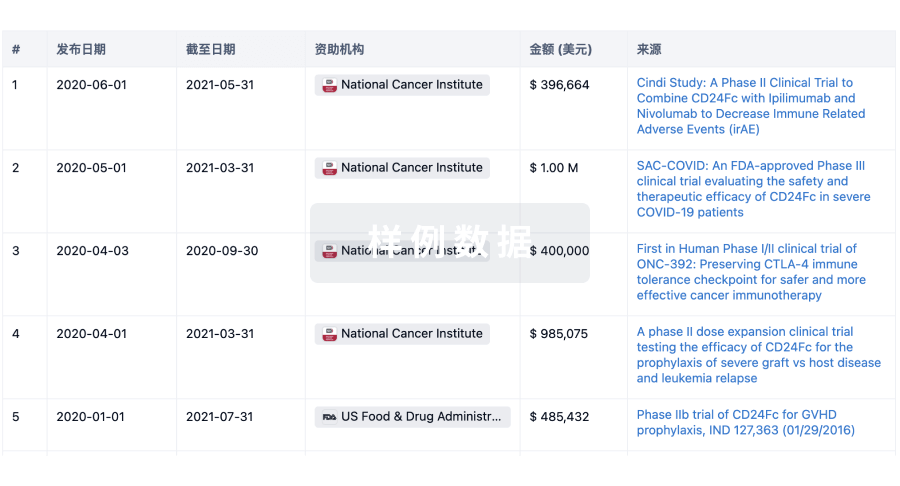
科研基金(NIH)
访问超过 200 万项资助和基金信息,以提升您的研究之旅。
登录
或
投资
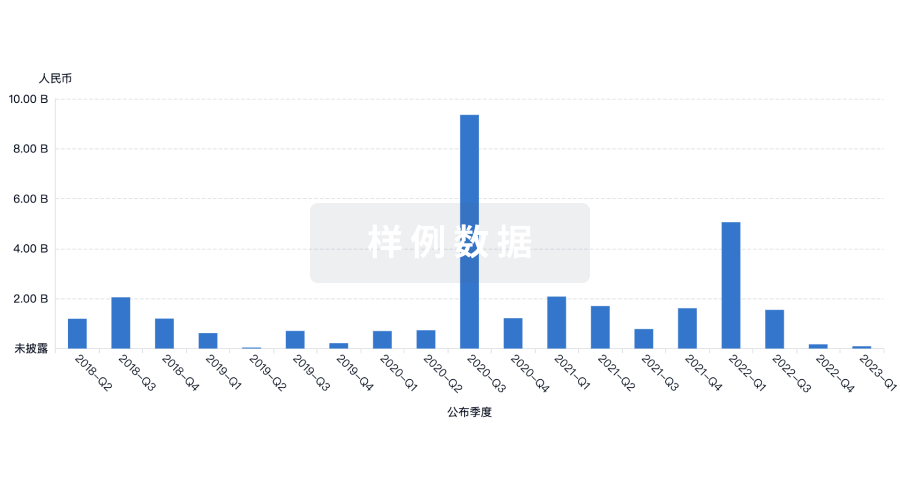
深入了解从初创企业到成熟企业的最新公司投资动态。
登录
或
融资
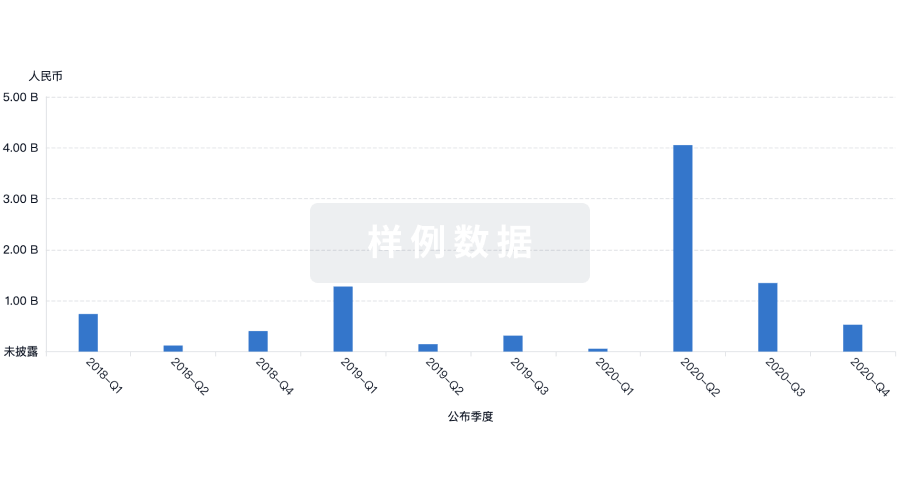
发掘融资趋势以验证和推进您的投资机会。
登录
或
生物医药百科问答
全新生物医药AI Agent 覆盖科研全链路,让突破性发现快人一步
立即开始免费试用!
智慧芽新药情报库是智慧芽专为生命科学人士构建的基于AI的创新药情报平台,助您全方位提升您的研发与决策效率。
立即开始数据试用!
智慧芽新药库数据也通过智慧芽数据服务平台,以API或者数据包形式对外开放,助您更加充分利用智慧芽新药情报信息。
生物序列数据库
生物药研发创新
免费使用
化学结构数据库
小分子化药研发创新
免费使用