预约演示
更新于:2026-01-26

Beijing University of Posts & Telecommunications
更新于:2026-01-26
概览
关联
100 项与 北京邮电大学 相关的临床结果
登录后查看更多信息
0 项与 北京邮电大学 相关的专利(医药)
登录后查看更多信息
4,937
项与 北京邮电大学 相关的文献(医药)2026-03-01·ARTIFICIAL INTELLIGENCE IN MEDICINE
Siamese evolutionary masking: Enhancing the generalization of self-supervised medical image segmentation model
Article
作者: Jing, Zhao ; Zhi, Yichen ; Bie, Hongxia ; Wang, Jiali
Self-supervised learning autonomously extracts features from unlabeled data, supporting downstream segmentation tasks with limited annotations. However, variations in devices, imaging parameters, and other factors lead to differences in the distribution of medical images, resulting in poor model generalizability. Mainstream frameworks include Instance Discrimination, which learns features from different perspectives of the same image but may miss details, and Masked Image Modeling (MIM), which captures local features by predicting masked areas but lacks global information capture. To enhance generalizability by combining global and local information, We introduce the Siamese Evolutionary Masking (SEM) framework, which employs a Siamese architecture composed of an online branch and a target branch. An evolutionary masking strategy is adopted within the online branch, transitioning from grid to block masking during training, encouraging the model to develop more general visual features. Additionally, a module called Switch Decoder aligns the online branch's predicted features with the true features in the target branch, overcoming the challenge of balancing global and local information capture. Experiments on six public datasets, including four skin datasets (SD-260, ISIC2019, ISIC2017, and PH2) and two chest X-ray datasets (Chest X-ray PD and Chest X-ray), demonstrate that SEM achieves strong performance among self-supervised methods. In cross-dataset experiments with different distributions, SEM demonstrated the best segmentation and generalization performance, with Dice scores of 81.8% and 91.1%, Jaccard indices of 72.2% and 84.4%, and optimal HD95% measurements of 13.1% and 10.5%, respectively. Code is available at https://github.com/wsdl666/Siamese-Evolutionary-Masking.
2026-02-01·SPECTROCHIMICA ACTA PART A-MOLECULAR AND BIOMOLECULAR SPECTROSCOPY
Improving the performance of the echinococcosis diagnosis model based on serum Raman spectroscopy via the integration of convolutional neural network and support vector machine
Article
作者: Lü, Guodong ; Wu, Aian ; Wu, Guohua ; Zheng, Xiangxiang ; Huang, Jiahui ; Huang, Yukang ; Xu, Liang
Echinococcosis is a zoonotic parasitic disease characterized by its insidious nature and severe health impacts. Rapid and accurate screening is crucial for subsequent treatment. Previous studies have demonstrated that Raman spectroscopy combined with machine learning or deep learning can be used for rapid diagnosis of echinococcosis, but there remains room for improving diagnostic accuracy. Therefore, this study proposes combining a convolutional neural network with a support vector machine (CNN-SVM) for the analysis of serum Raman spectra, aiming to achieve high-accuracy classification of echinococcosis, liver cirrhosis, hepatocellular carcinoma, and normal control groups. After collecting the spectra of 573 serum samples, spectral features were extracted by the CNN and then classified using the SVM. The results show that the classification accuracy of CNN-SVM model is 96.5 %, which is better than the CNN (92.3 %) and SVM (89.3 %) used alone. Furthermore, in the binary classification task of detecting echinococcosis versus non-echinococcosis cases, the CNN-SVM model also achieved an accuracy of 96.5 %, surpassing the traditional dot immunogold filtration assay (88.7 %). In conclusion, the proposed CNN-SVM model demonstrates superior diagnostic performance for echinococcosis and holds significant clinical application potential.
2026-02-01·INTERNATIONAL DENTAL JOURNAL
Generative Artificial Intelligence: Applications and Future Prospects in Dentistry
Review
作者: Du, Chenlin ; Ma, Zeyao ; Lao, Qicheng ; Xie, Xianju
Generative artificial intelligence (GenAI) is rapidly advancing in healthcare and is poised to transform dentistry. Given its increasing adoption in clinical and educational contexts, a comprehensive review is needed to evaluate current progress and future directions. This narrative review investigates its applications, challenges, and prospects. 74 studies from 2020 to 2025 were analyzed, covering various branches of dental medicine. GenAI has shown promise in crown design, tooth alignment, radiographic diagnosis, and educational content generation, using generative adversarial networks, diffusion models, and large language models. However, limitations remain, including insufficient clinical validation, non-standardized datasets, fragmented workflows, and ethical concerns such as data privacy and transparency. Overall, GenAI represents a transformative technology with potential to enhance diagnosis, treatment planning, and education, but continued research and standardized protocols are essential for safe integration.
38
项与 北京邮电大学 相关的新闻(医药)2026-01-23
·高志愿
每年高考志愿填报,都像是一场“未来投资”。
有人盲目追逐转瞬即逝的网红专业,最终在毕业时遭遇行业洗牌;
而有远见的家庭,早已将目光锁定在政策扶持的核心赛道——那些紧扣国家战略、享受持续政策红利的领域,不仅能避开内卷,更能借时代东风实现职业发展的“弯道超车”。
2026年作为“十五五”开局之年,国家对新兴产业、未来产业的扶持力度持续加码,从“人工智能+制造”到低空经济,从生物制造到银发经济,一系列政策红利正加速转化为人才需求。
今天,我们就来拆解如何精准踩准国家战略风口,选对能吃尽政策红利的专业与方向。
一、政策扶持赛道
为什么能吃尽“发展红利”?
政策扶持赛道的核心优势,在于“国家背书+需求扩容+资源倾斜”的三重buff加持,这也是其能穿越行业周期、持续释放红利的底层逻辑。
与完全依赖市场波动的行业不同,这类赛道直接对接国家发展核心目标,是构建现代化产业体系的“必选项”。
从政策层面看,国家会通过财政补贴、科研支持、产业园区建设等多重手段,为赛道注入发展动能。
据《2026年全国工业和信息化工作会议》部署,工信部明确提出打造集成电路、低空经济、生物医药等新兴支柱产业,开展未来产业重点细分赛道创新任务揭榜挂帅,加强6G技术研发,支持有序开展卫星物联网等新业务商用试验。
这些领域的人才缺口会随着政策落地持续扩大,从就业层面看,政策扶持赛道多为技术密集型领域,不仅薪资待遇高于传统行业,更能凭借“卡脖子”技术构建职业壁垒,越深耕越吃香。
更关键的是,政策扶持赛道的红利具有“长期性”。无论是双碳目标下的绿色转型,还是人口老龄化催生的银发经济,都不是短期风口,而是持续数十年的国家战略,这意味着从业者能获得稳定且可预期的职业成长空间。
二、四大核心政策扶持
精准对接战略红利
结合2026年工信部、两会最新政策导向,我们筛选出四大高价值政策扶持赛道,每个赛道配套核心专业、就业前景与院校推荐,帮你精准锁定红利入口。
一、人工智能+制造:新质生产力的“核心引擎”
国家持续推进“人工智能+”专项行动,将数字技术与制造优势深度结合,大力发展智能网联新能源汽车、智能机器人等新一代智能终端,为该赛道带来爆发式人才需求。
工信部已将“人工智能+制造”纳入2026年重点工作,多地同步出台配套政策加码,例如浙江省明确提出2026年全省人工智能核心产业营收增长20%以上,全社会研发投入强度力争达到3.35%(数据来源:浙江省2026年数字经济发展规划)。
这一赛道不仅享受政策补贴,更有海量产业场景支撑,红利覆盖面极广。
核心专业
机器人工程(智能制造核心)、智能控制技术(物联网配套)、人工智能(大模型应用方向)、自动化(工业互联网场景)。
就业前景
机器人工程专业毕业生可入职工业机器人企业,从事自动化生产线设计,起薪12-18万,资深工程师年薪超30万;人工智能专业人才缺口超百万,算法工程师、机器视觉工程师年薪普遍25-40万,适配互联网、制造、医疗等多领域。
院校推荐
江苏理工学院(智能制造学科群优势突出,产教融合紧密)、西安电子科技大学、哈尔滨工业大学(人工智能+制造交叉领域顶尖)。
二、未来产业:抢占下一代技术“制高点”
国家明确建立未来产业投入增长机制,重点培育生物制造、量子科技、具身智能、6G等未来产业,这类赛道虽目前规模不大,但政策扶持力度最大、成长潜力无限,是适合长期布局的“黄金赛道”。
依据工信部2026年工作部署,未来产业已被列为新兴支柱产业的重要延伸,将通过创新任务揭榜挂帅等方式,推动核心技术攻关与人才培育精准衔接,为相关专业毕业生提供广阔的科研与就业空间。
核心专业
生物工程(生物制造方向)、物理学(量子科技支撑)、电子信息工程(6G通信核心)、通信工程(空天地一体化通信)。
就业前景
生物工程专业对接生物制药、细胞治疗领域,硕士毕业生进入头部药企起薪18-25万,享受研发补贴;电子信息工程、通信工程专业适配6G研发、卫星物联网等新业务,毕业生多入职华为、中兴等企业,起薪15-22万。
院校推荐
中国科学技术大学(量子科技顶尖)、北京邮电大学(6G研发领先)、华东理工大学(生物制造优势明显)。
三、低空经济与高端装备:政策催生“新蓝海”
低空经济作为2026年新兴支柱产业,政策红利持续释放,不仅连续两年被写入《政府工作报告》,党的二十届四中全会也明确提出“加快低空经济等战略性新兴产业集群发展”,中央空管委、交通运输部等部门已出台空域管理、场景推广专项政策划定发展路径(政策来源:《低空经济发展三年行动计划(2025-2027年)》)。
工信部同时明确支持有序开展卫星物联网等新业务商用试验,带动无人机、航空航天装备等高端制造业需求爆发,这一赛道兼具技术壁垒与政策红利,人才缺口持续扩大。
核心专业
航空航天工程、飞行器设计与工程、无人机系统工程、机械工程(高端装备制造方向)。
就业前景
无人机系统工程专业毕业生可入职低空经济企业,从事无人机研发、运维,起薪10-16万,随着低空开放政策落地,薪资涨幅年均15%以上;航空航天工程专业对接航天院所、军工企业,本科起薪8-12万,硕士及以上可参与国家级项目,职业稳定性极强。
院校推荐
北京航空航天大学、西北工业大学、南京航空航天大学(航空航天领域权威)、南昌航空大学(性价比之选)。
四、银发经济:人口红利下的“刚需蓝海”
应对人口老龄化已上升为国家战略,2026年全国两会明确提出“完善养老事业和养老产业政策机制,大力发展银发经济”,带动智慧康养、老年护理等领域需求扩容(政策来源:《2026年政府工作报告》)。
这一赛道兼具政策扶持与民生刚需,就业稳定性拉满,且随着配套政策落地,人才需求将持续攀升。
核心专业
养老服务管理、智能康复工程、中医学(慢病调理方向)、护理学(老年护理方向)。
就业前景
养老服务管理专业毕业生可入职高端养老机构、社区服务中心,担任运营管理岗,起薪6-10万,资深管理者年薪超20万;智能康复工程专业对接康复设备研发,起薪12-18万,适配银发经济与大健康战略双重需求。
院校推荐
北京社会管理职业学院(养老服务管理特色)、上海理工大学(智能康复工程领先)、南京中医药大学(中医学优势)。
报考实操指南
3步锁定“真政策红利”,避开伪赛道
政策扶持赛道虽好,但并非所有沾边专业都能吃尽红利。以下3个实操技巧,帮你避开“蹭热点”的伪赛道,精准对接真红利。
1. 查政策匹配度:锚定国家级战略文件
报考前优先查阅工信部、发改委发布的国家级战略文件,锁定明确被列为“重点发展”“支柱产业”的领域,如工信部2026年重点提及的集成电路、低空经济、6G等领域,或是连续写入《政府工作报告》的核心赛道。
避开仅地方政策提及、缺乏国家层面支持的赛道,这类赛道红利持续性不足。
同时关注院校是否对接国家级科研项目,如国家重点实验室、产教融合平台,这类院校能获得更多政策资源倾斜,培养方向也更贴合国家战略需求。
2. 辨学科实力:优先“产业导向型”院校
政策赛道对院校学科实力要求极高,优先选择学科评估B+及以上、或构建“产业导向型”学科群的高校。
如江苏理工学院构建智能制造、电子信息与人工智能学科群,推行“产教融合、科教融汇”模式,毕业生专业对口率超70%。
避开仅跟风开设热门专业、无核心师资与产业对接的院校,这类院校难以培养出符合政策赛道需求的人才。
3. 看培养模式:聚焦“交叉型+实践型”人才
政策扶持赛道多需要交叉型人才,报考时关注院校是否开设微专业、交叉课程,或与行业龙头企业共建产业学院。
如部分高校开设“人工智能+合成生物”交叉方向,推行“双导师制”,让学生深度参与企业真实项目研发。
同时优先选择实践课时占比高、有顶岗实习资源的院校,政策赛道更看重实操能力,实践经验能大幅提升就业竞争力。
选对政策赛道,让努力事半功倍
高考志愿填报的本质,是在个人能力与时代机遇间找到最优解。热门专业可能转瞬即逝,但政策扶持的核心赛道,总能借国家战略的东风持续释放红利。
所谓“顺势而为”,就是踩准国家发展的节奏,在政策倾斜的领域深耕,让个人成长与时代发展同频共振。
愿每一位高考生,都能跳出盲目内卷的误区,精准锁定政策扶持赛道,选对适合自己的专业,在时代红利的加持下,收获更有确定性的未来。
#高考志愿填报#高志愿#阳光高考网#阳光高考#阳光高考信息平台#刚需#政策扶持
高管变更
2026-01-14
◎加入胡师姐新传考研27级群聊,进群可领取福利和获得免费答疑
◎ 小编 | 雯子 ◎ 责编 | 雯子
文章来源:微信公众号“清华全球发展与健康传播中心”
2025年,在全球健康和全球发展领域,是充满转折与可能的一年。挑战重重、跌宕起伏,但也涌现出许多振奋人心的进展。全球人均预期寿命到达历史最好水平;《世界卫生组织大流行协定》获得通过,全球应对大流行病的合作进入“法治化”阶段;中国政府,将HPV疫苗(宫颈癌疫苗)纳入国家免疫规划,加速宫颈癌消除;长效艾滋病新药来那帕韦(Lenacapavir)用于艾滋病病毒的预防,使终结HIV成为可能;以及非洲药品管理局(AMA)正式运作,将为加强非洲医疗产品的监管和本地化生产奠定基础。这些进展不仅是技术层面的突破,更是全球合作与共同进步在艰难中行进的缩影。
然而,2025年也同样让人警醒。它或将成为1990年以来五岁以下儿童死亡人数首次上升的一年:据华盛顿大学健康指标与评估研究所(IHME)预计,这一数字将从2024年的460万上升到480万。官方发展援助(ODA)与2024年相比将下降9%-17%; 卫生发展援助更是创下过去15年来的新低,较 2024 年下降近 27%;尽管全球农业生产力处于历史高位,仍有 7.2 亿人长期处于食物不安全状态, 3.19 亿人面临急性饥饿,加沙和苏丹甚至已出现饥荒。此外,全球仍有26亿人尚未接入互联网,巨大的数字鸿沟在不断拉大全球发展的不均衡。这个清单可以一直列下去,让我们警醒又懊恼。
这个清单还有一类重大事件,很难简单归类为好消息还是坏消息,比如盖茨基金会宣布20年后结束使命,联合国组织启动的改革进程等,都要经由时间来检验其深远影响。
2026年伊始,清华大学全球发展与健康传播研究中心梳理过去一年在全球健康和发展领域的重大事件,解读其对未来的潜在意义,希望为致力于这一领域的同仁和关注全球议题的读者提供一个全局视角与有价值的参考。
1. 全球健康和发展融资危机:官方发展援助(ODA)的削减与美国国际开发署(USAID)停摆
2025年6月12日全球发展中心(Center for Global Development)发布的分析报告发出警告:随着捐助国大幅削减对外援助预算,2025 年可能成为国际发展发生历史性逆转的一年。最具代表性和象征意义的是,美国政府宣布取消“90%以上”的美国国际开发署(USAID)对外援助合同和600 亿美元的美国全球援助总额,并于2025年7月1日正式停止USAID执行对外援助任务。根据经合组织(OECD)的预测,2025 年全球援助会下降 9-17%,在美国国际开发署(USAID)于2025年初几乎全面暂停付款后,美国的官方发展援助预计将在 2023 年基础上下降 56%。
“2025 年很可能会被载入史册,因为捐助国在这一年几乎将其国际发展承诺付之一炬。”
华盛顿大学健康指标与评估研究所(IHME)发布的报告《全球健康筹资》显示在2021 年新冠疫情期间,全球健康发展援助曾达到 800 亿美元的峰值,但到2025年预计将骤降51%,跌至390亿美元,是过去15年来的新低。这一趋势反映了各国持续削减援助资金的现状——美国今年的削减幅度高达 67%,英国、法国和德国也缩减了相关拨款,而日本则略有增加。此举对撒哈拉以南非洲地区的影响最大,仅今年一年,该地区获得的全球健康发展援助资金就下降了25%。
全球健康和发展融资危机将对全球发展和全球健康产生了巨大而复杂的影响。如果处理不当,甚至会出现人道主义灾难。
世卫组织的调查报告显示官方发展援助(ODA)的削减和暂停正在严重扰乱低收入和中低收入国家的卫生服务。世卫组织对其设于 108 个国家的代表处进行的快速评估显示,70%的国家报告了卫生服务中断的情况,尤其是在卫生应急响应、疾病监测以及孕产妇与儿童健康、计划生育、艾滋病和结核病防控等基本服务方面。此外超过 50 个国家报告出现卫生工作者裁员和培训中断的情况。
多家知名医学杂志和研究机构发布的模型预测都显示,融资危机将造成重大负面影响:《自然》杂志报告的模型预测显示,如果美国削减对结核病、艾滋病、计划生育以及妇幼保健等项目的资金支持,未来 15 年可能会导致约 2500 万人死亡。巴塞罗那全球卫生研究所(ISGlobal)发布警告称,美国、英国、法国和德国同时削减援助,可能导致到 2030 年多达 2260 万本可避免的死亡。研究预计,在最严重的资金削减情景下,全球可能有 540 万名五岁以下儿童因此遭遇本可避免的死亡。
在发展援助资金减少的同时,也不应忽略援助资金的浪费问题。非洲疾病预防控制中心总干事让·卡塞亚(Jean Kaseya)表示,此前外国对非洲的卫生援助中,实际上有大约60%被浪费掉了。前埃塞俄比亚卫生部长利亚·格布雷梅德欣(Lia Tadesse Gebremedhin)也同意卡塞亚的看法,并指出有时因为低效而浪费的资金比例甚至可能高达 80%。
在当前全球经济发展趋缓和停滞、主要经济体优先关注国内事务的情况下,未来5年保持甚至增加全球健康和发展融资总额是不现实的期望。现在最重要的思考和行动是如何在国际援助减少的限制下,保持住全球健康和发展的成果,继续推动健康和发展向SDG目标前进。这个策略转型,必须聚焦于几个重要的方面,包括将援助重点聚焦于最贫困、最脆弱国家和最贫困人群,纠正极端贫困地区与资金分配之间的不匹配;投资于经过验证且具成本效益的干预措施,比如Gavi的疫苗接种和全球基金的传染病防控项目,这些项目自2000年以来已经挽救了约 8200 万人的生命;推动国际援助和公益机构改革,减少冗余的行政成本,增加效率;推动融资的创新,比如“债转健康”、“债转发展”等新型低收入国家的外债减免;加强非洲地区的本土制造和基本医疗产品的自给自足,非洲卫生系统的未来必须转为本国投资和区域药品制造的需求驱动等。
2. 全球健康和发展多边组织增资不足
2025年是多家重量级国际多边组织增资大年,为2026-2030期间的工作募集资金。3月,在巴黎举行的“营养促进增长”(Nutrition for Growth,简称 N4G)峰会上,共筹集超过 270 亿美元用于应对全球营养不良问题,而实现SDG2 消除一切形式的饥饿和营养不良的目标预计需要390亿美元;6月,在布鲁塞尔举行的“通过免疫接种实现健康与繁荣”全球峰会上,全球疫苗免疫联盟(Gavi)为其2026-2030五年战略周期(“Gavi 6.0”)119亿美元的预算目标募集了90亿美元资金;11月,约翰内斯堡举行的全球基金第八次增资峰会,为2026年至2029年期间的工作筹集到113.4亿美元,距离其180亿美元的目标存在约40%的差距。12月,在阿联酋首都阿布扎比举行的全球根除脊髓灰质炎倡议(GPEI)高级别募资活动,募集到19亿美元资金以推动根除脊髓灰质炎。根据GPEI的认捐活动声明,此次募捐后截至2029年该项目的资金缺口目前为4.4亿美元。
全球健康和发展多边组织增资喜忧参半。在目前全球发展援助资金短缺的情况下,主要的多边组织都有所斩获,募资额达到预期的63%(全球基金)到81%(GPEI),都超过了60%;但要实现这些组织的工作目标,按照原有的方式开展工作注定无法持续。这些机构的募资来源主要还是发达国家的政府,以Gavi为例,主要捐助方的资金承诺变化影响巨大,美国政府没有任何承诺,与上一个增资期比减少11.7亿美元;英国和法国也减少了20%以上的承诺。虽然加拿大、西班牙和韩国等加大力支持力度,还有印尼新的加入,但仍无法弥补差距。即使看起来募资比较乐观的GPEI, 其获得的19亿美元承诺中,盖茨基金会一家就占了12亿美元。
实现零饥饿、帮助儿童免受可预防疾病侵害,为上亿患者提供艾滋病、结核病和疟疾的预防和治疗服务,消除脊髓灰质炎都是不能错过的全球健康和发展议题。如果不能采取有效措施在低资源下提高成效,过去几十年取得的成绩,将面临严峻的威胁,甚至倒退。
3. 《世界卫生组织大流行协定》通过,应对未来传染病大流行
2025年5月20日第78届世界卫生大会审议通过《世界卫生组织大流行协定》(简称《大流行协定》)。《大流行协定》是全球首份具有法律约束力的大流行应对协议,旨在促进全球合作,确保更有力、更公平地应对未来大流行病。协定要求各国加强病原体信息共享、建立全球供应链、提升卫生系统韧性,并设立“大流行防范基金”。《自然》杂志评选2025年十大人物中南非公共卫生官员普雷修斯·马索索的得奖理由,就是在历时多年的艰难谈判后,终于促成了全球首个大流行病防范协议。
《大流行协定》的通过,是全球公共卫生治理领域的一个关键转折点。世界卫生组织总干事谭德塞将其评价为“世卫组织乃至全球卫生史上最重大的成就之一” 。经历新冠(COVID-19)大流行,联合国各成员国意识到需要汲取经验教训,通过更有力、更公平的国际合作,让世界为应对下一次健康危机做好更充分的准备。其最核心的驱动力是解决COVID-19大流行期间暴露出的严重不公平和全球协作失灵问题。例如,疫苗、药物和诊断工具在全球范围内的分配极度不均,许多发展中国家深受其害。因此,协定的根本目标在于系统性地解决公平性问题,并全面提升全球的监测、防范和应对能力。
长远看,《大流行协议》目的是从根本上改善卫生产品获取的公平性,这是协定最具变革性的长期目标。即通过建立病原体获取和惠益分享系统,各国在分享病原体样本和基因序列信息后,能更有保障地分享由此产生的疫苗、药物等利益。同时可以强化缔约国针对潜在大流行的新发和再发传染病的监测能力和为应对大流行提供可持续的资金保障。
《大流行协议》是否能取得预期的成效,需要考虑如何妥善解决现实的风险因素。首先,虽然在美国退出世卫组织并缺席谈判的背景下,国际社会仍能达成共识,证明了各国在重大全球挑战面前坚持合作的决心。但大国尤其是美国的持续缺席,将在政治影响力和资源方面削弱协定的全球效力。其次,协定的宏伟蓝图需要充足资金支持,能否筹集到可持续的资金,是决定协定条款能否从文本变为现实的关键。最后,要考虑执行过程中的技术与管理复杂性:“病原体获取和惠益分享系统”等机制涉及复杂的知识产权、利益分配和操作流程,谈判和实施难度极大。如何平衡效率与公平,是需要高超管理智慧的挑战。
其成功与否,最终将取决于未来几年间,各国政府能否展现出足够的政治意愿,克服分歧,将协议内容转化为切实的行动和投资。
4. 长效艾滋病新药来那帕韦用于艾滋病病毒的预防
2025年7 月 14 日,世界卫生组织发布新指南,建议每年两次注射来那卡帕韦(Lenacapavir)预防艾滋病毒感染。来那帕韦是第一款高度有效的长效药物,临床试验证实其预防HIV感染的有效性100%。在针对非洲年轻女性的研究中,注射组实现了零感染。
来那帕韦的研发公司吉利德科学(Gilead Sciences)已与全球基金(Global Fund)达成协议,将以成本价向中低收入国家供应。12月1日,南非、斯威士兰和赞比亚启动了首个来那帕韦大规模药物预防项目。预计从2027年起,通过国际药品采购机制(Unitaid)、盖茨基金会及印度制药企业的合作协议,100个国家将可获得年均费用约40美元的仿制药。
药品价格将是大规模推广的一大障碍。吉利德公司将来那帕韦的预防用药定价为每年 2.8 万美元,虽然仿制药的生产成本仅约 25 美元,但许多中等收入国家仍被排除在外。在现行价格体系下,很多中等收入以上国家的数以百万的人可能无法获得该药物。
来那帕韦长效注射剂是一个革命性的HIV预防措施。这不仅标志着艾滋病终结的开端,也为应用长效注射剂药物应对结核病和疟疾等疫苗预防效果不理想的传染病提供了开发新的预防和治疗方式的途径。随着来那帕韦等新的预防措施出现,公共卫生决策还要考虑如何把资源在推广已有的有效的传染病预防措施和研发新的疫苗等工具之间分配,才能实现全球健康收益的最大化。
吉利德计划在今年下半年启动每年一次用药方案的三期临床试验,并有望在 2027 年向监管部门提交申请。如能成功,将进一步使艾滋病预防变得更具操作性。
5. 中国将人乳头瘤病毒疫苗纳入国家免疫规划
2025年10月30日中国政府宣布将人乳头瘤病毒疫苗(HPV疫苗)纳入国家免疫规划,为满13周岁女孩免费接种双价HPV疫苗预防宫颈癌。中国的宫颈癌负担沉重,2022年中国新发宫颈癌病例约15.1万例,死亡约5.6万例,占全球病例的近五分之一。WHO热烈祝贺中国作出里程碑式决定,通过为新生代女孩接种HPV疫苗,中国正推动全球让宫颈癌成为历史。
对于中国公共卫生而言,这是一个标志性的历史节点:它是国家免疫规划时隔近18年的再度扩编。自 2006 年全球首款 HPV 疫苗问世,2016 年中国批准首个进口 HPV 疫苗以来,中国多款HPV疫苗获批上市。特别是2019年以来两款双价国产HPV上市,并陆续世界通过卫生组织资格预审(PQ),将HPV疫苗价格降低了90%,使高质量的HPV疫苗纳入免疫规划成为可能。
6. 非洲药品管理局开始运作
非洲药品管理局(AMA)是非洲联盟下设的政府间机构,专注于促进非洲各国获得优质、安全和有效的医疗产品。2025年6月AMA理事会任命加纳食品药品管理局首席执行官德莱斯·米米·达科(Delese Mimi Darko)为AMA首任总干事。随后,11月第七届非洲药品监管机构大会正式宣布AMA正式开始启动运作。《自然》(Nature)杂志在刊发的社论中指出,非洲新成立的非洲药品管理局是建设本土监管能力、确保全非洲公平获得药品和疫苗的关键一步。
非洲各国在药品生产和制药工业成熟度方面存在巨大差异。总体看,非洲大陆仅占全球药品生产总量的 3%。绝大多数国家长期依赖进口来支持本国的医疗健康服务,其药品和其他医疗产品的进口量约为国家需求总量的80%甚至100%。目前全球临床试验中在非洲开展的不足 3%,引发了对治疗效果是否适用于非洲人群、甚至可能带来潜在风险的担忧。此外,非洲大陆的假药和伪劣药品问题严重,根据WHO的数据,在2013年至2017年间缉获的假药中,高达42%来自非洲。据模型估计,在撒哈拉以南非洲,每年因使用劣质和假冒抗疟药造成的死亡就可能达到116,000人。要发展非洲本土医疗产业,监管是必不可少的一环,而目前55个非盟成员国中仅有 9 国拥有符合世卫组织标准的国家监管机构。
AMA开始运作将对提升非洲大陆药品监管水平,促进本地化生产起到积极的促进作用。AMA面临的首要任务是加强药品监管能力,解决药品可及性和安全性问题。AMA是否能在下述主要方面取得成功,很大程度上决定着AMA的未来:如何加快优质药品在非洲的获批时间,力争将平均3-7年的审批时间缩短至1年;如何阻击假劣药品,通过联合监管、信息共享和市场监测系统性的将高达30-40%伪劣基本药物驱除非洲市场;如何加强临床试验的审批和监管,确保在非洲进行的临床试验符合国际伦理和科学标准,使数据全球认可;如何能降低本土企业成本,使企业注册产品无需在55个国家重复申请,节省大量时间和资金。
AMA未来五年的启动预算约 1 亿欧元,主要来自国际捐助方,包括欧盟委员会、EMA、盖茨基金会和惠康基金会(Wellcome Trust)。要实现长期可持续性,非洲必须增加本国财政投入。AMA的成功运作,将是实现“非洲健康议程2063”和减少全球健康不平等的最坚实一步。其最大的挑战并非技术,而在于持续的政治承诺、充足的资金投入以及各成员国监管能力的均衡提升。
7. 盖茨基金会宣布20年后结束运营
2025 年 5 月 8 日,比尔·盖茨在他的个人网站盖茨笔记(Gates Notes)宣布将在 2045年前捐出几乎全部个人财富,并计划在同年年底前完成使命,正式关闭盖茨基金会。未来 20 年,基金会将聚焦三大核心目标:终结孕产妇和婴儿死于可预防的疾病;确保我们的下一代不再遭受致命传染病的威胁;帮助数亿人摆脱贫困,走上繁荣发展的道路。预计到 2045 年,盖茨基金会的累计支出将超过 3000 亿美元,超过历史上任何一个私人基金会。
自2000年成立,盖茨基金会成为全球健康和发展领域举足轻重的力量,很大程度上,影响了全球健康的议题设置和资源分配。盖茨基金会直接推动了全球疫苗免疫联盟(Gavi)和全球基金的成立,而这两个组织迄今已经挽救超过8000万生命。过去25年盖茨基金会的慈善支出超过1000亿美元,排在受赠方前五的组织包括Gavi (49.55亿美元)、 WHO(43.57亿美元)、全球基金(39.01亿美元)、PATH(28.58亿美元)和UNICEF USA (18.41亿美元) 。盖茨基金会不仅是一个慈善资金提供者,也是一个创新研发和推广的支持者,旗下有盖茨医学研究所(Gates MRI)聚焦结核和疟疾药物、疫苗的研发,盖茨农业创新(Gates Ag One)聚焦加快在撒哈拉以南非洲和南亚地区的小农户中开展作物创新成果的推广。盖茨基金会和盖茨本人也在全球健康和发展政策和资源倡导中发挥巨大的作用。全球主要多边组织的募资会议,都有盖茨基金会的支持和参与。
盖茨基金会在20年后关门的决定,无疑会对全球健康和发展领域带来巨大影响。短期来看,2000亿美元巨额资金的注入无疑将强力加速全球健康与发展关键目标的推进,根除脊髓灰质炎和降低孕产妇和儿童死亡率等目标的进展将获得持续的关注和监督;但2045年后,盖茨资金的突然中断,可能造成资金断崖,在全球健康和发展领域的资金缺口是否获得足够的填补,一切都是未知。
这无疑是一场豪赌,盖茨基金会的主要目标如果可以在20年实现,将永久改变全球健康和发展的格局。但若失败,对该领域信心和资源的影响也将是巨大的。值得关注的是,盖茨基金会的三大目标,都必须依赖动员巨额外部资源和伙伴的努力才能实现,一个明显的例子是仅就帮助数亿人摆脱贫困这一目标而言,即使盖茨基金会未来20年将全部2000亿美元捐赠给1亿贫困人群,人均每年也只有100美元。盖茨基金会如何明确目标,制定策略,达成共识,动员资源,监控进展将是其是否能实现目标的关键。
8. 全球卫生架构改革
2025年3月12日联合国秘书长古特雷斯在联合国总部宣布启动的全系统改革计划《联合国80周年倡议》,旨在应对资金短缺、结构性调整等长期问题,强调全球面临前所未有的挑战,必须通过深化改革提升效率。联合国体系的运行效率一直受到诟病,特别是2030年可持续发展目标的进展仅35%达标、18%目标出现倒退的紧急状态。对于全球卫生架构改革,古特雷斯 2025 年9月18日报告《转变模式:团结一致交付成果》的提案建议将人口基金和妇女署合并,以及裁撤艾滋病规划署(UNAIDS)等内容。
UNAIDS成立于1996年,是一个旨在协调联合国系统内艾滋病防治工作的联合项目。UNAIDS目前由设在日内瓦的总部秘书处和一组作为共同赞助方的联合国机构组成。2025年,为响应联合项目内部和更广泛的联合国系统改革的呼声,并面临捐助资金大幅减少导致的资金危机,秘书处启动了重组工作,将其工作人员减少55%,并将剩余工作人员迁出日内瓦。UNAIDS将成立一个工作组来制定计划,包括联合国艾滋病规划署进一步过渡的时间表。该工作组将于2026年6月提交中期报告,并在10月底前提出最终建议。
世界卫生组织(WHO)也着手机构改革。据路透社3月29日披露的一份内部备忘录,世卫组织提议将2026-27 年的预算从53亿美元降至42亿美元,降幅达21%。同时,减少工作人员和工作规模。总部部门从76个压缩至34个;高级管理层从14人减至7人;计划裁员超2000人,占其全球9400多员工总数的20%。与此同时,四个业务单元将迁出日内瓦:应急团队部分迁至柏林,运营与物流迁至迪拜,卫生人力/护理迁至里昂,传统医学移至印度贾姆讷格尔。即便将预算进行了大幅削减,世卫组织仍面临约17亿美元的资金缺口。
世卫组织长期以来严重依赖指定用途的自愿捐款(占比高达约80%),这使得其资金缺乏可预测性,且容易受捐助国政治意愿影响,难以独立规划和支持优先事项。当前的改革试图解决这个根本问题。WHO希望能将成员国评定会费占比提升至50%,降低对自愿捐款的依赖,增强预算可预测性和独立性。同时通过结构精简和职能迁移(如迁至成本较低地区),提升运营效率和区域响应能力。
改革催生了新的可能性。我们希望能看到一个有更多全球南方国家参与管理,更具代表性,职能更聚焦的世卫组织,能更好地发挥其作为全球卫生领域核心协调者的作用。
回望2025年,我们既惊诧于当前仍然存在巨大的全球发展与健康的不公平,感受到对改善不公平行动的迫切,也为取得的进展和创新感到欣喜。清华大学全球发展与健康传播研究中心会持续关注全球发展与健康问题,让我们共同见证世界的发展和进步。
参考文献:
[1]盖茨基金会 《2025目标守卫者报告》(2025 Goalkeepers Report)
[2]IHME《全球疾病负担报告2023》(GBD 2023 Report)
[3]OECD Cuts in official development assistance: OECD projections for 2025 and the near term
[4]WHO 全球卫生架构改革和联合国 80 周年倡议
[5]国家疾病预防控制局 关于将人乳头瘤病毒疫苗纳入国家免疫规划有关工作事宜的通知
[6]https://www.devex.com/news/africa-cdc-chief-60-of-foreign-health-aid-was-effectively-wasted-111049
[7]https://www.who.int/news/item/10-04-2025-countries-are-already-experiencing-significant-health-system-disruptions---who
[8]https://www.cgdev.org/blog/charting-fallout-aid-cuts
[9]https://www.nature.com/articles/d41586-025-00898-3
[10]https://www.who.int/news/item/03-11-2025-who-issues-guidance-to-address-drastic-global-health-financing-cuts
[11]https://www.reuters.com/business/healthcare-pharmaceuticals/gilead-global-fund-finalize-plan-supply-hiv-prevention-drug-poor-countries-2025-07-09/
[12]https://nutritionforgrowth.org/pr-en-n4g-2025/
[13]https://www.gavi.org/news/media-room/world-leaders-recommit-immunisation-amid-global-funding-shortfall
[14]https://www.theglobalfund.org/en/replenishment/eighth-replenishment/
[15]https://reliefweb.int/report/world/global-leaders-pledge-19-billion-abu-dhabi-end-polio-and-protect-children-worldwide-gpei
[16]https://www.gatesnotes.com/work/work-section-topic/reader/20-years-to-give-away-virtually-all-my-wealth
[17]https://www.newtimes.co.rw/article/26978/news/health/ghana-fda-boss-to-head-kigali-based-african-medicines-agency
[18]https://www.nature.com/articles/d41586-025-03637-w
[19]https://www.who.int/publications/m/item/list-of-nras-operating-at-ml3-and-ml4
内容摘自“清华全球发展与健康传播中心”,如果侵犯到您的权益,请联系我们的助教老师进行删改,感谢您的理解与支持。
备考无头绪?学习自制力差?
目标院校学长姐手把手带你高效上岸☀
详细课程介绍点击海报即可直达👇
最后的最后
还是想要推荐大家关注一下
我们啃论文班第一期😊
毕竟假期这么长,
你后续如果没啥想干的,不妨读读论文
到考试成绩出来前时间这么充裕
摸透目标院校导师研究重点
还是很有必要的!
快和我们一起吧!
我们用硬核实力带你上岸
🌈
胡师姐新传考研团队连续9年带出北大状元、连续7年带出清华状元!硬核辅导实力助你上岸清北!
状
元
喜
报
胡师姐辅导班的状元学员包括
25级北大新媒体总分状元
25级清华国新初试状元
25级清华国新复试状元
25级清华学硕总分状元
24级北大新传国新总分状元
24级北大新媒体总分状元(港澳台)
24级清华大学新传数双初试状元
24级清华新传国新初试状元
24级清华新传国新复试状元
24级清华新传学硕总分状元
23级北大新传总分状元
23级北大新传初试状元
23级北大mjc专业课总分状元
23级清华新传普新初试状元
23级清华新传国新初试状元
23级清华新传国新总分状元
23级清华健康传播总分状元
23级清华健康传播复试状元
23级清华普新学硕复试状元
23级清华学硕专业课总分状元
23级北师大新传专硕复试状元
23级北语新传学硕初试状元
23级北语新传学硕总分状元
23级深圳大学新传学硕复试状元
23级黑龙江大学新传专硕复试状元
22级北大新传专硕复试状元
22级清华数据传播初试状元
22级清华数据传播总分状元
22级清华传媒实务与创新总分状元
22级中大新传专硕小方向初试状元
22级中大新传专硕小方向复试状元
22级中大新传专硕小方向总分状元
22级华南师范大学新传学硕初试状元
22级厦大港澳台新传专硕总分状元
21级北大新传专硕复试状元
21级清华新传专硕小方向总分状元
21级北京交通大学新传学硕总分状元
21级北京邮电大学新传专硕专业课总分状元
(两门专业课260分)
21级北京印刷学院新传专硕复试状元
20级北大新传专硕总分状元
20级北大新闻学学硕总分状元
20级北大传播学学硕专业课总分状元
(两门专业课244分)
20级北大新媒体专业课总分状元
(两门专业课246分)
20级北大新媒体专硕复试状元
20级北大港澳台传播学硕总分状元
20级北大港澳台新传专硕总分状元
20级清华新传专硕初试状元
20级北师大新传专硕专业课总分状元
(两门专业课263分)
20级中山大学传播学硕总分状元
19级北大新媒体专硕总分状元
19级北大新传专硕初试总分状元
19级北师大新传专硕专业课总分状元
(两门专业课247分)
18级北大健康传播总分状元
14级北大新传专硕总分状元
(以上仅呈现状元学员,其余未展示)
👇
扫码即可添加助教老师咨询
清华北大新传考研/保研/考博课程详情
还能进清华北大新传考研/保研/考博交流群
群内有老师答疑、分享考情资讯~
(已有的请勿重复添加)
更详细的课程介绍可以戳下方图片
跟着清华北大硕博学长学姐
科学备考高效复习吧!
👇
疫苗
2026-01-11
智能肿瘤学重大创新突破
2025
近年来,AI与肿瘤学的融合以前所未有的速度推进,推动智能肿瘤学从理论探索走向临床革新。数据显示,自2020年起,全球“AI+Cancer”领域的研究进入加速增长期,尤其在2023至2025年间呈现爆发态势,生成式AI成为关键推动力。2025年,Pubmed检索相关发文量已达14052篇,AI与肿瘤学的融合迈入了全面重构癌症研究与临床实践的新纪元。
在这一年,AI不仅能够“看见”传统技术难以解析的肿瘤免疫微环境,更能通过跨模态学习生成高精度空间蛋白组学图谱,将诊疗决策推向动态精准与个体化的新高度——从海量数据中解码生命信号,在虚拟世界中模拟治疗响应,AI正以前所未有的深度与广度,重塑癌症防治的每一个环节。
在此关键发展节点,智能肿瘤学梦之队系统回顾并评估了2025年度重要文献,基于其理论创新性、学术权威性与临床重要性,正式发布2025年度智能肿瘤学重大创新突破。本次评选不仅是对全球该领域前沿进展的全面梳理与总结,更致力于为学科未来发展确立方向、树立标杆,推动智能肿瘤学向更高阶的临床转化与科研创新迈进。
01
GigaTIME:AI生成虚拟免疫人群,解锁肿瘤微环境研究新范式
在肿瘤研究中,肿瘤免疫微环境(TIME)是影响癌症进展和免疫治疗响应的关键,但传统多重免疫荧光(mIF)技术成本高、通量低,严重限制了大规模临床研究。而常规H&E染色切片虽普及却无法直接反映细胞状态,这一矛盾长期阻碍肿瘤学突破。
为突破此瓶颈,微软研究院Hoifung Poon(潘海峰)团队、华盛顿大学Sheng Wang(王晟)团队与Providence癌症研究所Carlo Bifulco团队合作,开发了一个革命性的多模态人工智能框架——GigaTIME。该框架基于4000万个细胞的配对H&E与mIF数据训练,构建了跨模态转换模型,能够将常规H&E切片精准转化为包含21种关键蛋白通道的虚拟mIF图像,从而实现了从组织形态到空间蛋白组学信息的高效解码。
研究团队将该系统应用于美国7个州51家医院的14256名患者数据,生成了近30万张虚拟mIF图像,覆盖24种癌症类型及306个亚型,并在TCGA队列的10200名患者中完成了独立验证。其核心创新在于突破了数据稀缺的限制,首次实现了人群规模的TIME系统建模,并发现了1234个蛋白与生物标志物之间的显著关联,为患者分层与预后预测提供了全新依据。这种虚拟技术方案打破了以往因mIF数据稀缺而受限的研究瓶颈,为大规模临床发现开辟了新可能。
多模态AI框架GigaTIME
2025年11月,这项成果以“Multimodal AI generates virtual population for tumor microenvironment modeling”为题被Cell 期刊正式接收。该研究不仅大幅降低了肿瘤微环境研究的技术与资源门槛,更推动了精准免疫肿瘤学进入大数据驱动的新时代。目前,相关模型与数据集已对外公开,有望加速全球癌症研究的进程。
原文链接
https://www.cell.com/cell/fulltext/S0092-8674(25)01312-1
02
细胞行为假设语法:多细胞系统建模的革新与应用
多细胞系统的动态预测是系统生物学的核心难题。尽管单细胞与空间多组学技术已能精准量化细胞特征,但现有计算工具难以整合高维数据与生物知识,传统基于智能体的建模(ABM)技术门槛高、可重复性差,严重限制了其广泛应用。
为破解这一困境,来自约翰霍普金斯大学、马里兰大学医学院、印第安纳大学等机构的多国研究者联合开发了细胞行为假设语法(Cell Behavior Hypothesis Grammar),以“细胞类型-信号-行为”的自然语言语句为核心,可自动转化为数学模型并集成于开源ABM平台PhysiCell。该框架支持多组学数据深度整合,无需复杂编程即可实现个性化、可参数化的虚拟细胞模型构建,显著降低了建模技术门槛。
研究团队在癌症与神经发育领域验证了框架的有效性。在癌症研究领域,研究人员已成功模拟肿瘤细胞缺氧动态、胰腺癌中癌症相关成纤维细胞(CAF)介导的上皮 - 间质转化(EMT)、免疫细胞互作及免疫耐药形成过程,并基于胰腺导管腺癌(PDAC)患者的单细胞数据,完成了 GVAX(粒细胞 - 巨噬细胞集落刺激因子分泌型肿瘤疫苗)+ICI(免疫检查点抑制剂)+URU(乌瑞鲁单抗)等免疫治疗组合的虚拟临床试验;在神经发育领域,通过编码不对称细胞分裂规则,精准复现小鼠大脑体感皮层与听觉皮层的层状结构。
细胞行为假设语法
2025年8月,该成果以“Human interpretable grammar encodes multicellular systems biology models to democratize virtual cell laboratories”为题发表于Cell。该框架通过开源工具与图形化界面,推动虚拟细胞实验室实现“平民化”,为精准医学、药物研发和基础生物学研究提供了全新的数字化工具。
原文链接
https://www.cell.com/cell/fulltext/S0092-8674(25)00750-0
03
MUSK多模态大模型:精准肿瘤学的多模态融合新范式
精准肿瘤学的临床决策高度依赖多模态数据整合,但高质量标注数据稀缺、传统模型难以兼顾简单诊断任务与复杂结局预测,这一矛盾长期制约着AI技术的临床转化。
为突破这一瓶颈,斯坦福大学Ruijiang Li与Sen Yang团队领衔研发了视觉-语言基础大模型MUSK,创新采用两阶段预训练策略:先基于5000万张病理图像和10亿个病理相关文本令牌进行统一掩码建模,再通过100万对图像-文本数据完成模态对齐。该模型无需额外训练或仅需少量微调,即可高效整合病理图像与临床报告的互补信息,在跨模态检索、视觉问答、图像分类等23项基准测试中表现卓越。
研究团队在多类临床场景中验证了MUSK的核心价值:成功实现黑色素瘤复发风险预测、16种癌症的预后评估,以及肺癌和胃食管癌的免疫治疗响应预测,准确率显著超越现有生物标志物与传统模型,还能精准识别PD-L1阴性等难治患者中的潜在获益人群。
MUSK:数据管理、模型开发与评估
2025年1月,这项成果以“A vision–language foundation model for precision oncology”为题在线发表于Nature。MUSK相关代码与模型已公开,不仅为癌症诊断和精准治疗提供了强大工具,更推动精准肿瘤学迈入多模态数据驱动的高效发展新阶段。
原文链接
https://www.nature.com/articles/s41586-024-08378-w
04
MAGIC:解码染色体不稳定性,揭秘癌症起源新视角
染色体不稳定性(CIN)引发的染色体异常(CAs)是癌症演化的关键驱动力,但自发CAs的形成过程与基线速率长期缺乏系统解析。传统研究依赖人工筛选细胞,效率低下且样本量有限,难以捕捉CIN的动态特征与核心机制。
为突破这一局限Marco Raffaele Cosenza、Jan O. Korbel等来自欧洲分子生物学实验室、德国癌症研究中心等机构的研究者,联合开发了机器学习辅助基因组学与成像融合平台MAGIC。该平台整合活细胞成像、实时机器学习筛选与单细胞基因组学,自动化识别微核细胞并精准分离,无需人工干预即可规模化解析CAs形成过程,为捕获癌症发生早期的染色体异常提供了全新工具。
研究团队通过MAGIC平台取得多项关键发现:证实双着丝粒染色体是自发CAs的核心启动事件,染色体丢失频率高于获得;TP53缺陷会使CAs突变率翻倍,且显著增加复杂CAs比例;DNA双链断裂(DSB)的染色体位置决定CAs结果,亚着丝粒断裂可诱导稳定等臂染色体形成,而中心或亚端粒断裂易引发断裂-融合-桥(BFB)循环。这些发现为解析癌症基因组演化的初始机制提供了直接证据。
MAGI:大规模从头表征染色体异常
2025年10月,该成果以“Origins of chromosome instability unveiled by coupled imaging and genomics”为题发表于Nature。MAGIC平台的自动化与规模化优势,打破了传统研究的技术瓶颈,为癌症起源研究、染色体异常机制解析及靶向治疗开发提供了革命性的研究范式。
原文链接
https://www.nature.com/articles/s41586-025-09632-5
05
AI辅助高特异性肽-MHC-I复合物设计:肿瘤免疫治疗的精准突破
肿瘤精准免疫治疗的核心瓶颈在于如何特异性识别病变细胞。尽管T细胞受体(TCR)可通过识别细胞表面肽-MHC-I(pMHC-I)复合物实现免疫监视,但天然TCR亲和力不足,传统筛选方法成本高、周期长,且难以规避脱靶反应,严重限制了免疫疗法的安全性与普适性。
为攻克这一难题,诺贝尔化学奖得主、计算蛋白质设计之父、华盛顿大学的David Baker联合斯隆・凯特琳纪念癌症中心、斯坦福大学等机构的研究者,开发了AI驱动的从头设计策略,利用RFdiffusion、ProteinMPNN与AlphaFold2/3组成的核心工具链,精准构建高特异性pMHC-I复合物结合蛋白。该方案通过生成新型蛋白骨架、优化氨基酸序列并筛选特异性构象,减少与MHC保守区域的非特异性结合,实现对疾病相关肽段的精准靶向,且无需依赖已有结构数据即可完成设计。
研究团队在11种不同靶点中验证了该策略的有效性,覆盖HIV、SARS-CoV-1等病毒肽段,WT1、PRAME等肿瘤相关抗原及突变新抗原。8种设计蛋白整合到CAR中后,成功激活T细胞对靶细胞的特异性杀伤,部分还能区分单一氨基酸突变的肽段差异,其中针对PRAME抗原的设计蛋白在缺乏已知结构的情况下,仍实现了高效靶向杀伤。该设计流程可快速适配新靶点,周期缩短至一周以内,展现出极强的扩展性。
pMHC的结构和设计
2025年7月,该成果以“Design of high-specificity binders for peptide–MHC-I complexes”为题发表于Science。这一AI辅助设计平台打破了传统免疫分子开发的局限,为个性化CAR-T疗法、双特异性T细胞衔接器等免疫工具的开发提供了高效方案,加速推动下一代精准肿瘤免疫治疗的临床转化。
原文链接
https://www.science.org/doi/10.1126/science.adv0185
06
DrugReflector:深度学习驱动血液系统疾病与癌症药物筛选的效率革命
血液系统疾病与癌症的表型药物筛选是新药研发的核心瓶颈。传统筛选依赖“暴力试错”模式,需从百万级化合物中随机筛选,不仅劳动力成本高昂,还存在效率低下、成功率有限的问题,严重延缓了潜在治疗药物的研发进程。
为突破这一困境,Mauricio Cortes、Fabian J. Theis、Alex K. Shalek联合美国Cellarity公司、德国亥姆霍兹慕尼黑中心、麻省理工学院等机构的研究团队,共同开发了深度学习模型DrugReflector。该模型基于Connectivity Map(CMap)的近9600种化合物、52种细胞系的扰动数据训练,可通过单细胞图谱衍生的基因特征,精准排序能诱导目标基因表达变化的分子,核心优势在于深度整合基因组数据与生物表型信息,直接锁定调控目标细胞功能的潜在药物分子。此外,团队还搭建了闭环主动学习框架,通过转录组和表型读数迭代优化目标特征,进一步提升候选药物识别效率。
研究团队在血液疾病领域验证了模型的实用性,成功筛选出可诱导巨核细胞和红细胞分化的化合物(与贫血、血小板减少症治疗相关)。测试结果显示,与随机筛选相比,DrugReflector的筛选命中率提升13-17倍;纳入首轮筛选数据进行特征优化后,命中率可再翻倍。在B细胞急性淋巴细胞白血病、乳腺癌等肿瘤模型中,该模型还能精准筛选出临床标准治疗药物及疾病特异性通路调节剂,展现出广泛适用性。后续CRISPR和化学遗传学研究进一步证实了两类巨核细胞诱导剂的作用机制,发现部分抑制胆固醇生物合成即可引导人类祖细胞向巨核细胞谱系分化。
DrugReflector框架流程
2025年10月,该成果以“Active learning framework leveraging transcriptomics identifies modulators of disease phenotypes”为题发表于Science。DrugReflector通过AI技术重构了表型药物筛选逻辑,大幅降低了研发成本与时间成本,为血液系统疾病、癌症等领域的新药发现提供了高效数字化工具,推动药物研发从“试错驱动”向“预测驱动”转型。
原文链接
https://www.science.org/doi/10.1126/science.adi8577
07
肿瘤临床决策AI Agent:多模态工具融合开启精准医疗新范式
肿瘤临床决策需整合多模态数据与跨领域专业知识,复杂度极高。尽管大语言模型(如GPT-4)已展现出一定医疗推理能力,却受限于单一模态处理短板,难以应对真实临床中影像、病理、基因等多维度数据的综合分析,独立使用时决策准确率仅为30.3%。
为突破这一瓶颈,来自德国海德堡大学的Jakob Nikolas Kather团队联合德累斯顿工业大学等机构的国际团队共同开发了自主肿瘤临床决策AI Agent。该系统以GPT-4为核心推理引擎,整合了病理图像基因突变检测模型、MedSAM医学影像分割工具、OncoKB精准肿瘤数据库及PubMed/Google学术检索等多模态工具,构建了"工具调用-知识检索-决策生成"的完整流程,可自主完成肿瘤进展评估、基因突变分析与个性化治疗方案推荐。
在20例真实模拟的胃肠道肿瘤病例验证中,该AI Agent工具使用准确率达87.5%,临床结论正确率为91.0%,相关指南引用准确率为75.5%,决策准确率较GPT-4单独使用提升至87.2%。其不仅能精准量化肿瘤大小变化、识别MSI/KRAS/BRAF等关键基因突变,还能结合最新临床证据提供靶向治疗、化疗及临床试验推荐,甚至可解决数据矛盾等复杂场景。
AI Agent工作流程
2025年8月,该成果以“Development and validation of an autonomous artificial intelligence agent for clinical decision-making in oncology”为题发表于Nature Cancer。这款模块化AI系统通过整合专科工具与大语言模型的推理能力,为临床医生提供了高效、精准的决策支持,为个性化肿瘤治疗开辟了新路径,有望推动 AI 在精准肿瘤学领域的规模化临床应用。
原文链接
https://www.nature.com/articles/s43018-025-00991-6
08
MedFound-DX-PA:AI赋能肿瘤学诊断的精准突破与临床革新
肿瘤诊断的精准性与全面性是临床治疗的关键前提,而罕见肿瘤、跨系统复杂病例及临床数据解读偏差等问题,长期制约着诊断效率与准确性。尽管现有医疗语言模型在基础医学任务中展现潜力,但在肿瘤等专科场景的诊断推理、罕见病例识别及临床标准对齐上仍存在明显短板。
为破解这一困境,来自北京邮电大学、北京大学第三医院、香港中文大学等机构的研究者联合开发了1760亿参数通用医学语言模型MedFound,经多阶段优化形成诊断专用版本MedFound-DX-PA。该模型基于63亿医疗文本标注与870万真实电子健康记录预训练,通过自举式思维链微调模仿医师诊断逻辑,并结合ICD-10诊断层级与专家反馈的统一偏好对齐框架,实现诊断精准性与临床适用性的双重提升。
在肿瘤学及多专科验证中,模型展现出卓越性能:在罕见肿瘤诊断的长尾分布场景下,Top-3平均准确率达80.7%,远超GPT-4o等主流模型;针对肺癌、甲状腺癌等常见肿瘤,在跨地域外部验证集中的诊断准确率显著优于传统临床决策工具,且能生成透明化诊断推理过程。临床研究显示,该模型辅助下,中初级医师的肿瘤诊断准确率最高提升11.9%,部分场景下辅助后的诊断表现甚至超越资深医师,为肿瘤早诊、精准分诊提供了强力支撑。
诊断通AI模型的开发与评估示意
2025年3月,该成果以“A generalist medical language model for disease diagnosis assistance” 为题发表于Nature Medicine。这款开源AI工具打破了专科诊断的技术壁垒,为肿瘤学临床实践提供了高效、可靠的智能辅助方案,推动 AI与肿瘤诊断的深度融合,为精准医疗落地注入新动能。
原文链接
https://www.nature.com/articles/s41591-024-03416-6
09
AI赋能肿瘤类器官3D分析:解锁肿瘤微环境与治疗响应新维度
肿瘤类器官凭借其模拟体内肿瘤异质性与微环境的独特优势,成为肿瘤研究与药物研发的核心工具,但3D层面的细胞形态量化、拓扑结构解析及大规模筛选一直面临技术瓶颈。现有分析工具存在图像分割适配性差、依赖高分辨率成像、操作门槛高、缺乏肿瘤特异性量化指标等问题,难以满足精准肿瘤学研究对单细胞水平机制解析的需求。
为突破这一困境,来自新加坡国立大学、约翰霍普金斯大学等机构的国际团队联合开发了AI驱动的肿瘤类器官数字化分析方案,核心软件3D CellScope整合了多尺度图形分割与肿瘤特异性拓扑分析功能。其自研DeepStar 3D CNN模型针对肿瘤细胞密集、信号异质性高的特点进行优化训练,仅需细胞核与细胞膜简单标记,即可实现核、细胞质及肿瘤类器官整体的三级高效3D图形分割。F1-IoU50评分持续保持高水平,且推理速度较同类工具提升20%-70%,普通笔记本电脑即可完成大规模药物筛选批次处理。该工具无需复杂免疫染色与编程技能,支持实时图像反馈与多AI网络集成,可生成数百个肿瘤相关形态学与拓扑学指标,为肿瘤异质性分析提供了量化依据。
研究团队在胰腺癌、结直肠癌等肿瘤模型中验证了方案的有效性:在胰腺癌类器官分析中,成功揭示核心区、芽区及边界区的空间异质性,为解析肿瘤微环境分区功能提供了量化工具;在结直肠癌肿瘤球体渗透压应激实验中,精准捕捉肿瘤细胞圆度增加、核向核心聚集及染色质浓缩等应激响应特征;在药物筛选模拟实验中,通过细胞-邻域拓扑描述符,可快速量化不同药物对肿瘤细胞空间排列、密度及形态的影响,为药效评估提供新维度。
数字化类器官原理
2025年6月,该成果以“Digitalized organoids:integrated pipeline for high-speed 3D analysis of organoid structures using multilevel segmentation and cellular topology”为题发表于Nature Methods。这套开源工具,旨在为肿瘤类器官研究提供强大的数字化支撑。它能够深入解析肿瘤异质性、探究微环境机制、支持药物高通量筛选并推动个性化治疗方案开发,从而加速AI驱动的精准肿瘤学研究成果向临床转化。
原文链接
https://www.nature.com/articles/s41592-025-02685-4
10
Nicheformer:空间感知单细胞基础模型,解锁肿瘤微环境解析新维度
单细胞与空间多组学技术的突破,让细胞异质性研究迈入新阶段,但解离单细胞数据丢失空间语境、传统模型难以整合多模态信息的问题,成为解析肿瘤微环境的关键瓶颈。仅基于解离数据训练的模型无法还原肿瘤微环境的复杂性,难以捕捉免疫细胞浸润、肿瘤-基质互作等空间依赖的关键特征,严重制约了对肿瘤发生发展机制的深度理解。
为突破这一局限,来自慕尼黑工业大学、亥姆霍兹慕尼黑中心等机构的研究者联合开发了基于Transformer的基础模型Nicheformer。该模型基于包含1.1亿个人类和小鼠细胞的SpatialCorpus-110M数据集训练,特意纳入健康与癌症样本(31.98%为癌症样本),整合了解离单细胞与空间转录组数据,通过基因表达排序标记化与上下文令牌嵌入,学习跨模态、跨组织、跨物种的细胞空间表征,无需空间坐标即可精准捕捉肿瘤微环境中的细胞互作信息。
研究团队在肿瘤相关研究中验证了模型的卓越性能:在Xenium肺癌、结肠癌数据集上,精准预测肿瘤区域的细胞密度差异(癌症组织平均细胞密度显著高于健康组织),为肿瘤微环境的缺氧状态、免疫细胞浸润程度评估提供量化依据;在CosMx人类肝癌数据集上,成功区分肿瘤微环境生态位与正常肝组织分区结构,准确预测肿瘤周围的细胞类型组成;其性能持续优于Geneformer、scGPT等现有模型,还能捕捉肿瘤微环境中基因依赖的细胞互作差异。此外,该模型可将空间语境转移至解离单细胞数据,为肿瘤scRNA-seq数据集注入丰富的空间信息,助力挖掘肿瘤异质性与治疗耐药相关的潜在靶点。
Nicheformer:一种用于空间转录组学的基础模型
2025年10月,该成果以“Nicheformer: a foundation model for single-cell and spatial omics”为题发表于Nature Methods。Nicheformer为肿瘤空间单细胞分析开辟了新路径,推动了基础模型向多尺度整合方向发展,为肿瘤微环境研究、精准医疗靶标筛选与免疫治疗效果预测提供了强大工具。
原文链接
https://www.nature.com/articles/s41592-025-02814-z
从虚拟免疫人群构建到空间感知模型研发,从AI辅助药物设计到临床决策智能赋能,2025年的重大创新突破全面革新了肿瘤学研究范式与诊疗逻辑。这些成果不仅降低了技术门槛、提升了转化效率,更让个性化医疗惠及更多患者。未来,随着开源工具与共享数据的普及,智能肿瘤学有望成为全球抗癌斗争中的核心力量,为人类战胜癌症提供更坚实的技术支撑。
撰文 | 冉晟东、徐波
编辑 | 曾海蓉
审核 | 李劲
Intelligent Oncology 过刊浏览
第1卷第1期
第1卷第2期
第1卷第3期
第1卷第4期
免疫疗法临床研究
100 项与 北京邮电大学 相关的药物交易
登录后查看更多信息
100 项与 北京邮电大学 相关的转化医学
登录后查看更多信息
组织架构
使用我们的机构树数据加速您的研究。
登录
或
管线布局
2026年02月08日管线快照
无数据报导
登录后保持更新
药物交易
使用我们的药物交易数据加速您的研究。
登录
或
转化医学
使用我们的转化医学数据加速您的研究。
登录
或
营收
使用 Synapse 探索超过 36 万个组织的财务状况。
登录
或
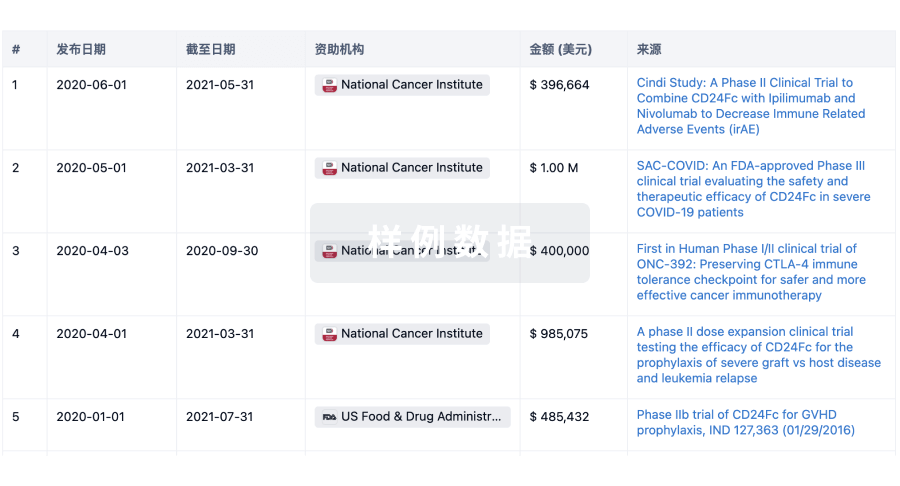
科研基金(NIH)
访问超过 200 万项资助和基金信息,以提升您的研究之旅。
登录
或
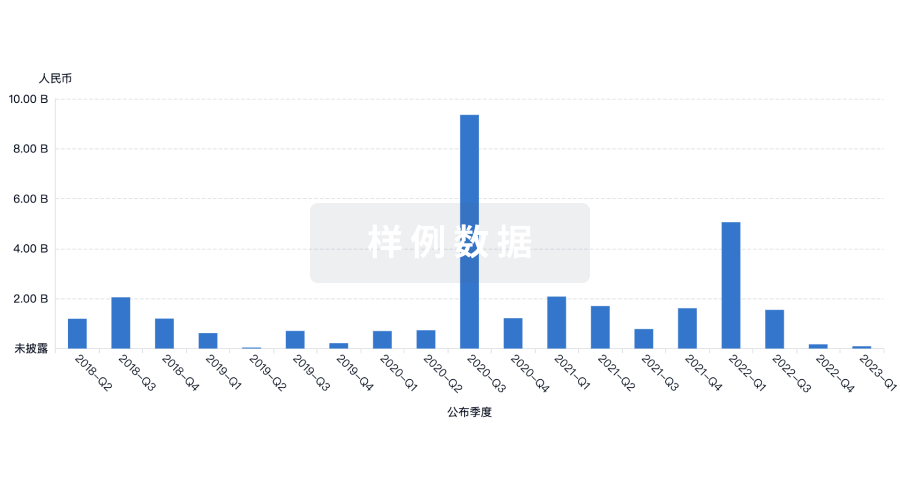
投资
深入了解从初创企业到成熟企业的最新公司投资动态。
登录
或
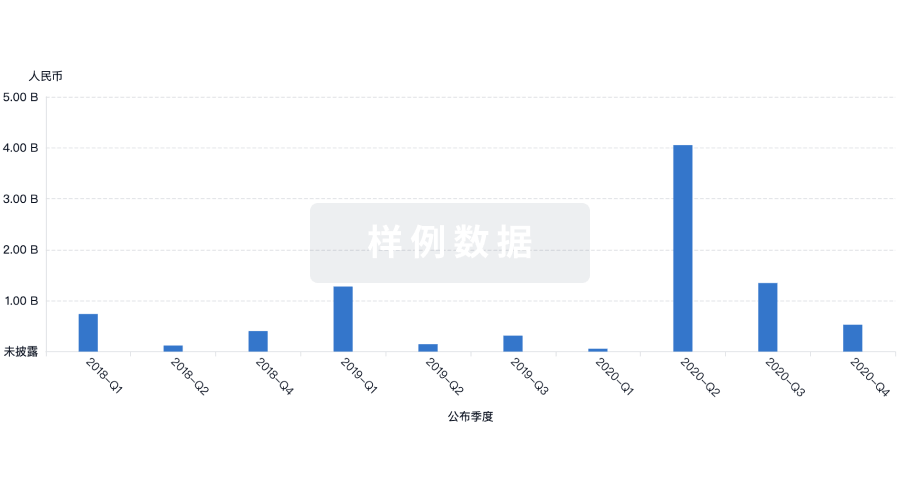
融资
发掘融资趋势以验证和推进您的投资机会。
登录
或
生物医药百科问答
全新生物医药AI Agent 覆盖科研全链路,让突破性发现快人一步
立即开始免费试用!
智慧芽新药情报库是智慧芽专为生命科学人士构建的基于AI的创新药情报平台,助您全方位提升您的研发与决策效率。
立即开始数据试用!
智慧芽新药库数据也通过智慧芽数据服务平台,以API或者数据包形式对外开放,助您更加充分利用智慧芽新药情报信息。
生物序列数据库
生物药研发创新
免费使用
化学结构数据库
小分子化药研发创新
免费使用