预约演示
更新于:2026-01-30

NeuroOne Medical Technologies Corp.
更新于:2026-01-30
概览
关联
100 项与 NeuroOne Medical Technologies Corp. 相关的临床结果
登录后查看更多信息
登录后查看更多信息
Frontiers in neuroscience3区 · 医学
First Food and Drug Administration Cleared Thin-Film Electrode for Intracranial Stimulation, Recording, and Monitoring of Brain Activity—Part 1: Biocompatibility Testing
3区 · 医学
ArticleOA
作者: Christianson, Mark ; Kridner, Debra ; Rosa, Dave ; Diaz-Botia, Camilo A ; Mertens, Steve ; Kullmann, Aura
Subdural strip and grid invasive electroencephalography electrodes are routinely used for surgical evaluation of patients with drug-resistant epilepsy (DRE). Although these electrodes have been in the United States market for decades (first FDA clearance 1985), their fabrication, materials, and properties have hardly changed. Existing commercially available electrodes are made of silicone, are thick (>0.5 mm), and do not optimally conform to brain convolutions. New thin-film polyimide electrodes (0.08 mm) have been manufactured to address these issues. While different thin-film electrodes are available for research use, to date, only one electrode is cleared by Food and Drug Administration (FDA) for use in clinical practice. This study describes the biocompatibility tests that led to this clearance. Biocompatibility was tested using standard methods according to International Organization for Standardization (ISO) 10993. Electrodes and appropriate control materials were bent, folded, and placed in the appropriate extraction vehicles, or implanted. The extracts were used for in vitro and in vivo tests, to assess the effects of any potential extractable and leachable materials that may be toxic to the body. In vitro studies included cytotoxicity tested in L929 cell line, genotoxicity tested using mouse lymphoma assay (MLA) and Ames assay, and hemolysis tested in rabbit whole blood samples. The results indicated that the electrodes were non-cytotoxic, non-mutagenic, non-clastogenic, and non-hemolytic. In vivo studies included sensitization tested in guinea pigs, irritation tested in rabbits, acute systemic toxicity testing in mice, pyrogenicity tested in rabbits, and a prolonged 28-day subdural implant in sheep. The results indicated that the electrodes induced no sensitization and irritation, no weight loss, and no temperature increase. Histological examination of the sheep brain tissue showed no or minimal immune cell accumulation, necrosis, neovascularization, fibrosis, and astrocyte infiltration, with no differences from the control material. In summary, biocompatibility studies indicated that these new thin-film electrodes are appropriate for human use. As a result, the electrodes were cleared by the FDA for use in clinical practice [510(k) K192764], making it the first thin-film subdural electrode to progress from research to clinic. Its readiness as a commercial product ensures availability to all patients undergoing surgical evaluation for DRE.
Micromachines
Electrochemical Testing of a New Polyimide Thin Film Electrode for Stimulation, Recording, and Monitoring of Brain Activity
Article
作者: Ong, Samuel ; Mertens, Steve ; Rosa, Dave ; Diaz-Botia, Camilo A ; Kullmann, Aura
Subdural electrode arrays are used for monitoring cortical activity and functional brain mapping in patients with seizures. Until recently, the only commercially available arrays were silicone-based, whose thickness and lack of conformability could impact their performance. We designed, characterized, manufactured, and obtained FDA clearance for 29-day clinical use (510(k) K192764) of a new thin-film polyimide-based electrode array. This study describes the electrochemical characterization undertaken to evaluate the quality and reliability of electrical signal recordings and stimulation of these new arrays. Two testing paradigms were performed: a short-term active soak with electrical stimulation and a 29-day passive soak. Before and after each testing paradigm, the arrays were evaluated for their electrical performance using Electrochemical Impedance Spectroscopy (EIS), Cyclic Voltammetry (CV) and Voltage Transients (VT). In all tests, the impedance remained within an acceptable range across all frequencies. The different CV curves showed no significant changes in shape or area, which is indicative of stable electrode material. The electrode polarization remained within appropriate limits to avoid hydrolysis.

2026-01-24
·药闻康策
引进/卖出
100 项与 NeuroOne Medical Technologies Corp. 相关的药物交易
登录后查看更多信息
100 项与 NeuroOne Medical Technologies Corp. 相关的转化医学
登录后查看更多信息
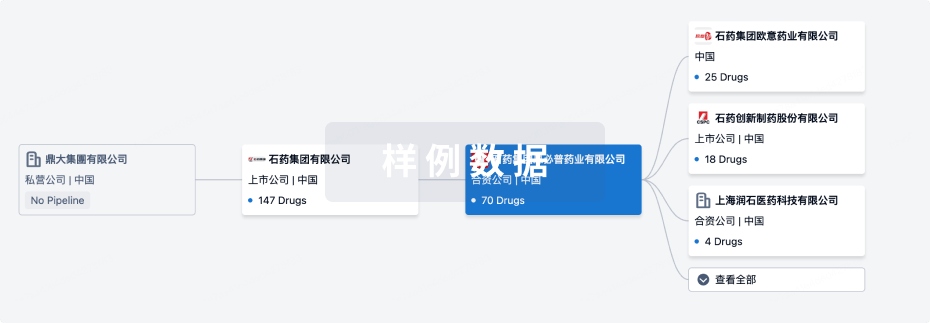
组织架构
使用我们的机构树数据加速您的研究。
登录
或
管线布局
2026年06月08日管线快照
无数据报导
登录后保持更新
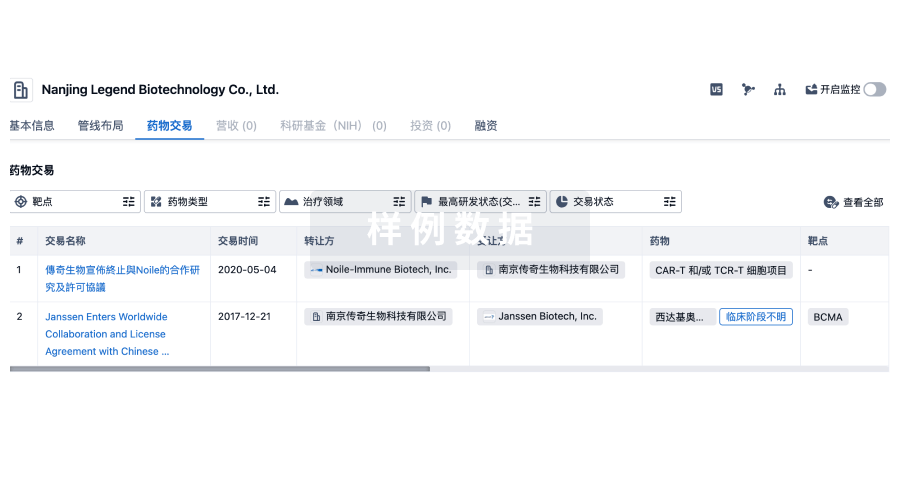
药物交易
使用我们的药物交易数据加速您的研究。
登录
或
转化医学
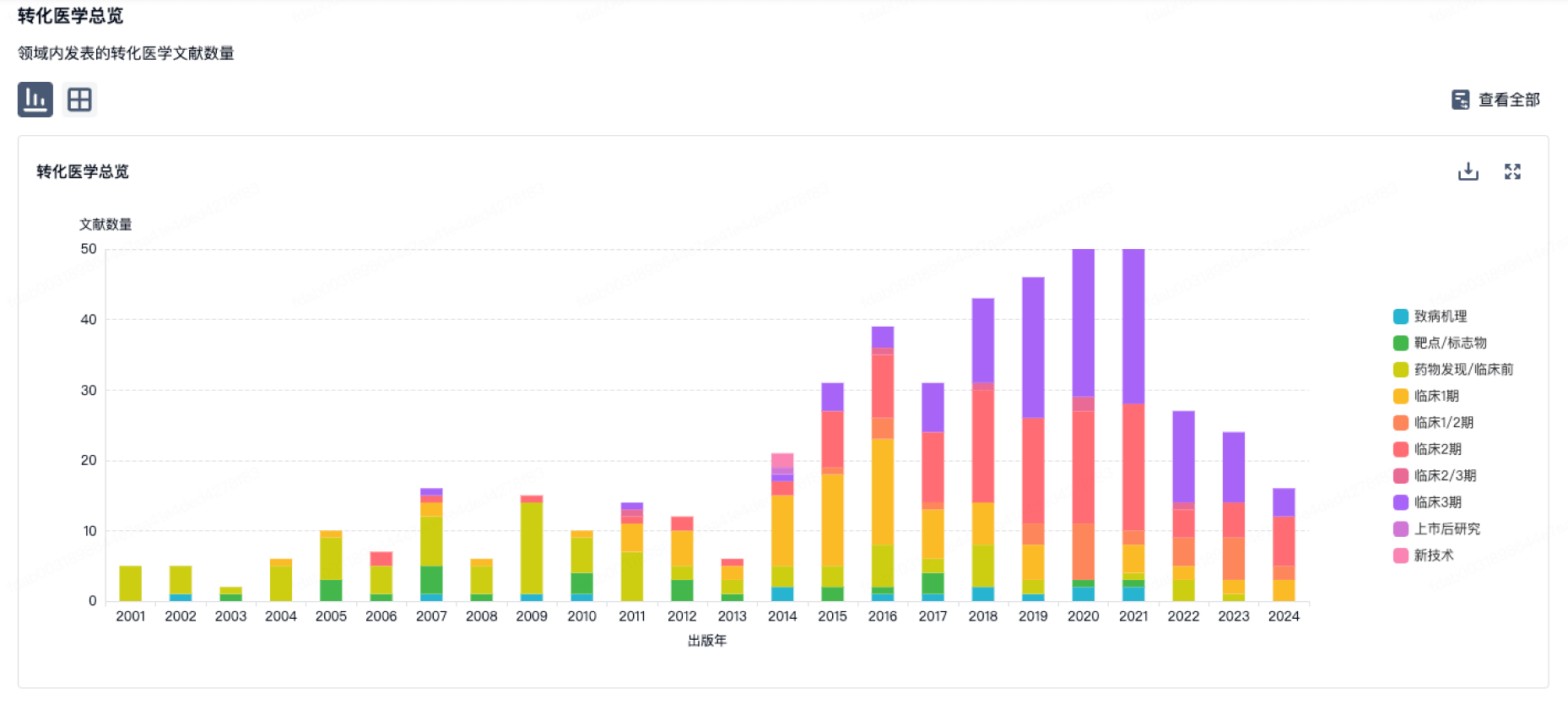
使用我们的转化医学数据加速您的研究。
登录
或
营收
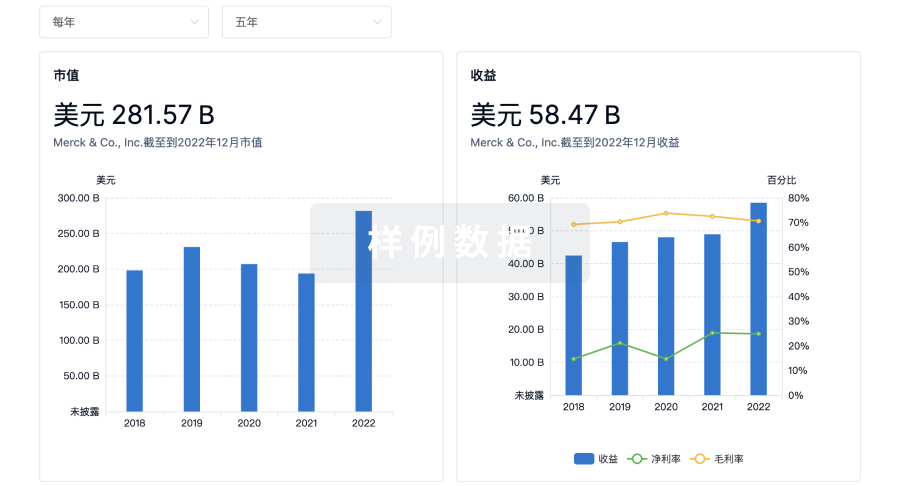
使用 Synapse 探索超过 36 万个组织的财务状况。
登录
或
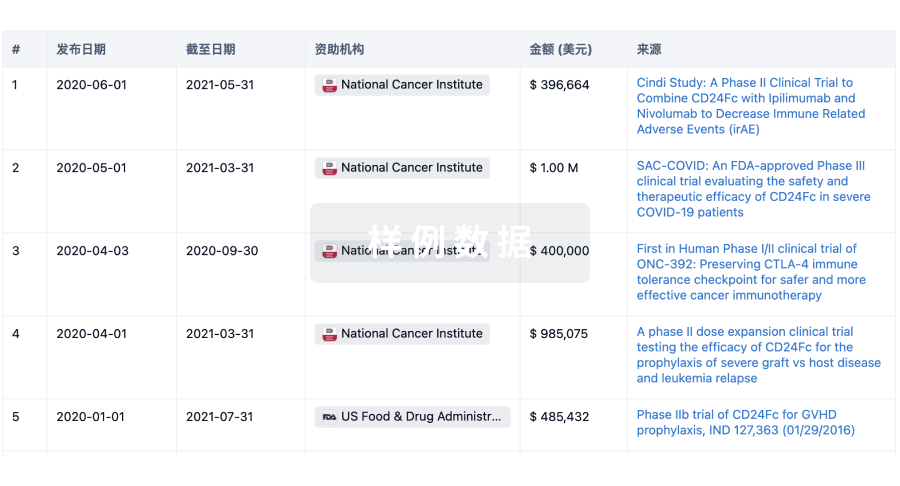
科研基金(NIH)
访问超过 200 万项资助和基金信息,以提升您的研究之旅。
登录
或
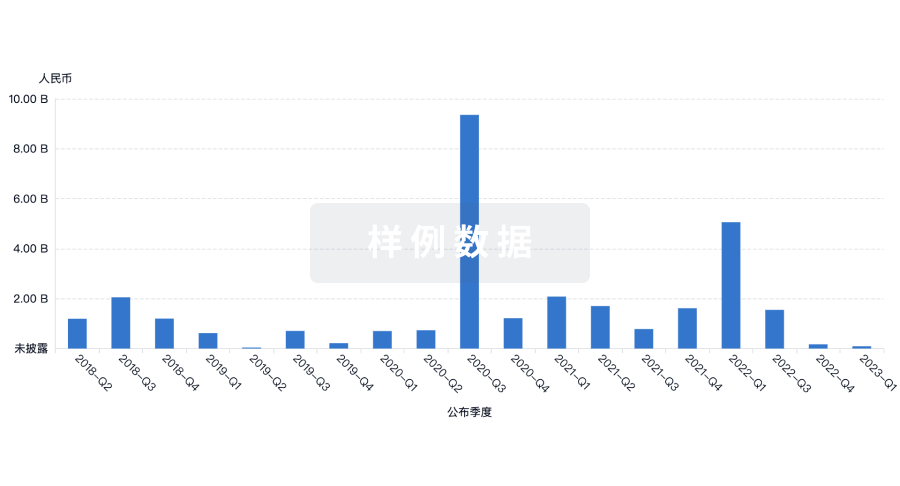
投资
深入了解从初创企业到成熟企业的最新公司投资动态。
登录
或
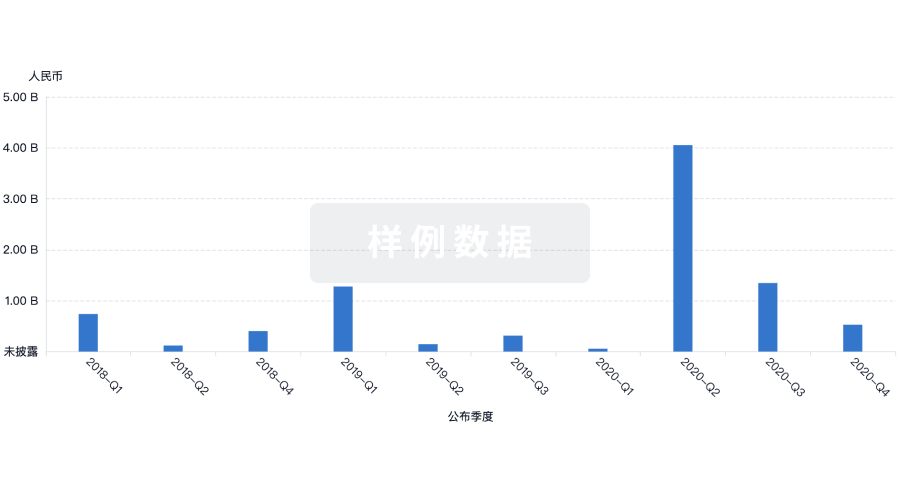
融资
发掘融资趋势以验证和推进您的投资机会。
登录
或
生物医药百科问答
全新生物医药AI Agent 覆盖科研全链路,让突破性发现快人一步
立即开始免费试用!
智慧芽新药情报库是智慧芽专为生命科学人士构建的基于AI的创新药情报平台,助您全方位提升您的研发与决策效率。
立即开始数据试用!
智慧芽新药库数据也通过智慧芽数据服务平台,以API或者数据包形式对外开放,助您更加充分利用智慧芽新药情报信息。
生物序列数据库
生物药研发创新
免费使用
化学结构数据库
小分子化药研发创新
免费使用