预约演示
更新于:2026-03-31

Twins (Group) Co., Ltd.
更新于:2026-03-31
概览
关联
100 项与 双胞胎(集团)股份有限公司 相关的临床结果
登录后查看更多信息
0 项与 双胞胎(集团)股份有限公司 相关的专利(医药)
登录后查看更多信息
6
项与 双胞胎(集团)股份有限公司 相关的文献(医药)2025-01-01·Transboundary and Emerging Diseases
Isolation, Passage, and Pathogenicity of a Newly Isolated
Lawsonia intracellularis
Strain From Hubei, China
Article
作者: Peng, Changjiang ; Peng, Zhong ; Wu, Bin ; Xie, Rui ; Luo, Yajuan ; Wu, Wenqing ; Sun, Xinru ; Cui, Yucong ; Hua, Lin
Lawsonia intracellularis
is the causative agent of porcine proliferative enteropathy (PPE)—a disease of great economic impact to the global pig industry, but the isolation and continuous passage culture of this bacterial species is very difficult which limits the development of inactivated or live vaccines. While China is the largest pig rearing country in the world, only one study has reported the isolation of
L
.
intracellularis
. In this study, we examined 1574 ileal samples collected from 10 slaughterhouses in Hubei Province, China, and obtained 104 samples tested positive for
L. intracellularis
. From these positive samples, we successfully isolated a
L. intracellularis
strain designated LI‐HuB23, which could be continuously passaged in IEC‐18 cells. The successful isolation of LI‐HuB23 was confirmed by transmission electron microscopy (TEM), indirect immunofluorescence assay (IFA), PCR amplifying, and Sanger sequencing of the marker gene (
aspA
). LI‐HuB23 exhibited stable proliferation over 10 passages and it was still being passaged for over 30 generations. Oral inoculation of 28‐day‐old pigs with LI‐HuB23 containing 6.9 × 10
8
bacterial microorganisms induced loose stools and watery diarrhea between Days 14 and 28 postinfection. Challenging pigs showed an average daily gain (ADG) lowered than the control pigs (206.05 ± 23.48 g/day vs. 241.43 ± 16.78 g/day). All challenging were serologically positive for
L. intracellularis
IgG at 21 days postinoculation. Histological examination detected crypt hyperplasia, characterized by a reduction in goblet cells within the hyperplastic crypts. Colonization of
L. intracellularis
in ileal crypts was confirmed by immunohistochemical examination.
2017-12-01·World journal of microbiology & biotechnology4区 · 工程技术
Changes of gut microbiota structure and morphology in weaned piglets treated with fresh fermented soybean meal
4区 · 工程技术
Article
作者: Zhao, Shoumei ; Cheng, Saisai ; Hu, Luansha ; Xie, Zhengjun ; Geng, Shijie ; Han, Xinyan ; Fu, Xiongfeng ; Li, Yuan
This study investigated the effects of dietary fresh fermented soybean meal (FSM) on the intestinal microbiota and metabolites, bacterial enzyme activity and intestinal morphology of weaning piglets. A total of 64 weaned piglets were randomly allocated into two treatments. A corn-soybean-based diet was used as the control and other treatment was fed the same basal diet containing 15% fresh FSM. The feeding trial lasted for 21 days. Bacterial community structure and diversity in the cecum and colon were assessed using pyrosequencing-based analysis. The results showed that the phylum level, Firmicutes, Bacteroidetes, Proteobacteria and Tenericutes were dominant in the cecum or colon. Gut Firmicutes increased, while Bacteroidetes and Proteobacteria decreased in the fresh FSM-fed piglets. At the genus level, the relative abundances of butyrate-producing bacteria, Lactobacillus and Prevotella were higher in both cecum and colon of fresh FSM fed piglets. Meanwhile, fresh FSM could promote the development of intestinal morphological and reduce the incidence of diarrhea. The results indicated that fresh FSM might change intestinal function by influencing intestinal microenvironment.
2016-09-01·JOURNAL OF ANIMAL SCIENCE
Effect of maternal supplementation with chitosan oligosaccharide on the antioxidant capacity of suckling piglets
1
作者: Yang, H. ; Xie, C. ; Fan, Z. ; Yin, Y. ; Long, C. ; Wu, X. ; Xiao, D. ; Wang, Y.
Chitosan oligosaccharide (COS) is a vital antioxidant in piglets.However, knowledge remains limited about how it is transmitted from sows to piglets.This study aimed to investigate how maternal supplementation with COS affects the antioxidant capacity of suckling piglets.From d 85 of gestation to d 14 of lactation, 16 pregnant sows were divided into a control group (basal diet without COS supplementation) and a COS group (30 mg COS/kg basal diet).Plasma and tissue samples were then collected from suckling piglets on d 14 of age.Compared with the control group, the piglets of sows from the COS group had greater villus length and ratio of villus length to crypt depth in the ileum and jejunum (P < 0.01) and plasma glutathione peroxidase activity (P < 0.01).RT-PCR results showed that the relative mRNA levels of Cu/Zn-superoxide dismutase (SOD) and glutathione peroxidase 1 (GPx1) significantly increased (P < 0.05) in the colon and duodenum, resp., in the COS group pigs, whereas Mn-SOD and GPx1 significantly decreased (P < 0.05) in the liver compared with those in the control group.Glutathione peroxidase 4 and catalase relative expression did not present a significant difference between the 2 groups (P > 0.05).In conclusion, supplementing COS in sow diets promotes the development of the small intestine in suckling piglets and contributes to improving the intestinal antioxidant capacity to some extent, despite inconsistent results being observed in the liver.
1
项与 双胞胎(集团)股份有限公司 相关的新闻(医药)2026-01-19
↖
点击蓝字 关注我们
通过微信形式制作的本资料仅面向华创证券客户中的金融机构专业投资者,根据《证券期货投资者适当性管理办法》,请勿对本资料进行任何形式的转发;若您并非华创证券客户中的金融机构专业投资者,为保证服务质量、控制投资风险,请勿订阅或使用本订阅号中的信息。
本资料难以设置访问权限,若给您造成不便,还请见谅!感谢您给予的理解和配合!
第51期
大消费行业周聚焦
产业重要资讯
投融资
研报观点汇总
产业重要资讯——行业论坛会议信息
食饮
全球食品饮料论坛西部峰会组委会落户西安
1月15日,全球食品饮料论坛组委会宣布,将深度整合航天科技资源,在西安设立全球食品饮料论坛西部峰会组委会,办公地址正式落户西安国家民用航天产业基地。这标志着论坛布局西部、推动区域产业国际化的战略迈入新阶段,并将为即将到来的第四届全球食品饮料论坛注入“航天+食品”西部动能。值得关注的是,组委会将与陕西省航天育种工程技术研究中心联席办公并深度合作,共同探索航天科技驱动食品饮料产业创新的新路径。(秦科技)
医药
药品监管法治工作座谈会在济南召开
1月14日,国家药监局在济南召开药品监管法治工作座谈会,分析当前形势,研究2026年重点工作思路。国家药监局党组成员、副局长徐景和出席并讲话。
会议强调,要深入贯彻党的二十大和二十届历次全会精神,按照全国药品监督管理工作会议明确的总体部署,坚持科学立法、严格执法、公正司法、全民守法要求,围绕中心,服务大局,加快完善药品监管法律体系,强化严格规范公正文明执法,大力加强执法队伍建设,不断开创药品监管法治工作新局面。(中国药审)
产业重要资讯——食饮创新看点
1、脉动焕新「3D源动力」
2、罗森上新耐米整根胡萝卜雪糕
3、蒙牛推出云雾锡兰
4、牛引上新「一杯葡萄酒」甄选三味组合装
5、果子熟了×零食很忙推出2款冬季新品
6、王老吉2026马年吉言罐上市
7、Monster Energy魔爪×Circle K推出独家Ultra Punk Punch新口味
8、新零旗下无囿在山姆上新果泥西打果酒
9、阿华田上新脆酱小塔
10、三元北京酸奶上市
(FIBF食品饮料创新)
产业重要资讯——行业及个股
食饮
大蒜、把子肉、见手青、知了猴成乳品新口味,区域乳品为啥更爱推猎奇口味?
今天的消费者其实对乳品的需求更多的体现在情绪价值能否被满足,毕竟随着市场上产品同质化的趋势加重,我们在选择乳品产品的时候,开始从营养选择向味觉惊喜和情绪解压转变。
在诸多猎奇味乳品中,并不是所有的口味都好喝,但网友们却不在意产品口味是否对味,而更在意猎奇味乳品能否当做社交货币,能否在社交媒体上带来流量。(FBIF食品饮料创新)
乐乐茶回应退出郑州市场
近日,有网友发帖称,“郑州一家乐乐茶都没有了吗?”据称,郑州所有乐乐茶门店均已在2026年之前闭店。此事引发大量关注。今日,界面新闻致电乐乐茶官方客服电话,工作人员表示,目前郑州确实已经没有门店。此前,该品牌在广州的全部门店也已关闭。(界面)(食品饮料行业观察)
金帝巧克力道歉
近日,针对小熊巧克力“小熊变大?是你能握住了!”营销内容被指擦边,金帝巧克力发布致歉声明。声明解释称,品牌原意是讲述产品按原版1:1复刻、没有缩减尺寸的事实。但因为开启的小红书千帆投放有“自动优化功能”,这个功能会自动拆分、组合笔记的图片、标题等元素,导致系统自动优化后生成了算法视角的大字报笔记并对外展示。声明还表示,团队已在第一时间反省这个做法,并采取相关整改措施。(界面)(食品饮料行业观察)
钟薛高创始人宣布终审胜诉
近日,钟薛高创始人林盛发视频称,关于“爱买不买”恶意剪辑采访的终审判决维持原判,判定为自媒体恶意剪辑。林盛称:“这是终审结果,整整从2021年开始一直到现在,历时差不多5年这样的一个官司,总算在前两天画上了一个句号。‘爱买不买’并不是我说的,完全是一个流量驱动下的恶意剪辑。这件事情在去年一审被确认,前两天终审做了一个最终的确认。”林盛表示,“虽然它对钟薛高现在的状况没有任何的帮助,但是它依然是个好消息。”(界面)(食品饮料行业观察)
东鹏饮料2025年营收超207.6亿,净利预增超三成
近日,东鹏饮料发布2025年度业绩预告,预计归属于母公司所有者的净利润为43.40亿元到45.90亿元,与上年同期相比增长30.46%-37.97%。预计2025年年度实现归属于母公司所有者的扣除非经常性损益后的净利润为41.2亿元到43.5亿元,与上年同期相比,将增加8.58亿元到10.88亿元,增幅为26.29%到33.34%。
业绩预告期间内,公司预计实现营业收入207.6亿元到211.2亿元,与上年同期158.39亿元相比,同比增长49.21亿元到52.81亿元,增幅为31.07%到33.34%。(食品饮料行业观察)
逐“梦”启程!梦龙冰淇淋公司推出2026年新品 布局中国市场
近日,全球最大冰淇淋公司——梦龙冰淇淋公司(The Magnum Ice Cream Company)在中国市场推出了2026年新品,覆盖旗下梦龙、可爱多、和路雪与千层雪四大核心品牌,共计近30款产品。这是梦龙冰淇淋公司自2025年12月8日于阿姆斯特丹、伦敦及纽约三地完成独立上市后,首次以全新企业形象对中国市场所进行的重要产品布局。(公司公告)(食品饮料行业观察)
玛氏休闲食品业务新团队首次聚会
近日,玛氏首席执行官Poul Weihrauch表示,继去年12月收购品客母公司Kellanova之后,本周合并后的玛氏休闲食品业务团队首次齐聚一堂,通过线上线下相结合的方式共同开启2026年,并在全球范围内开展“Better Together Day”的庆祝活动。他说,看到才华横溢的团队和标志性品牌齐心协力,致力于为消费者、客户和员工打造更美好的休闲食品体验,自己感到“非常欣慰”。(食品饮料行业观察)
飞鹤回应更新
日前,中国飞鹤表示,其旗下产品的ARA原料不受任何蜡样芽孢杆菌毒素相关问题的影响,可放心食用。飞鹤进一步强调,其产品均采用粉状ARA作为原料,与涉事外资公司召回产品所使用的液态ARA非同一种原料。其所用的ARA等核心原料入厂前均执行严于欧盟标准的内部质量标准,在生产过程中制定和严格遵循对蜡样芽孢杆菌在内的微生物指标检测频率及质量标准,以确保生产过程无污染,产品各项指标检测合格后方能出厂。(新浪财经)(食品饮料行业观察)
伊利回应
近日,伊利表示,关于消费者关注的问题,公司也在密切关注和监测中,目前网络上的信息主要是针对某外资企业对特定批次产品的预防性自愿召回。公司目前在售的产品未使用涉事奶粉企业所用的原料,产品经过国家检验及每批出厂自检全部合格,请放心食用。(公司发布)(食品饮料行业观察)
合生元回应
近日,合生元表示,针对相关事件,我们高度重视,经核查确认,我司所使用的ARA原料与该事件无关联。合生元始终将产品质量与安全置于首位,建立并执行从原料到成品的全过程质量可追溯与风险监测体系,确保全程安全可控。目前,所有在售的婴幼儿配方奶粉均符合国家食品安全标准且通过国家市场监督管理总局的婴幼儿配方乳粉配方注册。同时,每批次产品均经过严格的检测,为消费者提供高品质、安全可靠的产品,请消费者放心选购和使用。(公司发布)(食品饮料行业观察)
家电
2025空调TOP3悄然生变,海尔真材实料份额逆增
GfK中怡康最新数据:2025年空调行业“美的、格力、海尔”三巨头出现质变拐点,海尔空调成为唯一份额正增长、第一高增长的品牌,线下销量多次跃居行业第二。家电圈认为,这一逆势上升的业绩绝非偶然,海尔空调增长密码表明,产业高质量发展的破局路径,一定是从“产品成本博弈”向“用户价值深耕”转型,核心手段则是以“真材实料”立体重构空调产品力。(家电圈)
奥克斯空调 整机10年免费包修服务
最近,奥克斯空调宣布,从2026年1月1日起,奥克斯品牌的全系家用空调产品,将享受整机10年免费包修服务。相当于,未来10年奥克斯空调在使用过程中出现任何产品问题,用户需要维修将享受免费政策。 梳理公开资料后,家电圈发现,这是自格力电器于2021年推出家用空调10年免费包修服务政策之后,准一线空调阵营中第一家推出10年免费包修服务政策的企业。(家电圈)
开辟新赛道,重塑新玩法:方太“双新物种”定义2026厨电竞争格局
1月15日,行业头部品牌方太率先破局,召开“智慧厨房新物种”2026年技术吹风会,正式发布方太全球首款哨兵灶Y8与方太智慧碗柜X20两款新品,用颠覆性的创新产品,吹响厨电行业“实力竞争”时代的新号角。(中国家电网)
美国对部分进口半导体及衍生品加征25%关税
当地时间1月14日,美国白宫发布官方声明,宣布自15日起对部分进口半导体、半导体制造设备及相关衍生品加征25%的进口从价关税,这一政策调整迅速引发全球半导体行业及资本市场的广泛关注。从政策落地节奏来看,声明发布与正式生效间隔仅一天,留给相关企业应对的时间窗口极为有限。(中国家电网)
京东电器与美的集团深化2026全屋智能合作
2026年新年之际,美的集团与京东MALL、京东电器城市旗舰店等京东家电家居线下自营渠道达成2026年度战略合作。双方计划在绿色智能产品研发、全渠道运营优化及用户体验提升等方面深化合作,为消费者提供全品类的智慧家电家居解决方案。(中国家电网)
社会服务
广东7-Eleven上了个“鞋底豆干”,“蘸鞋底都好吃”?
以过去几年缺少变化的关东煮为例,鞋底豆干为它带来了新的记忆点,成功让人重新停下脚步,多看了一眼,多说了一句话,多拍了一张照。下次再走进广东7-Eleven,看见那块在汤里起起伏伏的“鞋底”时,消费者就知道这就是那个“蘸鞋底都好吃”的7-Eleven鞋底豆干。(FBIF食品饮料创新)
全家FamilyMart用一颗“鸡蛋”撬动家庭市场
根据《日本经济新闻》最新报道,日本全家FamilyMart在高物价环境下做出了一个不同寻常的决策:反向补贴鸡蛋价格,并将原本仅周五限定的折扣扩大至全周适用。折扣后价格在295至315日元之间,不仅低于日本7-ELEVEn与Lawson,甚至比不少食品超市还要便宜。这一举措引发零售行业人士的广泛讨论:便利店是否正站在“超商超市化”转型的前沿?(FBIF食品饮料创新)
星巴克上新松露巧克力风味系列
近日,据星巴克中国官微,上新松露巧克力风味系列,推出“松露巧克力风味拿铁”和“松露巧克力风味抹茶拿铁”。据称,新系列汲取松露巧克力的质构灵感,第一口可可粉的醇苦覆盖舌尖,随后是三重芝士乳酪慕斯云的微凉微咸,接着三重芝士巧克力奶与咖啡美妙融合。(公司发布)(食品饮料行业观察)
喜茶香港携手Twins共创限定新品
早在2019年3月,喜茶就在香港K11 ART MALL开设了在港布局的第四家门店。去年 12 月 18 日,该门店完成空间焕新升级,以更具开放感与灵感氛围的设计,呈现喜茶在全球市场中持续更新门店体验的探索方向。围绕此次门店焕新,喜茶于1月13日推出携手灵感好友Twins共创的、香港门店限定茶特调新品「黑松露炒蛋英红」。(公司发布)(食品饮料行业观察)
蜜雪冰城香蕉系列新品上市
近日,据蜜雪冰城官微,香蕉系列新品上市:“香蕉撞奶”,“香蕉酸奶”以及“香蕉拿铁”。即日起,购买香蕉系列新品即可抽好运上上签,签条可带走留念,也可抵现1元。(公司发布)(食品饮料行业观察)
沪上阿姨发正面盈利预告
近日,沪上阿姨公告,预计去年录得年内溢利介乎约4.95亿元至5.25亿元,同比增加50%至60%。经调整年内溢利(非国际财务报告准则计量)约5.60亿元至5.90亿元,同比上升约34%至41%。公司董事会认为,增长主要得益于坚持多品牌战略,以高品质产品与服务为核心,依托线上线下全渠道模式,通过推新、丰富消费场景提升门店质量与网络规模,驱动收入增长;同时,通过降本增效和全链路运营优化,持续提升盈利水平。(公司公告)(小食代)
沃尔玛公司任命国际业务新掌门
近日,沃尔玛公司宣布,现任山姆会员店美国业务总裁兼首席执行官Chris Nicholas将接替Kath McLay,出任沃尔玛国际业务总裁兼首席执行官。该公司表示,Nicholas成长于零售行业,是一位经验丰富的运营管理者,在超过10个国家生活和工作过,拥有丰富的国际经验。此前,他曾担任沃尔玛美国业务首席运营官,全面负责美国门店运营与供应链;也曾出任沃尔玛美国业务及国际业务的首席财务官。(小食代)
医药
1月14日,思比曼生物(ElpasBio)宣布与复星凯瑞就其在研异体人源脂肪间充质干细胞注射液洛它阿托赛(lotazadromcel,商品名AlloJoin®)在膝骨关节炎适应症领域,于中国境内及港澳地区的商业化相关事项达成合作
AlloJoin®是思比曼生物基于其异体间充质干细胞技术平台开发的一款核心在研干细胞产品。该产品旨在探索通过抑制炎症并修复受损软骨,为骨关节炎患者提供安全且长效的症状缓解的可能性,致力于成为具备改变膝骨关节炎疾病进程潜力的再生医学产品。AlloJoin®目前正在中国进行针对膝骨关节炎的3期注册临床试验,其1期和2期临床试验已展现出良好的安全性数据和积极的临床获益。思比曼生物授予复星凯瑞AlloJoin®在中国境内及港澳地区的独家商业化相关权益。根据协议条款,思比曼生物将获得首付款及里程碑付款。思比曼生物将继续负责AlloJoin®在中国境内及港澳地区的开发、注册和生产,并保留以上地区以外的权益。(泰伦仕管理咨询公司)
1月16日,强生医疗科技与畅医达正式签署战略合作协议
此次合作由强生医疗科技神经介入事业部全球研发团队牵头主导。强生医疗科技与畅医达于2023年开启首次合作,双方联合打造的创新产品强易达血流导向密网支架于2025年成功上市,为本次合作升级奠定了坚实的基础。根据协议,此次合作双方将以未被满足的临床需求为核心,融合各自在神经介入领域的技术沉淀和专业优势,加速前瞻性颅内介入解决方案的研发和落地。(泰伦仕管理咨询公司)
英伟达和礼来共同宣布将建立首个专注于药物研发的人工智能联合创新实验室
近日,英伟达和礼来共同宣布将建立首个专注于药物研发的人工智能联合创新实验室,旨在运用人工智能技术应对医药行业长期面临的一些重大挑战。该实验室将礼来在全球药物发现、开发及生产领域的顶尖专业能力,与英伟达在人工智能、加速计算及AI基础设施方面的领先优势相结合。双方计划在未来五年内投入高达10亿美元,用于人才、基础设施及计算资源,以支持这一全新的AI联合创新实验室。(泰伦仕管理咨询公司)
药明生物宣布与再鼎医药已针对一款创新T细胞衔接子(TCE)签署研究服务协议
1月14日,药明生物(2269.HK)宣布与再鼎医药已针对一款创新T细胞衔接子(TCE)签署研究服务协议。该TCE基于药明生物专有的CD3技术平台发现,已进入临床开发阶段。根据协议条款,再鼎医药将获得该TCE在实体瘤适应证治疗上的全球独家开发与商业化权利。药明生物将获得一笔首付款,并有资格获得开发、上市及销售里程碑付款,以及产品上市后的销售提成和再许可或其他BD交易付款。(泰伦仕管理咨询公司)
宜联生物YL201授予罗氏(Roche)
宜联生物(EliLian Bio)于2026年01月9日宣布与罗氏(Roche)就其YL201项目达成全球战略合作,宜联生物将获得5.7亿美元首付款,并有资格获得最高达38亿美元的里程碑付款和销售分成,YL201是一款靶向Claudin 18.2的抗体药物偶联物(ADC),目前处于I/II期临床阶段,用于治疗晚期胃癌、胃食管结合部癌和胰腺癌,罗氏将负责该药物在全球范围内的进一步开发和商业化,宜联生物保留中国地区的联合开发和商业化权利。(天天药闻)
华东医药DR10624注射液药品临床试验申请已获得美国FDA批准
华东医药(000963.SZ)发布公告,近日,公司控股子公司浙江道尔生物科技有限公司(以下简称“道尔生物”)收到美国食品药品监督管理局(以下简称“美国 FDA”)通知,由道尔生物申报的DR10624注射液药品临床试验申请已获得美国FDA批准,可在美国开展临床试验,适应症为代谢相关脂肪性肝病(Metabolic Dysfunction-Associated Steatotic Liver Disease, MASLD)。(天天药闻)
零售美护
深度 | 爱马仕为何开始猜疑客户?
法国时尚媒体Glitz在近日发布的一篇调查报道中称,爱马仕通过家庭住址等考核标准,来决定谁有资格购买其最稀缺的手袋产品,引发了市场的激烈争议。 根据Glitz的调查,在爱马仕的销售体系中,是否向一名客户销售Birkin、Kelly等配额包,并不只取决于消费金额或历史记录,而是一套更为复杂、隐秘且高度主观的判断标准。 评估维度不仅包括客户是否长期在同一家门店消费、是否购买家具或成衣等非手袋品类,还延伸至居住地址、社交媒体内容、佩戴的腕表类型、购物节奏,甚至客户是否表现出过于急切的购买欲望,如果客户太想获得一款包,就可能成为减分项。 (LADYMAX)
Hoka母公司将关闭旗下两个户外品牌
Deckers Brands 将关闭Ahnu 与 Koolaburra,进一步收缩品牌版图。
Hoka 母公司 Deckers Brands 宣布,将在截至 2026 年 3 月 31 日的 2026 财年第三季度正式关闭旗下 Ahnu 和 Koolaburra 两个户外鞋履品牌,这一决定标志着 Deckers Brands 持续推进品牌组合精简战略,进一步向高盈利核心品牌集中资源。(时尚商业Daily)
财报速递 | 珠宝一枝独秀,卡地亚母公司第三季度大涨11%
据时尚商业快讯,卡地亚母公司历峰集团公布截至12月底的第三财季报告,按固定汇率销售额增长11%至64亿欧元,高于市场预期,超过分析师普遍预计的62.8亿欧元。在上半年10%的增长后,历峰集团延续了双位数增长。该集团指出,销售创下历史新高,受益于美国与中东市场需求强劲,消费者在高级腕表与卡地亚珠宝上的支出明显回暖,为新财年开局提供了关键支撑。(LADYMAX)
深度 | 奢侈羽绒降温,皮草生意又火了
时尚暂时放下道德焦虑。 连续三年冬天,国内平均气温创下新高,多个高端购物中心的监测显示,靠天气吃饭的奢侈羽绒品牌的门店,虽然今年客流量仍好于平均,但排队现象较往年有所减弱。 值得关注的是,随着高端羽绒时尚持续数年火热后开始降温,那批对趋势最敏感的时尚爱好者似乎已经转向新的外套选择,推动皮草成为这个冬天增长最强劲的女装时尚品类之一。 (LADYMAX)
迪桑特中国区董事长接管MAIA ACTIVE
据时尚商业快讯,自 2026 年起,安踏集团旗下女性运动品牌 MAIA ACTIVE 的业务汇报线将调整至丁少翔,丁少翔为安踏集团主席丁世忠之子,目前担任迪桑特中国区董事长。知情人士透露,丁少翔仅对该品牌进行分管,并不以 CEO 身份直接参与日常经营,品牌总裁仍为赵光勋。据悉,该调整已于 2025 年 12 月内部下发通知,除汇报关系变化外,品牌内部运营并无明显调整。(时尚商业Daily)
农业
接力棒再交接,玛氏宠物换帅
白皮书团队讯,全球宠物护理领域巨头玛氏公司近日宣布重大人事变动:Marc Carena将于2026年1月正式出任玛氏宠物护理全球总裁,接替任职超30年的Loïc Moutault。此次高层变动引发宠物行业关注,或将成为玛氏宠物护理在完成综合生态布局后,聚焦增长模式升级的重要举措。(宠物行业白皮书)
中国兽医协会发布5项团体标准
近日,中国兽医协会发布《大熊猫外周血涂片制备与染色技术规程》《犬科实验动物感染细粒棘球绦虫技术规范》等5项团体标准。这些标准经2025年中国兽医协会团体标准技术委员会第十四次审定会通过,自发布之日起实施。这些标准涉及大熊猫血液检测、犬科动物感染细粒棘球绦虫的实验规范、家畜绦虫病环境监测采样、细粒棘球绦虫的基因型鉴定以及犬感染棘球绦虫粪便样本采集与检测等多个领域,将为相关动物疾病的研究与防控提供标准化技术支持。(宠物行业白皮书)
北京建设国际宠物医疗协同创新平台
近日,北京农业中关村综合科研中心4号中心项目完成主体结构封顶,预计2026年建成投用。该项目是北京市“3个100”重点工程,聚焦动物健康、宠物医疗等重点方向,计划建设高兼容性生物育种孵化实验平台,承担实验、概念验证和中试全流程功能。4号中心还将预留空间用于与中国农业大学合作的“全健康国际合作科学中心”,联动国际资源,构建科研、临床与产业转化一体化的国际合作高地。1号、2号中心已于今年8月率先封顶,三大中心将形成协同创新链,为首都农业科技创新注入新动力。(宠物行业白皮书)
猪价有望延续季节性温和反弹
在经历了长达数月的震荡下行后,猪价终于在2025年末温和回暖。2025年12月31日,大连商品交易所生猪期货2603主力合约以11795点报收,比12月5日11080最低点累计上涨6.45%。农业农村部监测数据显示,全国生猪价格于2025年12月中旬触及阶段性低点后,连续3周反弹。9畜牧产业经济观察)
投融资
食饮
红星冷链正式登陆港交所
1月13日,红星冷链正式登陆港股市场,在港交所挂牌交易。上市首日,红星冷链高开近60%,截至发稿,该股报12.80港元/股。本次在港IPO,红星冷链全球发售2326.3万股,其中10%在香港公开发售,IPO定价12.26港元/股,集资最多2.85亿港元。募集资金将主要用于扩建华东与华南冷链仓储网络及升级信息系统。(潇湘晨报)(食品饮料行业观察)
金星啤酒向港交所提交上市申请
昨日,据港交所披露,河南金星啤酒股份有限公司(以下简称金星啤酒)向港交所主板递交上市申请,中信证券、中银国际为其联席保荐人。文件显示,2023年、2024年,金星啤酒分别实现营业收入3.56亿元和7.30亿元;2025年前9个月实现营业收入11.09亿元,净利润由2023年的1219.6万元,提升至2025年前9个月的3.05亿元。(食品饮料行业观察)
光明乳业回复小西牛收购事宜相关问询
1月9日晚间,光明乳业就上交所关于收购控股子公司小西牛40%股权的监管工作函作出回复。2025年11月,公司宣布拟以5亿元进行上述收购,但小西牛业绩已明显下滑。对此,监管层要求,说明标的前期业绩承诺未实现的主要原因,以及业绩承诺期满后第一年净利润大幅下滑的原因及合理性,是否存在持续性业绩下滑风险;说明在标的前期业绩承诺未实现且标的业绩已明显下滑的情况下,本次进一步收购标的剩余少数股权的原因及合理性(深圳商报)(食品饮料行业观察)
瑞芬生物完成亿元级c轮融资
近日,据媒体报道,北京瑞芬生物科技股份有限公司完成亿元级C轮融资。本次融资由兴湘资本领投,瑞鹏象屿基金跟投,本轮融资募集资金将主要用于推动公司商业化开拓与全新产能建设落地,加速人类健康与动物健康双平台的研发创新、技术迭代与市场拓展。瑞芬生物以植物提取+合成生物技术双轮驱动发展,形成独特的技术协同优势,并且构建了三大产品平台——天然甜味剂平台,天然功能性平台和药用辅料平台。(新浪财经)(TOPBRAND)
东鹏饮料通过港交所聆讯
港交所1月14日披露,东鹏饮料(集团)股份有限公司已通过港交所主板上市聆讯,华泰国际、摩根士丹利、瑞银集团为联席保荐人。
据IFR引述消息人士指,东鹏饮料最快将于本周开展上市前推介,目标交易规模达约10亿美元,计划于1月26日当周建簿。据招股书,东鹏饮料是中国第一的功能饮料企业,收入增速在全球前20大上市软饮企业中位列第一。(36氪)(TOPBRAND)
医药
汉诺医疗上市
汉诺医疗,深圳汉诺医疗科技股份有限公司,深圳,保荐机构中信证券,科创板第五套标准上市。该企业专注于体外生命支持(ECLS)领域的技术创新。公司聚焦于体外生命支持(ECLS)这一平台型关键技术。核心产品Lifemotion®体外膜肺氧合(ECMO)系统于2023年上市,是国内首家成功研制体外膜肺氧合(ECMO)系统并获批上市的国产企业,实现了我国在该领域“零的突破”。目前已获批及在研产品管线能够涵盖体外膜肺氧合系统(ECMO)、体外心肺复苏系统(ECPR)、体外心肺辅助系统(CPS)及低流量体外循环支持系统(Low-Flow)四大解决方案,从终极生命支持延伸至危重症支持、复杂手术、器官移植及创新疗法全流程。2023年、2024年、2025年1-6月,公司各期营业收入分别为0.30亿元、0.49亿元和0.37亿元,归母净利润分别为-3.41亿元、-1.83亿元、-0.82亿元。(Medleaves)
英伟达、利来合作
礼来公司(Eli Lilly and Company)于2026年01月13日在摩根大通医疗健康投资大会(JPM大会)上宣布与英伟达(NVIDIA)深化合作,将投资10亿美元共建人工智能联合创新实验室,整合双方专业优势推动药物研发进程,该实验室将专注于AI驱动的药物发现、临床开发和生产优化,加速针对神经科学、代谢疾病和肿瘤等领域的创新疗法开发,预计2026年下半年投入运营。(天天药闻)
中国生物制药以12亿元总价全资收购国内小干扰RNA(siRNA)创新药企赫吉亚生物
中国生物制药(China National Biotec Group)于2026年01月13日宣布将以12亿元总价全资收购国内小干扰RNA(siRNA)创新药企赫吉亚生物(Hegia Biotech),这是国内小核酸赛道2026年的第一笔收购,赫吉亚生物拥有6大肝内/外递送平台,4个创新药进入临床阶段,包括全球首个一年一次给药的超长效Lp(a)siRNA Kylo-11(II期临床)和具有全球best-in-class潜力的APOC3 siRNA Kylo-12(即将启动II期临床),此次收购将强化中国生物制药在慢病领域的创新布局。(天天药闻)
和誉医药腱鞘巨细胞瘤新药贝捷迈®(Emavusertib)的新药上市申请获FDA受理
和誉医药(Abbisko Therapeutics)于2026年01月13日宣布其腱鞘巨细胞瘤新药贝捷迈®(Emavusertib)的新药上市申请(NDA)获FDA受理,主要基于全球多中心、随机、双盲、安慰剂对照的III期临床试验结果,该试验显示贝捷迈®显著延长了患者的无进展生存期(PFS)并改善了生活质量,TGCT是一种发生于关节或关节周围的罕见局部侵袭性肿瘤,2023年12月和誉医药与默克公司(Merck KGaA)就贝捷迈®的商业化权利达成协议,默克公司负责贝捷迈®在全球的商业化。(天天药闻)
家电
杉川接盘iRobot,昔日鼻祖能否止血重生?
近日,扫地机器人行业迎来标志性转折——昔日的行业开创者iRobot提交破产申请,将被其最大供应商和主要债权人深圳杉川机器人有限公司全资收购。
IDC发布的报告显示,2025年前三季度,全球智能扫地机器人市场累计出货量达1742.4万台,同比增长18.7%。其中,中国品牌包揽前五席位,石头、科沃斯、追觅、小米、云鲸以突出的表现占据了全球近七成的市场份额。(中国家电网)
老板电器:拟向优特智厨增资1亿元
1月12日,老板电器公告,为促进智能厨电产业的技术革新与生态融合,公司近日与优特智厨国际控股有限公司签署《投资合作意向书》,拟向其现金增资人民币1亿元。优特智厨是一家依据开曼群岛法律设立并存续的公司,股本为50000美元,分为5亿股普通股,每股面值0.0001美元。珠海优特智厨定位于商用智能炒菜机器人解决方案提供商,致力于为餐饮行业提供自动化解决方案,产品主要面向餐饮连锁、学校食堂、中央厨房等B端场景。(中国家电网)
海尔新能源B轮融资,共建能源互联网生态平台
1月16日,海尔新能源在青岛举行B轮融资签约仪式暨发展战略研讨会,与农银投资、招商银行、鲁信创投、山能资本等资方达成合作,本轮融资超10亿元。海尔新能源致力于成为数智化分布式清洁能源解决方案服务商的引领者,通过打造以AI驱动的能源互联网生态平台,激活生态聚合效应,为全球家庭及工商业客户提供智慧新能源解决方案。(海尔绿能)
零售美护
业绩暴涨,半亩花田正式申请港股上市
2026年港交所美妆板块或将迎来上市潮,但是,谁能成为2026年港股“美妆第一股”?依然充满悬念。昨日(1月16日),国货美妆品牌半亩花田(Dream Garden)母公司——山东花物堂化妆品股份有限公司(旗下仅半亩花田单一品牌,因此下文统称:半亩花田)正式递表港交所,拟在H股主板挂牌上市,中信证券为其独家保荐人。(聚美丽)
乐敦制药收购泰国天然护理品牌THANN
近日,日本乐敦制药株式会社宣布,将收购泰国高端天然护肤与芳疗生活方式品牌THANN约51%的股份,后者将成为乐敦集团合并范围内的子公司。(ConCall)
联合利华投资印度香氛品牌Secret Alchemist
近日,印度先锋纯净香水品牌Secret Alchemist宣布完成约300万美元种子轮融资,本轮由联合利华旗下风险投资机构Unilever Ventures领投,DSG Consumer Partners参与。(ConCall)
汉高拟收购高端护发品牌Olaplex
德国消费品巨头汉高正与高端护发品牌Olaplex就潜在收购进行初步谈判。尽管双方尚未达成正式协议,也未对外发布明确声明,但消息一出,Olaplex股价在消息公布后大幅上扬,从超过20%的短期涨幅来看,市场明显对这一可能的收购持乐观态度。(ConCall)
社会服务
柠檬茶品牌“林里LINLEE”获数千万融资
柠檬茶品牌「林里LINLEE」完成了数千万A轮融资,前海方舟基金为独家投资方,本轮资金主要用于品牌建设,供应链升级及组织升级。
「林里LINLEE」门店数已达1900+,覆盖31个省,200+城市,2025年GMV总额27亿。(TOPBRAND)
联合利华投资两大印度品牌
联合利华通过旗下风险投资公司Unilever Ventures,已入股两家印度美妆品牌Secret Alchemist和SkinInspired,进一步加大对印度市场的投入。SkinInspired是一家印度高端护肤品牌,Secret Alchemist为印度先锋纯净香水品牌。(WWD)(TOPBRAND)
钱大妈冲刺港股IPO,全国近3000店
1月12日,社区生鲜连锁品牌“钱大妈”正式向港交所递交招股书,启动上市进程。截至2025年9月,其在全国已拥有近2938家门店,构建了辐射广泛的社区零售网络。钱大妈以“不卖隔夜肉”的日清折扣模式为核心,依托16个仓储综合仓与高效冷链,实现生鲜产品最快24小时从仓到店,核心产品周转时间大幅低于行业平均水平。招股书显示,其产品涵盖肉类、蔬果及冷藏加工食品三大类,并在多个区域市场保持份额领先,已连续五年位居行业商品交易总额前列。(创新零售社)
袁记食品冲刺港交所:全球门店最多的中式快餐品牌,「下沉+海外」同步发力
据IPO早知道消息,袁记食品集团股份有限公司(以下简称“袁记食品”)于2026年1月12日正式向港交所递交招股说明书,拟主板挂牌上市,华泰国际和广发证券担任联席保荐人。(IPO早知道)
COMMUNE幻师冲击港股IPO,高瓴、日初资本为股东,中国最大的餐酒吧品牌
据港交所1月9日披露,极物思维有限公司向港交所主板递交上市申请,中金公司、中银国际为联席保荐人。
COMMUNE幻师是一个餐酒吧概念品牌,融合了匠心饮品、精选佳肴与精心营造的氛围空间,致力于重新定义饮酒、用餐与聚会体验。公司为消费者打造一个舒适、愉悦且充满活力的空间,让人们在此放松身心、找到乐趣、恢复活力并相聚相连。(独角兽早知道)
比格比萨自助冲刺港交所:中国最大的本土比萨餐厅品牌,9个月营收14亿元
据IPO早知道消息,比格餐饮国际控股有限公司(以下简称“比格餐饮”)于2026年1月16日正式向港交所递交招股说明书,拟主板挂牌上市,中银国际担任独家保荐人。(IPO早知道)
研报观点汇总
01
行业定期/跟踪报告
【华创食饮】食品饮料行业周报(20260112-20260118):传统消费龙头探寻新路,成效初显——消费论坛交流反馈
【华创医药】华创医药投资观点&研究专题周周谈 · 第159期:隐形正畸行业近况更新
【华创社服】消费者服务行业周报(20260112-20260116):服务消费政策加码,关注结构性投资机会
02
公司深度报告
【华创医药】普蕊斯(301257)深度研究报告:行稳致远,SMO行业领军者开启成长新周期
02
公司定期报告点评/公司跟踪分析报告/
港股公司重大事项点评
【华创食饮】新乳业(002946)跟踪分析报告:25Q4有望提速,盈利提升再看三年
【华创家电】美的集团(000333)重大事项点评:经营显韧性,股息筑支撑
【华创家电】北鼎股份(300824)2025年业绩快报点评:新品发布拉动公司营收明显增长
【华创轻工纺服】康耐特光学(02276.HK)2025年业绩预告点评:业绩表现延续高增,持续看好公司智能眼镜业务发展
【华创轻工纺服】康耐特光学(02276.HK)重大事项点评:Meta上调Ray-Ban产能,关注千问大模型推出
END
长按图片 关注我们
华创证券|产业研究中心
产业研究中心 | 团队介绍
研究主管:洪锦屏
华南理工大学管理学硕士。曾任职于招商证券。2016年加入华创证券研究所。2010年获得新财富非银行金融最佳分析师第二名(团队),2015年金牛奖非银金融第五名,2017年金牛奖非银金融第四名,2019年金牛奖非银金融最佳分析师,2019年Wind金牌分析师非银金融第五名,2020年新财富最佳金融产业研究团队第8名,2020年水晶球非银研究公募榜单入围,2021年金牛奖非银金融第五名成员,2021年新浪财经金麒麟非银金融新锐分析师第二名成员,2022年第十届Choice非银最佳分析师,2022年水晶球非银研究公募第五名,2022年第十三届中国证券业分析师金牛奖非银最佳分析师团队成员,2022年第四届新浪财经金麒麟非银金融行业最佳分析师第七名。
高级分析师:肖琳
四川大学公司金融硕士,曾任职于招商证券研发中心,2022年加入华创证券研究所。研究方向:科技和高端制造产业。
助理分析师:邱弘奥
四川大学经济学学士,加州大学圣地亚哥分校金融数学硕士。曾任职于中金公司固定收益部,2022年加入华创证券研究所。研究方向:周期性行业,主要包括能源化工、工业金属、装备制造和汽车。
助理研究员:刘晔晖
南开大学经济学学士、文学学士,中国人民大学硕士。曾任职于平安银行,2024年加入华创证券研究所。研究方向:大金融产业。
法律声明
华创证券研究所定位为面向专业投资者的研究团队,本资料仅适用于经认可的专业投资者,仅供在新媒体背景下研究观点的及时交流。华创证券不因任何订阅本资料的行为而将订阅人视为公司的客户。普通投资者若使用本资料,有可能因缺乏解读服务而对报告中的关键假设、评级、目标价等内容产生理解上的歧义,进而造成投资损失。
本资料摘编自华创证券研究所已经发布的研究报告,若对报告的摘编产生歧义,应以报告发布当日的完整内容为准。须注意的是,本资料仅代表报告发布当日的判断,相关的分析意见及推测可能会根据华创证券研究所后续发布的研究报告在不发出通知的情形下做出更改。华创证券的其他业务部门或附属机构可能独立做出与本资料的意见或建议不一致的投资决策。本资料所指的证券或金融工具的价格、价值及收入可涨可跌,以往的表现不应作为日后表现的显示及担保。本资料仅供订阅人参考之用,不是或不应被视为出售、购买或认购证券或其它金融工具的要约或要约邀请。订阅人不应单纯依靠本资料的信息而取代自身的独立判断,应自主作出投资决策并自行承担投资风险。华创证券不对使用本资料涉及的信息所产生的任何直接或间接损失或与此有关的其他损失承担任何责任。
本资料所载的证券市场研究信息通常基于特定的假设条件,提供中长期的价值判断,或者依据“相对指数表现”给出投资建议,并不涉及对具体证券或金融工具在具体价位、具体时点、具体市场表现的判断,因此不能够等同于带有针对性的、指导具体投资的操作意见。普通个人投资者如需使用本资料,须寻求专业投资顾问的指导及相关的后续解读服务。若因不当使用相关信息而造成任何直接或间接损失,华创证券对此不承担任何形式的责任。
未经华创证券事先书面授权,任何机构或个人不得以任何方式修改、发送或者复制本资料的内容。华创证券未曾对任何网络、平面媒体做出过允许转载的日常授权。除经华创证券认可的媒体约稿等情况外,其他一切转载行为均属违法。如因侵权行为给华创证券造成任何直接或间接的损失,华创证券保留追究相关法律责任的权利。
订阅人若有任何疑问,或欲获得完整报告内容,敬请联系华创证券的机构销售部门,或者发送邮件至jiedu@hcyjs.com。
100 项与 双胞胎(集团)股份有限公司 相关的药物交易
登录后查看更多信息
100 项与 双胞胎(集团)股份有限公司 相关的转化医学
登录后查看更多信息
组织架构
使用我们的机构树数据加速您的研究。
登录
或
管线布局
2026年04月02日管线快照
无数据报导
登录后保持更新
药物交易
使用我们的药物交易数据加速您的研究。
登录
或
转化医学
使用我们的转化医学数据加速您的研究。
登录
或
营收
使用 Synapse 探索超过 36 万个组织的财务状况。
登录
或
科研基金(NIH)
访问超过 200 万项资助和基金信息,以提升您的研究之旅。
登录
或
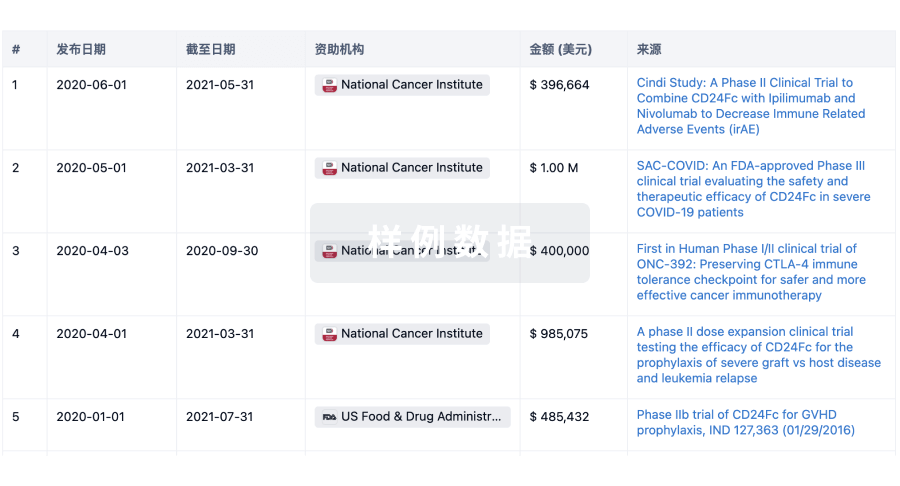
投资
深入了解从初创企业到成熟企业的最新公司投资动态。
登录
或
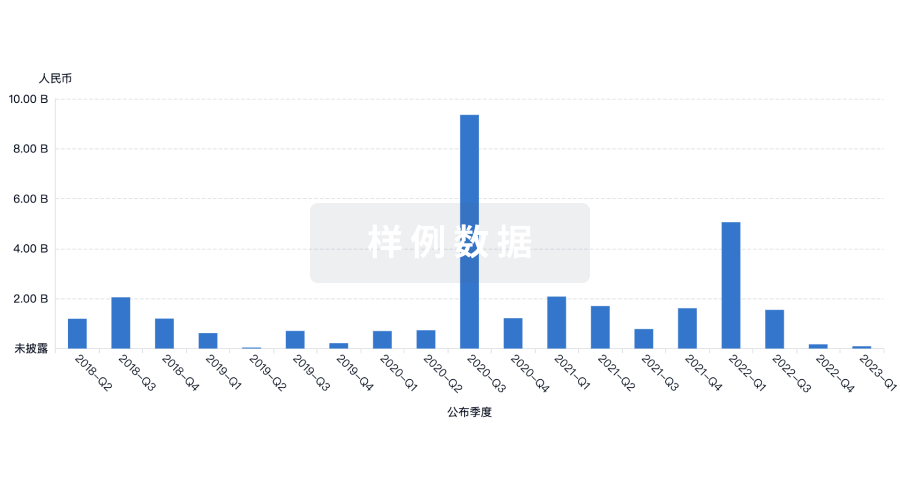
融资
发掘融资趋势以验证和推进您的投资机会。
登录
或
生物医药百科问答
全新生物医药AI Agent 覆盖科研全链路,让突破性发现快人一步
立即开始免费试用!
智慧芽新药情报库是智慧芽专为生命科学人士构建的基于AI的创新药情报平台,助您全方位提升您的研发与决策效率。
立即开始数据试用!
智慧芽新药库数据也通过智慧芽数据服务平台,以API或者数据包形式对外开放,助您更加充分利用智慧芽新药情报信息。
生物序列数据库
生物药研发创新
免费使用
化学结构数据库
小分子化药研发创新
免费使用