预约演示
更新于:2025-10-22

Shenzhen Haichuang Biotechnology Co., Ltd
更新于:2025-10-22
概览
关联
100 项与 深圳海创生物科技有限公司 相关的临床结果
登录后查看更多信息
0 项与 深圳海创生物科技有限公司 相关的专利(医药)
登录后查看更多信息
1
项与 深圳海创生物科技有限公司 相关的文献(医药)2025-06-01·INTERNATIONAL IMMUNOPHARMACOLOGY
Ginseng peptide extract alleviates nicotine-induced oxidative stress and apoptosis in human aortic endothelial cells by preserving the balance of the Keap1/Nrf2/HO-1 signaling pathway
Article
作者: Yuan, Haitao ; Zheng, Man ; Zhang, Fenglei ; Gong, Xiang
The oxidative damage to vascular endothelial cells induced by smoking represents a significant pathogenic factor in the development of atherosclerosis. In the present study, we isolated ginseng oligopeptide extract (GOE), which emerges as a promising candidate for protecting human aortic endothelial cells (HAECs) from nicotine-induced oxidative stress. The underlying mechanisms were also explored. The GOE effectively reversed the decline in cell viability and protected HAECs from nicotine-induced oxidative damage by inhibiting the overproduction of intracellular reactive oxygen species (ROS) while preserving superoxide dismutase (SOD) activity. We identified five ginseng oligopeptides (GOPs) as the primary components of GOE. Furthermore, we demonstrated that GOE significantly alleviated nicotine-induced mitochondrial dysfunction in HAECs while promoting the nitric oxide (NO) release and the expression of GTP cyclohydrolase 1 (GTPCH1). Although the precise mechanism through which GOE mitigates nicotine-induced oxidative stress in HAECs remains to be fully elucidated, our findings indicate that GOP-1-5 serve as bioactive constituents of GOE and play a significant synergistic role in reducing nicotine-induced apoptosis and oxidative damages in HAECs. This is achieved through modulation of cellular antioxidant systems via maintaining balance within the Keap1/Nrf2/HO-1 signaling pathway. These findings suggest that GOE may function as a potential therapeutic agent against cigarette smoking-induced atherosclerosis.
6
项与 深圳海创生物科技有限公司 相关的新闻(医药)2025-10-21
·商业灵药
点击蓝字,关注我们
今日热点
多款知名进口药告别国内市场
近日,国家药监局公众号显示,注销费卡华瑞的氯雷他定片等80个药品的注册证书。费卡华瑞是中国和瑞典两国间的首家合资企业,产品主要覆盖在肠外营养、肠内营养及其配套器械领域,工厂位于江苏无锡。此外,此次的注销名单还出现了一些商业规模较大的肿瘤治疗领域用药,例如辉瑞制药(无锡)有限公司的注射用盐酸多柔比星选择了申请注销。该产品的全终端医院销售额在2018年-2024年期间基本维持在2000万元-2500万元。在这80个药品中,有一系列来自外资药企或是中外合资公司的产品;按照注册证数量粗略估算,此次注销的产品中超过55%的是外资公司的产品,剩下为本土公司产品。
1
知维拓医药完成数千万元种子轮融资
10月20日,北京知维拓医药科技有限公司宣布完成数千万元人民币种子轮融资。本轮融资由纽尔利资本(NRL Capital)领投,青檀投资跟投。募集资金将主要用于推进公司核心管线的临床前研发,以及AI交互分子设计平台的建设与完善。
2
吉林敖东:盐酸纳洛酮注射液通过仿制药质量和疗效一致性评价
吉林敖东公告,控股子公司延吉药业收到国家药品监督管理局下发的“盐酸纳洛酮注射液”的《药品补充申请批准通知书》。药品通用名称为盐酸纳洛酮注射液,规格为1ml:0.4mg,原药品批准文号为国药准字 H20066188。此次通过仿制药质量和疗效一致性评价,有利于扩大该药品的市场份额,提升市场竞争力。预计短期内不会对公司业绩产生重大影响。
3
东阿阿胶与华为签署合作协议,将在人工智能、智慧园区等方面展开合作
10月20日,东阿阿胶股份有限公司与华为技术有限公司在深圳签署合作协议。根据协议,双方将在人工智能、大数据技术应用、数字化转型及数字化运营、智慧园区、ICT基础设施合作,以及数智化人才培养等方面展开深度合作。
4
华恒生物:H股发行备案申请材料获中国证监会接收
10月20日,华恒生物公告,公司已向香港联交所递交了发行H股股票并在香港联交所主板挂牌上市的申请,并于同日在香港联交所网站刊登了本次发行上市的申请资料。公司根据相关规定已向中国证监会报送了本次发行上市的备案申请材料,并于近日获中国证监会接收。公司本次发行上市尚需取得相关监管机构的批准、核准或备案,该事项仍存在不确定性。
5
哈药股份:获乳酸钙原料药上市申请批准
哈药股份公告,所属企业哈药集团三精明水药业有限公司收到国家药品监督管理局颁发的关于乳酸钙的《化学原料药上市申请批准通知书》。乳酸钙主要用于药品制剂中的钙补充剂,该原料药已符合国家相关药品审评技术标准。此前,公司对乳酸钙原料药研发项目已投入研发费用约657.89万元。此次获批是公司在原料药领域布局的重要进展,有助于实现原料药的自主可控,并丰富公司的产品结构。
6
金城医药:子公司金城金素收到吗啉硝唑氯化钠注射液药品注册证书
金城医药公告,公司控股子公司金城金素收到国家药品监督管理局下发的吗啉硝唑氯化钠注射液药品注册证书。该药品为5-硝基咪唑类抗菌药物,适用于敏感细菌引起的成人感染。
7
华润双鹤:全资子公司北京万辉双鹤药业阿法骨化醇软胶囊获药品注册证书
华润双鹤公告,全资子公司北京万辉双鹤药业有限责任公司收到国家药品监督管理局颁发的阿法骨化醇软胶囊《药品注册证书》。该药品适用于治疗内源性1,25-二羟基维生素D3产生不足所致的钙代谢紊乱性疾病,如肾性骨营养不良、术后性或特发性甲状旁腺功能低下症、假性甲状旁腺功能低下症、作为第三性甲状旁腺功能亢进的辅助治疗、抗维生素D性佝偻病或骨软化症、维生素D依赖型佝偻病、新生儿低钙血症或佝偻病、钙吸收不良症、骨质疏松症、吸收不良性及营养性佝偻病及骨软化症。
8
药捷安康-B:建议实行H股全流通,占已发行股份总数约11.33%
药捷安康-B公告,董事会已考虑及批准向中国证监会提交申请,将公司10名股东持有的4497.11万股内资股转换为H股,占公司已发行股份总数约11.33%。该等内资股转换为H股并符合资格于联交所主板上市及买卖。公司实施转换及上市计划之细节尚未落实,将予转换之内资股最终数目以及转换及上市之完成,均须待中国证监会、联交所及其他相关国内外监管机构规定之相关程序完成后方可确定。
9
英科医疗:子公司拟7000万美元参与投资合伙企业
英科医疗公告,全资子公司英科医疗国际(香港)有限公司拟与Warburg Pincus Global Growth 15 GP,L.P.签署认购协议,以自有资金参与投资合伙企业Warburg Pincus Global Growth 15,L.P.,认缴出资7000万美元。合伙企业目标募集规模为170亿美元。此次交易构成关联交易,但未达到公司最近一期经审计净资产的5%,无需提交公司股东会审议。此次投资旨在优化投资结构,提升全球战略布局,借助专业化投资管理团队,提升公司收益水平与长远战略发展。
10
英特集团收购华通医药股权获反垄断通过
2025年10月20日,英特集团公告称,子公司英特药业以3.69亿元竞拍获得华通医药100%股权。国家市场监督管理总局已出具《经营者集中反垄断审查不予禁止决定书》,允许交易双方实施集中。该交易完成后,公司将推进工商变更登记,并按规定履行后续信息披露义务。此次收购标志着英特集团在医药流通领域进一步整合资源、提升市场竞争力。
11
赛诺菲启动北京亦庄胰岛素原料药项目
赛诺菲宣布其位于北京经济技术开发区(亦庄)的胰岛素原料药生产基地正式启动。该项目于2024年12月首次对外披露,总投资达10亿欧元,标志着外资药企在中国糖尿病治疗领域持续加码布局。新基地将聚焦胰岛素原料药生产,进一步提升供应链韧性,满足不断增长的糖尿病治疗需求。此举也体现了跨国制药企业对中国市场的长期承诺与信心。
12
元码智药获1500万元A轮投资 加速推进环状mRNA体内CAR-T疗法
成立于2023年的元码智药,专注于环状mRNA体内CAR-T核酸药物研发,目前已完成多个管线的早期布局,并稳步推进至临床前阶段。公司致力于开发全球首个进入临床的修饰环状mRNA体内CAR-T疗法,有望在肿瘤免疫治疗领域实现突破。近日,公司完成1500万元A轮融资,由阳光诺和投资,后者持有公司8.2%股权。本轮融资将主要用于推进核心技术平台优化及首批候选药物的临床研究准备工作,进一步巩固其在核酸药物创新赛道的领先地位。
13
泽璟制药吉卡昔替尼III期临床达终点
2025年10月20日,泽璟制药宣布其盐酸吉卡昔替尼片治疗活动性强直性脊柱炎的III期临床试验达到主要疗效终点。该试验在中国多地开展,涉及数百名患者,旨在评估药物的有效性与安全性。结果显示,与安慰剂相比,吉卡昔替尼在改善疾病活动度方面具有显著临床优势。公司将依据此结果推进上市申请,有望为强直性脊柱炎患者提供新的治疗选择。
14
长春高新子公司抗癌新药获批临床
10月20日,长春高新子公司金赛药业宣布,其自主研发的注射用GenSci139获国家药监局批准开展临床试验。该药物为靶向EGFR和HER2的双特异性抗体偶联药物(BsADC),拟用于治疗晚期实体瘤患者。GenSci139采用自主知识产权的可裂解连接子与强效拓扑异构酶I抑制剂载荷,具备潜在更优的安全性与抗肿瘤效果。此次获批标志着该新药进入临床阶段。
15
海正药业台州工厂GMP不符合声明被撤销
2025年10月17日,欧盟正式撤销对海正药业台州工厂的《GMP不符合声明》。此举标志着该工厂GMP不符合状态已解除,有望恢复相关药品向欧盟及其他市场的出口。海正药业表示,此次撤销对公司业务发展具有积极意义。但受医药行业特性影响,市场恢复情况仍存在不确定性,或将受到市场环境、销售渠道等因素制约。
16
美团医药健康与康哲药业战略合作
10月19日,美团医药健康与康哲药业旗下丽真然品牌达成战略合作。双方将在医美领域整合技术、产品与平台资源,通过美团提供独家流量支持,赋能医美机构,提升服务可及性与性价比。此次合作旨在优化消费者体验,推动医美服务规范化发展,实现品牌、平台、机构与用户的多方共赢。
17
石药集团:与康宁杰瑞生物开发的JSKN003再次获国家药监局授予突破性治疗认定
10月20日,石药集团在港交所公告,附属公司上海津曼特生物科技有限公司与江苏康宁杰瑞生物制药有限公司合作开发的JSKN003(一种靶向HER2双表位的抗体偶联药物)再次获国家药监局授予突破性治疗认定,用于治疗HER2阳性晚期结直肠癌患者。
18
知维拓医药完成数千万元种子轮融资
知维拓医药近日宣布完成数千万元人民币种子轮融资,由纽尔利资本领投,青檀投资跟投。公司专注于创新口服小分子AI药物研发,聚焦自身免疫疾病领域,重点布局系统性红斑狼疮、炎症性肠病等适应症。本轮融资资金将用于推进核心管线的临床前研究,并持续建设与优化AI交互分子设计平台,以提升新药研发效率与成功率。此次融资标志着资本市场对AI驱动药物研发路径的高度认可,也为知维拓在自主创新药领域的快速发展提供了有力支撑。
19
海西新药港股上市,创新研发迈入新阶段
海西新药正式登陆香港联交所主板,全球发售定价为每股86.40港元,募集资金约10亿港元。公司以药品上市许可持有人(MAH)制度为核心,构建覆盖研发、临床、生产与销售的全产业链体系。在仿制药领域,重点推进首仿、难仿及高仿药物开发;在创新药方面,聚焦具全球市场潜力的小分子创新药。目前,其核心项目C019199已进入Ⅰ/Ⅱ期临床研究阶段,标志着创新研发进程取得实质性突破。
20
海创生物完成数千万元人民币A轮融资
近日, 深圳海创生物科技有限公司(以下简称:海创生物)是一家专注免疫医学的国家级高新技术企业,今日正式宣布完成数千万元人民币A轮融资 。 本轮融资由三泽创投独家投资。 融资资金将用于公司新产品研发迭代、品牌建设和团队扩充等。
21
科伦药业:子公司核心产品博度曲妥珠单抗获NMPA批准上市
科伦药业公告,控股子公司科伦博泰的靶向人类表皮生长因子受体2(HER2)的抗体偶联药物(ADC)博度曲妥珠单抗获国家药品监督管理局(NMPA)批准,用于既往接受过一种或一种以上抗HER2药物治疗的不可切除或转移性HER2阳性成人乳腺癌(BC)患者。本次批准是基于一项多中心、随机、开放标签、对照3期KL166-III-06研究,结果显示,与T-DM1相比,博度曲妥珠单抗单一疗法在主要研究终点盲态独立中心评估(BICR)评估的无进展生存期(PFS)具有显著统计学意义和临床意义的改善。
22
片仔癀:第三季度净利润为6.87亿元,同比下降28.82%
片仔癀公告,第三季度营收为20.64亿元,同比下降26.28%;净利润为6.87亿元,同比下降28.82%。前三季度营收为74.42亿元,同比下降11.93%;净利润为21.29亿元,同比下降20.74%。
23
映恩生物:拟在上交所科创板上市
映恩生物-B在港交所发布公告称,当日公司董事会决议,建议发行人民币股份及于上海证券交易所科创板上市。这取决于及受限于市场状况、董事会的进一步批准、股东于公司股东大会上的批准及必要监管机构的批准。
END
NEWS
一致性评价
2025-10-20
·和泽医药
政策监管动态
1. 市场监管总局、国家药监局调研组在京开展《医疗器械管理法》立法调研
10月15日,市场监管总局党组成员、副局长束为和国家药监局党组成员、副局长徐景和率调研组在京就《医疗器械管理法》草案开展立法调研。调研组指出,医疗器械关系人民群众的生命健康,关系公共安全和国家安全。医疗器械管理立法要坚持科学立法、民主立法、依法立法的要求,坚持问题导向,坚持国际视野,坚持改革创新,进一步提高立法质量,推动法律实施。
2. 国家医保局发布《关于全面推进医保基金即时结算改革扩面提质的通知》
10月16日,国家医保局发布《关于全面推进医保基金即时结算改革扩面提质的通知》,要求2025年底前全国所有统筹地区均需开展即时结算。《通知》要求,全面推进即时结算改革。2025年底前全国所有统筹地区均需开展即时结算,2026年底前实现即时结算资金占本地医保基金月结算资金的80%以上。
3. 国家医保局发布《关于进一步加强对定点零售药店药品“阴阳价格”监测处置的通知》
《通知》明确定点药店通过向参保患者高价售药牟利行为涉嫌价格欺诈,且违背了定点药店医保服务协议中“不得对医保参保人员实行不公平、歧视性价格”的管理要求,应予严肃核查处置。《通知》通过构建 “技术监测 + 执法惩戒 + 群众监督” 的立体防控网,剑指医保零售端的 “最后一公里” 漏洞,为医保购药的清朗环境,铺就公平的底色与透明的肌理。
行业新品动态
1. 艾迪药业抗HIV创新药启动3期临床
近日,艾迪药业新一代整合酶抑制剂ACC017启动3期临床,拟与其他抗逆转录药物联合,治疗成人人类免疫型缺陷病毒1型(HIV-1)感染。ACC017是艾迪药业正在研发的抗HIV化药1类新药,有望突破HIV现有治疗格局,具有成为“第三代整合酶抑制剂”的潜力。
2. 石药集团GLP-1类减重创新药申报上市
10月13日,石药集团附属公司石药集团百克生物开发的依达格鲁肽α注射液的新药上市申请已获受理。这是一款重组人源胰高血糖素样肽-1(hGLP-1)Fc融合蛋白注射液,患者每周需使用一次。该产品按照治疗用生物制品1类新药申报,其适应症为在控制饮食和增加运动的基础上,用于超重或肥胖成人的长期体重管理。
3. GSK重组带状疱疹疫苗在中国获批新适应症
10月14日,GSK宣布, NMPA已批准重组带状疱疹疫苗欣安立适,用于18岁及以上因已知疾病或治疗(如自体造血干细胞移植)造成免疫缺陷或免疫抑制从而导致带状疱疹发病风险增加的成人预防带状疱疹。
4. 翰森制药一款抗体偶联药物授予罗氏
10月17日,翰森制药已与罗氏就HS-20110签署许可协议。HS-20110是一款采用经临床验证的拓扑异构酶抑制剂(TOPOi)载荷的靶向CDH17抗体药物偶联物。翰森制药授予罗氏在全球范围内(不含中国内地、香港、澳门和台湾地区)推进HS-20110开发及商业化的独家权益。
5. 口服司美格鲁肽新适应症获批上市
10月17日,诺和诺德发布公告表示,FDA正式批准了诺和诺德口服司美格鲁肽片新适应症,用于降低高风险2型糖尿病患者主要不良心血管事件(MACE)的发生风险。至此,司美格鲁肽片成为首个获批用于该适应症的口服GLP-1药物。
此次批准基于名为SOUL的3b期心血管结局试验结果。这项大型研究纳入9650名2型糖尿病合并心血管疾病和/或慢性肾病患者,是口服GLP-1类药物迄今规模最宏大的心血管安全性研究
市场与资本动态
1. 海创生物宣布完成数千万元A轮融资
海创生物基于自主研发的生物活性追踪分离技术( BTIM ),开发出独家专利成分HEPRO-6A® ,该成分具备抗光老化、抗糖、抗氧、抗炎、抗菌及修护损伤等活性,从六大维度协同发挥抗衰功效。目前,以HEPRO-6A® 为核心成分的海璞诺护肤系列,已通过天猫、抖音及官方小程序等线上渠道进行销售,在高端定价策略下,产品复购率仍稳定保持在60%以上,充分验证了其卓越的产品力与市场认可。
2. 步长制药持股公司,美国上市
10月14日,山东步长制药发布公告,步长参股公司七乐康数字医疗实质控股公司石榴云医10月8日(纽约时间)以VIE模式在美国纳斯达克证券交易所挂牌上市。以上市首日表现计算,其市值约为4.74亿美元。石榴云医的前身七乐康大药房是国内首批互联网药房,2015年石榴云医成为国内首批互联网医院,并逐渐成长为领先的慢病复诊线上医院平台之一,为数十万医生和上千万患者提供服务。
3、迈瑞医疗官宣拟赴港上市
10月14日,迈瑞医疗发布公告,公司拟发行H股股票并在香港联交所主板挂牌上市。与此同时,在同日公布的投资者关系活动记录表中也回应了赴港上市的目的和必要性,其认为本次境外发行上市是公司坚定施行“国际化”战略的重要举措。
4. 10月15日,轩竹生物正式登陆港交所,市值约60亿港币,成为今年以来第17家在港上市的中国Biotech
轩竹生物已构建起覆盖消化系统疾病、肿瘤、非酒精性脂肪性肝炎(NASH)三大赛道的管线矩阵,包含10余种药物资产。其中,KBP-3571(安奈拉唑,已获NDA批准的治疗消化系统疾病的创新质子泵抑制剂PPI)、XZP-3287(吡罗西尼,已获NDA批准的靶向乳腺癌的细胞周期蛋白依赖性激酶4/6即(CDK4/6抑制剂)和XZP-3621(地罗阿克,已获NDA批准的靶向非小细胞肺癌的间变性淋巴瘤激酶ALK抑制剂)是轩竹生物的核心资产。
5. 津渡生科获红杉天使+轮投资,打造“AI for BioScience”新基建
津渡生科一站式生物科学研究平台 BioFord™,支持基因组、转录组、蛋白质、RNA 三维结构等多模态数据的智能分析,覆盖医学诊断、药物研发、生物制造等多个领域。在使用过程中,科研人员无需编写代码,通过简单的拖拽上传,就能利用 AI 大模型发现各项生物科学规律。
6. 10亿欧元!赛诺菲北京胰岛素项目启动
10月17日,赛诺菲宣布,其位于北京经济技术开发区的胰岛素原料药项目正式启动。该生产基地于2024年12月首次公布,总投资额高达10亿欧元。
这不仅是国内首个由跨国企业设立的胰岛素原料药生产基地,更创造了“十四五”以来北京市医药工业领域体量最大的投资纪录。新基地将由多座生产及配套建筑组成,总建筑面积近6万平方米,预计于2032年全面建成并投入生产。
7. 百利天恒2.5亿美元里程碑款到账
10月12日,百利天恒发布公告,称其与BMS合作的EGFR×HER3双抗ADC药物iza-bren(BL-B01D1、)项目全球 II/III 期关键注册临床试验 已达成里程碑事件,正式触发与BMS合作协议项下第一笔2.5亿美元的近期或有付款条件。
END
临床3期疫苗申请上市临床成功并购
2023-12-14
·研发客
// FDA 对现有痛风治疗药物屡屡给出黑框警告,预示着研发之路上的绊脚石。目前不少公司布局URAT1抑制剂,并收获安全性和疗效方面值得期待的数据。自从与非布司他二分天下的希望破灭之后,阿斯利康似乎彻底放弃了痛风治疗领域。其早先开发的URAT1抑制剂lesinurad被FDA黑框警告,并在2019年停售。而在lesinurad悲情命运的笼罩之下,制药巨头们也对这个领域兴趣索然。但URAT1抑制剂仍是研发布局最多的痛风药细分赛道。11月,Arthrosi/一品红的URAT1抑制剂在研新药AR882,在2023美国风湿病学会年会上发布了2b临床数据,单药组和联用药组的sUA(血清尿酸)水平得到显著改善,而且未在研究中观测到肝肾异常。实际上,安全性问题一直是悬在痛风治疗领域的达摩克斯利之剑。除了lesinurad之外,第一款URAT1抑制剂苯溴马隆由于严重的肝毒性,始终没有获得FDA的批准,在欧洲国家也最终难逃撤市的命运。当然,大名鼎鼎的黄嘌呤氧化酶抑制剂非布司他,安全性风险同样难以遮掩。作为全球第二大代谢性疾病,痛风领域从来不是没有故事的“女同学”,而FDA 对现有治疗药物屡屡给出的黑框警告,也预示着研发之路上的绊脚石。Arthrosi是谁不妨从与一品红合作的Arthrosi讲起。这家2018年成立于美国的创新药公司,由港股上市公司维亚生物参与孵化。联合创始人叶立坦博士,正是lesinurad核心研发工作的重要参与者之一。lesinurad是一款从HIV药物研发过程中偶尔获得的产品,由Ardea Biosciences开发,上市后与黄嘌呤氧化酶抑制剂(XOI)联用治疗高尿酸血症相关的痛风。为此,AZ花了12.6亿美元收购Ardea。但是,很快AZ就将它视为弃子。原因非常简单,lesinurad显现出的肾毒性,以及一系列并发症让其注定无法给公司带来预期的回报。lesinurad厄运很有可能与过高的剂量有关。然而,在一项对比lesinurad与非布司他(80毫克)联用和单独使用非布司他的3期临床试验结果显示,如果选择相对较低的200mg剂量,lesinurad没有显示出附加疗效。这意味着后来的参与者们,需要在更低剂量的情况下,回答安全性和有效性两个问题。新一代URAT1抑制剂研发角逐几年前,Arthrosi联合创始人叶立坦曾表示,公司在研产品AB882正是为了克服尿酸排泄促进剂存在的肾脏安全问题。从2b临床试验数据来看,在75mg AR882组中,分别有86%和64%的患者达到了sUA低于6mg/dL和低于5mg/dL的水平;在50mg AR882+别嘌呤醇组中,分别有77%和69%的患者达到了sUA低于6mg/dL和低于5mg/dL的水平。并且,研究中未观测到肝肾异常。更重要的是,AR882目前已获FDA支持,推进全球3期临床。试验数据的结果,让渴望转型创新药的一品红决定参与其中。通过香港子公司出资500万美元,一品红参与了Arthrosi的C++轮融资,并在今年7月继续追加2100万美元参与其D轮融资。完成融资后,一品红或将成为Arthrosi最大股东。或许是从非布司他的市场中看到痛风领域的潜力,恒瑞开始在URAT1抑制剂上下功夫。目前,SH4640已进入3期临床,给药剂量5mg或10mg/每天,连续用药9个月。今年10月份逆势完成6亿元人民币D轮融资的新元素医药,核心产品ABP-671同样是一款URAT1抑制剂,具有独特的专利保护的分子结构。2期临床研究显示,ABP-671的2mg每天单次给药,其药效可能相当于或优于苯溴马隆和非布司他最高剂量80mg的药效。ABP-671的6mg和8mg两个剂量组,100%受试者的sUA水平达到< 6mg/dL 的临床主要治疗终点。从剂量和药效上的表现来看,新元素的ABP-671似乎是一匹值得期待的黑马。就研发进度来看,国内企业中,目前恒瑞SH4640暂时领先,但是自2019年进入3期临床之后,SH4640一直没有更新的进展。另外,益方生物的D-0120已在中国和美国进行了多个临床试验,中国的临床试验进入2期阶段。值得留意的是,D-0120在美国开展的1期试验,评估在健康志愿者中,单剂量或多次递增剂量给药的安全性、耐受性和PK/PD。一周前,海创生物的URAT1抑制剂HP501缓释片获得FDA批准,开展2期临床试验。在中国以外的地区,日本已经上市了Fuji Yakuhin公司研发的一款选择性URAT1抑制剂dotinurad,这也是全球范围内第二款获批的URAT1抑制剂。还有其他选择吗答案是肯定的。而且故事同样很精彩。今年10月,安进宣布完成对Horizon的收购,而这笔曾经受到FTC(美国联邦贸易委员会)反对的收购案,竟然与一款治疗慢性痛风的药物有关。当时,FTC认为,安进将有可能利用现有产品,来巩固Horizon旗下的krystexxa在慢性痛风领域的垄断地位。krystexxa是一款聚乙二醇长效重组尿酸酶,2009年获批每两周静脉输液8mg用于传统疗法难治的成人慢性痛风患者,同样带着黑框警告信息。尽管如此,FDA还是在去年批准了 krystexxa与甲氨蝶呤联合用药,用于治疗未控制的痛风患者,为 krystexxa拓展了新的疆土。据Horizon的财务报告显示,2021年krystexxa的销售额为5.66亿美元,2022年的销售额为7.16亿美元。强劲的对手很快会到来。Selecta与Sobi正在共同推进一款可代谢的重组尿酸酶SEL-212。该产品的前身最早由三生制药从美国EnzymeRx引进,交由Selecta开发。2020年,Selecta与Sobi达成协议:Sobi负责在大中华区(包括中国大陆、香港、澳门、台湾)以外的市场开发、注册和商业化SEL-212;Selecta则代表Sobi开展3期研究。在3月份公布的3期DISSOLVEⅠ和Ⅱ安慰剂对照随机临床试验中,DISSOLVEⅠ组结果显示,在第6个月,接受0.15mg/kg给药组,主要终点(sUA低于6mg/dL)比例达56%,0.1 mg/kg给药组为48%,而接受安慰剂的患者仅有4%。DISSOLVEⅡ组结果显示:15mg/kg给药组主要终点(sUA低于6mg/dL)比例达47%,0.1mg/kg给药组为41%,安慰剂组为12%。该产品预计于2024年上半年,在美国递交上市申请。但是这一疗法出现的抗药抗体也会导致降低尿酸酶反应的丧失,影响后期疗效。那么,我们到底需要多少痛风治疗产品?弗若斯特沙利文的分析认为,2020年全球高尿酸血症及痛风患病人数为9.3亿人,预计2030年中国而数字将达到14.2亿人。而中国2020年的患者数量为1.7亿人,2030年获将达2.4亿人。目前,在中国,非布司他和苯溴马隆仍然占据痛风领域最大的市场。编辑 | 姚嘉yao.jia@PharmaDJ.com 总第2018期访问研发客网站可浏览更多文章www.PharmaDJ.com
临床3期并购临床结果临床成功申请上市
100 项与 深圳海创生物科技有限公司 相关的药物交易
登录后查看更多信息
100 项与 深圳海创生物科技有限公司 相关的转化医学
登录后查看更多信息
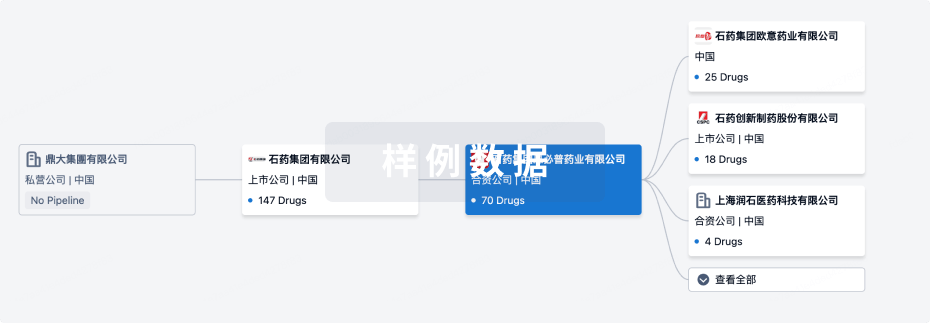
组织架构
使用我们的机构树数据加速您的研究。
登录
或
管线布局
2026年02月09日管线快照
无数据报导
登录后保持更新
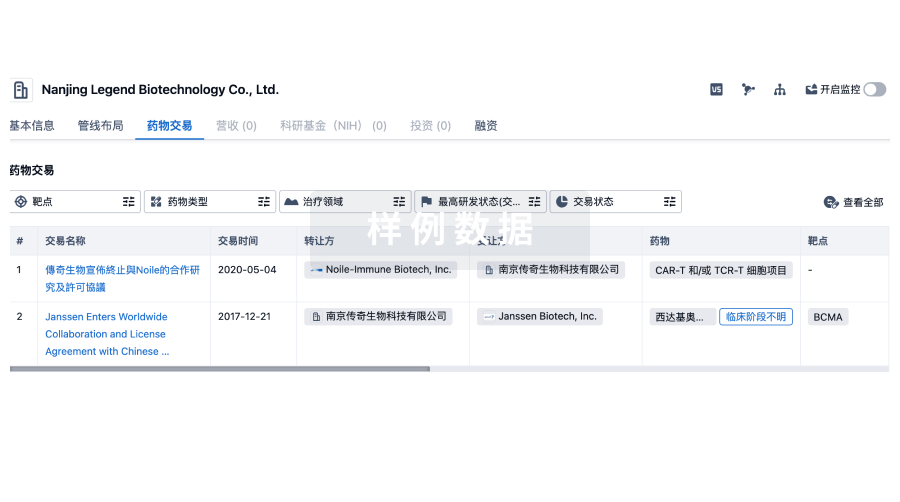
药物交易
使用我们的药物交易数据加速您的研究。
登录
或
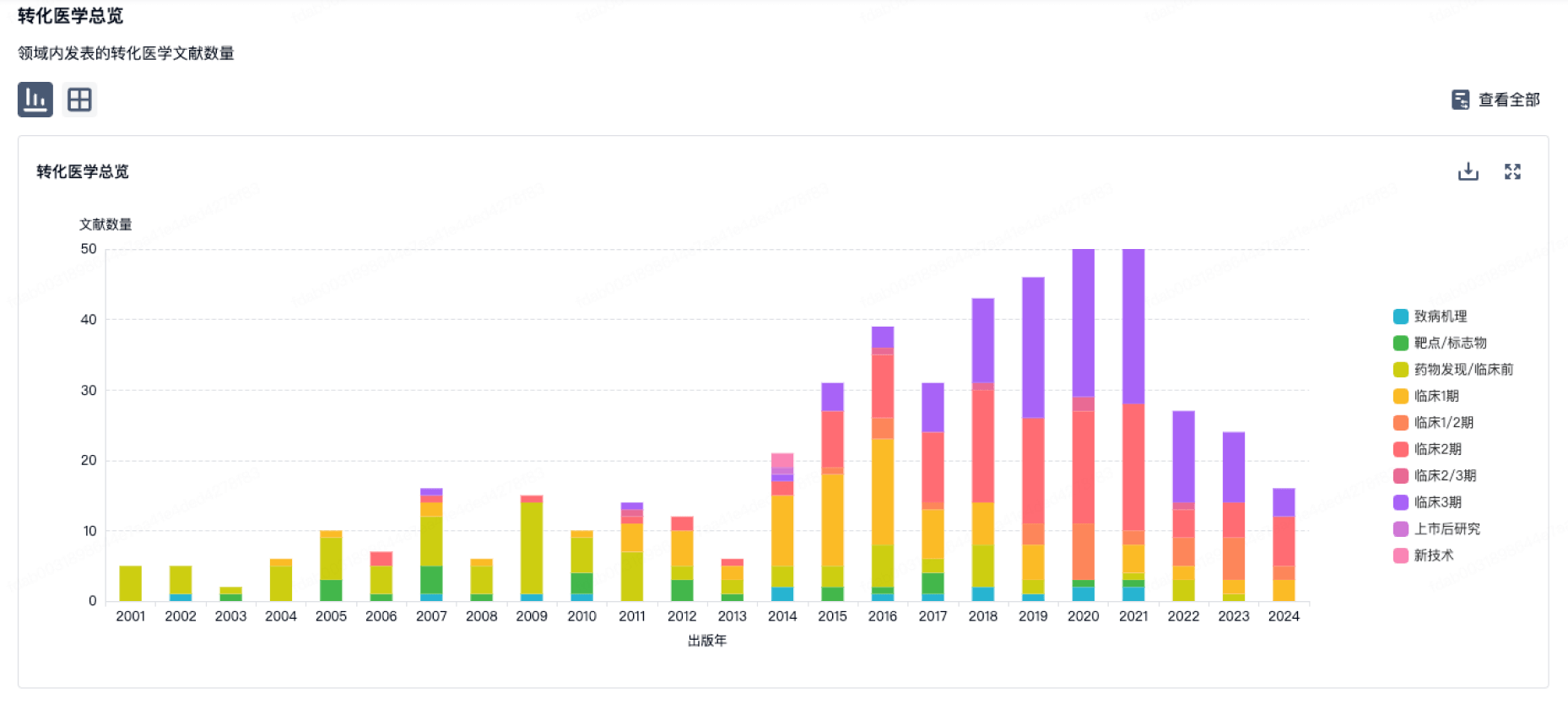
转化医学
使用我们的转化医学数据加速您的研究。
登录
或
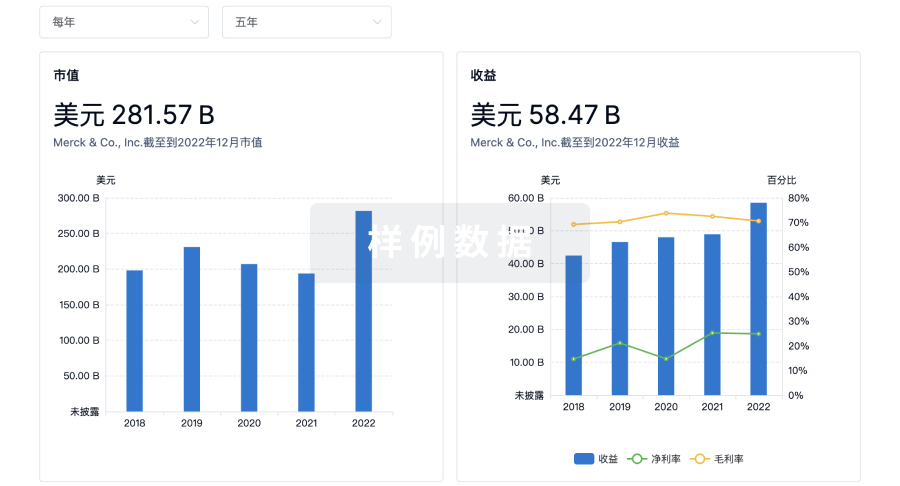
营收
使用 Synapse 探索超过 36 万个组织的财务状况。
登录
或
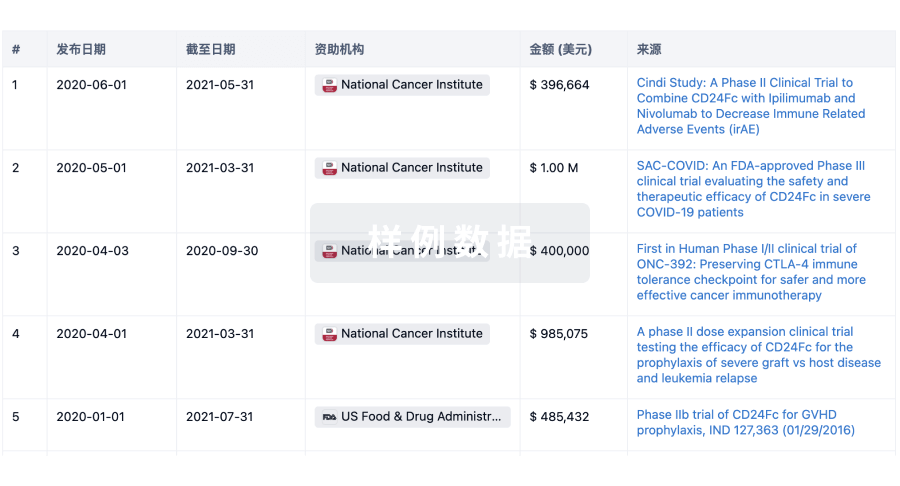
科研基金(NIH)
访问超过 200 万项资助和基金信息,以提升您的研究之旅。
登录
或
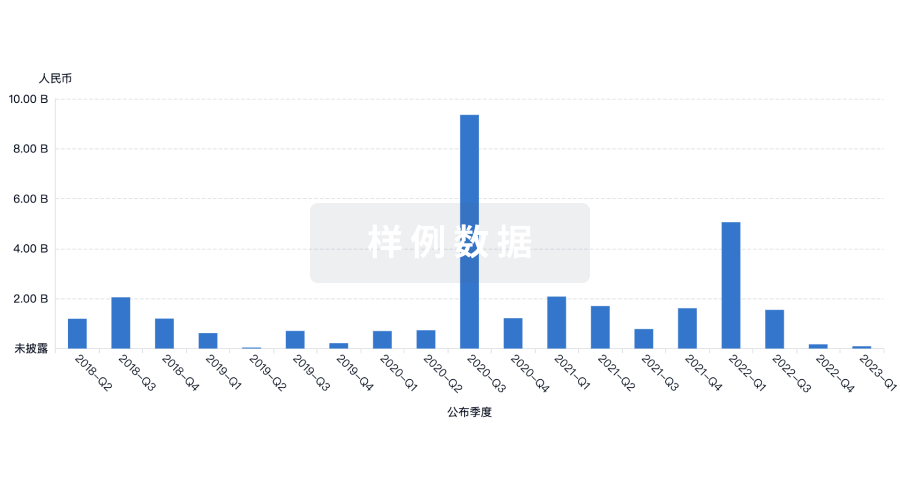
投资
深入了解从初创企业到成熟企业的最新公司投资动态。
登录
或
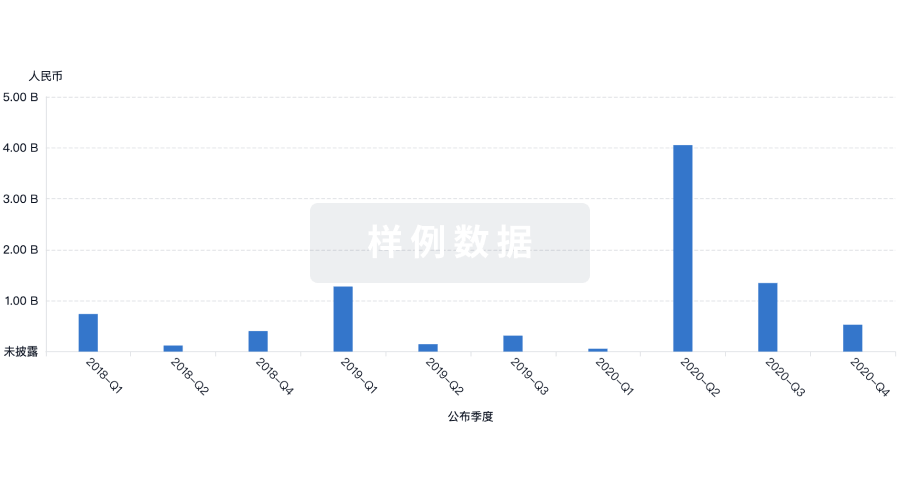
融资
发掘融资趋势以验证和推进您的投资机会。
登录
或
生物医药百科问答
全新生物医药AI Agent 覆盖科研全链路,让突破性发现快人一步
立即开始免费试用!
智慧芽新药情报库是智慧芽专为生命科学人士构建的基于AI的创新药情报平台,助您全方位提升您的研发与决策效率。
立即开始数据试用!
智慧芽新药库数据也通过智慧芽数据服务平台,以API或者数据包形式对外开放,助您更加充分利用智慧芽新药情报信息。
生物序列数据库
生物药研发创新
免费使用
化学结构数据库
小分子化药研发创新
免费使用