预约演示
更新于:2025-05-07
Startoon Labs Pvt Ltd.
更新于:2025-05-07
概览
关联
100 项与 Startoon Labs Pvt Ltd. 相关的临床结果
登录后查看更多信息
0 项与 Startoon Labs Pvt Ltd. 相关的专利(医药)
登录后查看更多信息
1
项与 Startoon Labs Pvt Ltd. 相关的文献(医药)2024-01-01·Journal of Society of Indian Physiotherapists
Ab. No. 121 Digital Therapy During Anterior Cruciate Ligament (ACL) Rehabilitation Through Evidence-Based Feedback Using Wearable Device Pheezee®, A Case Study
作者: Bandyopadhyaya, Irin ; Susurla, Suresh ; Harshavardni, K P ; Kondapi, Mythreyi
1
项与 Startoon Labs Pvt Ltd. 相关的新闻(医药)2023-05-05
Bonatra expanding chronic disease management platform with MyAva acquisition
Bonatra, which is once focused on treating chronic health conditions in men, is expanding its platform to deal with women's health and wellness through its latest acquisition of MyAva.
Founded in 2019, the femtech startup provides curated programmes and personalised plans to help women manage their chronic conditions, including PCOS and thyroid disorders.
"Acquiring MyAva enables us to expand our reach and deepen our expertise in women’s health, specifically for conditions like PCOS," said Bonatra CEO and co-founder Rahul Kishore Singh. Bonatra offers personalised treatment plans based on IoMT-collected data to help men treat and manage their chronic conditions, such as hypertension and diabetes.
MyAva CEO and founder said they are elated to join Bonatra and "further the vision of making chronic care management accessible to all women" while strengthening their joint commitments to "making femtech more inclusive and integrated."
Startoon gets US FDA clearance for wearable recovery tracking device
Indian medical device startup Startoon Labs has received the United States Food and Drug Administration's 510(k) clearance for its flagship wearable health product.
Called Pheezee, the device measures the surface electromyogram of bulk muscles and the range of motion of primary joints to determine joint health. It is intended for use in tracking patients' recovery from physiotherapy, neurological, and musculoskeletal injuries.
Indian researchers use ML to detect CNS tumours
Researchers at the Indian Institute of Technology Madras have developed an ML-based computational tool to better detect cancer-causing tumours in the brain and spinal cord.
Available publicly online, the GBMDriver (GlioBlastoma Mutiforme Drivers) identifies driver mutations and passenger mutations in glioblastoma, which are key to developing therapeutic options for patients.
Ubie expands rare diseases partnership with Takeda
Japanese health tech startup Ubie has expanded its digital transformation partnership with Takeda Pharmaceutical Co.
The expanded collaboration, according to a press statement, seeks to promote the early detection of rare diseases and gastrointestinal diseases. The two companies started their partnership in 2021 with the promotion of Ubie's symptom checker and patient intake form.
Ubie also intends to introduce additional functions on top of its current offerings and to collaborate with Takeda on IT systems and data.
上市批准并购
100 项与 Startoon Labs Pvt Ltd. 相关的药物交易
登录后查看更多信息
100 项与 Startoon Labs Pvt Ltd. 相关的转化医学
登录后查看更多信息
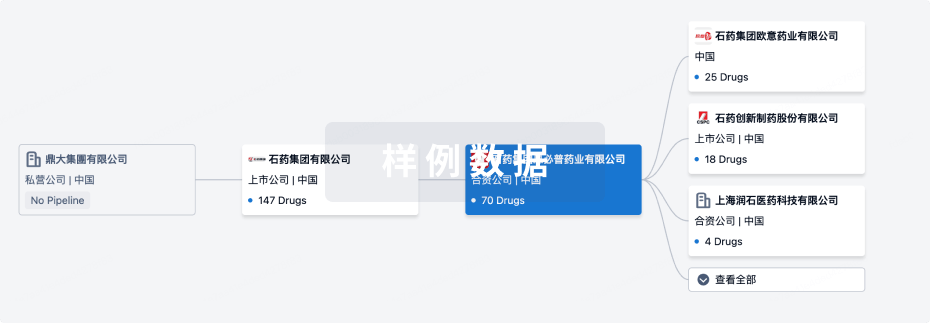
组织架构
使用我们的机构树数据加速您的研究。
登录
或
管线布局
2026年02月09日管线快照
无数据报导
登录后保持更新
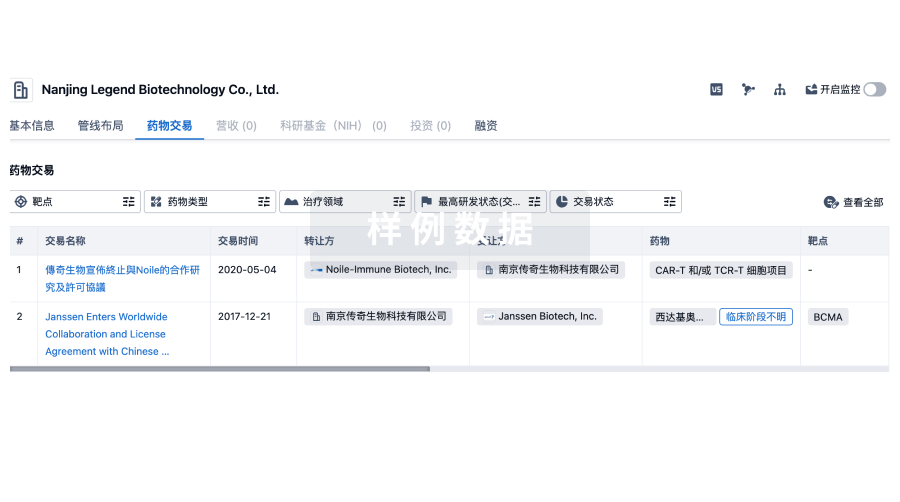
药物交易
使用我们的药物交易数据加速您的研究。
登录
或
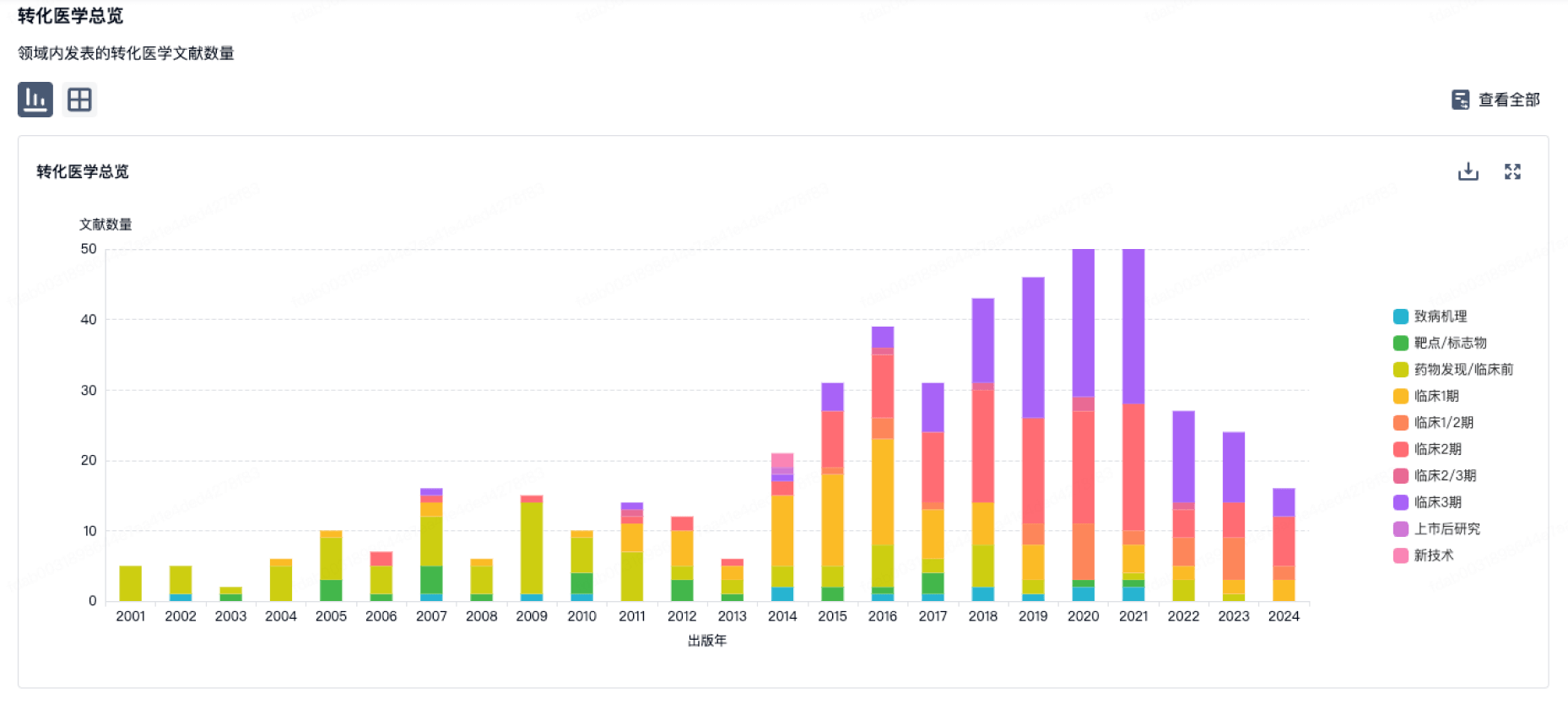
转化医学
使用我们的转化医学数据加速您的研究。
登录
或
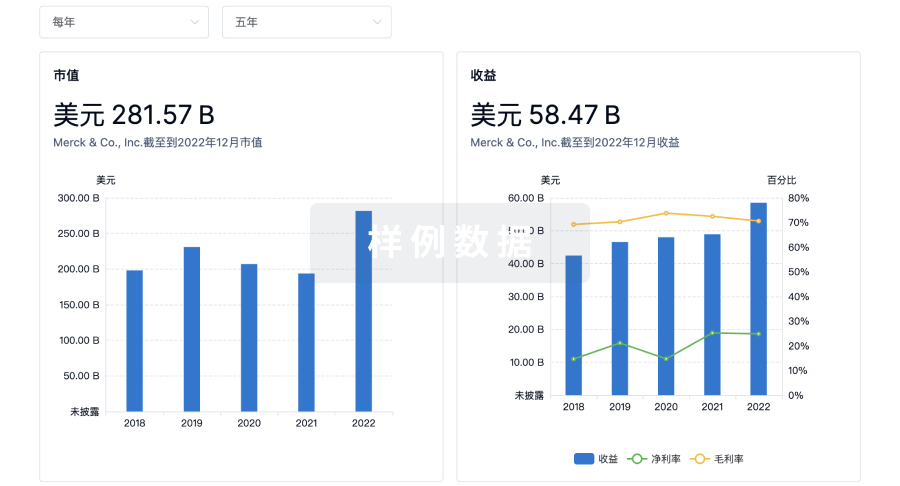
营收
使用 Synapse 探索超过 36 万个组织的财务状况。
登录
或
科研基金(NIH)
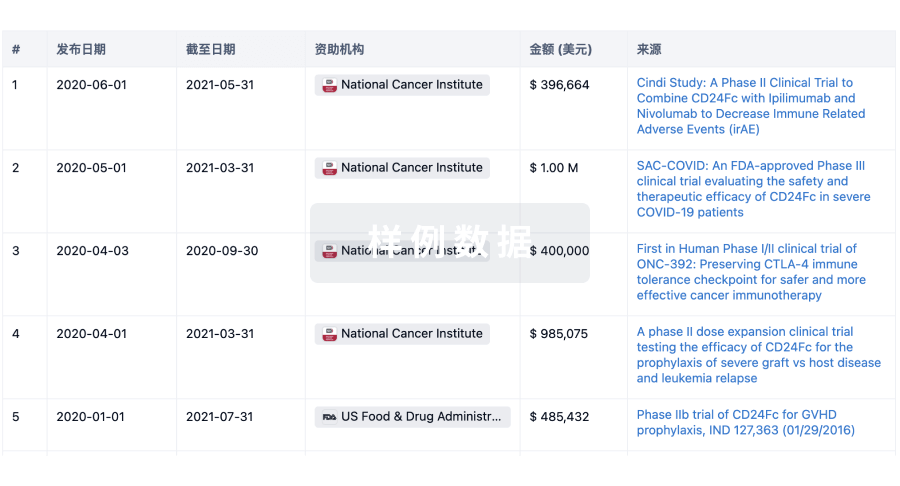
访问超过 200 万项资助和基金信息,以提升您的研究之旅。
登录
或
投资
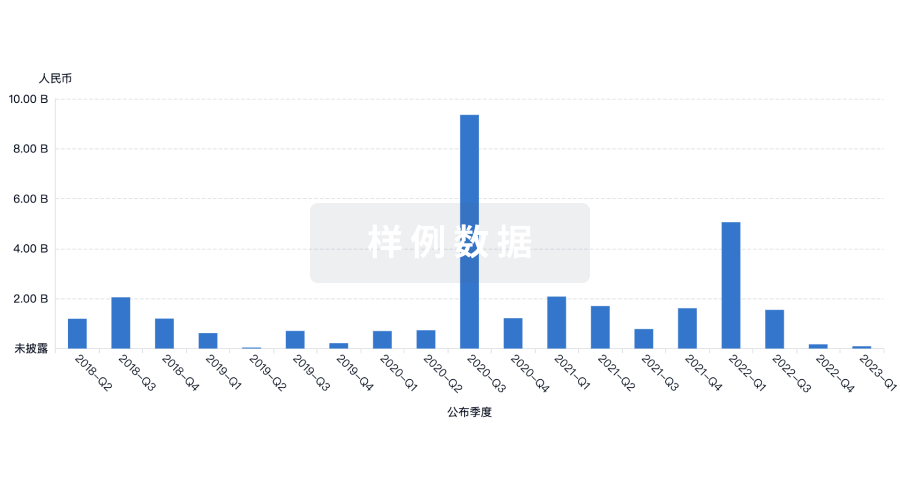
深入了解从初创企业到成熟企业的最新公司投资动态。
登录
或
融资
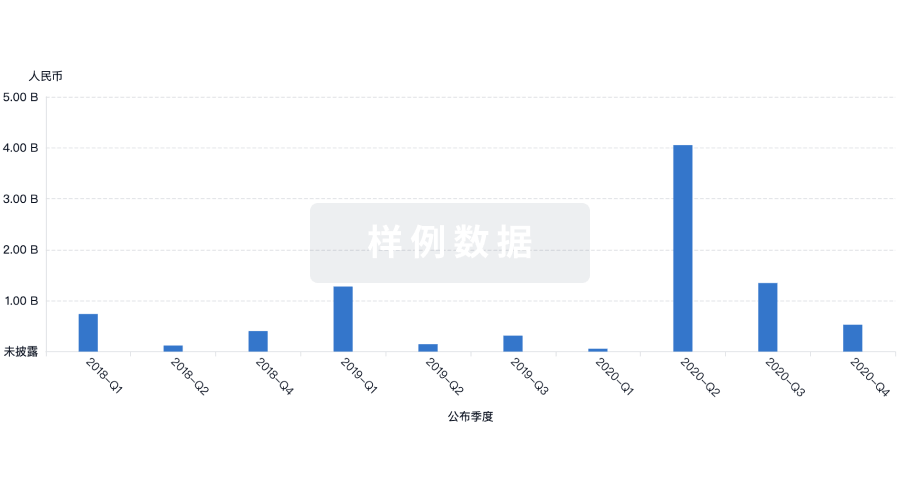
发掘融资趋势以验证和推进您的投资机会。
登录
或
生物医药百科问答
全新生物医药AI Agent 覆盖科研全链路,让突破性发现快人一步
立即开始免费试用!
智慧芽新药情报库是智慧芽专为生命科学人士构建的基于AI的创新药情报平台,助您全方位提升您的研发与决策效率。
立即开始数据试用!
智慧芽新药库数据也通过智慧芽数据服务平台,以API或者数据包形式对外开放,助您更加充分利用智慧芽新药情报信息。
生物序列数据库
生物药研发创新
免费使用
化学结构数据库
小分子化药研发创新
免费使用