Assessing the Feasibility of a Breastfeeding Champion Intervention and a Positive Messaging Module During the Prenatal Period - a Pilot
Background: Exclusive breastfeeding through age 6 months is the optimal infant feeding method due to lifesaving benefits for children and mothers (AAP, others). Exclusive breastfeeding in-hospital is critical because in-hospital formula supplementation doubles risk of non-exclusive breastfeeding at 30-60 days (Chantry et al, 2014). While breastfeeding initiation rates have increased at our inner-city Baby Friendly - designated maternity hospital, exclusive breastfeeding lags. CDC mPINC data (maternity practices in infant nutrition and care, 2015) demonstrate this is a national problem, with >50% of surveyed hospitals endorsing supplementation of "10-49%" of breastfed infants.
Study Objective: The study objective is to evaluate acceptance/satisfaction of 2 prenatal interventions (breastfeeding champion and positive messaging) and to determine if these affect exclusive breastfeeding intention and practice.
Methods: In this prospective intervention study with follow-up chart review, we will pilot two 5-minute-long iPad-based interventions for 1 month each in obstetrical clinics, following a required 28-week obstetrical visit breastfeeding education. All expectant mothers (including 14-17 year olds with guardian) are eligible. Outcomes are acceptance (enrollment rate), satisfaction (Likert-based), impact on exclusive breastfeeding intention (pre/post query) and secondarily impact on exclusive breastfeeding in-hospital and at 2 weeks.
Breast for Success: A Family-Centered Intervention in Support of Breastfeeding Among High-risk Low-income Mothers in Cleveland
Breast for Success is a new direct service program focused on overcoming barriers to breastfeeding for low-income inner-city mothers by use of a culturally competent and home-based educational and support intervention. Key project components include a new Enhanced Breastfeeding Curriculum with brief engaging health literacy focused modules, and two innovative support plans, the Breastfeeding Doula and Father Support Programs. The objective is to increase breastfeeding rates for high-risk inner-city mothers.
Research Questions to evaluate project feasibility and effectiveness are:
Were all aspects of the Curriculum and Doula and Father Support Programs implemented?
Is there an increase in the rate of any breastfeeding at 1 month postpartum for all mothers?
Is there a difference in the rate of any breastfeeding at 1 month postpartum between interventions (Curriculum only, Curriculum+Doula Support, Curriculum+Father Support)?
What are exclusive breastfeeding rates at 1, 3 and 6 months for all mothers?
100 项与 The Mt. Sinai Health Care Foundation 相关的临床结果
0 项与 The Mt. Sinai Health Care Foundation 相关的专利(医药)
100 项与 The Mt. Sinai Health Care Foundation 相关的药物交易
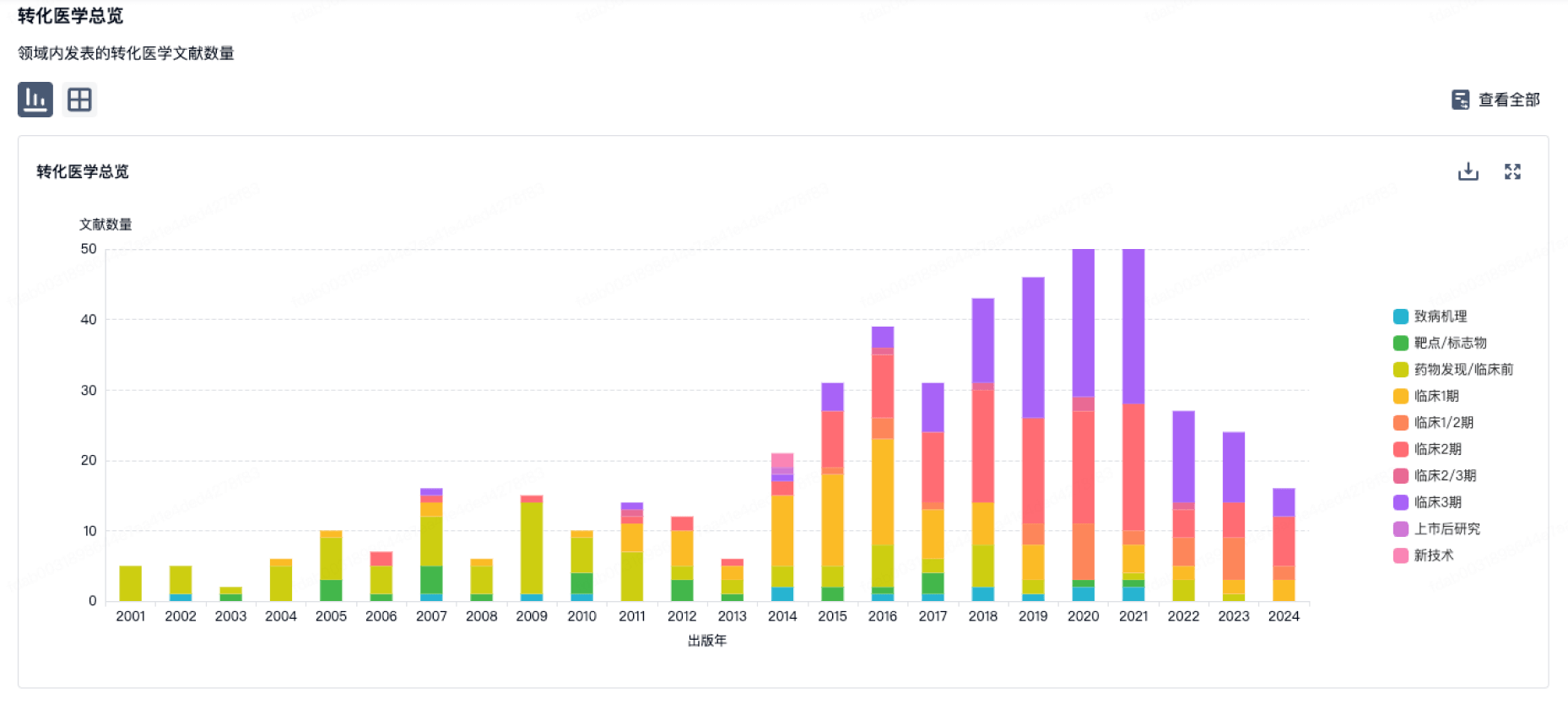
100 项与 The Mt. Sinai Health Care Foundation 相关的转化医学